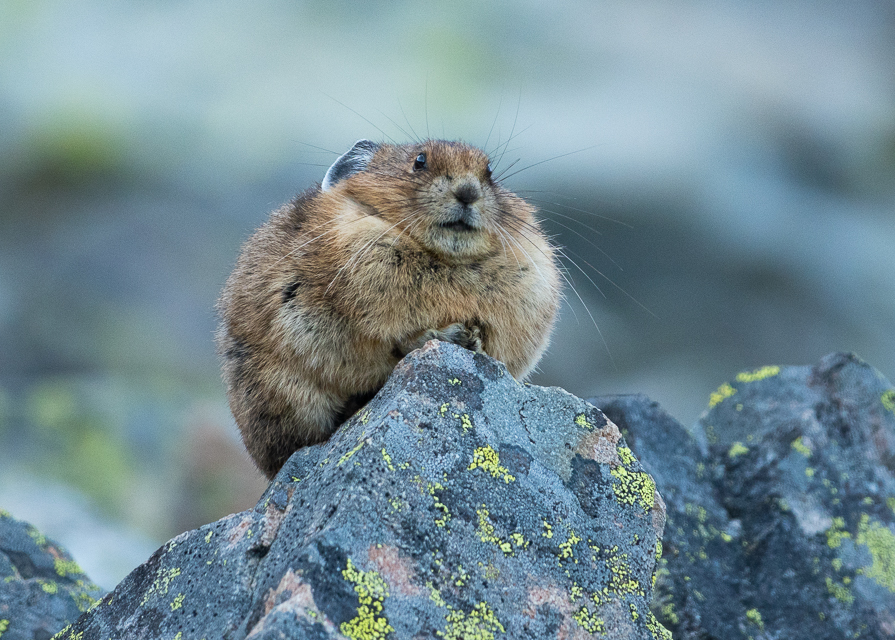
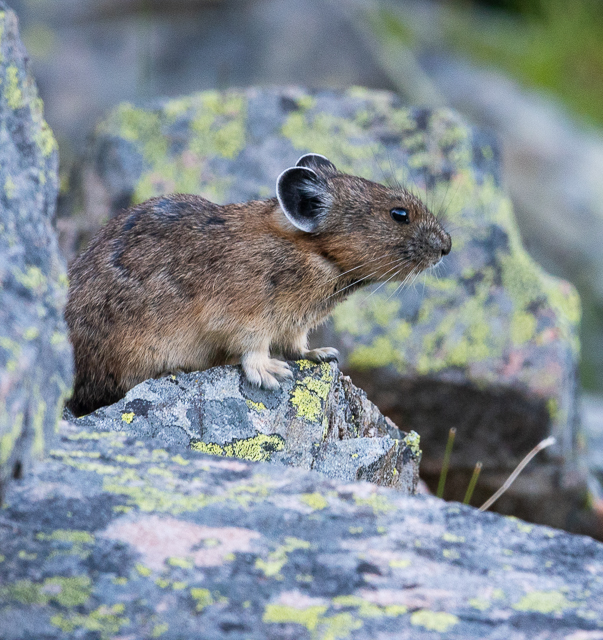
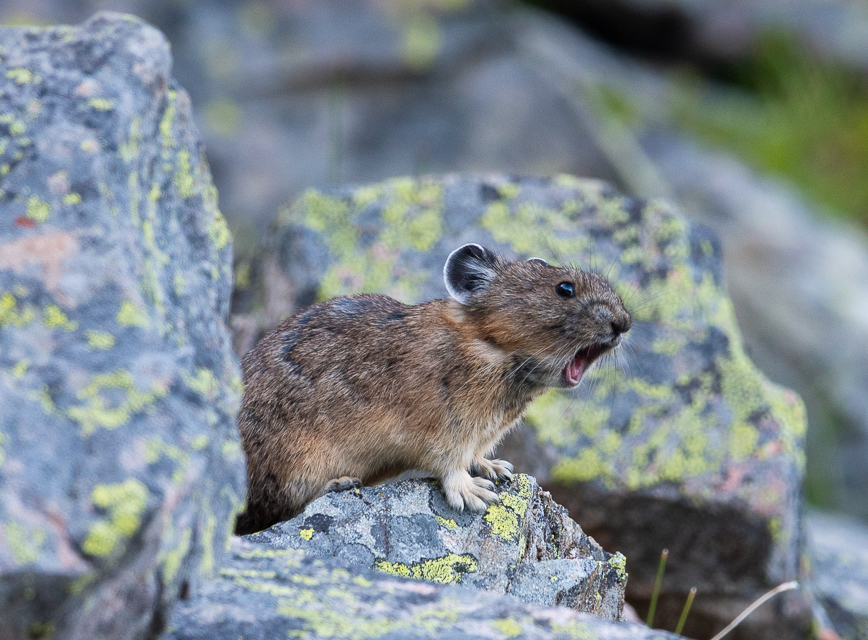
I’ve had the hardest time finding pikas this year! I finally found these two last week and they were very camera shy.

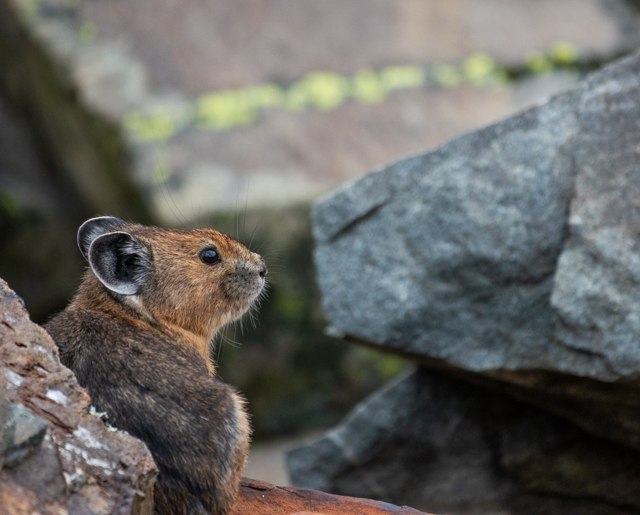


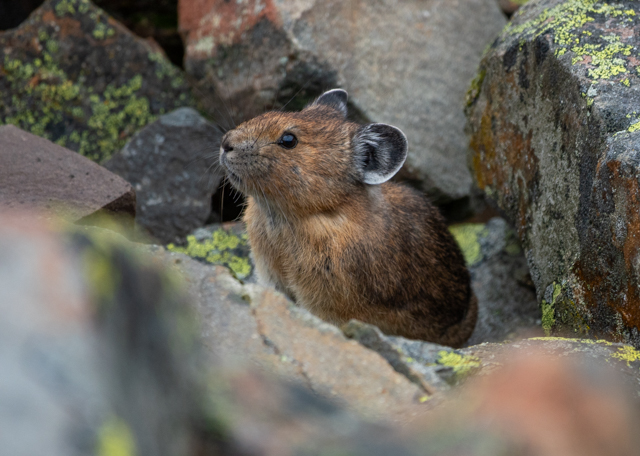
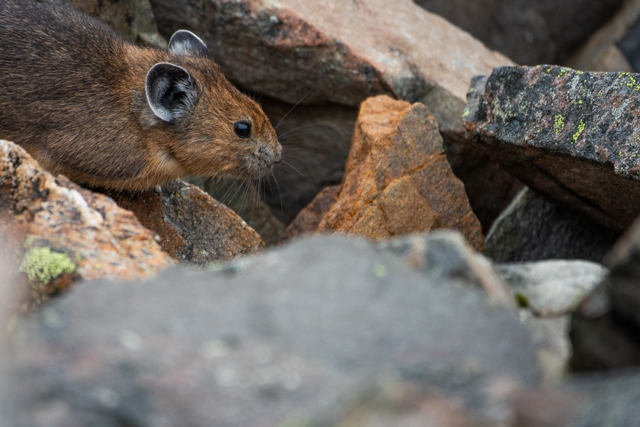
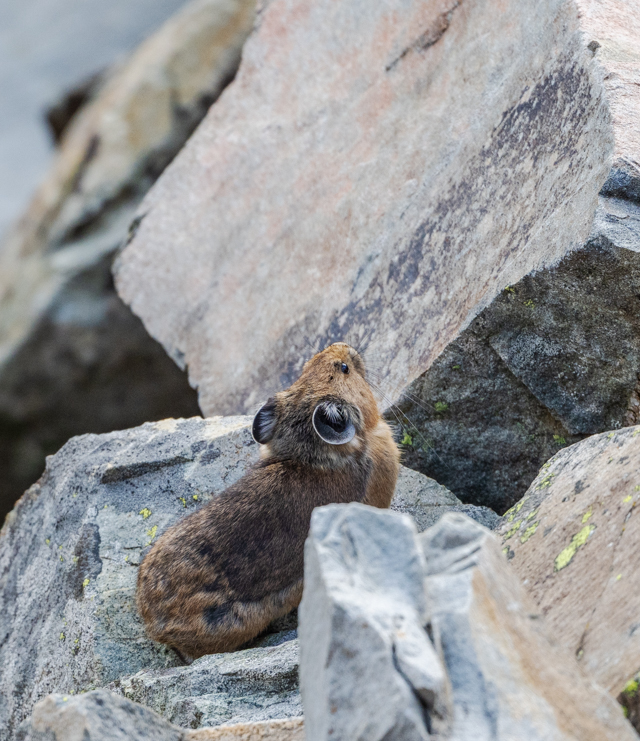
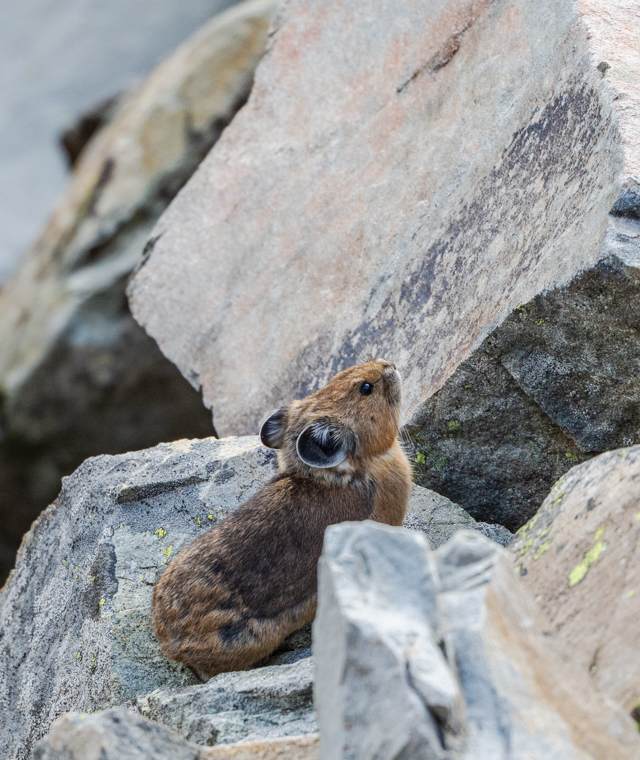
I’ve had the hardest time finding pikas this year! I finally found these two last week and they were very camera shy.
Is there any animal cuter than a pika?
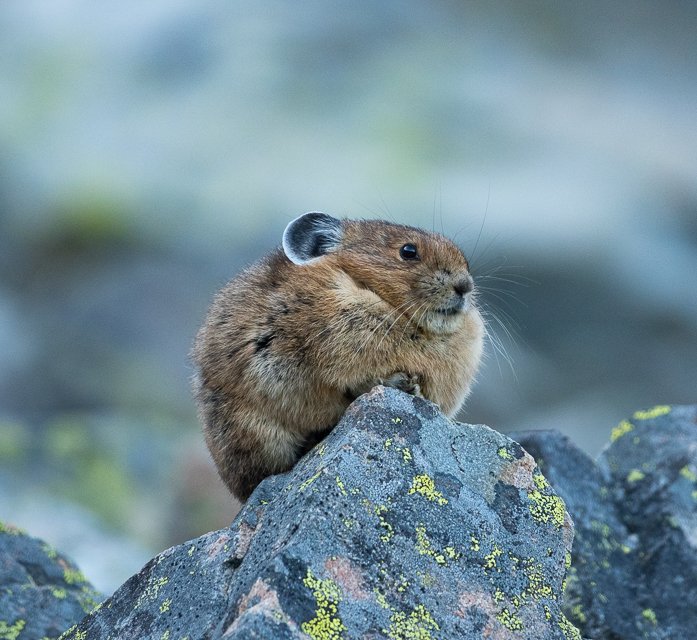
According to the National Wildlife Federation, “American pikas — the smallest members of the lagomorph (rabbit) group — are among North America’s toughest animals. Pikas are one of the few mammals in the lower 48 states that can survive their entire lives in alpine terrain, the windswept no-man’s-land above tree line. American pikas are small, rodent-like mammals. Pikas have short, stout bodies with big, round ears and do not have a visible tail. Pikas reach a size of about seven to eight inches (18 to 20 centimeters) in length. The American pika has a brown and black coloration, which is meant to camouflage them among rocks. Pika fur is thick to keep them warm in the winter. During the summer, they put on a much lighter coat of fur—however, the hair is still thick enough that a pika might overheat if exposed to very high heat for long periods of time. American pikas are suffering because climate change has brought higher temperatures to their western mountain homes. Pikas have already disappeared from more than one-third of their previously known habitat in Oregon and Nevada. Despite their dire situation, the American pika is not federally listed under in the Endangered Species Act. Without protection and help, American pikas could be the first species to go extinct due to climate change.”
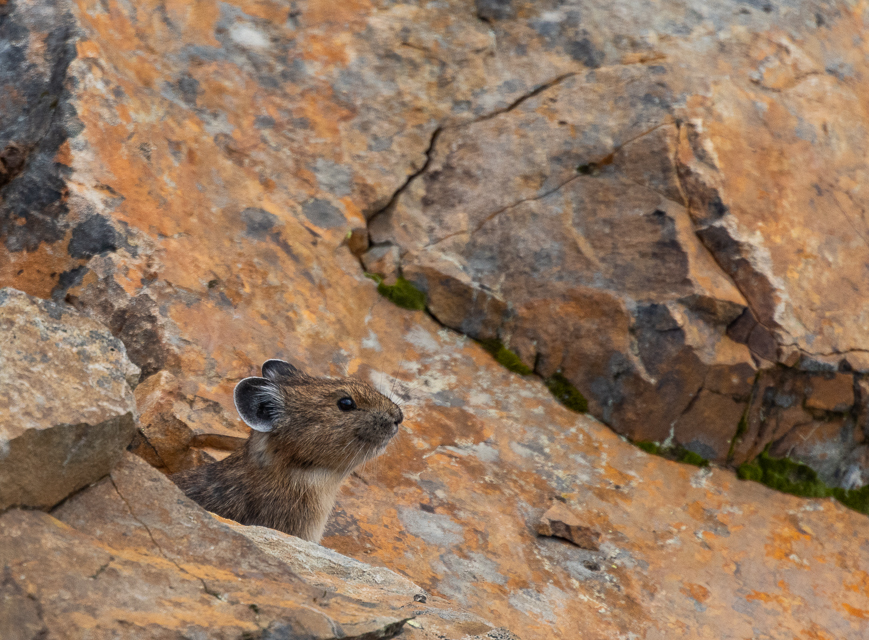
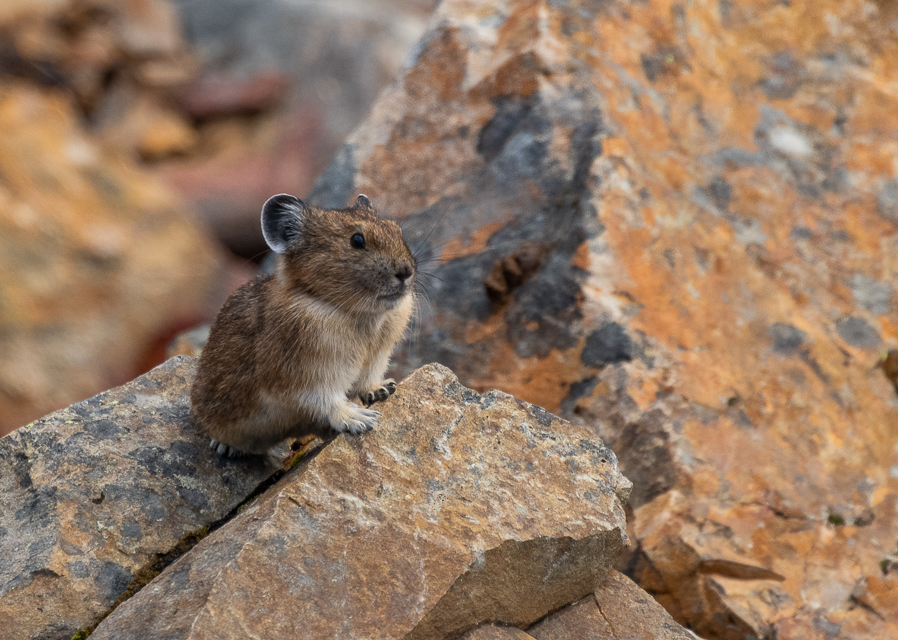
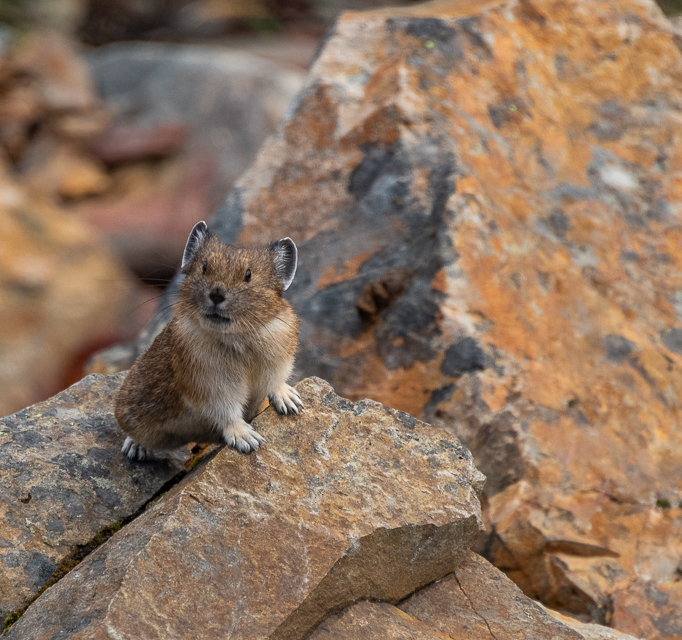
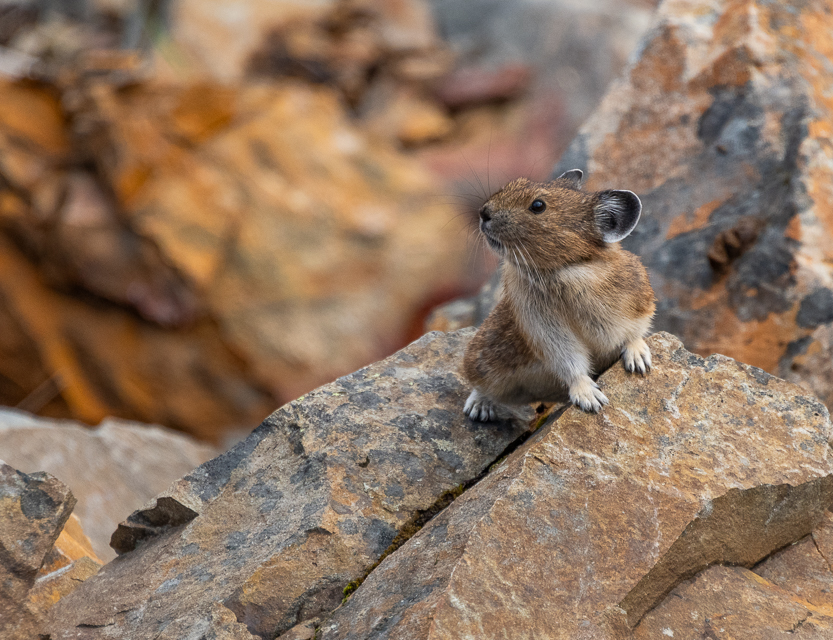
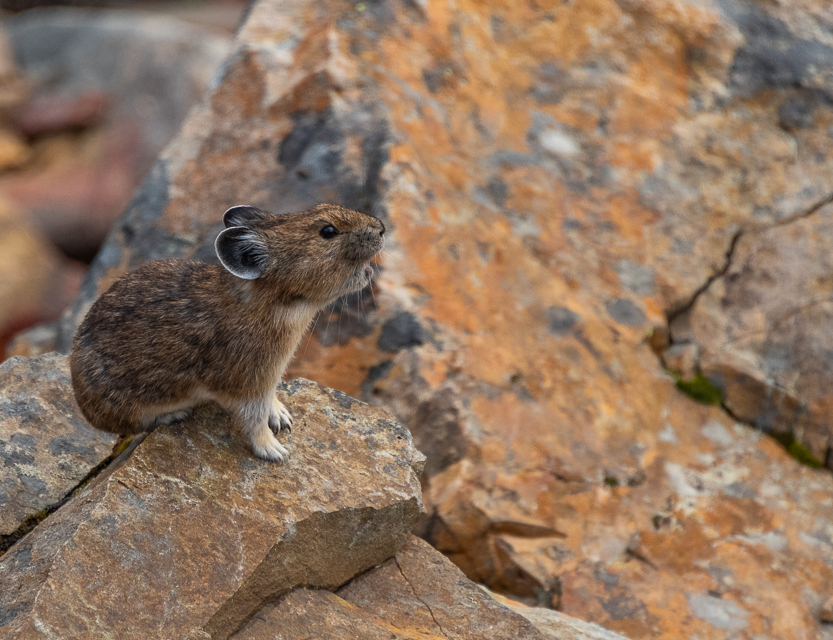
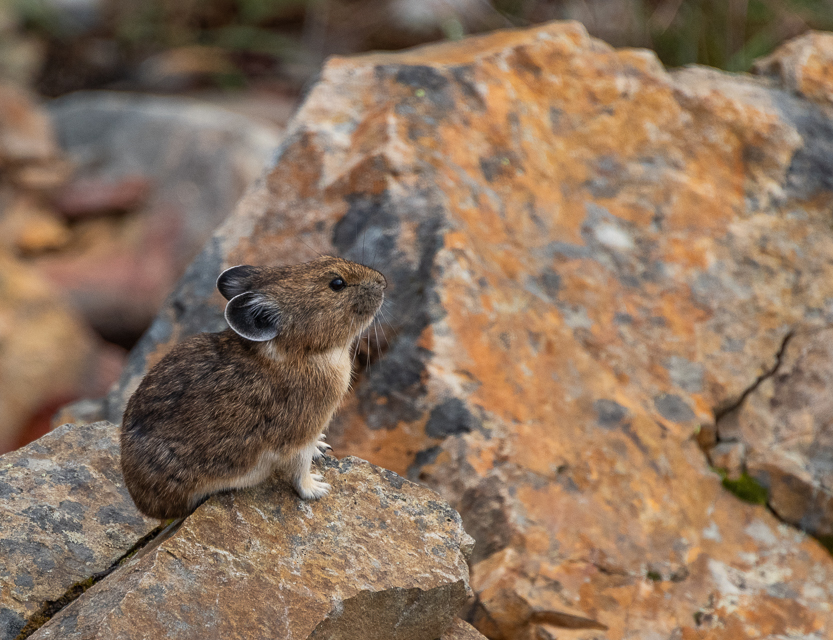
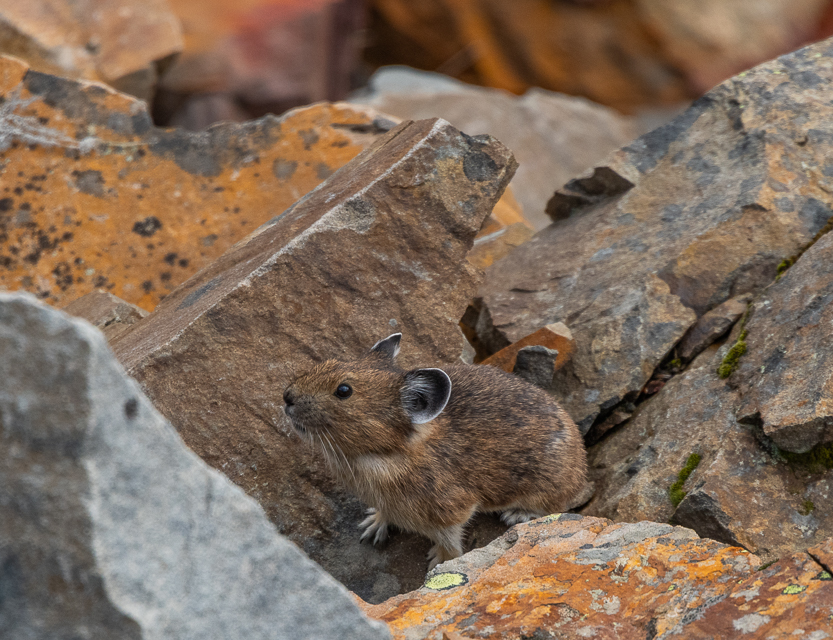
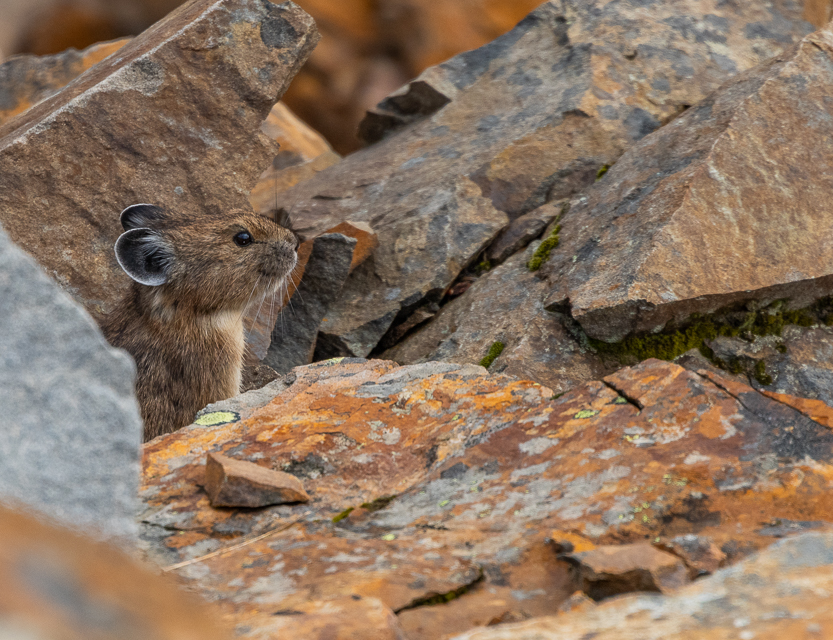

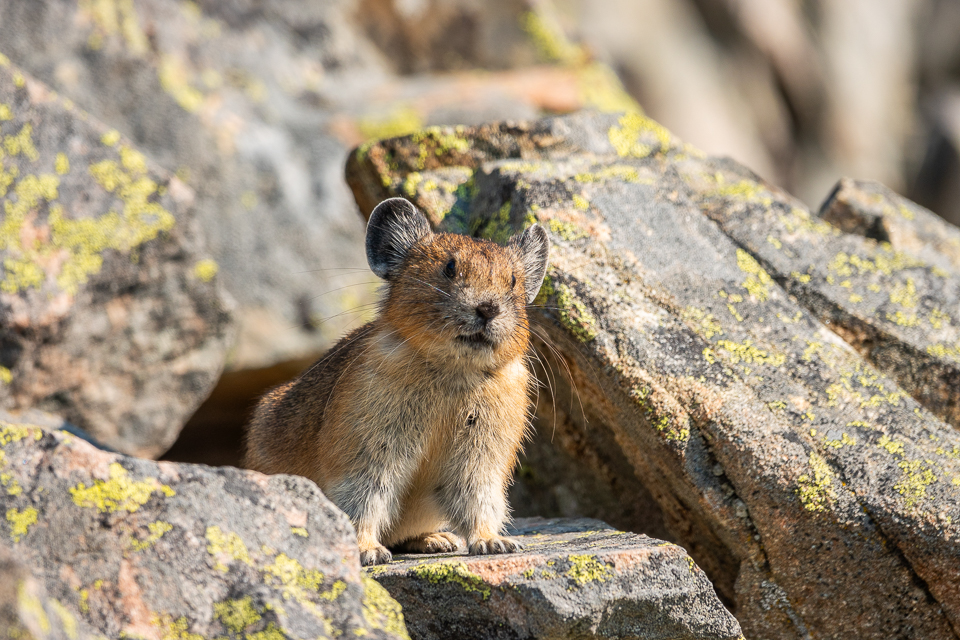

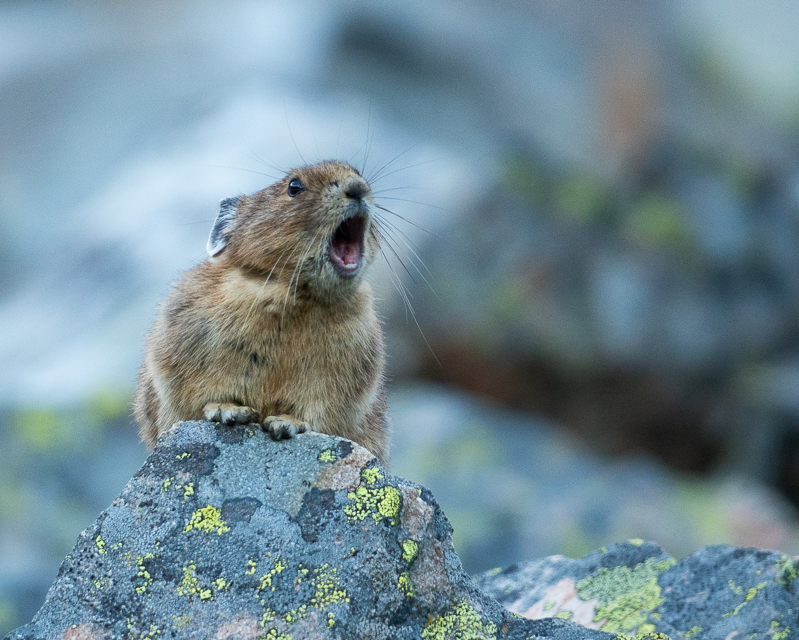
Pikas are the smallest member of the rabbit family. They are lagomorphs. And they are the cutest little animals you might hope to see on hike in the mountains. They live on rocky talus slopes year round, gathering grasses and forbs in the summer to dry for winter food. While it looks like they are roaring when they call, the sound they make is more like ‘meep’! According to the National Wildlife Federation, pikas have disappeared from more than one third of their natural habitat in Oregon and Nevada, due to climate change. They might die when the temperature goes over 78 degrees and believe me, this last week, it was hotter than that high in the mountains. I hate to think that they might blink out of the North Cascades within my lifetime.




>I am pretty far behind on my personal work and hope to catch up in the near future.


 My Everyday Photos