Skip navigation

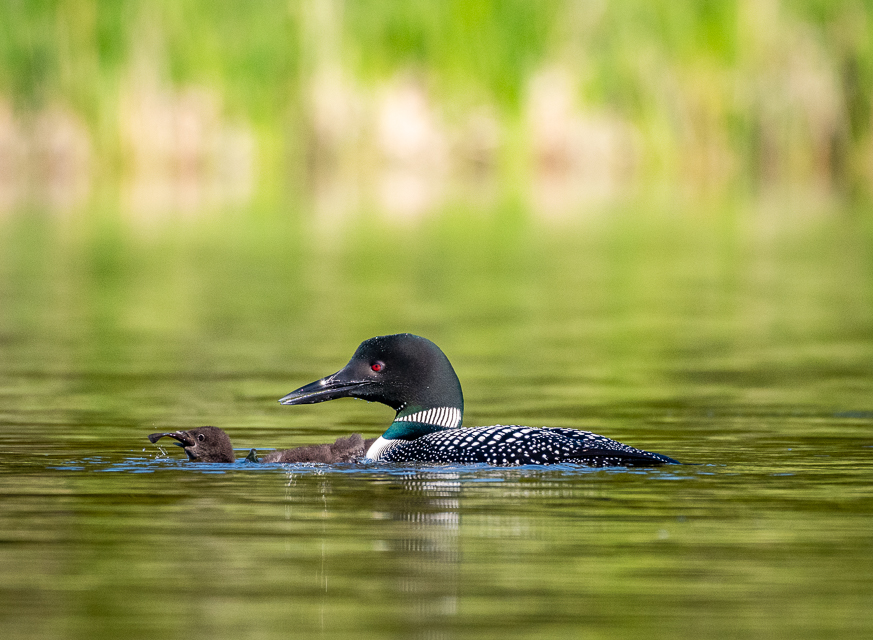
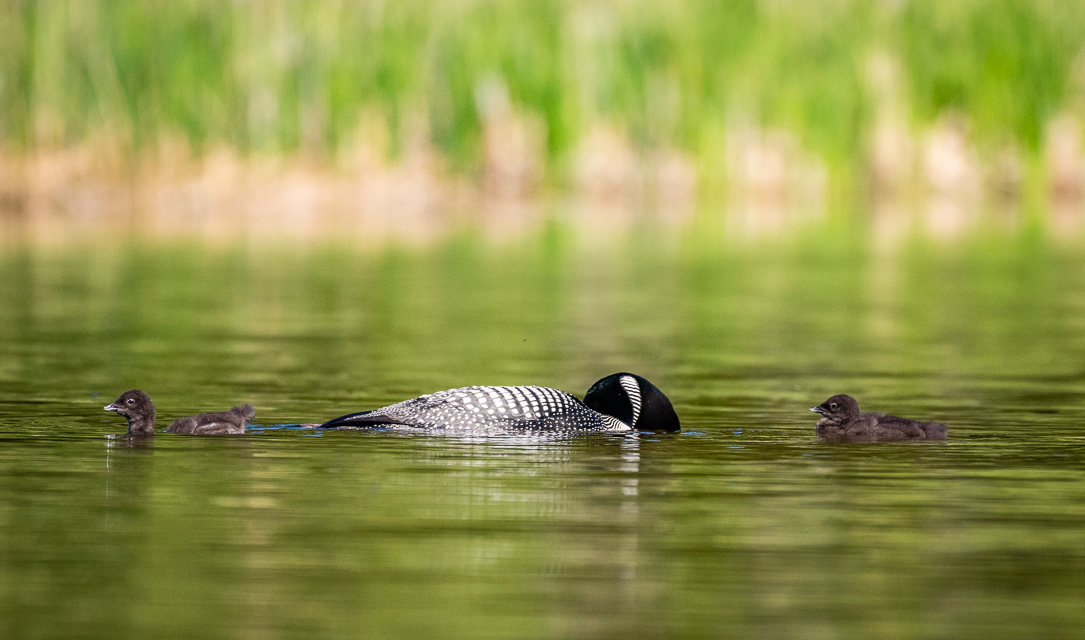
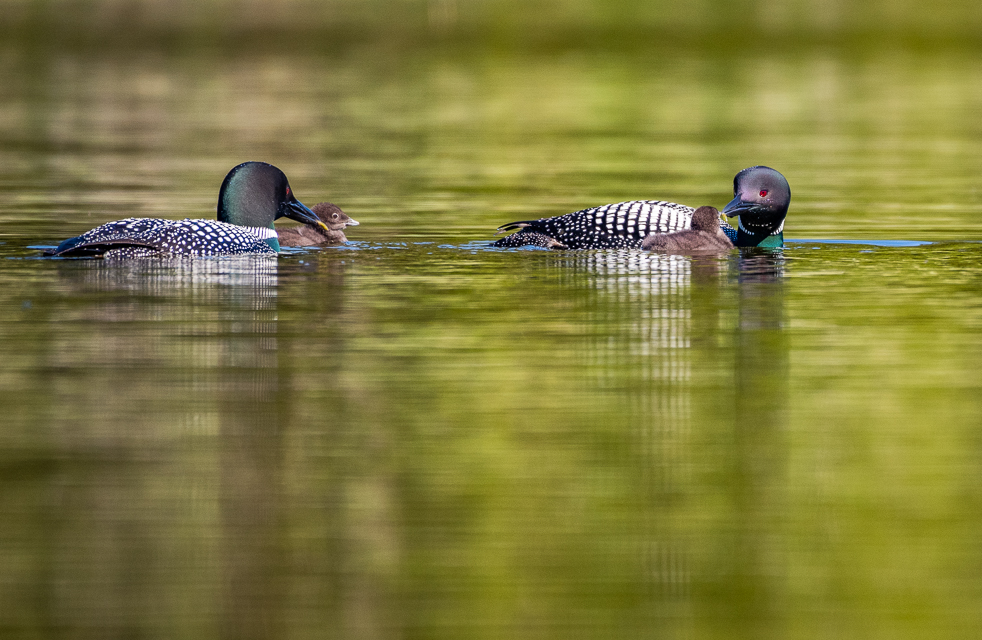
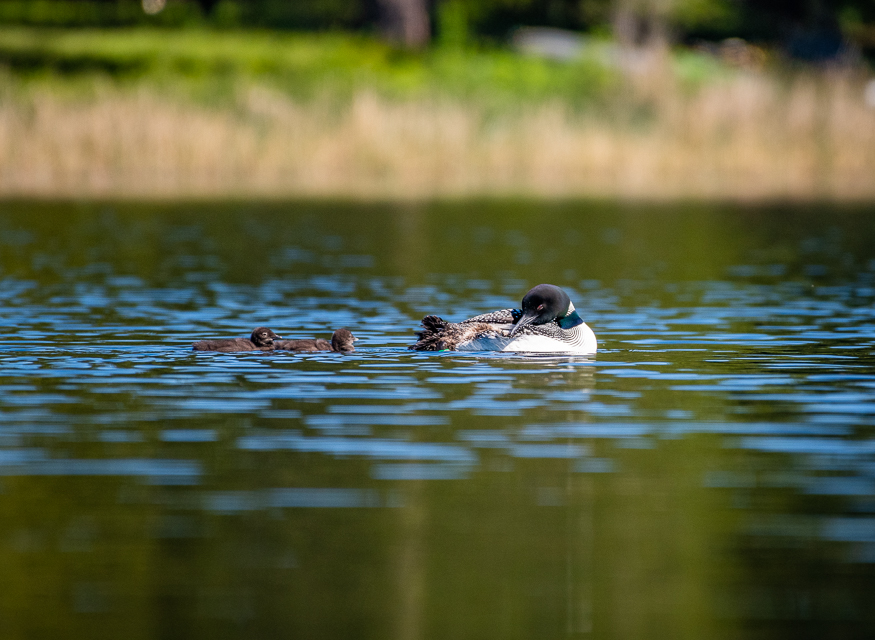
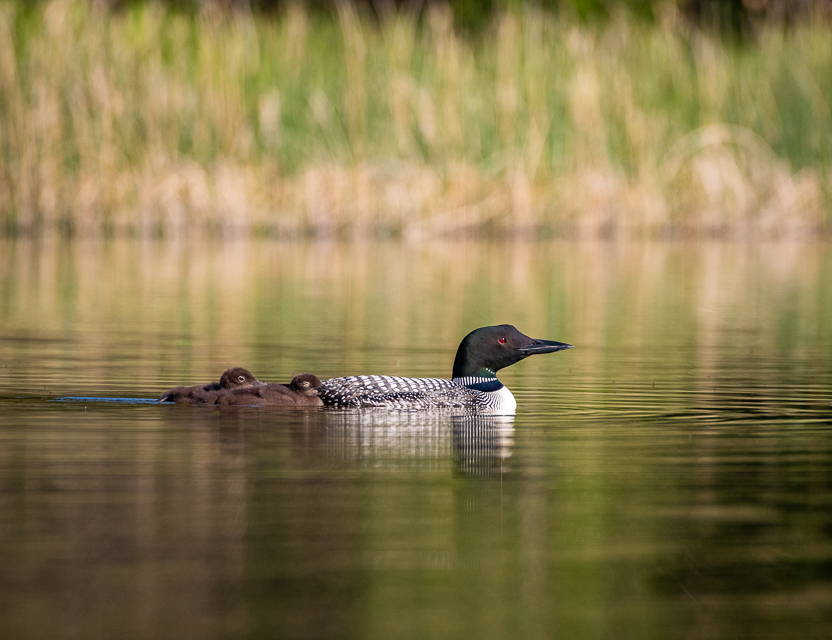
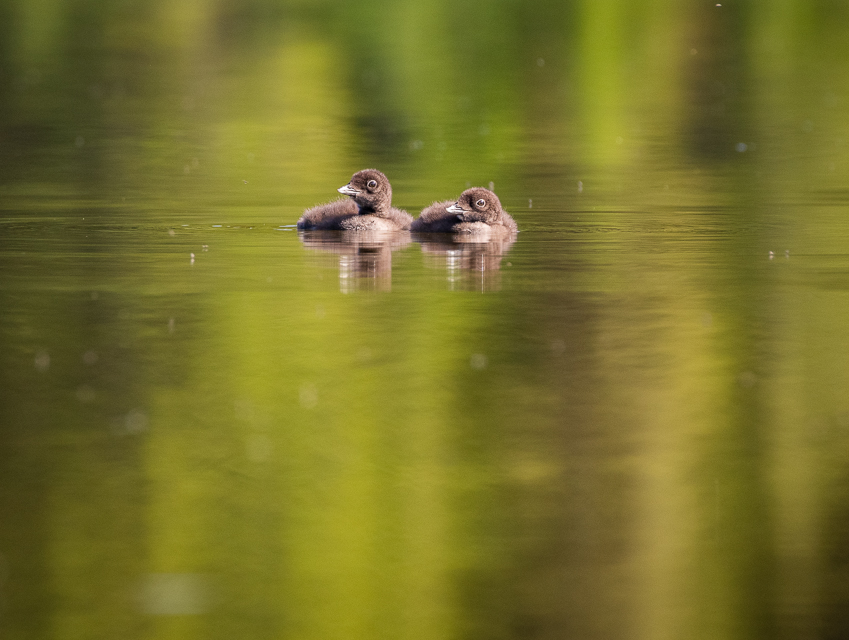
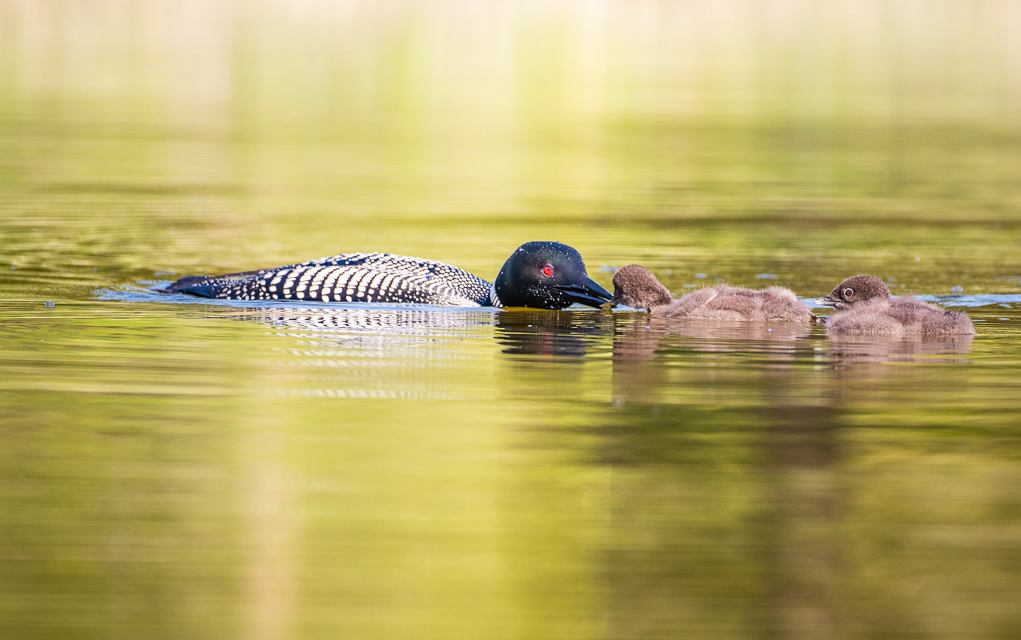
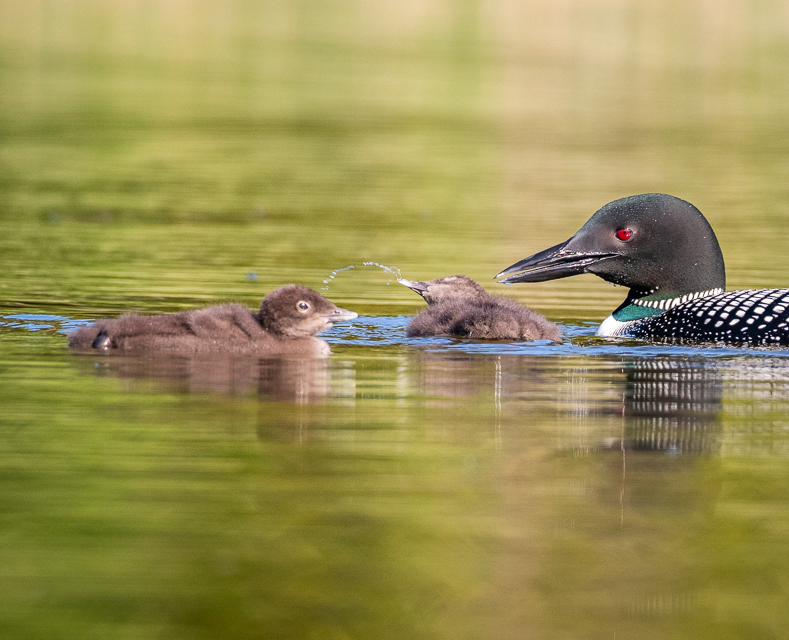
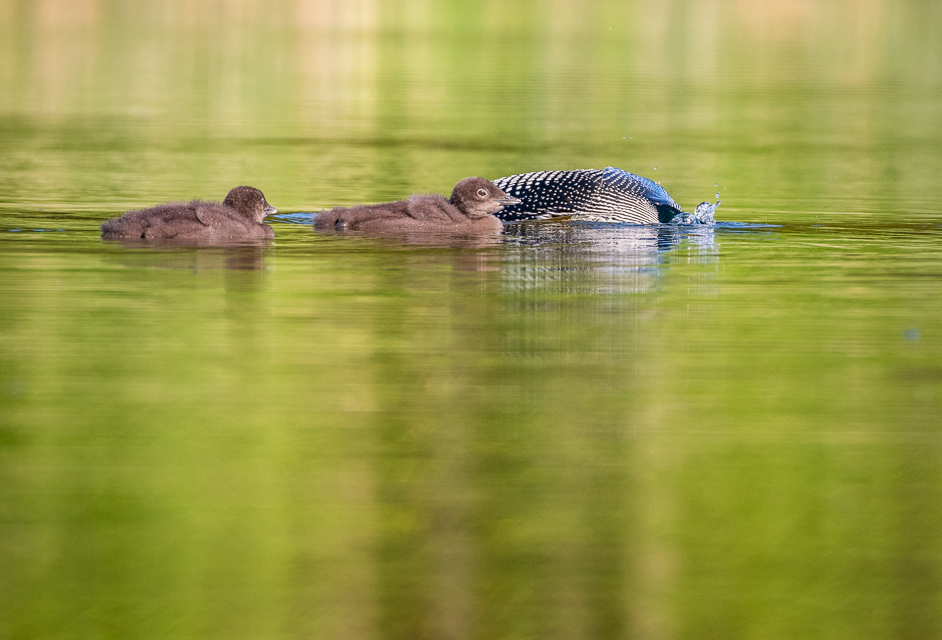
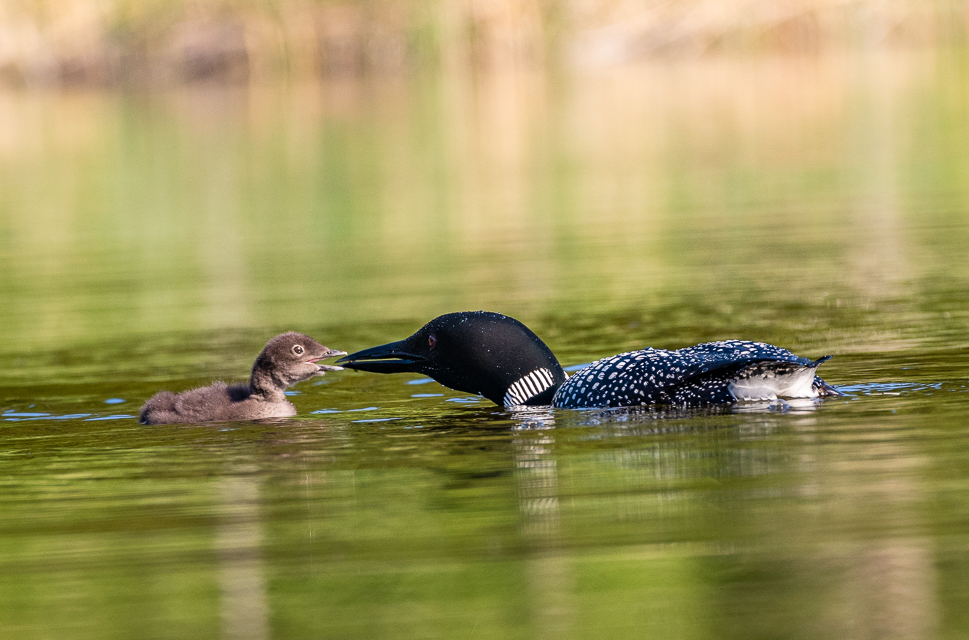
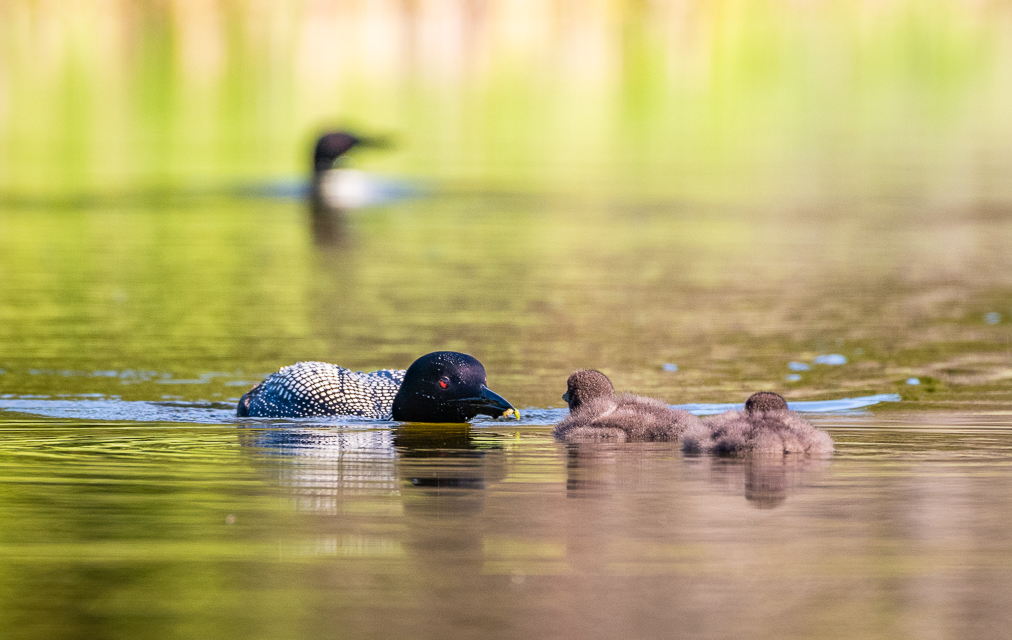
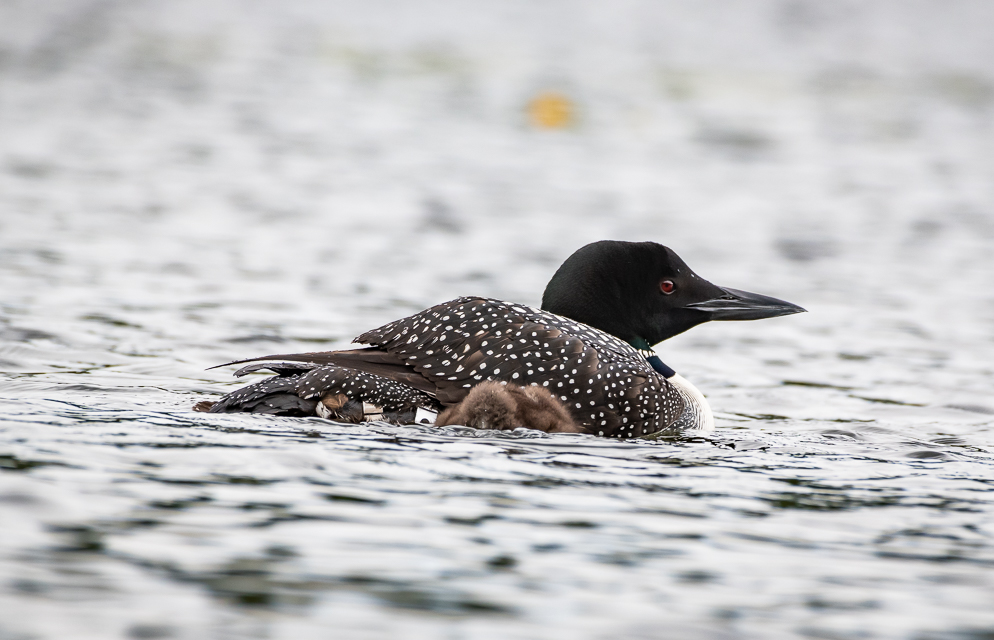
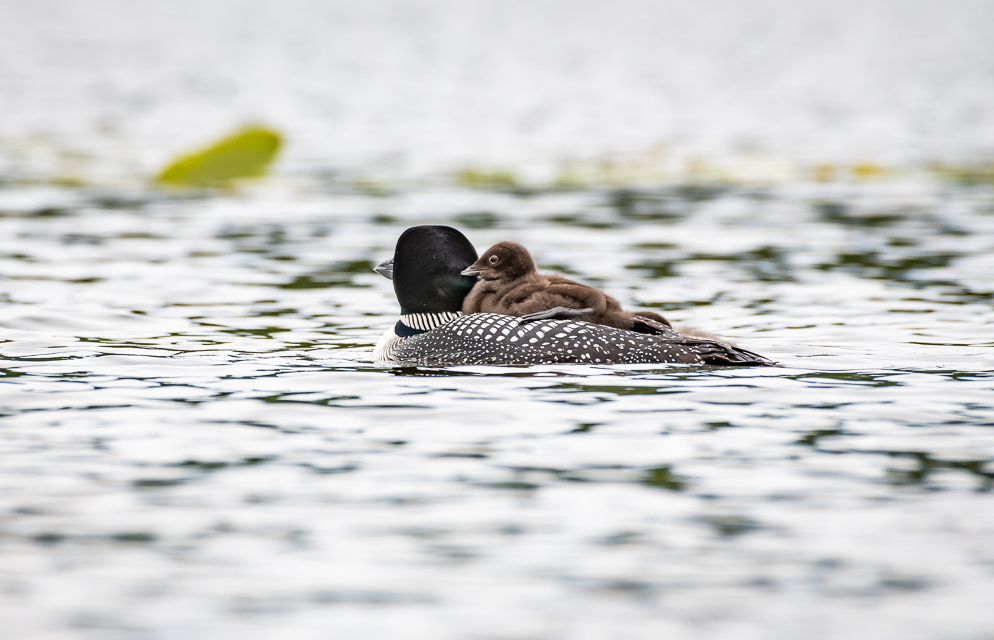
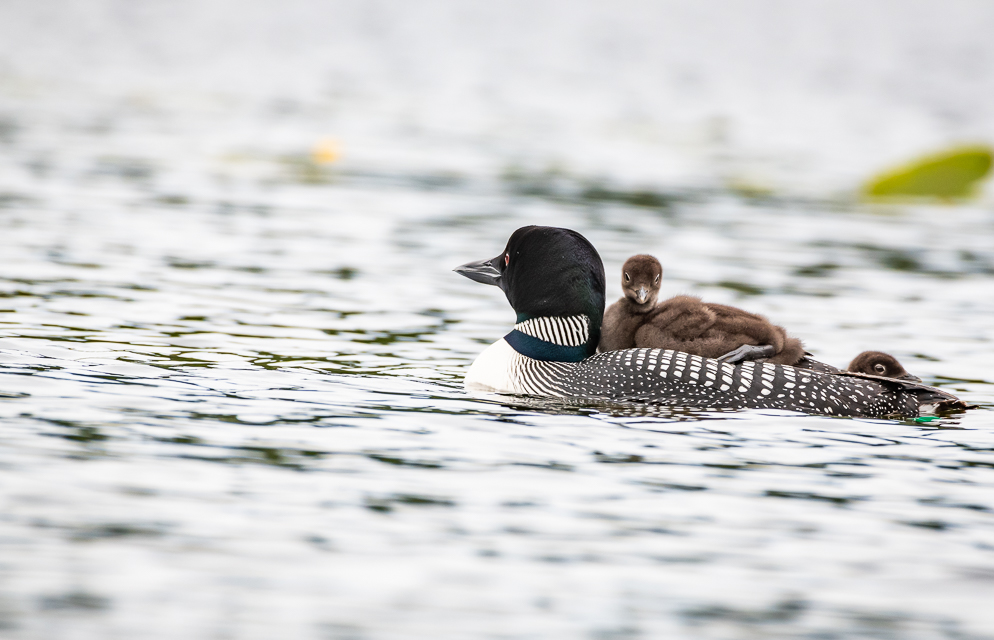
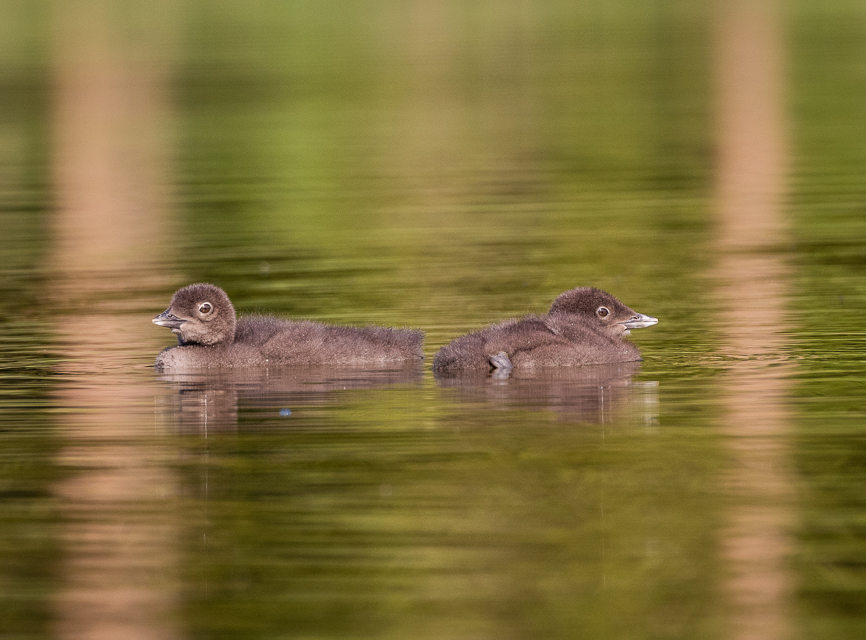
When I first arrived at the lake, I was delighted to see two adult Common Loons, each with a baby loon on its back! The little ones are subject to predation, primarily by Bald Eagles. Generally, loons lay two eggs which are also subject to predation by any animal that can get to their nests. So seeing two youngsters brought a smile to my face, especially seeing them on top of their parents. It was fun to see the baby get onto the parent’s back. Still not quite sure how they get a grip and pull themselves up. Loons are not agile on their feet.

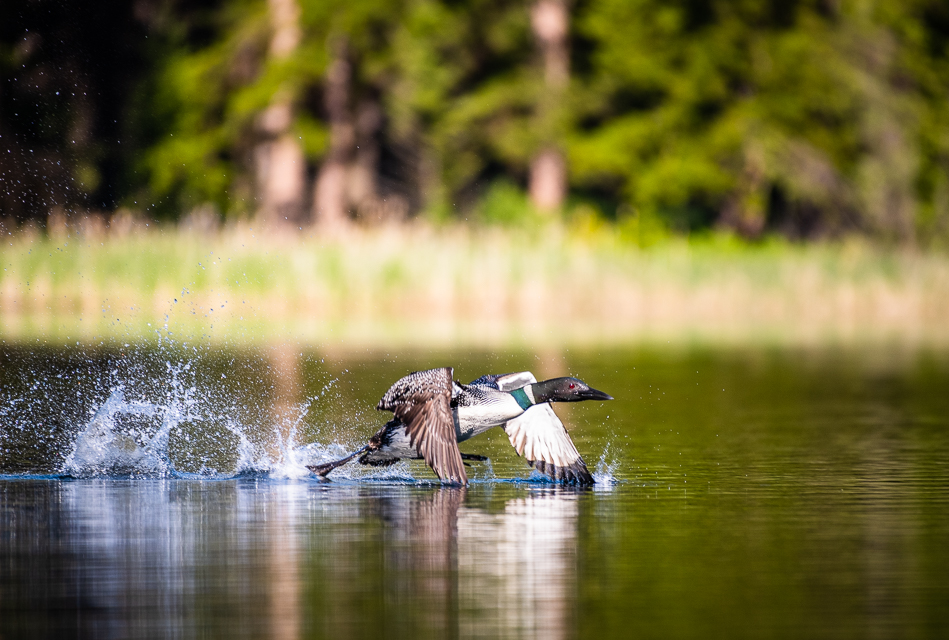
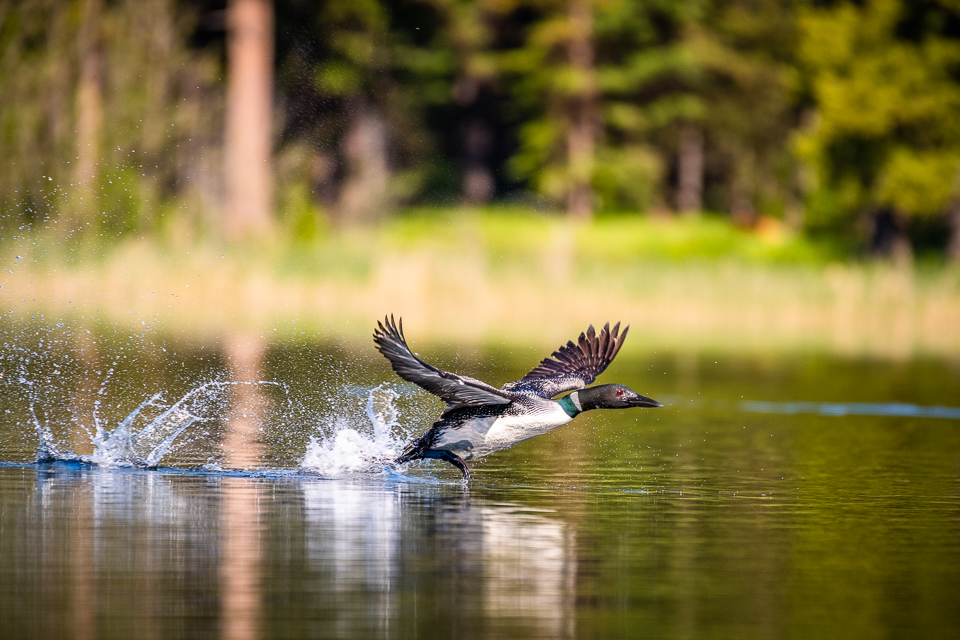
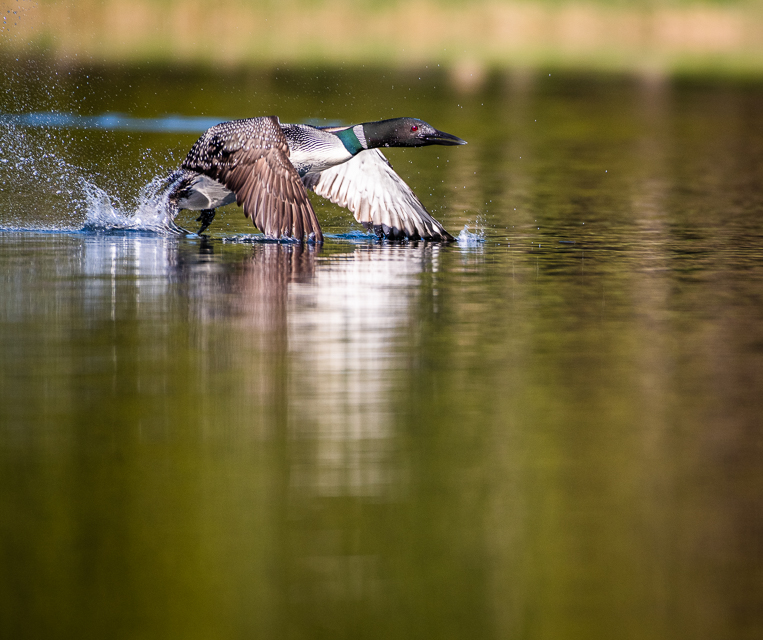
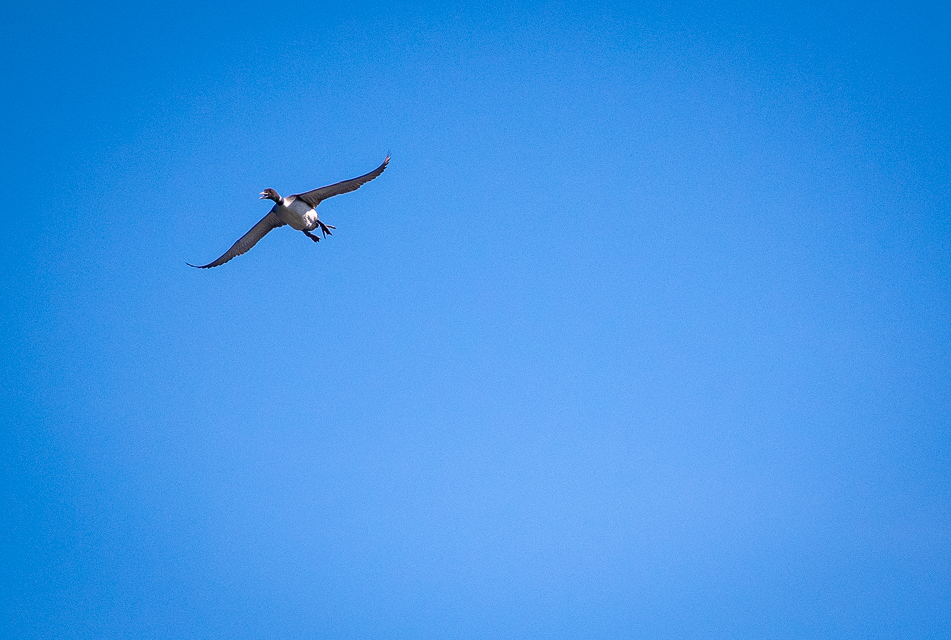
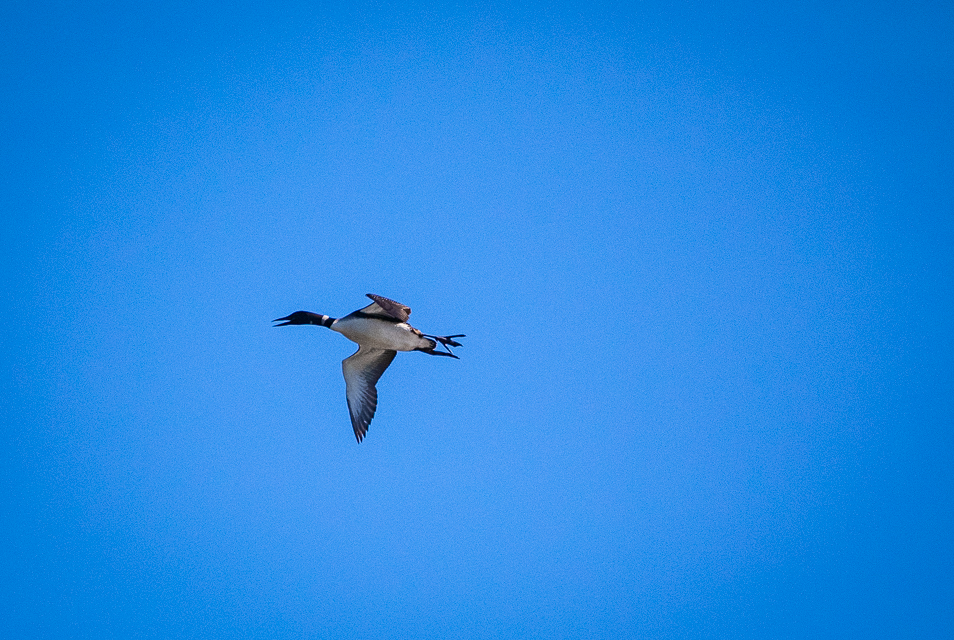
Common Loons need lots of water surface to get airborne and then, at a small lake like this one, they need to circle it two or three times to get high enough to clear the tall trees. It’s all pretty dramatic.

I have found that birds are easier to view when I am in my kayak than when I am walking around. The birds don’t perceive a person in a boat to be as big a threat as a person on the ground. The kayak provides a good point of view for some of the smaller songbirds which often elude me, leaving me to guess their species by a call or a song. I struggle with birding by ear, especially the warblers and Empidonax flycatchers. Except Willow Flycatchers. They have a distinctive call that sounds like ‘fitzbuuu’.

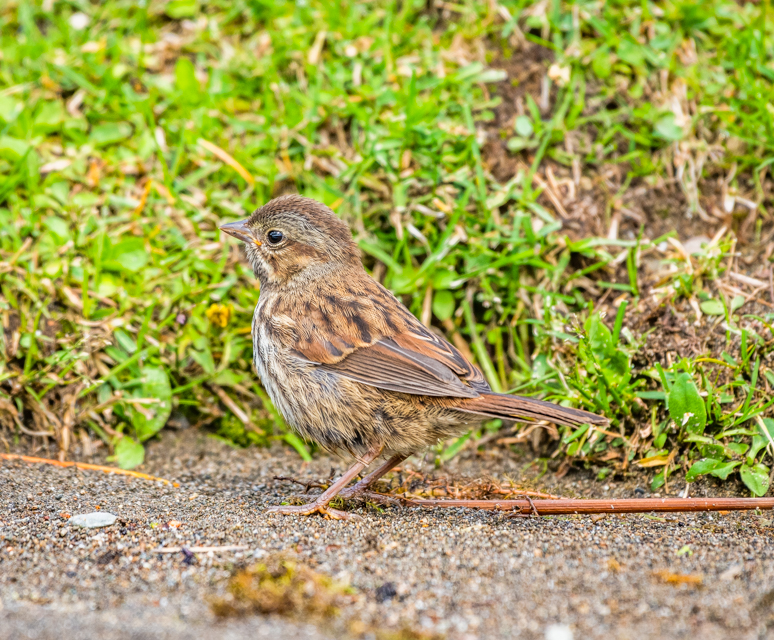
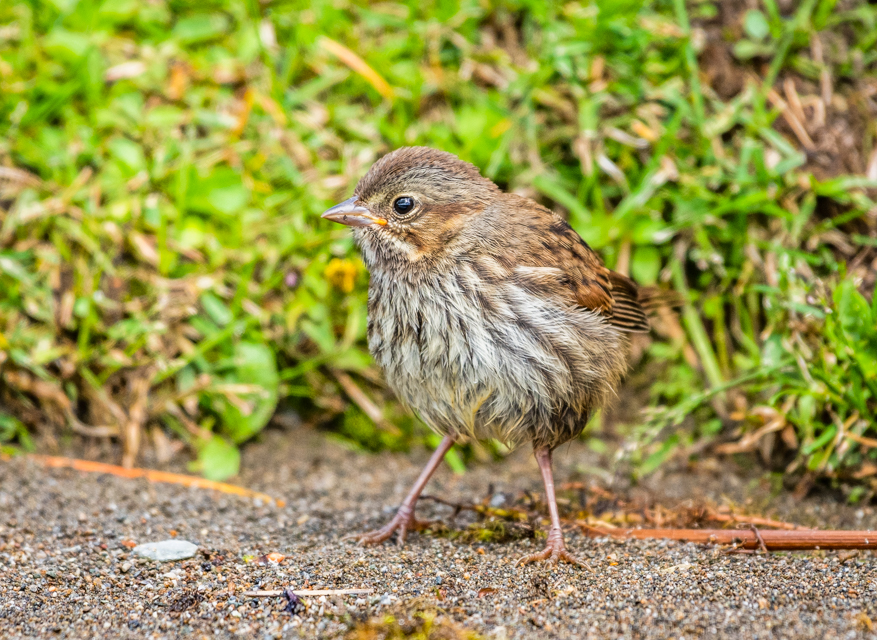
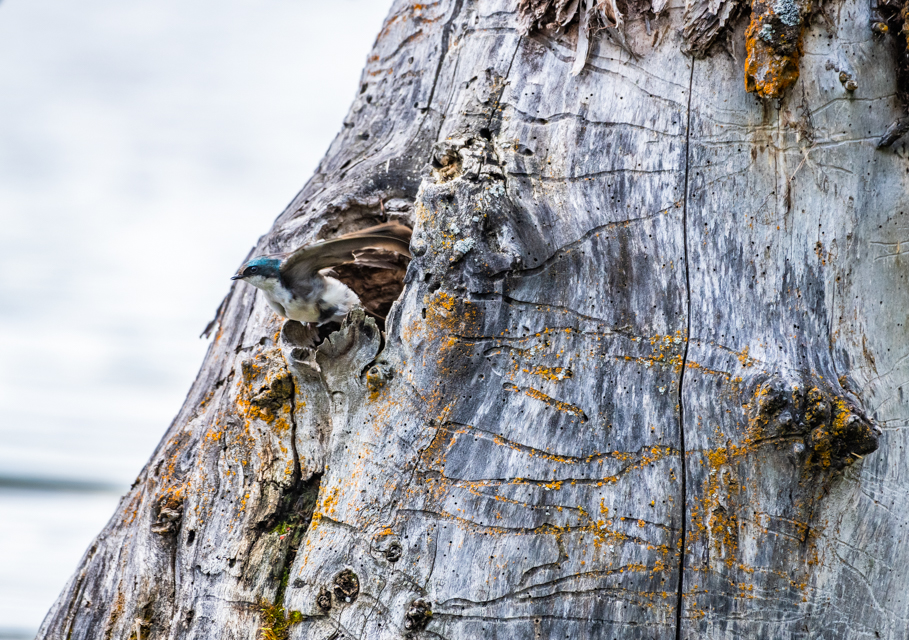
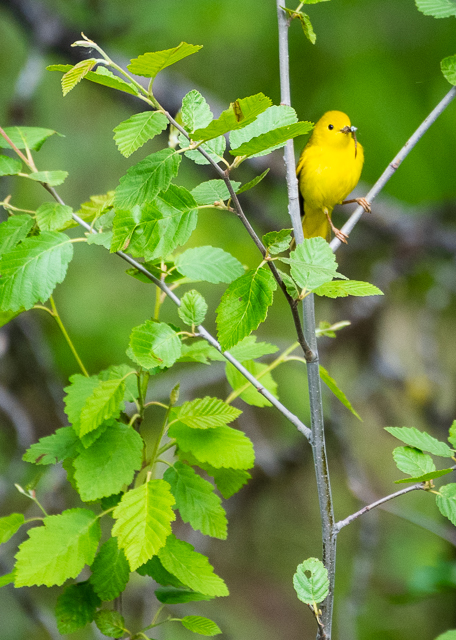
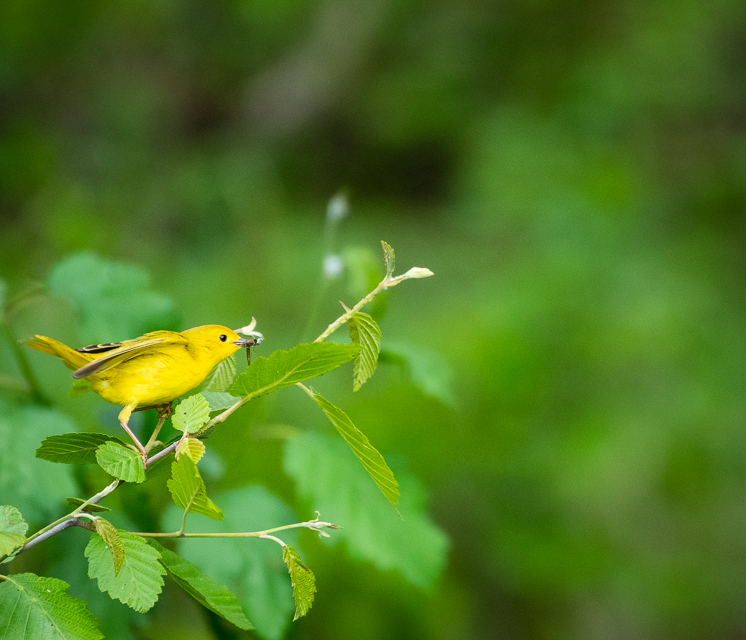
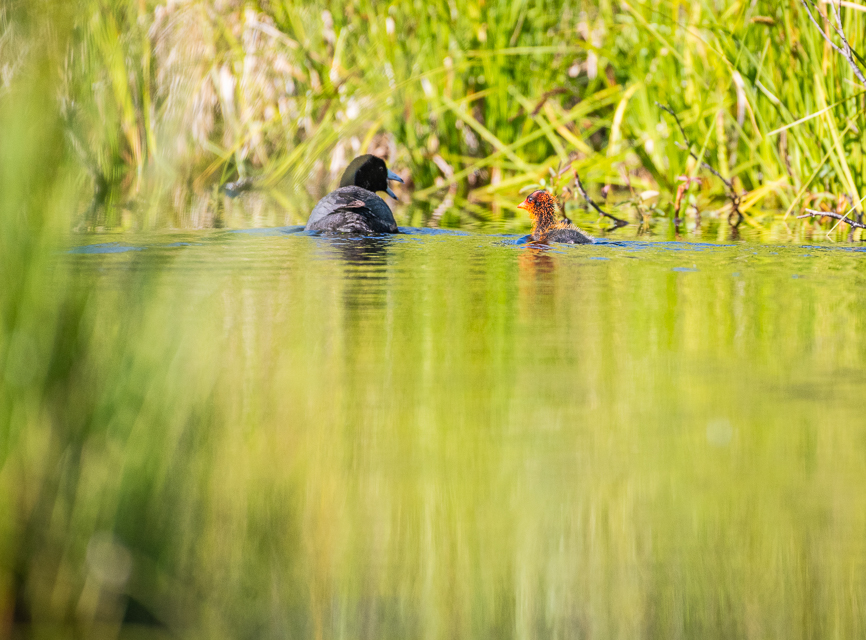
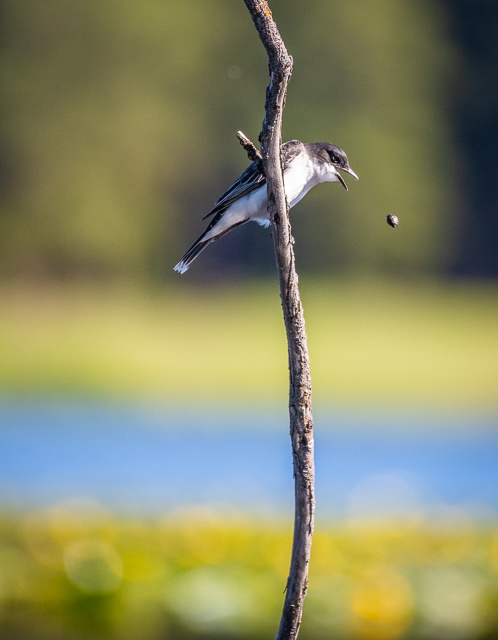
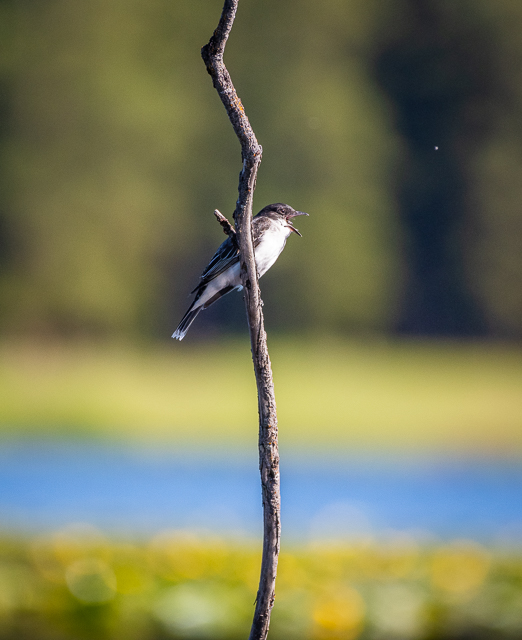
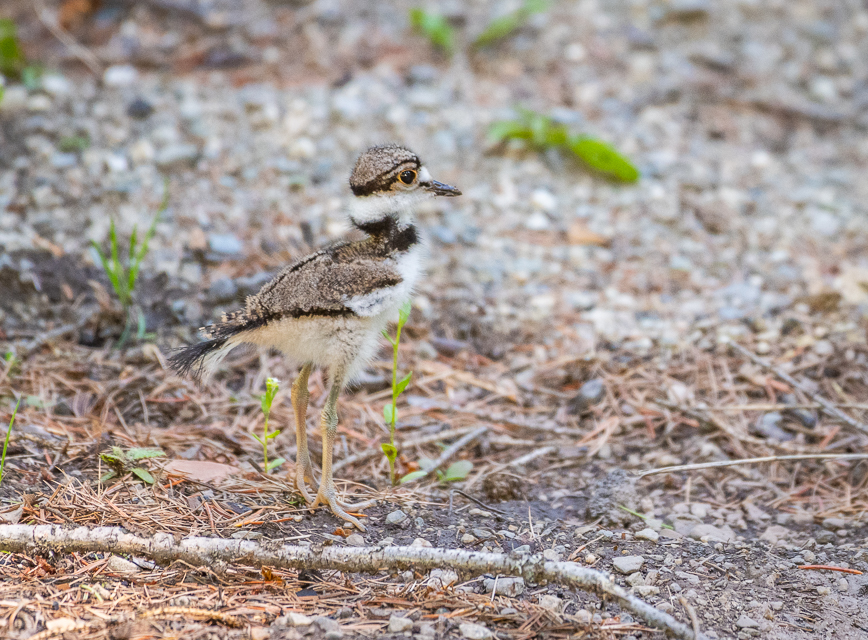
The Pileated Woodpecker was seen from our campsite. The Yellow-rumped Warbler darted back and forth catching bugs above the water. There were baby Song Sparrows along the lakeshore and adults singing and calling from the shrubs above. Red-winged Blackbirds NEVER perch still for me to get a photo. Never. An Empidonax flycatcher waited for insects in between its frequent ‘fitzbuuu’ calls. See the crack in that snag? In the next photo, look carefully for the departing Tree Swallow. They are fast. I waited and waited to get that one image. I have several of the bird’s tail feathers flying away. The Yellow Warbler was lovely in the green alder leaves. Coots were elusive in the marshy area of the lake, quickly gathering their bright orange chicks and moving them into cover. An Eastern Kingbird gracefully hurled a pellet while I was making its photo. I came across the Killdeer family while on a drive about.

Of course, there were loons. And another highlight, not photographed, was a Sora with babies!
The girls and I headed to the eastern part of the county for a week-long camping trip. We enjoyed tall larch trees and a quiet lake. Ken joined us for the last two nights and we also enjoyed visits with several good friends. There were a few flowers blooming, including a small patch of coralroot orchids. It’s still very green with lush new growth on all of the conifers. It looked like there had been a big windstorm this spring. Many trees were uprooted or broken.

Here’s a bit of camping life.

I have been working on my night photography skills for a couple of years now and finally, have made my first successful panorama of the full Milky Way arch! I’ve watched videos, gone to classes, read articles and ebooks, trying to learn as much as possible. Many things I learned meant I needed another piece of equipment but I think now, I have it all put together. This is not perfect, that’s for sure but it makes me happy.
And I did it from my own home. I did not have to drive somewhere a long ways away to find the needed dark skies that makes seeing the stars possible. Of course, the foreground is not all that attractive. There are all the lights on the hills from the ever increasing populations of our valley, the local airport, some cars on the dirt roads after midnight, lights from the nearby church and a power pole. It is where I live and I am happy to be here.

This image is made from eight images stitched together and represents about 180° to capture the entire arc of the Milky Way.

I have more to learn but I feel like this is a big step forward!