Skip navigation

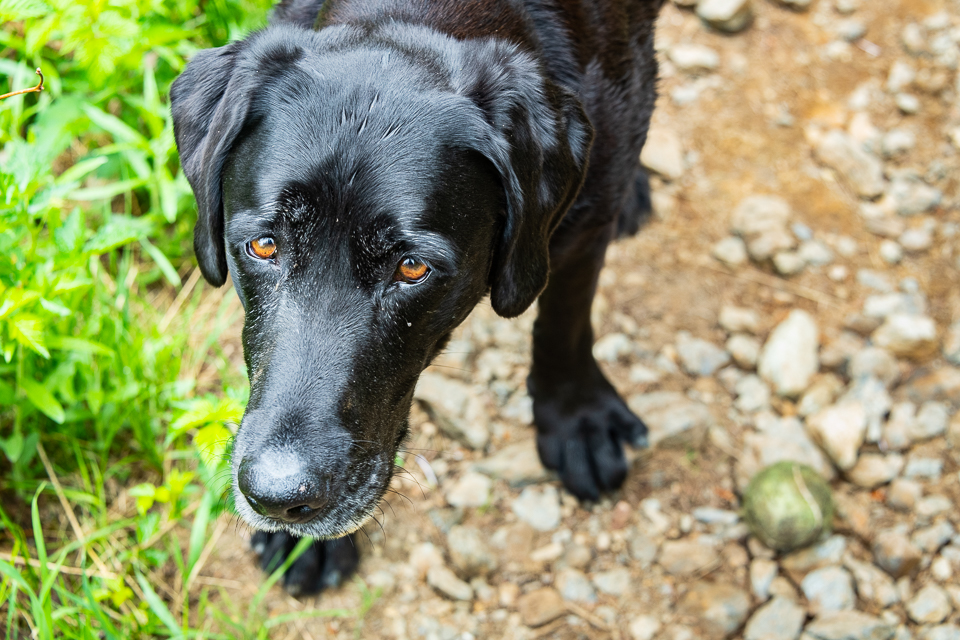
Last week, the girls and I took the camper over the mountains to camp in the shadow of one of the iconic northwest volcanoes. After the massive heat dome that brought us record-breaking high temperatures recently, it was good to be someplace cooler and greener. We even had a couple of overcast days and Luna was able to do two six-mile hikes! At her age, she cannot tolerate the sun and temperatures much over 70°. She (and Sky too) had great fun in a new place smelling all the smells and exploring everything. And wouldn’t you know it, Sky discovered a much-abused tennis ball three miles up the flank of the volcano. It was just one of four balls that she found on this trip.

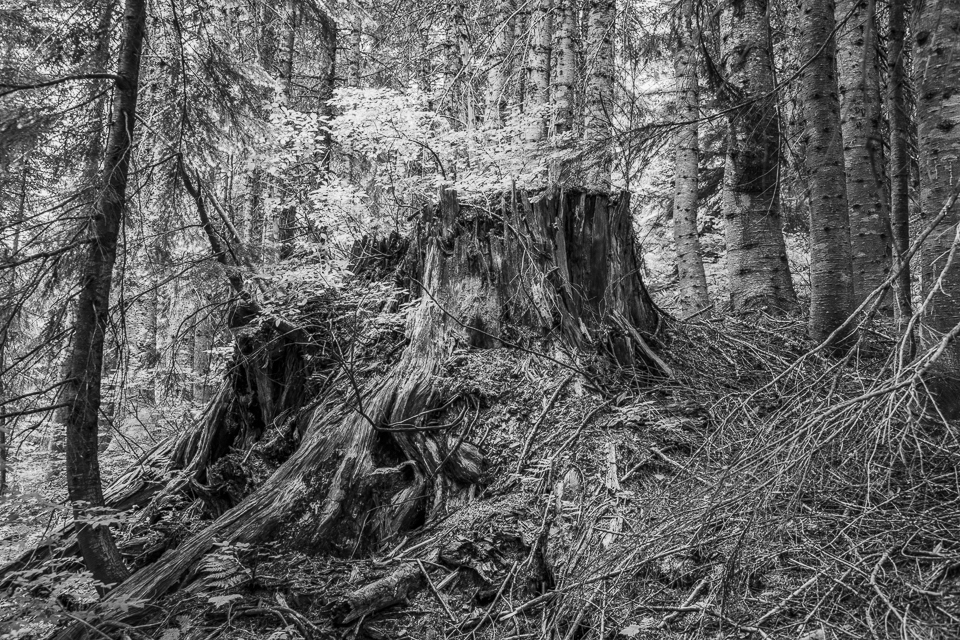
I noticed that this trail started off as an old road. Farther up the trail, I began to notice large old stumps, reminders of the old growth that once blanketed much of western Washington. Later I read that the area had been logged all the way to the tree line, back in the day. When I was out on my kayak, I could see the outlines of the old clear-cuts.

Since it was an overcast day, we did not get to see views of the big mountain. We did enjoy the cool temperatures and even some fog. Back at home temperatures remained in the 90’s and a lightning storm ignited several forest fires. I am glad we got away for bit.

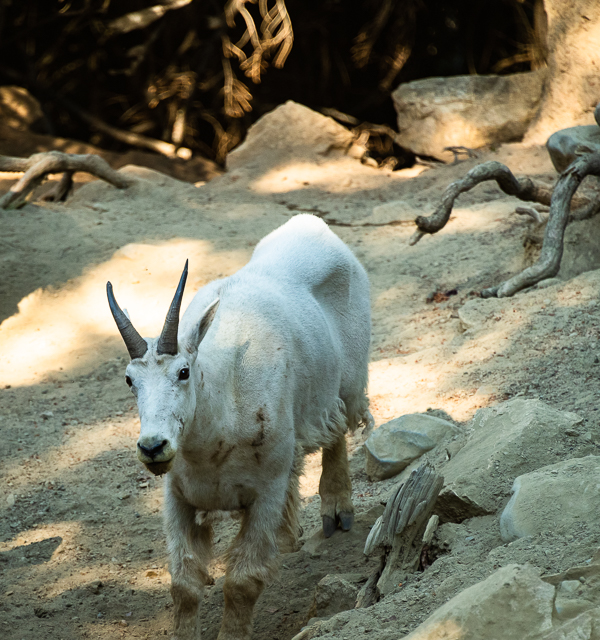
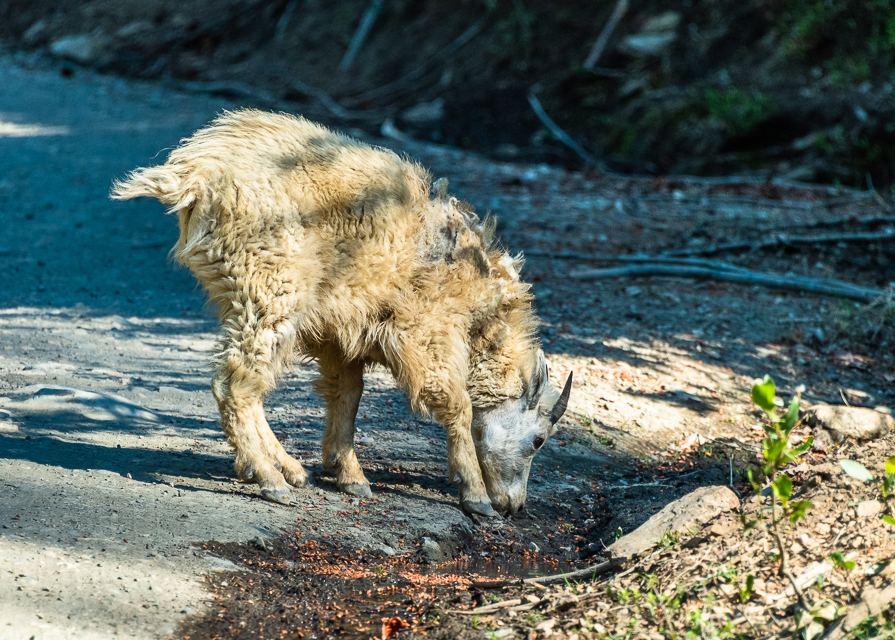
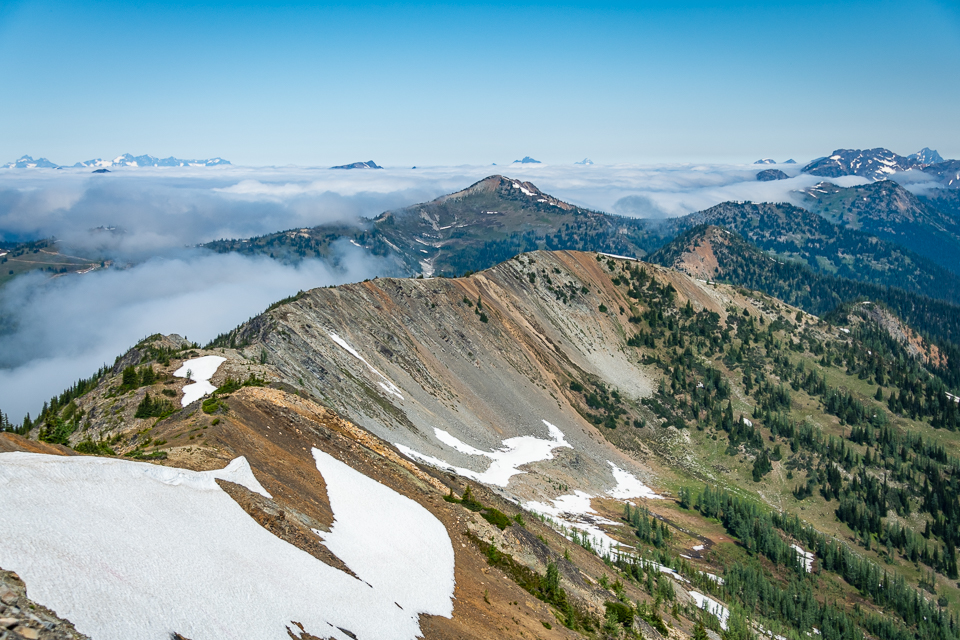
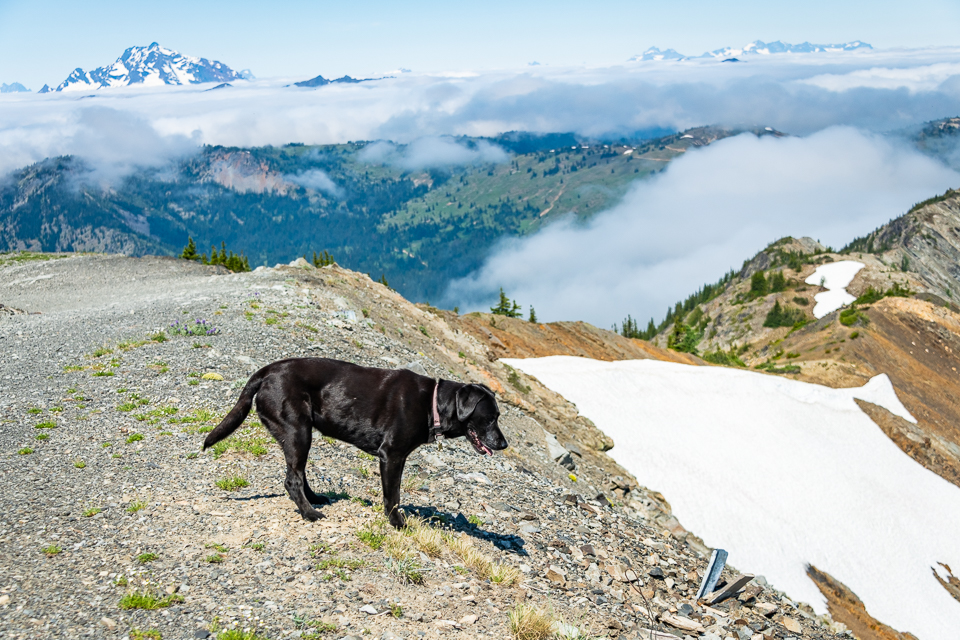
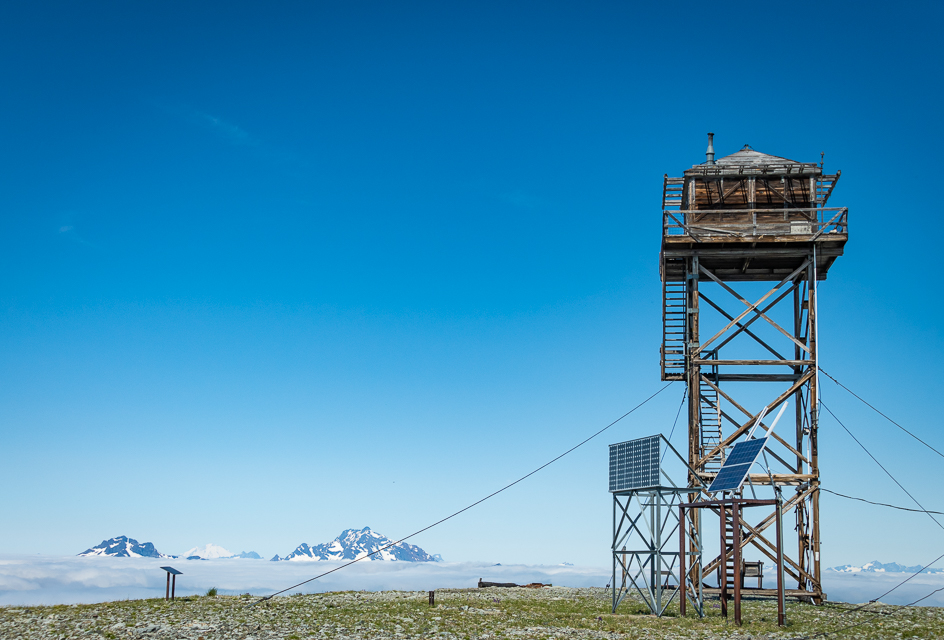
The girls and I drove up the bumpety bump Harts Pass road yesterday and enjoyed a brief respite from the intense heat dome that has kept our afternoon and evening temperatures above 100° F. Sixty degrees at 7000′ was incredibly refreshing. On the way up, we saw mountain goats at their traditional salt lick. They are pretty shaggy looking this time of year.

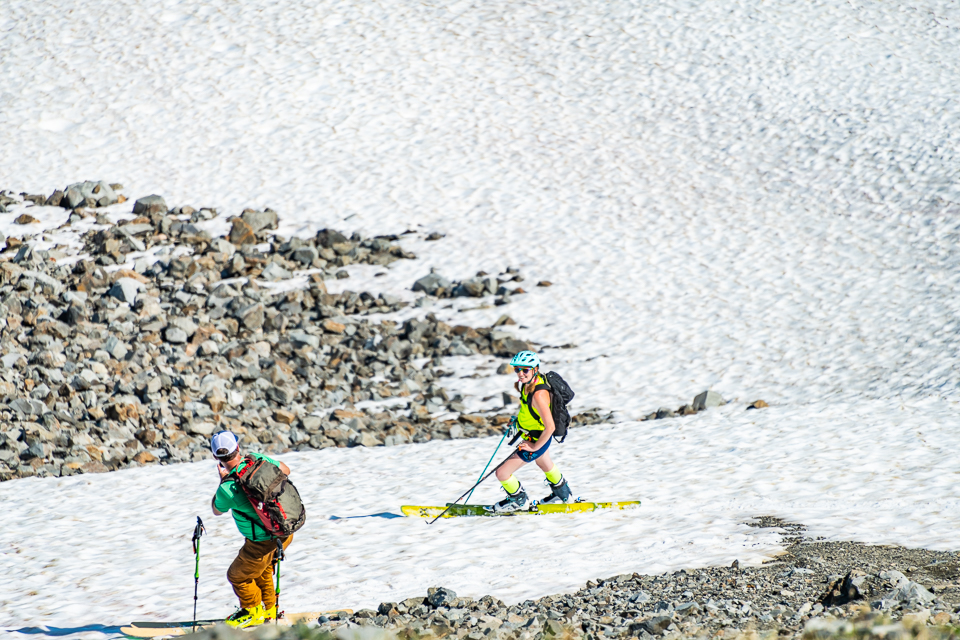
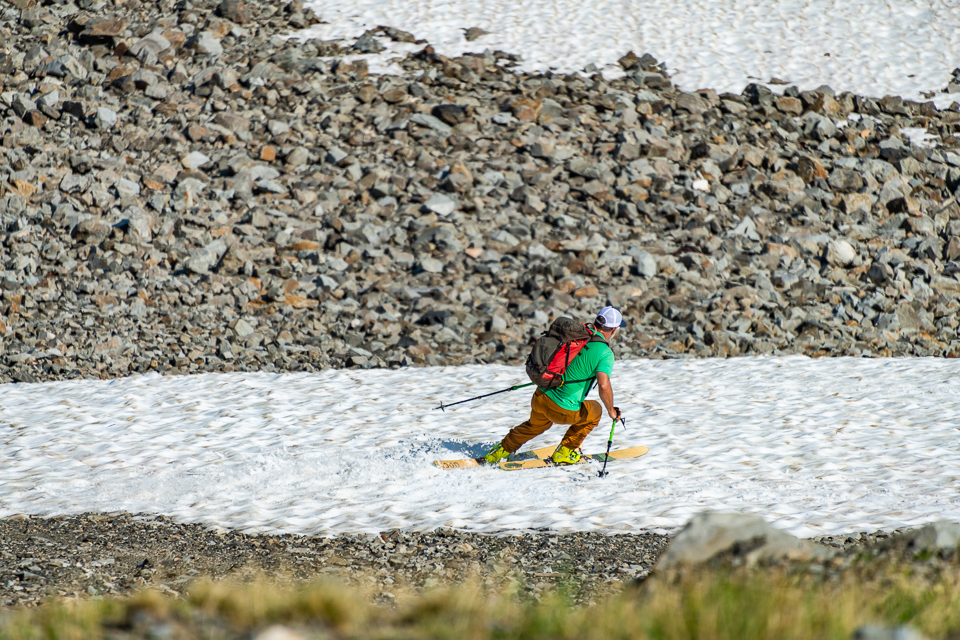
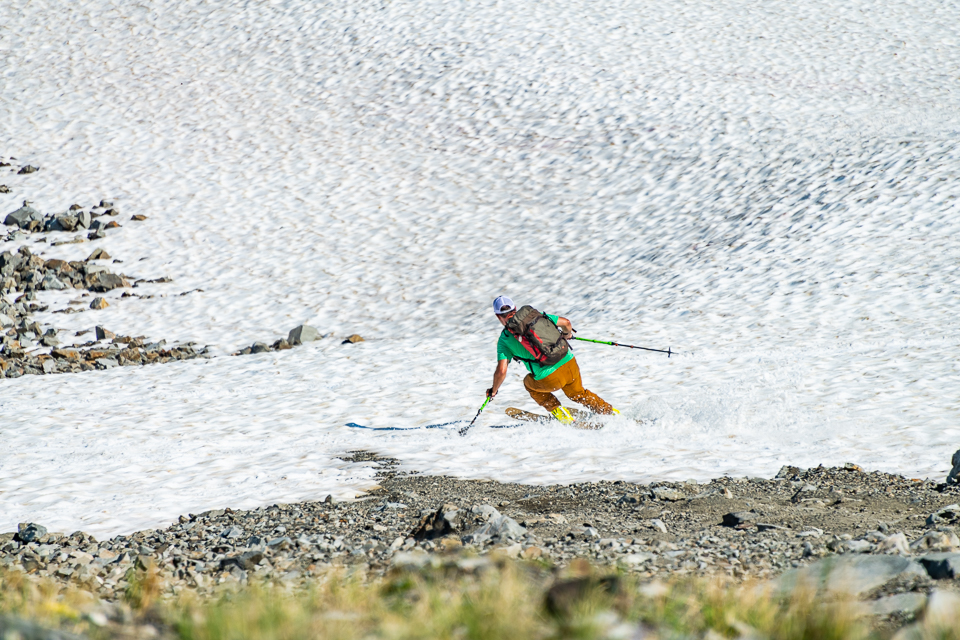
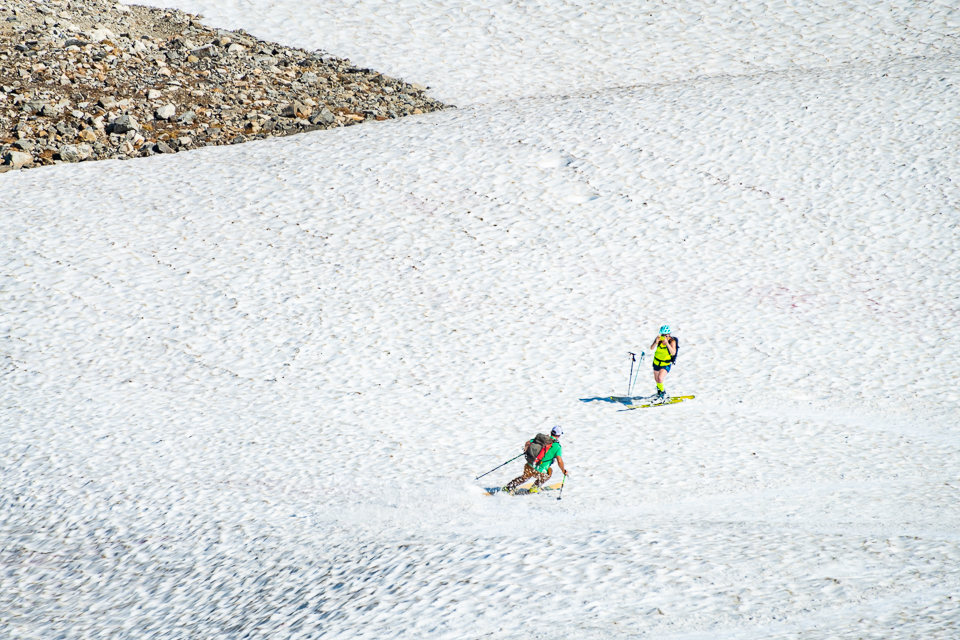
We met some people walking up the road to the lookout with skis. They were planning to ski down the backside of the mountain! The snow fields are pretty small already so it was a short run.

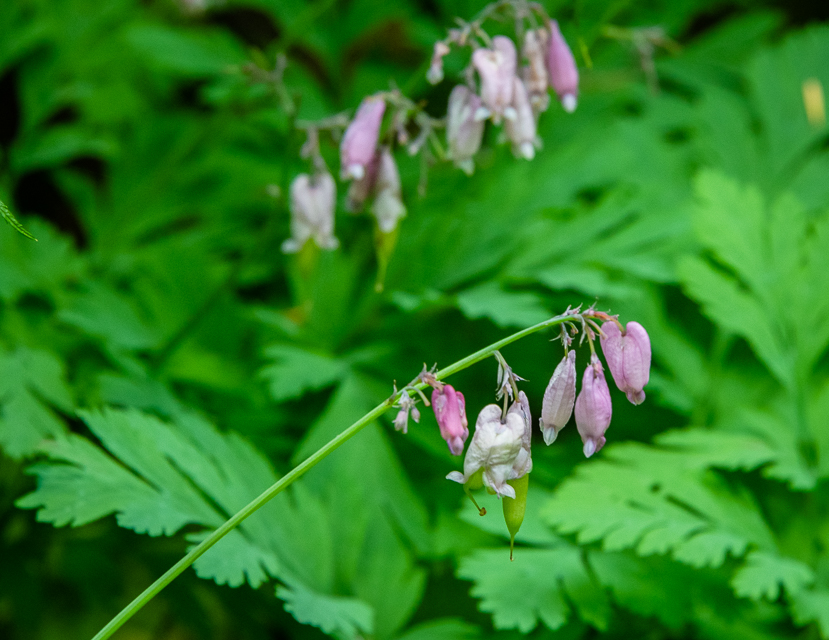
The mountain views were incredible and the flowers were just lovely. The snow recently melted up there so the wildflower peak is yet to come.

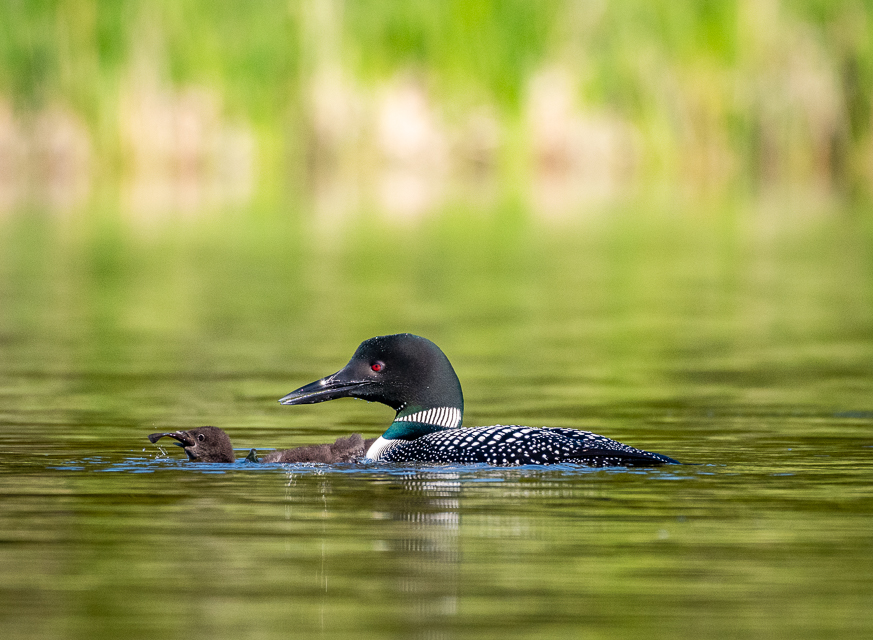
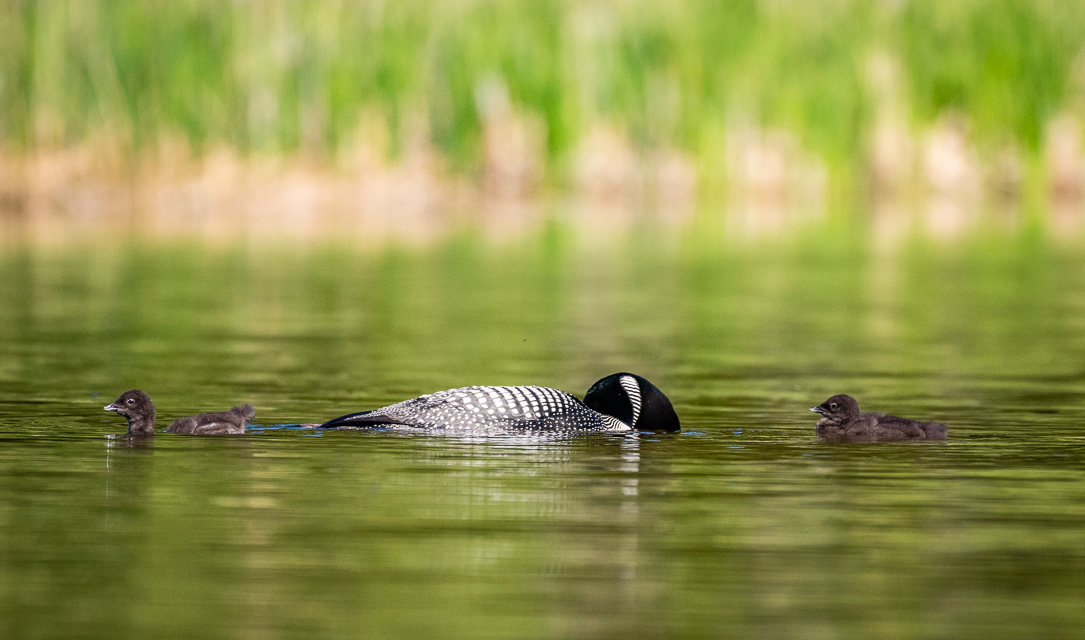
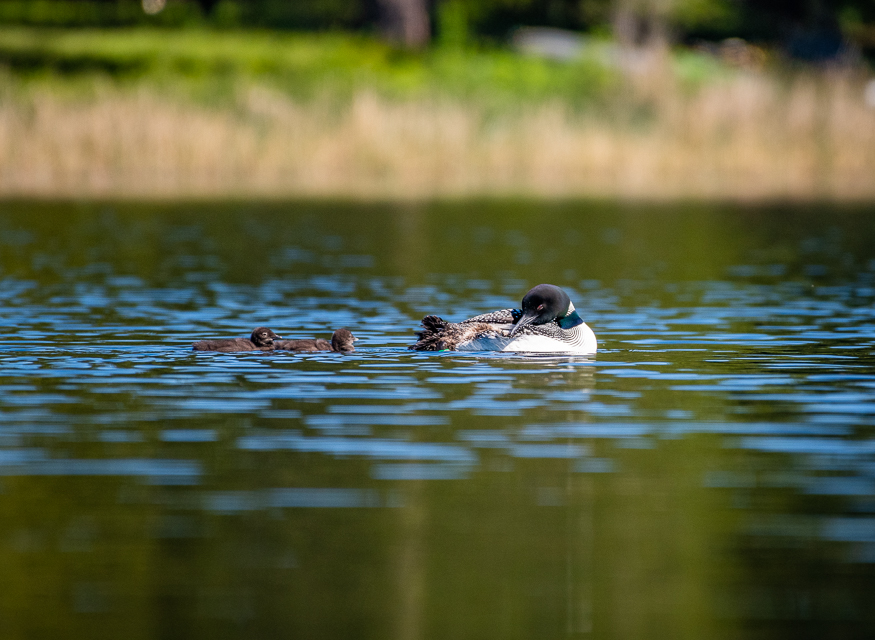
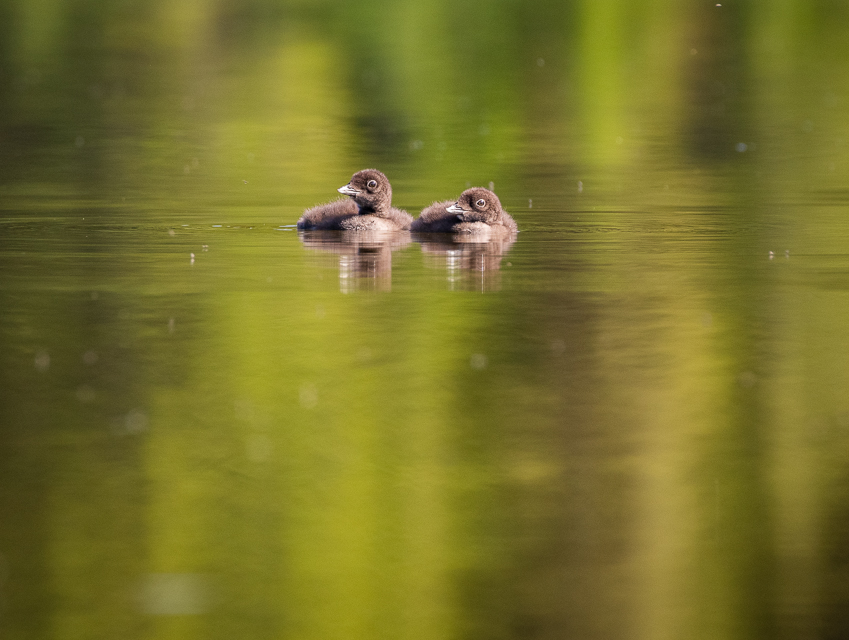
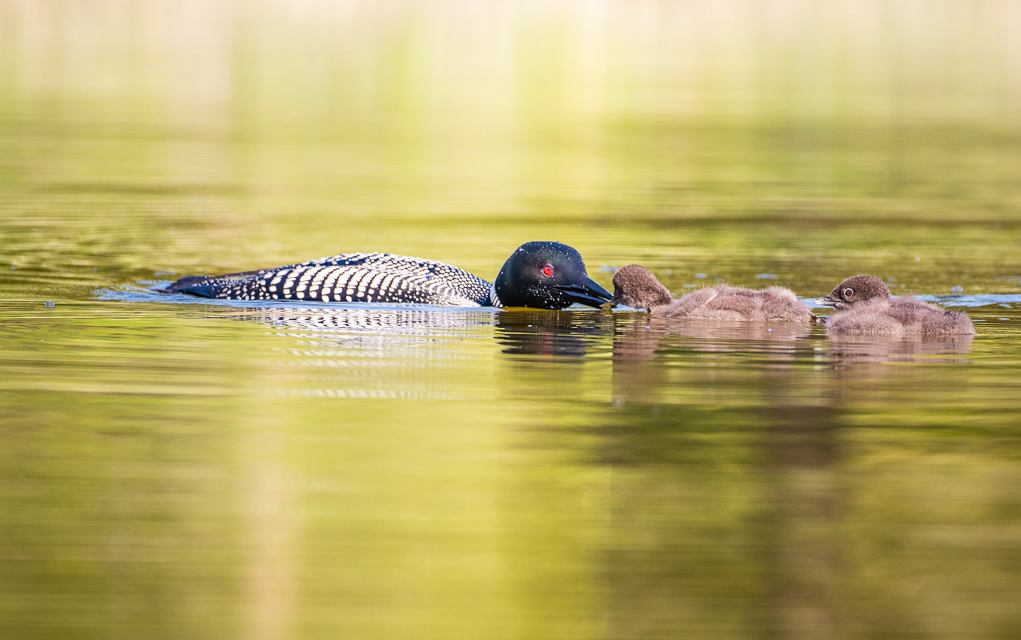
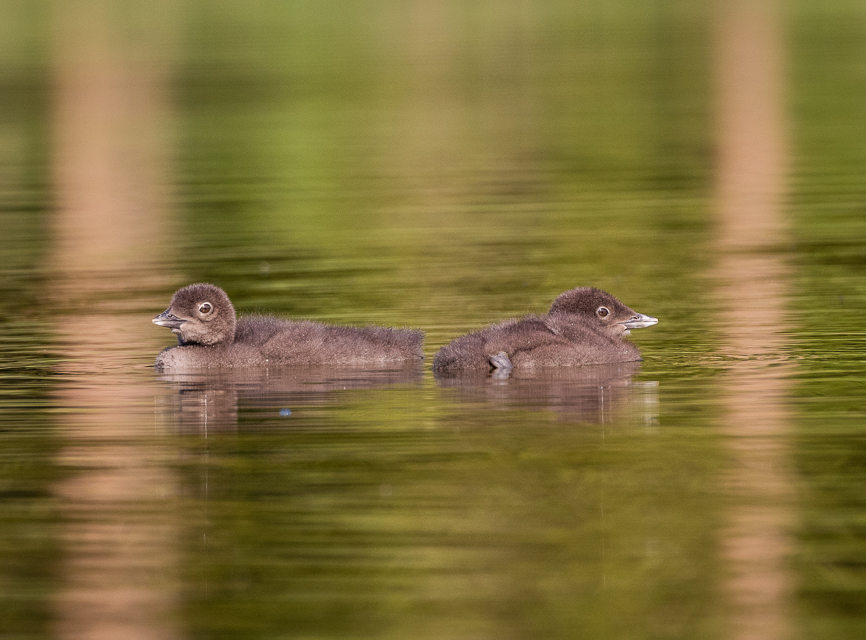
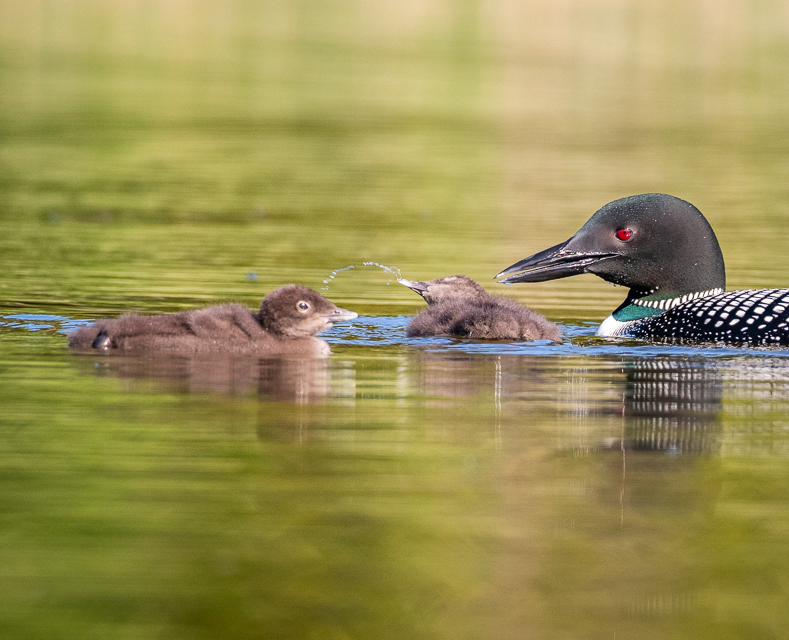
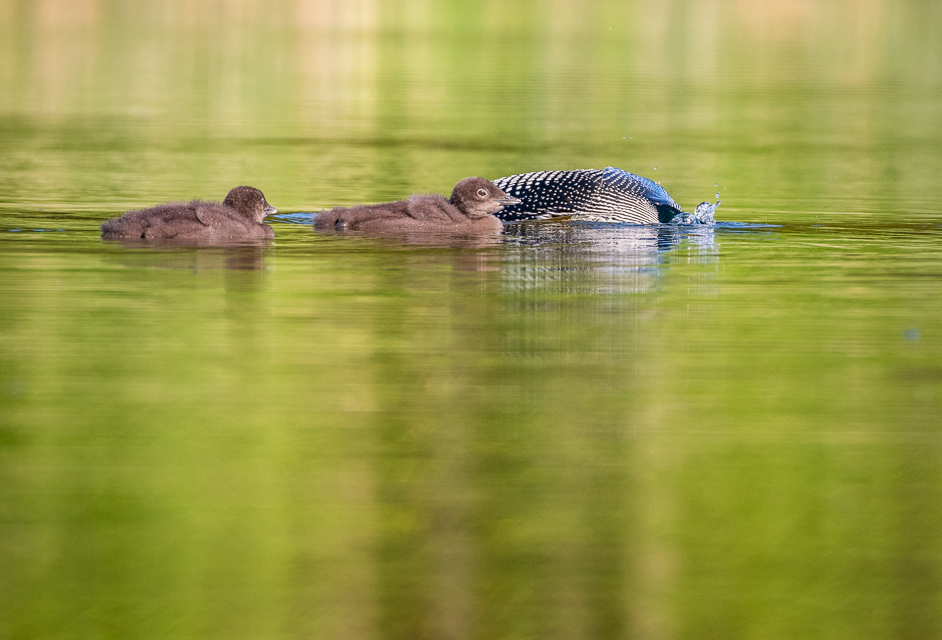
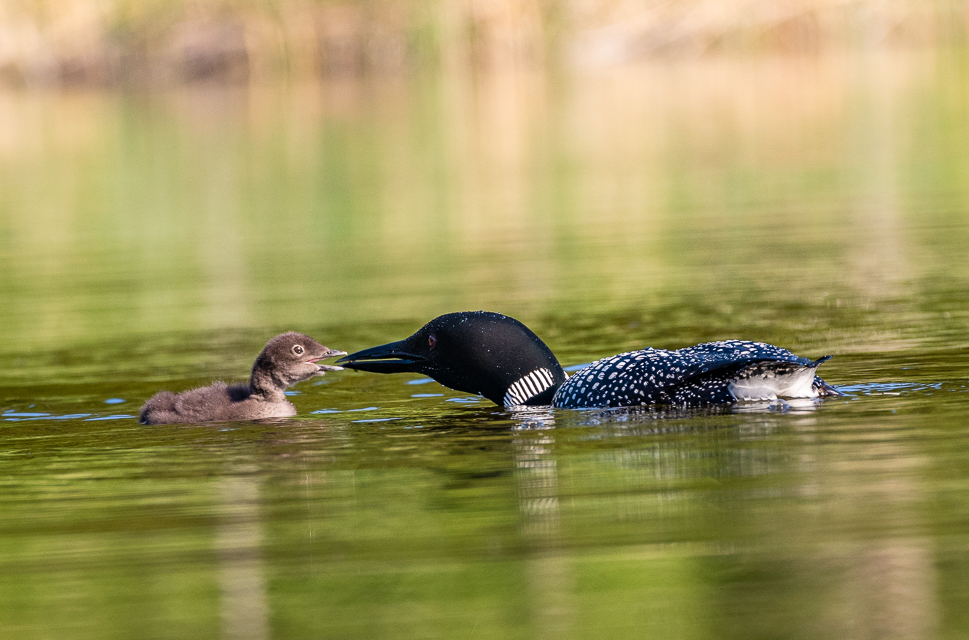
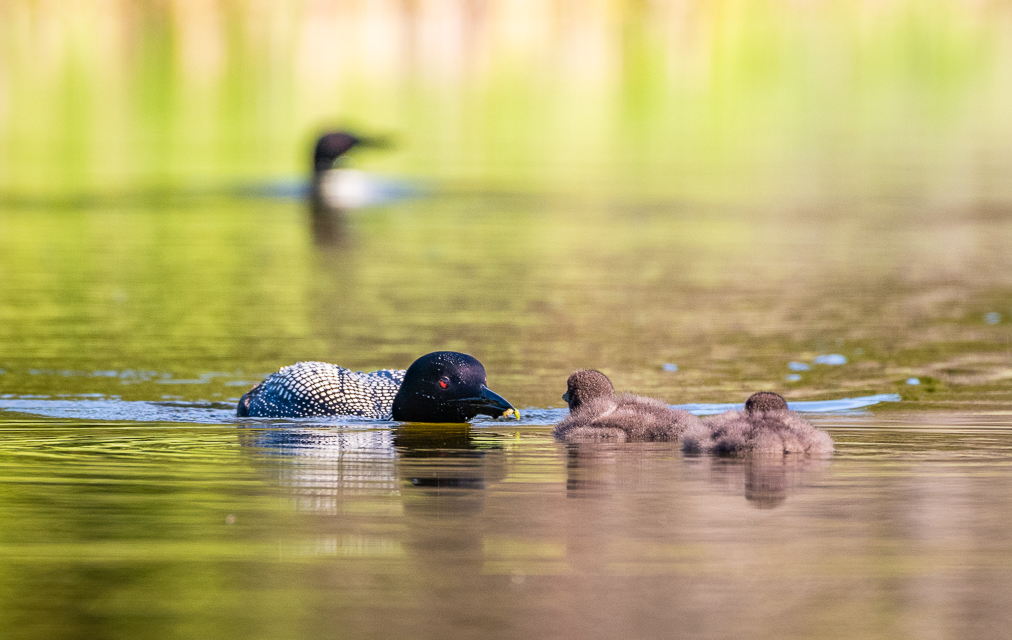
Baby birds need to eat a lot and eat often. They have a lot of growing up to do in a short time. By fall, these tiny babies need to be able to fly away to the ocean or maybe the Columbia River where they will find water and food and safe havens. Both parents feed the little ones, diving often to search for small tidbits to feed the babies.

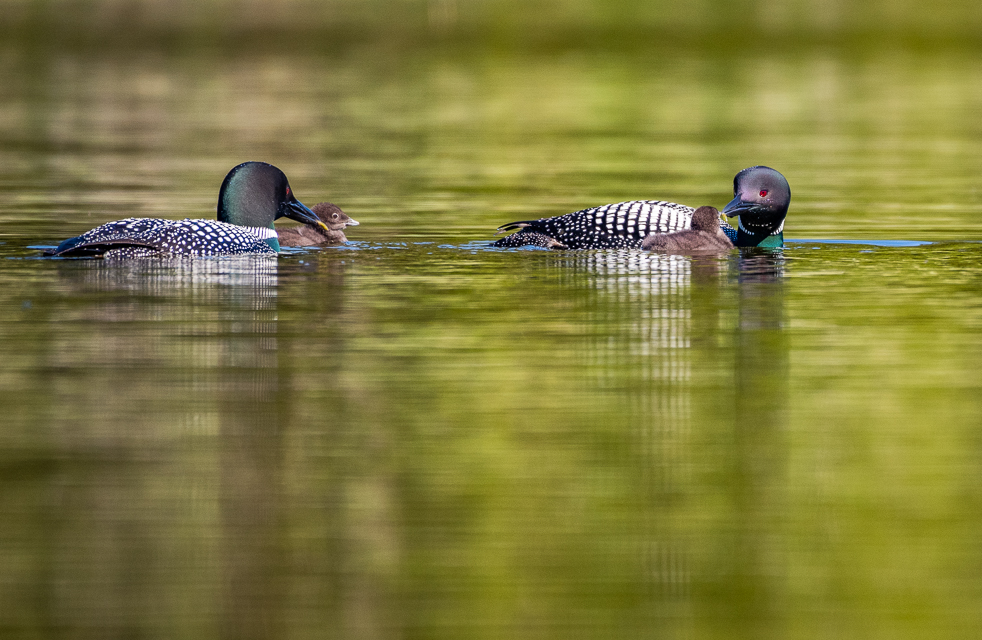
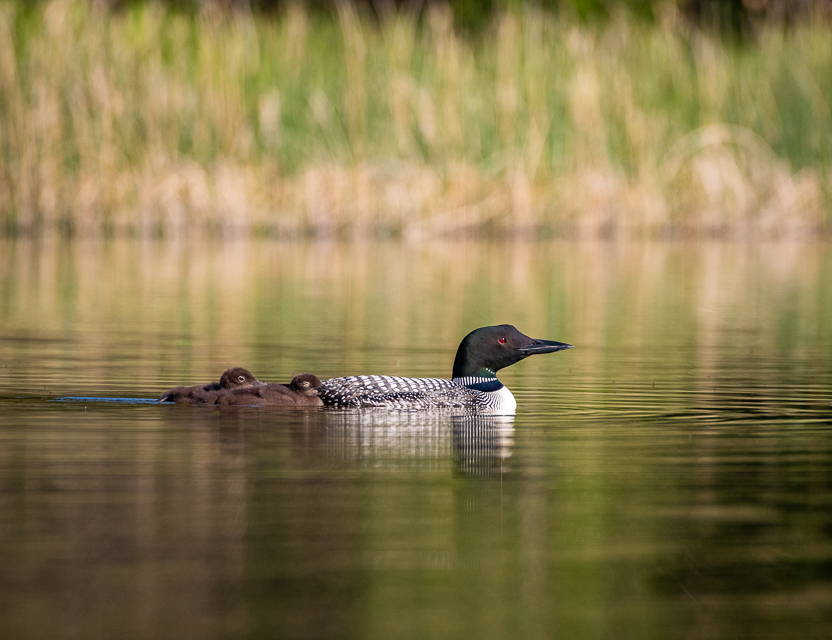
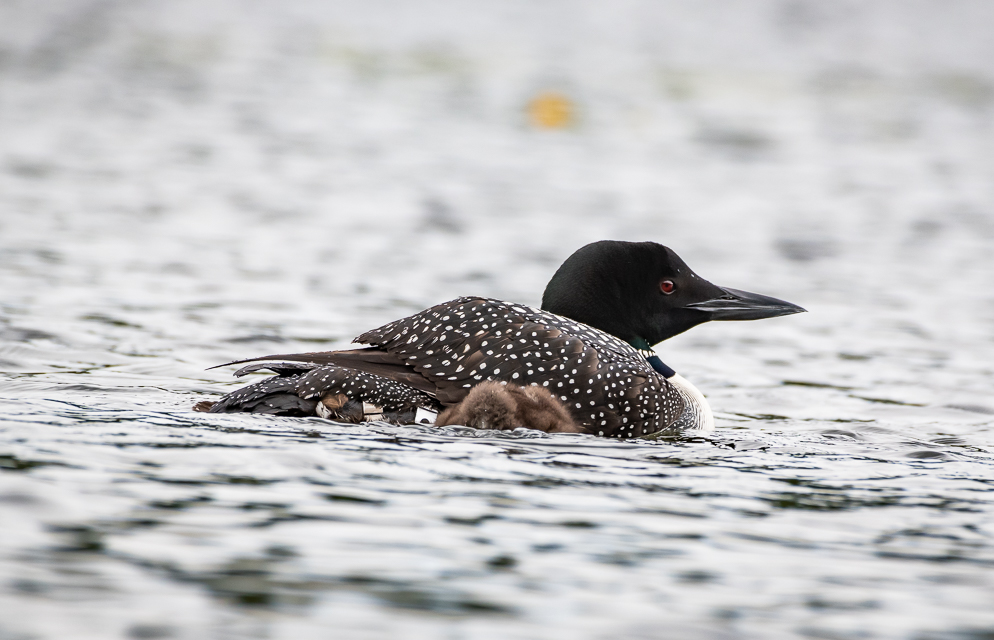
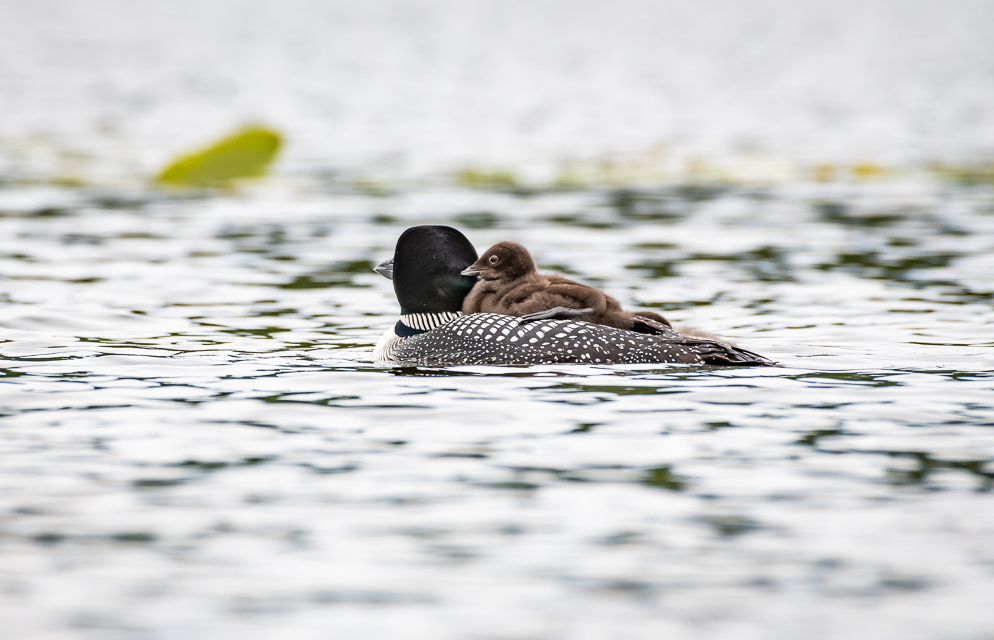
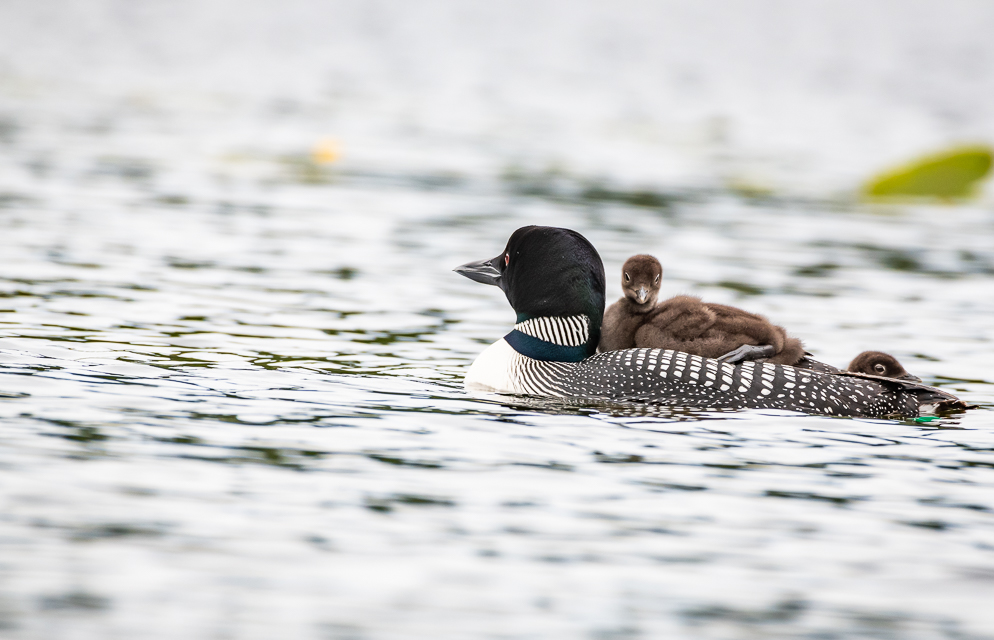
When I first arrived at the lake, I was delighted to see two adult Common Loons, each with a baby loon on its back! The little ones are subject to predation, primarily by Bald Eagles. Generally, loons lay two eggs which are also subject to predation by any animal that can get to their nests. So seeing two youngsters brought a smile to my face, especially seeing them on top of their parents. It was fun to see the baby get onto the parent’s back. Still not quite sure how they get a grip and pull themselves up. Loons are not agile on their feet.

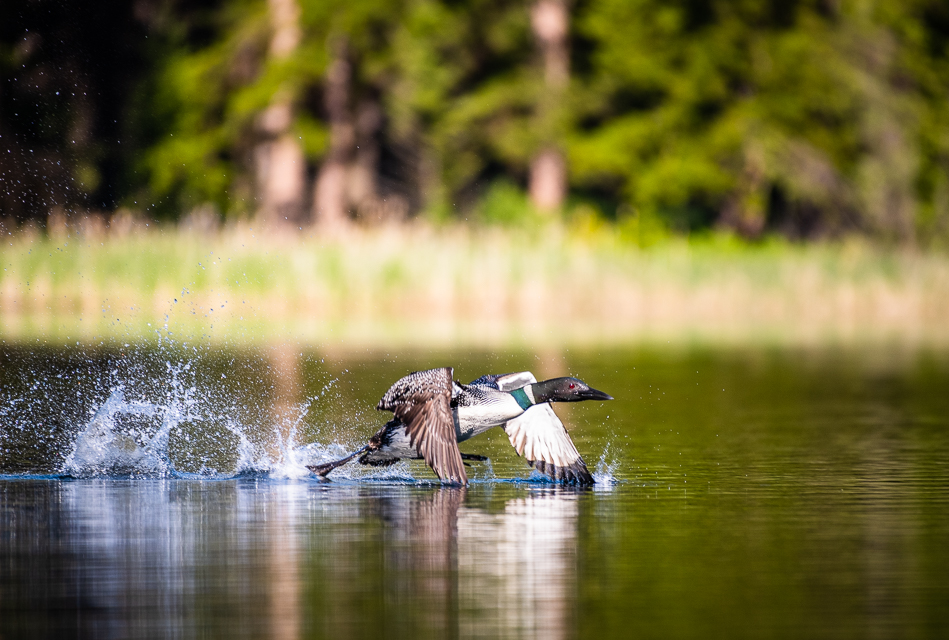
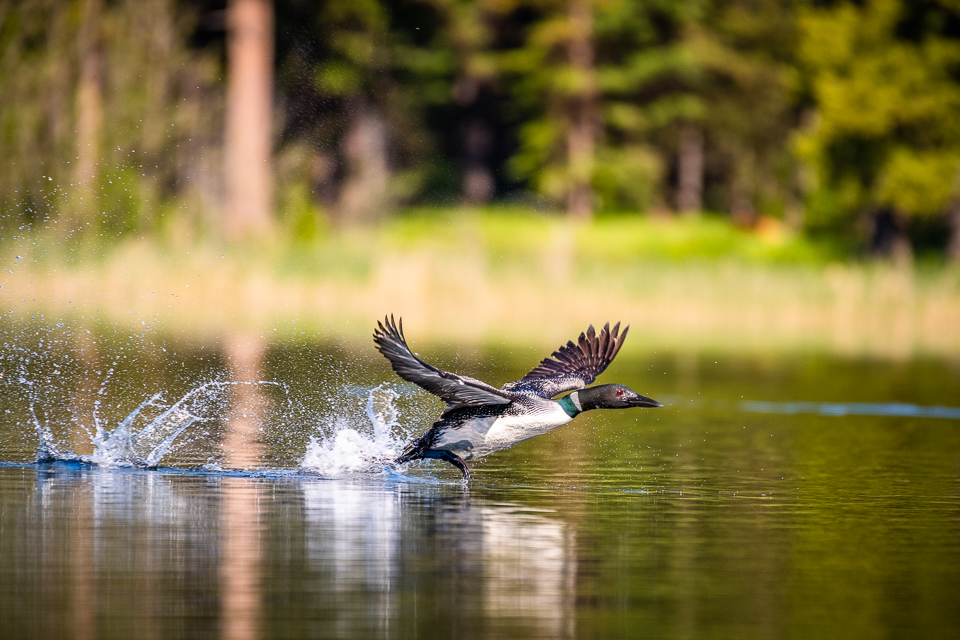
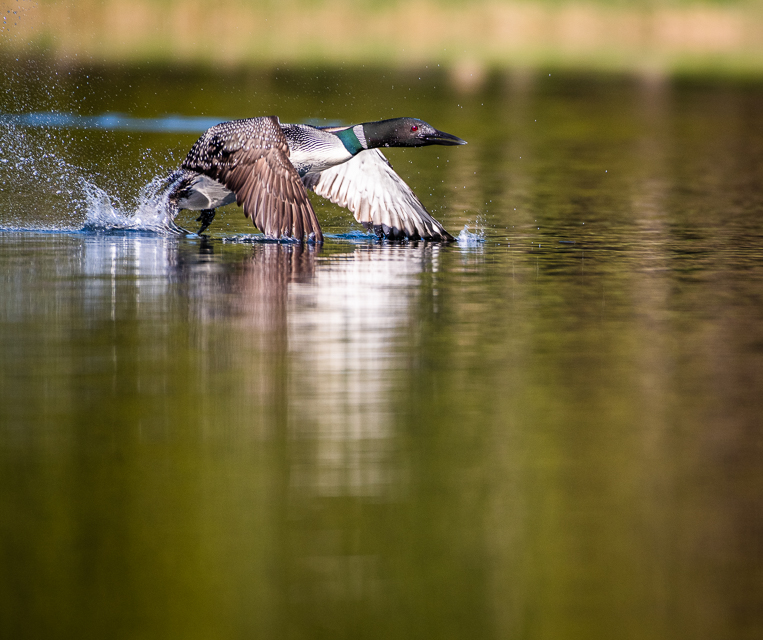
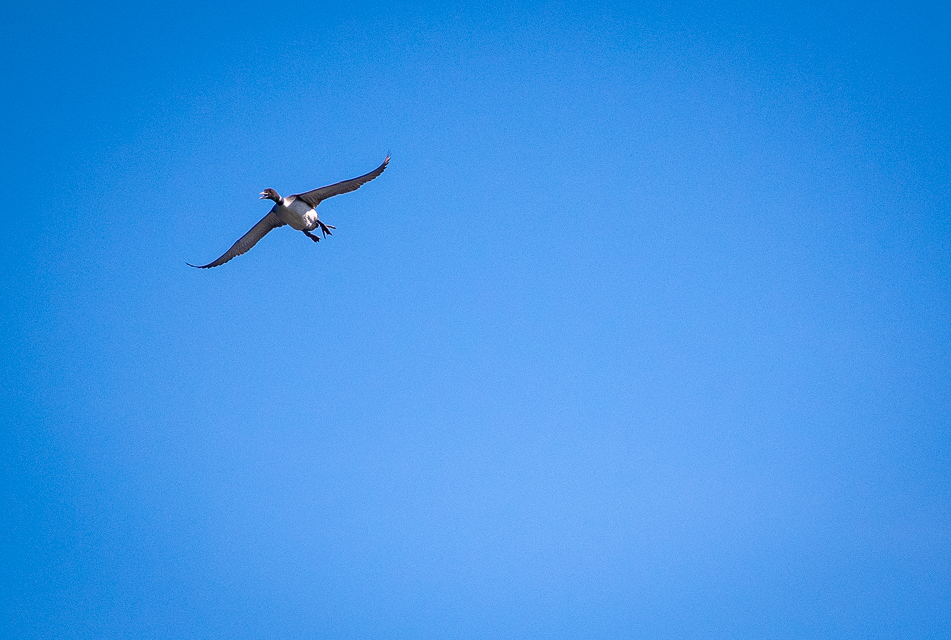
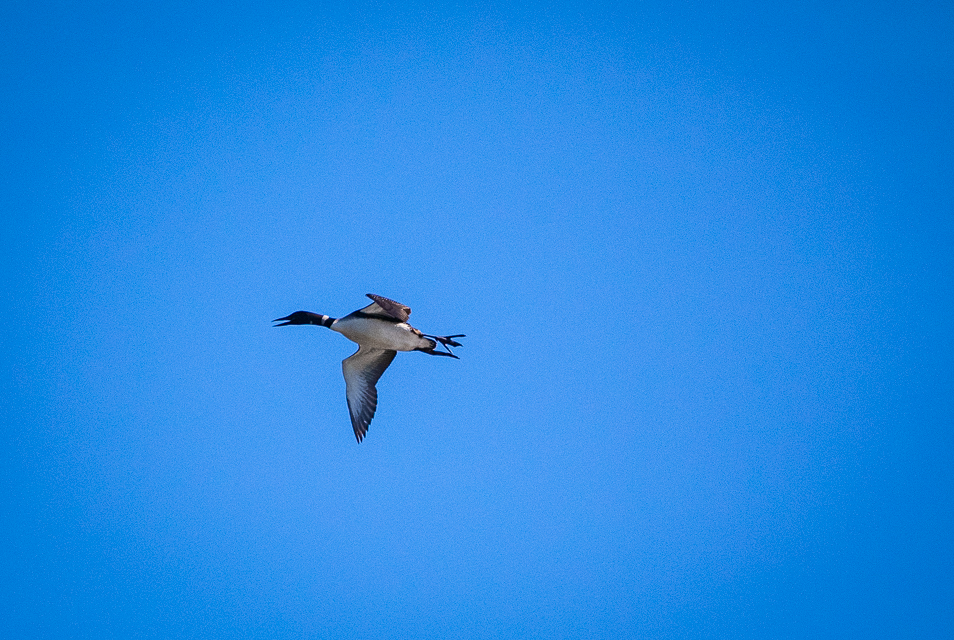
Common Loons need lots of water surface to get airborne and then, at a small lake like this one, they need to circle it two or three times to get high enough to clear the tall trees. It’s all pretty dramatic.