Skip navigation

Tag Archives: Common Loon

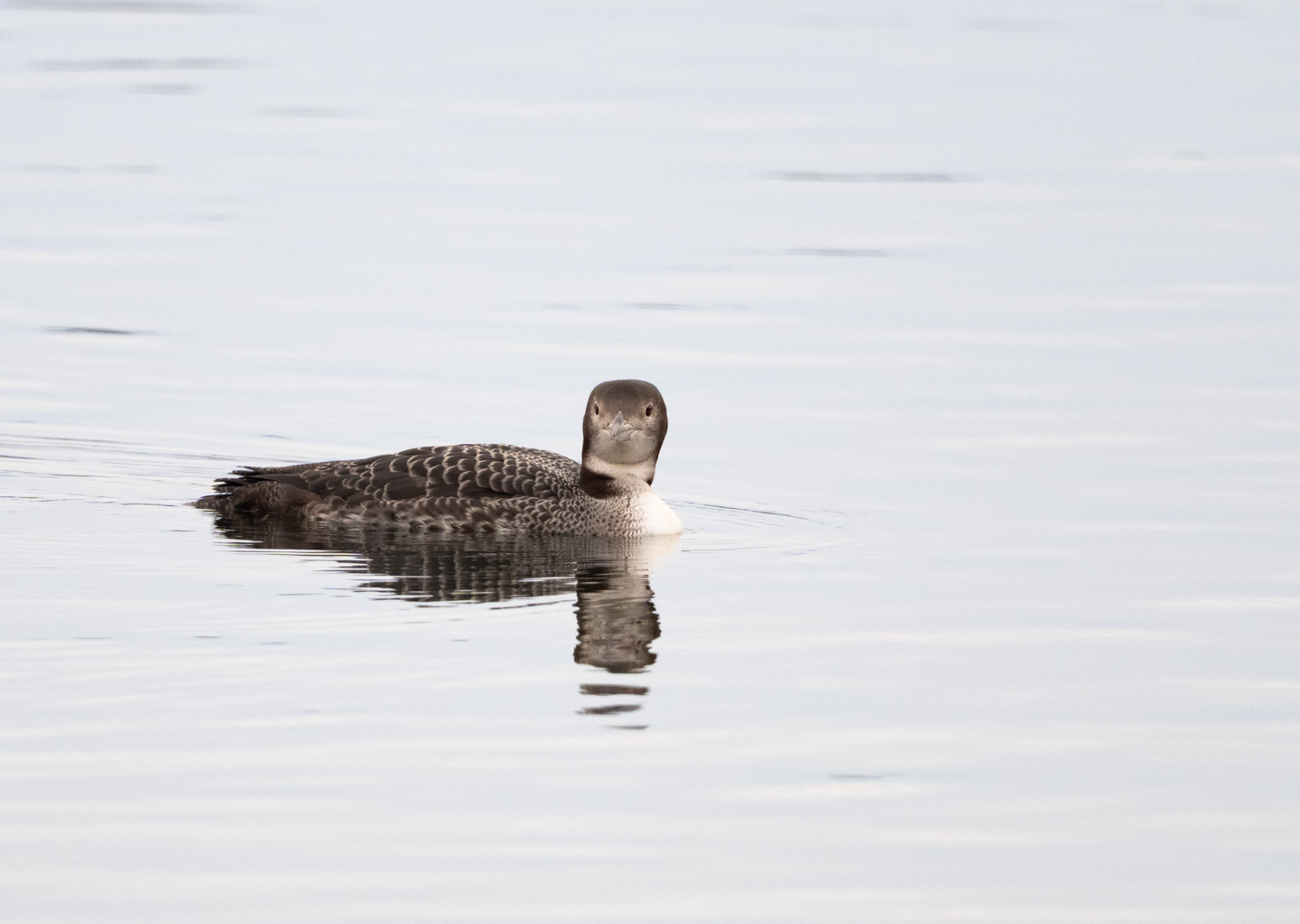
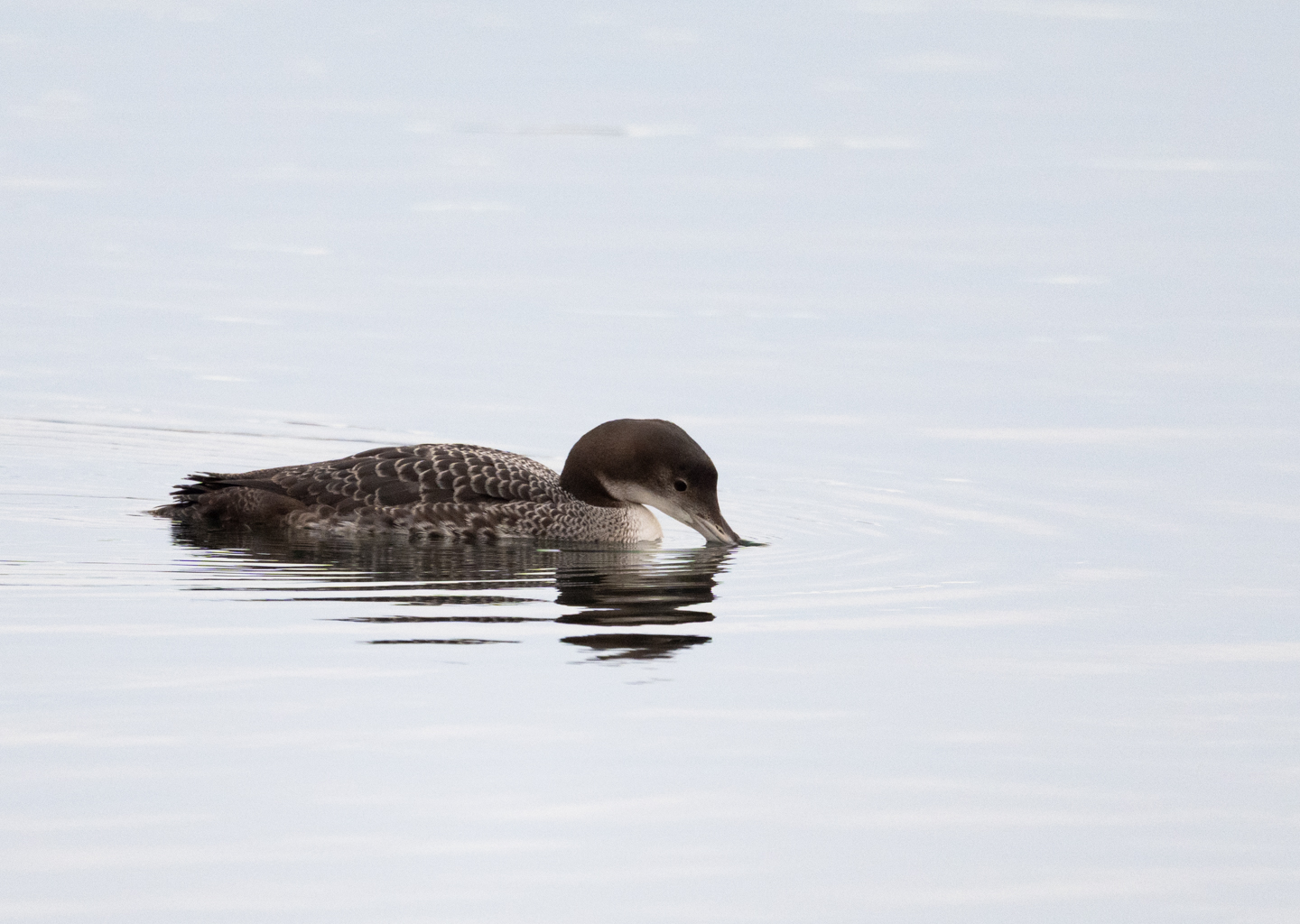
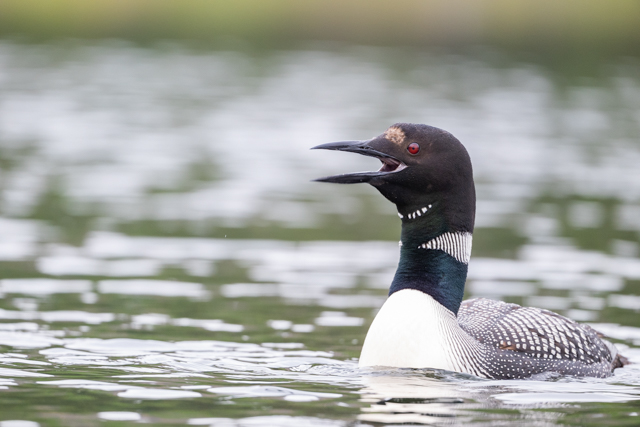
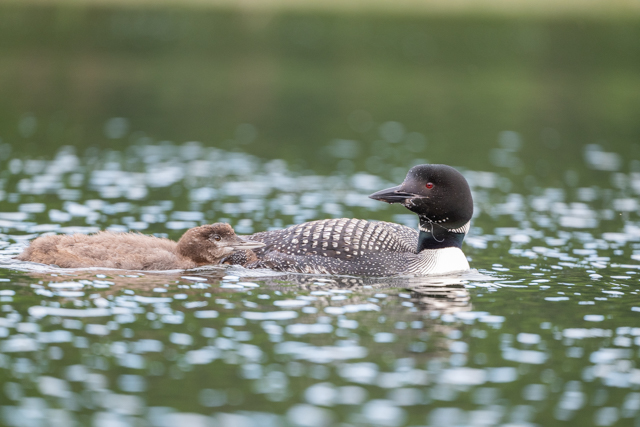
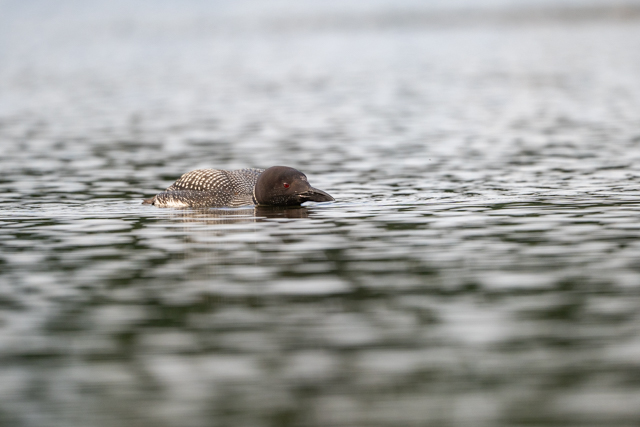
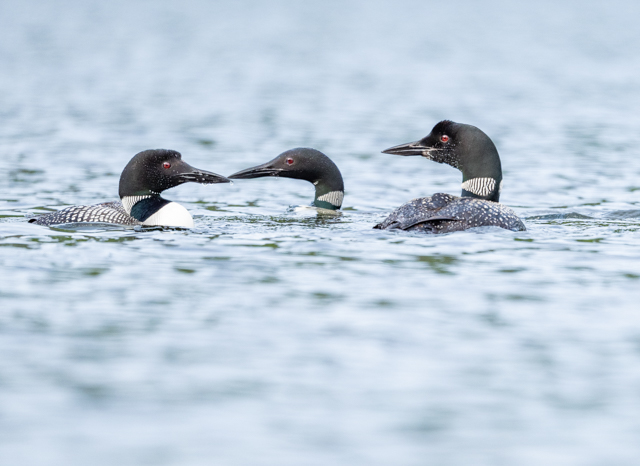
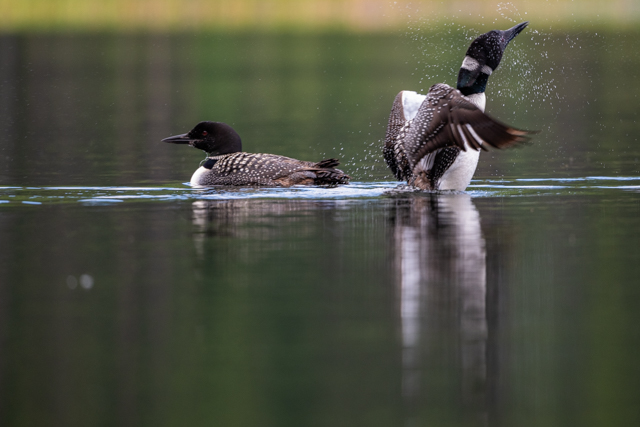
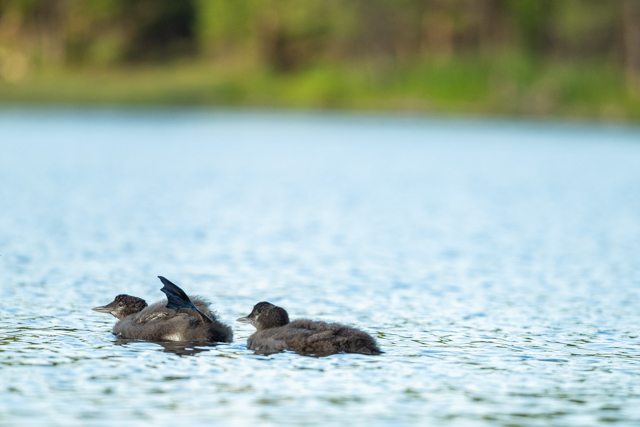
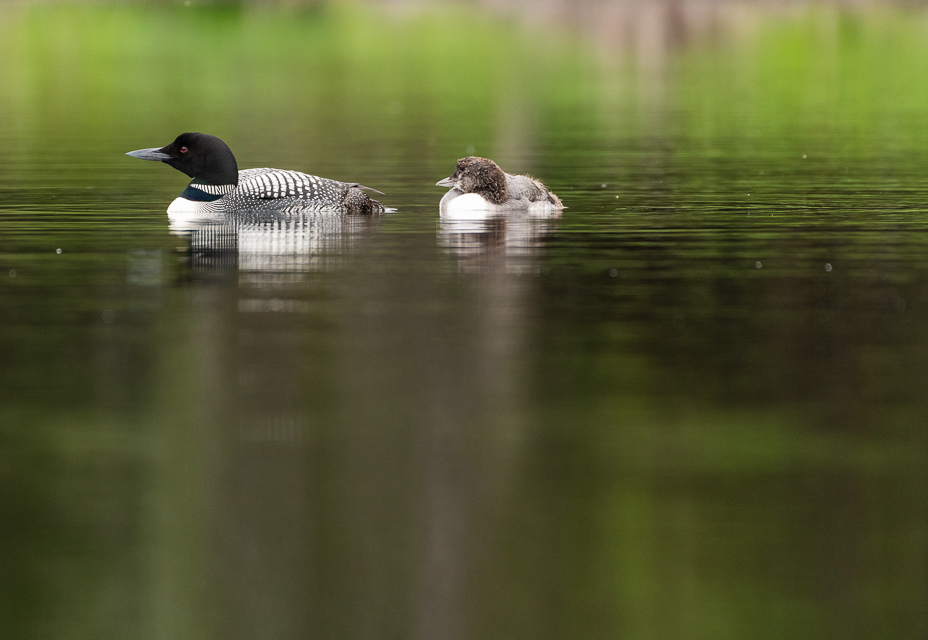
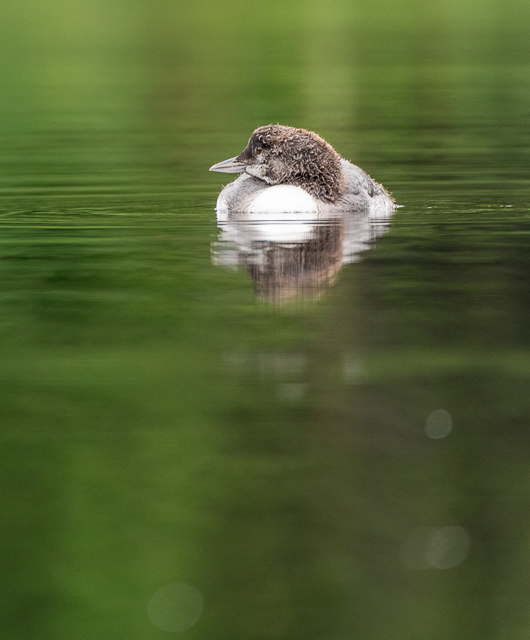
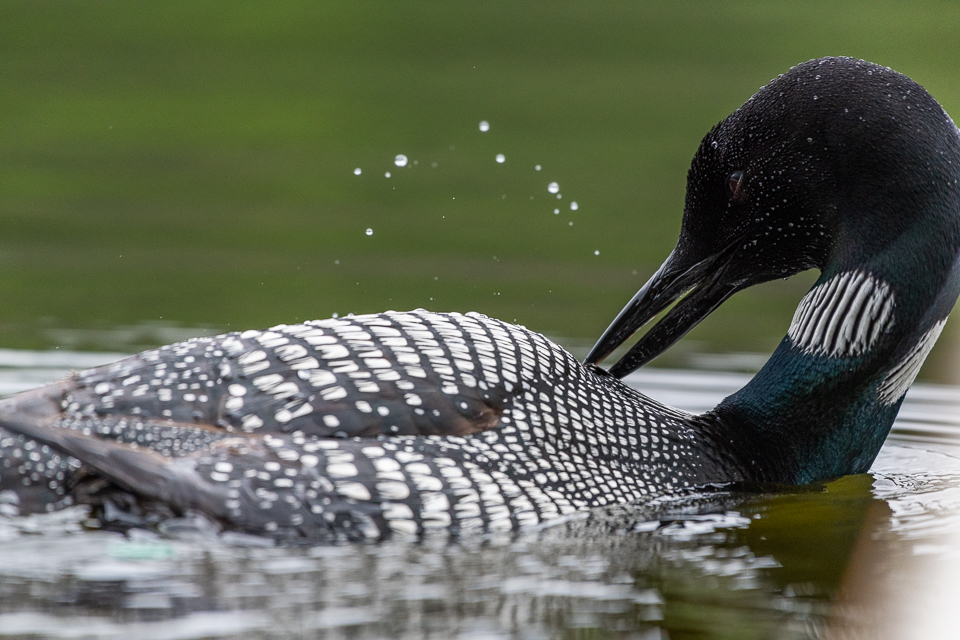
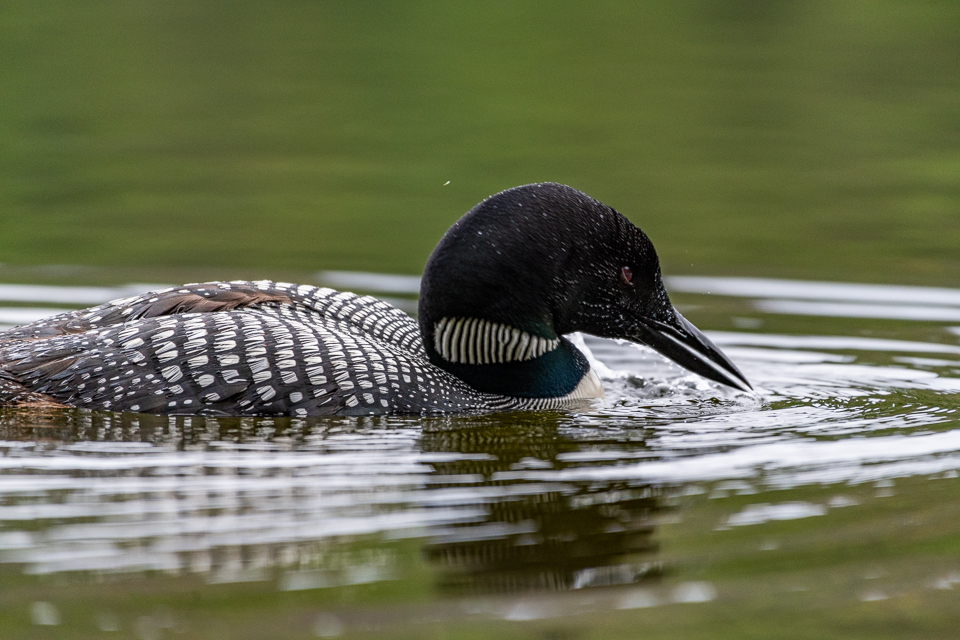
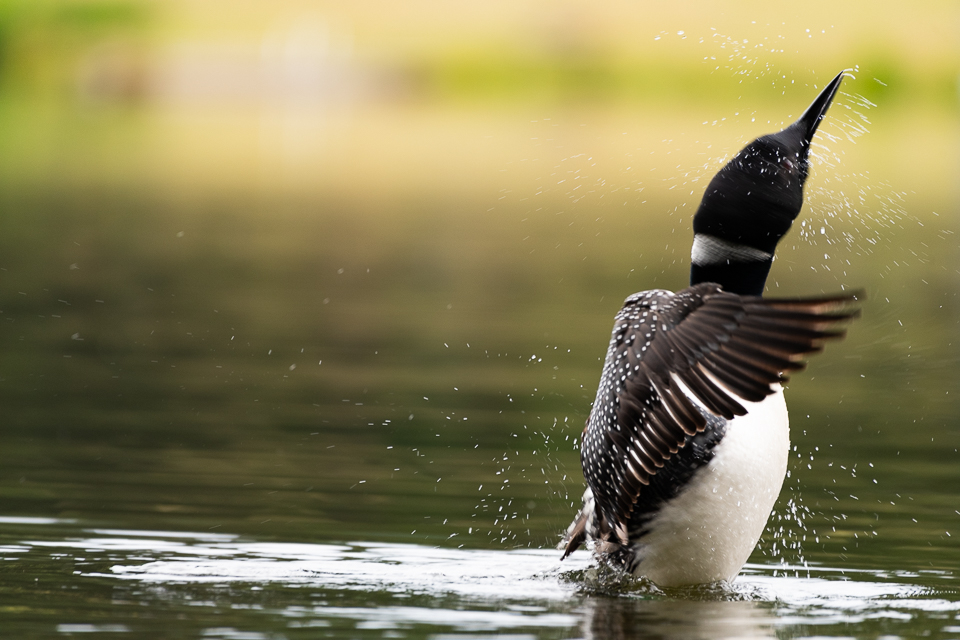
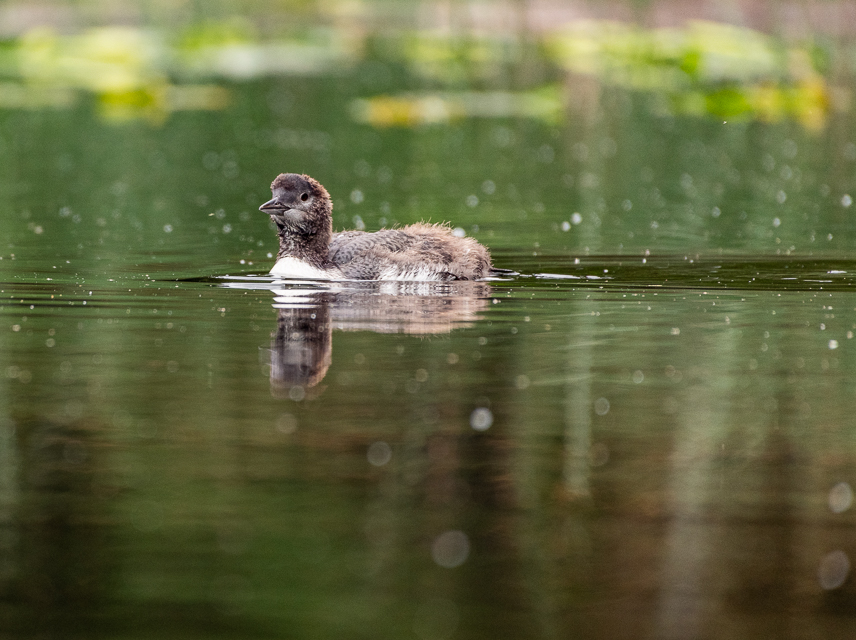
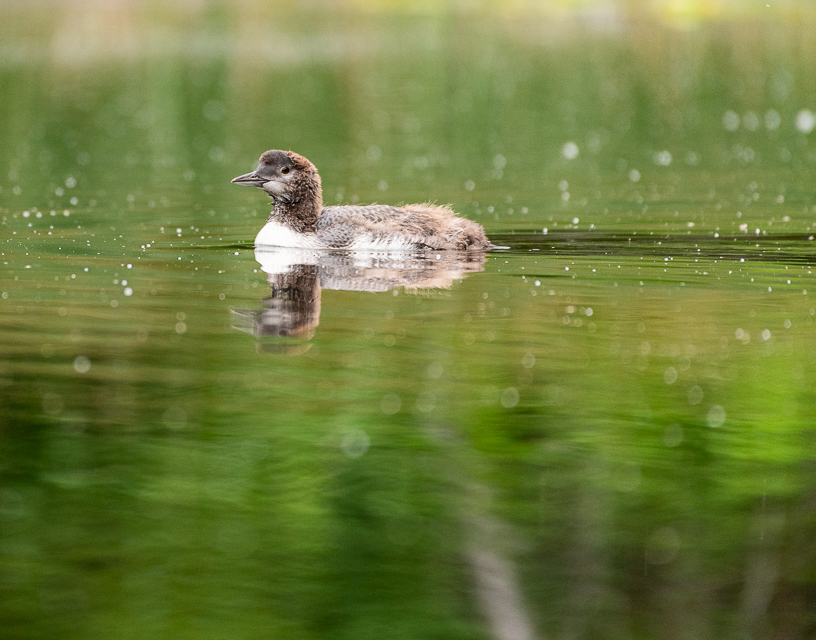
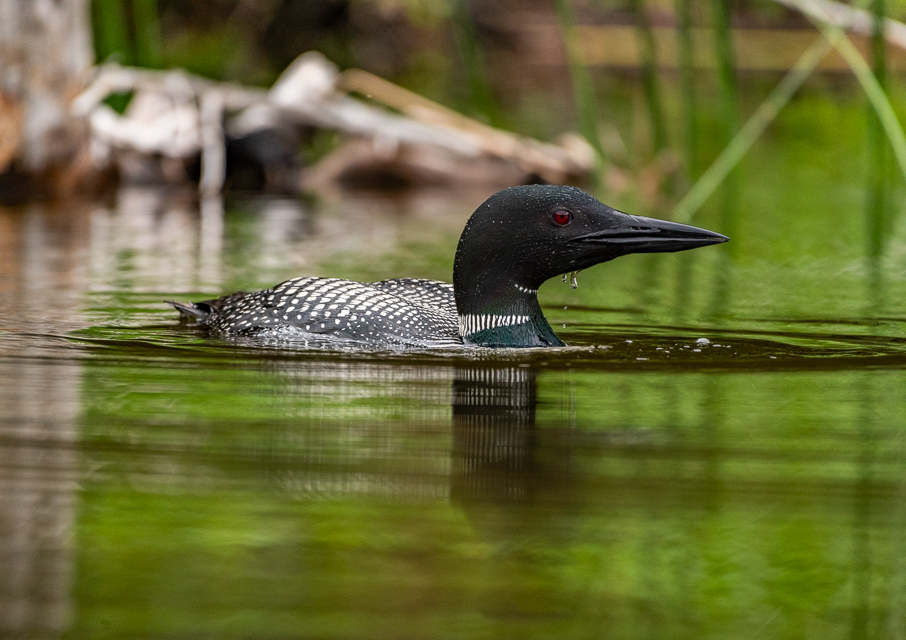
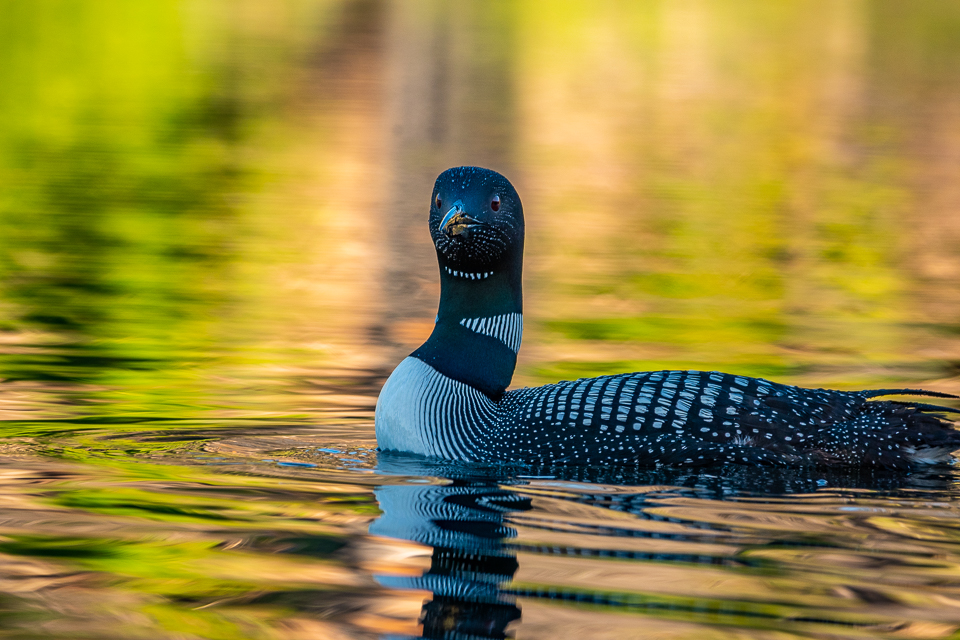
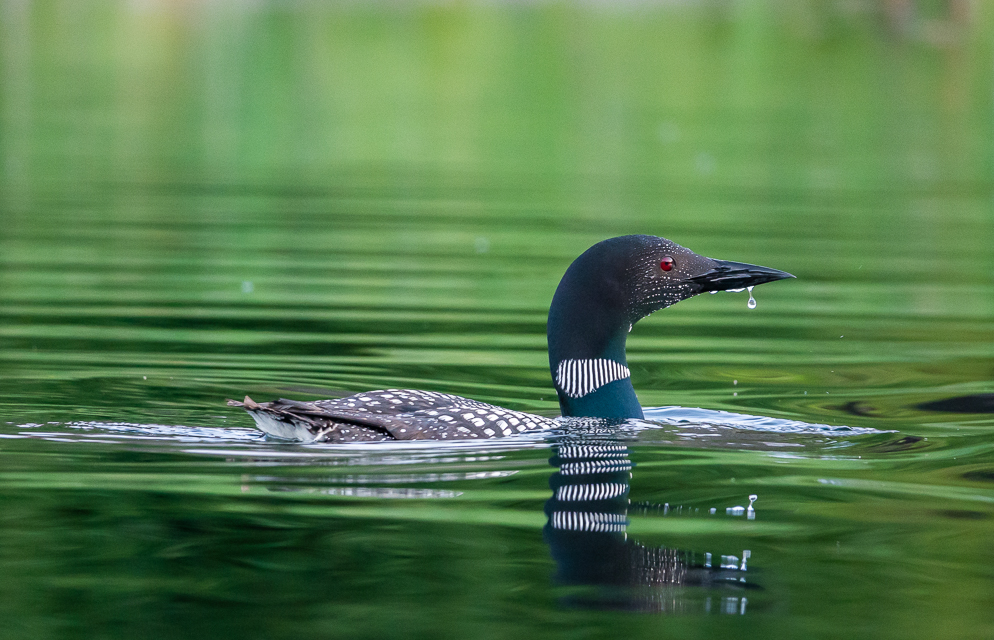
These loons had a hard time getting started this year when their first nest failed. They tried again so here they are in August raising their youngsters. It will be a while before they can fly. I imagine, if they survive and their parents are patient enough to stick around, it will be mid to late September before they can migrate. There are three other lakes in the area with loons and this is the only one where the young loons have survived. Bald Eagle are tough on loons.
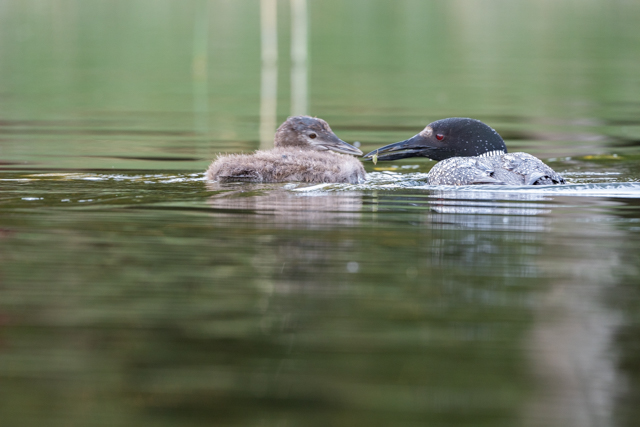
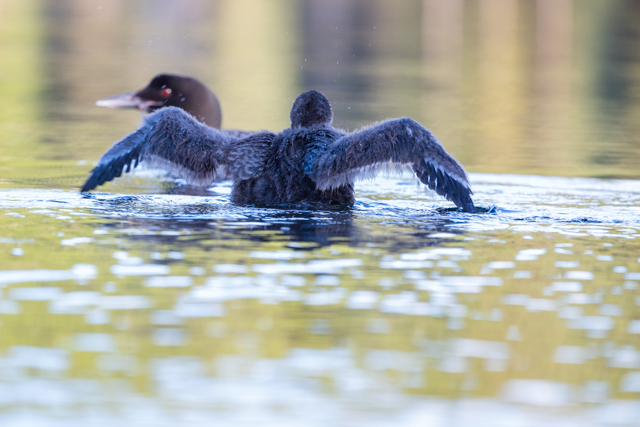
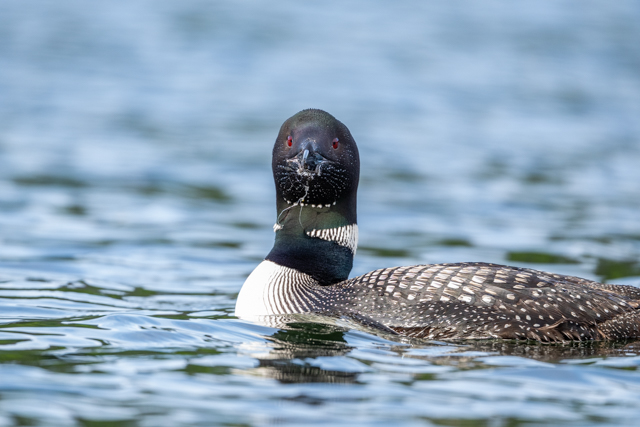
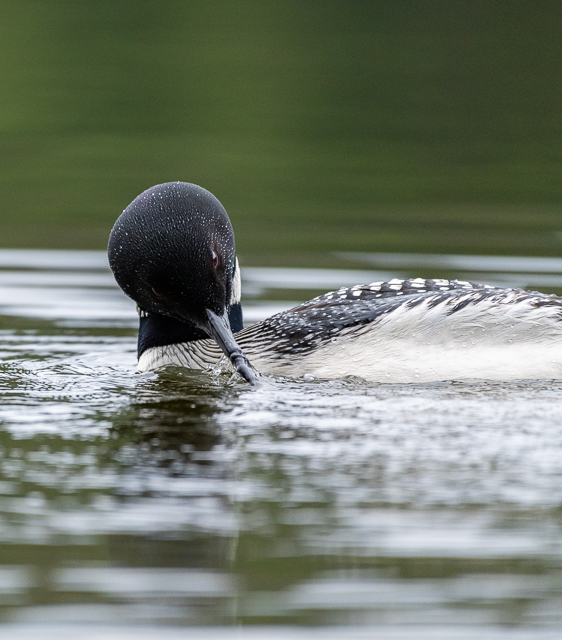
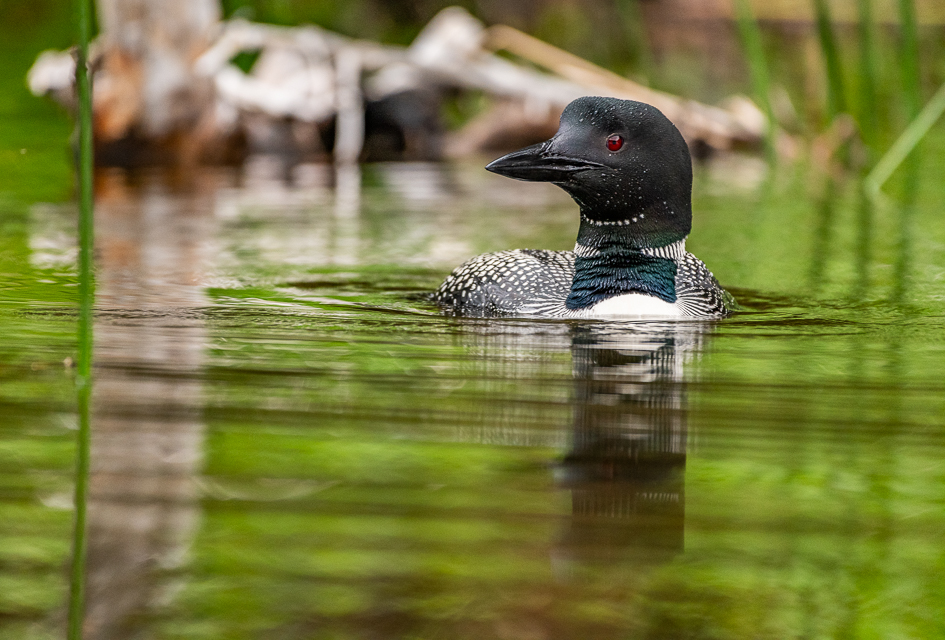
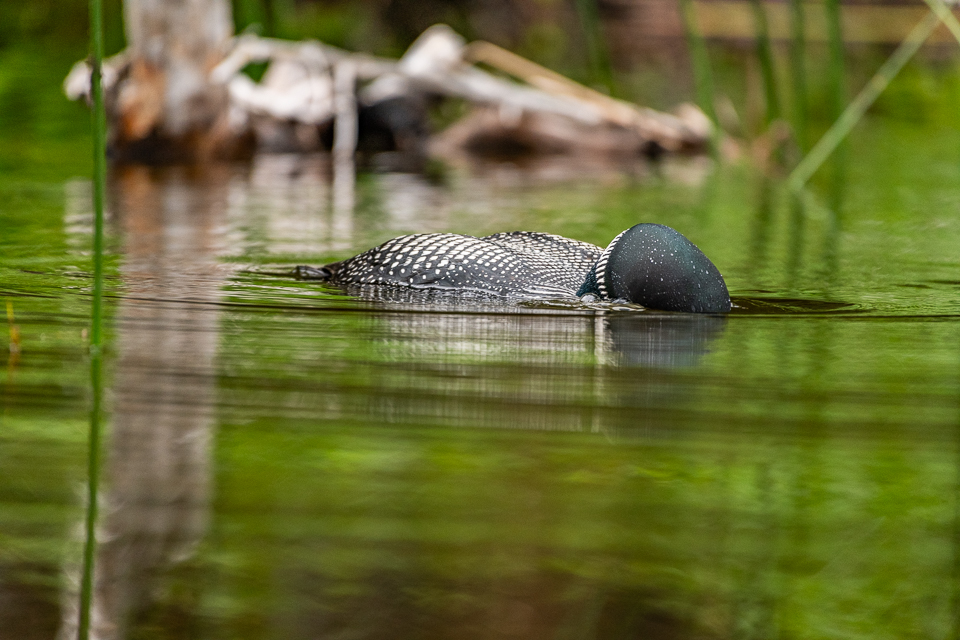
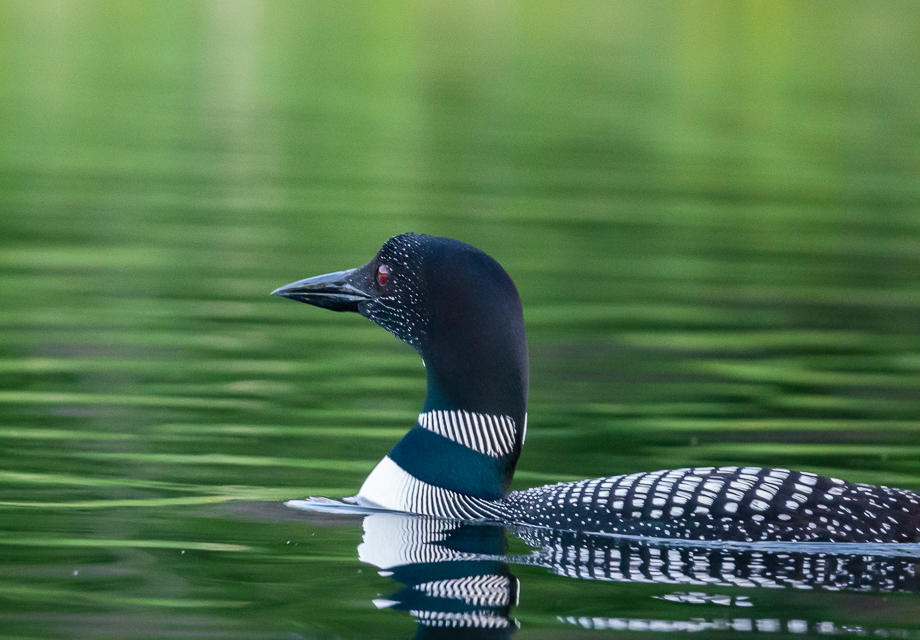
Both parents look like they’ve been through the ringer this year. One has an old wound on the forehead. It looks like it’s healed but the feathers haven’t grown back. The other has fishing line coming out of its mouth and perhaps around its neck. Hopefully there isn’t a lead sinker still attached. Last year’s female on this lake died from lead poisoning.

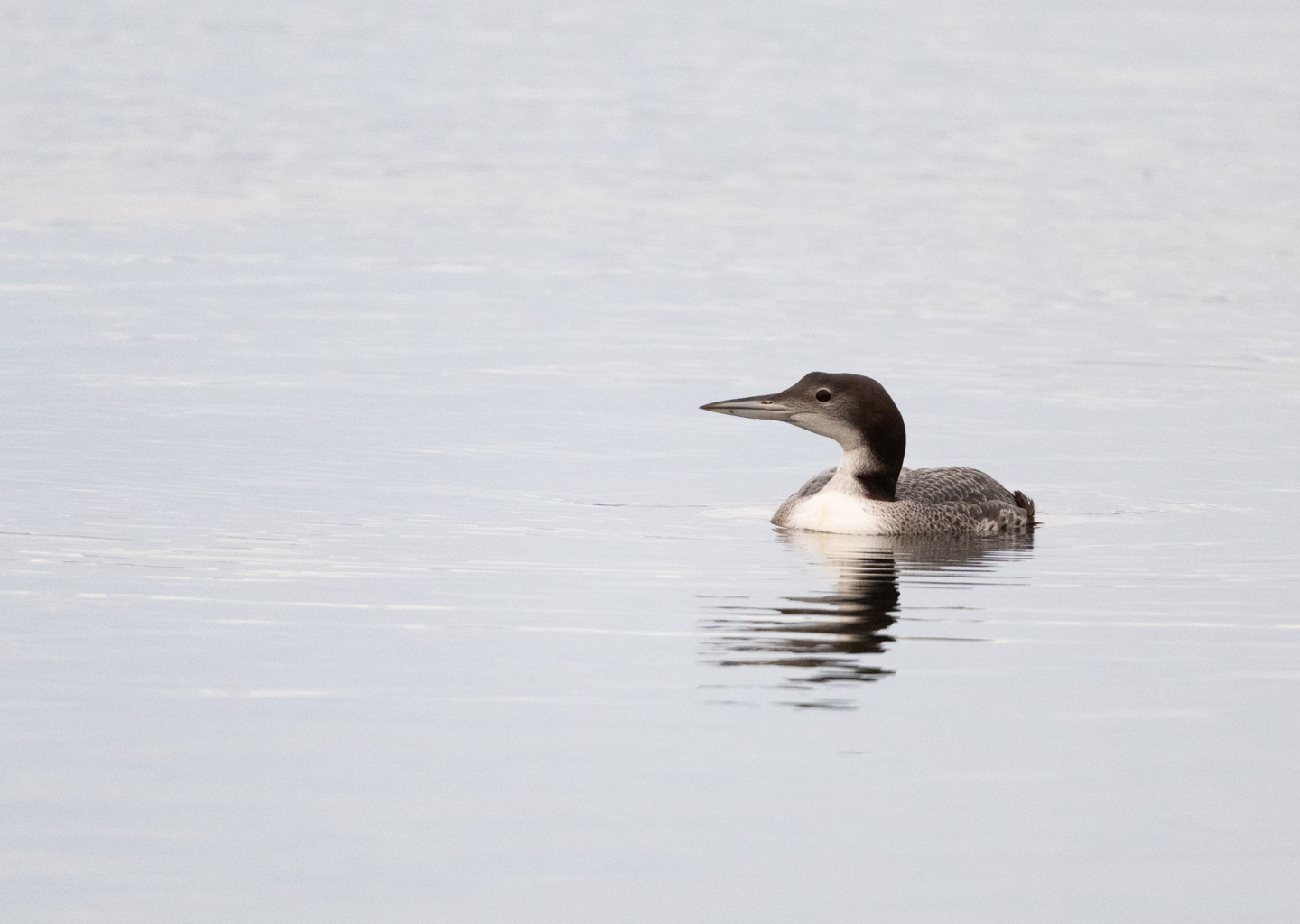
And there is a third loon that came to ‘visit’ each morning. While it is in breeding (alternate) plumage, it appears to be somewhat smaller than the other two.

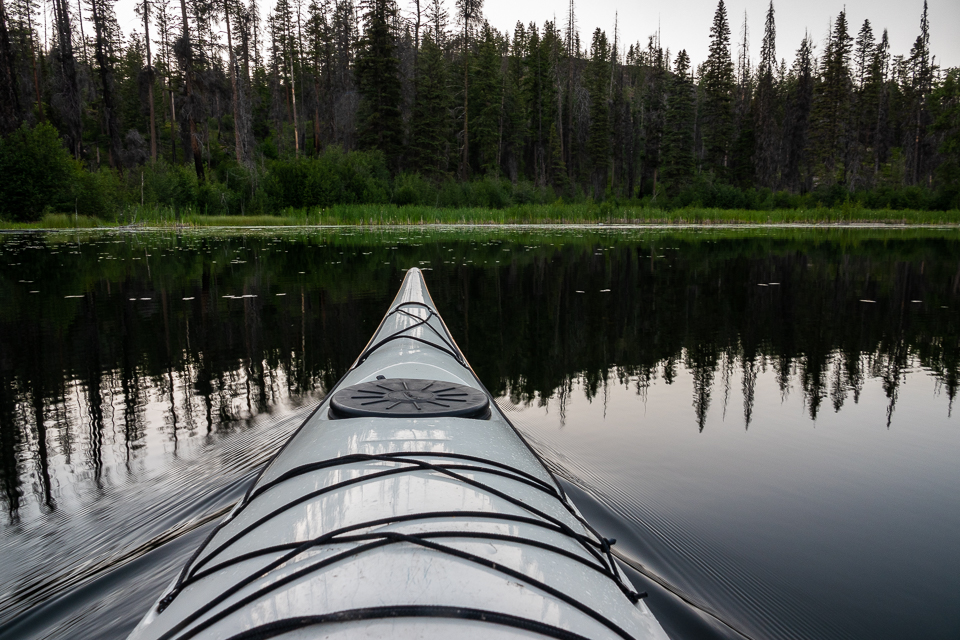
I photographed these birds from my kayak at a safe distance with a 600 mm lens.

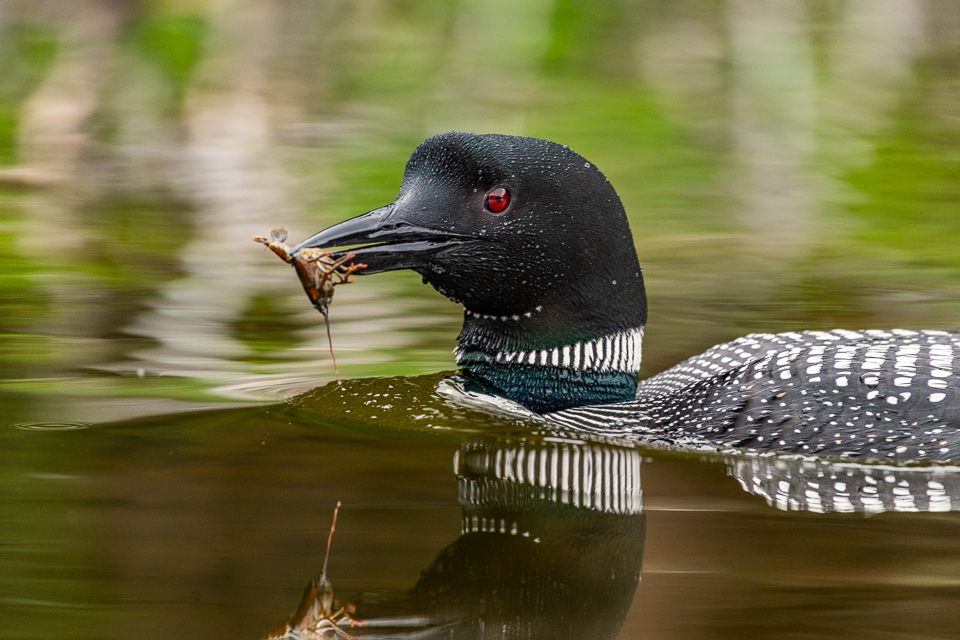
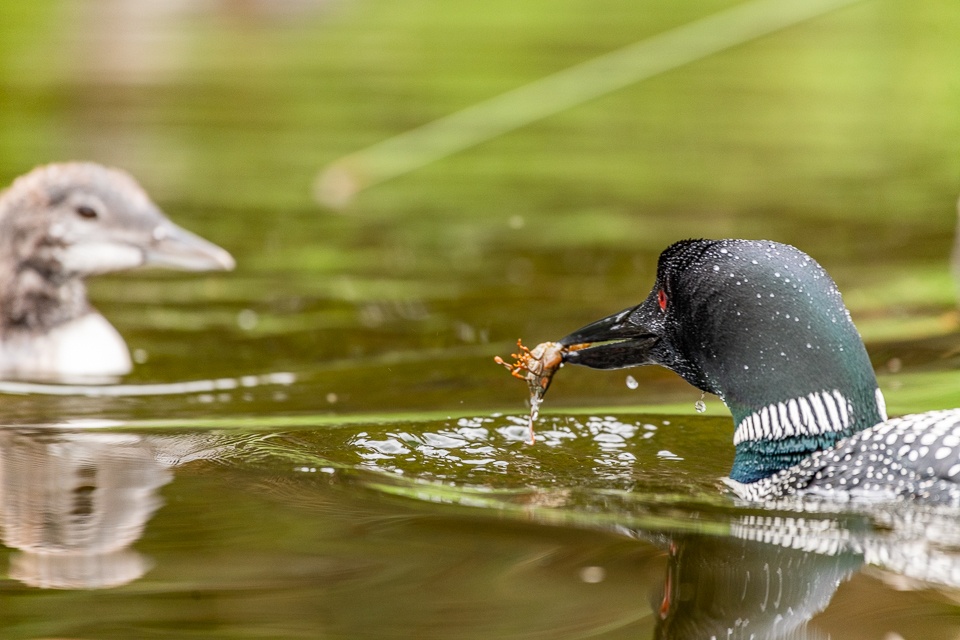
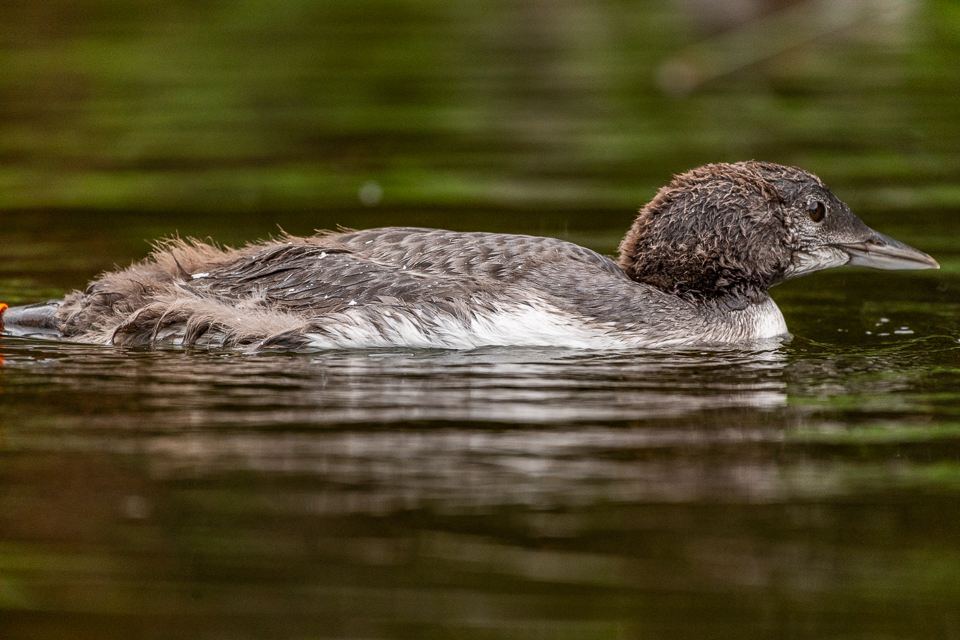
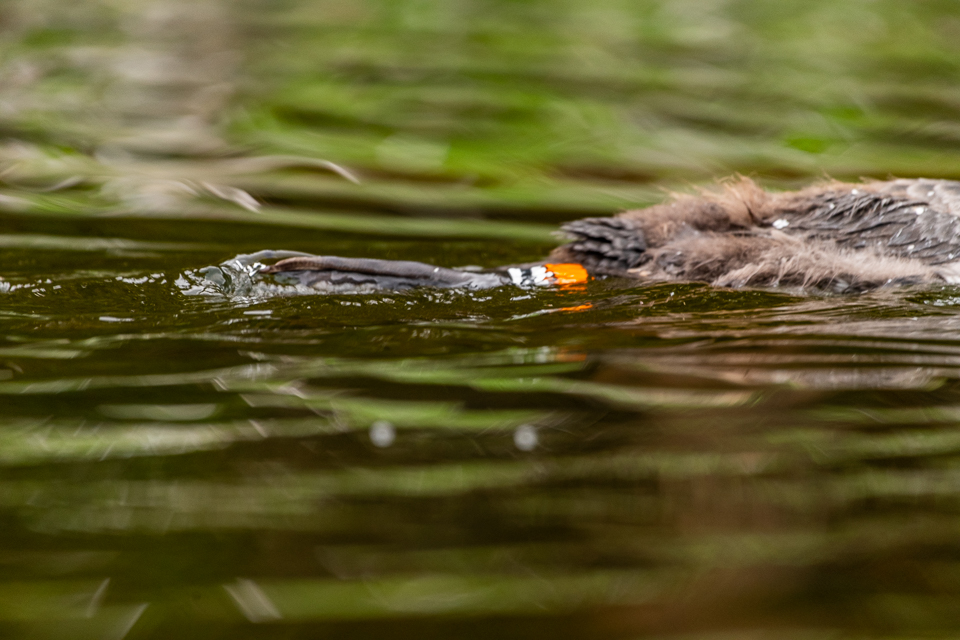
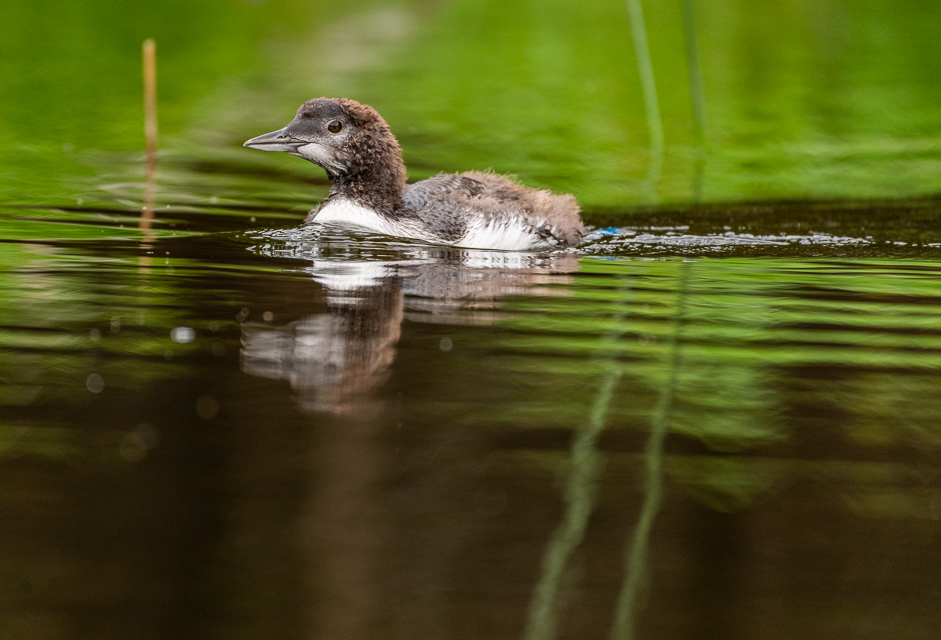
Last week, I had a chance to see the loons that I photographed early in July. The youngsters are growing up fast and growing some basic feathers. They have lost the soft gray look they had just weeks before. Now they are a bit scraggly looking but you can see that they are beginning to resemble their parents in winter plumage. The parents spend hours everyday searching for food for the little ones. They mostly seem to eat crayfish (crawdads) and occasionally a little fish. It takes a lot of little meals to fill these kids’ bellies. The youngsters are learning to dive and swim underwater. Soon they will have to feed themselves and learn to fly. They will migrate to the Columbia or perhaps the ocean and the young ones will return in three years to set up their own territories and hopefully nest, and produce a new generation. And like their parents, the young loons now wear four leg bands – three colored ones and a metal one – so that when they are seen again, they will be recognized. If you ever see a loon with color bands, try to remember the sequence of the colors on each leg. You can report the band information to the USGS banding lab.
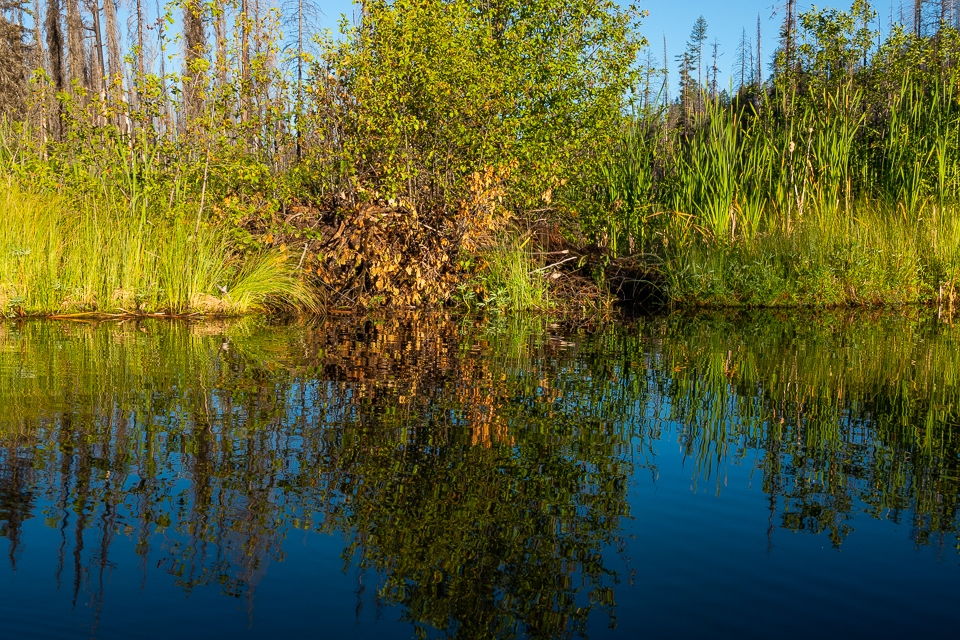
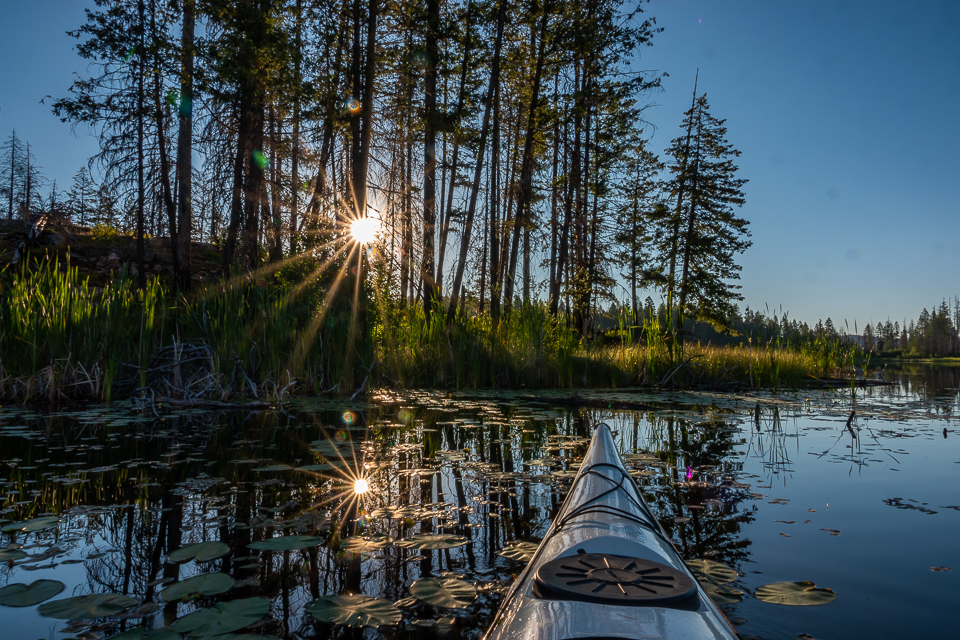
I love to watch and photograph birds from my kayak. It is very quiet and animals are more comfortable around it than around an upright person. Of course, it’s not a stable platform and it’s always moving at least a little bit so not the absolute best for photography but still.

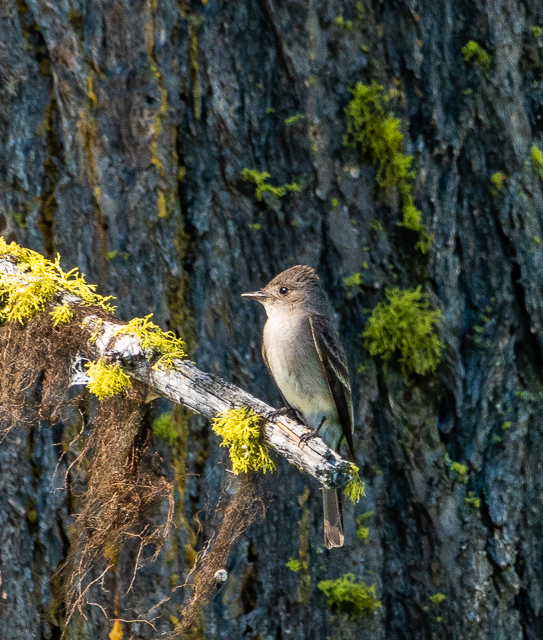
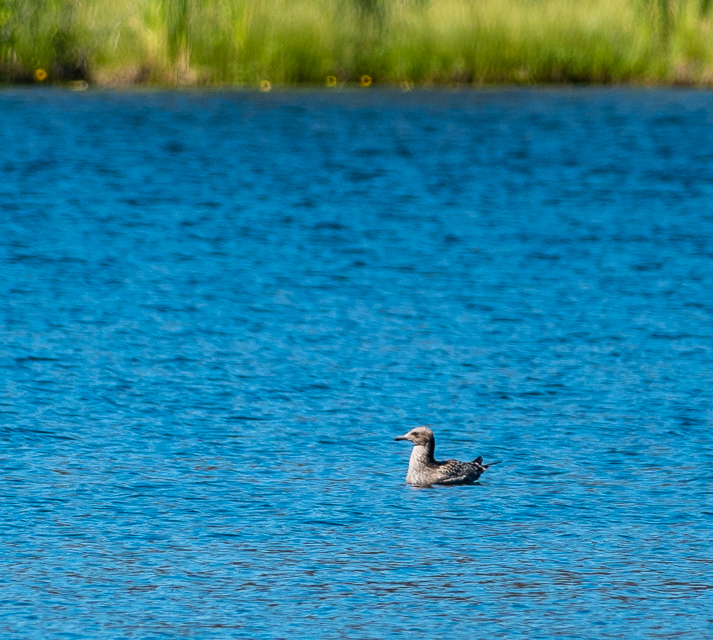
This time I found a very cooperative and tiny Western Wood Peewee that called and called and I am surprised I didn’t get any images with its mouth open. Also a baby American Robin, an immature gull and the elegant Common Loons. Topping it of was a beaver, dragging a branch to its lodge to feed its youngsters.

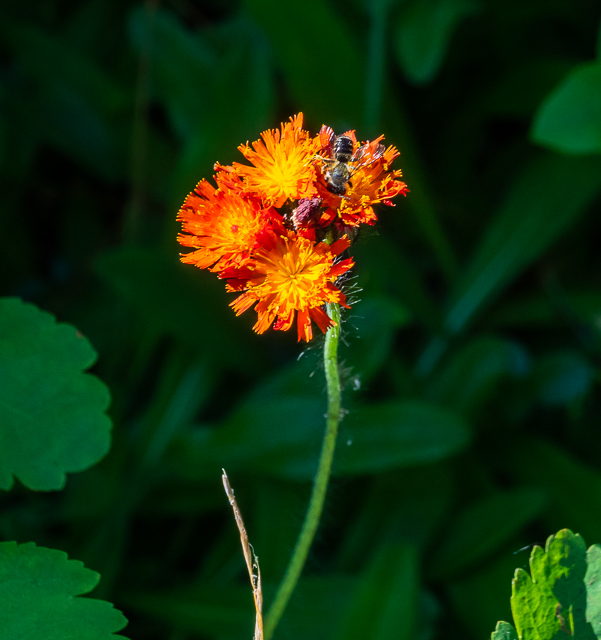
And on a hike I found a couple new to me, wildflowers.

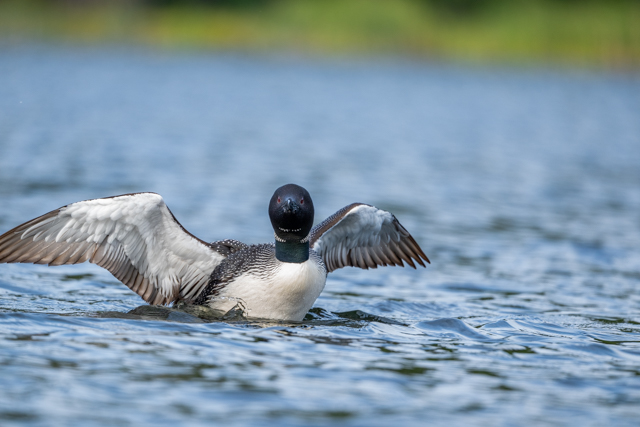
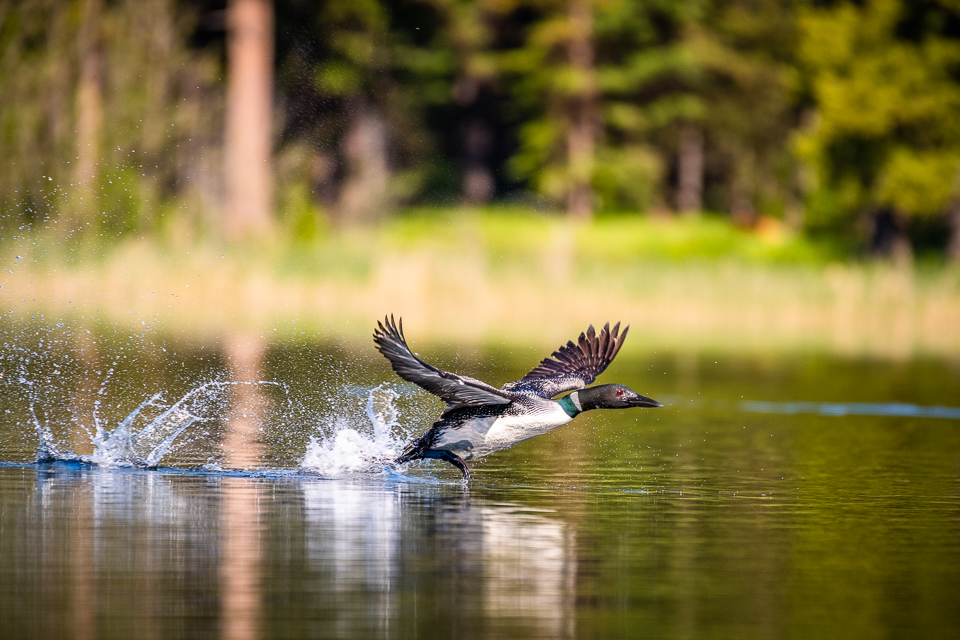
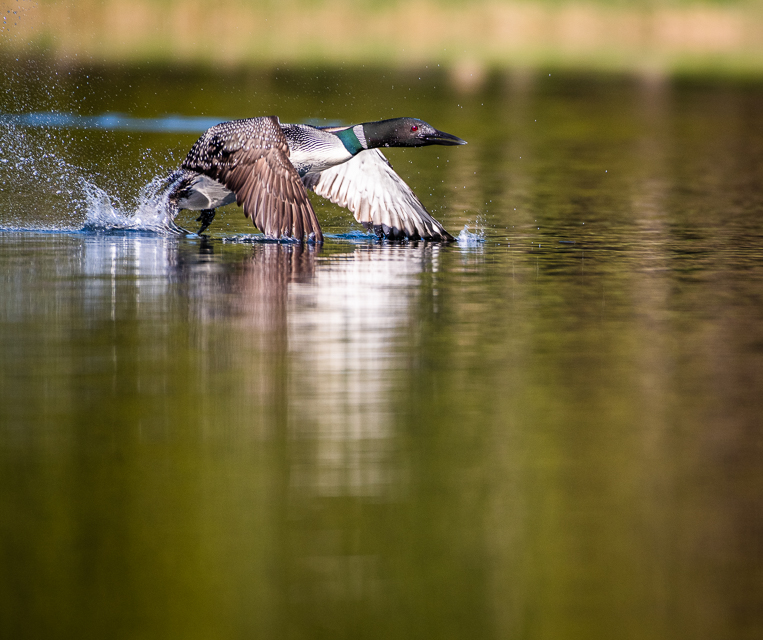
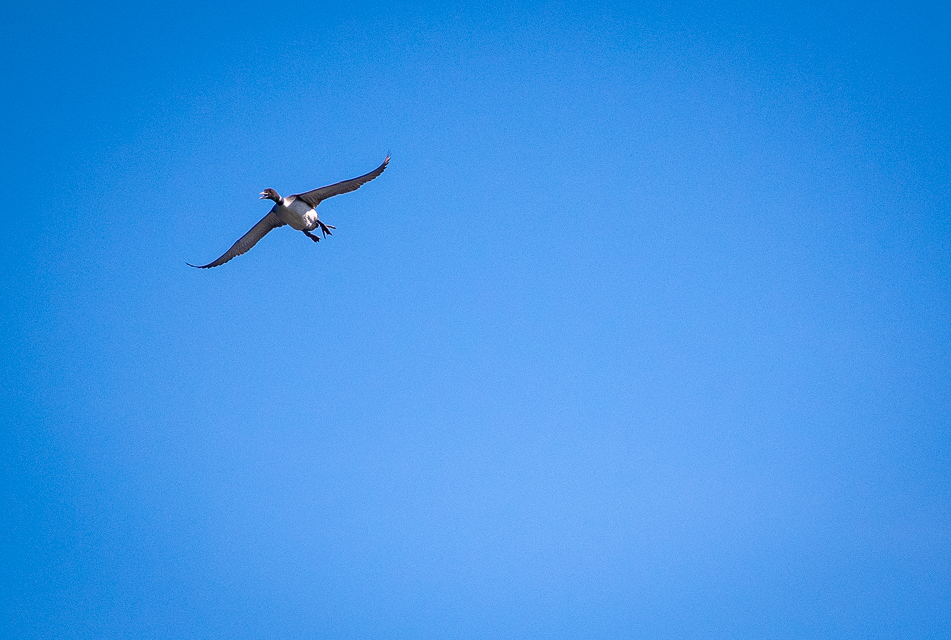
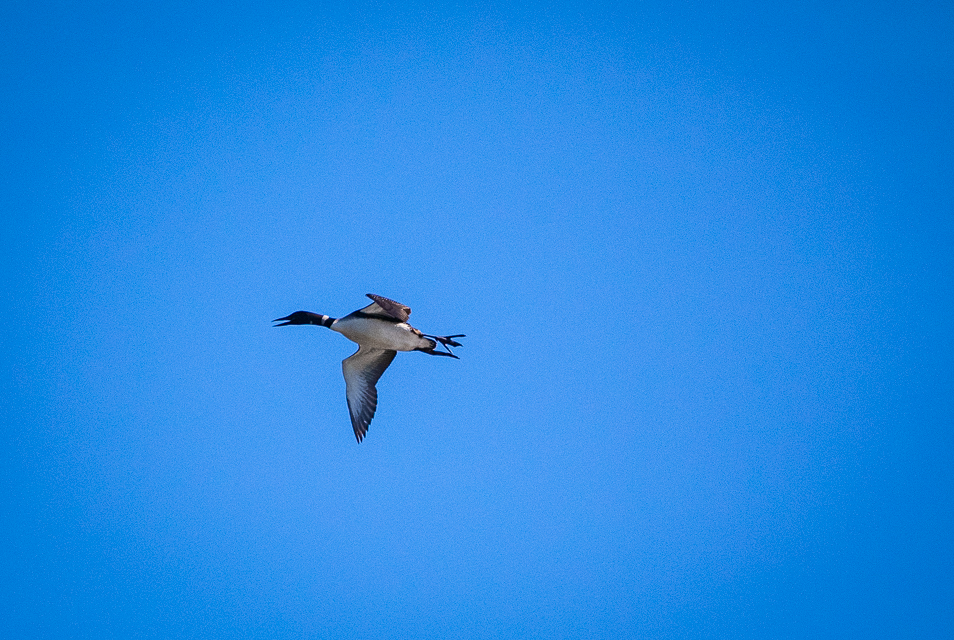
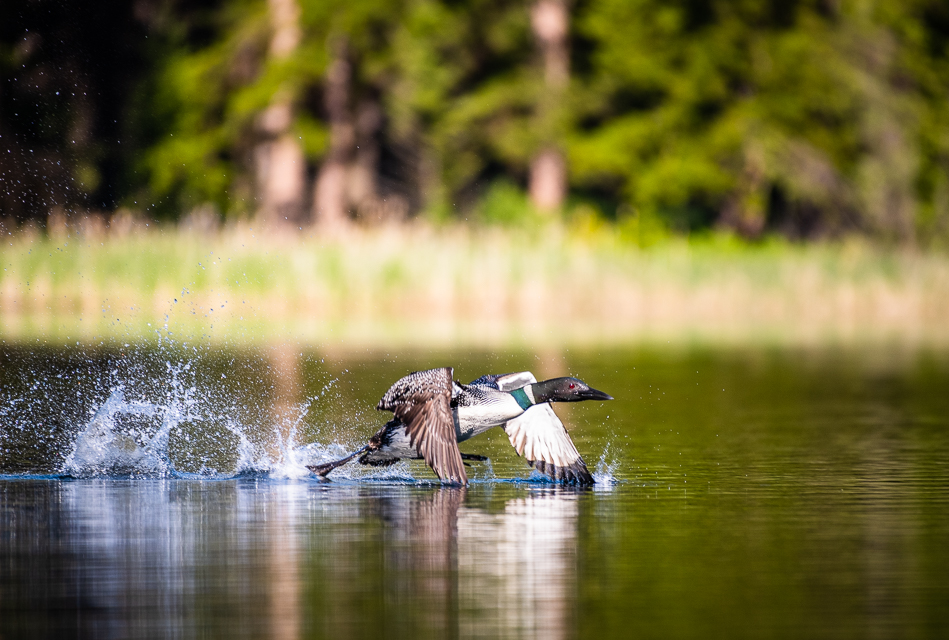
Common Loons need lots of water surface to get airborne and then, at a small lake like this one, they need to circle it two or three times to get high enough to clear the tall trees. It’s all pretty dramatic.

On the weekend of June 1, I visited my friend Betty for a long weekend of birding. North Central Washington Audubon Society hosted a big day on June 1, in hopes of counting all or many of the birds in our four-county (Chelan, Douglas, Ferry and Okanogan) area. It’s a HUGE geographic area. And much of it is remote and lightly populated with people.

Betty lives in Ferry County, the area with the fewest people and lots of really nice bird habitats. I birded my way over there on Thursday; Friday we scouted our area and visited a friend in the next area; Saturday we marathon birded from early in the morning til well into the evening and Sunday I worked my way home slowly til it got too hot to be any fun. We had some rain and once it came down in such a downpour we were concerned for our safety and decided to make a hasty departure. There was hail and lots of sunshine too. Somehow I managed to only photograph birds and not Betty or the dogs or the horses or chickens. Looking forward to next time!