Winter birding is not for the faint of heart. The weather is generally not favorable for optics and cameras and the birds can be few and far between. Feeders have the most diversity. Here are a few I’ve seen in December and January.


Winter birding is not for the faint of heart. The weather is generally not favorable for optics and cameras and the birds can be few and far between. Feeders have the most diversity. Here are a few I’ve seen in December and January.
On a recent camping trip, this Eastern Kingbird was very tolerant of me in my kayak and kindly posed for me most days. Kingbirds are flycatchers, catching their meals on the wing. They patiently wait on a good perch til they see a juicy morsel in range.


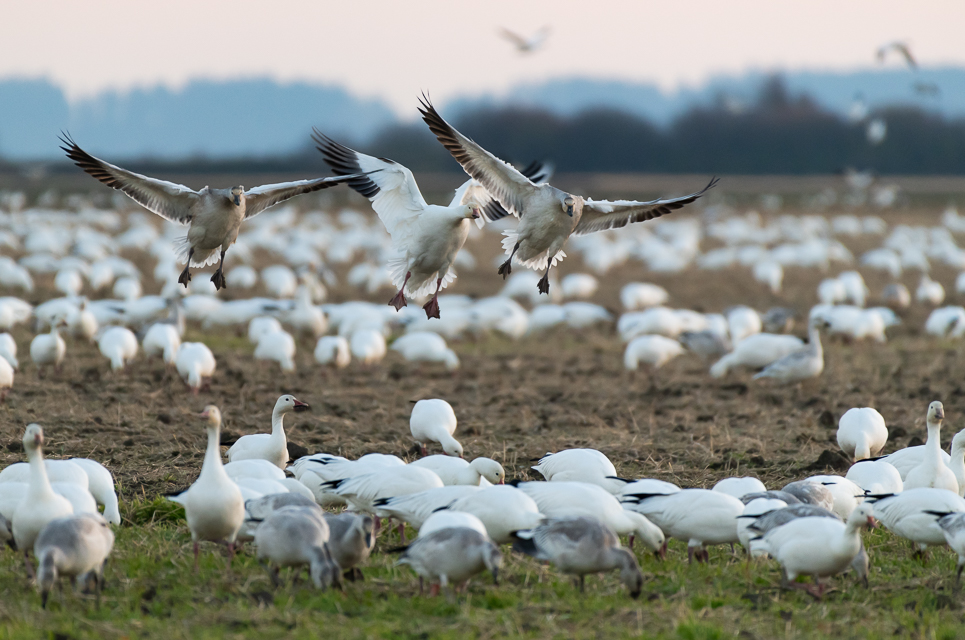
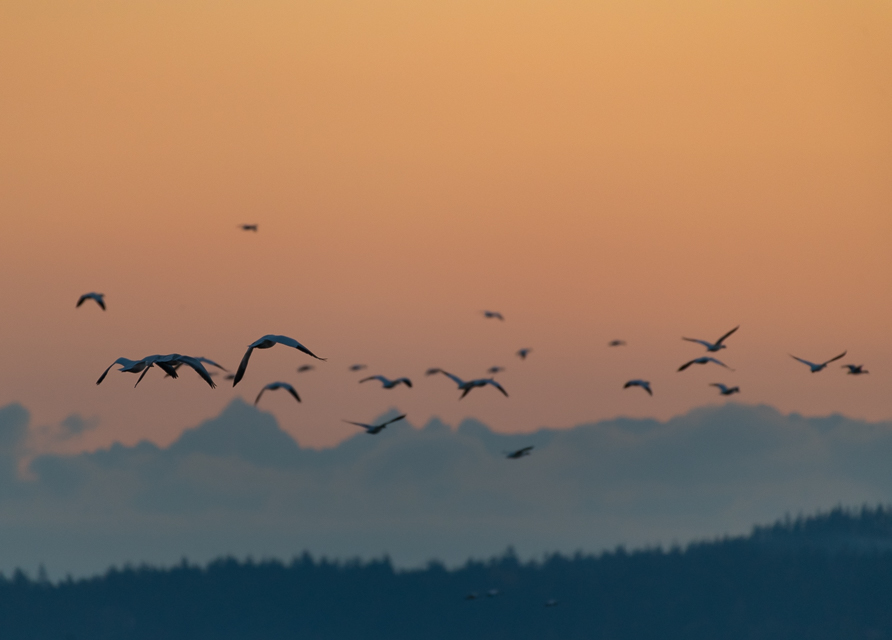
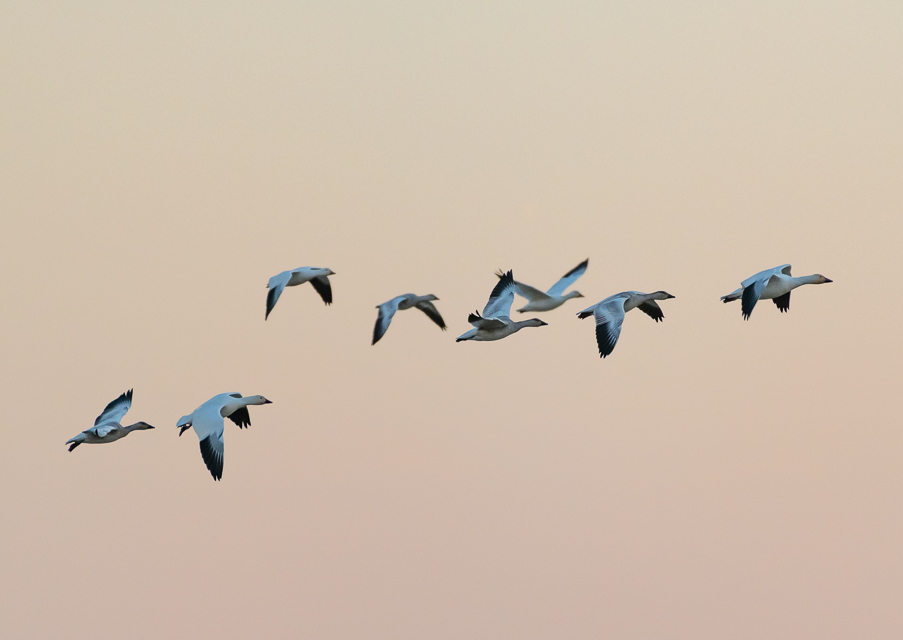
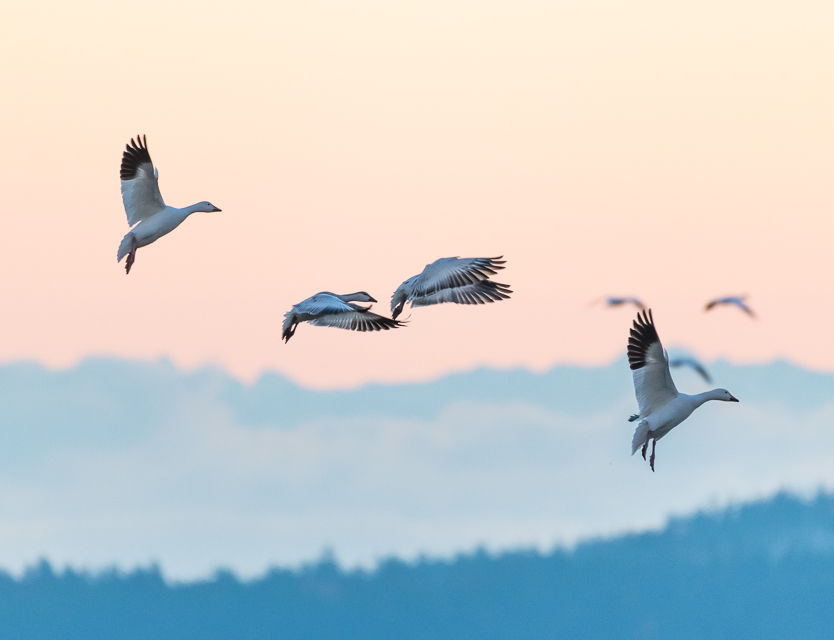
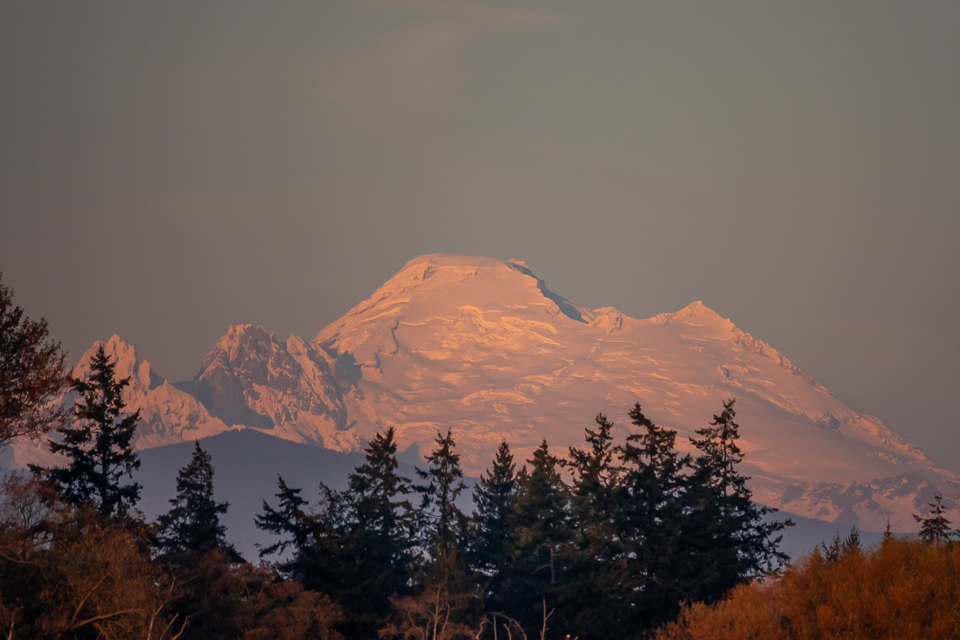
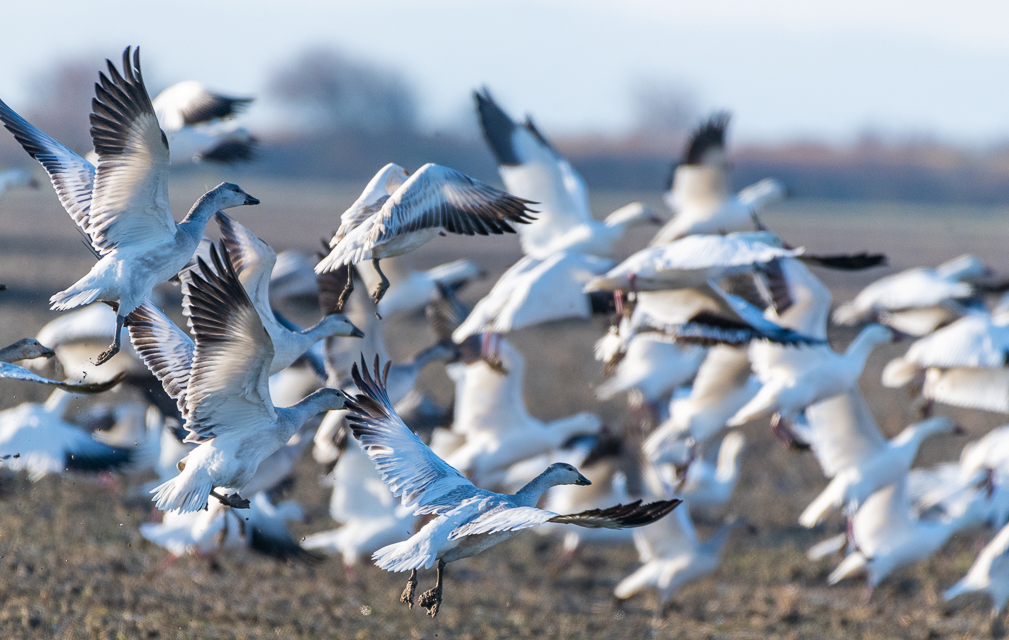
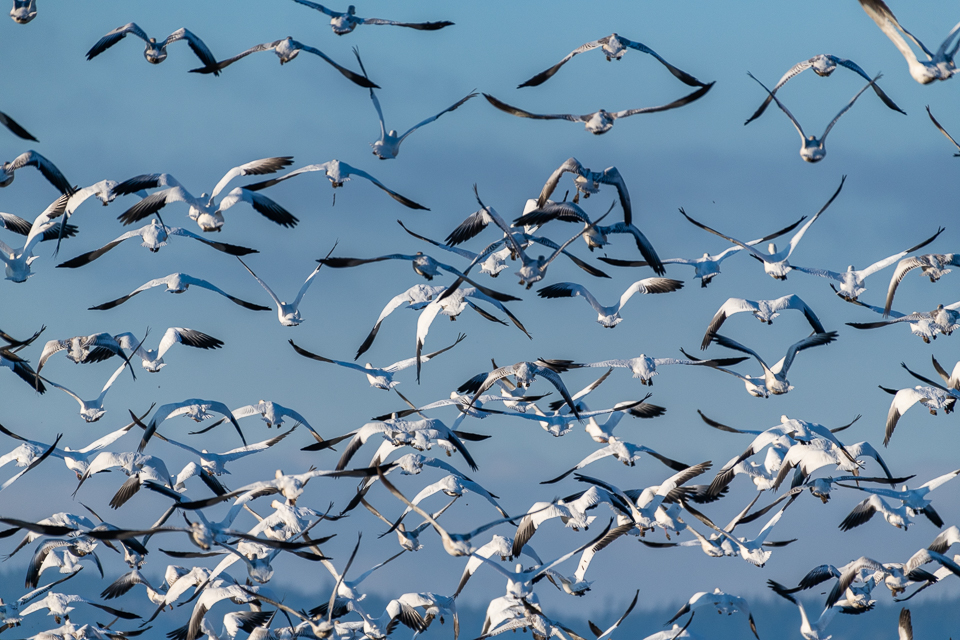
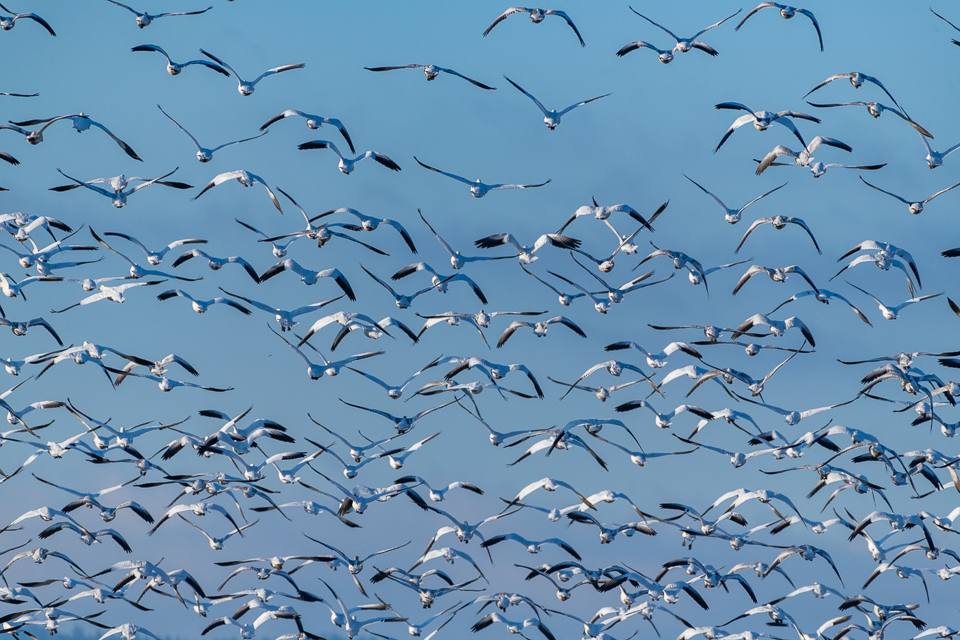
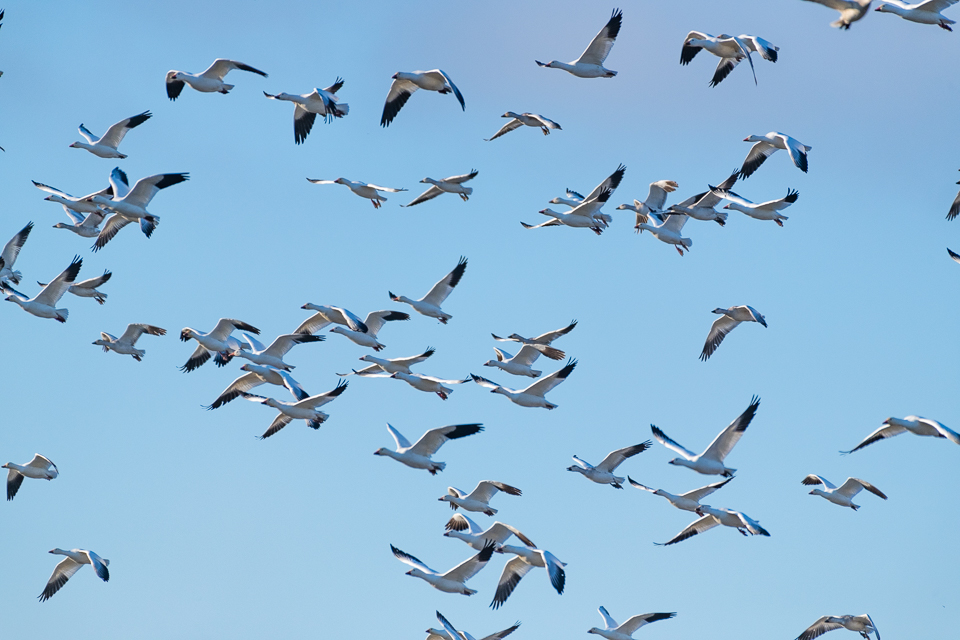
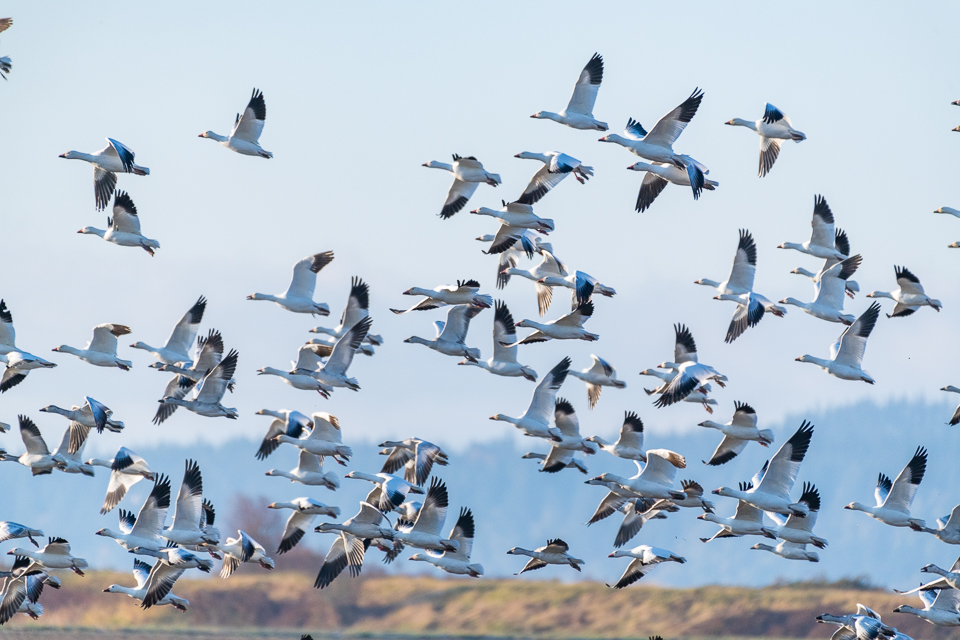
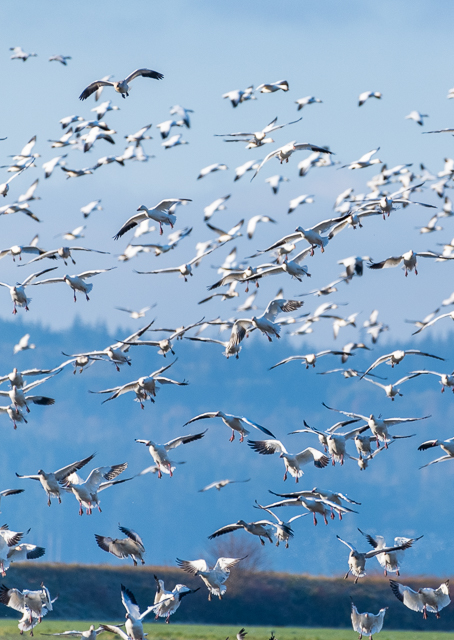
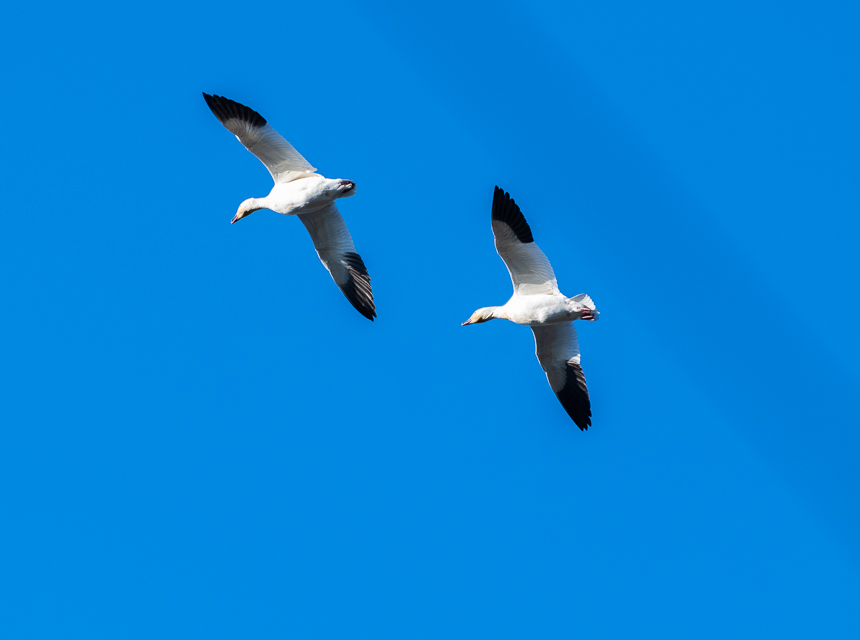
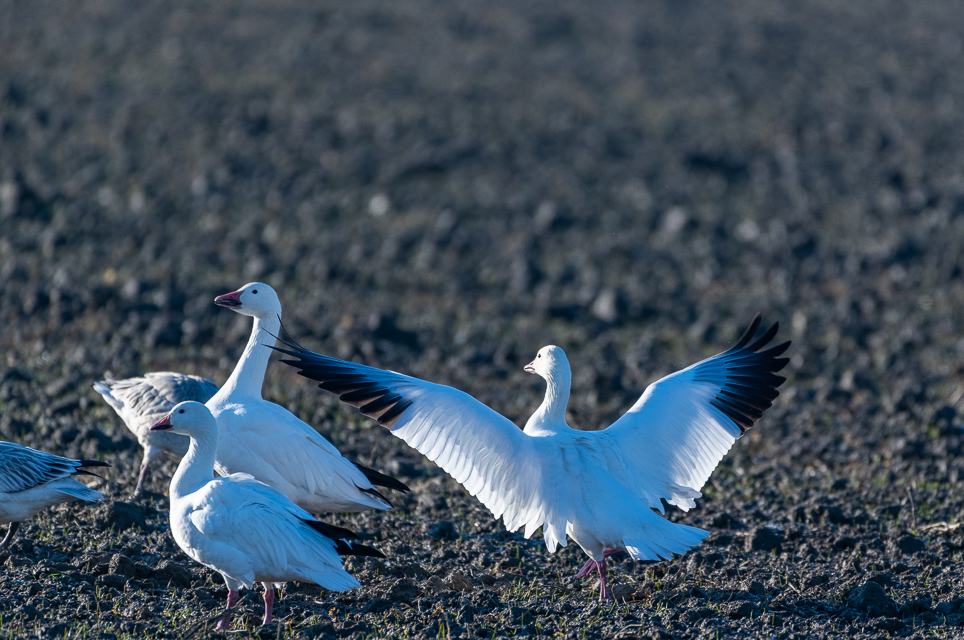
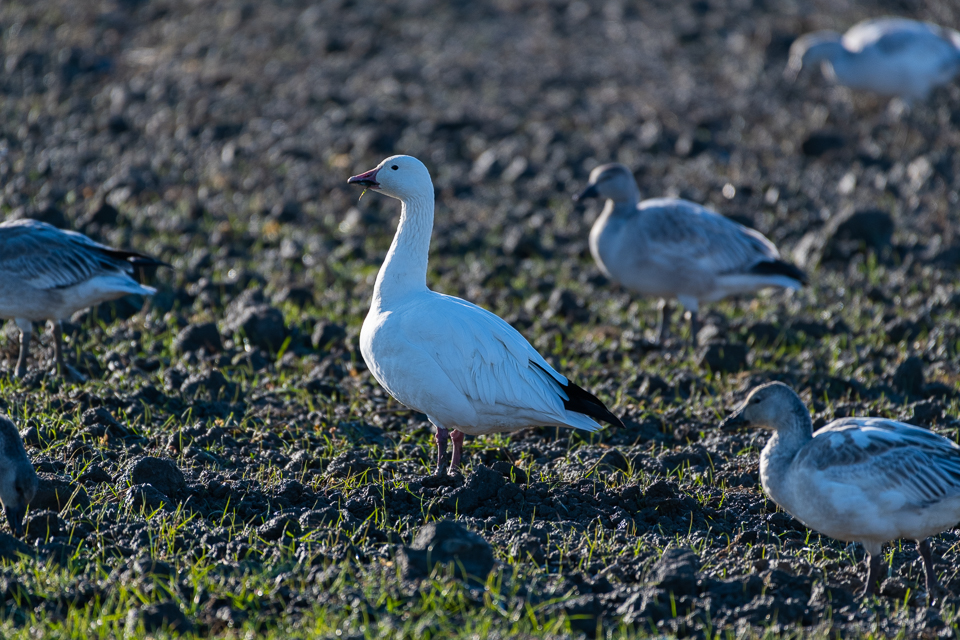
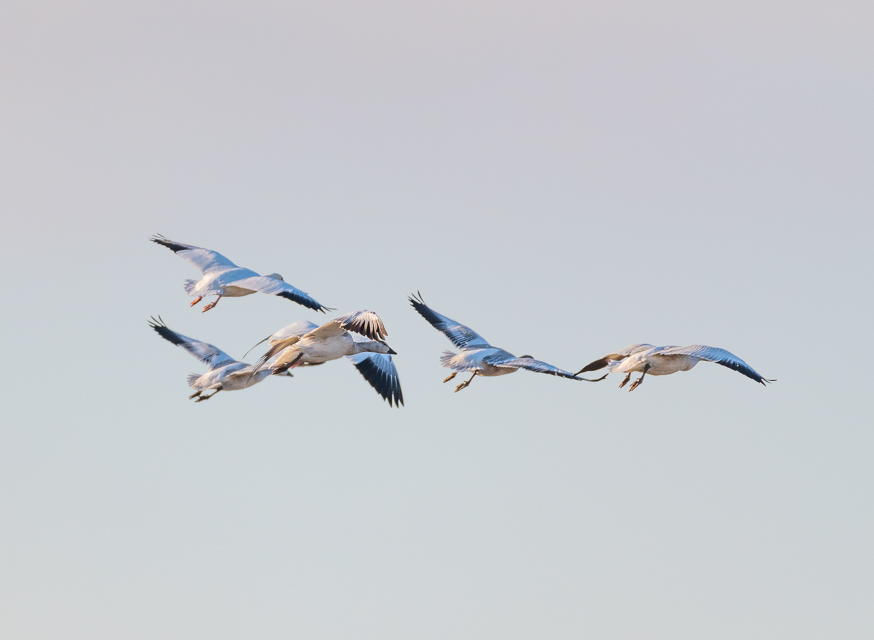
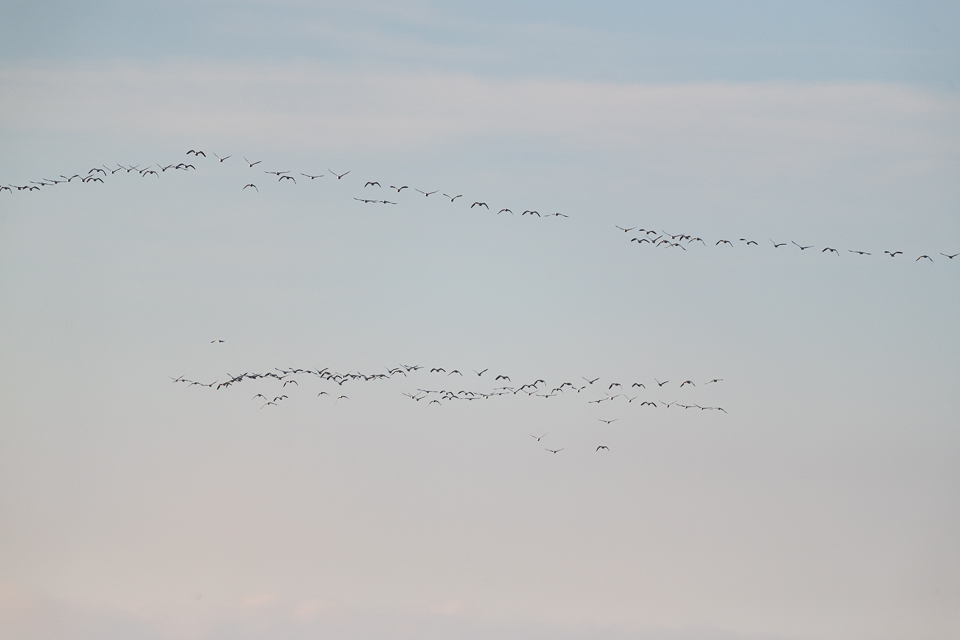
Sky and I went to an agility event in Skagit County recently and we found ourselves with some extra daylight Sunday afternoon and Monday morning so we went bird watching. I have always wanted to see the huge flocks of Snow Geese that winter in the area and I was not disappointed! The images I made are lovely but they don’t fully convey the spectacle of 1000’s of white birds constantly shifting around the landscape. They feed in the rich agriculture fields (formerly the Skagit River estuary, now diked and drained) during the winter. Flocks lift off and fly around, seemingly at random, forming bigger and smaller flocks during the day. I highly recommend a trip to see these birds on their wintering ground. I was lucky to have nice weather. That’s not always the case. In addition to the geese, you can see a variety of raptors (I saw a Short-eared Owl and a Northern Harrier hunting at dusk), Trumpeter Swans and a wide array of water birds.






Birders keep lists. Some keep LOTS of lists – life lists, country lists, state lists, county lists, trip lists, yard lists, etc. I have a not well defined life list and if I ever lose my copy of Sibley, I will lose my life list. But I/we have a yard list. We have a big yard – fifteen acres and we count every kind of bird we see or hear from our ‘yard’. This week, on two morning dog walks, I saw and photographed American Tree Sparrows. They are not a rare bird but I have never seen one in our county, let alone our yard, before this week. They breed in the far north and winter across much of the US. I have seen them in thick shrubs and weedy areas in the winter, generally south of here. Two other birders have seen them in recent weeks here in the valley so maybe there are more of them here this year or maybe we are more observant.


I did not mean to feed the birds. Sometimes Luna doesn’t feel well and she was getting white rice mixed into her regular kibble and still she did not eat her breakfast. So I picked it up to keep Sky from eating it. Later we walked down to the lake and when we returned, the local flock of Canada Jays was having a heyday with it. These jays make their way through the campground each morning looking for careless campers who leave their food out. Normally, I keep a clean campsite so I was a bit horrified at myself but then watching the jays was so much fun and they were really loving the unexpected treats!
Canada Jays used to be known as Gray Jays and before that, they were Canada Jays. I don’t know why ornithologists made those decisions. They are commonly known as camp robbers or whiskey jacks. They are very gregarious and will even take food from a person’s hand. I wonder what they eat in the winter when people aren’t around?


