Skip navigation

Category Archives: Uncategorized

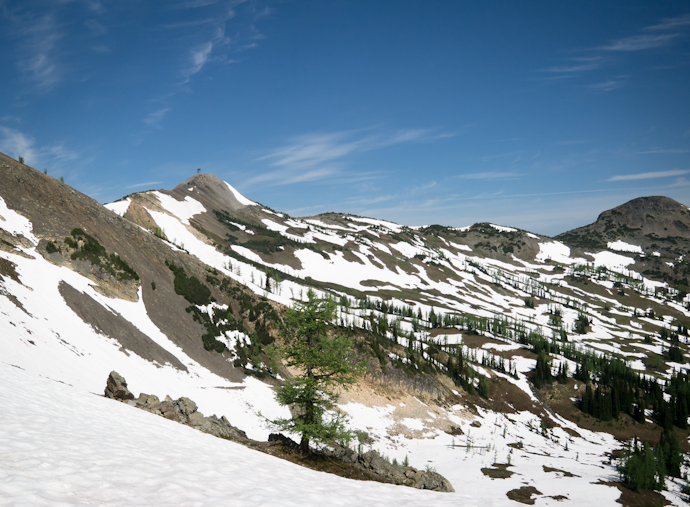
The Pacific Crest Trail (PCT) stretches from Mexico to Canada along the crest of the mountains – from the Sierra Nevada in California to the Cascades of Washington. It intersects roads in many places so day hikers can get a taste of what the through hikers do everyday for months on end. One of my favorite pieces of the PCT follows a ridgeline to Grasshopper Pass. I like this trail for a variety of reasons – one, it’s never steep; two, the views are outstanding; three, the wildflowers are grand; and four – later on the larch trees change to a lovely shade of orange before dropping their needles. Oh, there are also lots of marmots and ground squirells and pikas! Pikas, if you are not familiar with them, live in talus slopes and are the smallest member of the lagomorph family; they are tiny rabbits. They do not hibernate like many of the mammals of the high alpine country. Instead, during the summer and fall months, they gather grasses and vegetation and create little hay piles to keep them nourished through the LONG winter! And it is long. The snow has only just recently melted from this region.

Only 35 miles to Canada. Doesn’t sound so bad.

The trail starts out crossing this rocky talus slope where the pikas live.

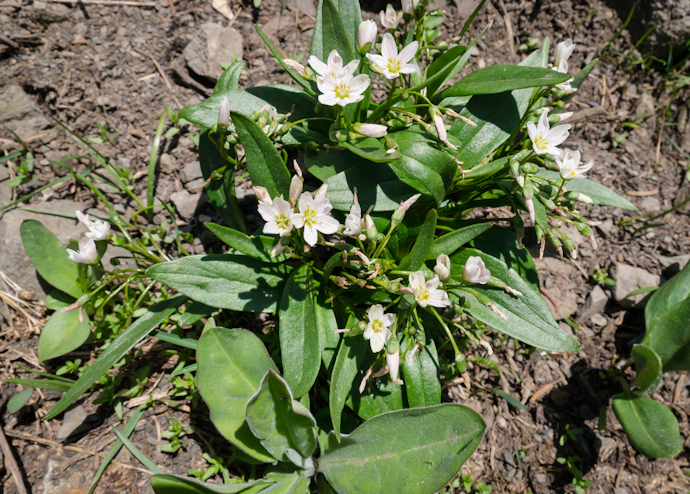
Anemone

I do not know this pretty blue flower

I think this is Lewisia columbiana

Its tiny delicate flowers up close

A vibrant red Castilleja (paintbrush)

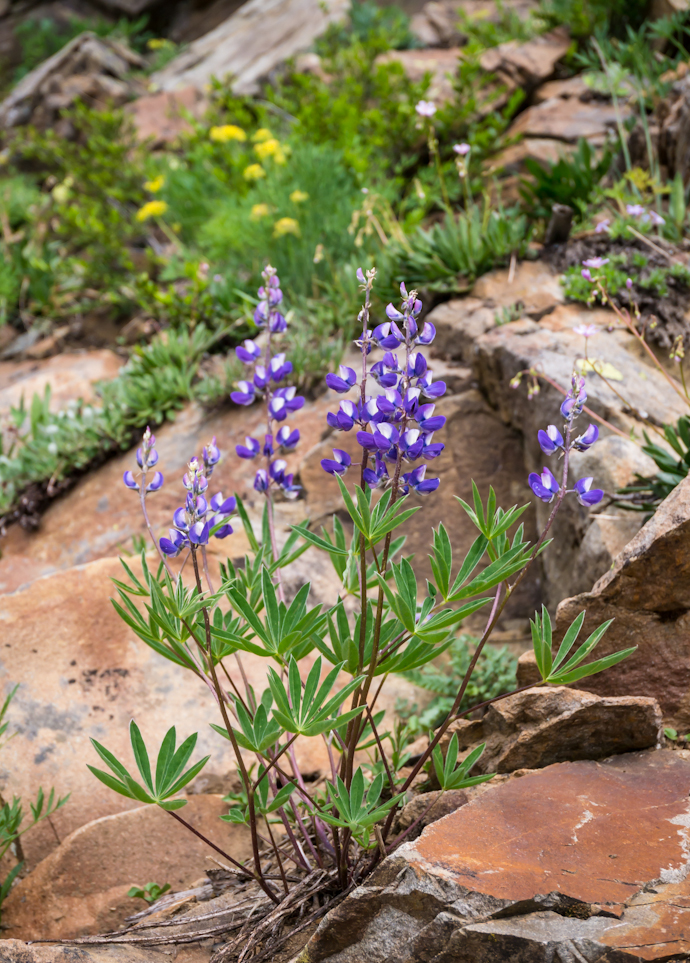
Really, do I always have to include an image of lupine?
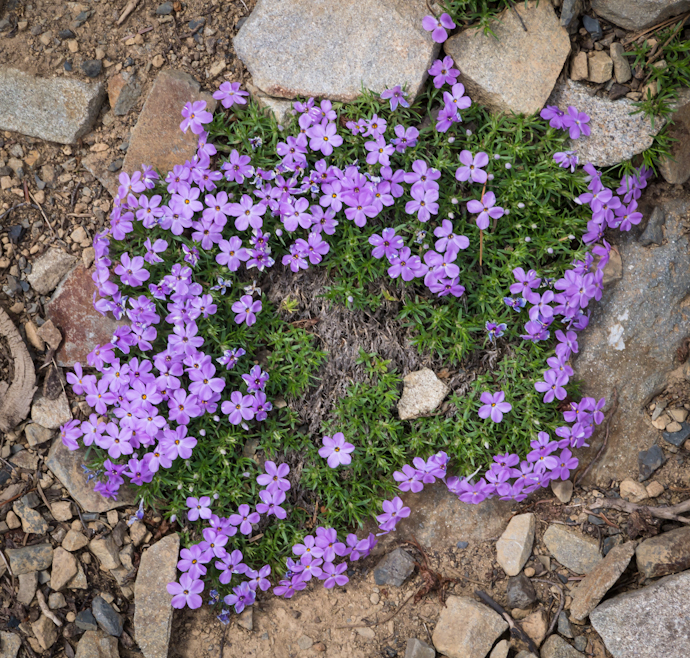
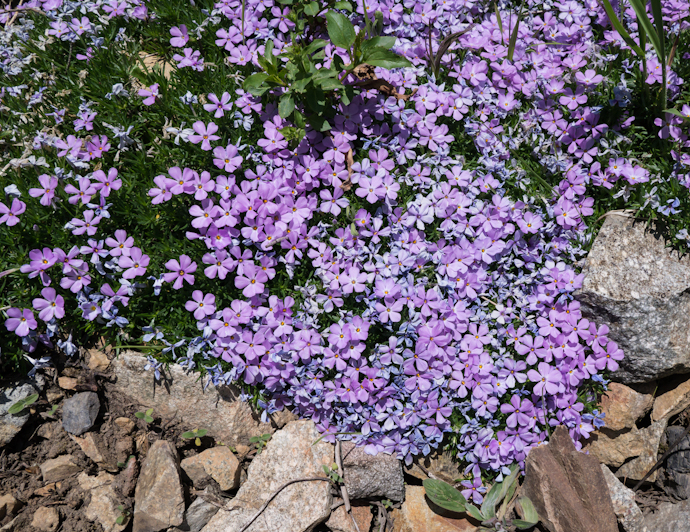
Ground hugging phlox
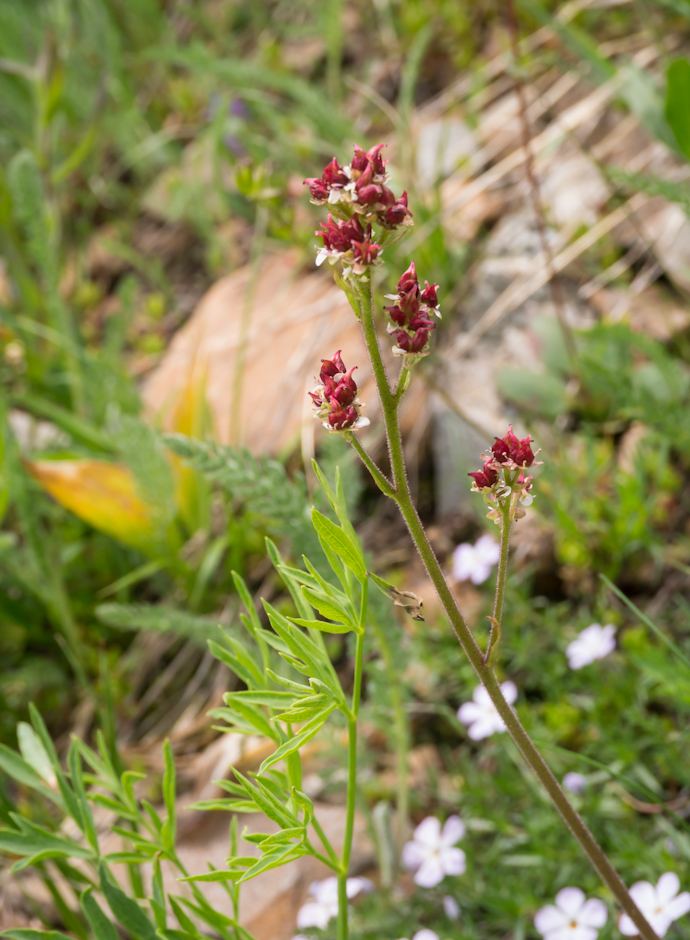
I think this is a penstemon

I knew this one last year!
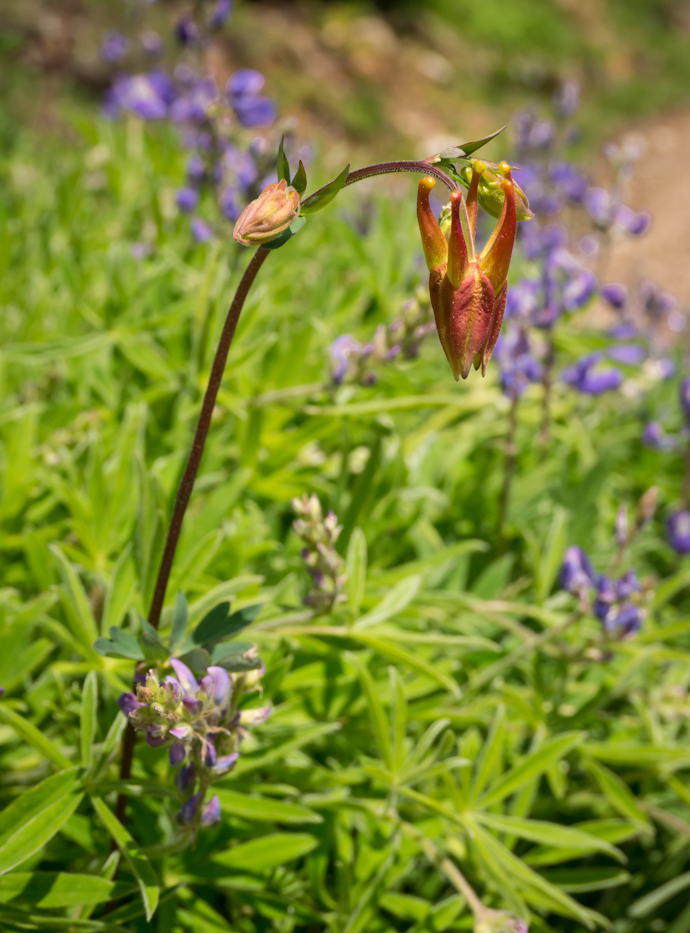
Columbine
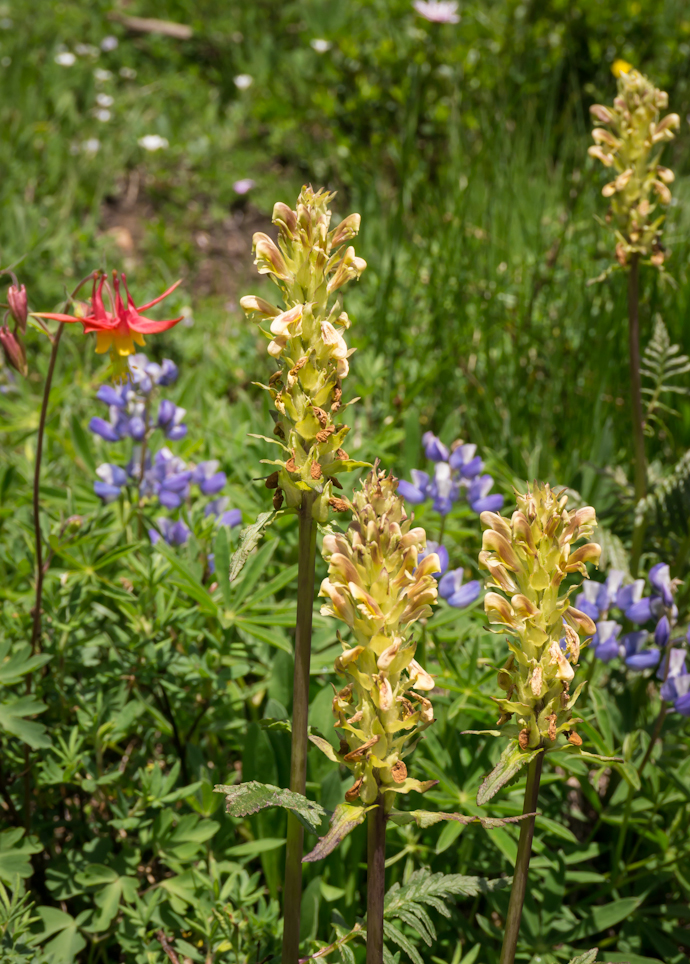
Maybe a lousewort?
The trail is carpeted with last year’s needles from the alpine larch trees that are now covered in fine green foliage.

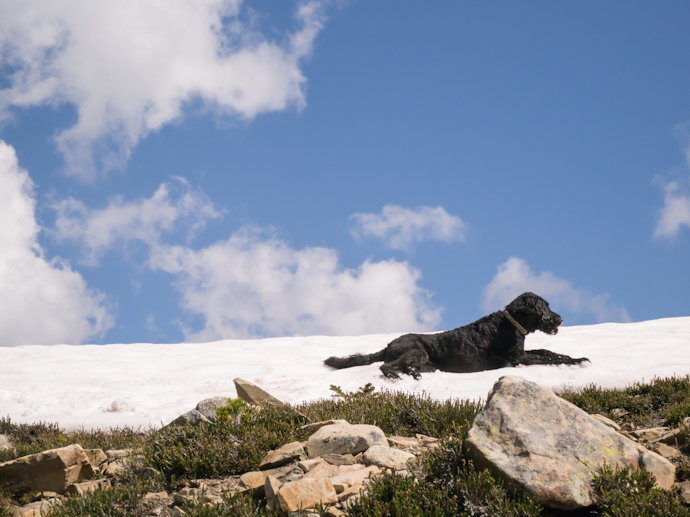
Nothing better than finding a snow field on a July hike!
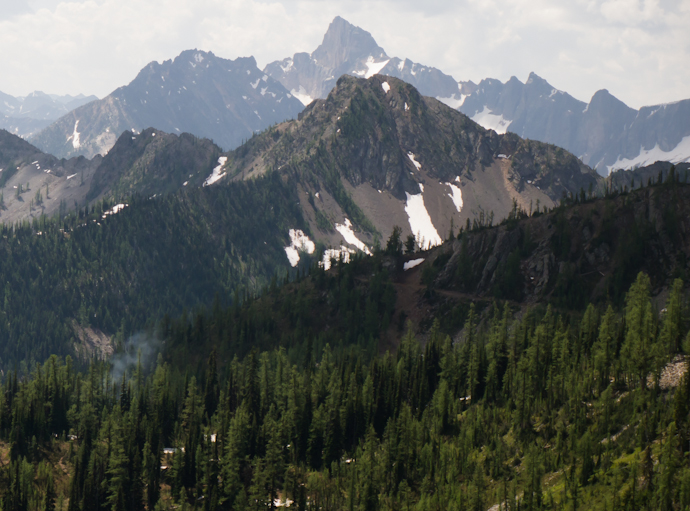
See the smoke in the lower left hand corner? Probably a result of the previous night’s lightning storm.
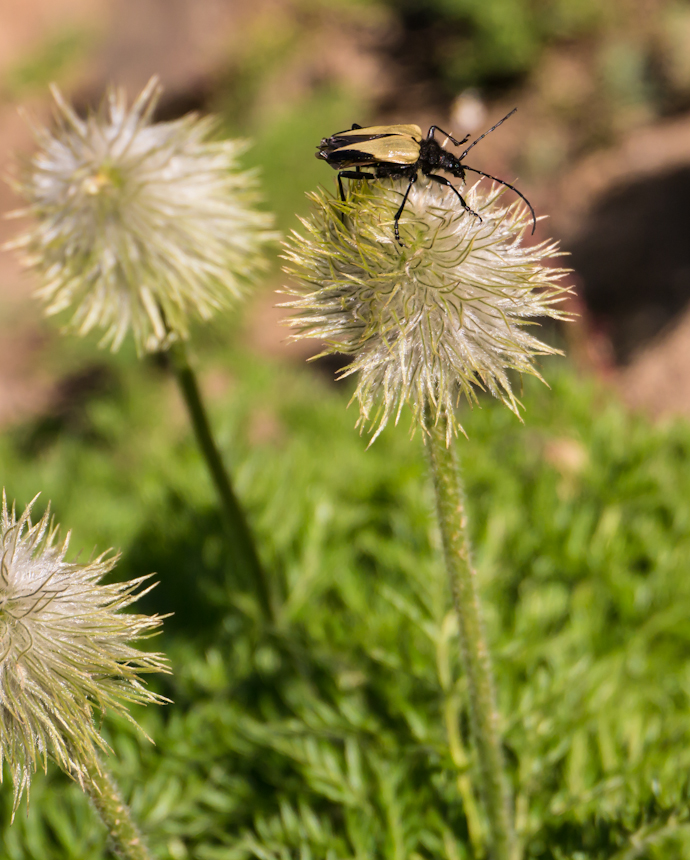
Bugs do it.

Anyone know what kind of bug does it? The flower is an anemone seedhead.
Looking back on the trail across the talus slope

Ahhhhh.

Thistles are not well liked by most but they are attractive

Cow parsnip?

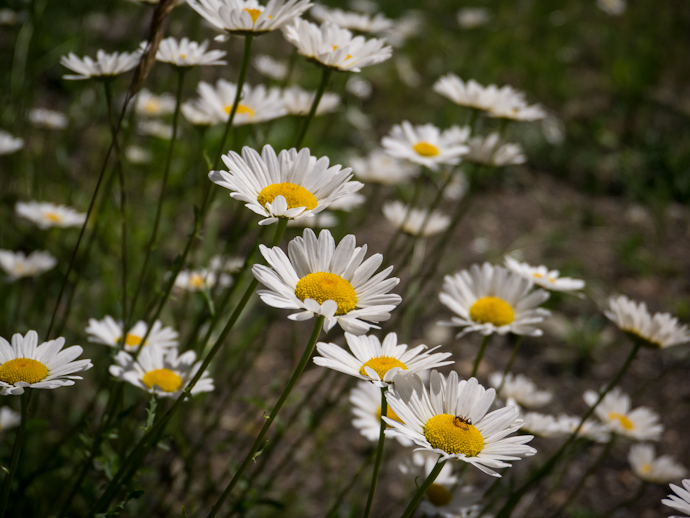
I think these are non-native daisies but they sure are pretty little things.
Trying to get in one hike per week is not always easy. Everyday life and work gets in the way, of course, and then there’s the weather. Friday I was planning a mountain outing and the weather forecast was for extreme thunderstorms and lots of rain. I cancelled my plans and was glad of it. We were lucky to have lots of rain, thunder and lightning and wind. Other places also had flash flooding and 80 mph winds that pushed down trees and knocked out power.

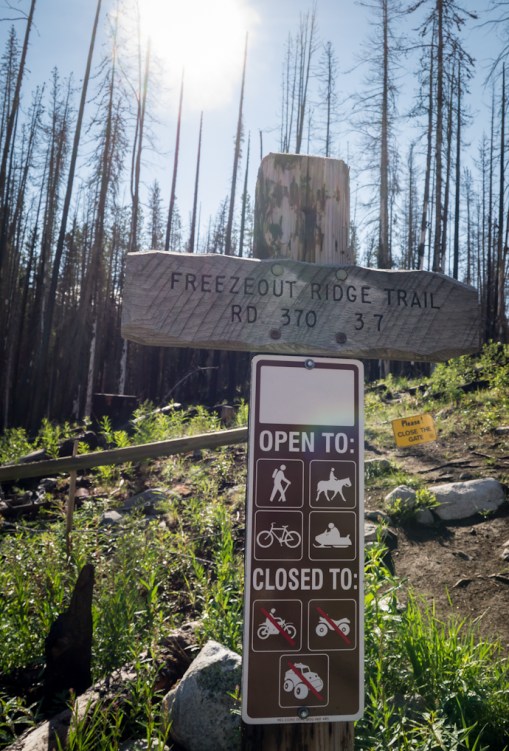
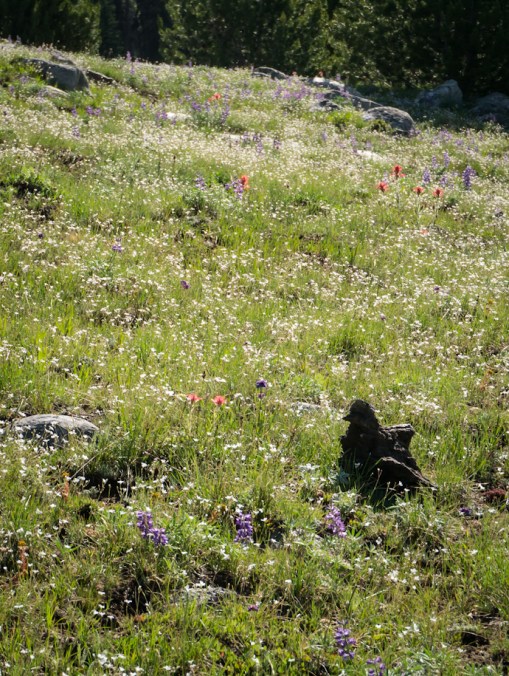
I managed to get some work done on Friday and changee my hike to the other side of the valley and headed for Tiffany Mountain, elevation 8242′. It’s a long drive up Boulder Creek from the East Chewuch Road, 22 miles from Winthrop to the trailhead. The valley had scattered fog from the rain the day before and puffy white clouds appeared up high. The Freezeout trail to Tiffany is three miles, one way, with a steep part to start, then a gradual grade and finishing with another steep part to get to the top. The elevation gain is 1740′. This area is great for wildflowers but Luna and I were a couple weeks early for the main part of the bloom. We may have to do it again!

Looking up at the mountain I could always see white clouds behind it. At the top, looking down the other side towards Tiffany Lake, all I could see was cloud – no view of the lakes or even towards the Okanogan. The clouds were piled up against the ridge. It was mostly sunny for us with a few sun blocks off and on. The temperature was comfortable and I needed my windbreaker at the top where it was breezy and cool.

Fog in the river valley before I left home.

This area is part of the Tripod fire from 2006.

I have to confess – I saw this piece of wood from a long ways away and was convinced it was a grouse.


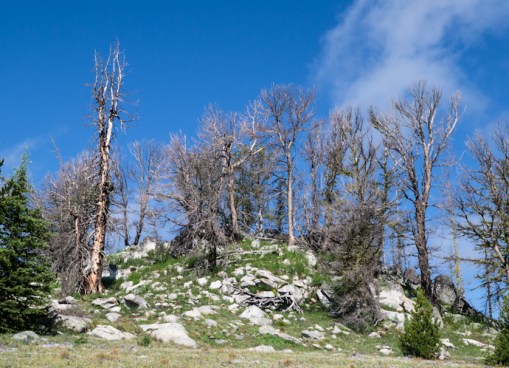
I think these are dead whitebark pines. Whitebark pines are in decline around the west for a variety of reasons. You can learn more about them here.


The ‘easy’ part of the trail, with the summit in view. In a couple of weeks, the meadow will be ablaze with wildflowers.


From the top, looking south along the ridge. The Okanogan and Conconcully are on the other side that is covered in clouds.


And looking northwest; down to the right in the mist, way down, is Tiffany Lake. I did get a glimpse of a pika in the rocks and heard their high-pitched calls


Ladybugs clustered on lichen covered rocks near the summit.


Good Luna – look at the camera!


Even with several tries, I never did get her to look at the camera with me!


Heather is just starting to come in to bloom


Close-up of a whitebark pine


I learned a long time ago from a botanist that flowers like this are commonly referred to as DYC’s – darned yellow composites.


Asters – another member of the composite family


Sedum lanceolatum, maybe. Definitely a sedum.


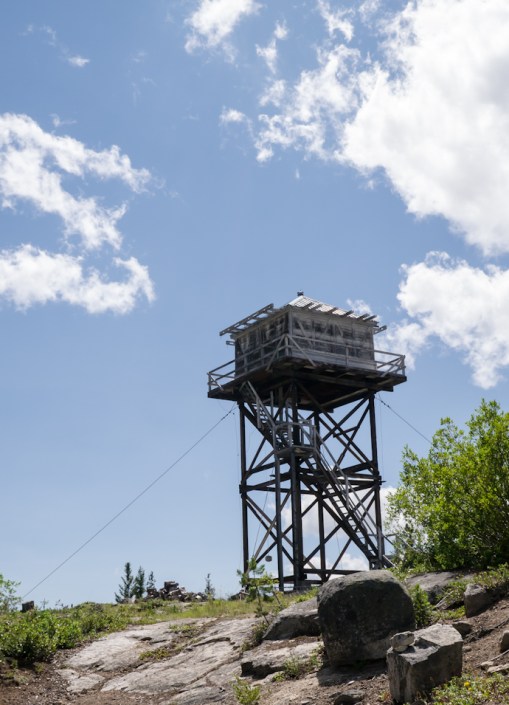
Luna and I took a side trip to look at First Butte Lookout. Only five miles the sign said. Five rough miles. Now I’ve seen it and don’t have to wonder about it anymore.


Always have to remember to cool my feet after a good hike.


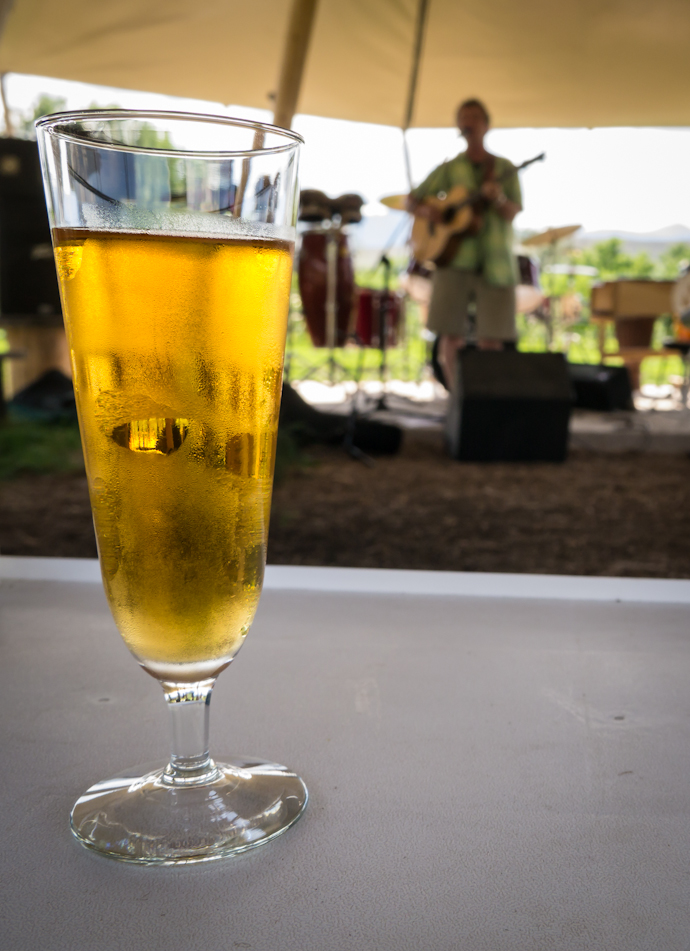
And the reason I picked a hike on that side of the valley? Ken was playing music with his friend Bill at the Methow Valley Ciderhouse! A cold glass of Howling Wolf Cider really hit the spot!

Here it is – mid-summer and I’ve barely been out on any hikes. That needs to change. Yesterday I had a window of opportunity and drove up to Harts Pass. It’s a rugged and narrow road and if you are afraid of heights, you’d best not look out the window. The drop down to the Methow River is precipitous, to say the least. One particularly bad stretch is called Dead Horse Point in honor of a string of pack horses that went over the edge back in the days before there was a road. The trail and the eventual road were put in to service the mining camps and the old and now abandoned, town of Barron, headquarters of gold mining in the Harts Pass area. It’s hard to imagine that at one time there were 1000’s of miners, a store, and other components of a rough community so high in the mountains. Now it’s primarily a recreation area and access to the Pasayten Wilderness. The road ends just below the lookout at Slate Peak, about 7400′ elevation. This is the highest maintained road in Washington. Snow has not all melted so I parked about a mile and a half below the lookout and with Luna, walked to the top. The views were stunning and wildflowers abundant. The temperature was 77. It was very refreshing. In Winthrop it was 97.


My what a big tongue you have!


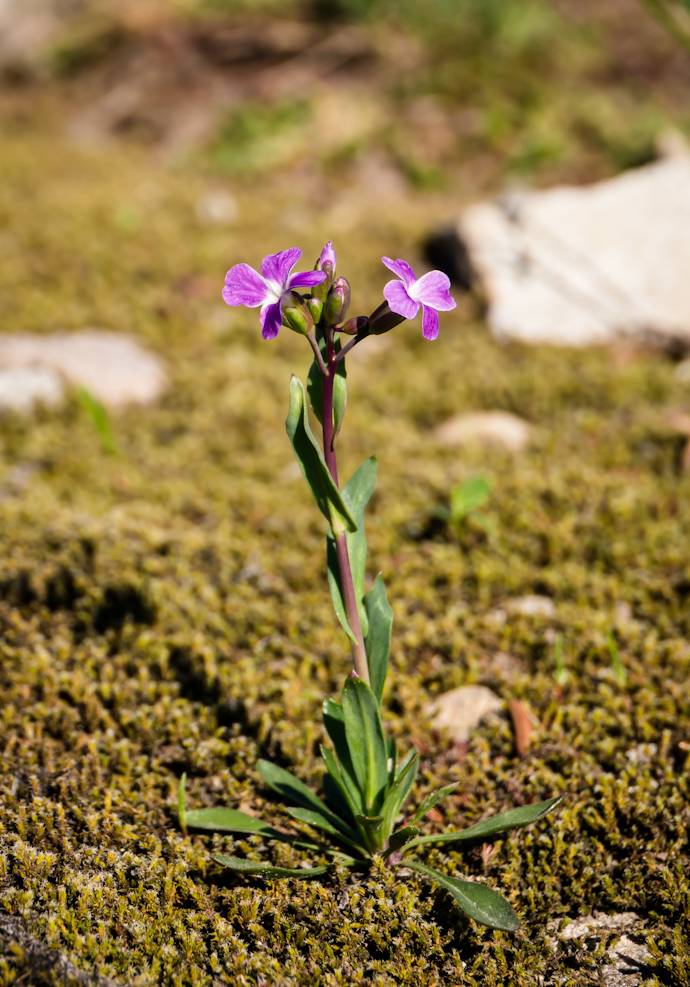
I have forgotten more wildflower names than I know these days.


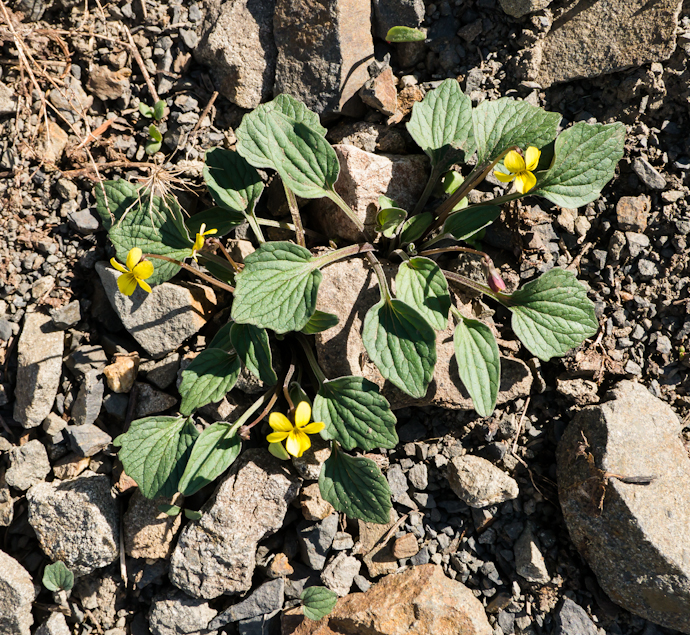
A yellow violet, maybe Viola glabella


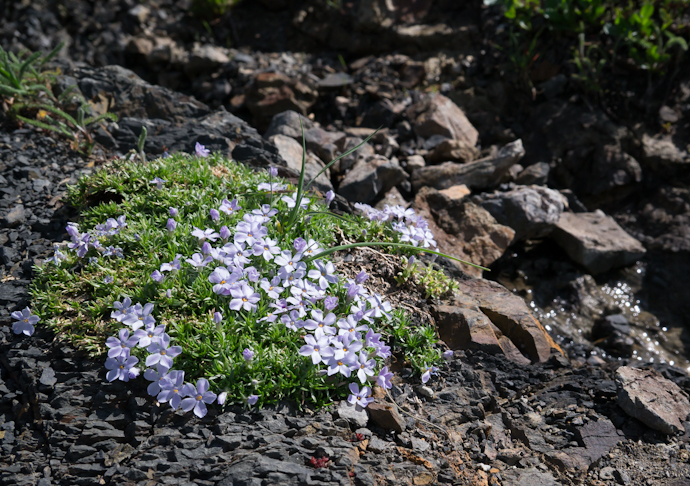
 One of the phloxes


Slate Peak in the distance. You can see a similar view in this post from last November 7 at the beginning of winter


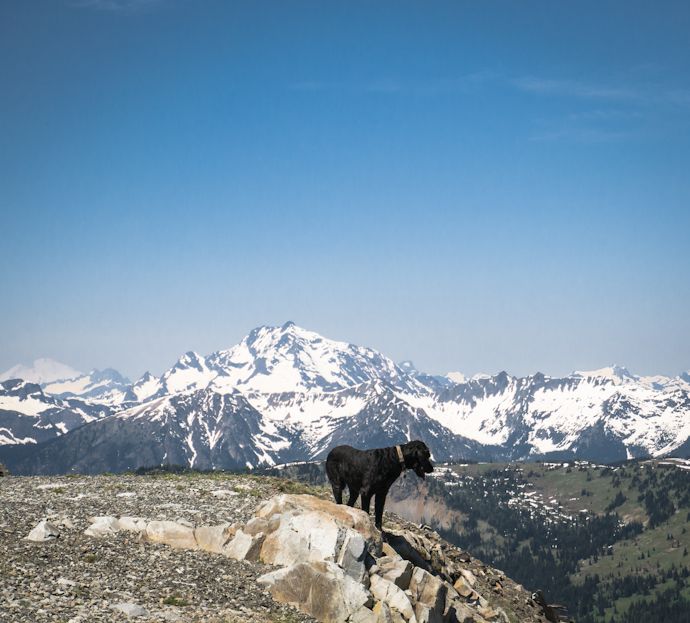
Luna looking over the edge. She’s not afraid of heights. You can see Mount Baker in NW Washington on the left side of the image.


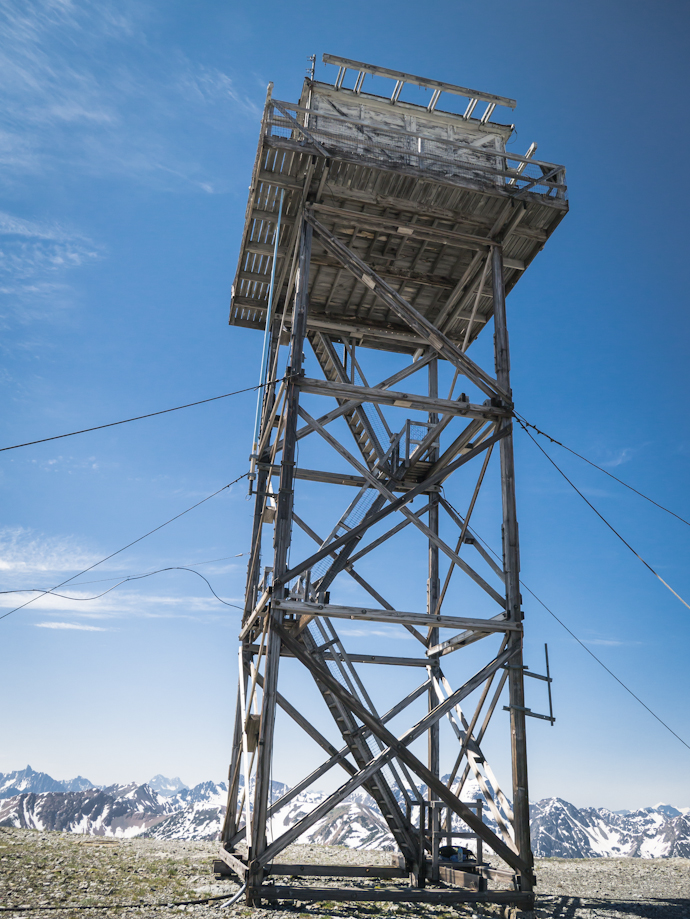
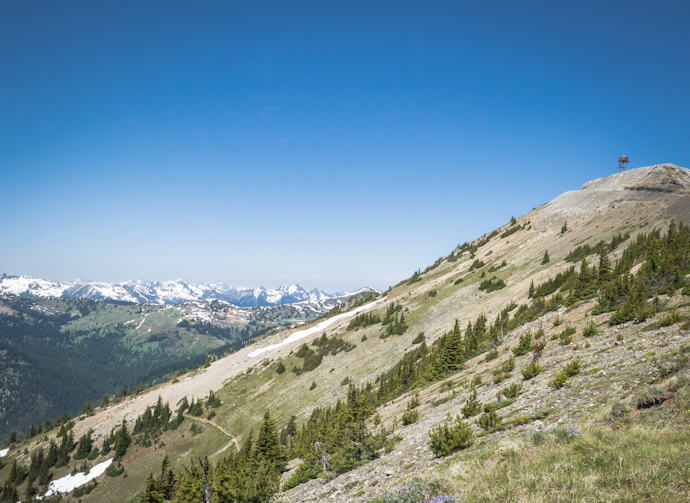
Heading down and looking back at the lookout. You can see part of the Pacific Crest Trail down below.


Nice thing to do after a hike.


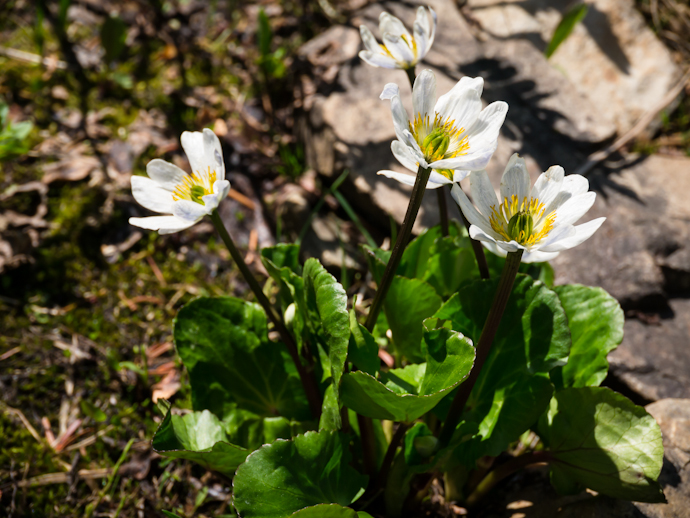
Caltha sp. ?


 Anemone occidentalis


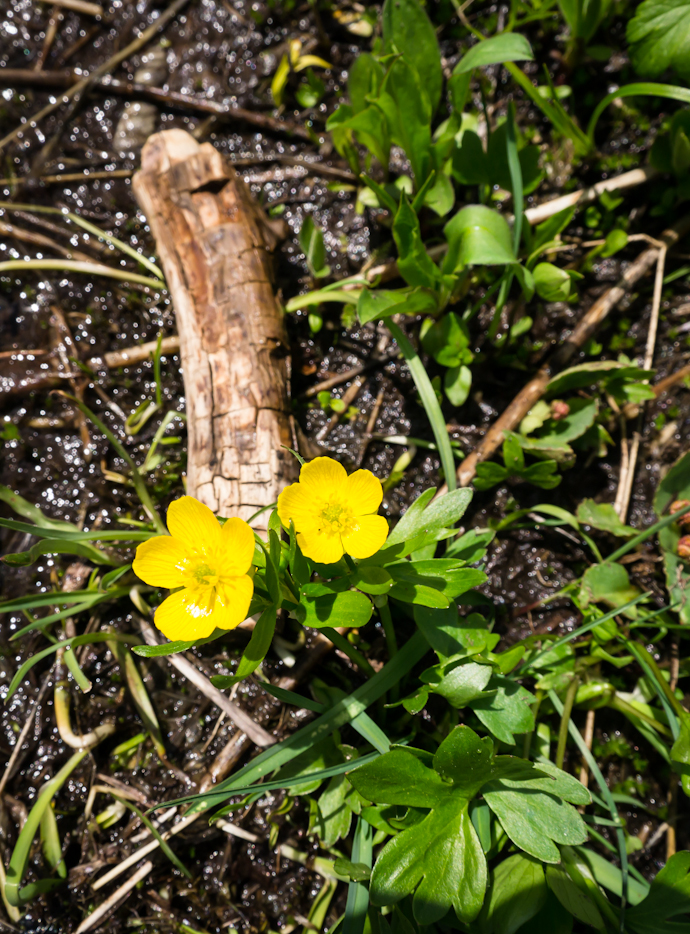
Buttercups, Ranunculus sp.


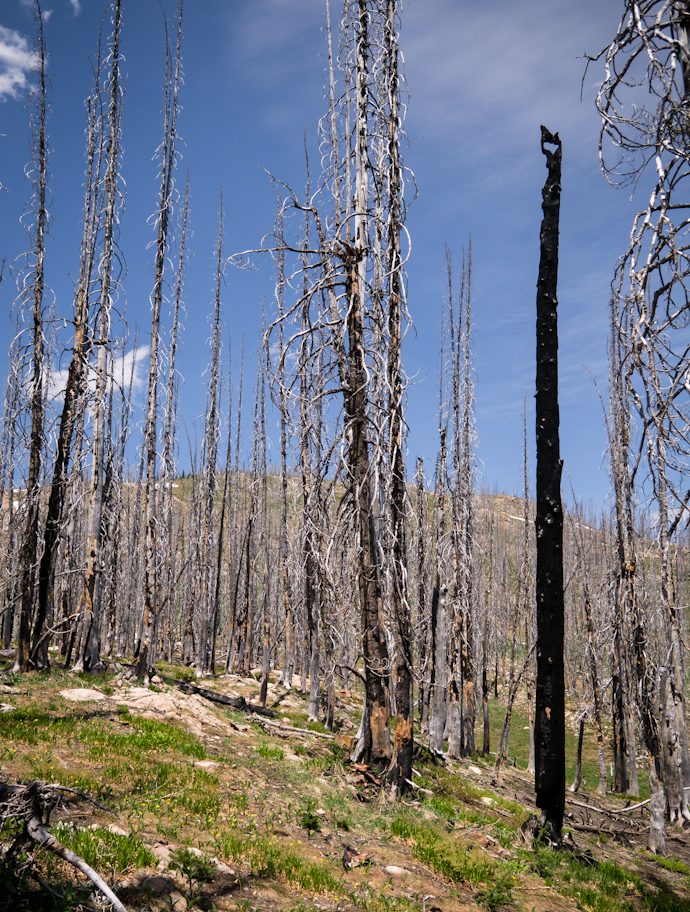
A burned silver forest


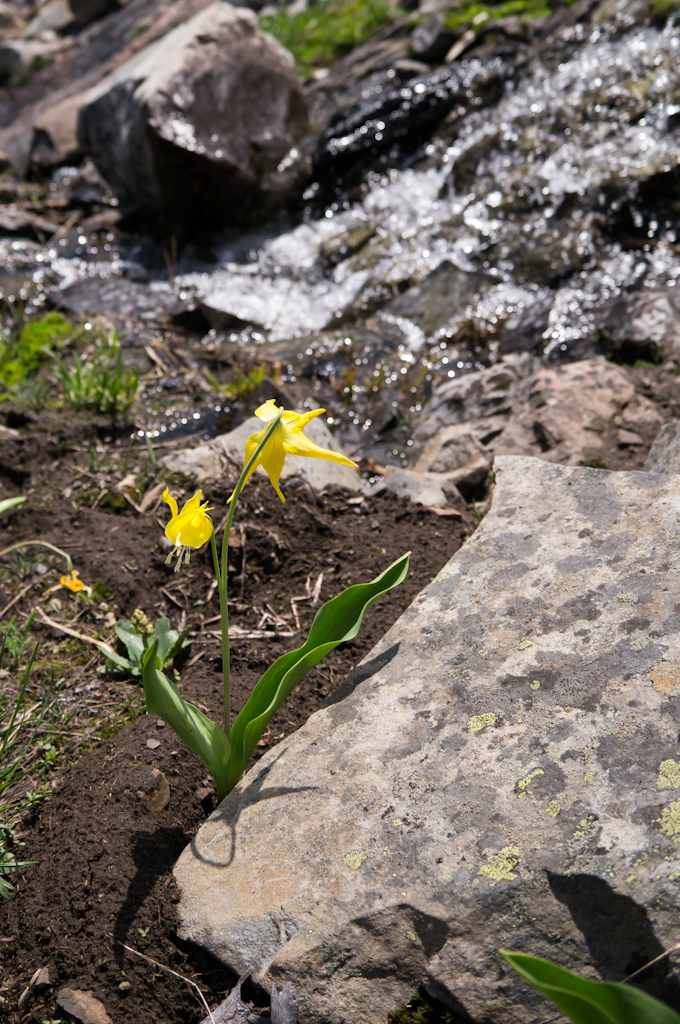
These yellow glacier lillies, Erythronium grandiflorum, bloom immediately following snow melt.


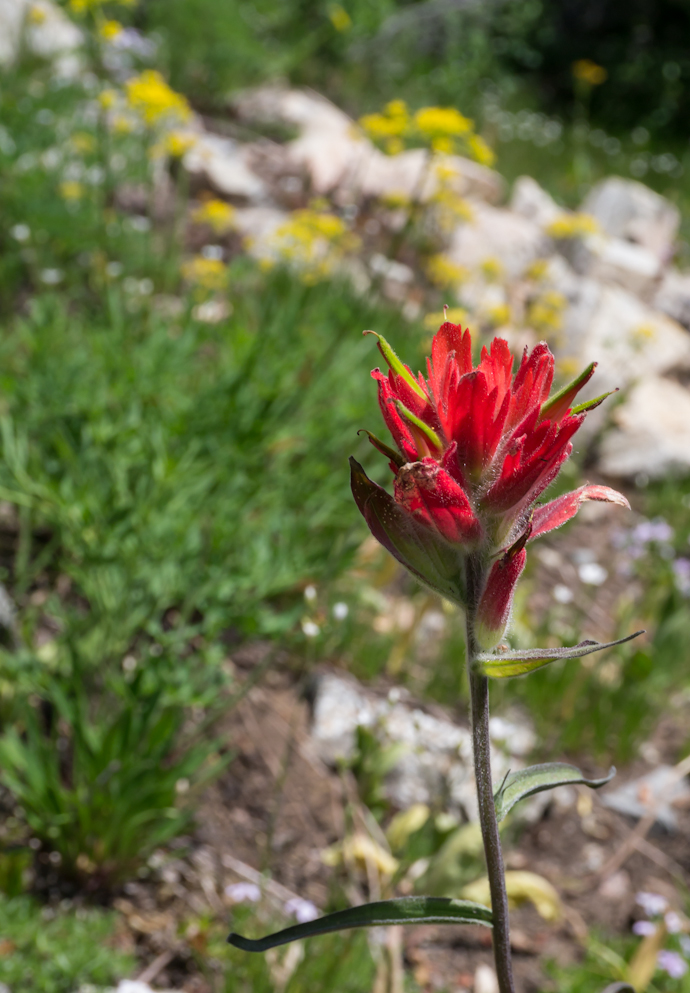
Paintbrush, Castilleja sp.


Another Phlox sp.


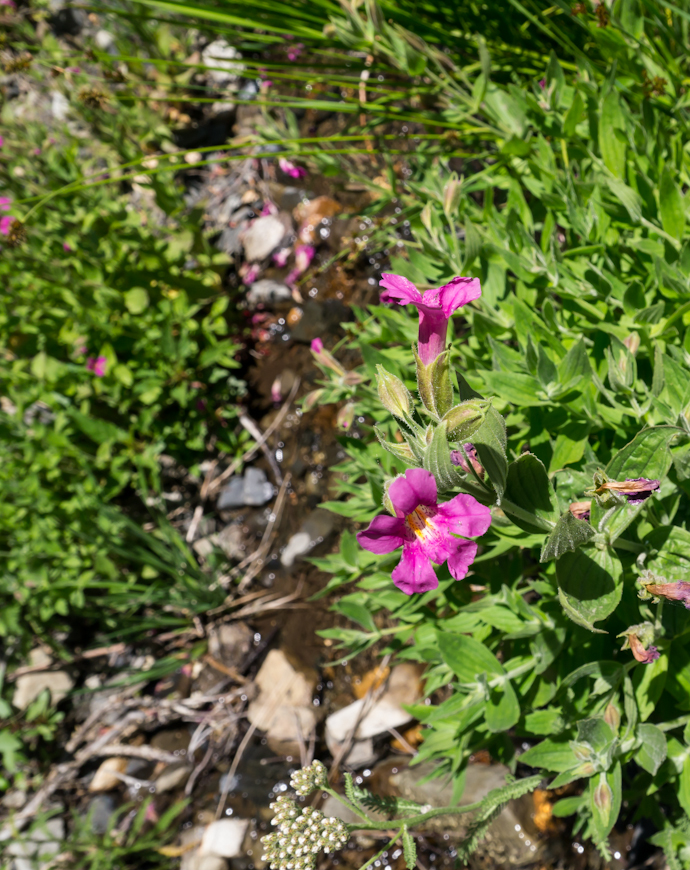
Monkeyflower, Mimulus sp.

I am learning a new camera – one of the mirrorless micro 4/3 models and finding it not the most intuitive thing I’ve ever held. Hopefully images will improve with practice. Wish me luck. I may return to carrying the large heavy DSLR although I’d really like to cut down on the weight I take hiking with me.


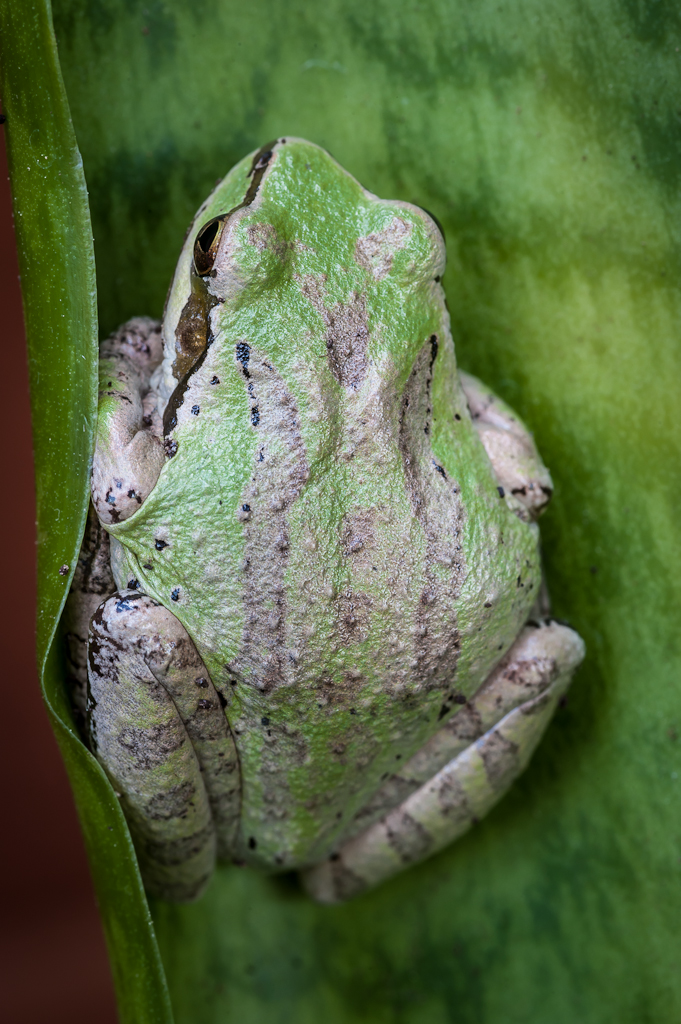
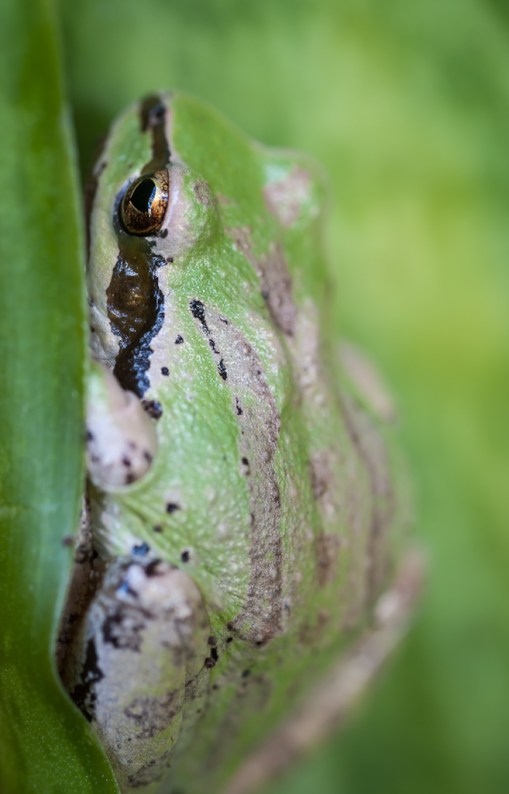
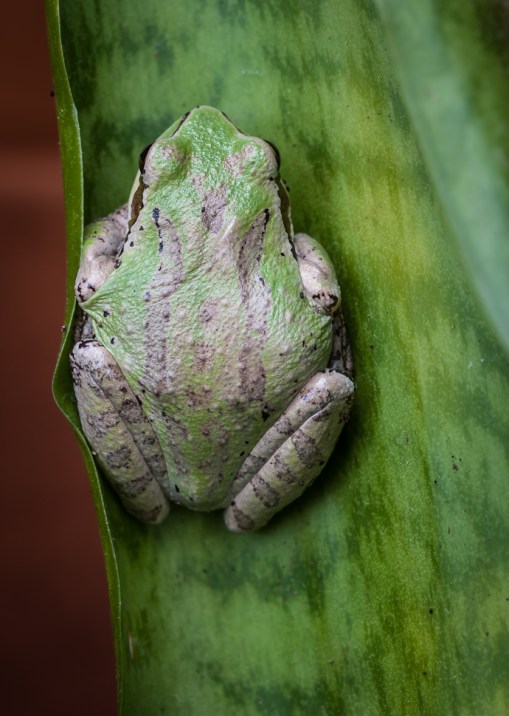
We often find these tiny chorus or tree frogs on our deck, in the potted plants, even in the bbq – we need to open the grill before lighting it – and also in the garage. I don’t know why they think that these places are good frog habitat but here they are. There is no open water for them and we never hear a ‘chorus’ of them, just lone frogs here and there. Once, in the fall, when I was bringing plants back in the house before cold weather set in, a frog came in and its calls of protest were so loud, we were encouraged to find the animal and return it outside, to its ‘natural’ habitat!


Here is some information about these wide-spread frogs.
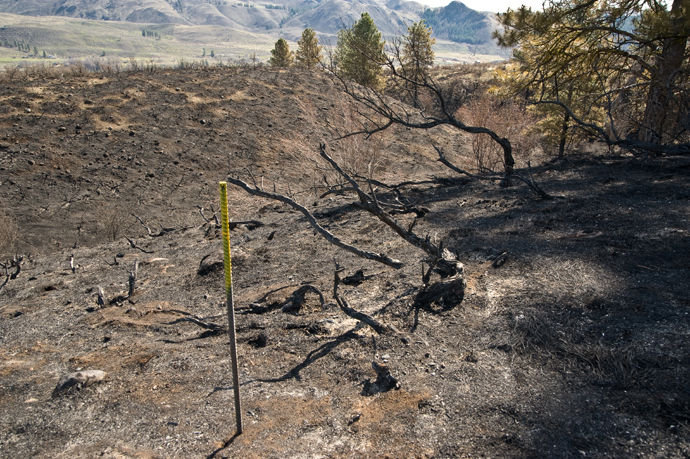
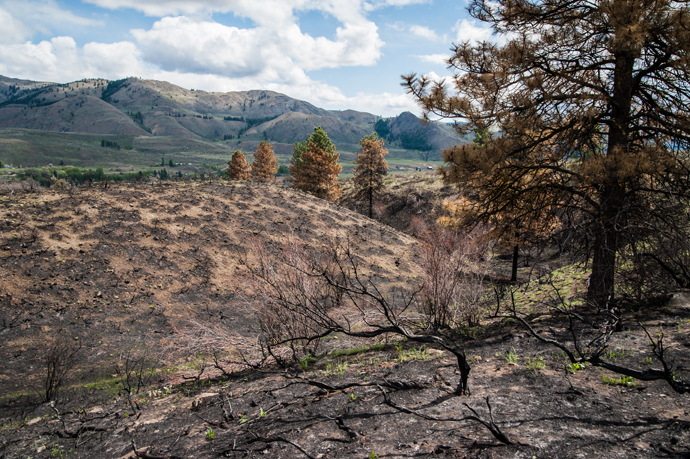
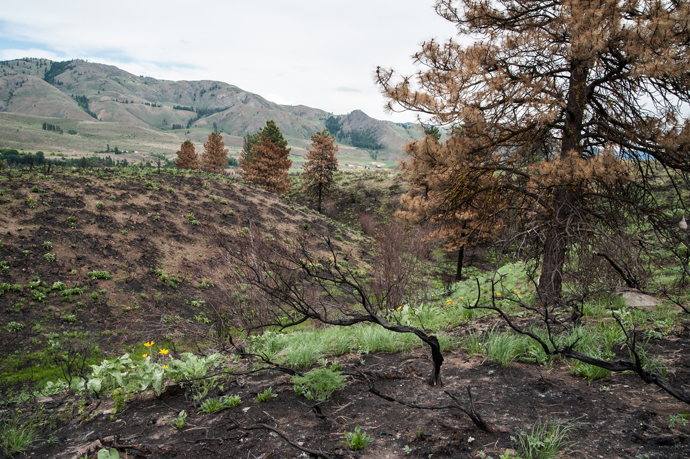
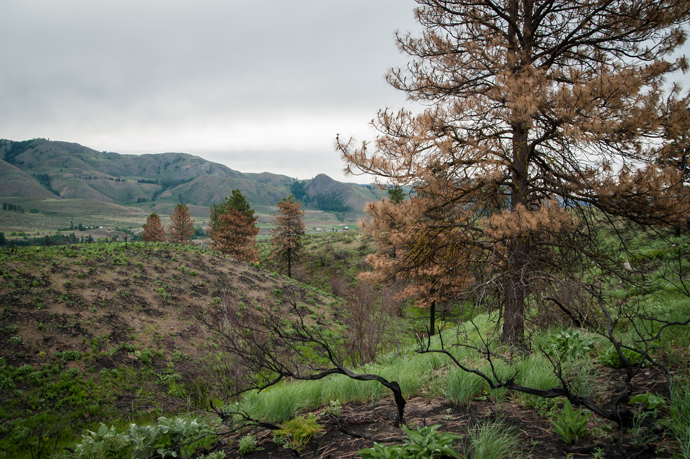
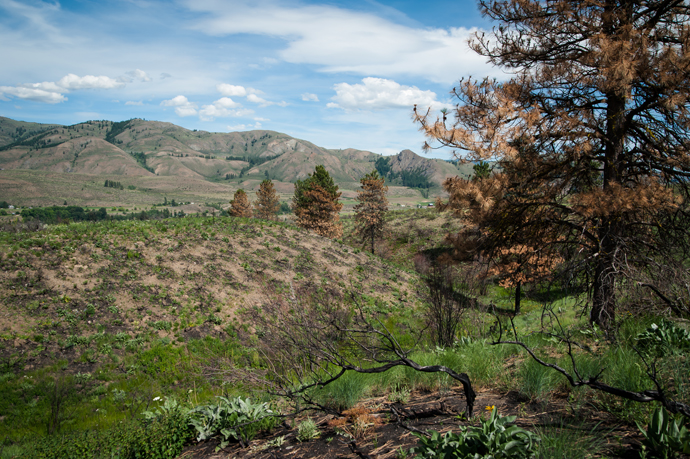
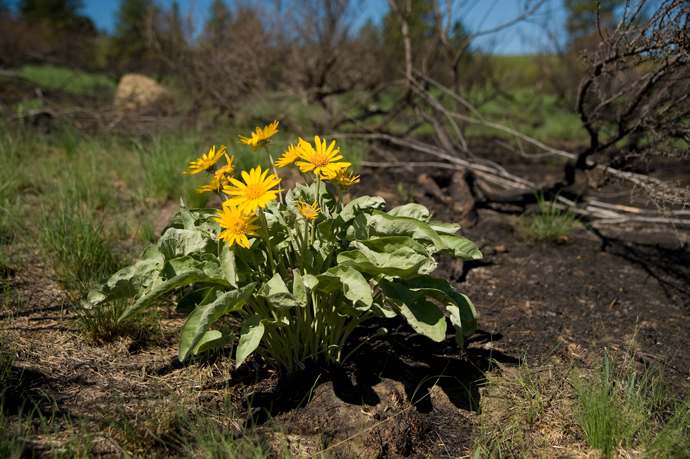
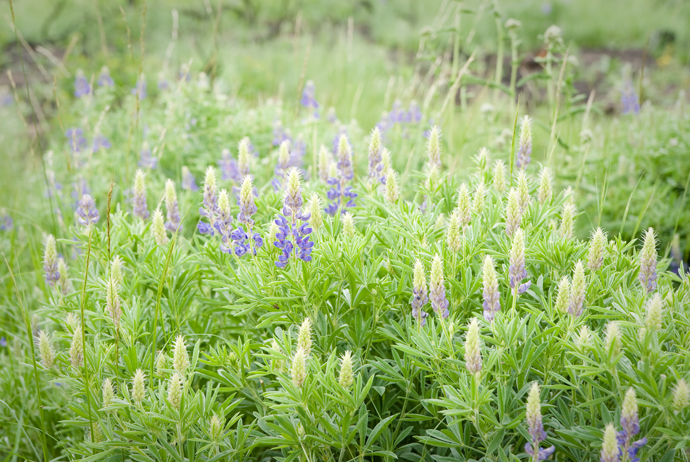
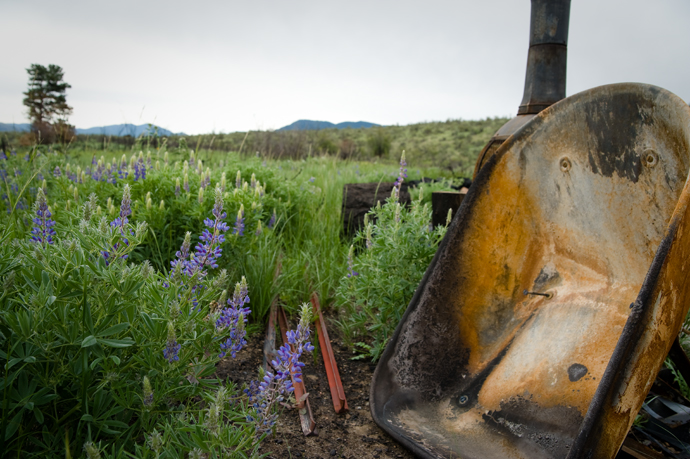
Back in April, there was a fire on our hillside – you can see the images from that day here. Our neighbor’s place suffered a lot of damage and he asked me to document the recovery over the course of the growing seasons with my camera. He set up a photo point for me to visit on a regular basis and after 2 1/2 months, it’s easy to see that recovery is well on its way. So far, there has not been a big influx of weeds in most places. In fact, the native wildflowers are doing well – even more abundant than in the areas that were not burned! The bitterbrush, a favorite food for the local mule deer, does not seem to be sprouting back. This will be a major change in the habitat. Grasses and forbs are doing well.
 

April 20, three days following the fire. The yellow rebar marks the photo point.


May 1. The burned pine tree on the right and bent over to the left burned bitterbrush show up in all the images in this series.


May 13


May 22


May 30


June 14


June 28


Balsamroot bloomed very well in the burned area.


Lupine is blooming more abundantly and for a longer season in the burned area compared to the non-burned area.


Douglas sunflowers are also more abundant.


Lush growth


The day of the fire.