November has been mostly gray but Willow and I have done a bit of walking in the hills anyway, searching for color and patterns in the landscape. That’s what I’ve been doing. Willow played with sticks.




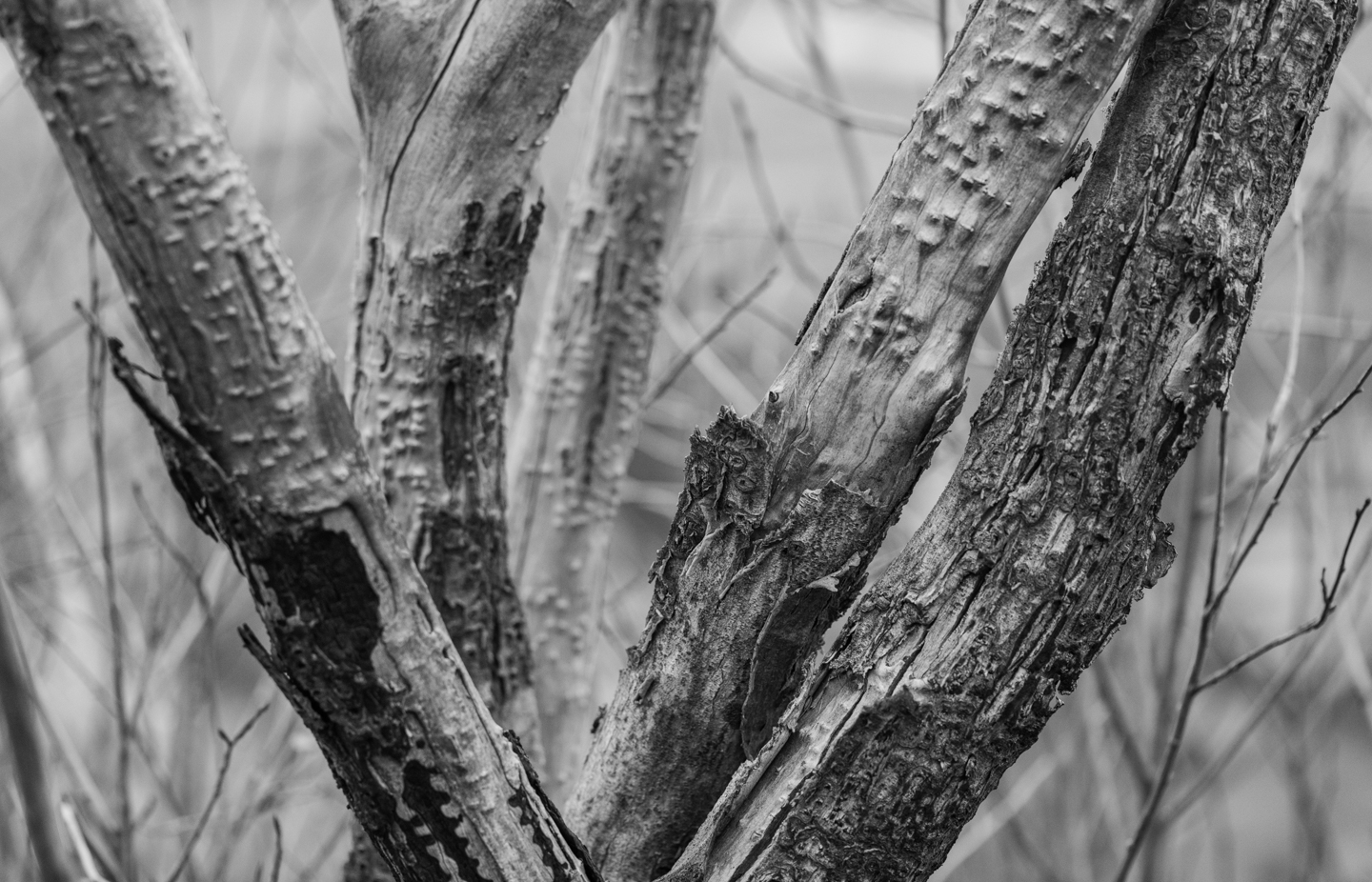
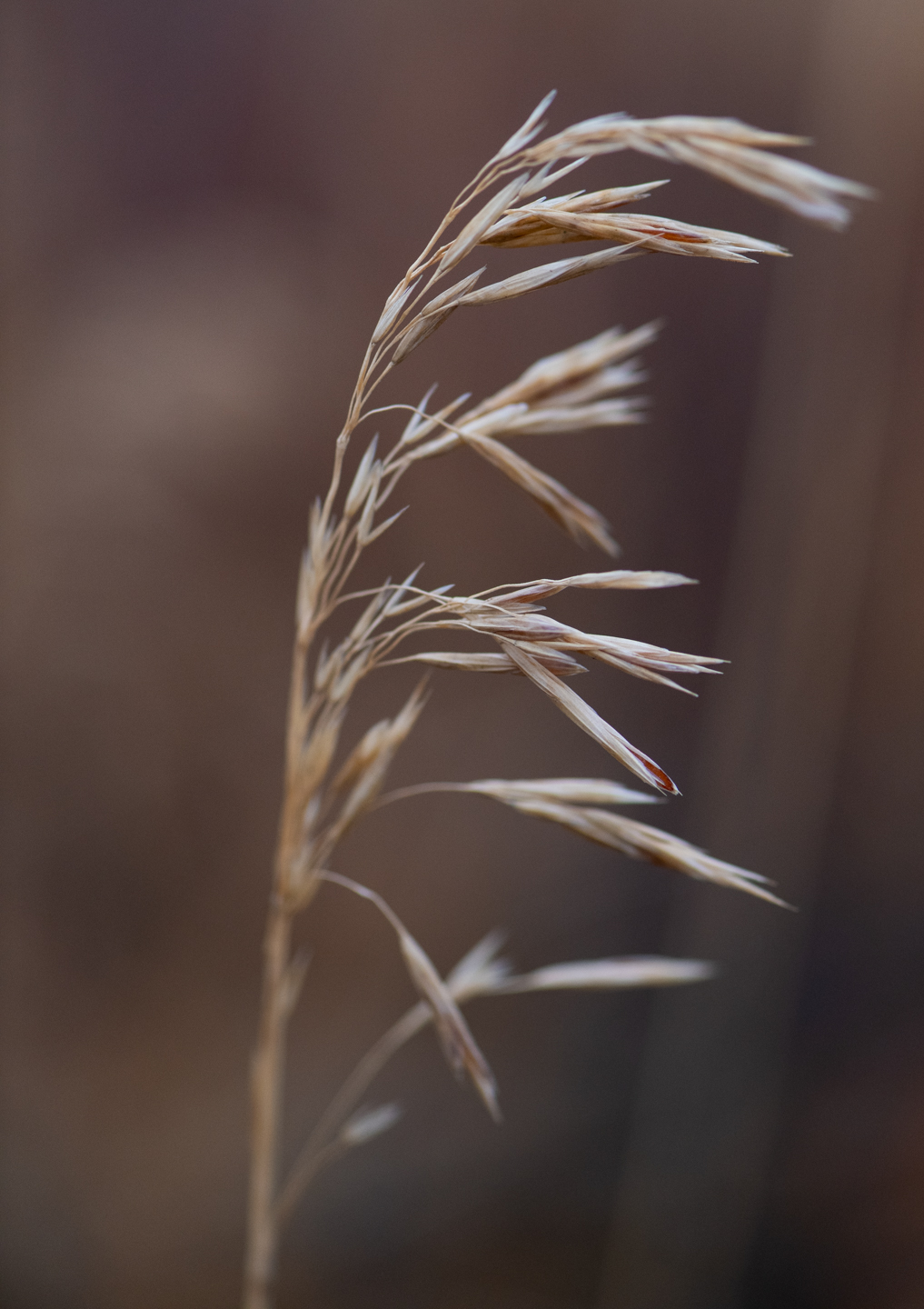


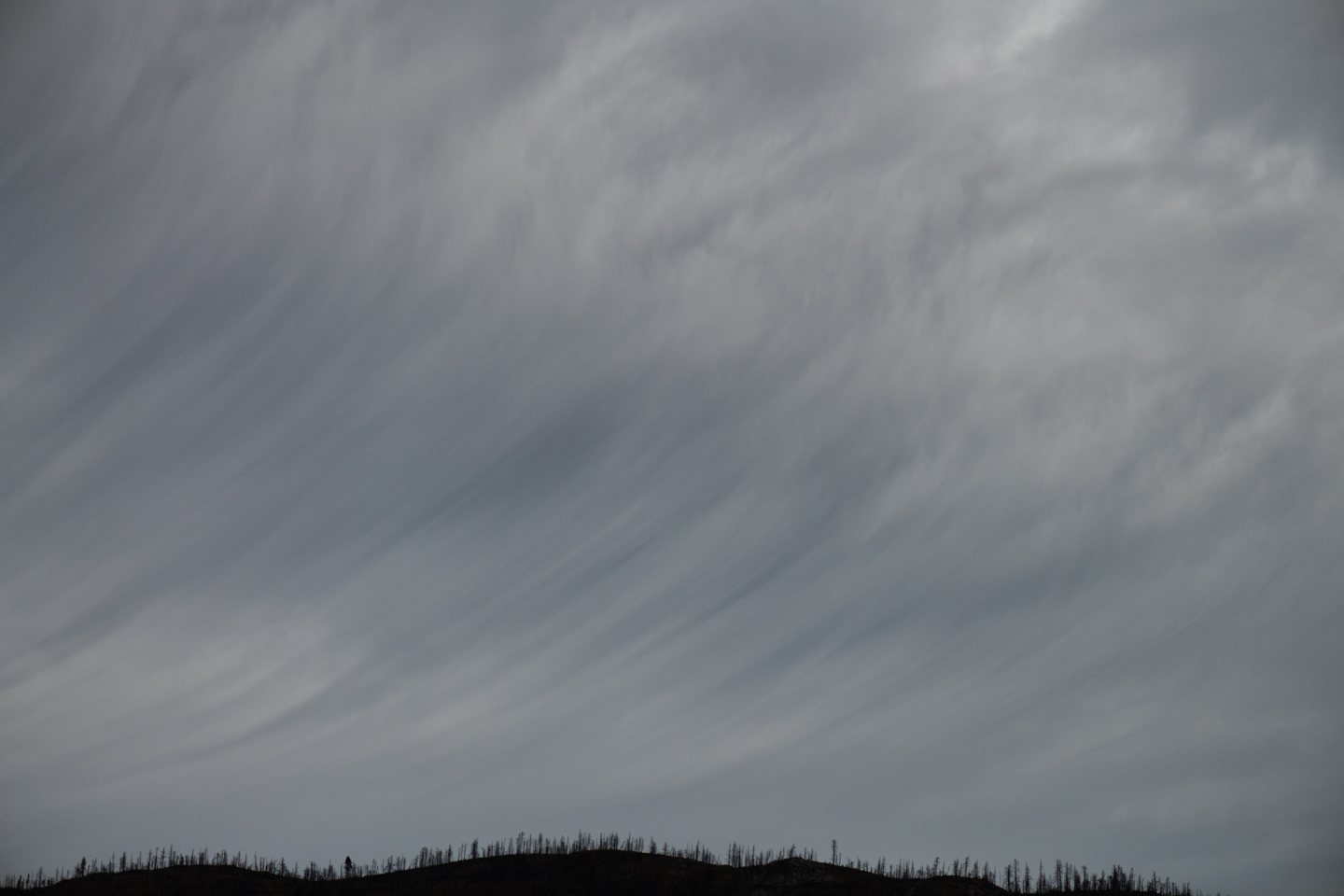
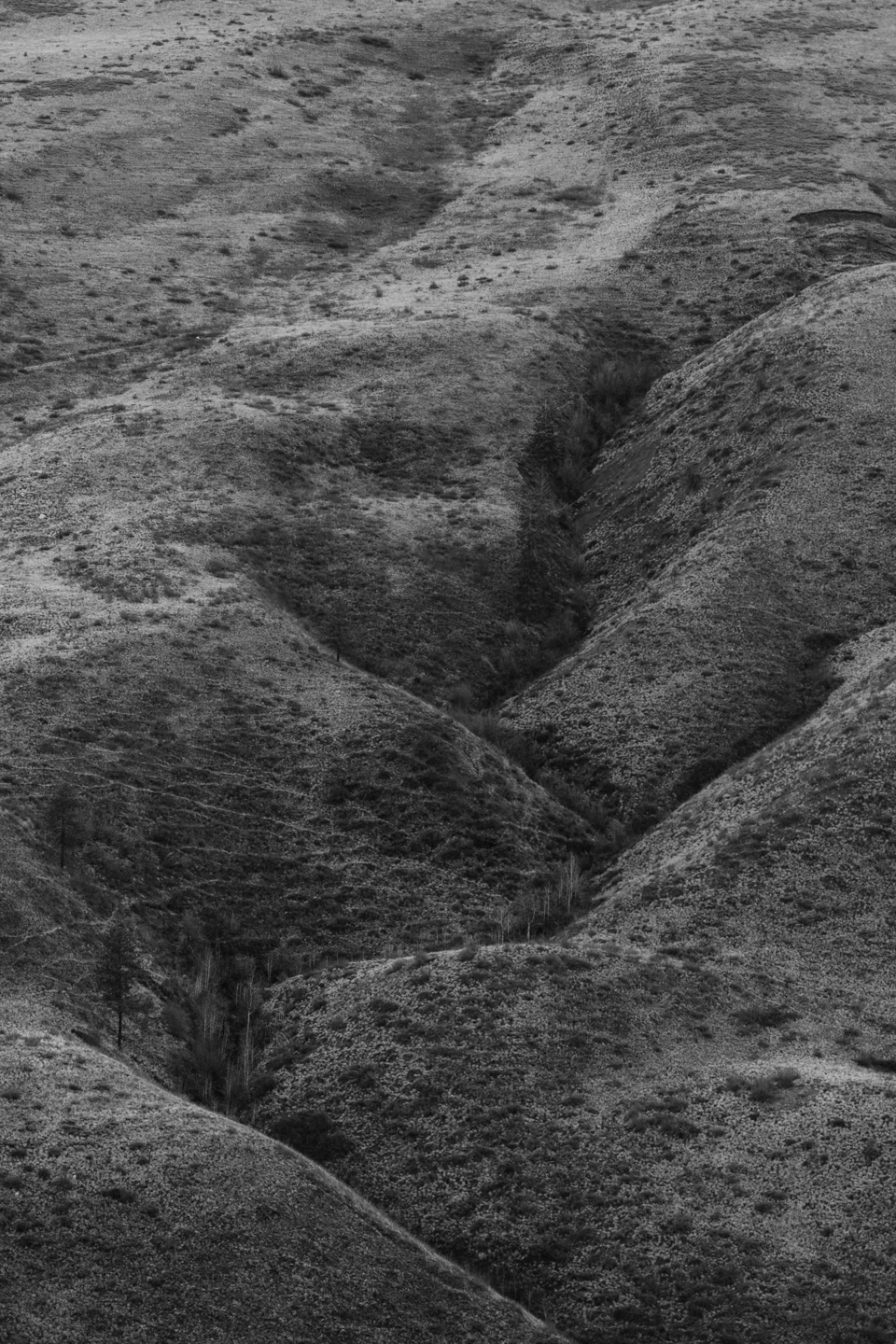
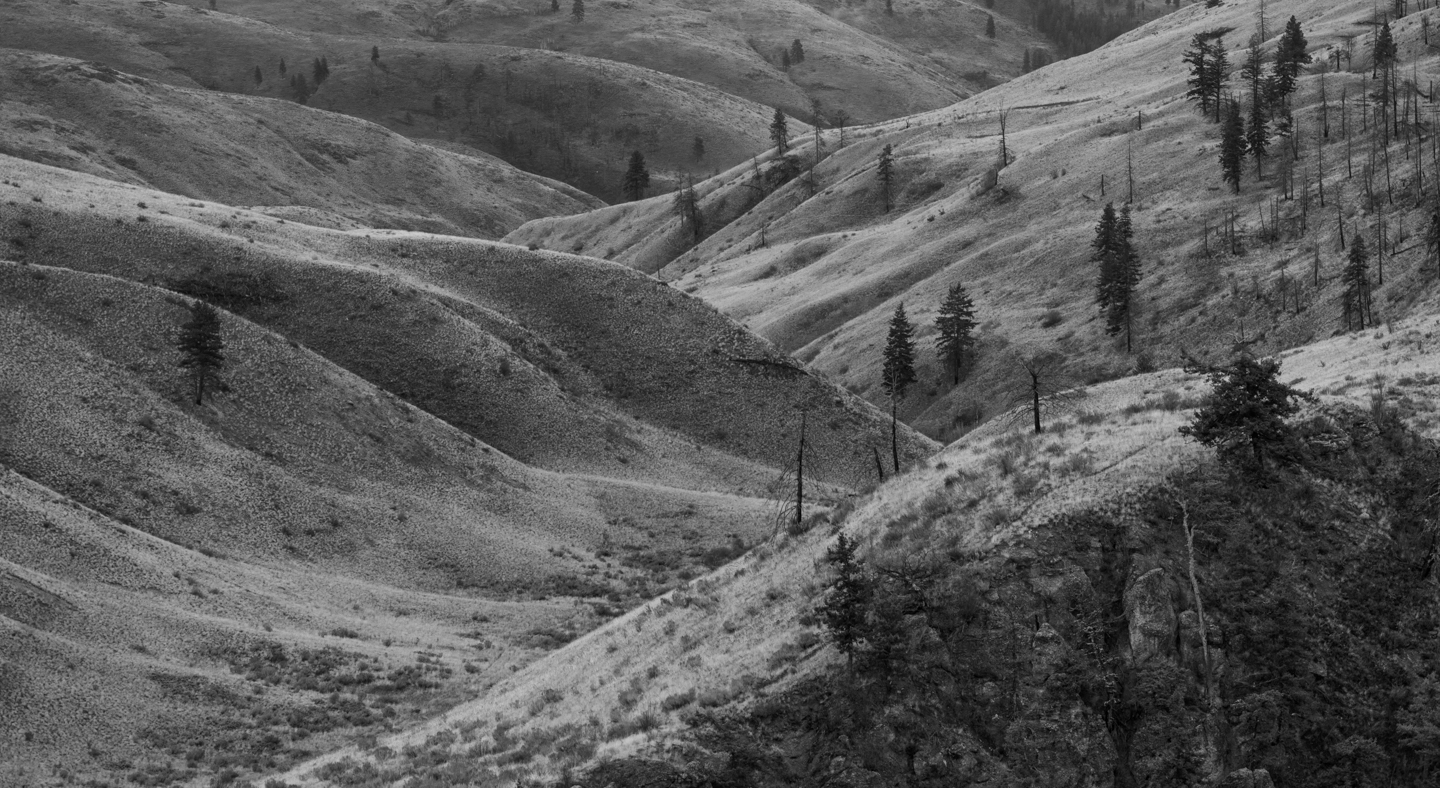
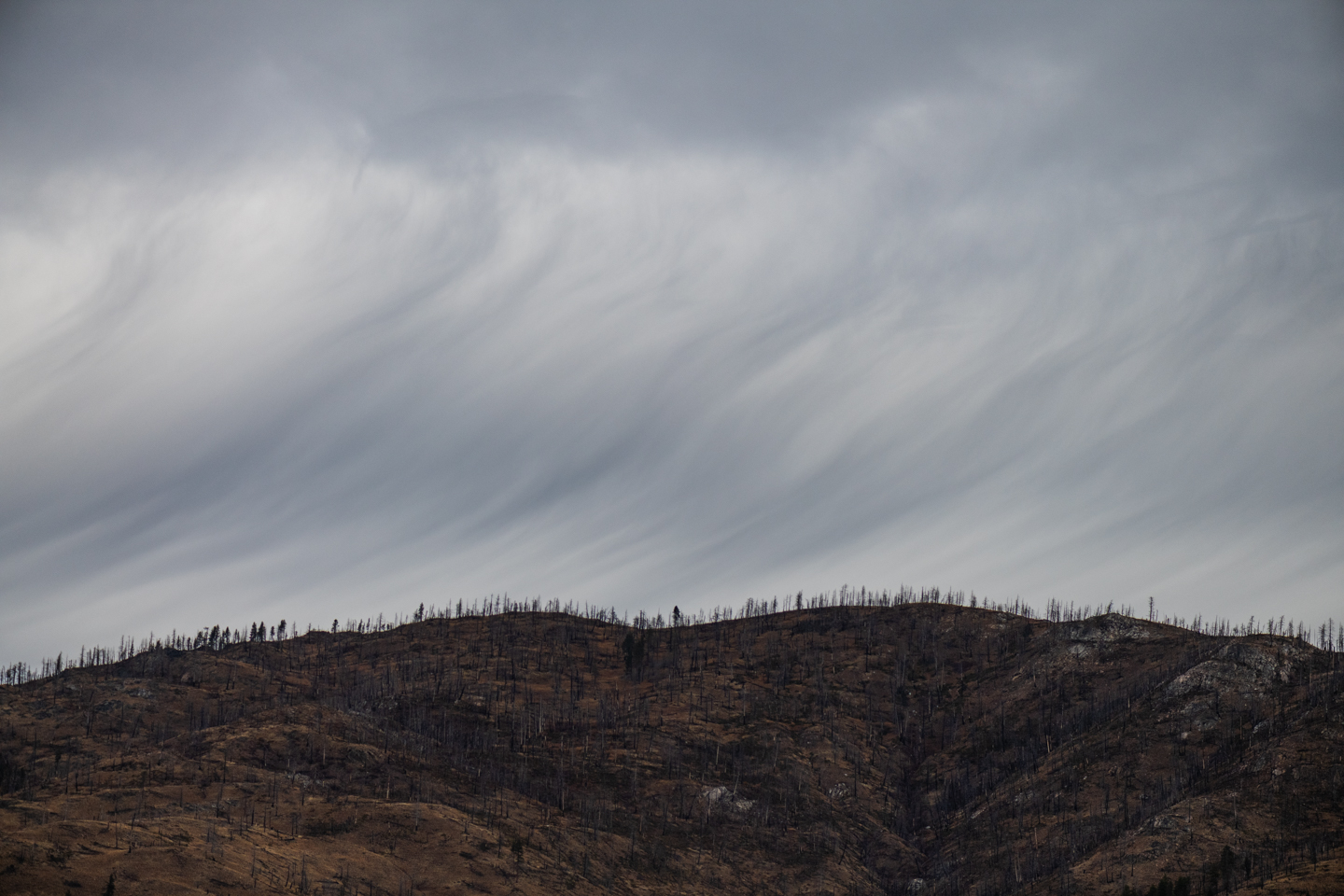

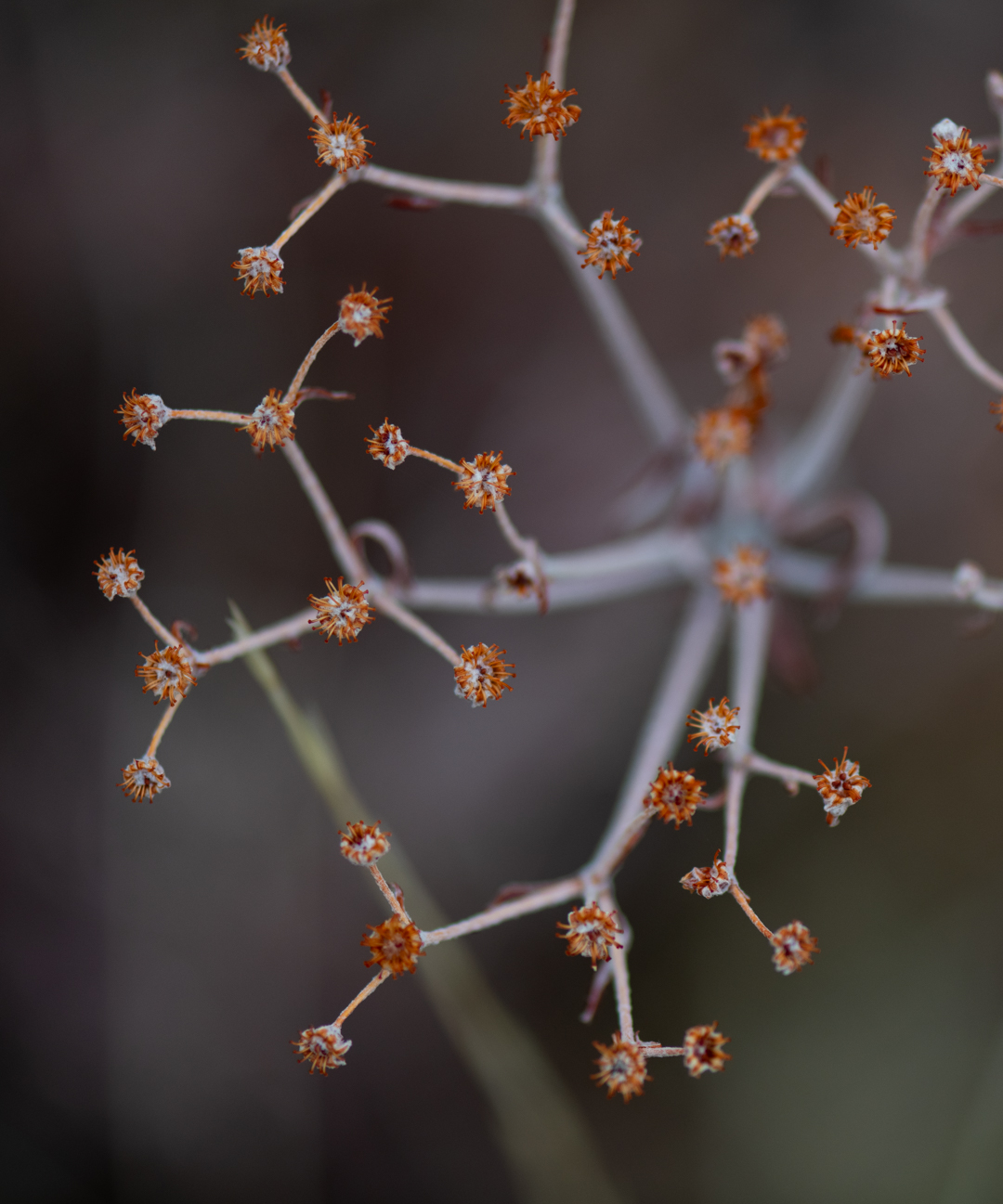
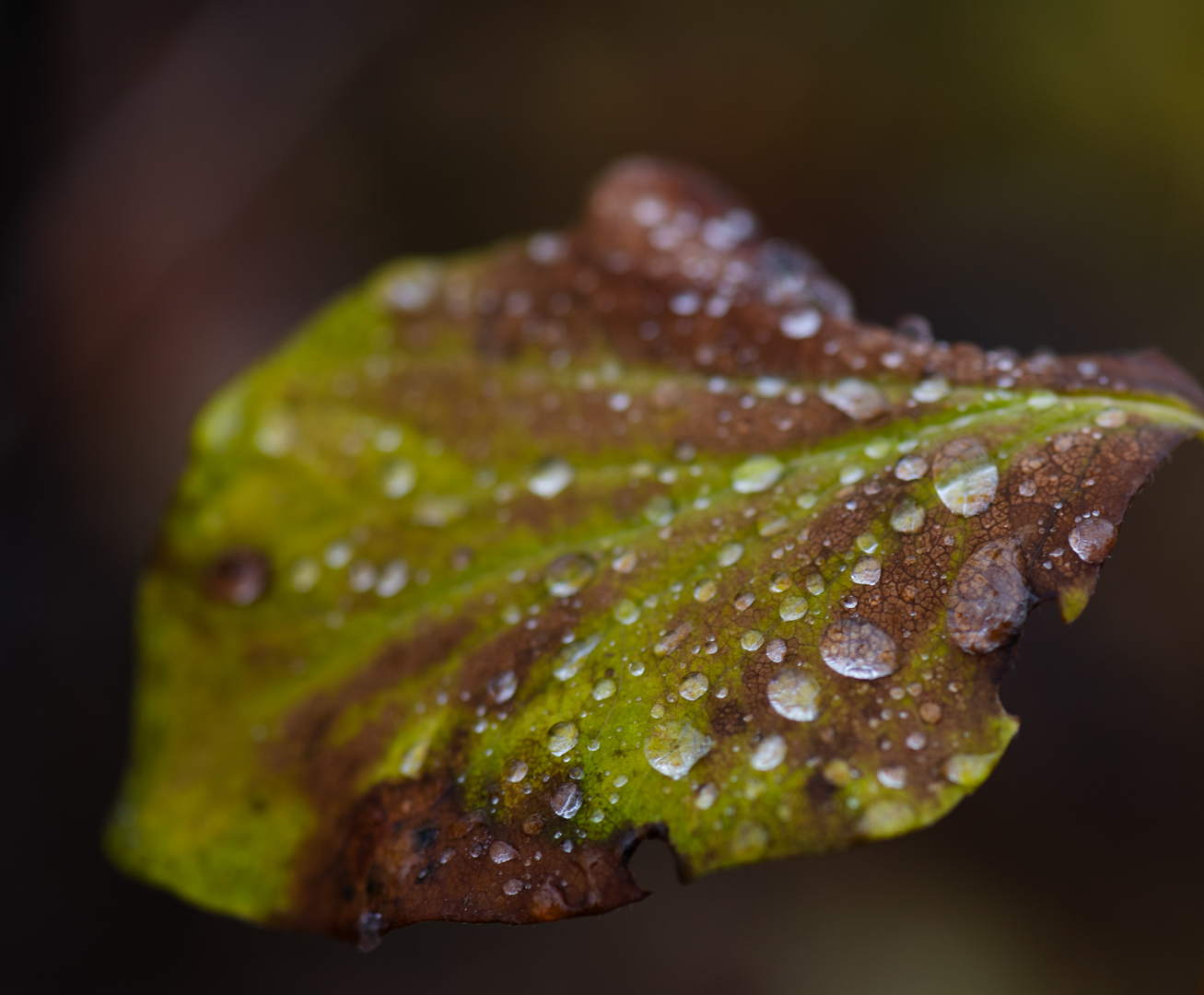
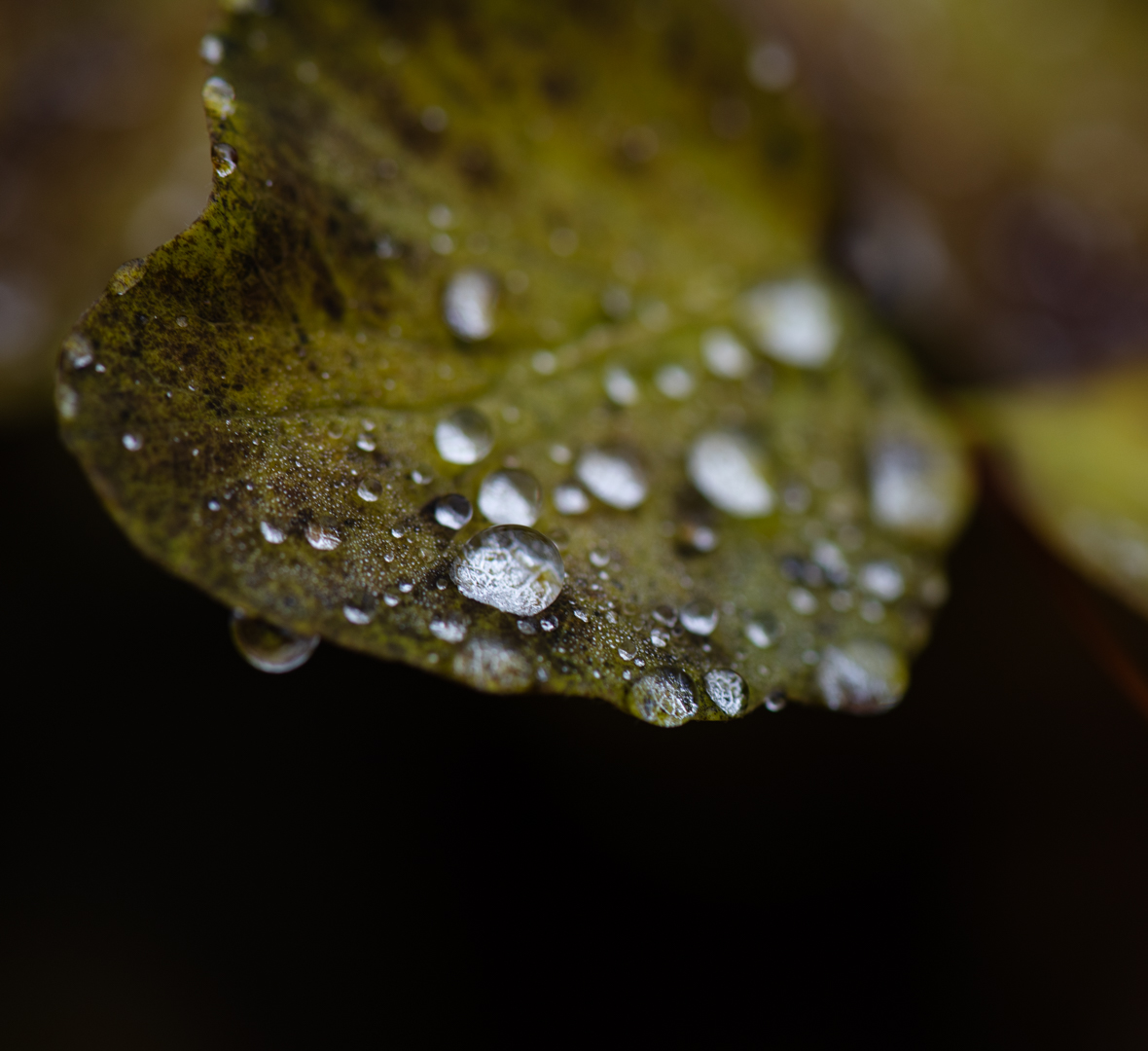
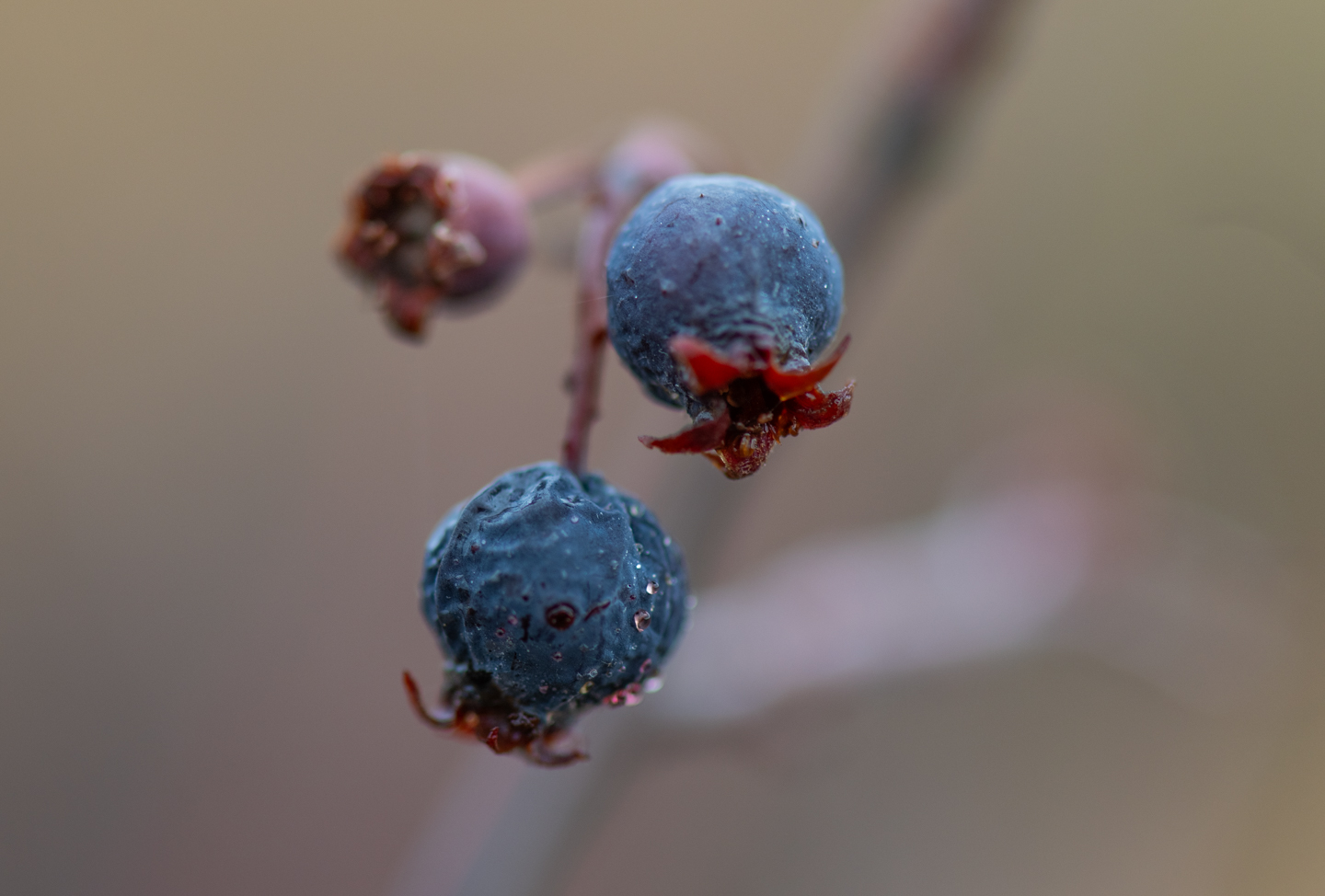


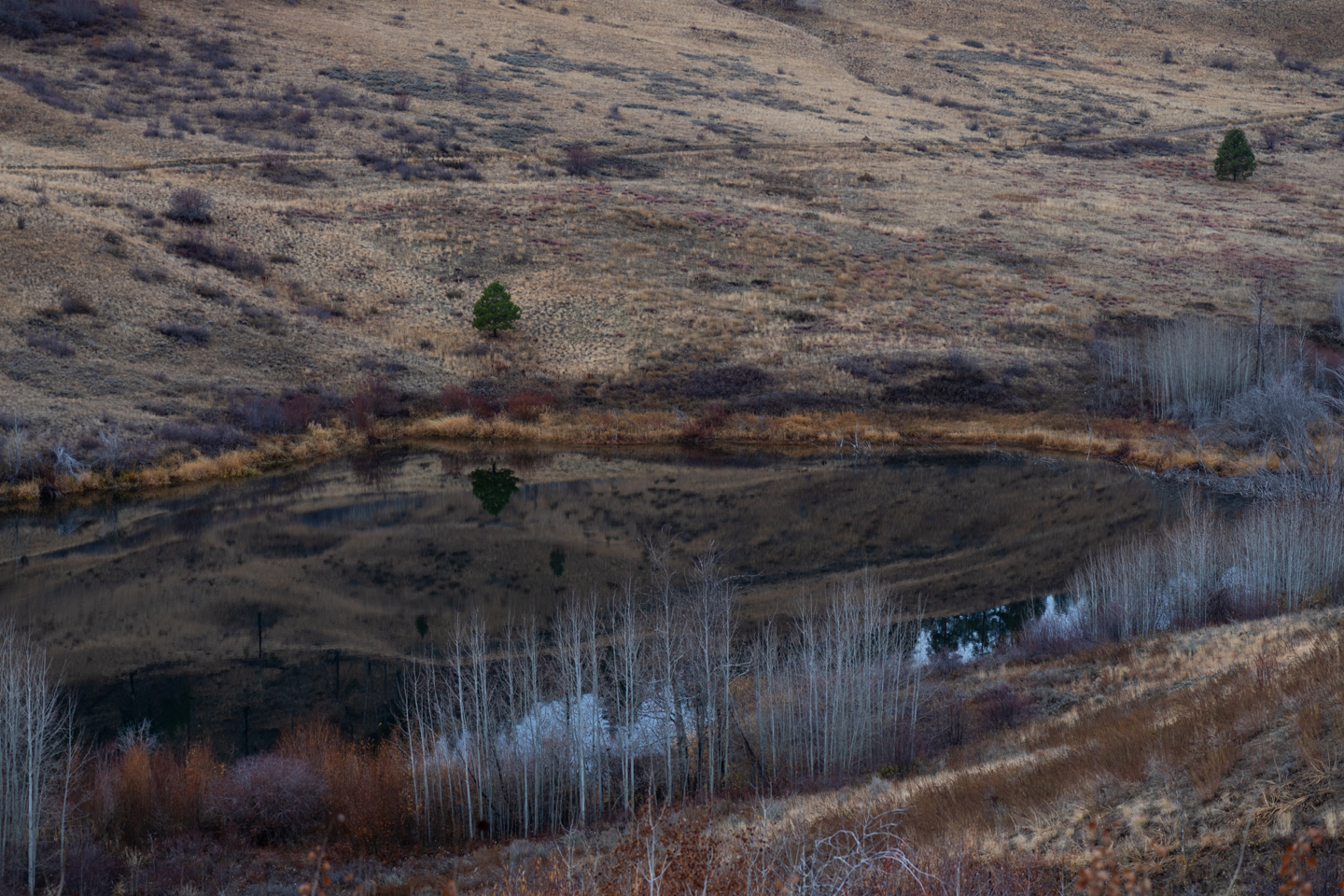


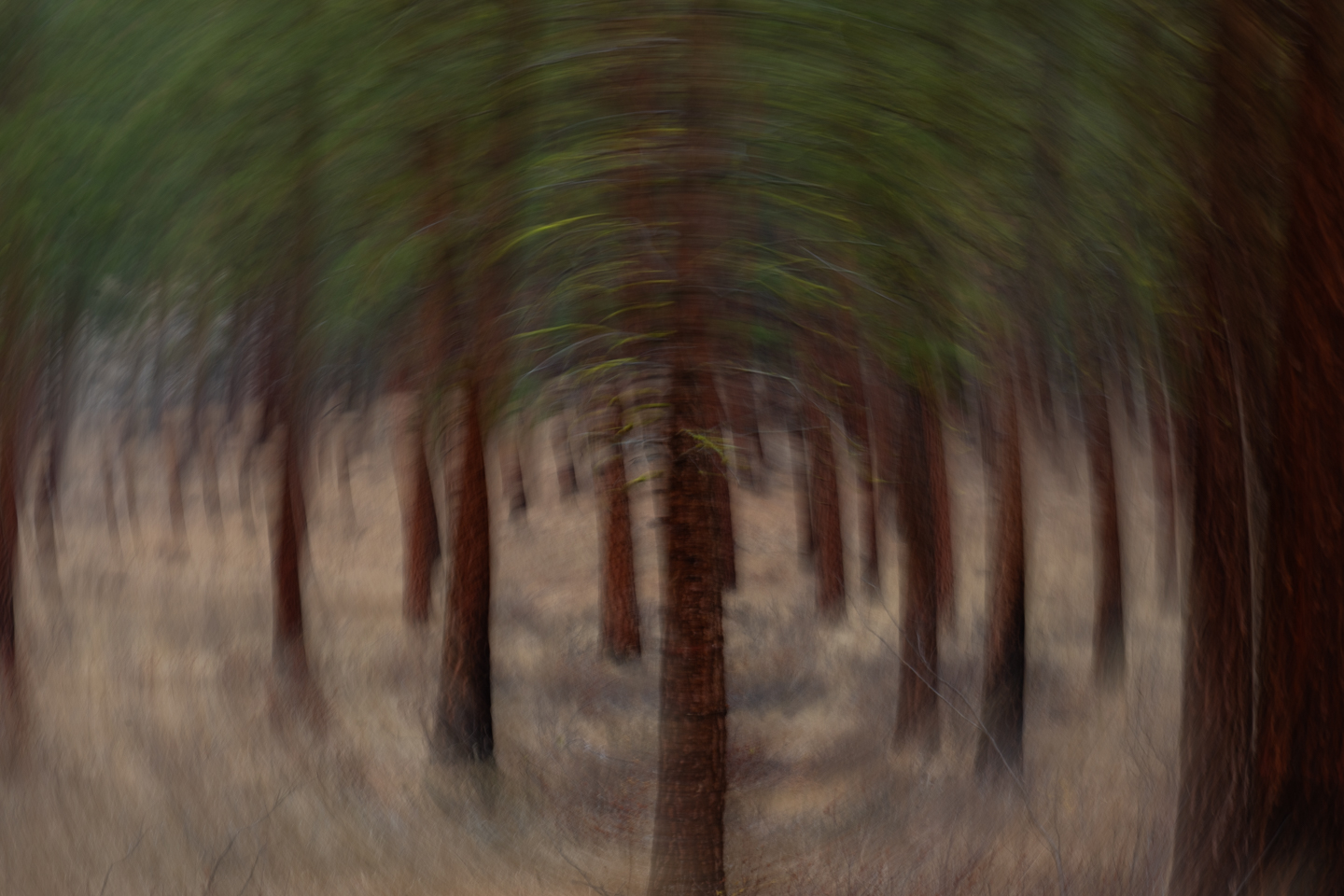
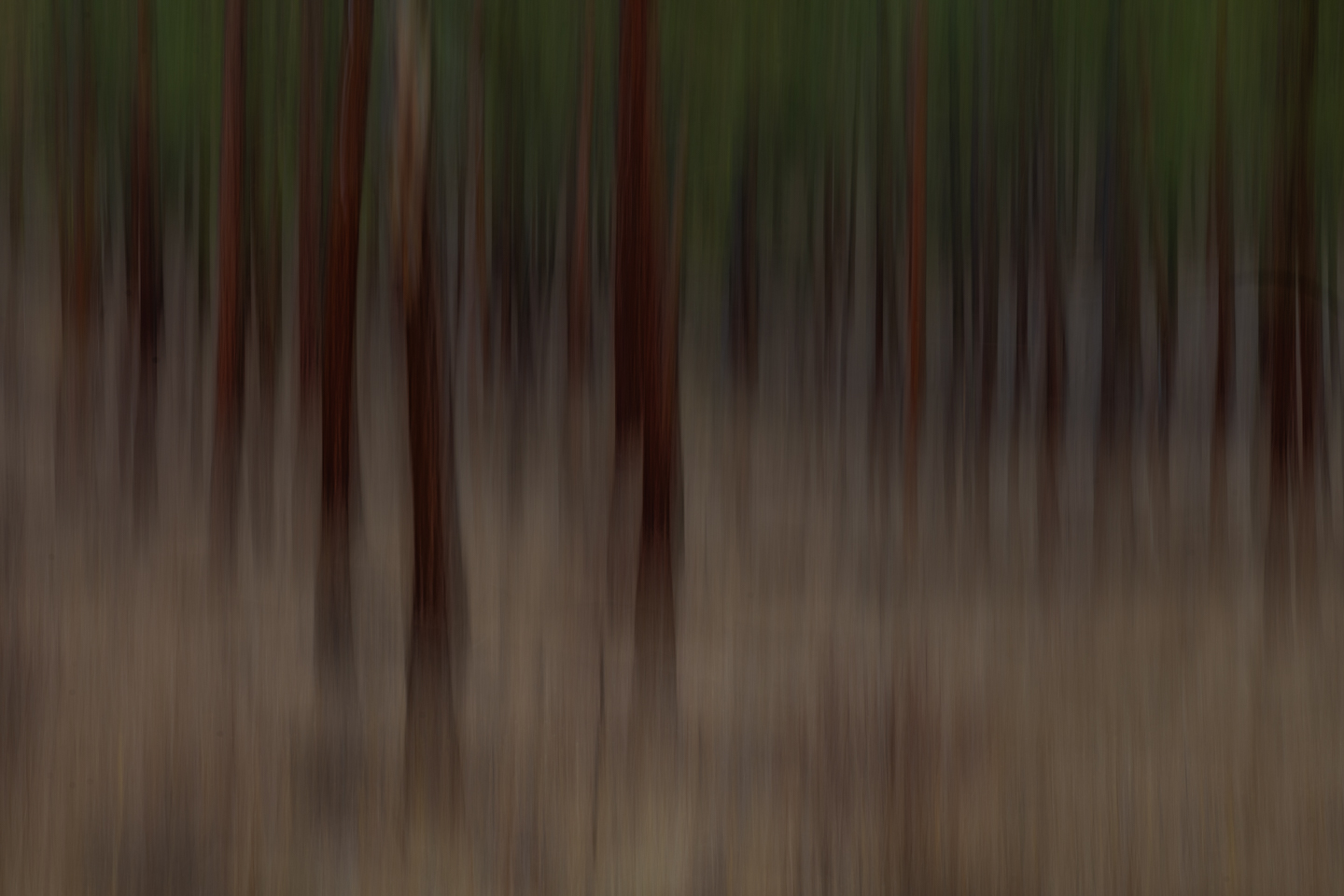
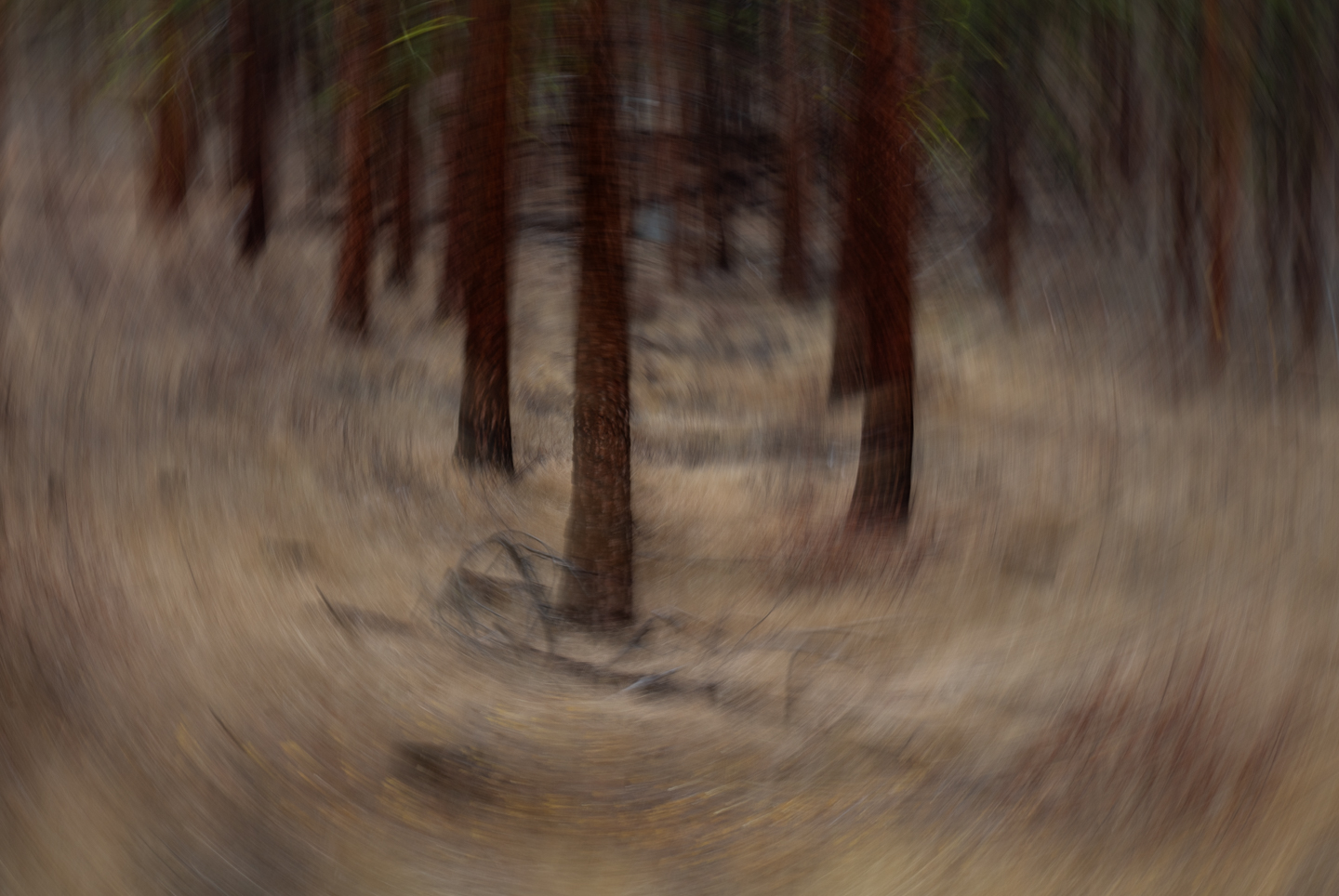
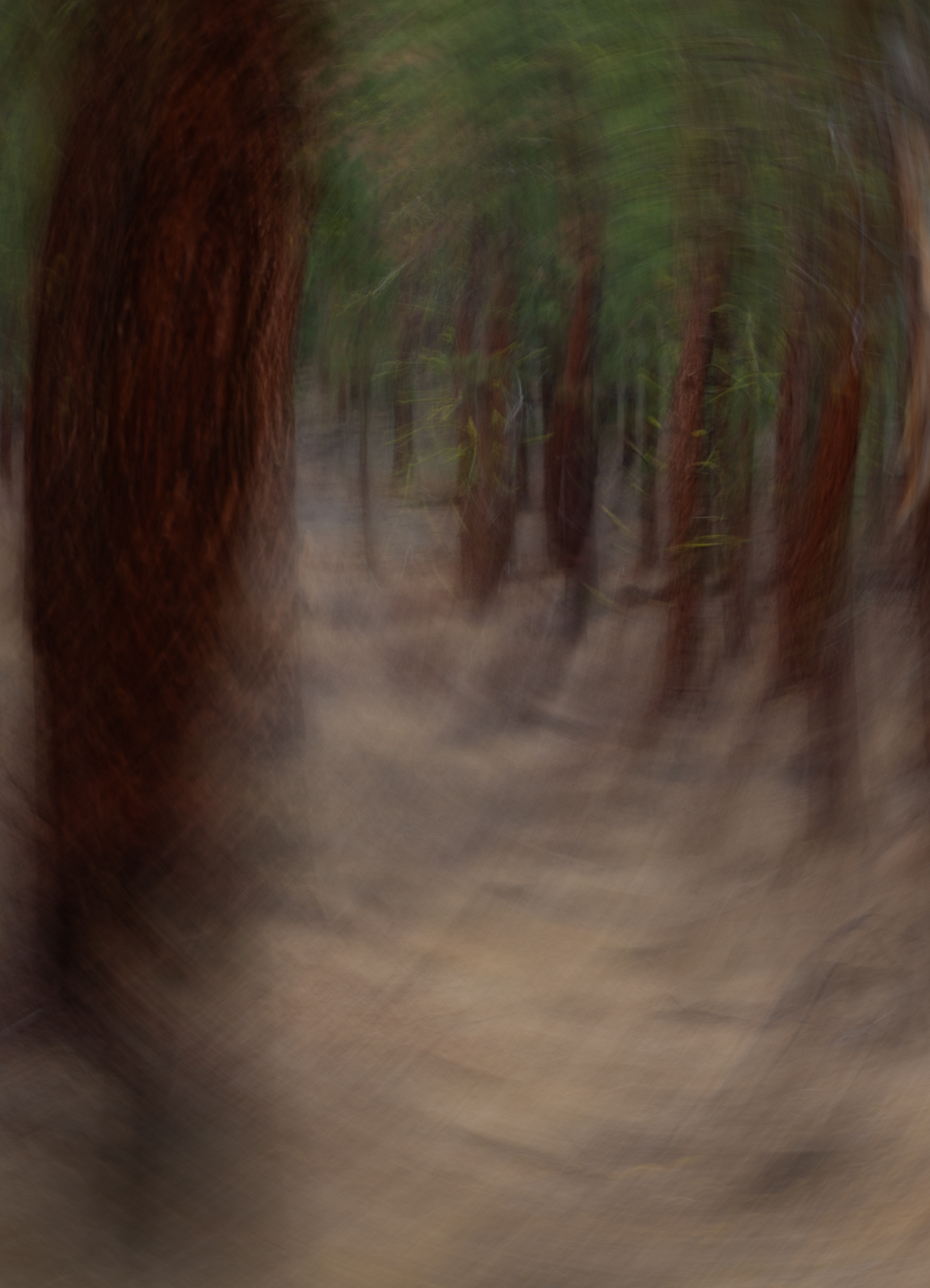


November has been mostly gray but Willow and I have done a bit of walking in the hills anyway, searching for color and patterns in the landscape. That’s what I’ve been doing. Willow played with sticks.
So far, I’ve only posted a few photos from my trip to Churchill, Manitoba to see polar bears. Most of the time there was spent driving around the landscape looking for bears to photograph and learning about them too. There was no time to really explore the little town til the last afternoon before the flight back to Winnipeg.
Churchill is the self-proclaimed polar bear capital of the world. The bears spend the summer inland and then move toward Churchill to wait for the ice to form in Hudson Bay. They spend the winter on the ice hunting seals, their primary food. They put on layers of fat and then when the ice recedes, they are able to survive the warm months eating next to nothing. With climate change, the ice season is becoming shorter and endangering the polar bears.
Churchill is also famous for northern lights in the winter, birding in the spring and beluga whales in the summer. There are about 600 year round residents. It has a deep harbor port at the mouth of the Churchill River.
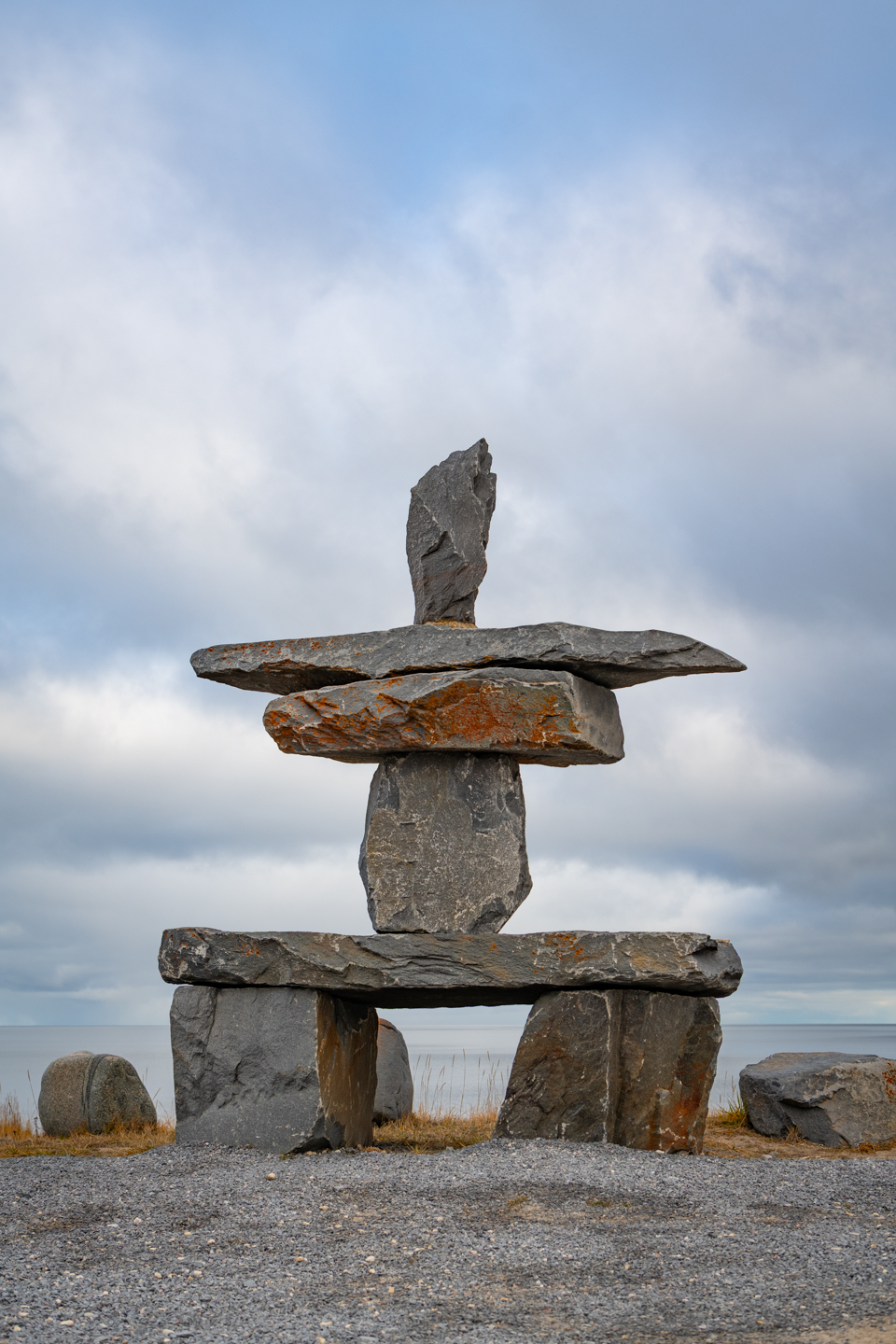
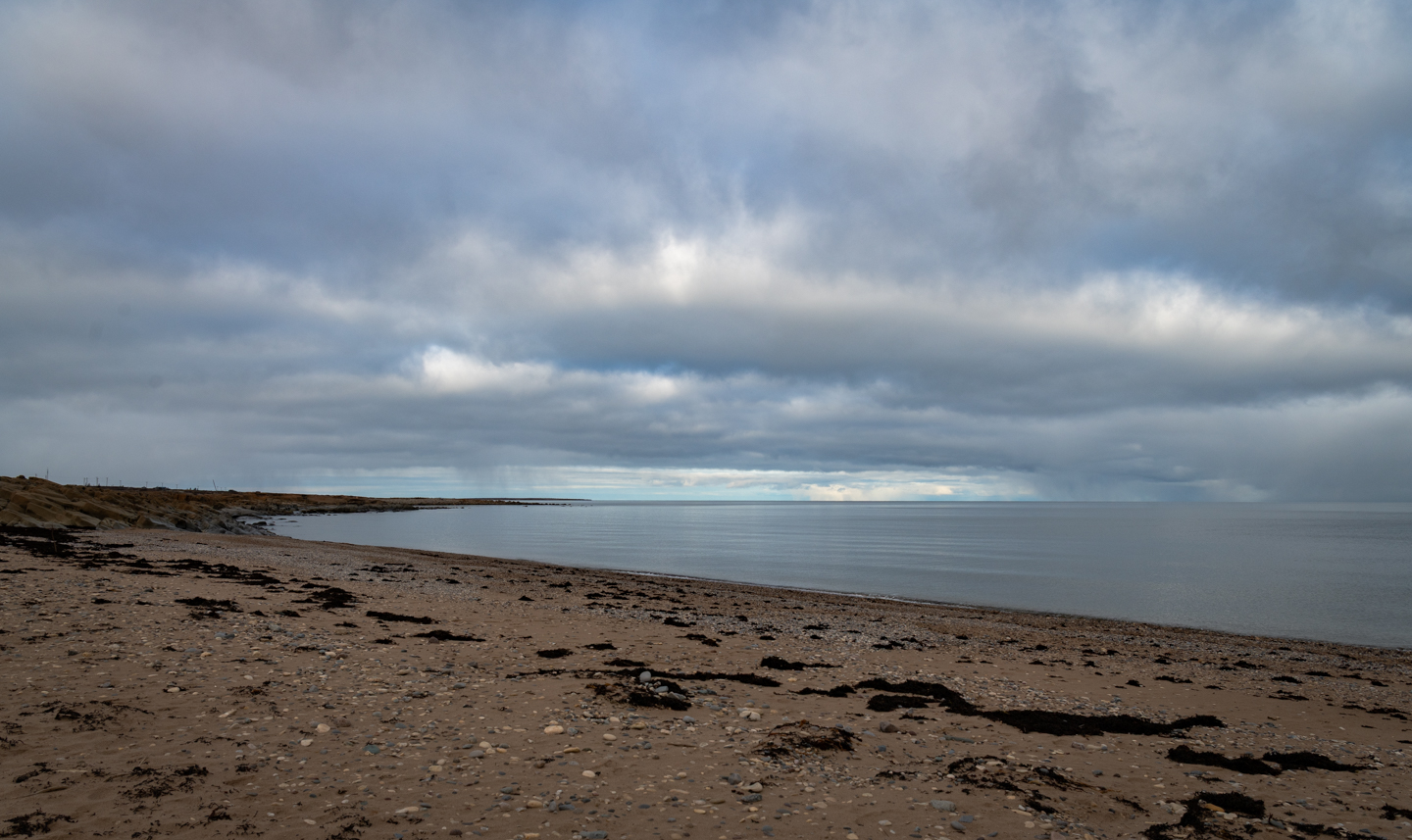
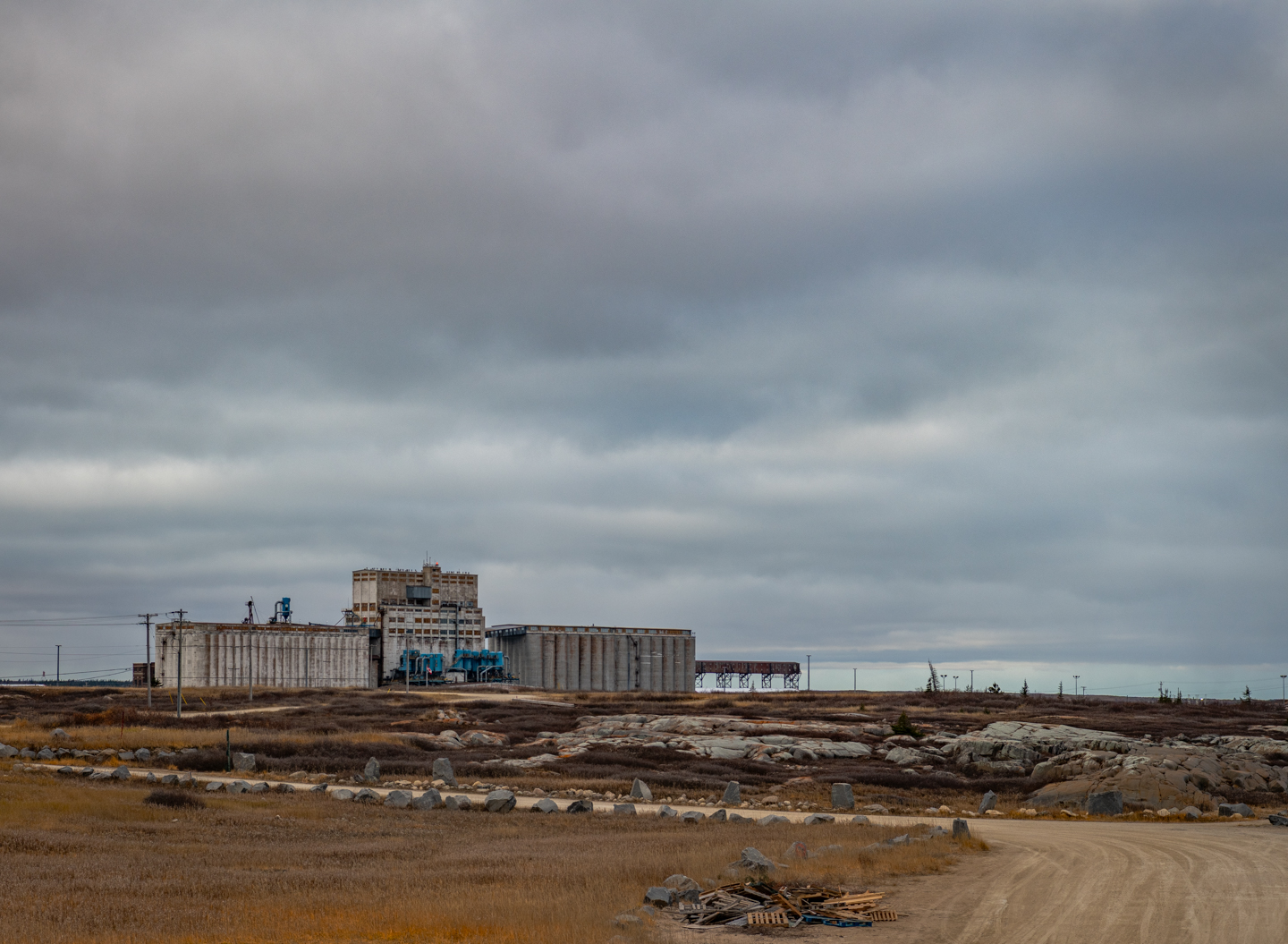
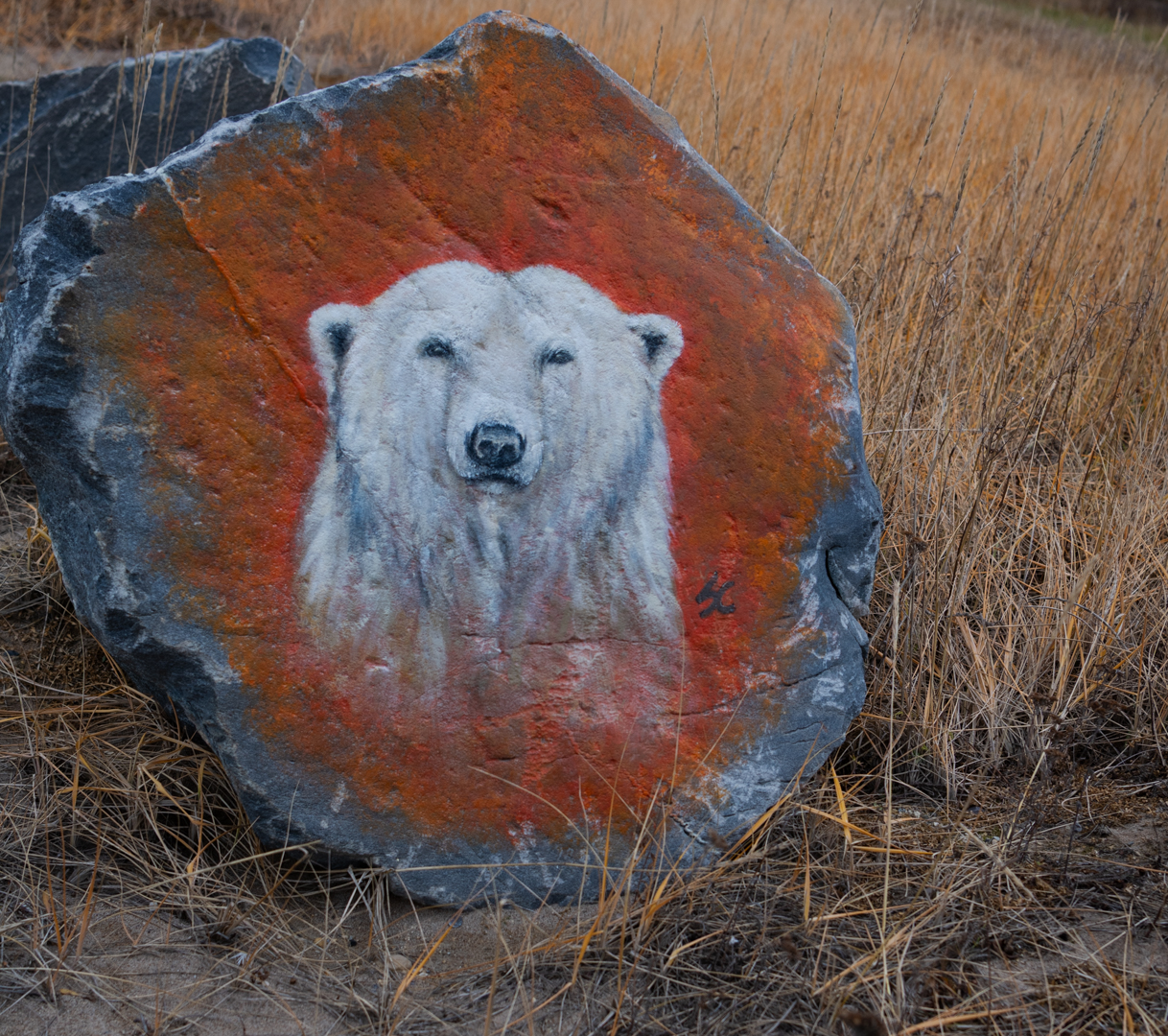
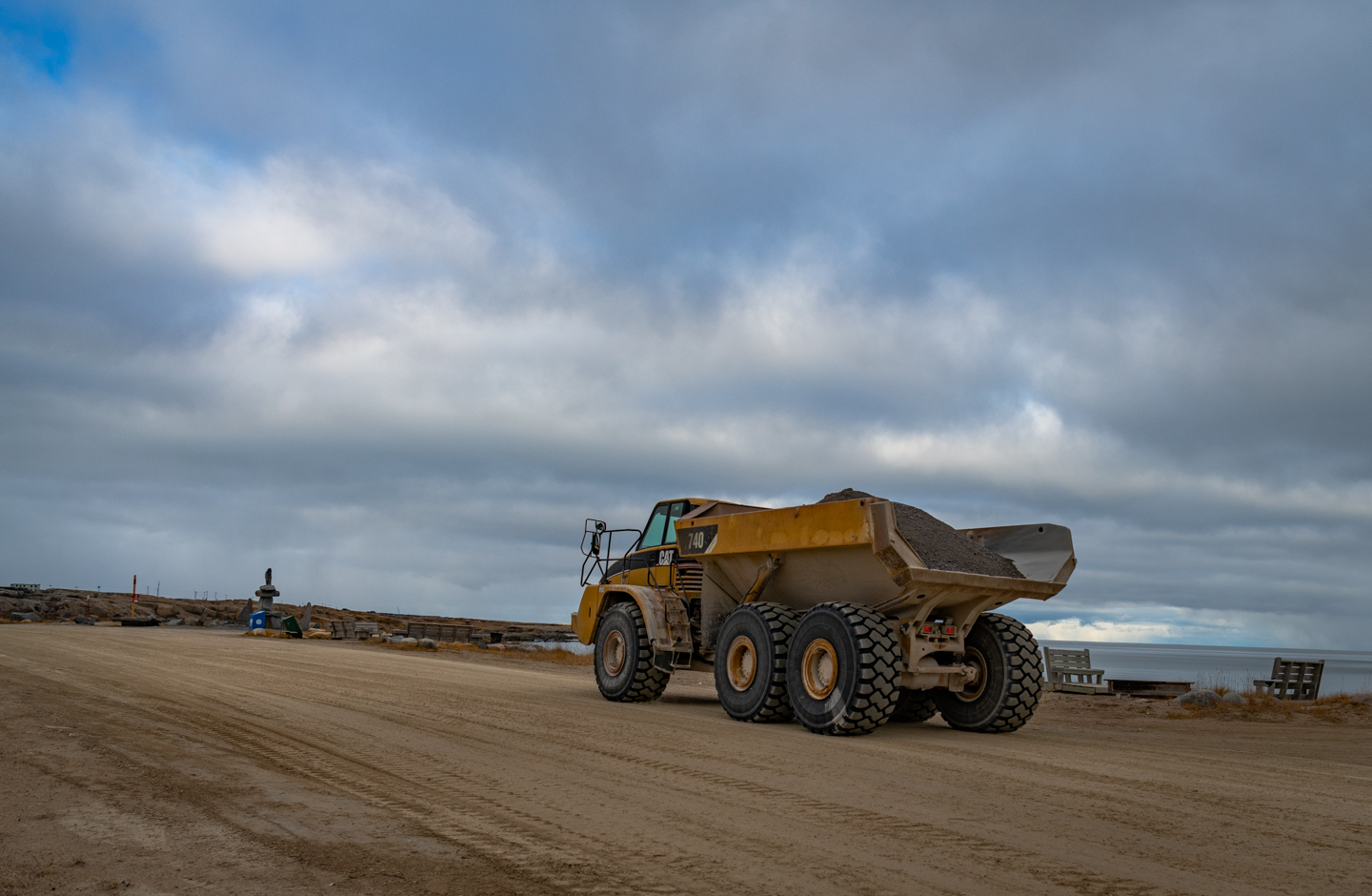
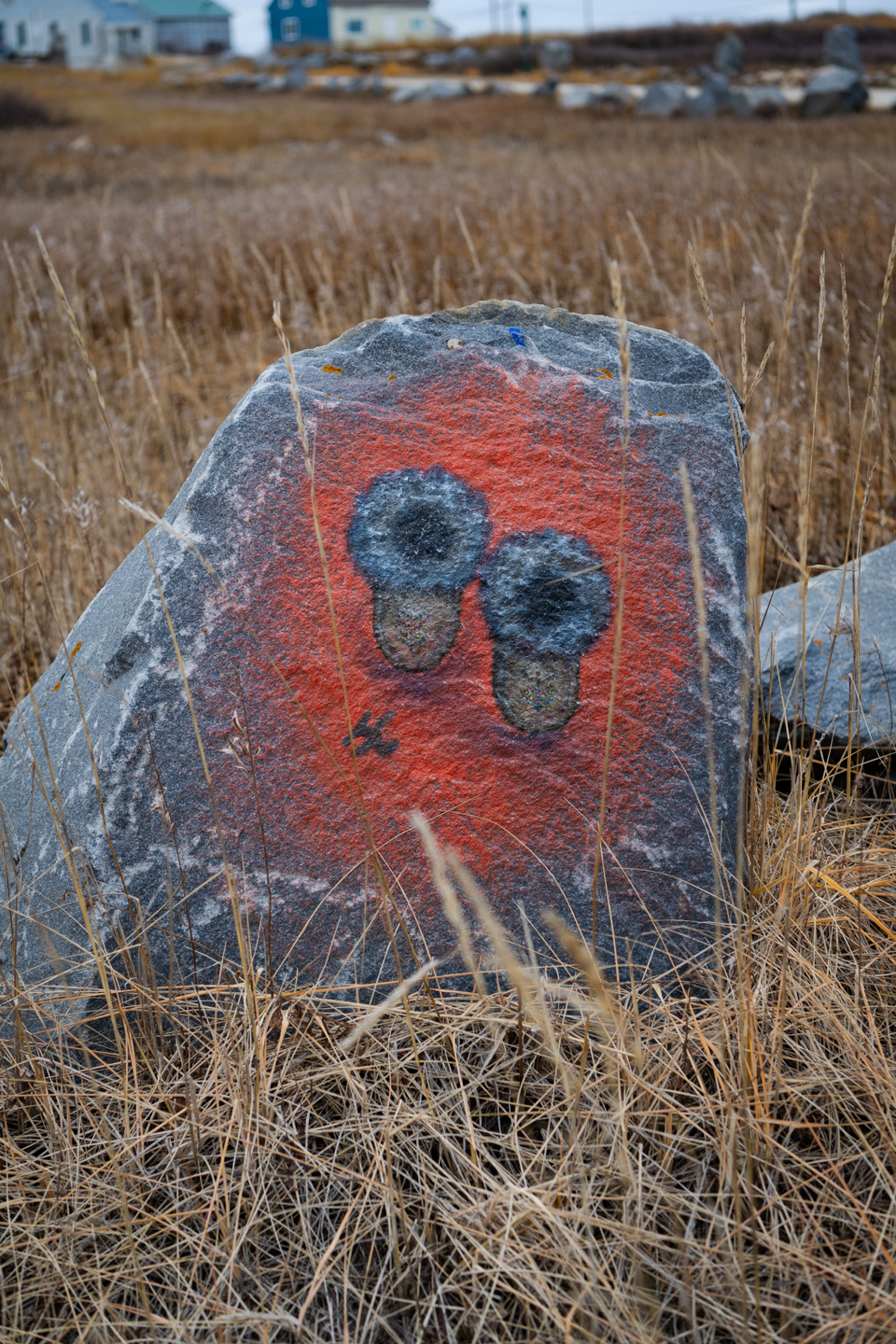
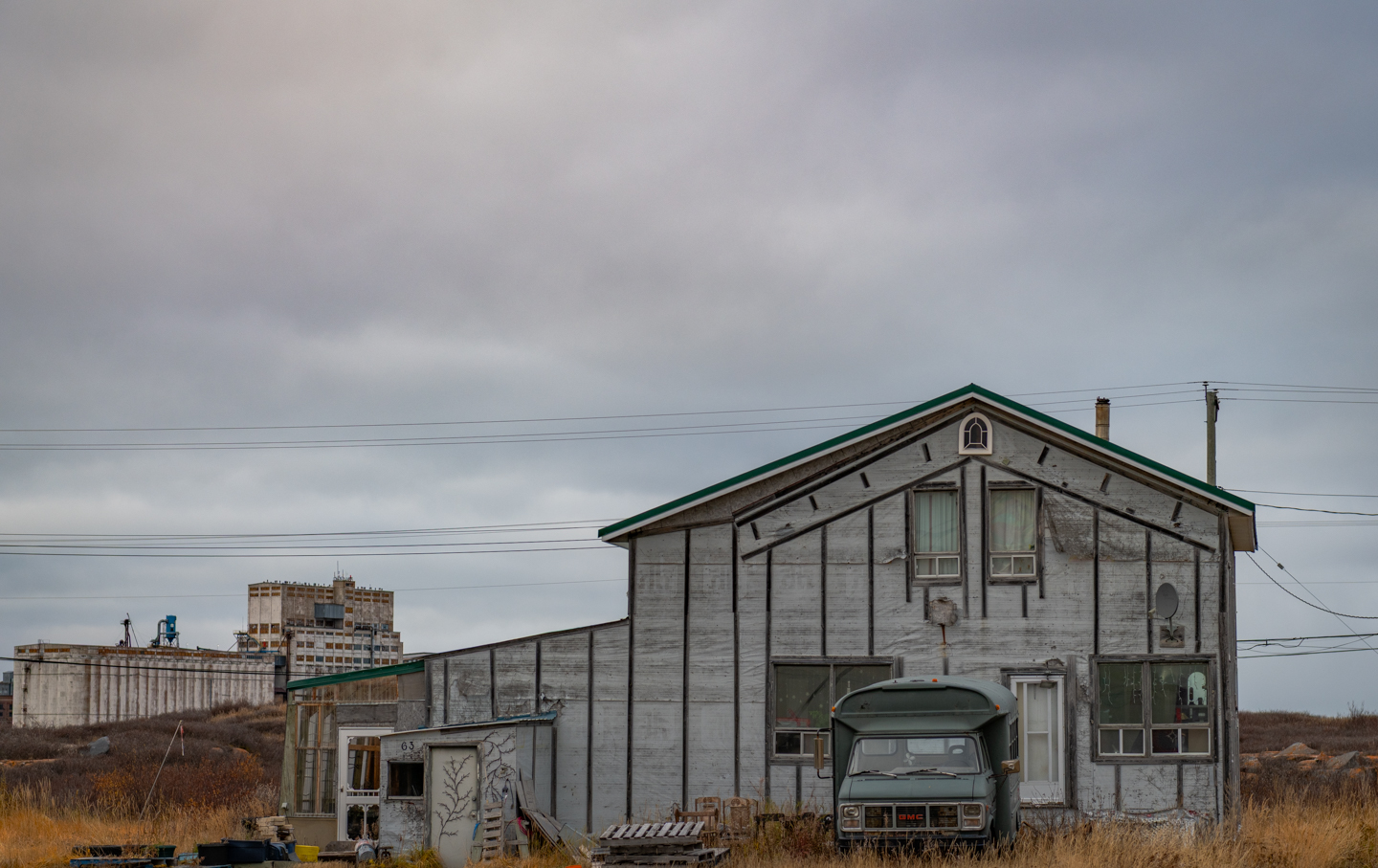
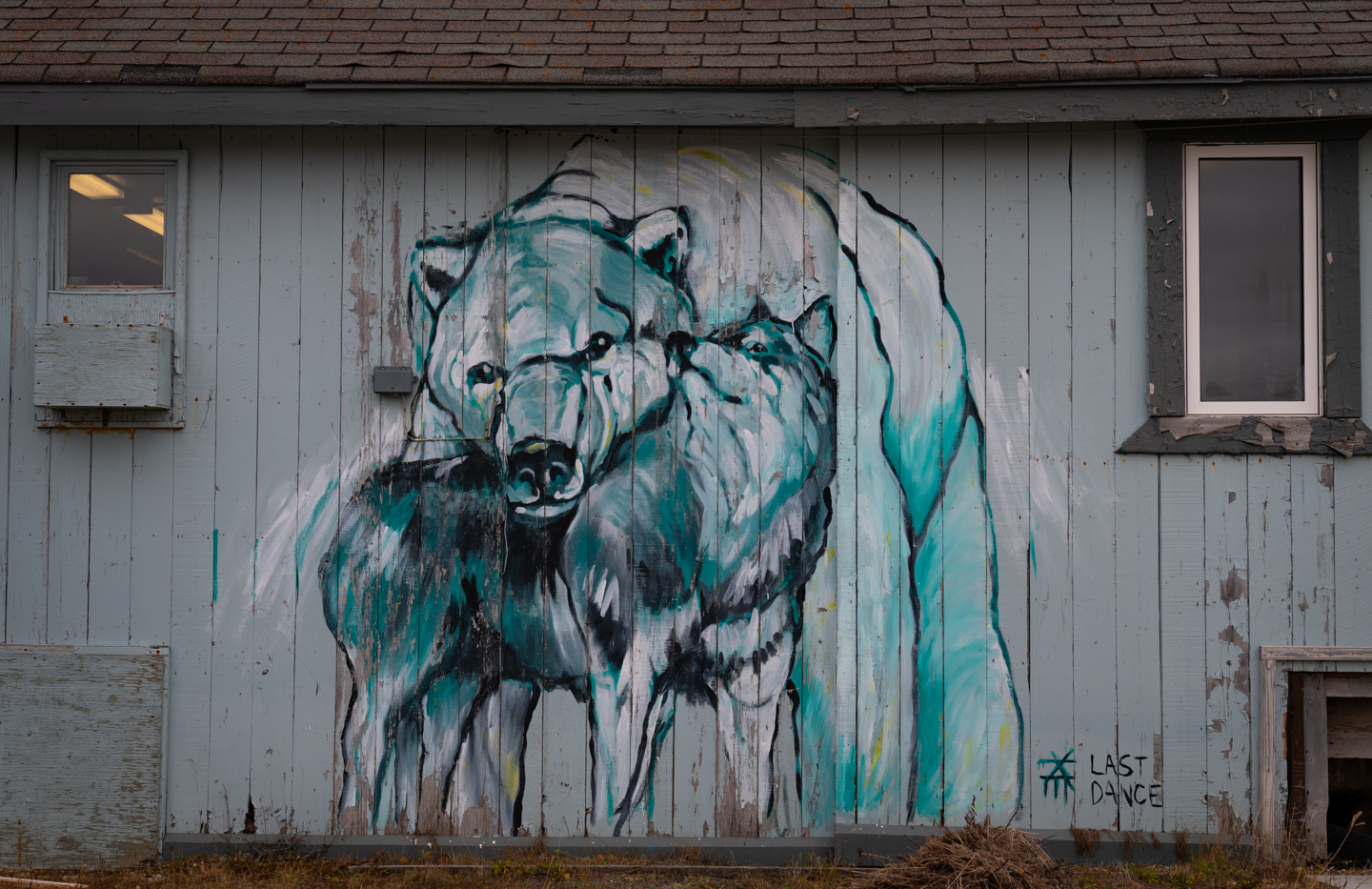
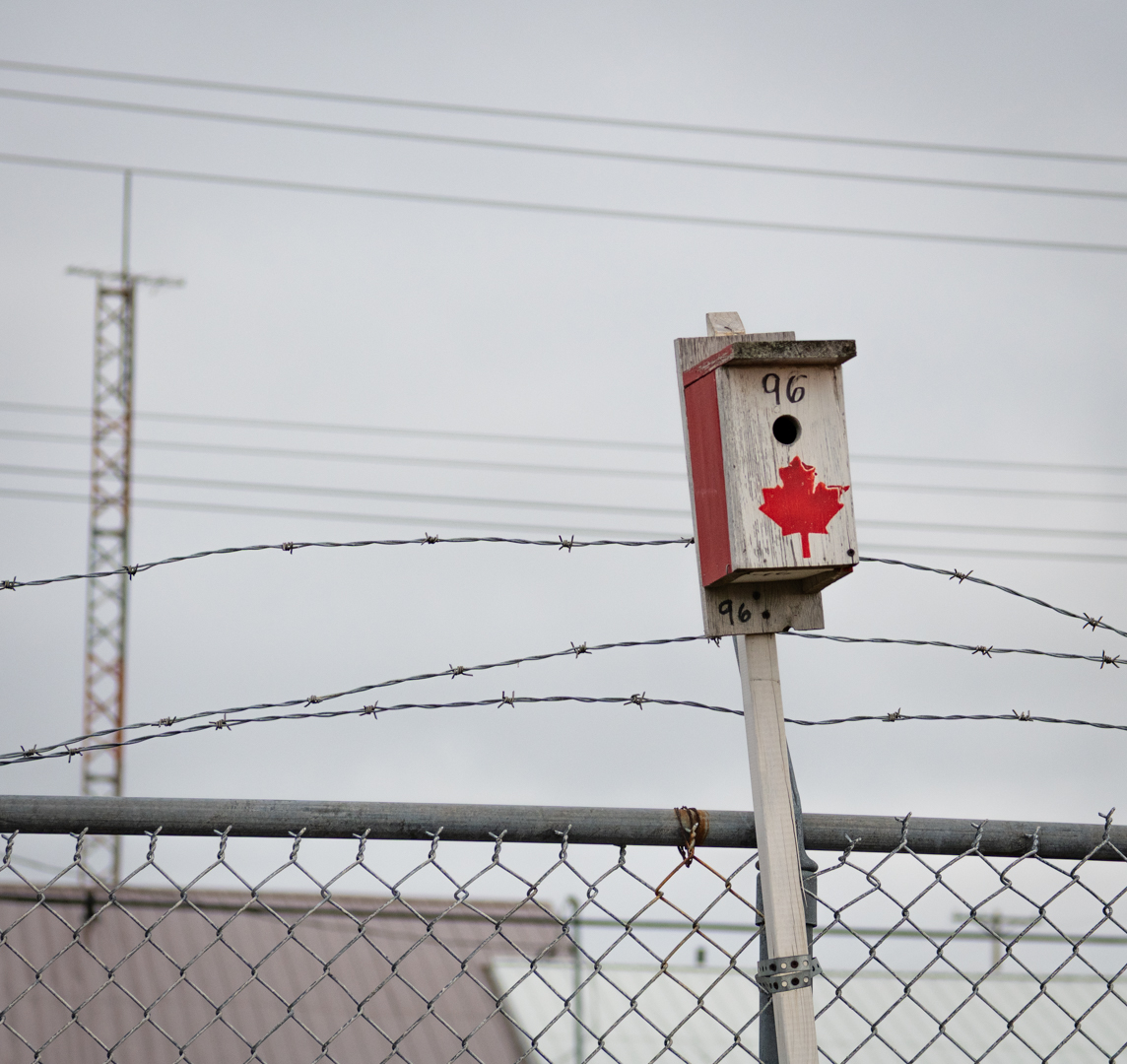
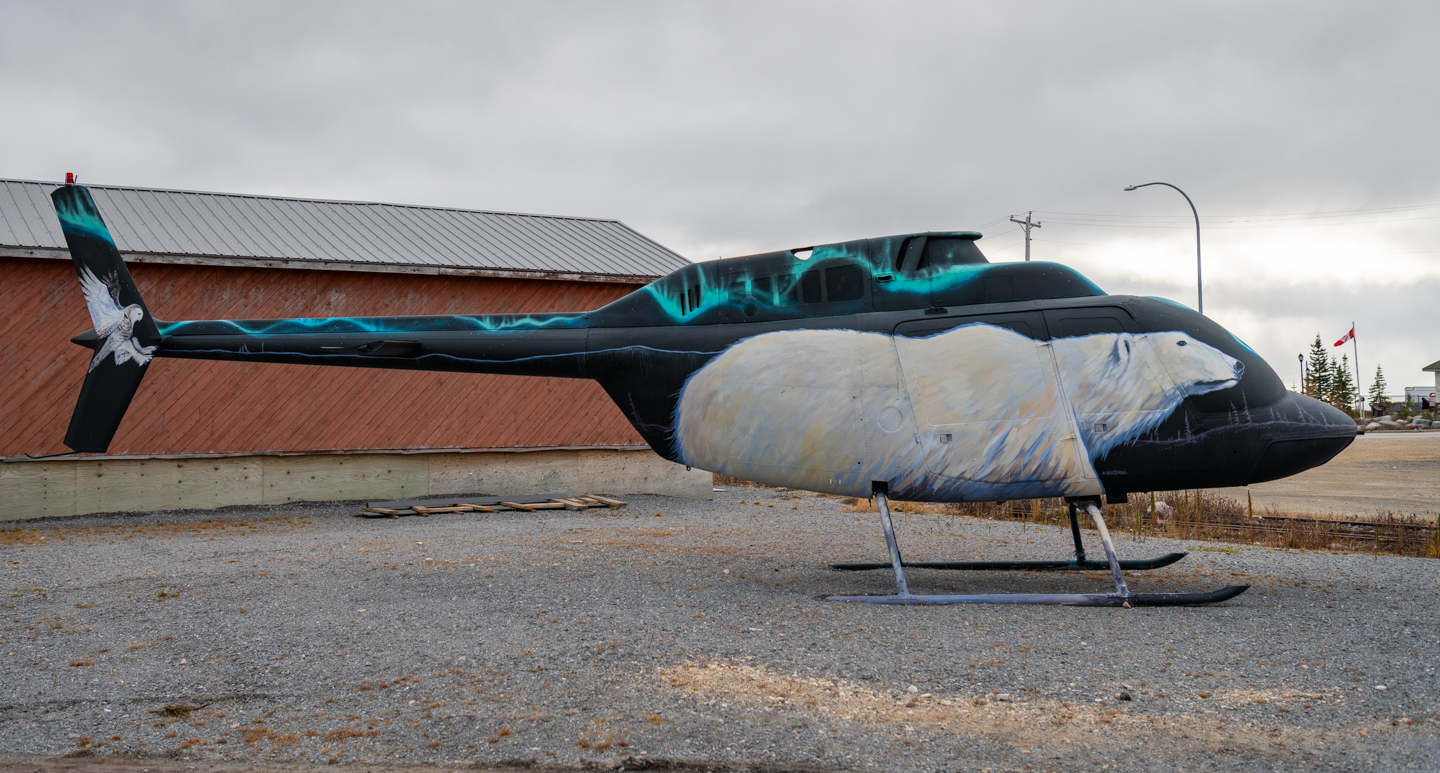
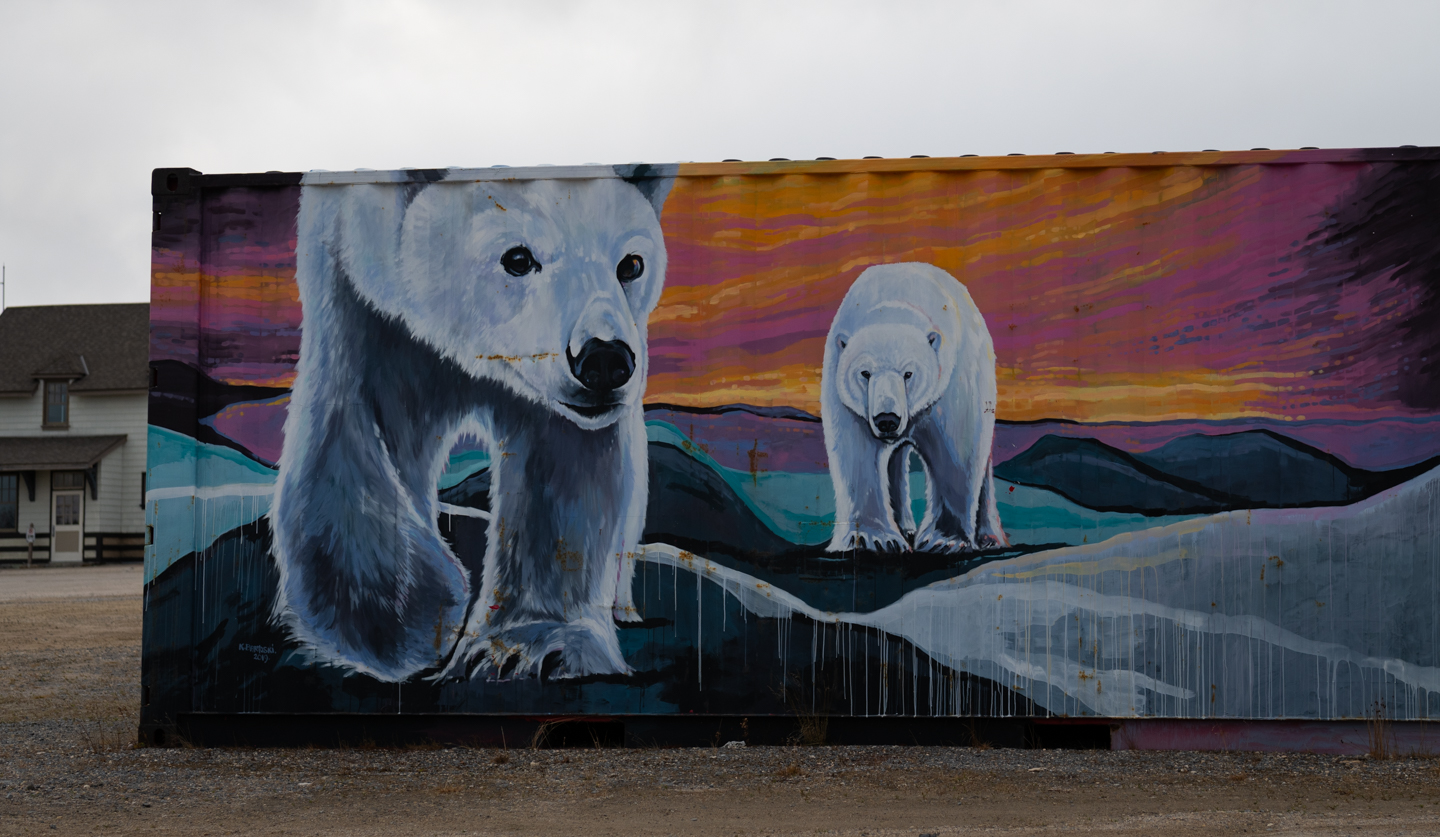
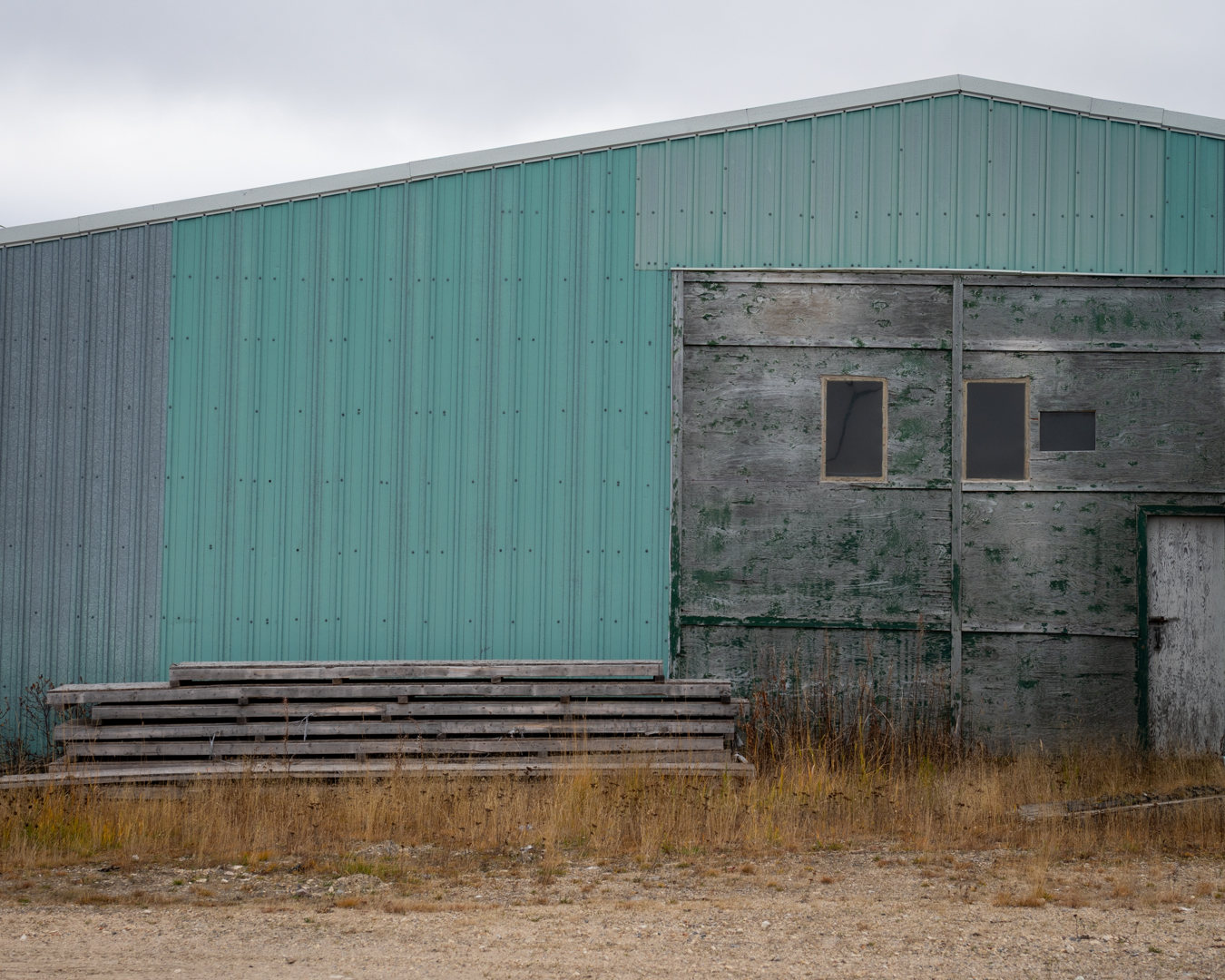
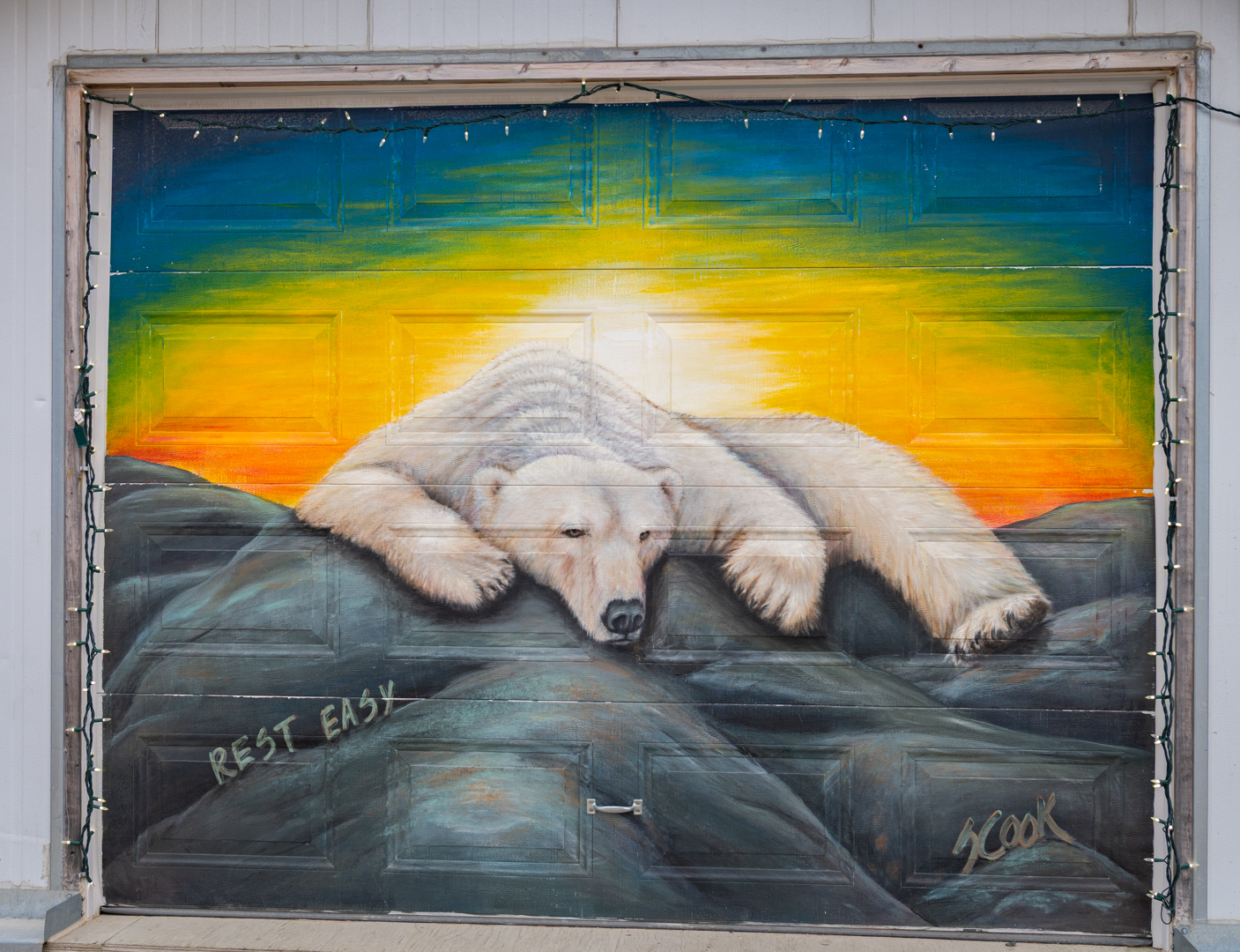
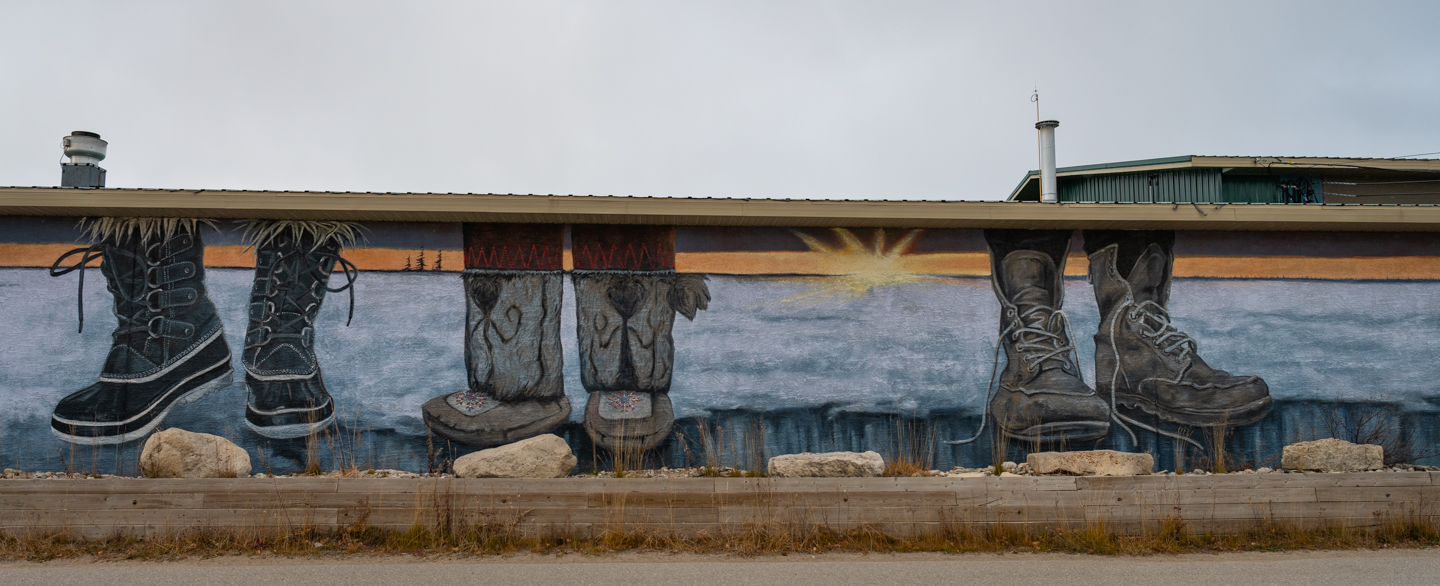
Churchill can only be reached by plane or train or ship so everything that has ever arrived in Churchill is likely still there. It has a harsh climate and many things are in a state of decay. But, all over the small town, there are murals depicting, mostly, the natural history of the place. These murals are on buildings, storage containers, rocks and even a helicopter. They are a colorful reminder of the natural beauty of the place. So join me now, for a walk around town.






Shorebirds were not the only birds I saw on the west side. There were Snow Geese, many 1000’s of Snow Geese but mostly in the distance. Except for one that was very close. I wondered if it was sick or injured. Avian flu is still a concern.
Also pictured, White-crowned Sparrow, Northern Harrier, Belted Kingfisher, and Great Blue Heron.

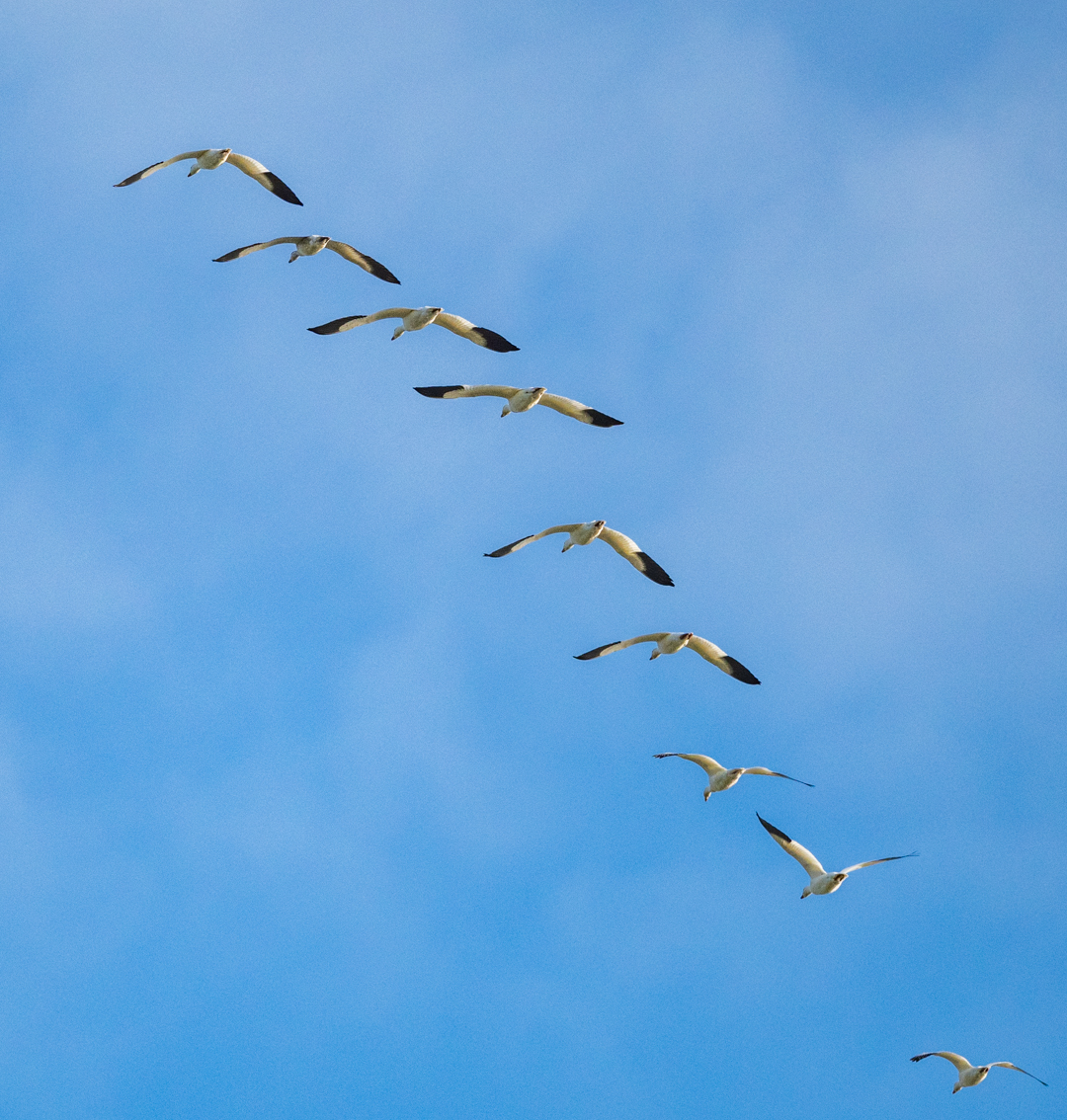


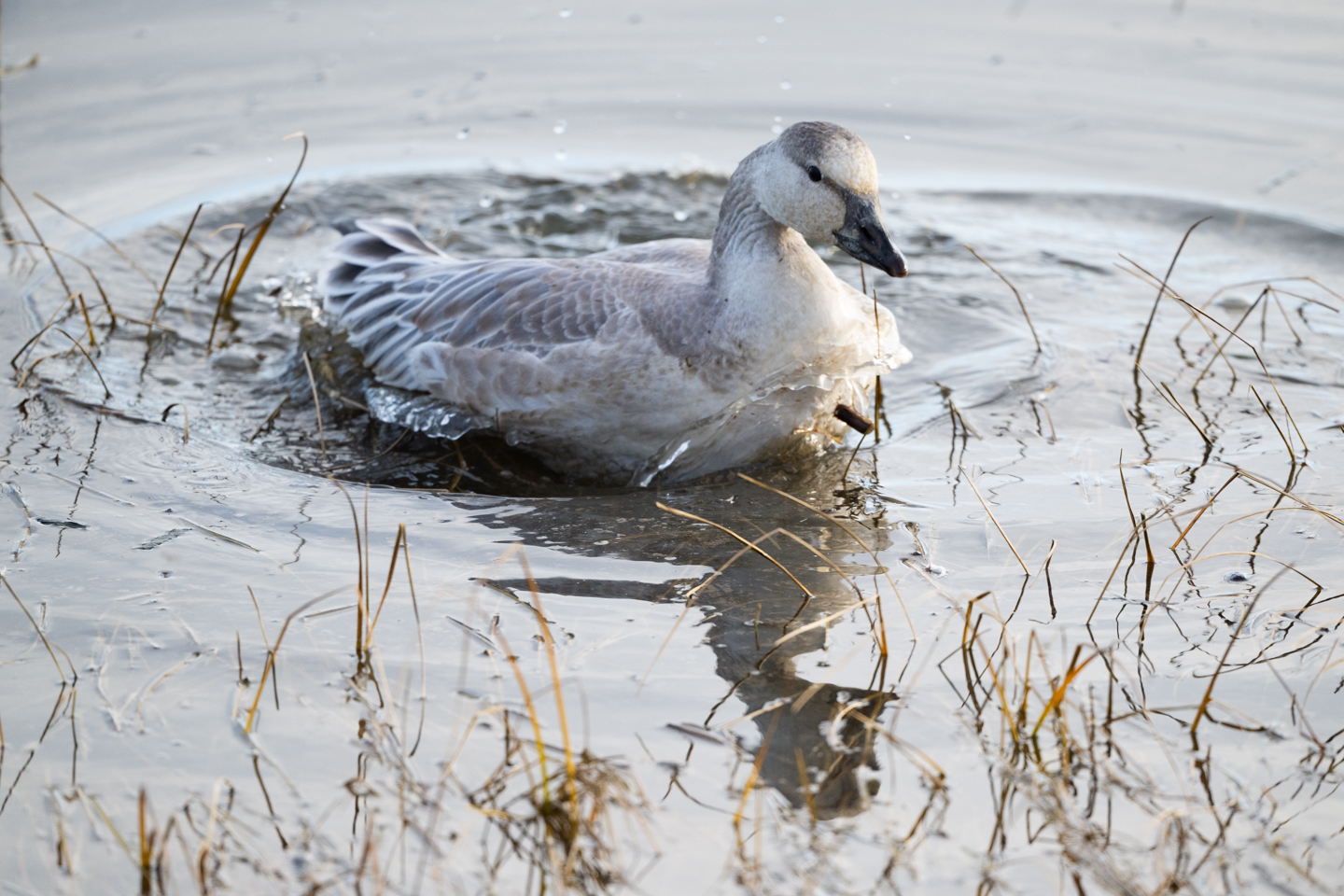
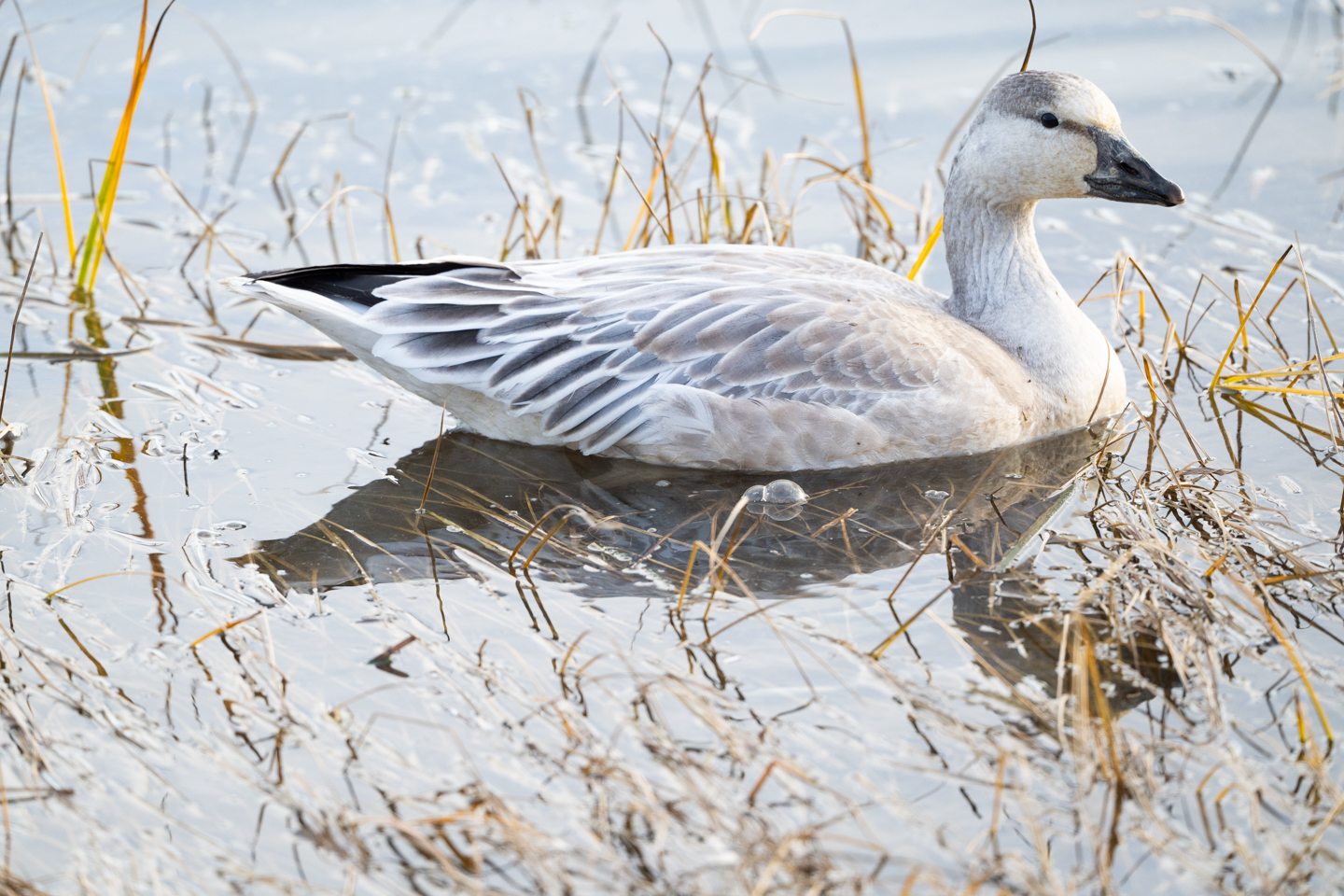
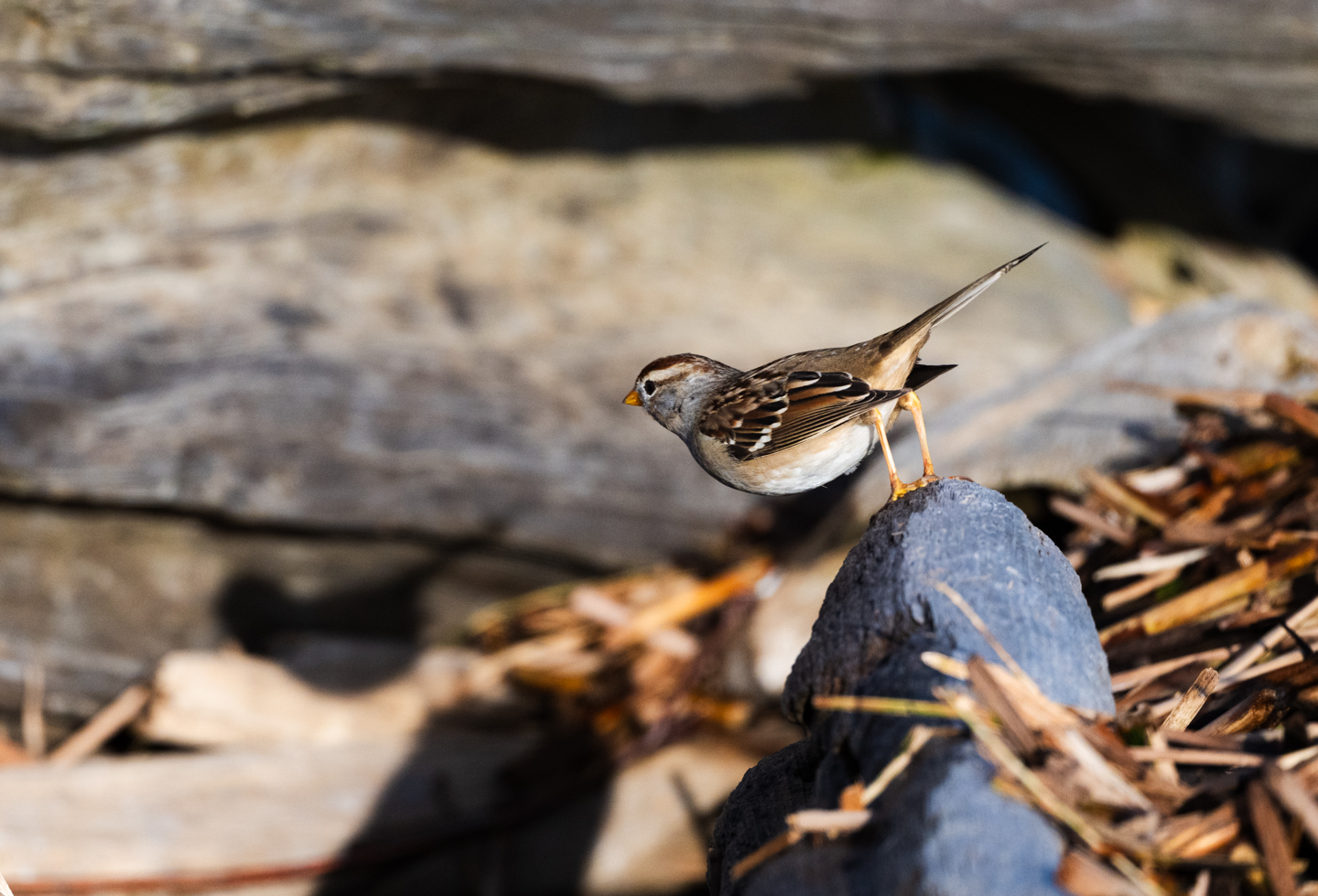
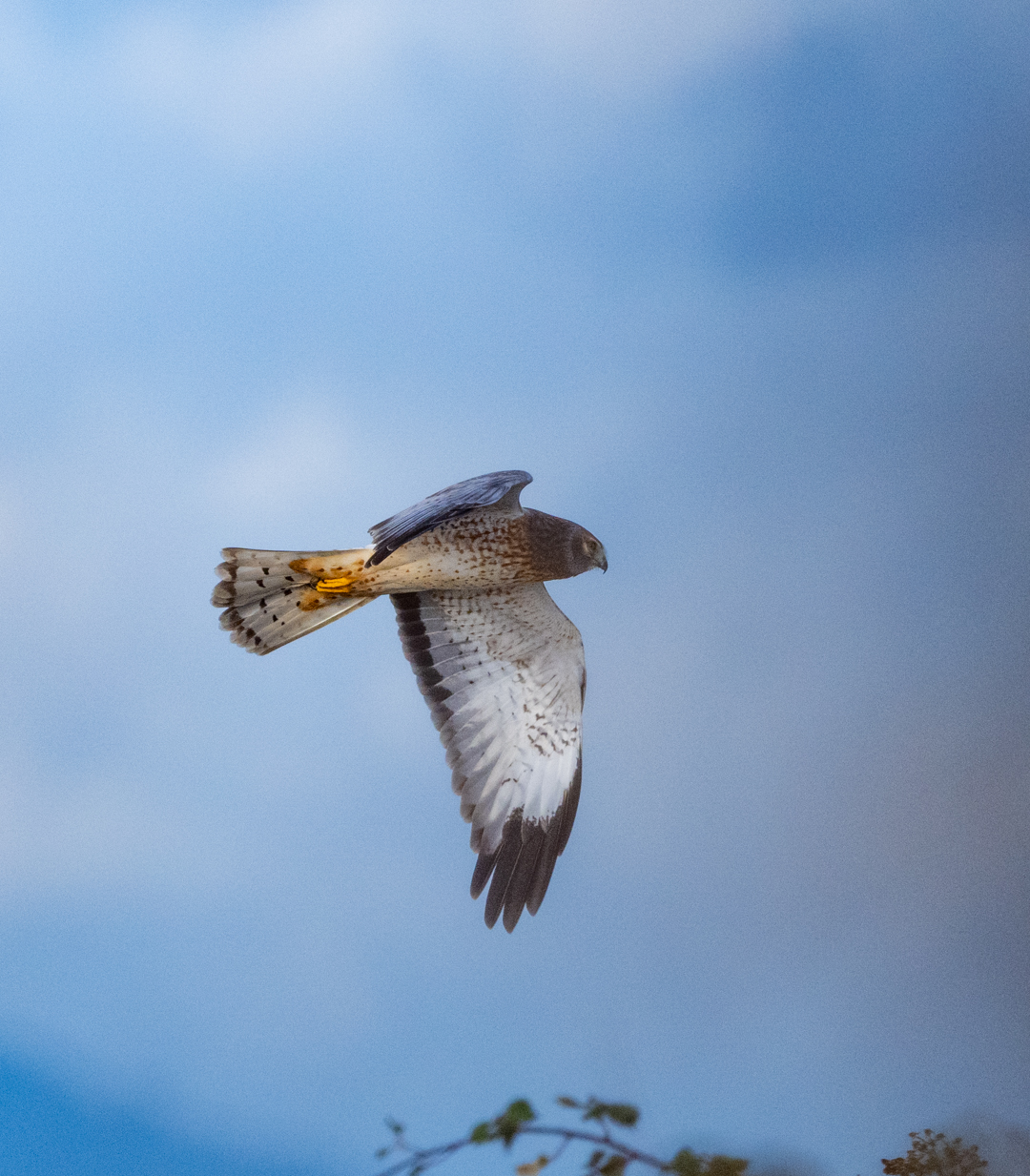


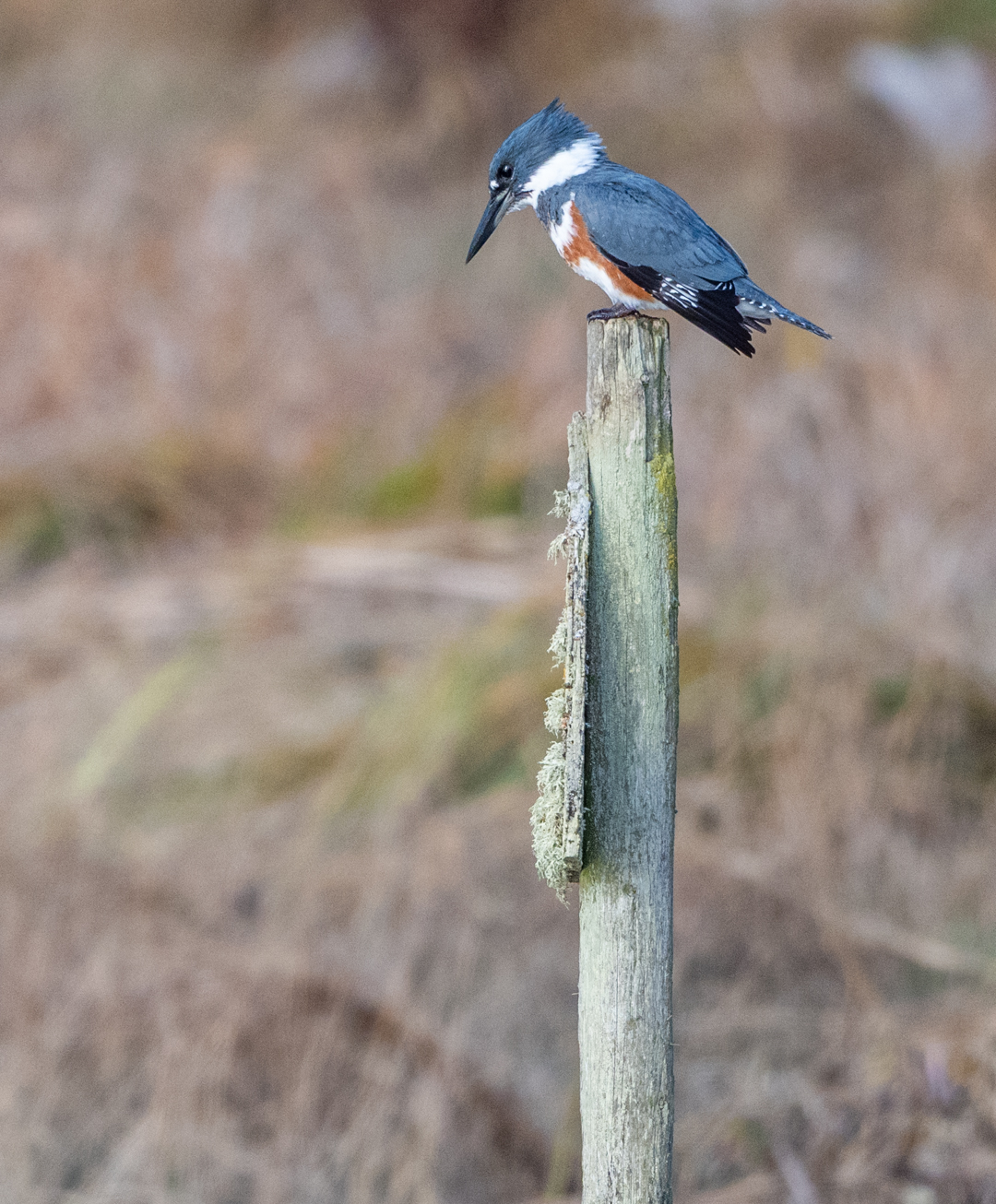
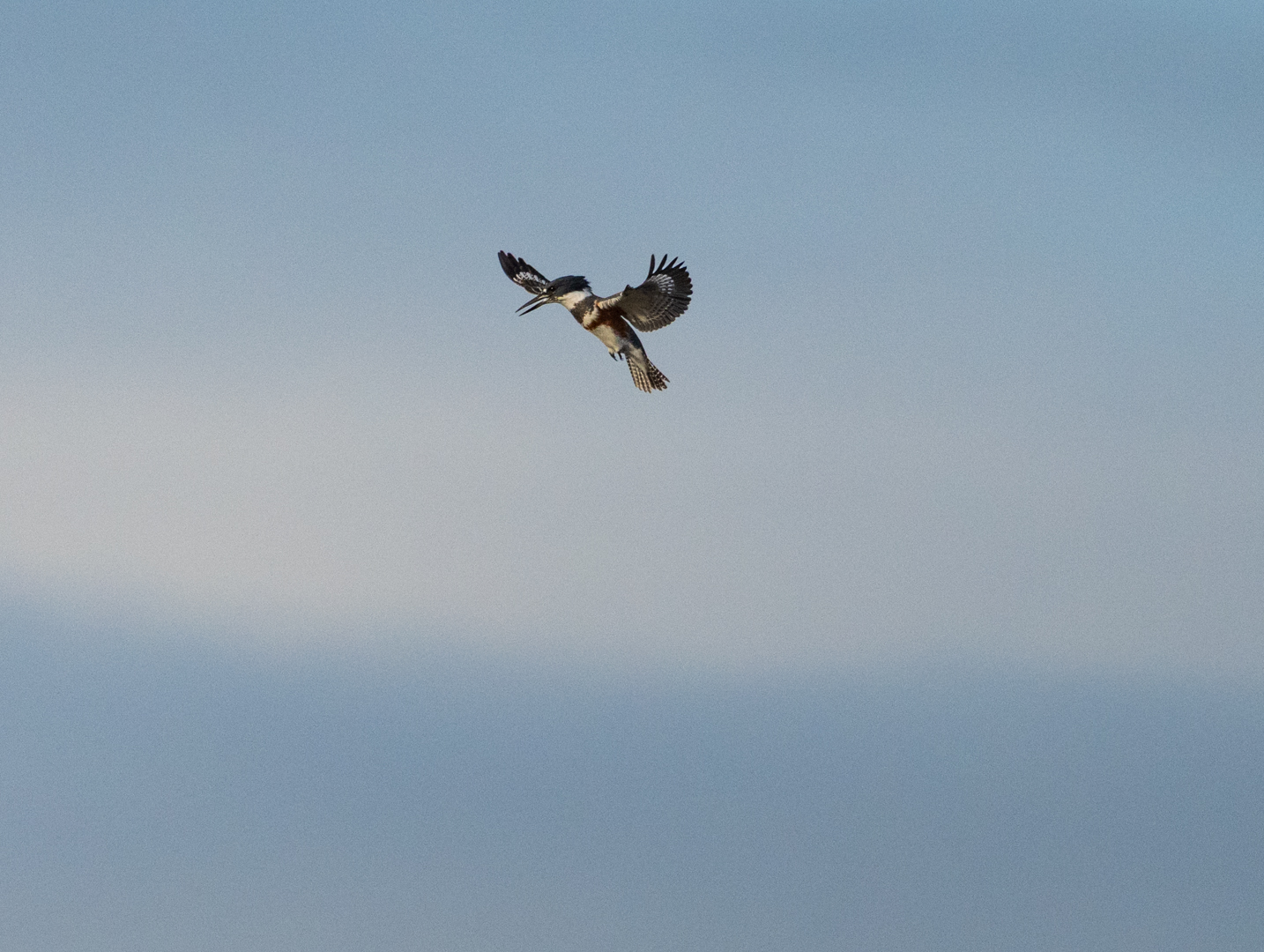
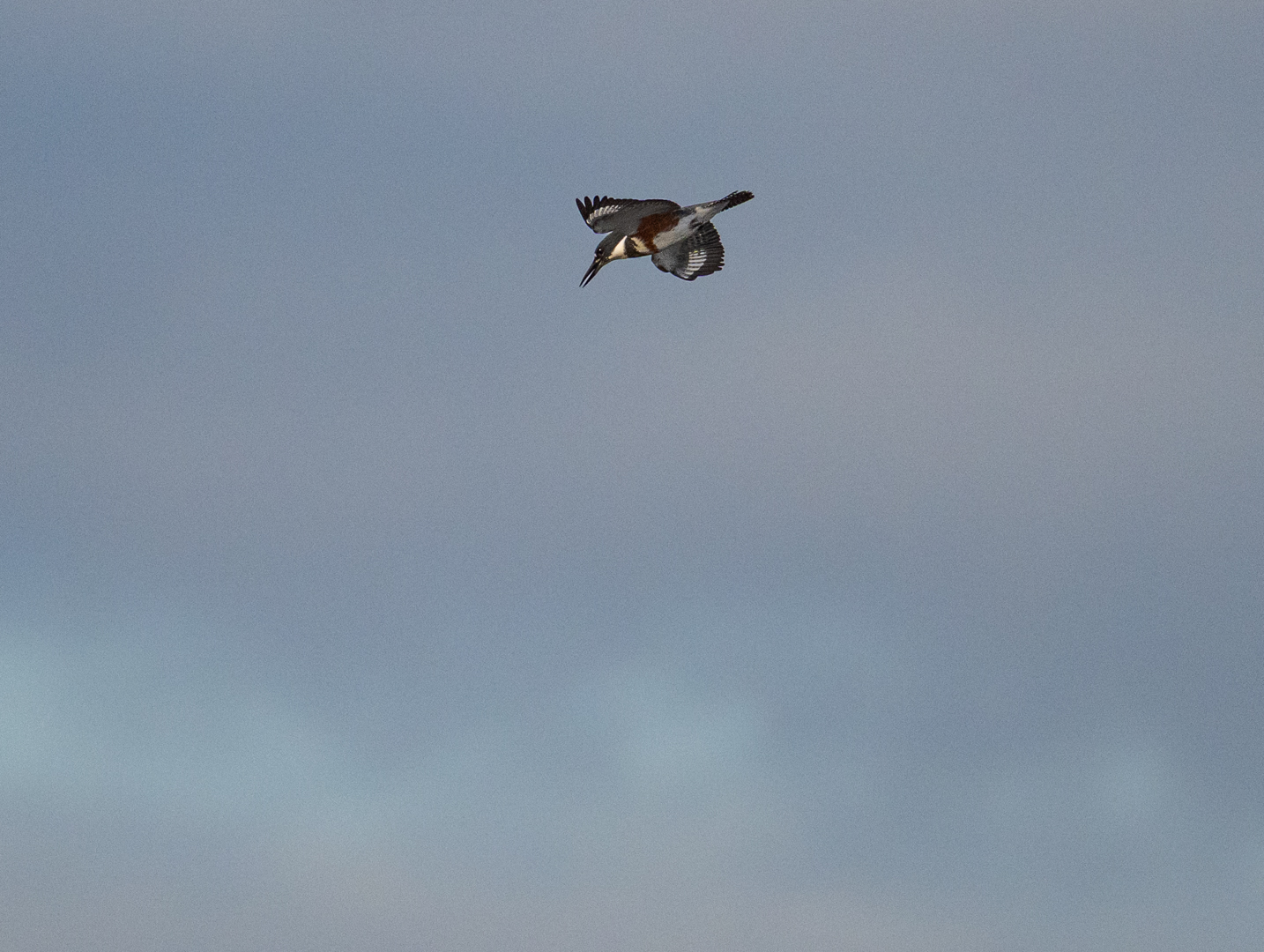

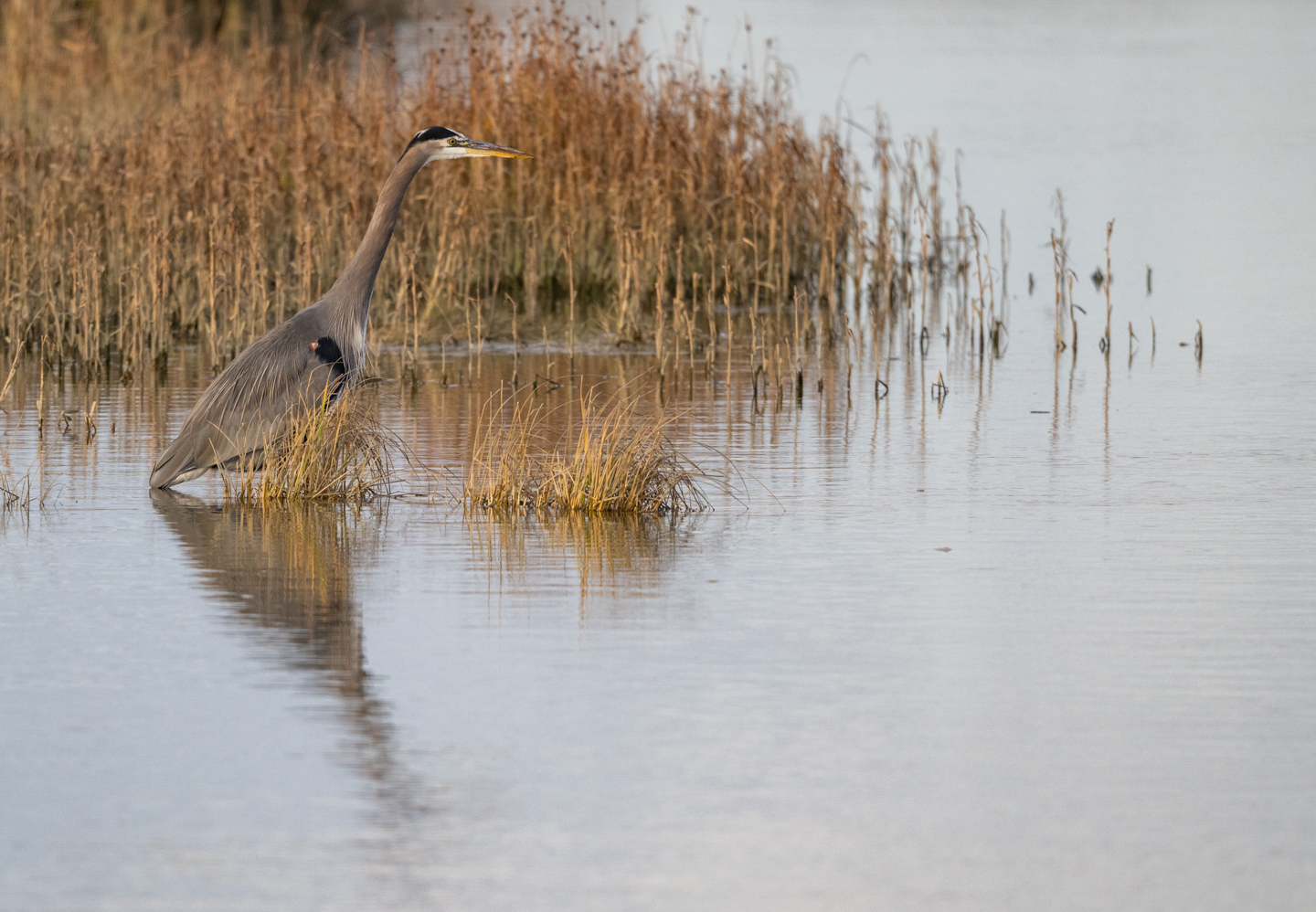
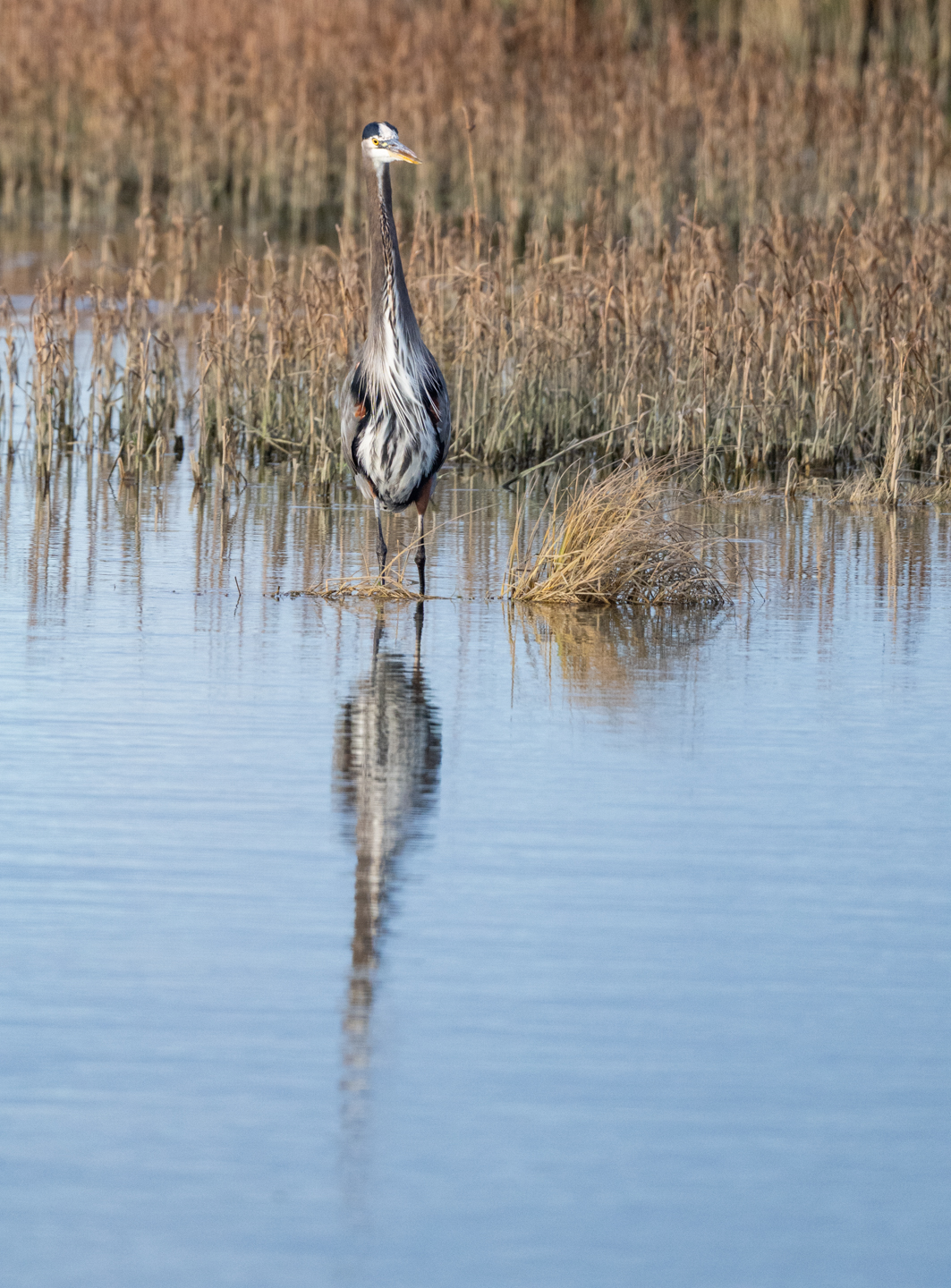

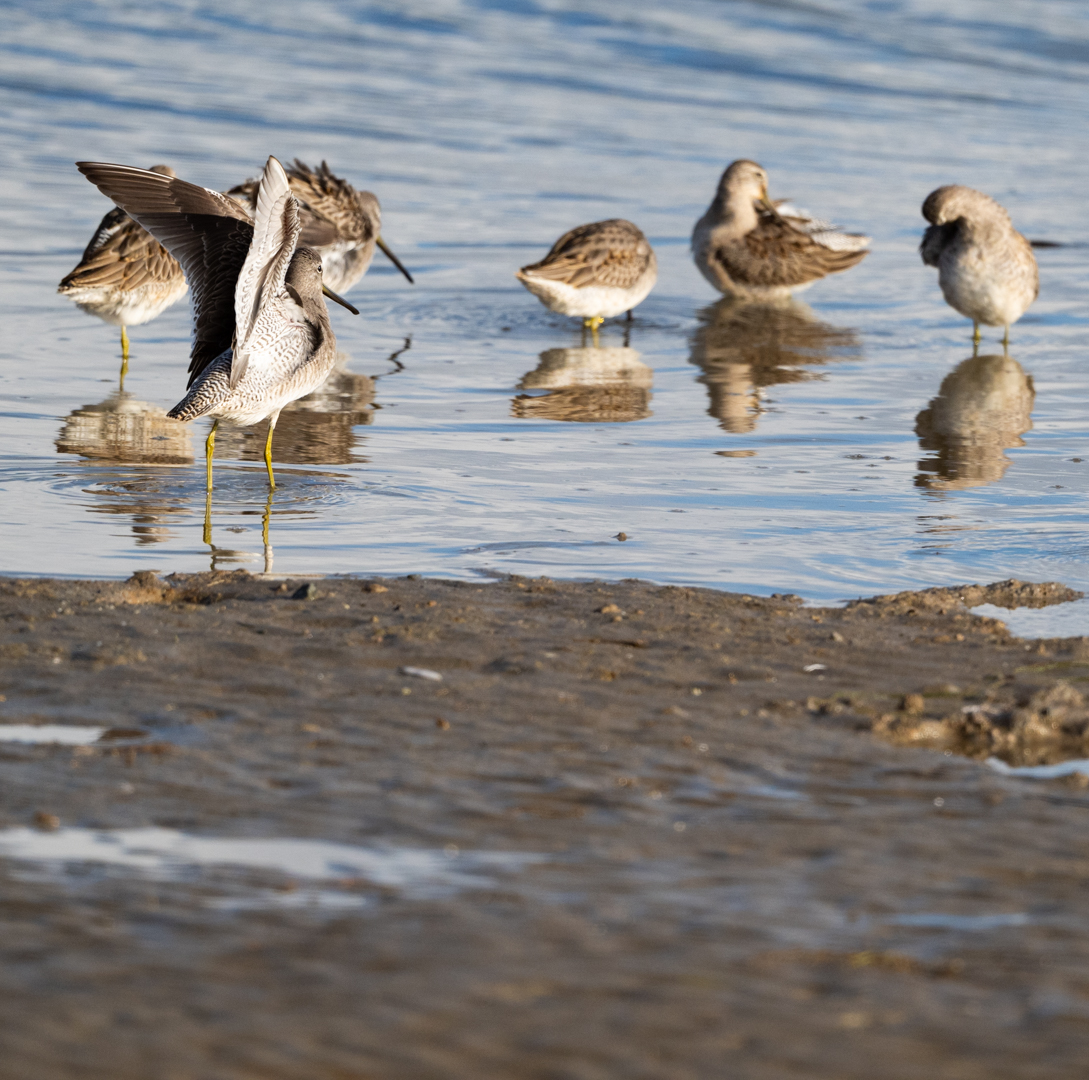
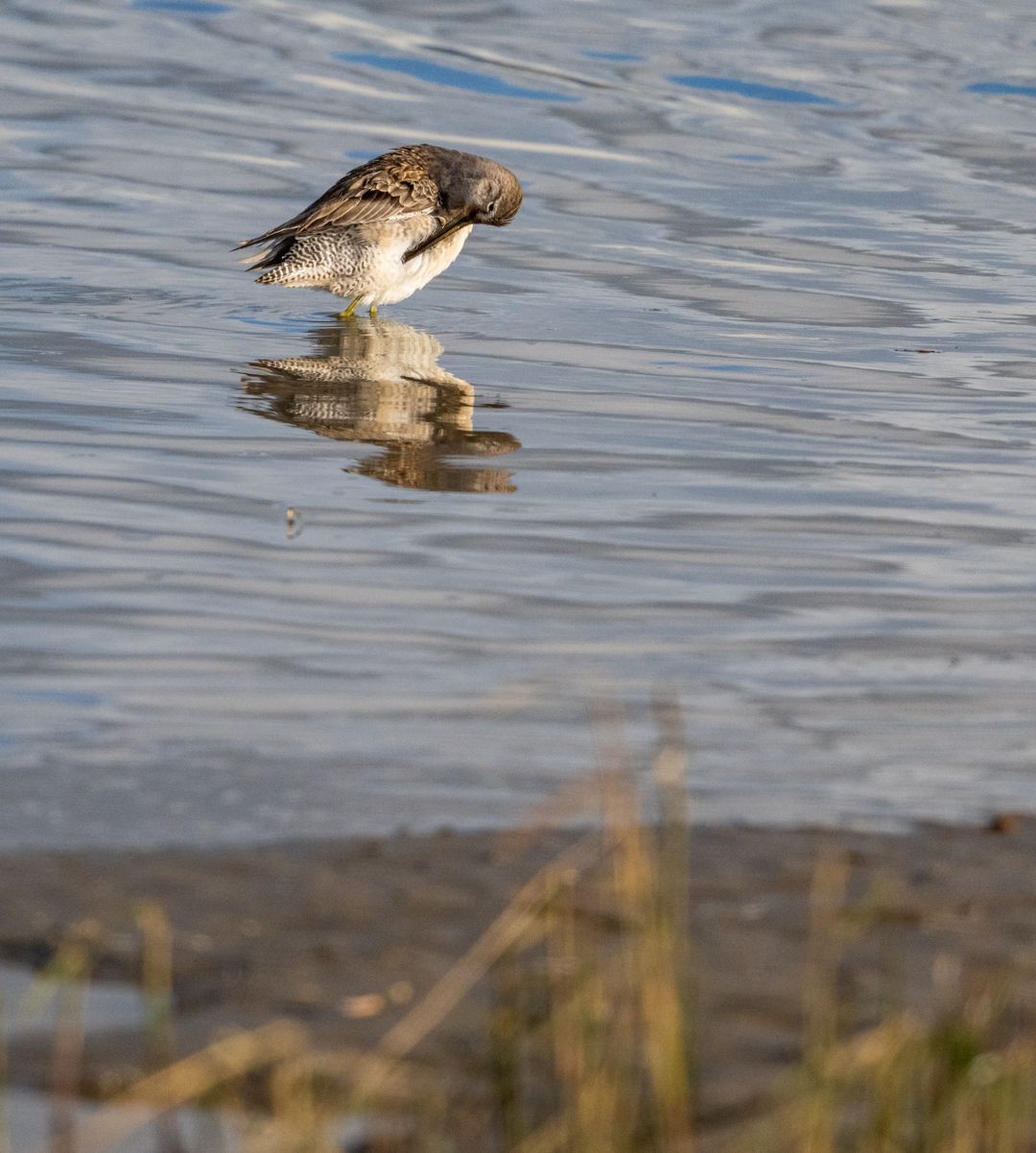
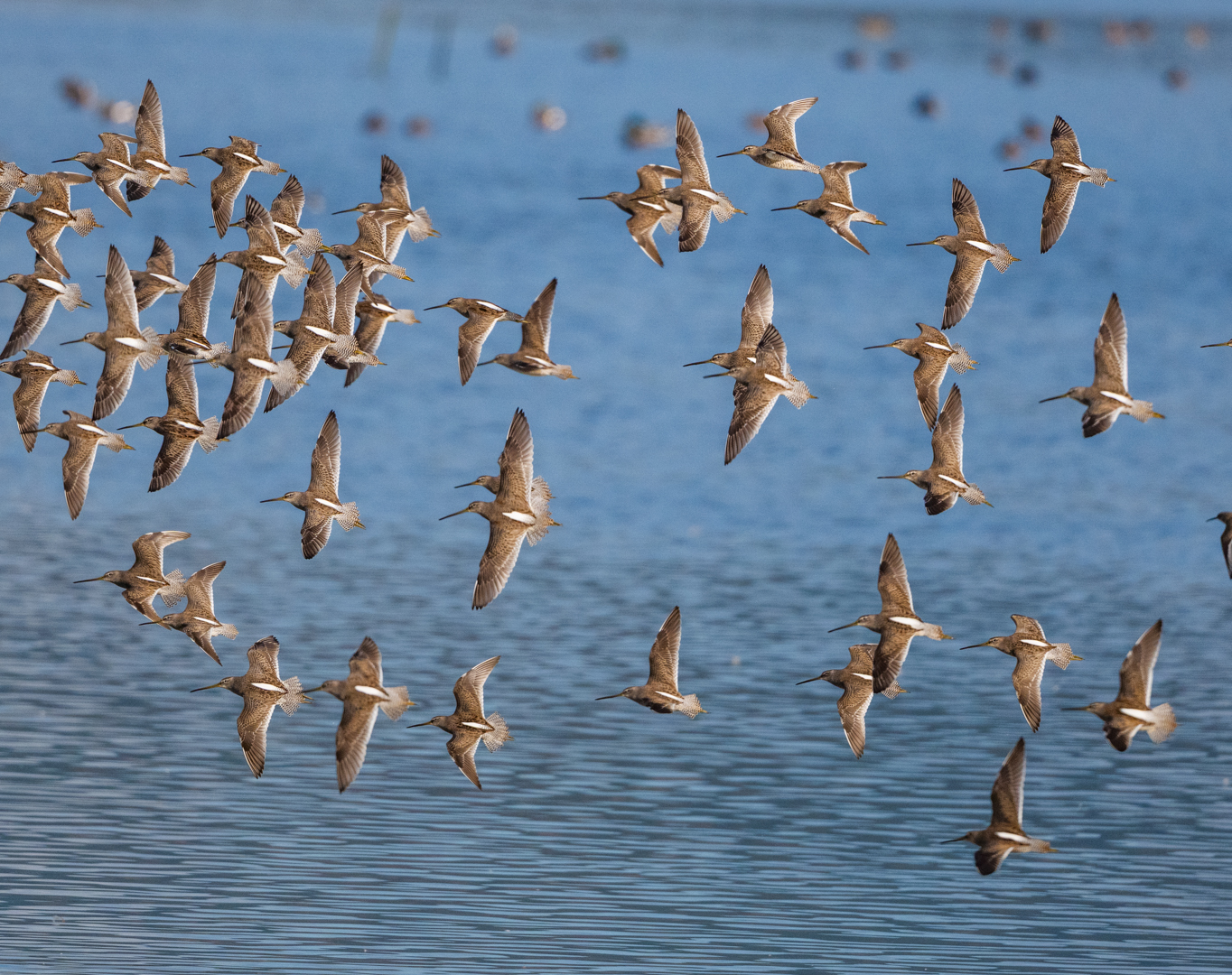
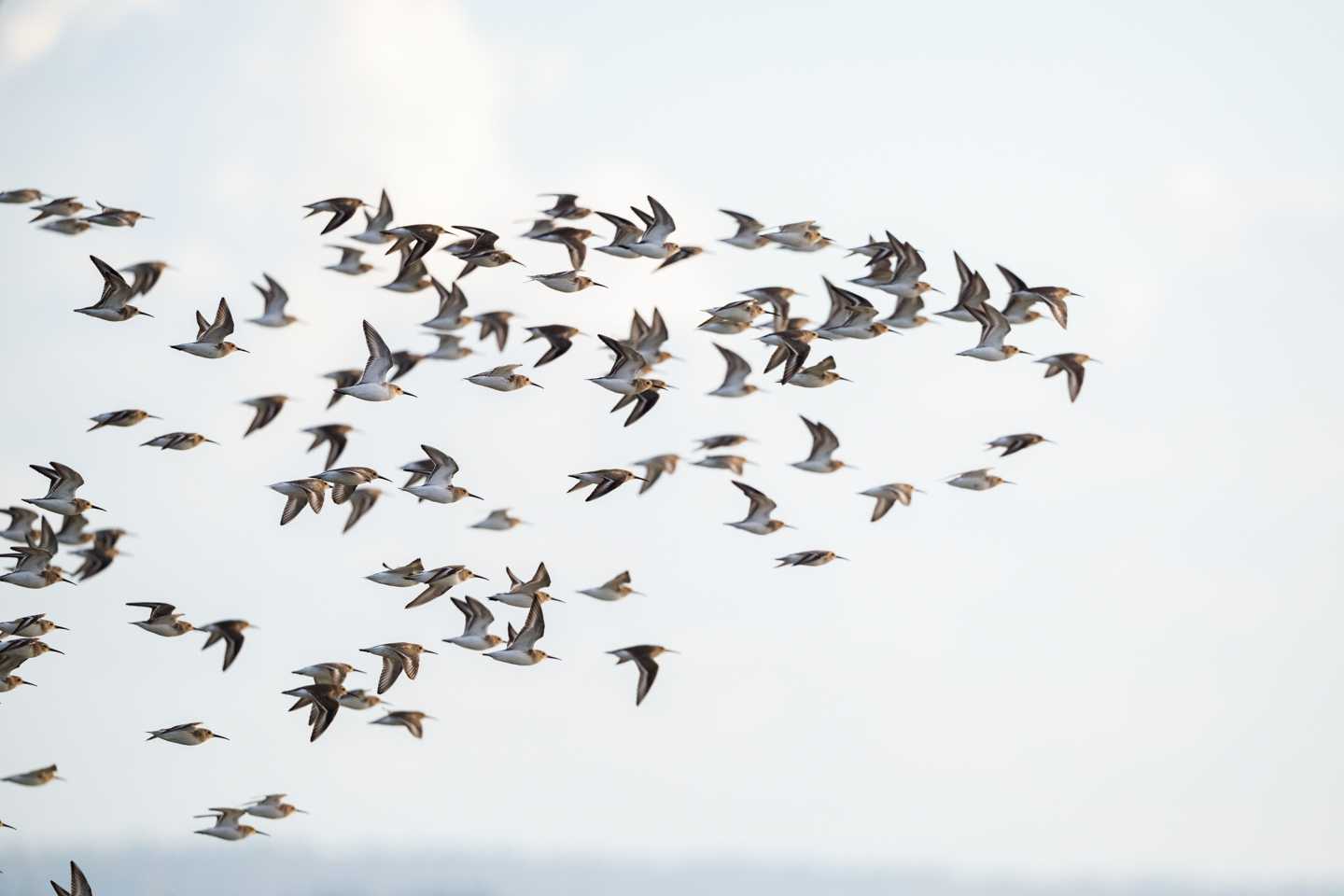
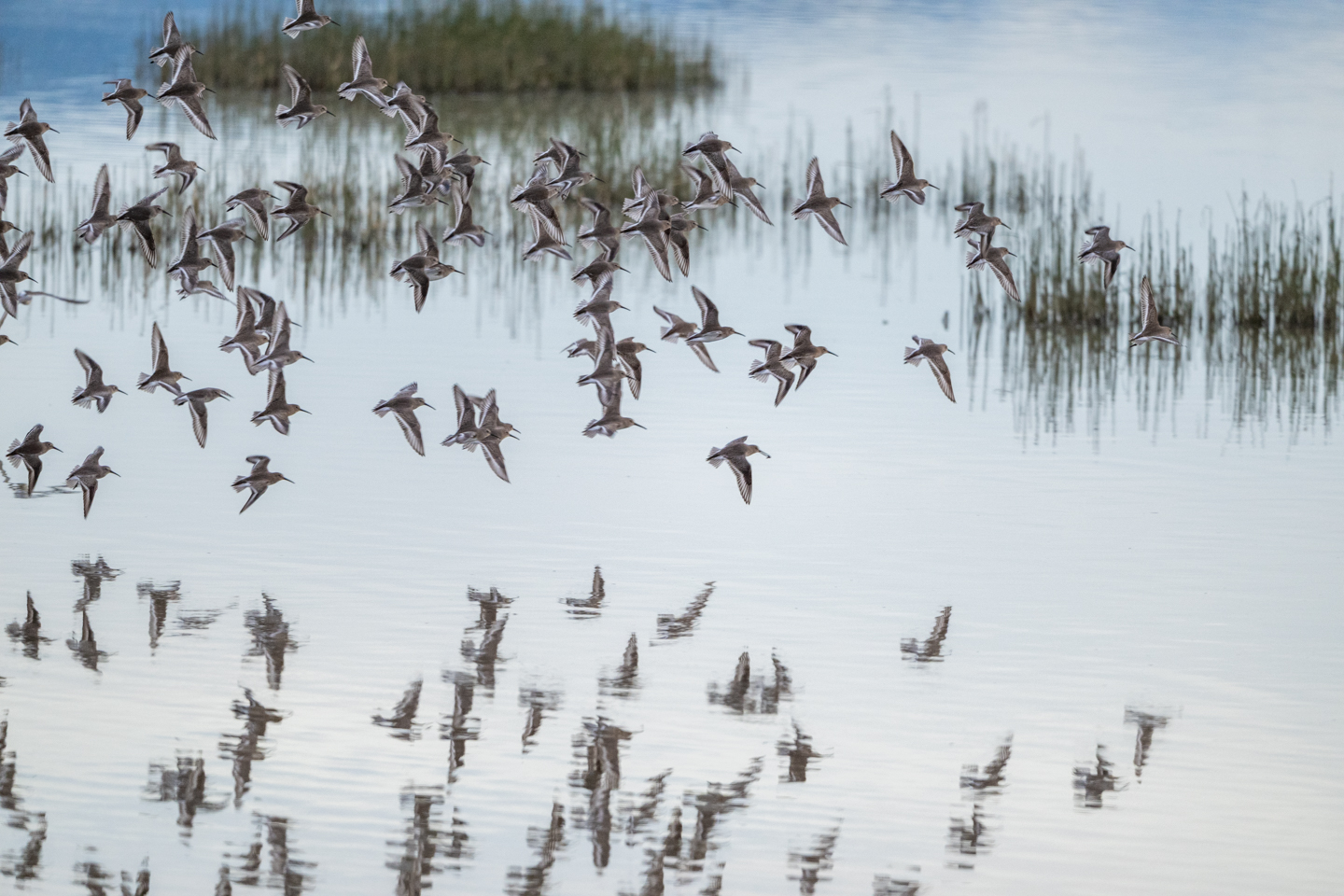
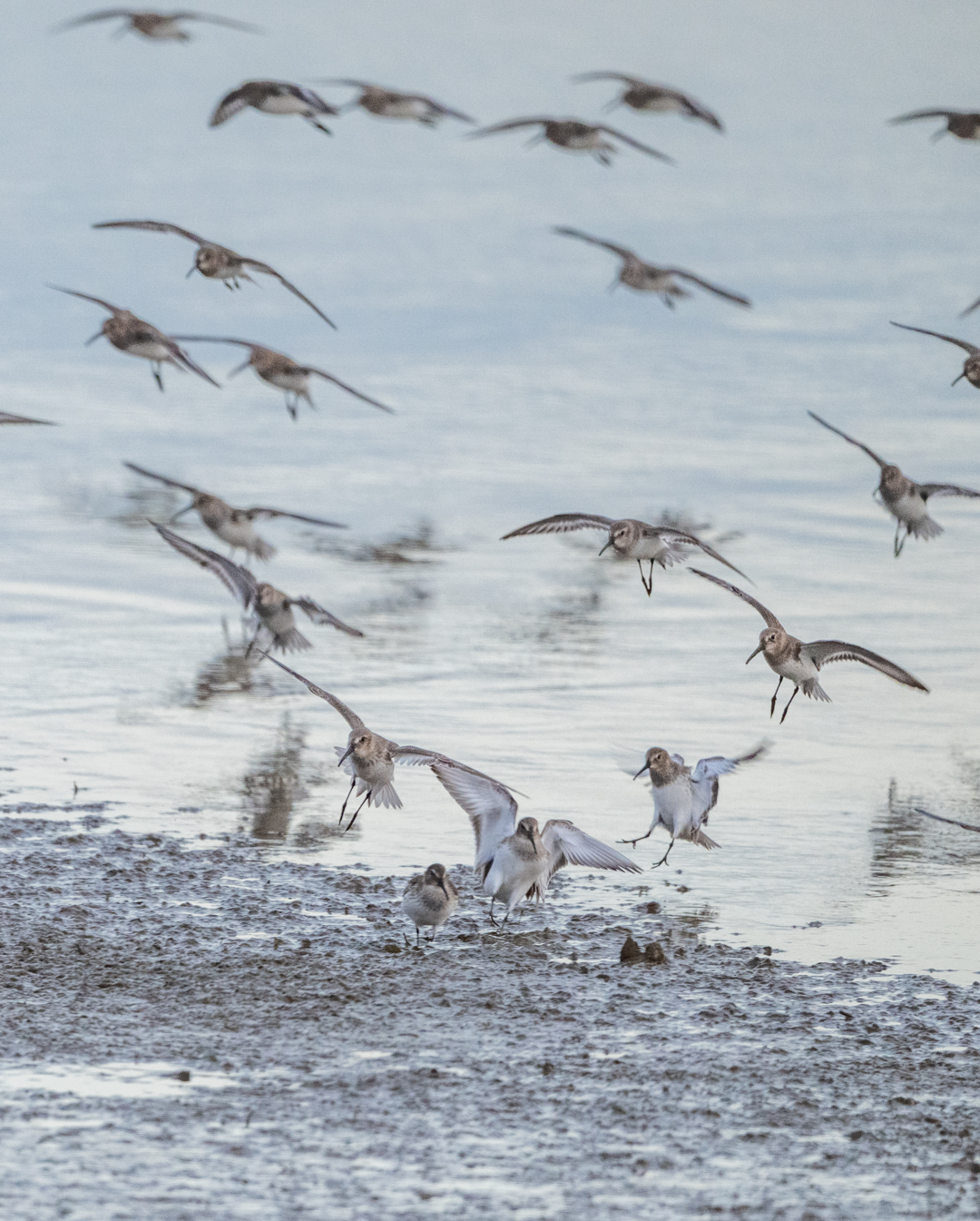
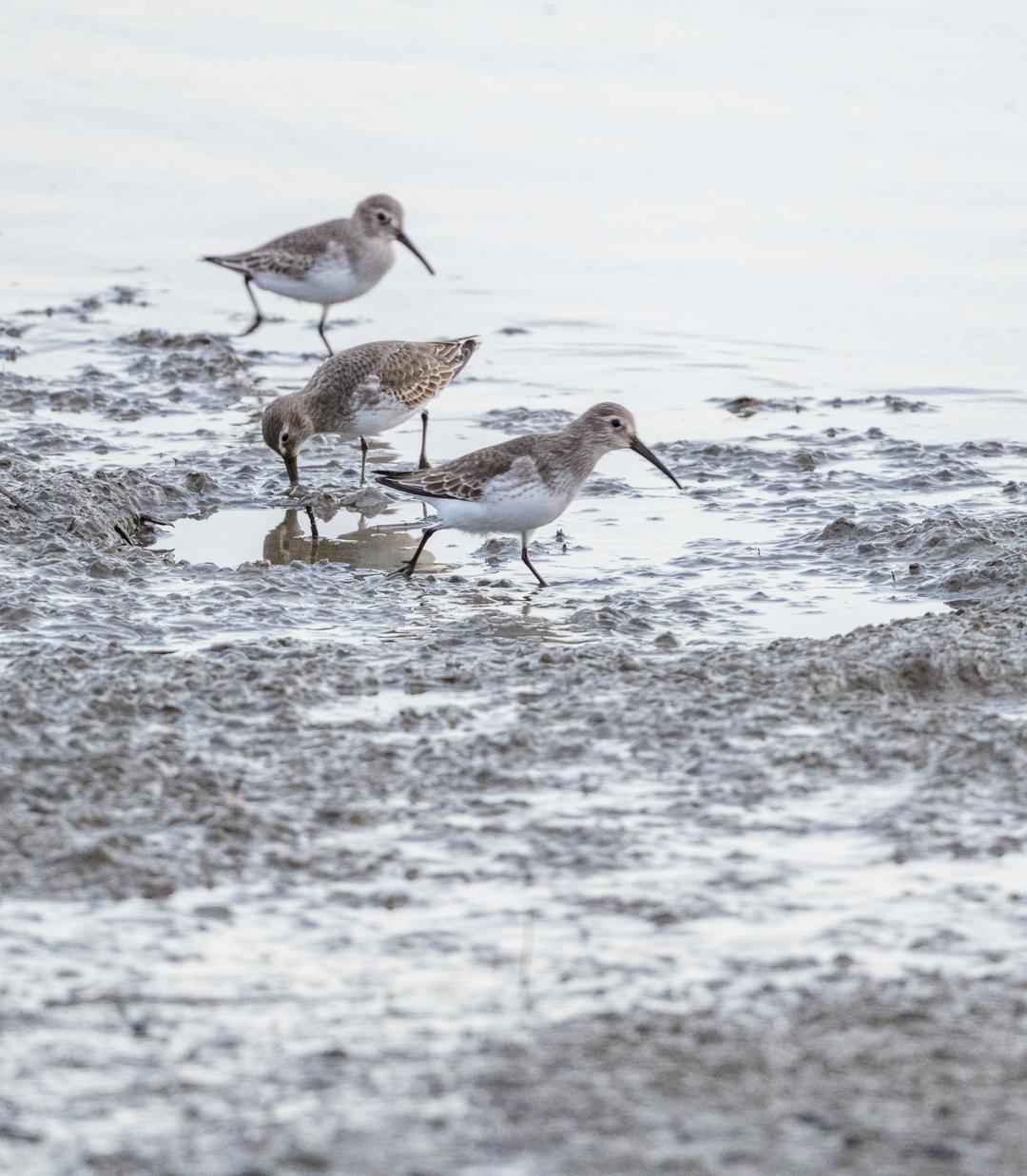
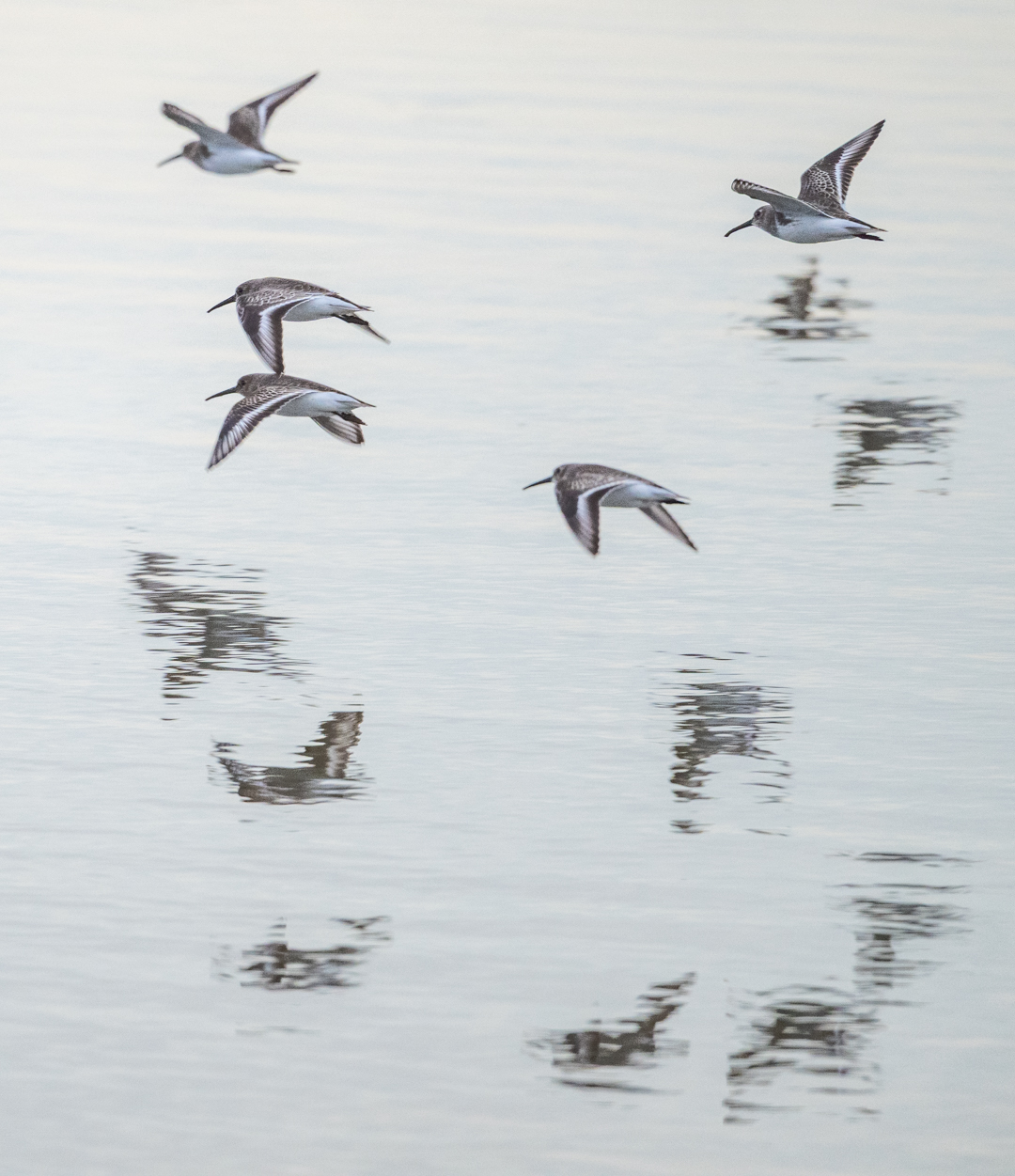
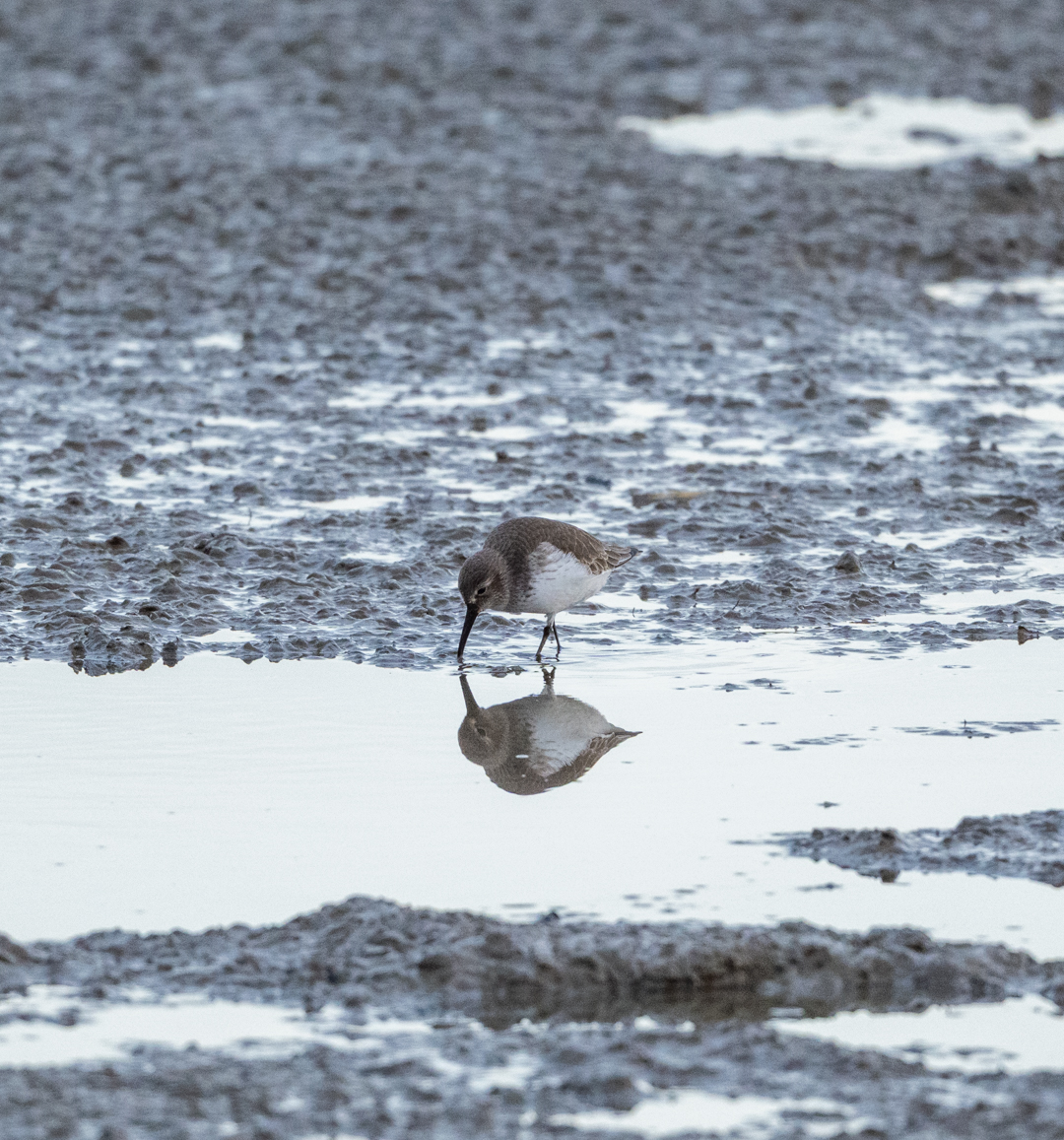
Willow and I spent a few days in NW Washington earlier this month and we got to visit some nice birding areas. Well, I did. Mostly, she had to wait in the car except for the places where dogs were allowed. We/I watched a lot of shorebirds – mostly Dunlin and Dowitchers, I think. Whether the Dowitchers were Long-billed or Short-billed, I don’t know. I am no shorebird expert. I do enjoy watching them as they fly in their synchronized groups and feeding in the mudflats with their probing bills.






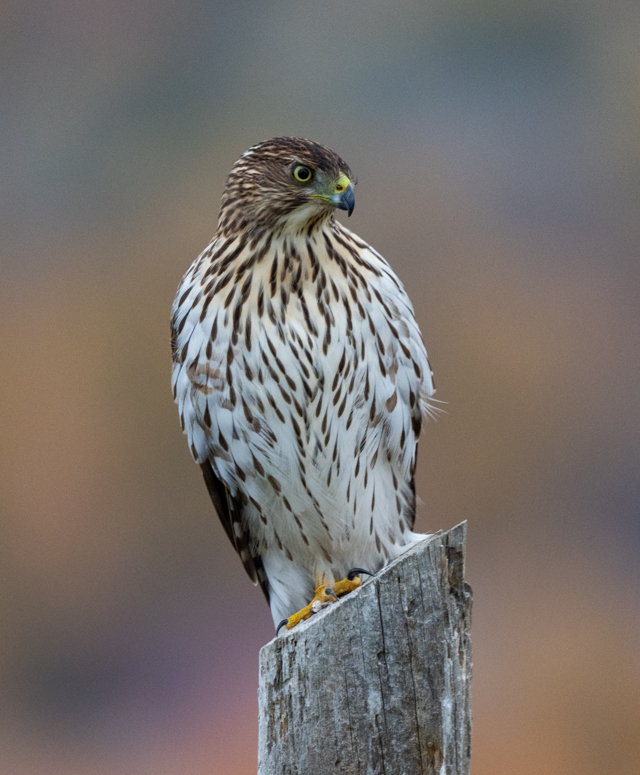
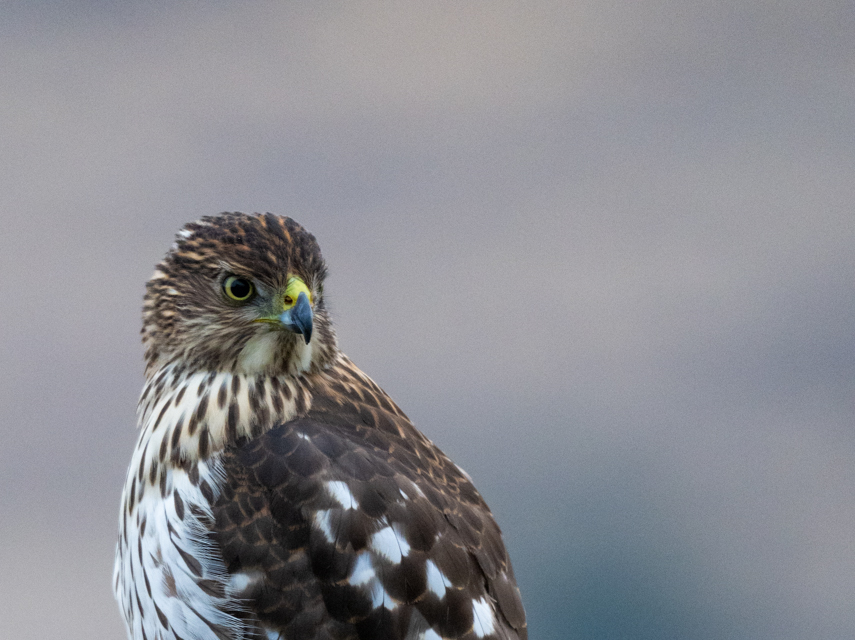
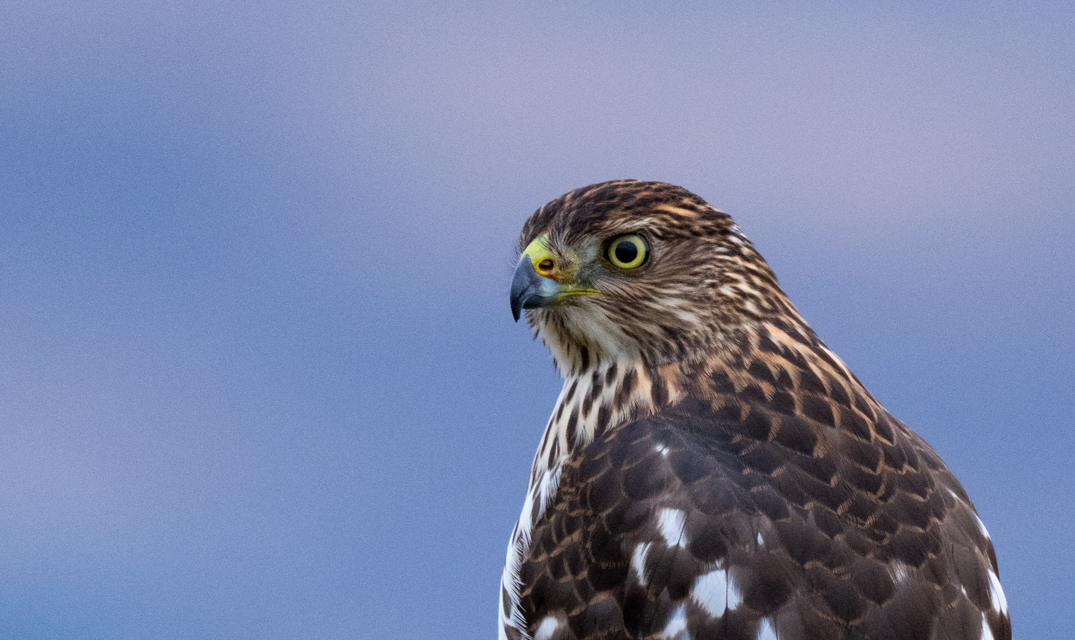
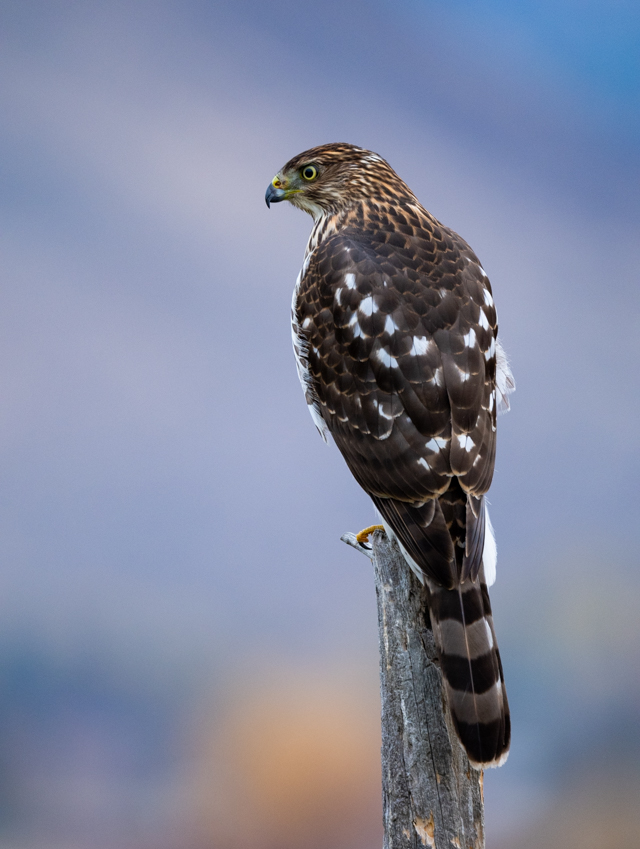
This young Cooper’s Hawk showed up at breakfast time recently. It terrorized the finches for a while but in the end, I was the only one that got breakfast.