Skip navigation

Tag Archives: Common Loons

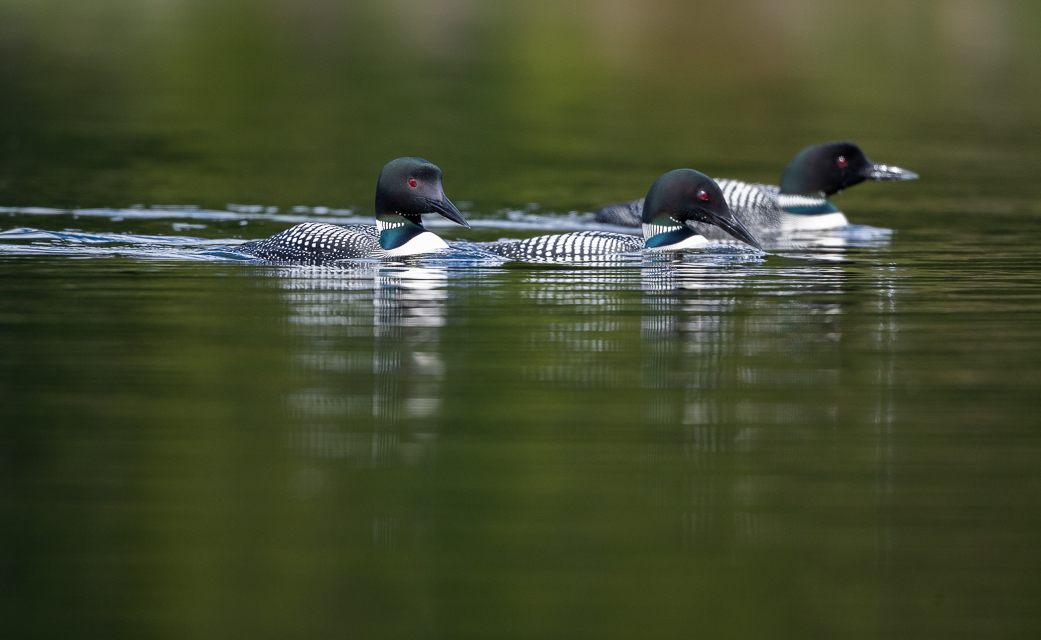
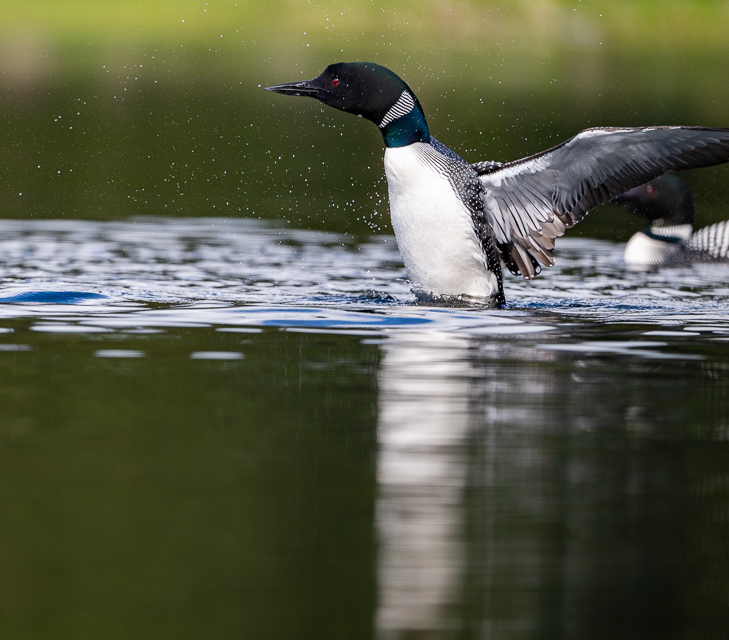
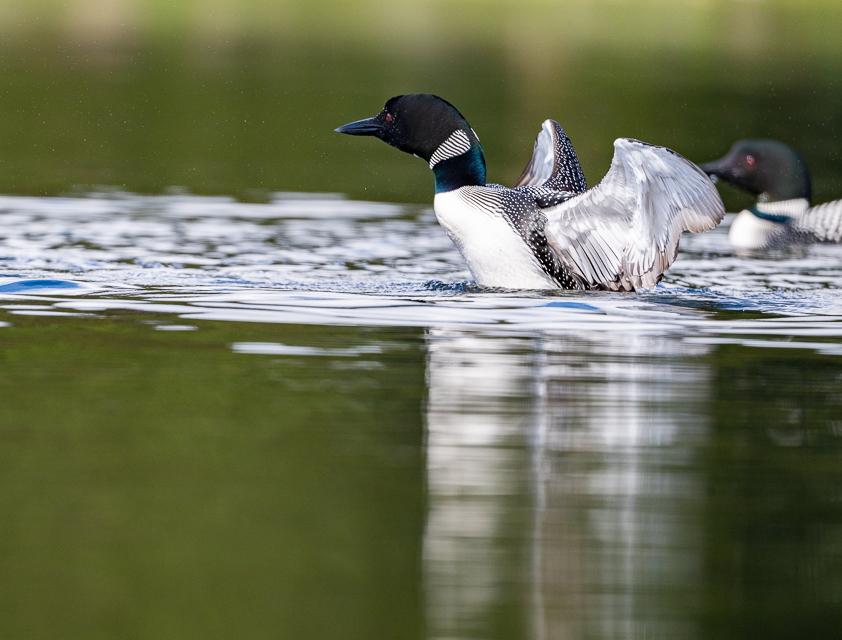
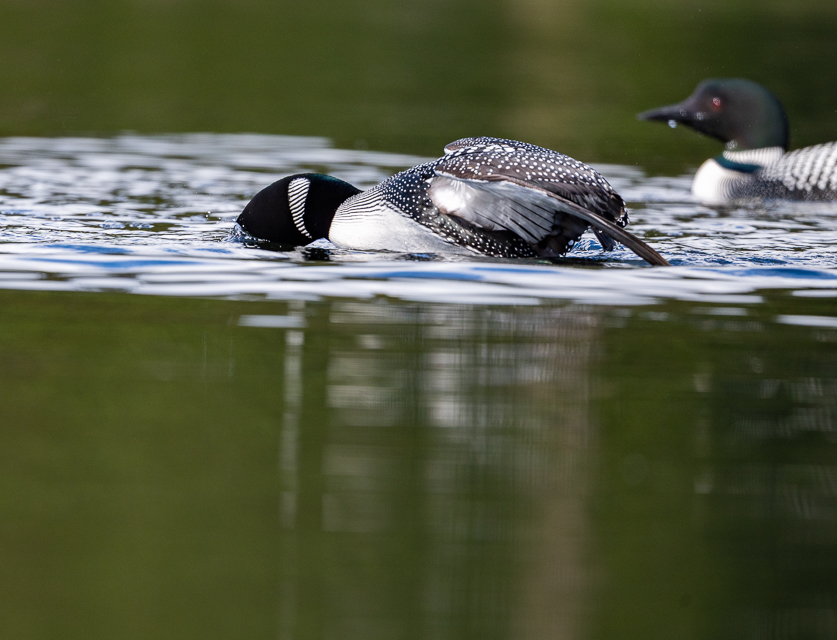
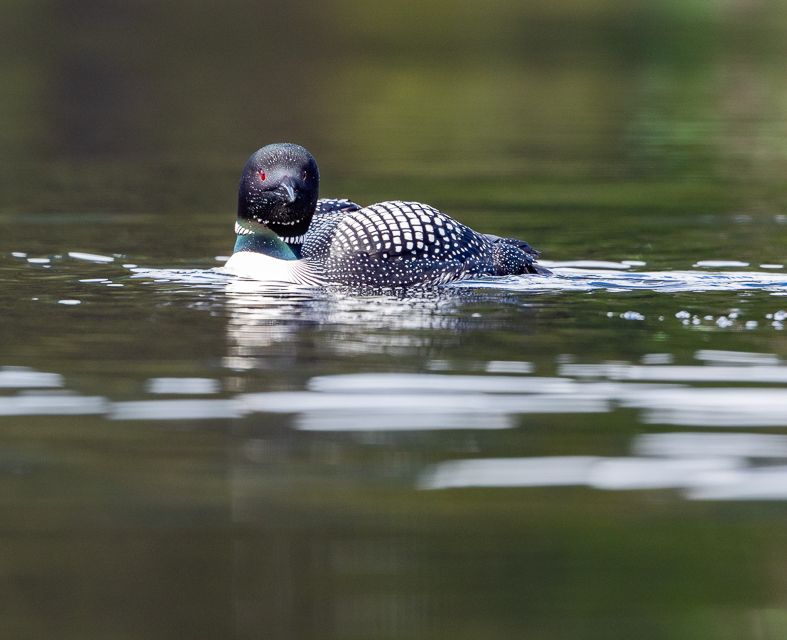
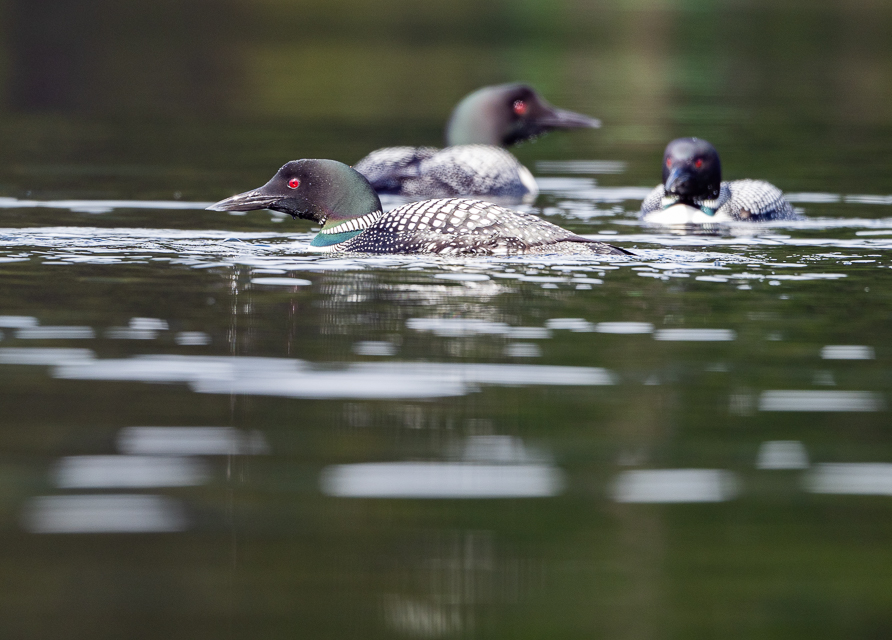
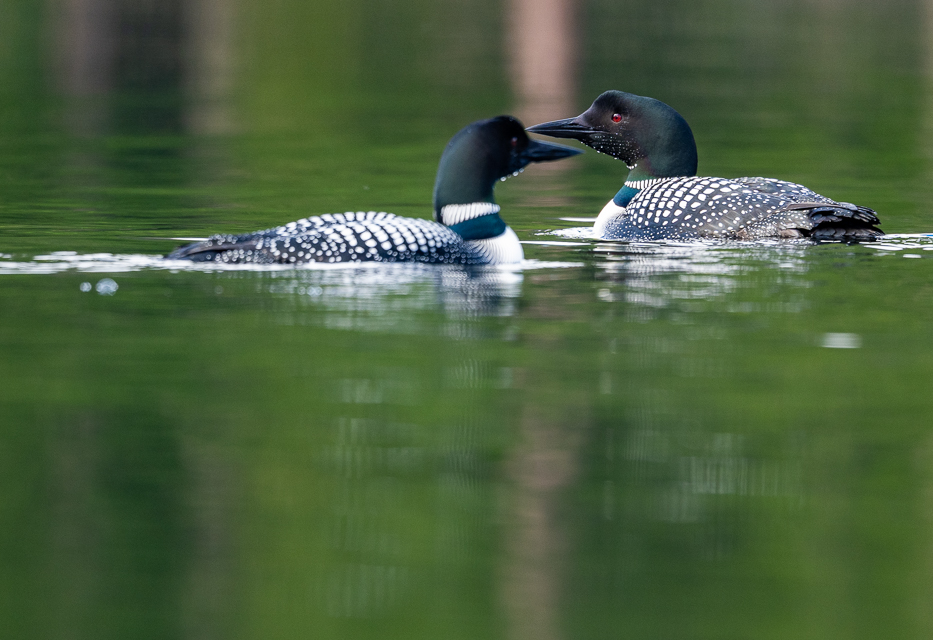
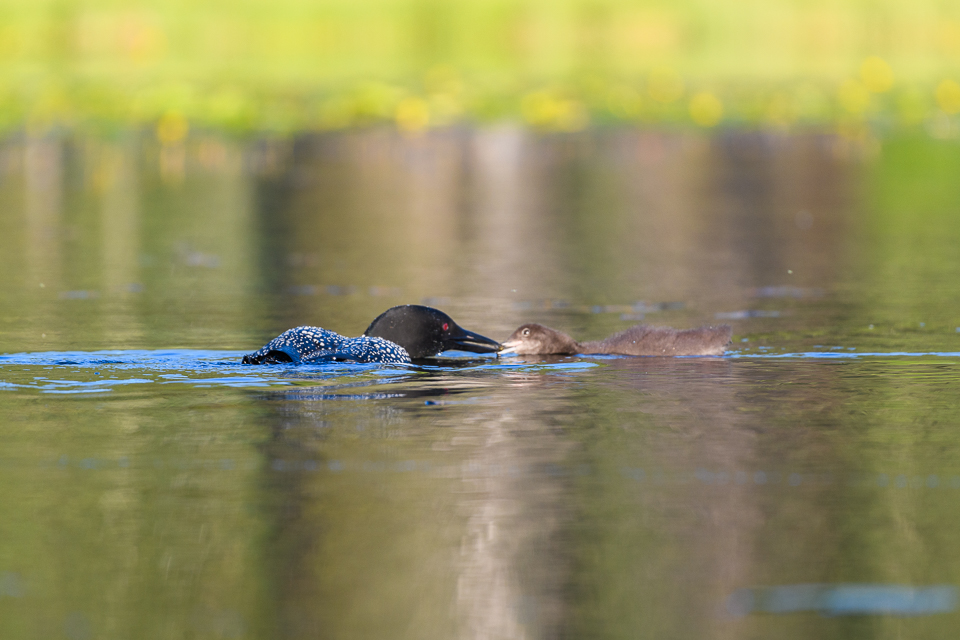
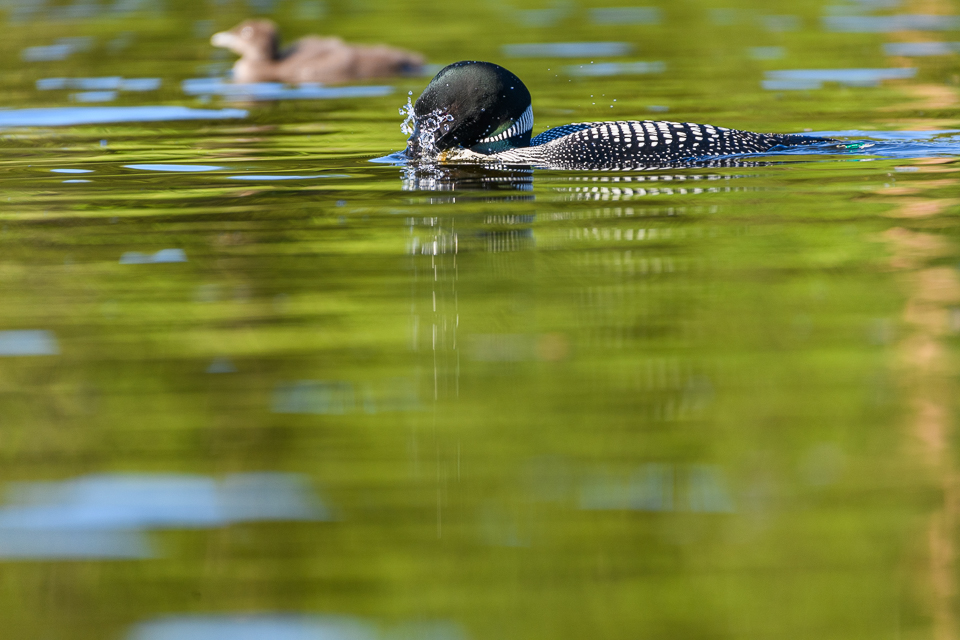
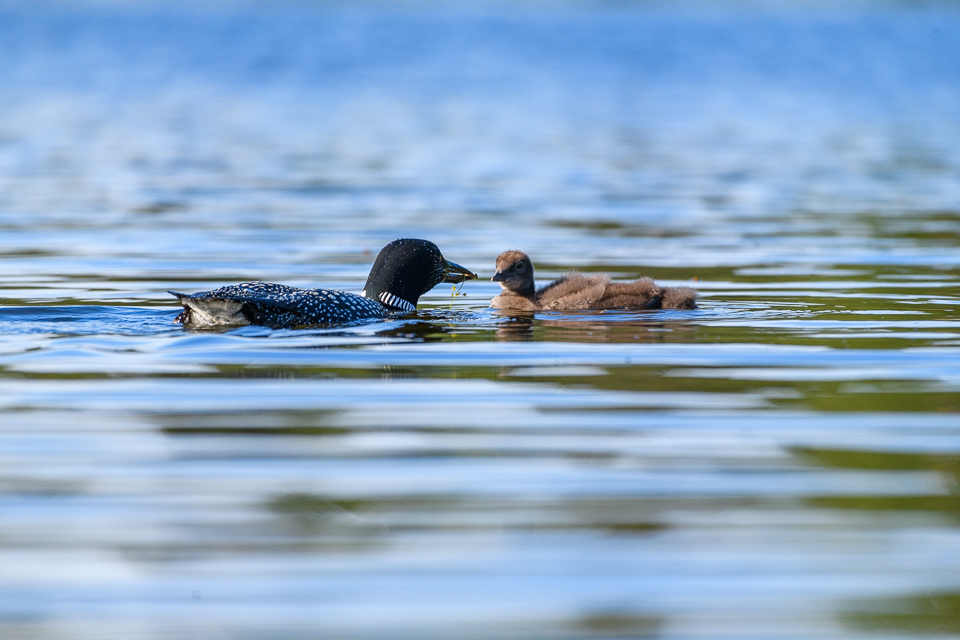
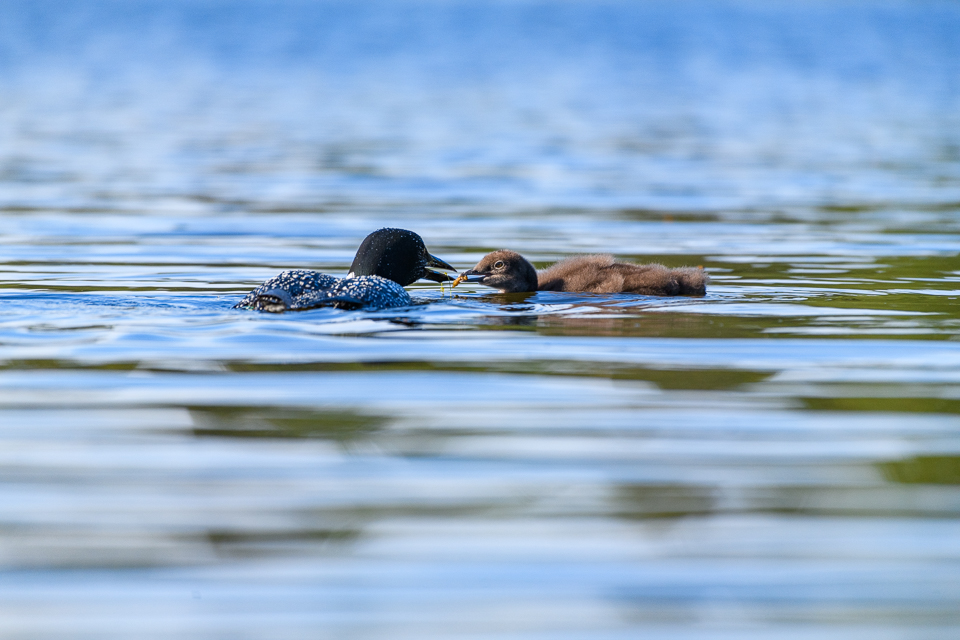
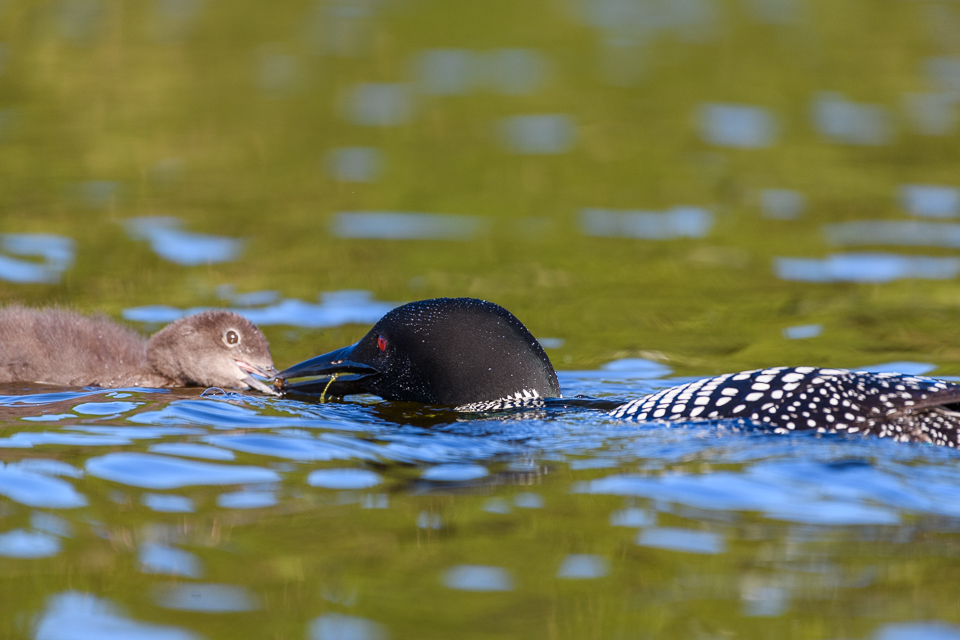
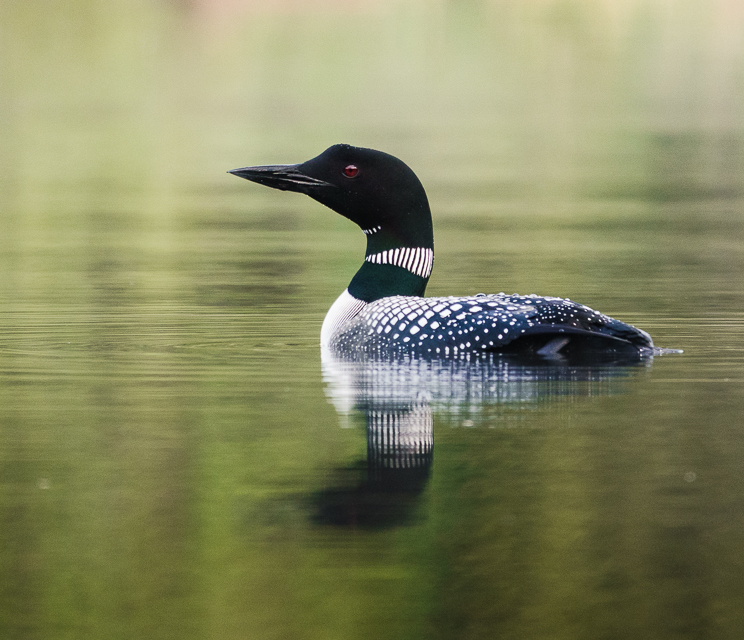
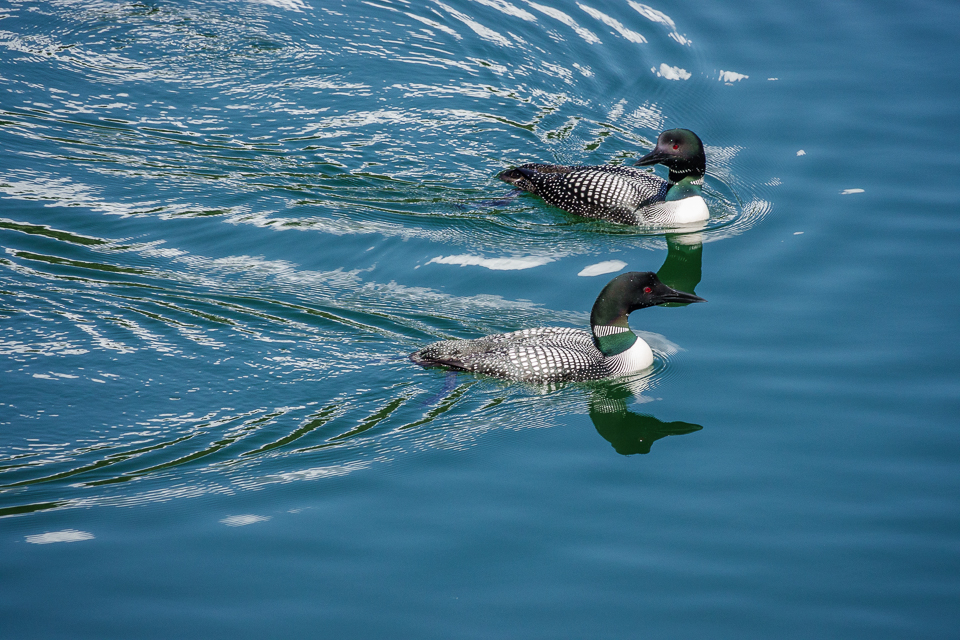
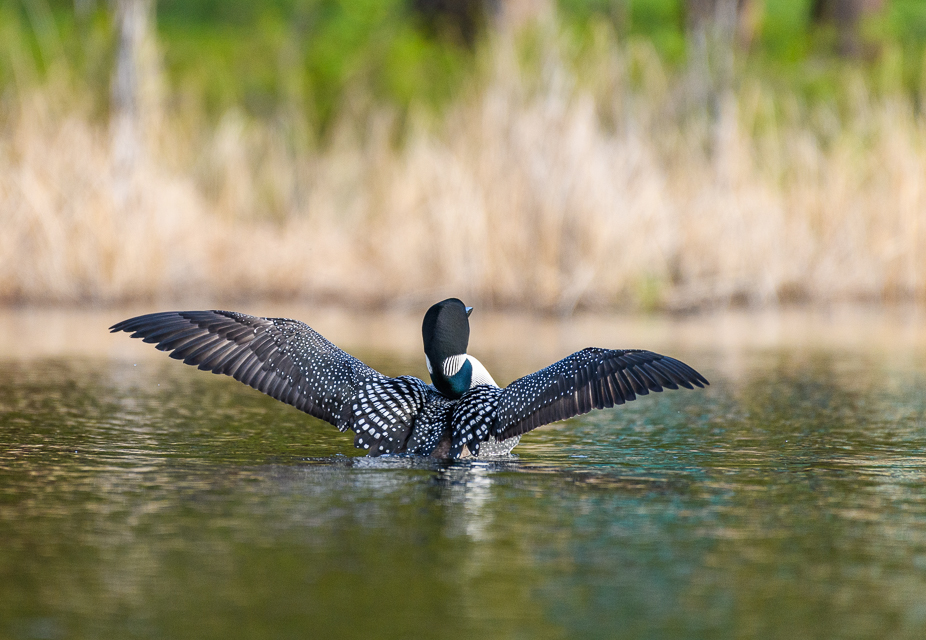
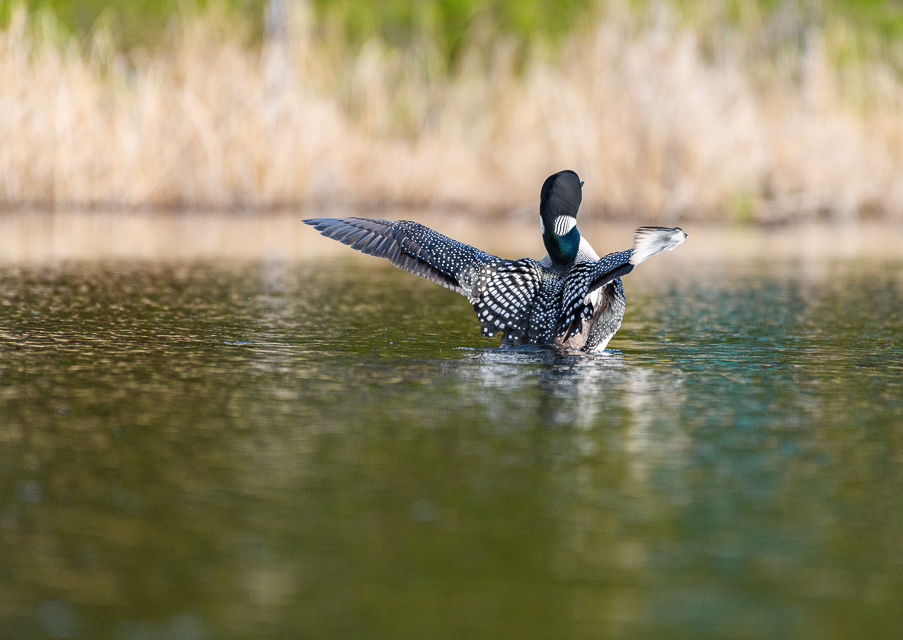
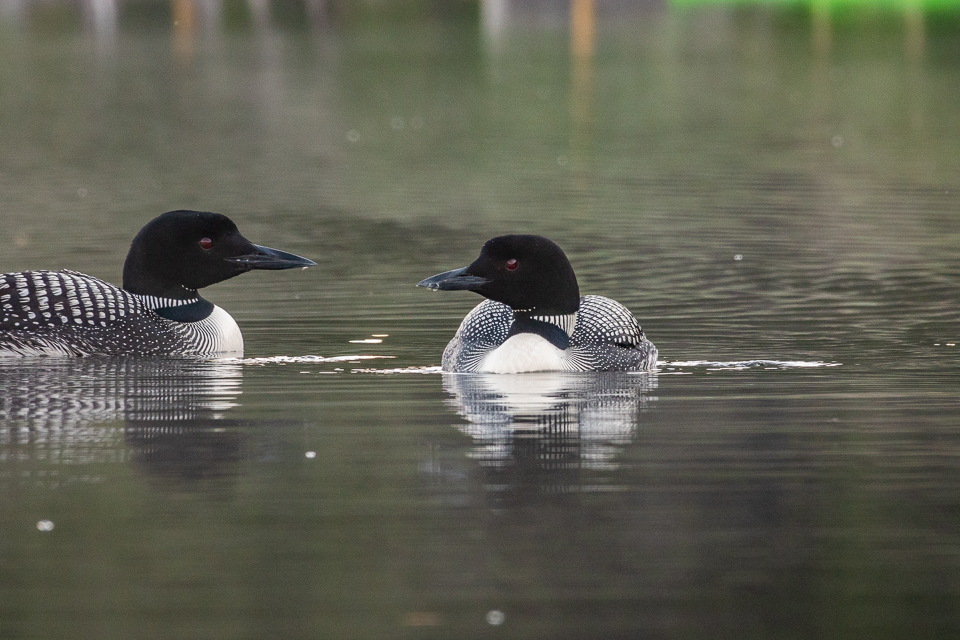
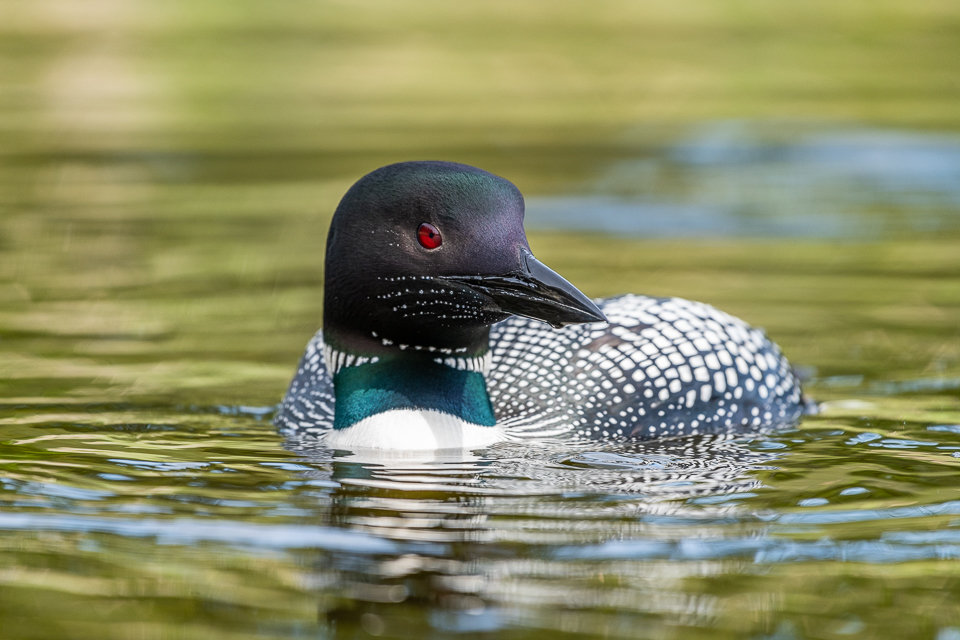
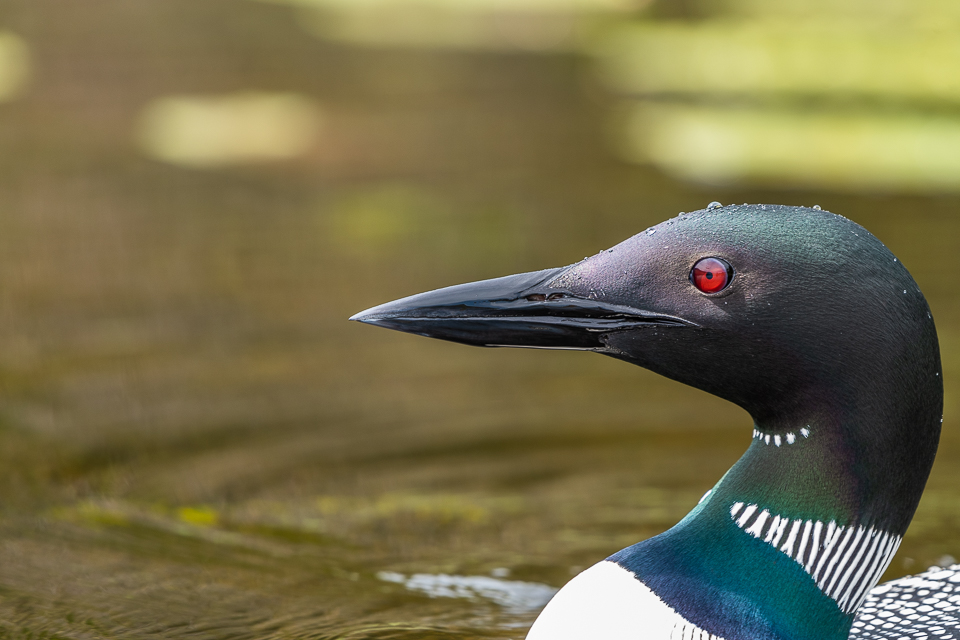
I observed these loons from my kayak on a lake in the Okanogan Highlands last month. Usually, there is a nesting pair but at that time, none were using the historic nest. This particular day, we observed six or seven loons, actively feeding on small trout. Most days I observed only two or three loons on the water at any time. At least two other lakes in the area had nesting loons.

Washington Department of Fish and Wildlife (WDFW) says “This species is identified as a Priority Species under WDFW’s Priority Habitat and Species Program. Priority species require protective measures for their survival due to their population status, sensitivity to habitat alteration, and/or recreational, commercial, or tribal importance. The PHS program is the agency’s main means of sharing fish and wildlife information with local governments, landowners, and others who use it to protect priority habitats for land use planning.”

Last year, an entire family of four loons was brutally killed by someone with a gun. Another loon died of lead poisoning, possibly from fishing tackle.

I love to camp there and watch and listen to the loons.
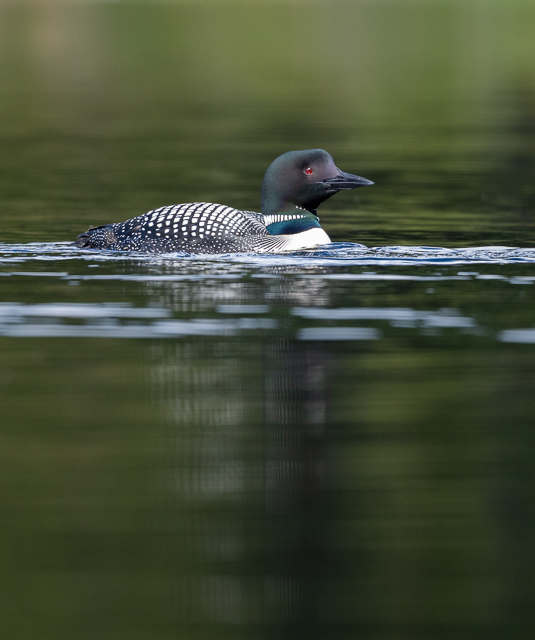
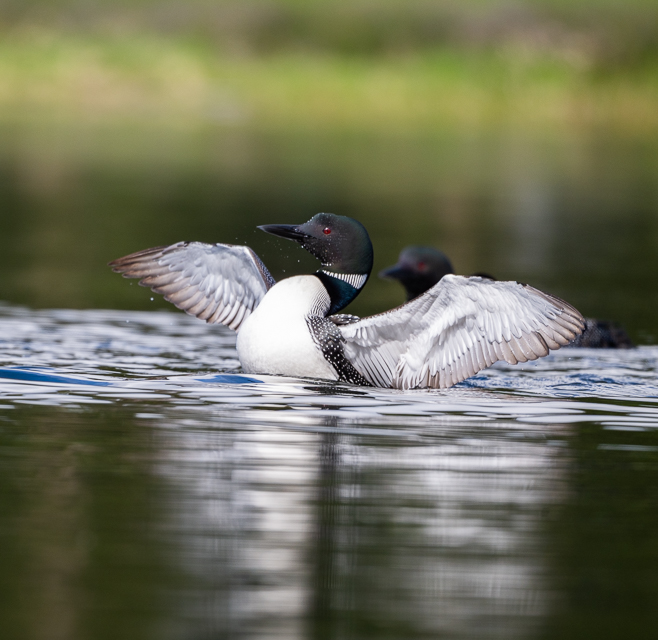
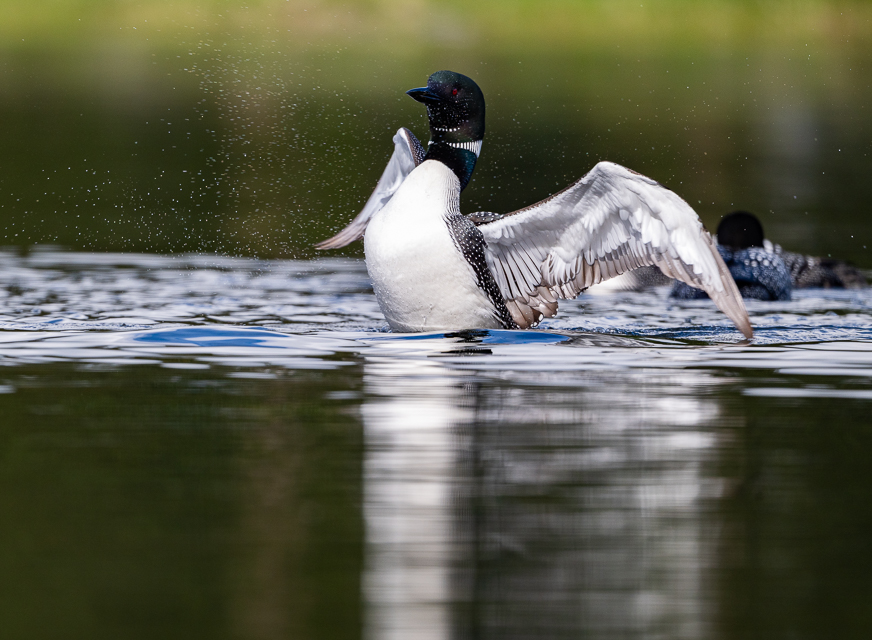
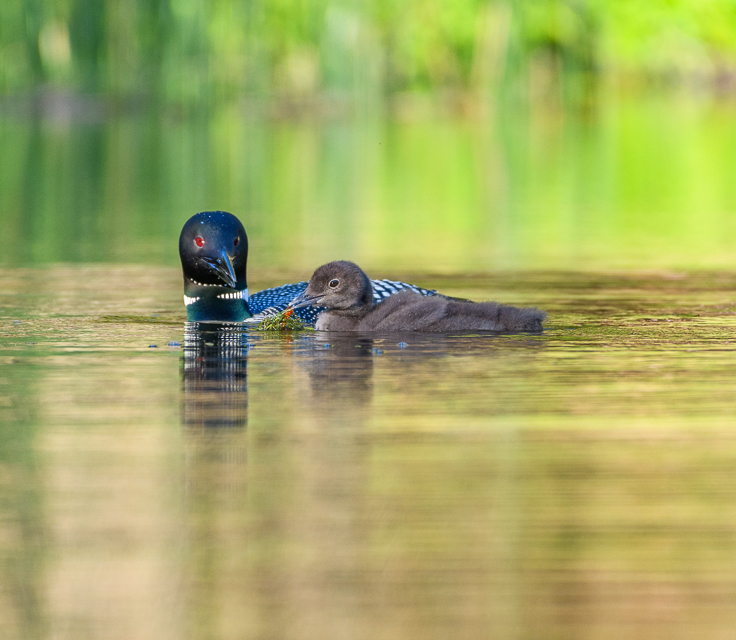
Family photo sessions are always special, especially with my favorite loons. I hope to see them again soon.
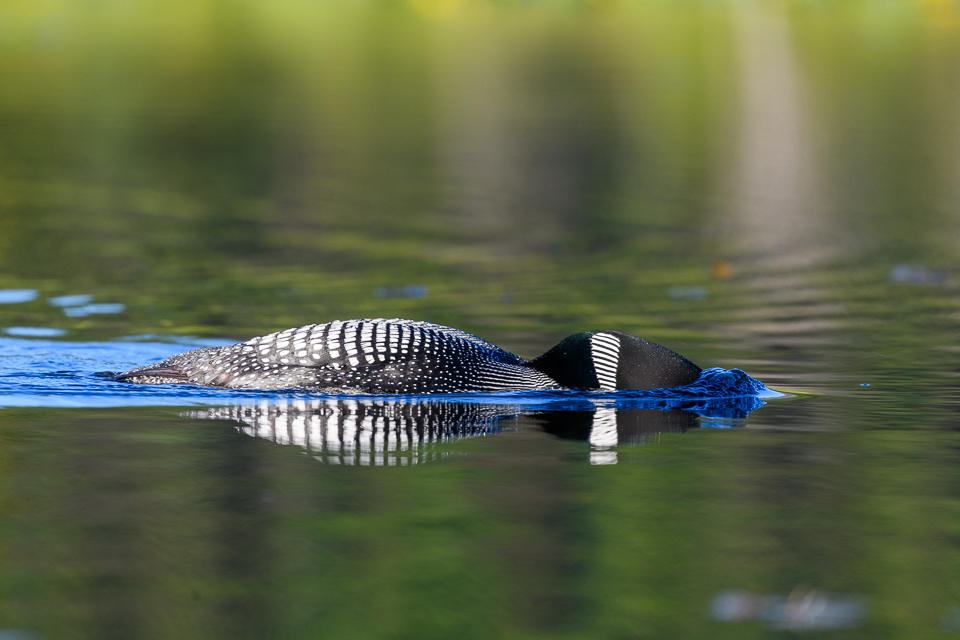
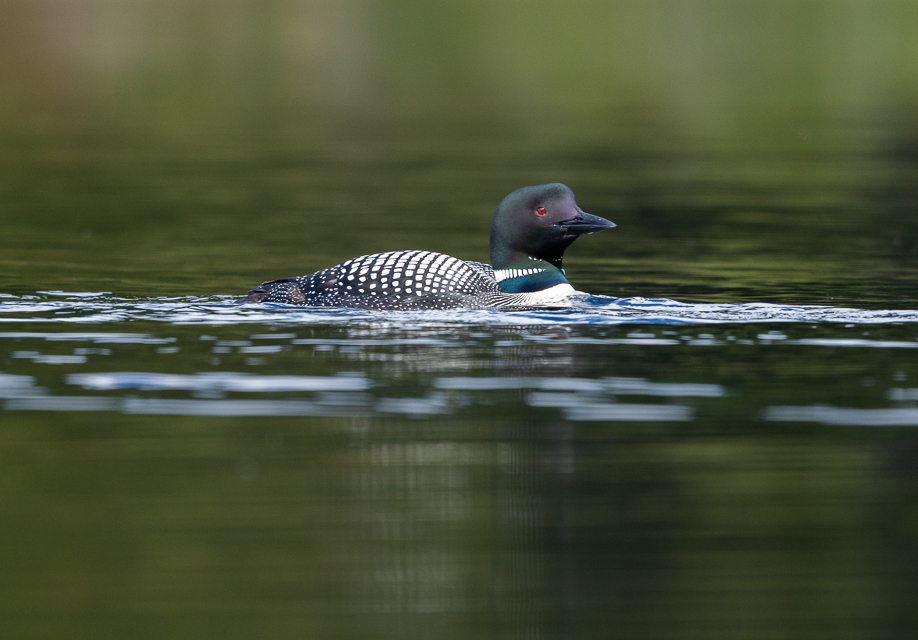
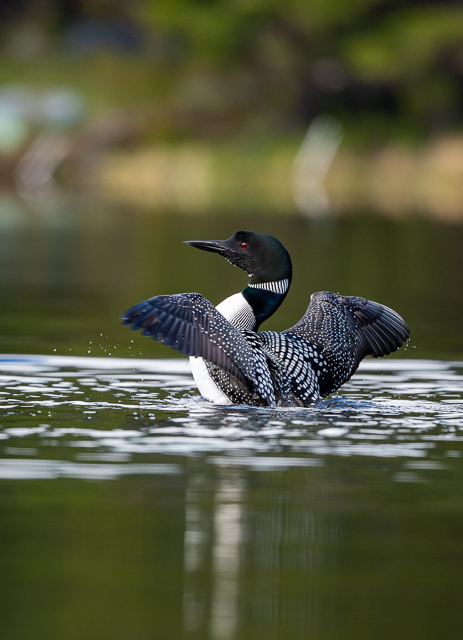
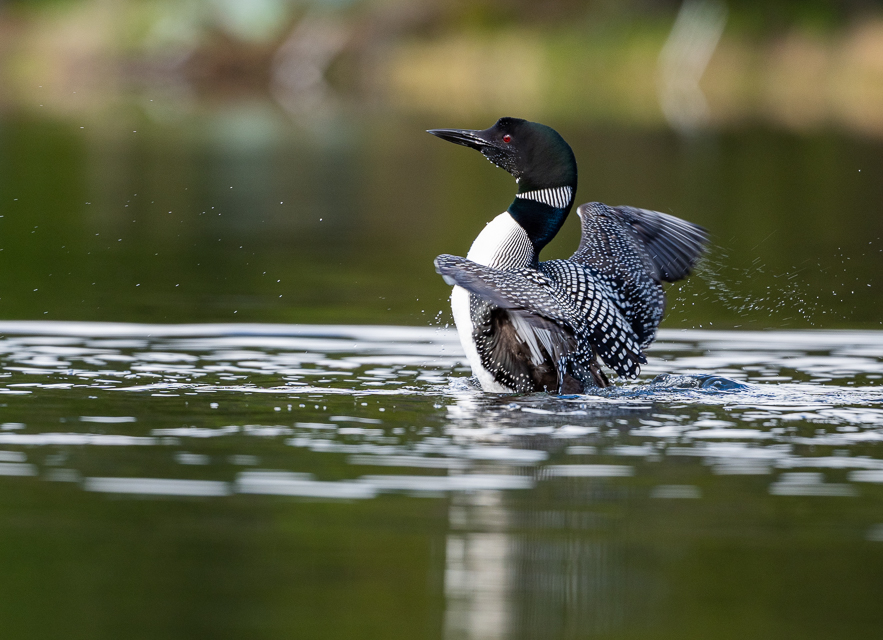
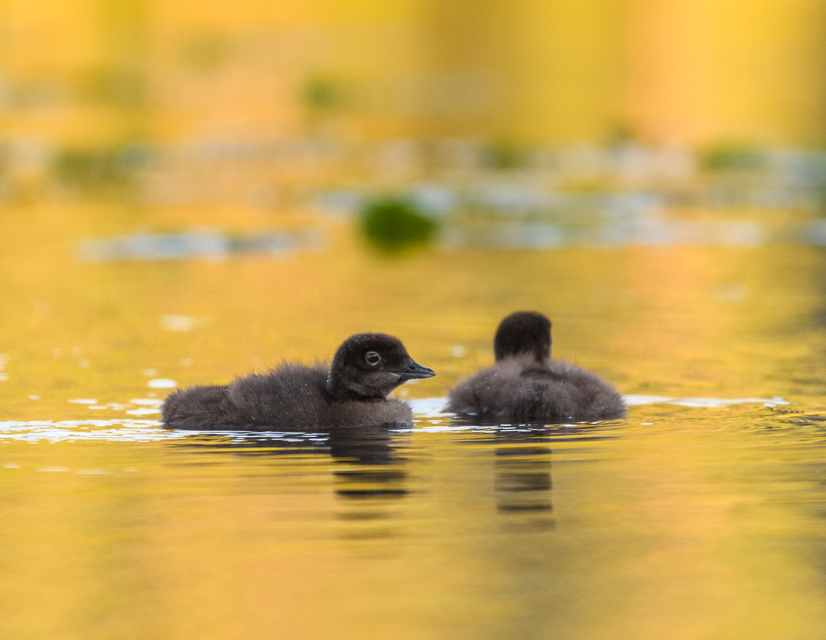
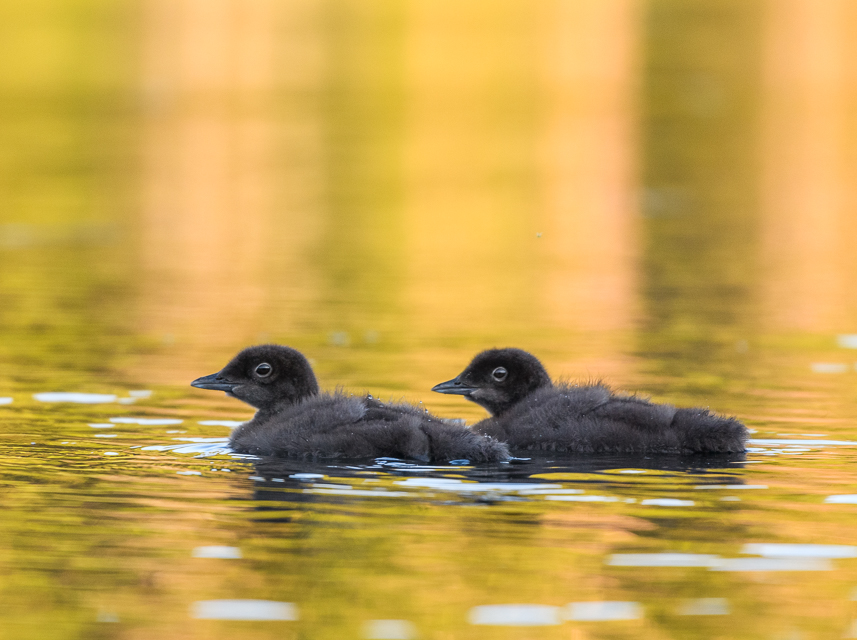
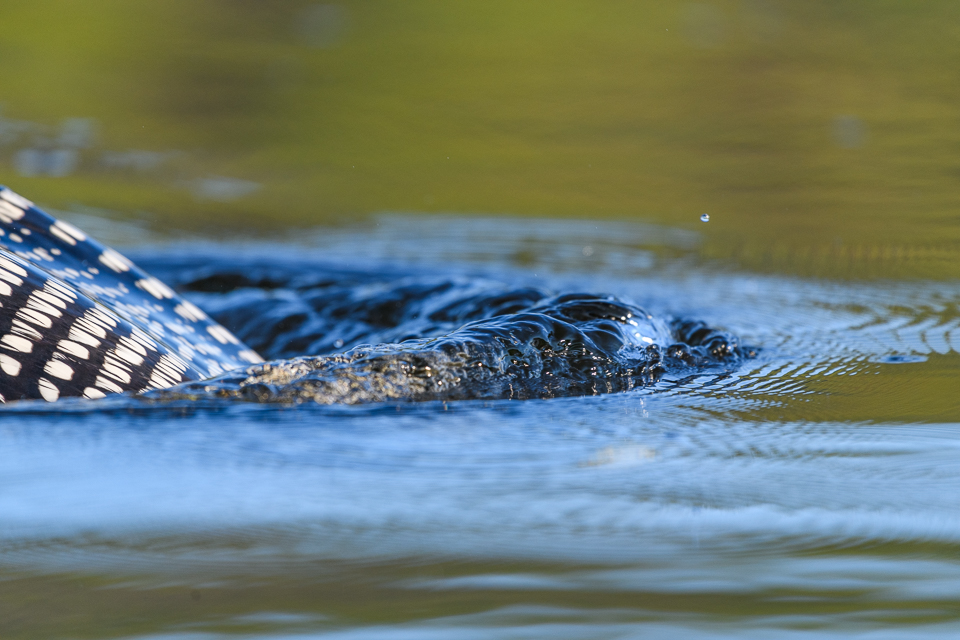
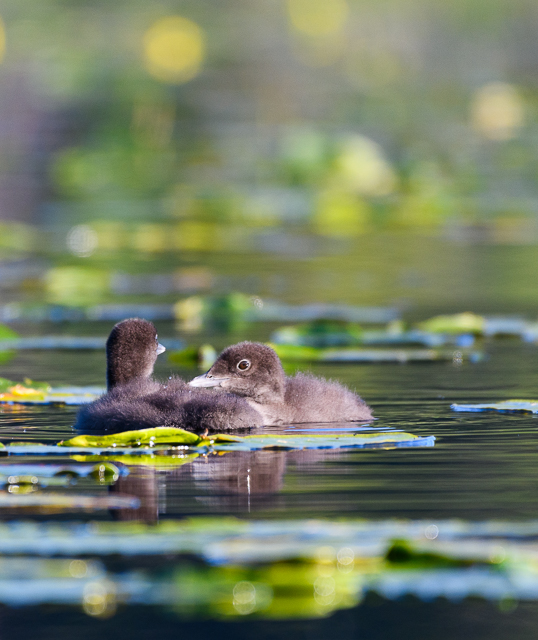
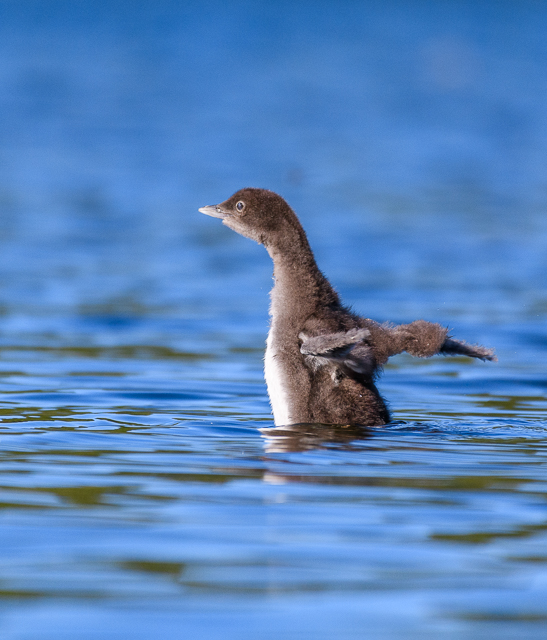
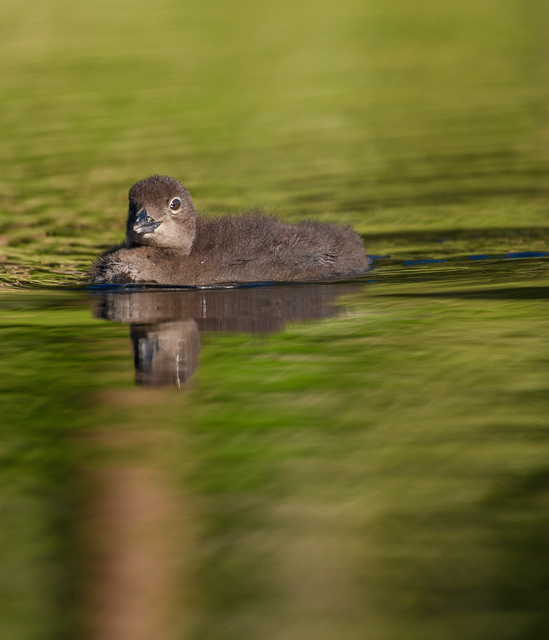
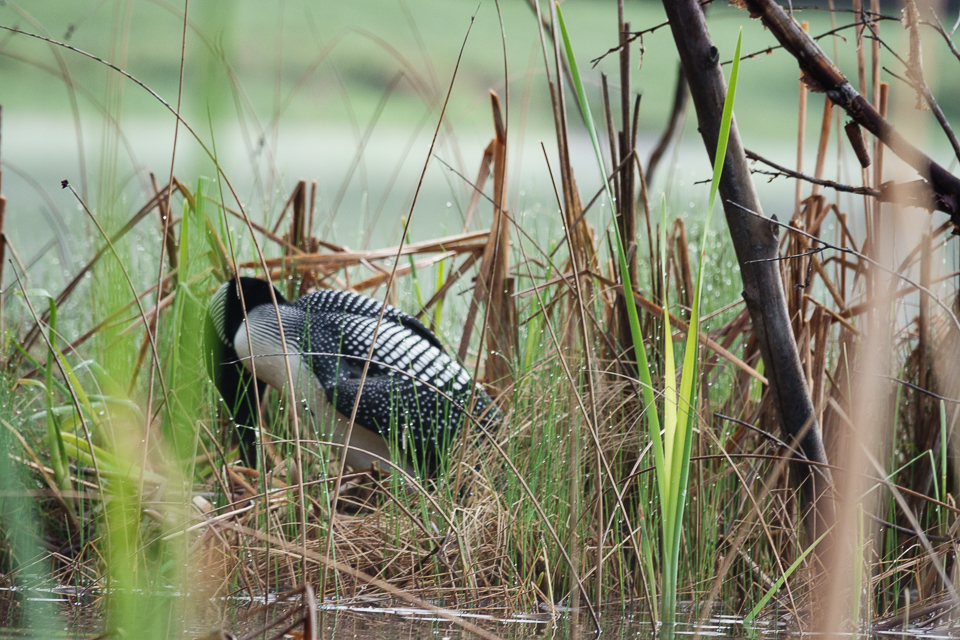
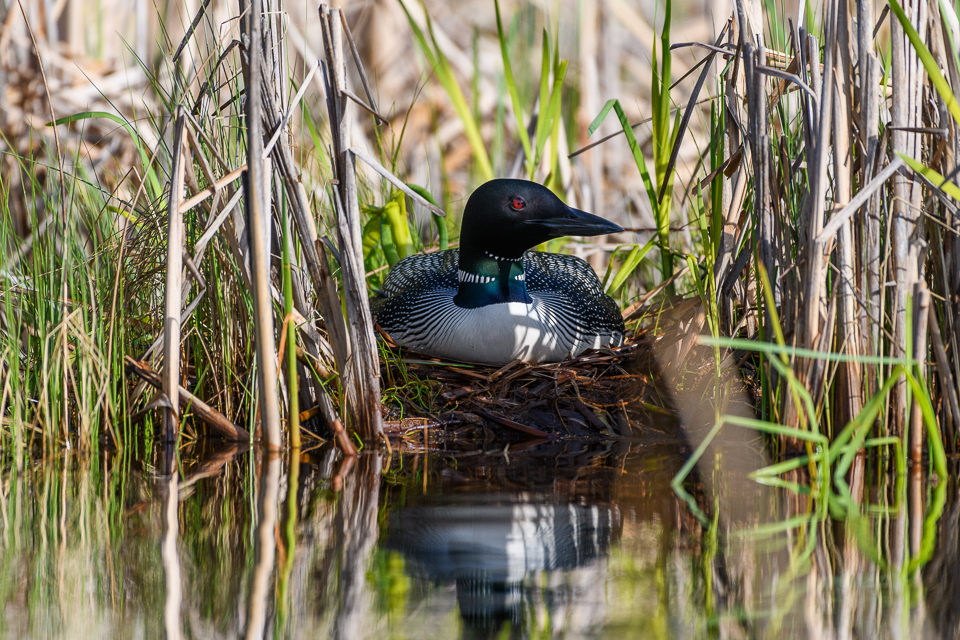
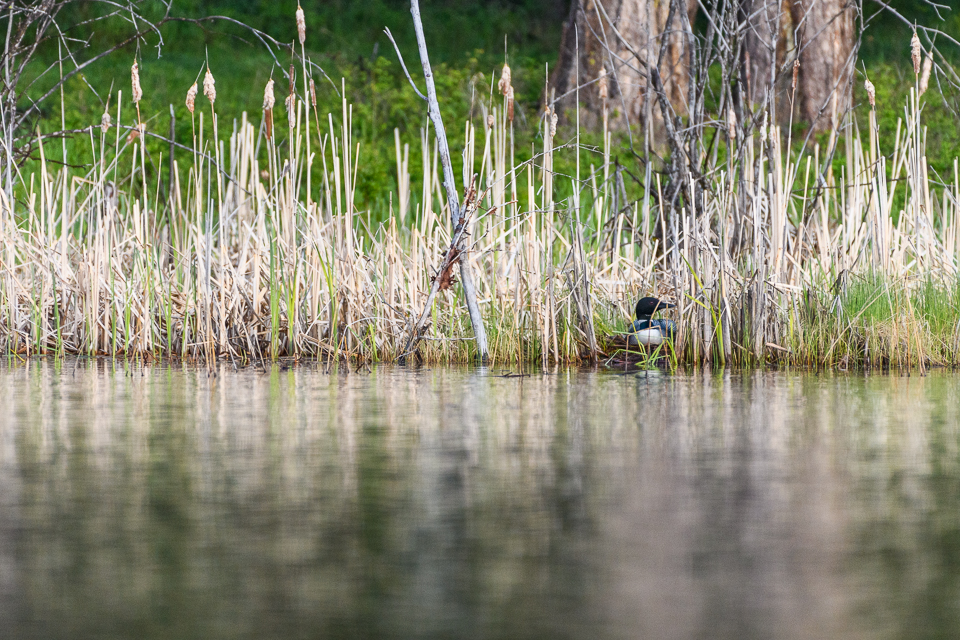
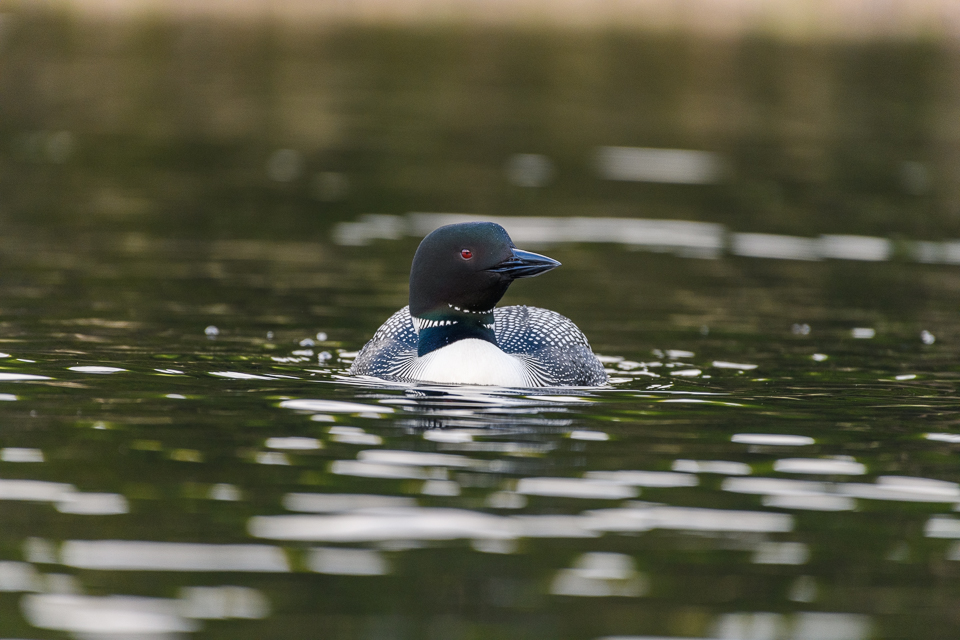
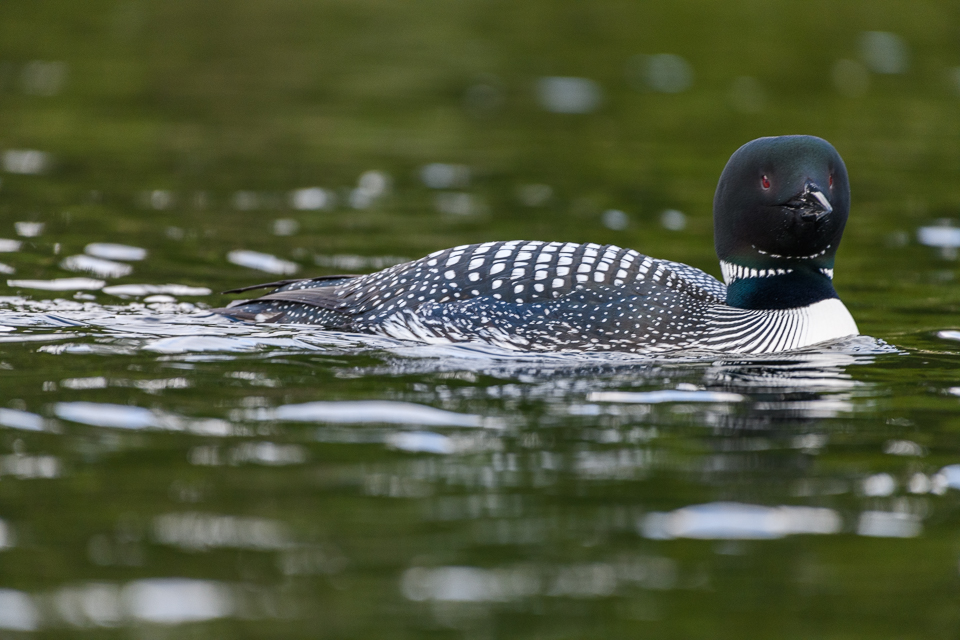
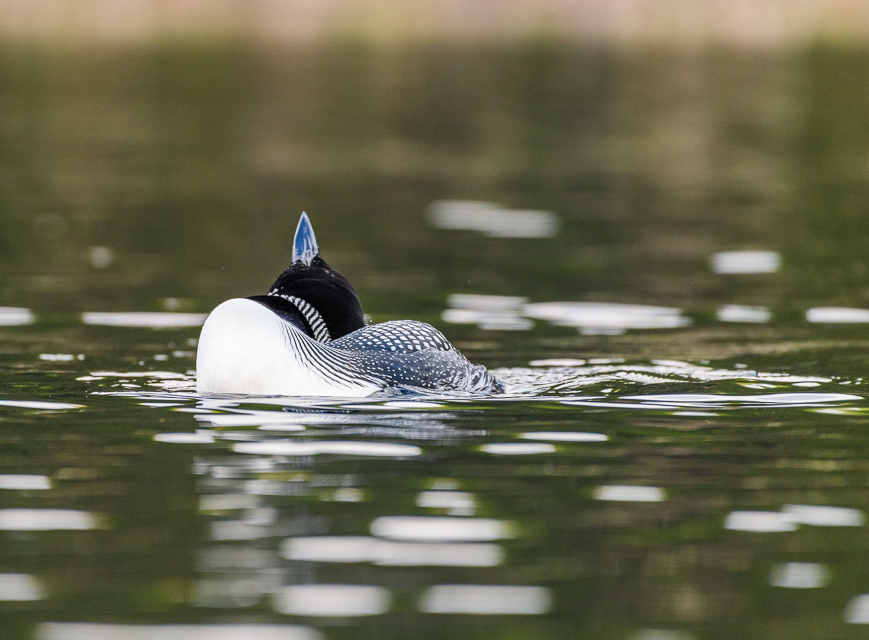
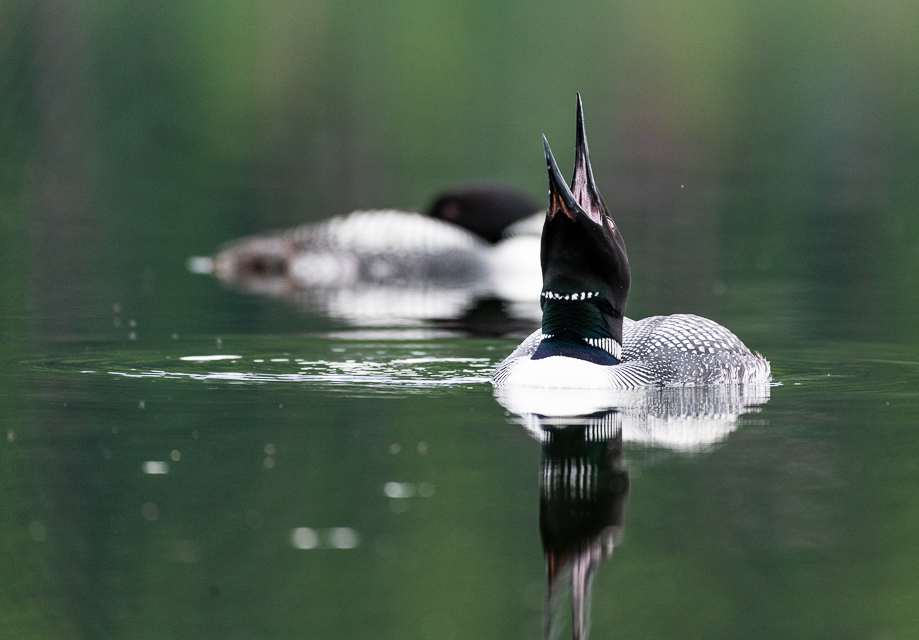
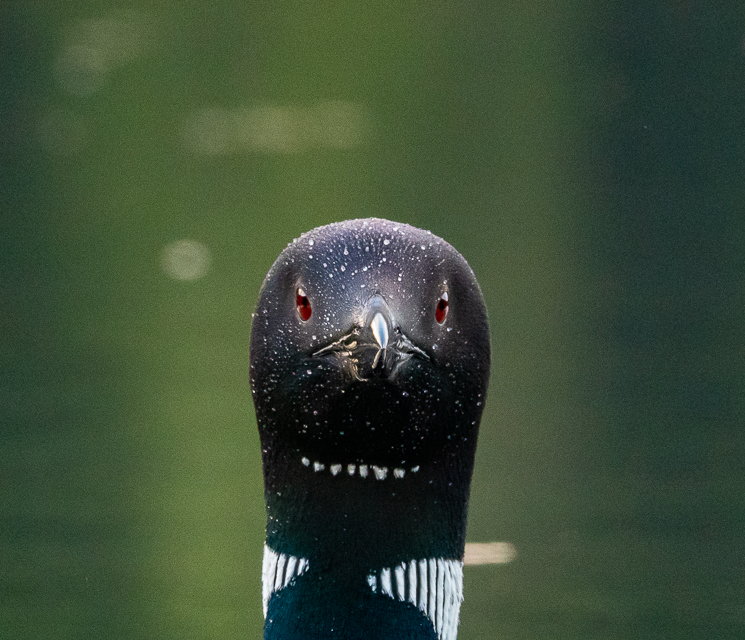
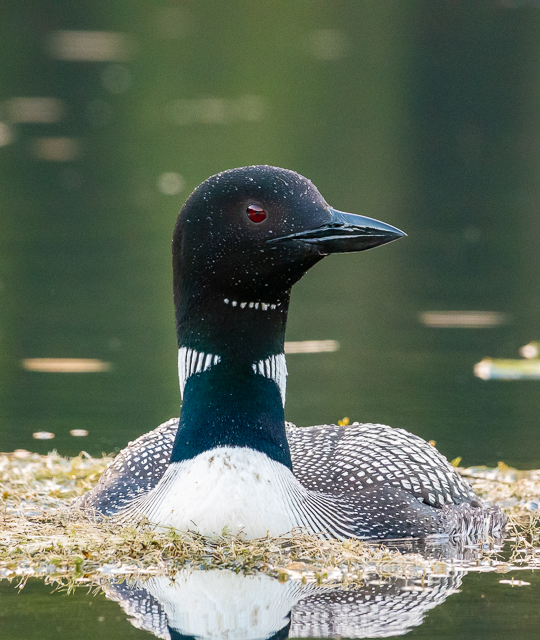
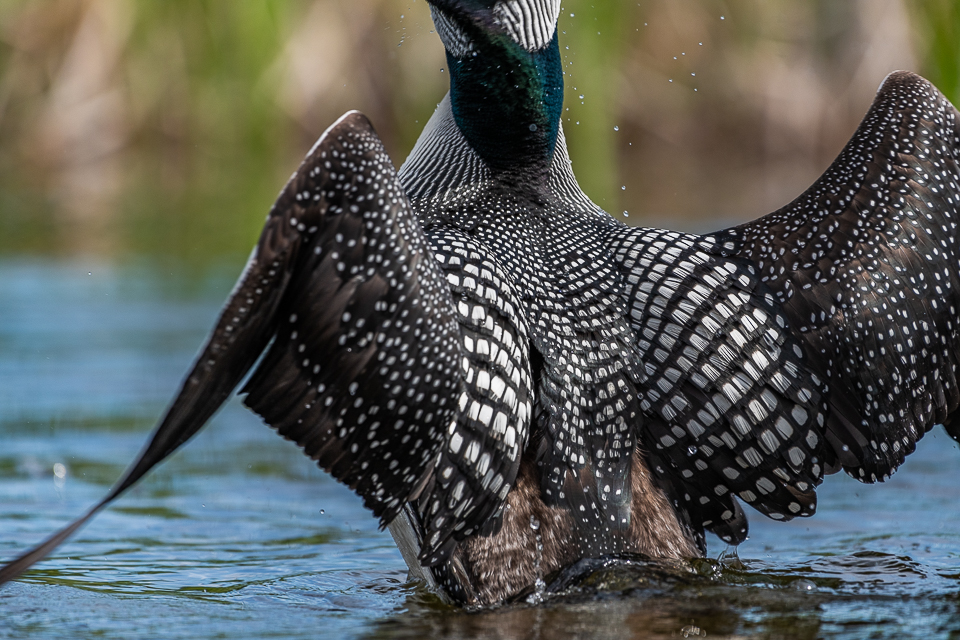
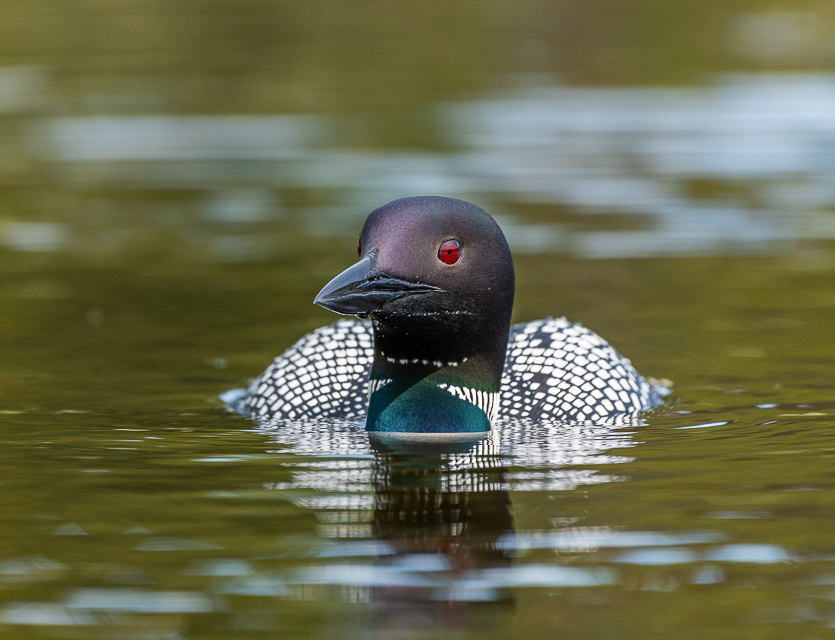
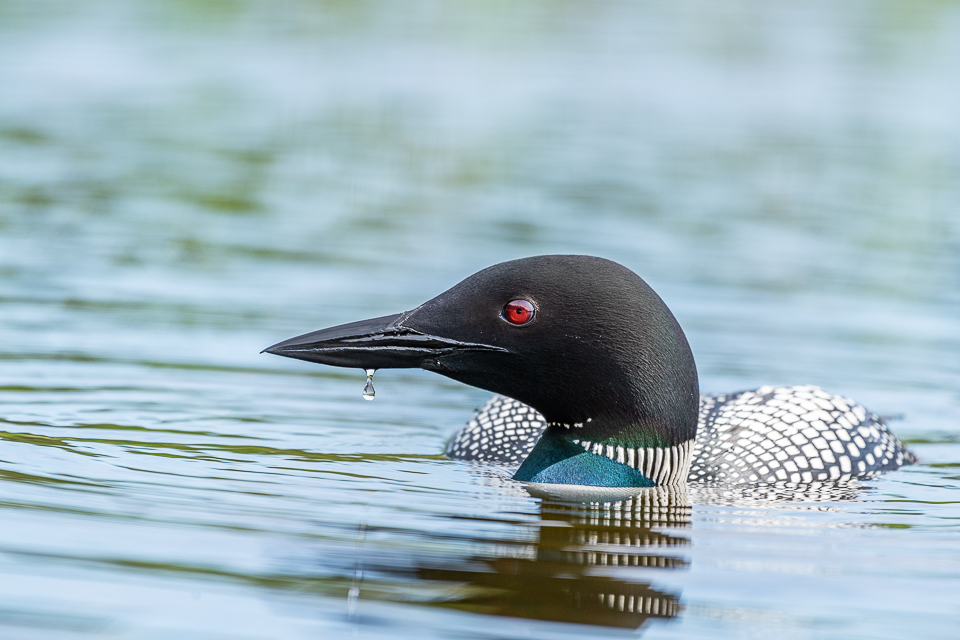
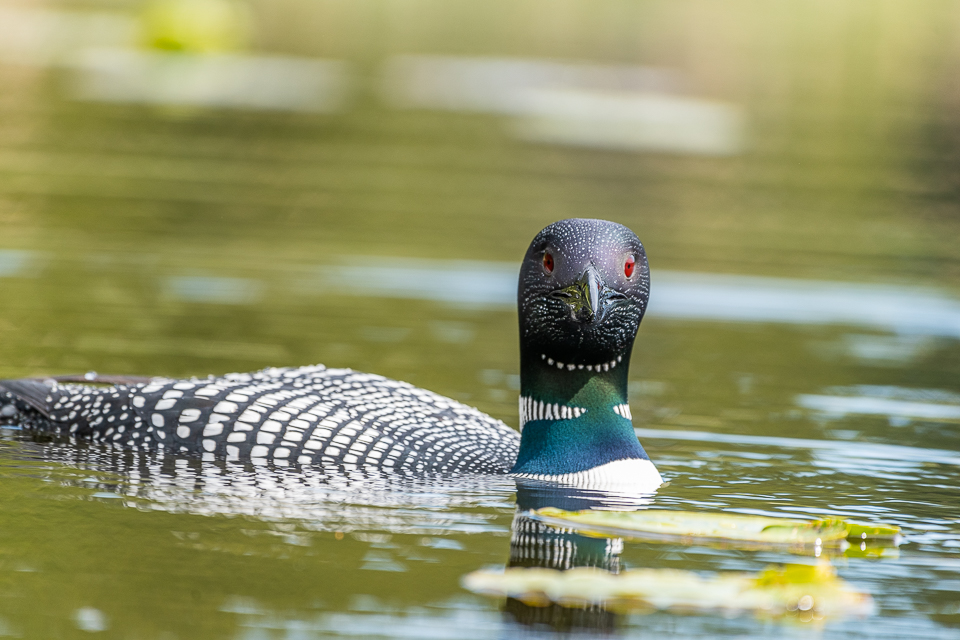
Their name says loons are common, but in this part of the world, they are not. Some do breed in the Okanogan Highlands and it’s always a highlight for me to see and hear them when I am camping. We saw two nests and hope the eggs are hatching now and hope the youngsters can survive the summer and migrate away before fall gets here. Bald Eagles are a primary predator for loons eggs and chicks. It’s hard to not like eagles but their numbers seem to be growing while loons seem to be struggling. All these images were made with a long lens at an appropriate distance from the birds. They are very tolerant of non-motorized boats and often pop up close to my kayak.
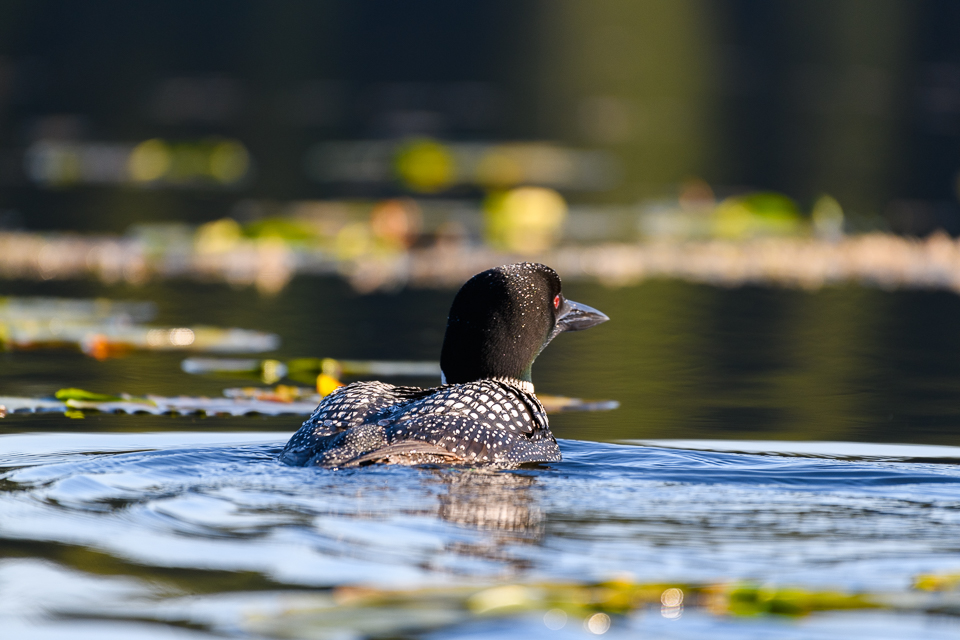
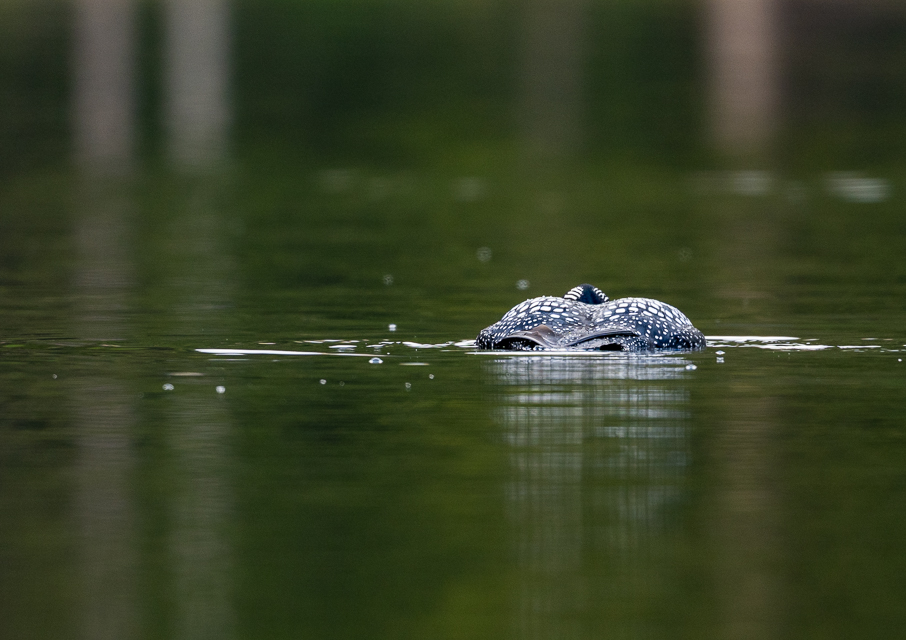
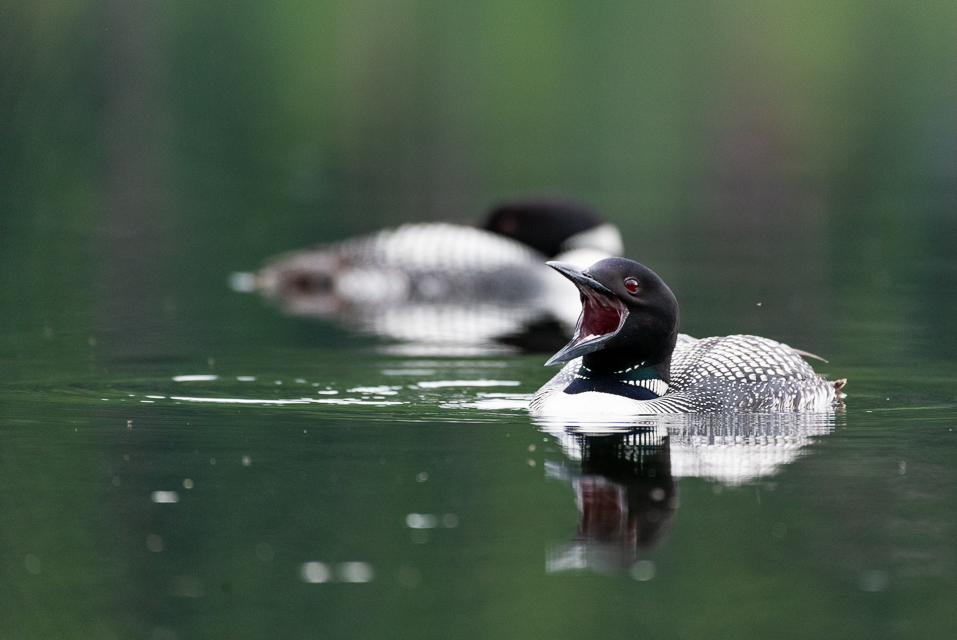
Two of these images show a loon with its mouth open but it made no sound so that made me wonder, do loons yawn?

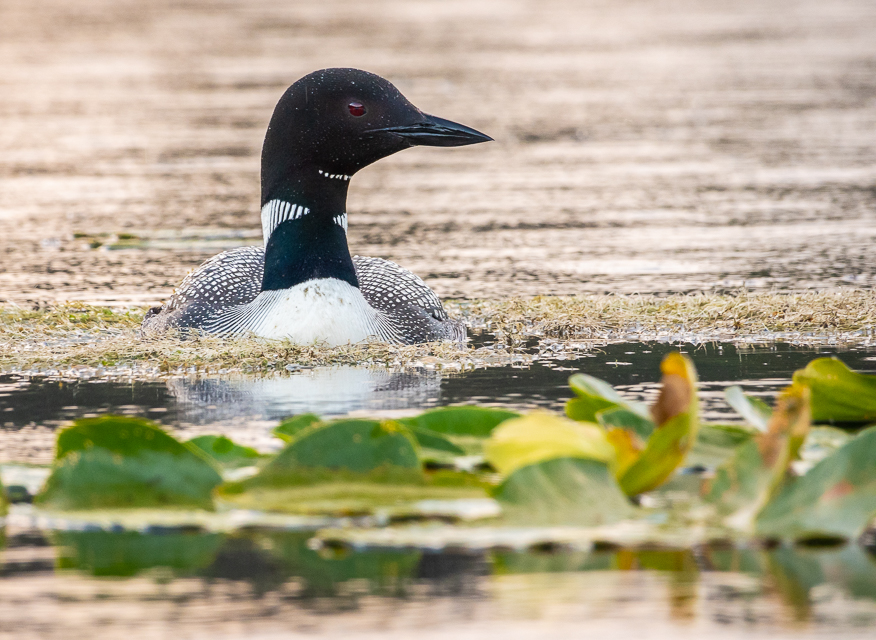
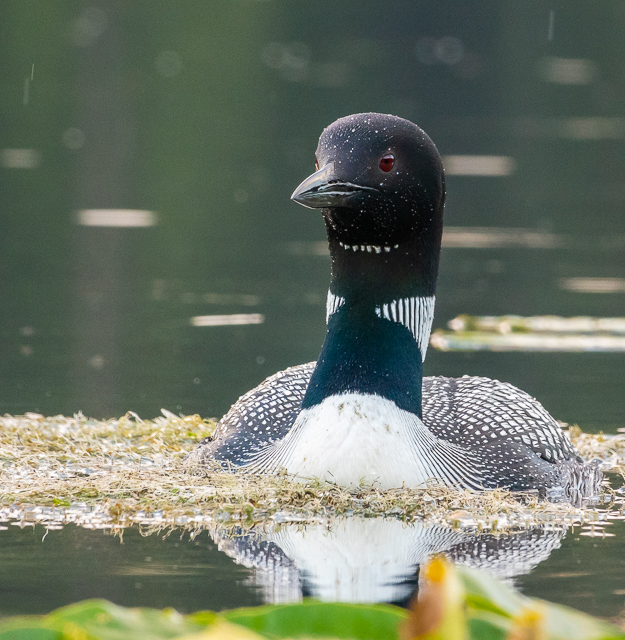
I photographed this pair last month when they were still on a nest. Presumably, at that time they had one or two eggs and since then someone did see them with one youngster. However when we were there recently, there were no babies. A Bald Eagle probably took them. It’s hard work to raise kids.

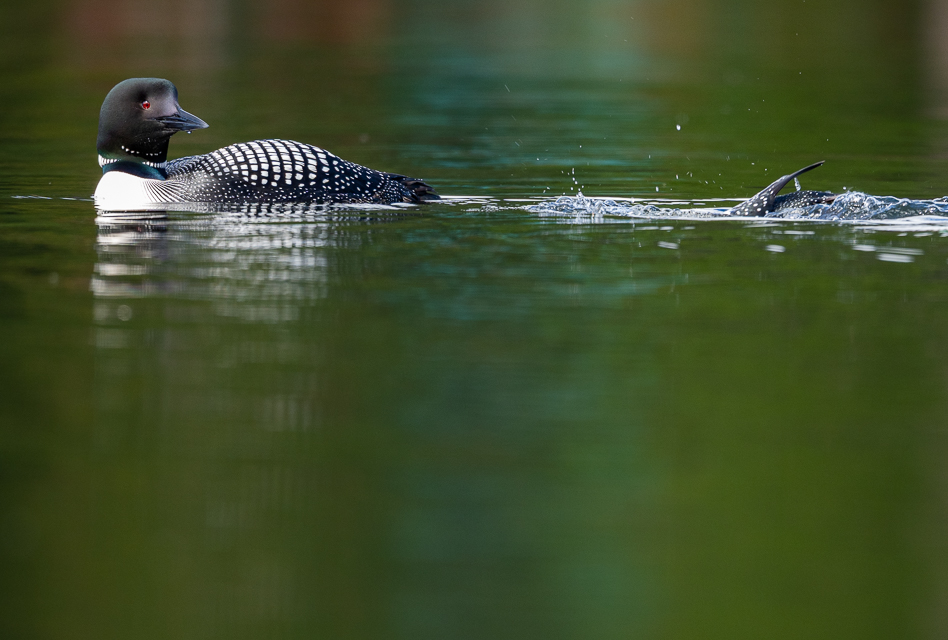
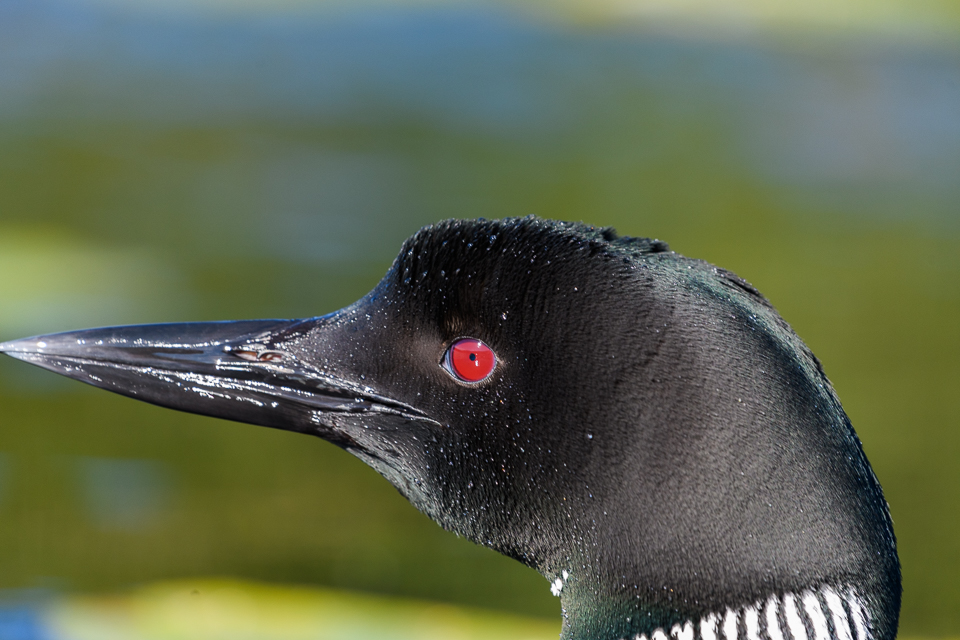
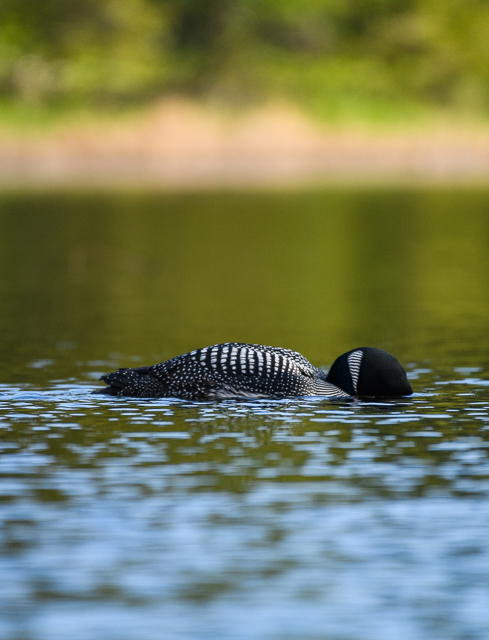
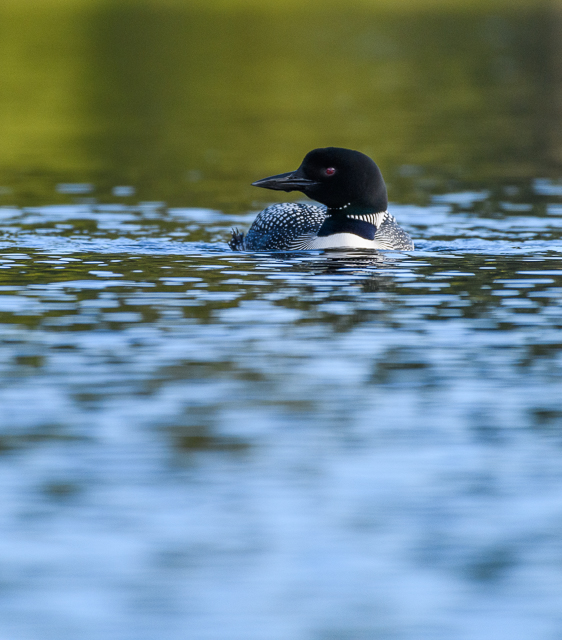
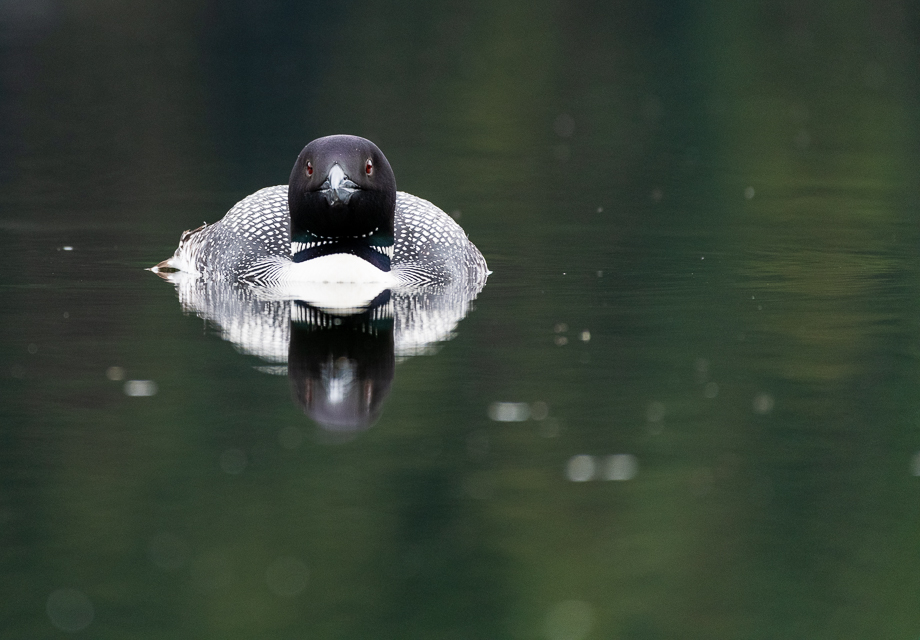
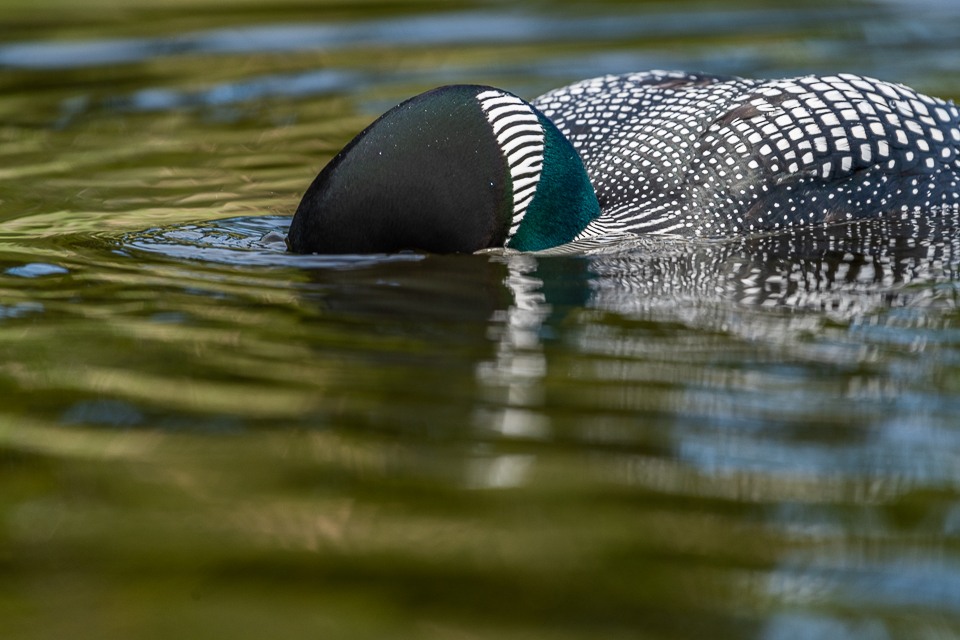
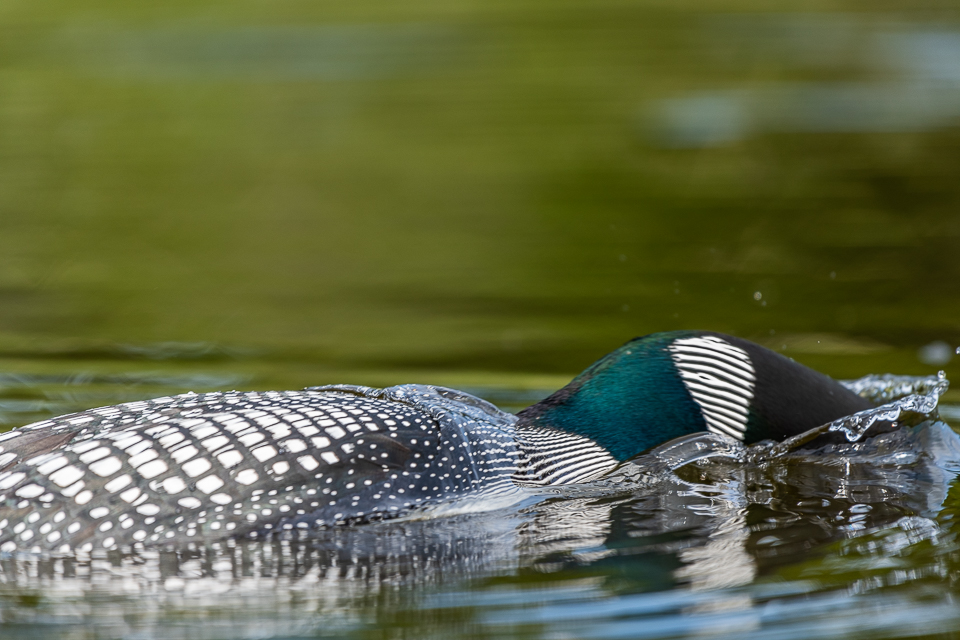
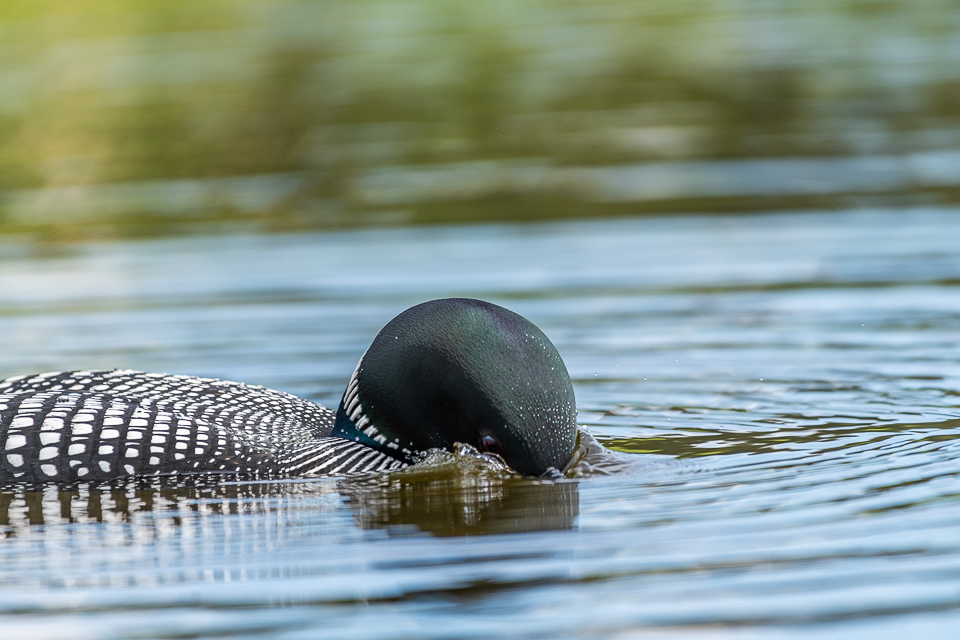
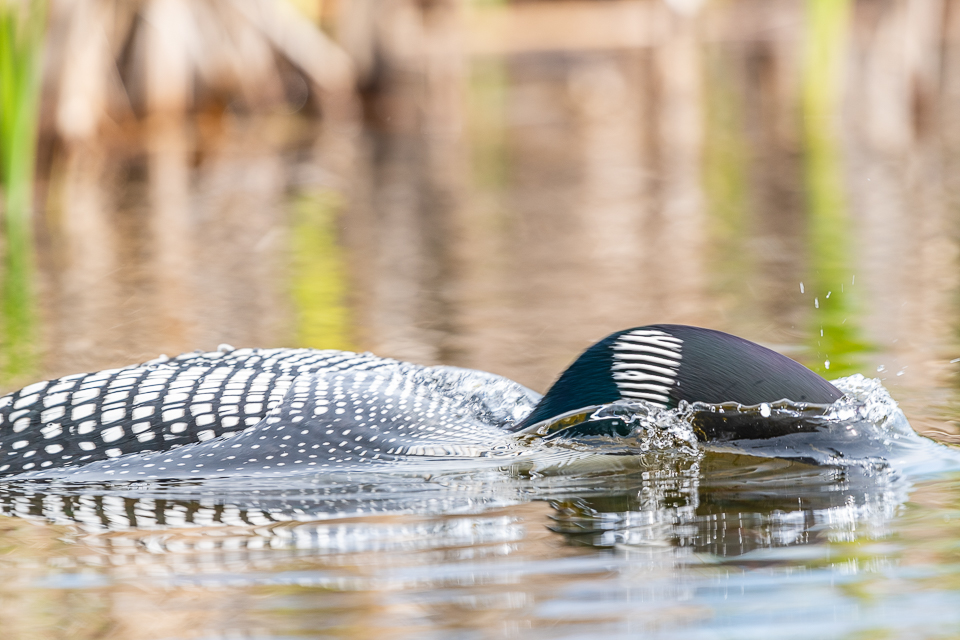
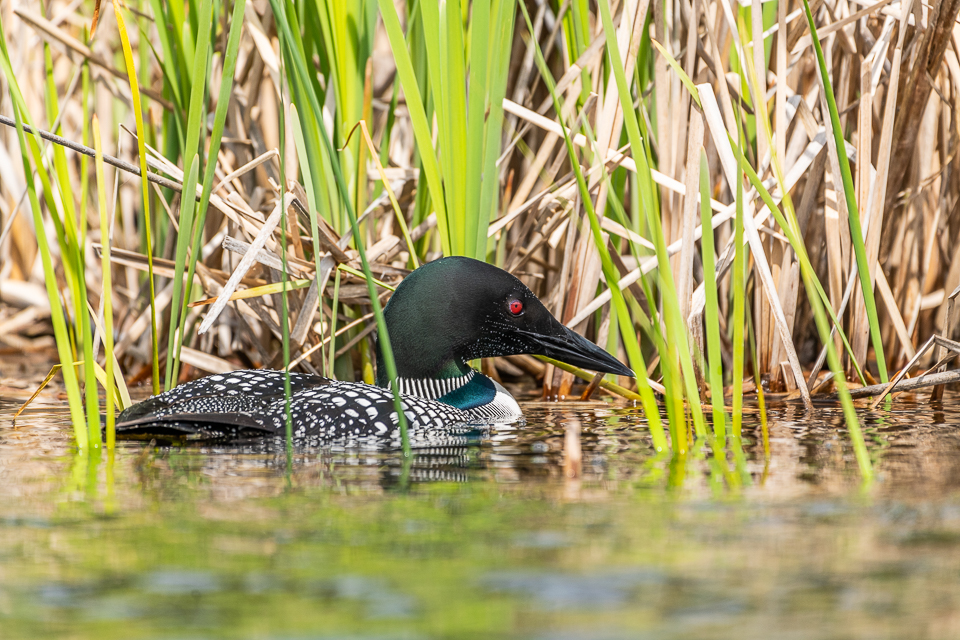
In the first photo, I thought the bird was sleeping but on closer inspection, you can see the red eye watching me. Both birds were resting in the middle of the lake so I moved on in my kayak, looking at other birds and enjoying the day. I paddled back into a marshy area where I often see Ring-necked Ducks and American Coots and if I’m lucky, I get good views of tiny warblers too. This time I found both Common Loons in the shallow water. I kept my boat as still as possible and they both approached me, diving often and popping up in front or behind me. It was exciting to watch them underwater! They never seemed to come up with food so I don’t know what they were doing except maybe showing off? They did not appear distressed and they did not make any calls. They were very interested in a patch of cattails and I wondered if it was even possible that they had a little one stashed in there, hidden from danger but I never saw any movement in the vegetation. Perhaps they were just enjoying a rare sunny spell.

Most of these images are not cropped, shot with a 200-500 mm lens from my boat.