Skip navigation

Tag Archives: North Cascades

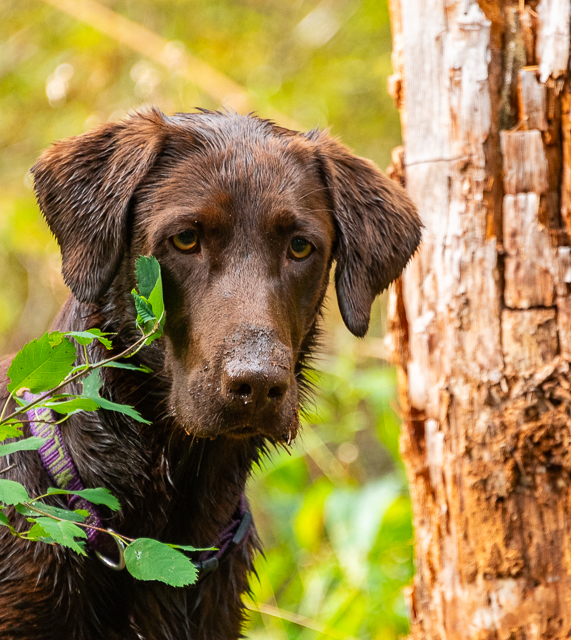
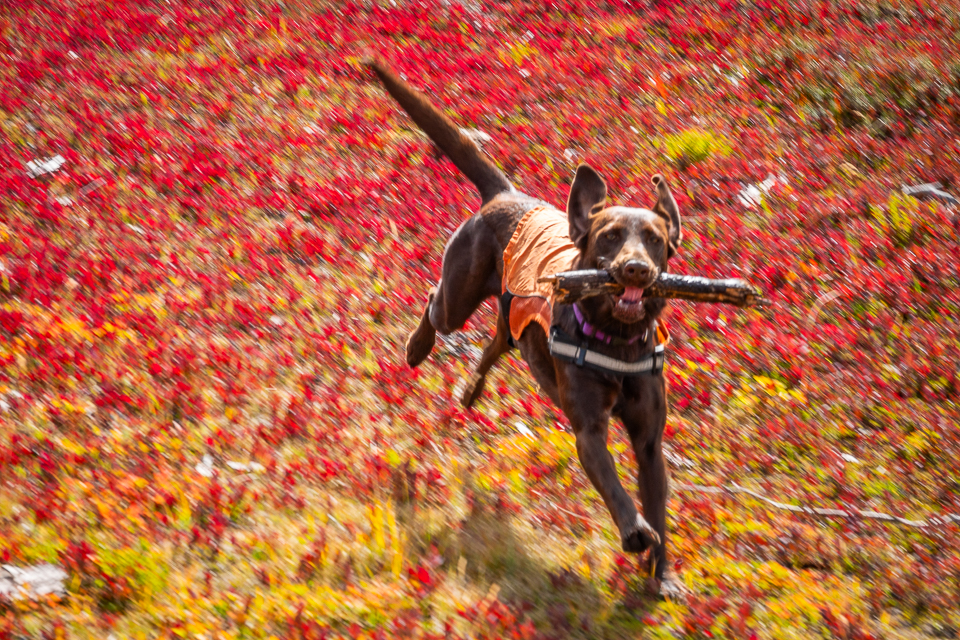
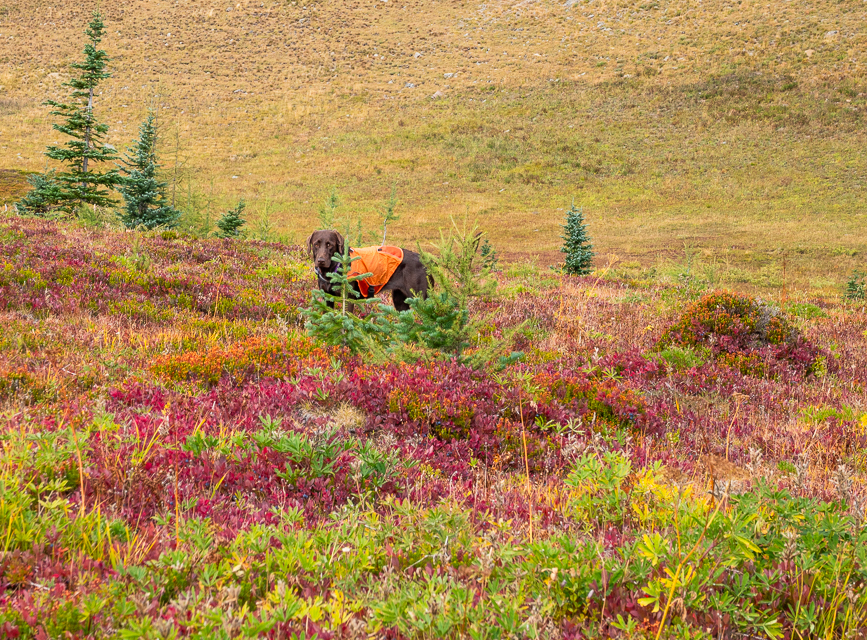
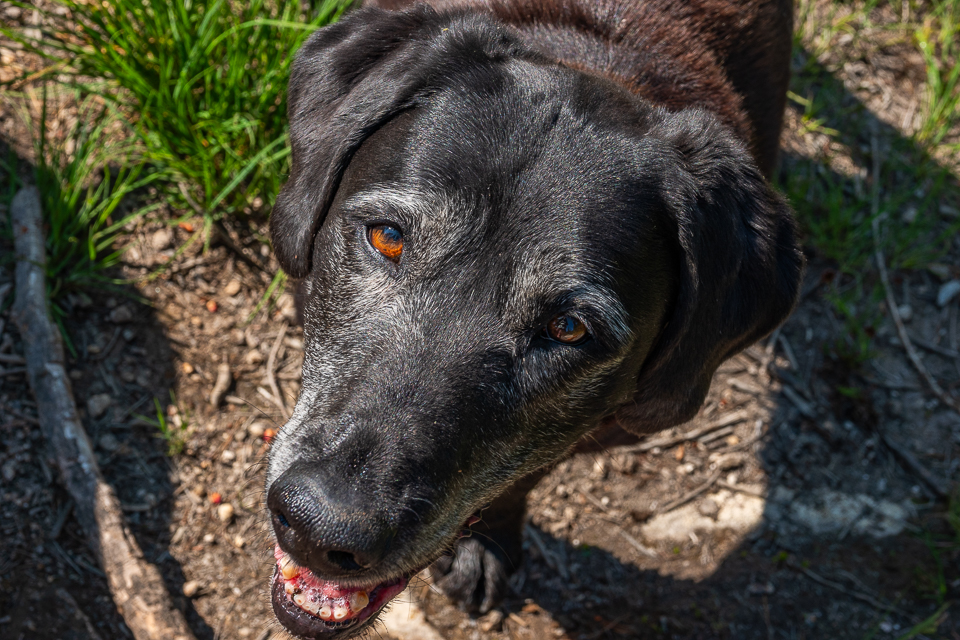
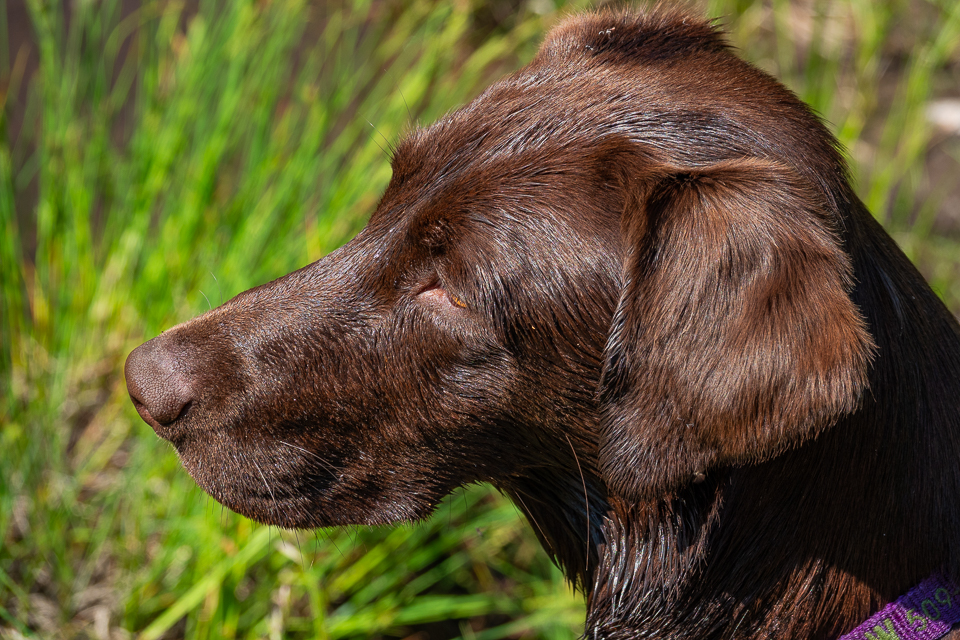
If you’ve ever walked with an off leash dog, you know that they will go at least twice and probably three times, as far as you. They need to run up there and sniff something and then check in before heading in the other direction to sniff something else. And on and on it goes. Willow is pretty good at checking in and not getting too far away. However, if she finds something to eat, she becomes unresponsive. I don’t know how to solve that training issue.

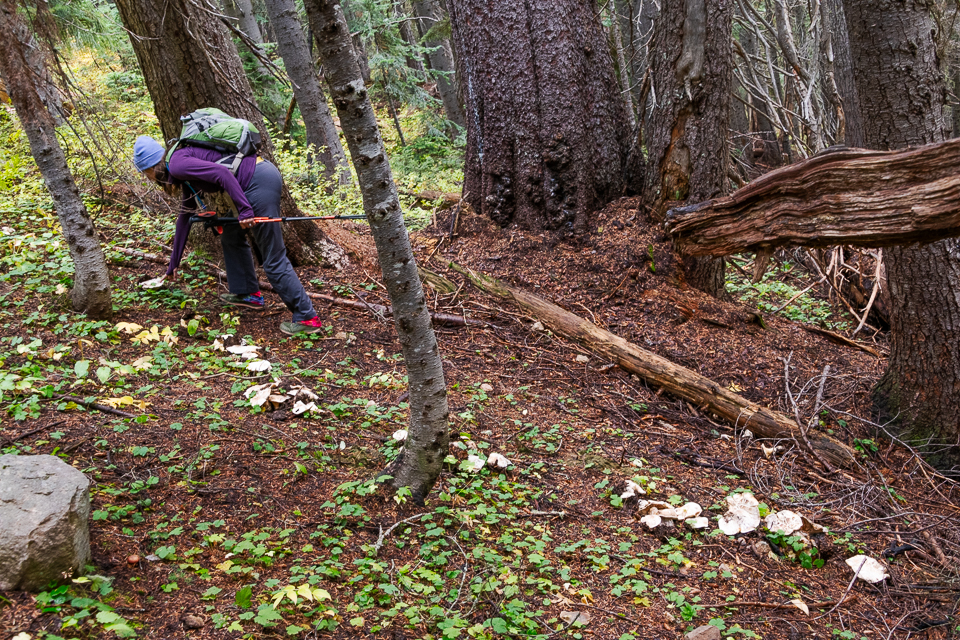
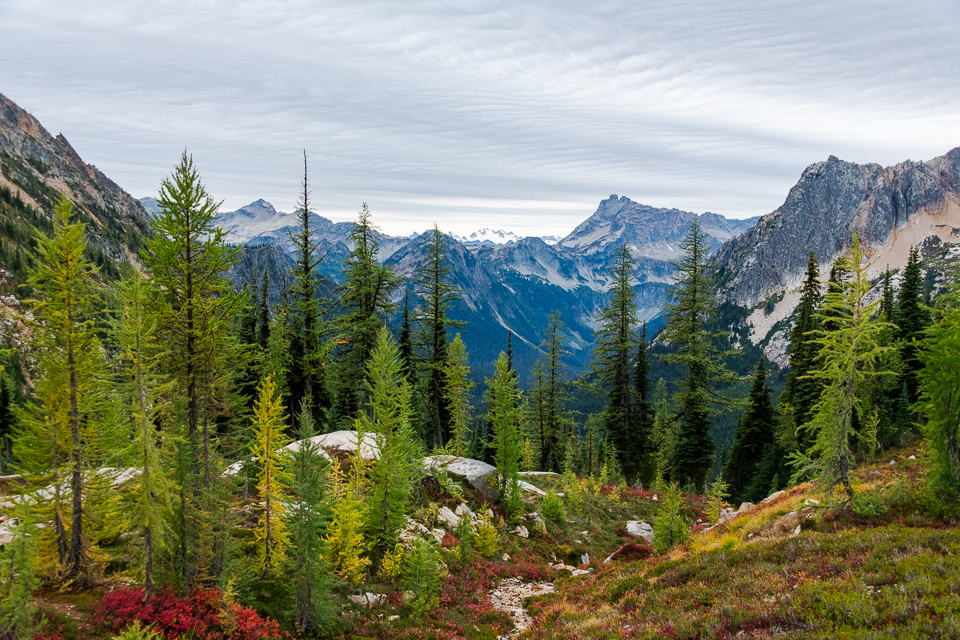
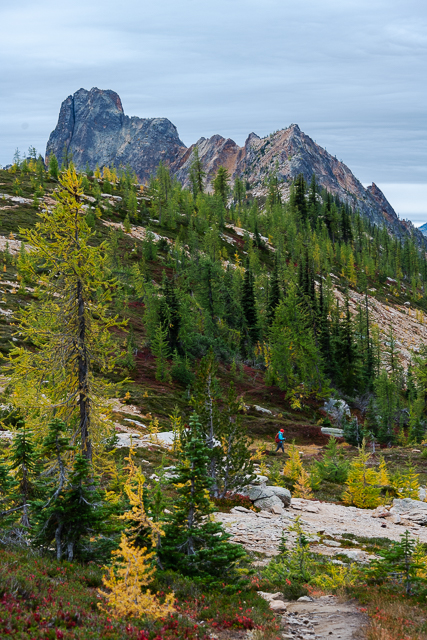
We were invited to join two friends on an eleven mile hike, up and over a mountain pass with 2000′ of elevation gain. It’s a great hike to do with two cars so you can start at one trailhead and end at the other one. It was a cool and cloudy morning with a forecast that included sunshine and no rain. Hmmm, those forecasts.

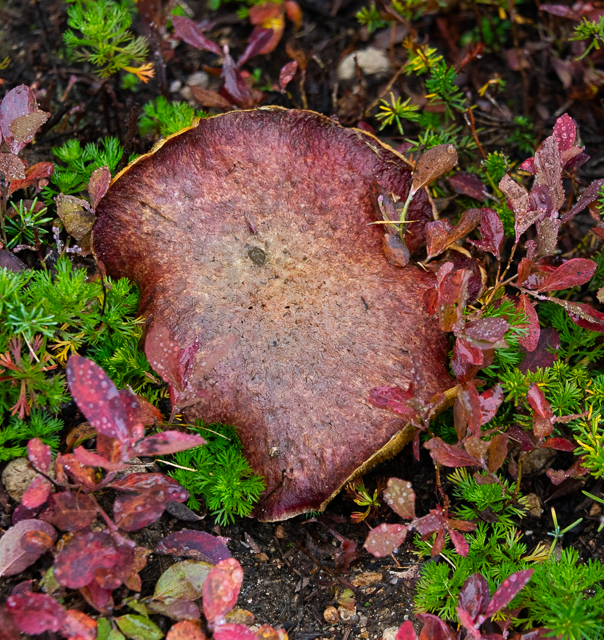
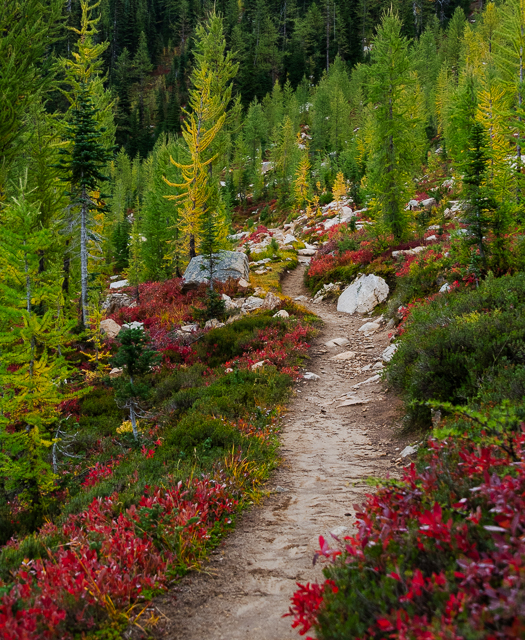
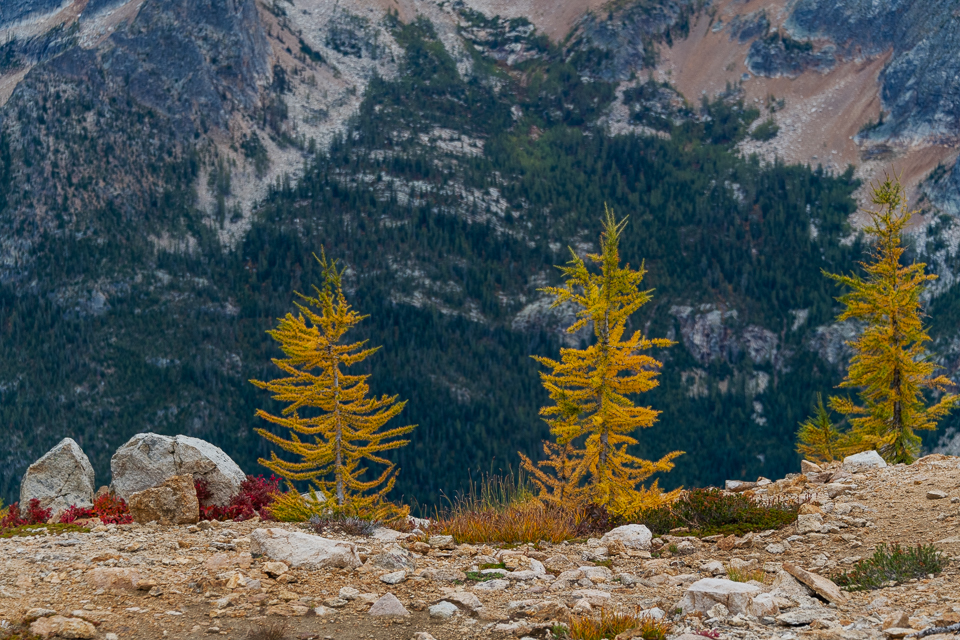
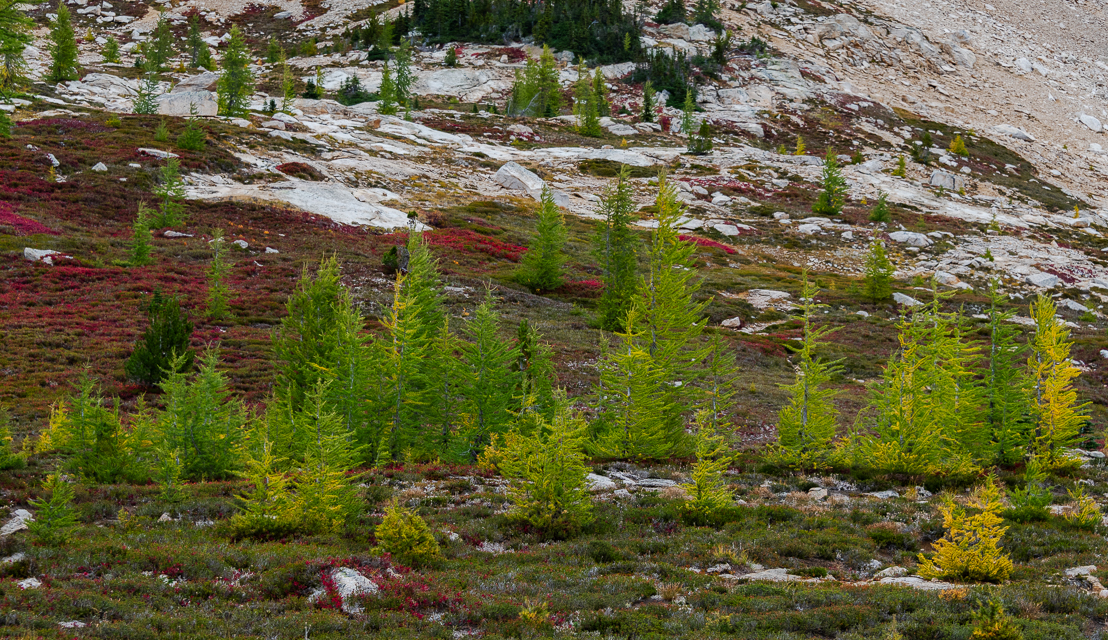
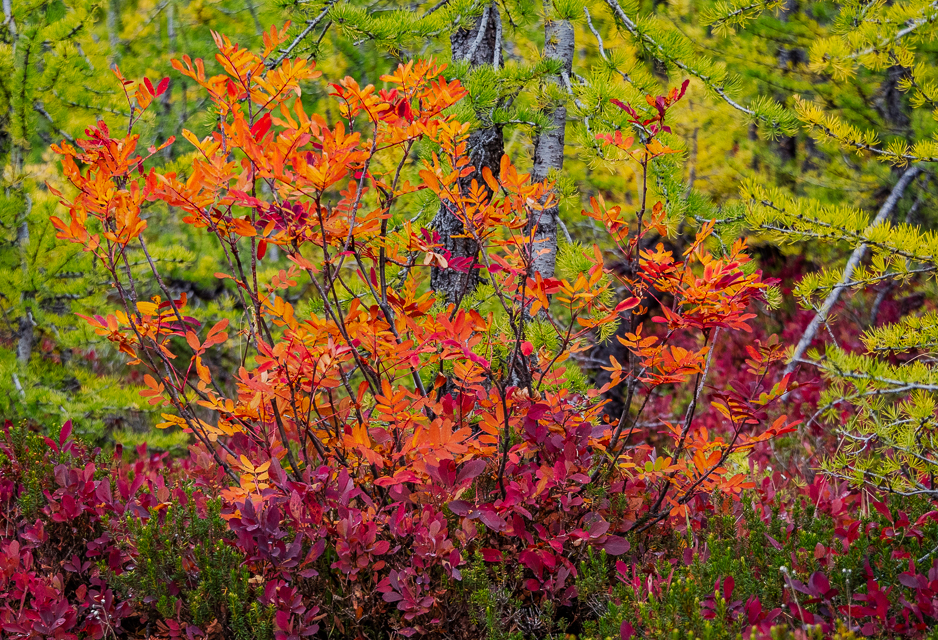
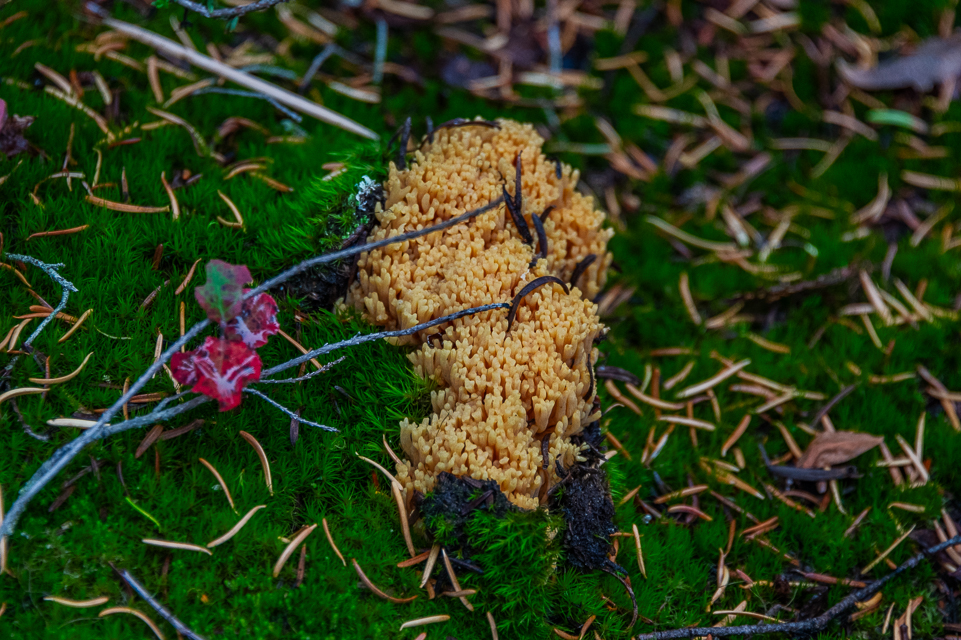
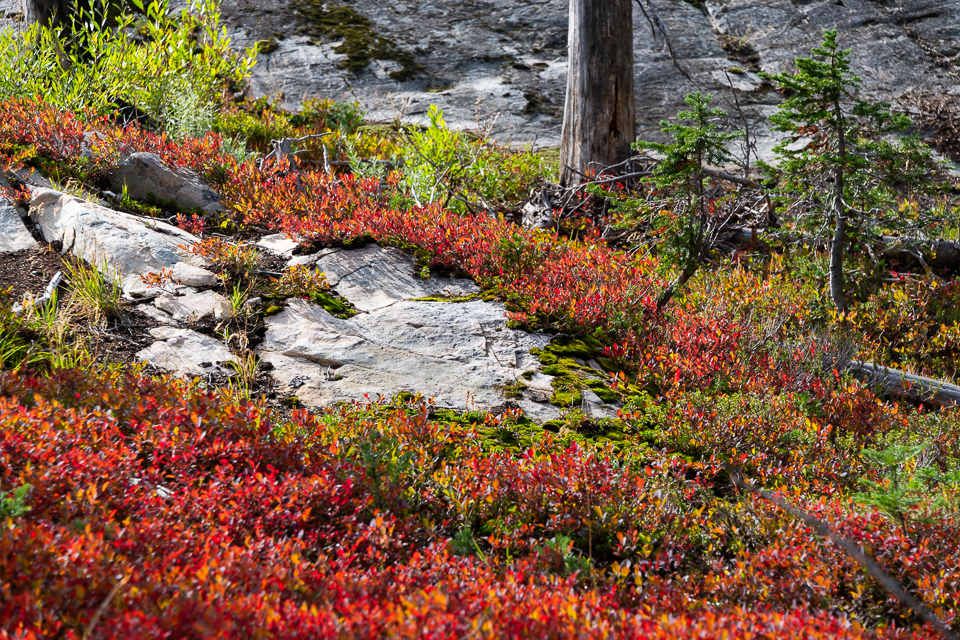
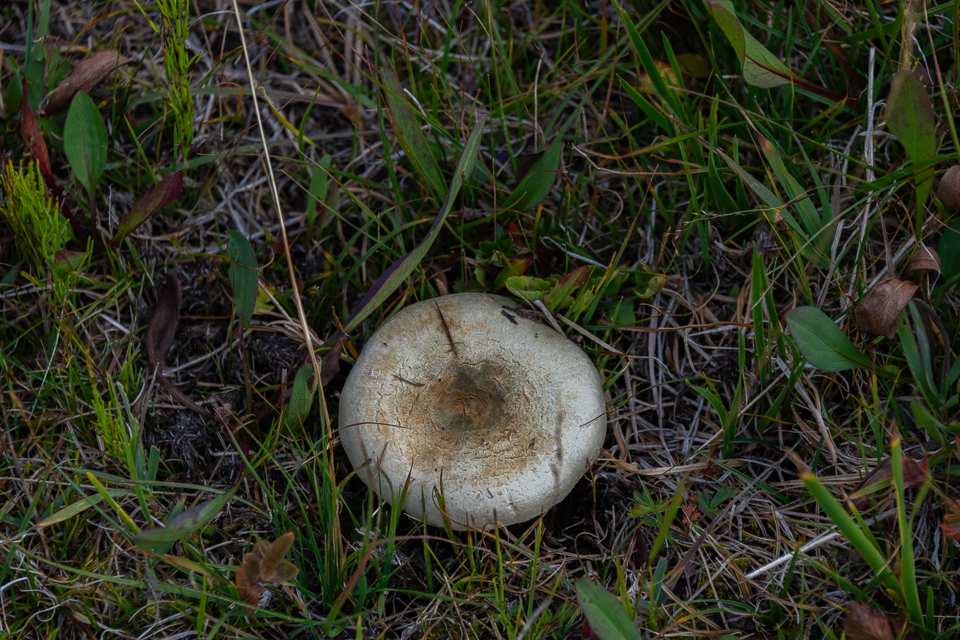
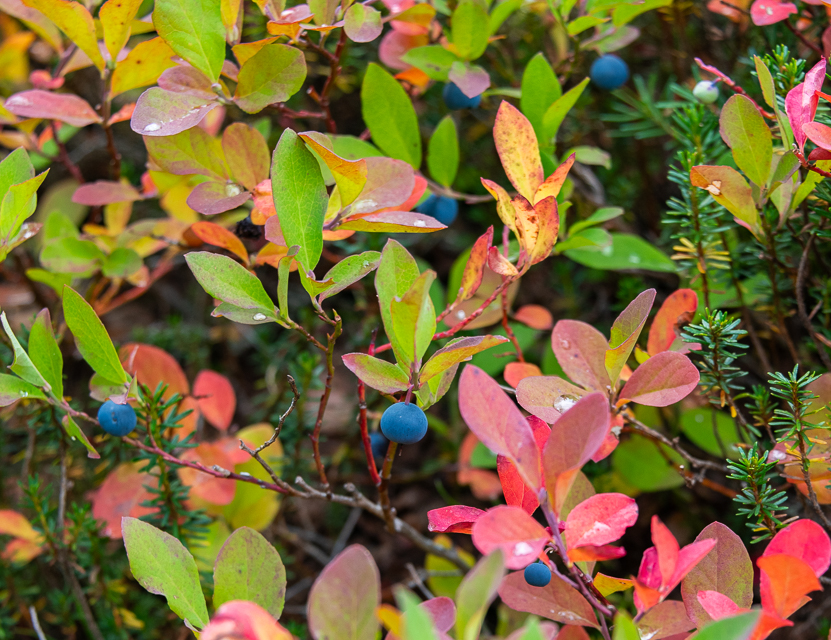
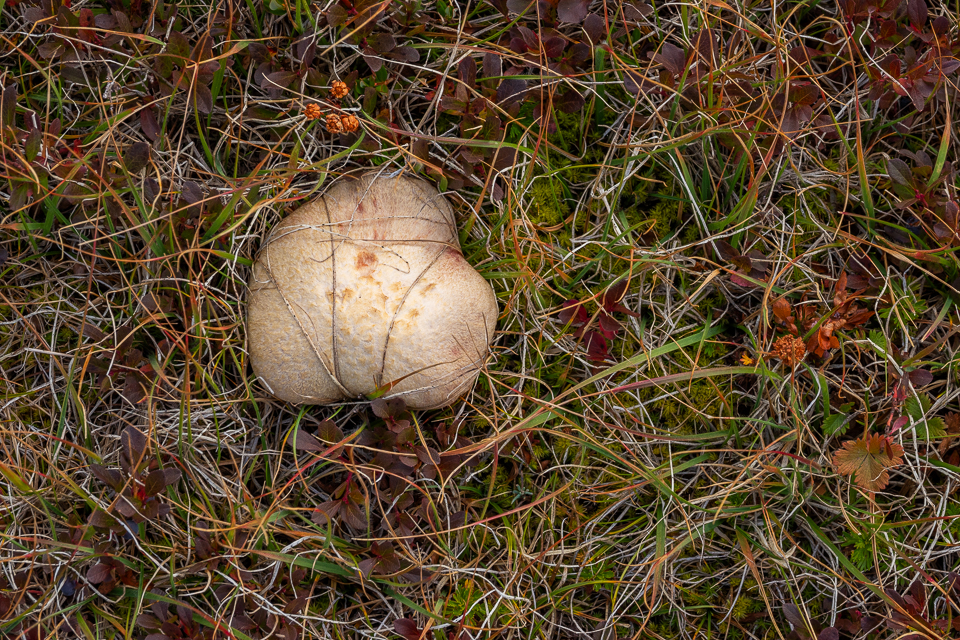
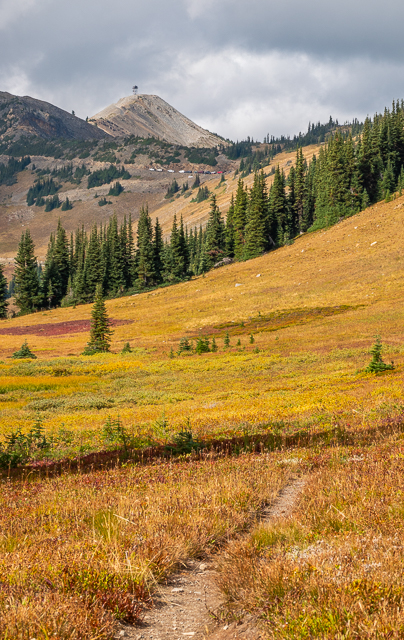
There’s been a fair amount of rain recently and we saw many mushrooms of various kinds. Nothing that we wanted to pick and eat. The fall colors were just getting started with a few subalpine larch showing lighter green or yellow. The huckleberry and mountain ash were in full fall color.

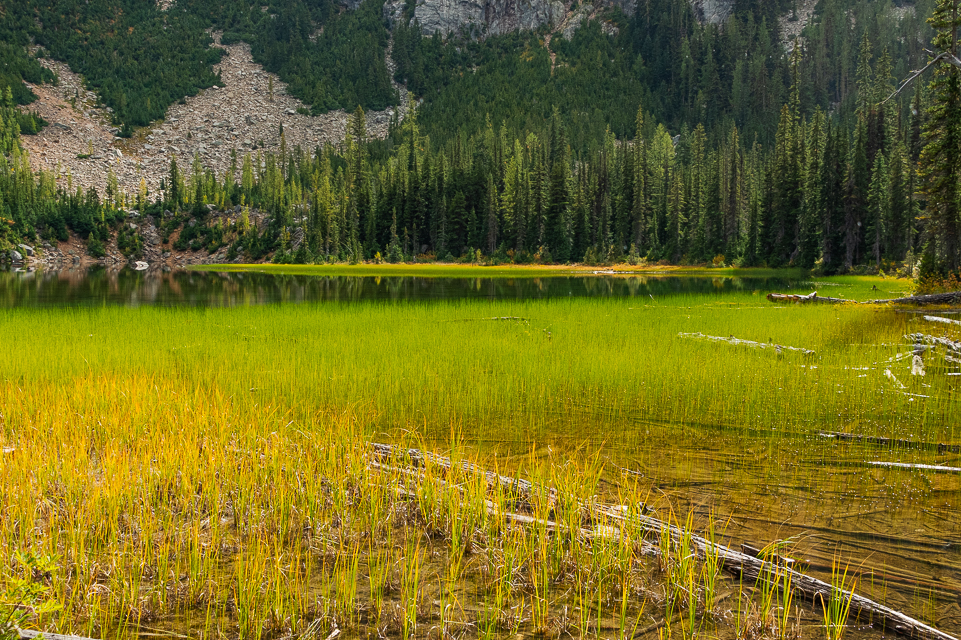
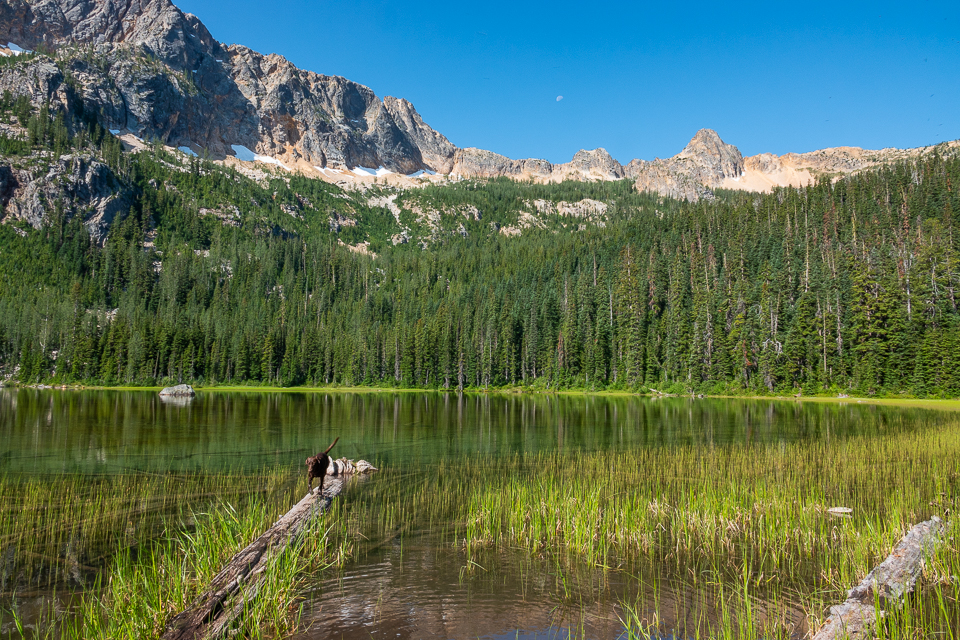
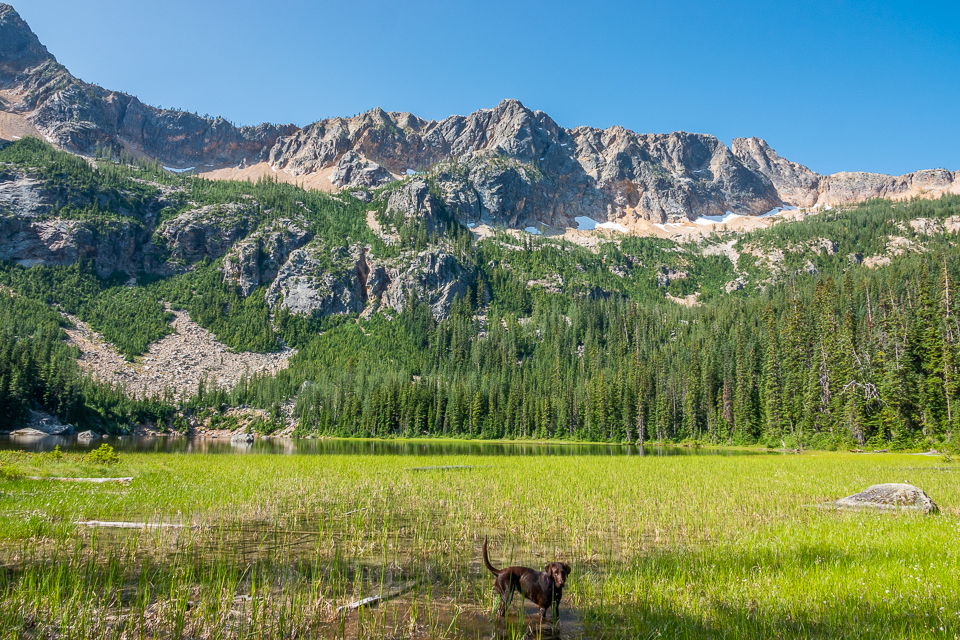
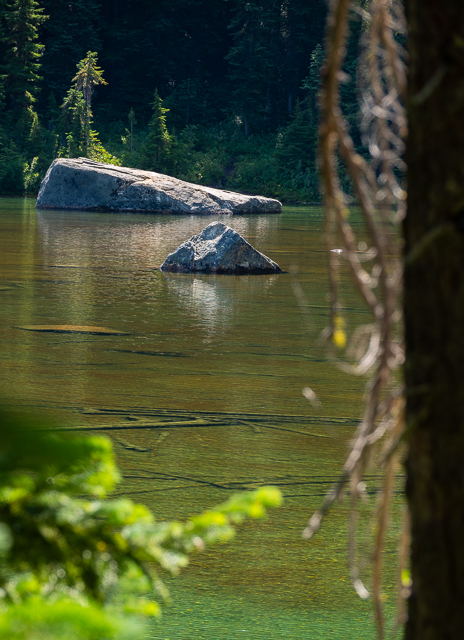
When we were about eight miles into the hike, Willow actually sat down on the trail when we stopped. That may be a first – her showing any sign of being tired. But shortly after that, we approached a lake we have visited before and suddenly she was full of energy and anxious to get in the water. After that she knew where we were going and how to find the car. She probably walked/trotted/ran thirty miles or more. We had few sun breaks and even a little bit of rain. So much for weather forecasts.

It was a good day.
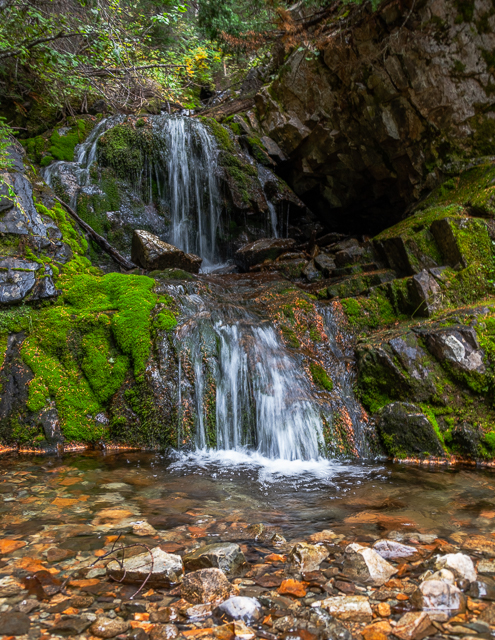
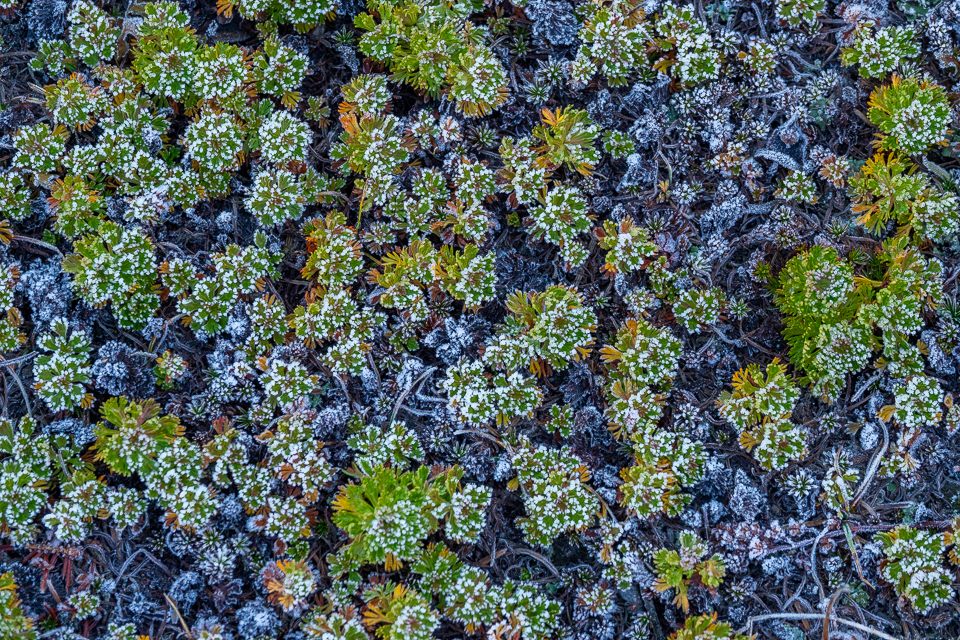
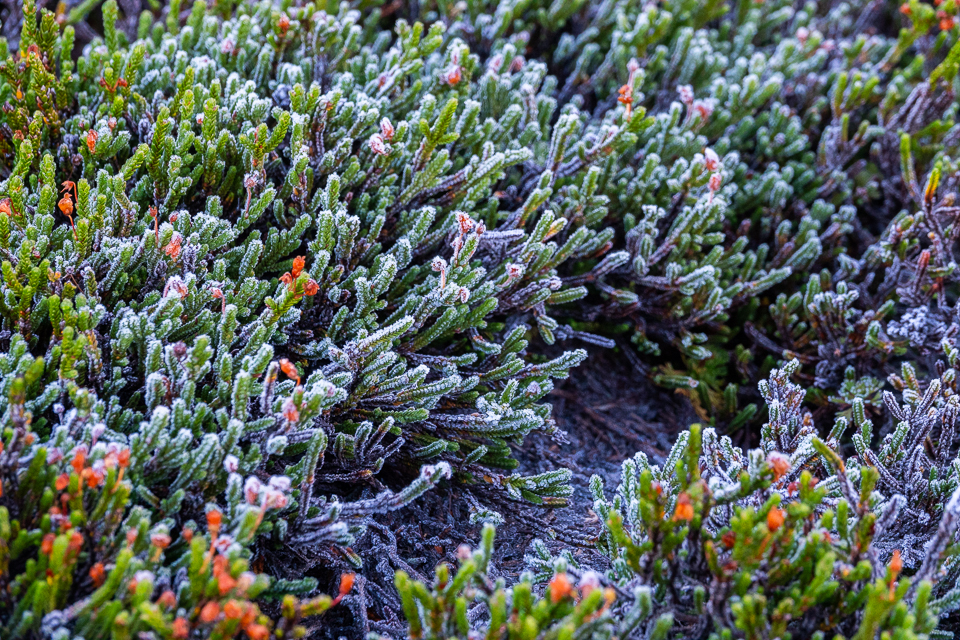
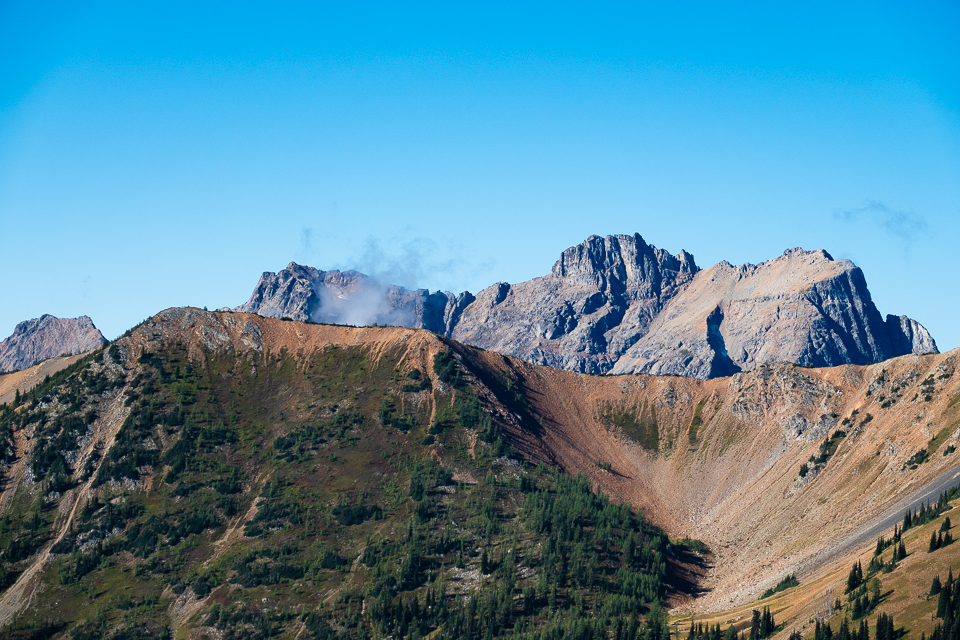
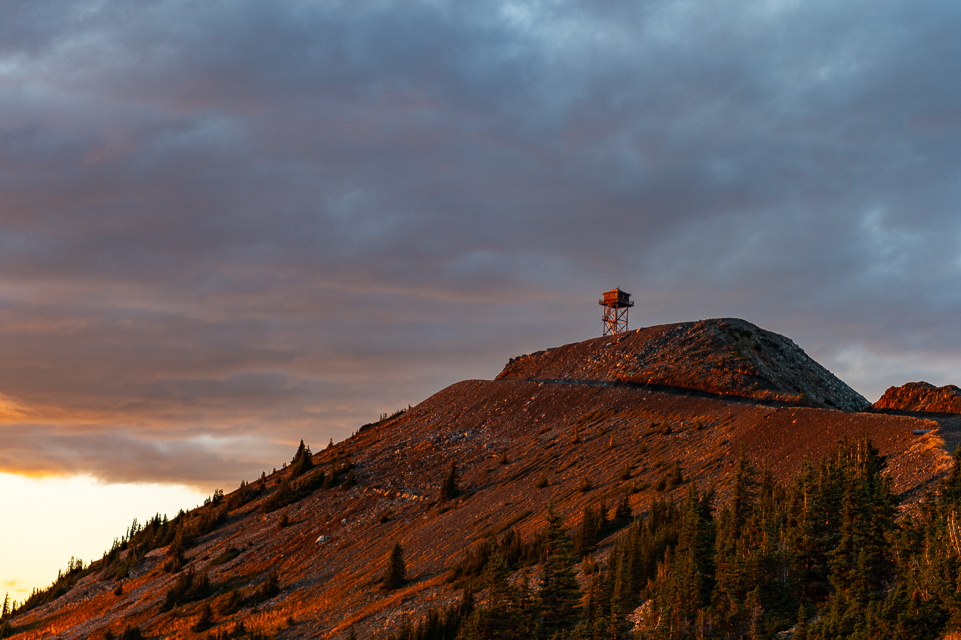
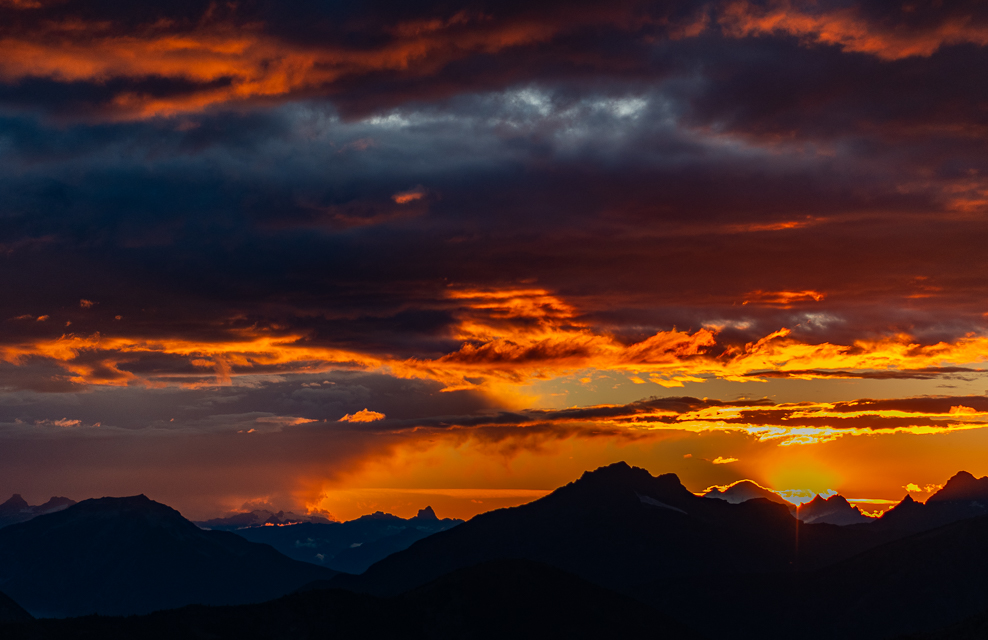
Willow and I spent five days at Harts Pass recently. We had some weather, rain for part of three days, some frosty mornings, fog and lots of sunshine and blue skies. Almost had it all. Lots of people to talk to but we also had some time to get out for walks. Not enough for either of us but sometimes that’s how it goes. Sky stayed home with Ken and had a relaxing time.

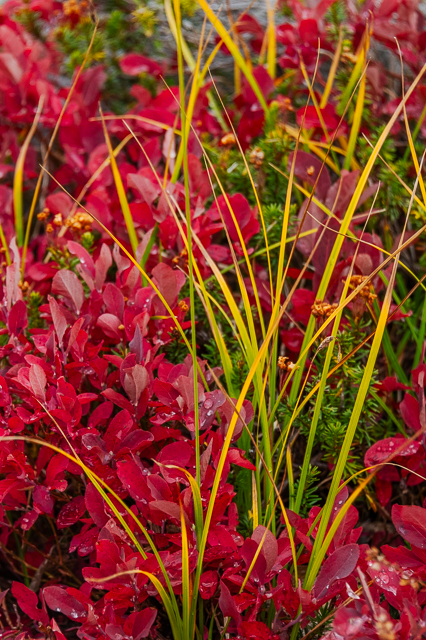
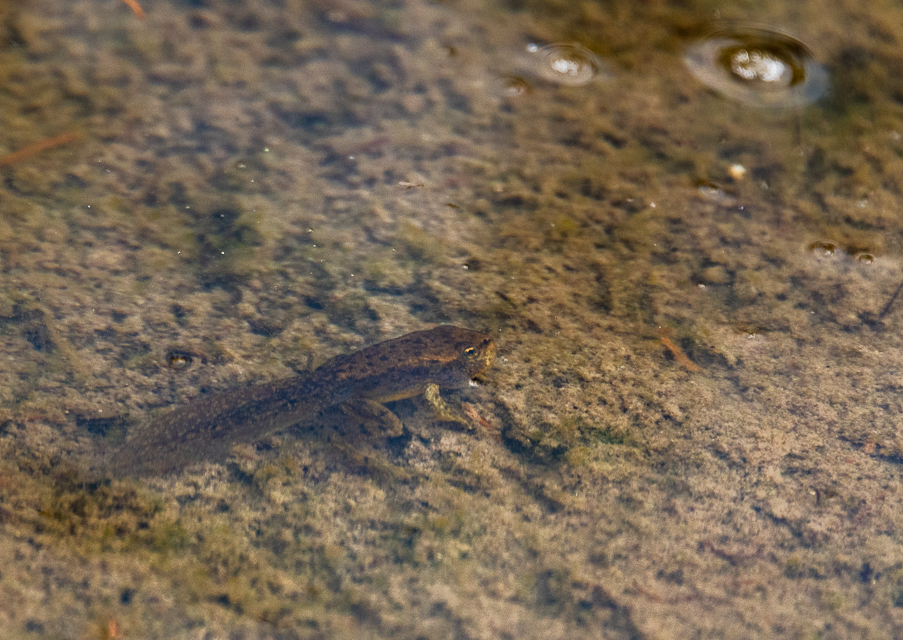
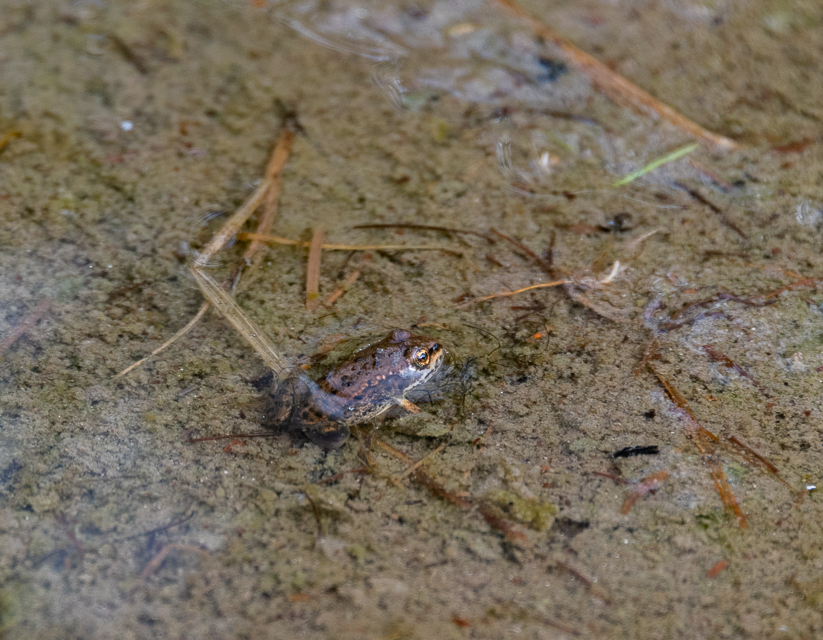
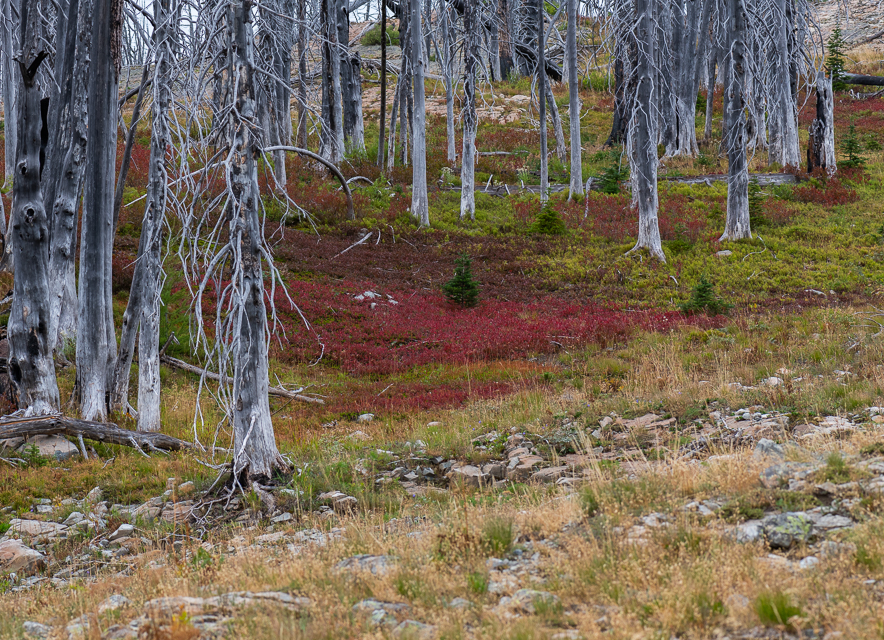
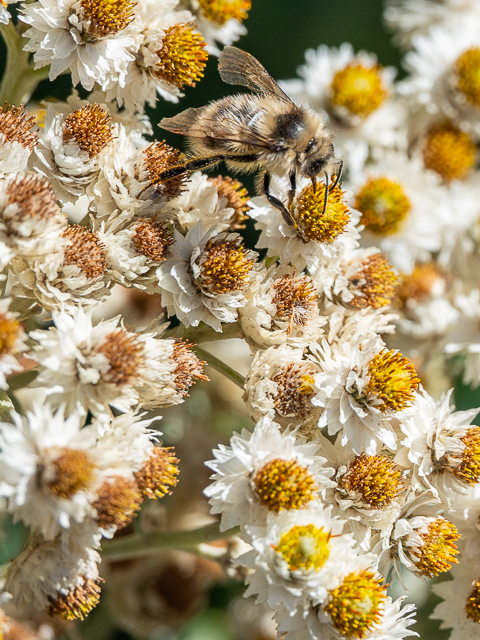
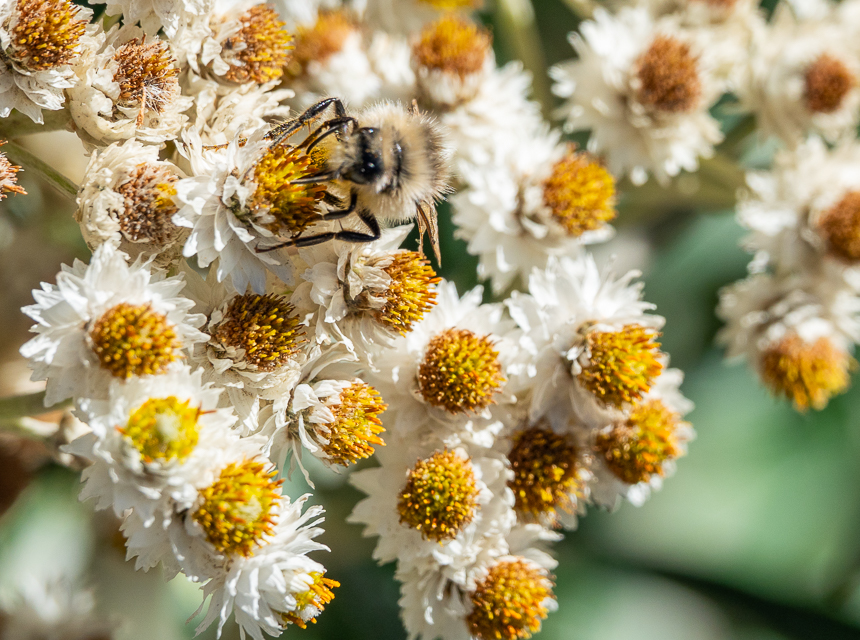
Fall colors were just beginning with the huckleberry bushes changed to brilliant red. The berries were still yummy and numerous. I ended most of my walks with stained fingers. Willow helped herself to a few too. The Campanula (bluebells) were still blooming, here and there, and pearly everlasating was living up to its name. The cotton grass clung to its seedheads. The one remaining (not a vernal as I thought earlier in the year) pond still had some tadpoles and tiny frogs too. Some tadpoles had grown legs. I don’t know what kind of frog or toad these might be. Seems like kind of late in the year to be turning into frogs.

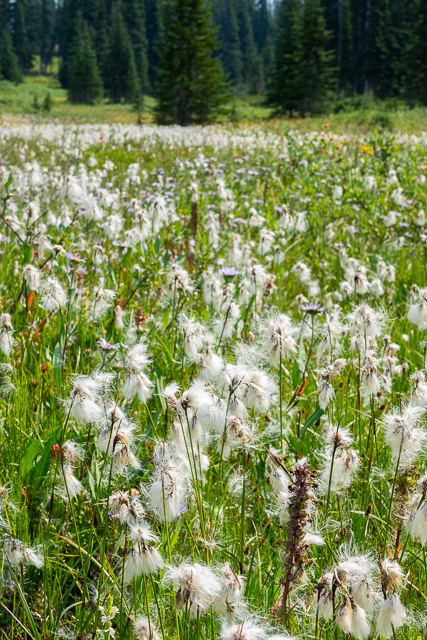
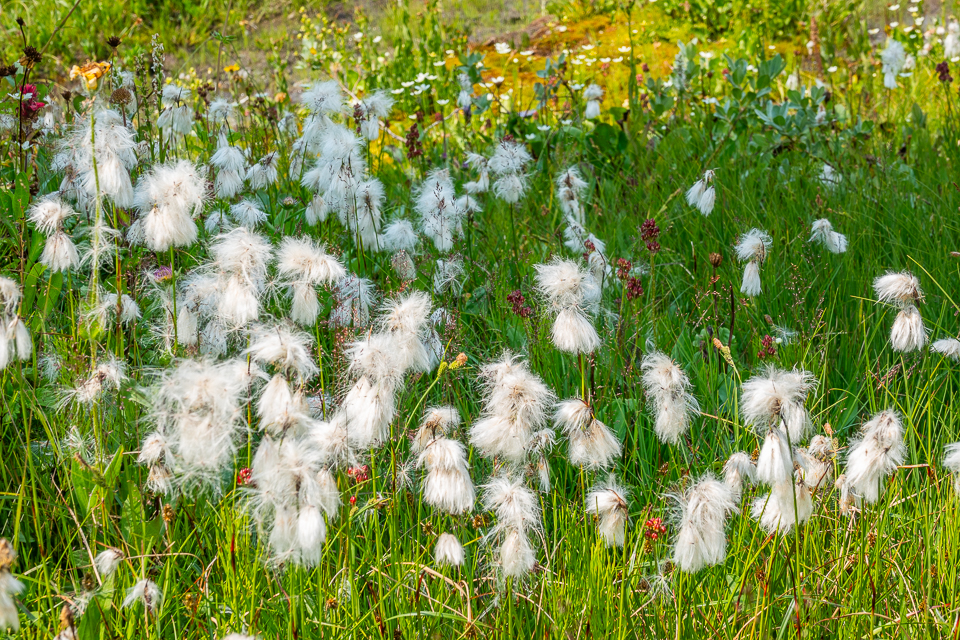
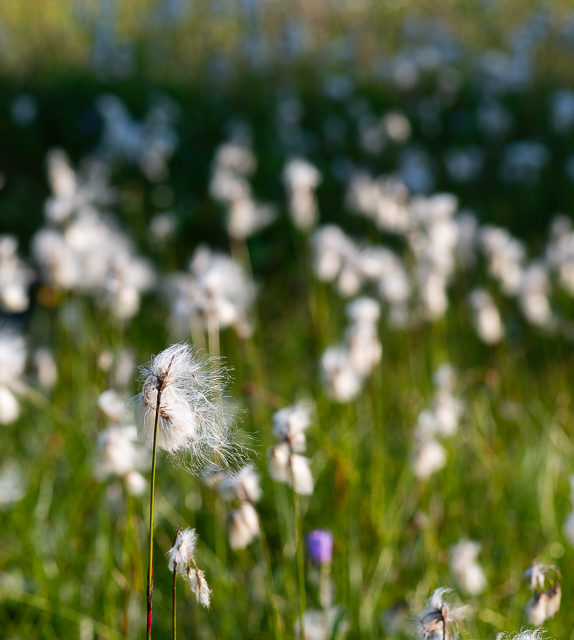
Last summer I saw photos of cottongrass growing in meadows in Montana and I thought I really need to go see those places! Earlier this summer, I saw a small patch of cottongrass on one of my hikes in a small wet meadow and it made me think about a large wet meadow that I like to visit. Fortunately I was there earlier this month and indeed, there was cottongrass, lots of it! Why haven’t I noticed it before?

I learned that it likes acidic conditions and since this place has heather and huckleberries, I assume the soil is acidic. It also likes peat bogs. Anybody know of any peat bogs in good condition? There are many varieties of cottongrass (Eriophorum sp.) growing in vastly different climates around the world but all seem similar, needing acidic conditions. Washington Wildflowers lists one for our state – Chamisso’s cottongrass or russet cotton-grass (Eriophorum chamissonis). The range map does not show it in this area.

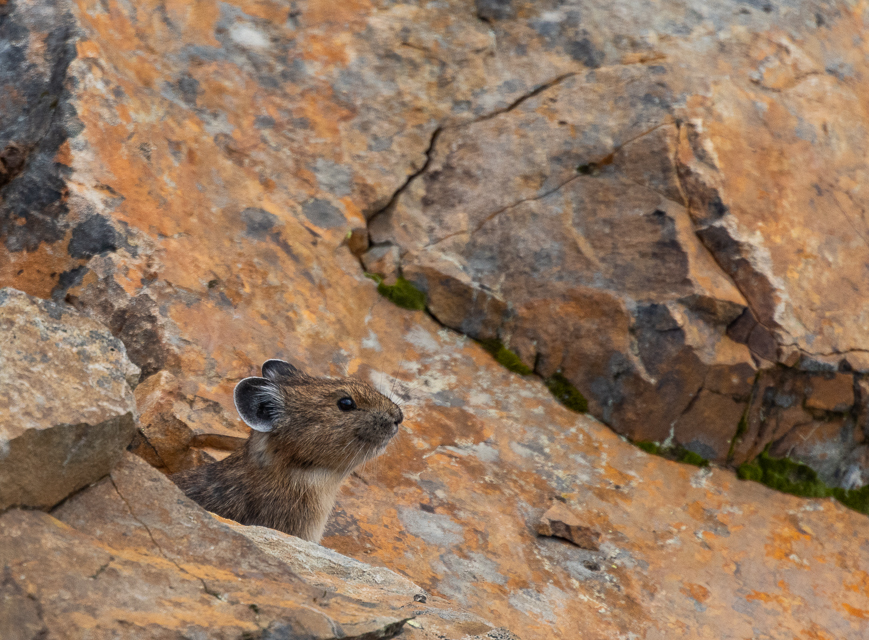
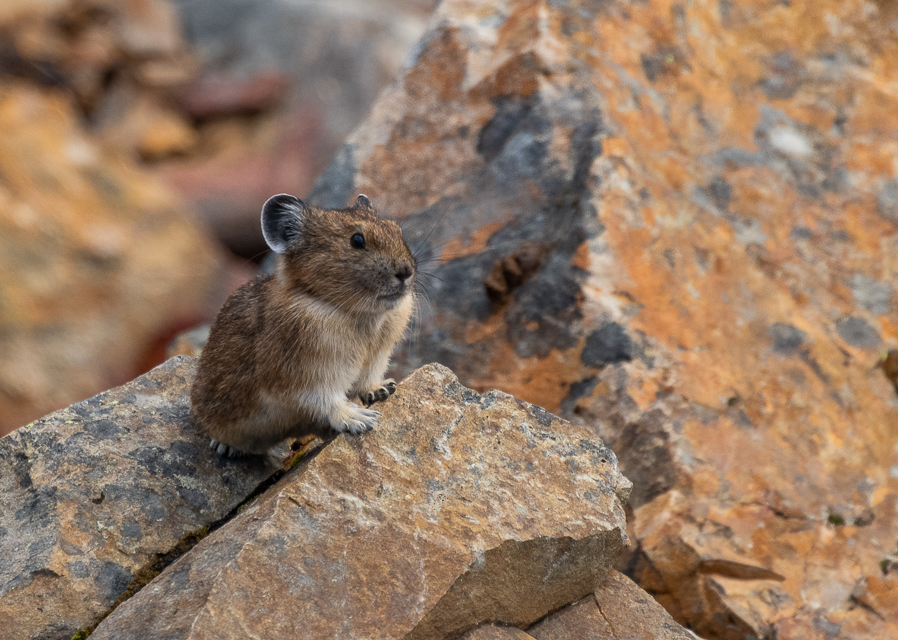
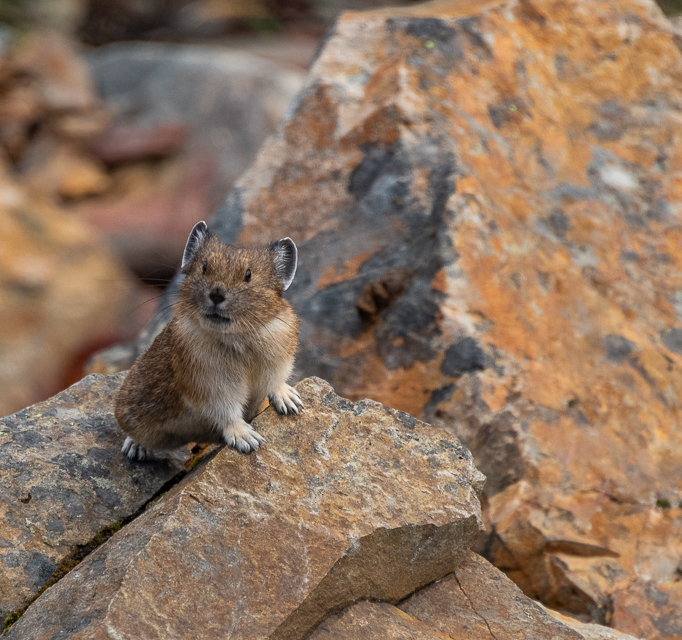
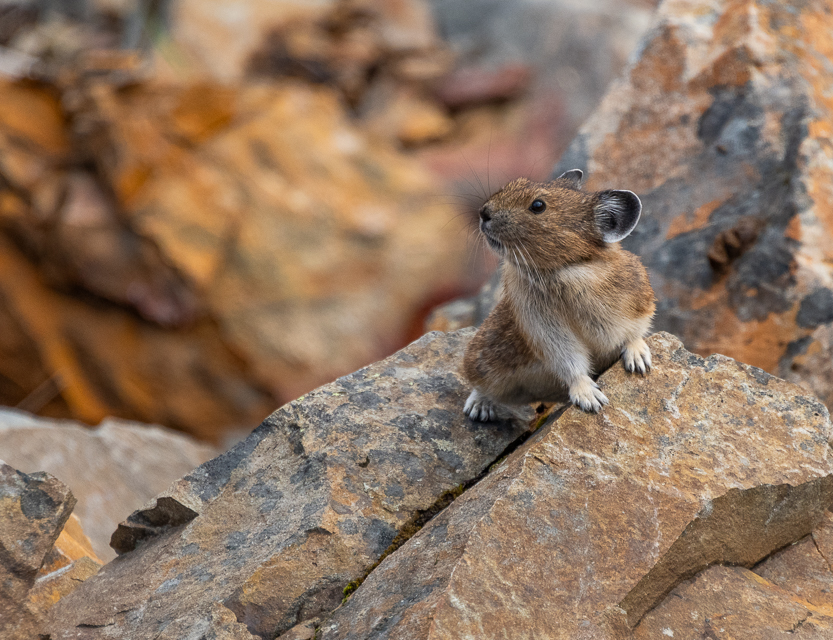
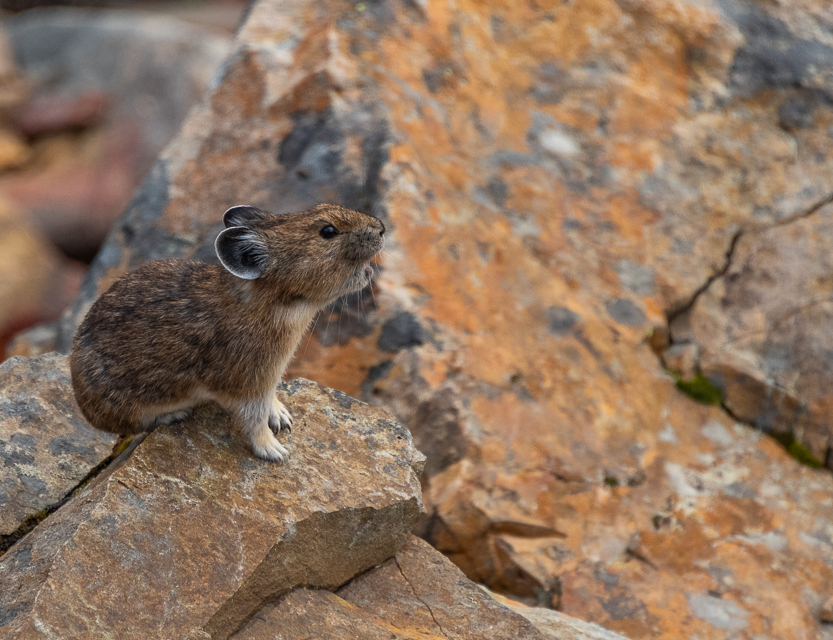
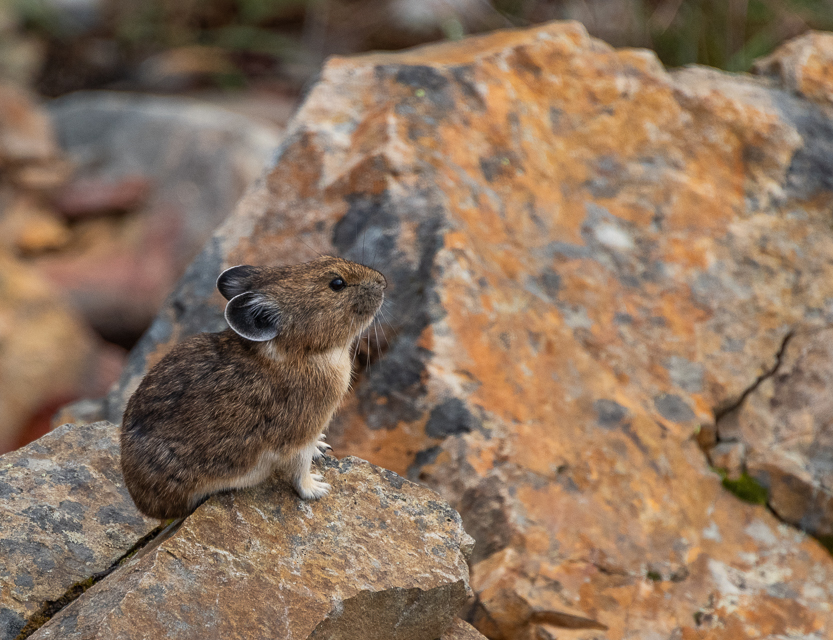
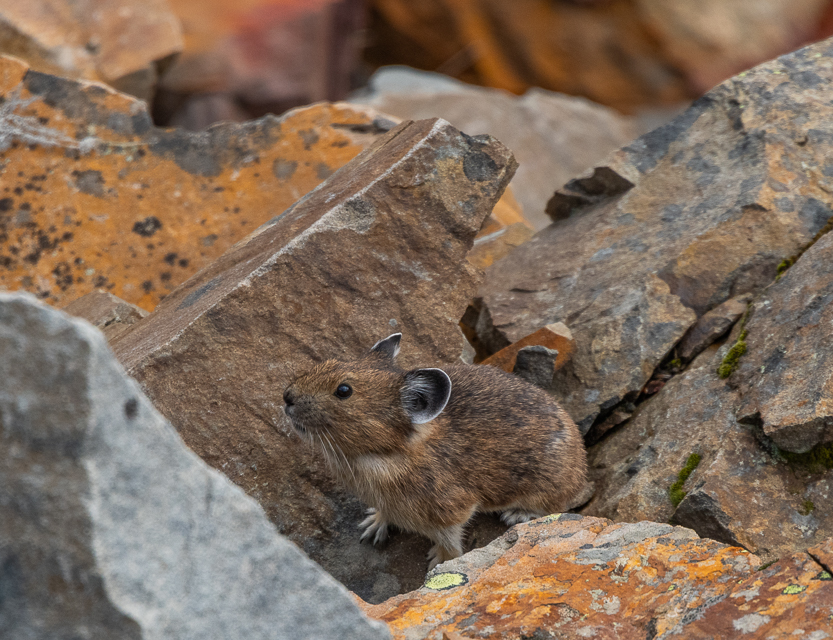
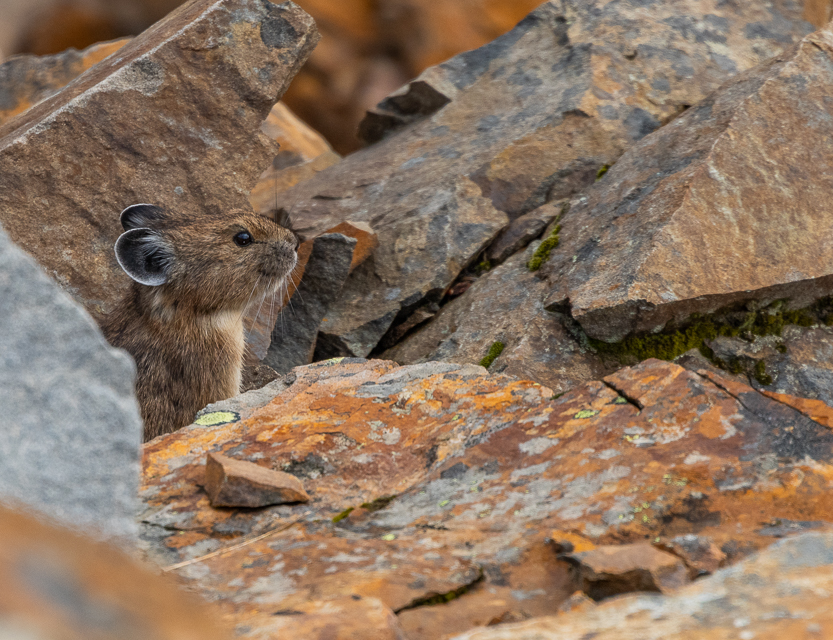
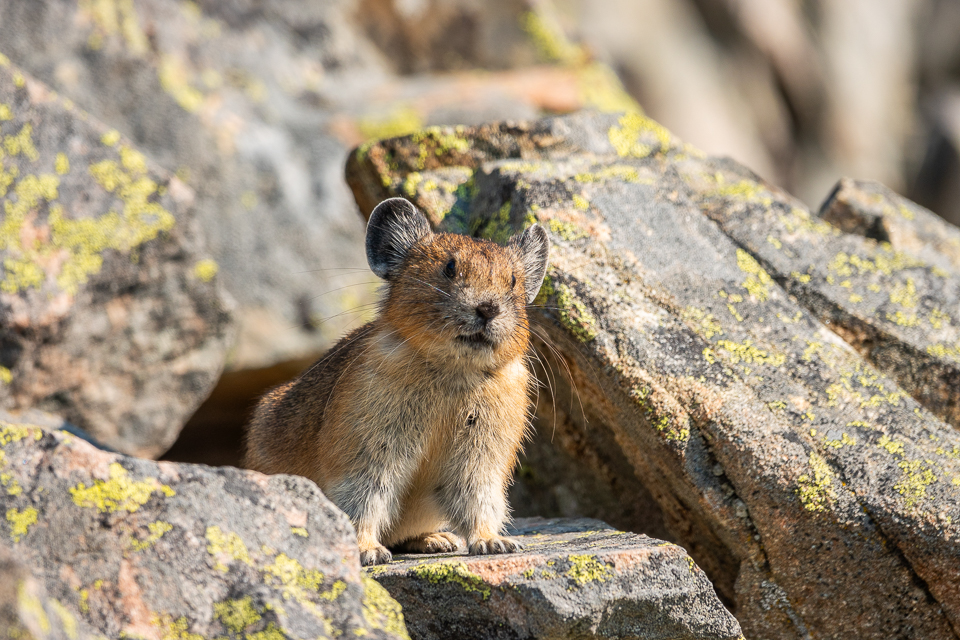
Is there any animal cuter than a pika?

According to the National Wildlife Federation, “American pikas — the smallest members of the lagomorph (rabbit) group — are among North America’s toughest animals. Pikas are one of the few mammals in the lower 48 states that can survive their entire lives in alpine terrain, the windswept no-man’s-land above tree line. American pikas are small, rodent-like mammals. Pikas have short, stout bodies with big, round ears and do not have a visible tail. Pikas reach a size of about seven to eight inches (18 to 20 centimeters) in length. The American pika has a brown and black coloration, which is meant to camouflage them among rocks. Pika fur is thick to keep them warm in the winter. During the summer, they put on a much lighter coat of fur—however, the hair is still thick enough that a pika might overheat if exposed to very high heat for long periods of time. American pikas are suffering because climate change has brought higher temperatures to their western mountain homes. Pikas have already disappeared from more than one-third of their previously known habitat in Oregon and Nevada. Despite their dire situation, the American pika is not federally listed under in the Endangered Species Act. Without protection and help, American pikas could be the first species to go extinct due to climate change.”

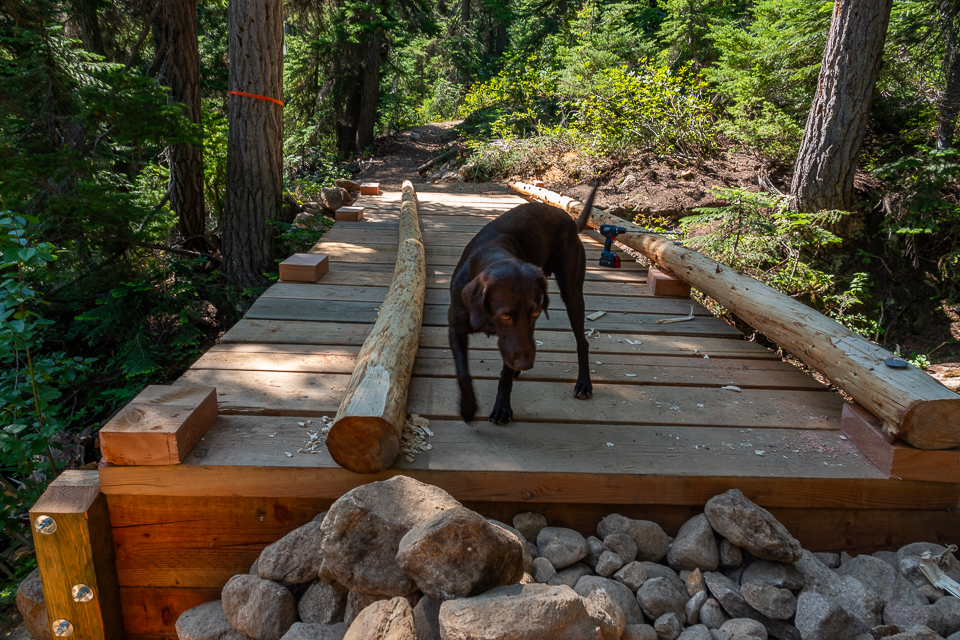
But we mostly had it to ourselves because the highway was closed! It was so green and refreshing. The new bridges are getting installed and looking good. They still need one more. The trail to the pass was closed because of a nearby fire.