Skip navigation

Tag Archives: Okanogan Highlands

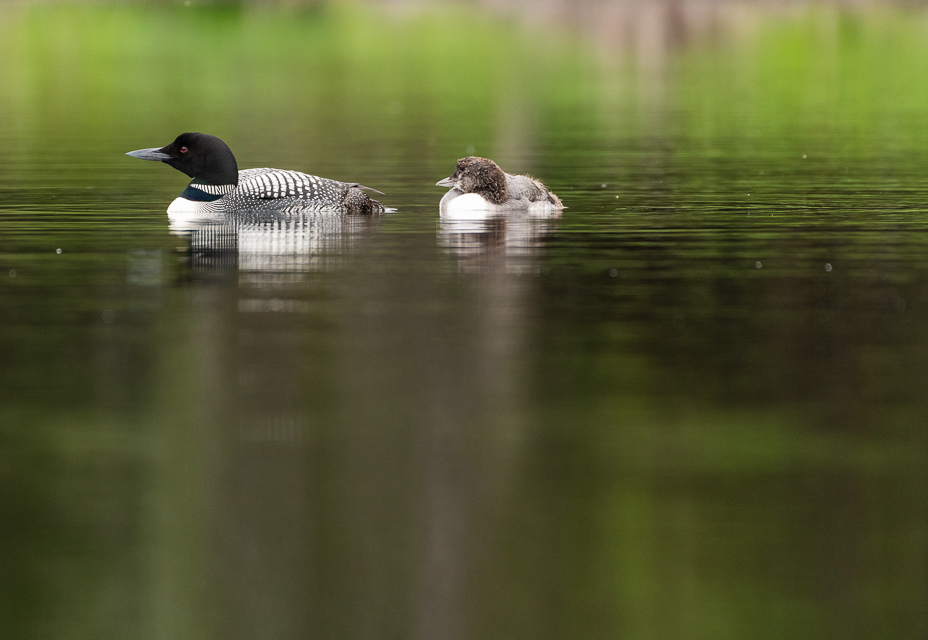
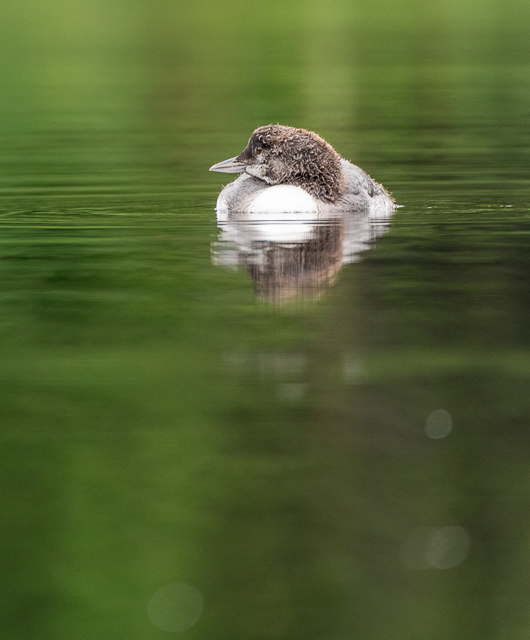
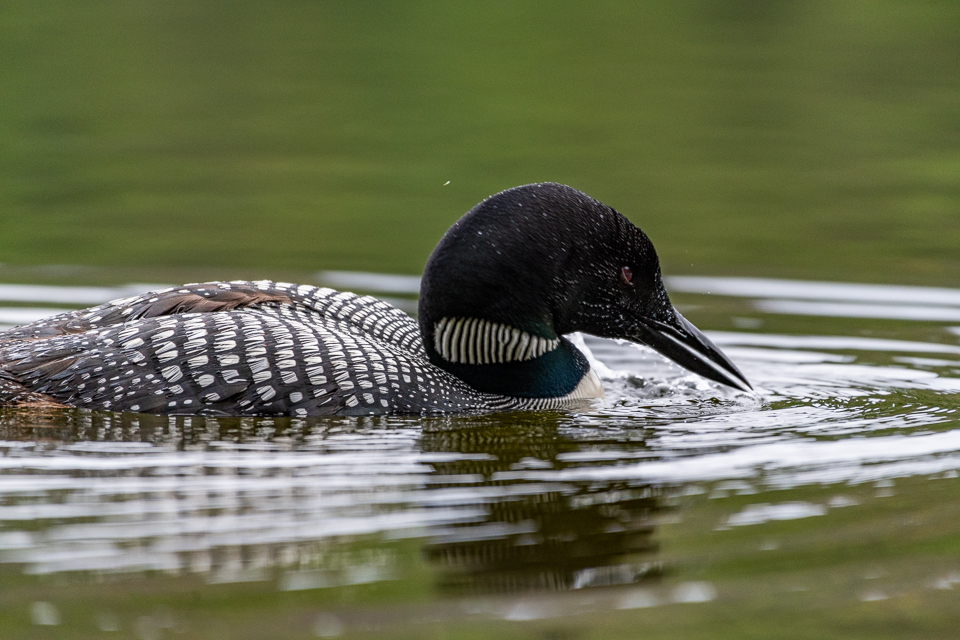
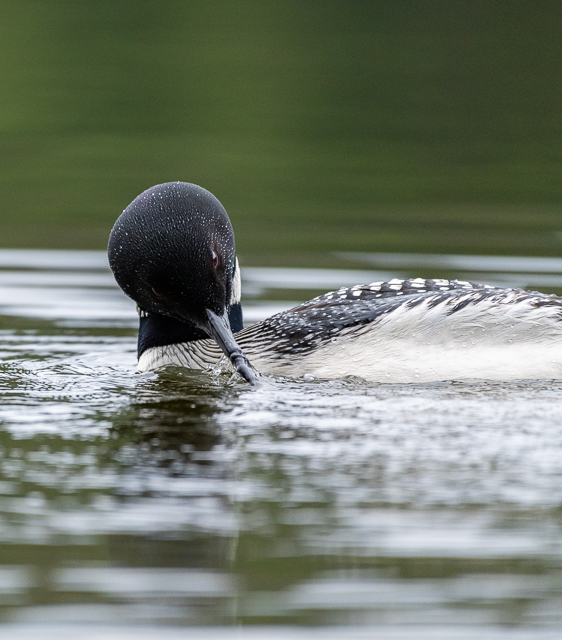
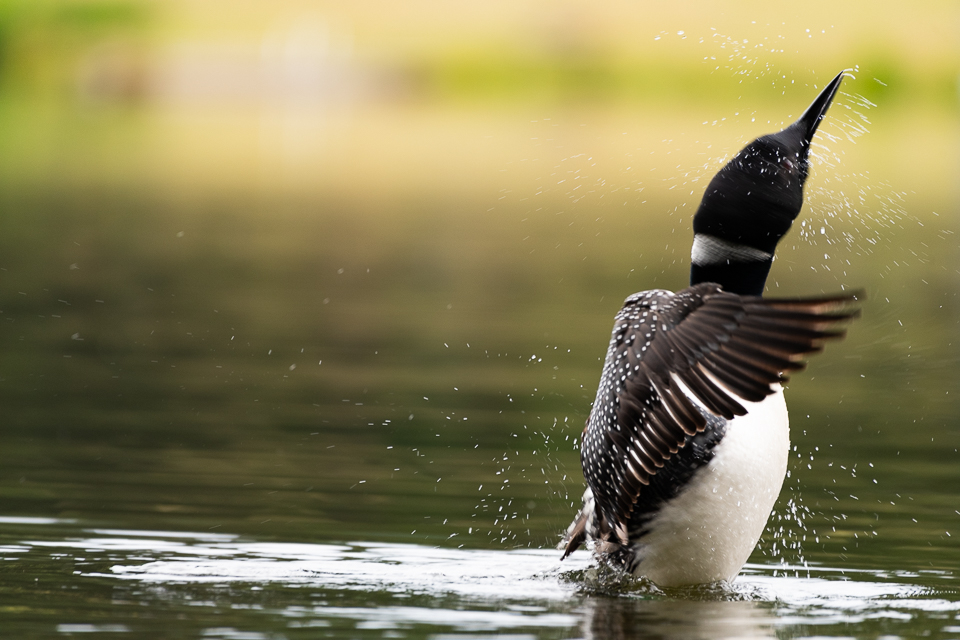
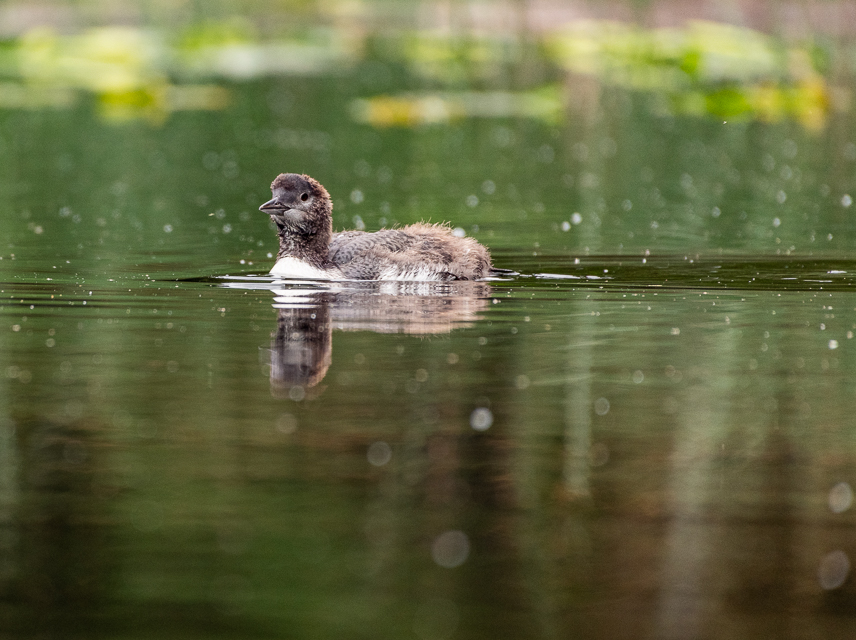
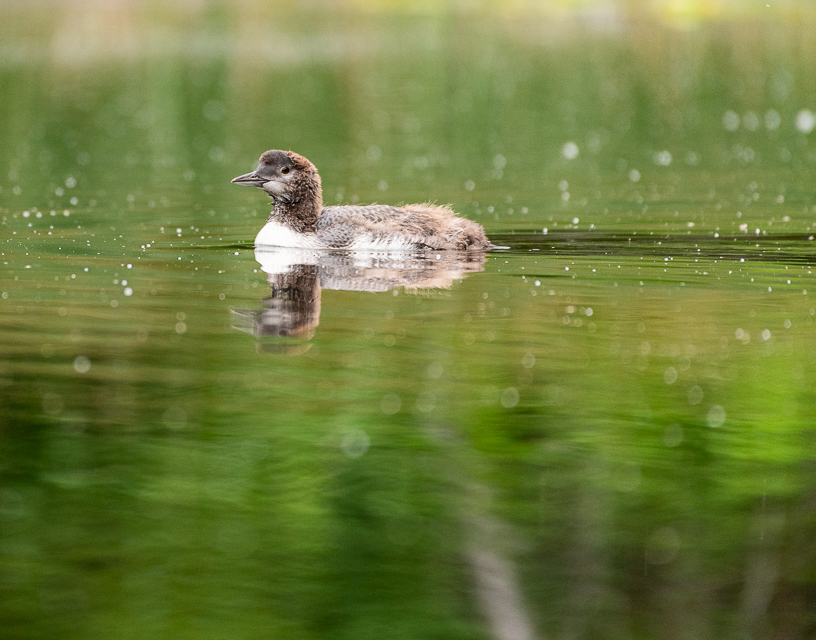
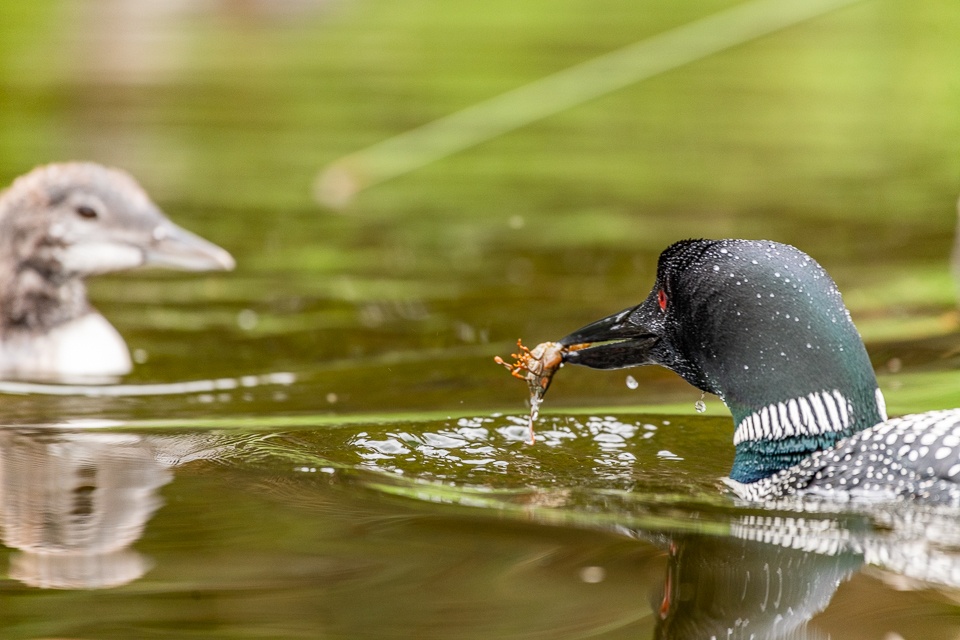
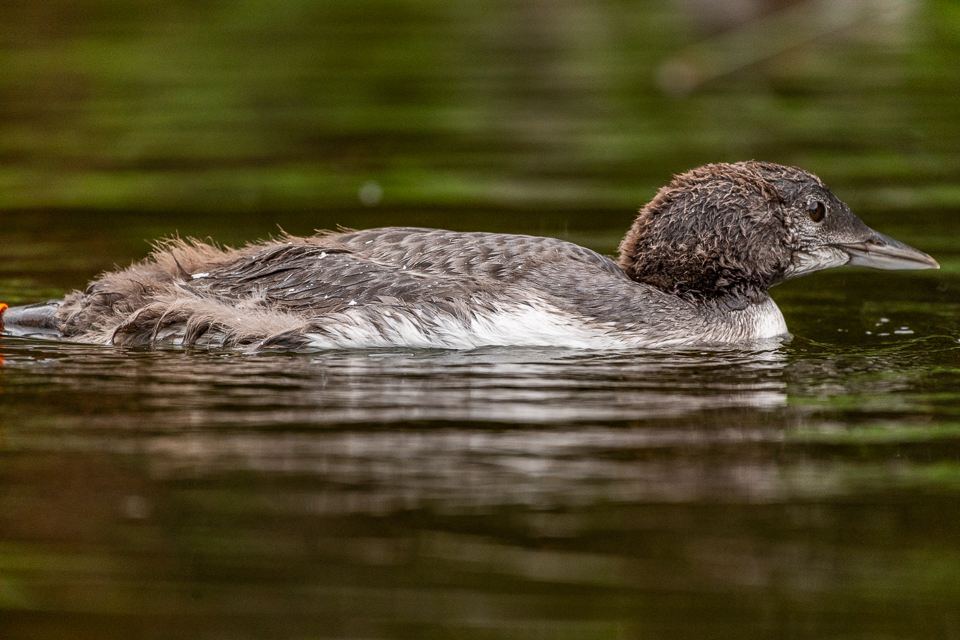
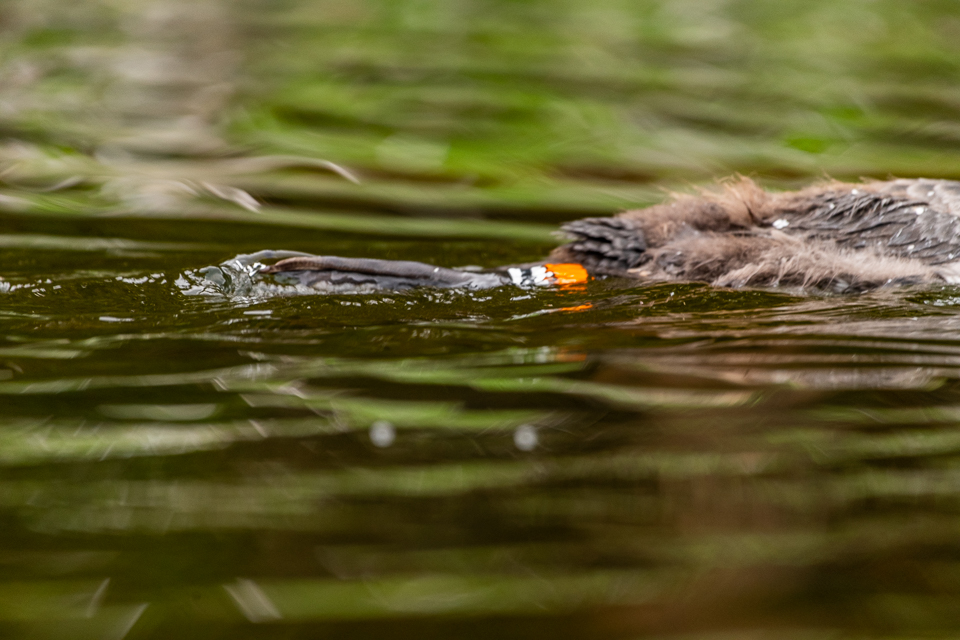
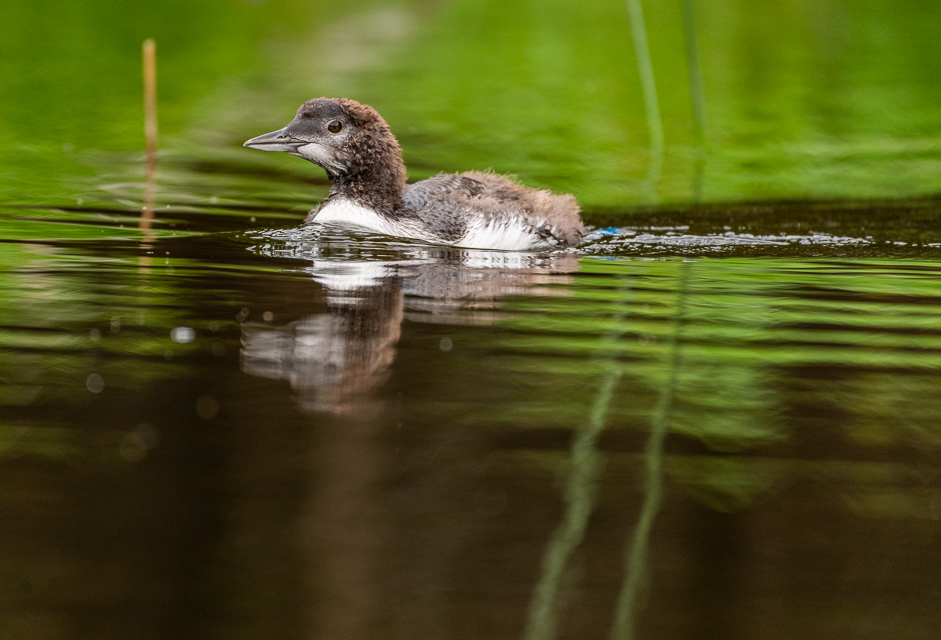
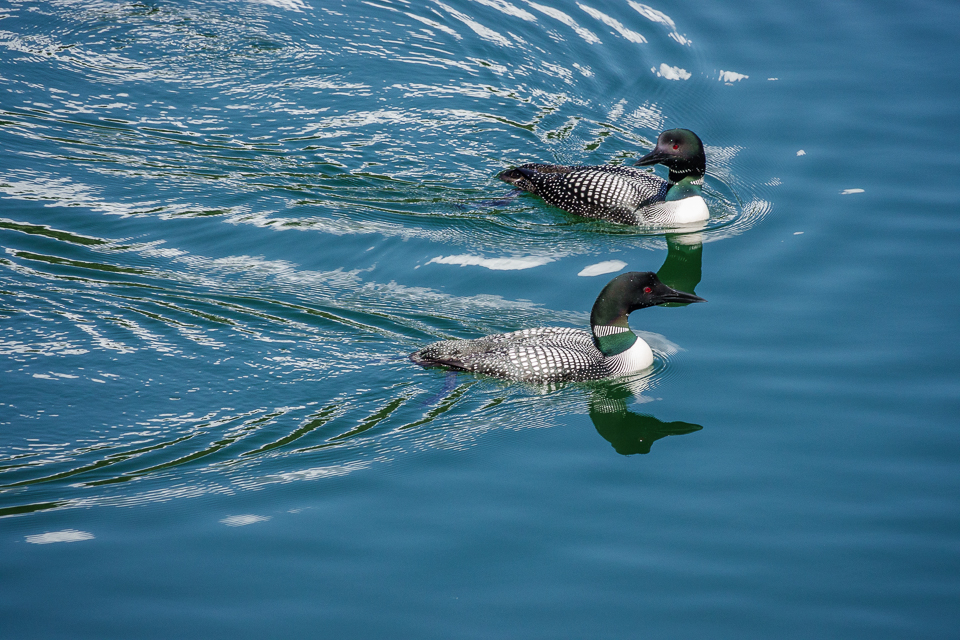
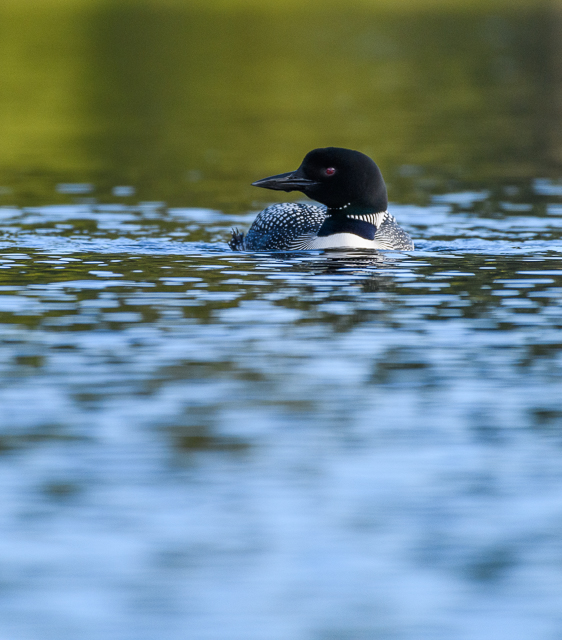
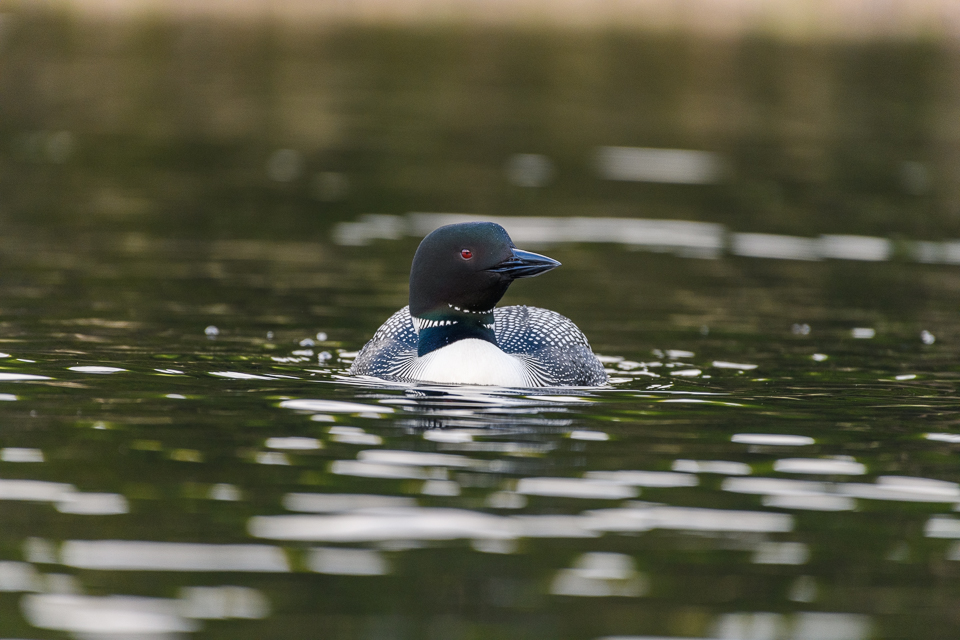
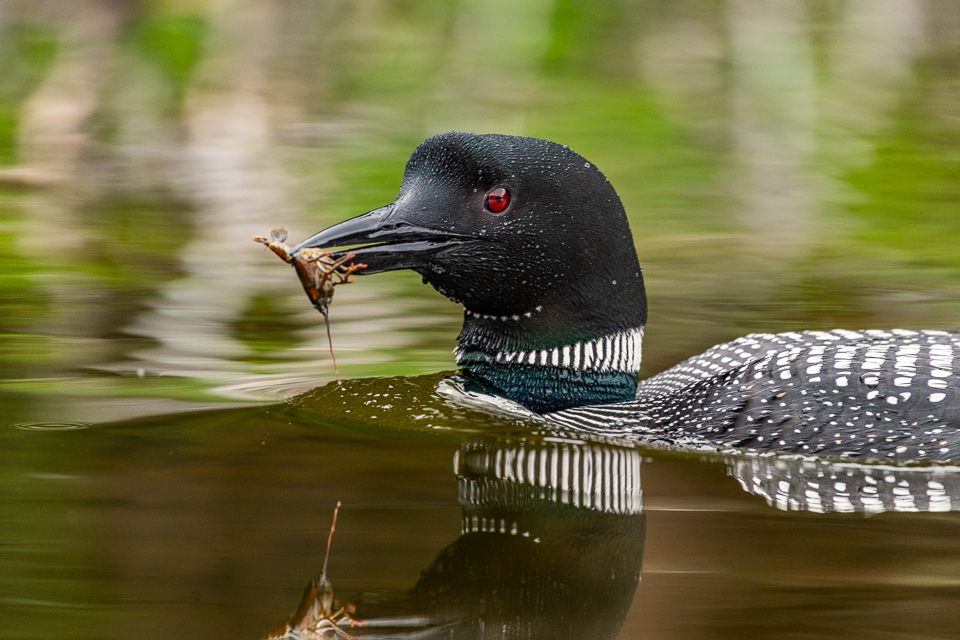
Last week, I had a chance to see the loons that I photographed early in July. The youngsters are growing up fast and growing some basic feathers. They have lost the soft gray look they had just weeks before. Now they are a bit scraggly looking but you can see that they are beginning to resemble their parents in winter plumage. The parents spend hours everyday searching for food for the little ones. They mostly seem to eat crayfish (crawdads) and occasionally a little fish. It takes a lot of little meals to fill these kids’ bellies. The youngsters are learning to dive and swim underwater. Soon they will have to feed themselves and learn to fly. They will migrate to the Columbia or perhaps the ocean and the young ones will return in three years to set up their own territories and hopefully nest, and produce a new generation. And like their parents, the young loons now wear four leg bands – three colored ones and a metal one – so that when they are seen again, they will be recognized. If you ever see a loon with color bands, try to remember the sequence of the colors on each leg. You can report the band information to the USGS banding lab.

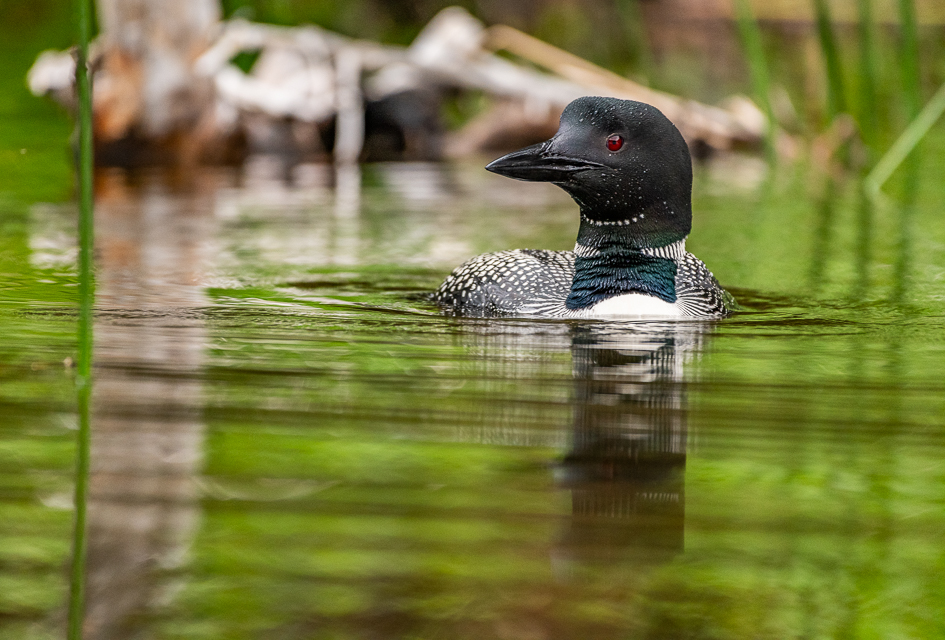
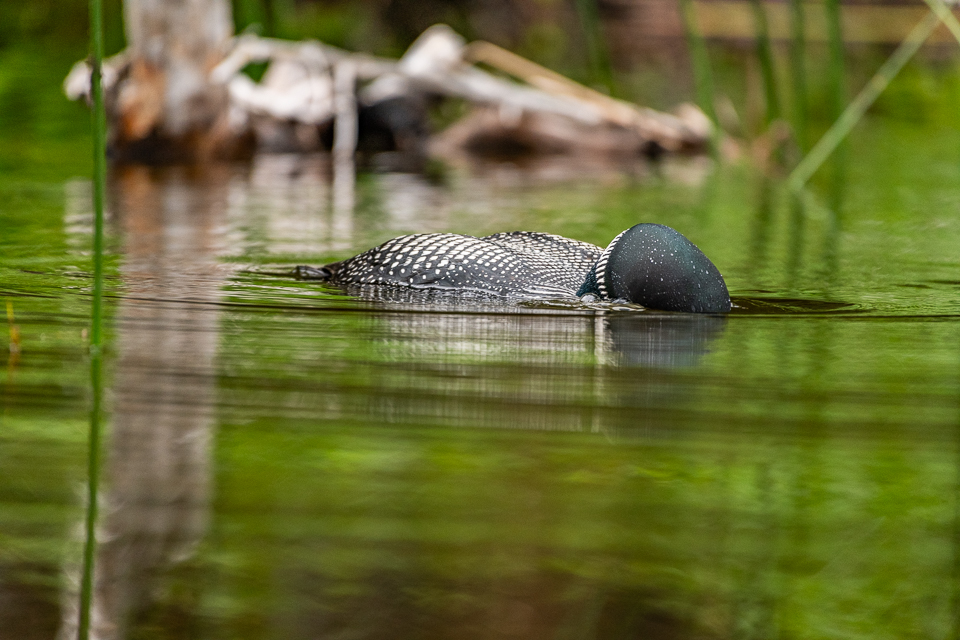
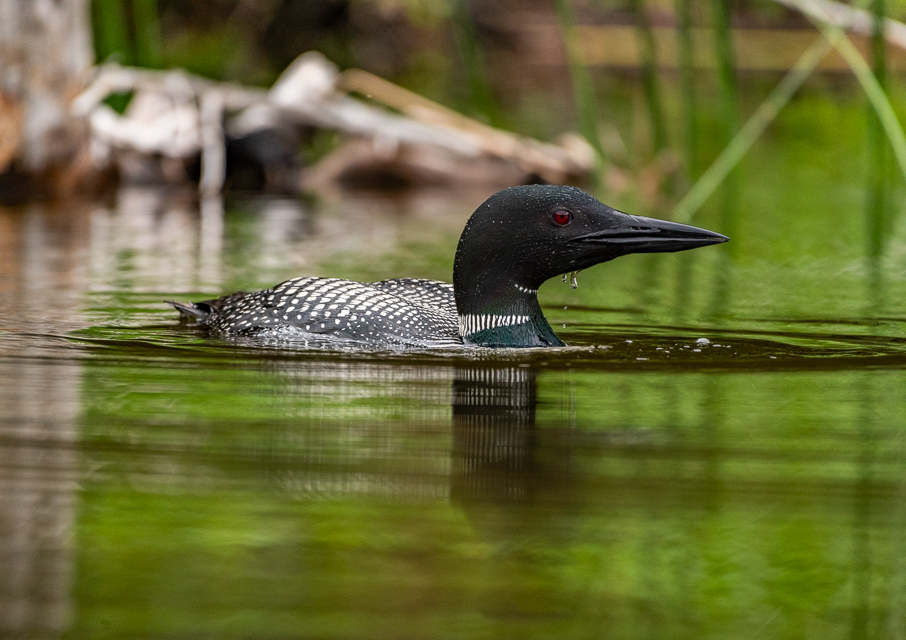
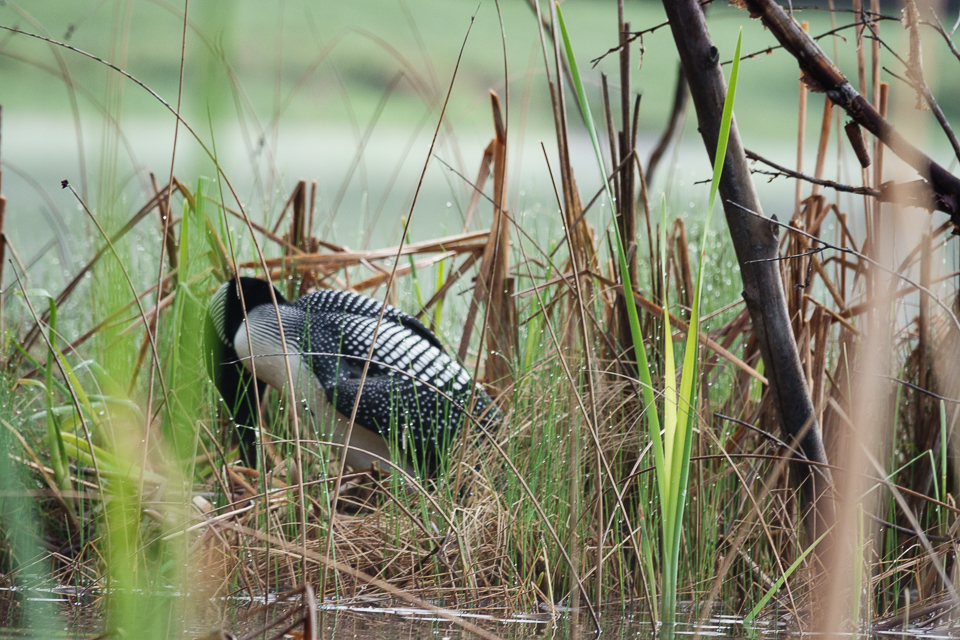
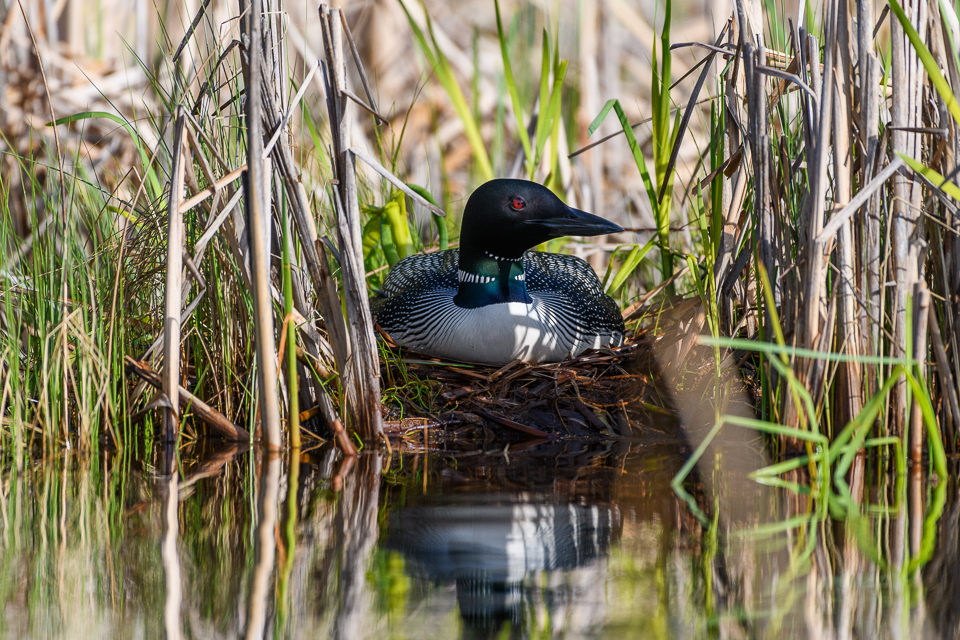
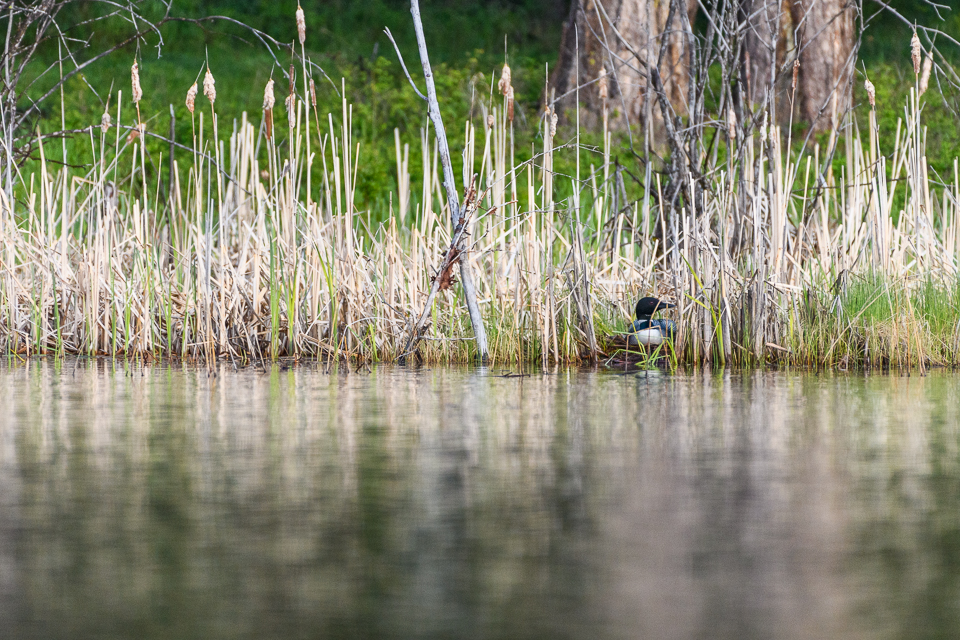
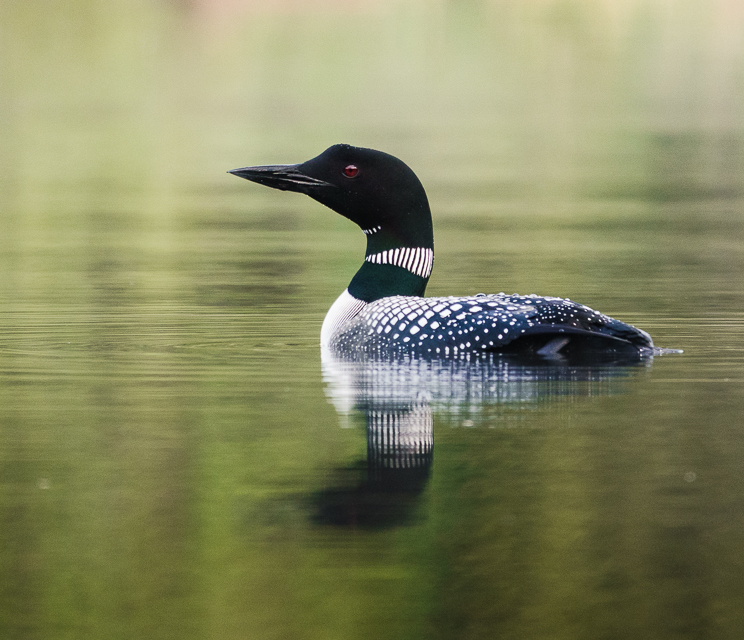
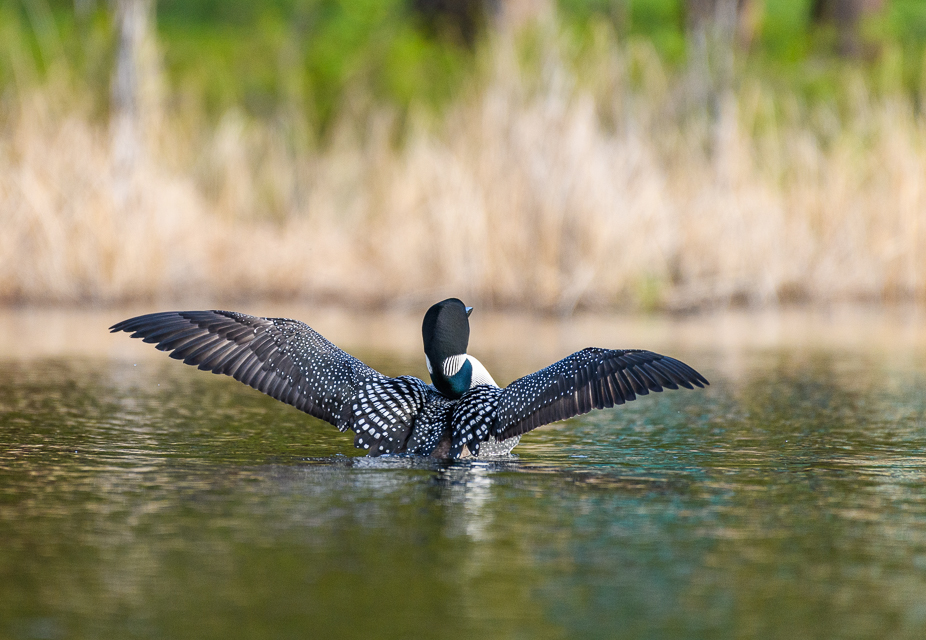
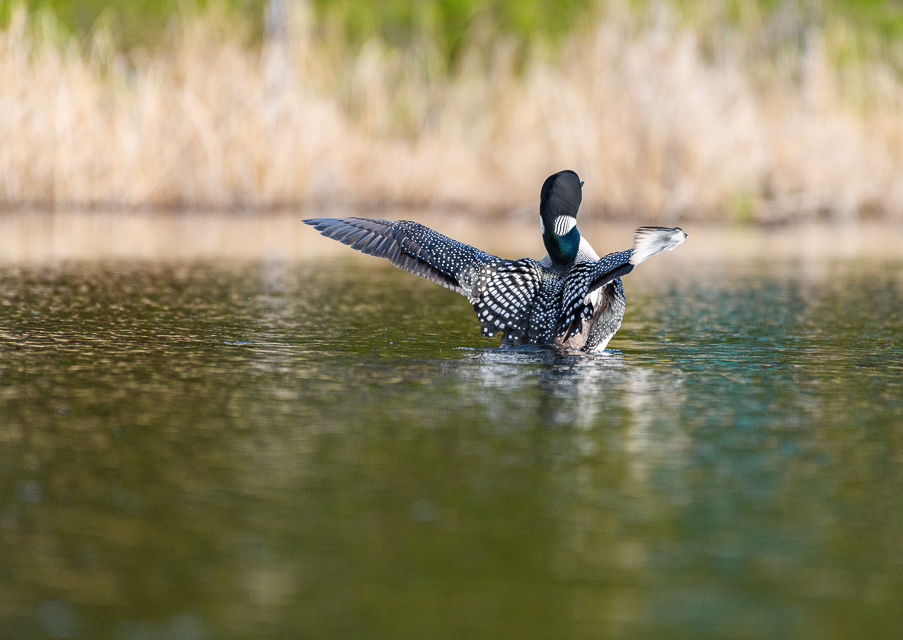
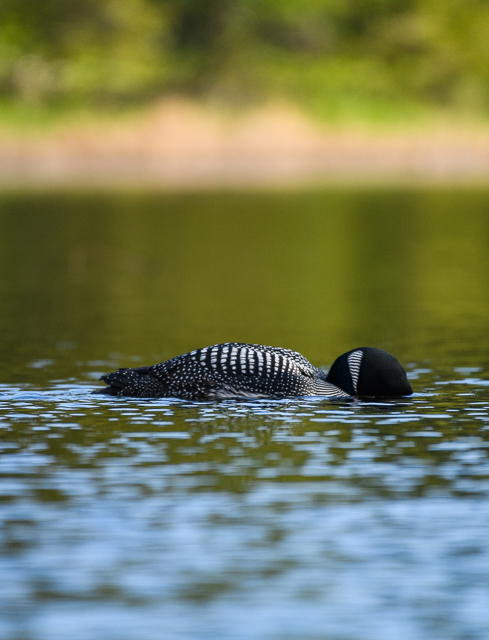
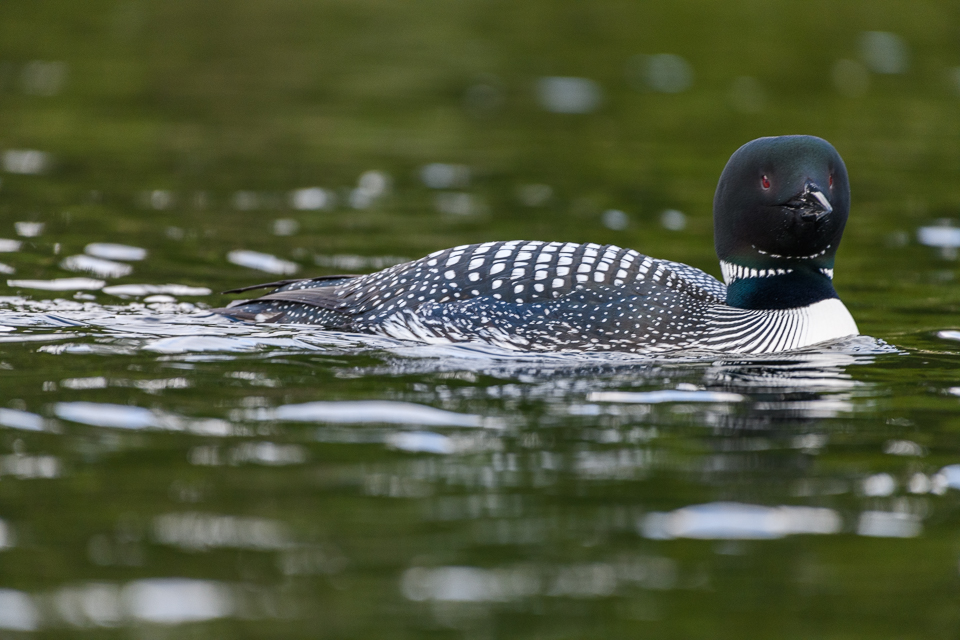
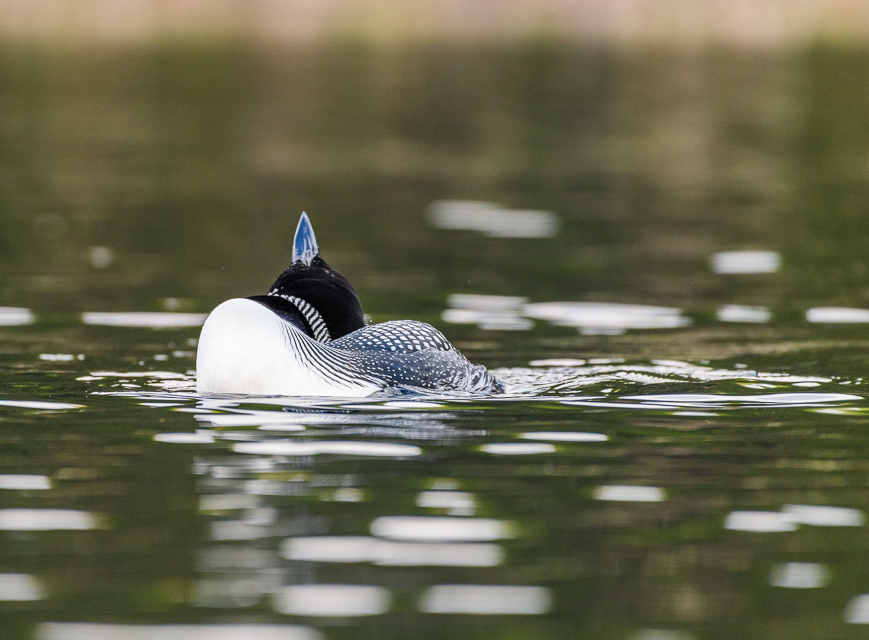
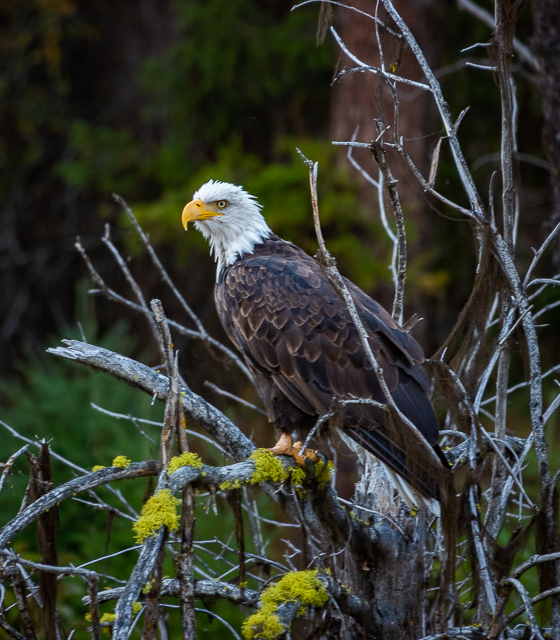
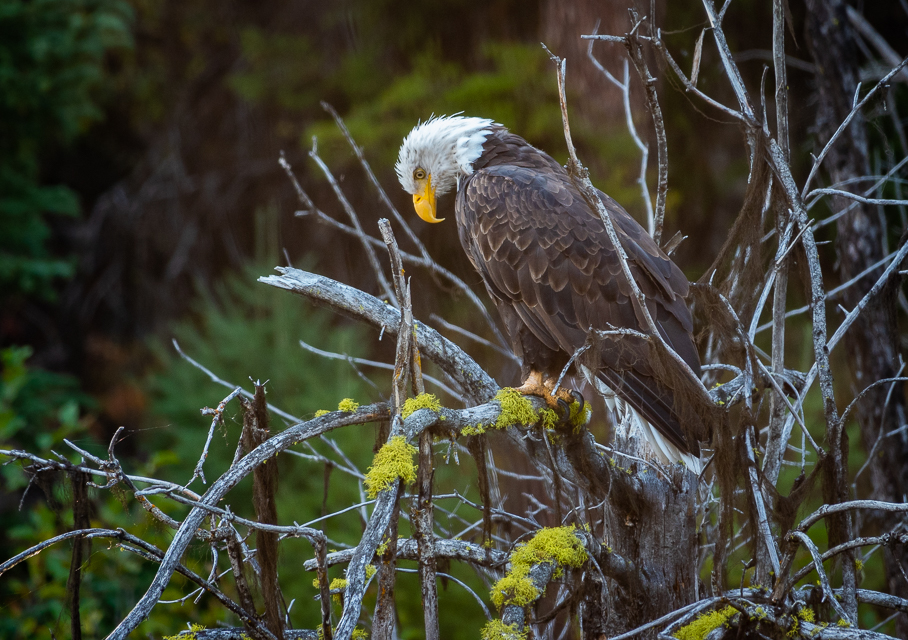
Their name says loons are common, but in this part of the world, they are not. Some do breed in the Okanogan Highlands and it’s always a highlight for me to see and hear them when I am camping. We saw two nests and hope the eggs are hatching now and hope the youngsters can survive the summer and migrate away before fall gets here. Bald Eagles are a primary predator for loons eggs and chicks. It’s hard to not like eagles but their numbers seem to be growing while loons seem to be struggling. All these images were made with a long lens at an appropriate distance from the birds. They are very tolerant of non-motorized boats and often pop up close to my kayak.

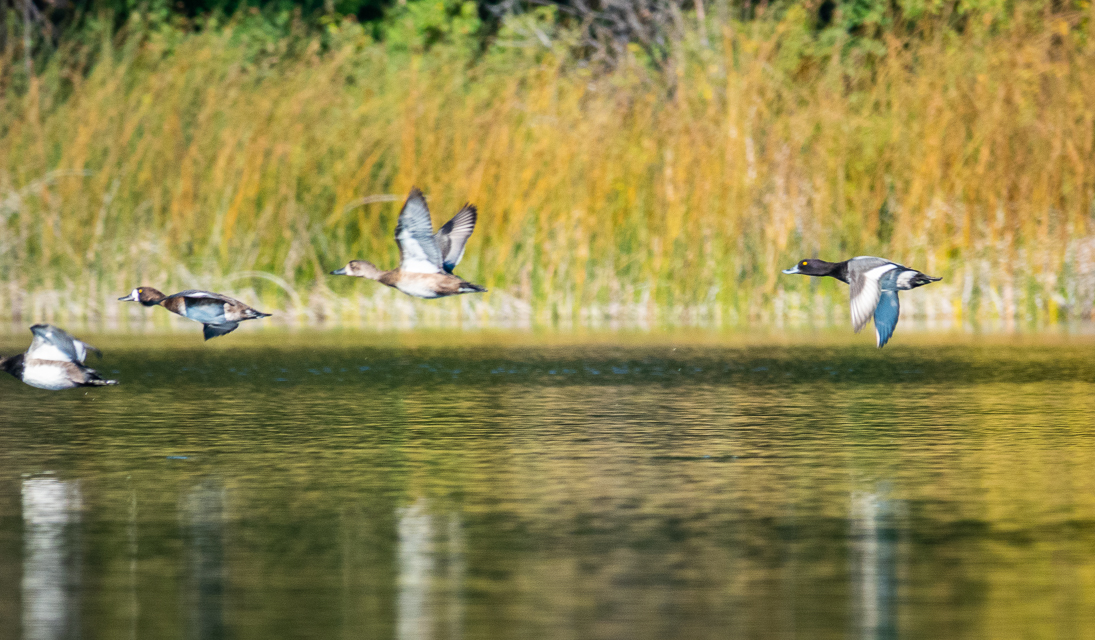
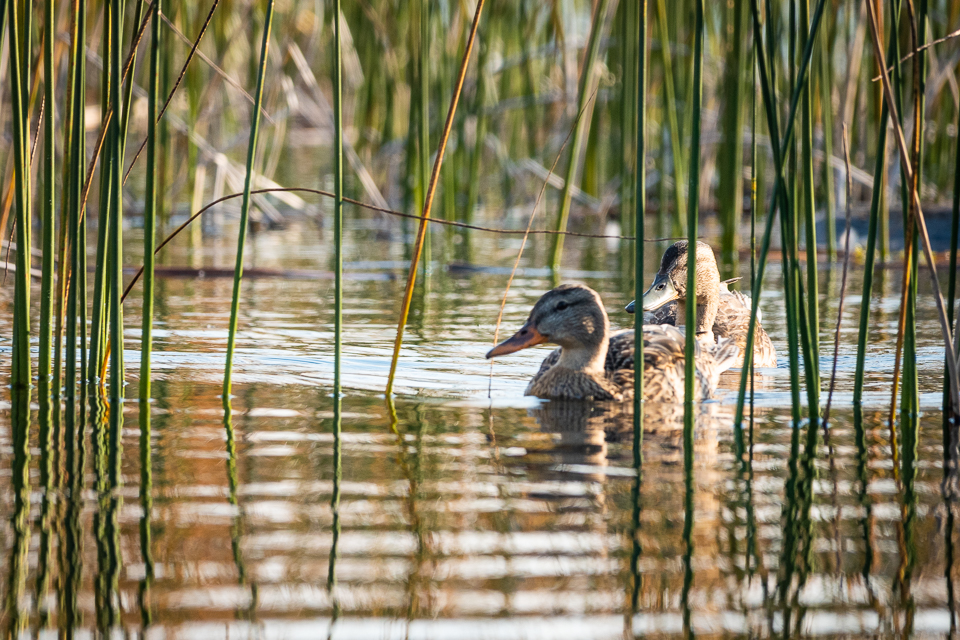
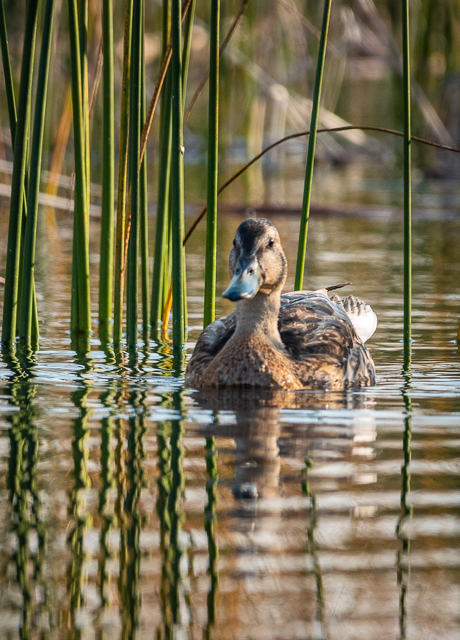
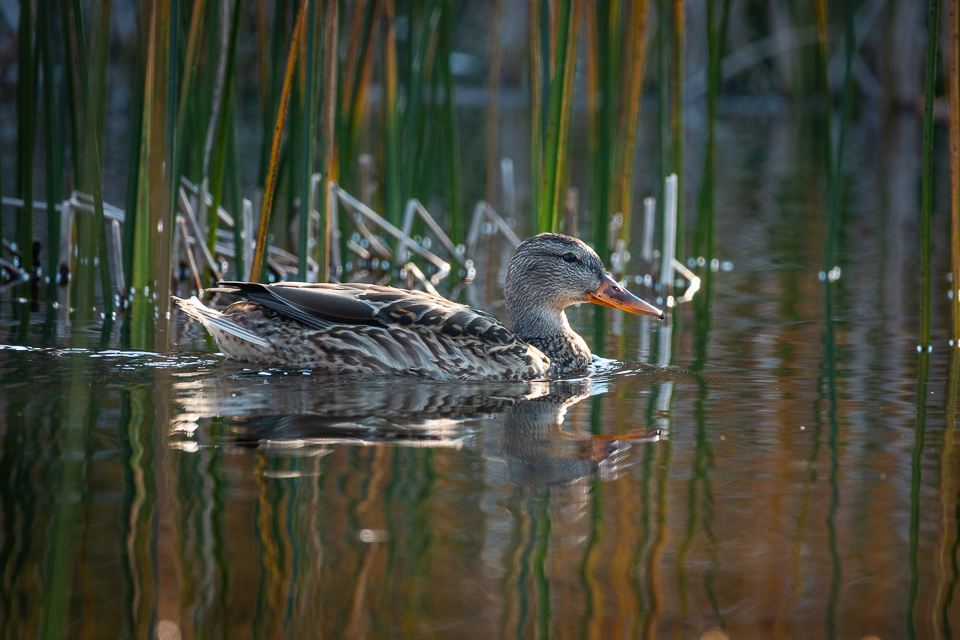
I like to watch and photograph birds from my kayak. During the breeding season, birds seem more at ease with people-powered boats. But in the fall, the birds are migrants, visiting unfamiliar lakes and terrain, and they are more wary. Each morning of my recent camping trip, there were different birds on the lake. Birds often migrate in the dark so yesterday’s birds moved on and new ones arrived in the wee morning hours to rest for the next leg of their migration. And there were far fewer than in the summer. The loons were gone, having moved on for the winter. They can often be seen on the big river (Columbia) this time of year.

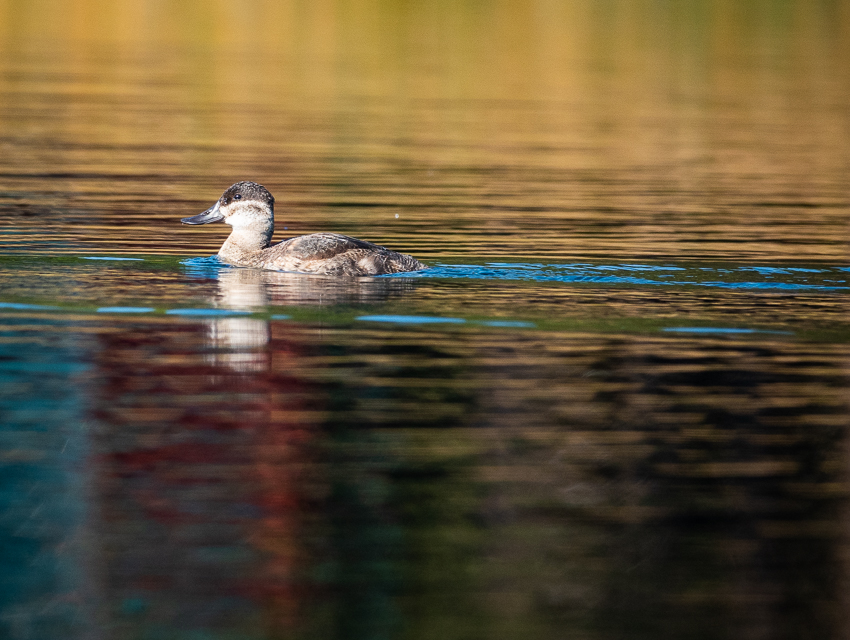
The pair of Ruddy Ducks tried to fool me. I had seen and identified them from shore by their small bodies and stiff, upright tail but when they initially went by my boat, they had their tails tucked in the water and I was puzzled! Then, in unison, they flicked their tails up as if to point out my ignorance. Very cute.
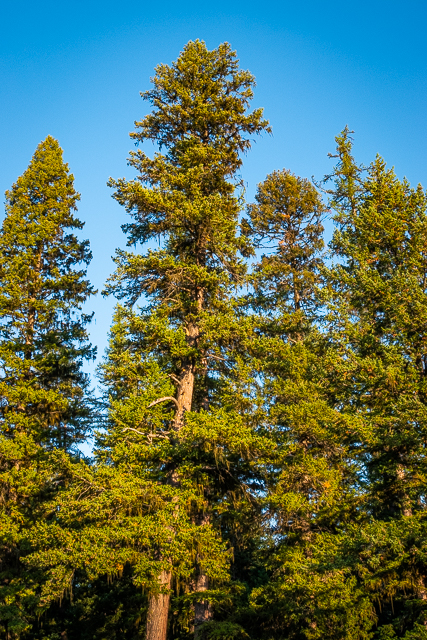
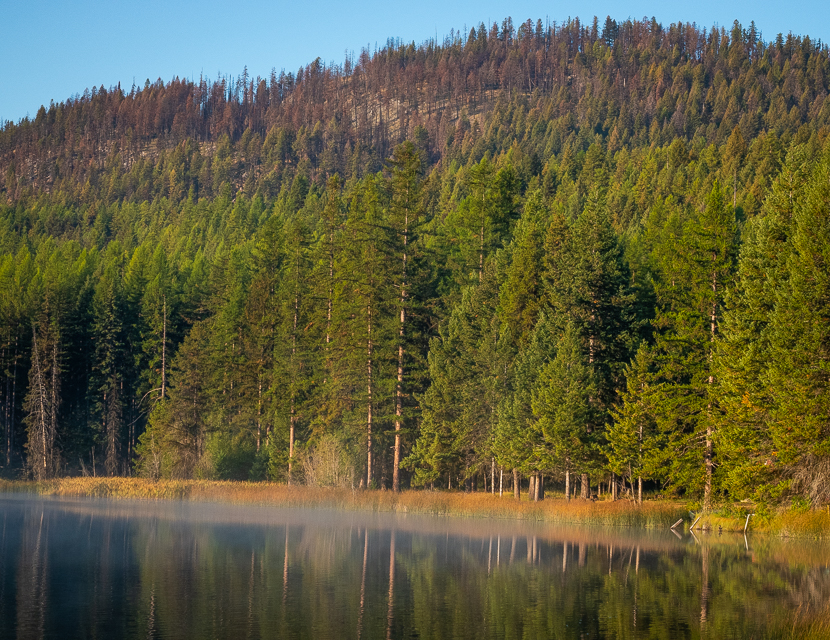
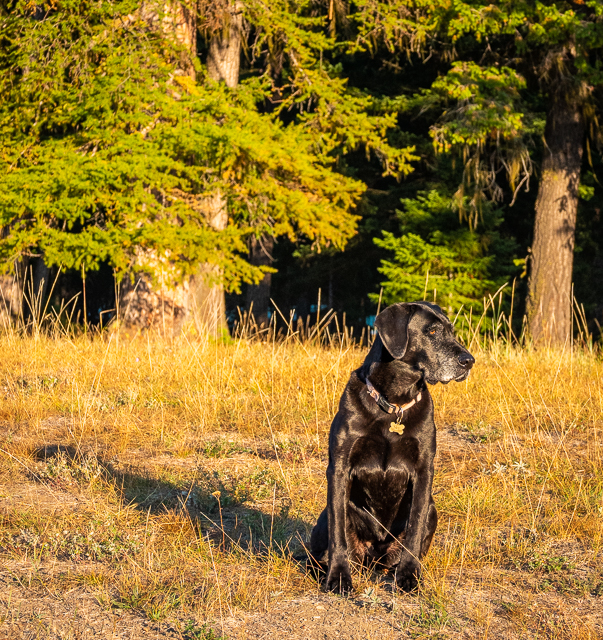
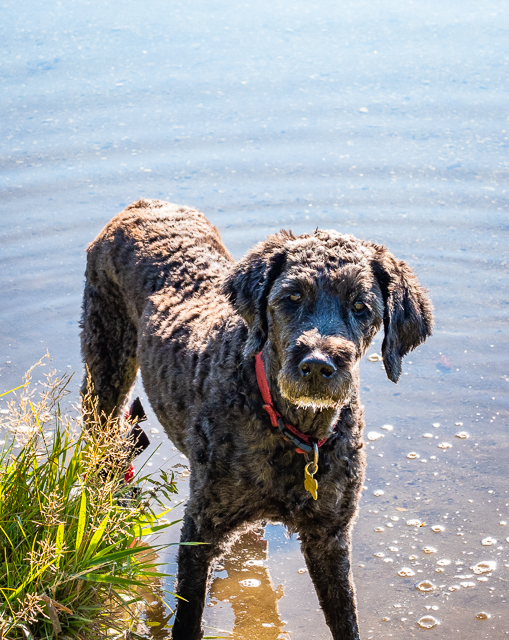
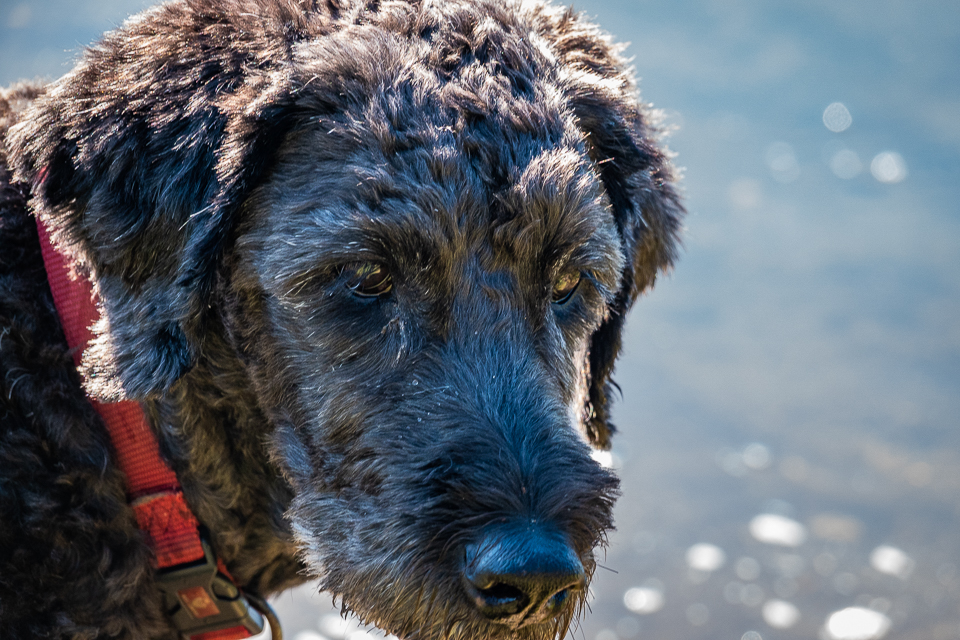
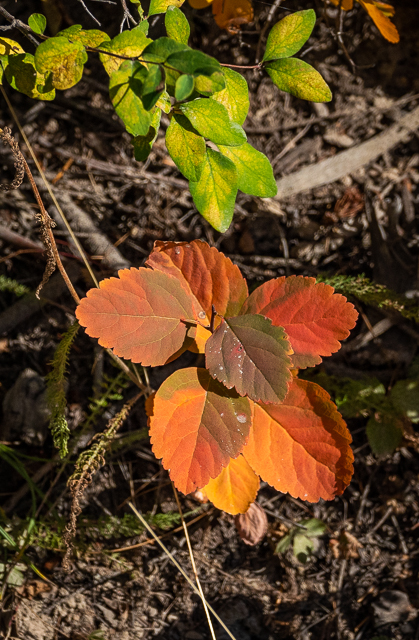
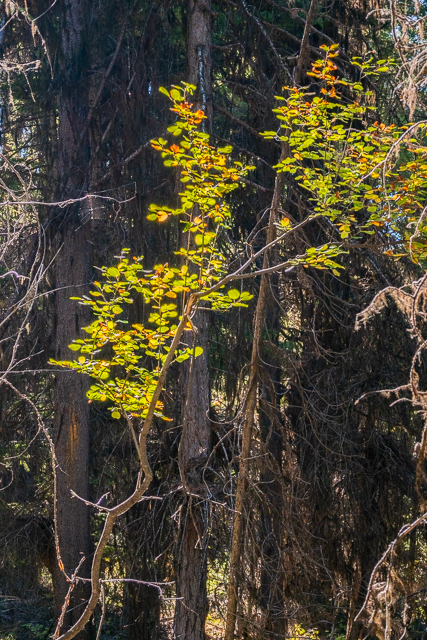
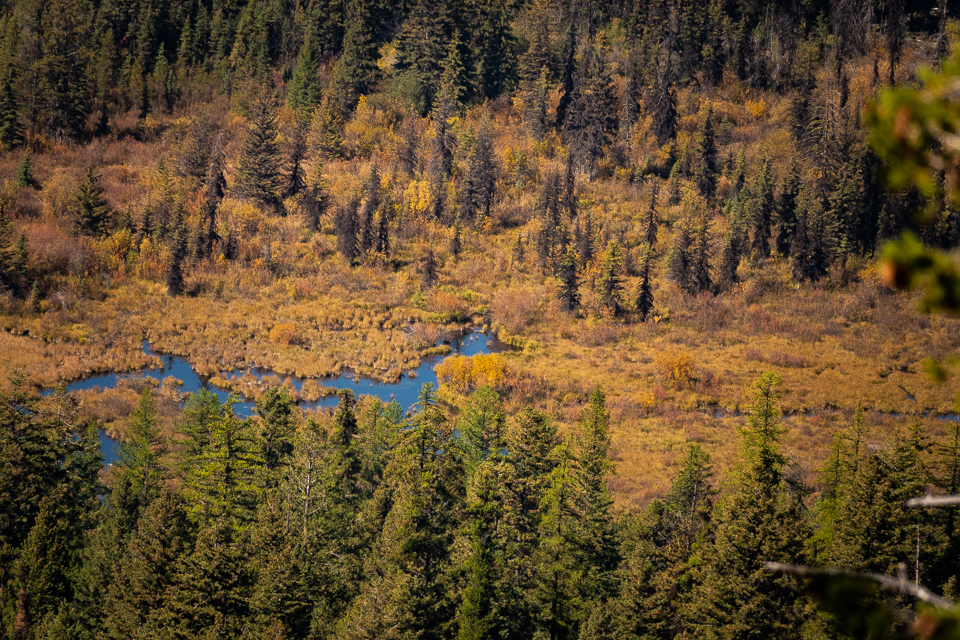
The girls and I had one more camping trip in early October. Due to unseasonably warm weather, fall colors were few and far between. The light was amazing though. Every morning, I took my coffee to the beach and watched the sunlight spread across the mountain and the tall trees. Sky and Luna both posed for photos. Luna managed to go for walks the first four days but by day five, she was tuckered out and did not really want to do much. I think she was relieved when we left the next day. However, she still wants to go camping. She loves the smells and the lake and just being out and about. The best thing about that trip was that we mostly had the campground to ourselves. Hardly anyone else was camping. The worst thing about it was that somewhere a fence or gate had failed and six cows freely roamed about. They would parade through at least once a day. Sky got real good at chasing cows and Luna backed her up with barking.

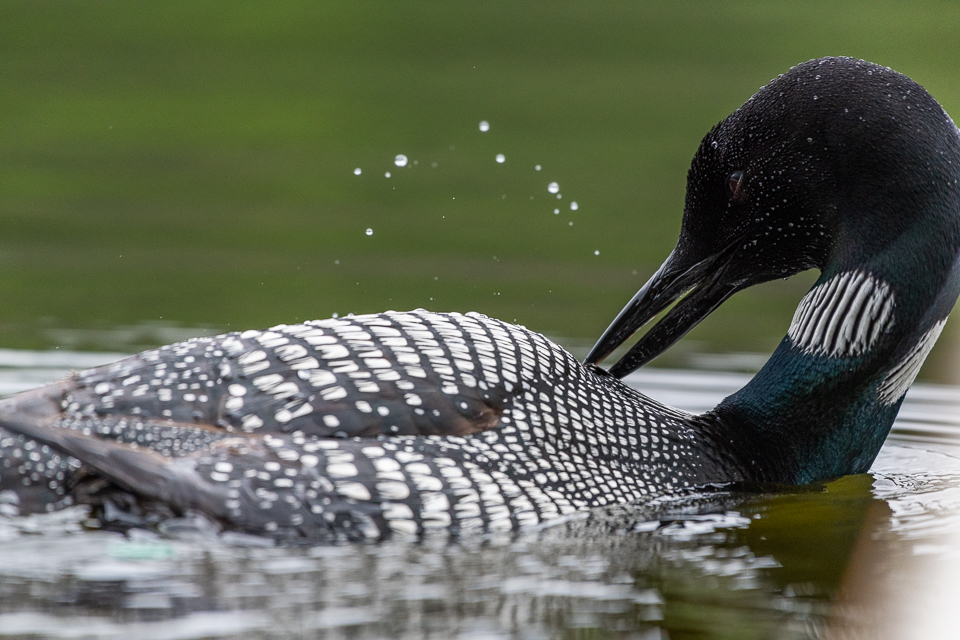
Two of these images show a loon with its mouth open but it made no sound so that made me wonder, do loons yawn?