Yellowstone is an amazing place to visit. So much to see. And I didn’t even get to half of it.
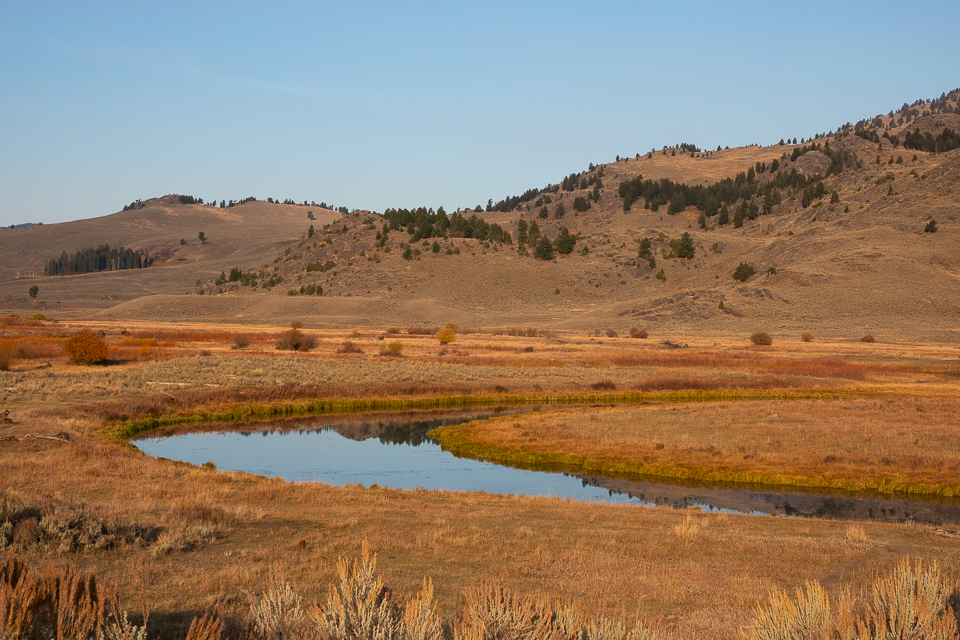

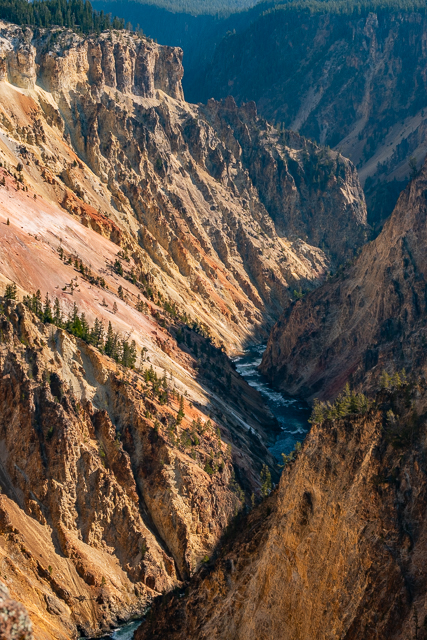

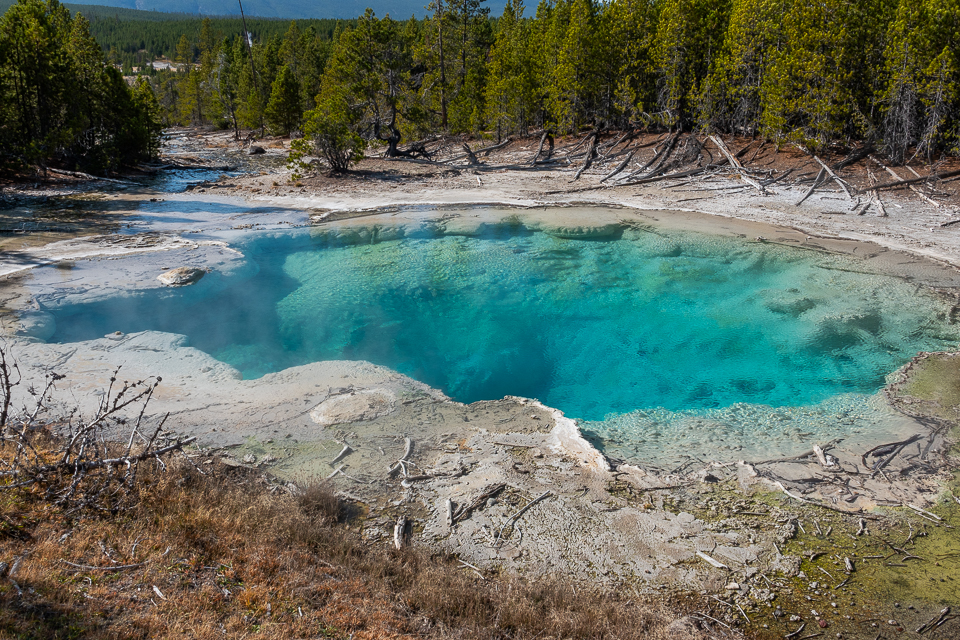


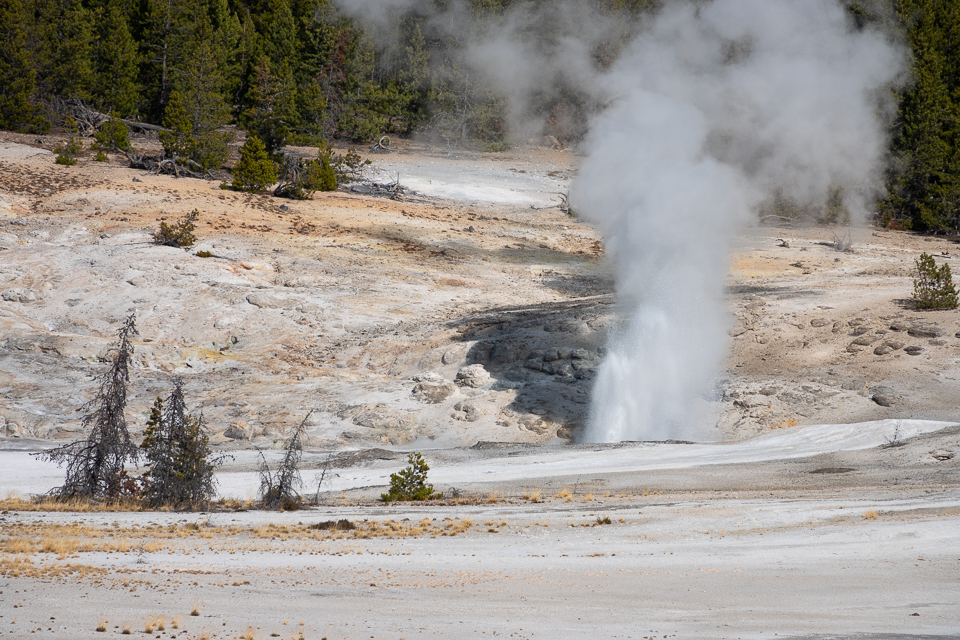


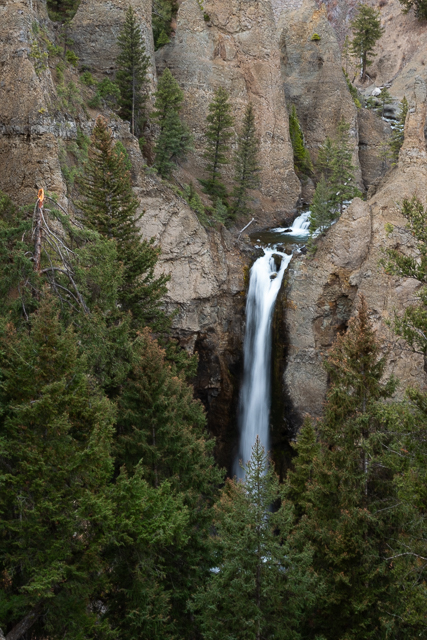
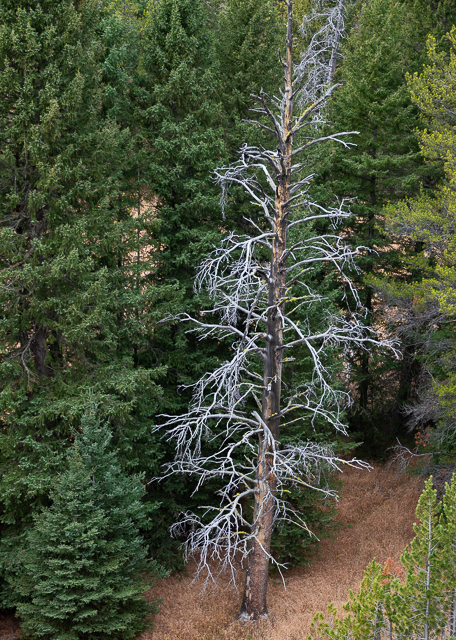


Yellowstone is an amazing place to visit. So much to see. And I didn’t even get to half of it.
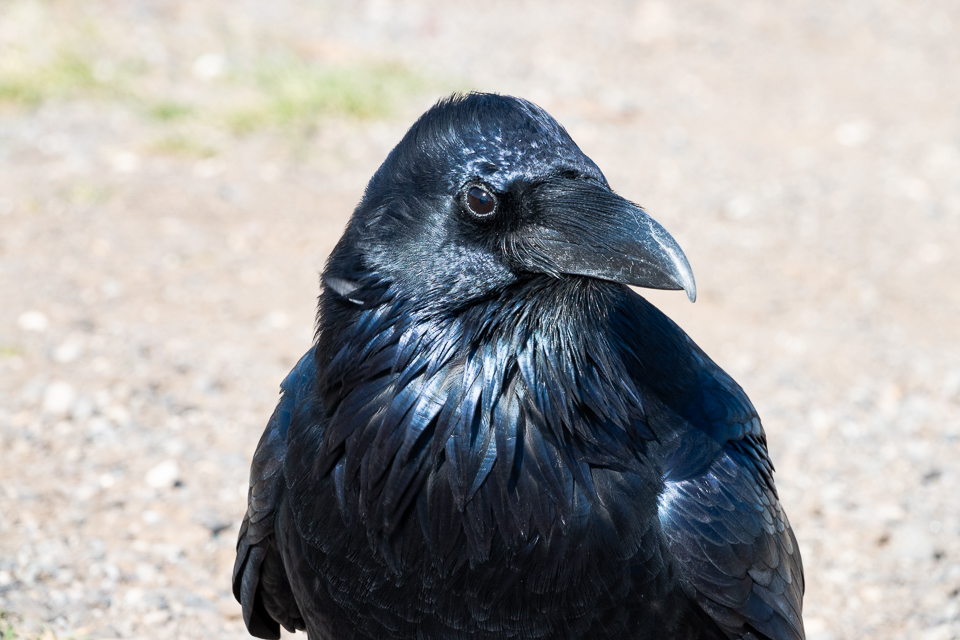
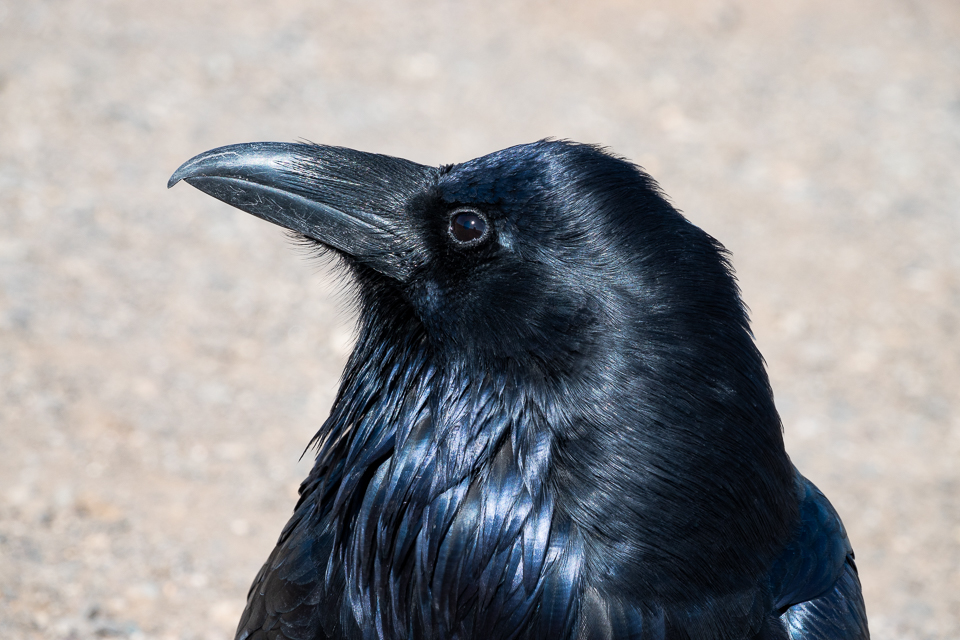
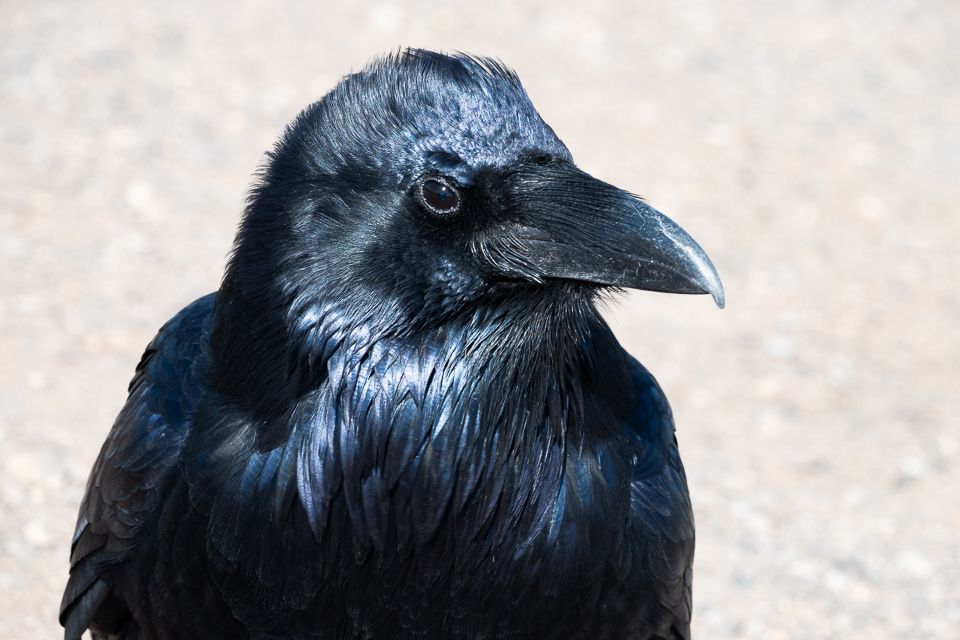
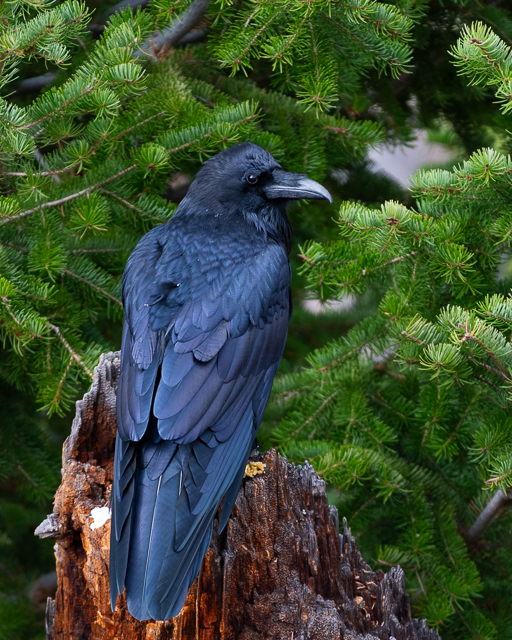
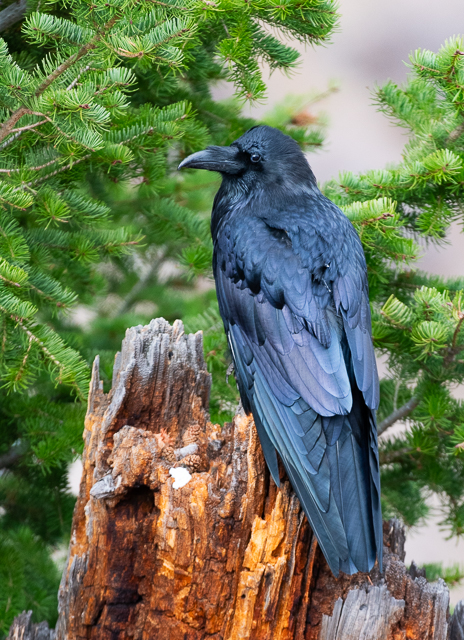
Am I the only person who goes to Yellowstone National Park and returns with hundreds of photos of ravens? Why so many? Ravens in the park are very habituated to people. They see parking lots as sources of food – either crumbs left behind or as hand outs from unknowing tourists. I was kneeling down photographing one bird when they kept going over to a car and I realized that the man inside was dropping potato chips for them. Here is a post from my last trip to Yellowstone.
Sometimes they are in trees calling frequently. At one place, a raven made a sound like a wild turkey! It was hilarious and I only wish that I had thought to record it. When I got out of my car, I honestly thought there was a turkey in the area even though I’m pretty sure there are no turkeys in Yellowstone.
Some of the ravens had colored bands on their legs. Someone must be studying them. I’d like to know more about that.




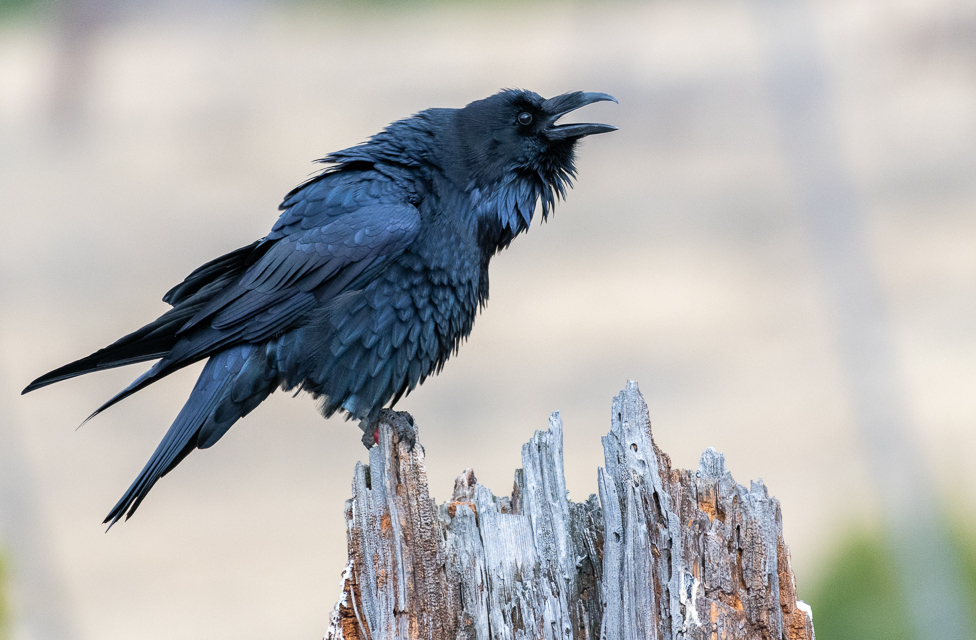
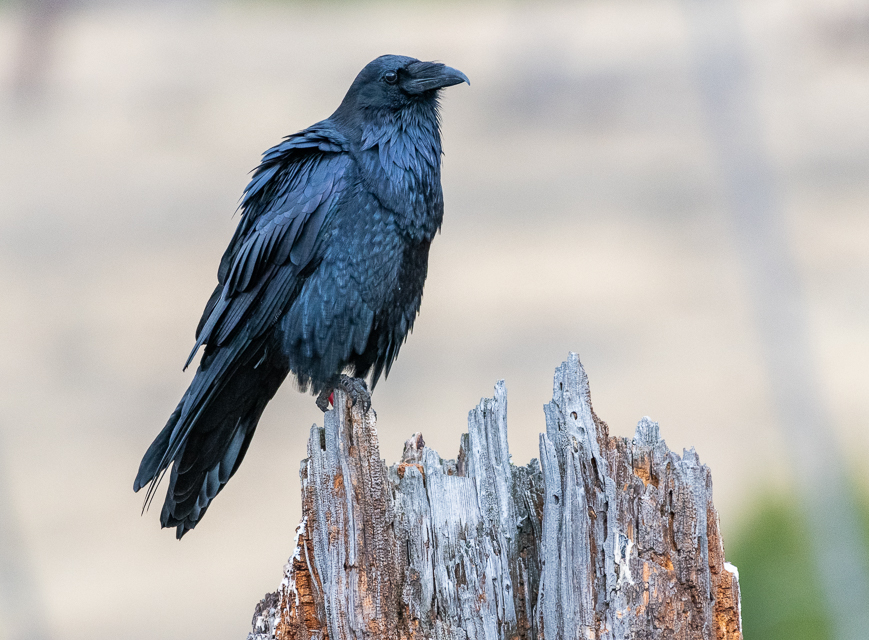
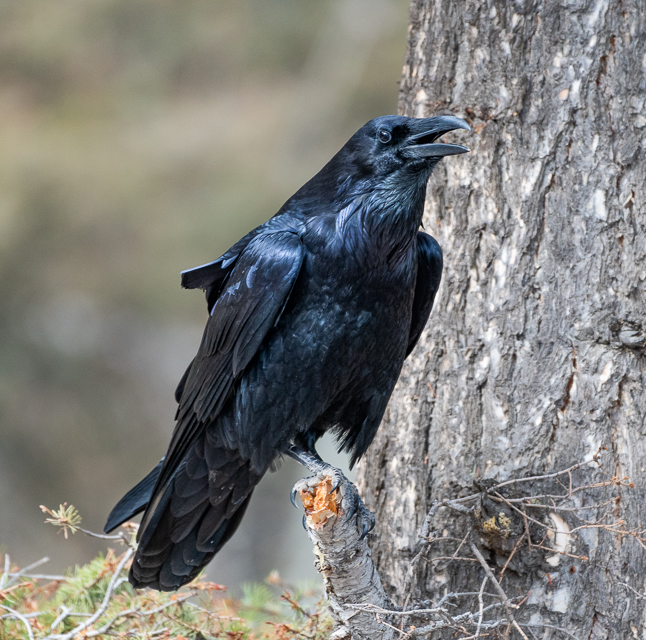
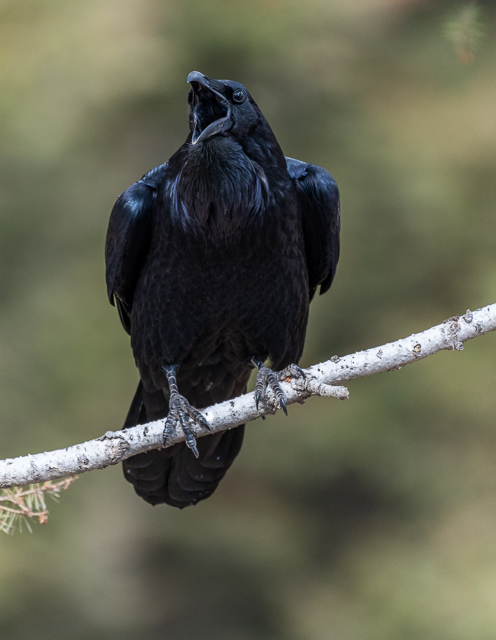


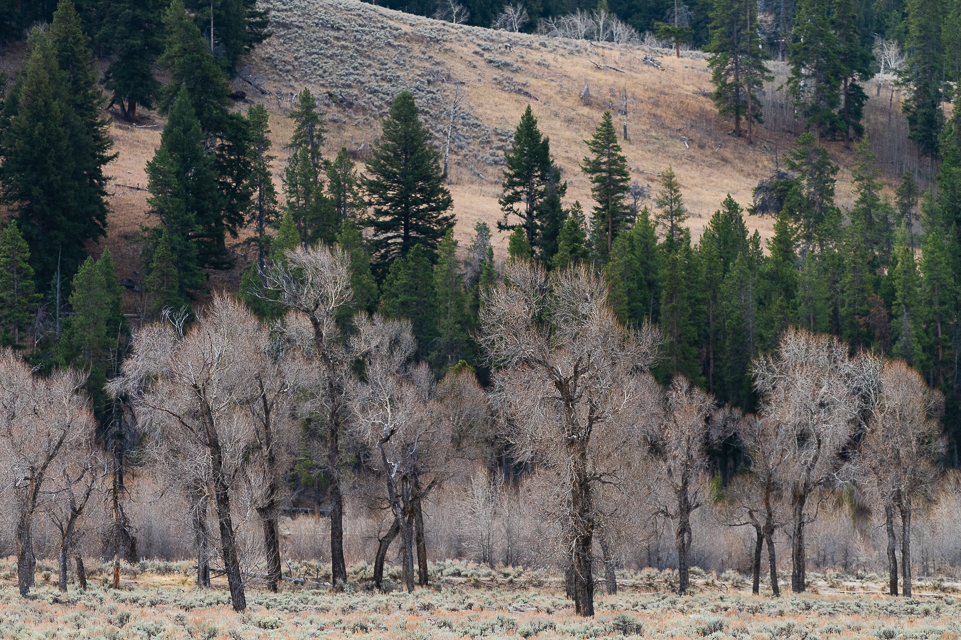
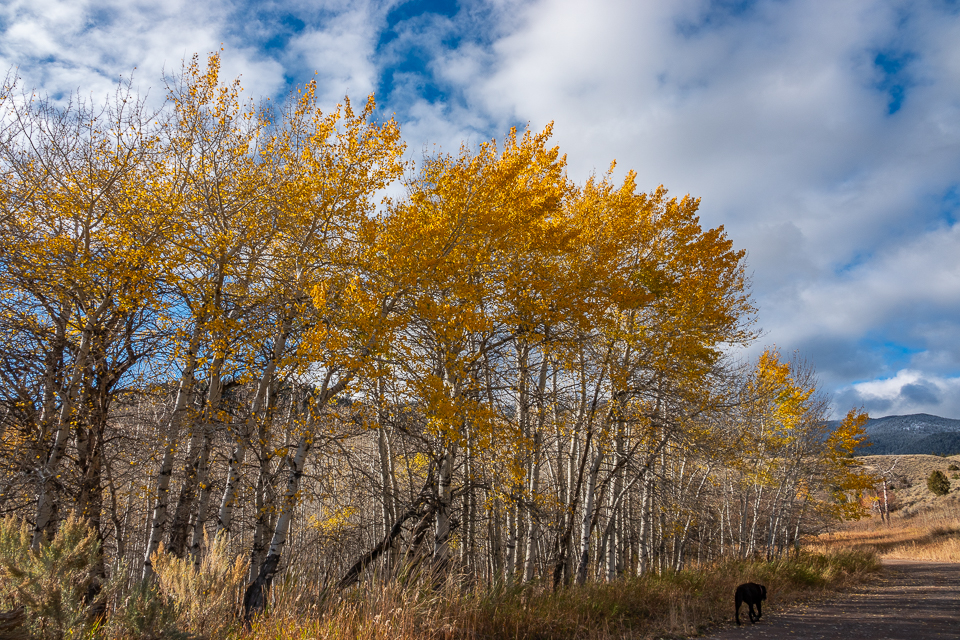
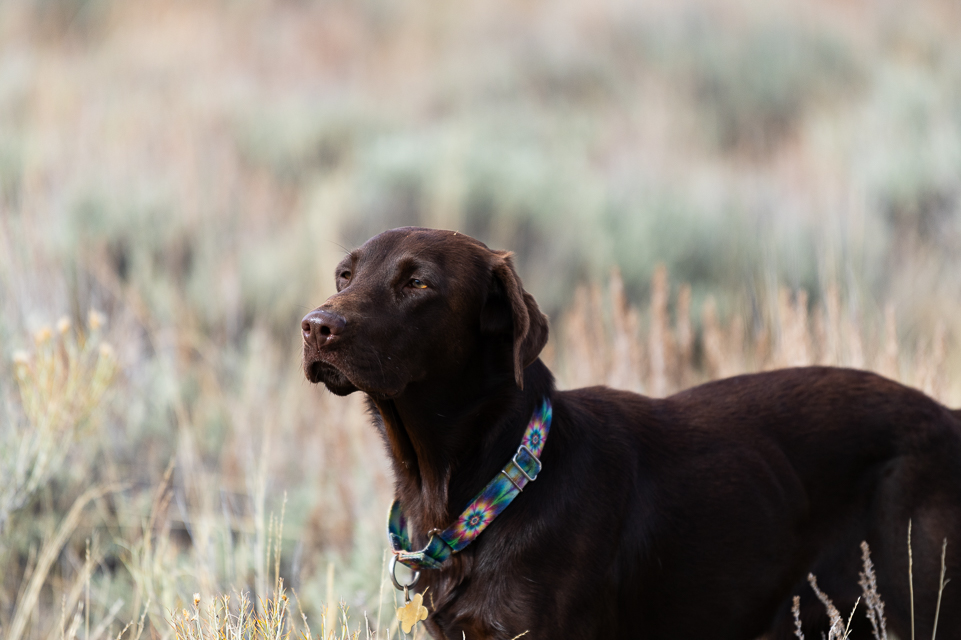
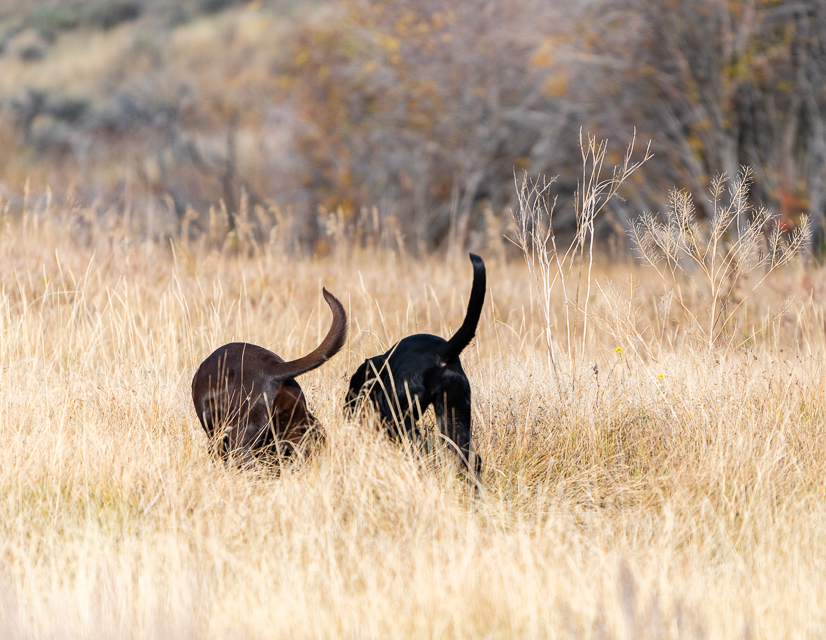
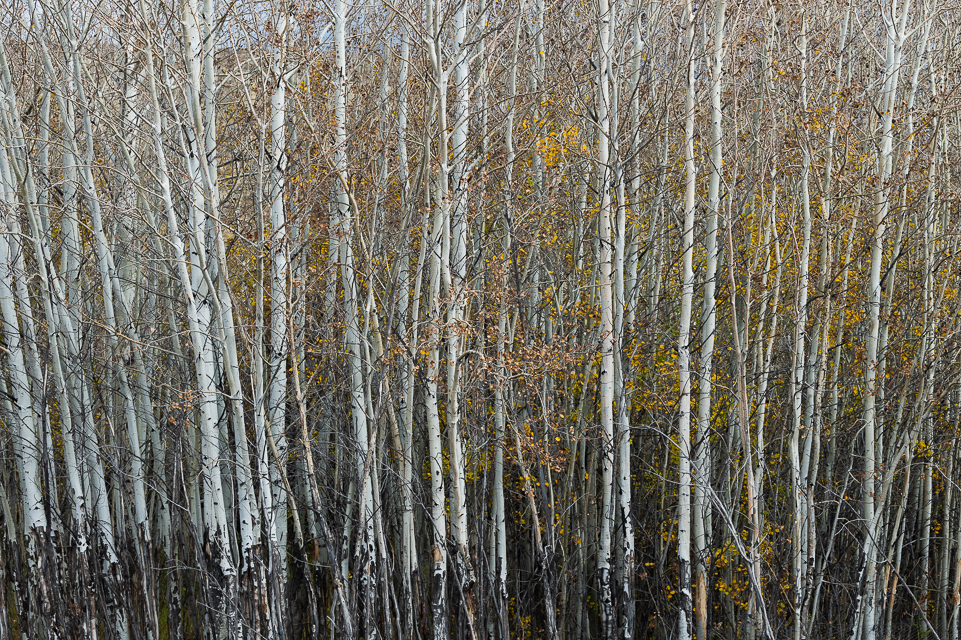
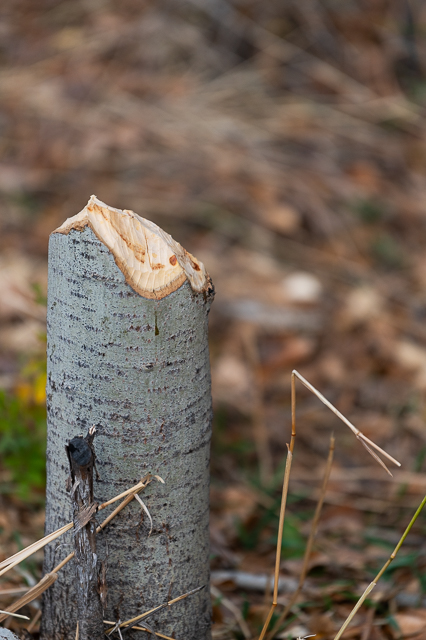
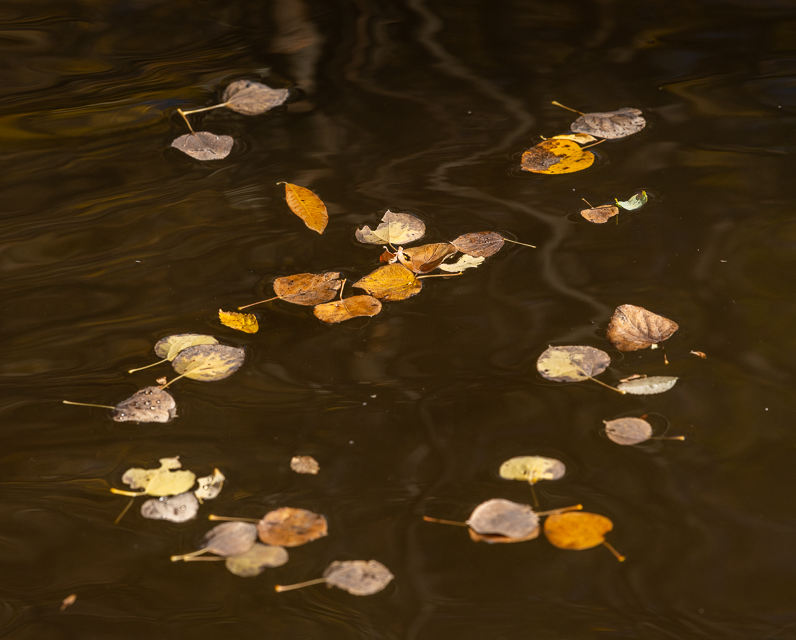
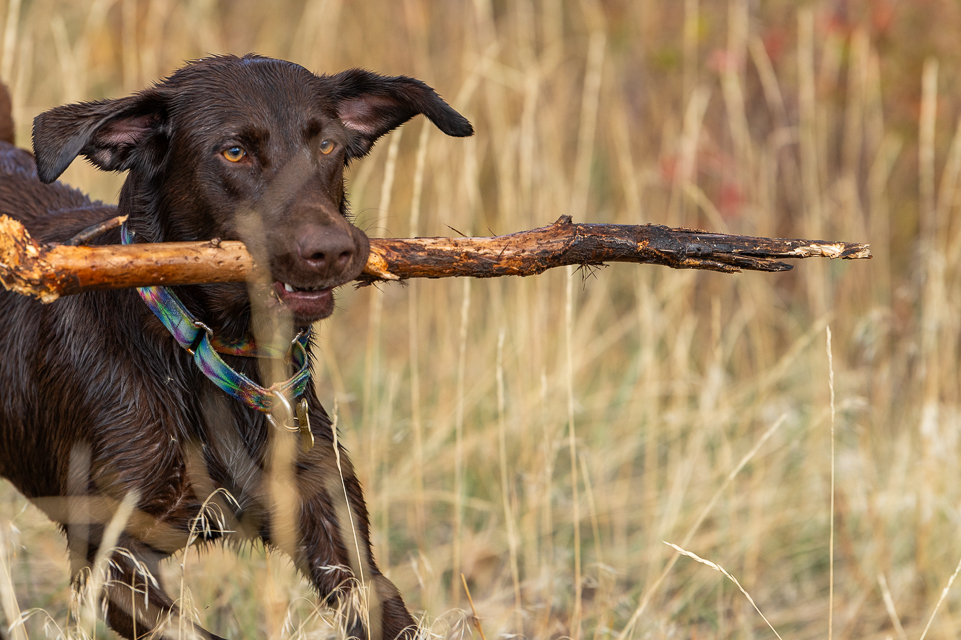
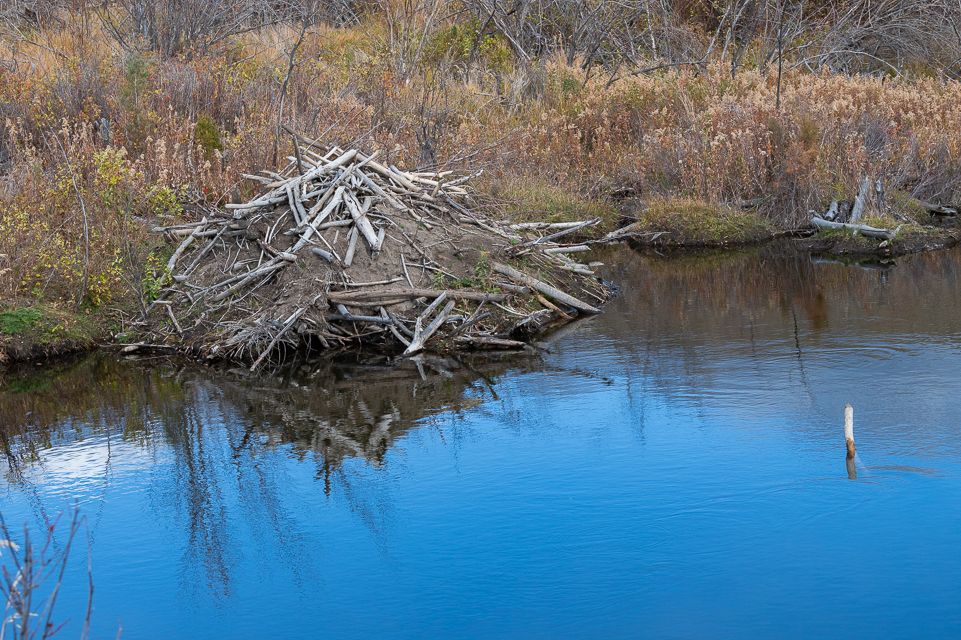
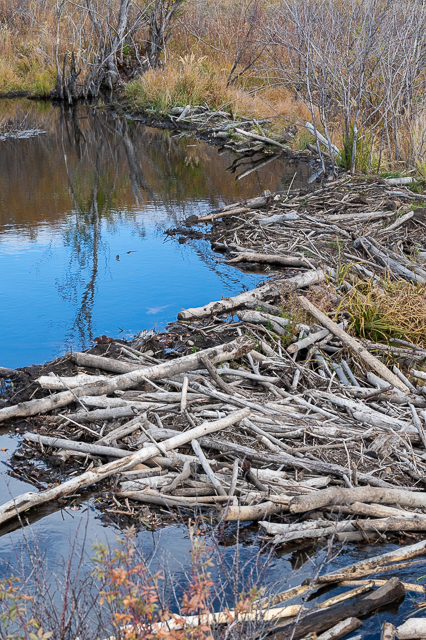
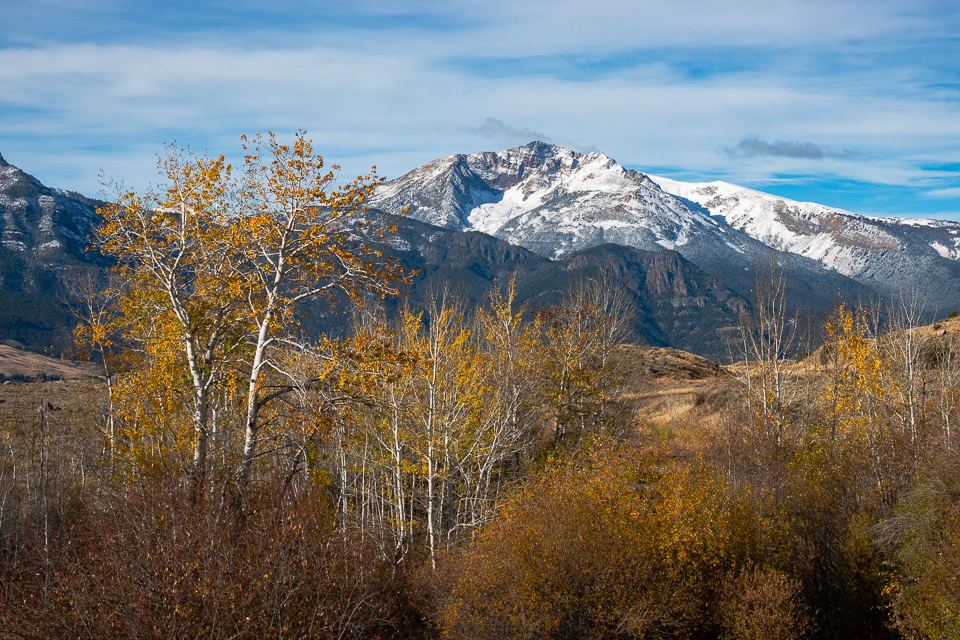
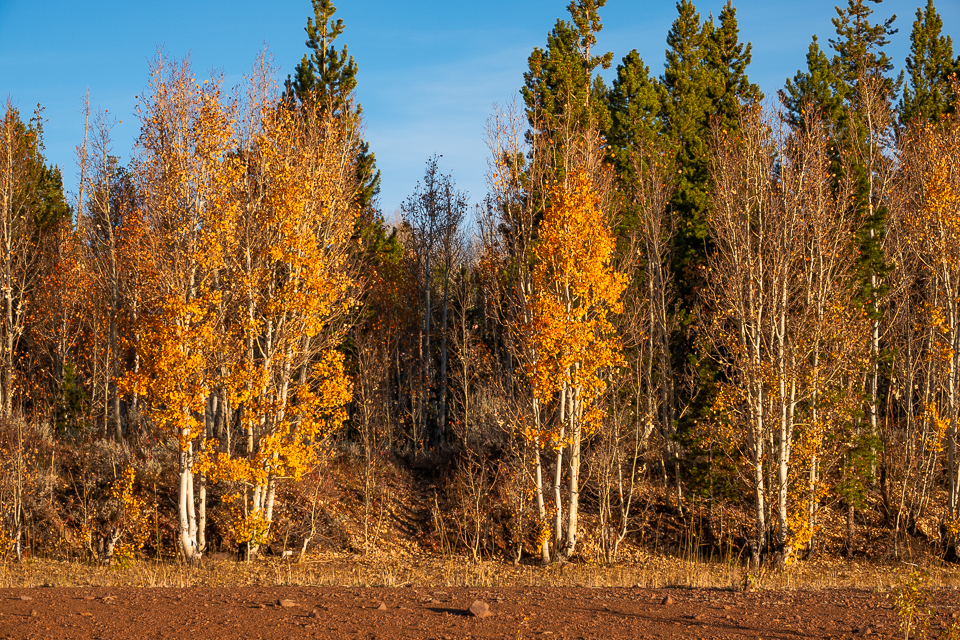
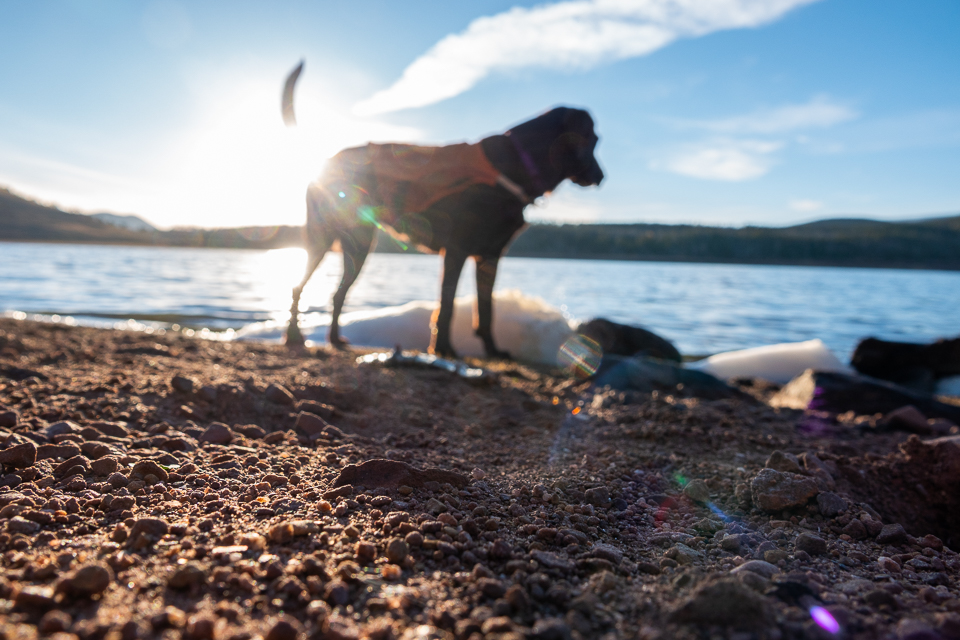
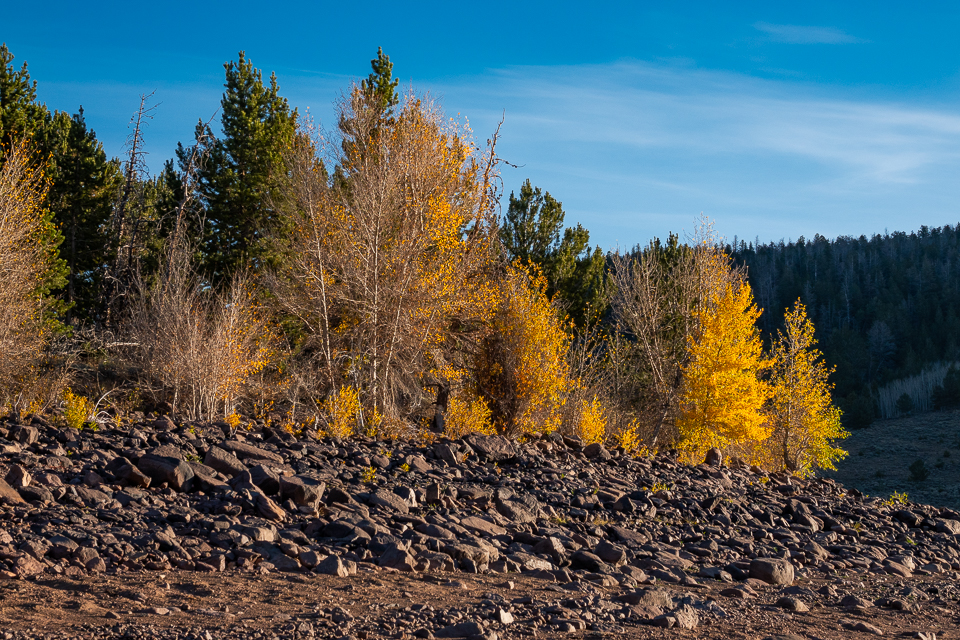
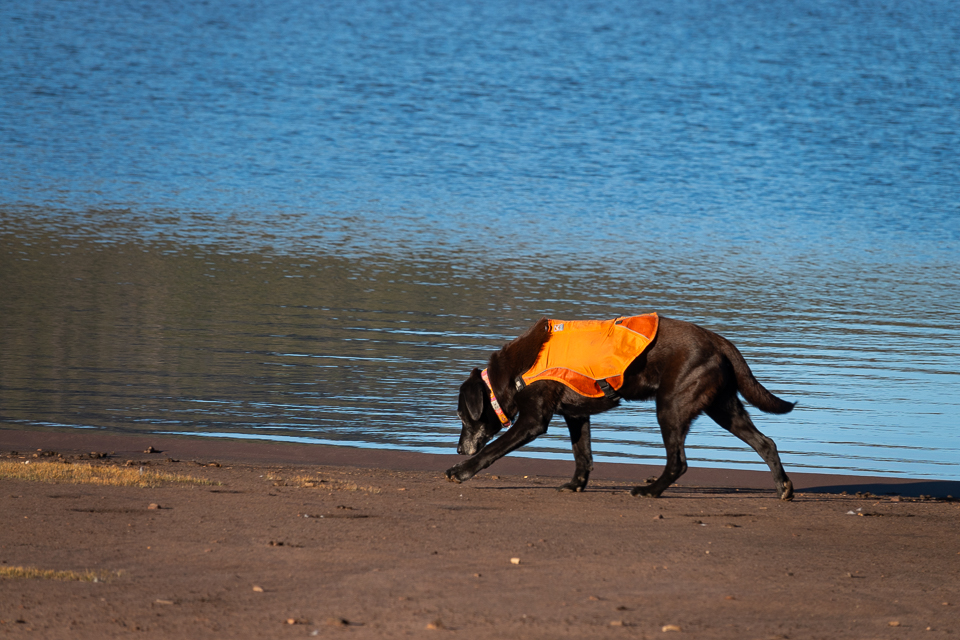
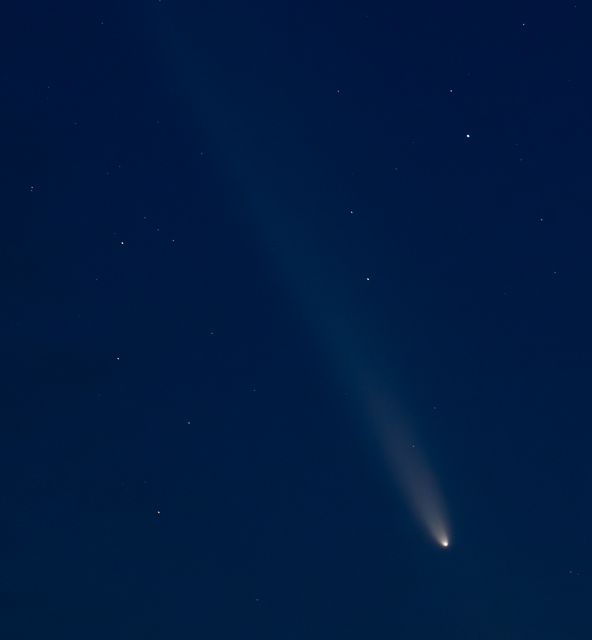
We continued north, driving all the way through Yellowstone National Park and ended up at a Forest Service campground just a few miles away from the park boundary. It was a nice place to stay with a string of beaver ponds along a creek and lovely fall colors. There were trails through the sagebrush outside the campground that were perfect for dog walks. Our friends from western Montana, including their dogs, joined us for a few days. The girls and I stayed there for ten days. After so many days of trying to find a good place to camp, it was such a relief to be in a nice place with clean air. The night sky was clear and I could see and photograph the comet again.

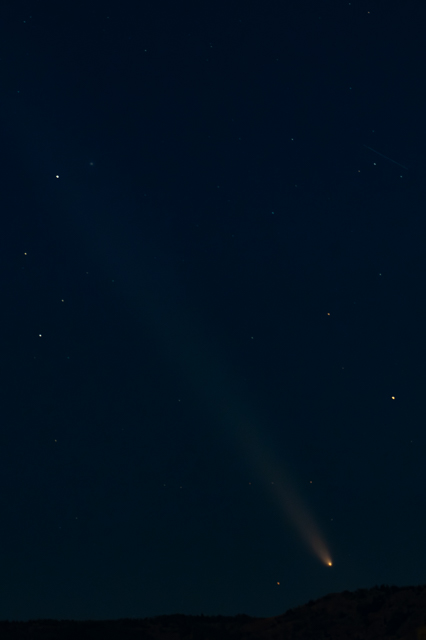







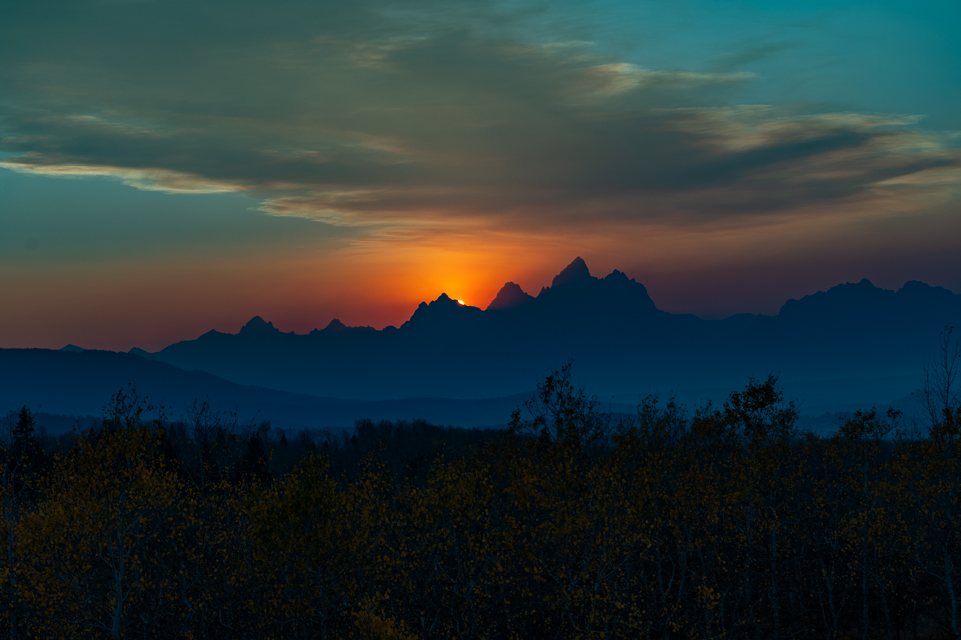
The girls and I set off for northern Utah a few weeks ago. We planned to explore the Mirror Lake area, starting from Evanston Wyoming. When we got to Evanston, I learned of a wildfire south of Mirror Lake that had the entire area where we were going to camp and hike, under a level two evacuation notice. We could have driven through but could not stop or camp. Darn. The USFS suggested we try a place about 35 miles east of there. It was not lovely and soon smoke filled the air. We spent one entire afternoon reading books (me) and napping (dogs) inside the camper. It was poisonous outside. After two nights, we started driving north. We spent one night along the Snake River and then continued north towards the Grand Tetons. In Jackson, people were wearing masks to protect them from the smoke. There were fires burning to the east and to the west of the park. We continued north, never seeing the famous mountains. We finally ended up boondocked high on a ridge on USFS land. At that elevation, we were above the worst of the smoke and I was able to see and photograph the famous comet whose name I don’t know.





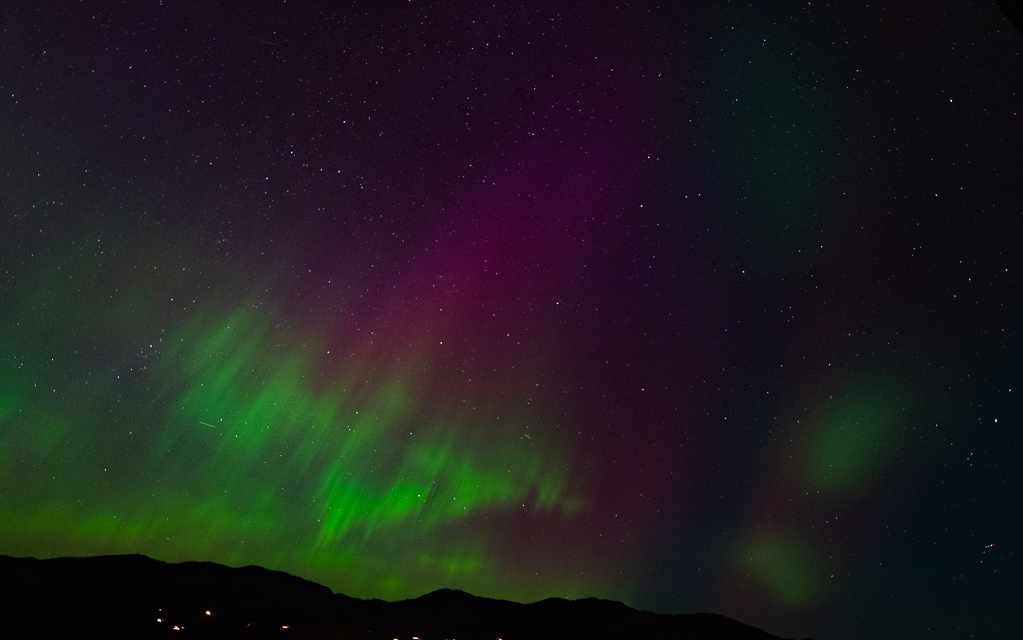
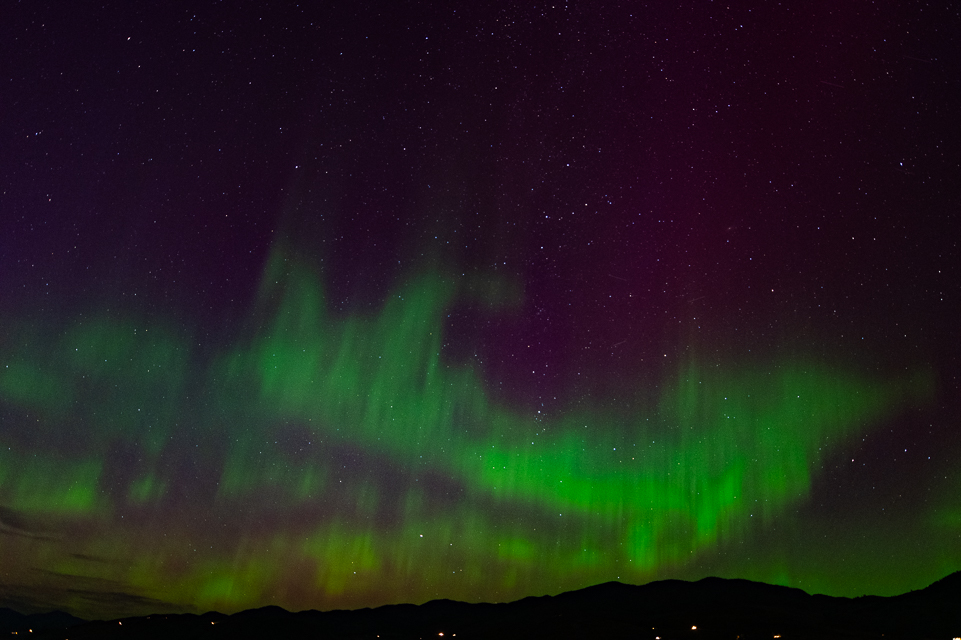
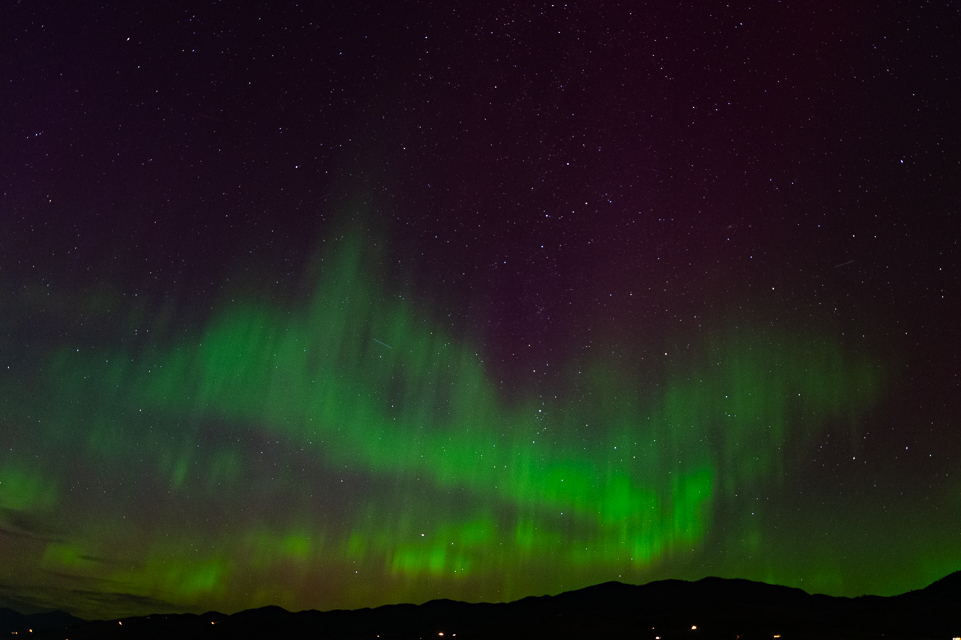
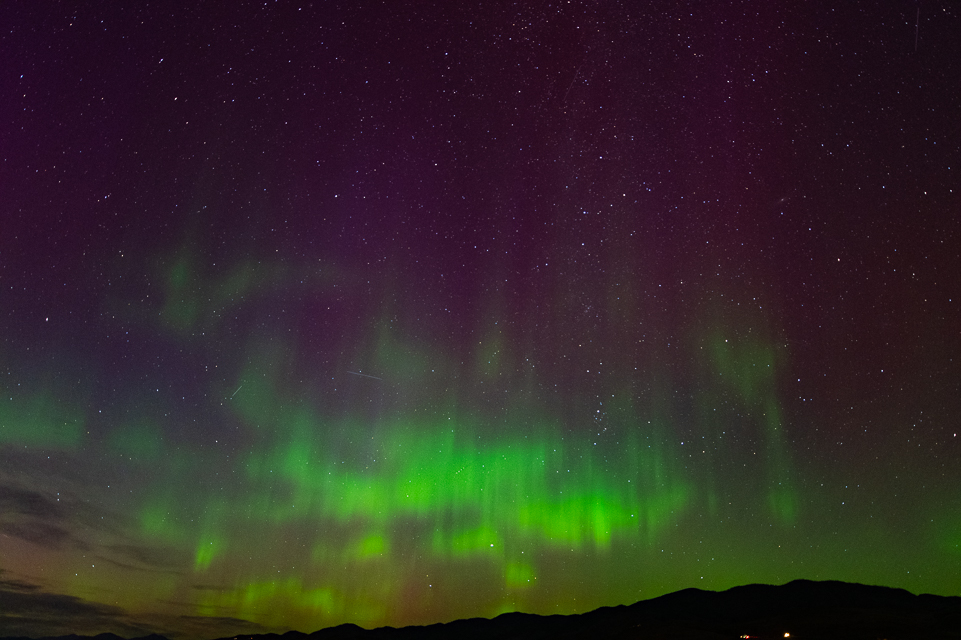
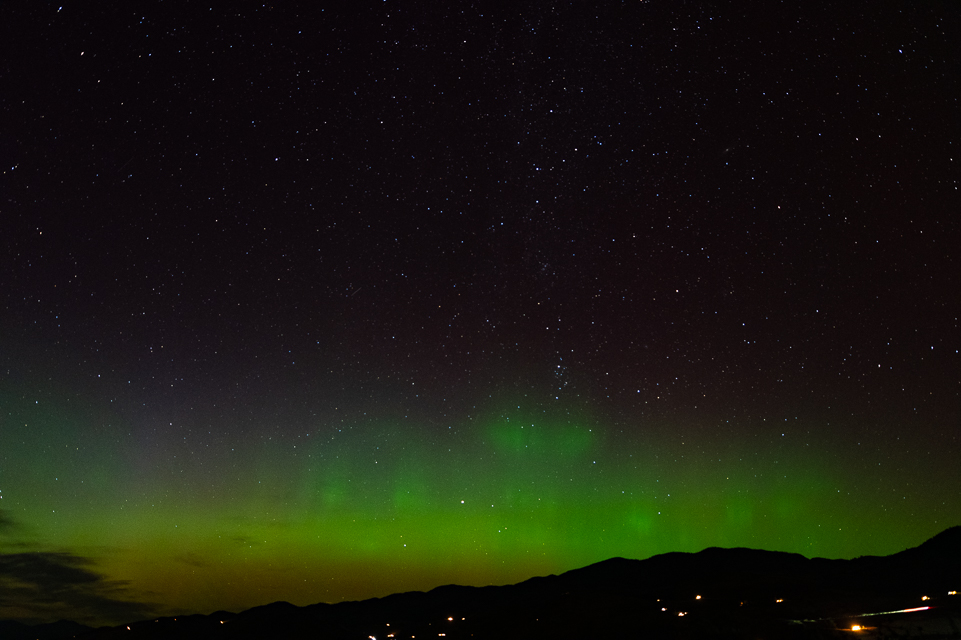
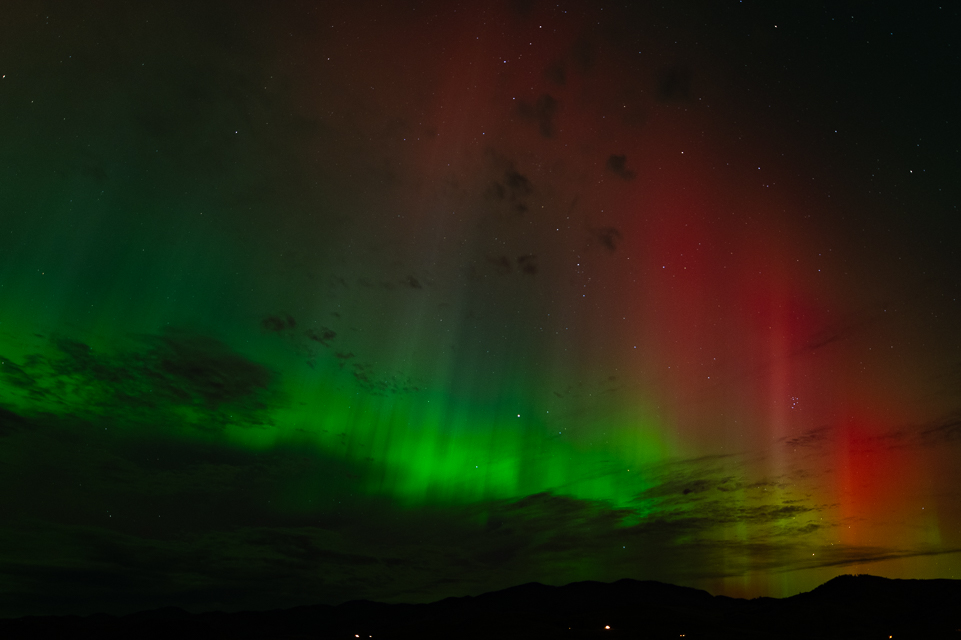
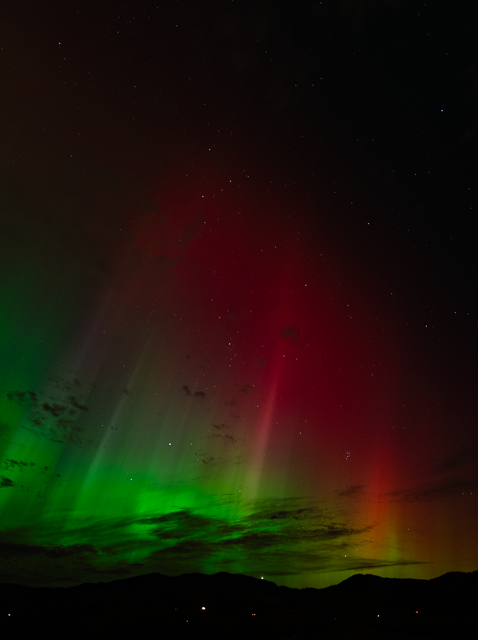
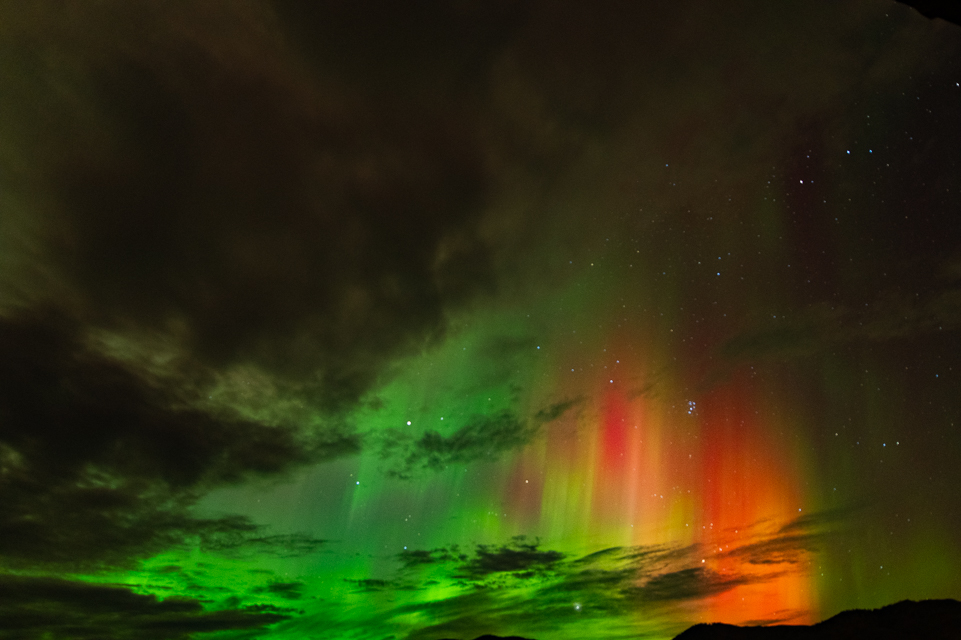
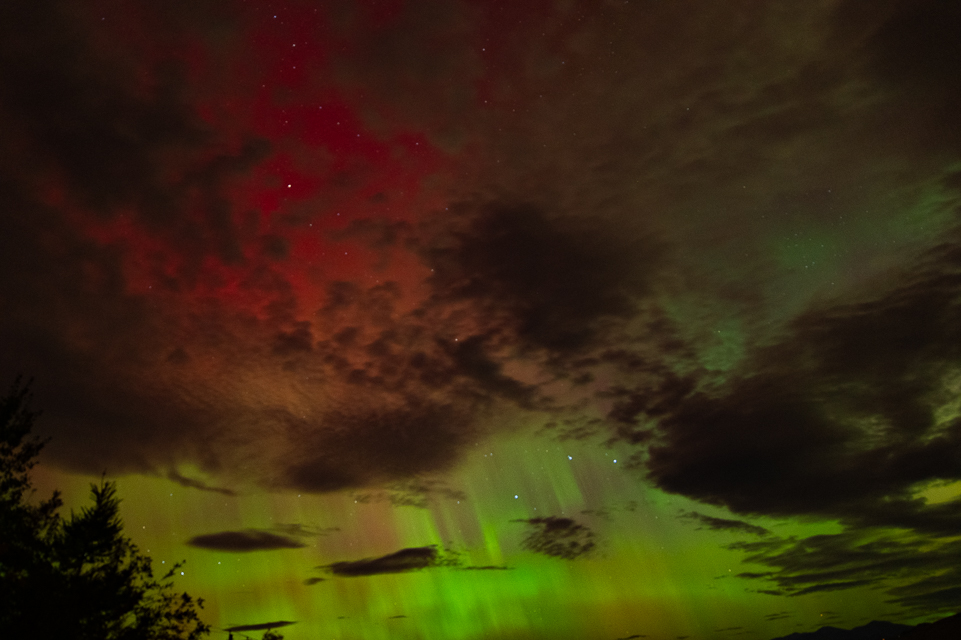
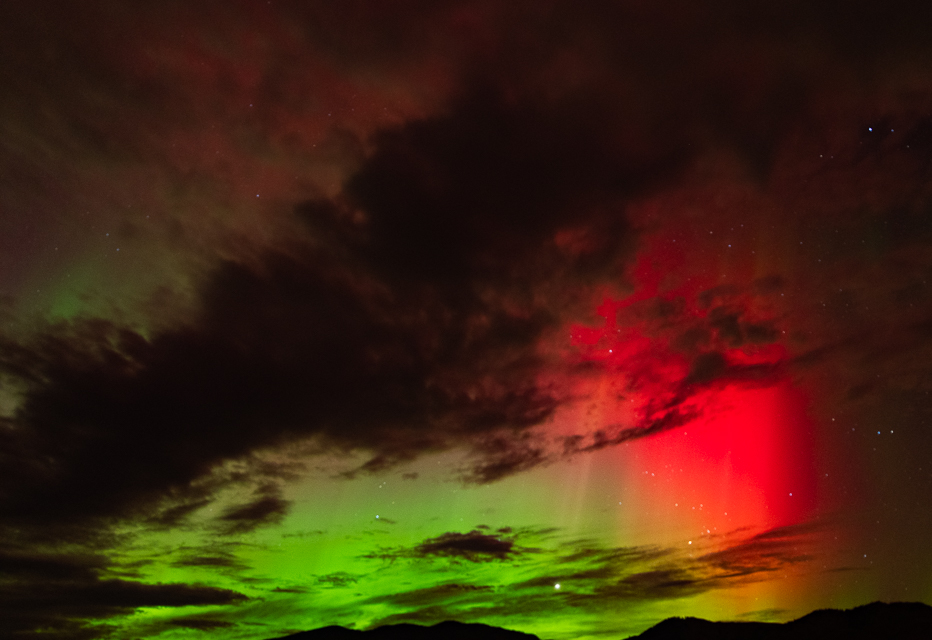
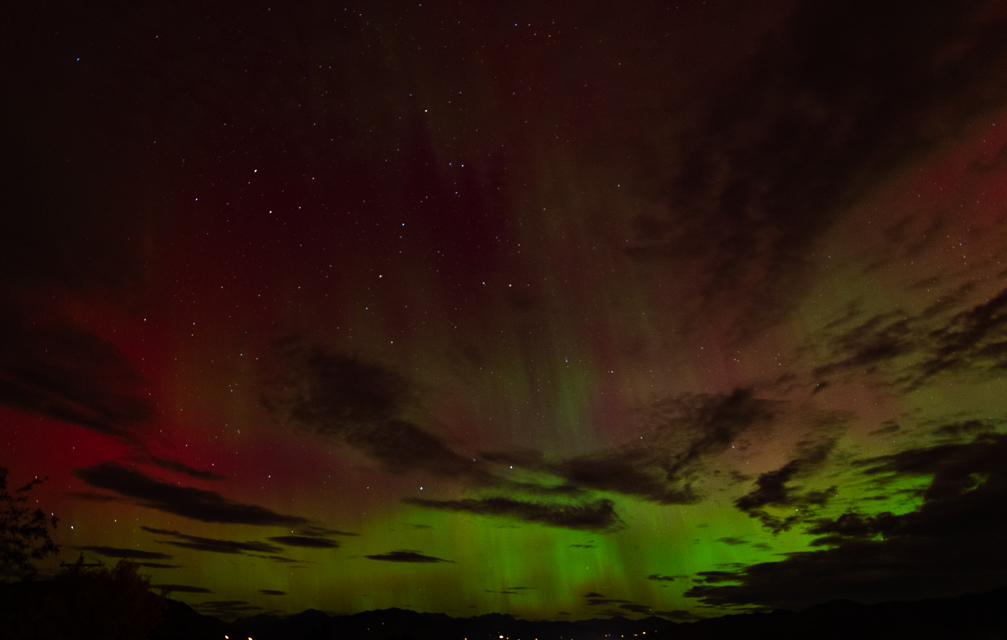
How is a person supposed to sleep when the Aurora Borealis is so bright and active?
The lights started early in the evening with colorful displays that could be picked up by our own eyes. The camera, of course, saw even more. Then it settled down for a while til I was ready for bed and it became even more active, filling the entire sky to the north and east and partly to the west. The colors went from magenta and green to a bright red and much lighter green. A 14mm lens was not wide enough to capture the show.









 My Everyday Photos