One of the evenings at Harts Pass, the girls and I enjoyed a walk to the lookout.

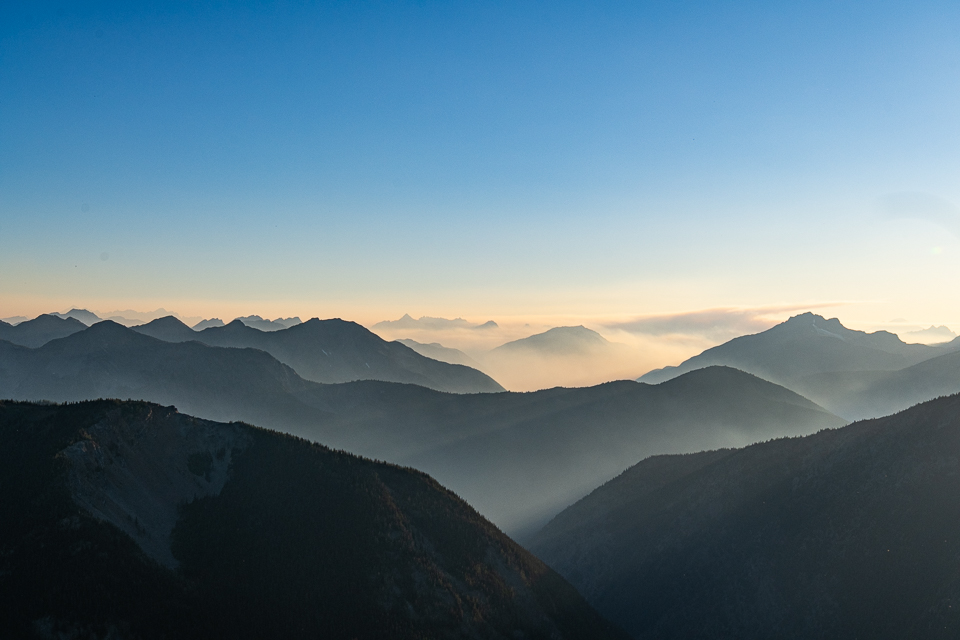


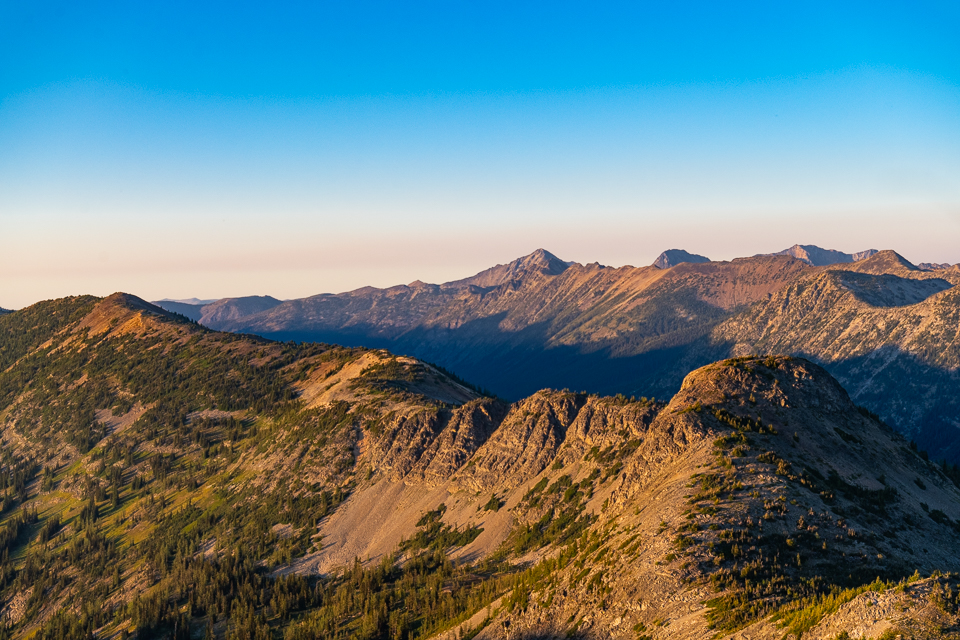


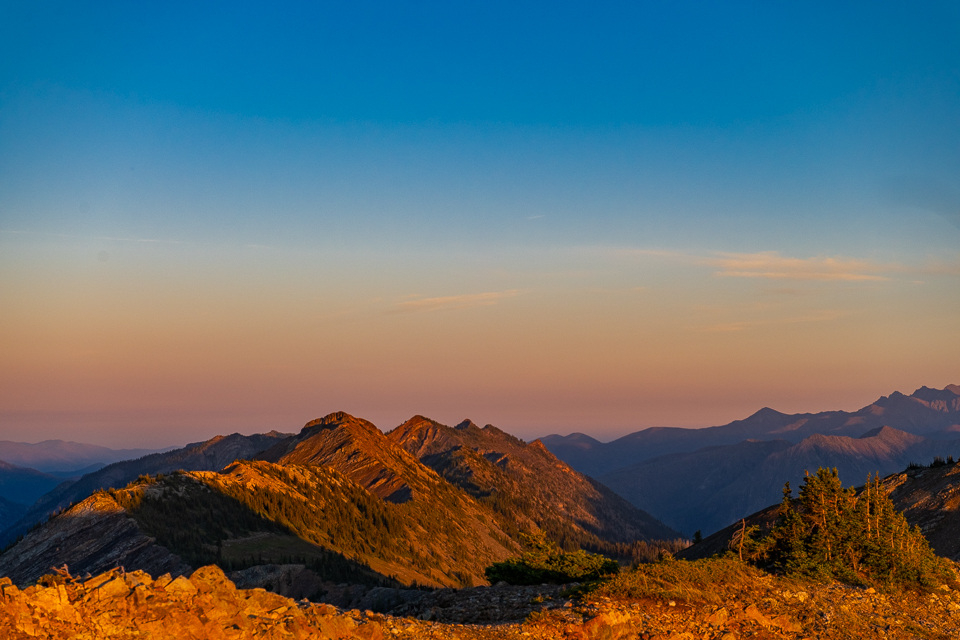



One of the evenings at Harts Pass, the girls and I enjoyed a walk to the lookout.
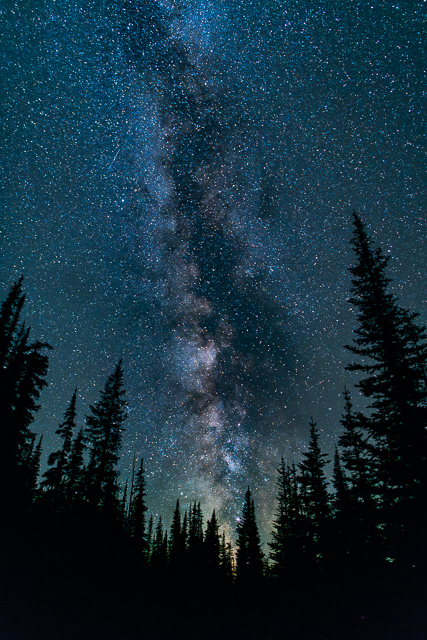
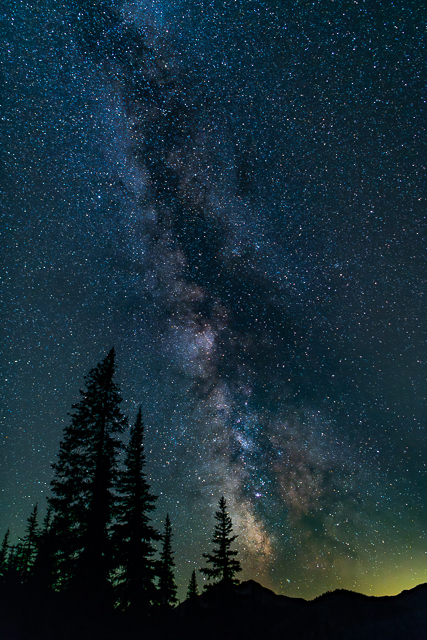
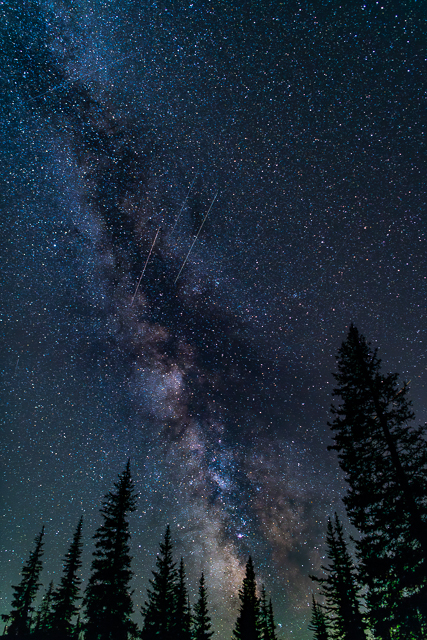
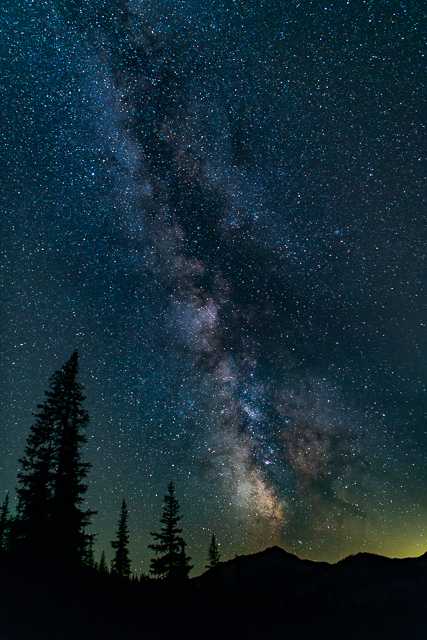
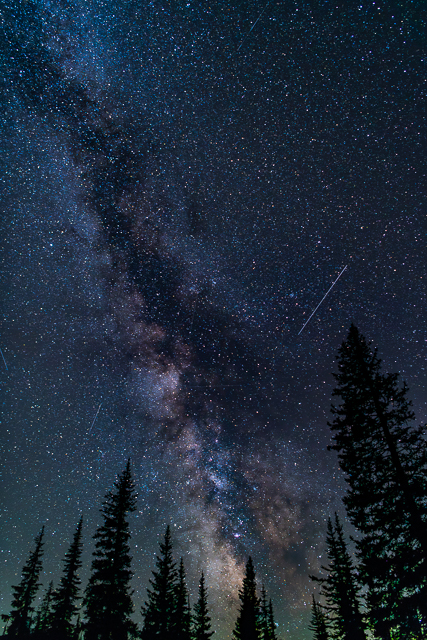
Have you ever been out in the dark and seen the Milky Way and shooting stars? Have you stayed out there for hours, watching the night sky revolve around you, or I should say, watching as you revolved around the night sky? If you can find yourself truly out in the dark, without extraneous light (not an easy thing to find), you will be amazed at what you can see, once your eyes adjust to the night sky.




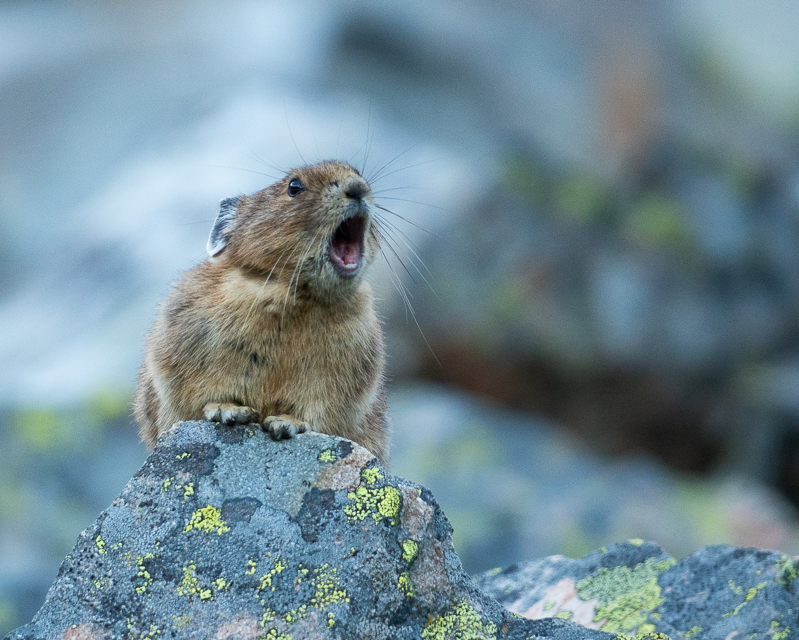
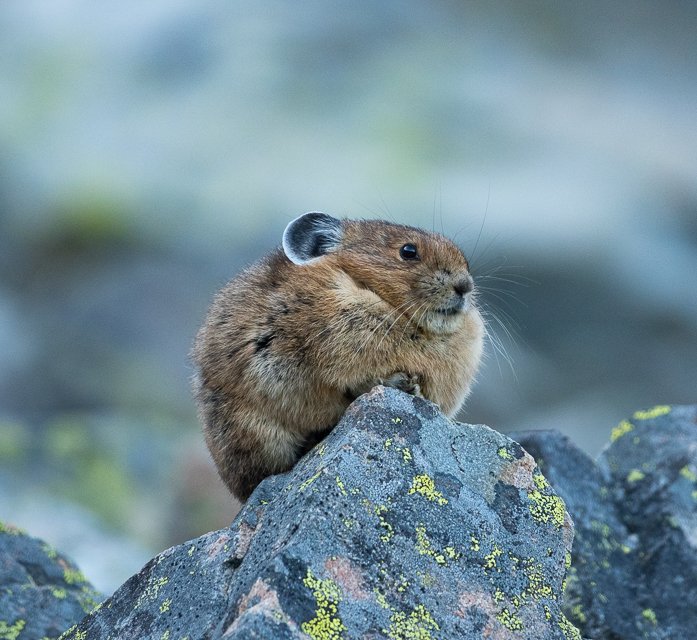
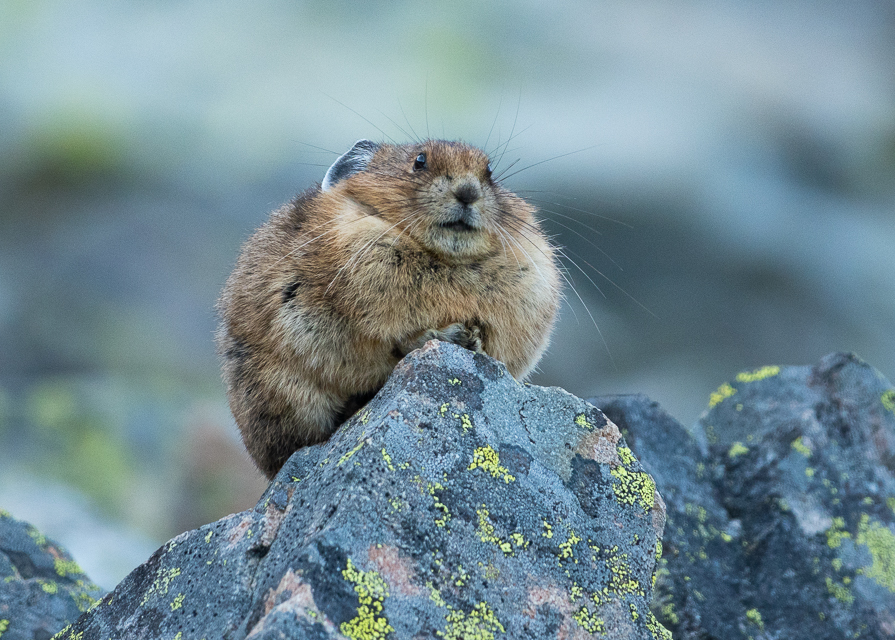
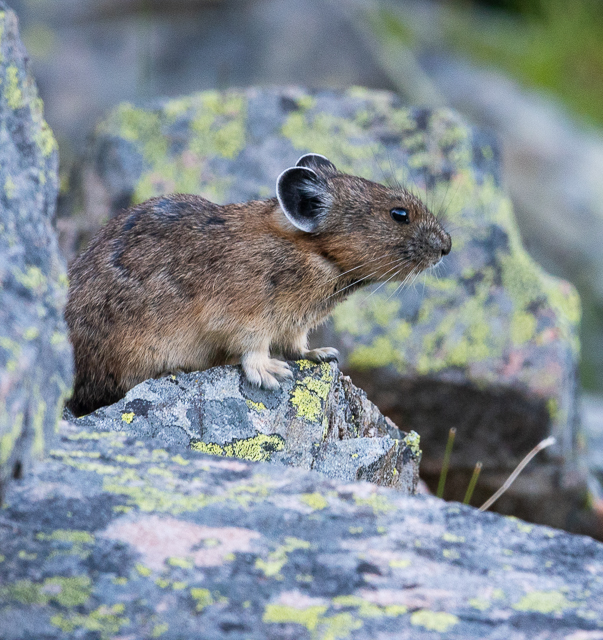
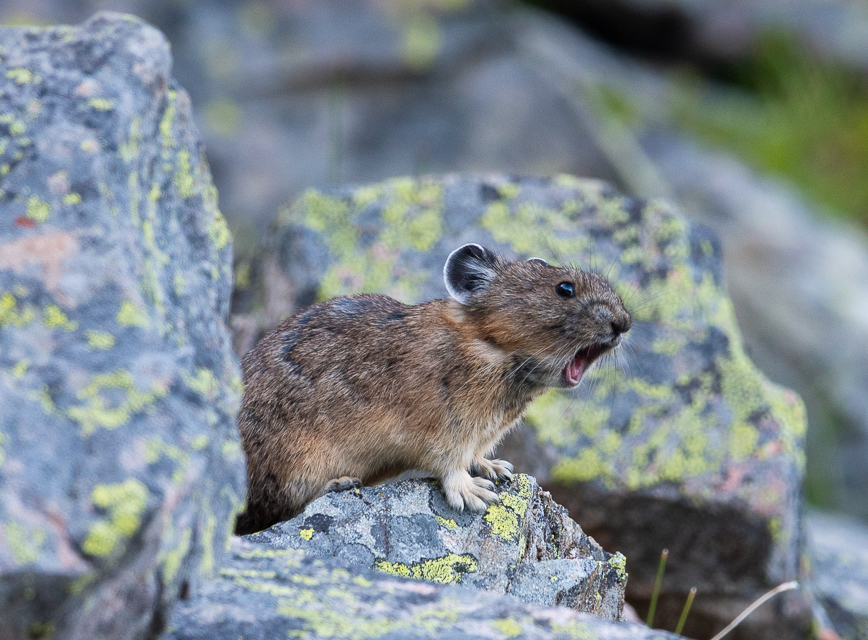
Pikas are the smallest member of the rabbit family. They are lagomorphs. And they are the cutest little animals you might hope to see on hike in the mountains. They live on rocky talus slopes year round, gathering grasses and forbs in the summer to dry for winter food. While it looks like they are roaring when they call, the sound they make is more like ‘meep’! According to the National Wildlife Federation, pikas have disappeared from more than one third of their natural habitat in Oregon and Nevada, due to climate change. They might die when the temperature goes over 78 degrees and believe me, this last week, it was hotter than that high in the mountains. I hate to think that they might blink out of the North Cascades within my lifetime.




The girls and I. How many times do I start one of these posts with that phrase? Well, once again, the girls and I had a lovely hike under blue skies. Wildflowers were starting to fade and water was scarce where I expect to see it most of the summer. This is the case everywhere right now. Fire season is upon us and our skies are smoky. We wish for rain but so far, nothing measurable.
As for the green hat, Willow found it. She took a hard right off the trail and went about 30 meters and ran back with it. She had smelled it and was so proud and happy to find it! She played with it and tossed it in the air and did no damage to it despite how it looks. I got it away from her and I need to get it to a lost and found. Later she found a folding saw that was rusted shut.
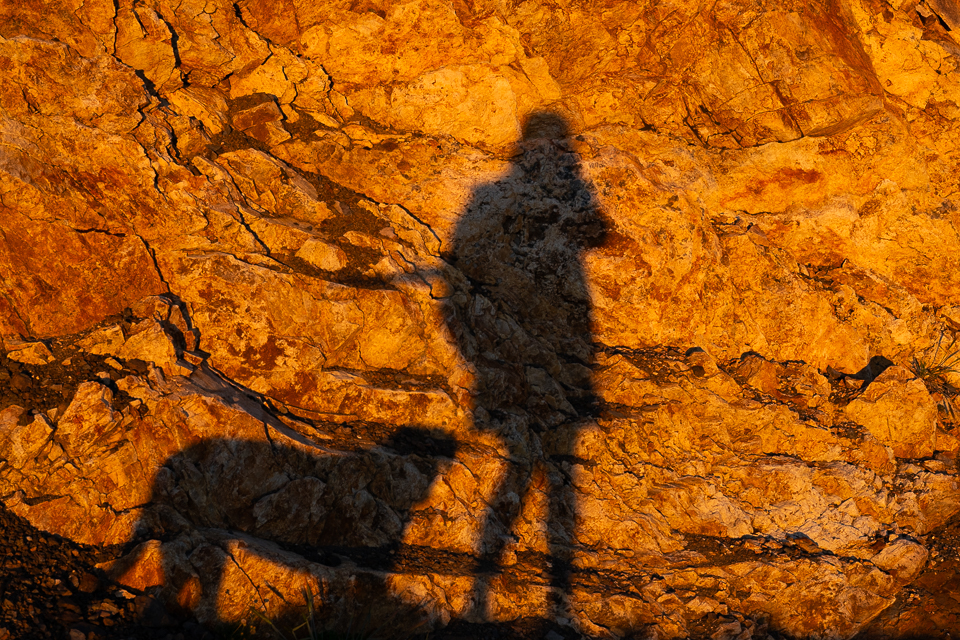
We attempted an old fashioned selfie with the camera’s timer but I think we will need to try it again, maybe with a remote instead. Willow has little patience for staying while I fiddle with things. The girls were super happy to find the last snow field and rolled and played in it for quite a while.


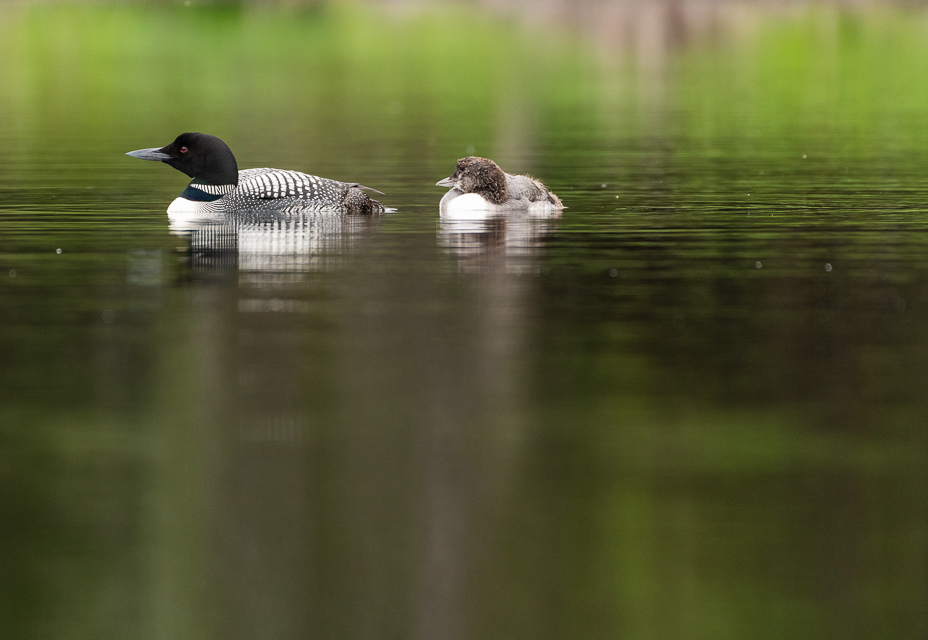
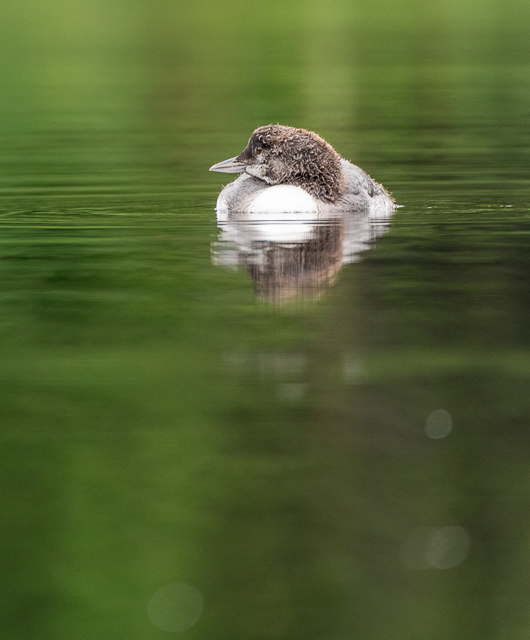
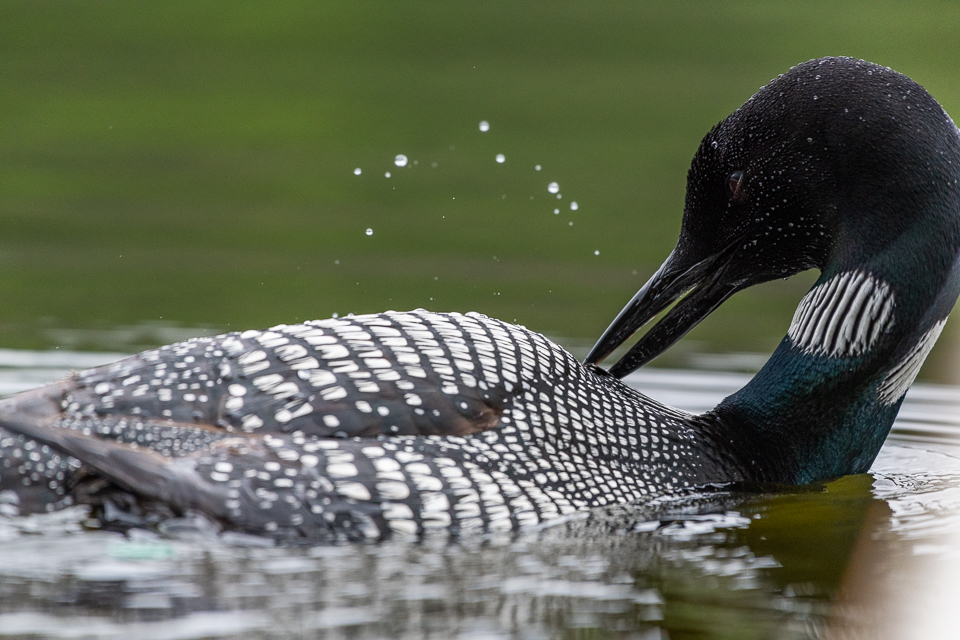
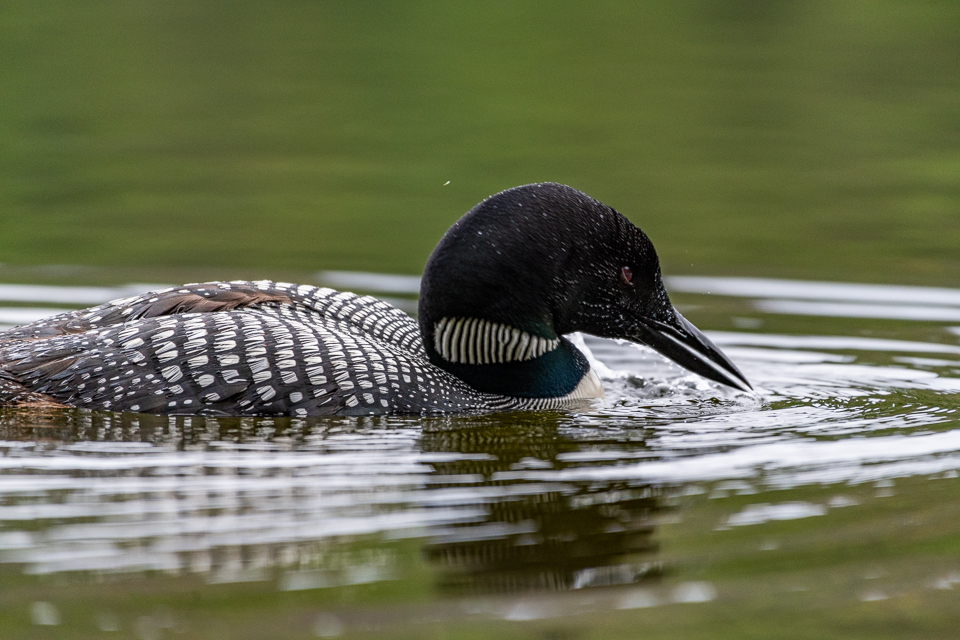
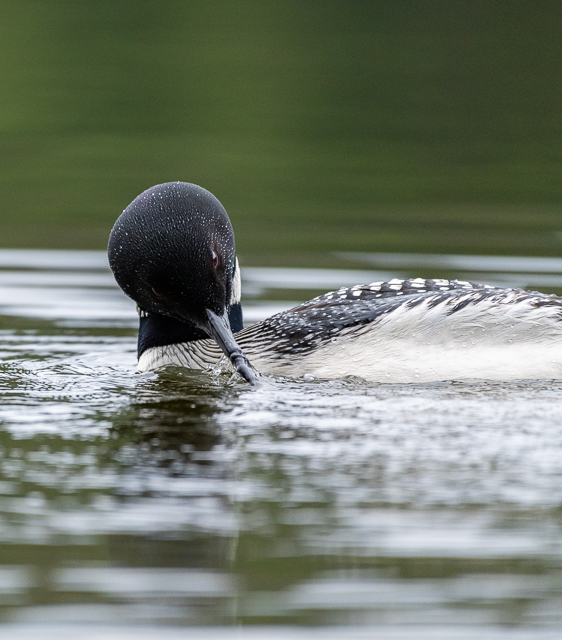
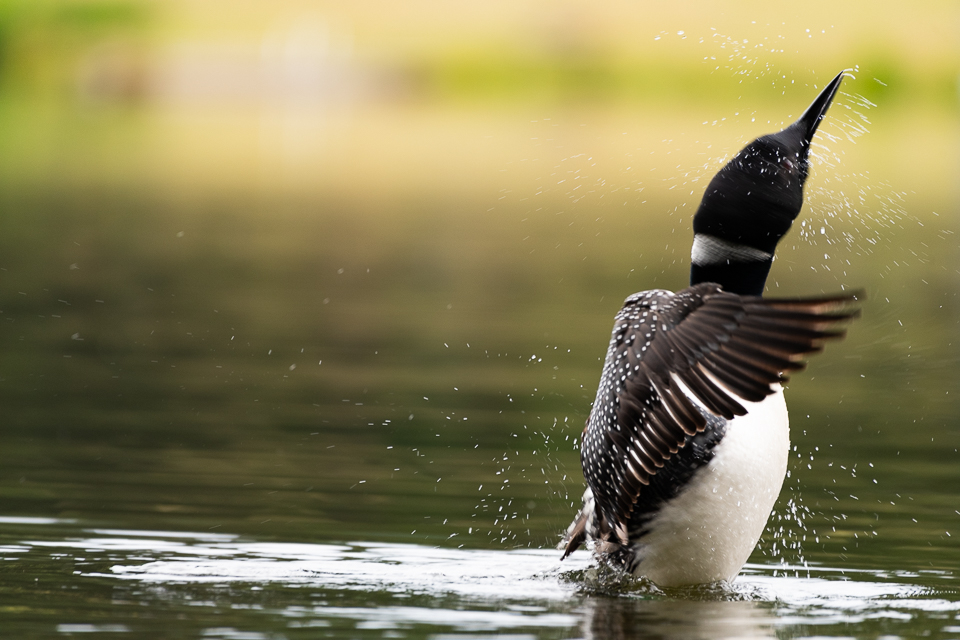
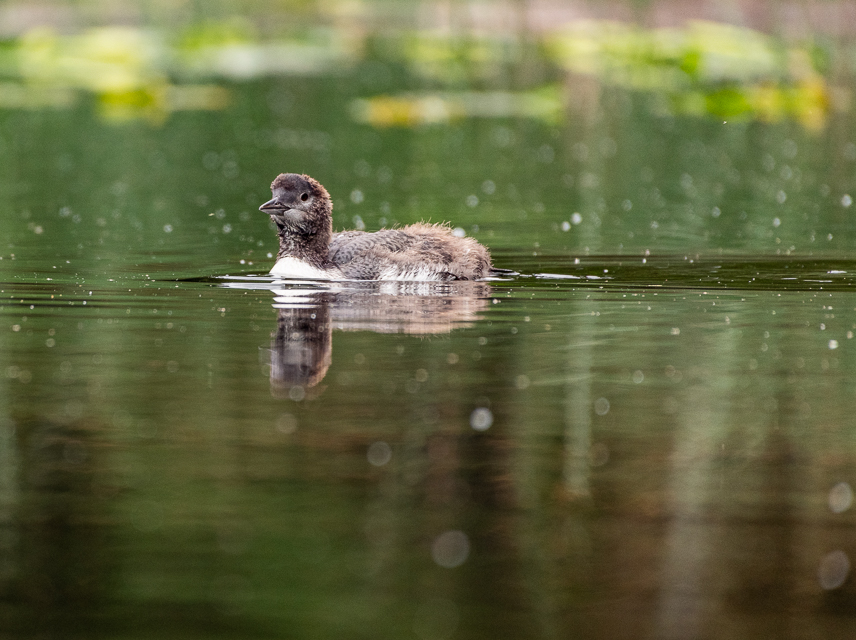
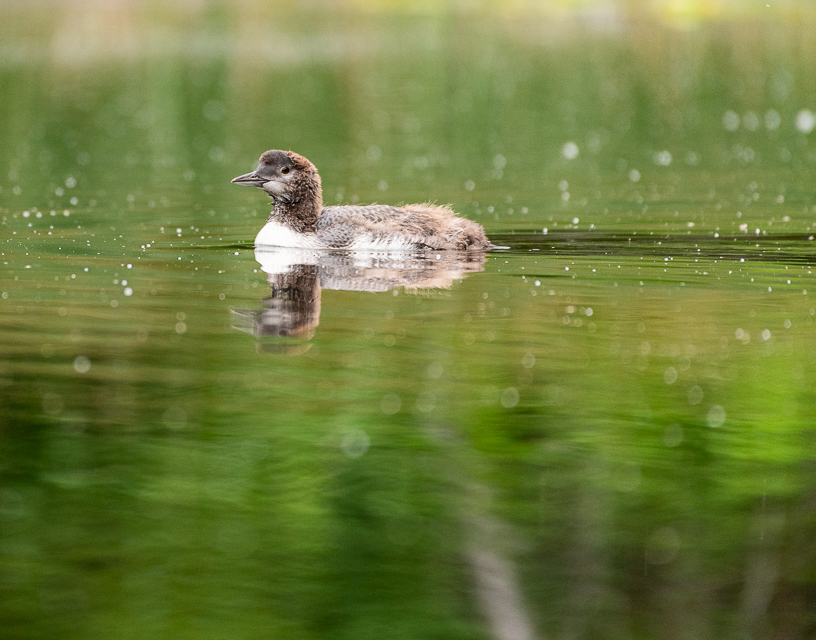
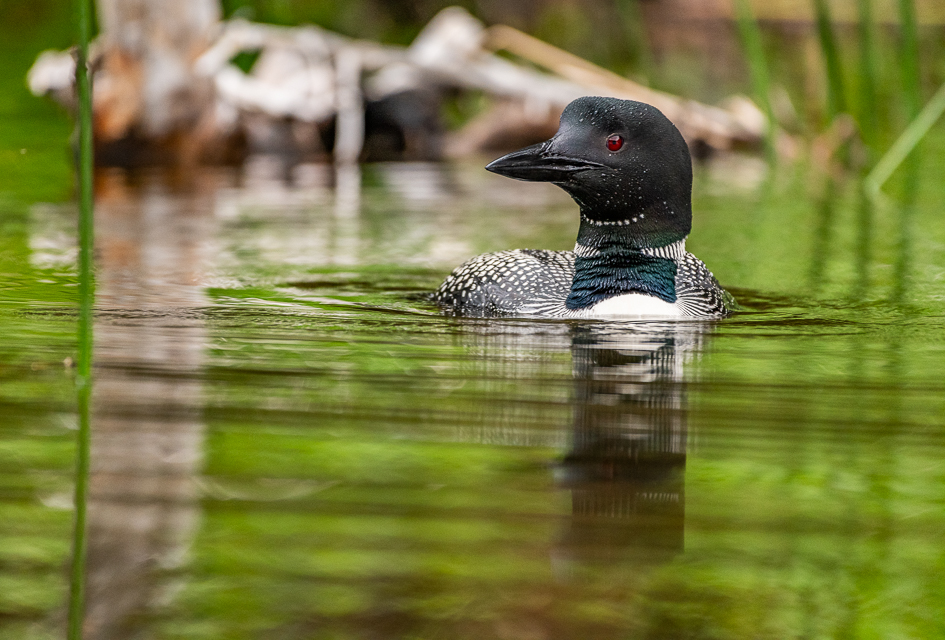
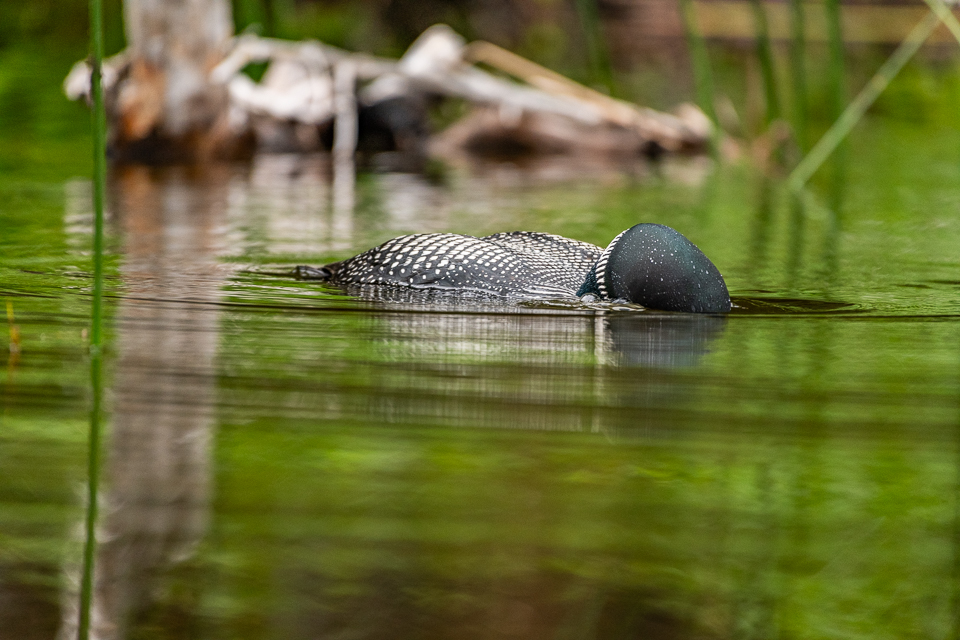
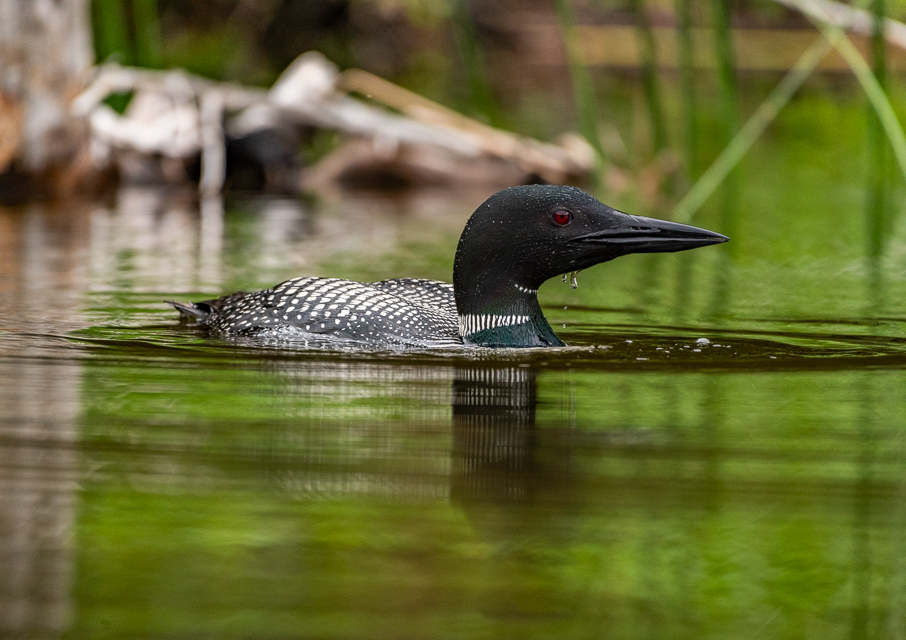
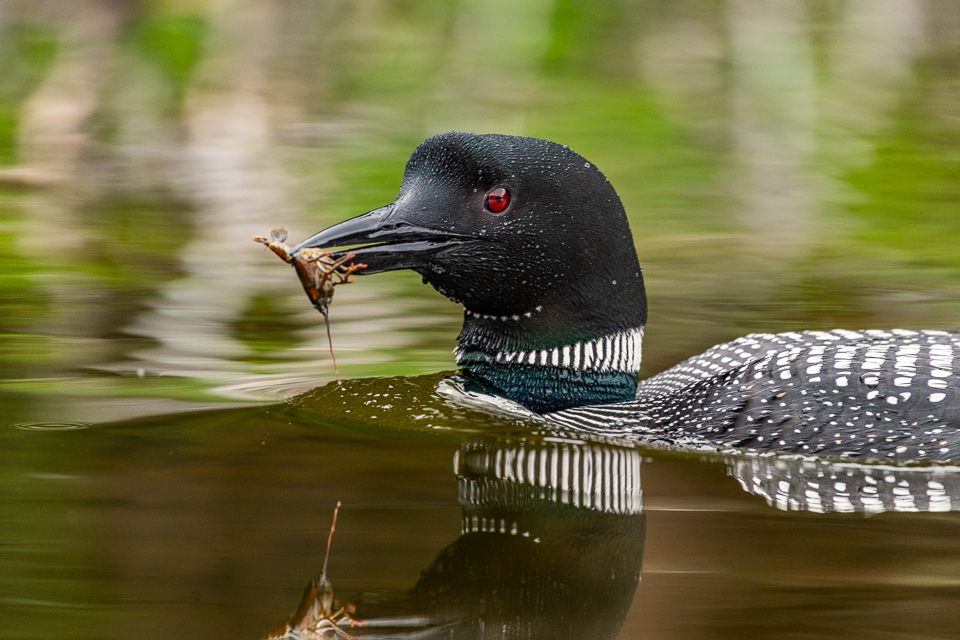
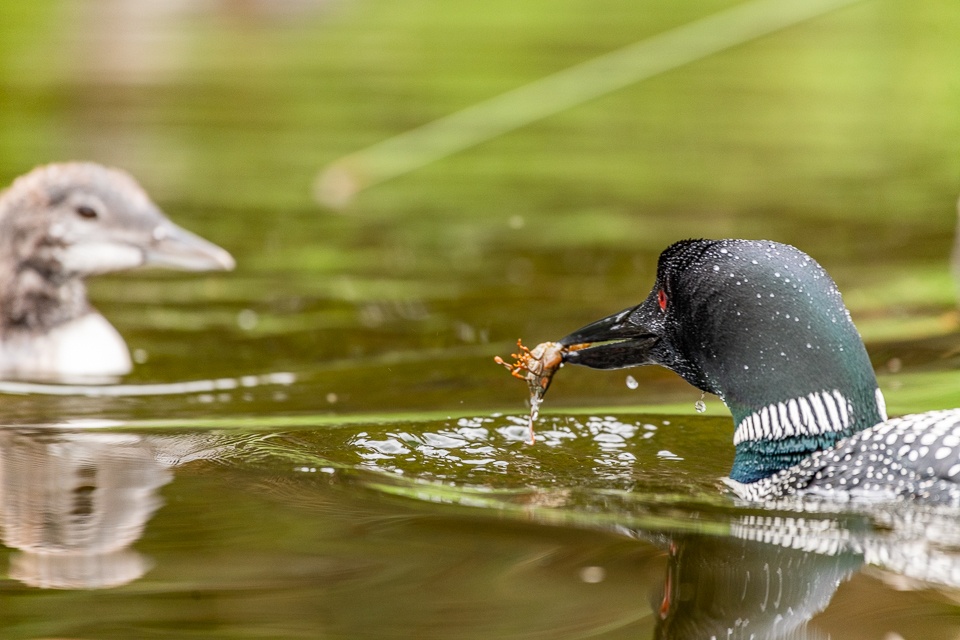
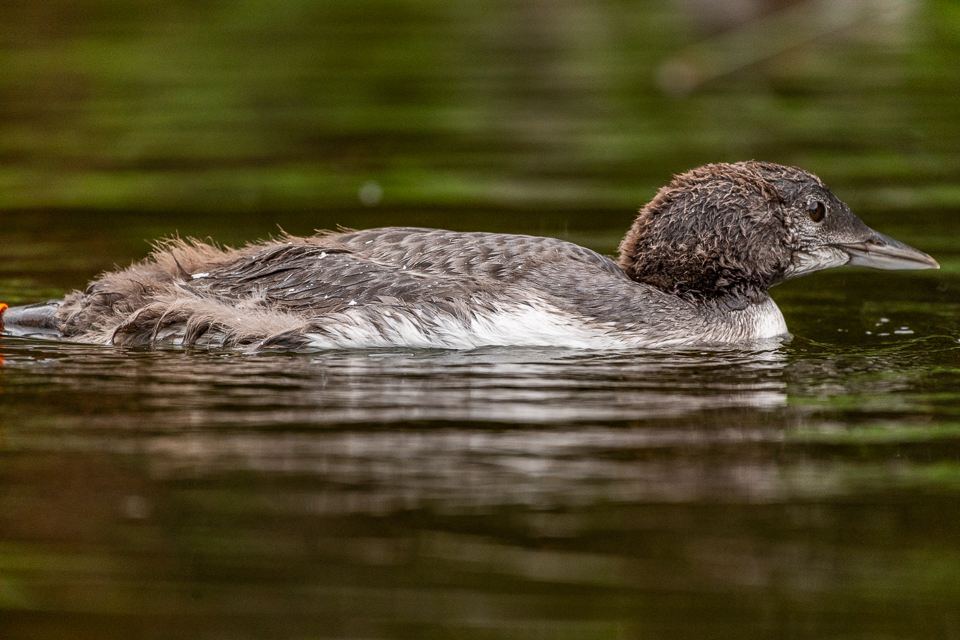
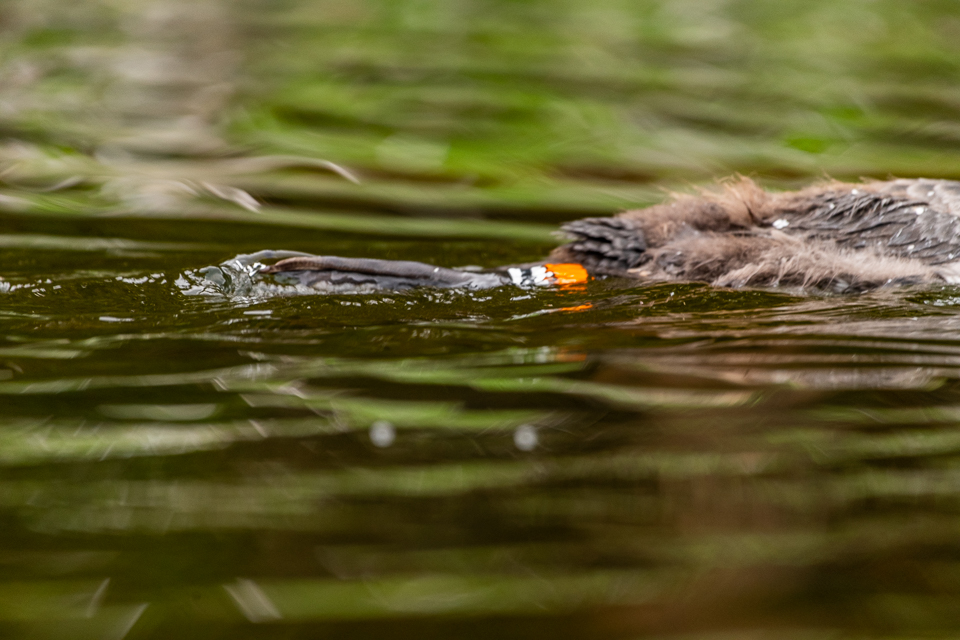
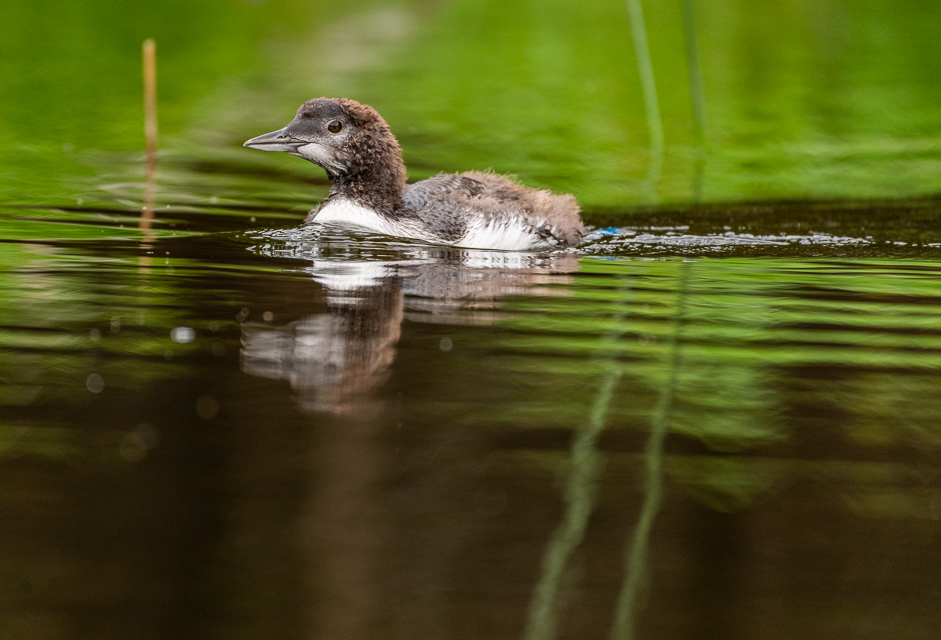
Last week, I had a chance to see the loons that I photographed early in July. The youngsters are growing up fast and growing some basic feathers. They have lost the soft gray look they had just weeks before. Now they are a bit scraggly looking but you can see that they are beginning to resemble their parents in winter plumage. The parents spend hours everyday searching for food for the little ones. They mostly seem to eat crayfish (crawdads) and occasionally a little fish. It takes a lot of little meals to fill these kids’ bellies. The youngsters are learning to dive and swim underwater. Soon they will have to feed themselves and learn to fly. They will migrate to the Columbia or perhaps the ocean and the young ones will return in three years to set up their own territories and hopefully nest, and produce a new generation. And like their parents, the young loons now wear four leg bands – three colored ones and a metal one – so that when they are seen again, they will be recognized. If you ever see a loon with color bands, try to remember the sequence of the colors on each leg. You can report the band information to the USGS banding lab.











 My Everyday Photos