Skip navigation

Category Archives: garden

This seems like an abundant time of year! So much food to harvest and store away for the cold months when the ground and rivers are frozen. We are lucky to live in a fertile place full of food to grow and gather and savor and we enjoy it all.

My friend Mary Ann sent me home with half a box of plums the other day!
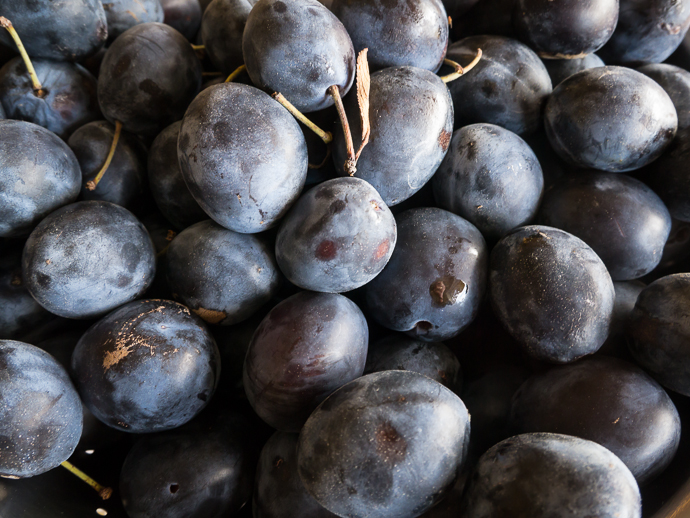
I cooked them down and added honey and crystalized ginger
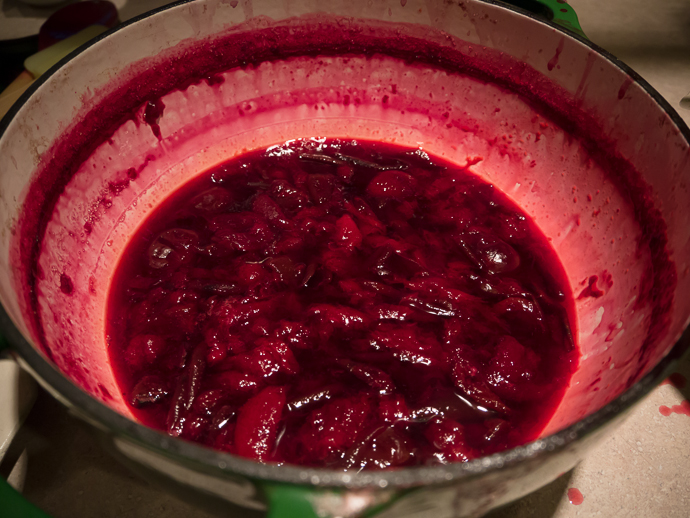
Of course, the minute I turned my back on the stove, this happened! I could almost count on it.

Ginger plum sauce for waffles and also it will be good with duck and venison.
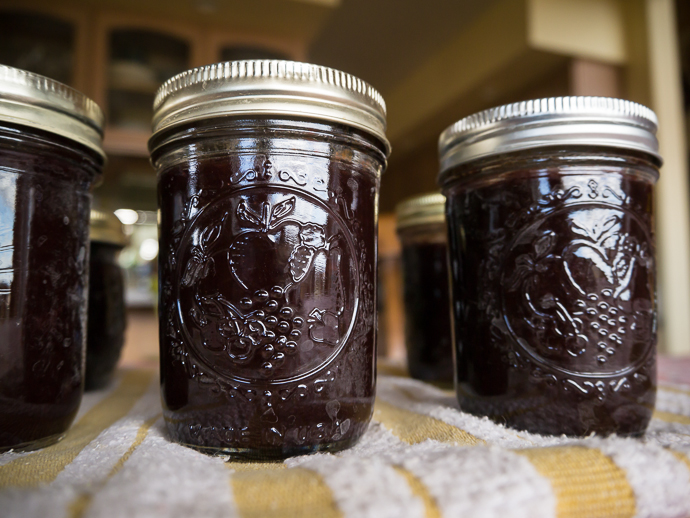
My grandma used these kinds of jars for her jams and jellies. There was a layer of paraffin under the lid to preserve the sweets. Nowadays that is not considered a safe method for food preservation. I used this jar for the leftover sauce that didn’t go into the regular canning jars. We will eat it fresh.

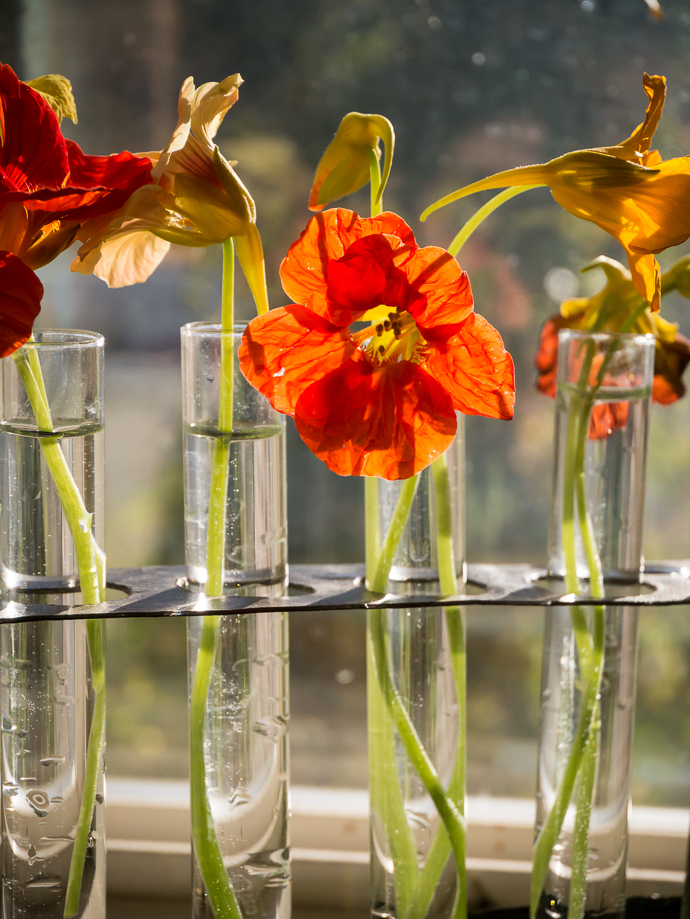
Nasturtiams are savored for their beauty, especially at this time of year when not many flowers are blooming.
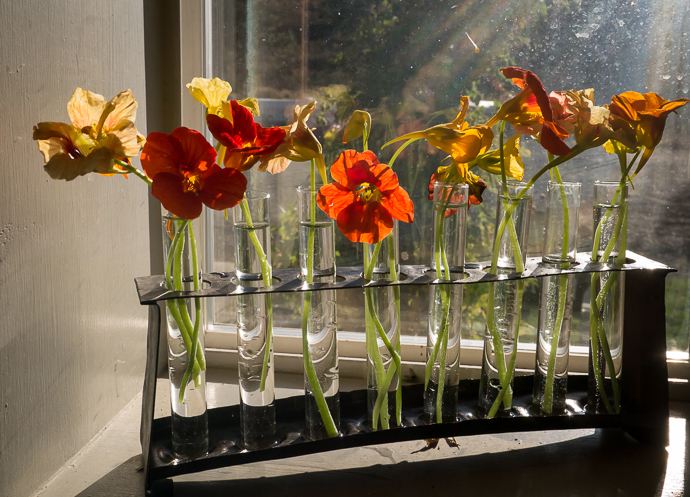
They are also good in salads and spring rolls
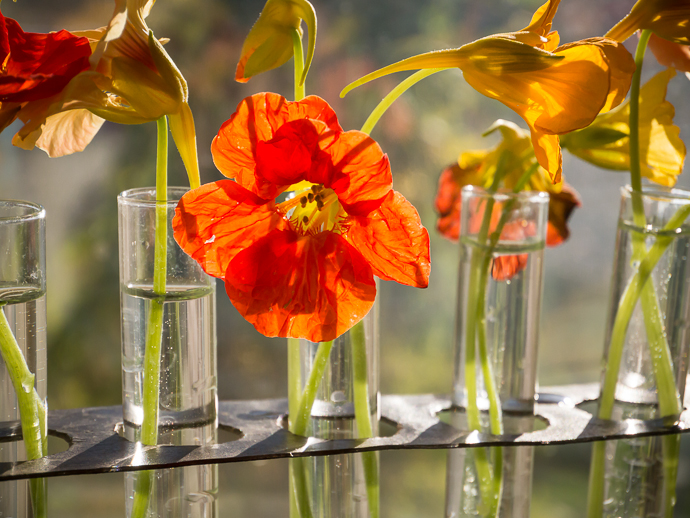
Did you know that their seeds can be pickled to make a substitute for capers?
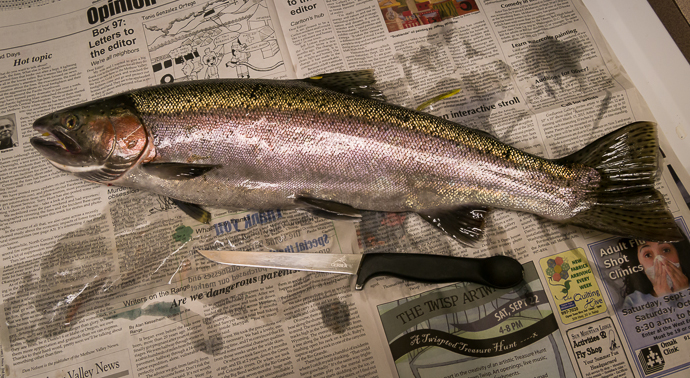
Ken’s first steelhead of the season, caught yesterday in the first hours of the opening.
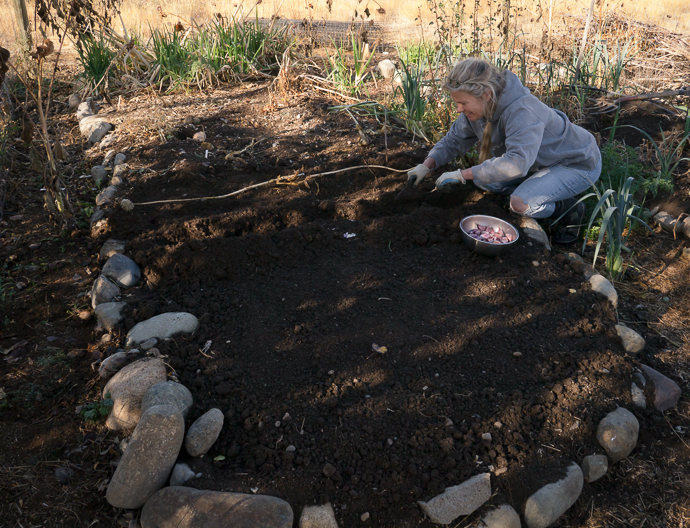
Fall is the time to plant garlic. Weekend rains – the first substantial moisture we’ve had in months it seems – left everything fresh and sweet smelling and ready to start anew.


The last couple of years I’ve planted garlic from my previous harvest. This year I am trying some glorious garlic from a family farm in the Twisp River valley. Each head was almost a handful!


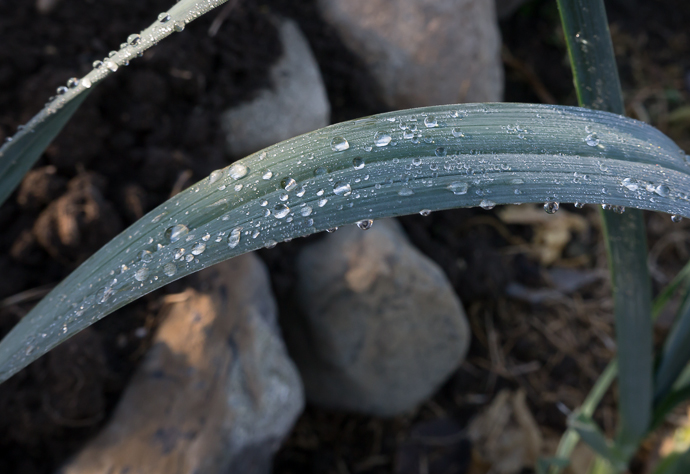
Raindrops on a leek


Uh oh, Ken has my camera now.


Luna watched from the patio garden near the house.


The garlic is planted and fertilized with horse manure from the base of Patterson Mountain and mulched with straw from a demolished straw bale building up in Lost River.


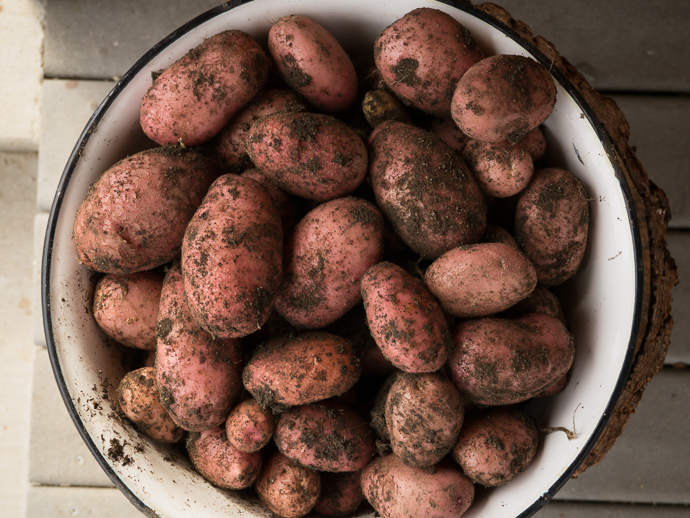
A few of the red potatoes; there are still many more to dig


The biggest spud!


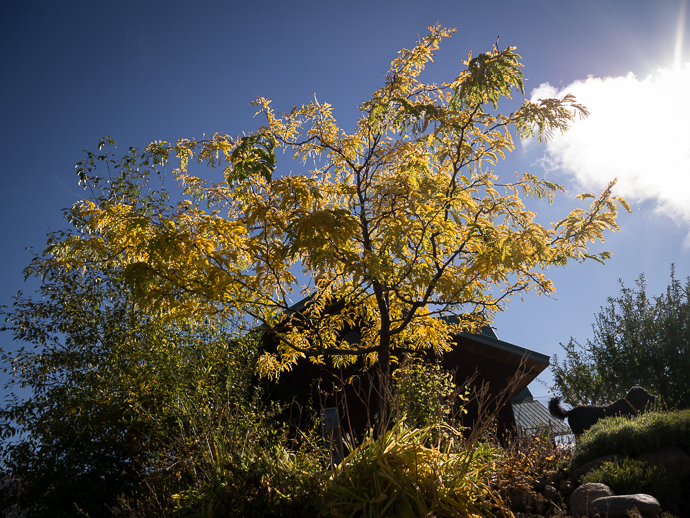
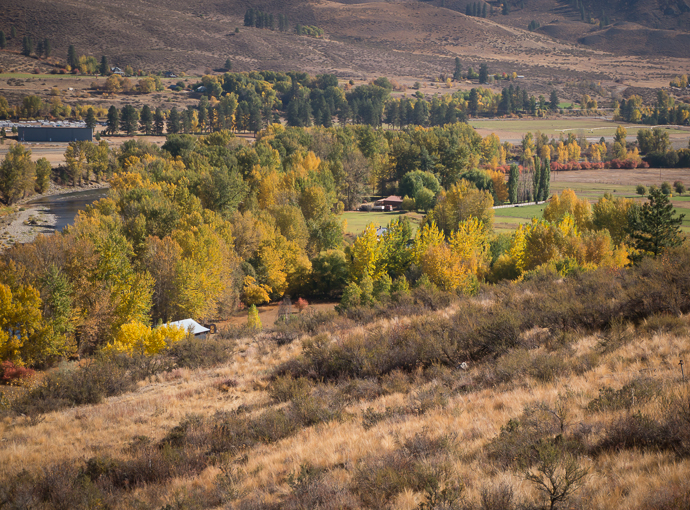
Fall colors in the Methow Valley


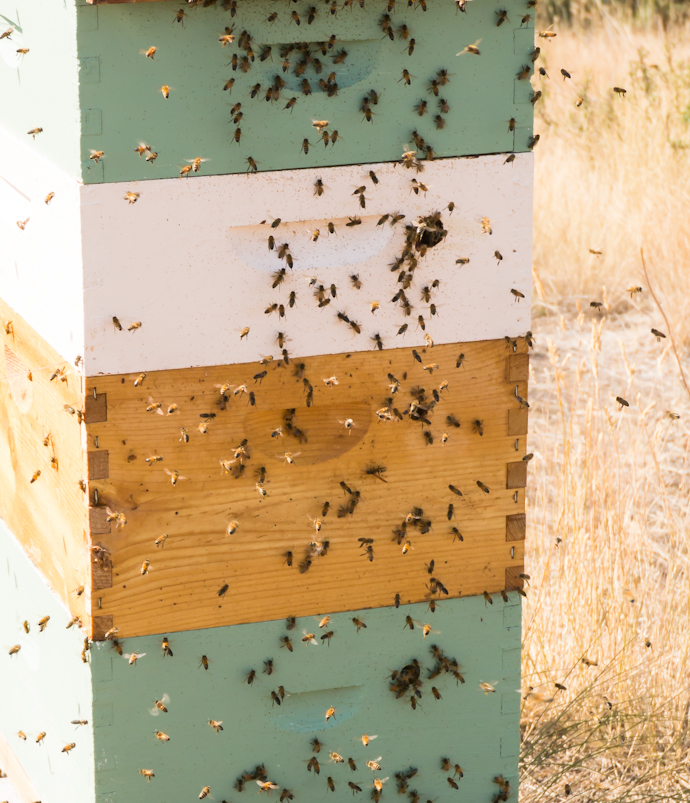
Putting away food for the cold months is a major preoccupation these days. Like bees gathering nectar for honey, we are freezing, drying, canning and just generally squirreling away food for winter. We have a deer in the freezer and lots of fish already (it’s not even steelhead season yet). From our neighbors, we have some rabbit, a new meat for us. And from the garden I’ve dried onions and garlic for storage, made pesto from our basil and also from our kale to store in our freezer. Beans are frozen as well as corn from the Columbia Basin. I’ve dried nectarines from a roadside stand and tomorrow I need to make some jam from the really ripe ones. There are lots of potatoes to dig. We hope to get some honey from Ken’s bees however they have recently been attacked by ‘robber bees’ from someone else’s hive. He’s covered most of the entrances but still these robber bees are all around and they are not only aggresive to Ken’s bees but to us and the dogs too.


These are the ‘robber bees’ trying to steal Ken’s bees’ honey


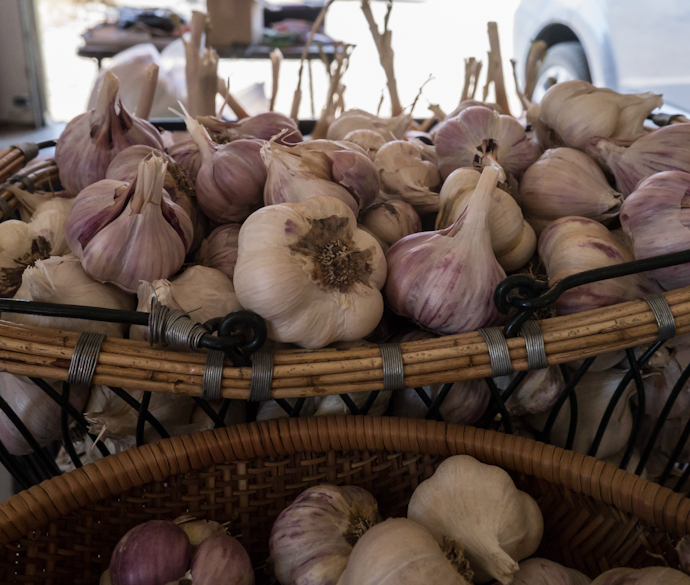
Various kinds of garlic to get us through the winter

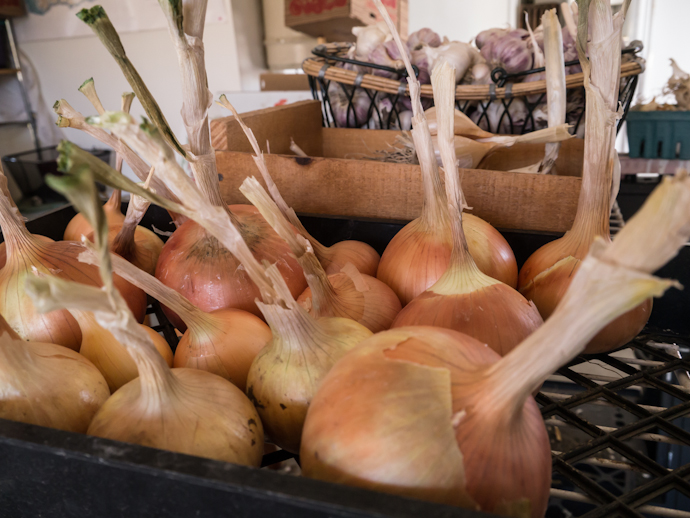
Yellow Onions. I am not so good at growing onions as I am at growing garlic


Dried nectarines for skiing and hiking outings! What a treat.


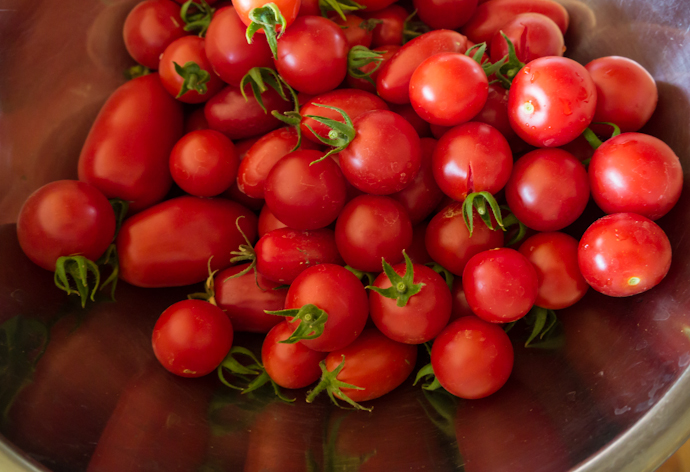
Little tomatoes. These would be good dried.


Big tomatoes for fresh eating or sauce


Still some bees getting nectar and pollen from the tall sunflowers


June showers bring? June flowers? Well maybe a few more days of green hillsides in the Methow. Also good conditions for garden photos.


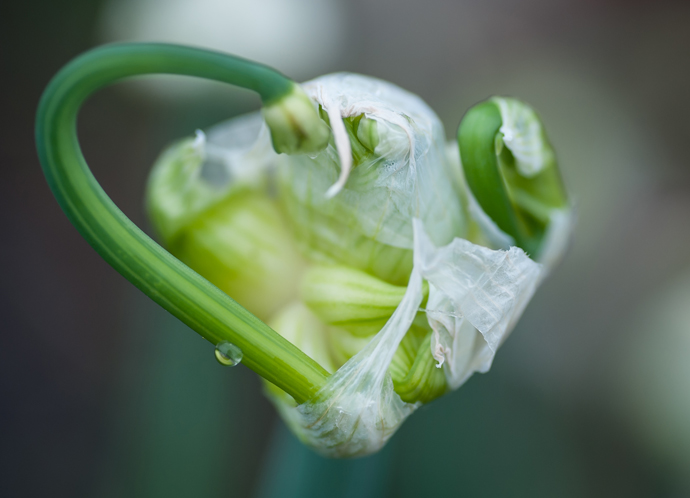
Walking or dancing Egyptian top-setting onions


 Native columbine


Pretty flowering catnip mint


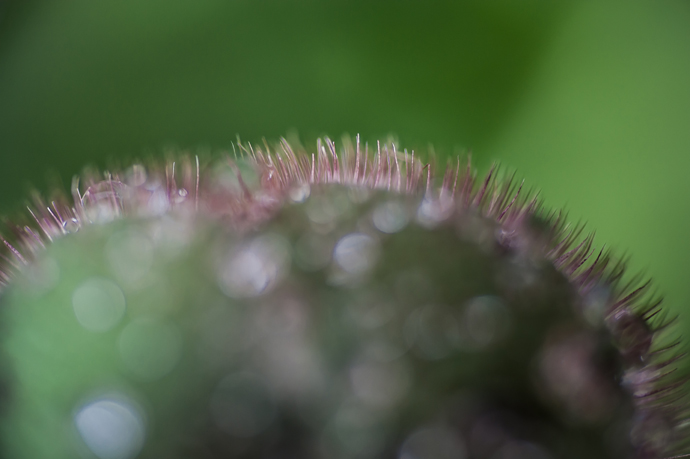
Poppy bud


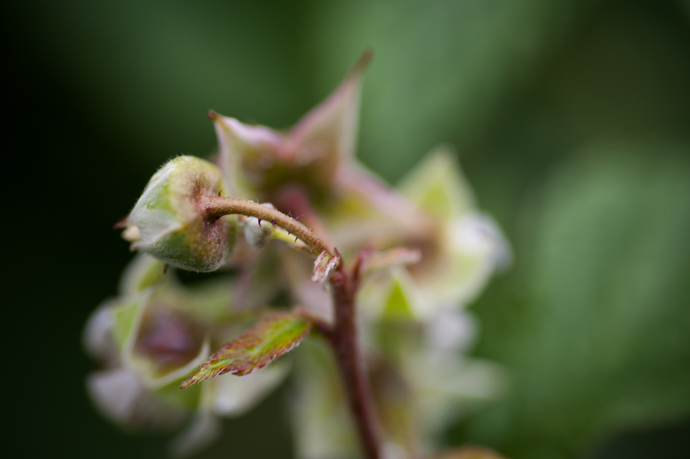
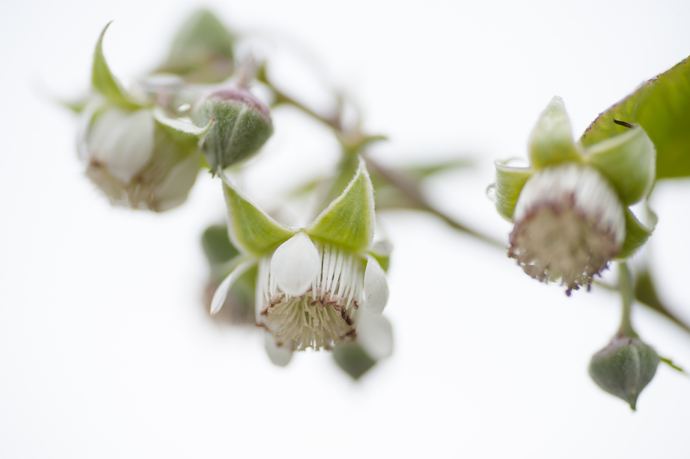
Raspberry flowers


Ken’s bees have been busy in the berry patch.


Hop vine


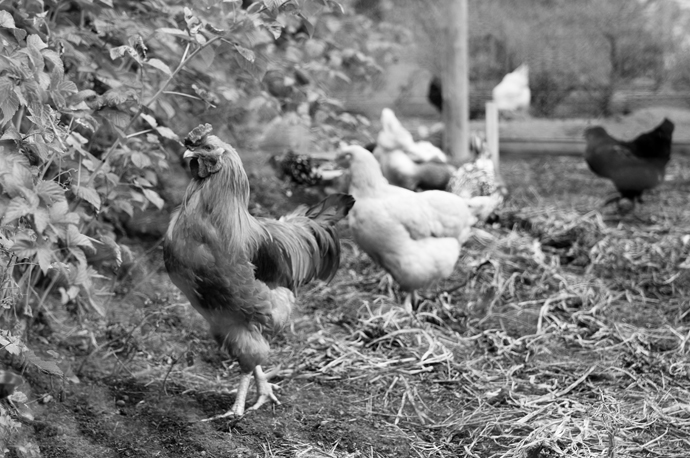
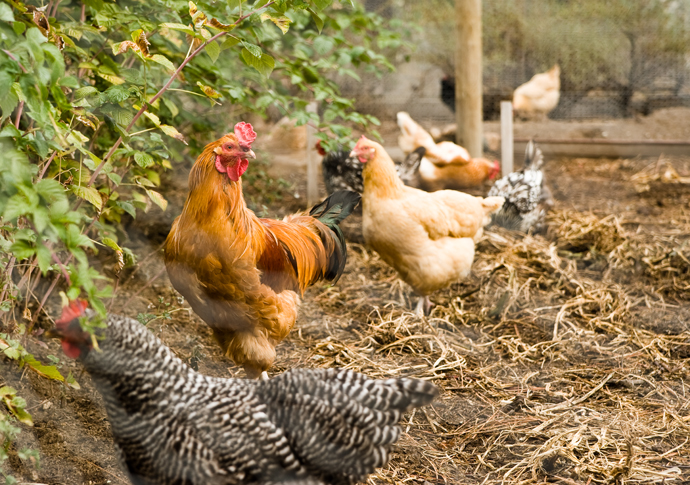
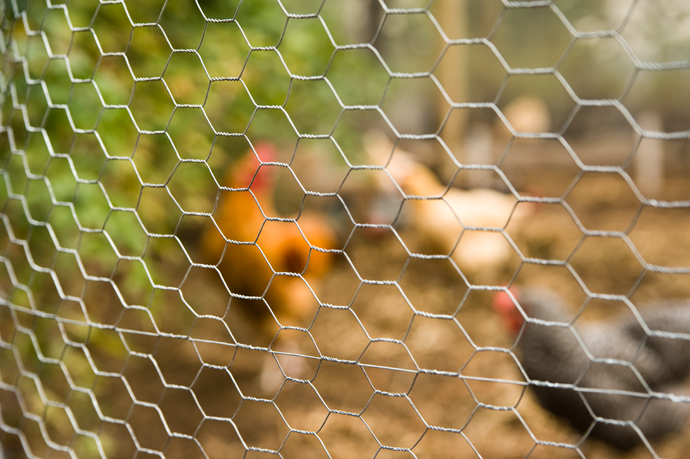
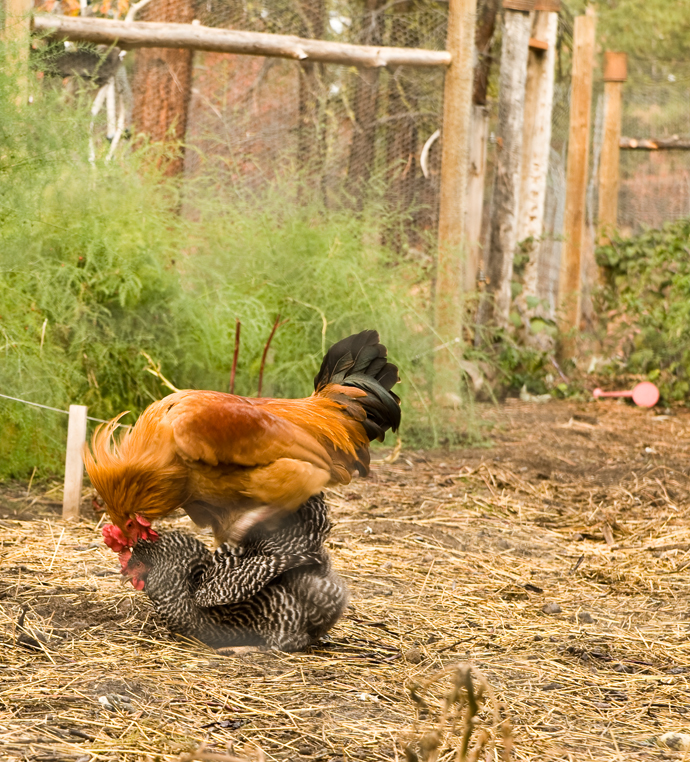
Our neighbors have a fabulous garden and I imagine that part of that is due to their chickens. These stocky egg layers spend much time scratching and eating bugs and making fertilizer within the protected confines of the garden. When I visited yesterday, the big red rooster was ruling the roost, so to speak, chasing away hens that got too close to where he was foraging and making sure others were producing fertile eggs. Mostly the hens ignored him and went about their business – eating, pooping and laying eggs.