Skip navigation

Category Archives: road trip

Page Springs is a BLM campground located just south of Malheur NWR on the Donner and Blitzen River. Just ten days before we arrived high water had forced some campers to higher ground so we picked a campsite on a hill to avoid that possibility. A small stream came off of Steens Mountain and rushed by our camper. During the day as snowmelt and rain contributed water to it, the level rose dramatically. At night, with cold temperatures, it dropped. The Donner and Blitzen was so high and loud, it was like being next to ocean waves with a constant roar that covered up most other sounds and lulled us to sleep every night. Despite cold temperatures and wind and rain we stayed warm in the little pop-up trailer and slept well. The last two nights of our stay were a little warmer and we were treated to a bird song that repeated itself over and over through the darkness. Based on what others say I have decided it must have been a Yellow-breasted Chat although it did not sound like any ‘typical’, as if there is a ‘typical’, chat call that I am familiar with.


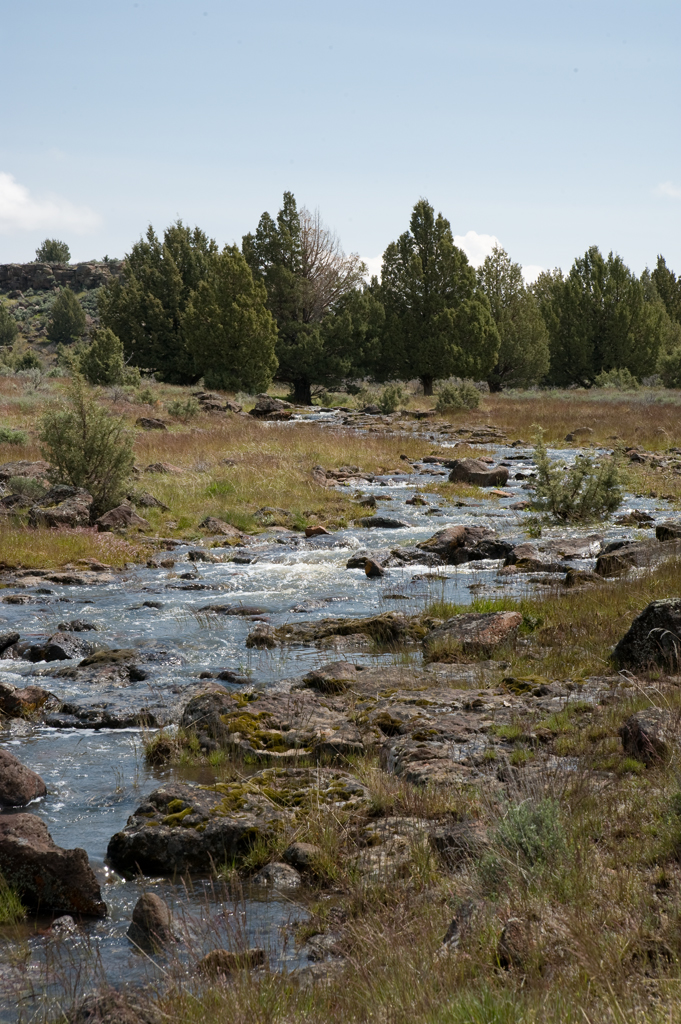
This is the creek that rose and fell each day. I expect many years it sees little water and is dry in the summer.
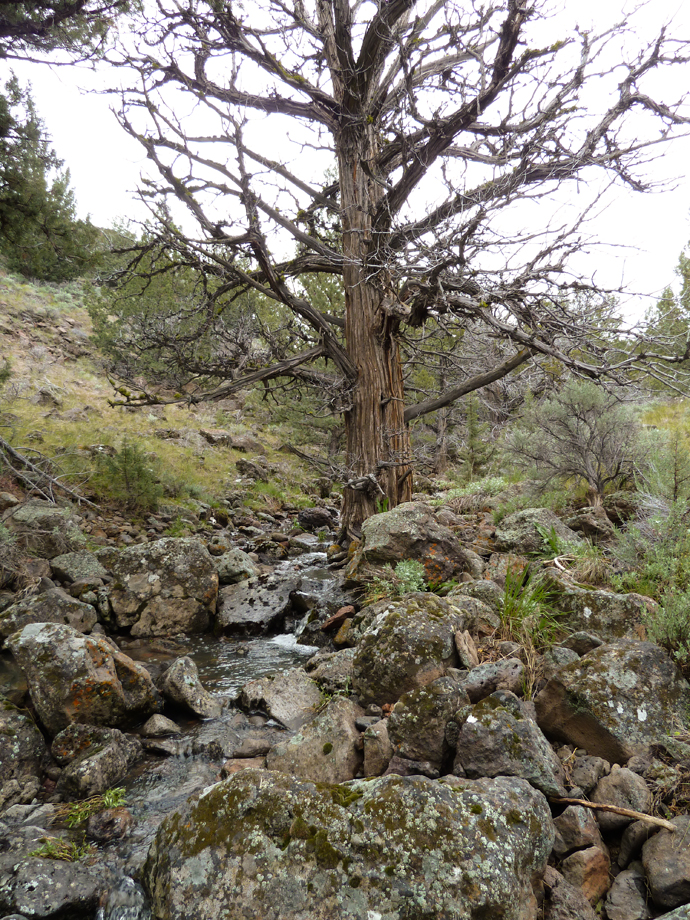
 

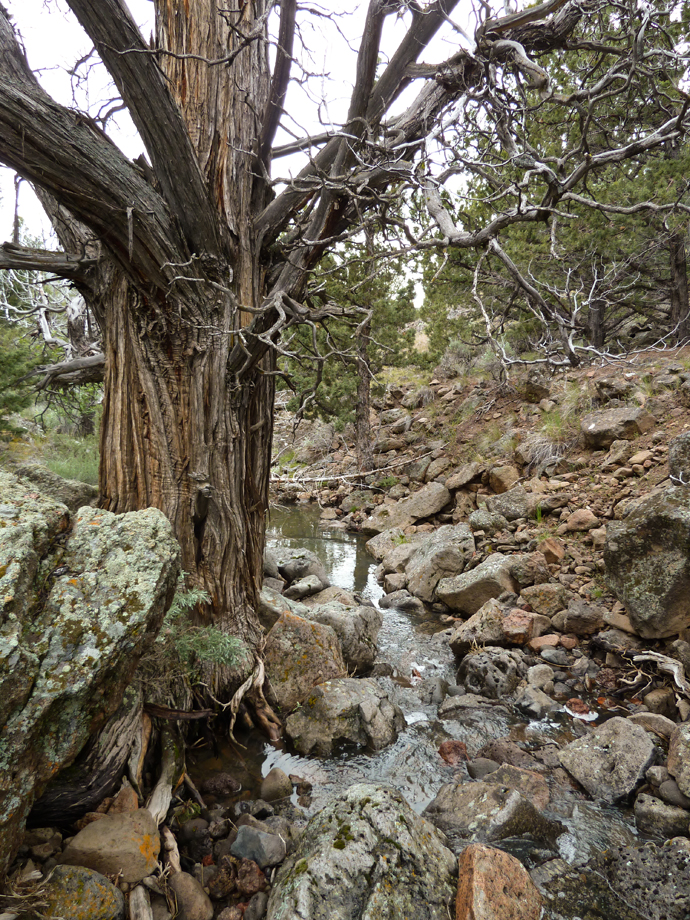
The junipers are really magnificent.


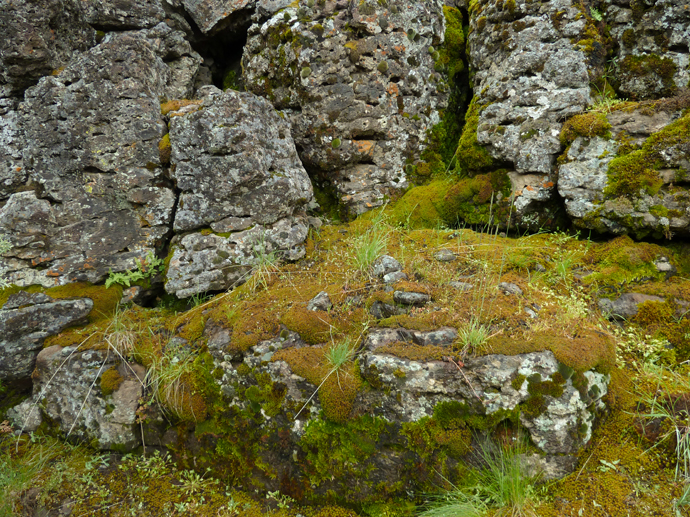
The mosses and lichens are pretty amazing too, especially in this year of much water.


Long-eared Owls nest in the junipers and we were fortunate that some folks showed us the exact spot. I had gone there and searched that same area however they are so cryptic I did not find them on my own.


Sagebrush violet growing through an old deer skull.


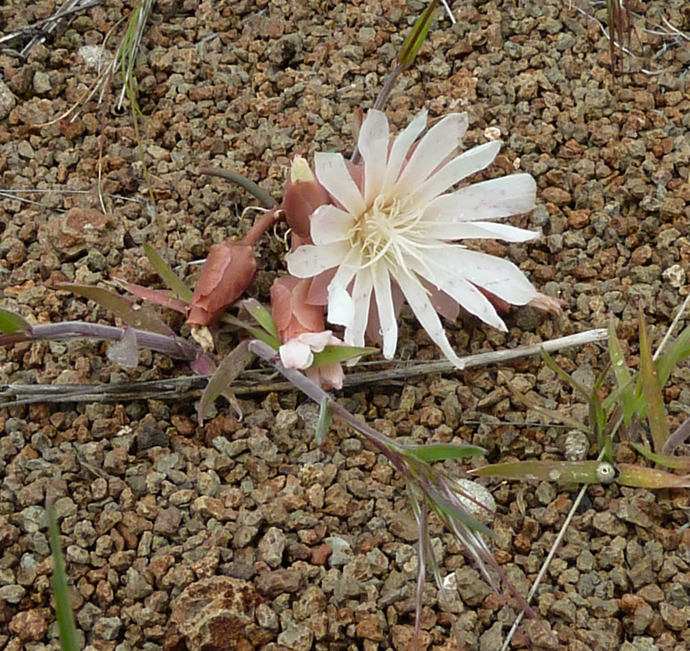
Bitteroot was blooming on the plateau above the campground.


Yup, that’s snow on the truck.


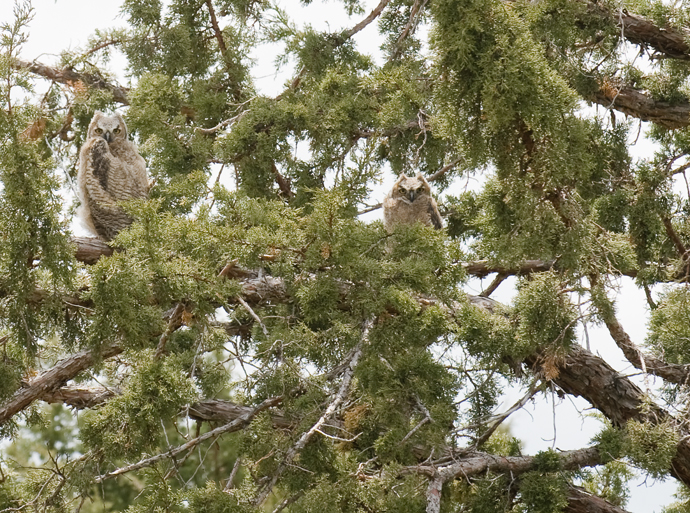
Great-horned Owl branchlings. The nest tree was growing in the middle of a pond, a very secure place for a nest assuming the young birds don’t fall out of the tree.
 

Reflections on a side channel of the Donner and Blitzen River.


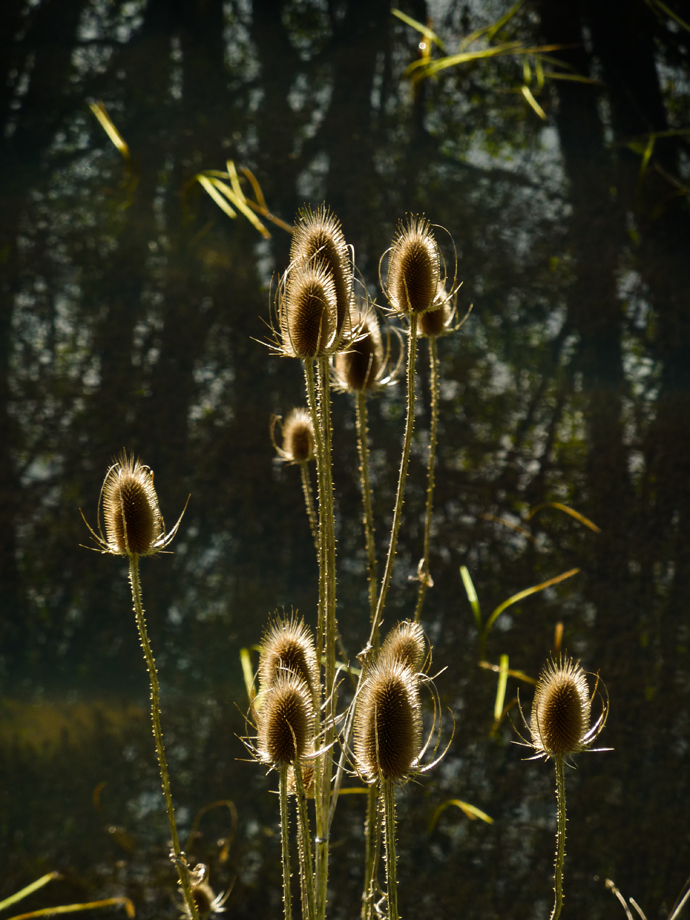
Teasel, an invasive, growing next to the river.
 

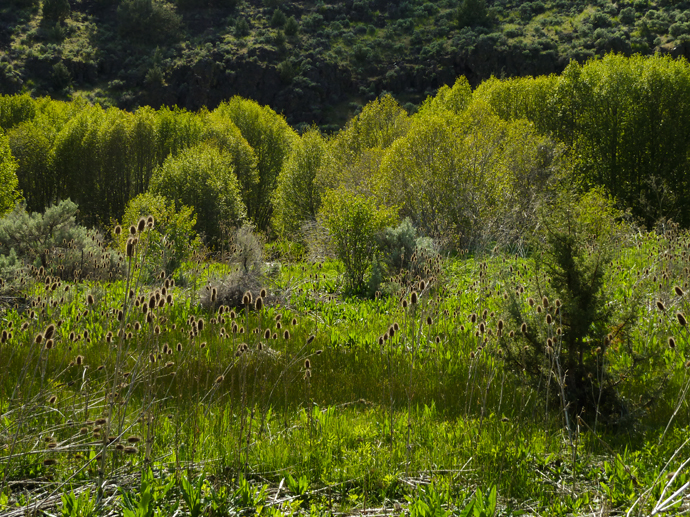
Lush greenery in the riparian areas. We were lucky it was cold. Otherwise the mosquitoes would have eaten us alive.
 

Lupine, sagebrush and a lomatium.


Day two actually got us to our destination, Malheur National Wildlife Refuge in south east Oregon. It is world renowned for its wetlands that attract migrating and nesting birds by the thousands. It is also a magnet for birders. We found that cell reception in this remote area was excellent and this proved to be a boon for interesting bird sightings. Rarity reports were quickly shared via the internet thanks to smart phones and other technology. But first, we had to get there. And as usual, the weather wasn’t the best.


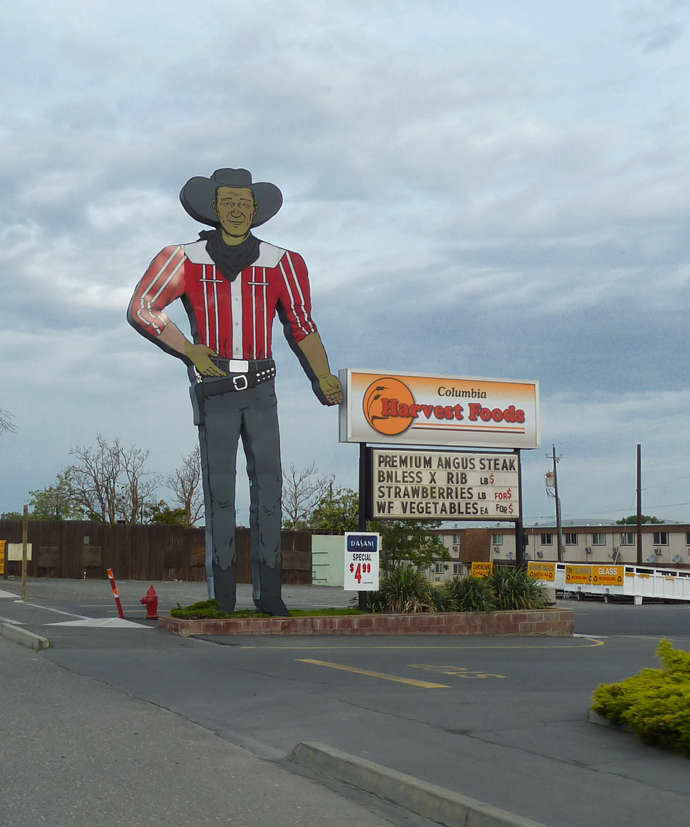
This big fella is in Umatilla, Oregon. We were looking for a breakfast spot when a kindly local police officer stopped us and suggested going on to Hermiston or Pendleton if we were serious about food. Also, he gave Ken a warning and we were headed down the road again.


Main Street Diner in Pendleton.


Tasty food and lots of intersting stuff to look at. The fellow in the black t shirt seemed to be both the owner and server.


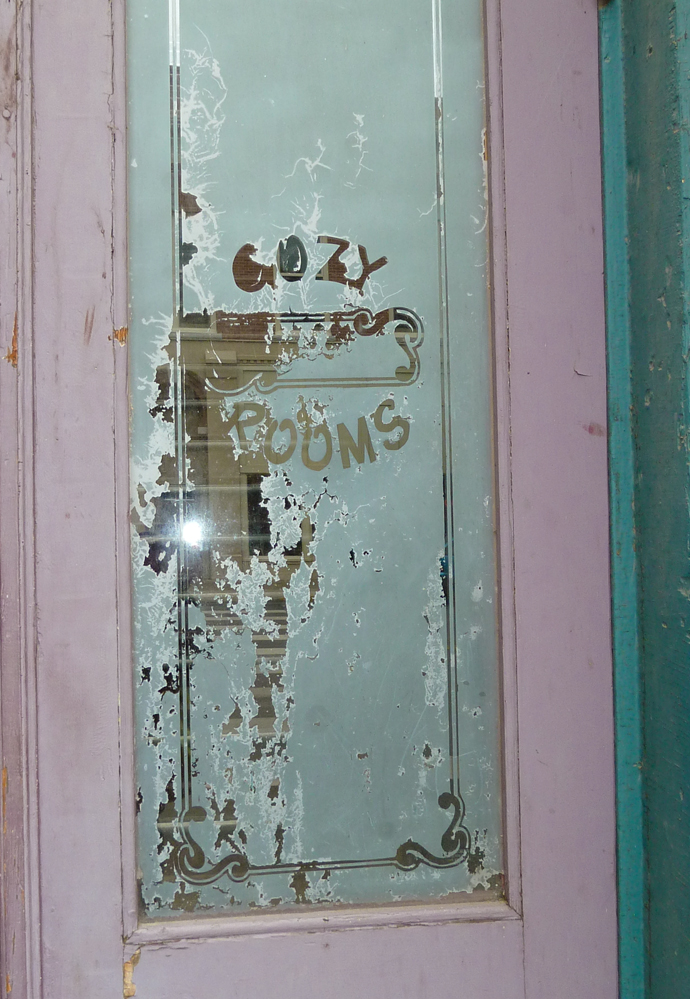
I think Pendleton might have lots of intersting old buildings, if you like that kind of stuff.


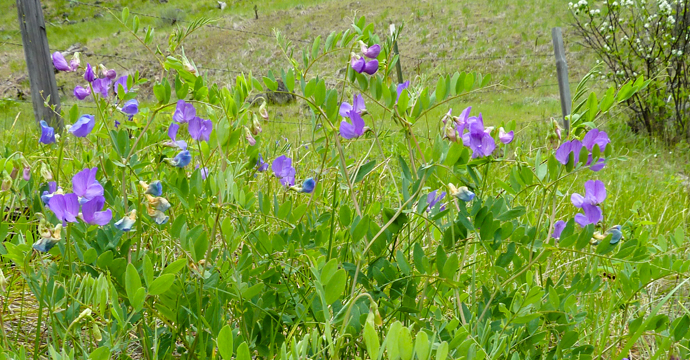
A pretty wild pea or vetch growing alongside the road.


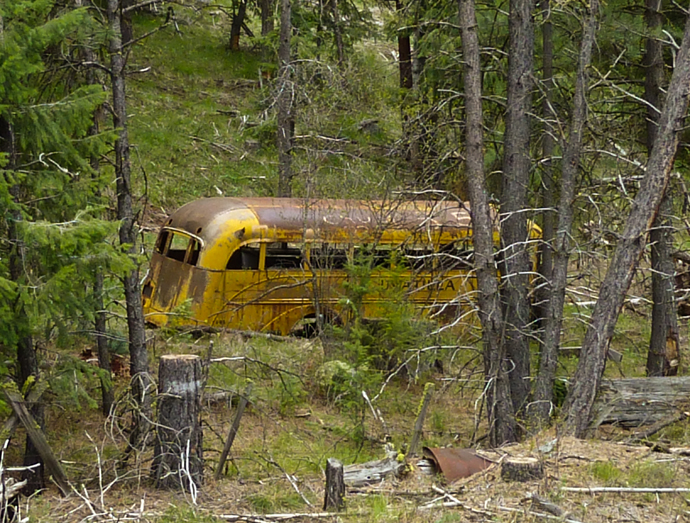
I wonder why this old Umatilla school bus was left to decay in the woods south of Pendleton?


You’d think if the guy was buying the things, he’d know that they are antlers and not horns.


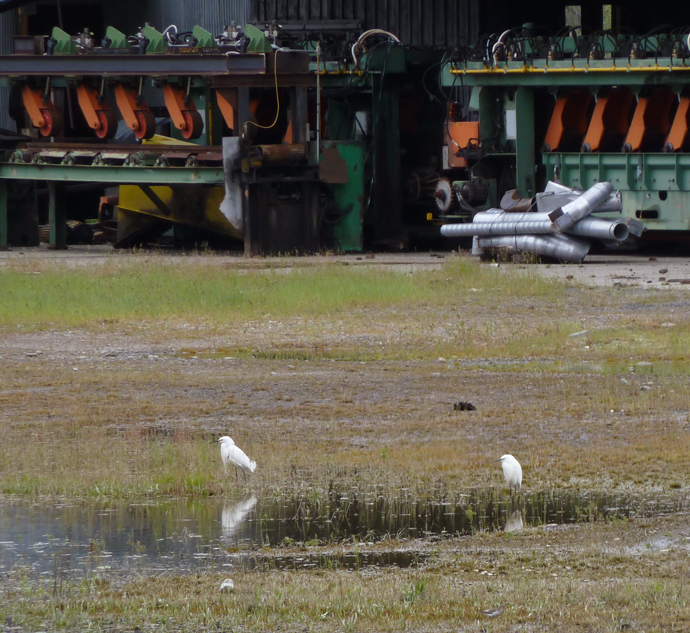
Snowy Egrets in a flooded field in the town of John Day.


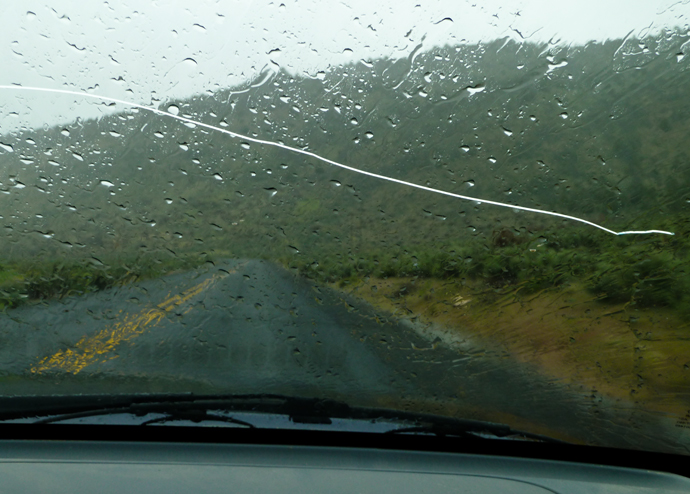
Raining hard at Malheur NWR. We put up camp in ten minutes.


The evening was quite pleasant, if a little on the cold side. The snow in the background is on the flanks of Steens Mountain, rising to over 9000′ elevation. Malheur is at about 4100′ – the high cold desert of Oregon.


The famous P Ranch of Malheur. Birders go here to see Bobolinks and other intersting bird species.


We got off to a late start on our honeymoon road trip on Tuesday the 24th. Once on the road we made good time, getting into Oregon, just across the Columbia for our first camp. As has been the trend this spring, it was colder than expected.

Methow Valley

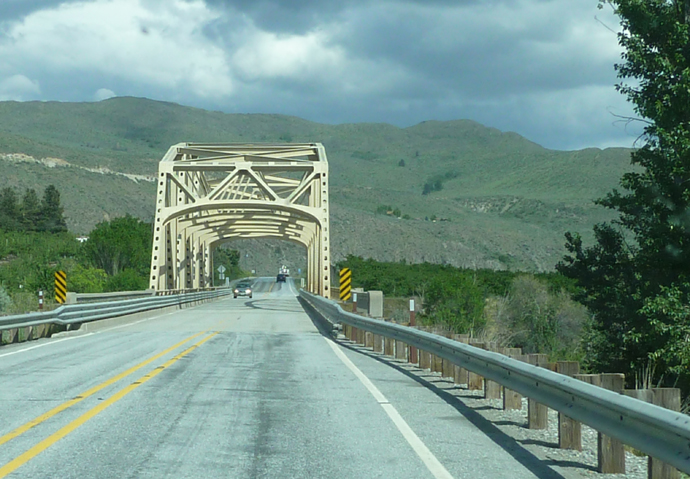
One of the Methow crossings


The mouth of the Okanogan River


Chief Joseph Dam spilling water on the Columbia.


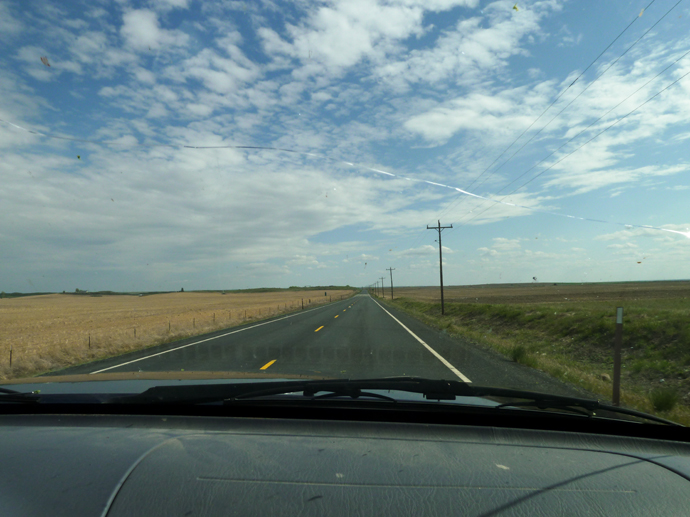
Driving through Douglas County’s dryland wheat fields.


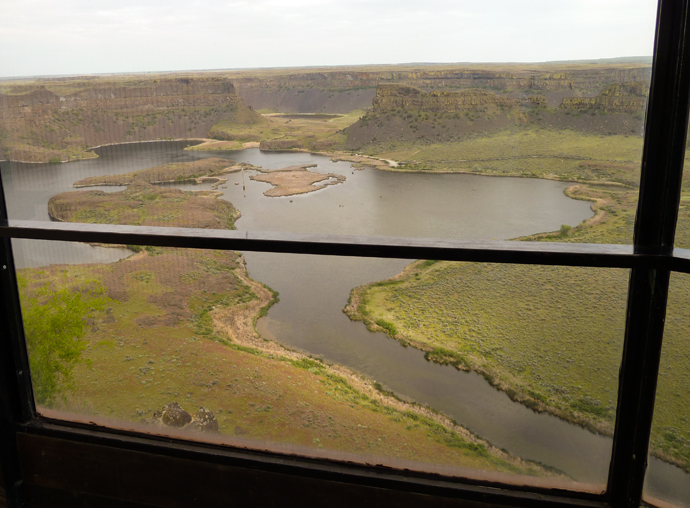
A rest stop at Dry Falls for an update on local geology.


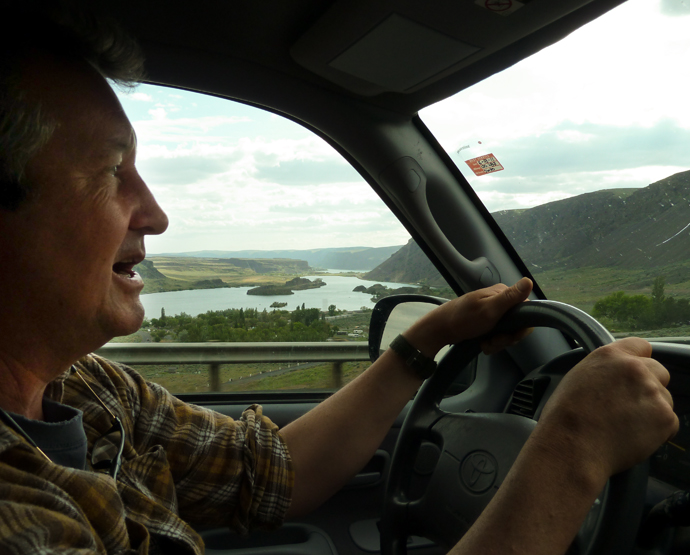
On the road again driving through the Grand Coulee.


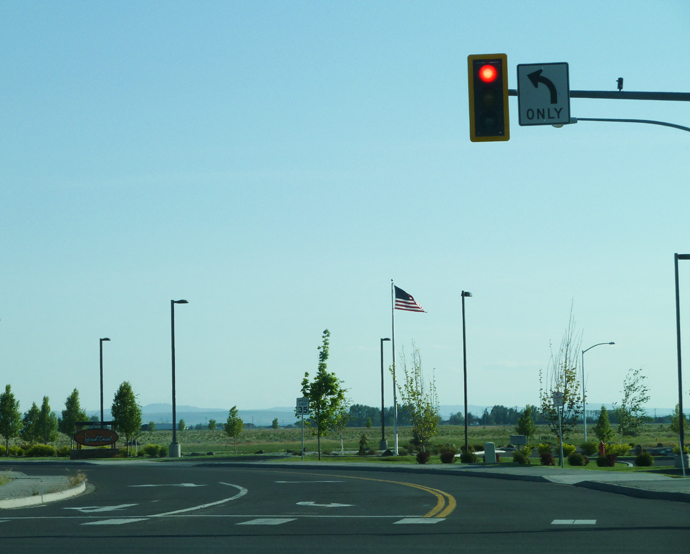
Uh oh, stop lights.


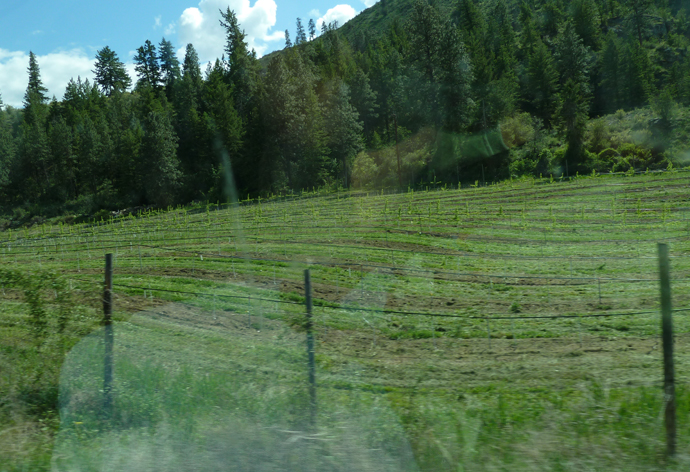
Driving through irrigated agriculture fields


You have to drive through some not so pretty industrial areas to get to the good stuff.


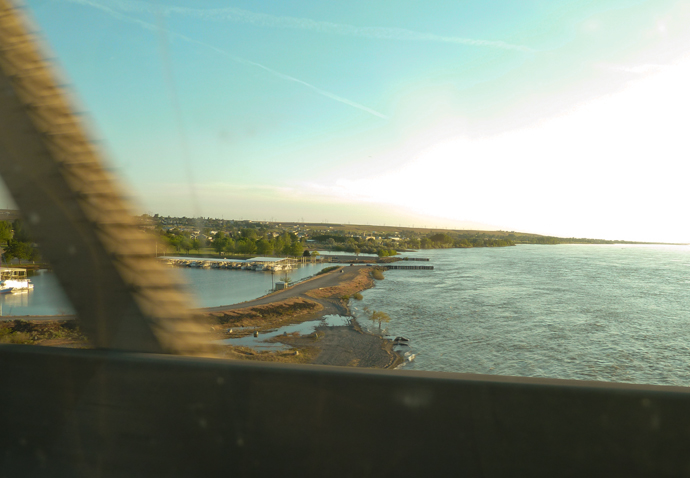
Crossing the Columbia River for the third time.


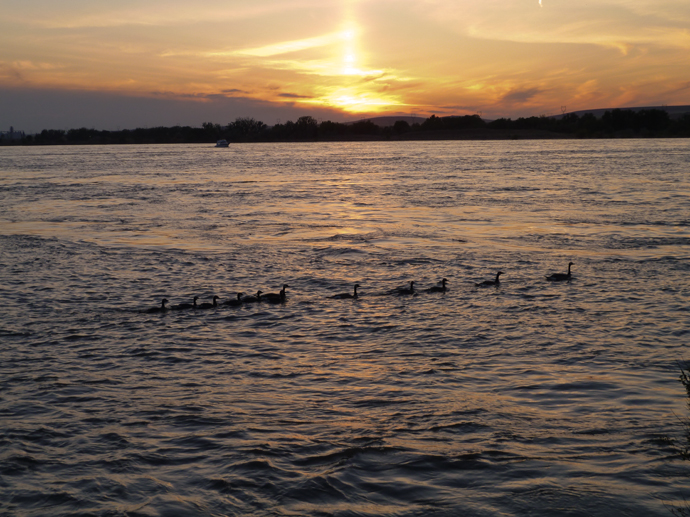
Sunset and a family of Canada Geese on the Columbia.