Skip navigation

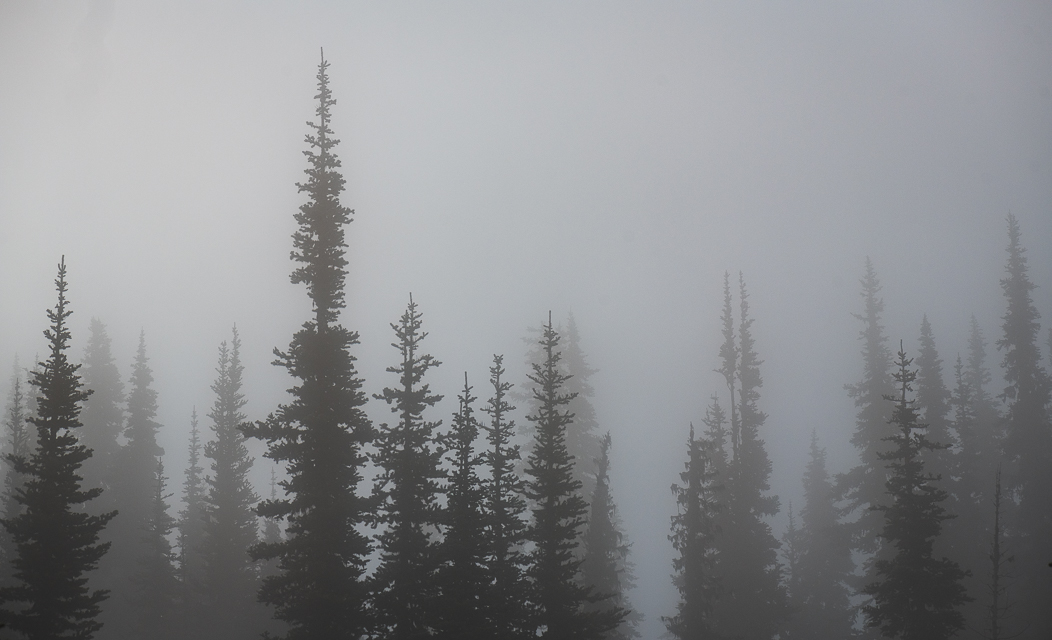
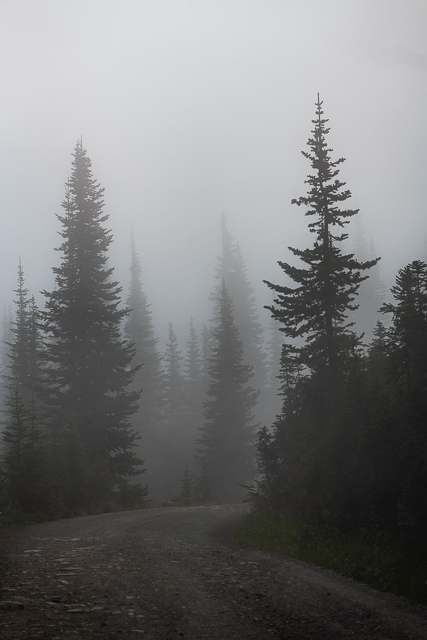
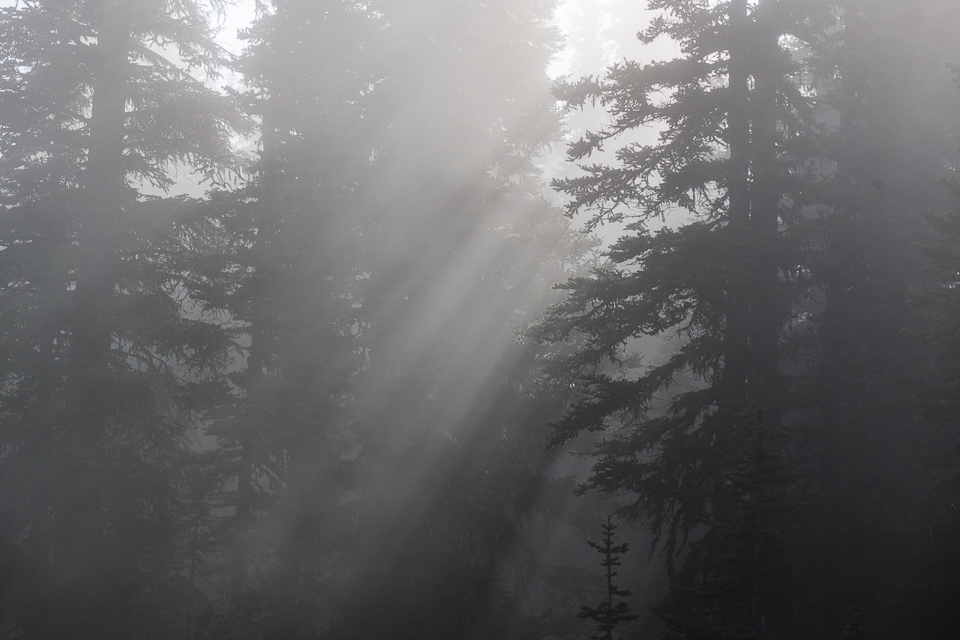
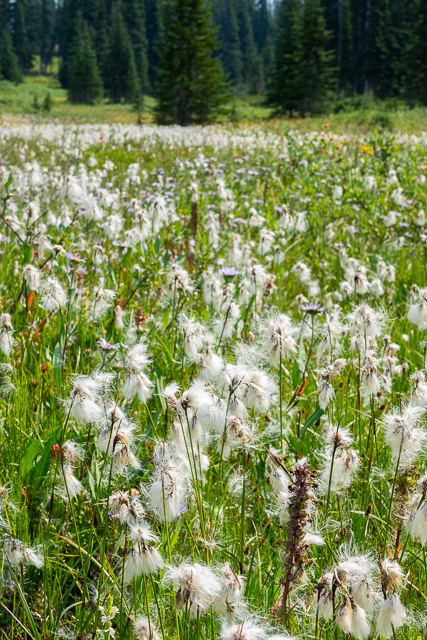
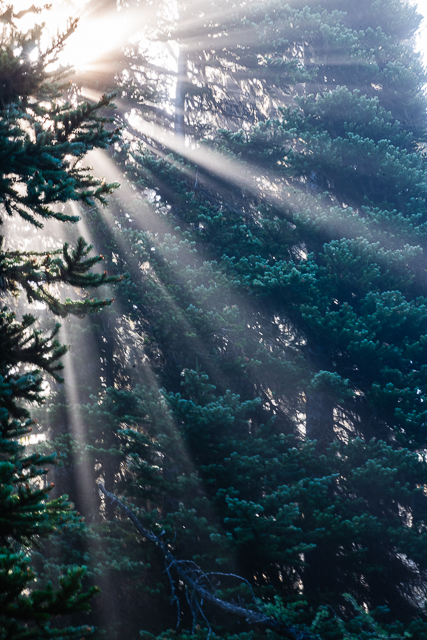
The girls and I spent a week in the North Cascades recently. It started out chilly with some rain and then it gradually warmed up. Good news about being chilly is that the mosquitoes were not bad. By the end of the week, they were more than annoying. I heard they were much worse this week. Oh well. Most of the trails were still snow-covered but by the end of the week, they were in good shape for walking without spikes. Meadows were already unbelievably green and full of wildflowers.
Here are a few more marsh birds. Yellow-headed Blackbird, Common Goldeneye with a flock of babies, hatch year Pied-billed Grebe, Eastern Kingbird, a pair of Ring-necked Ducks, American Coots and Gray Catbird. We had a fair amount of rain that day but also some sun breaks.

As I watched and photographed the Virginia Rail family (see last post), there were other birds singing and foraging in the marsh. I heard the familiar song of a Willow Flycatcher and was delighted to see it out in the open where I could easily photograph the tiny Empidonax flycatcher. If it had not been singing, I would have struggled with the ID. Song Sparrows were hopping along on the algae mats, foraging for what, I don’t know. There were three or four of them and some were probably young of the year. A Spotted Sandpiper joined the group, also foraging on the algae mats. And last, but not least, a Common (not so common in my mind) Yellowthroat sang from a prominent perch, giving me great views. Most of these images are heavily cropped as the birds are small and not that close.

Have you ever seen a Virginia Rail? They are secretive birds, living in marshes with thick vegetation. They nest near the water’s surface, often in cattails. I have often heard them but seldom seen them. Last week I was lucky enough to hear them at a shallow lake from the road adjacent to it. I waited and soon I saw two fuzzy black youngsters and two adults. The adults were busy, darting back and forth, gathering food for the little ones. Most of the time, they shooed the babies back into the cattails. It looked like a full time job!

There are not too many places in Washington where you can tow a trailer to above 6000′ elevation for a boondocking camping adventure. I found one and invited two friends who I knew were familiar with that area of the central Cascades. So, four dogs, three women and two cats traveled a long bumpety bump road to enjoy two nights on a mountain top. Somehow, I didn’t get any photos of the dogs and cats. They all got along wonderfully. The cats were mostly confined to their trailer unless they got out for leashed walks. Willow made a new best friend, Addie, a long legged doodle dog, almost one year old.

We had terrific views of two of Washington’s volcanoes – Tahoma and Pahto, otherwise known as Rainier and Adams. Like many other places in the west, much of the forest has burned leaving behind stands of silver snags. The snow had only recently melted and the tiny wildflowers were in full bloom. I was surprised by the lack of birds. Maybe that was due to the wind which nearly never quit blowing up there.

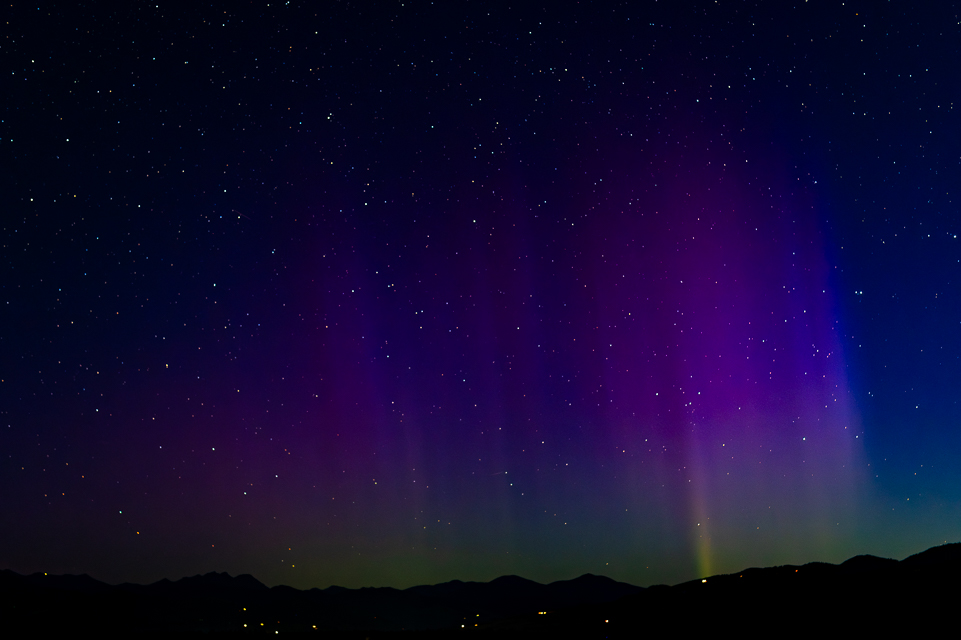
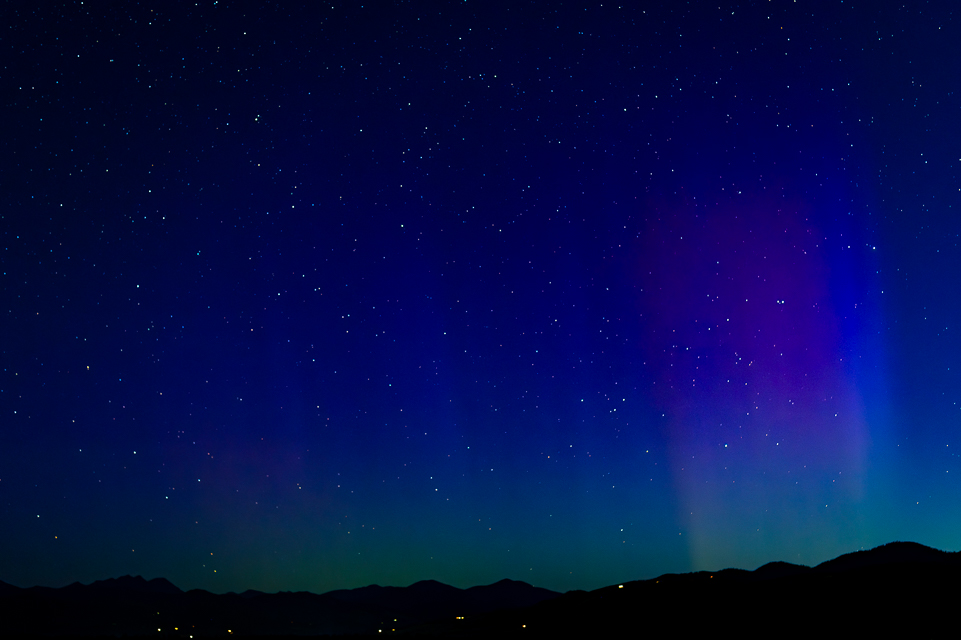
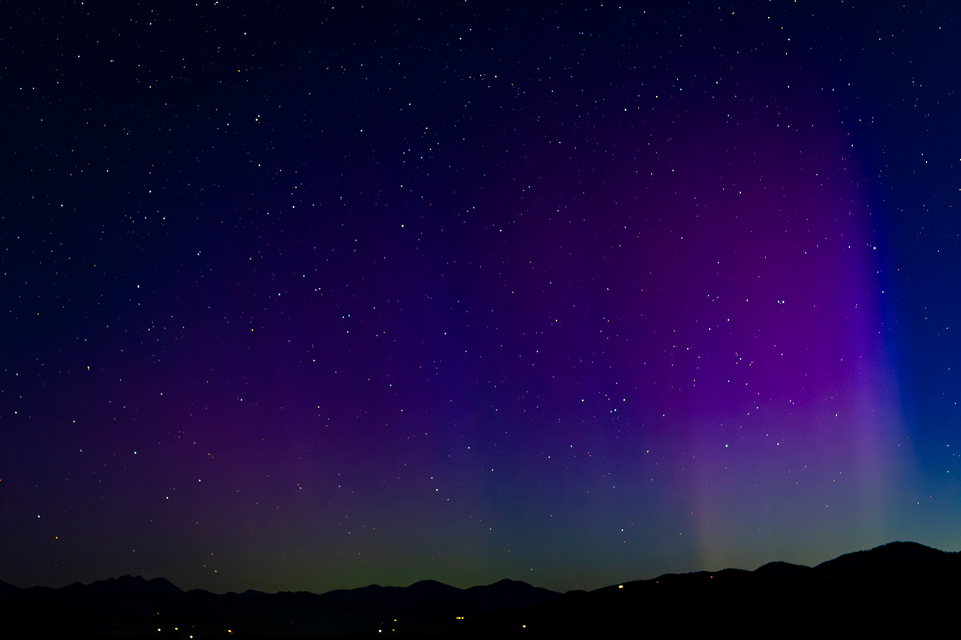
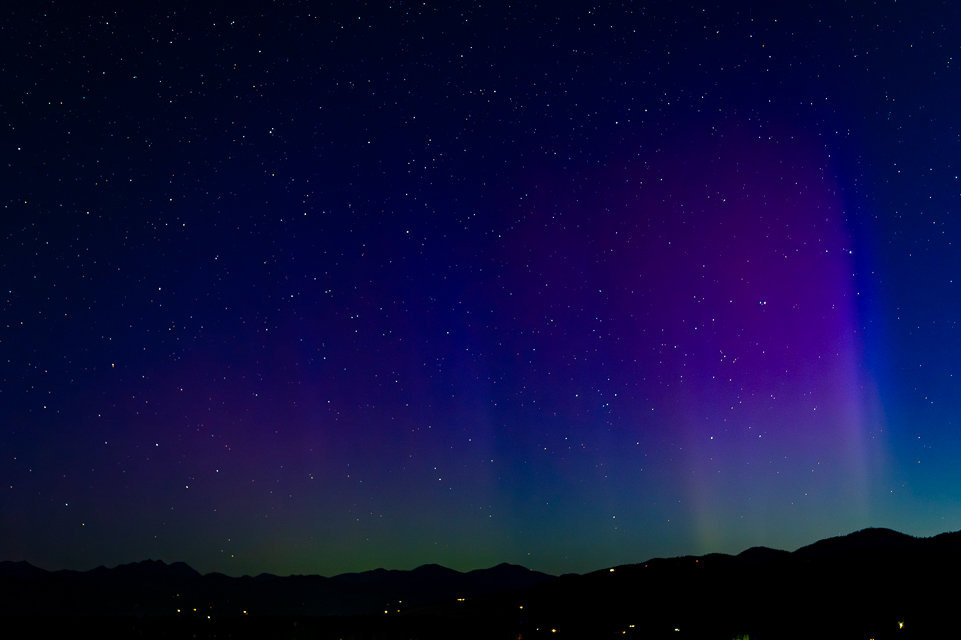
Night photography was a challenge due to light pollution from the closest towns and also, the tiny crescent moon was still up when the Milky Way was at its best. It’s amazing how much light it provides. Timing is everything!