A friend and I (no dogs, can you believe it?) went birding a couple days ago. We drove down the Methow, up the big river and then north on the east side of the county and back across the Loup. The weather was outstanding. Sunny and bright, cold in the morning but warm enough for light jackets in the afternoon. There were many water birds, few little brown jobs (sparrows and finches and such) and a good number of raptors. It was a good day birding.
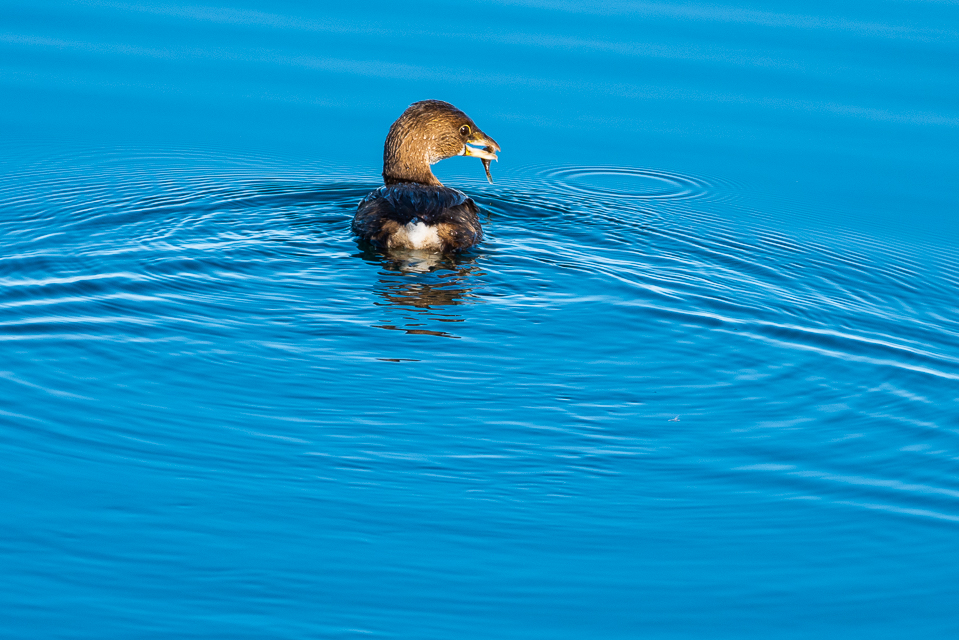
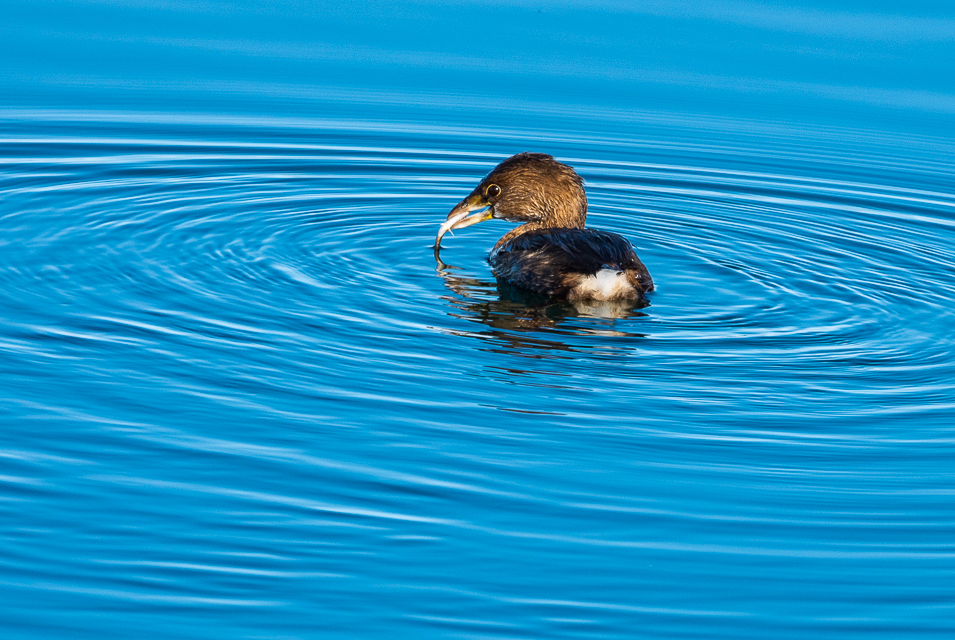
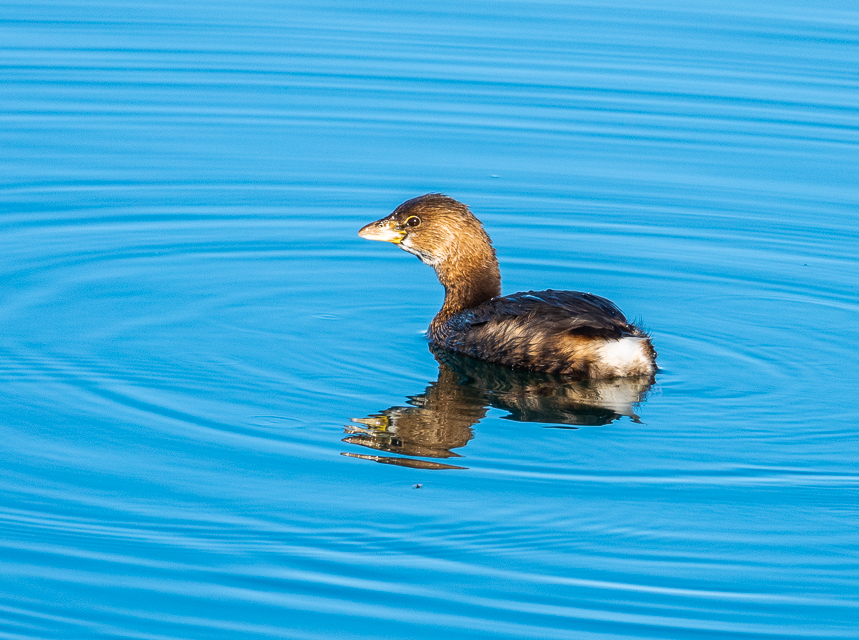
One of our favorites was this nearby Pied-billed Grebe eating its lunch. It was very close and gave us such good views! The lump in its throat in the last image is the fish.



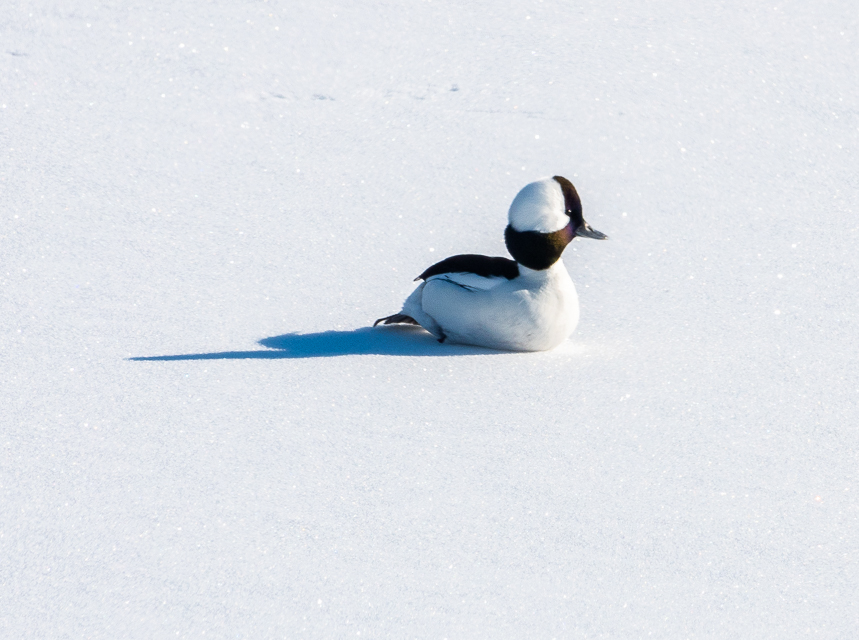
We noticed this Bufflehead sitting on a frozen lake separated by a dike from the big river. It was a ‘sitting duck’. Not a good thing in an area where we observed several Bald Eagles, a Cooper’s Hawk and a Northern Harrier. I don’t know if it was injured or it had mistakenly landed on the ice and could not get enough lift to get over the dike to the open water. It would fly low to the ice and land clumsily and finally it walked over to some cattails where it could be under cover while it planned its next move. According to All About Birds, Bufflehead are seldom seen on dry land: females walk only when they lead their ducklings from the nest to the water or when they’re forced to switch ponds with their ducklings.

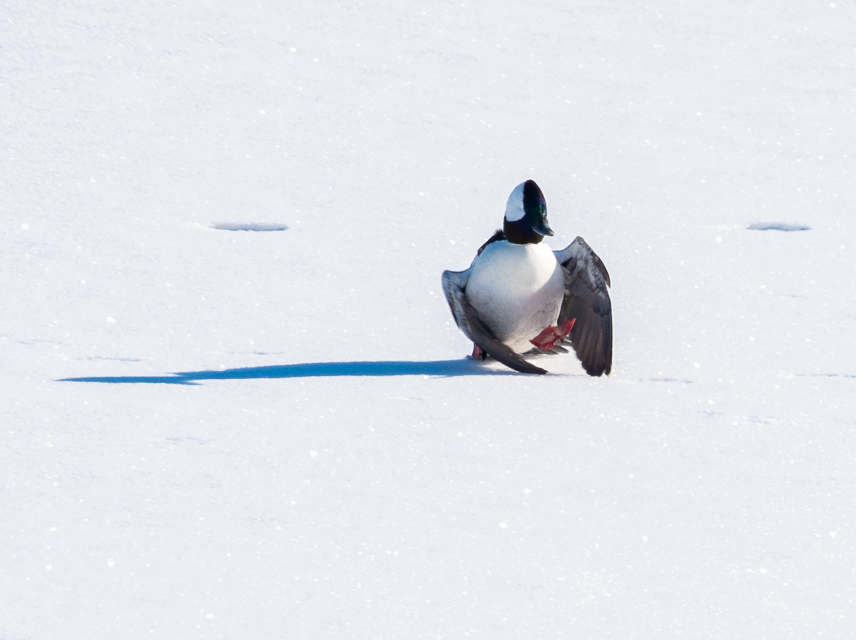
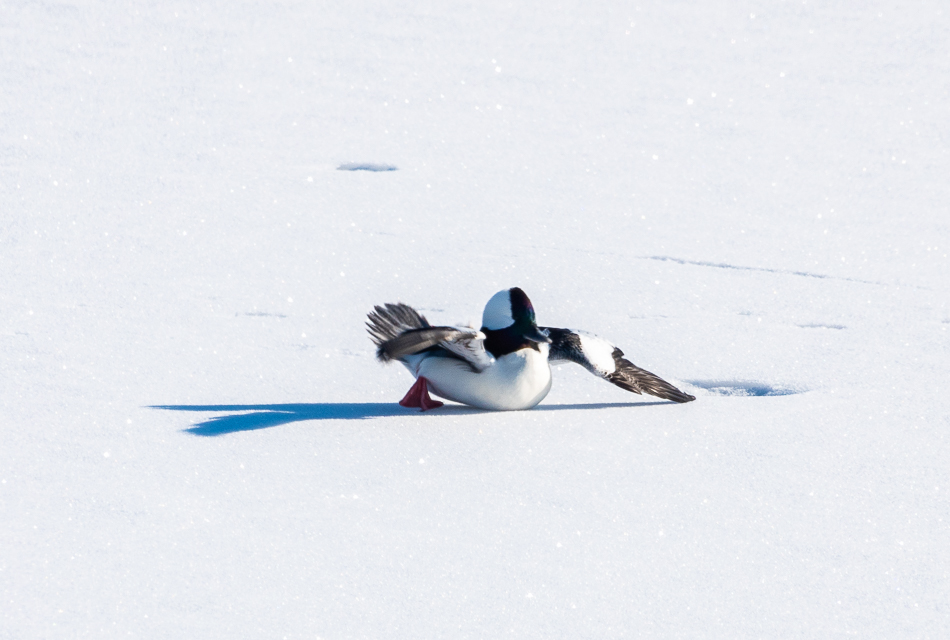


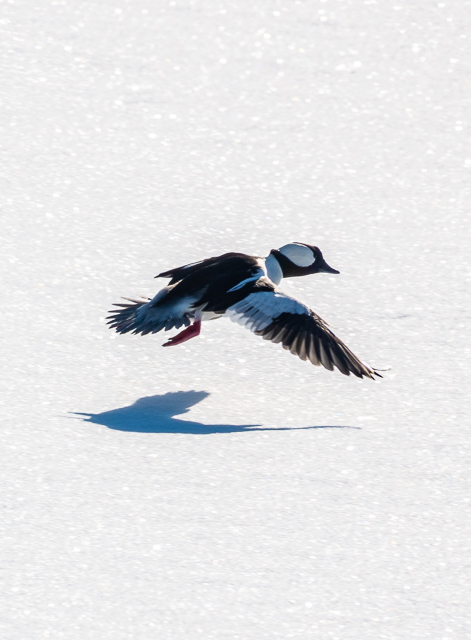


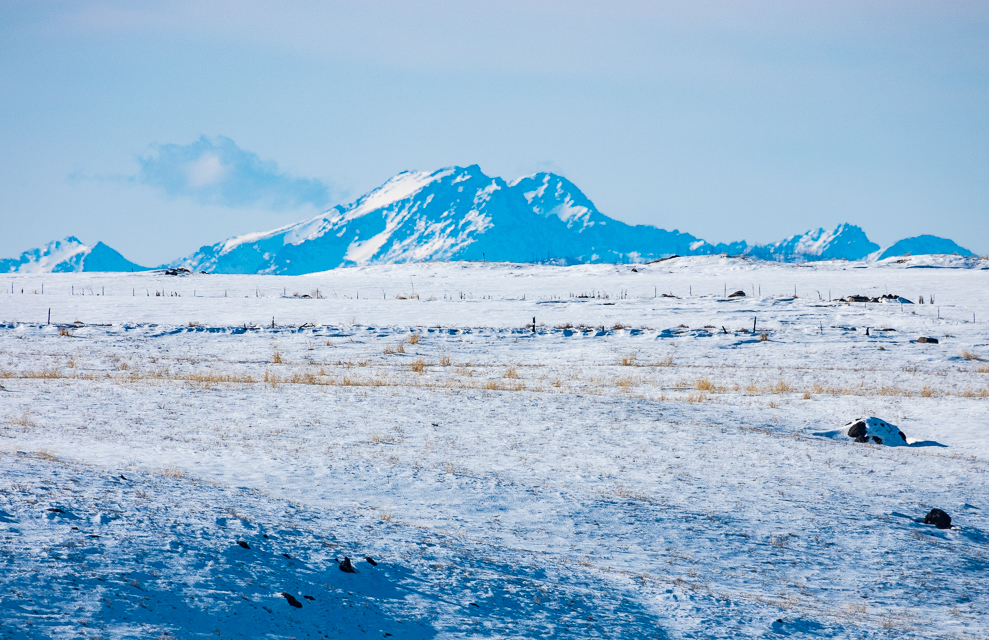
We saw lots of other birds and had grand views of the mountains to the west. A good day birding.
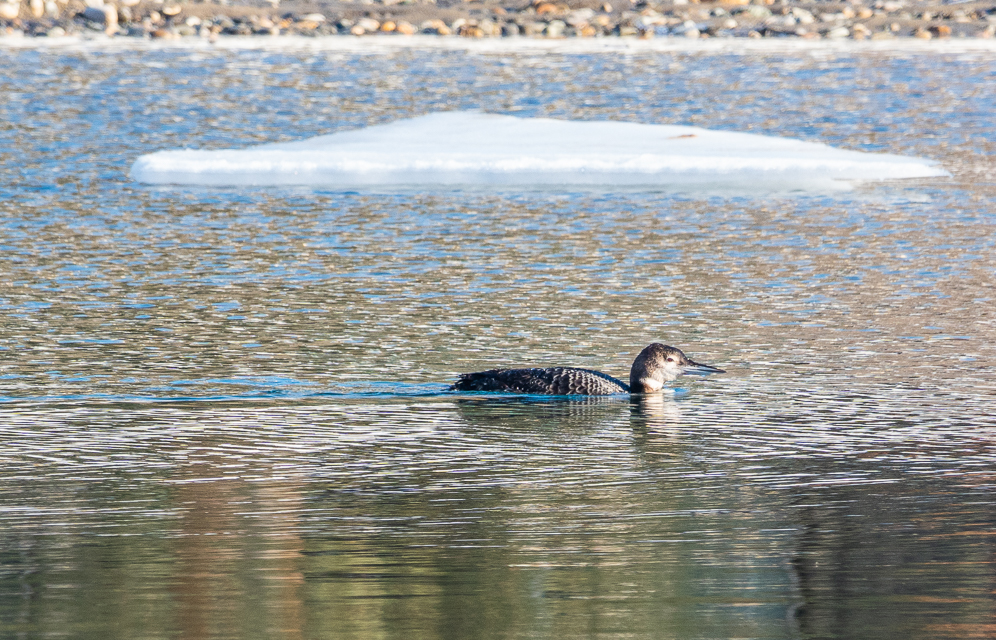


Our bird list:
Common Loon
Horned Grebe
Pied-billed Grebe
Western Grebe
Great Blue Heron
Canada Goose
Mallard
American Wigeon
Green-winged Teal
Canvasback
Redhead
Greater Scaup
Lesser Scaup
Common Goldeneye
Barrow’s Goldeneye
Bufflehead
Hood Merganser
Common Merganser
Northern Harrier
Cooper’s Hawk
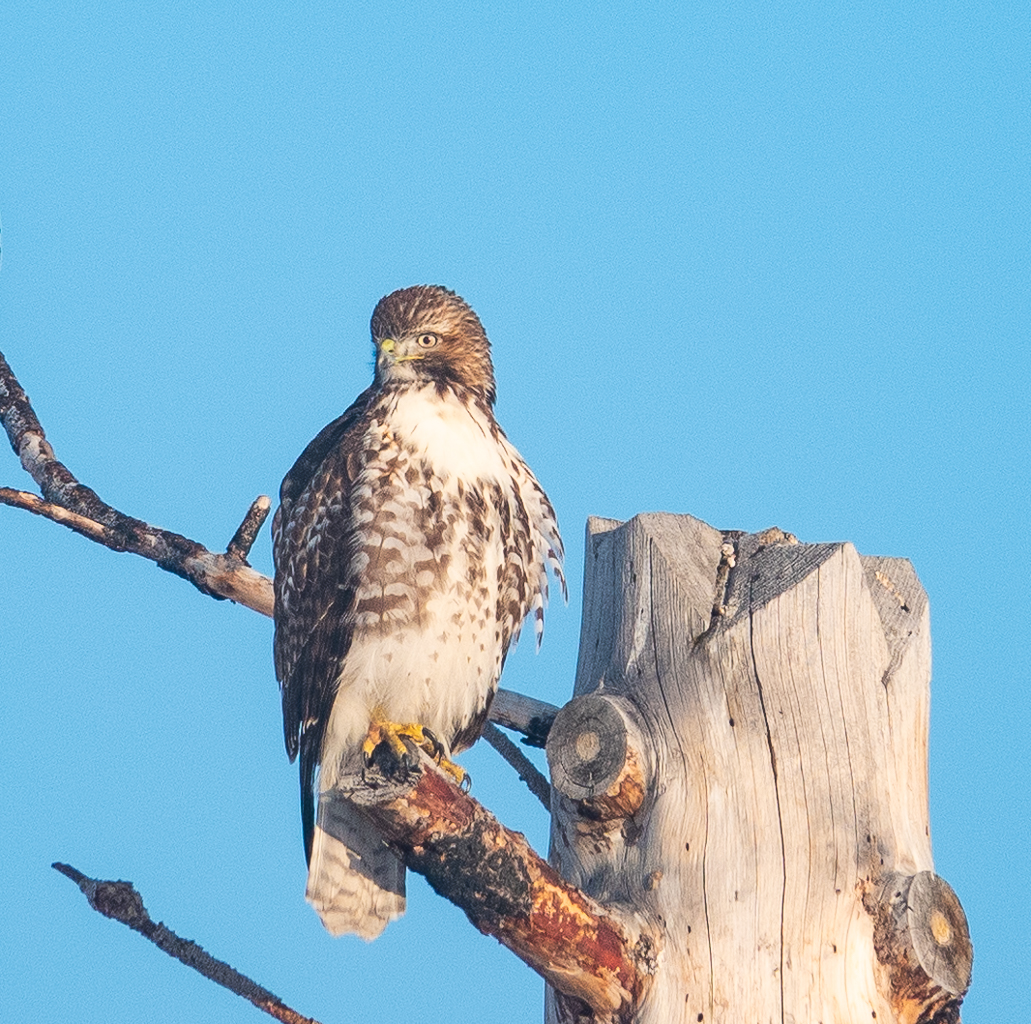
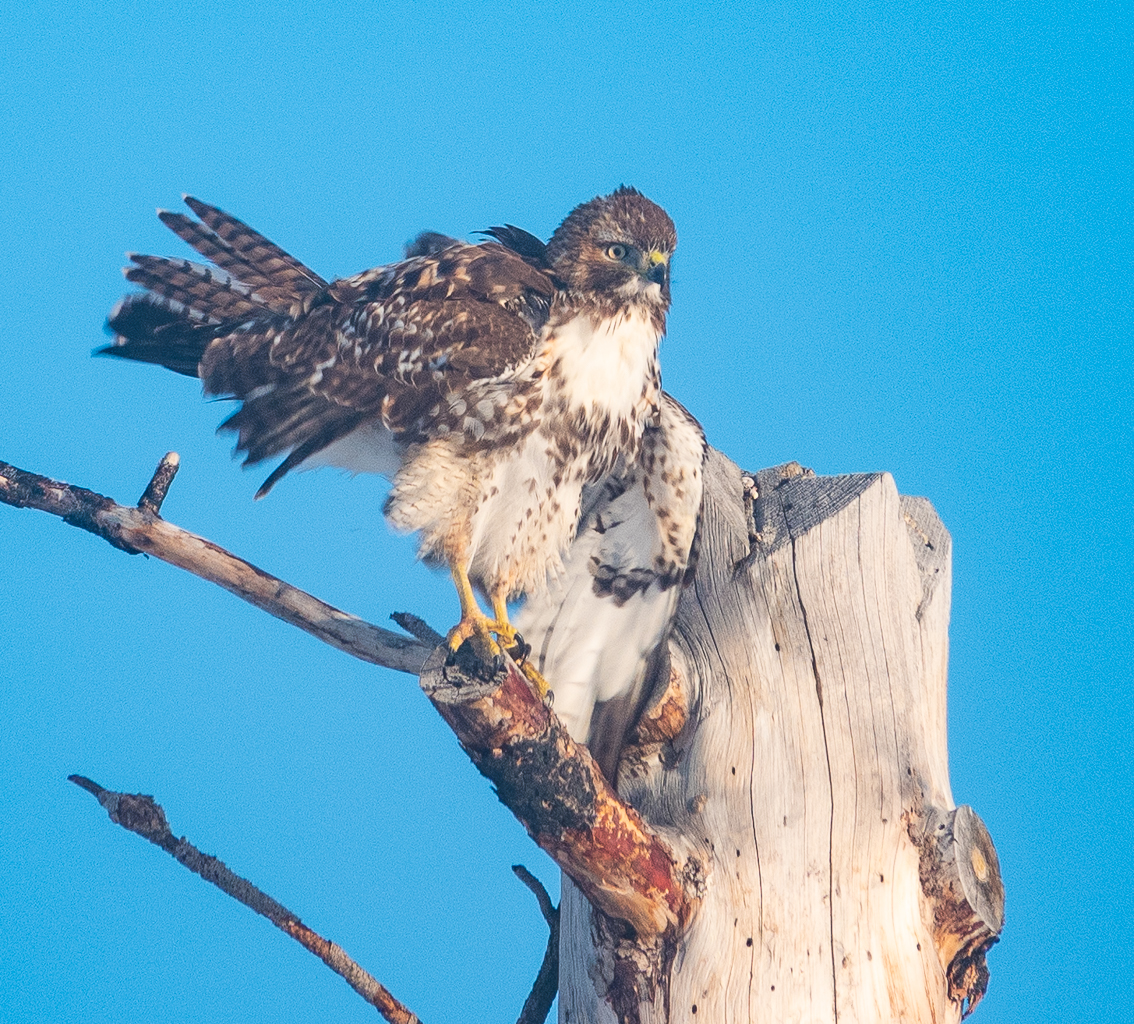
Red-tailed Hawk
Rough-legged Hawk
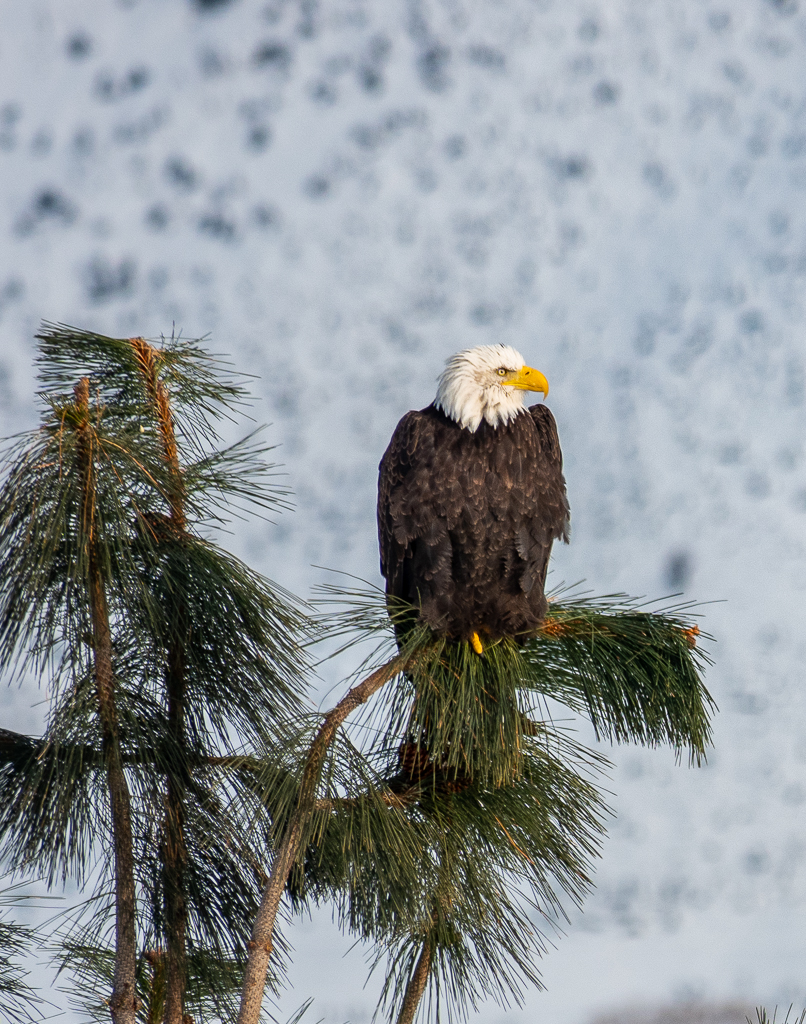
Bald Eagle
Merlin
American Kestrel
California Quail
Ring-necked Pheasant
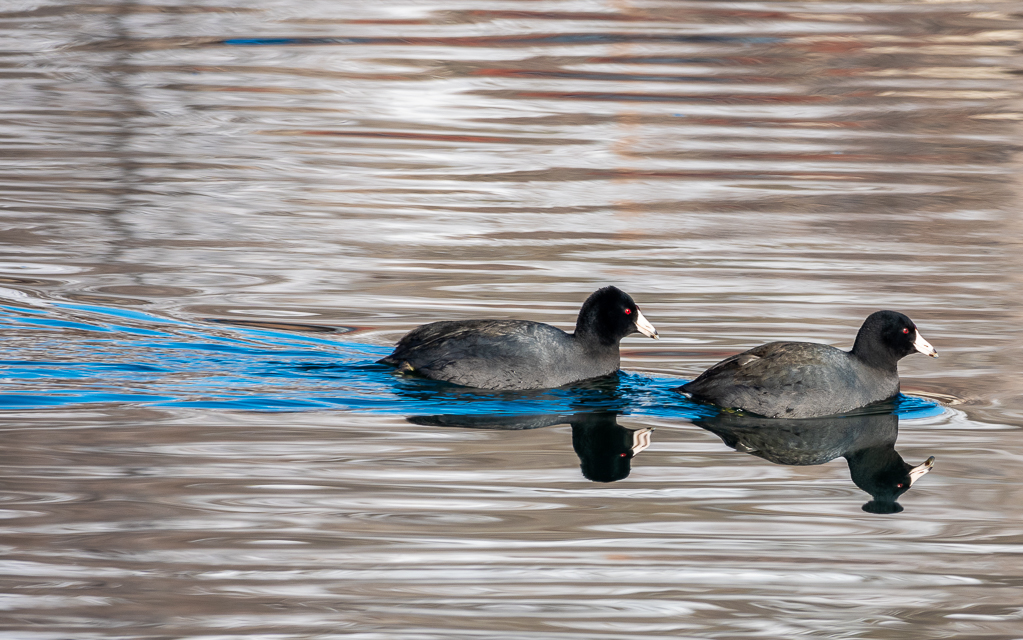
American Coot
Mew Gull
Mourning Dove
Eurasian Collared-Dove
Rock Pigeon
Northern Flicker
Say’s Phoebe
Northern Shrike
Black-billed Magpie
Common Raven
American Crow
Horned Lark
Black-capped Chickadee
Red-breasted Nuthatch
American Robin
European Starling
Cedar Waxwing
Yellow-rumped Warblee
American Tree Sparrow
White-crowned Sparrow
Song Sparrow
Dark-eyed Junco
Snow Bunting
Red-winged Blackbird
House Finch
House Sparrow







 My Everyday Photos