More winter birds hanging around our place. Pine Siskin. American Goldfinch. House Cassin’s Finch. Evening Grosbeak. Red-winged Blackbird. Bald Eagle. And my favorite of this group, White-breasted Nuthatch.


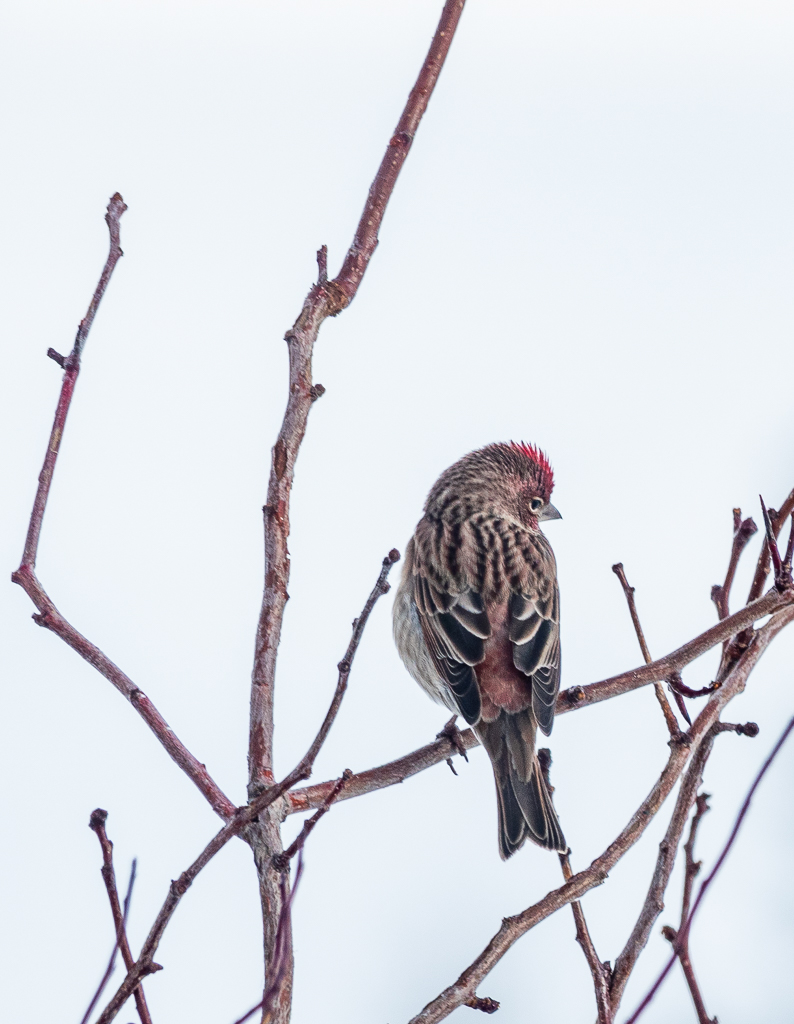
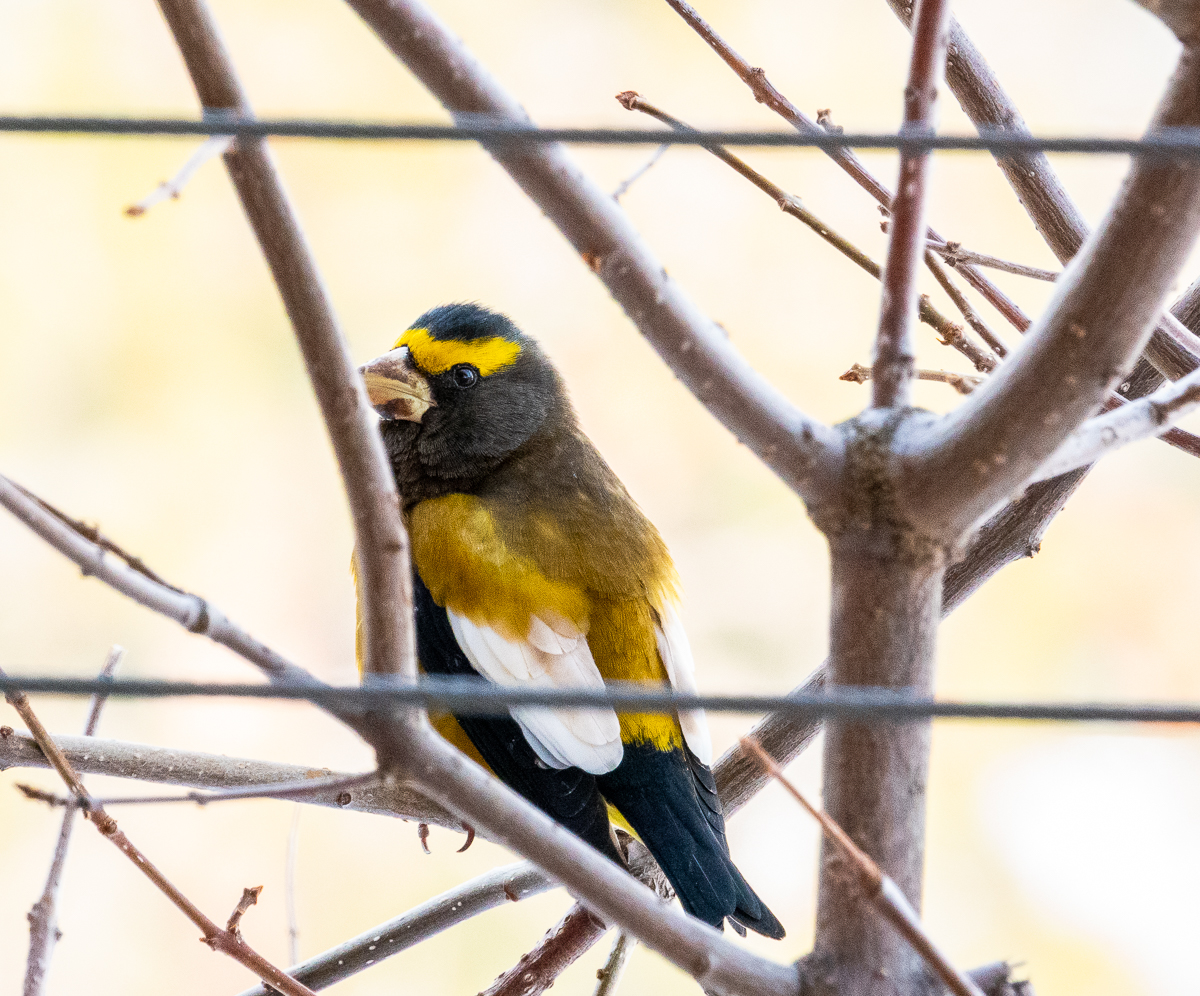

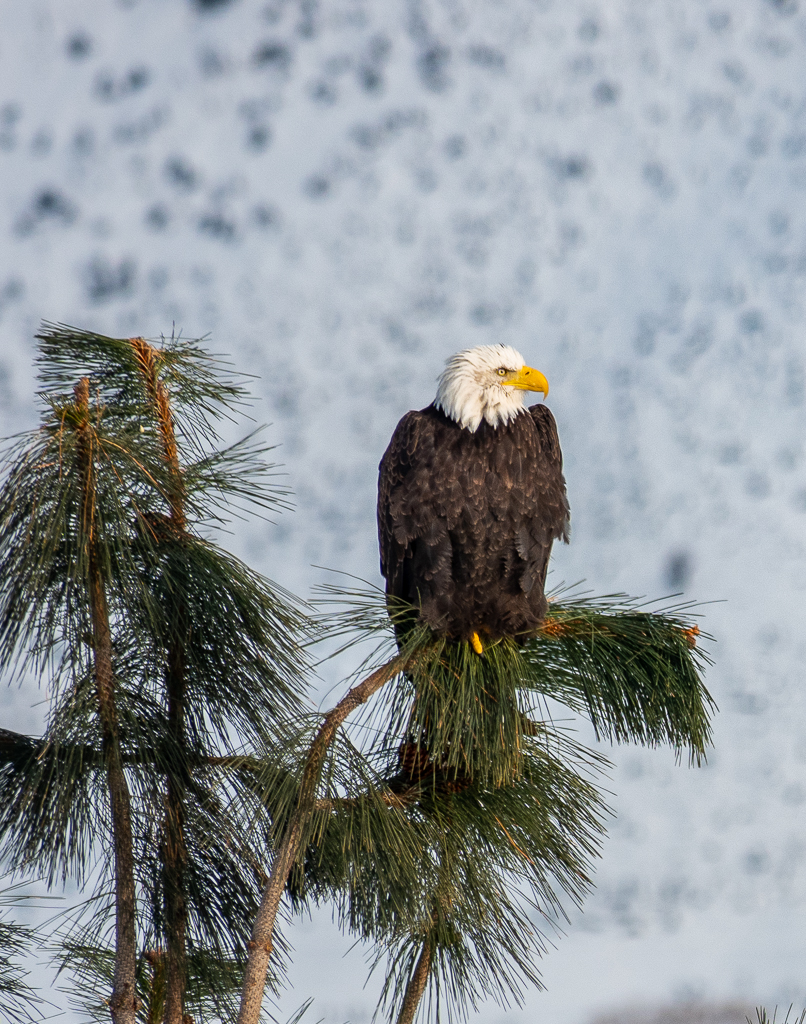
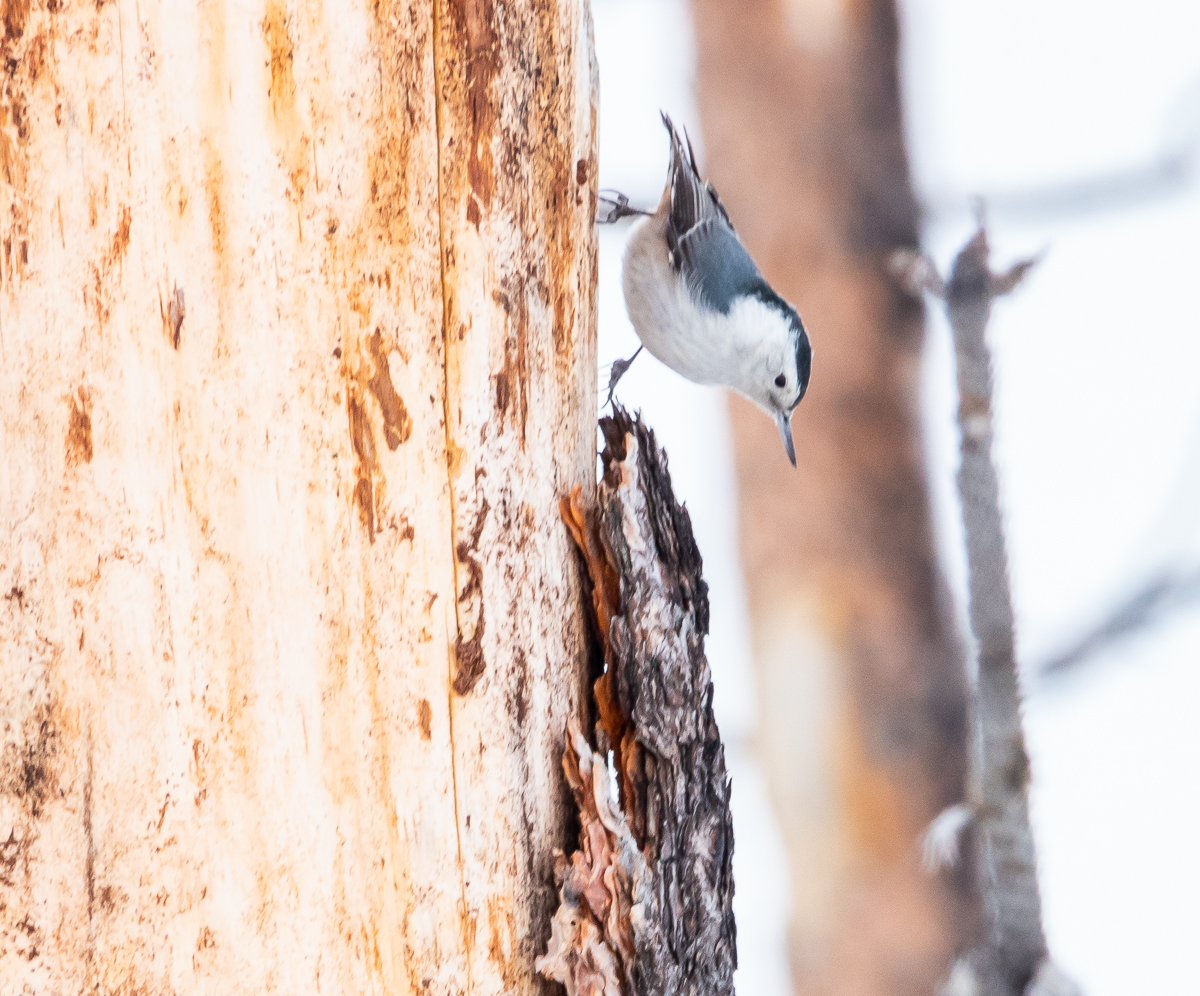
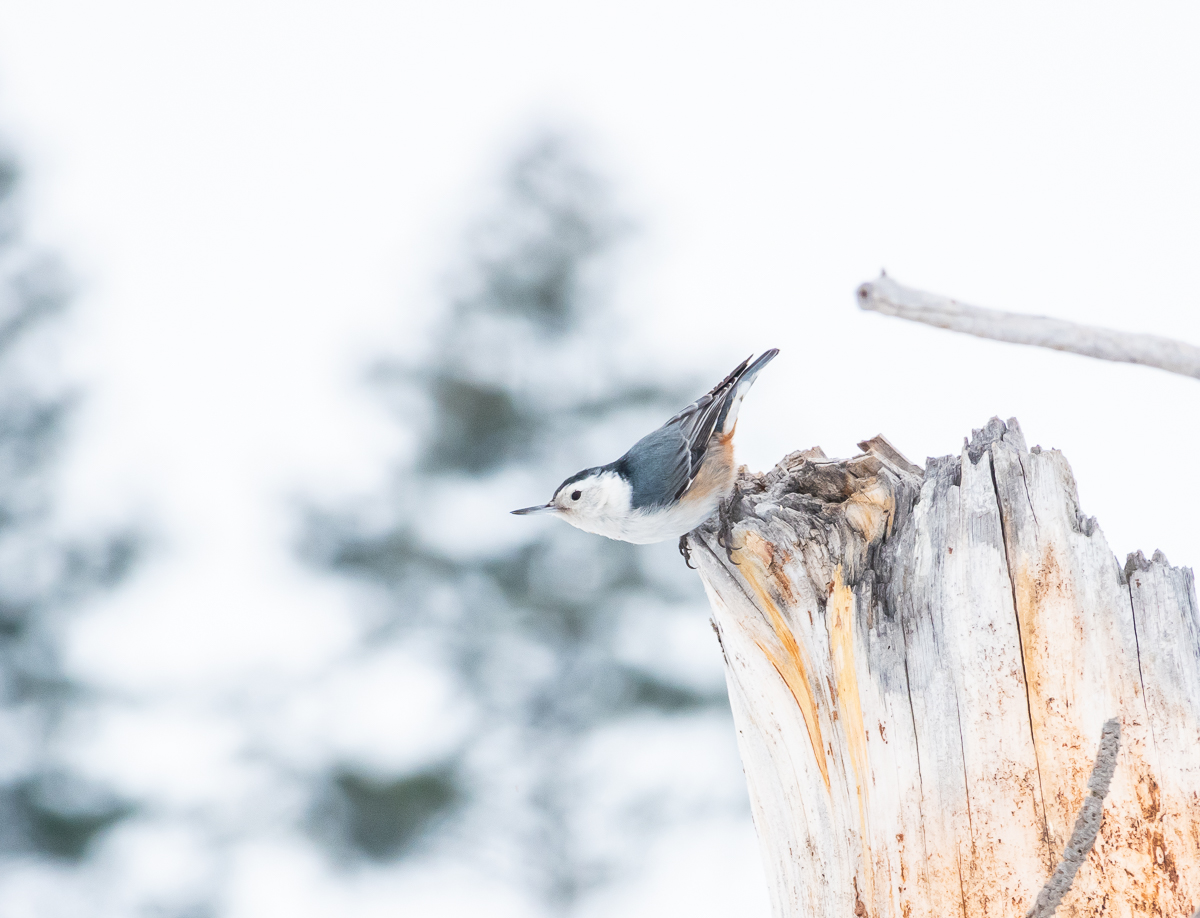

More winter birds hanging around our place. Pine Siskin. American Goldfinch. House Cassin’s Finch. Evening Grosbeak. Red-winged Blackbird. Bald Eagle. And my favorite of this group, White-breasted Nuthatch.
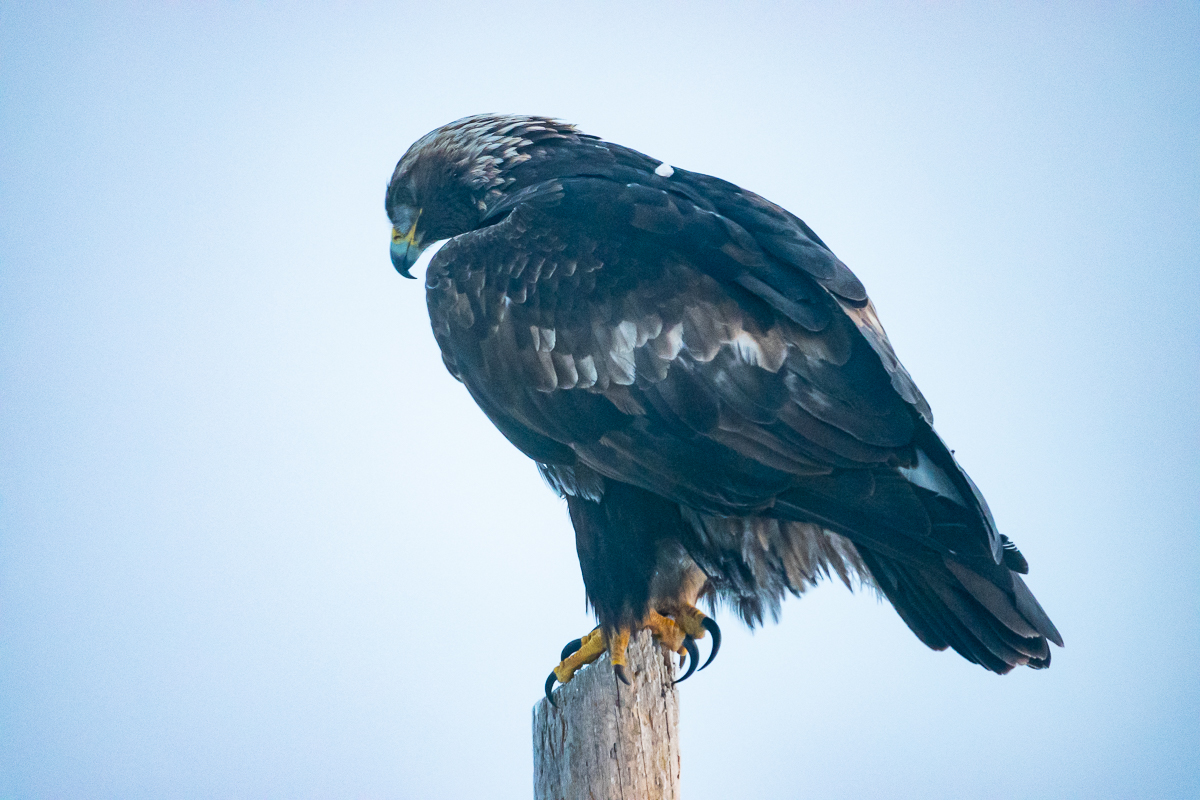
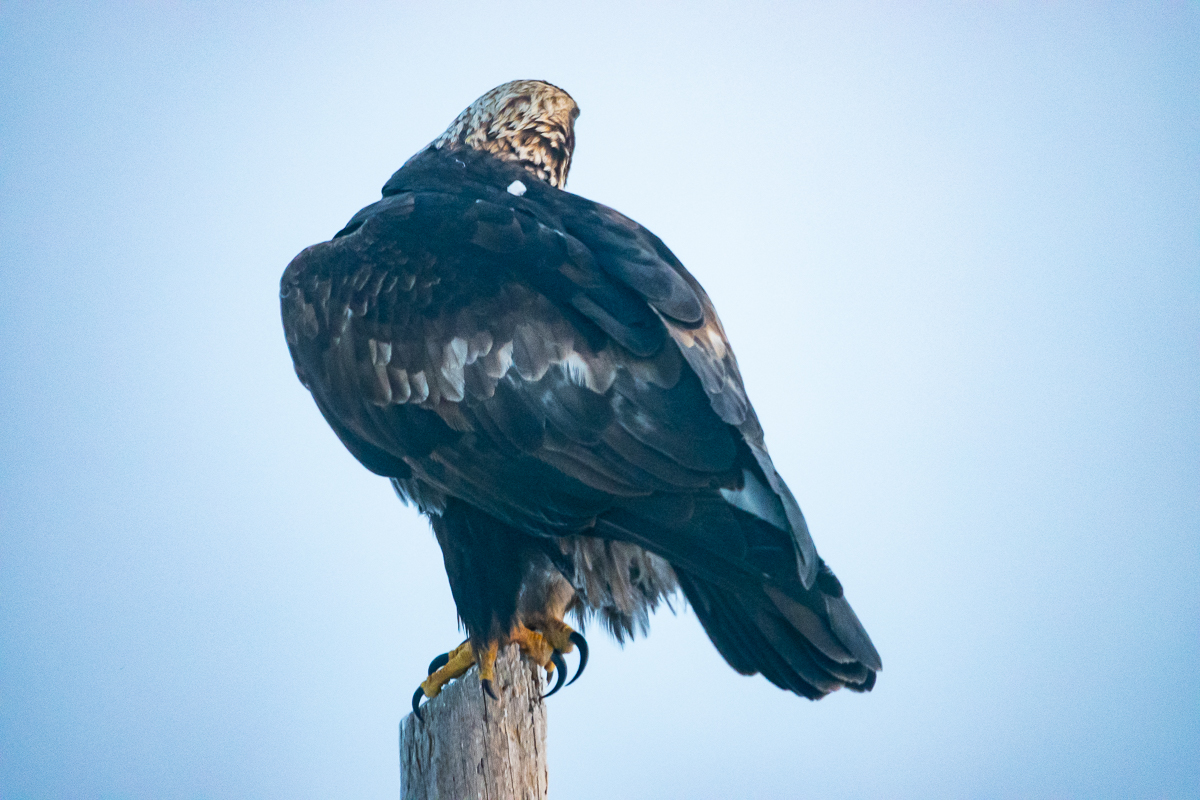
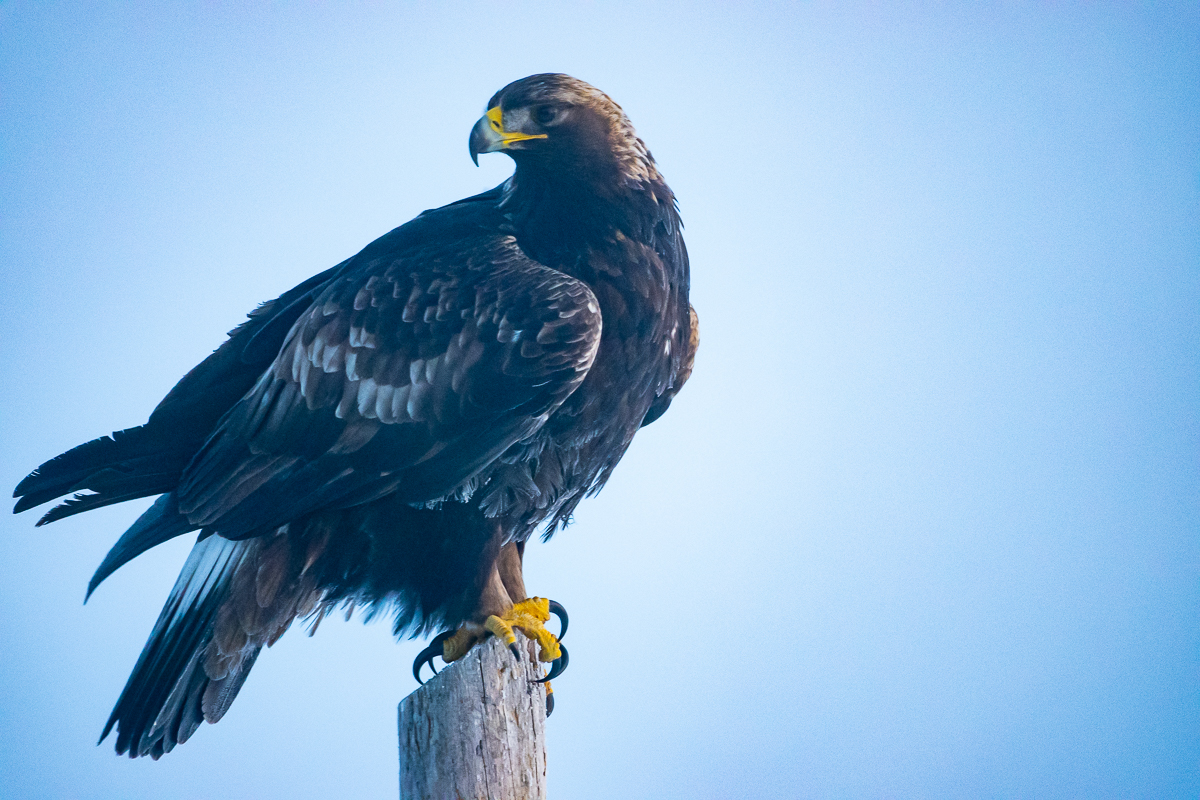
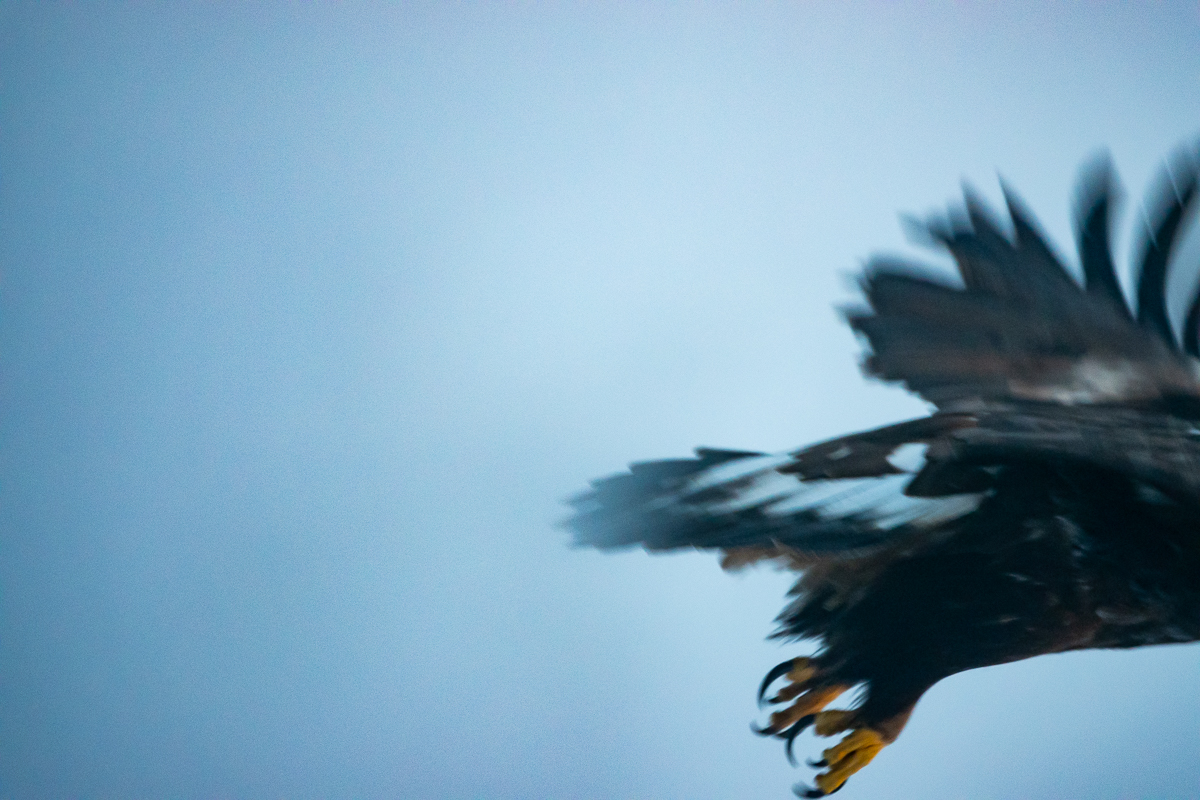
We often see Bald Eagles from our house flying by or perched on trees and snags down below the house or along the river. So when my friend from out of town noticed an eagle perched on a snag in the yard, at eye level from the dining room table, we just thought it was an immature Bald Eagle. We had about a minute to watch and I made a few photos through the not very clean, window with the closest camera I had before it flew. While examining the photos last night, I kept thinking, that is not a Bald Eagle. In fact, it’s a Golden Eagle! Ken saw it perched below the house later yesterday so maybe it’s sticking around. I’ll be watching every eagle more closely now!

Last week we identified 114 bird species. It seems like a lot but we missed an awful lot of so-called ‘common’ birds – all the owls, all the grouse, Downy and Hairy Woodpeckers and the list goes on. And we saw no real rarities. It was pretty fun birding with lots of birds singing and we worked on learning and re-learning the bird songs and calls. It’s a challenge from year to year to keep them in my head. Some stick with me; for instance Rock Wren and Willow Flycatcher. Others – well let’s just say, it’s going to take many years for me to learn the few warblers we have in our region and remember them.
I managed to get a few photographs of birds. I didn’t really try too much bird photography. It is time consuming and we were really focusing on seeing and hearing a good variety of birds.
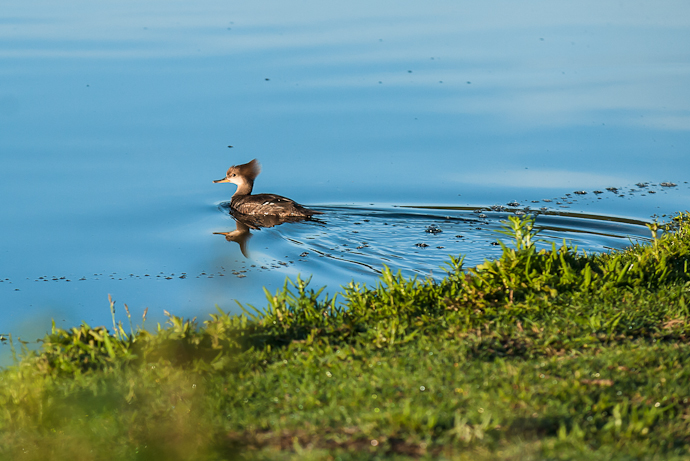
Hooded Merganser female at Lost Lake

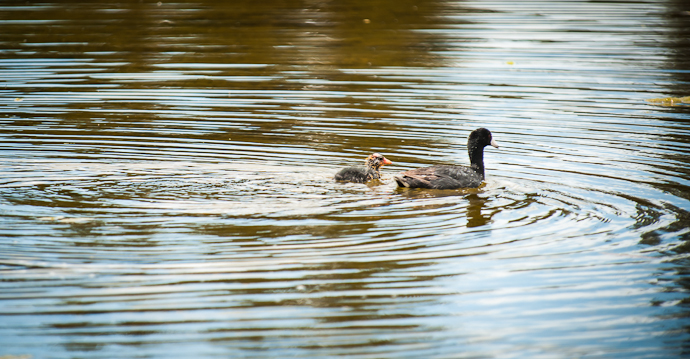
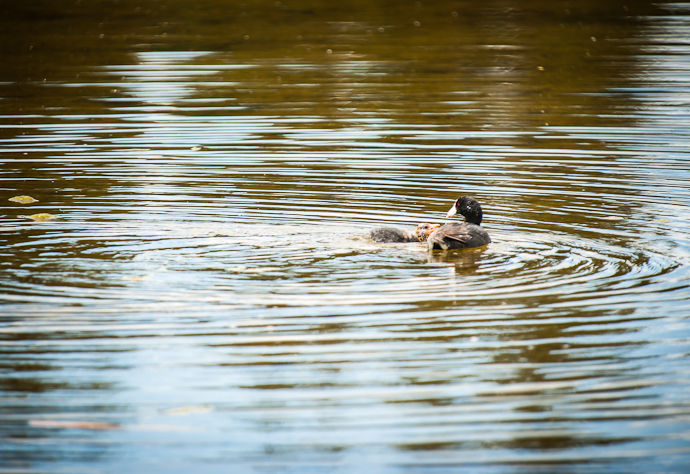
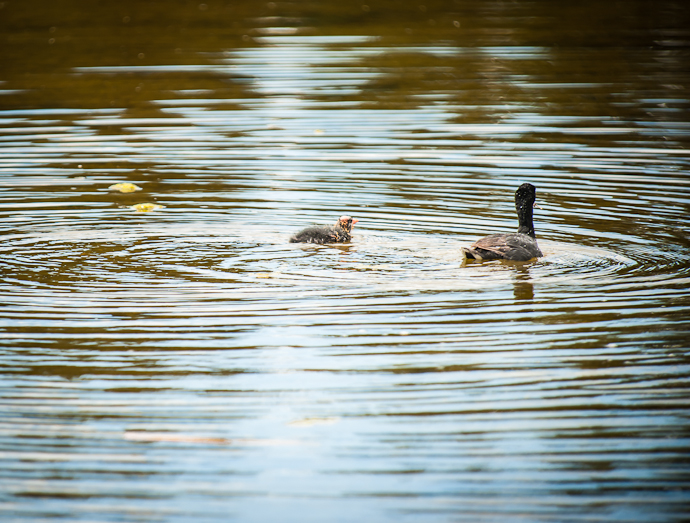
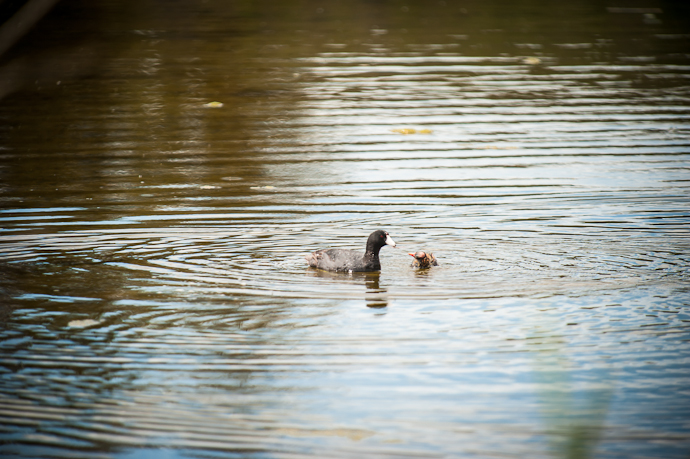
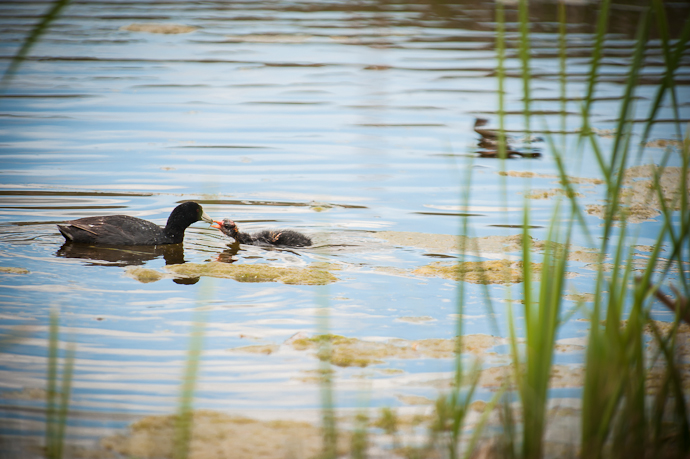
American Coot adult and chick
Spotted Sandpiper chick along Maryanne Creek Road
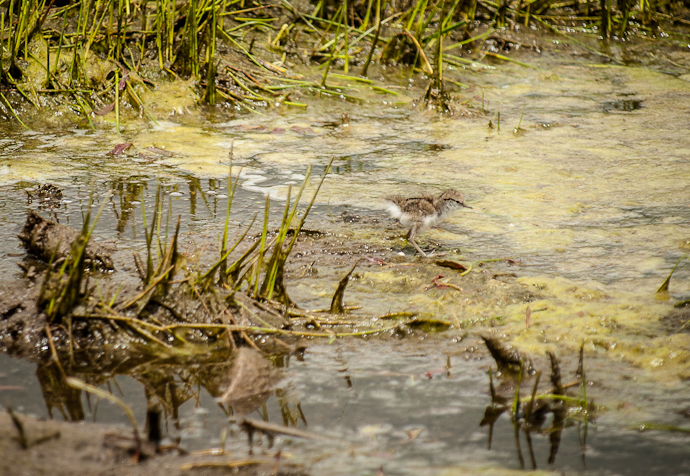
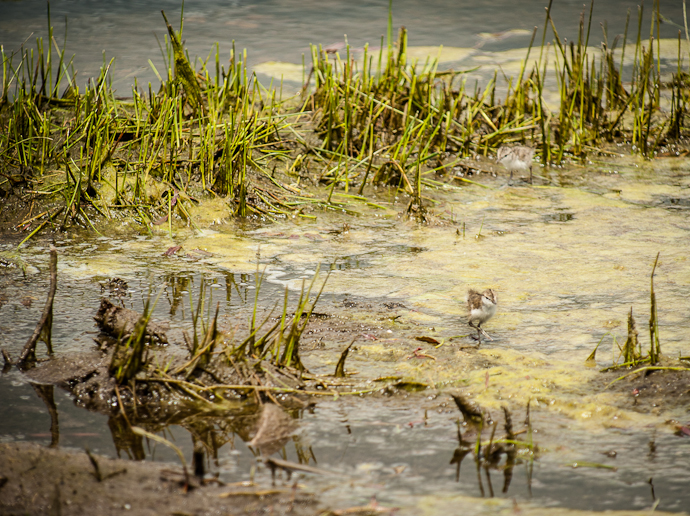
Spotted Sandpiper adult


We spent a day visiting Corkscrew Swamp Sanctuary and the Six Mile Cypress Preserve. Both places were full of wildlife and exotic (to us) plants and trees. They also feature boardwalks for safe and dry walking conditions. Also lots of good interpretive material to teach us about this exotic place. Much of Florida is developed for human habitation so these preserves represent small islands of what Florida used to be.

A Red-shouldered Hawk, related to, but smaller than Red-tailed Hawk

We saw lots of kinds of turtles. I think these two are cooters
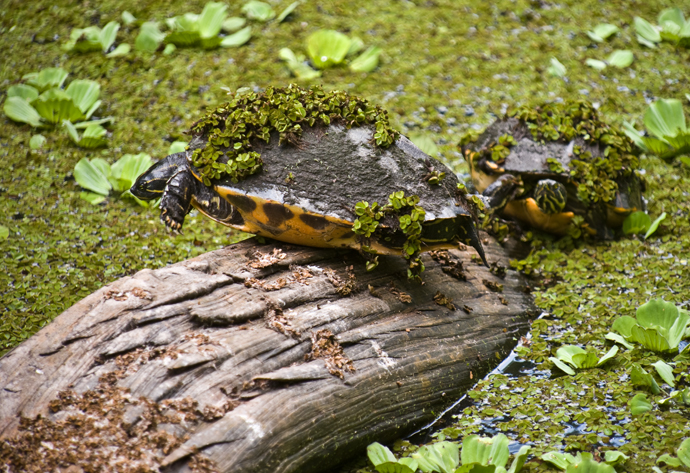
Watch out for this guy
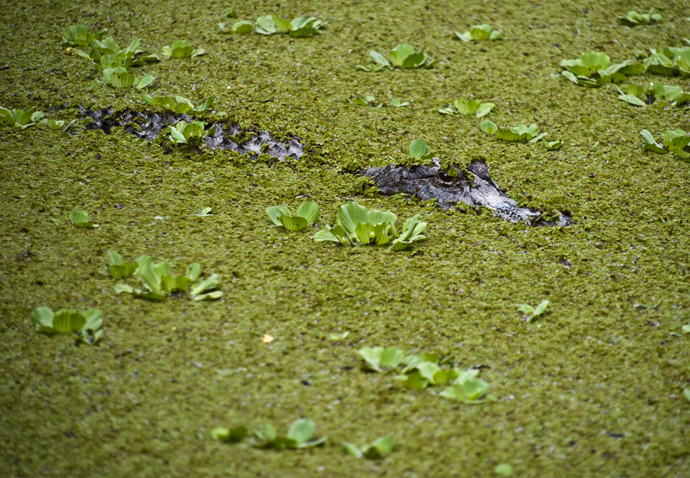

Lunch?
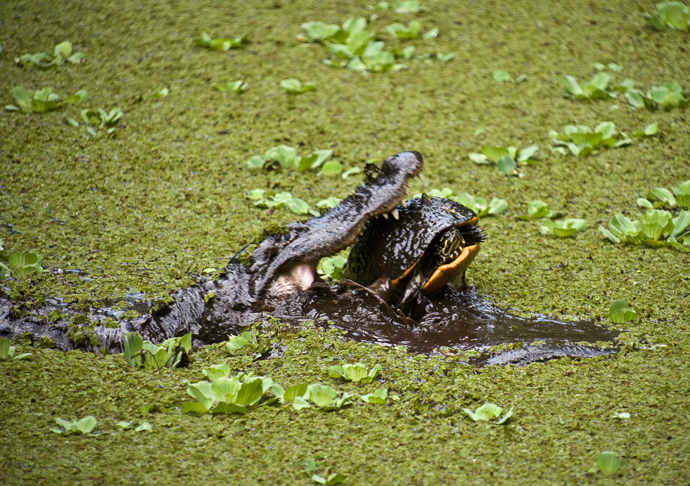
Somehow the turtle escaped!

I think he was giving the wildlife watchers the evil eye because most of us were rooting for the turtle.
I need to find out the name of this snake. We saw several black racers but this one has a pattern on its face so it must be some other species.

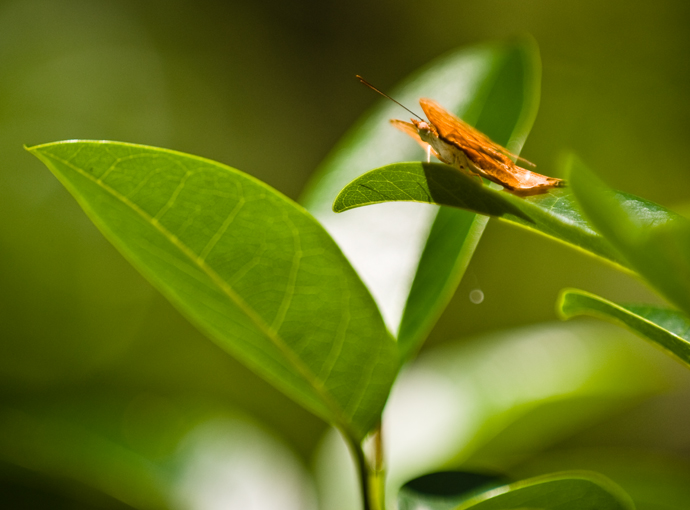
Butterflies are so hard to photograph
I loved seeing the air plants and bromeliads in their native habitats!

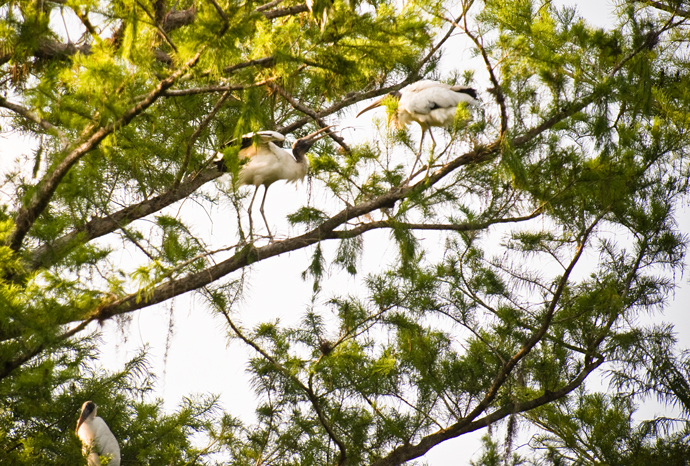
Wood Stork

Green Heron

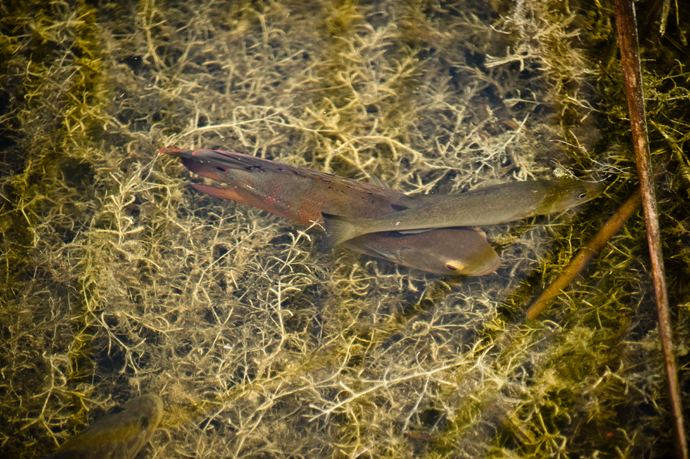
There were lots of kinds of fish. Some are introduced species, dumped out of people’s aquariums.
Another kind of turtle whose name escapes me. Ken will remember.

I think this one is a painted turtle like the ones that live here.
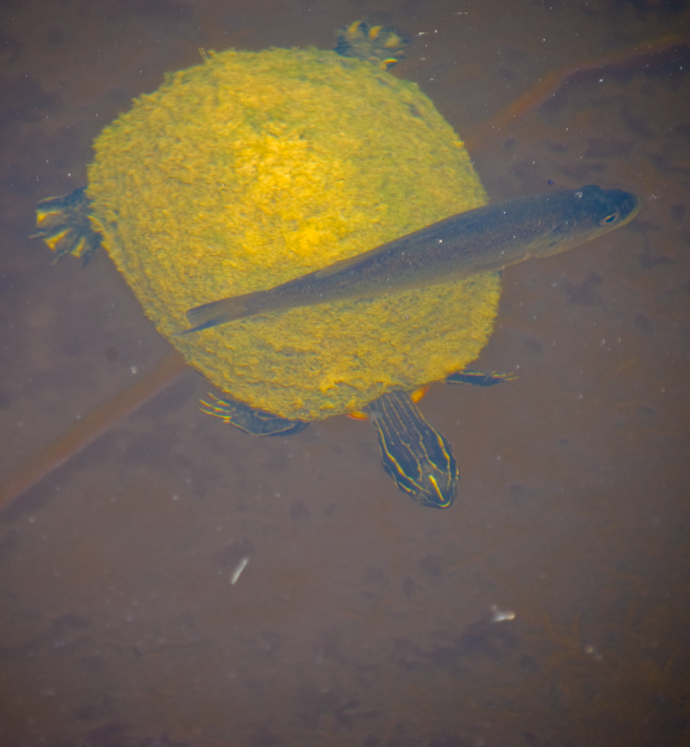
Lizards were always rustling in the brush. Also hard to photograph.
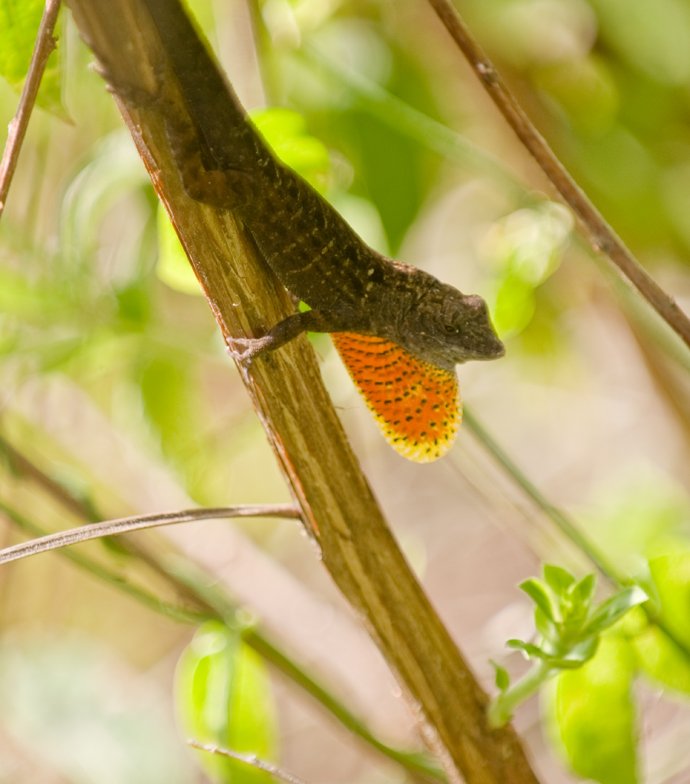
Little Blue Heron
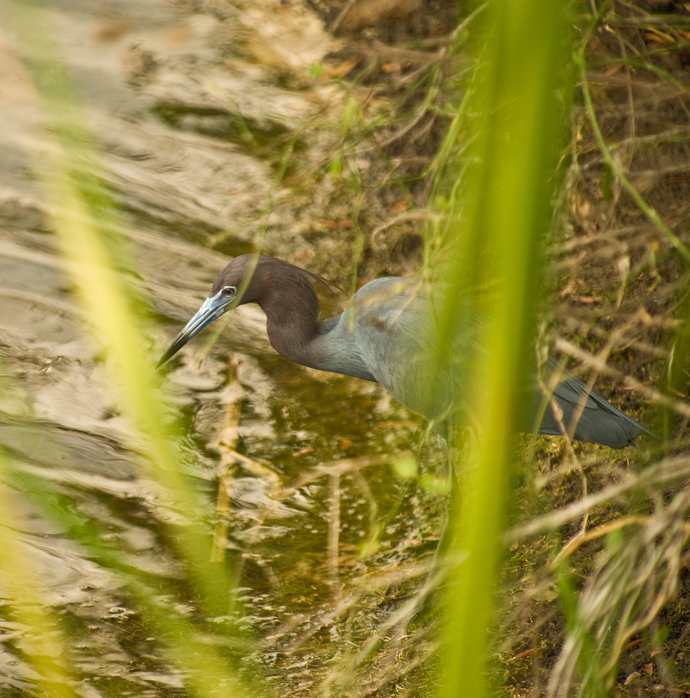
Common Moorhen, similar to an American Coot

Yellow-crowned Nightheron
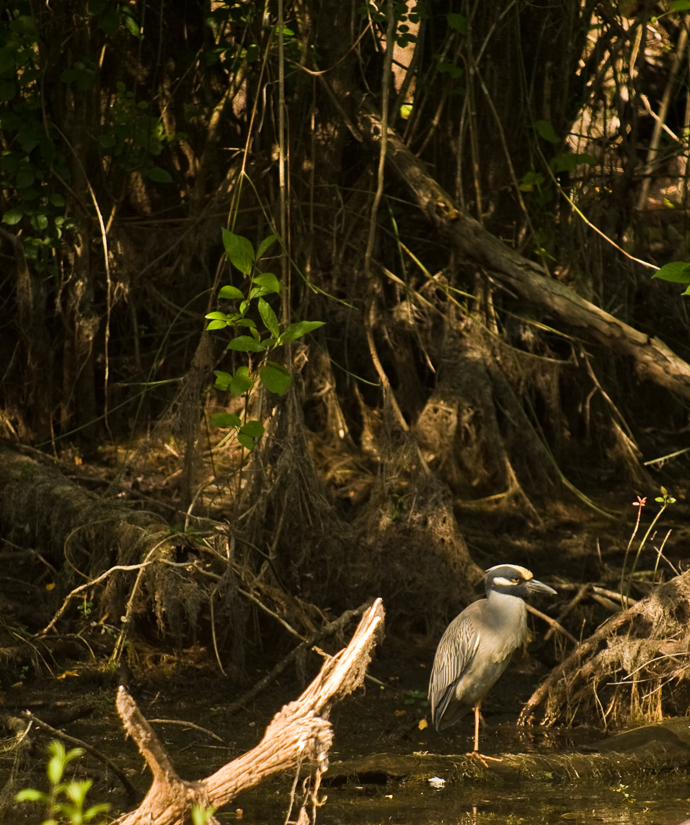
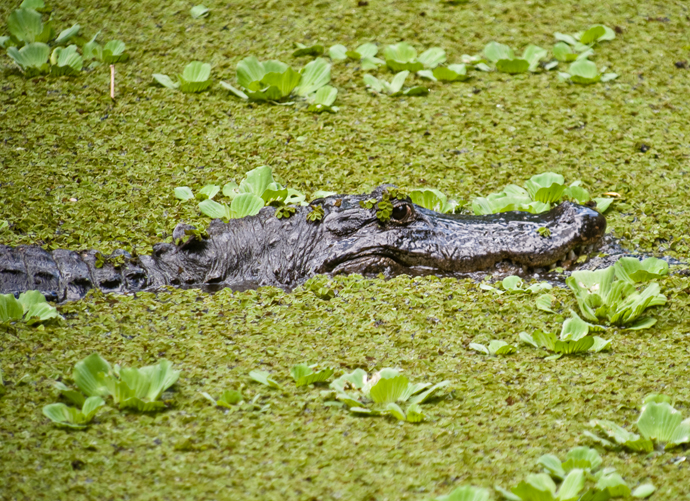
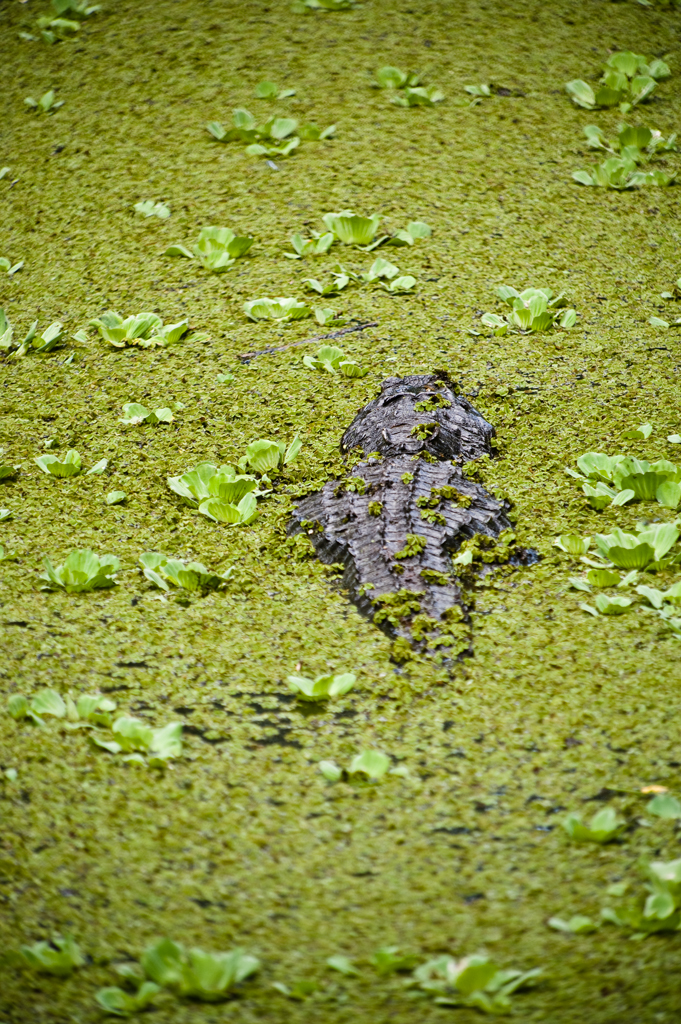
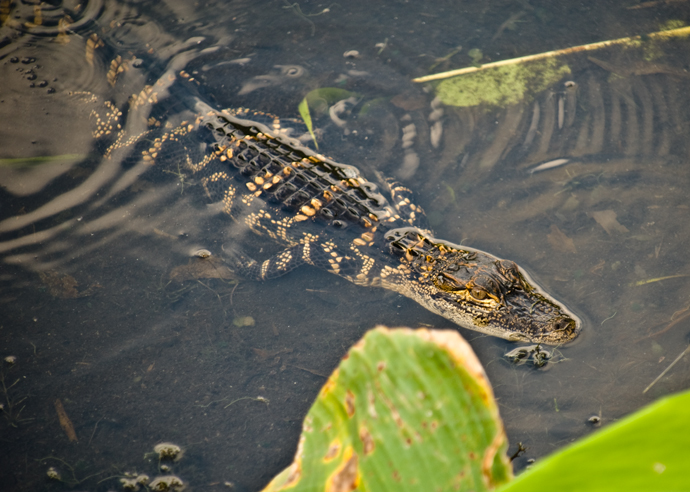
Small alligator, less than three feet long.
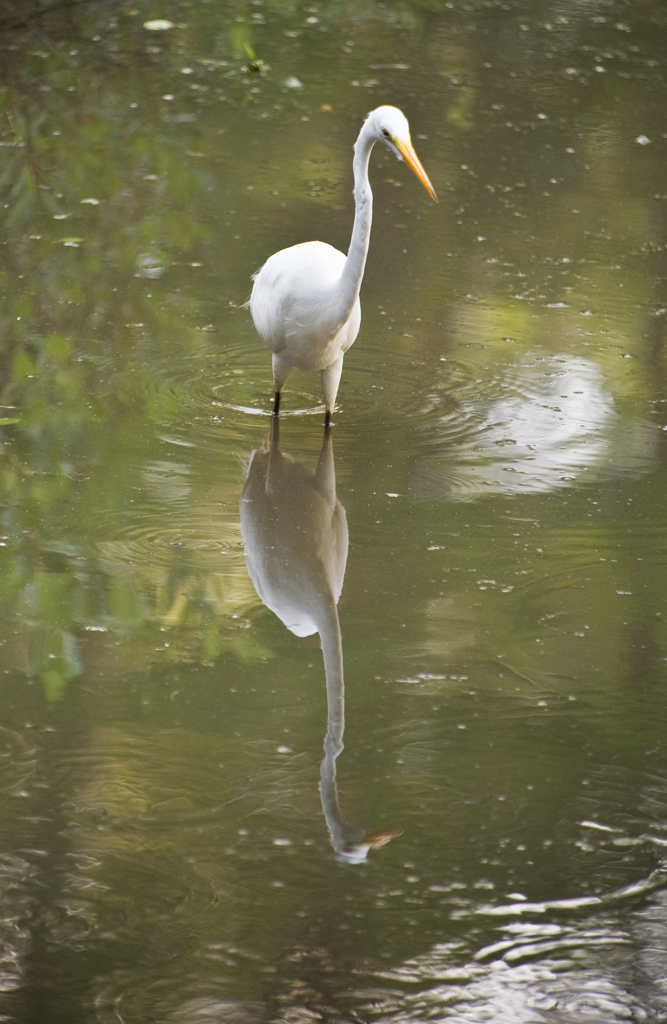
The egret in front was chased all over this pond by the other egret and a heron. We couldn’t figure out why its presence was not appreciated.

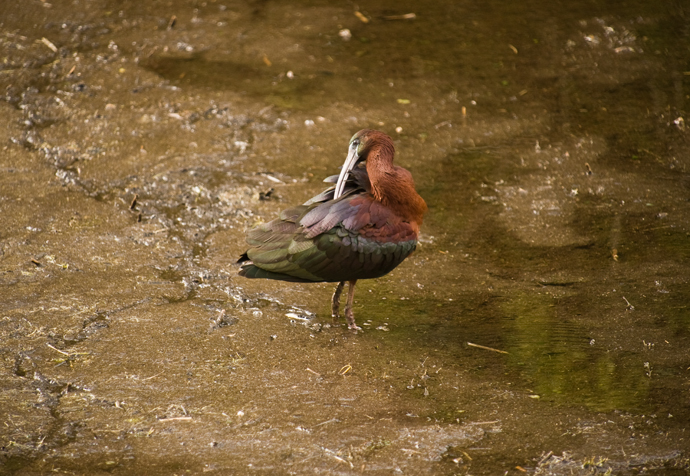
Glossy Ibis, very similar to White-faced Ibis

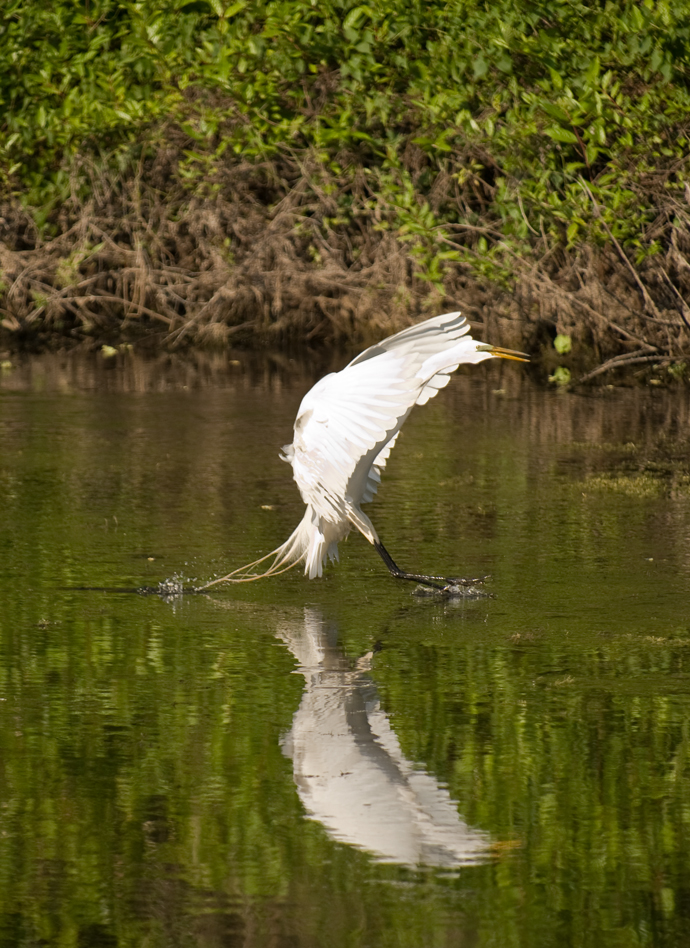
Coming in for a landing

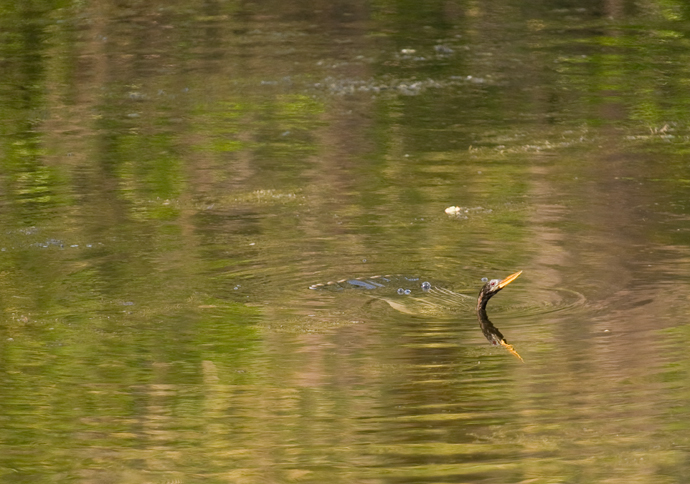
Anhinga
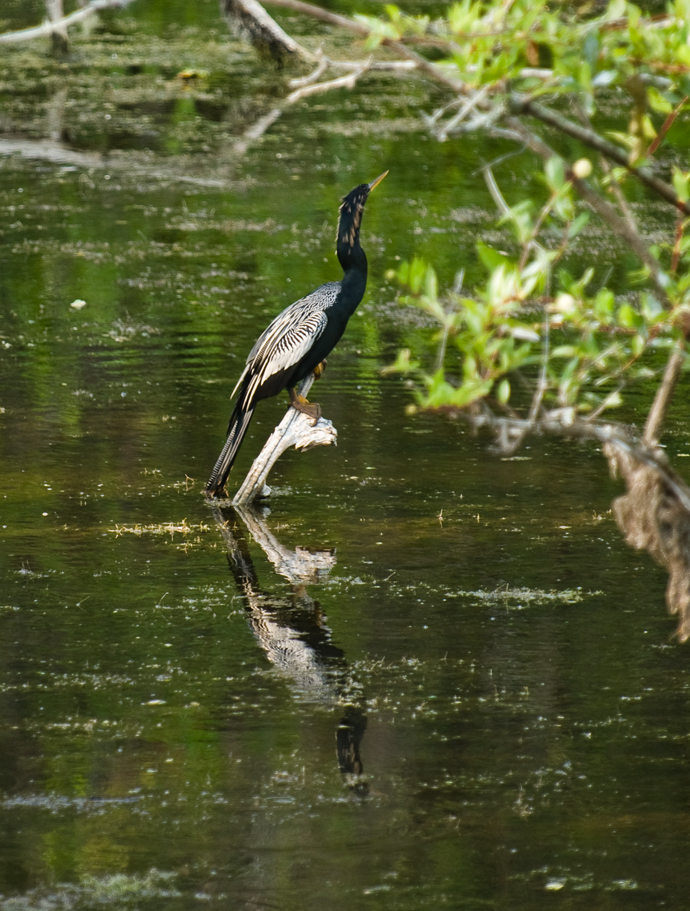
The Anhinga uses its tail as a rudder underwater
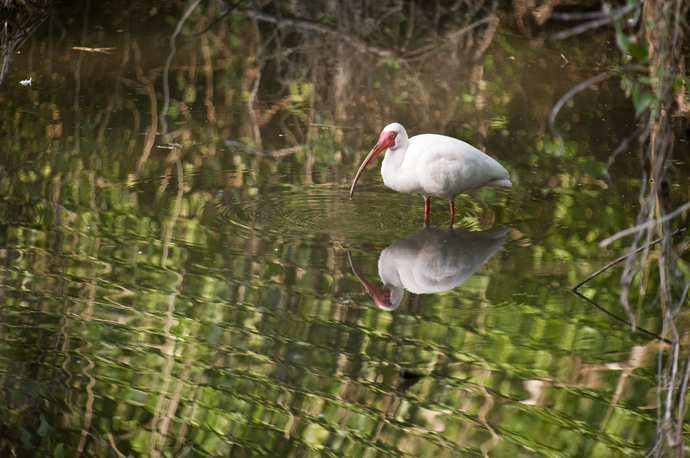
White Ibis
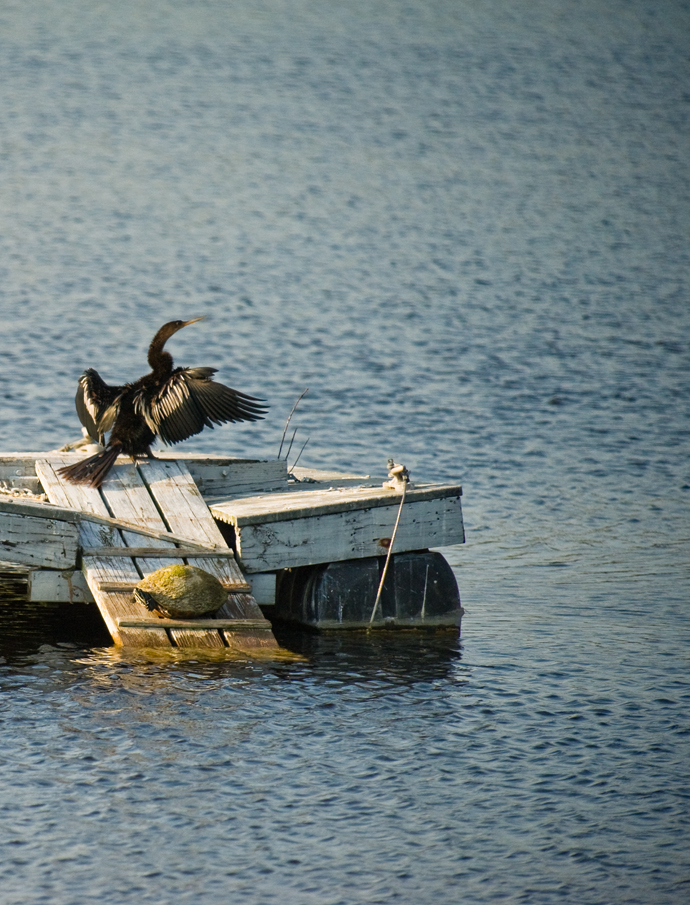
Anhinga and turtle in the late afternoon sun
After two and a half weeks on the road, we are back at home in the Methow Valley. Here, a warm day is sixty degrees and wildflowers are beginning to bloom and the snow is gone. The trip to the southeast was quite an adventure taking us, mostly me, to new places and climates; seeing new birds and other wildlife.
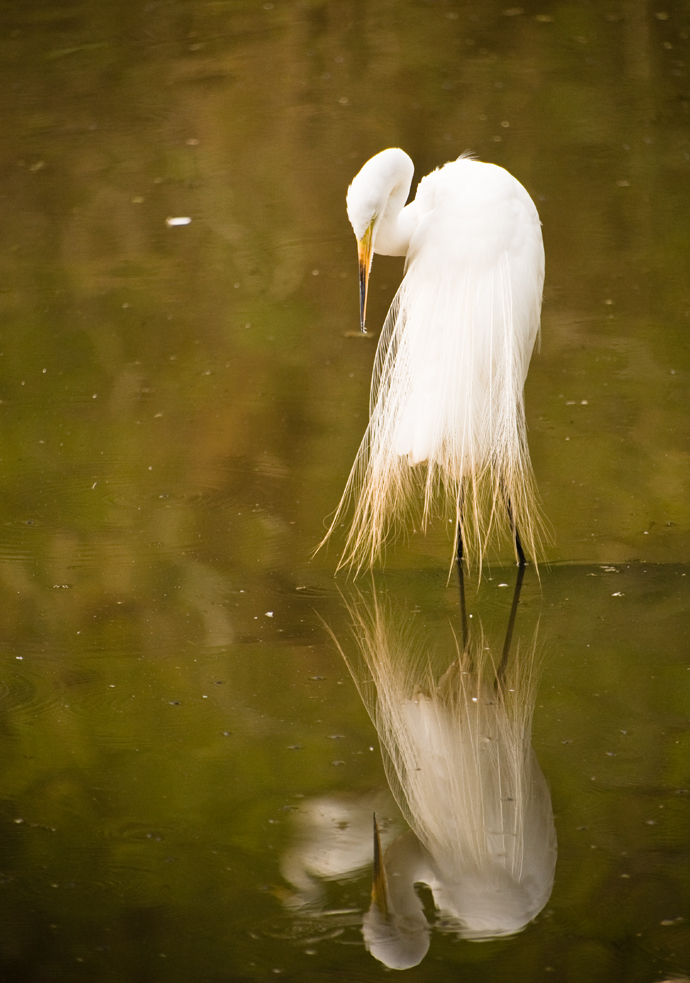
All of these images came from one small pond at the Six Mile Cypress Preserve near Fort Meyers. It has been a dry winter and spring in Florida so birds are concentrated in some locations. This pond was maybe fifty yards across and when we arrived there were at least 70 white birds and one Great Blue Heron. The white birds were White Ibis, Snowy Egrets, Great Egrets and Wood Storks.
Lots of end of the day grooming


Spanish moss makes for an especially pretty stick. It might even attract a mate.

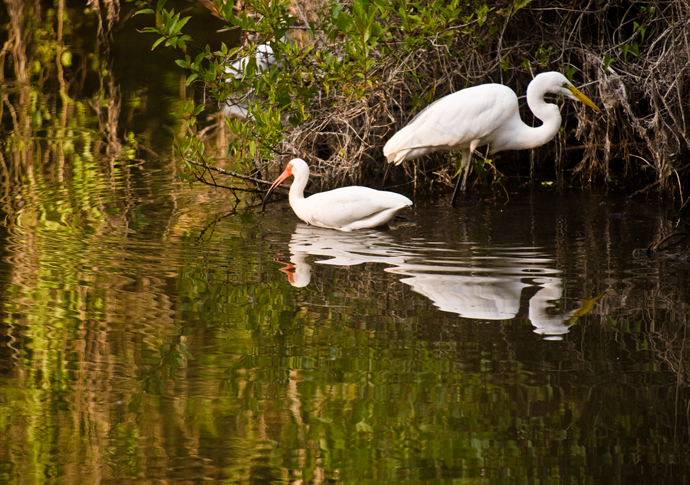
I wonder if she will like me if I bring her a stick?
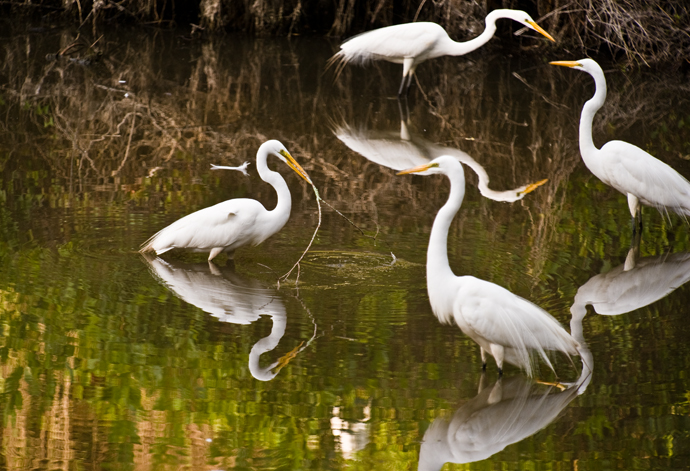
Yup, still gorgeous.
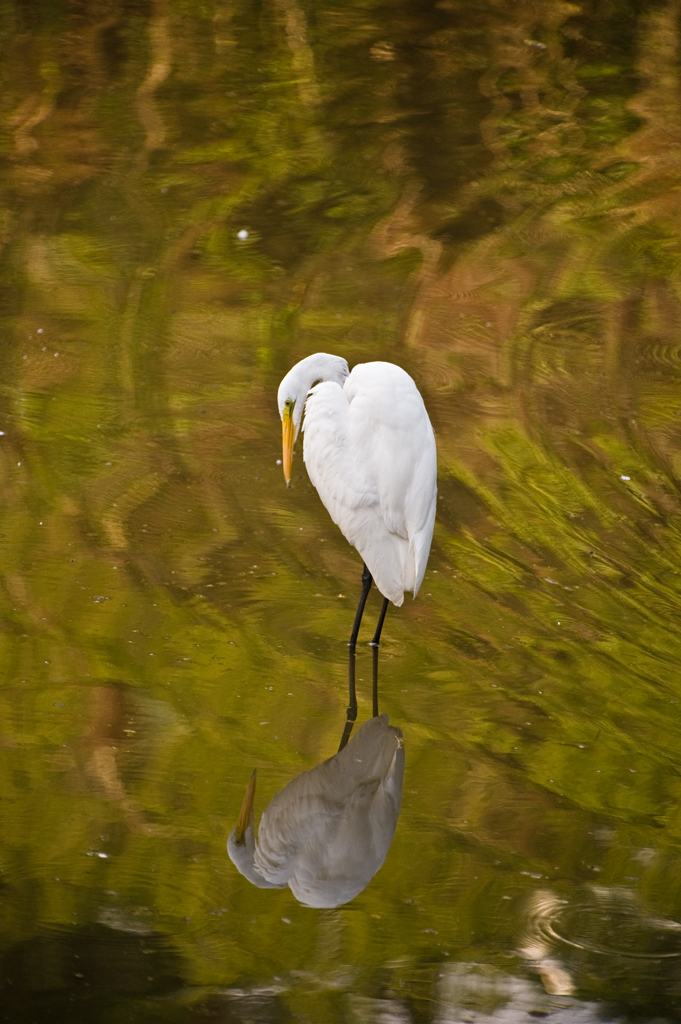
Every feather in its place
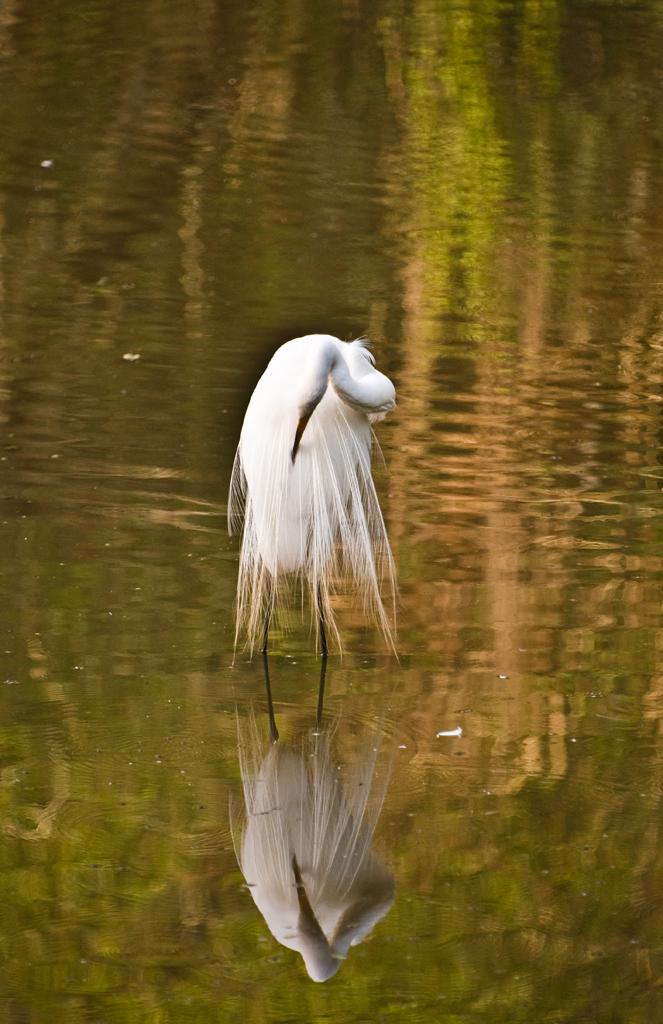

This one took grooming lessons from a dog I think.


These Wood Storks in the trees above us were very restless, constantly moving about. The two are engaged in active noisy bill clacking at each other. I don’t know if that means they like each other or they don’t like each other.

 My Everyday Photos