Skip navigation

Tag Archives: birds

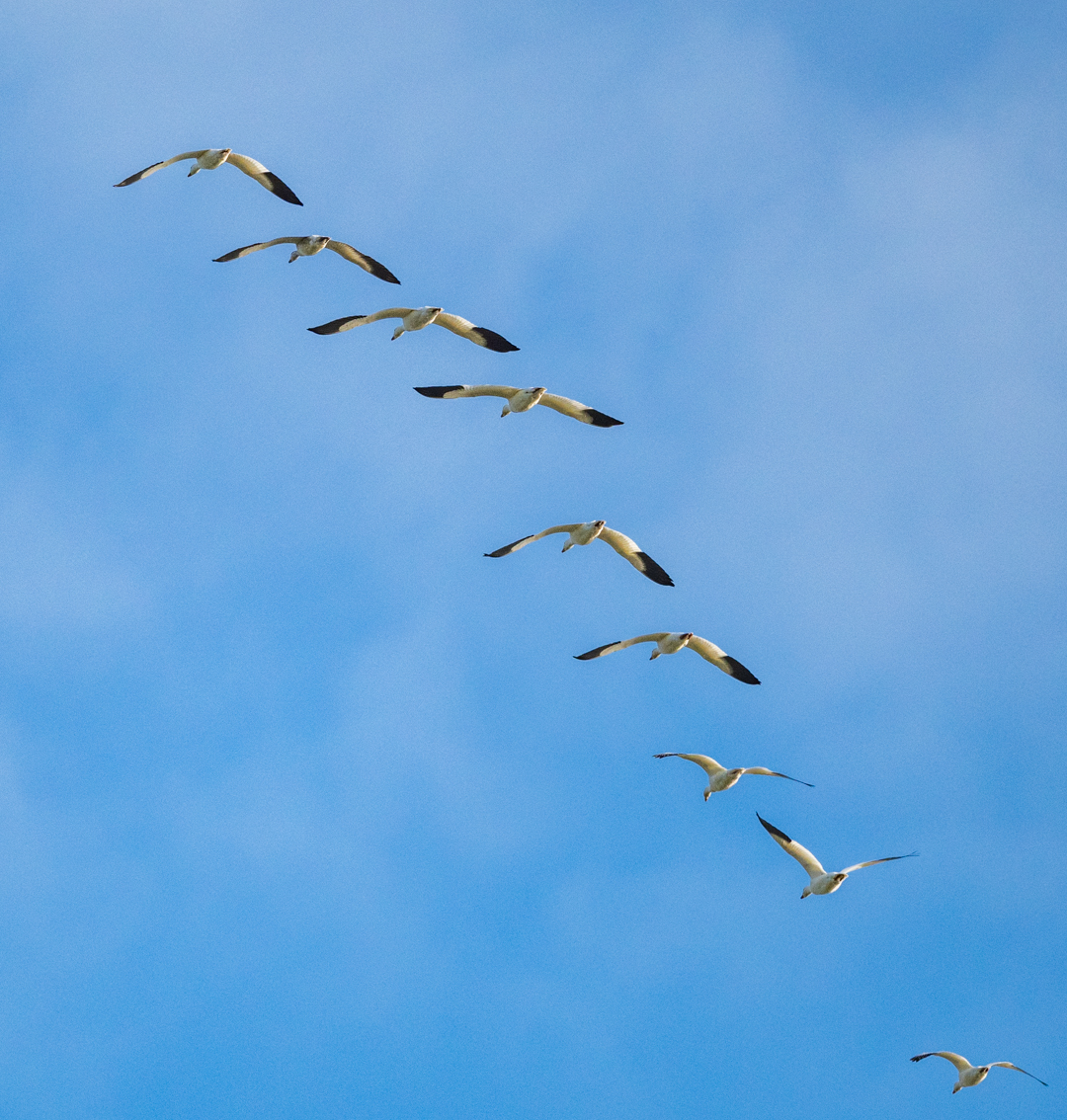
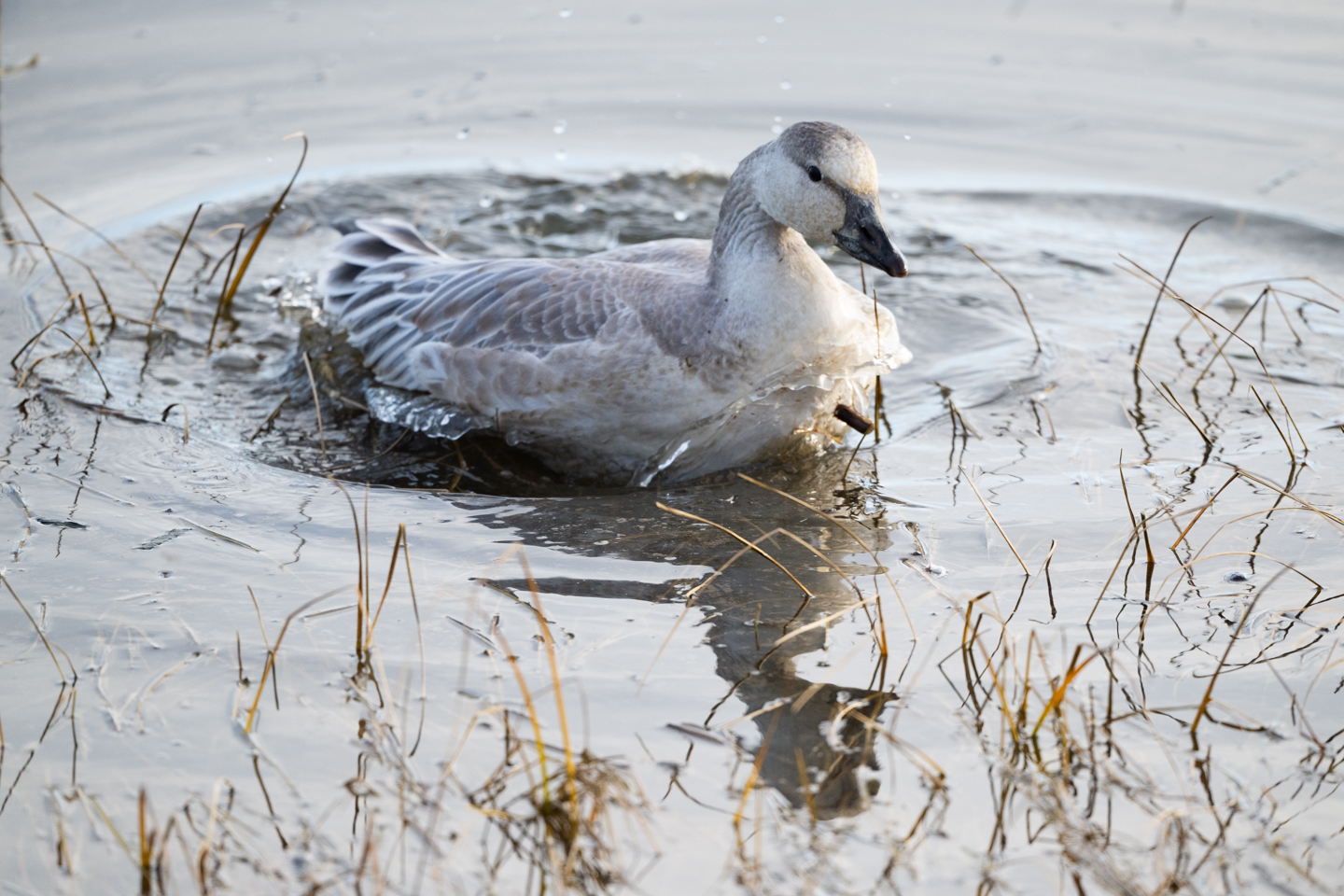
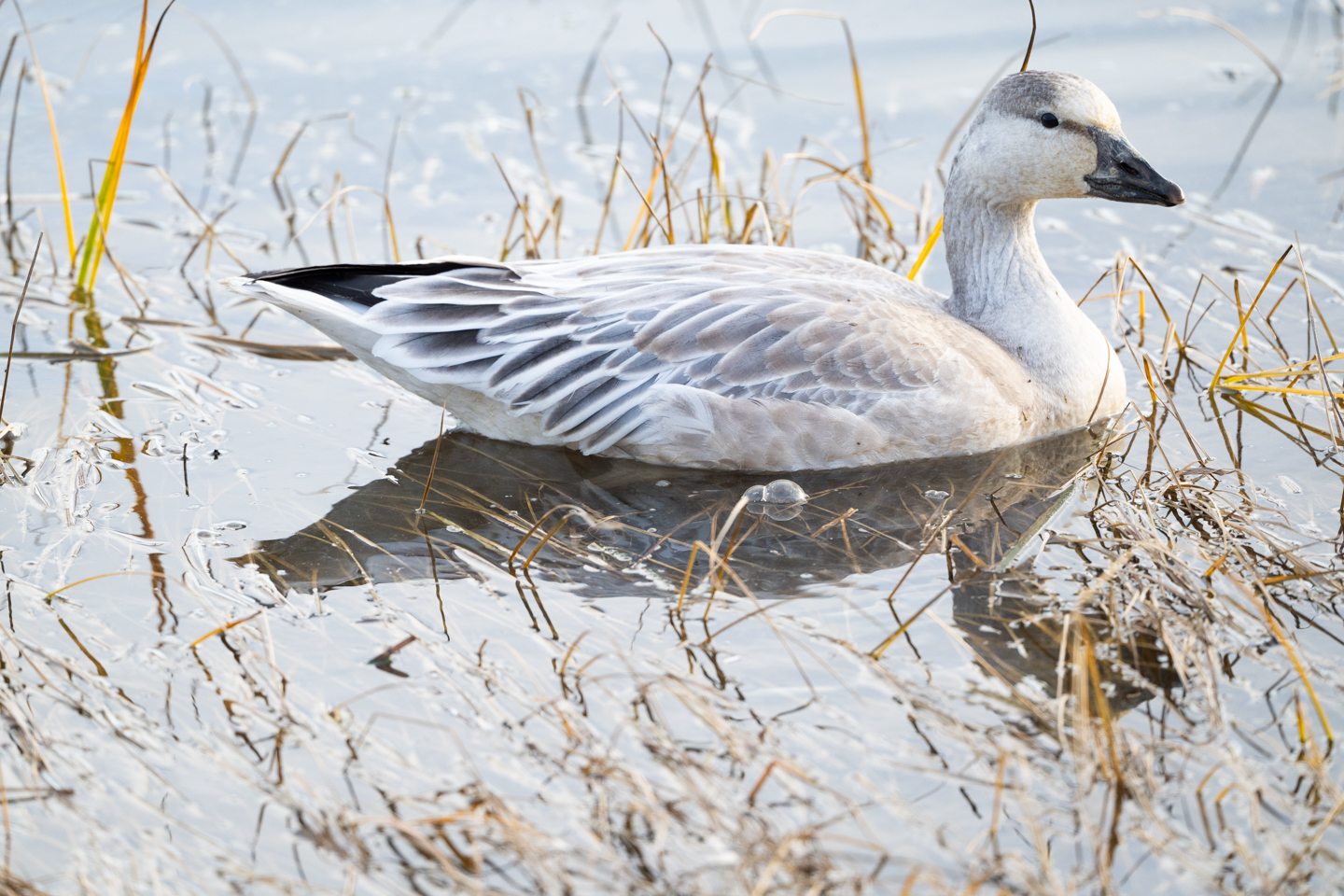
Shorebirds were not the only birds I saw on the west side. There were Snow Geese, many 1000’s of Snow Geese but mostly in the distance. Except for one that was very close. I wondered if it was sick or injured. Avian flu is still a concern.

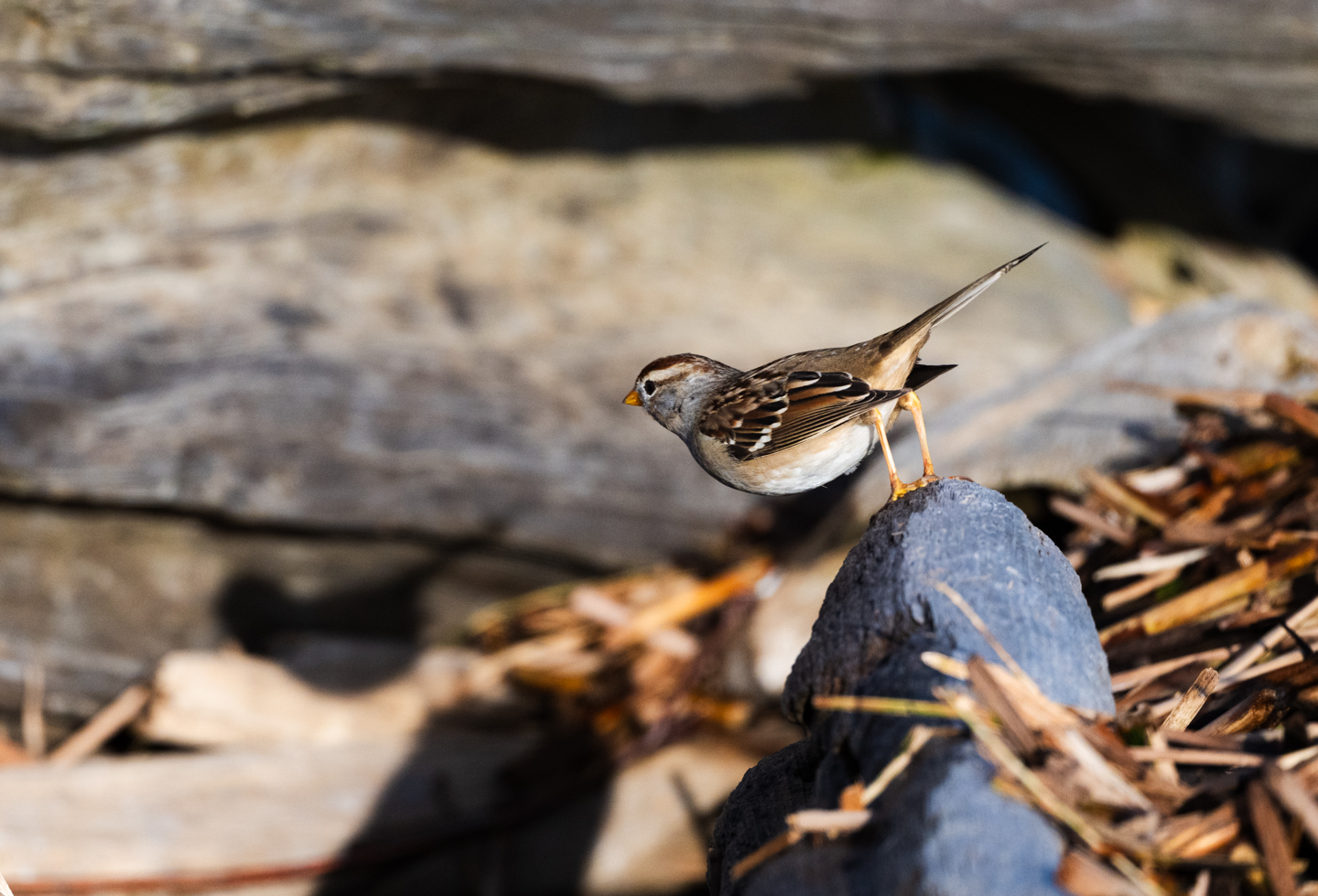
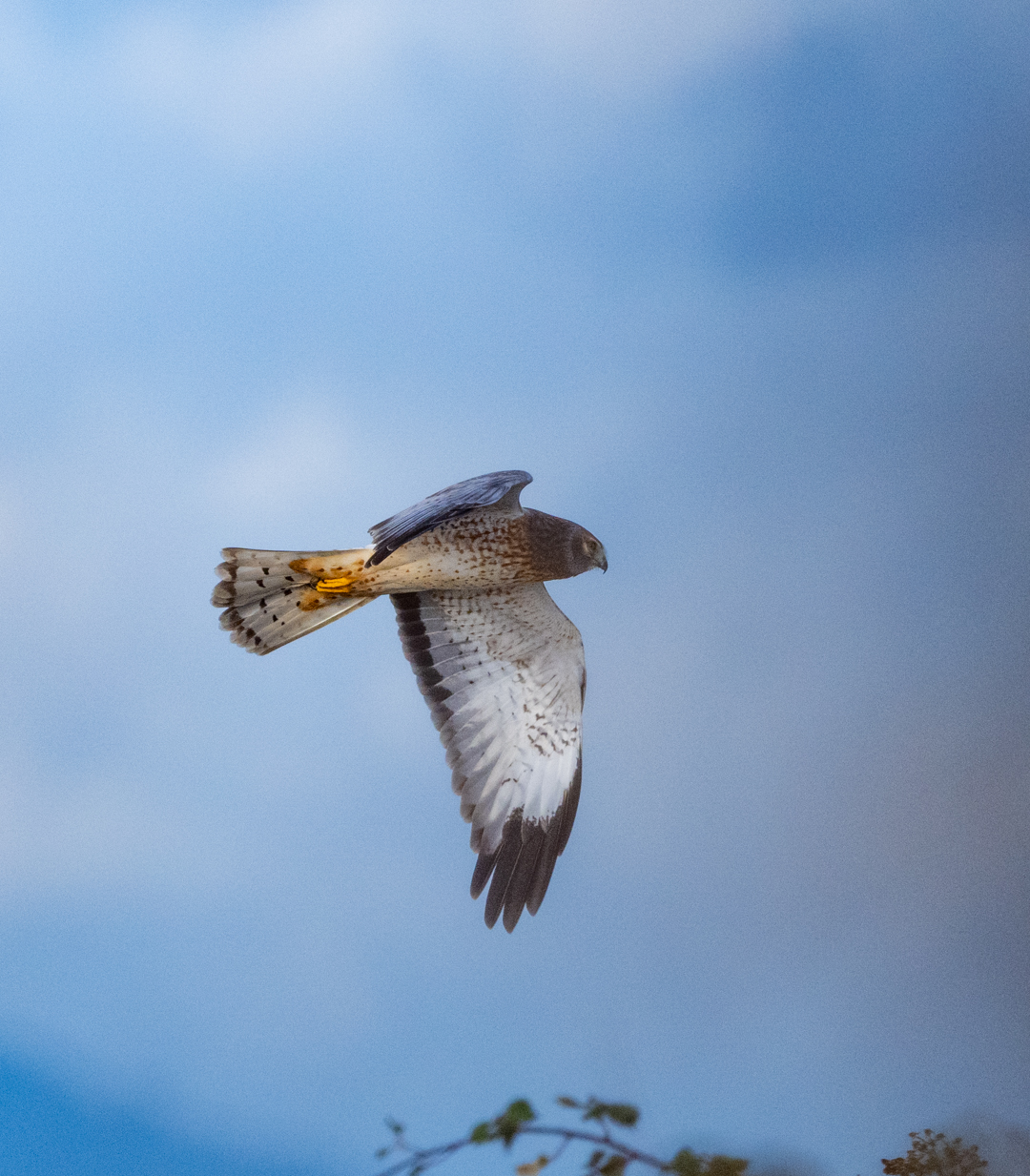
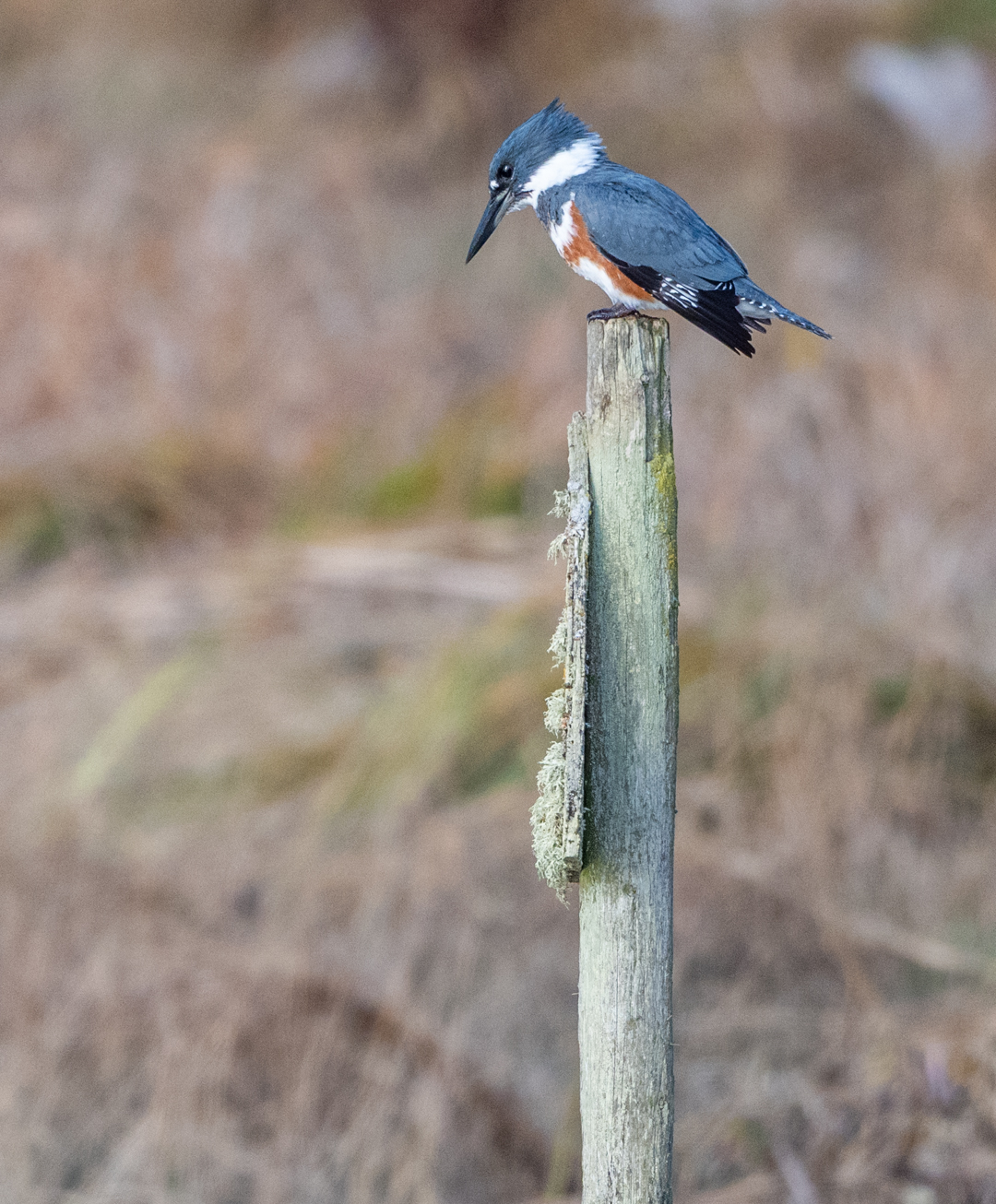
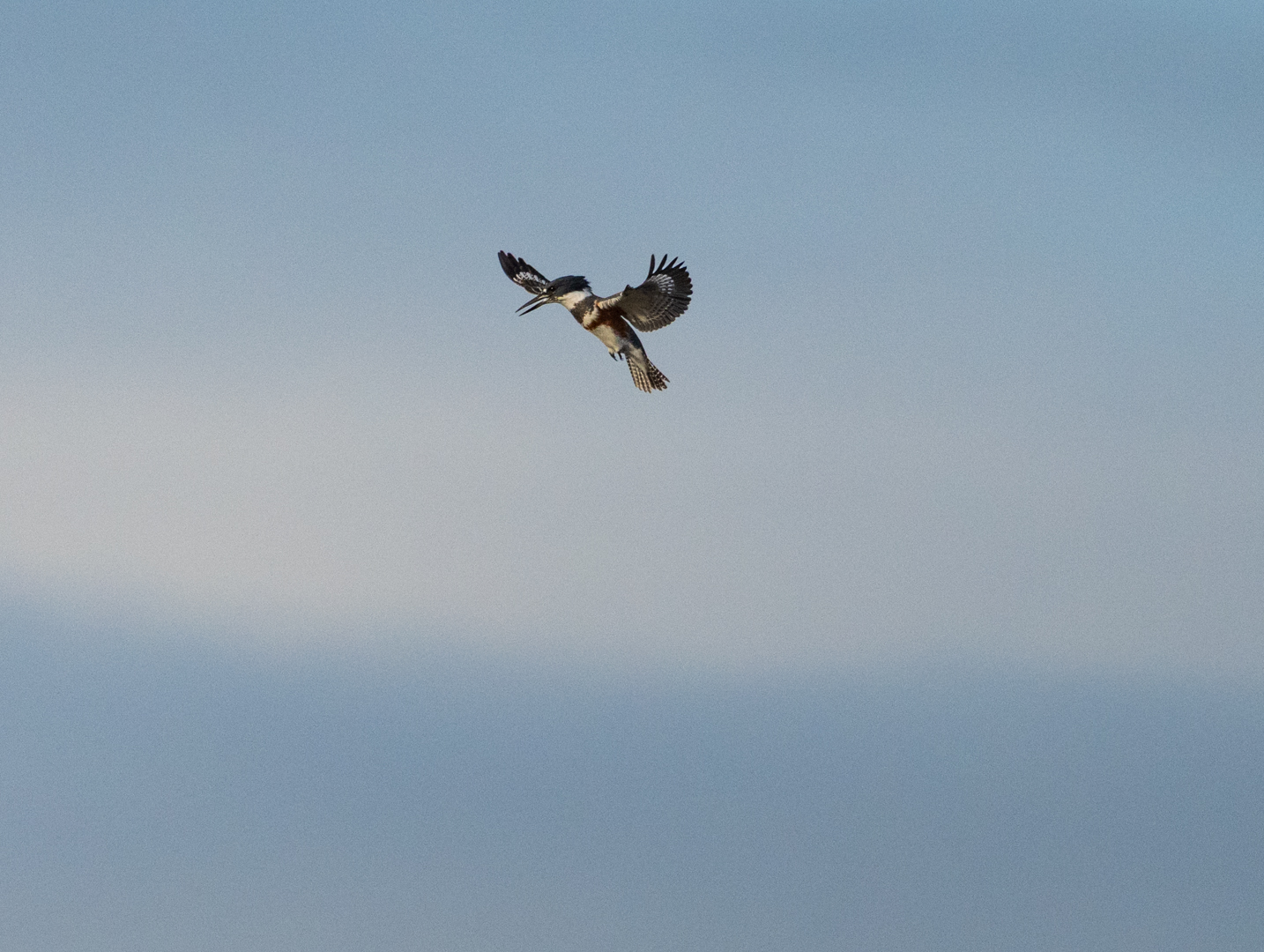
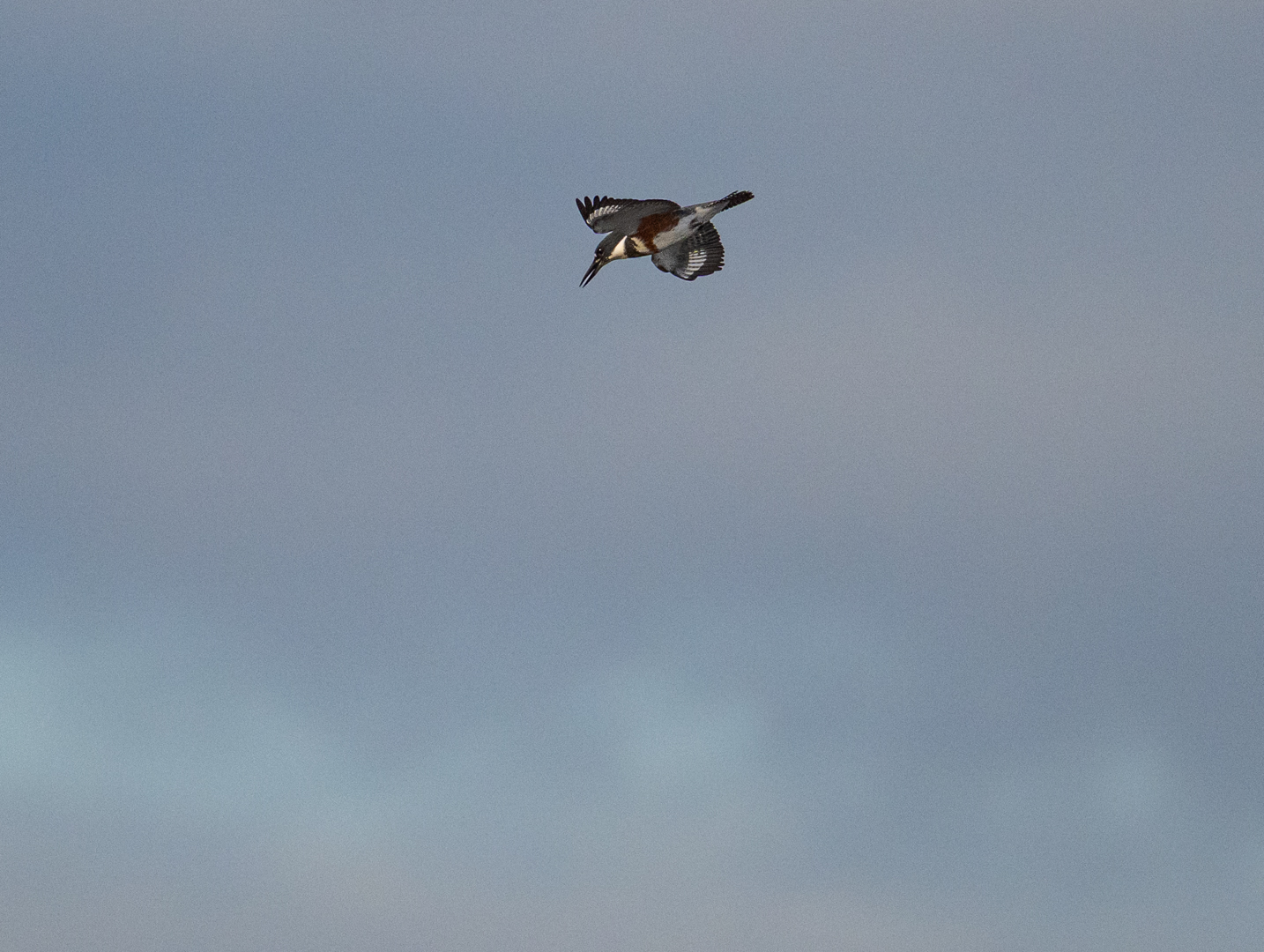
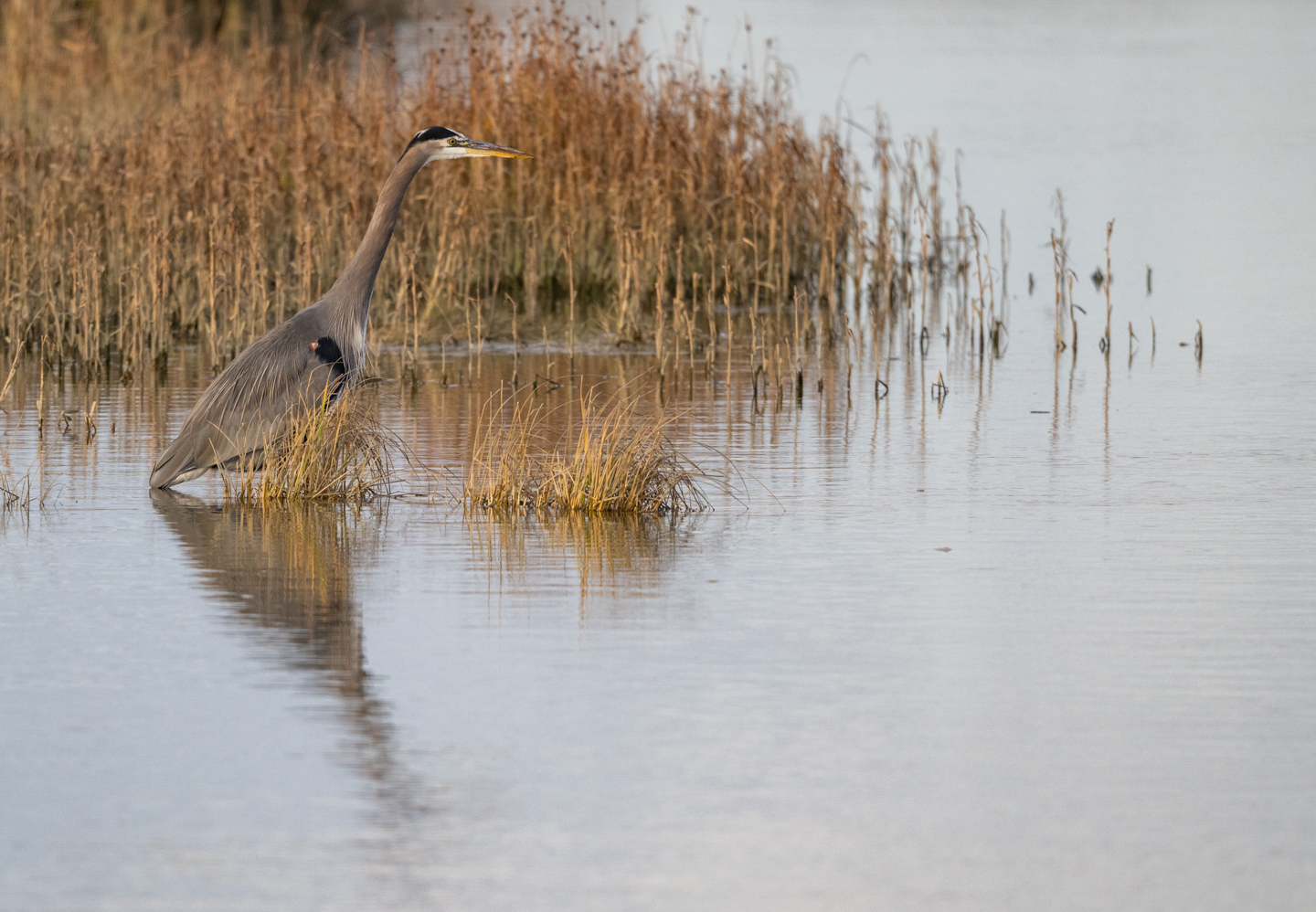
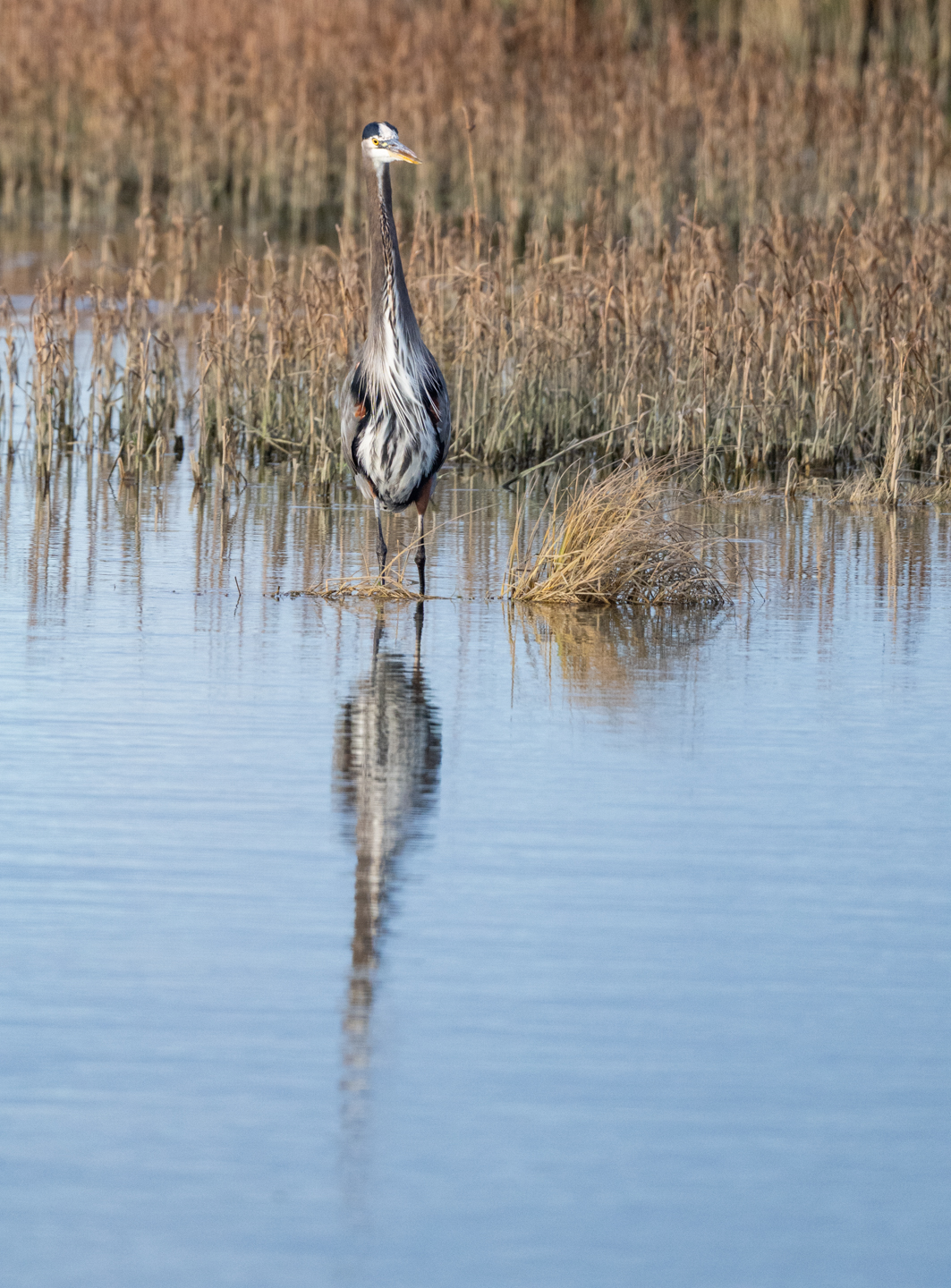
Also pictured, White-crowned Sparrow, Northern Harrier, Belted Kingfisher, and Great Blue Heron.

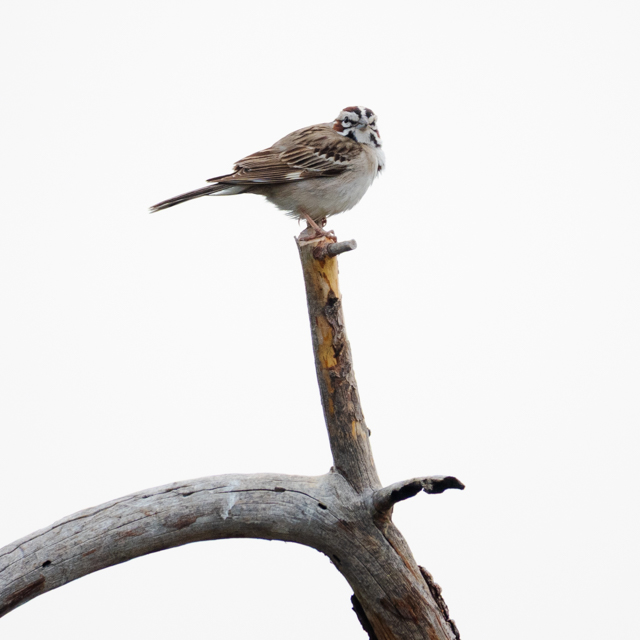
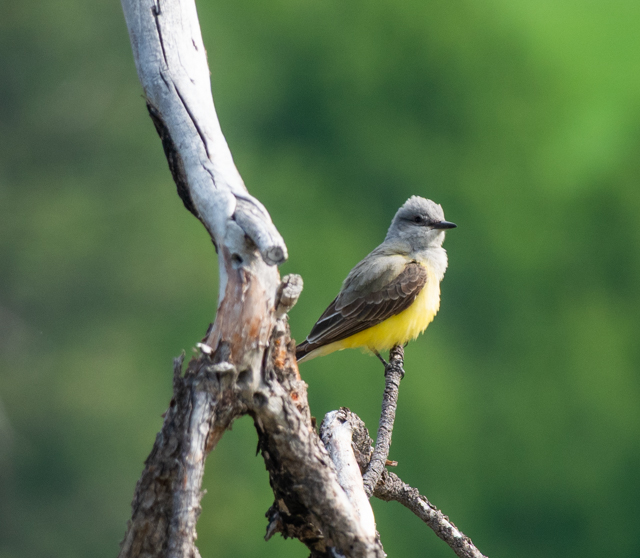
Big photo dump from late Spring.

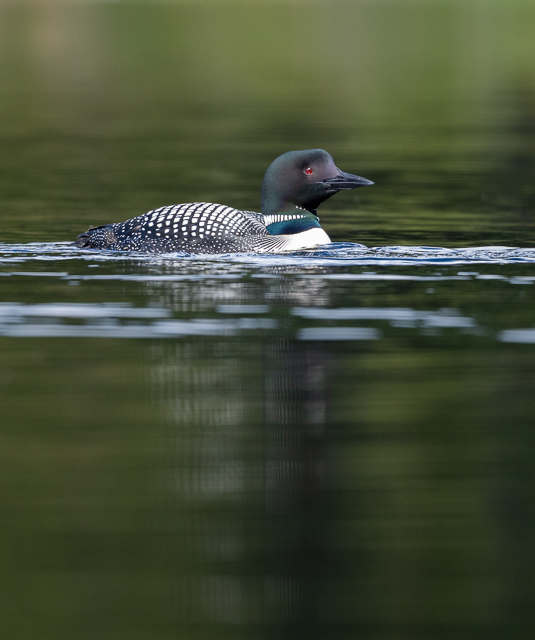
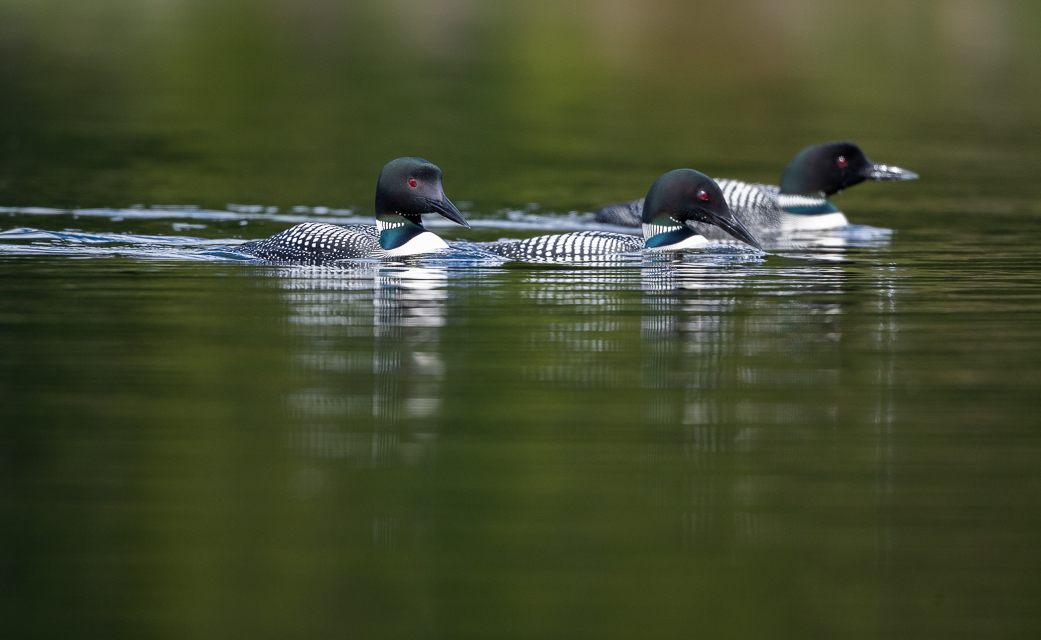
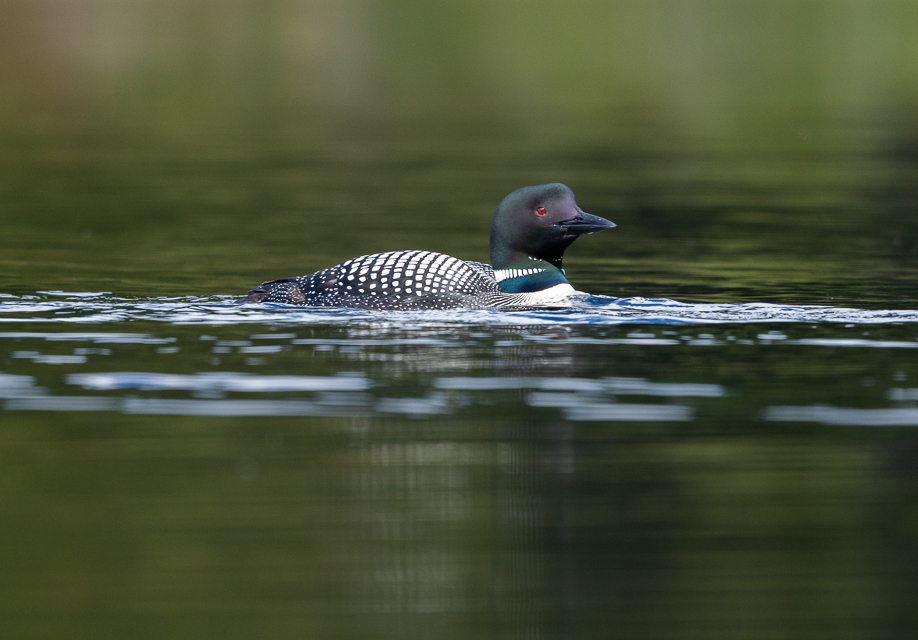
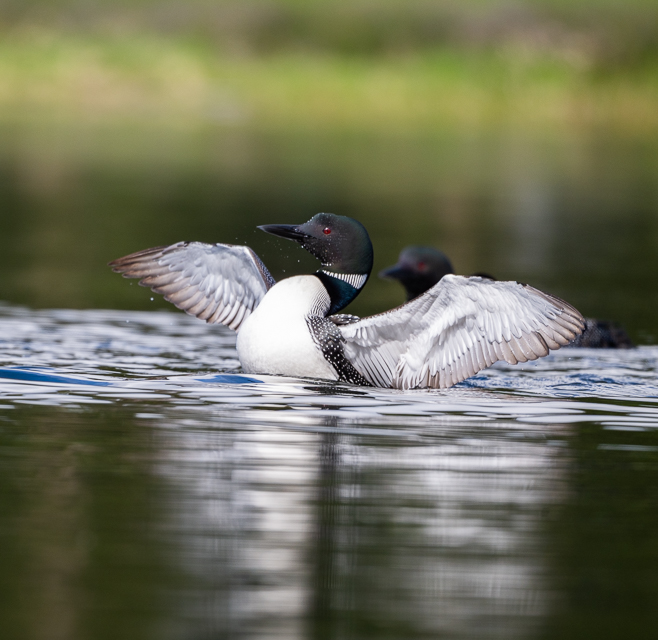
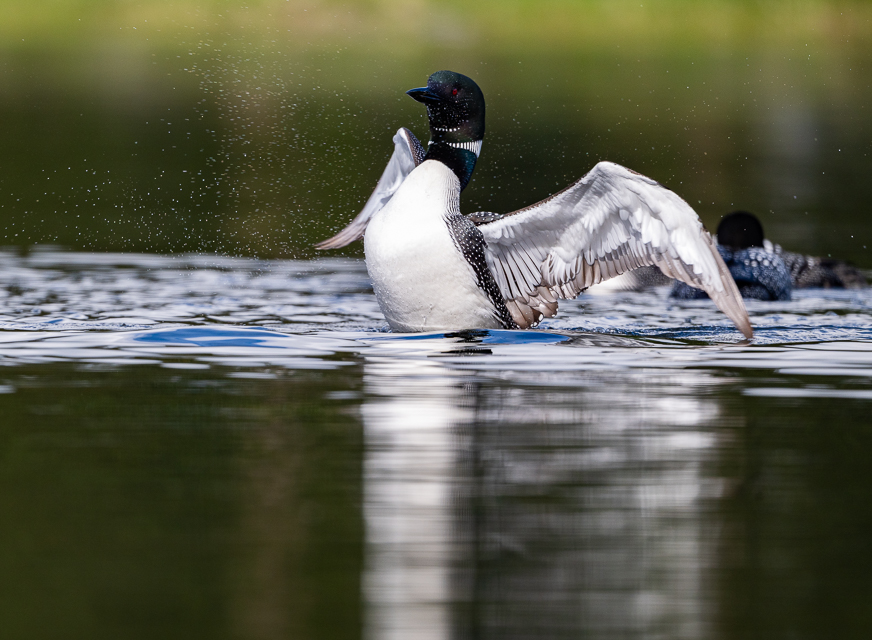
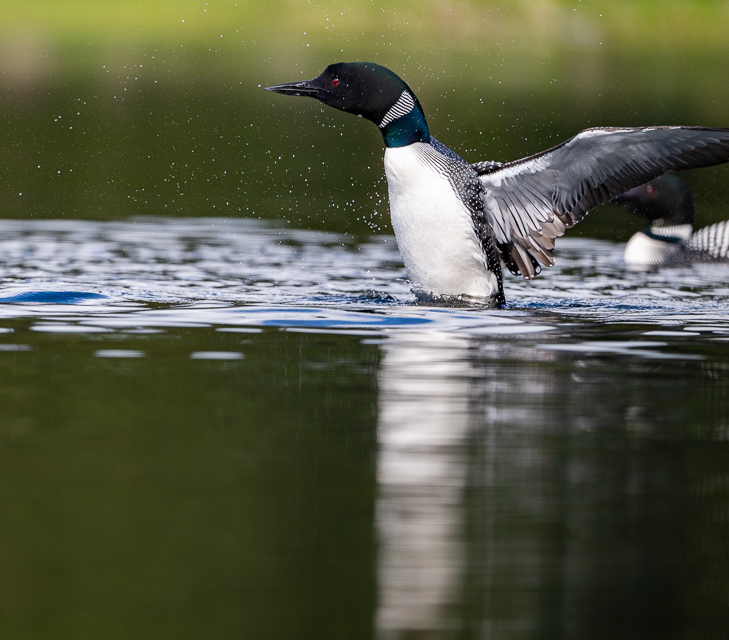
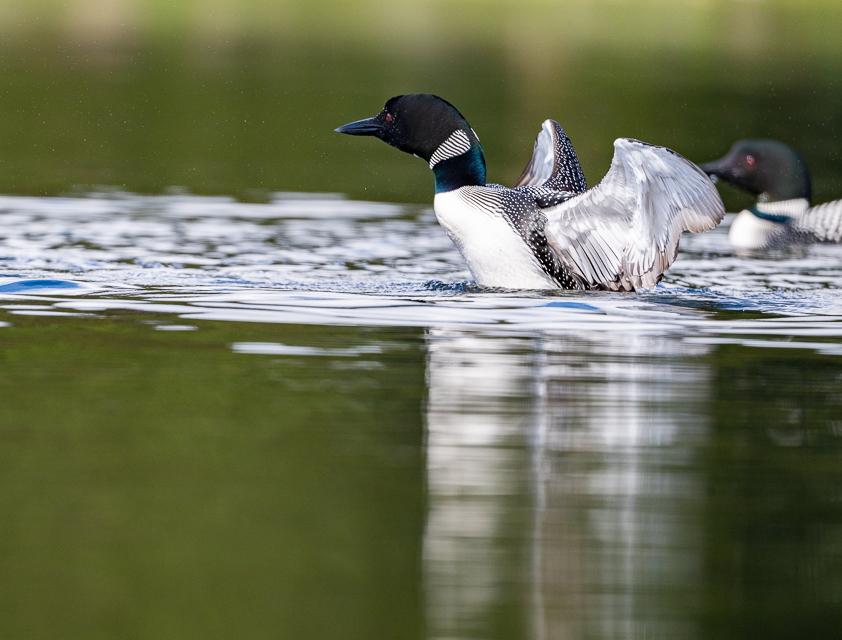
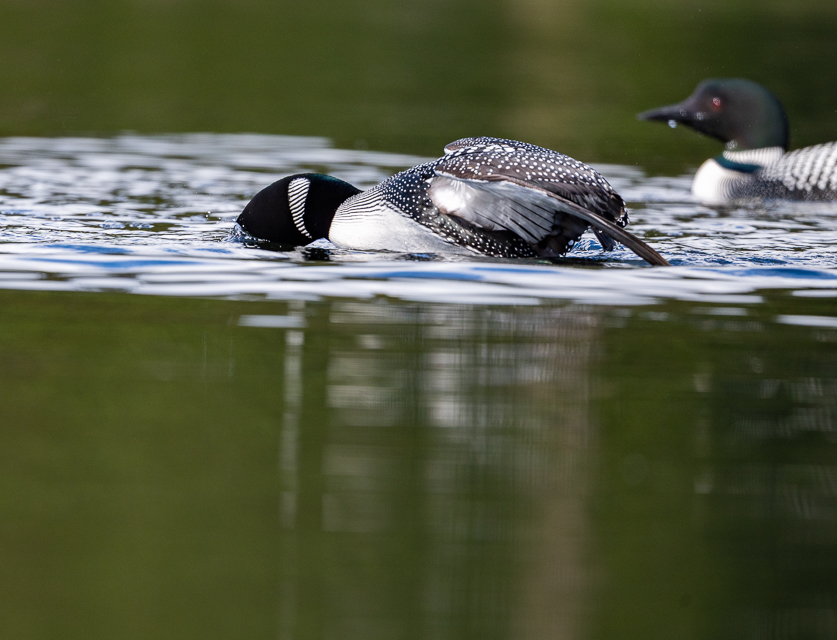
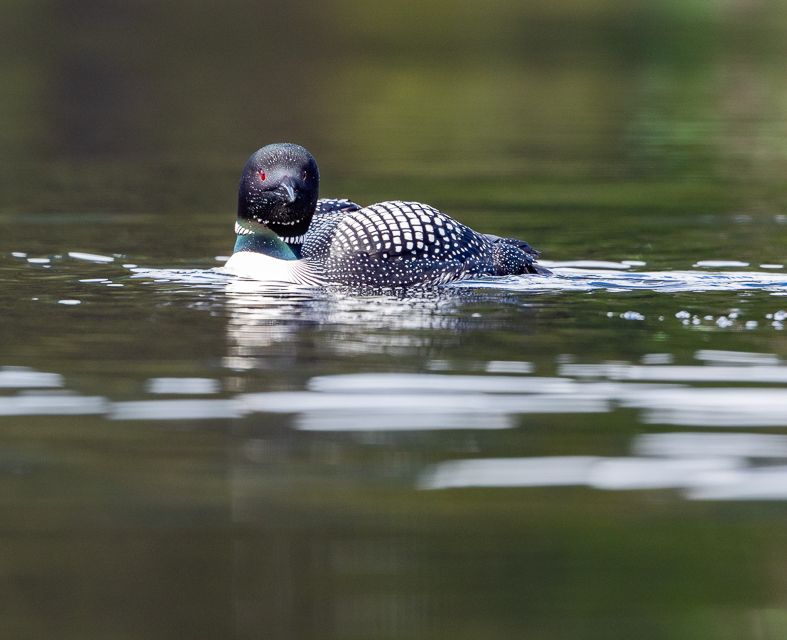
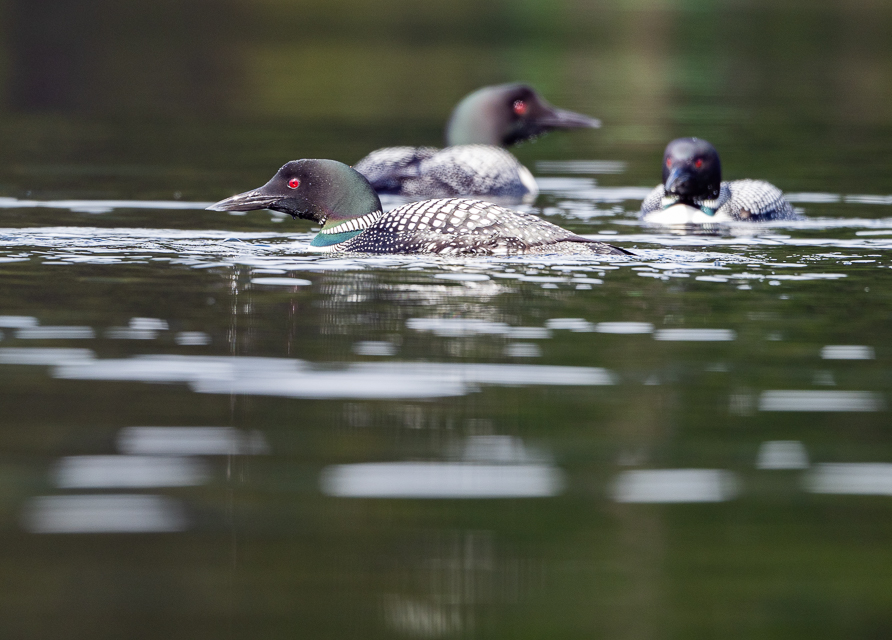
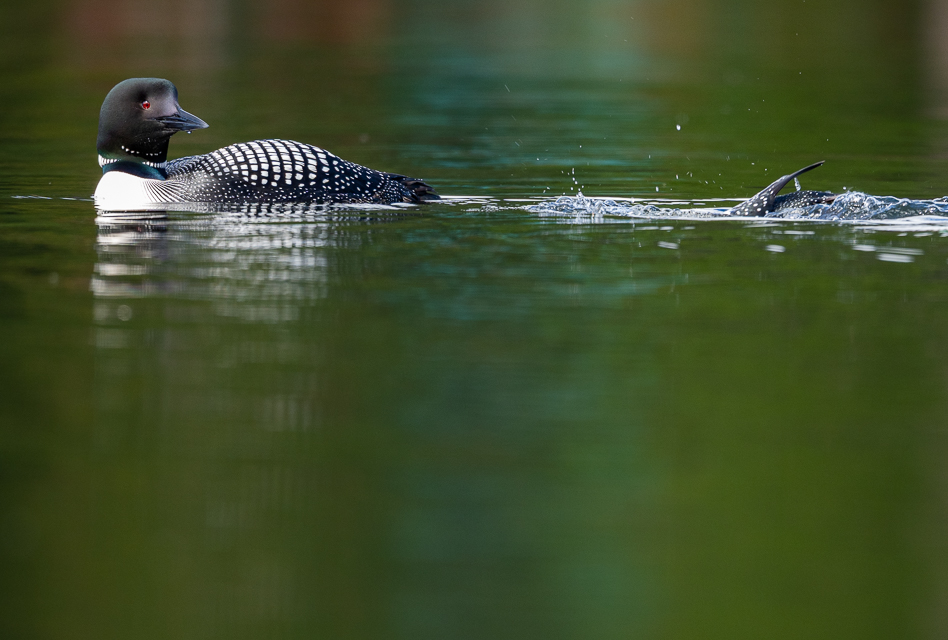
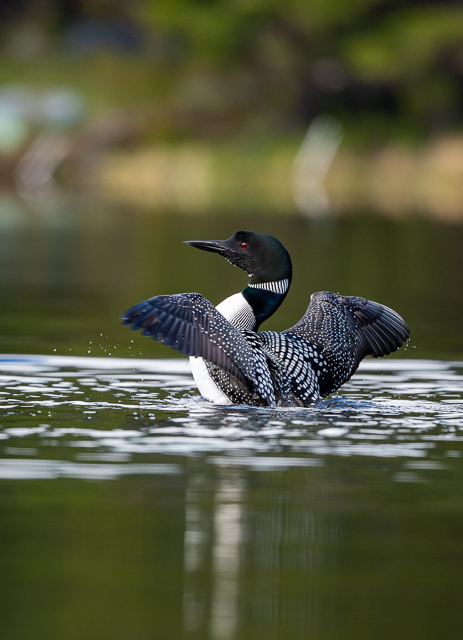
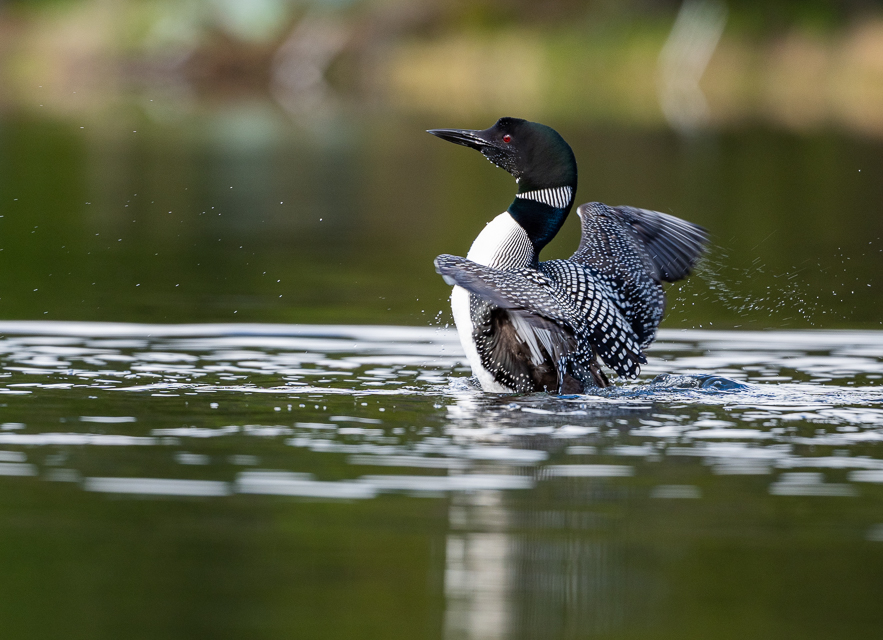
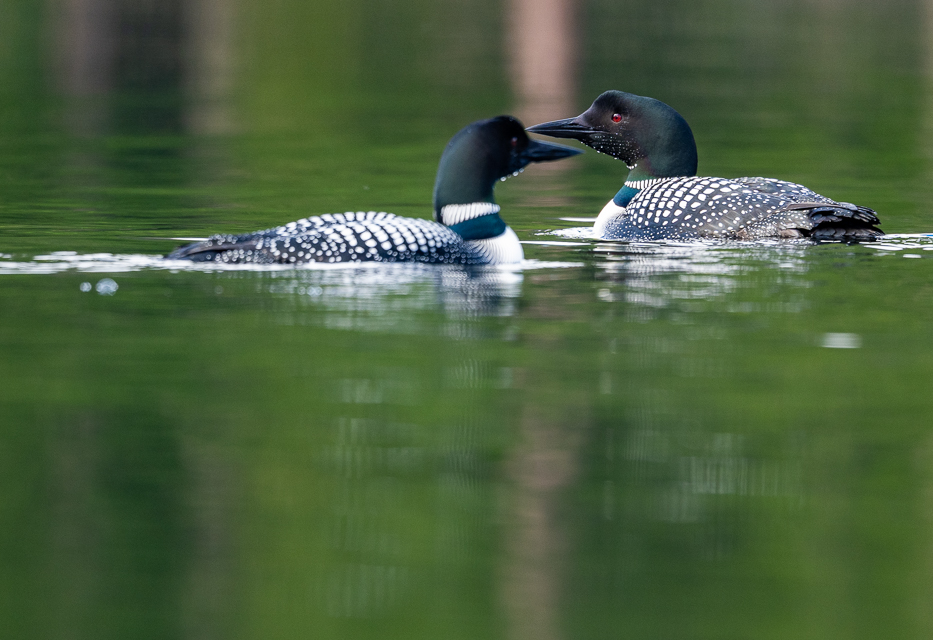
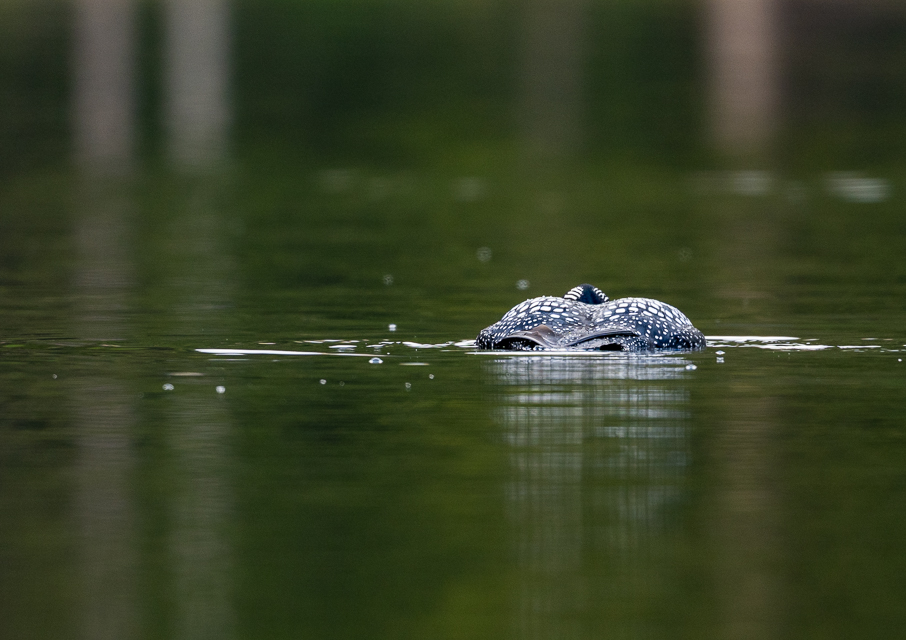
I observed these loons from my kayak on a lake in the Okanogan Highlands last month. Usually, there is a nesting pair but at that time, none were using the historic nest. This particular day, we observed six or seven loons, actively feeding on small trout. Most days I observed only two or three loons on the water at any time. At least two other lakes in the area had nesting loons.

Washington Department of Fish and Wildlife (WDFW) says “This species is identified as a Priority Species under WDFW’s Priority Habitat and Species Program. Priority species require protective measures for their survival due to their population status, sensitivity to habitat alteration, and/or recreational, commercial, or tribal importance. The PHS program is the agency’s main means of sharing fish and wildlife information with local governments, landowners, and others who use it to protect priority habitats for land use planning.”

Last year, an entire family of four loons was brutally killed by someone with a gun. Another loon died of lead poisoning, possibly from fishing tackle.

I love to camp there and watch and listen to the loons.

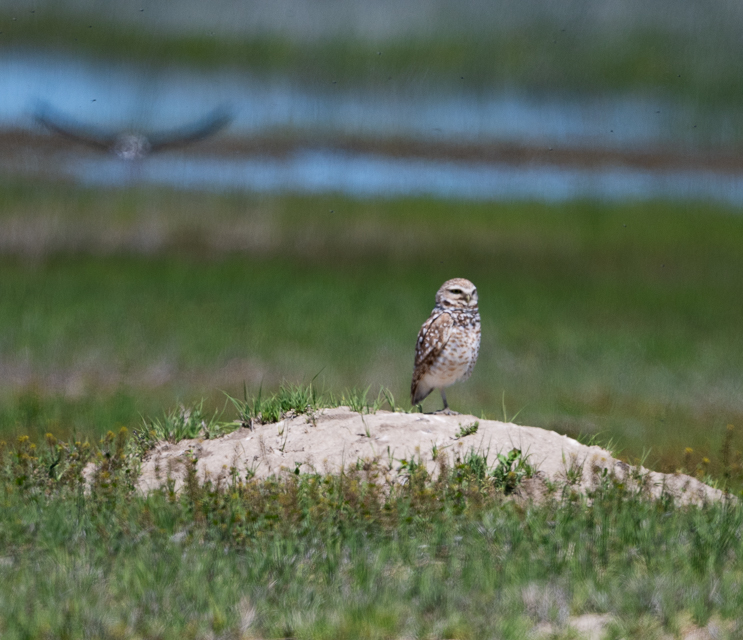
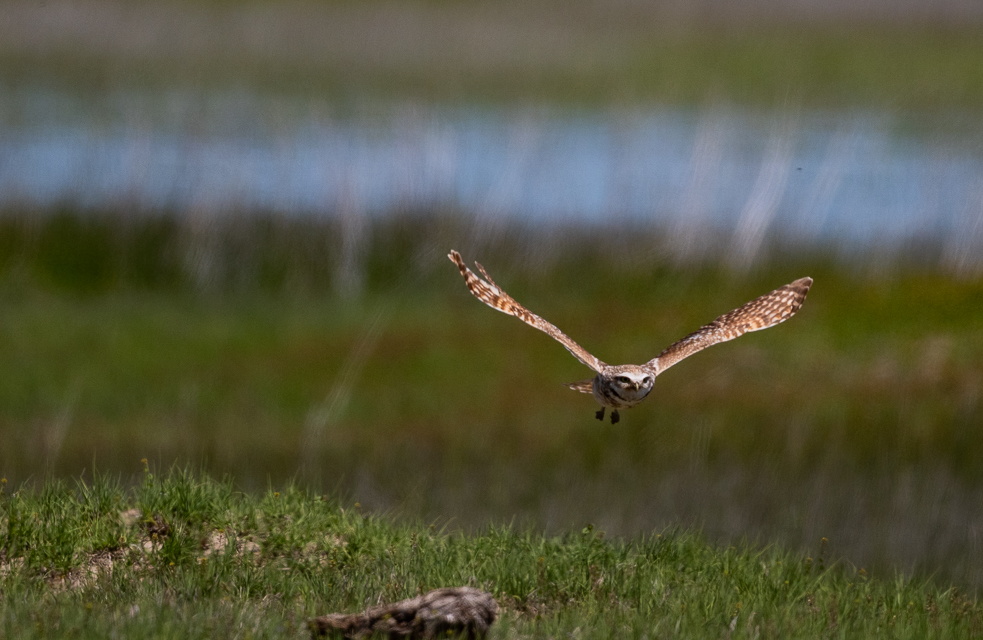
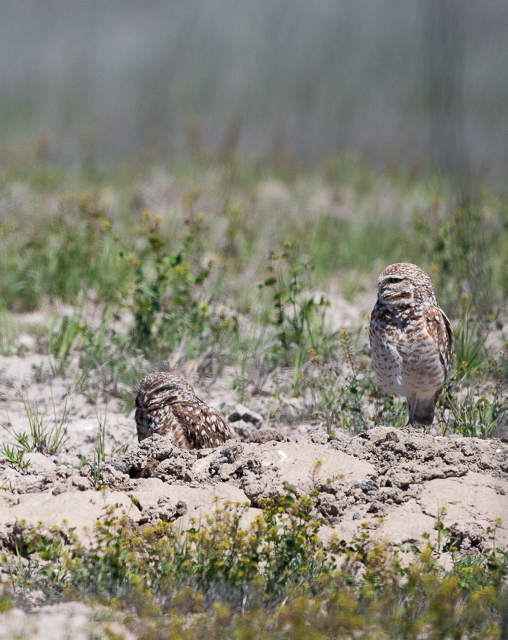
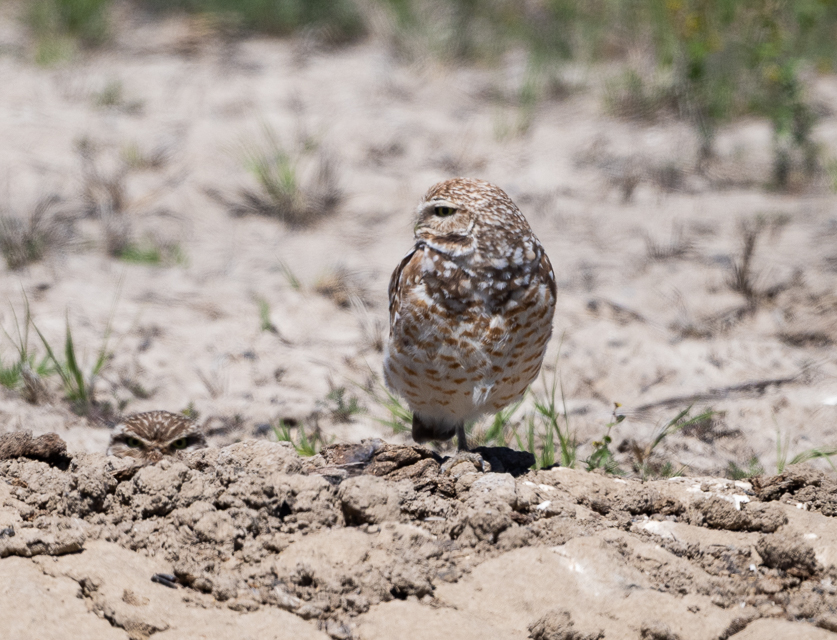
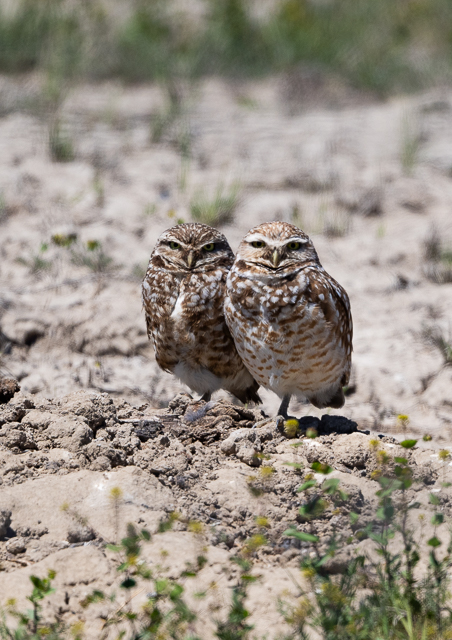
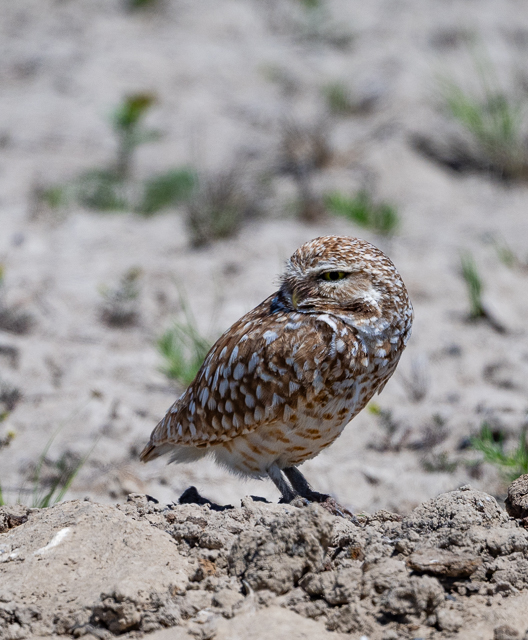
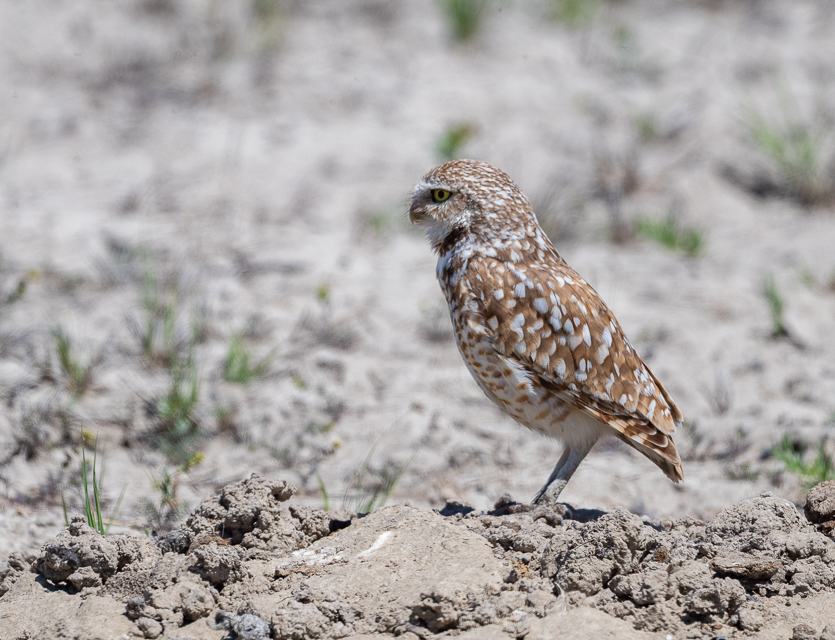
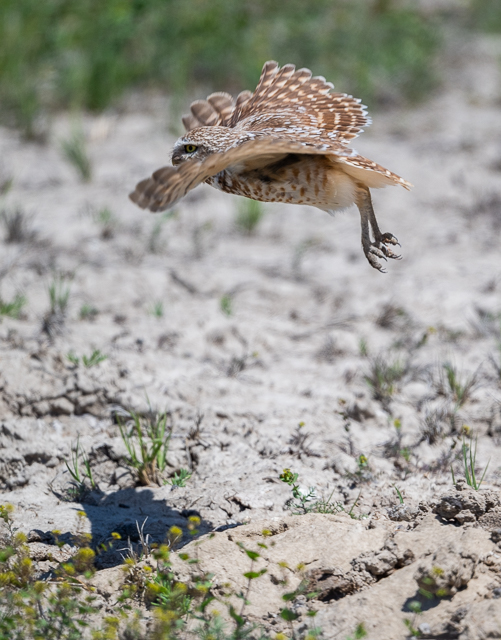
The birding highlight at Malheur NWR may have been seeing Burrowing Owls. It’s been years since I’ve seen them. We saw two pairs. One pair was too distant for good photos. We did observe them exchanging food or maybe something else and also an attempt at copulation. The other pair had a burrow very near the gravel road so we were able to view and photograph them from the car.
In some of these images, you can see the male, the lighter one, attempt to give the female a gift. We decided it was a piece of watermelon rind. She was not impressed and retreated to the burrow and he dropped it and stomped on it! Males are lighter because they spend more time outside the burrow and their feathers get sun bleached.

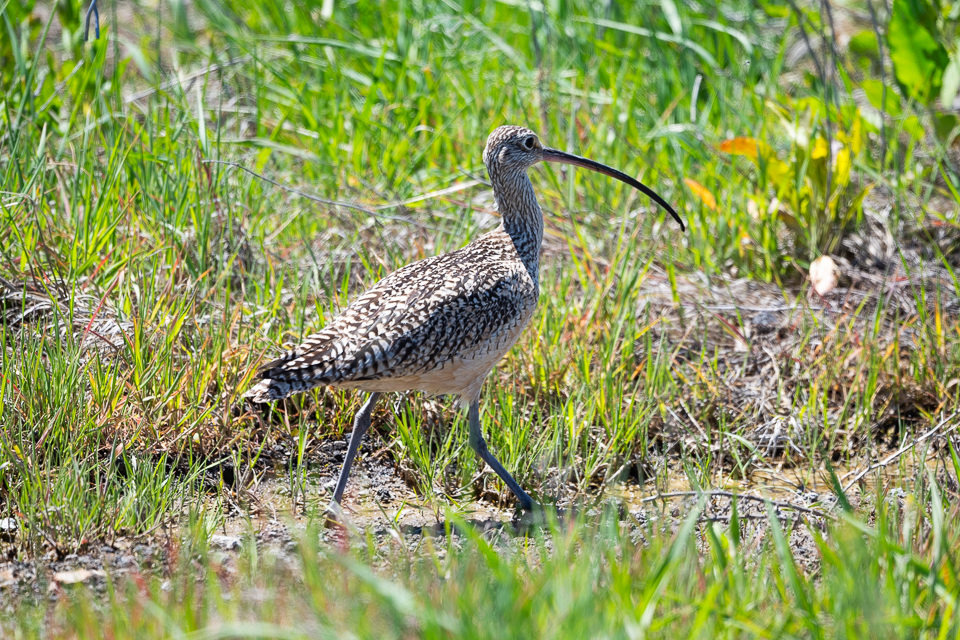
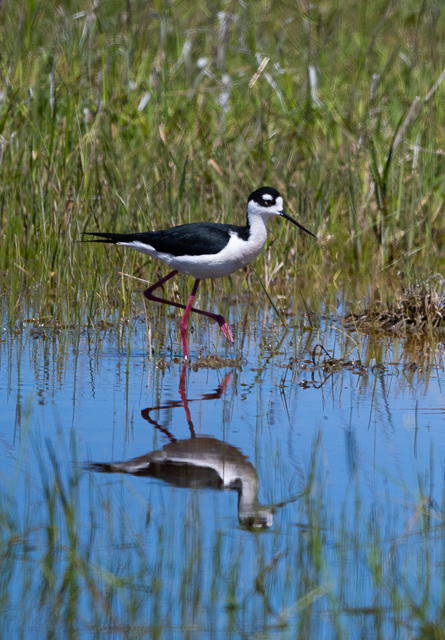
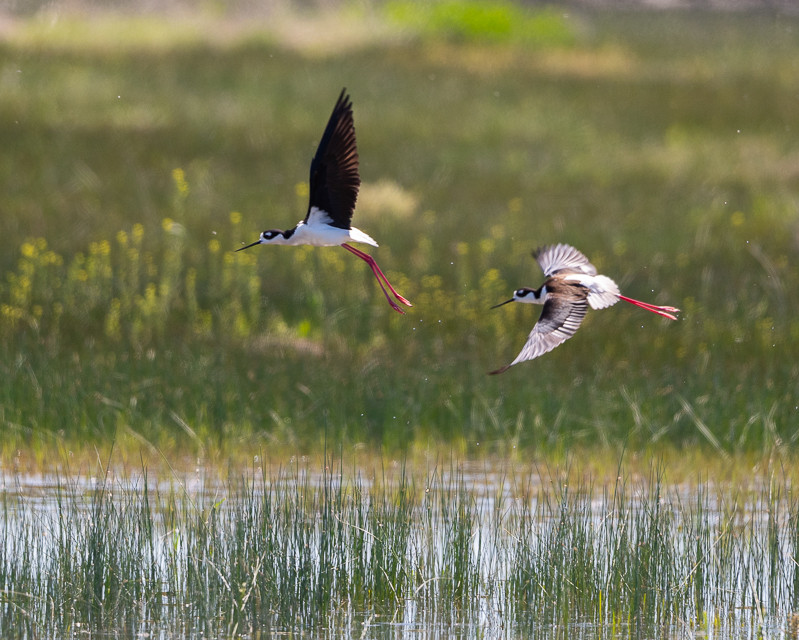
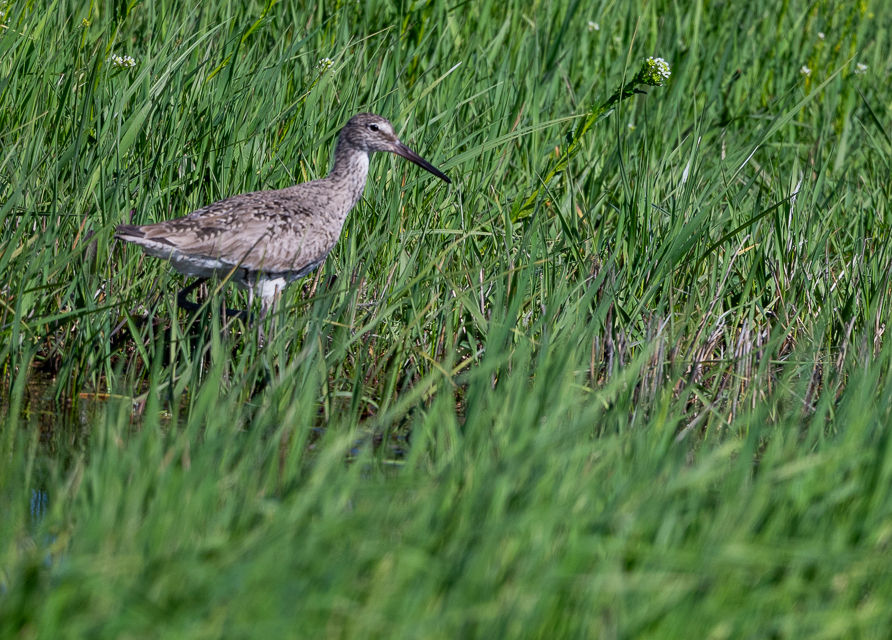
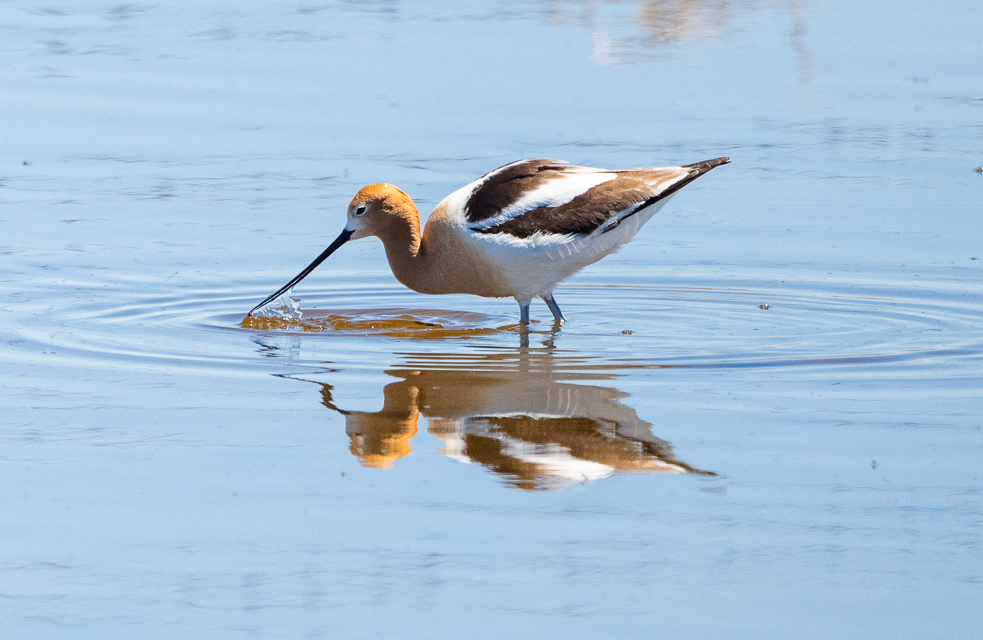
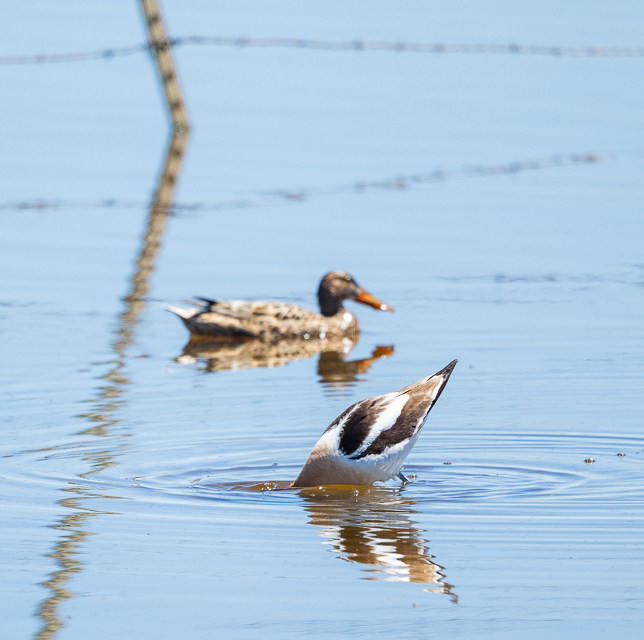
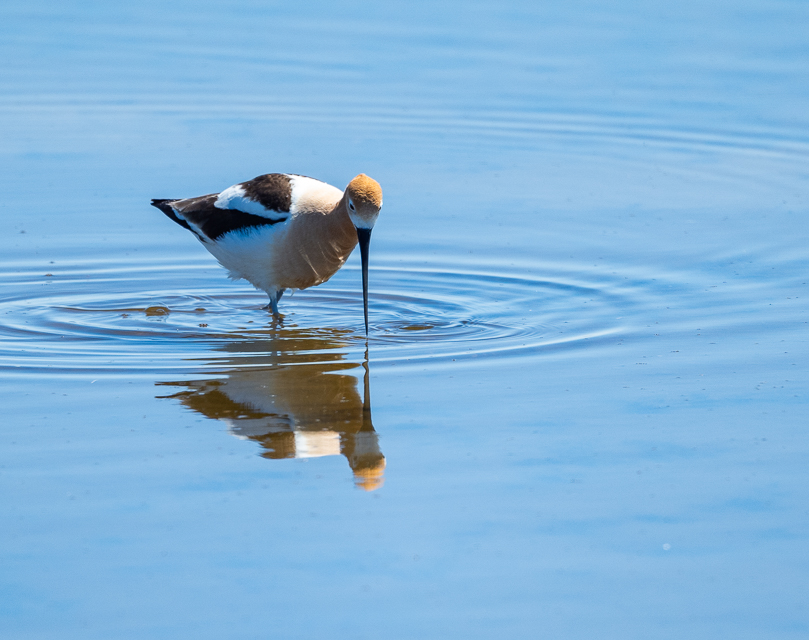
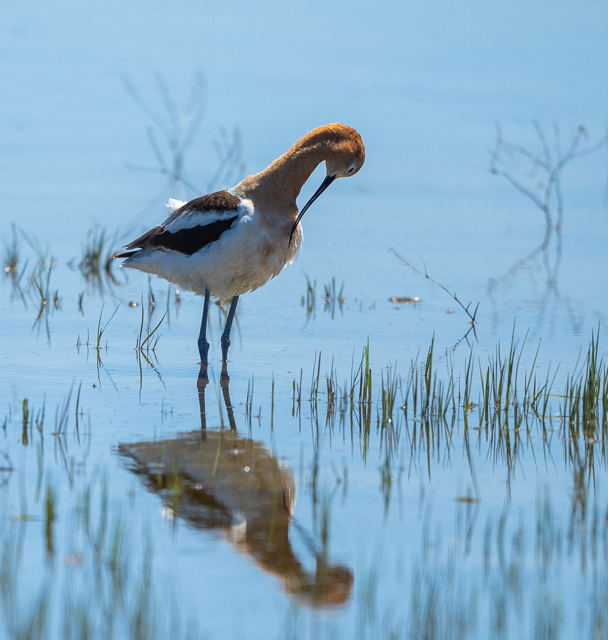
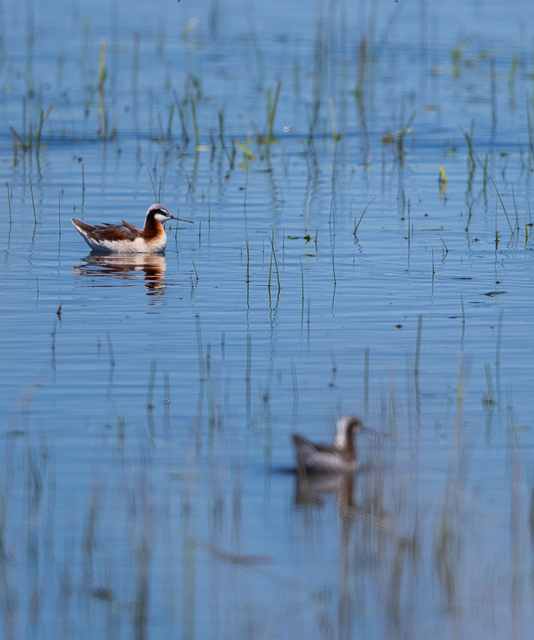
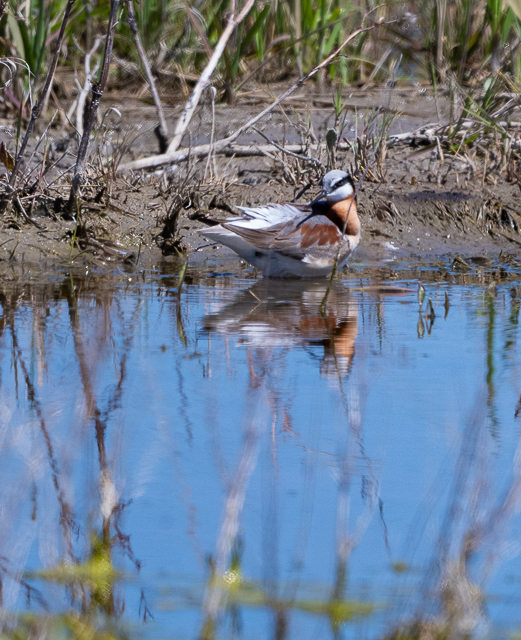
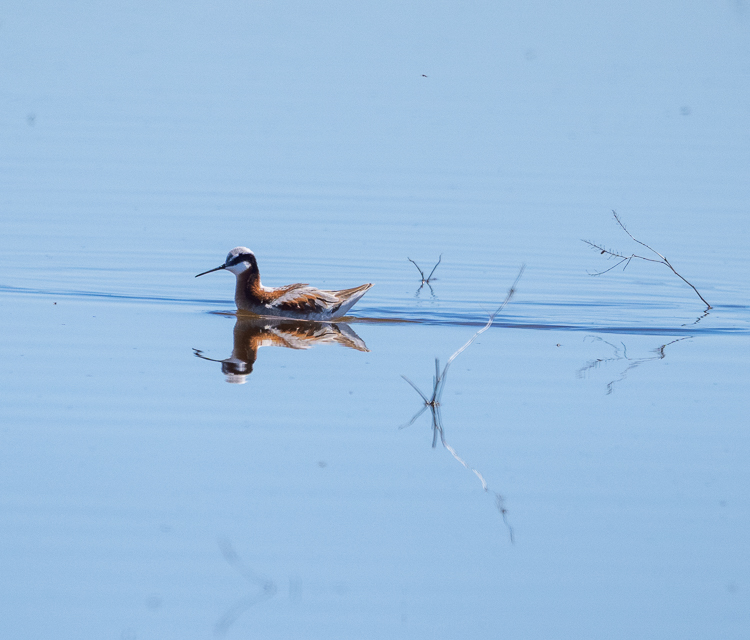
Shorebirds are always fun to watch. Their gangly legs and long beaks are just so interesting. The Wilson’s Phalarope is a bit different, mostly foraging while afloat in shallow water. Another difference is that the female is the more colorful of the pair and the male incubates the eggs and gets the youngsters off to a good start in life. I think the avocets enjoy looking at their reflection.

Long-billed Curlew, Black-necked Stilt, Willet, American Avocet, Wilson’s Phalarope.