Skip navigation

Tag Archives: shorebirds

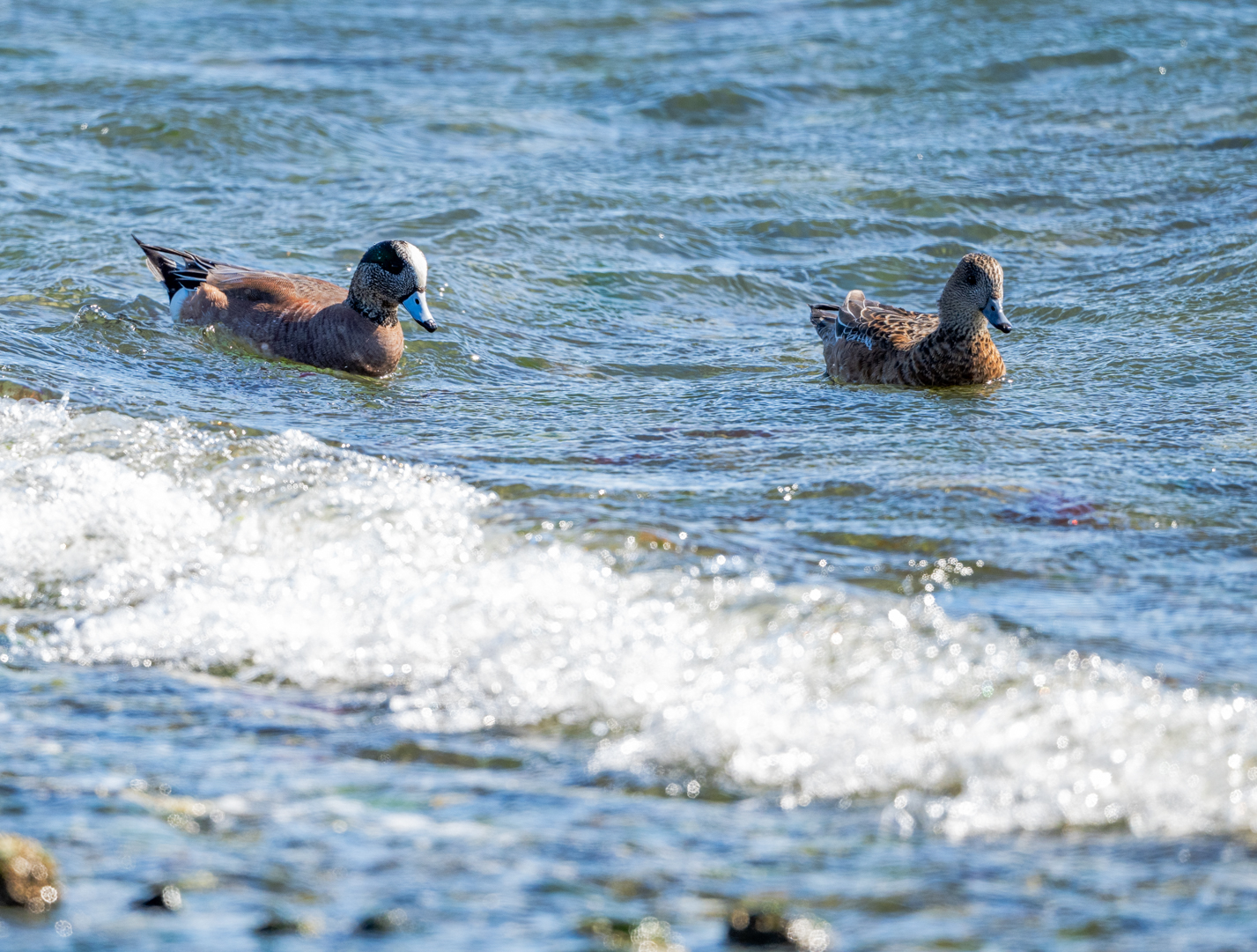
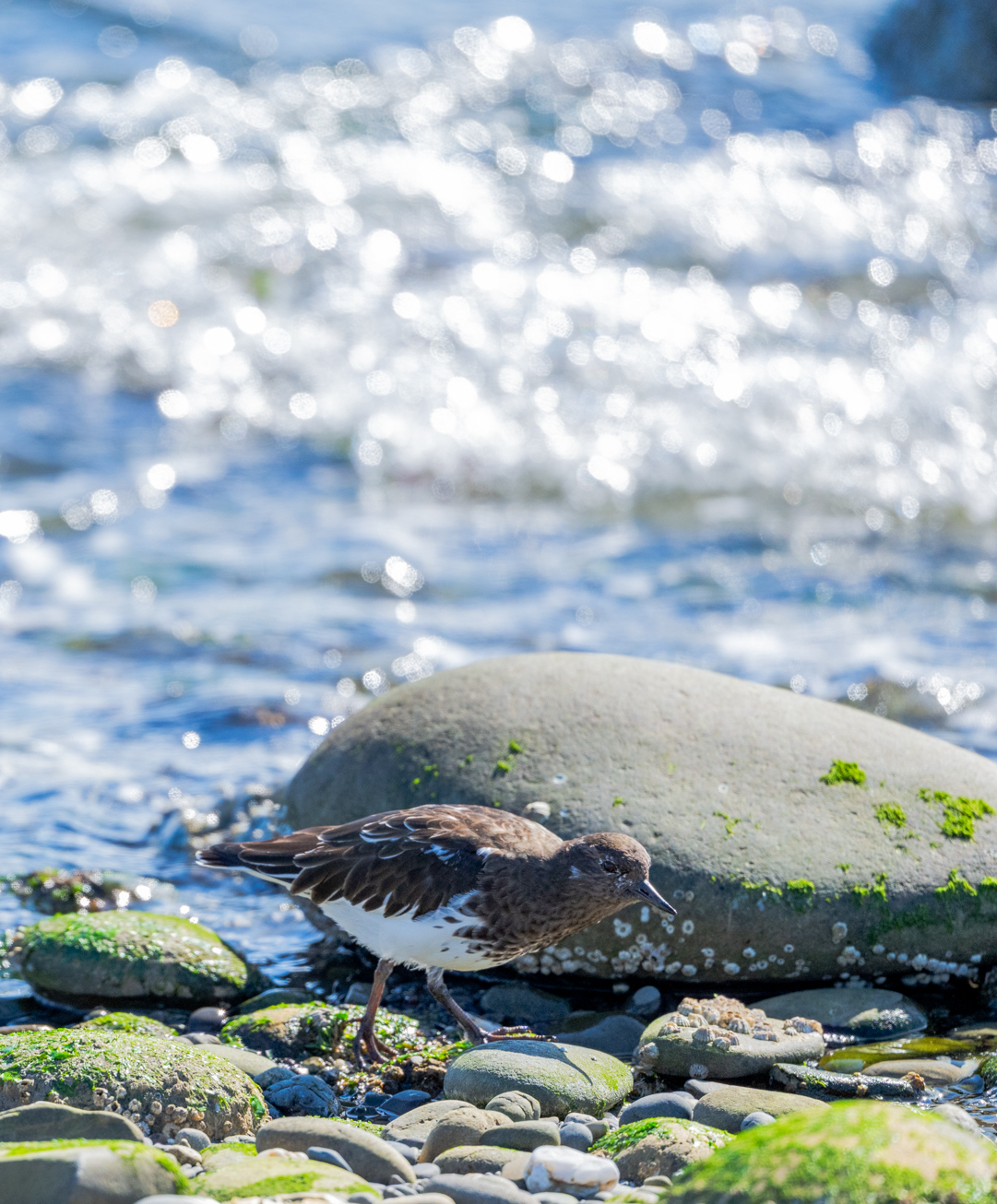
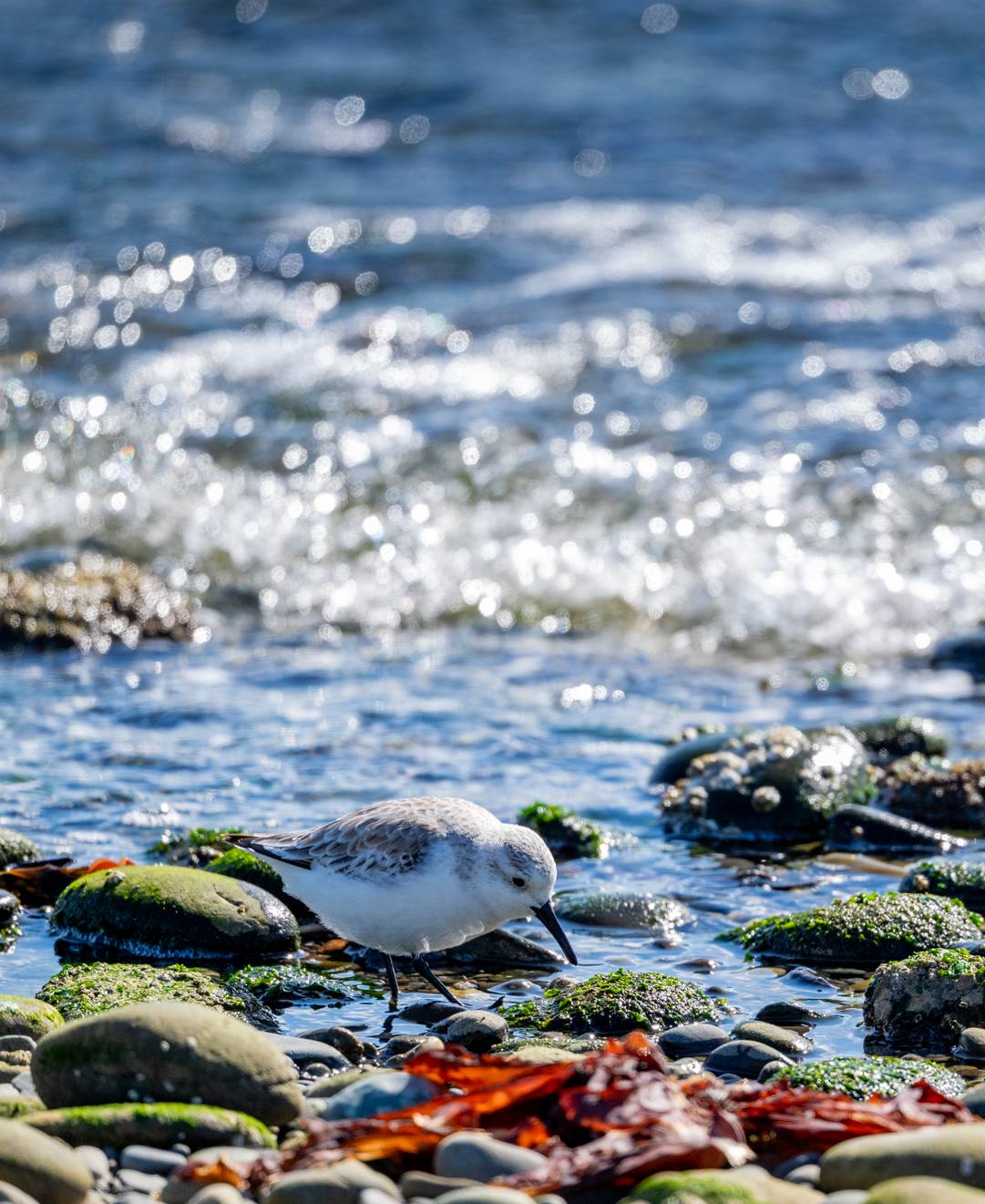
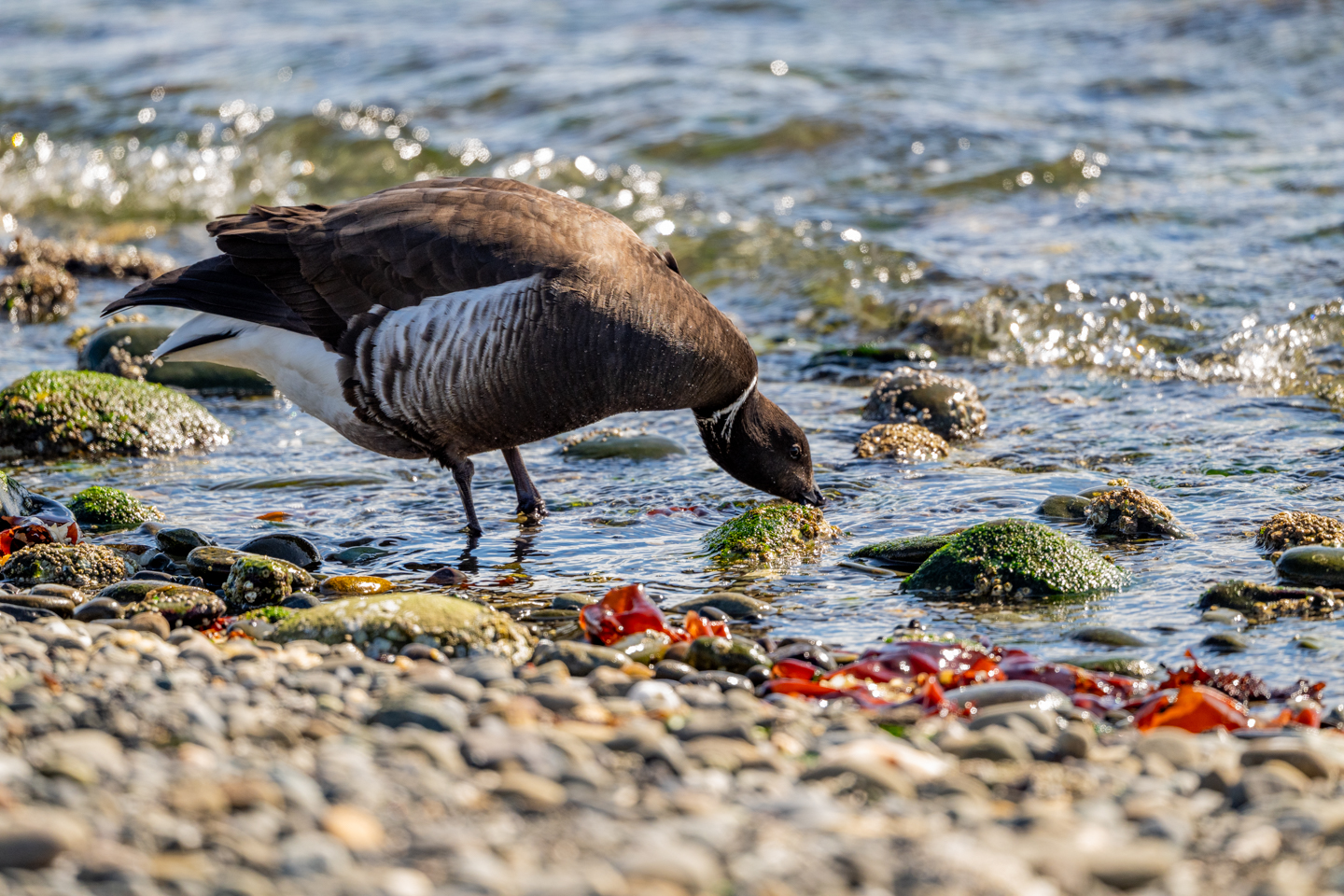
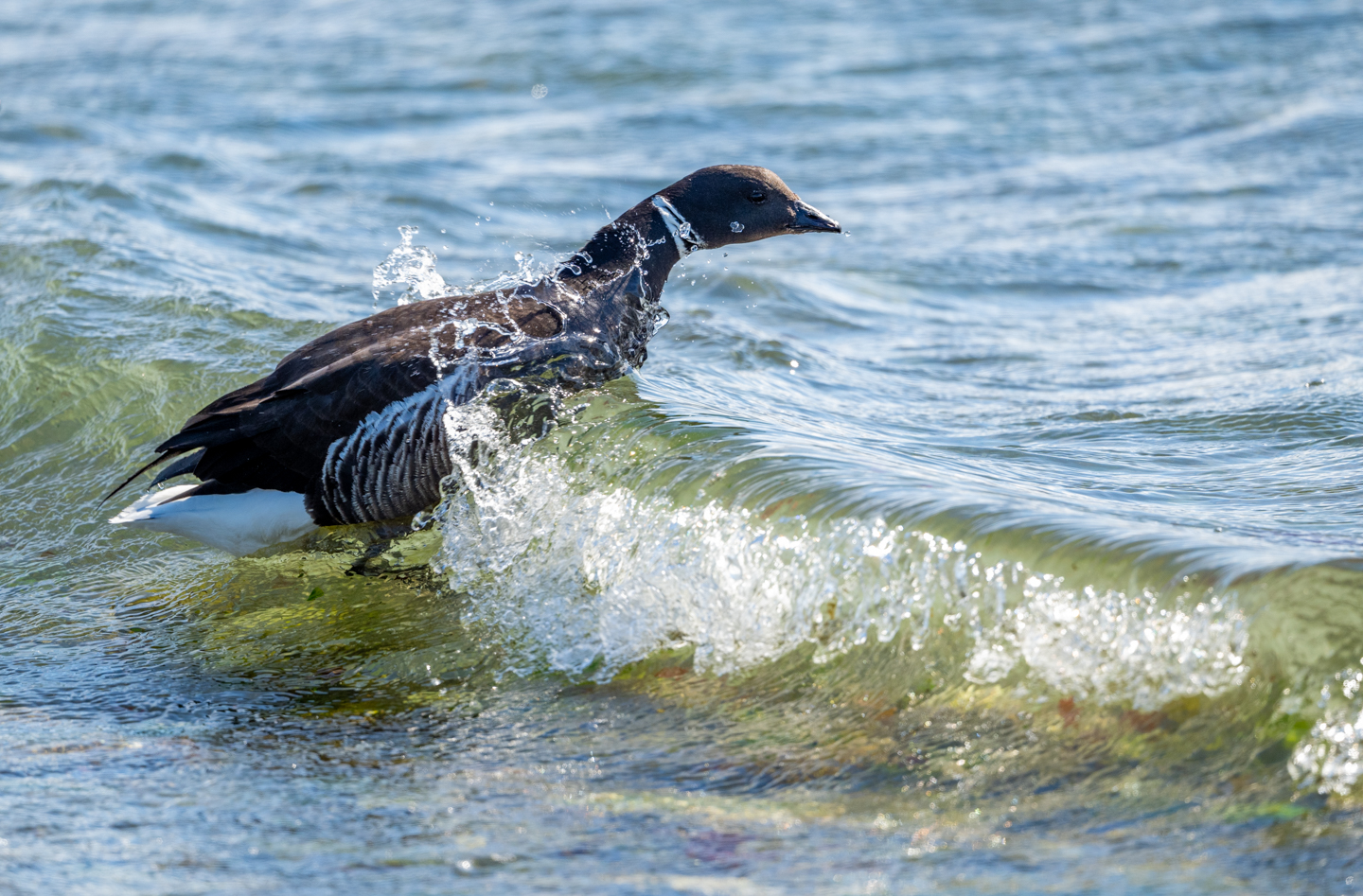
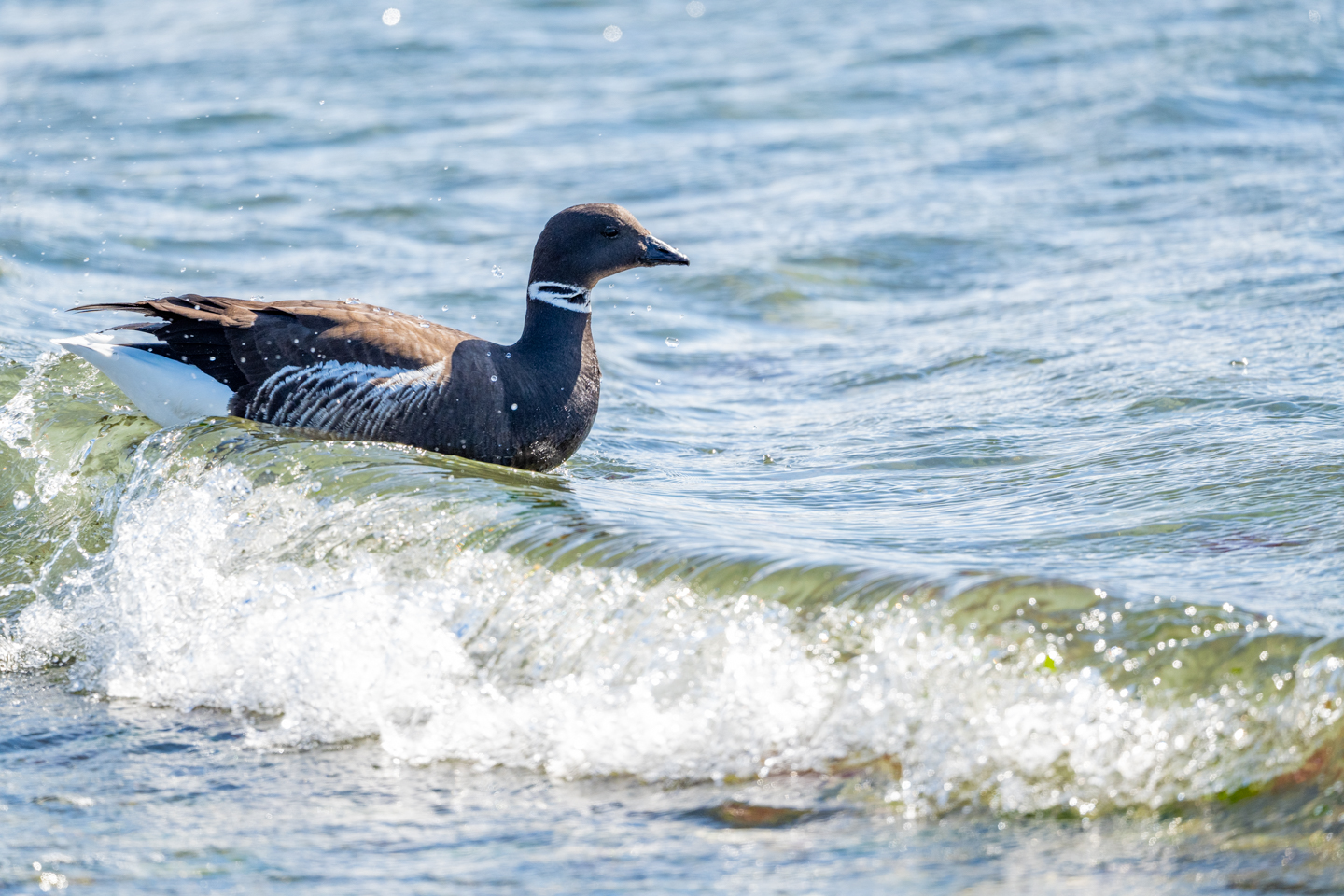
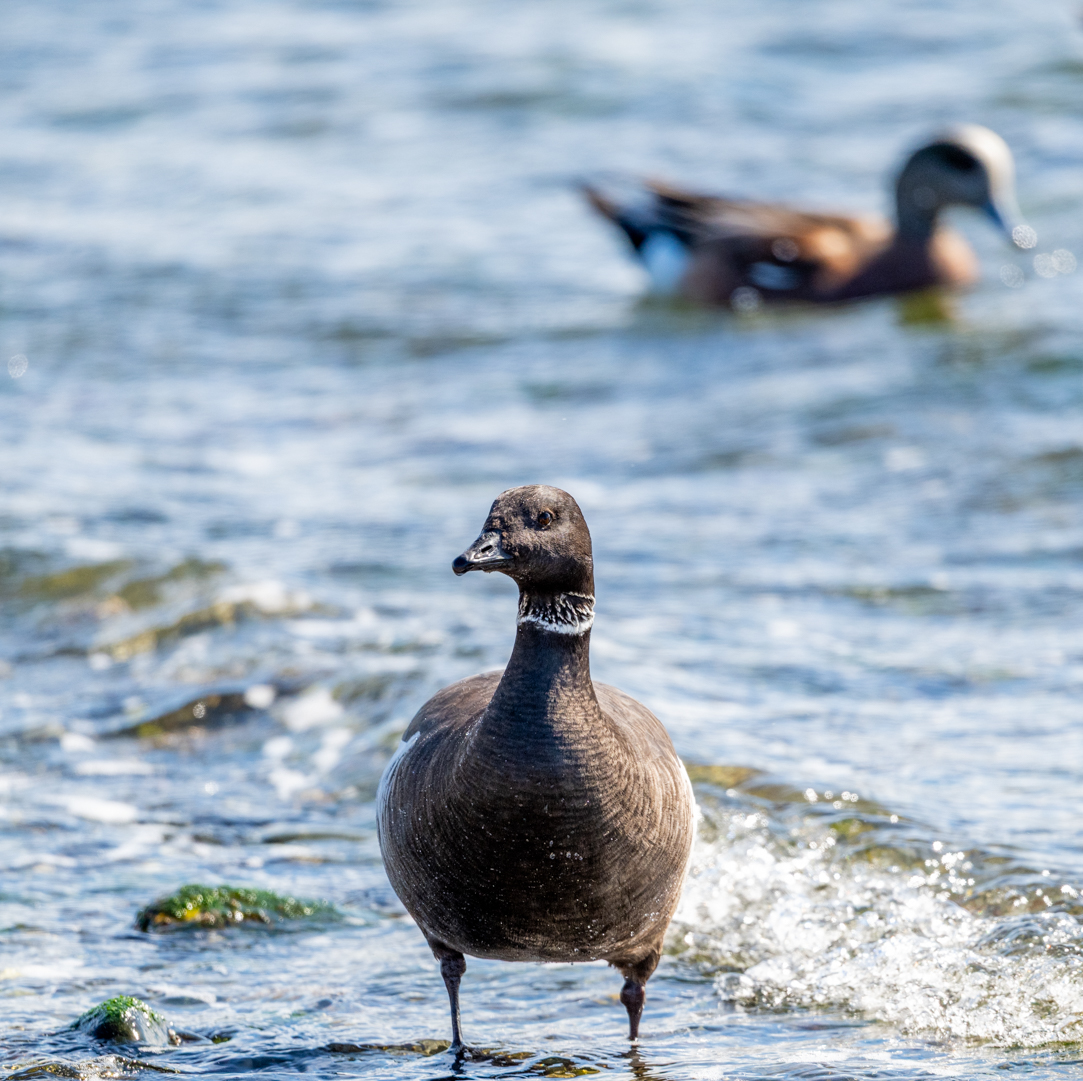
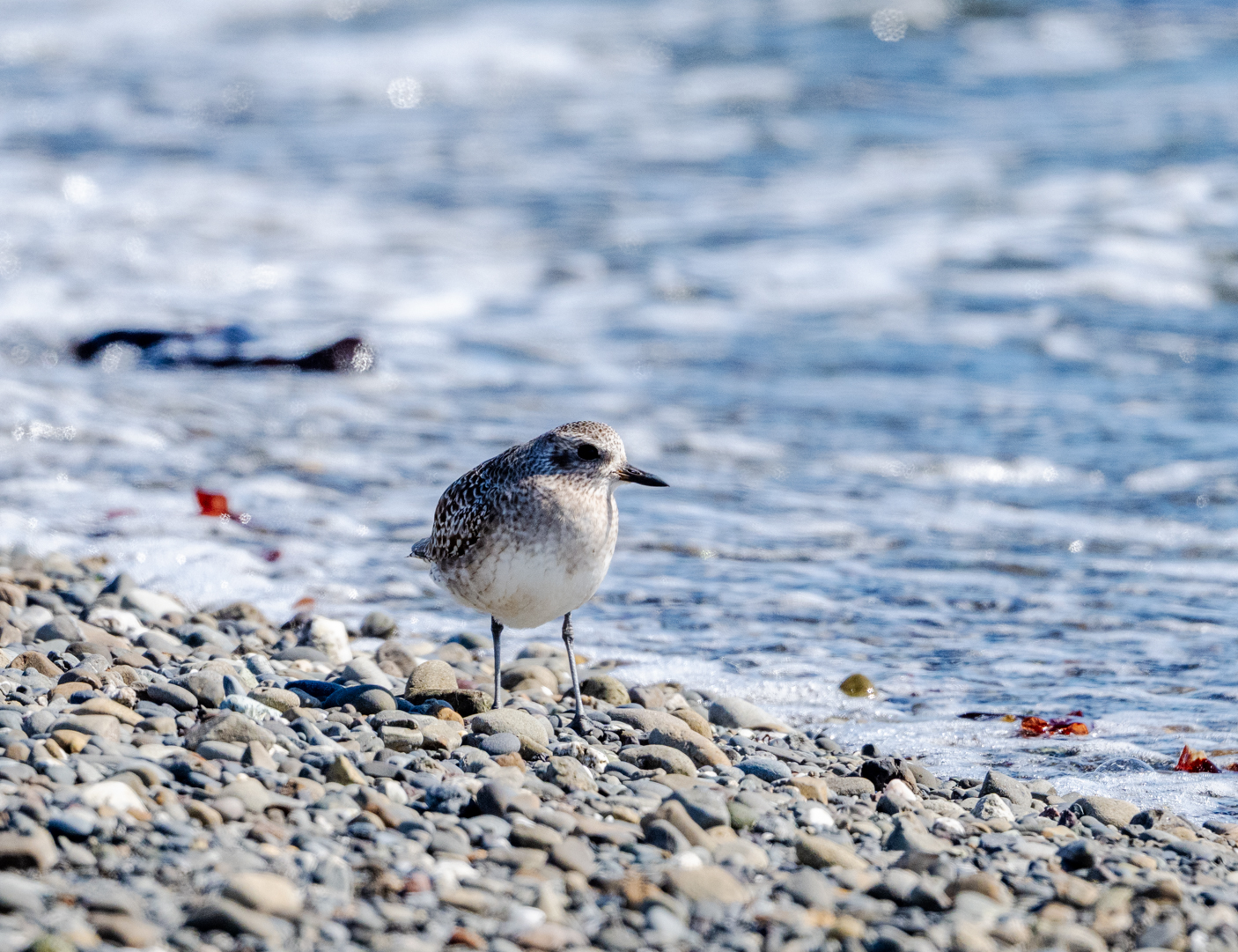
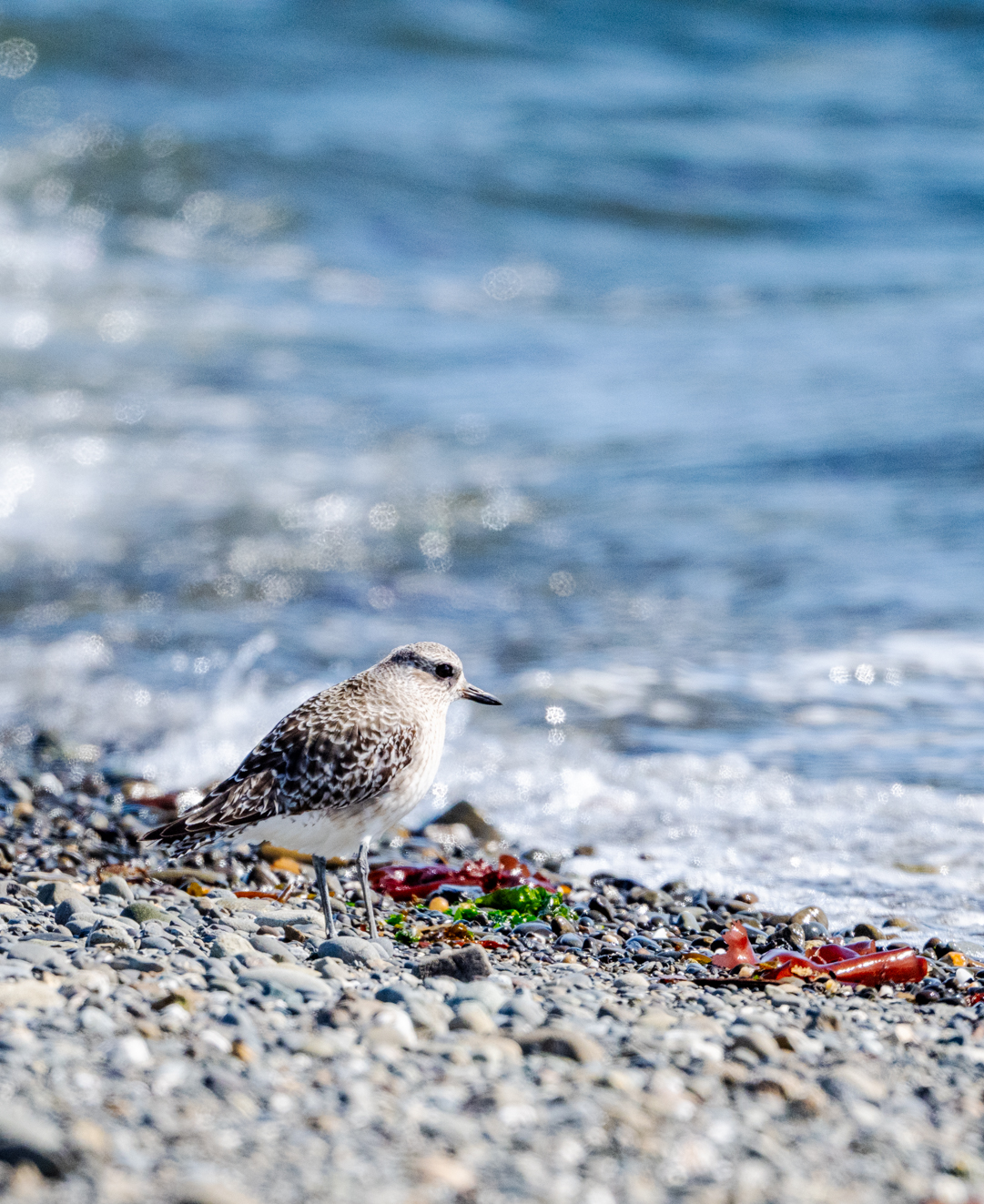
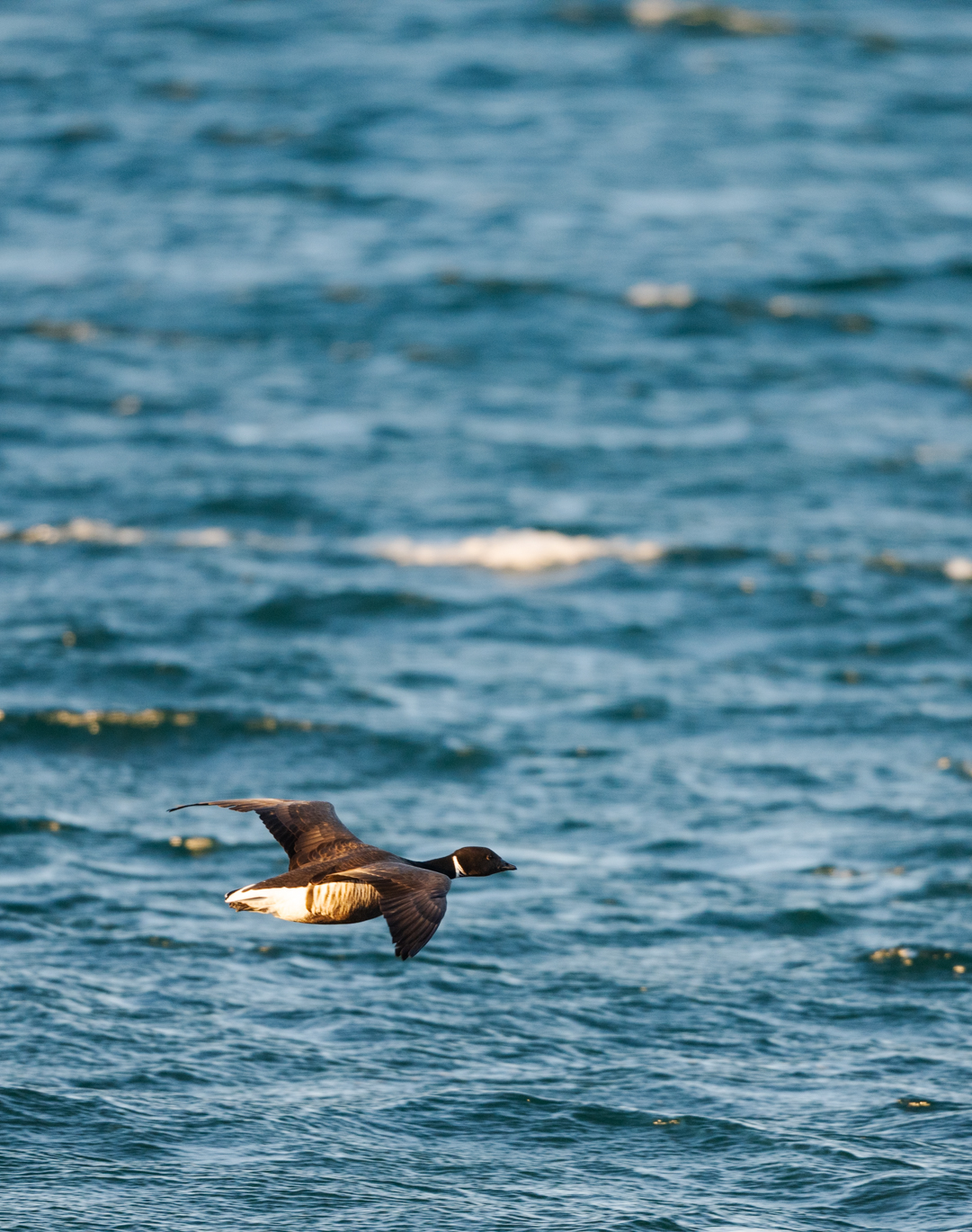
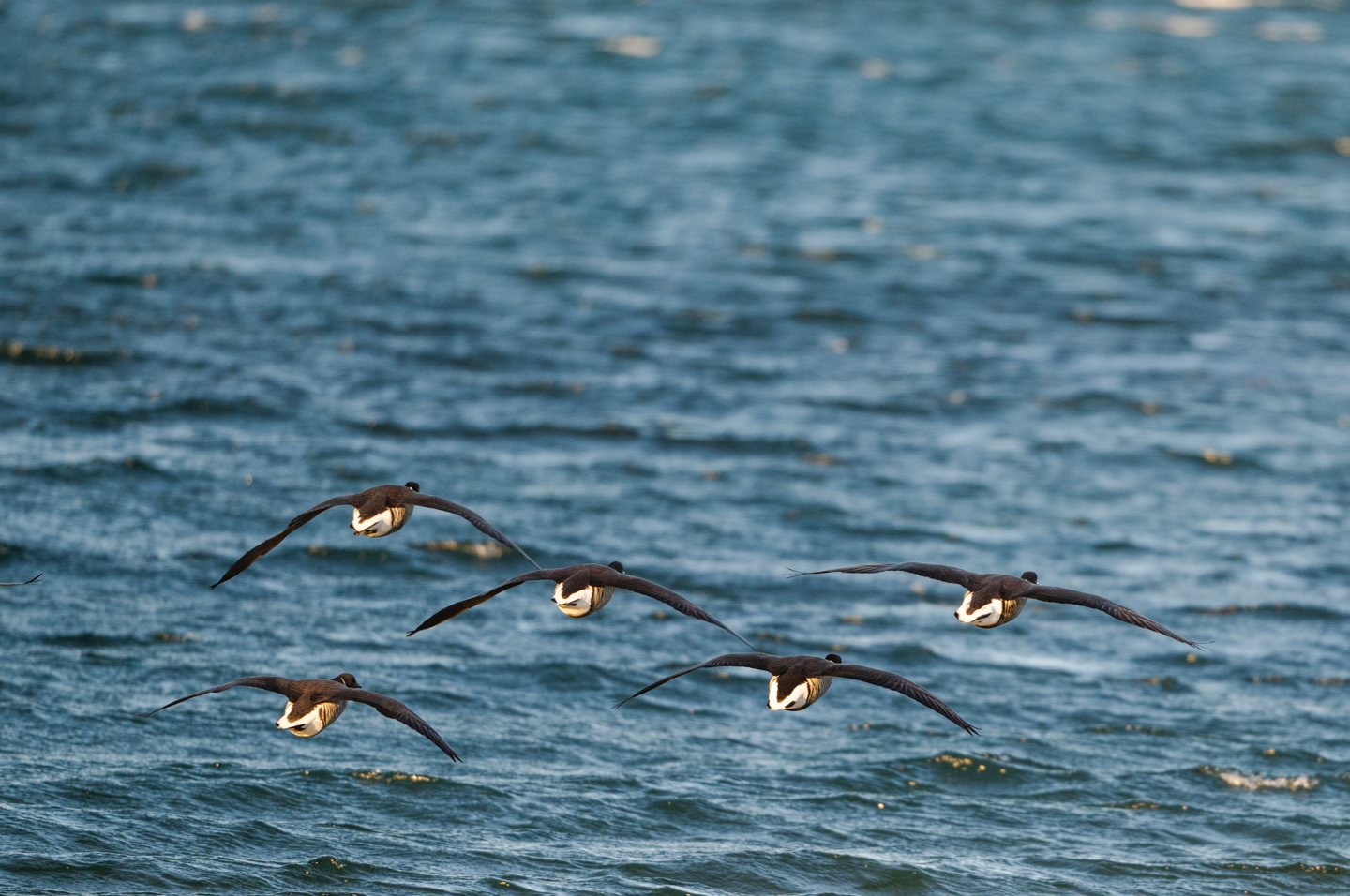
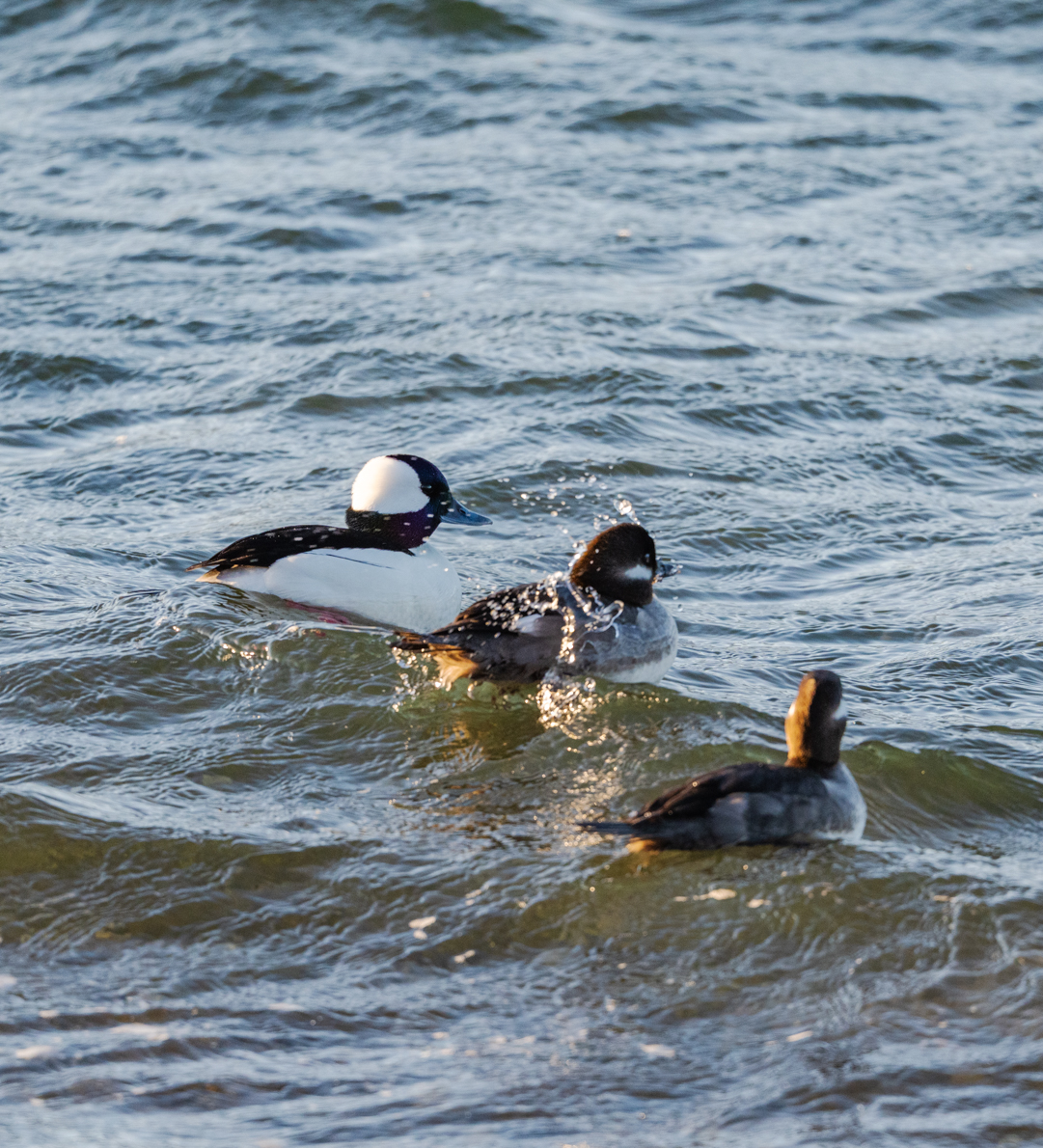
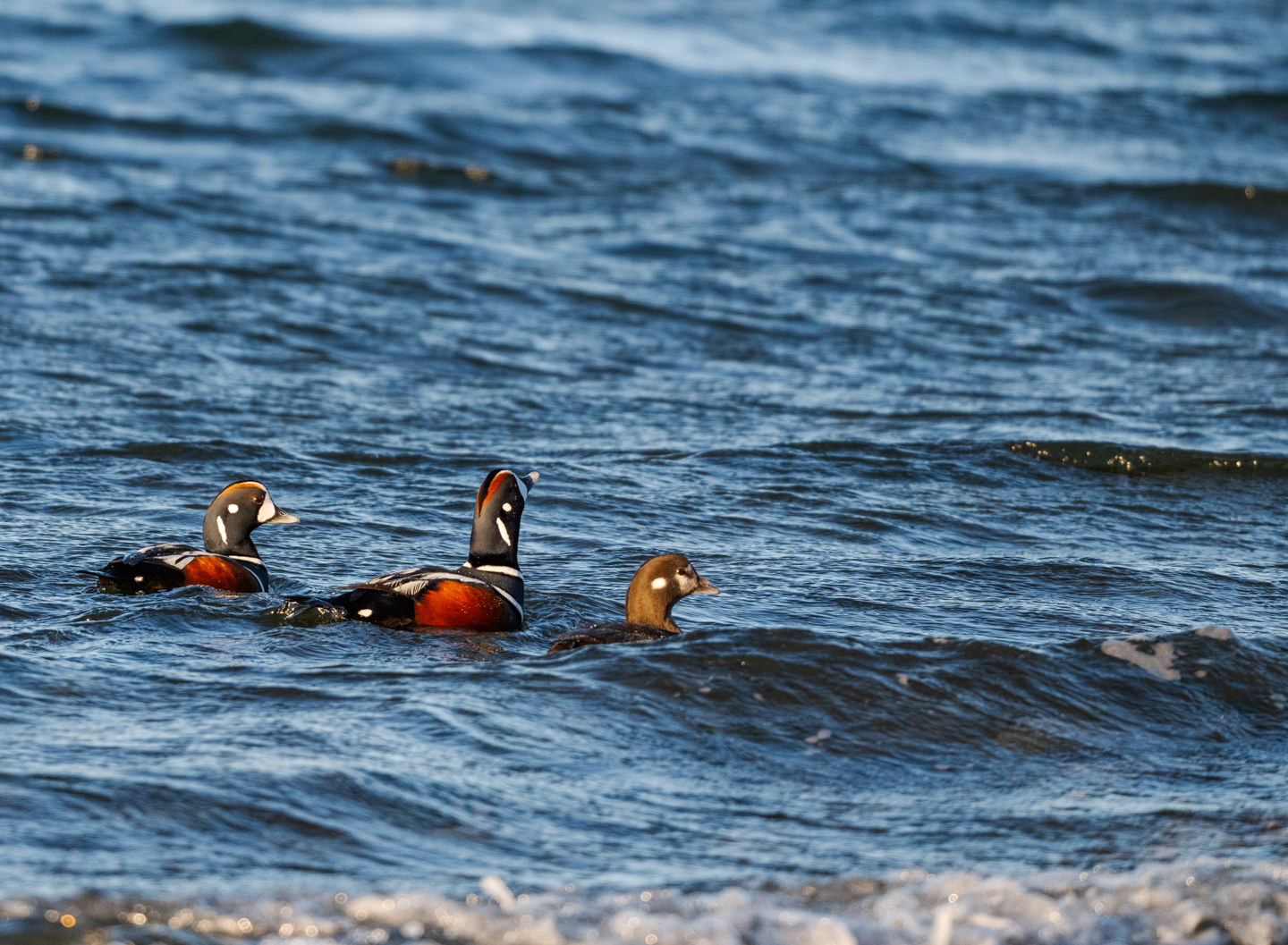
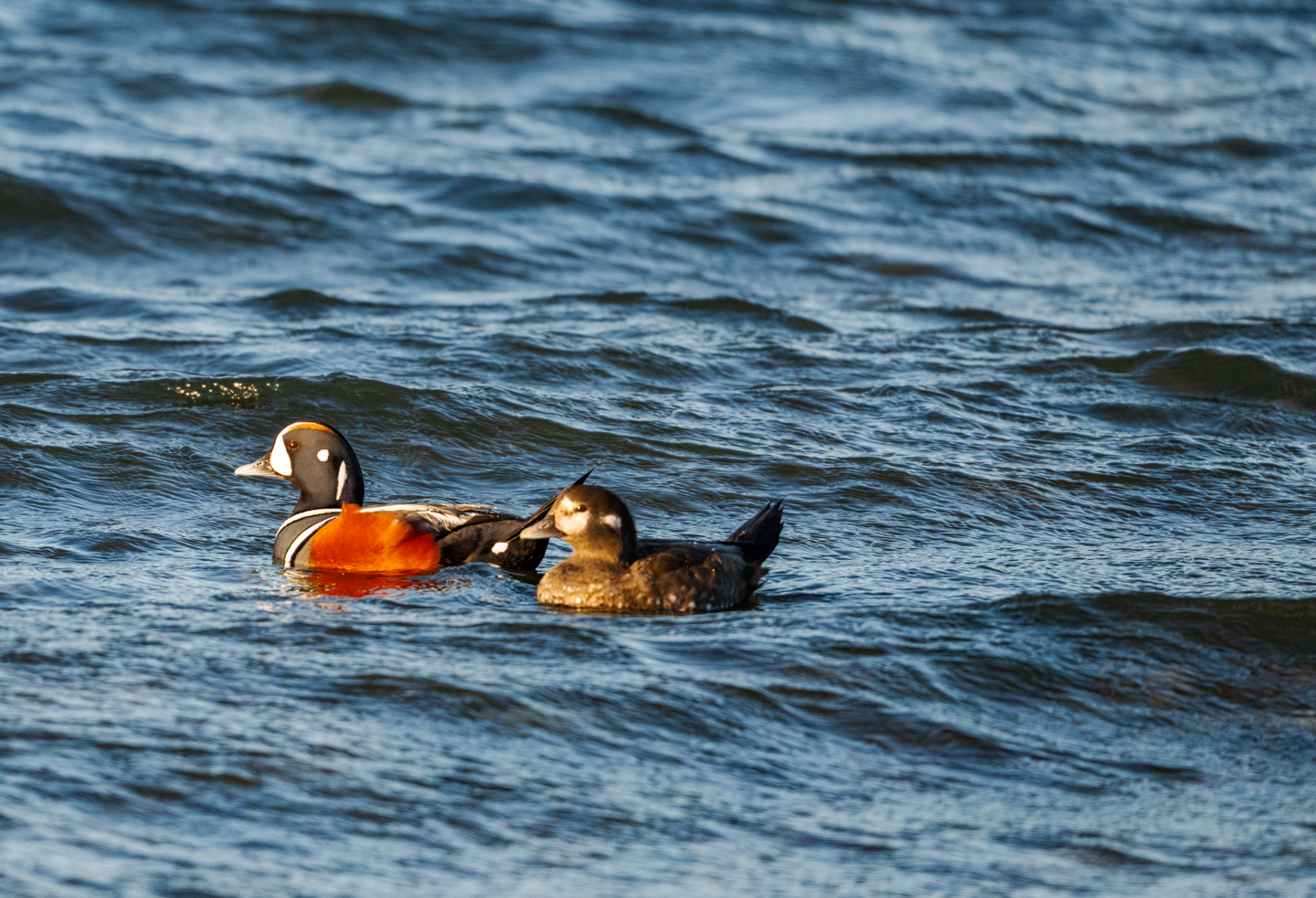
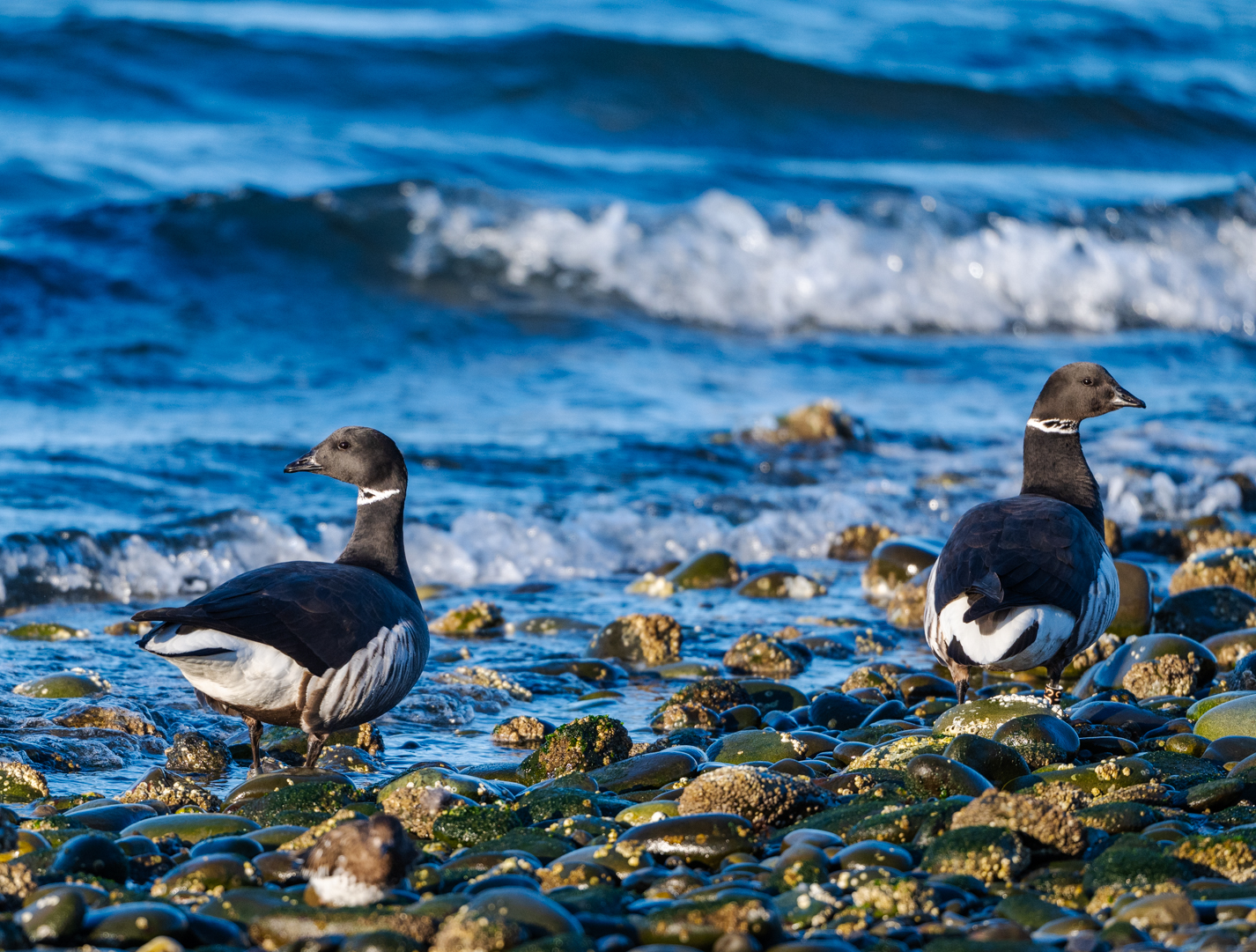
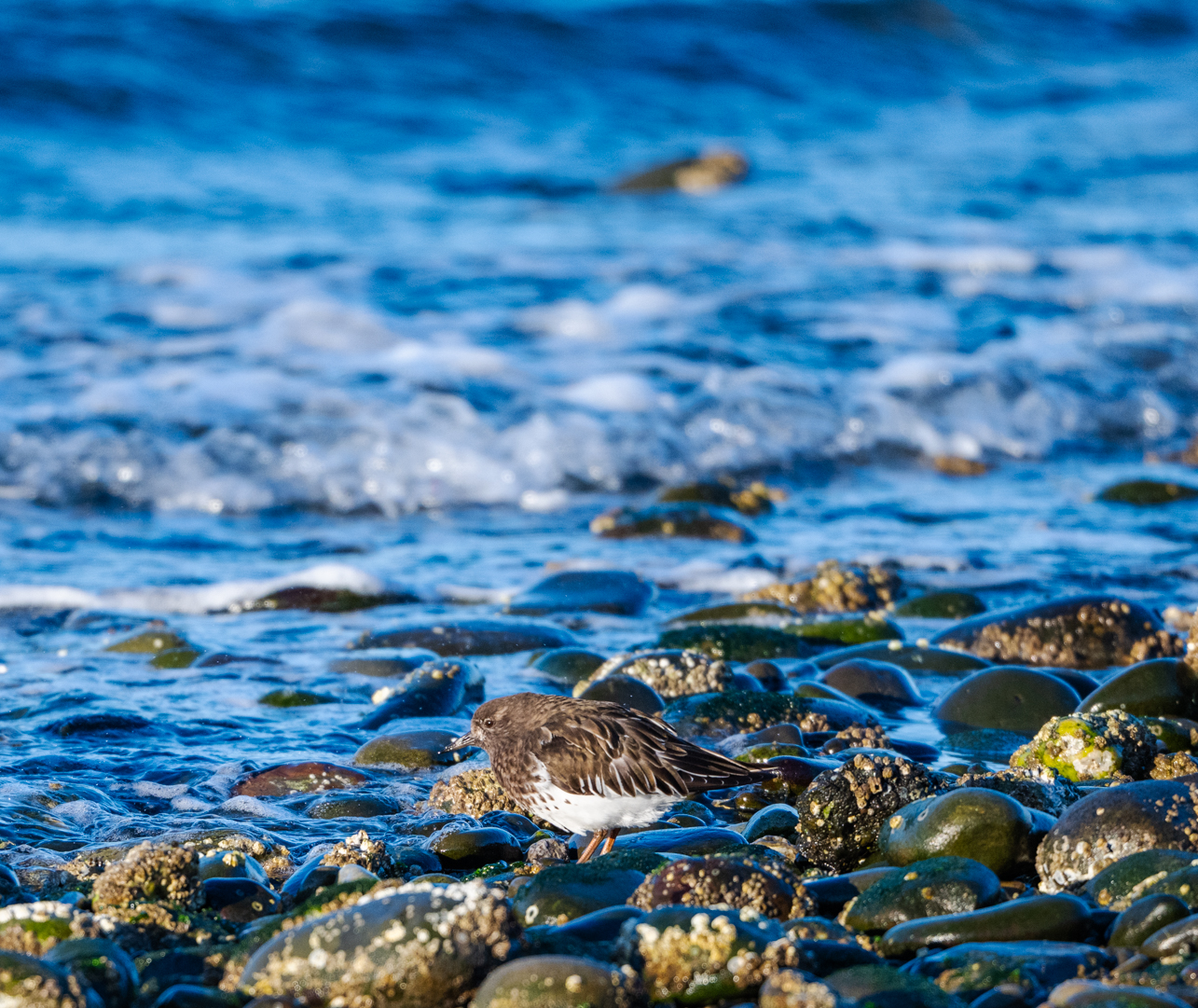
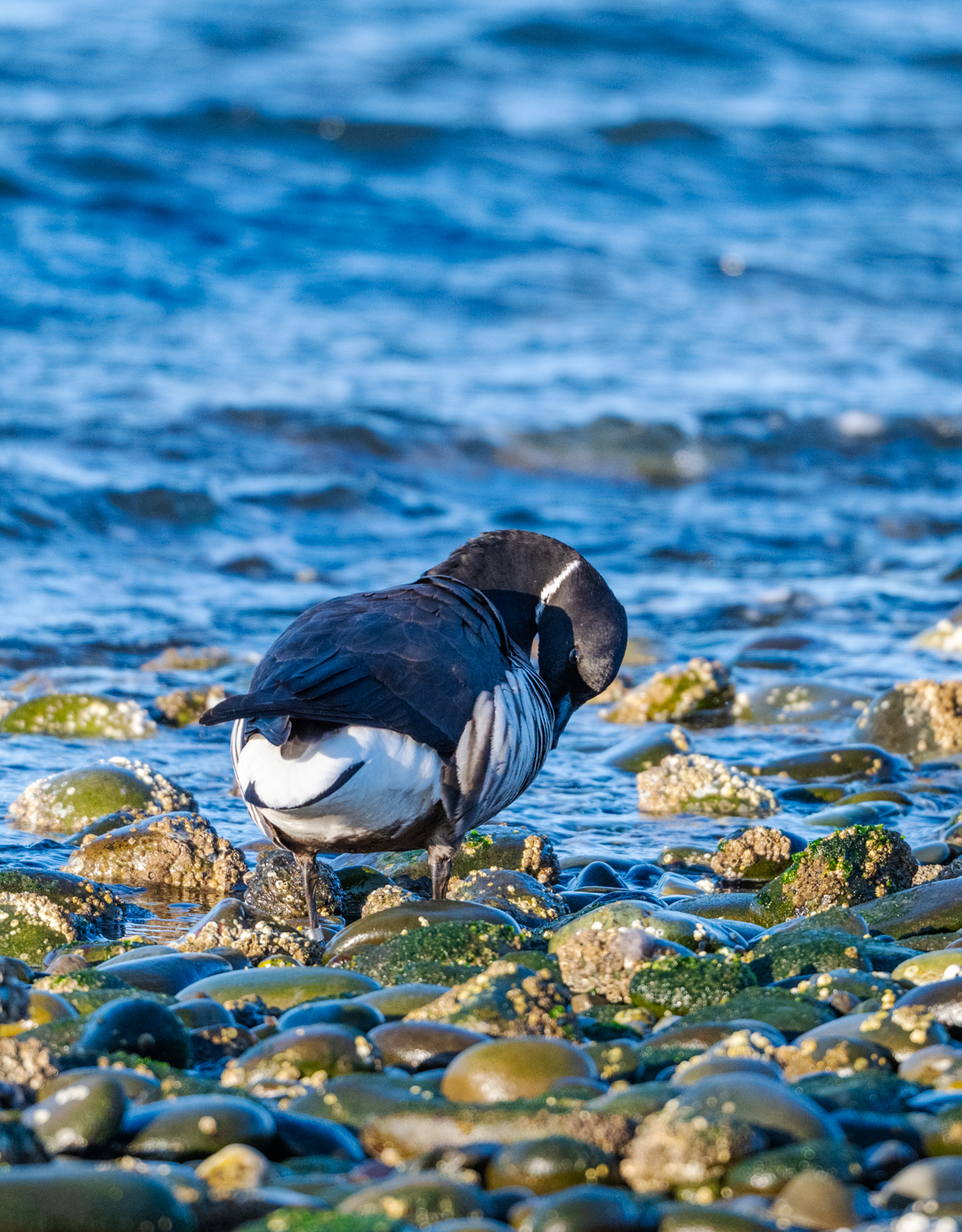
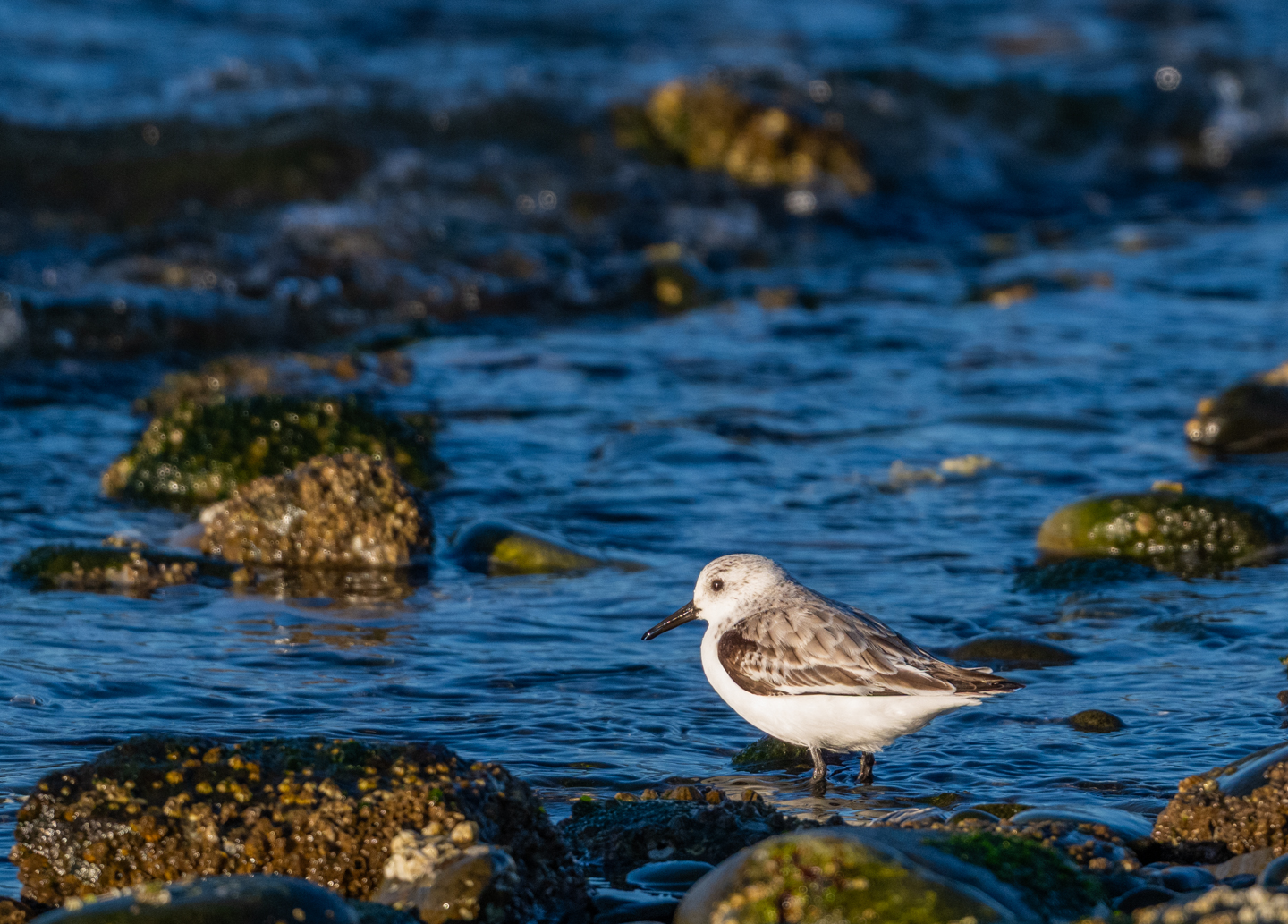
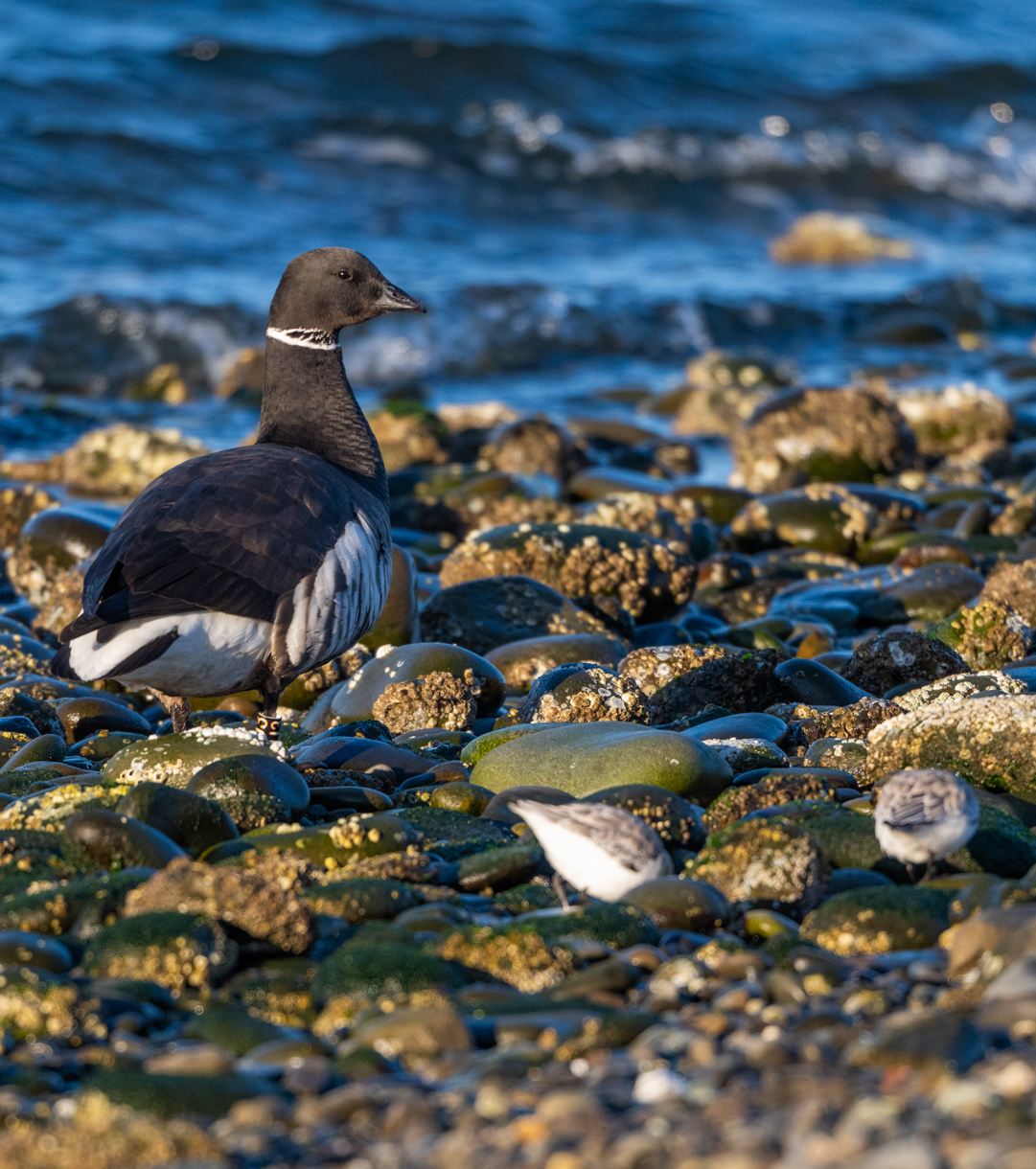
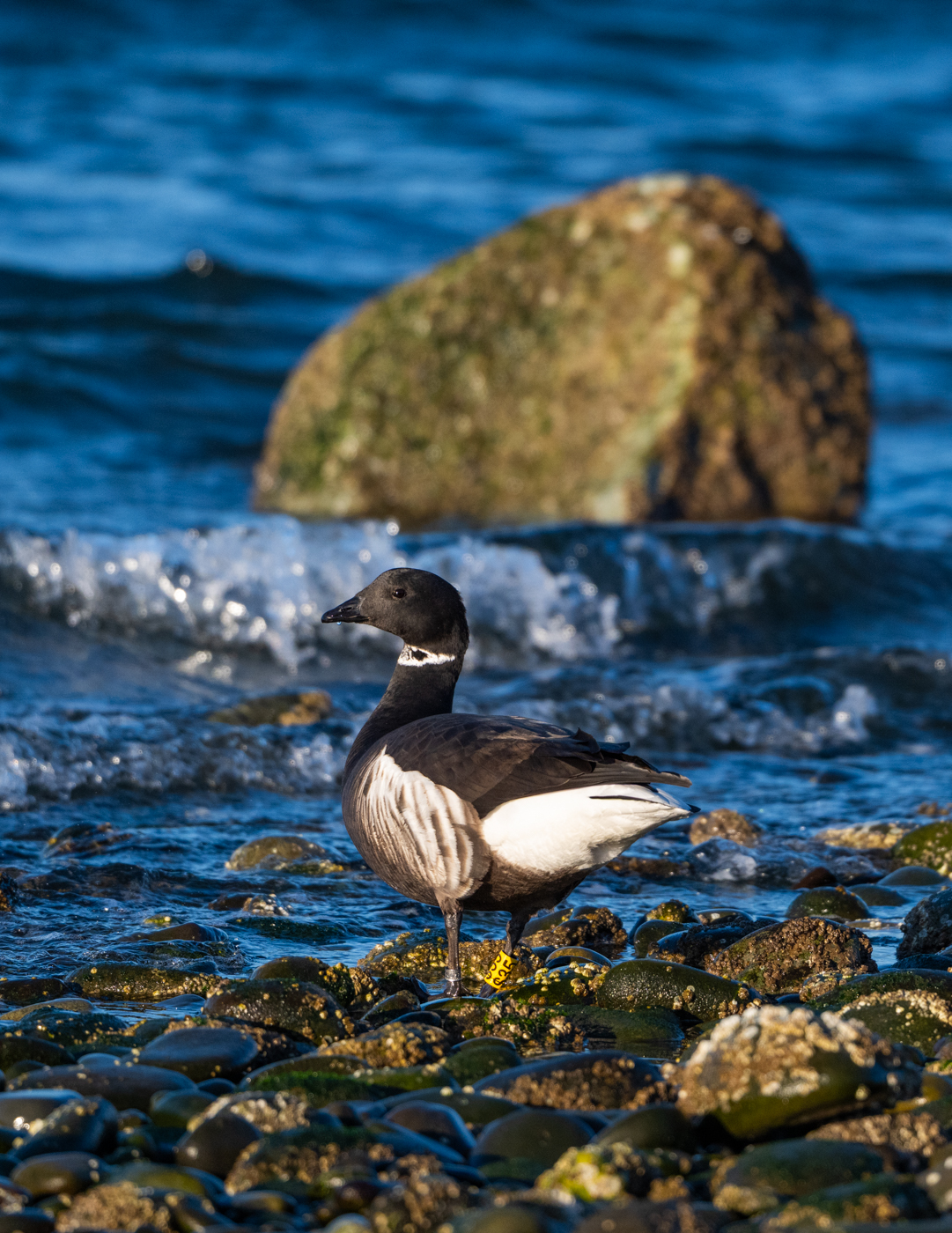
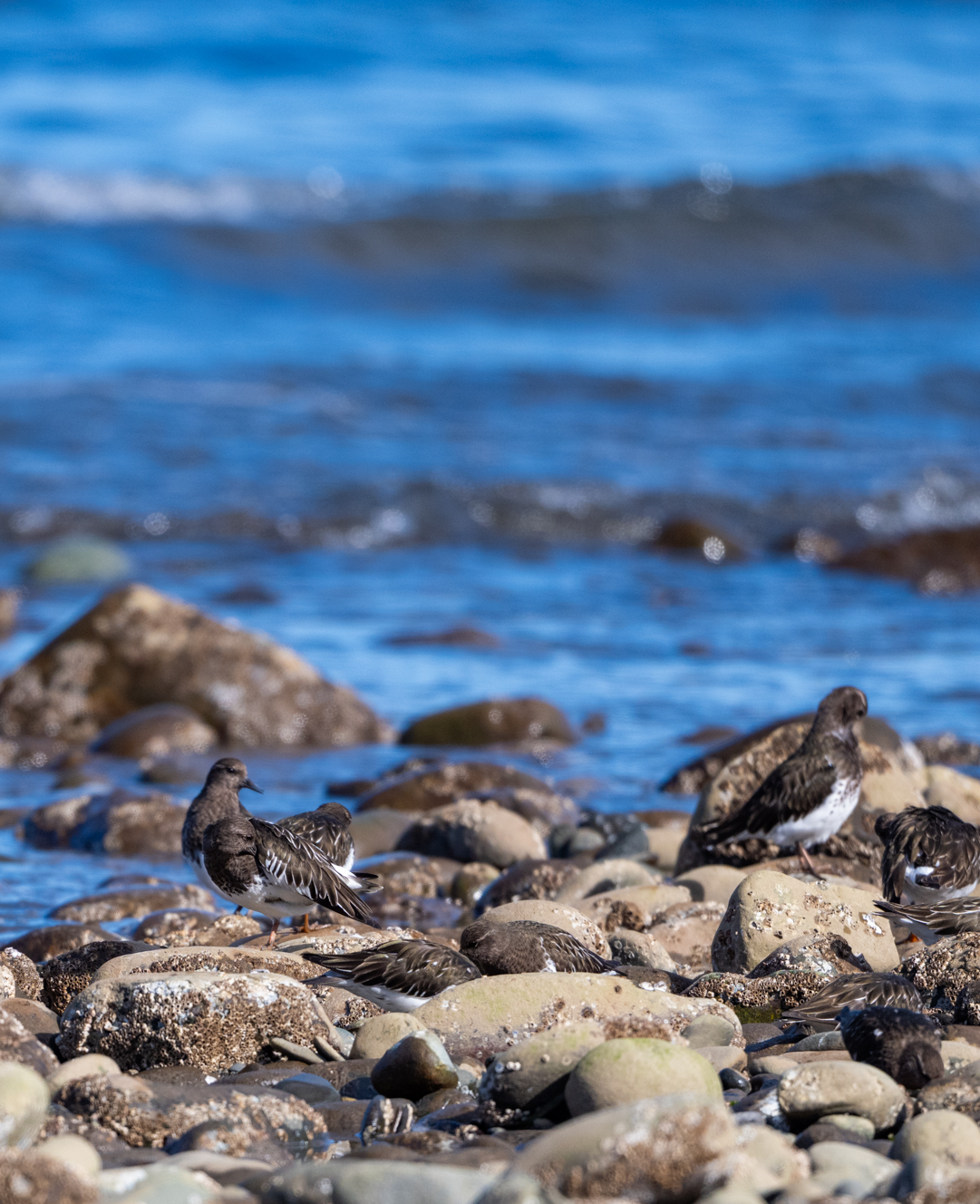
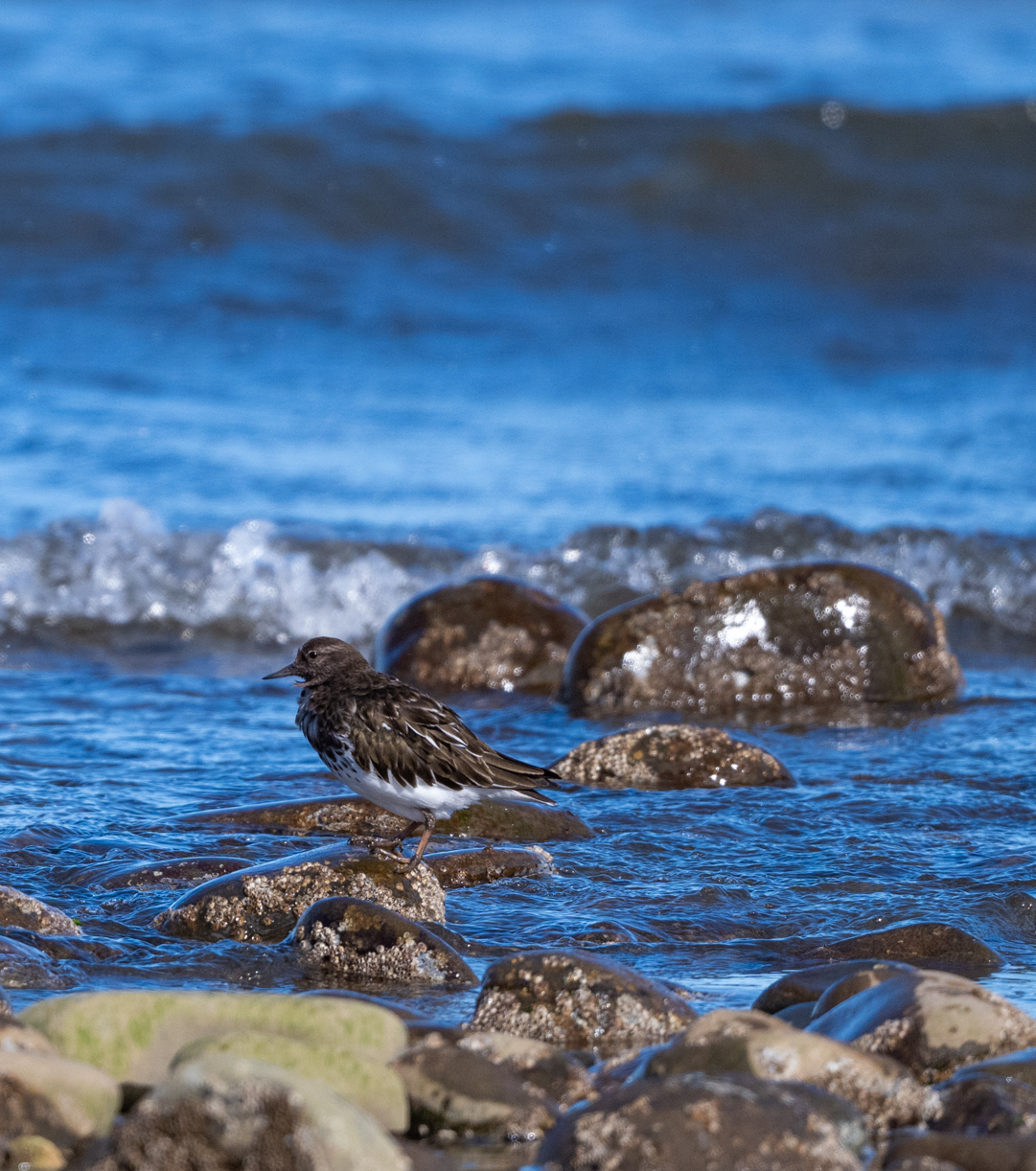
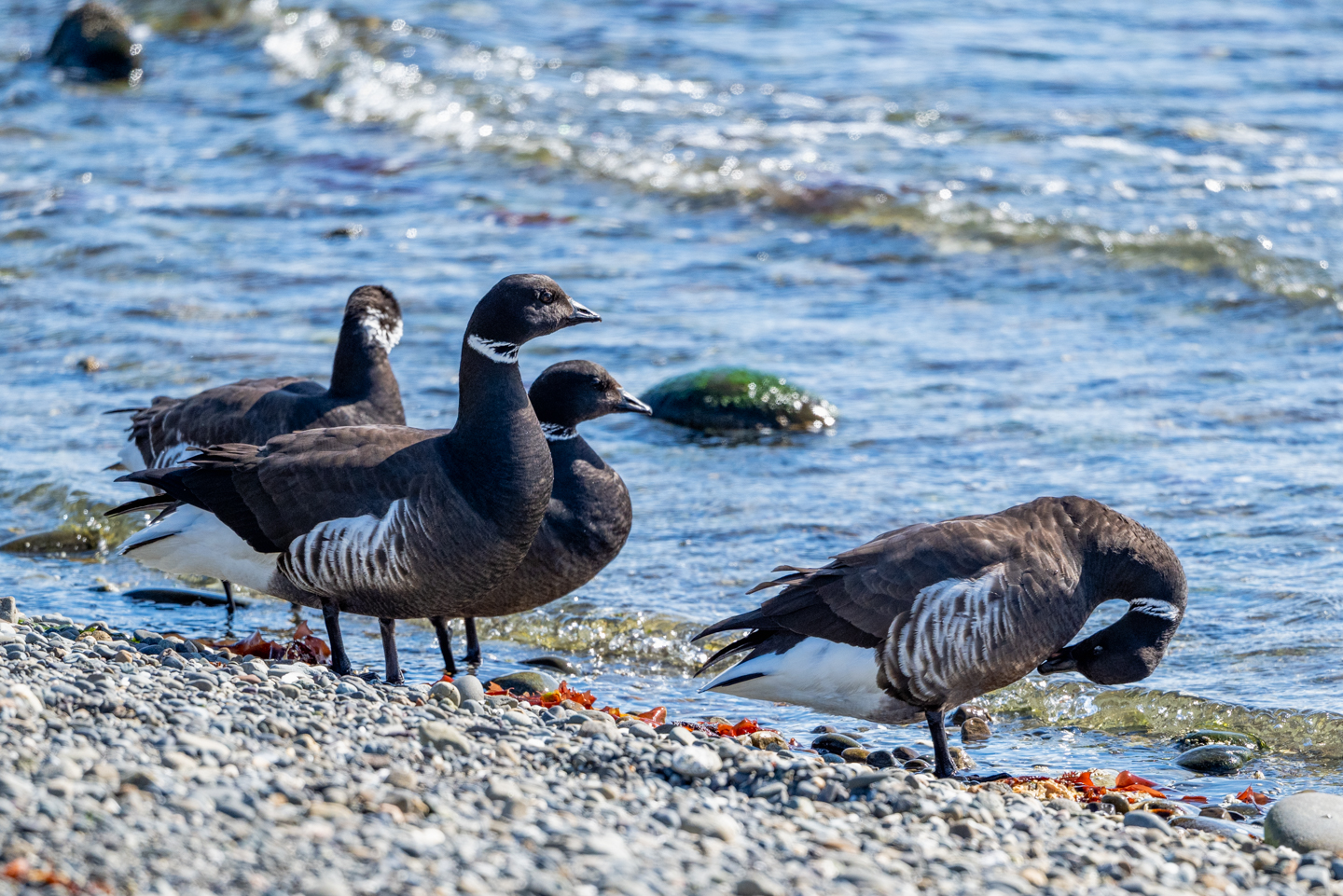
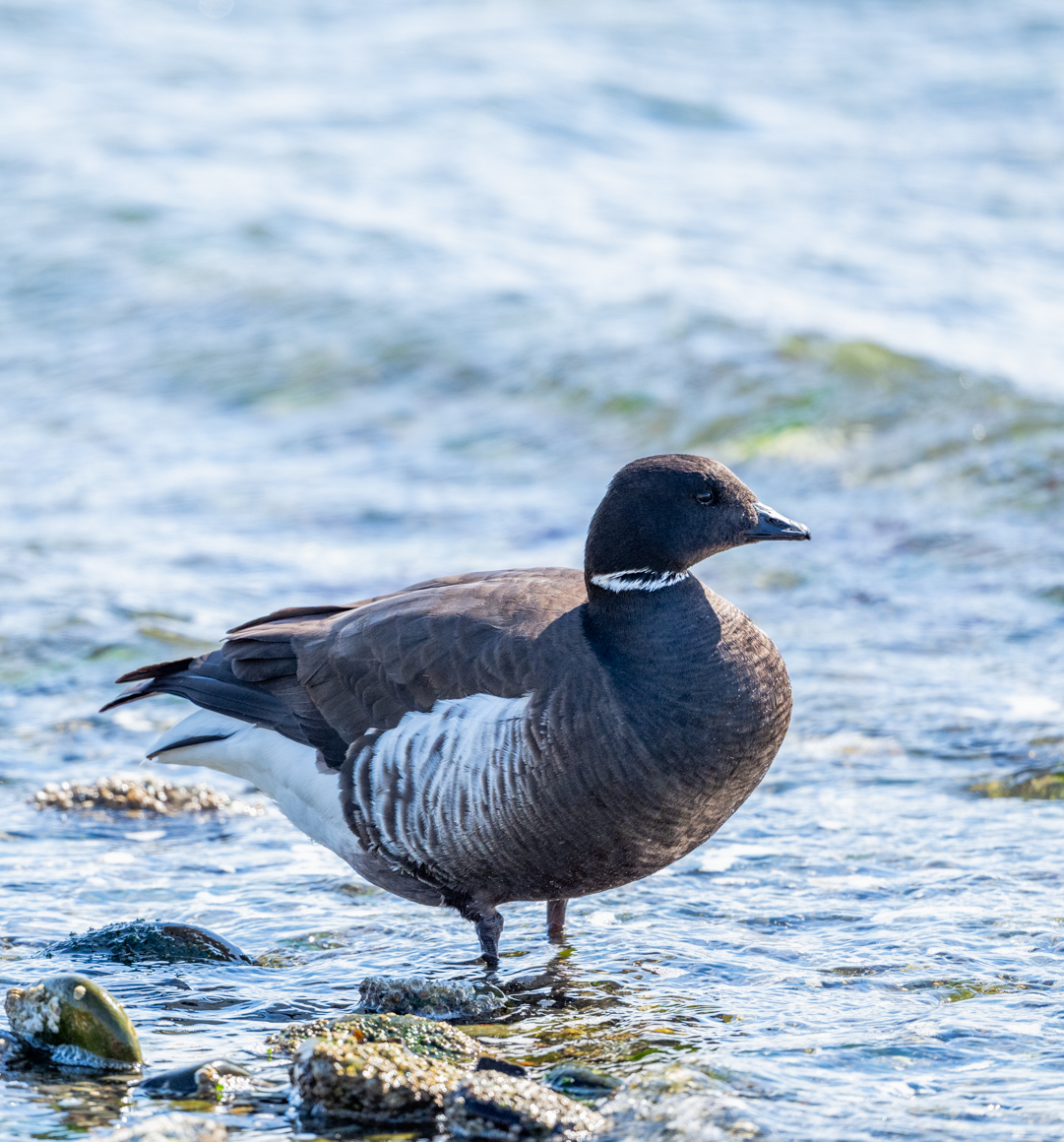
Willow and I continued our tour of western Washington with a drive around the Olympic Peninsula – an area I haven’t visited in twenty years. It may have been the best weather of the eighteen days on the road. And it was my birthday! Imagine how excited I was to see Brants, a type of goose, along the shore! For me, this is a rare bird and I cannot remember the last time I saw one. They winter on the Washington coast before heading north for the breeding season. I also saw some ducks, a few shorebirds and Black Turnstones too.
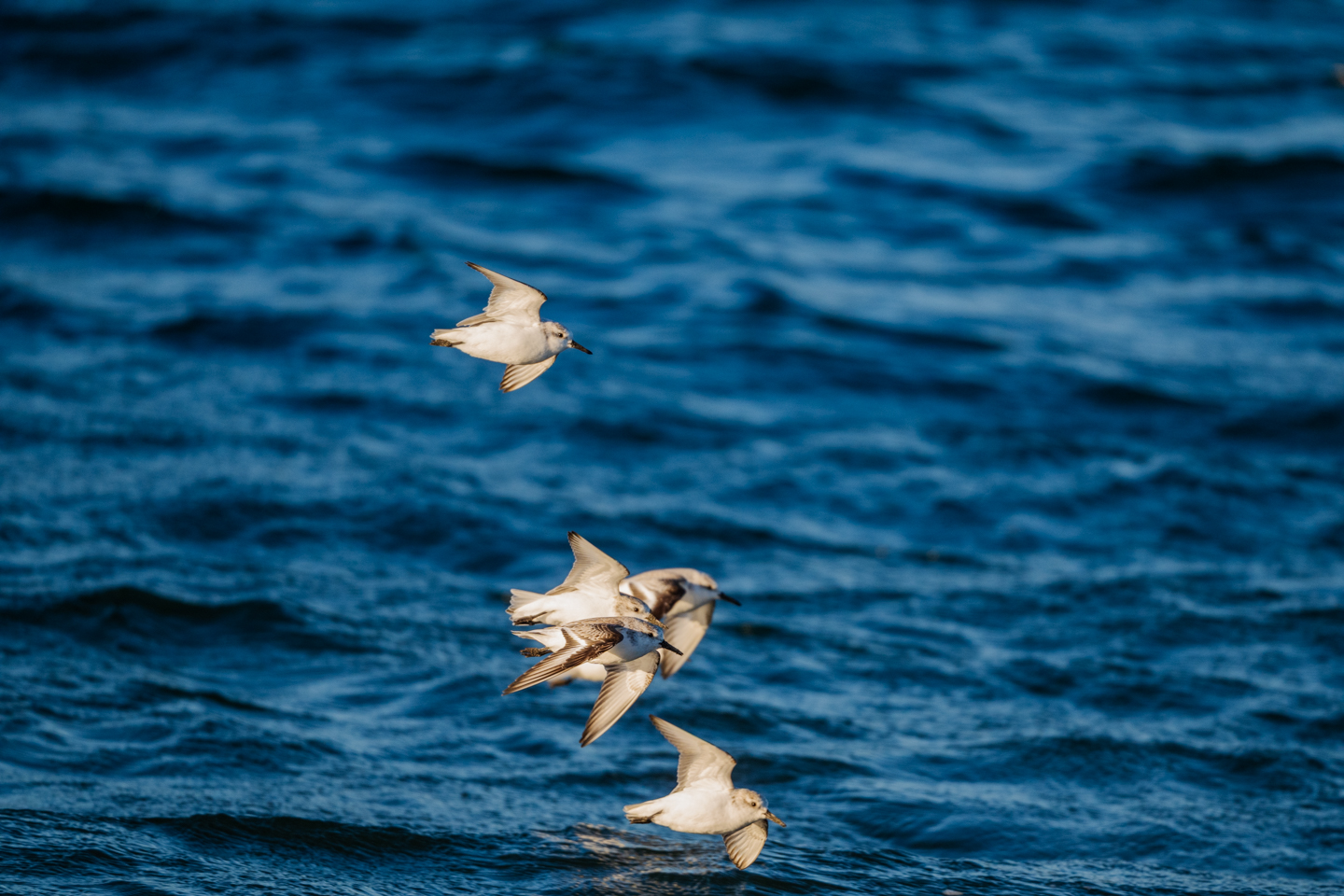
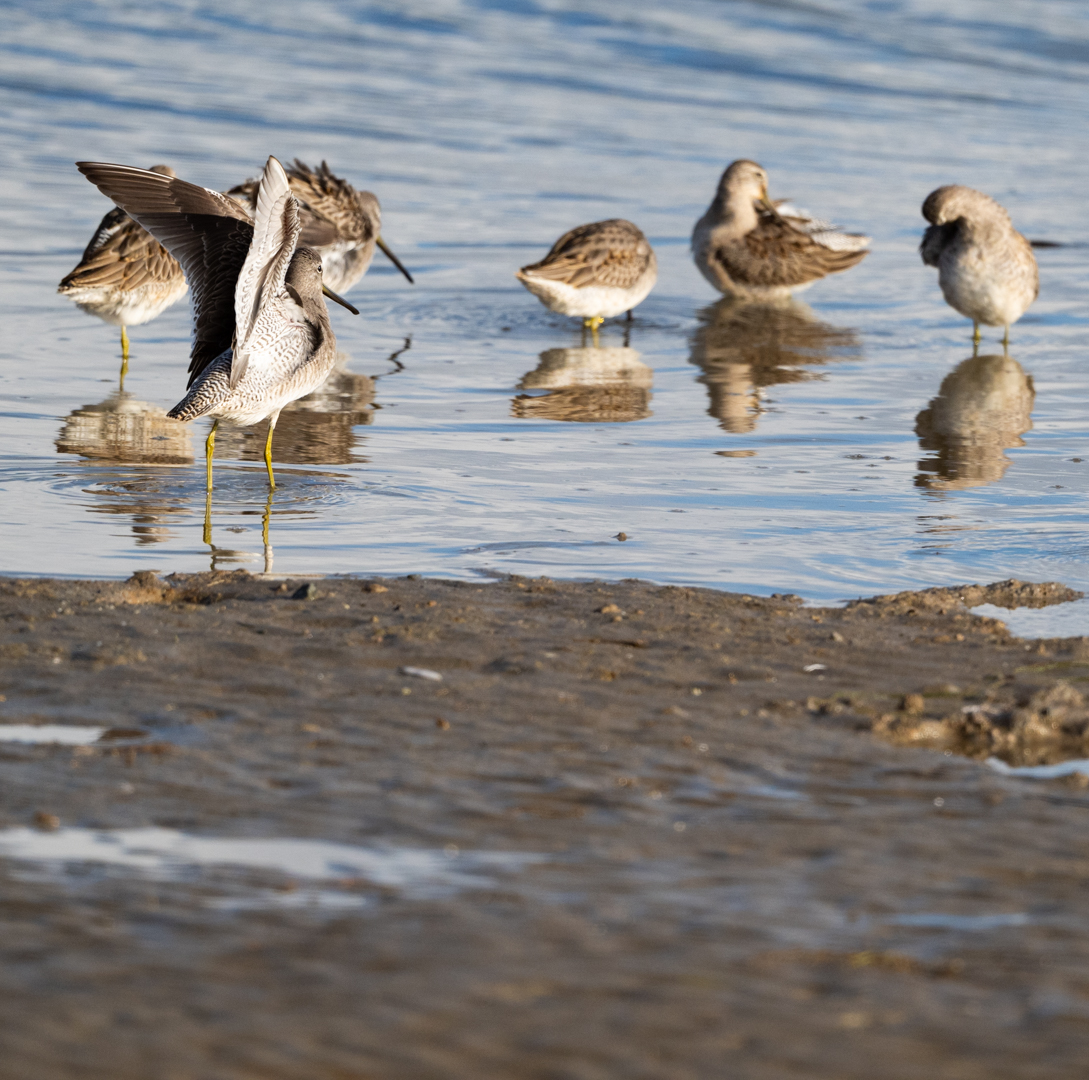
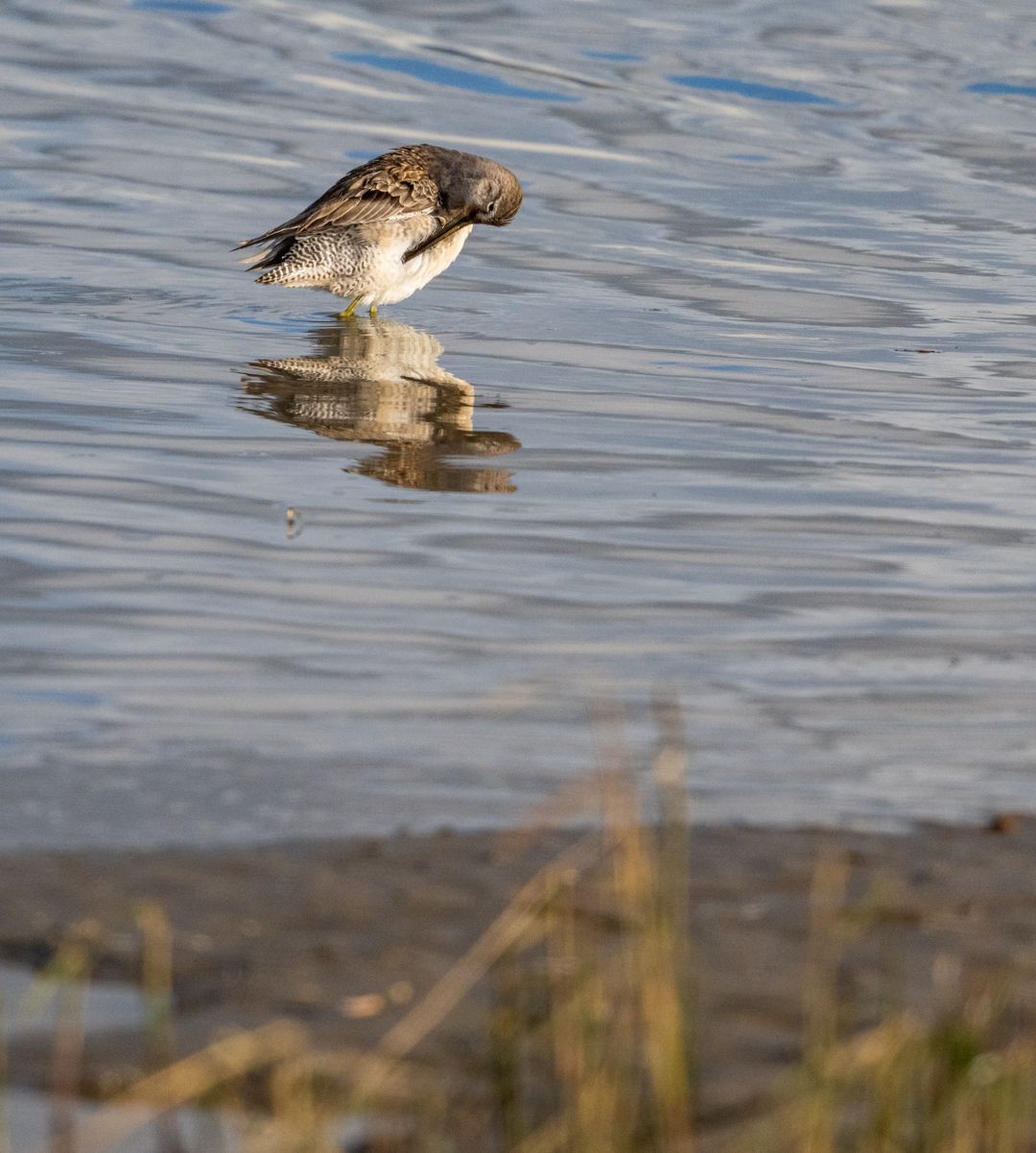
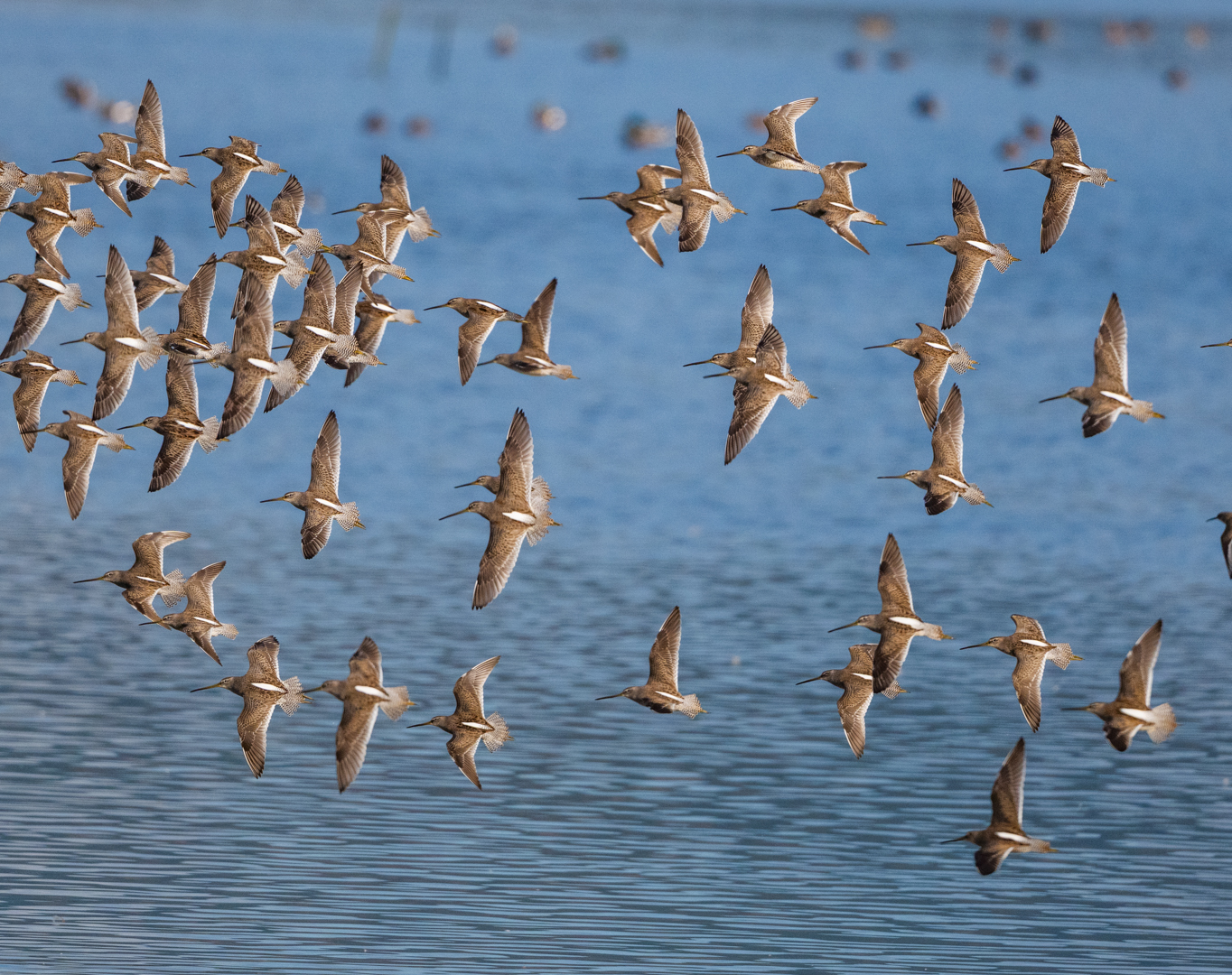
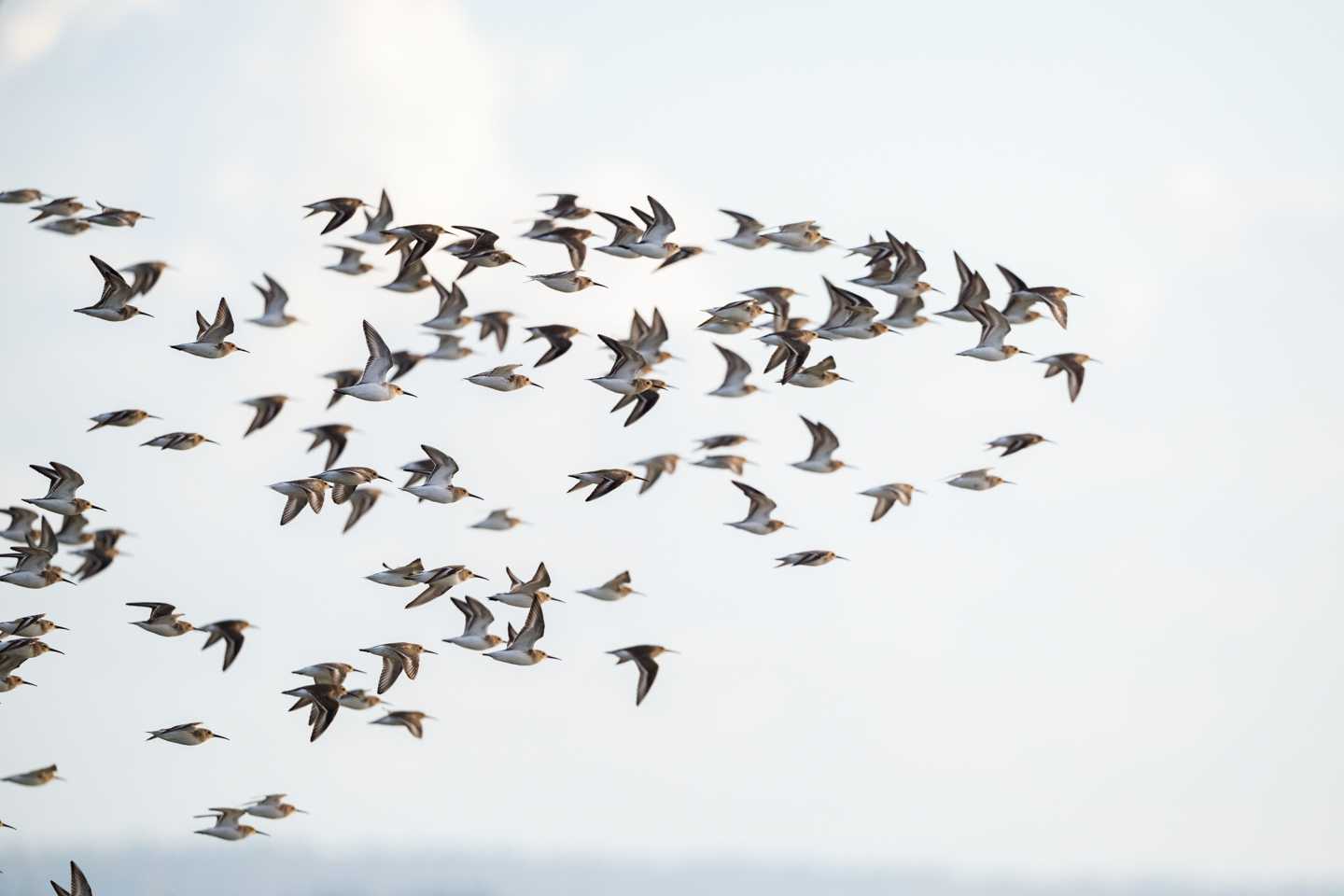
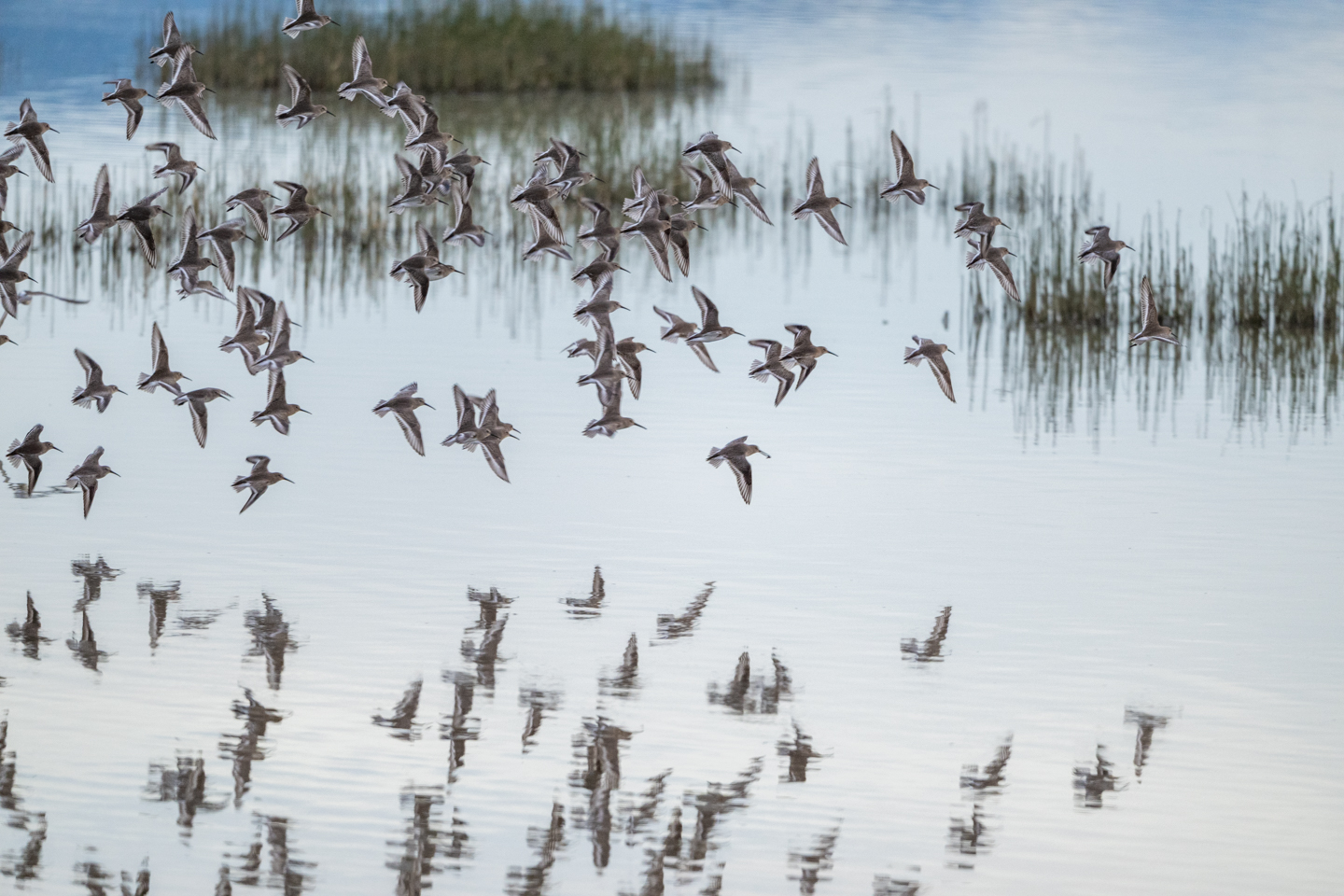
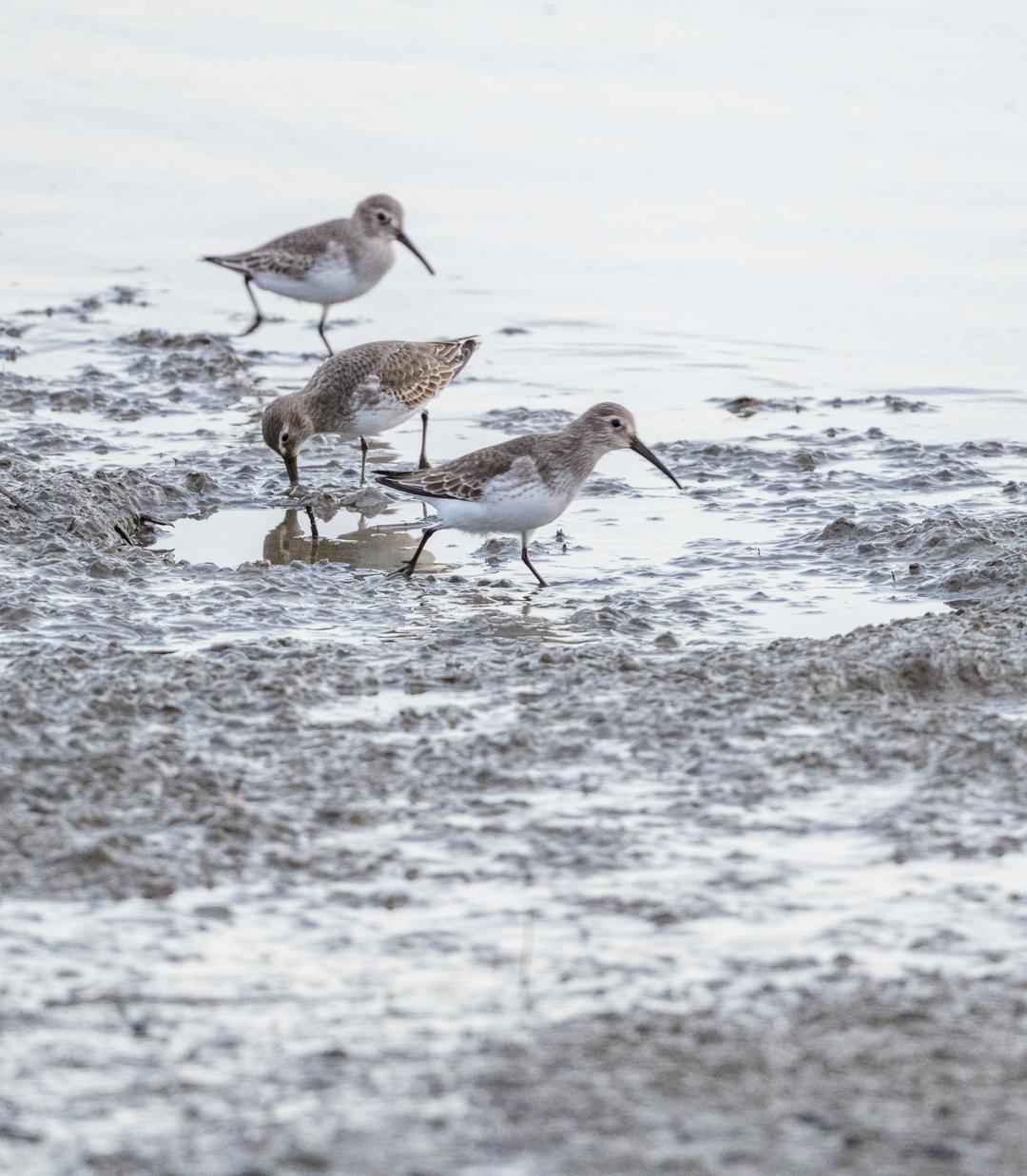
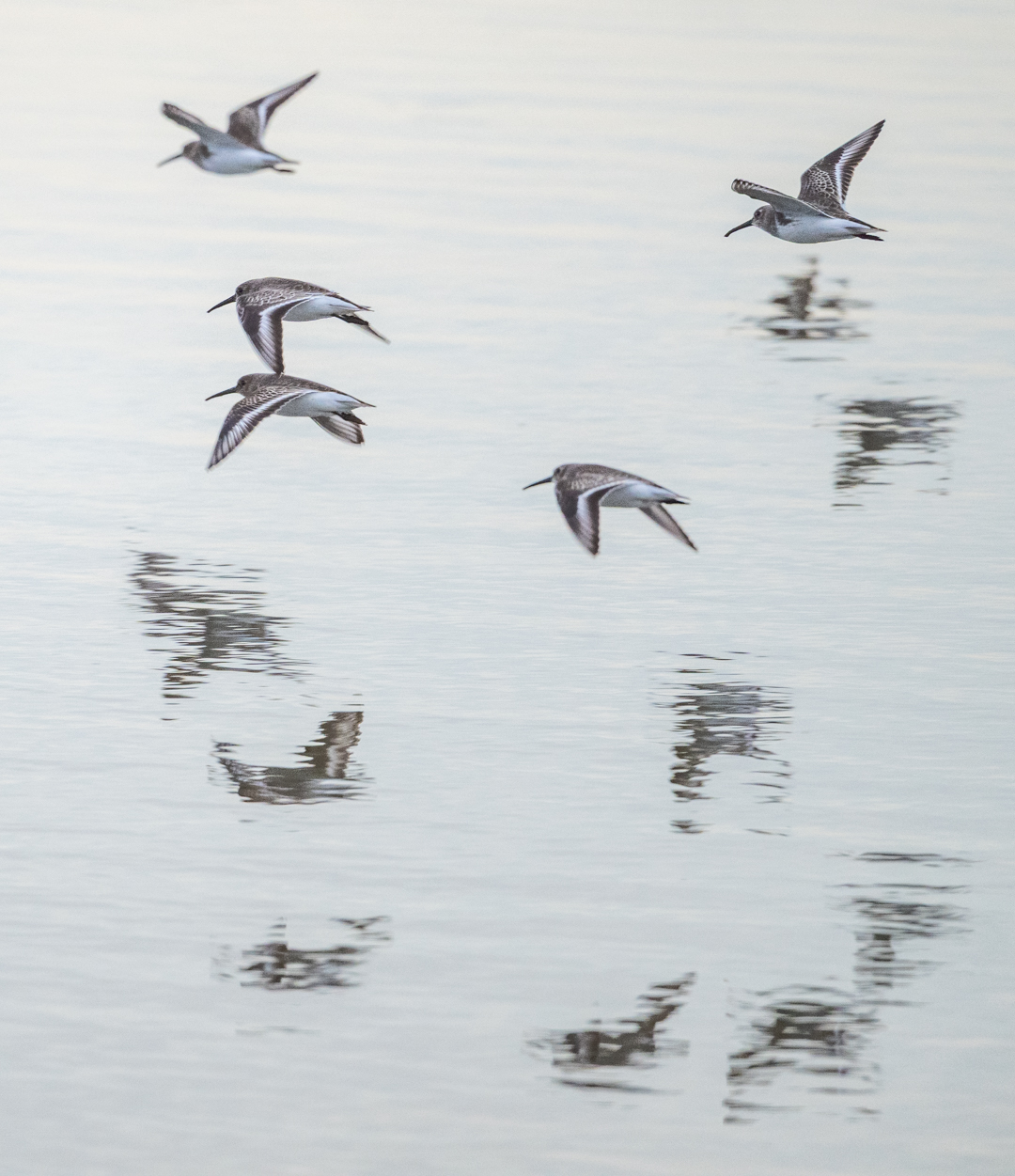
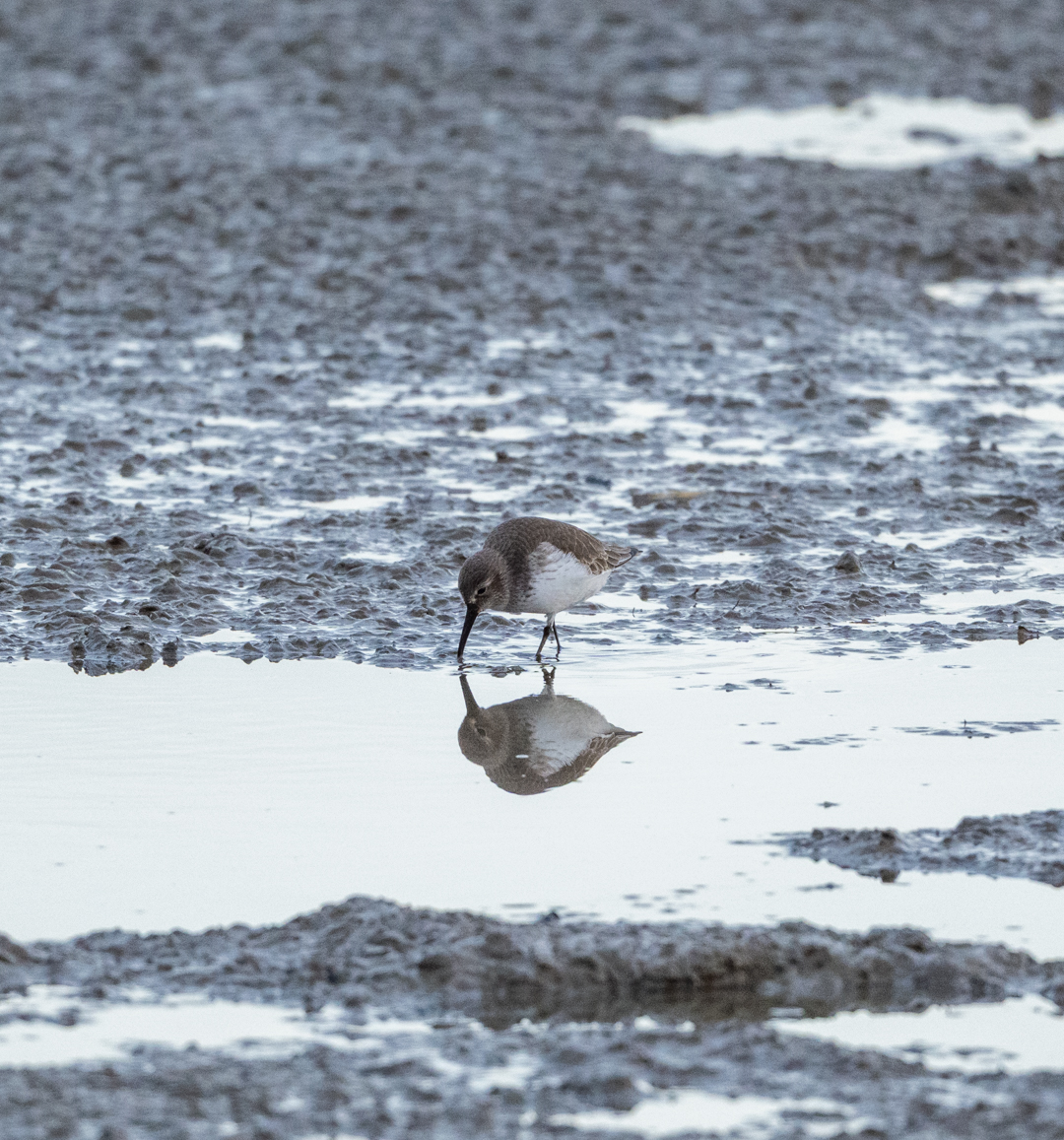
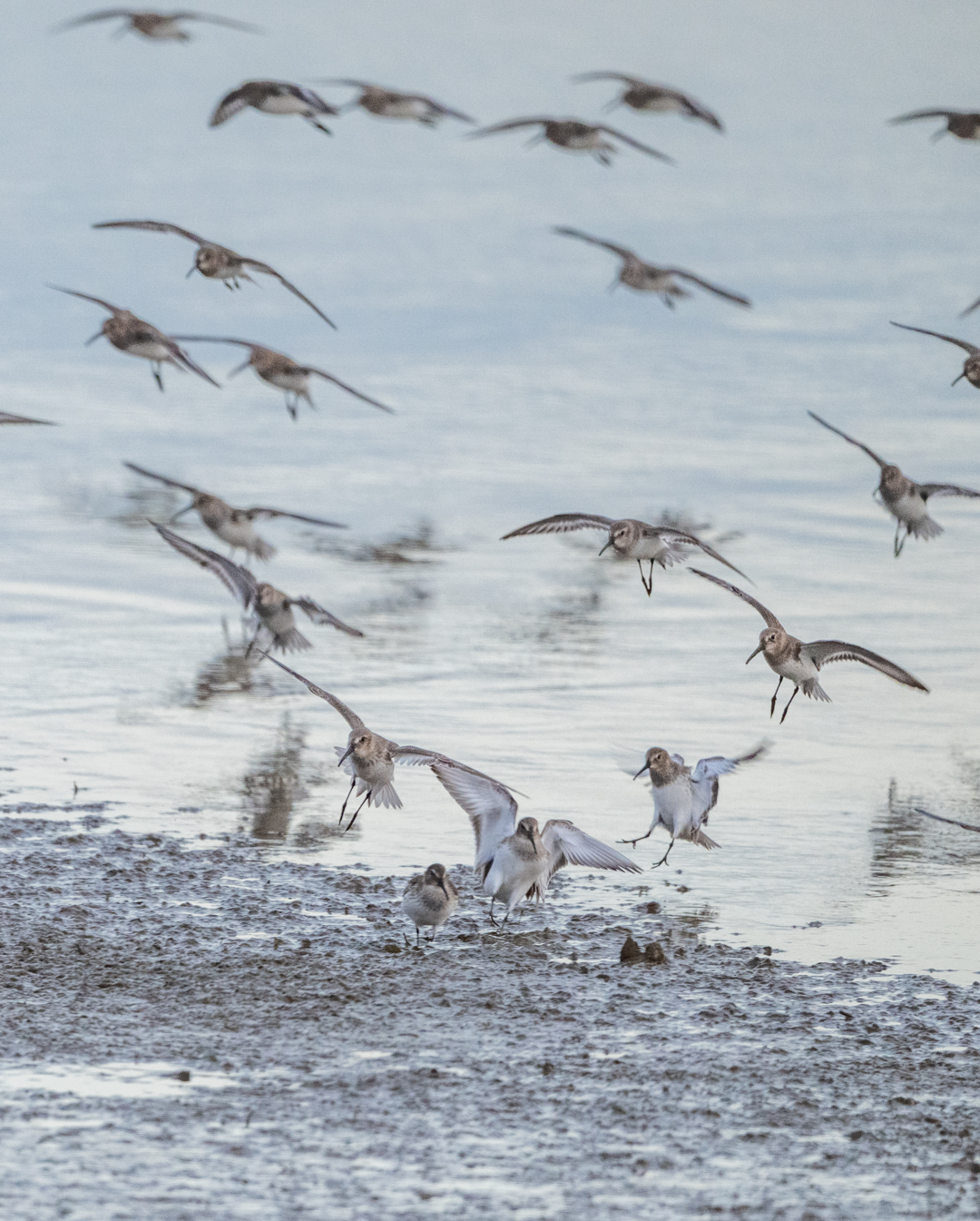
Willow and I spent a few days in NW Washington earlier this month and we got to visit some nice birding areas. Well, I did. Mostly, she had to wait in the car except for the places where dogs were allowed. We/I watched a lot of shorebirds – mostly Dunlin and Dowitchers, I think. Whether the Dowitchers were Long-billed or Short-billed, I don’t know. I am no shorebird expert. I do enjoy watching them as they fly in their synchronized groups and feeding in the mudflats with their probing bills.
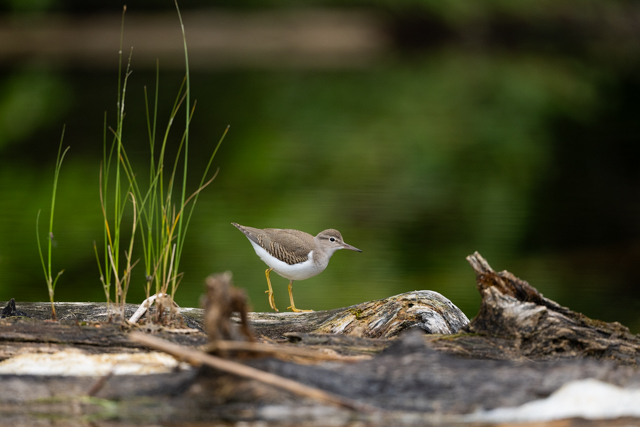
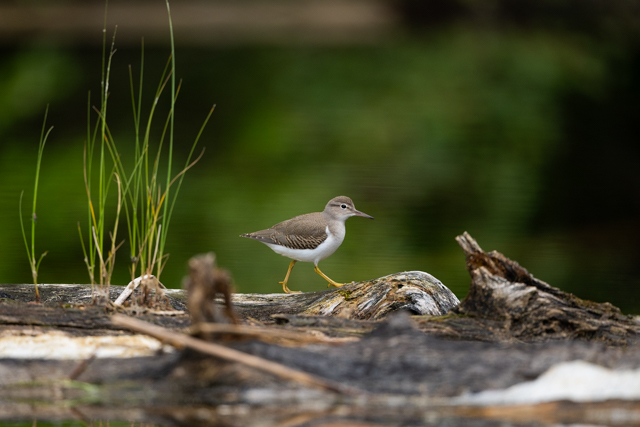
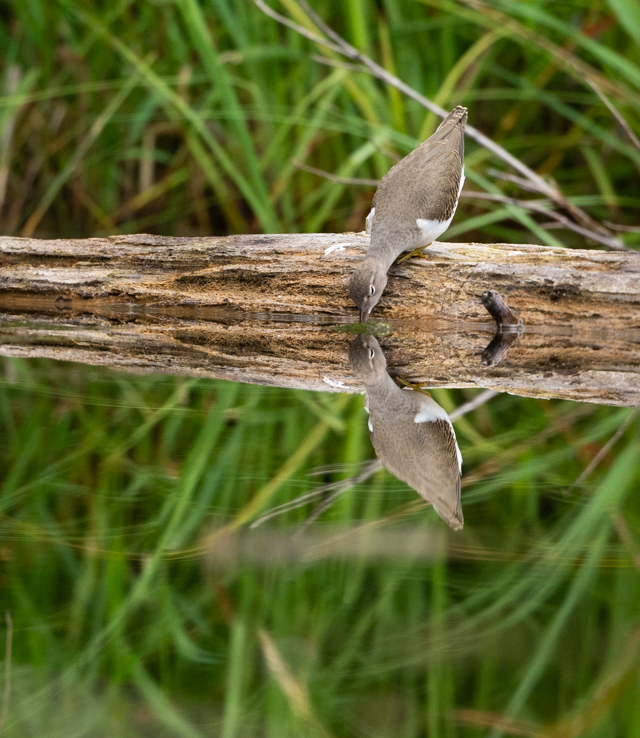
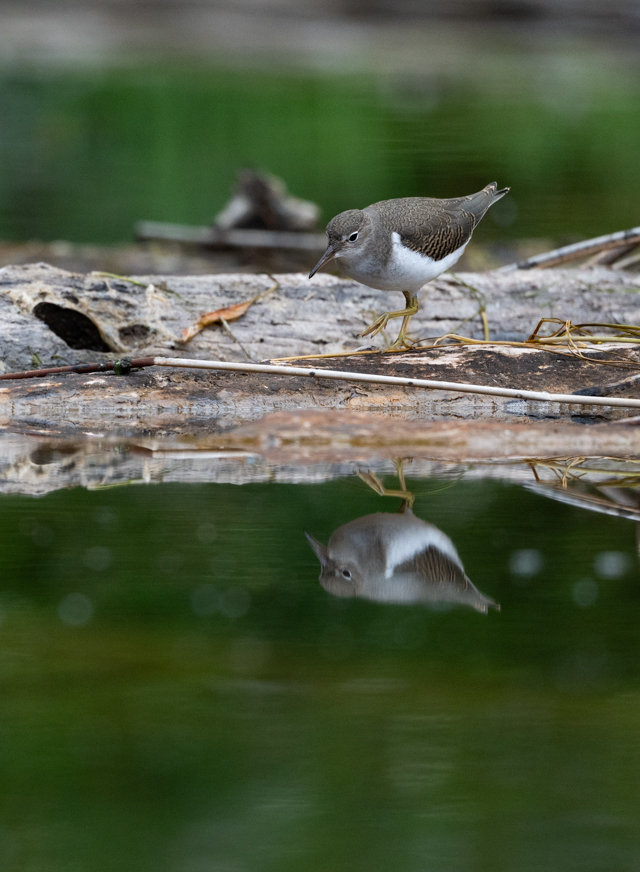
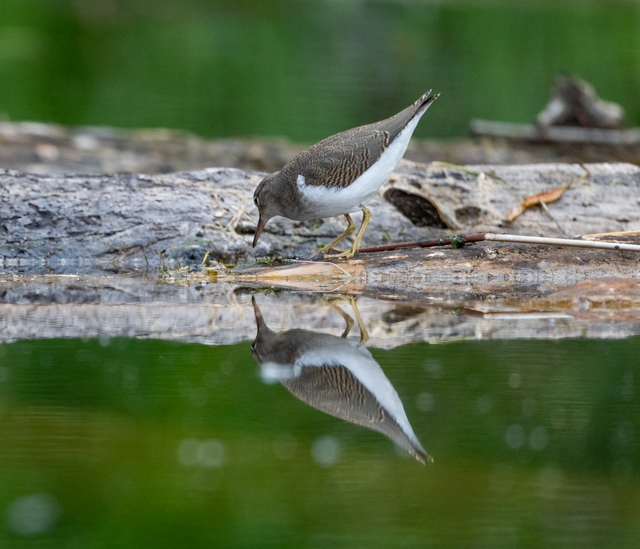
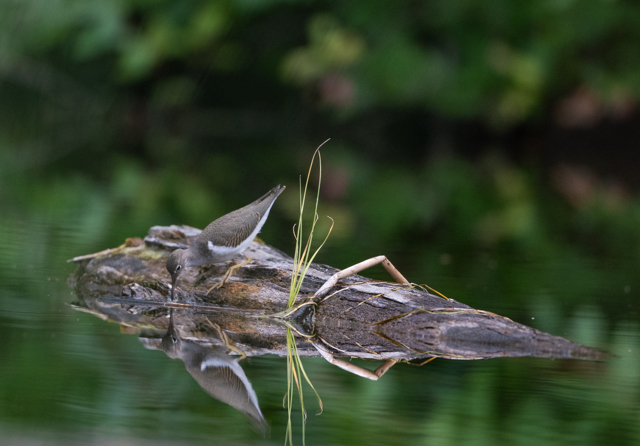
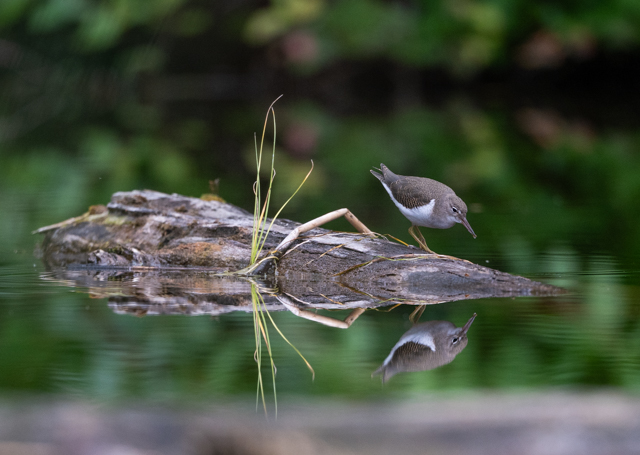
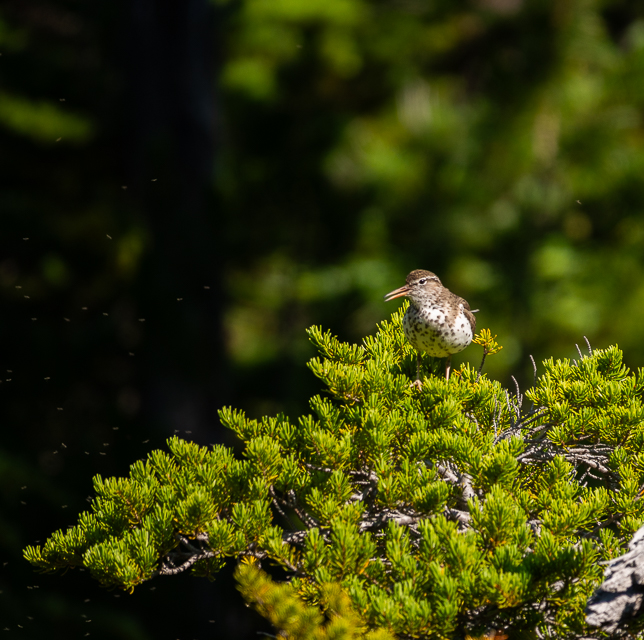
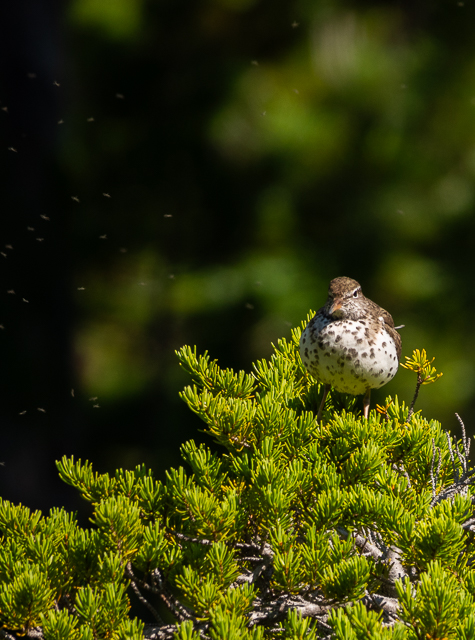
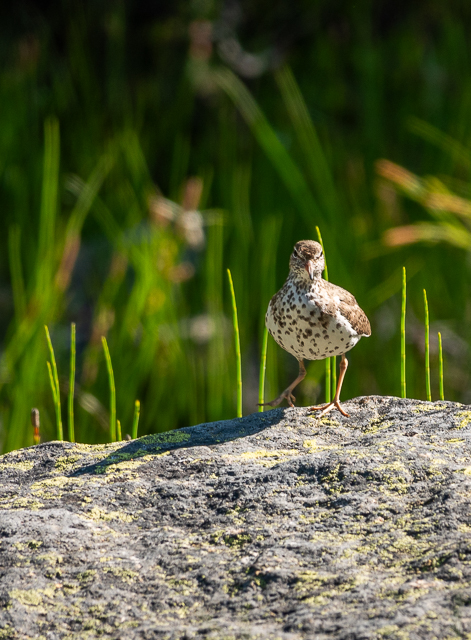
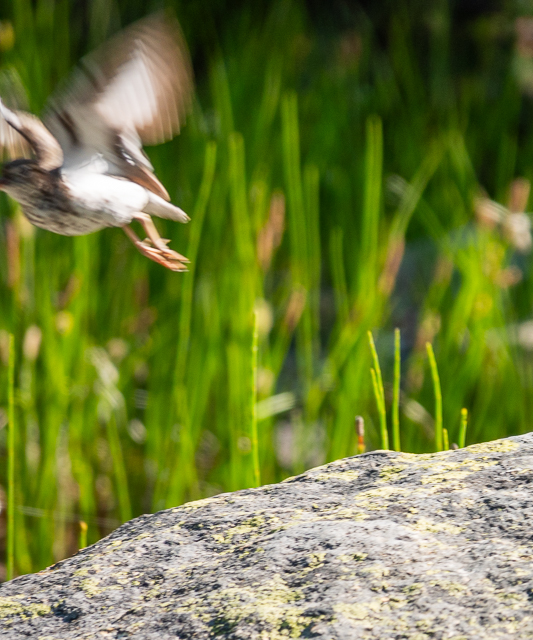
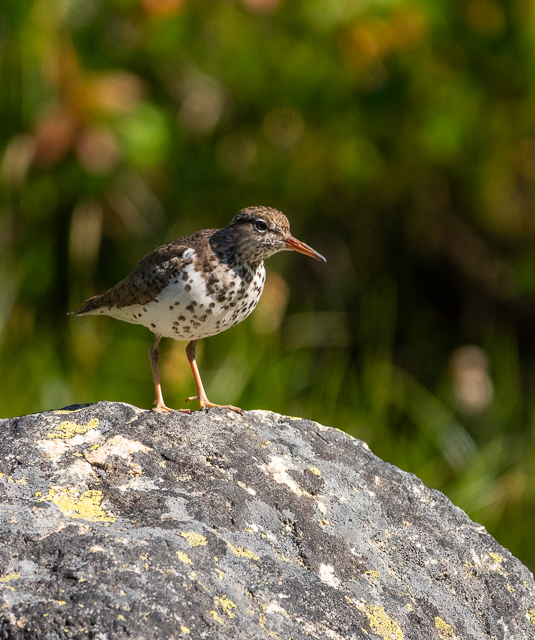
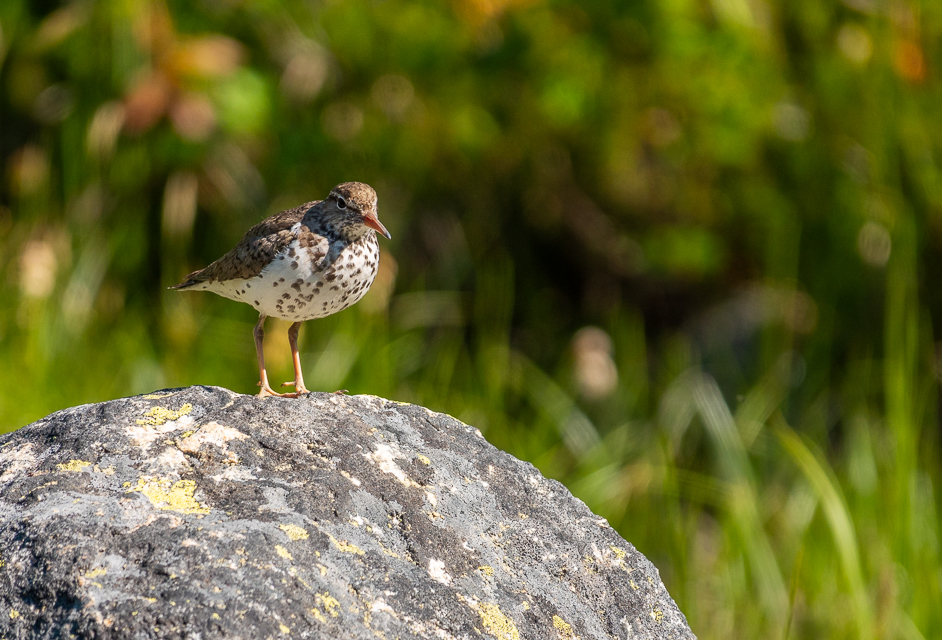
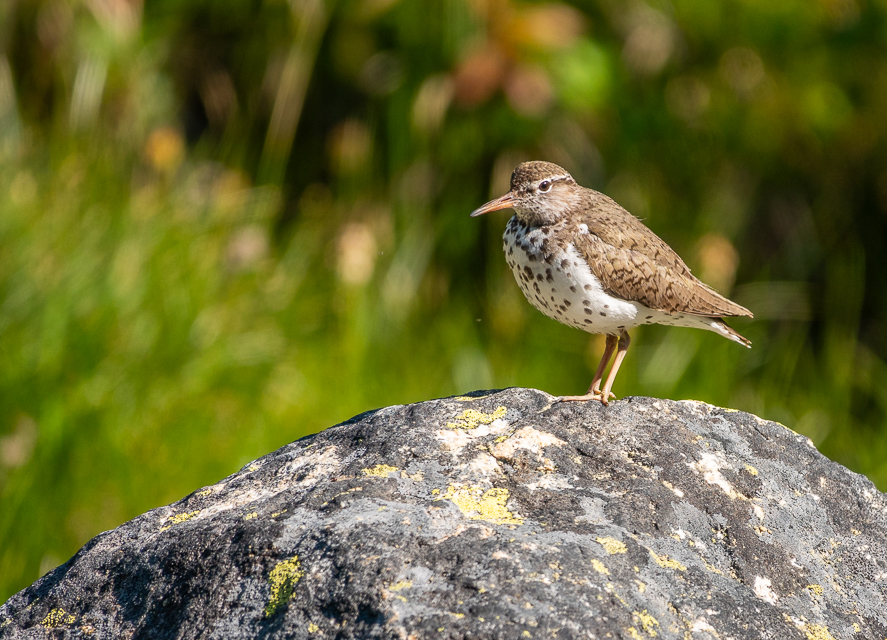
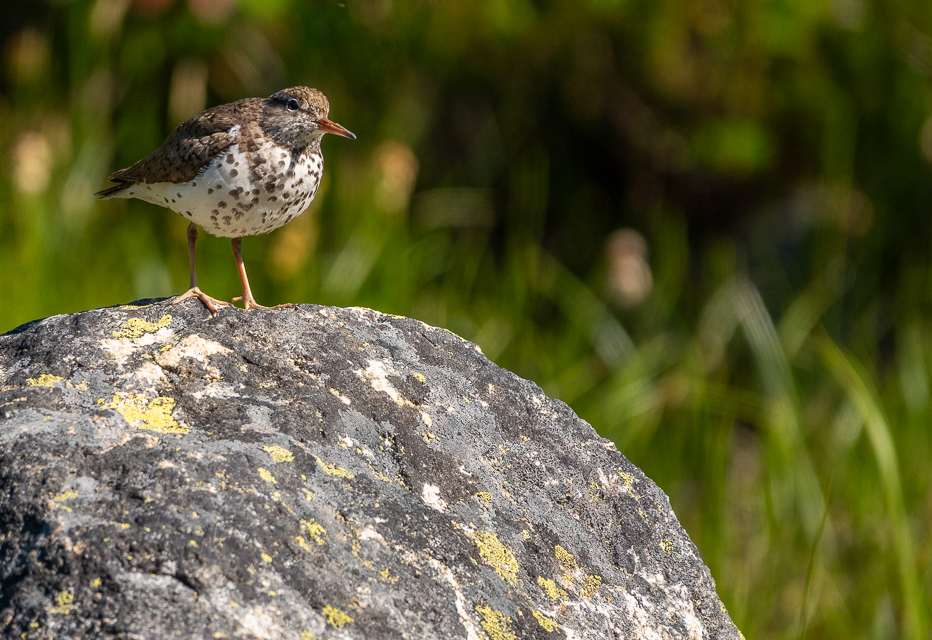
The Spotted Sandpiper is a cute little shorebird often observed along rivers and lakes. I saw this one recently along the edge of a lake and photographed it from my kayak. There may have been more than one. I only saw one at a time over the course of three days. They are always bopping their tail up and down and they peep when they fly. It’s a distinctive peep in their habitat making them easy to find.

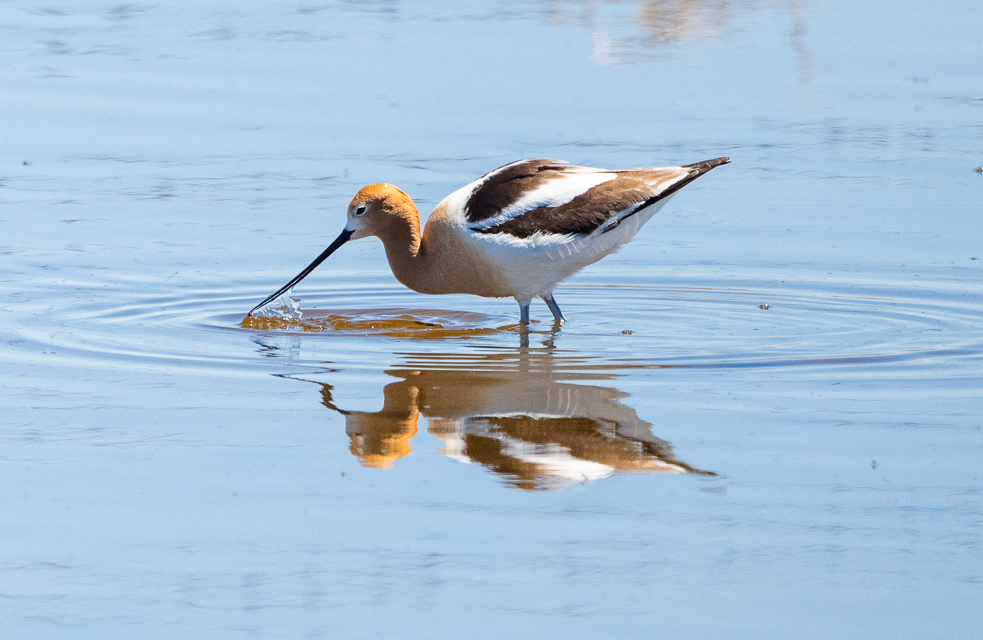
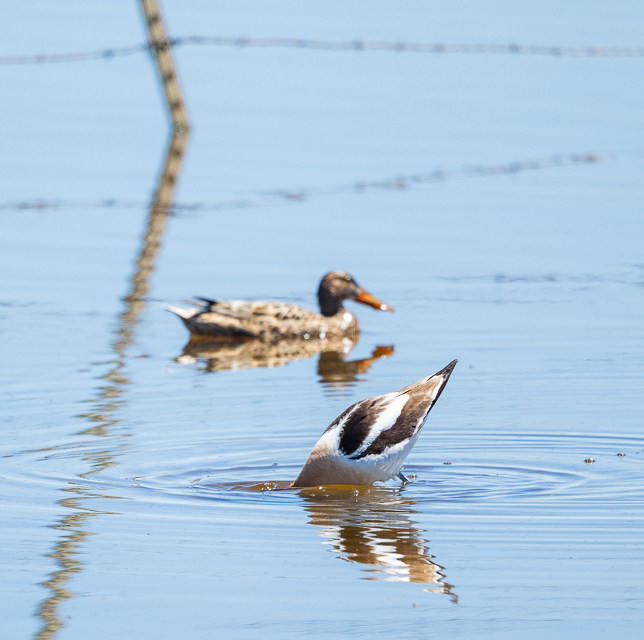
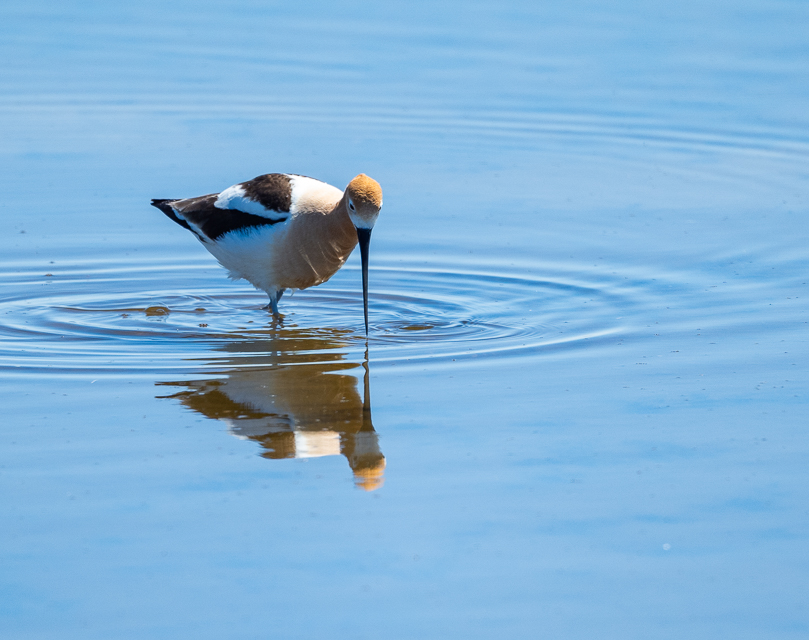
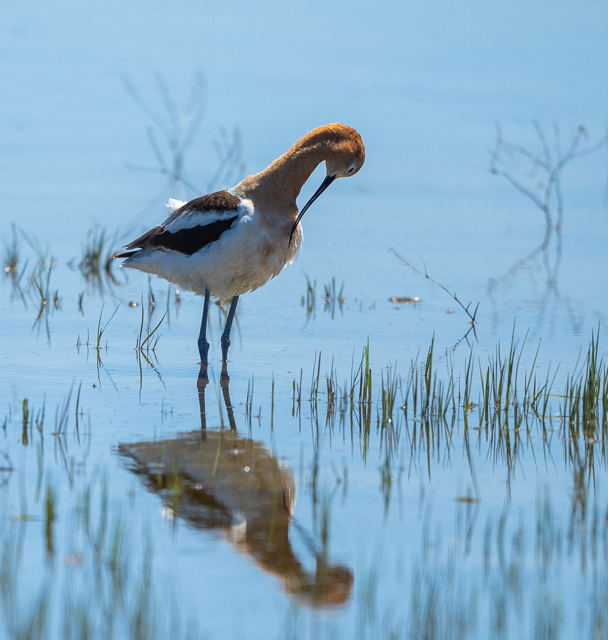
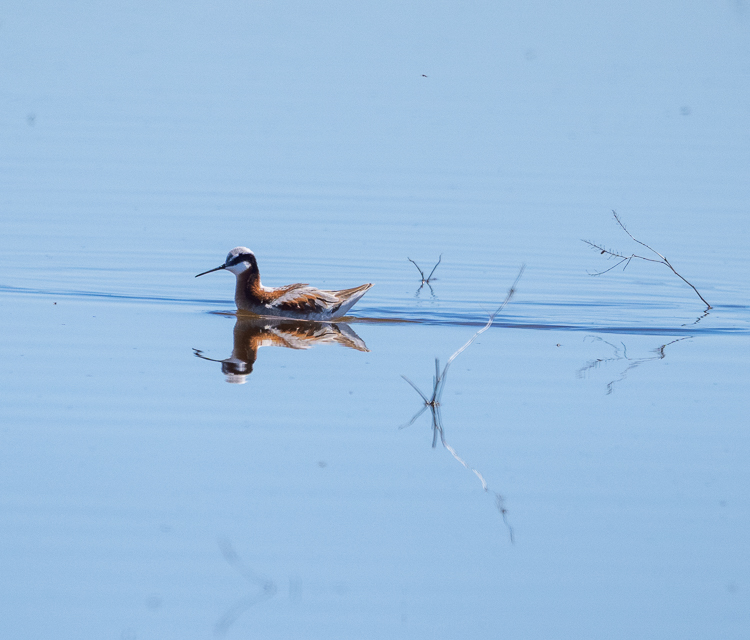
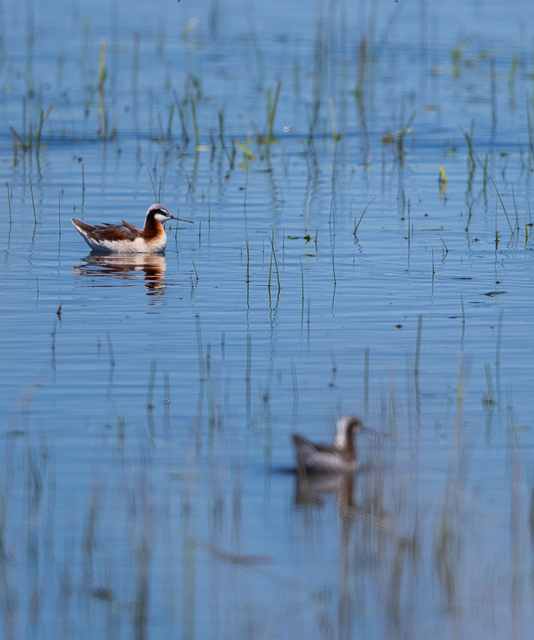
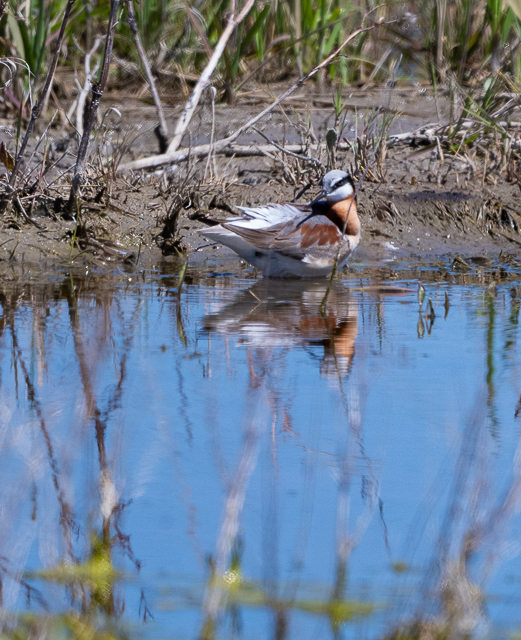
Shorebirds are always fun to watch. Their gangly legs and long beaks are just so interesting. The Wilson’s Phalarope is a bit different, mostly foraging while afloat in shallow water. Another difference is that the female is the more colorful of the pair and the male incubates the eggs and gets the youngsters off to a good start in life. I think the avocets enjoy looking at their reflection.

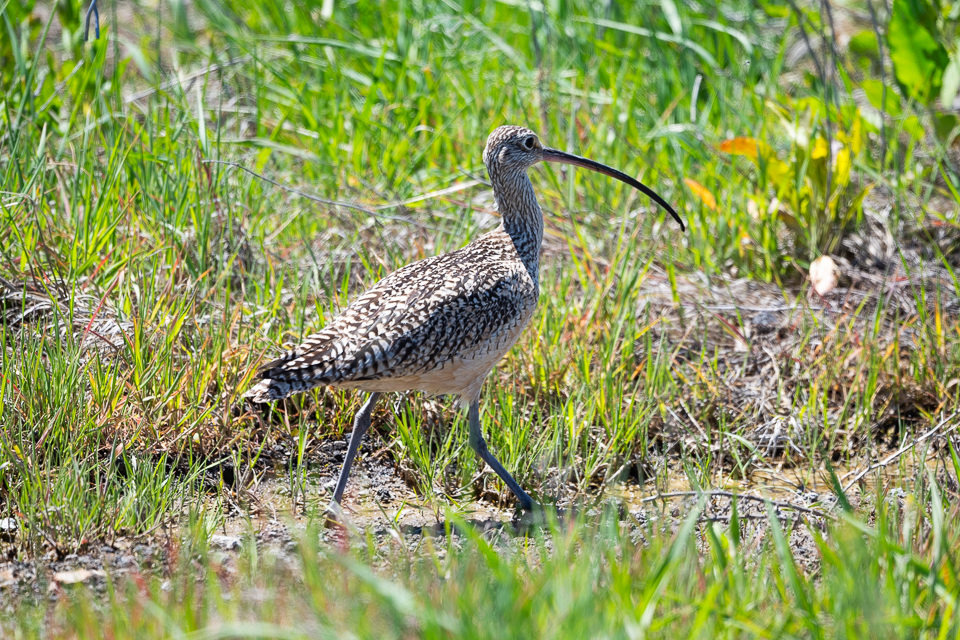
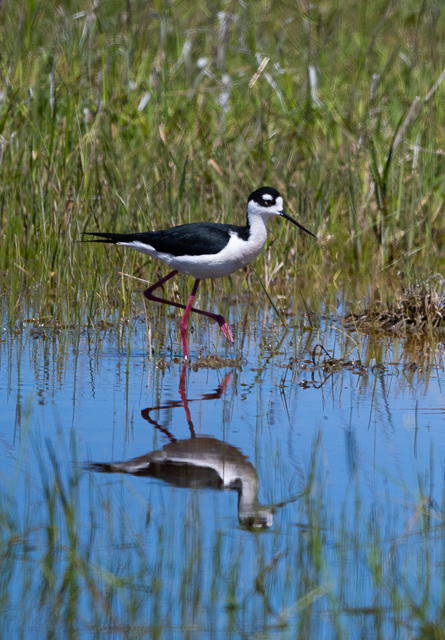
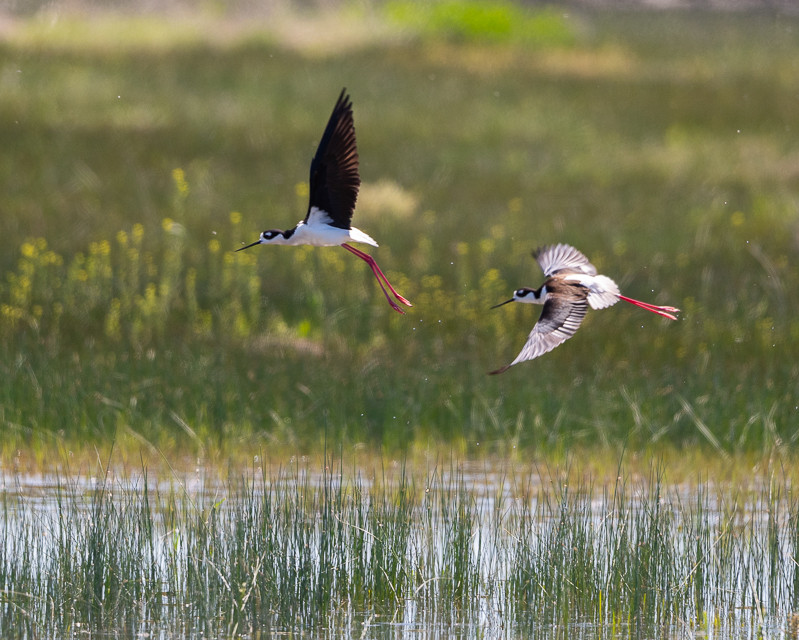
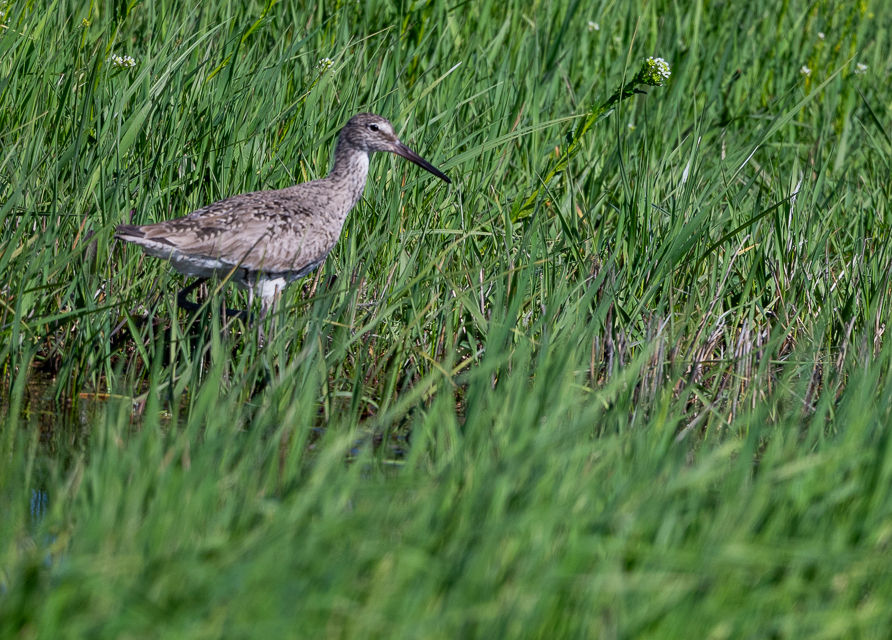
Long-billed Curlew, Black-necked Stilt, Willet, American Avocet, Wilson’s Phalarope.

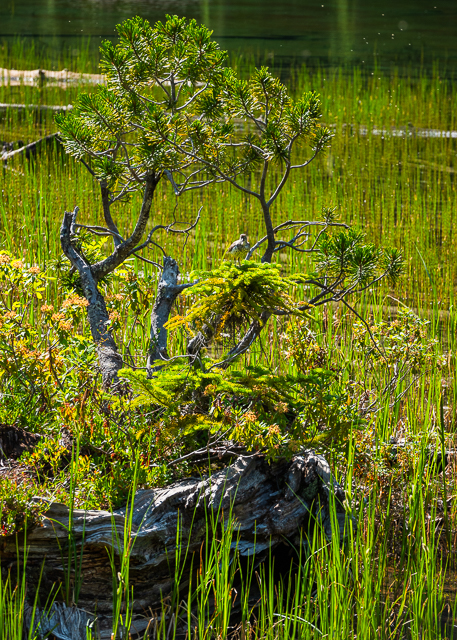
Spotted Sandpipers are migratory shorebirds. They spend winters in the southern US and Mexico and breed from Alaska to New Mexico and to the east coast of the US and Canada. I often see them in the summer near mountain lakes and streams where they nest and raise their young. This is the second year I’ve observed them at this lake and the first time I’ve seen them perched in conifers. They are darned cute birds, bobbing their tails up and down and they have cute calls too.