Skip navigation

Tag Archives: song sparrow

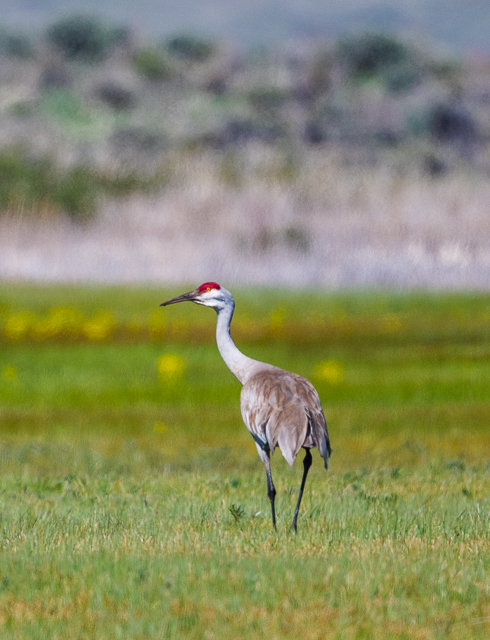
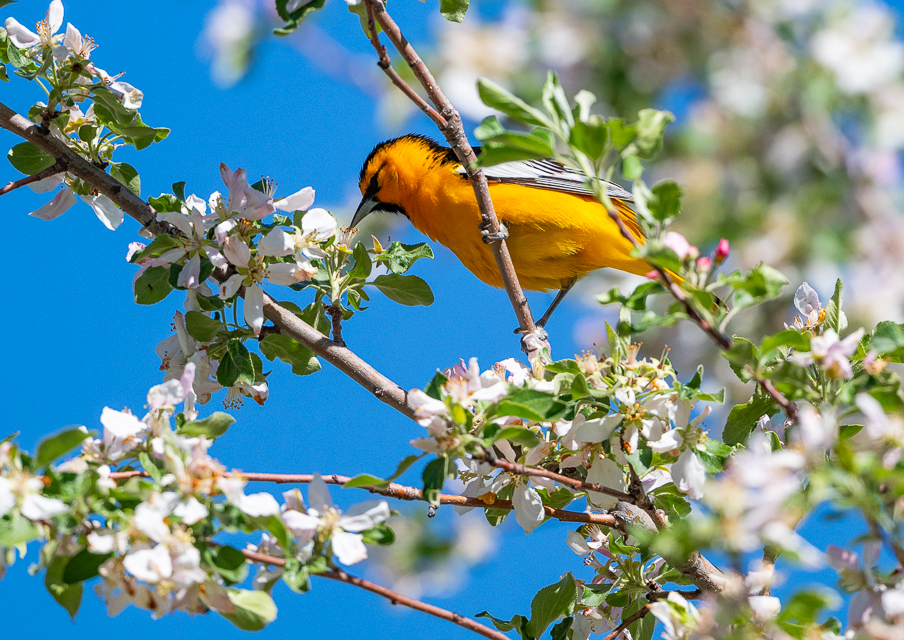
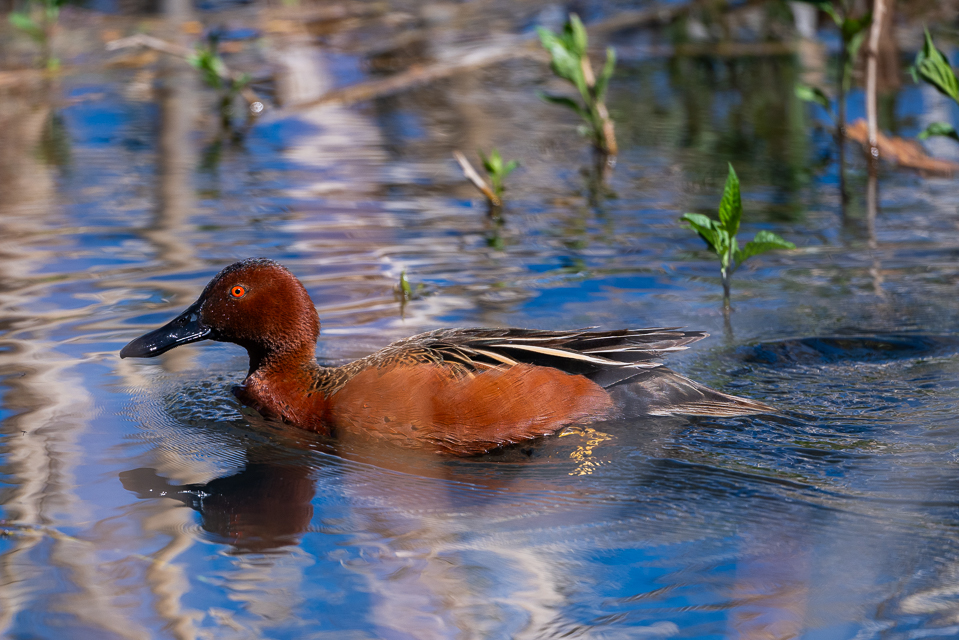
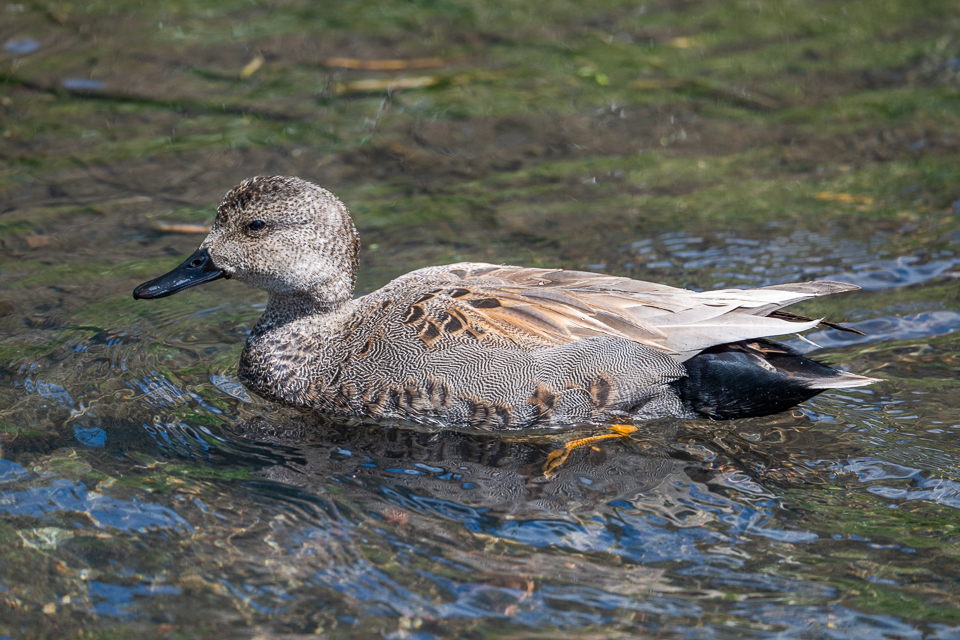
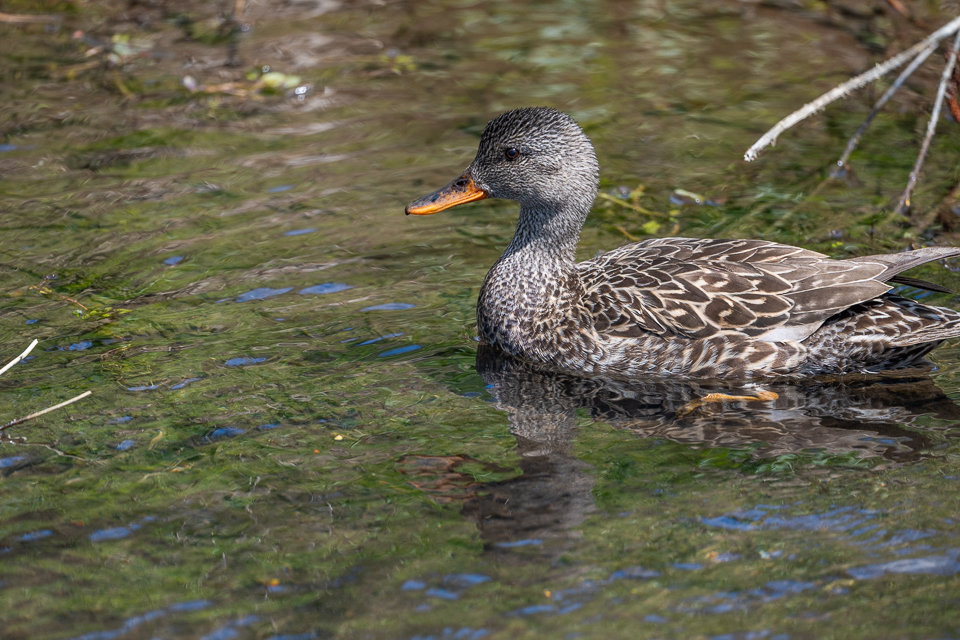
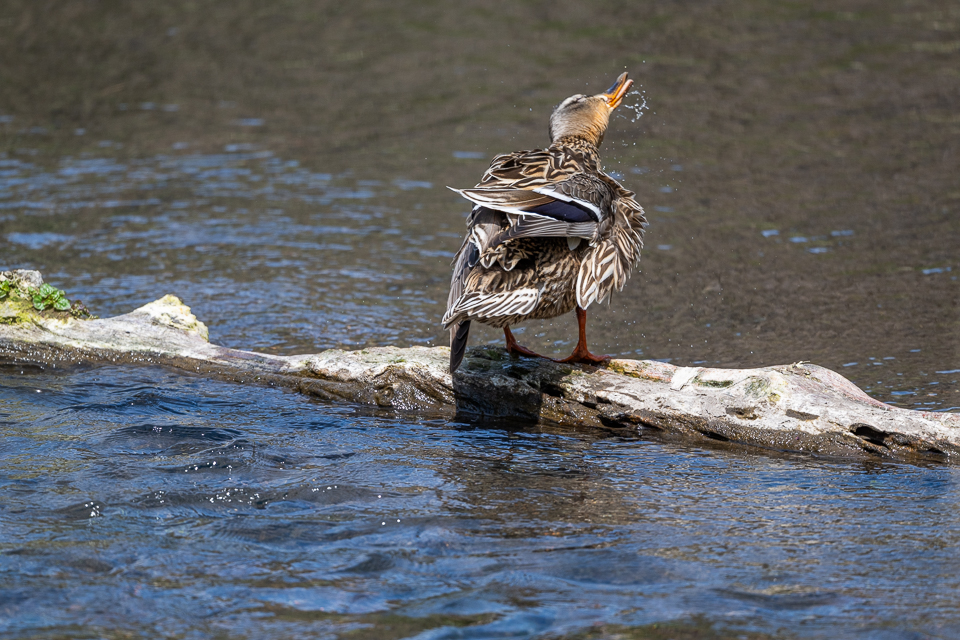
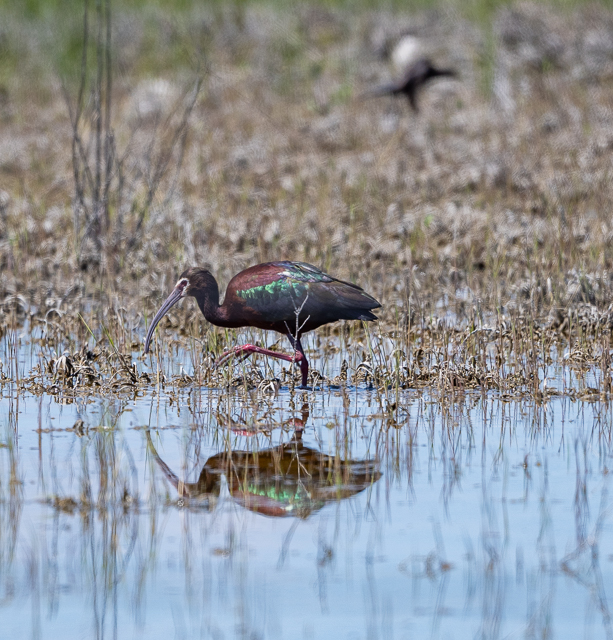
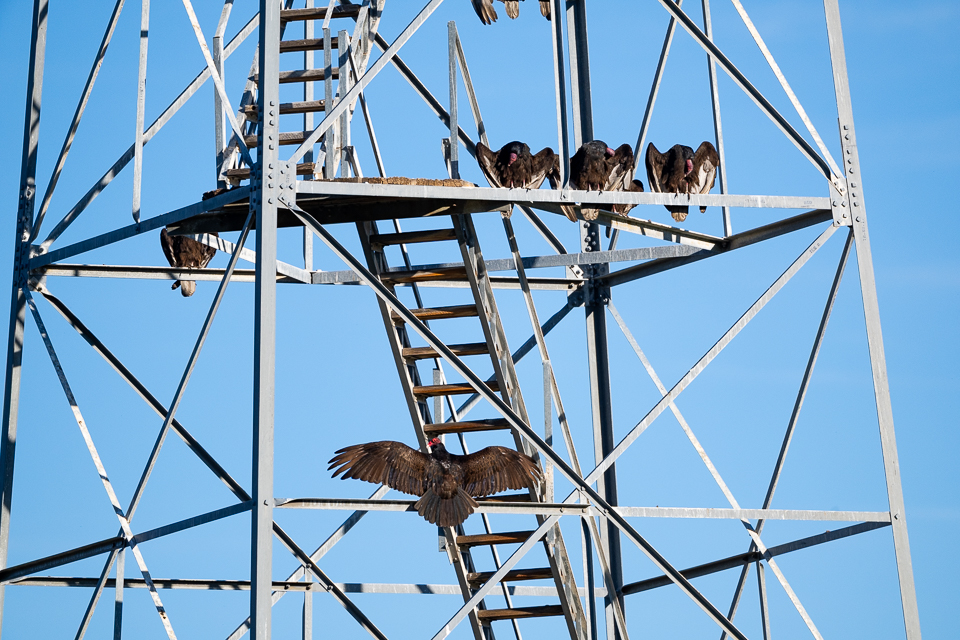
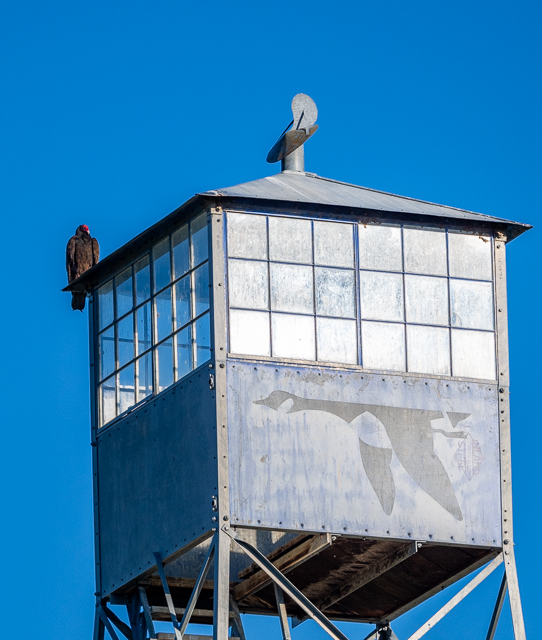
The girls and I just returned from a nearly three-week roadtrip. We spent time in the California desert and also at Malheur National Wildlife Refuge in Oregon. I made lots of pictures. Lots. So far, I have processed most of the bird photos from Malheur and even skipping many, I still have so many favorites. It’s overwhelming. Here is a group of several miscellaneous species to get started. Sandhill Cranes, Osprey, Song Sparrow, Bullock’s Oriole, Cinnamon Teal, Gadwall, Mallard, Ring-necked Pheasant, White-faced Ibis, Pintails, Franklin’s Gulls, Yellow-headed Blackbird, White-faced Ibis, Turkey Vultures. There will be more.

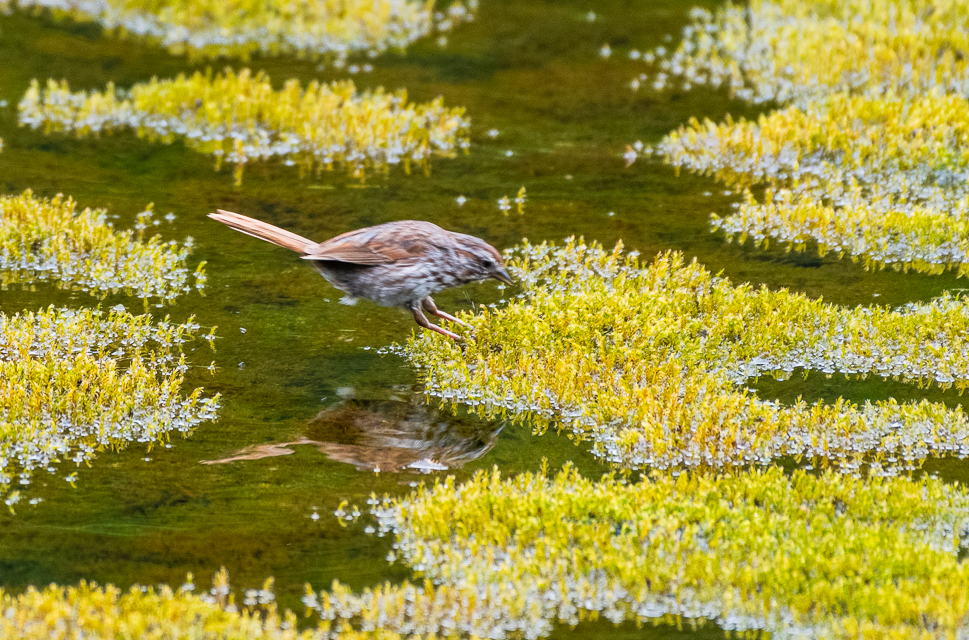
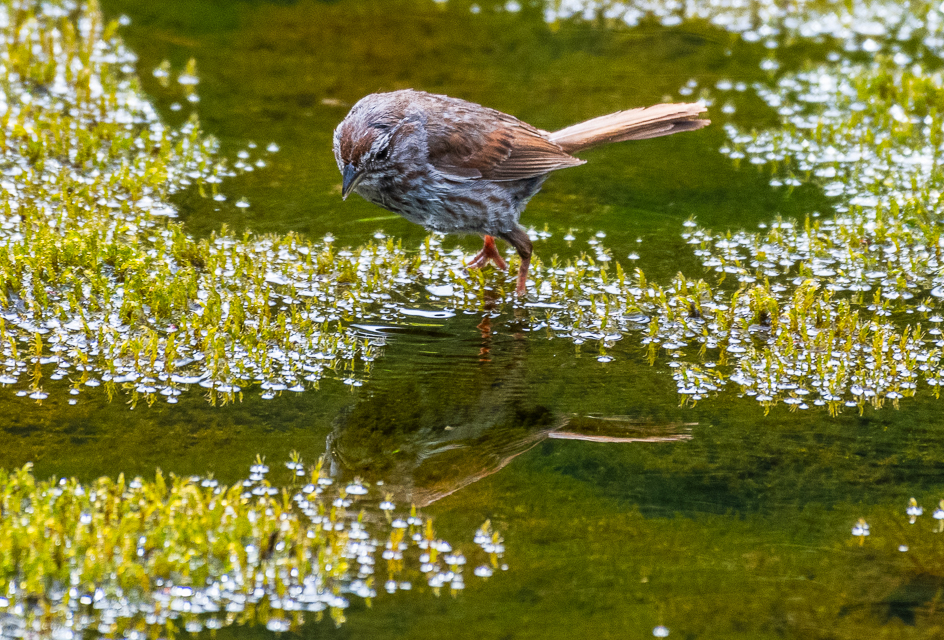
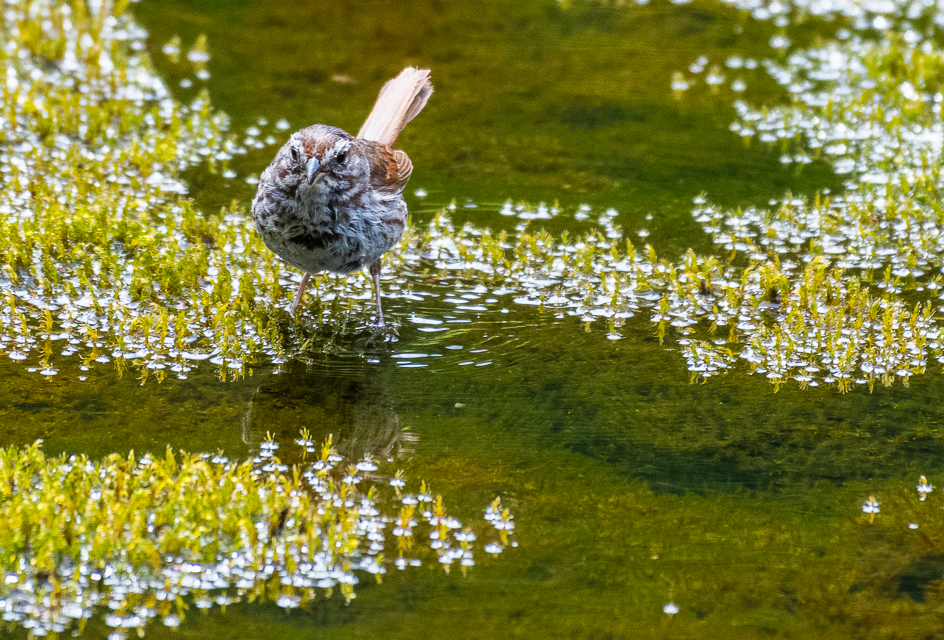
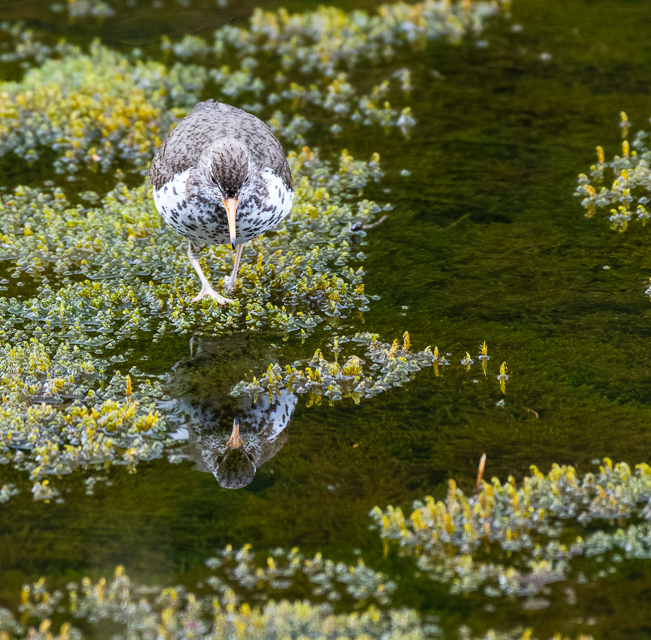
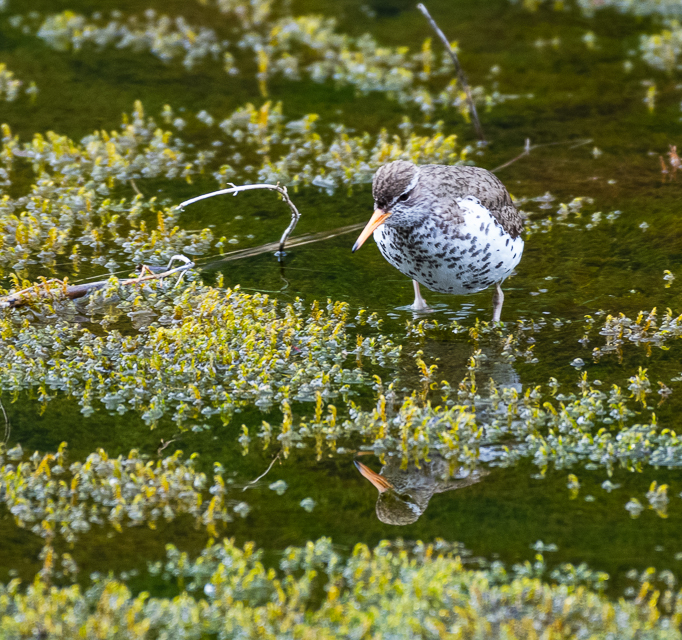
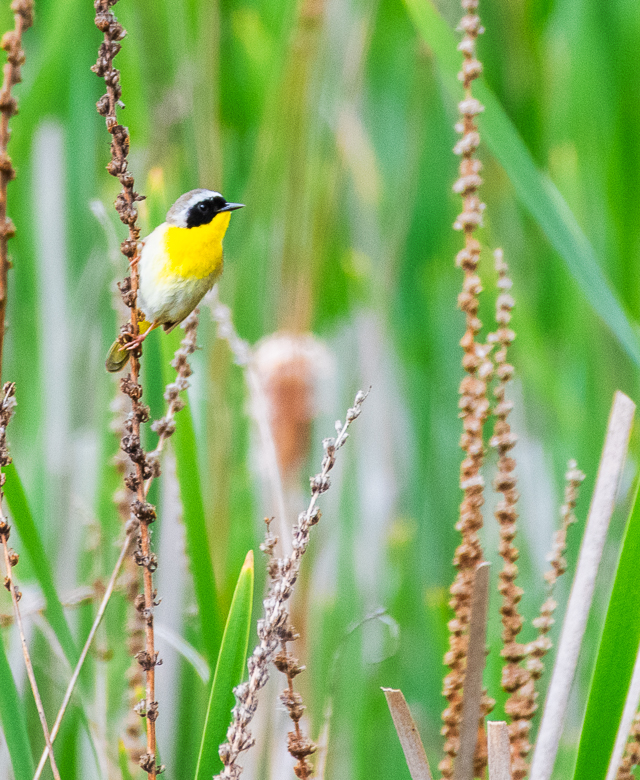
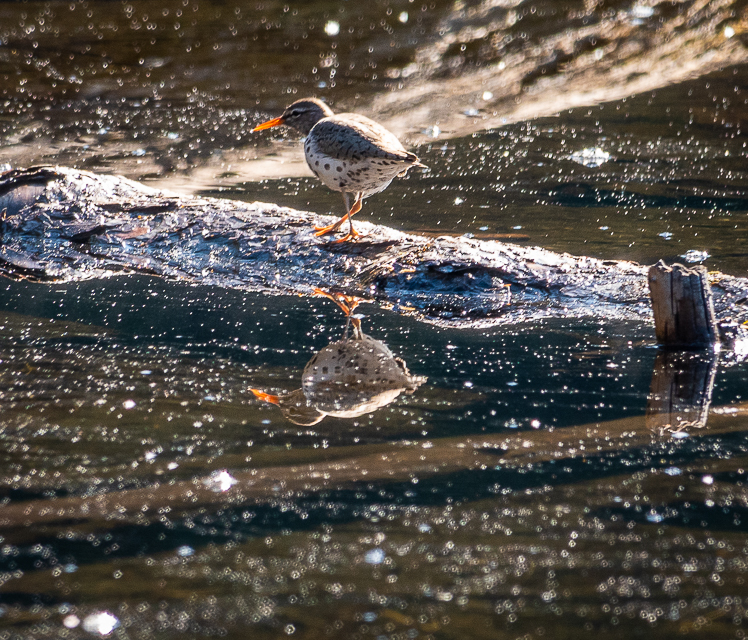
As I watched and photographed the Virginia Rail family (see last post), there were other birds singing and foraging in the marsh. I heard the familiar song of a Willow Flycatcher and was delighted to see it out in the open where I could easily photograph the tiny Empidonax flycatcher. If it had not been singing, I would have struggled with the ID. Song Sparrows were hopping along on the algae mats, foraging for what, I don’t know. There were three or four of them and some were probably young of the year. A Spotted Sandpiper joined the group, also foraging on the algae mats. And last, but not least, a Common (not so common in my mind) Yellowthroat sang from a prominent perch, giving me great views. Most of these images are heavily cropped as the birds are small and not that close.

Some images from late July and August too. If you can ID the young flycatcher, let me know.

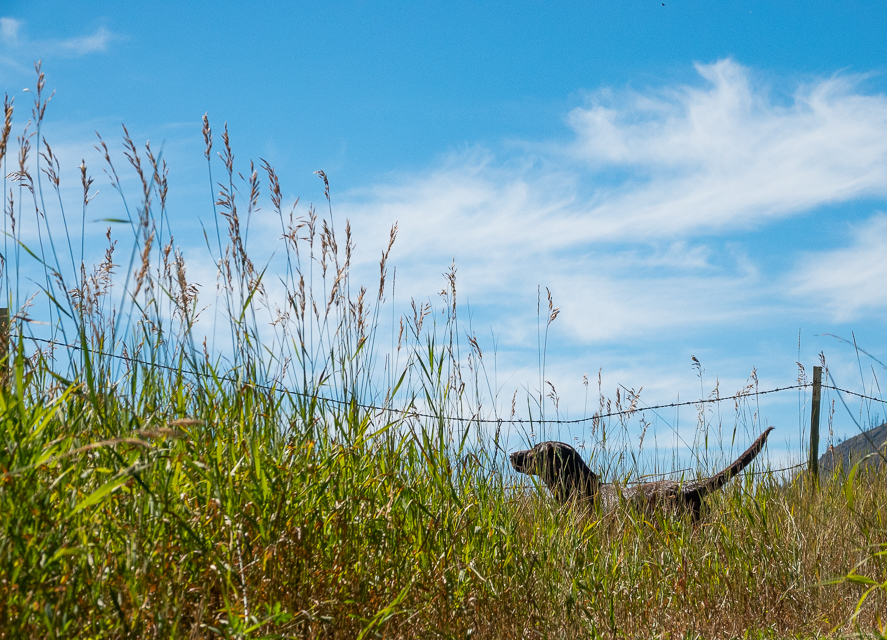
Whether dog walking, paddling my boat or sitting around camp, I enjoy watching and listening for birds. Sometimes they are only heard and not seen and I don’t always know the songs or calls but I keep trying to remember them. Maybe that’s a good thing for an aging brain?

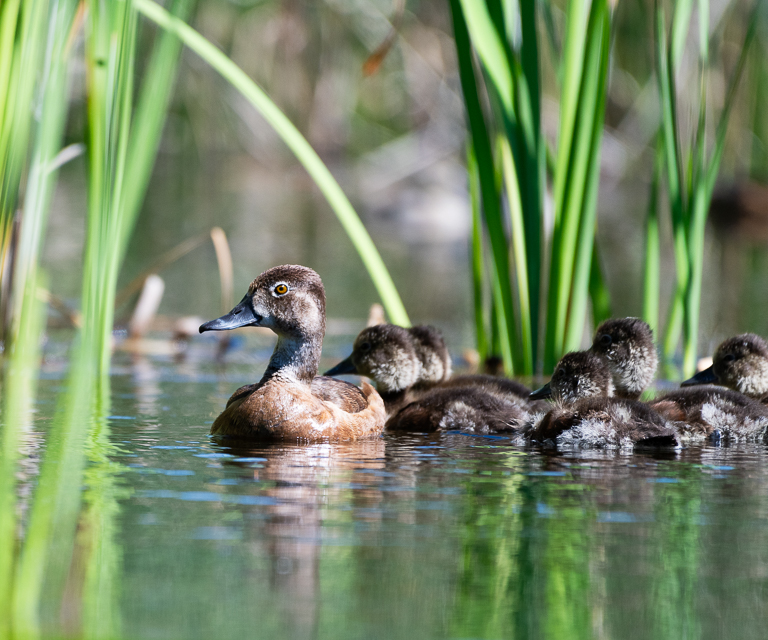
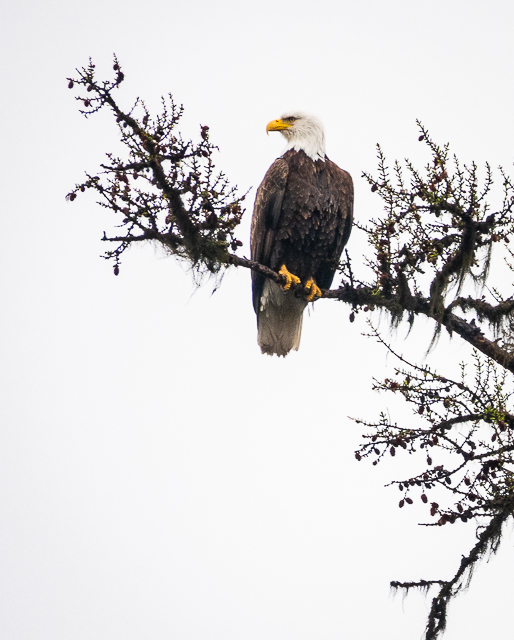
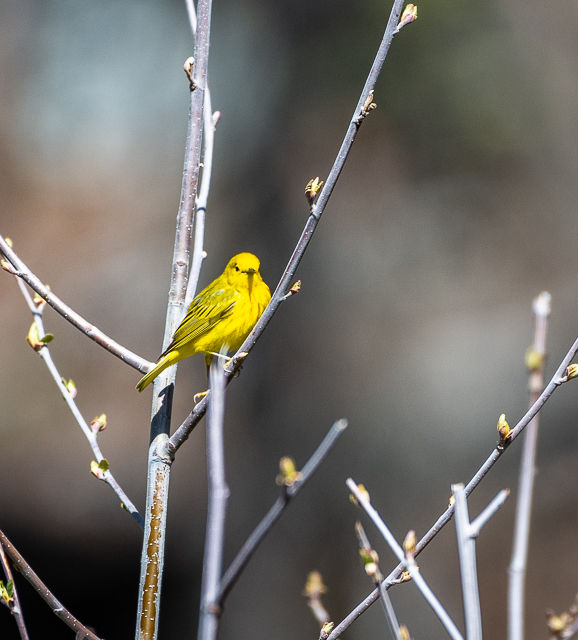
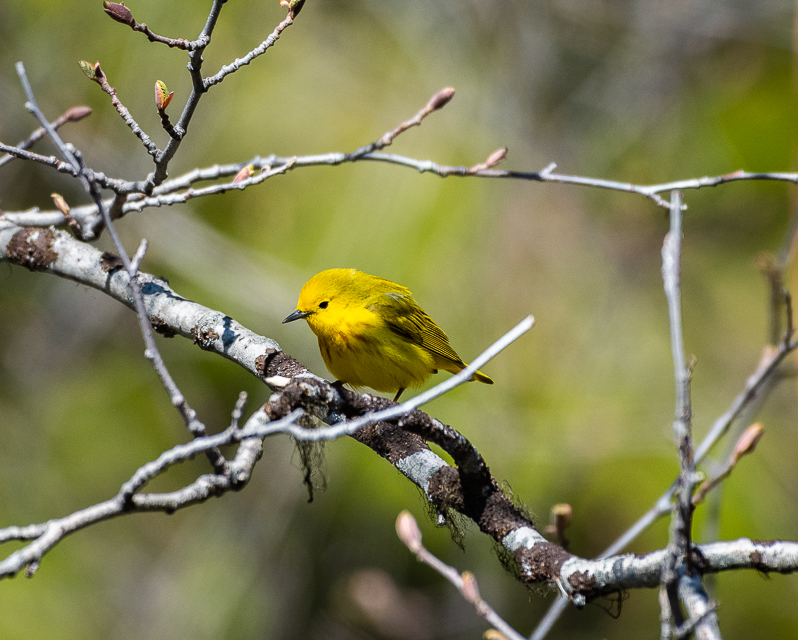
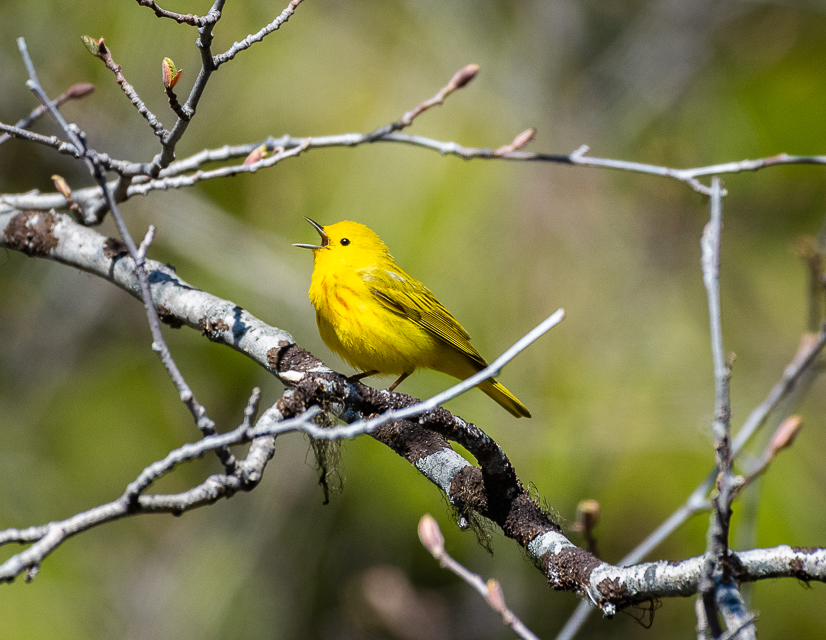
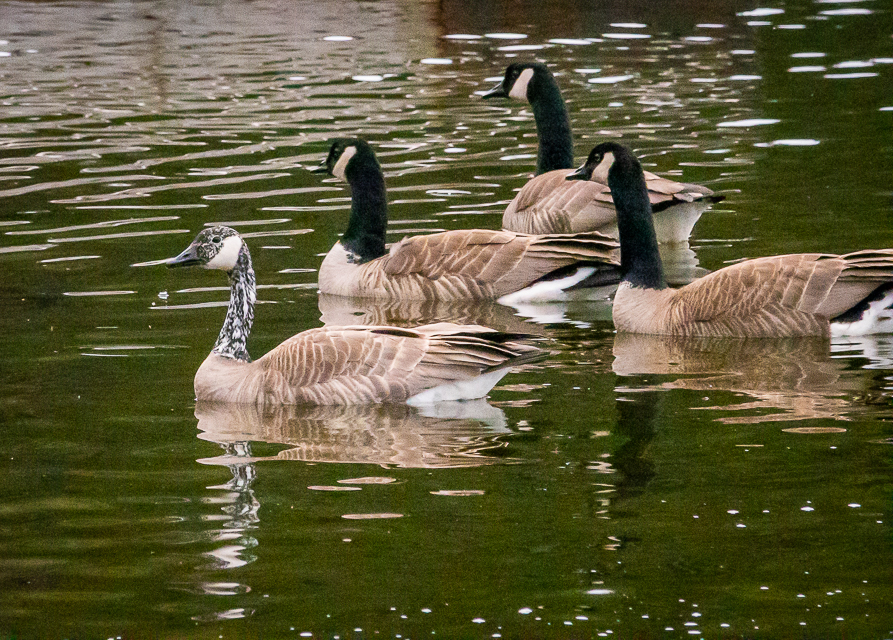
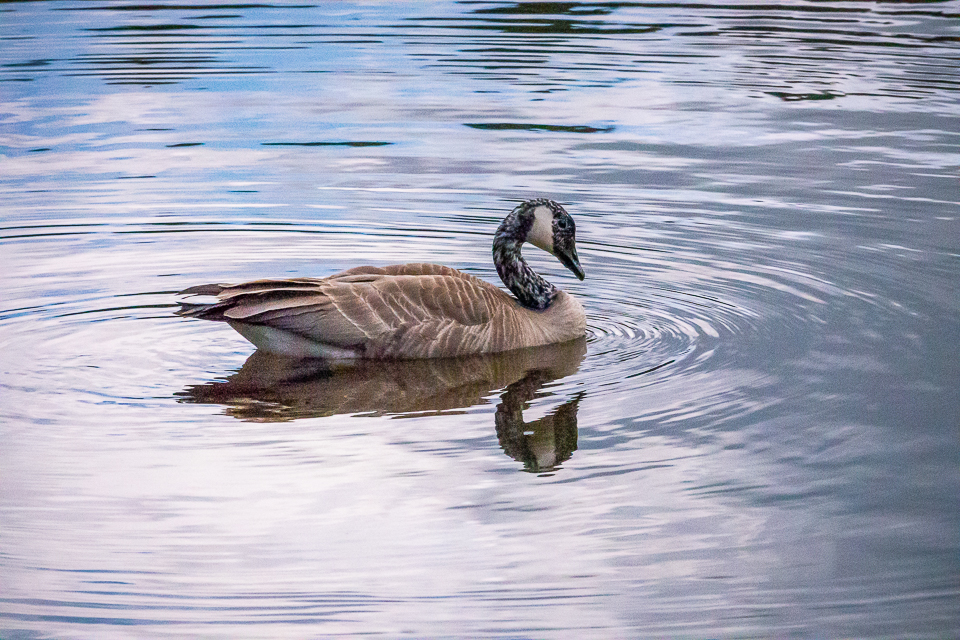
From the tiniest Yellow Warbler to the fearsome Bald Eagle, they are all interesting. I am especially happy with the image of the Ring-necked Ducks. You can actually see the ring, if you look close, on the male. And the spotted goose is probably a leucistic Canada Goose. The Song Sparrow and the Yellow Warblers sang from morning til evening, but not quite as persistently as the American Robins. I frequently heard the Spotted Sandpipers call as they flew along the lake’s edge. They are fun to watch as they bob their tail up and down when they are searching for food.

I have found that birds are easier to view when I am in my kayak than when I am walking around. The birds don’t perceive a person in a boat to be as big a threat as a person on the ground. The kayak provides a good point of view for some of the smaller songbirds which often elude me, leaving me to guess their species by a call or a song. I struggle with birding by ear, especially the warblers and Empidonax flycatchers. Except Willow Flycatchers. They have a distinctive call that sounds like ‘fitzbuuu’.

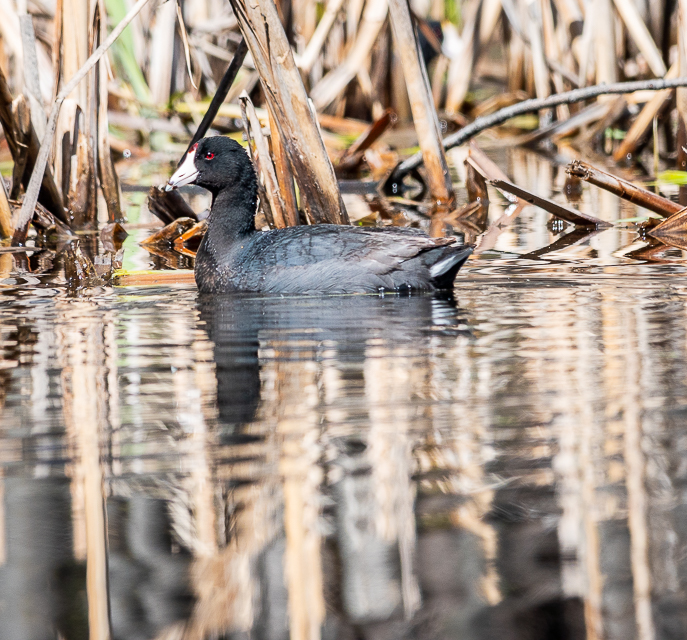
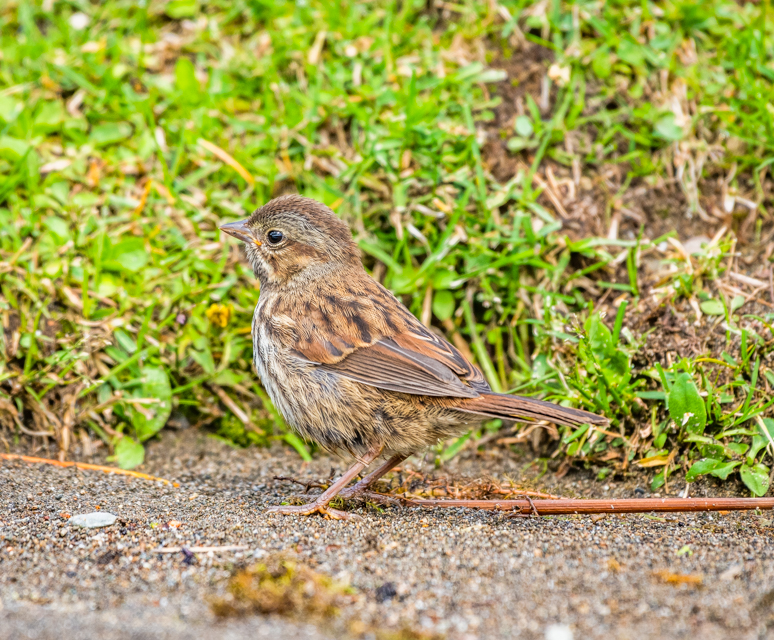
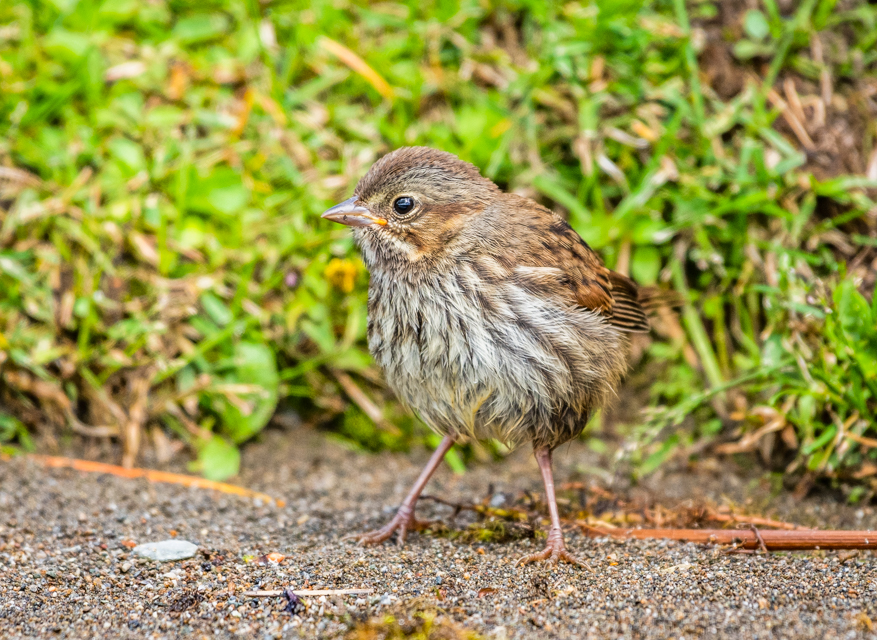
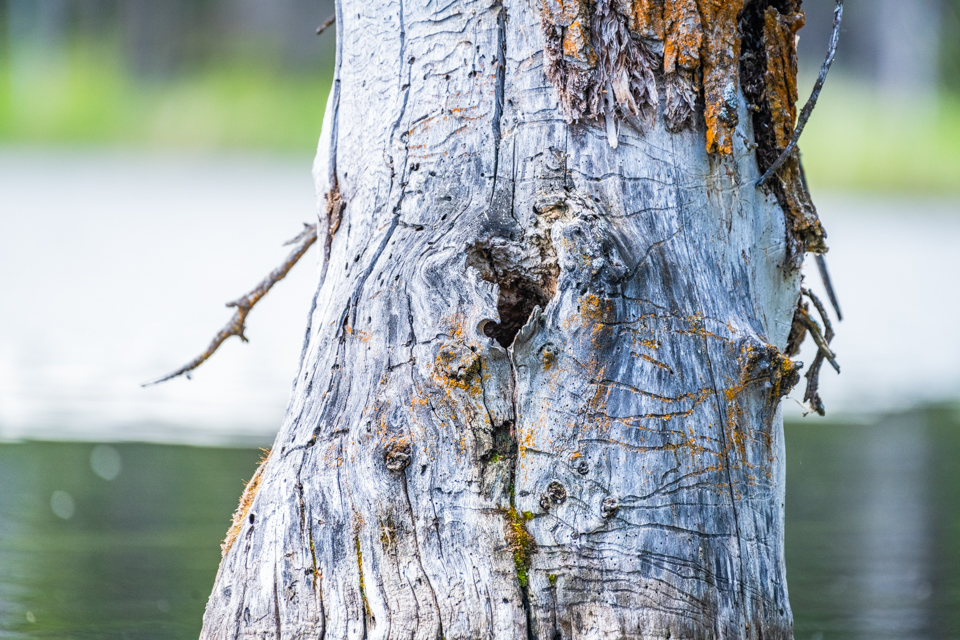
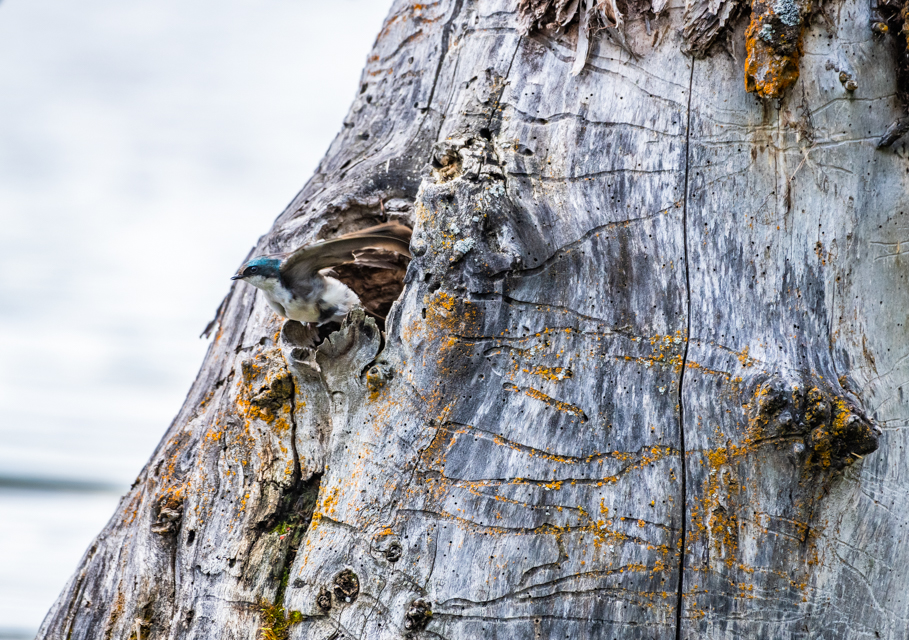
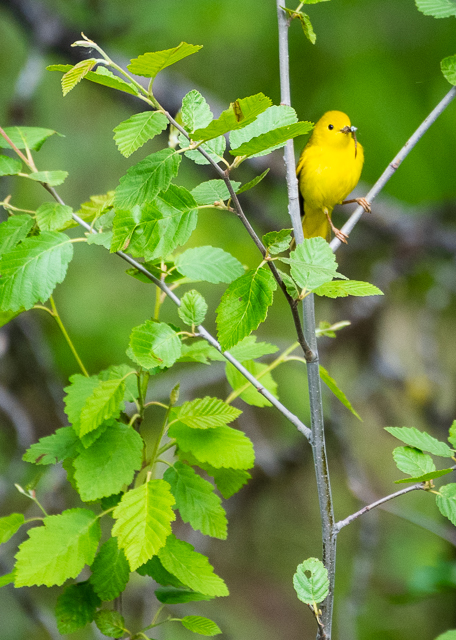
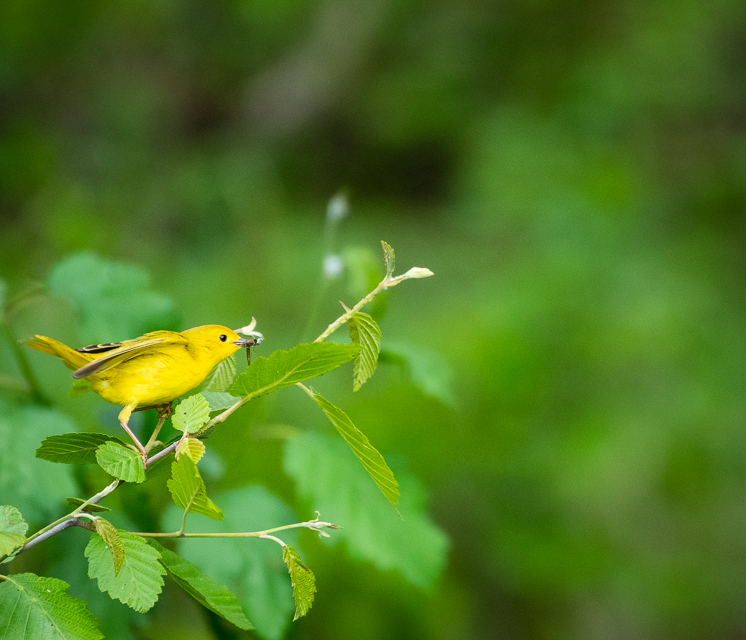
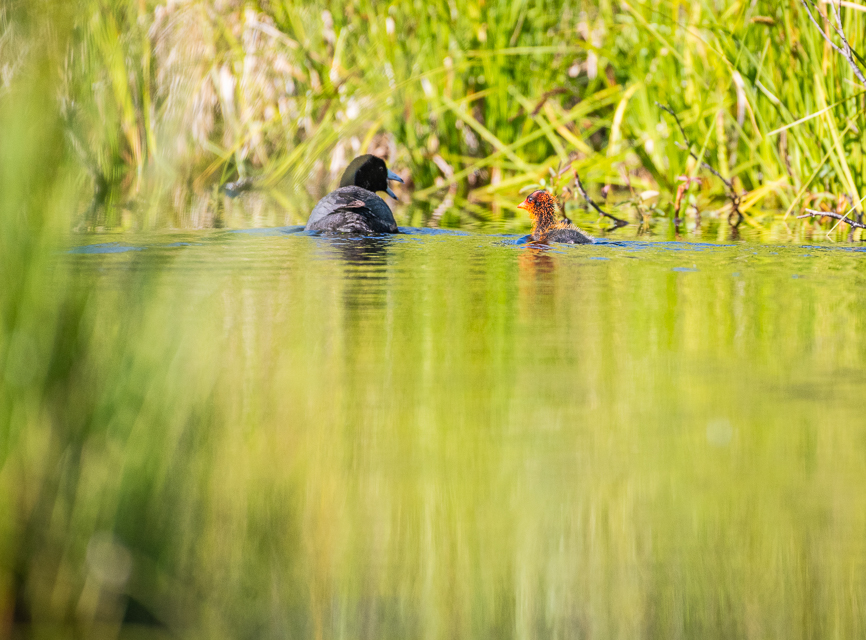
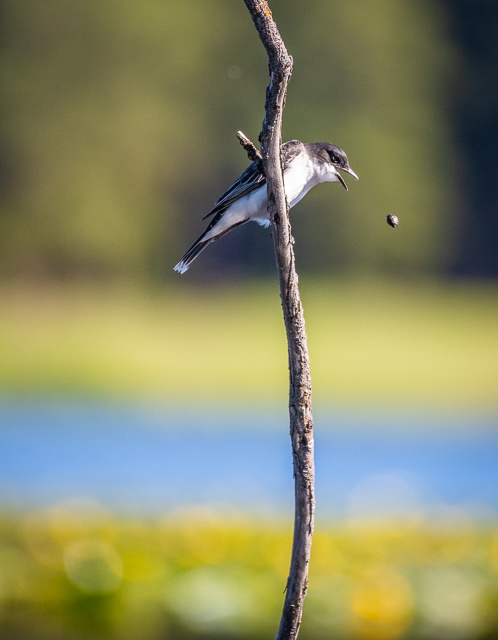
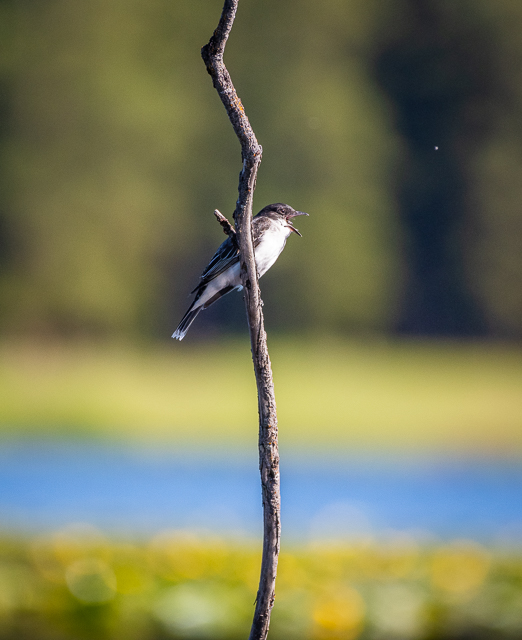
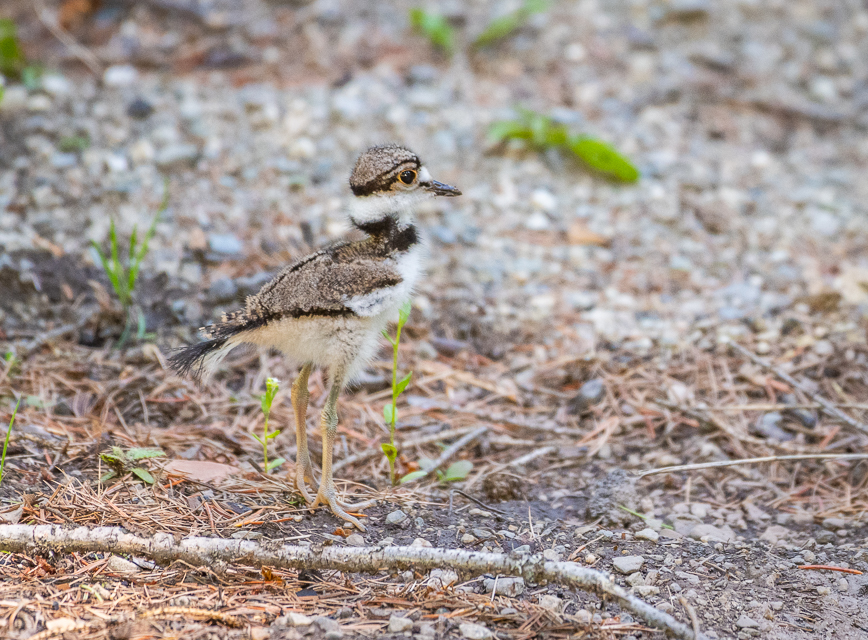
The Pileated Woodpecker was seen from our campsite. The Yellow-rumped Warbler darted back and forth catching bugs above the water. There were baby Song Sparrows along the lakeshore and adults singing and calling from the shrubs above. Red-winged Blackbirds NEVER perch still for me to get a photo. Never. An Empidonax flycatcher waited for insects in between its frequent ‘fitzbuuu’ calls. See the crack in that snag? In the next photo, look carefully for the departing Tree Swallow. They are fast. I waited and waited to get that one image. I have several of the bird’s tail feathers flying away. The Yellow Warbler was lovely in the green alder leaves. Coots were elusive in the marshy area of the lake, quickly gathering their bright orange chicks and moving them into cover. An Eastern Kingbird gracefully hurled a pellet while I was making its photo. I came across the Killdeer family while on a drive about.

Of course, there were loons. And another highlight, not photographed, was a Sora with babies!