So many bugs in the mountains this month. And wildflowers.
How many different ones can you identify?
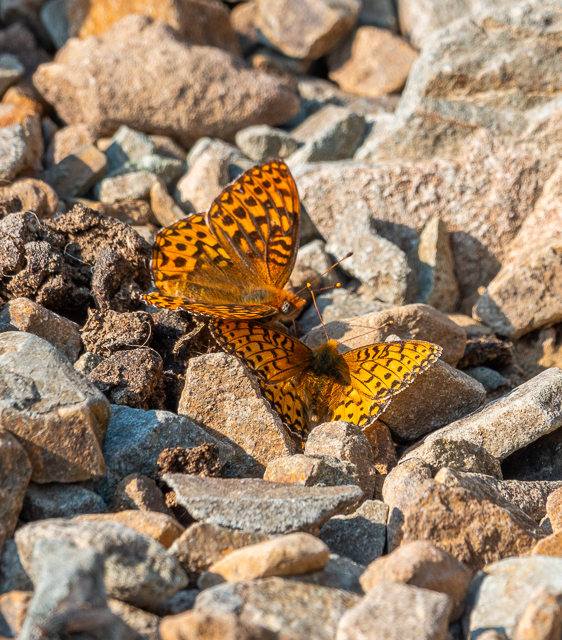
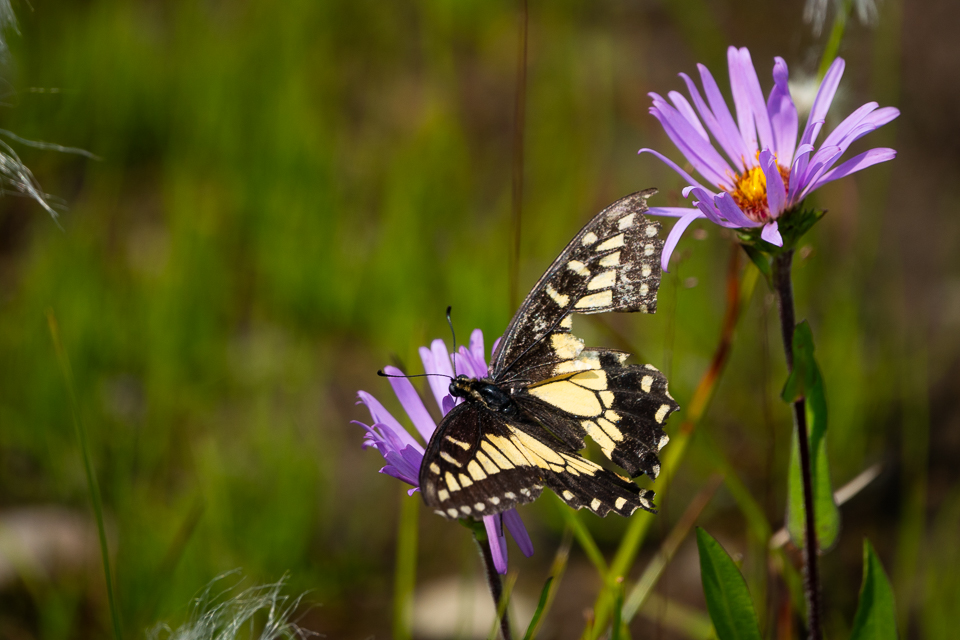
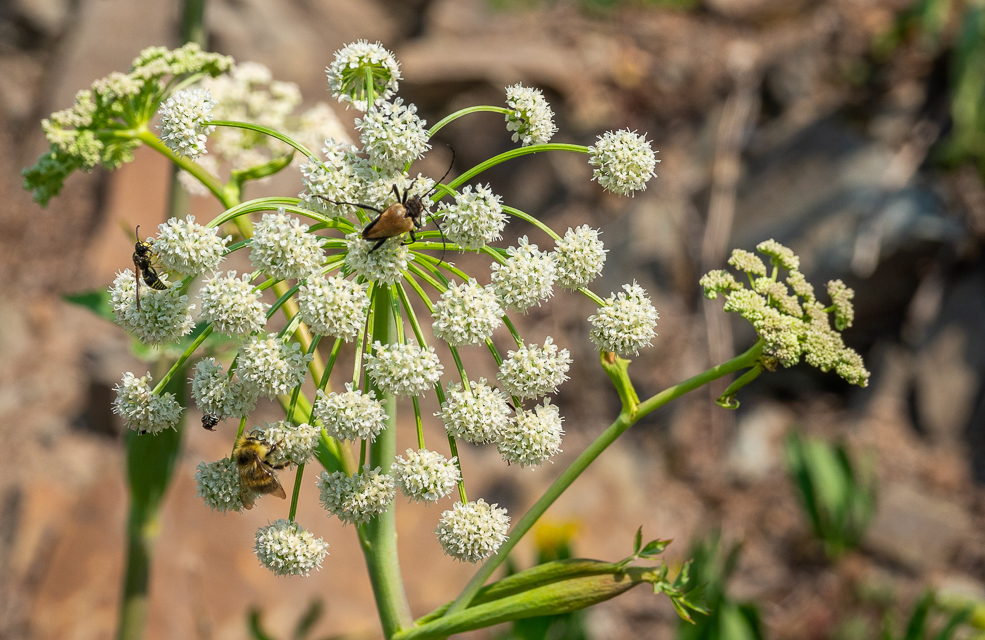


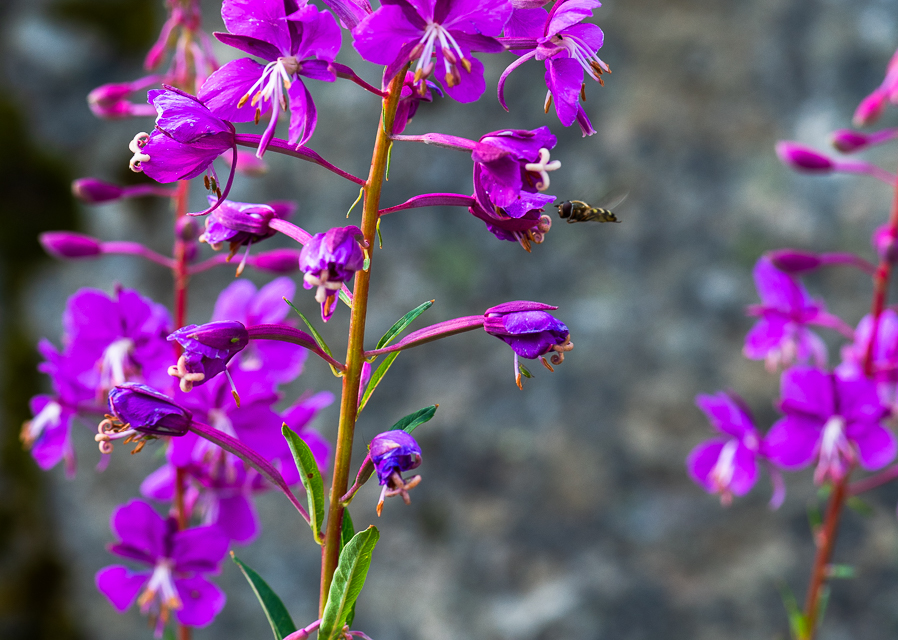


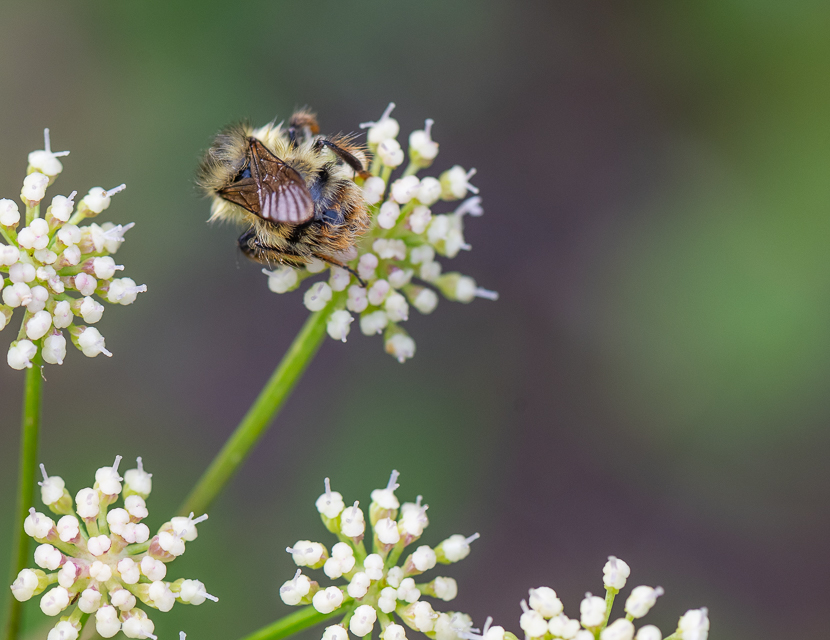
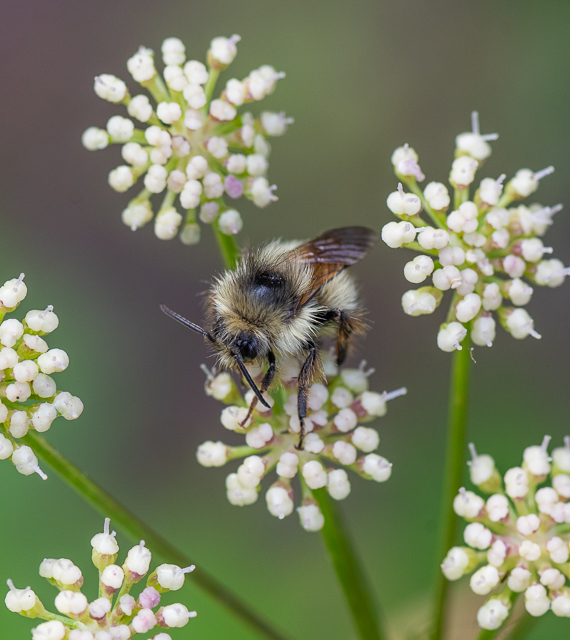

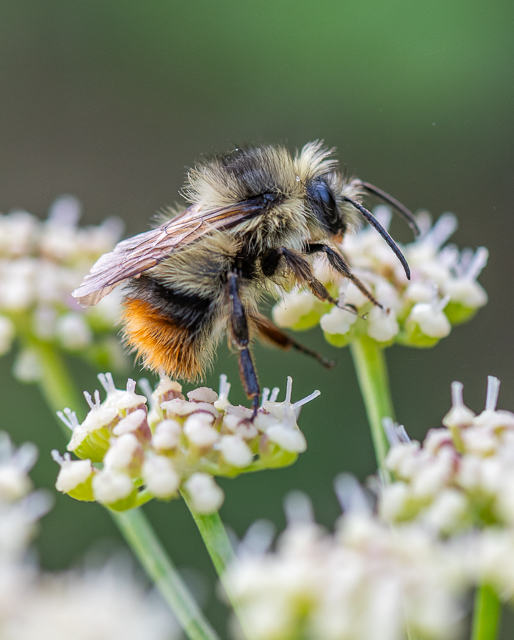

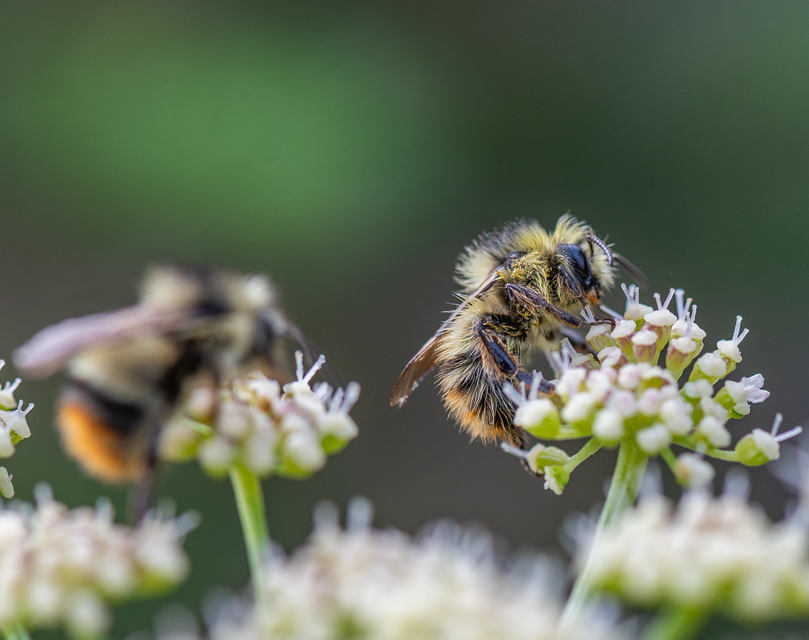


So many bugs in the mountains this month. And wildflowers.
How many different ones can you identify?
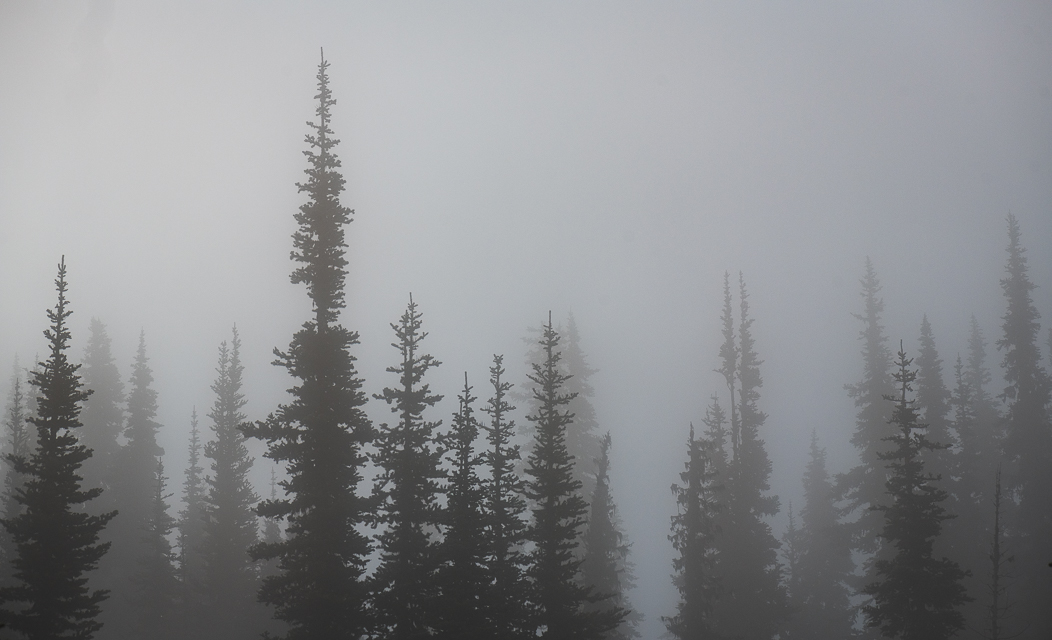
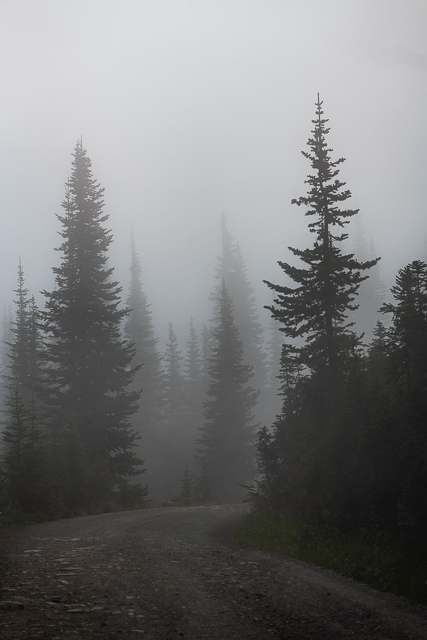
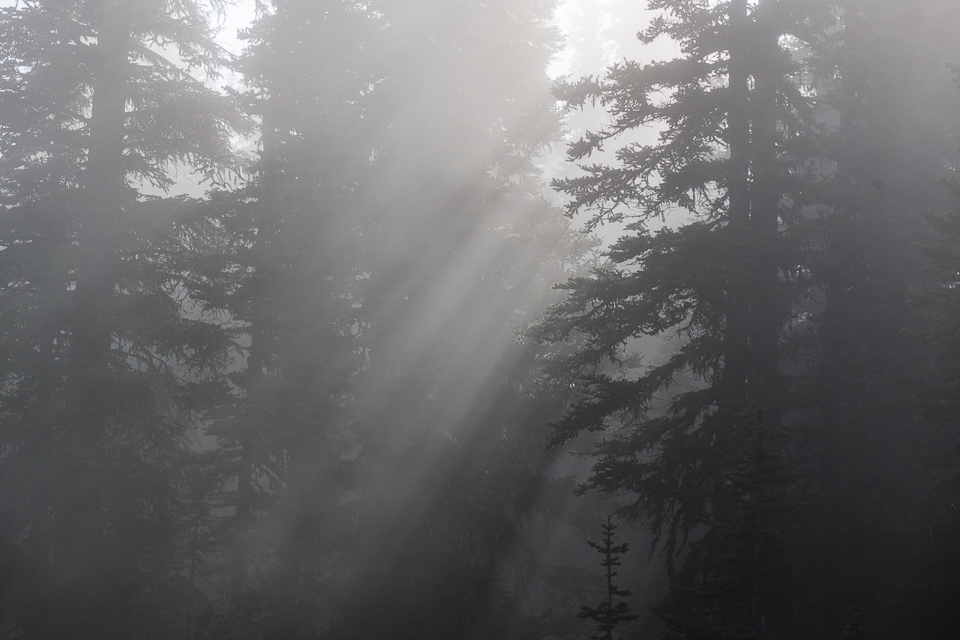
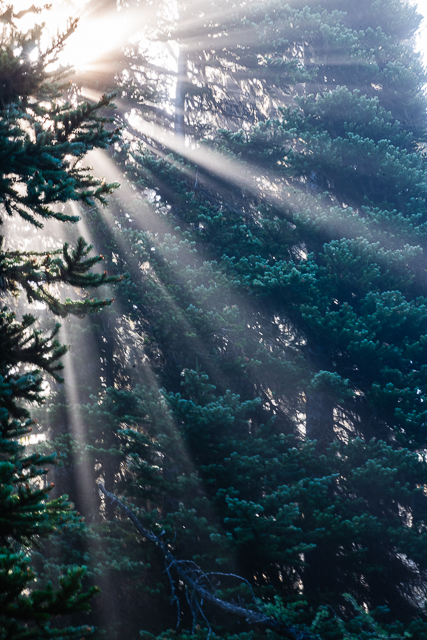
I seldom see low ground fog. This was a real treat to see and watch as the sun slowly made its way through the moist air bringing color to the monotone scene.



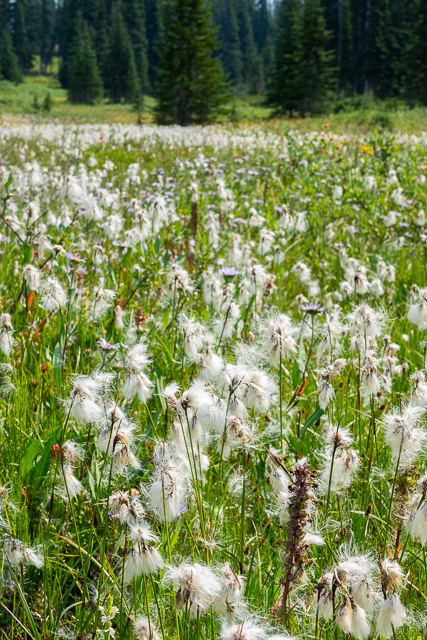
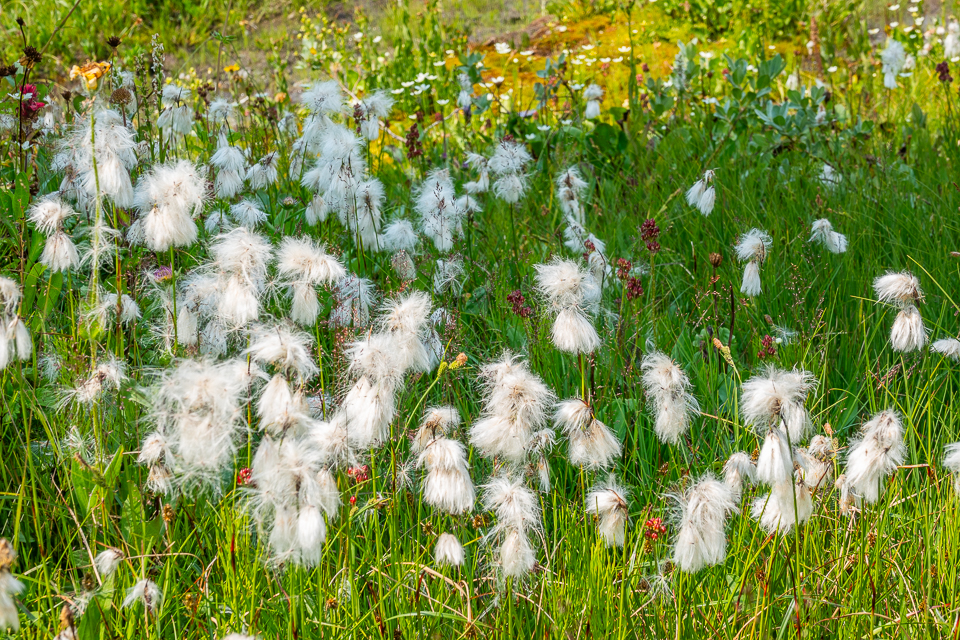
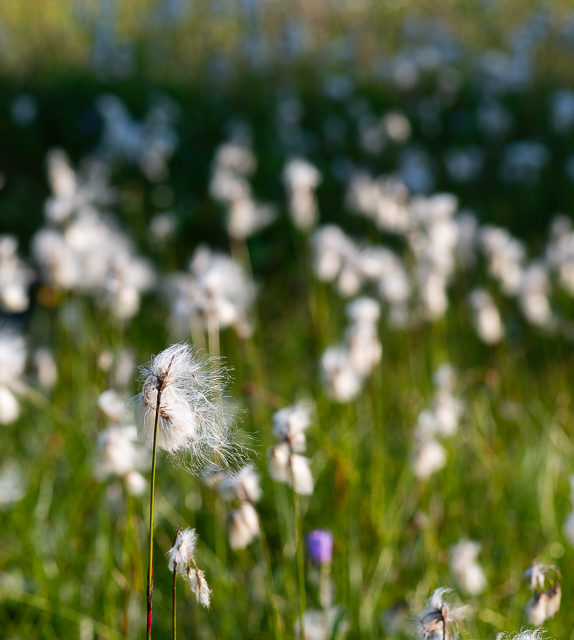
Last summer I saw photos of cottongrass growing in meadows in Montana and I thought I really need to go see those places! Earlier this summer, I saw a small patch of cottongrass on one of my hikes in a small wet meadow and it made me think about a large wet meadow that I like to visit. Fortunately I was there earlier this month and indeed, there was cottongrass, lots of it! Why haven’t I noticed it before?
I learned that it likes acidic conditions and since this place has heather and huckleberries, I assume the soil is acidic. It also likes peat bogs. Anybody know of any peat bogs in good condition? There are many varieties of cottongrass (Eriophorum sp.) growing in vastly different climates around the world but all seem similar, needing acidic conditions. Washington Wildflowers lists one for our state – Chamisso’s cottongrass or russet cotton-grass (Eriophorum chamissonis). The range map does not show it in this area.




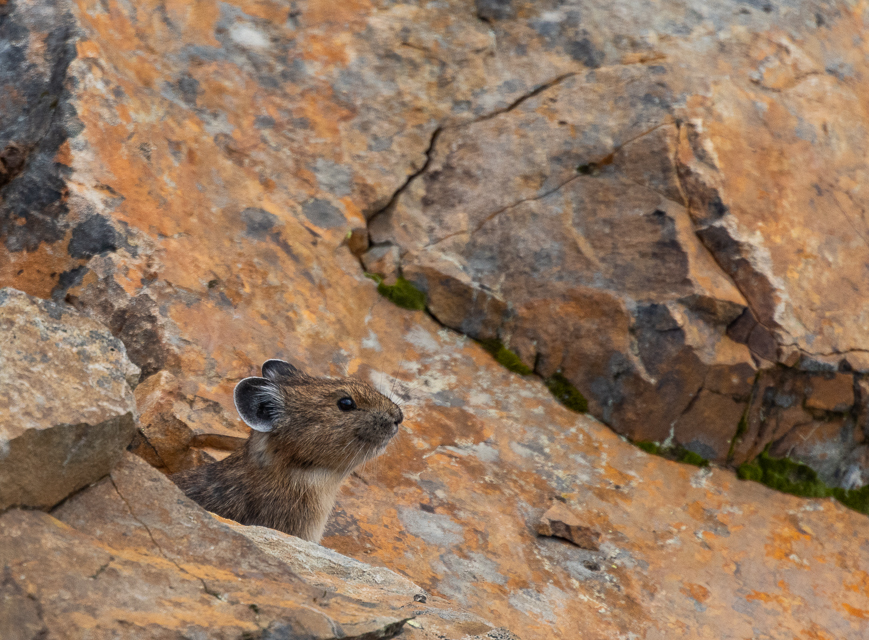
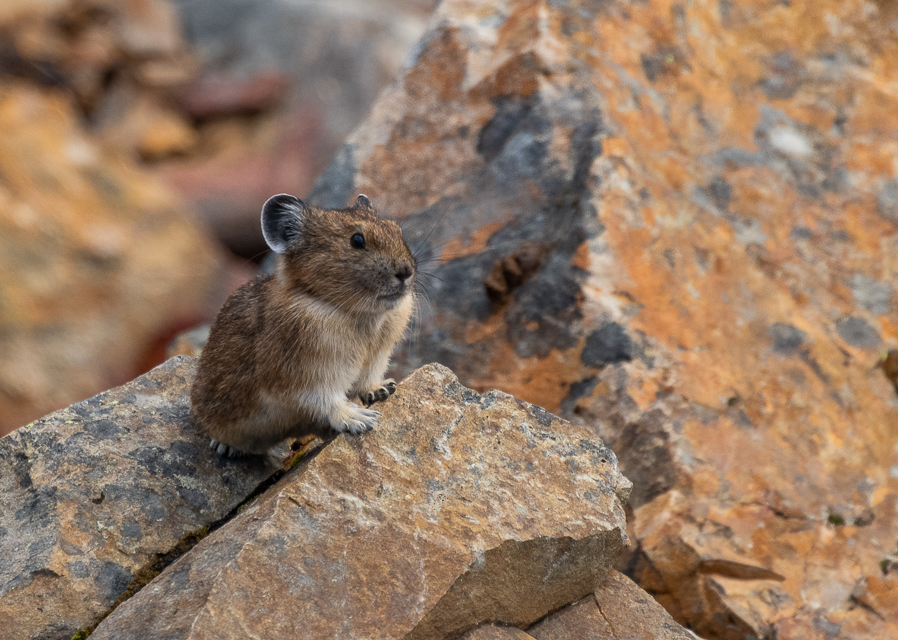
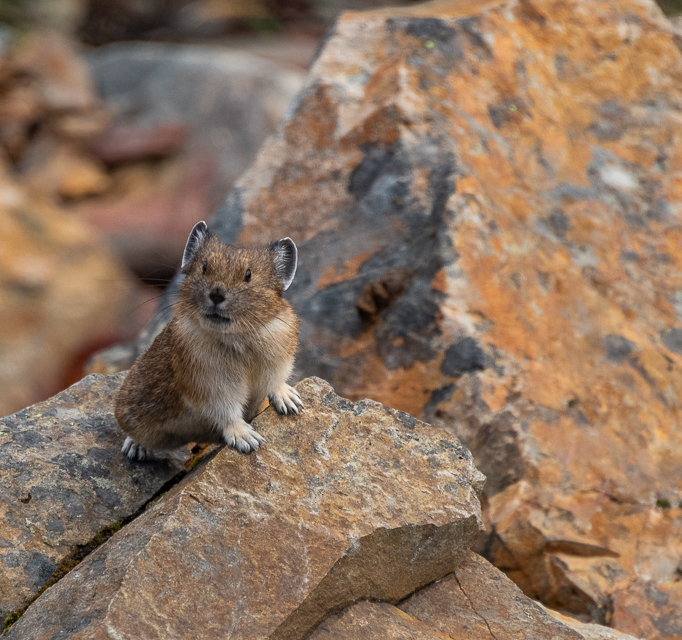
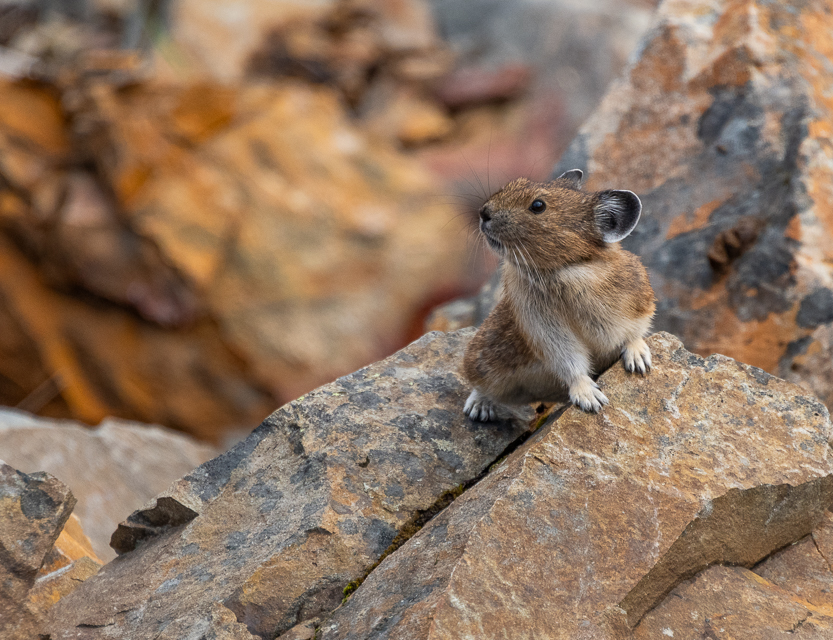
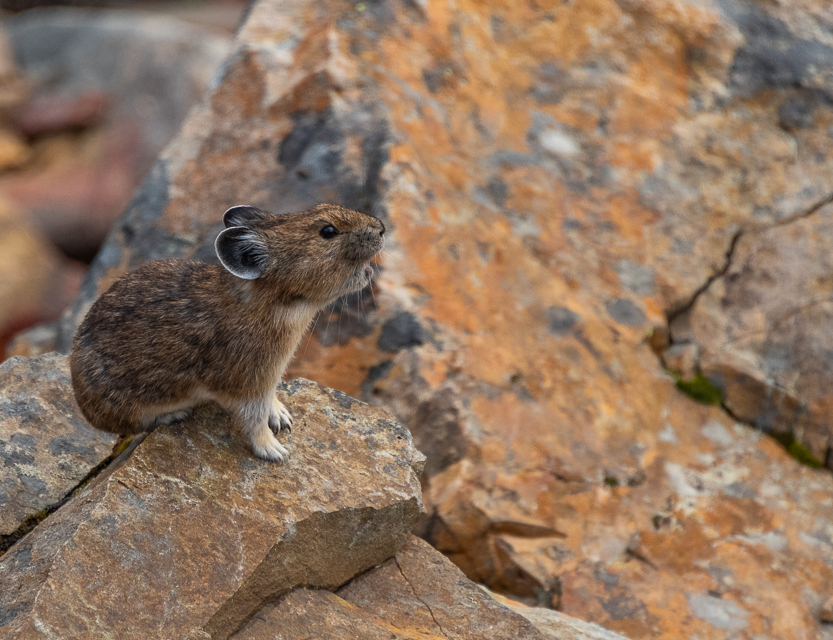
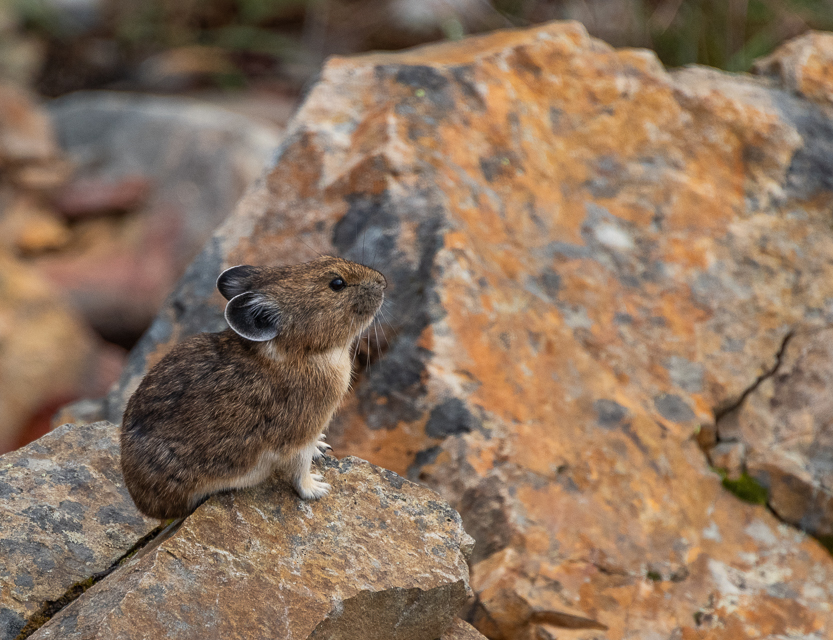
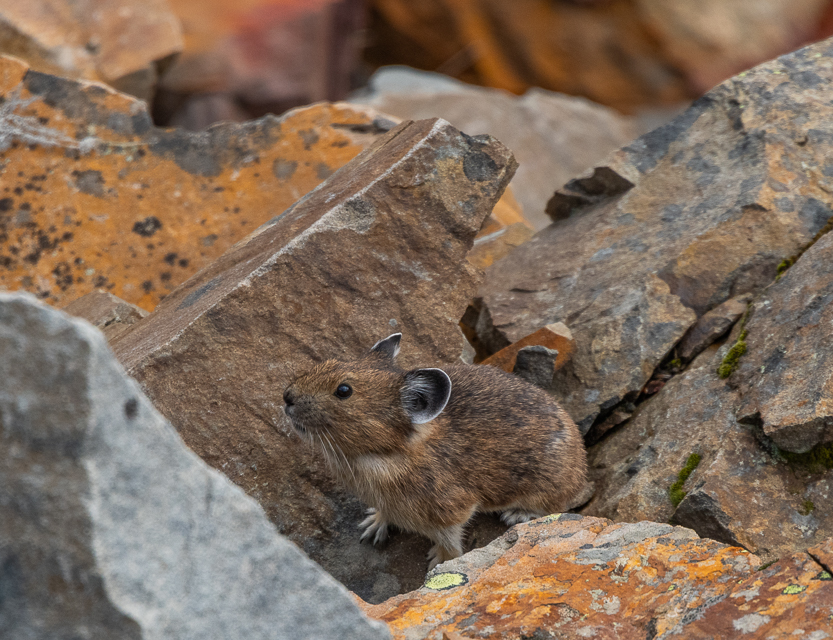
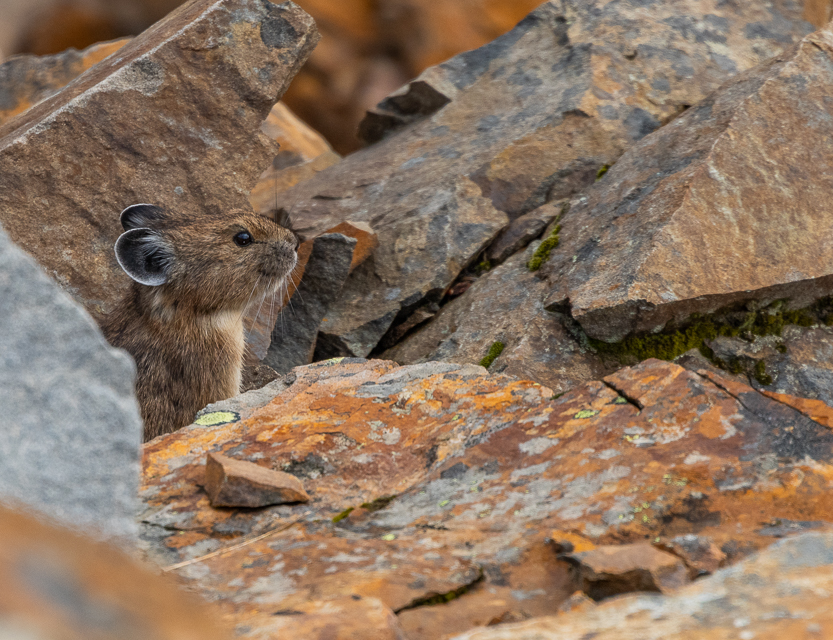
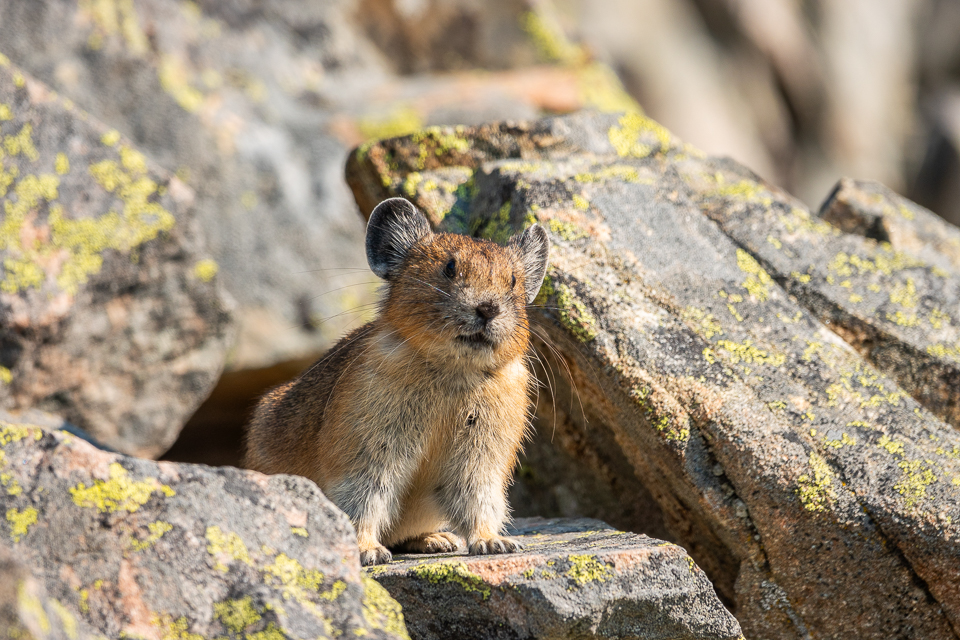
Is there any animal cuter than a pika?
According to the National Wildlife Federation, “American pikas — the smallest members of the lagomorph (rabbit) group — are among North America’s toughest animals. Pikas are one of the few mammals in the lower 48 states that can survive their entire lives in alpine terrain, the windswept no-man’s-land above tree line. American pikas are small, rodent-like mammals. Pikas have short, stout bodies with big, round ears and do not have a visible tail. Pikas reach a size of about seven to eight inches (18 to 20 centimeters) in length. The American pika has a brown and black coloration, which is meant to camouflage them among rocks. Pika fur is thick to keep them warm in the winter. During the summer, they put on a much lighter coat of fur—however, the hair is still thick enough that a pika might overheat if exposed to very high heat for long periods of time. American pikas are suffering because climate change has brought higher temperatures to their western mountain homes. Pikas have already disappeared from more than one-third of their previously known habitat in Oregon and Nevada. Despite their dire situation, the American pika is not federally listed under in the Endangered Species Act. Without protection and help, American pikas could be the first species to go extinct due to climate change.”


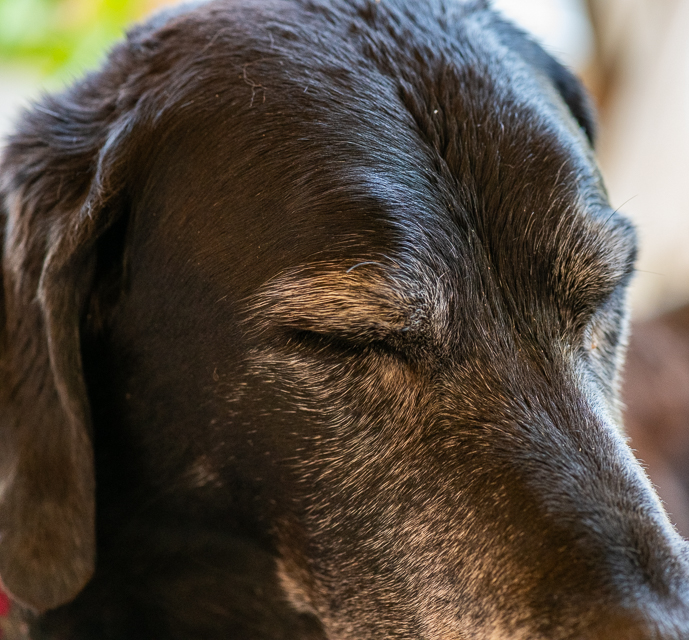
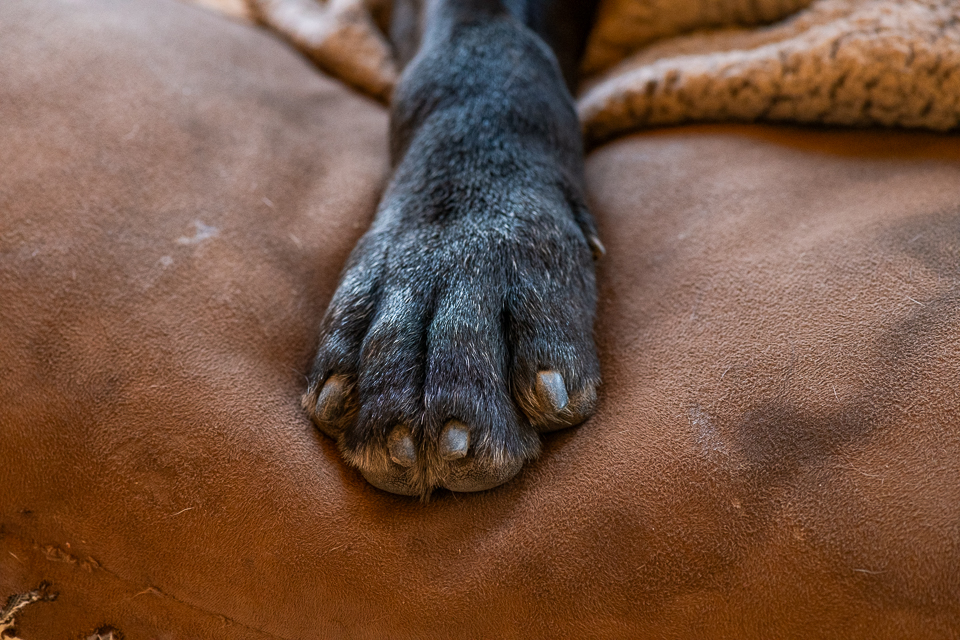
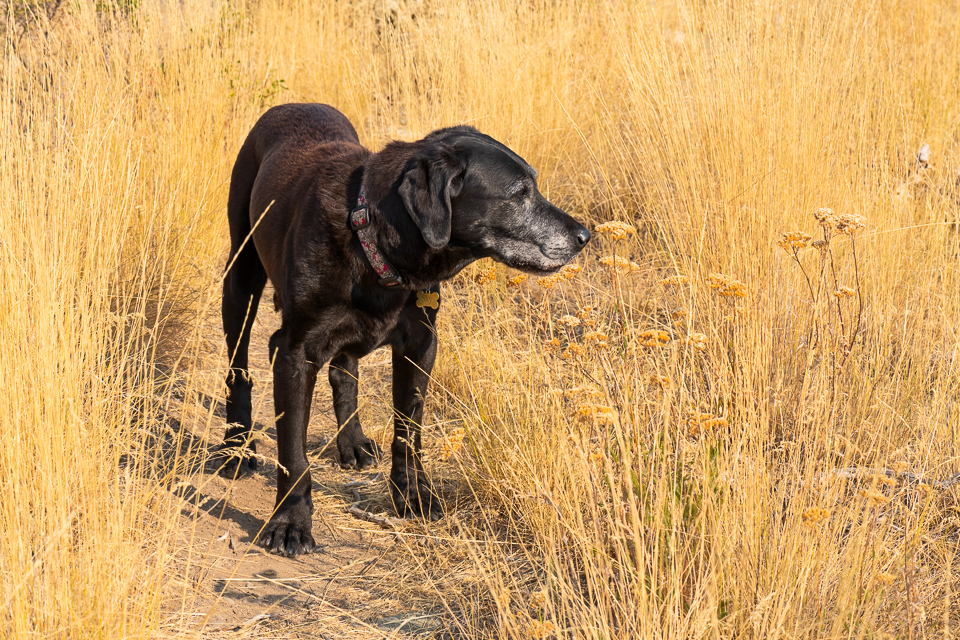
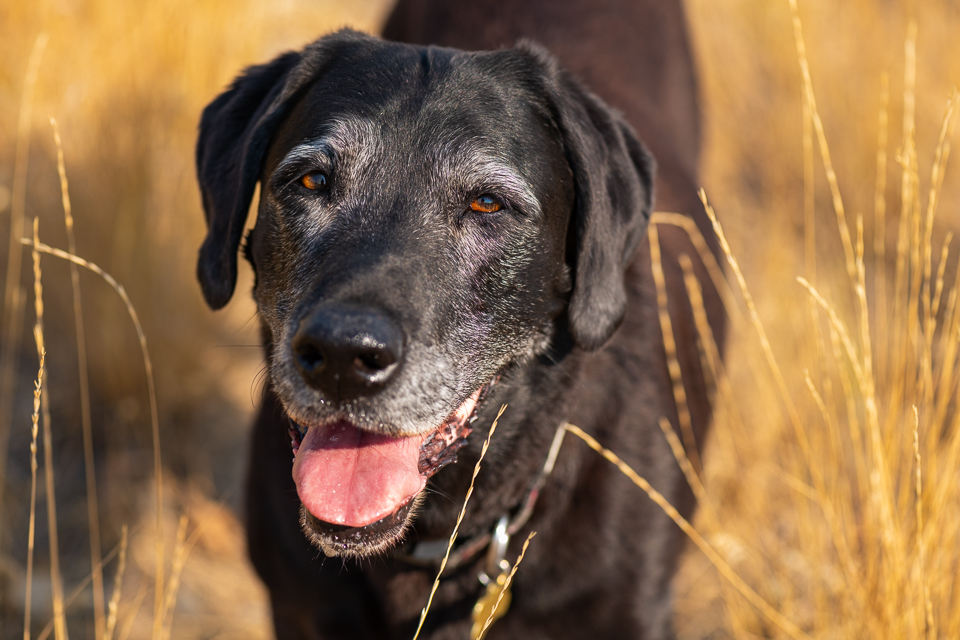
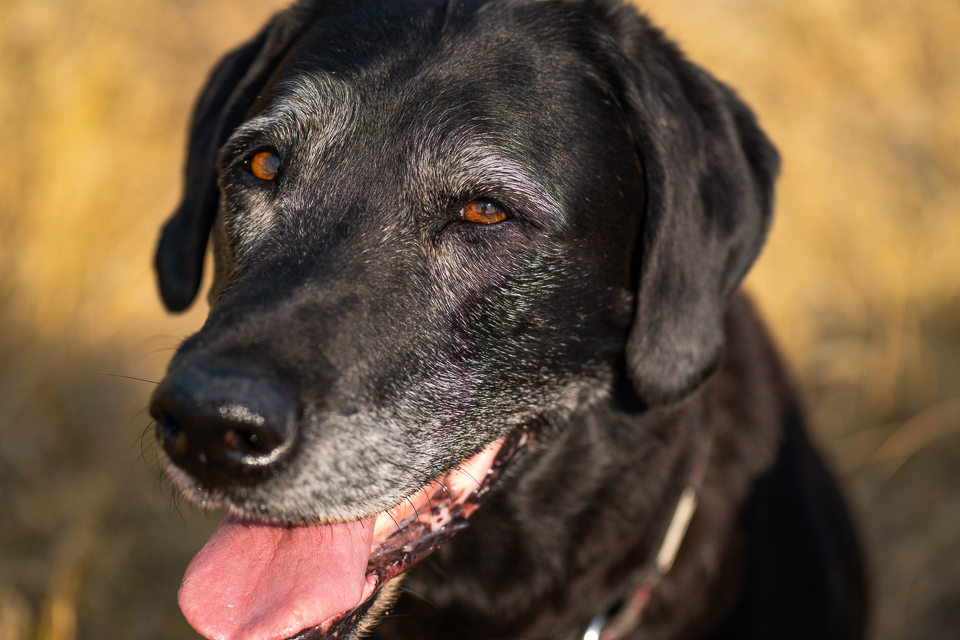
Sky is going to be eleven this month. Where does the time go? It seems not that long ago that we brought her home. She’s been facing some serious issues associated with old age and some days she hardly wants to get off her dog bed. Maybe it’s the oppressive heat we’ve lived with this summer. When I take her and Willow to the lake or the river, she perks right up. I’m sure that later on she pays for that burst of energy with more pain. Wish we could have a lake right out our door so she could spend more time in the water. Sky is the type of dog that would do anything for her people.



 My Everyday Photos