Skip navigation

Author Archives: Teri J Pieper

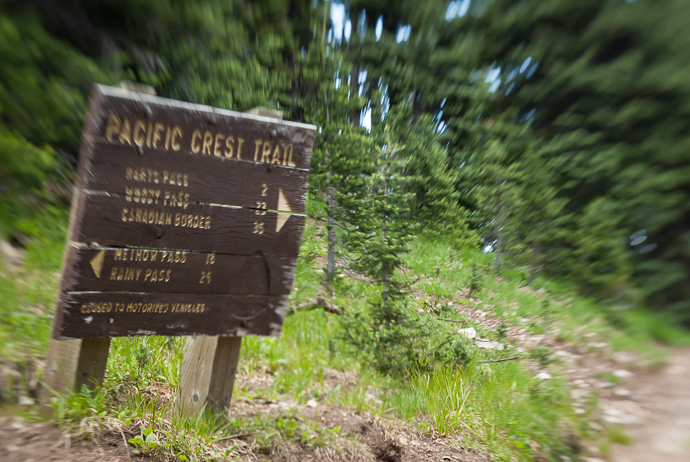
Life has kept me busy here at home with lots of work in June followed by visitors for ten days. While I am grateful for lots of work and happy to have our visitors from far away, I missed getting out in the mountains in the early summer when the snow first began to retreat leaving wildflowers in its wake. Yesterday I got up to Harts Pass and hiked on part of the Pacific Crest Trail and enjoyed vast views and flowers and a few remaining snow patches. Luna and I were joined by her pal Wyatt Ann, my friend Lindsey and her three dogs – Moose, Mavi and Little Bear. We were a pack. The weather was perfect – not too hot and we had a lovely day in the mountains again.
Jul132013_0160


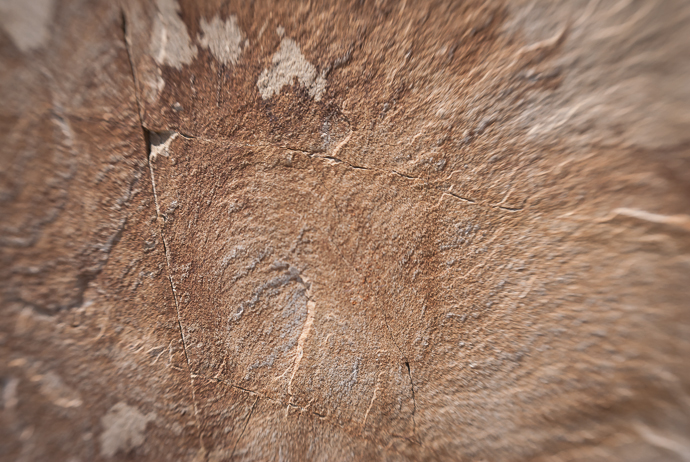
Fabulous rocks with wonderful lichen patterns

Jul132013_0010


Slate Peak lookout in the distance

Jul132013_0011

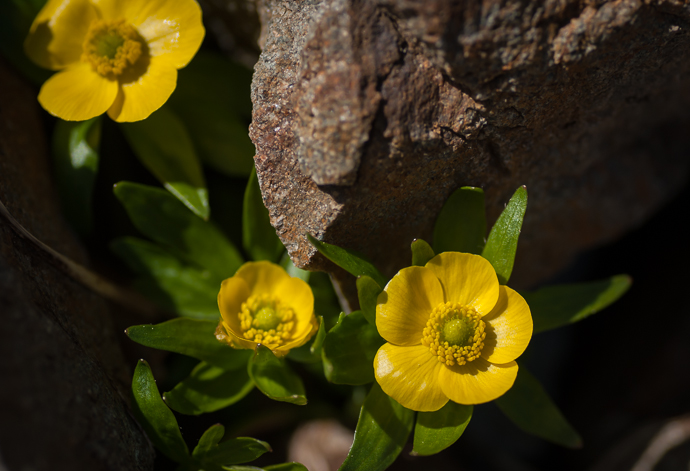
Buttercups

Jul132013_0020

I think this is a Veronica or Speedwell

Jul132013_0023

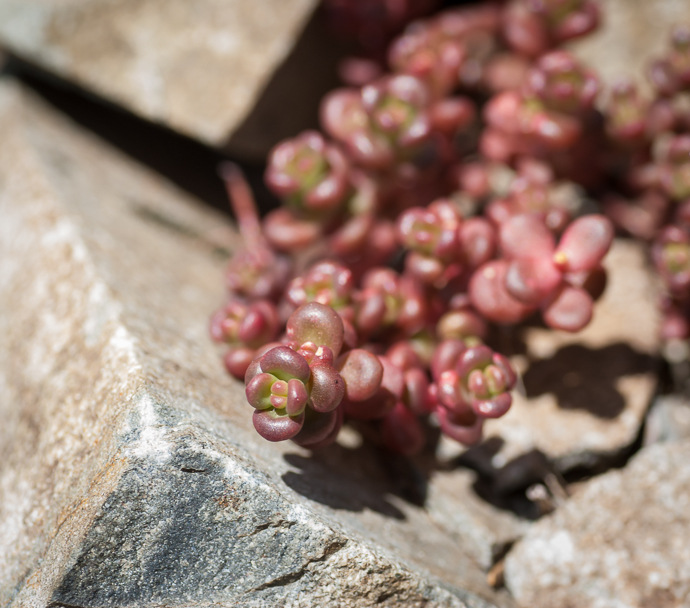
A succulent sedum

Jul132013_0024

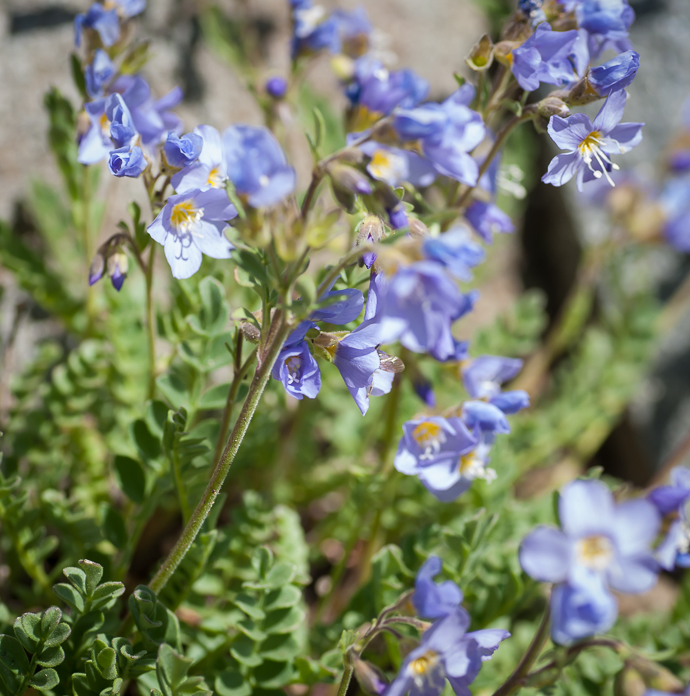
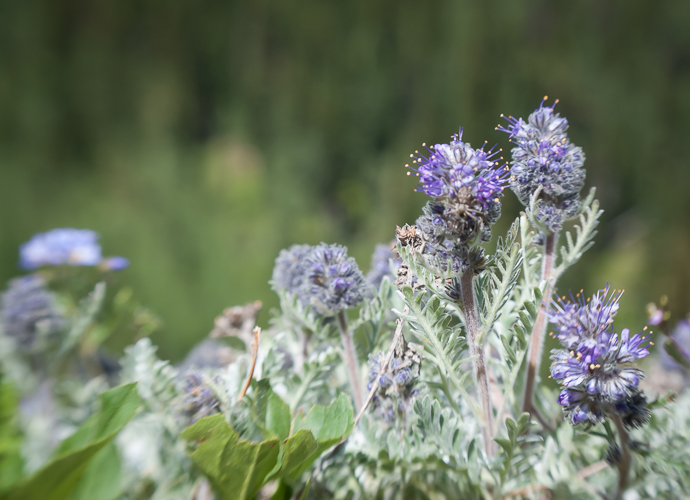
Polemonium sp?

Jul132013_0027

Such a beautiful shade of blue

Jul132013_0028

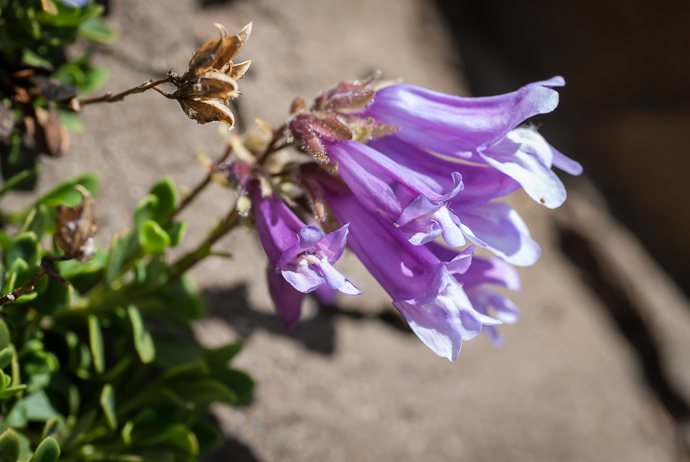
One of the many penstemons

Jul132013_0031

Lewisia Columbiana

Jul132013_0034

Great patches of the Lewisia

Jul132013_0038

Contrasted with burned trees on the far hillside

Jul132013_0041

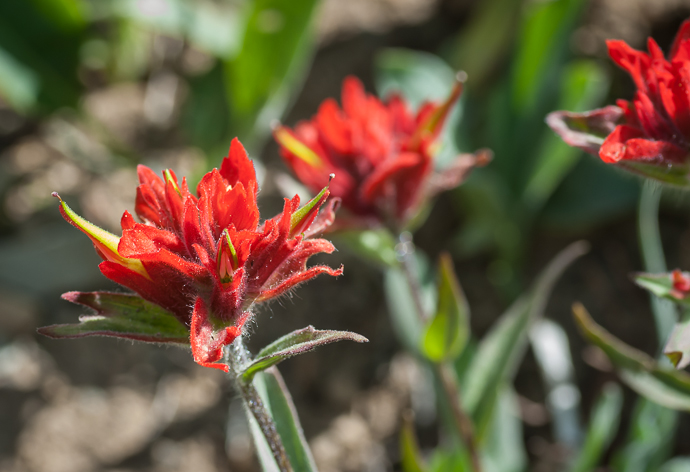
Castilleja or paintbrush

Jul132013_0046

The creeks in this valley are already drying up.

Jul132013_0048

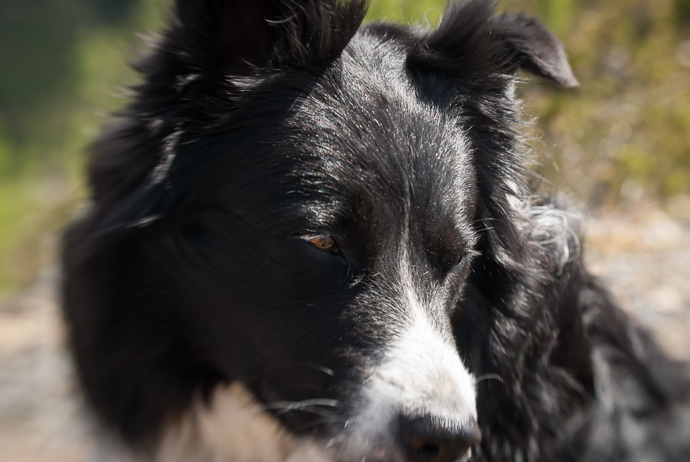
Little Bear is both playful and independent

Jul132013_0054

Wyatt Ann is a deep thinker

Jul132013_0055

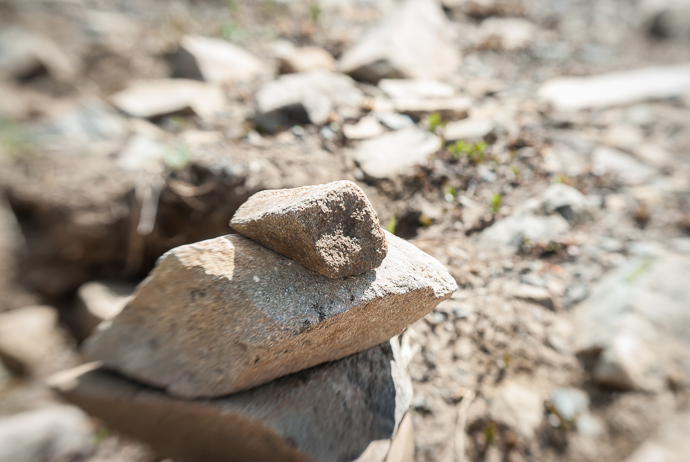
Cairns don’t always point out the way
Jul132013_0063

Mavi is happy for the snow to cool his belly

Jul132013_0070

Wyatt Ann is wondering where do we go next?

Jul132013_0073

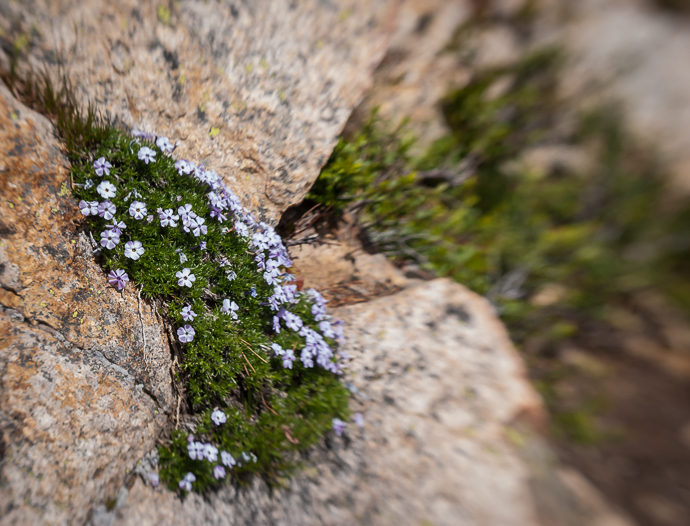
Phlox

Jul132013_0117

Dead trees tell stories

Jul132013_0119

Rocks are maps

Jul132013_0126

What stories do you see?

Jul132013_0137

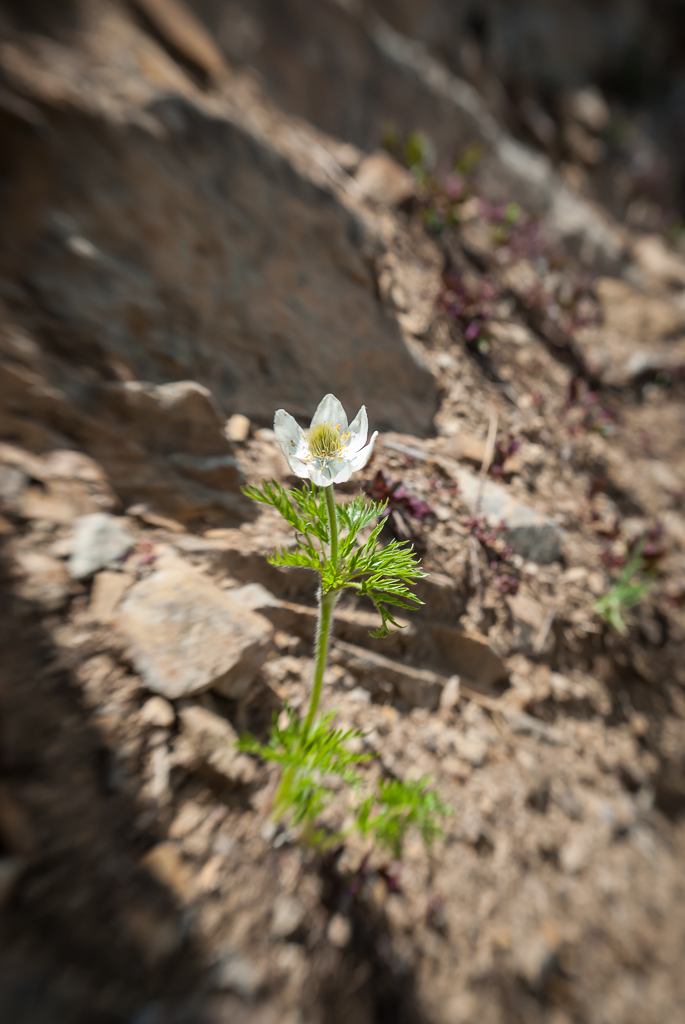
Anemone

Jul132013_0142

A waterleaf

Jul132013_0144

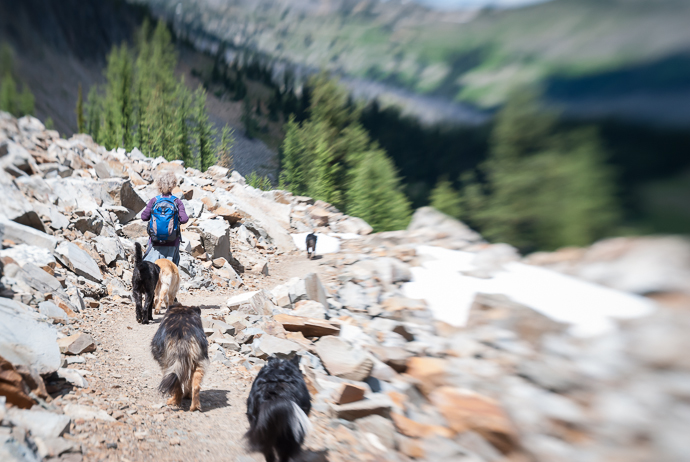
Crossing the big talus slope where the pikas and hoary marmots live. Little Bear is leading the way. Behind Lindsey are Mavi, Luna, Moose and Wyatt Ann who has come back to check on me. Normally Moose and I lagged far behind.
Jul132013_0151

An old log with character

Jul132013_0157


Methow Valley Pridefest celebrated LGBT Pride Month in Winthrop yesterday with a parade and fun afternoon in the park. The parade went through downtown, across the Chewuch River and ended up in Mac Lloyd Park next to the Barn on highway 20. Methow Valley Pride is creating a place where the LGBT community and allies come together to honor the history of the movement and celebrate diversity! With the recent Supreme Court ruling, this was an especially celebratory day! It was a colorful day with smiles and laughter all around.


With the long-anticipated forecast of summer weather I wanted to hike to Goat Peak before it gets dusty and dry so I was up early yesterday and go to the trailhead by 8:00. Along the way I saw at least six snowshoe hares and some cows that gave me baleful looks. It was a chilly 55 degrees and misty clouds were being carried along by the mountain breezes. It’s a short hike to the 7000′ elevation lookout – 2 1/2 miles according to the guide book – with 1400′ elevation gain. It’s a tad bit steep for my tastes. I like getting to a prominent point like that but sometimes the walk down is harder on the body than the walk up. My knees ached and my feet hurt when I was done. Luna and I enjoyed the scenery and flowers even if we never got the BIG view.


What happens when two birds of different species get together and make a nest? Hybridization. According to an article by Kim Romain-Bondi in North Central Washington Audubon Society’s newsletter, The Wild Phlox, “these two species are sympatric, meaning that during the evolution process, they became two new species while inhabiting the same geographic region. Generally speaking in Washington, the Red-breasted live on the west side, the Red-naped on the east side of the Cascades……. These two species of sapsuckers are known to hybridize in south-central Oregon, northeastern California, along the California-Nevada border, and in southern Nevada.”

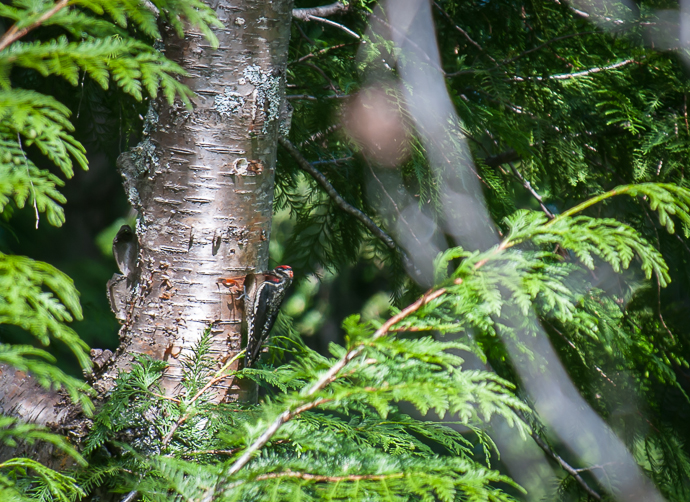
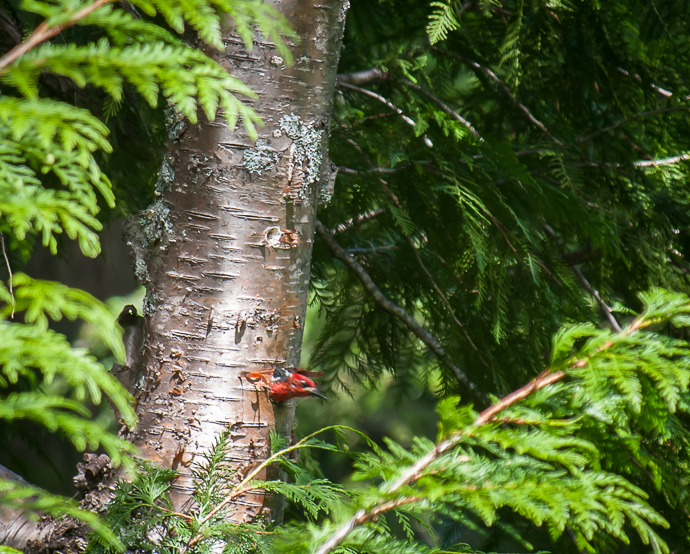
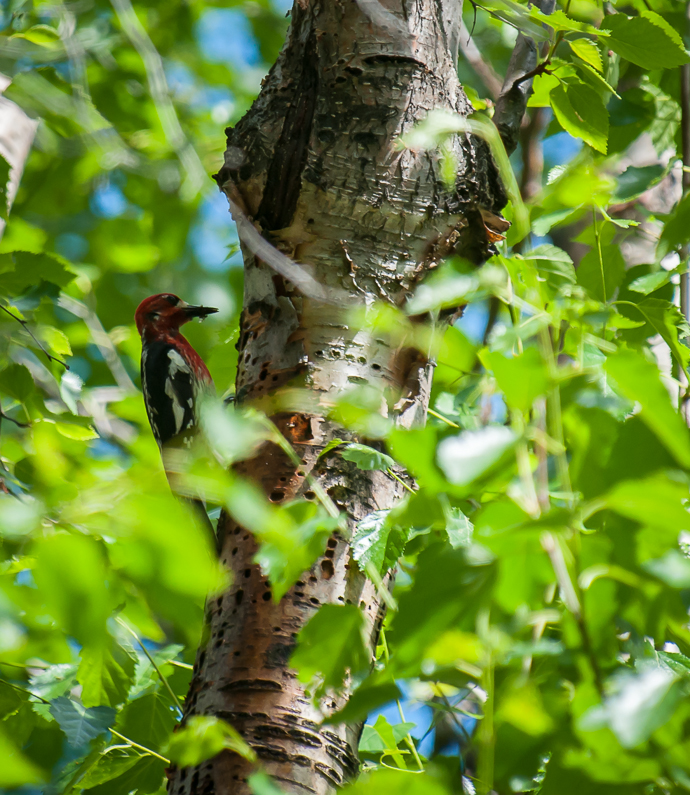
Kim has located a nest near one of the trails on the grounds of the North Cascades Basecamp which she and her husband own. It includes a male Red-breasted Sapsucker and female Red-naped Sapsucker. I was lucky enough to have her show me the nest in a water birch tree. We observed both birds going to and from the nest, catching bugs and visiting sap wells before returning to feed young. On one departure I observed that the male was carrying a fecal sack. These birds like to keep their nest tidy.

Now I don’t do a lot of bird photography. I love to bird and I love to make images however it’s often challenging for me to both well. I lack the really long telephoto lenses to get the extreme sharp close-ups so my bird images are mostly for documenting a particularly striking or unusual bird or one that is otherwise noteworthy. I thought this situation was noteworthy and worth recording.
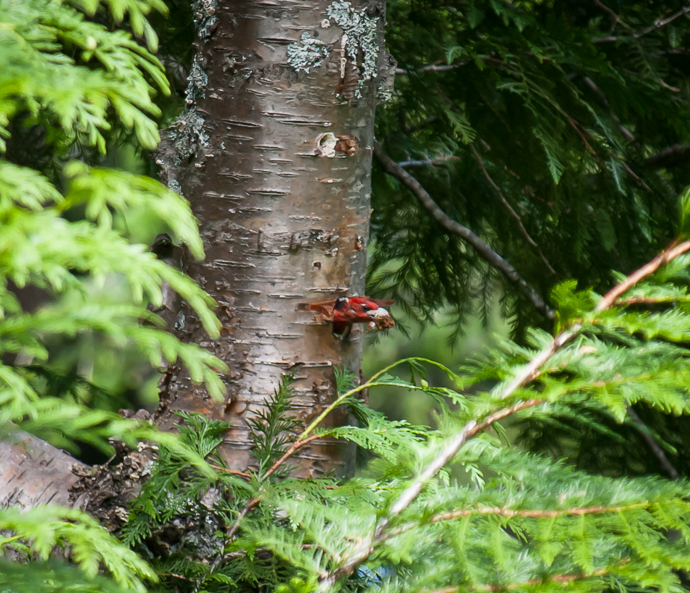
Red-naped Sapsucker female

Jun222013_0047

Red-breasted Sapsucker male

Jun222013_0076

The landing – feet first

Jun222013_0056-2

They always looked out of the cavity in all directions before exiting.

Jun222013_0062

Sapsuckers make ‘wells’ in trees to get to the sap. They are evenly spaced in neat rows and the birds return to them year after year. Hummingbirds will also sip from the sap wells. I saw a Black-chinned hummingbird at this tree.

Jun222013_0072

Yesterday, other birders observed that the birds were catching bugs; taking them to the sap wells and dipping the bugs before taking them to the youngsters in the nest. Sort of like coating cold cereal with sugar so the kids will eat it.

Jun222013_0073

Here is the female rocketing out of the hole.

Jun222013_0094

And here, the male is carrying a fecal sack away from the nest.

Jun222013_0102

And there he goes!

Jun222013_0103


In other parts of the word, natural disasters take shape as tornadoes or hurricanes, floods or drought, earthquakes and other natural phenomenon. Here in the inland western part of this country, we worry about fire. Last year, in September, central Washington was especially hard hit. For most of the month smoke blanketed the valleys while in the mountains trees burned and wildlife tried to survive. Historically, fire was common in these forests and in many cases not nearly as destructive as it has become. This is due to generations of fire suppression. To those unfamiliar with this, it may seem counter intuitive. Now forest managers try to use controlled burns to prevent massive wildfires. By burning underbrush, the progress of a future fire will be slowed and less destructive.

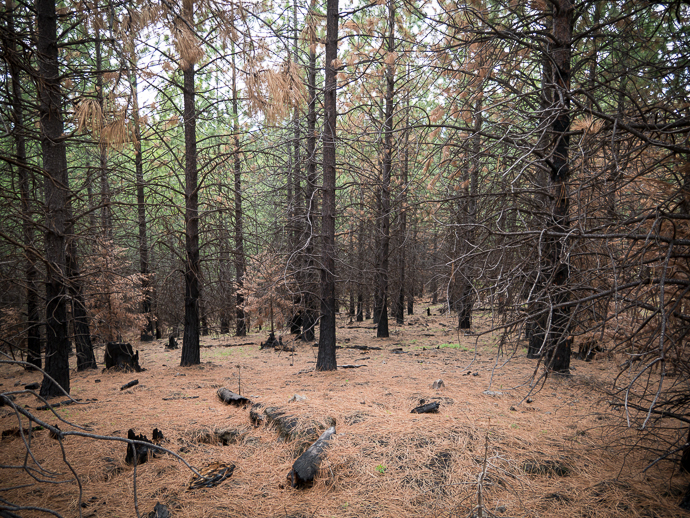
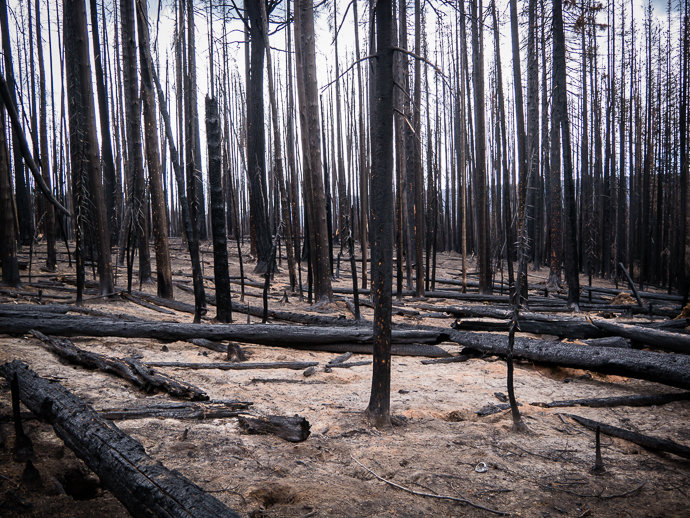
Many of last year’s fires were caused by lightning. Several of them between Wenatchee and Ellensburg burned together and consumed over 100,000 acres. Ken and I used to spend time in that area and we got a chance to explore it a bit last Sunday.


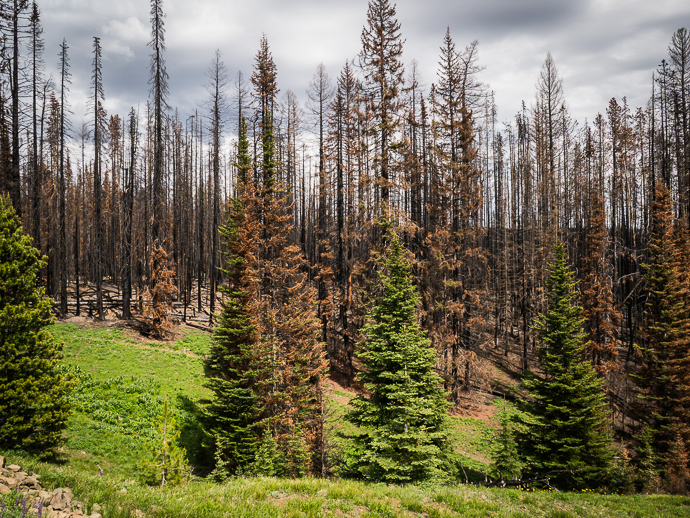
This area did not burn too hot. Some trees will survive

P1070175

Nothing survived here. Not a bit of green to be seen anywhere. It burned very hot.

P1070179


P1070184

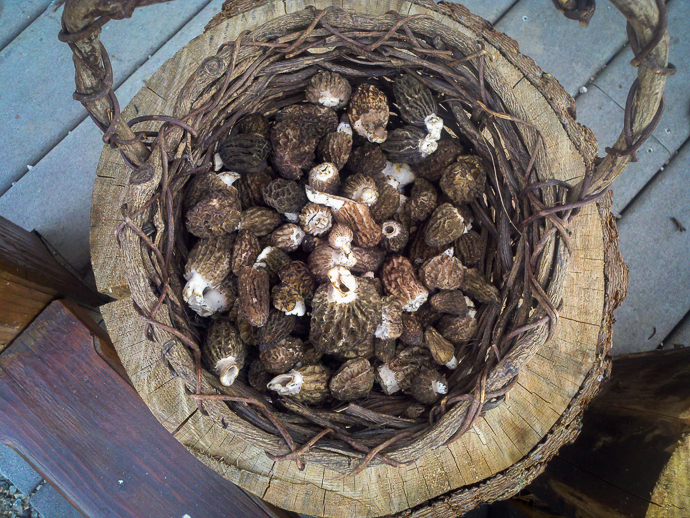
But in that blackened landscape, the magical morel mushroom grows.

P1070182

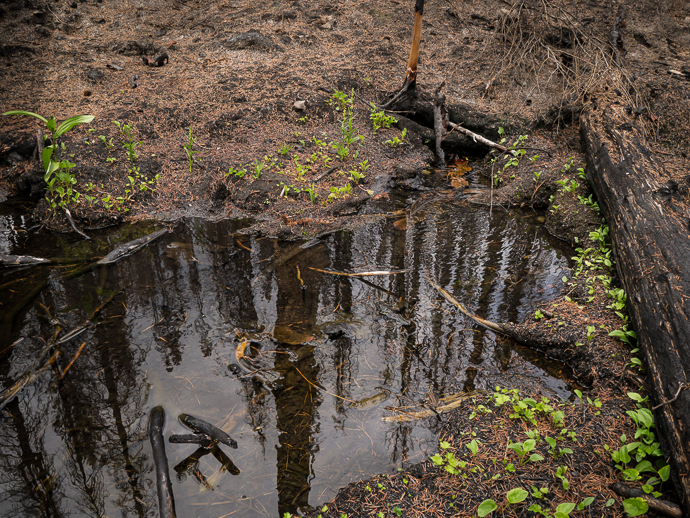
And in a draw, a small creek emerges from the ground

P1070189

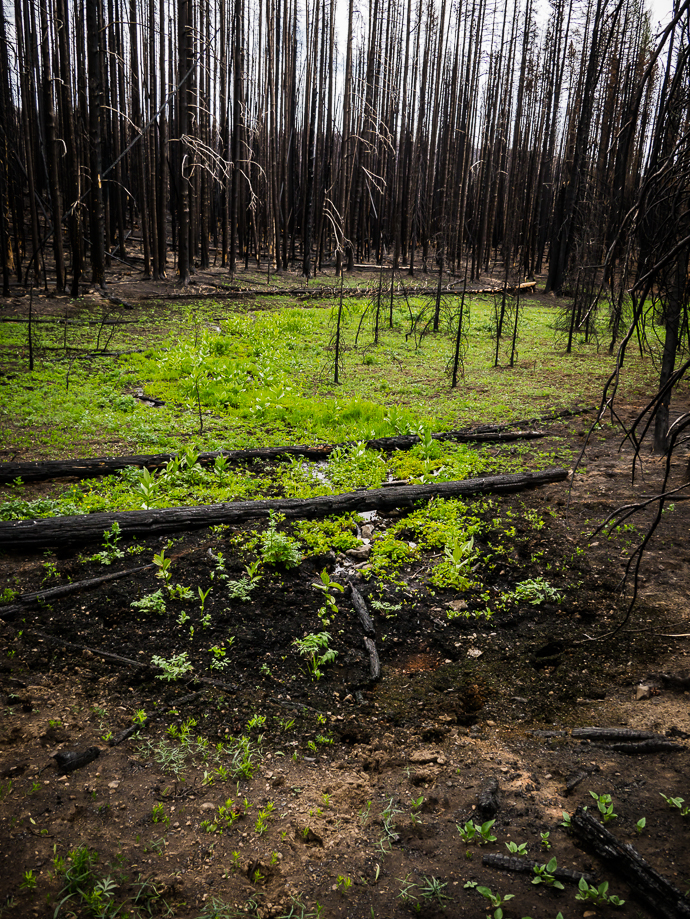
This area will one day be a gorgeous meadow, home to lots of animals and wildflowers.

P1070192

We saw elk tracks through here

P1070195

Rainier beer. An original regional brewery.

P1070199


P1070200

Another tiny creek brings green to the burned forest

P1070205

And then, just across the draw are living trees.

P1070207

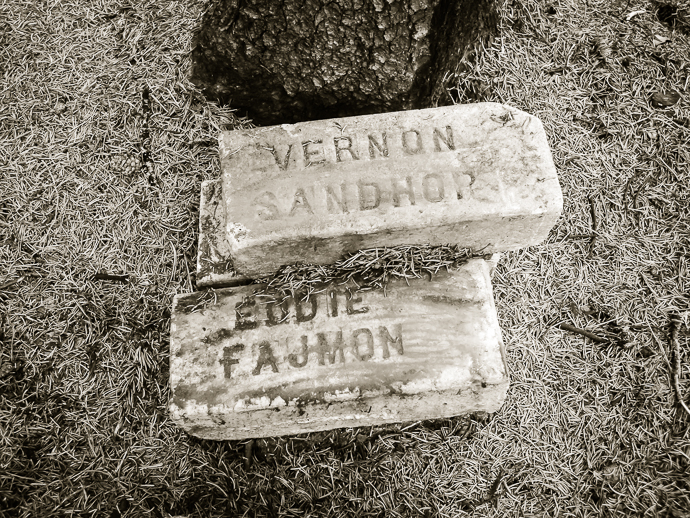
I found these grave markers. Who were the Sandhop’s and why were they buried up in the mountains?

2013-06-16_15-17-50_536

2013-06-16_15-18-05_997

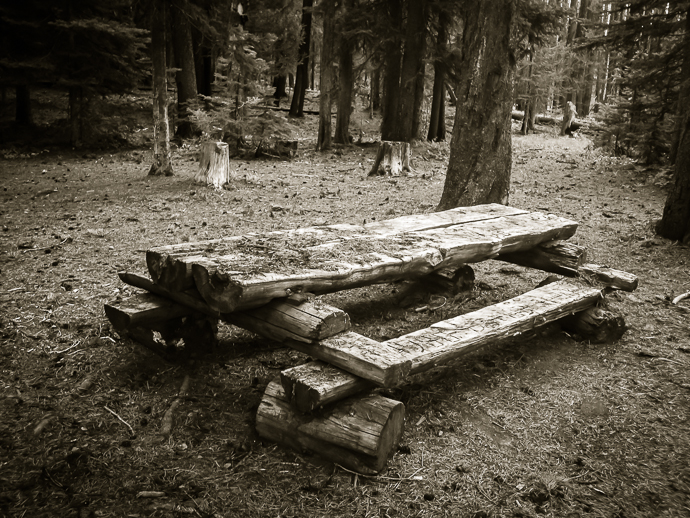
This old picnic table might date back to the CCC era early in the last century

2013-06-16_15-19-36_814

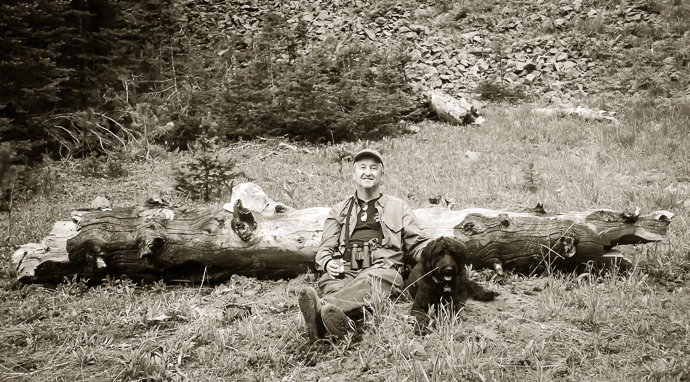
Ken and Luna rest before we make the long trek back home.

2013-06-16_15-27-08_640

Our basket of morels – enough for a couple of meals.

2013-06-16_19-19-35_280