Skip navigation

Category Archives: birds

After two and a half weeks on the road, we are back at home in the Methow Valley. Here, a warm day is sixty degrees and wildflowers are beginning to bloom and the snow is gone. The trip to the southeast was quite an adventure taking us, mostly me, to new places and climates; seeing new birds and other wildlife.

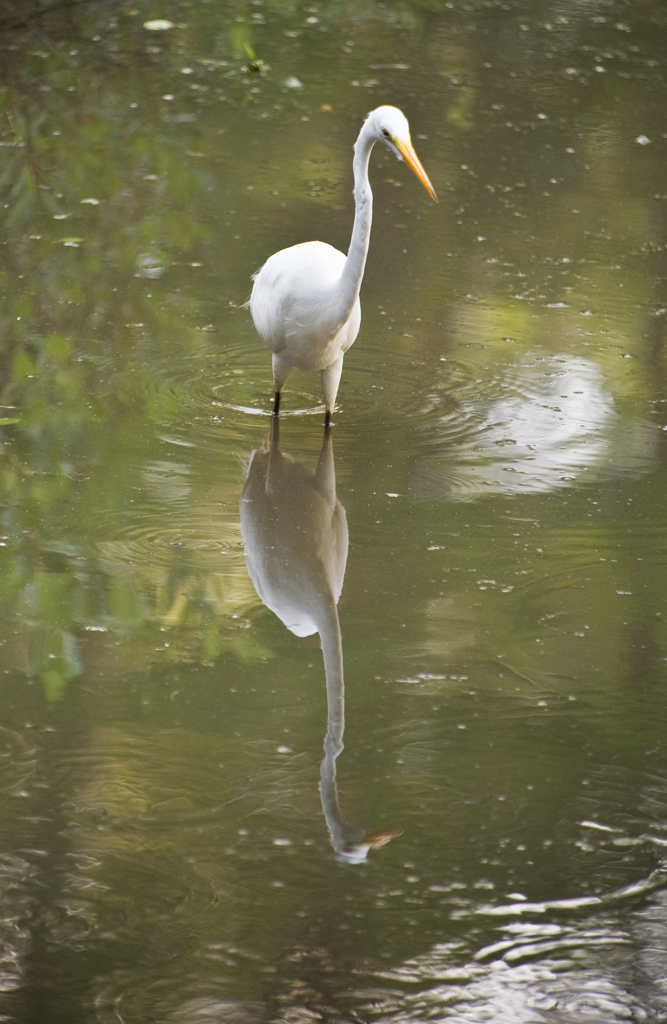
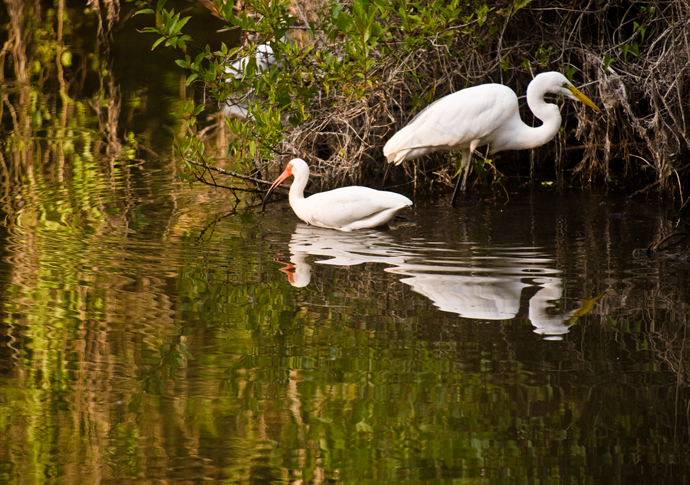
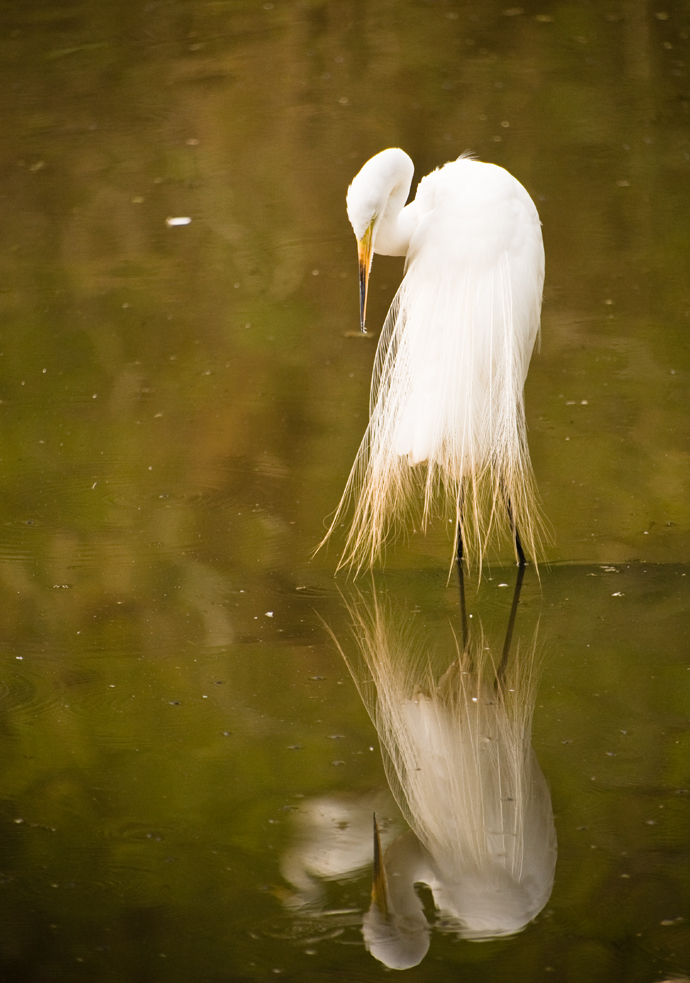
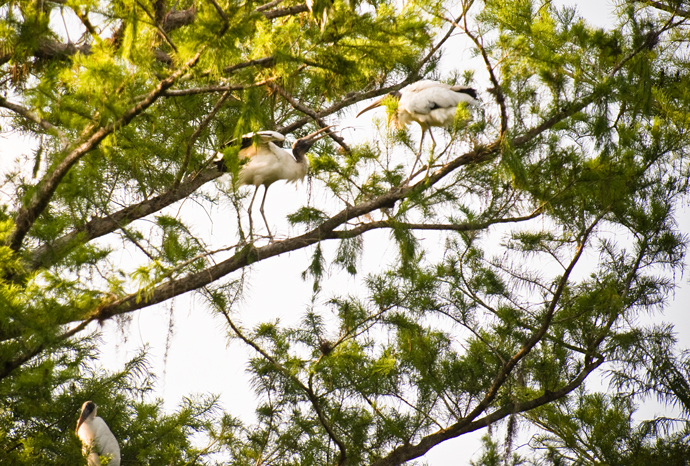
All of these images came from one small pond at the Six Mile Cypress Preserve near Fort Meyers. It has been a dry winter and spring in Florida so birds are concentrated in some locations. This pond was maybe fifty yards across and when we arrived there were at least 70 white birds and one Great Blue Heron. The white birds were White Ibis, Snowy Egrets, Great Egrets and Wood Storks.


Lots of end of the day grooming


Spanish moss makes for an especially pretty stick. It might even attract a mate.


I wonder if she will like me if I bring her a stick?
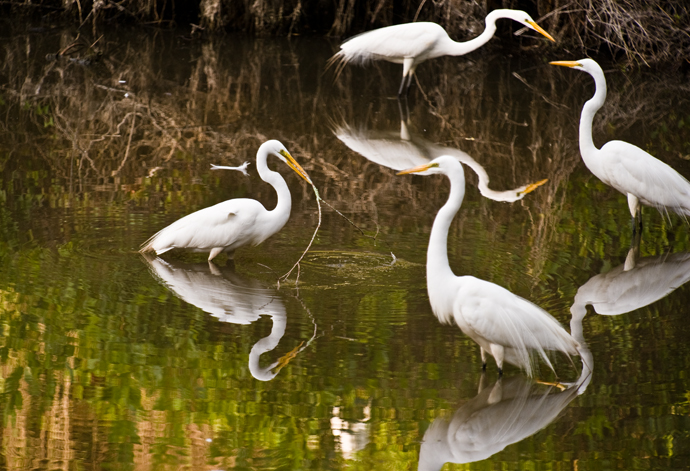
 

Yup, still gorgeous.
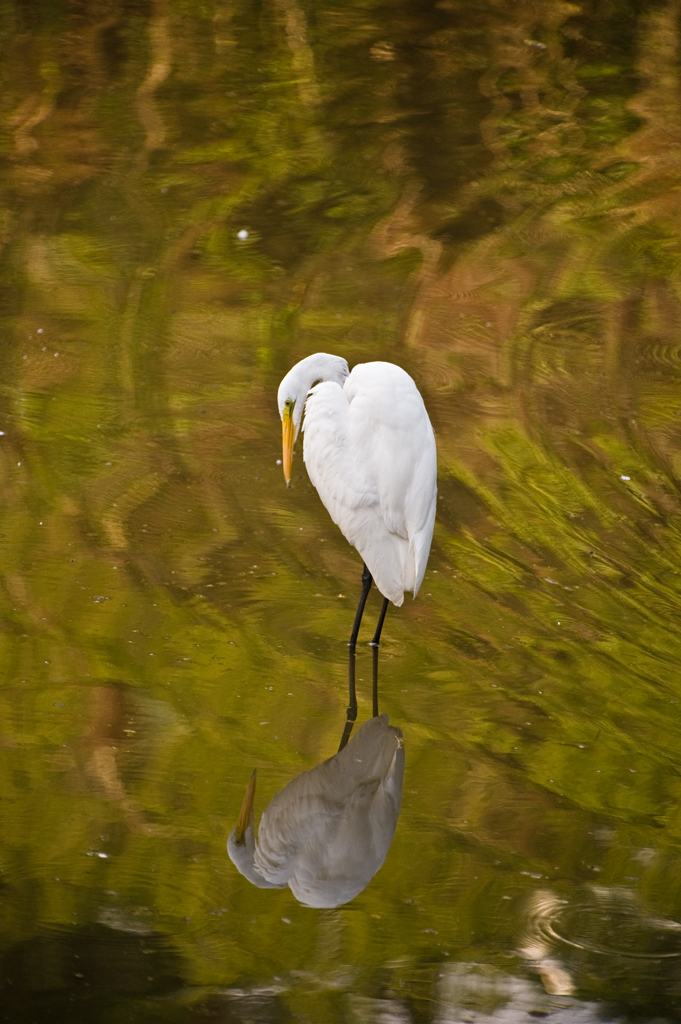
 

Every feather in its place
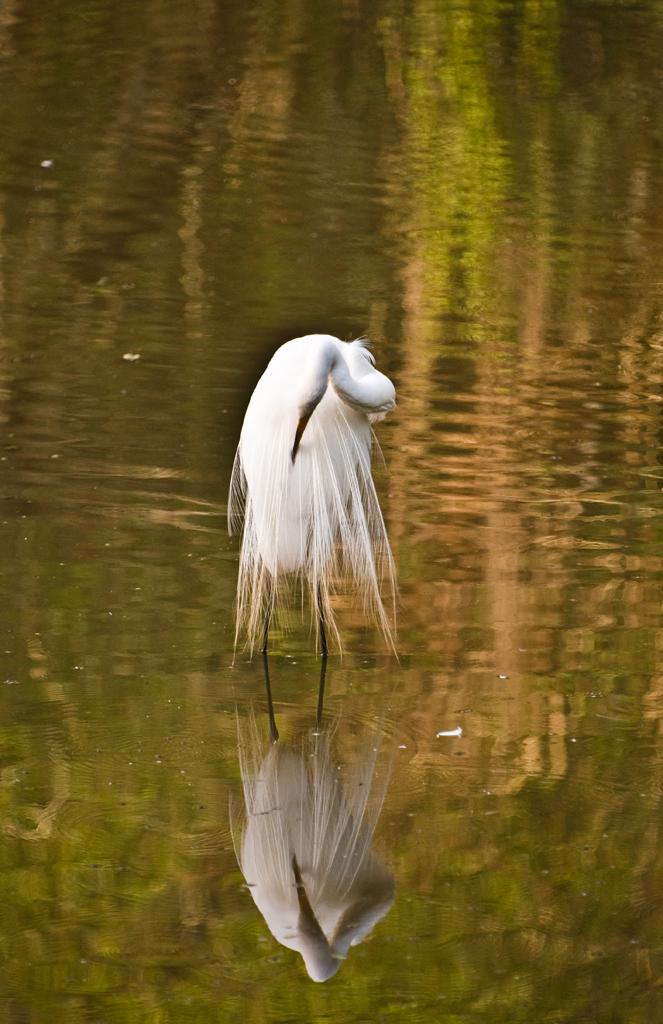


This one took grooming lessons from a dog I think.


These Wood Storks in the trees above us were very restless, constantly moving about. The two are engaged in active noisy bill clacking at each other. I don’t know if that means they like each other or they don’t like each other.



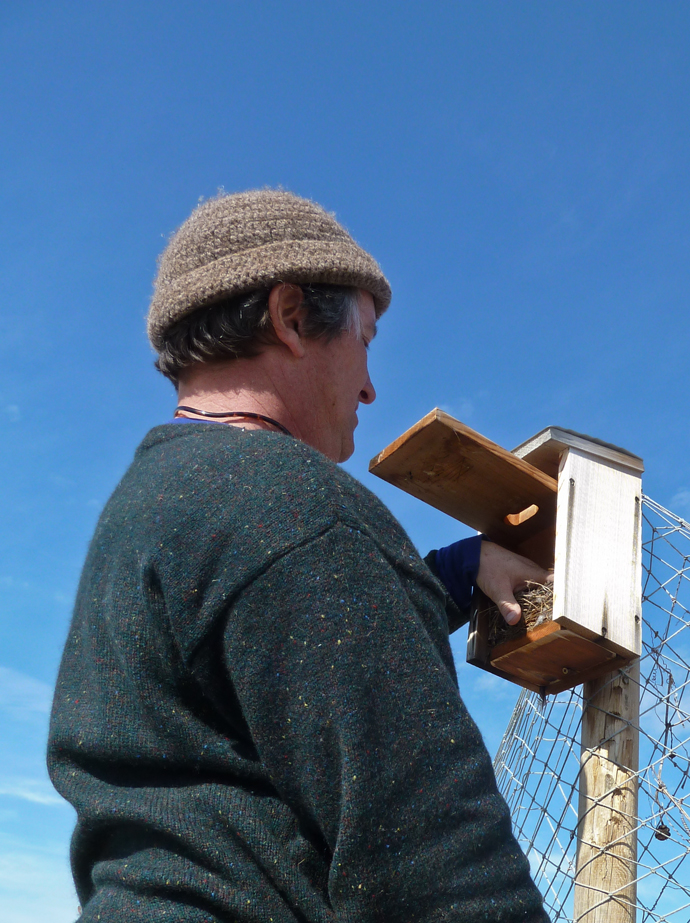
Spring is the time to clean out the nest boxes around here. We enjoy the birds year ’round and especially like to have secure places for them to nest and raise their young before moving on. Violet-green Swallows and Tree Swallows, Mountain and Western Bluebirds are all nesting birds we like to encourage. Unfortunately we have learned that the diminutive House Wrens will wreak havoc on other nesting birds, especially the swallows. The tiny wrens will fill a box with sticks, even if there is already another nest present and they’ve been know to attack and kill the bigger swallows. It’s a tough world out there.


Fence post yard art


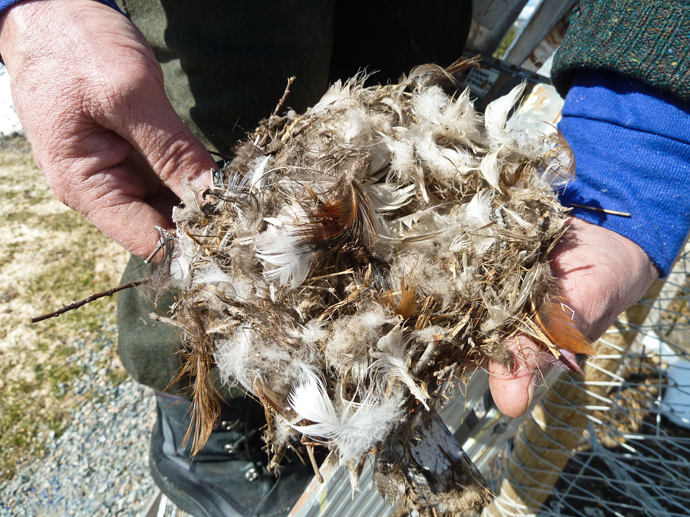
Pulling out an old swallow nest


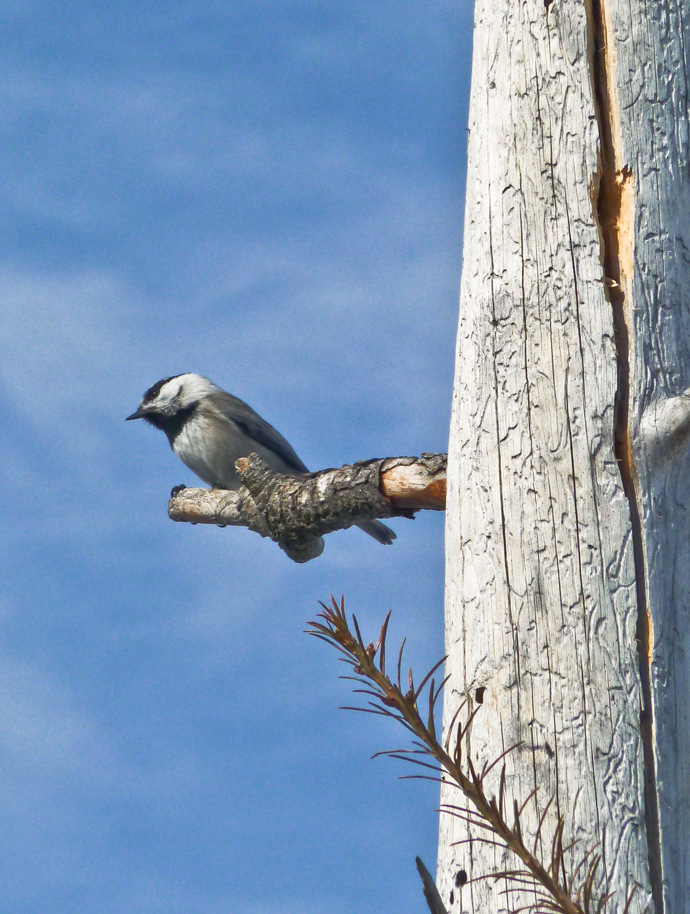
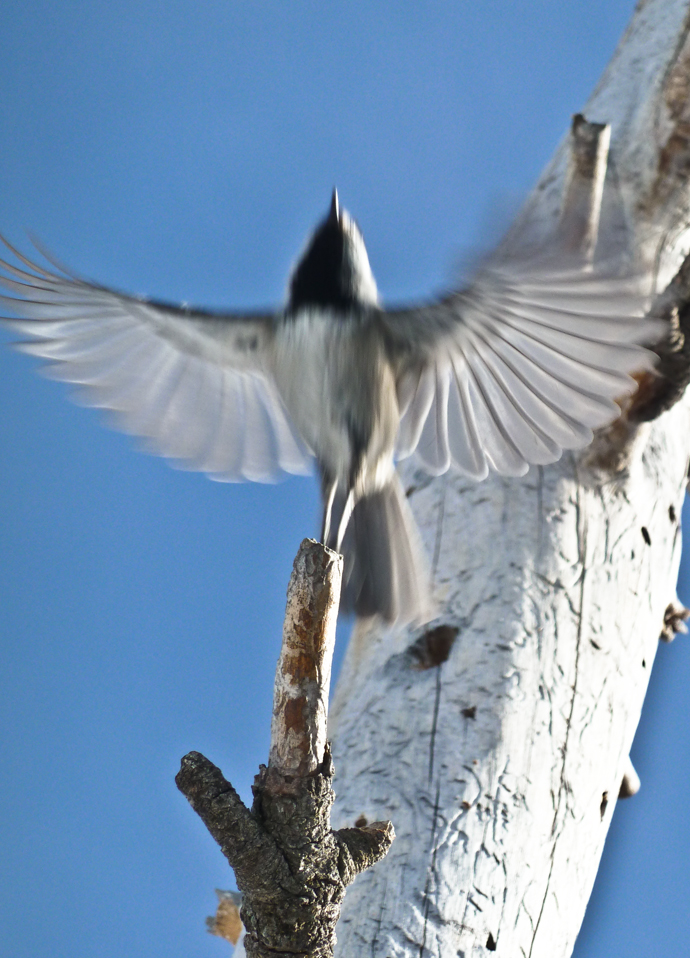
The Mountain Chickadees followed us and kept up a running dialogue on our efforts


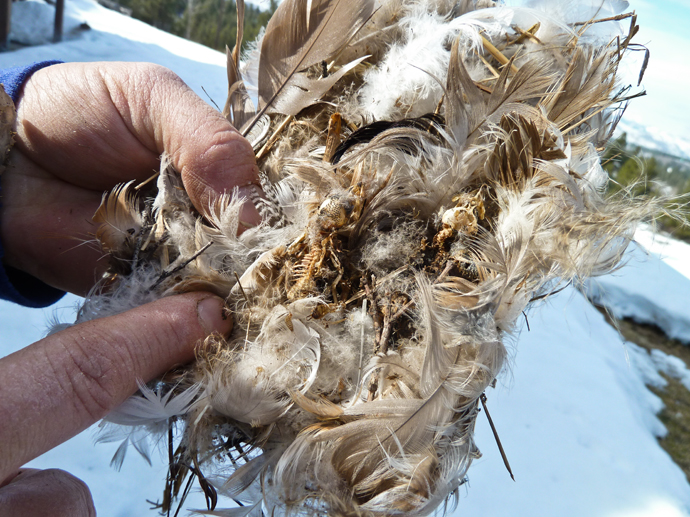
Ken points to a tiny skeleton of a baby bird that did not fledge


Here is a beautiful swallow nest lined with soft feathers. The adults collect these feathers to provide a cushy setting for the eggs and babies.


There’s one of those chickadees. They do not use our nest boxes for nesting although they do use them for winter night roosts.


 More yard art, this time in the snow


This tiny chickadee must have been sick and died over the winter in one of the boxes.


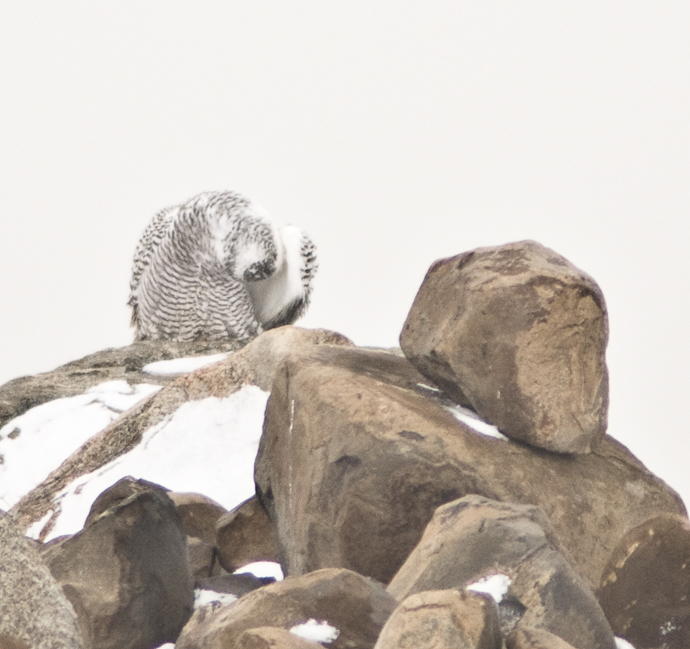
This year there has been a major irruption of Snowy Owls throughout the NW and other parts of the country. These bright white owls nest up in the far north and most years a few of them show up in Washington in the winter and occasionally lots of them migrate south. There are different theories as to why some years so many stray so far from their traditional wintering grounds – lack of food, overly bad weather, a succesful breeding season producing too many owls for the available food and so on and so forth. Whatever the reason, it is always a treat to get out in the field and see them.

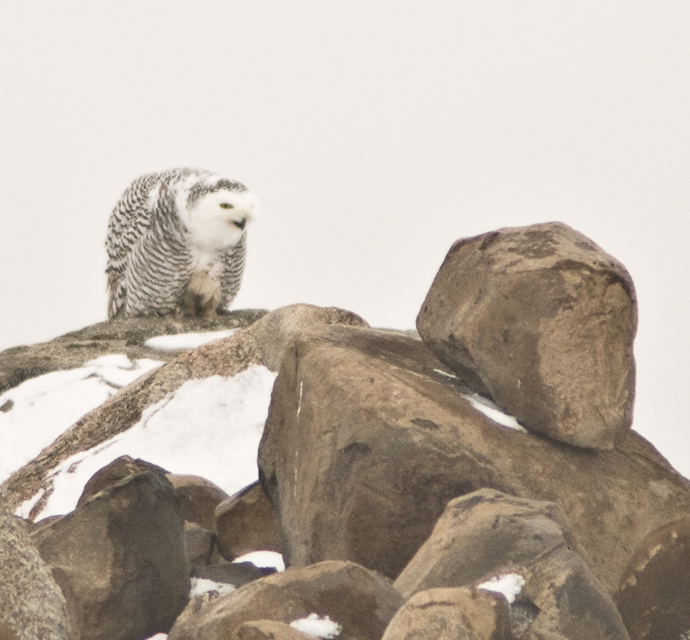
Four of us drove more than 100 miles through Okanogan and Douglas Counties searching for them and we were fortunate to find two just before the cloud cover lowered nearly to the ground. This was the closer one and really, it wasn’t very close for my meager camera equipment. There are lots more Snowy Owl images out there of far better quality than mine. For me, it’s more about seeing the bird and being graced by its presence.

In addition to two Snowy Owls, we also saw a large flock of Snow Buntings, a Gyrfalcon, sevearl flocks of Horned Larks, numerous Rough-legged Hawks, a Merlin, quite a few American Kestrels and lots of waterfowl on the Columbia, Methow and Okanogan Rivers, including Trumpeter Swans and a pair of Eurasian Wigeons. It was a good day of birding.


As we watched, this bird spent much of the time preening


I like this image because it shows the big feather-covered foot


If you are interested in searching for Snowy Owls, here is a map showing reported sightings around the country.

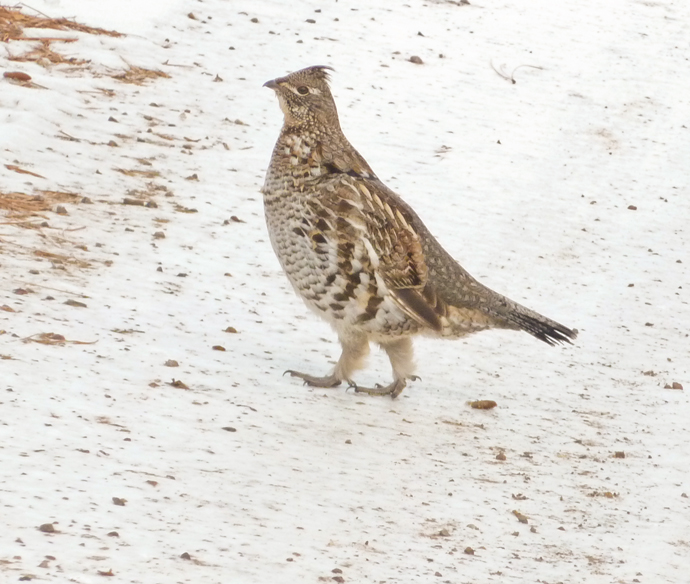
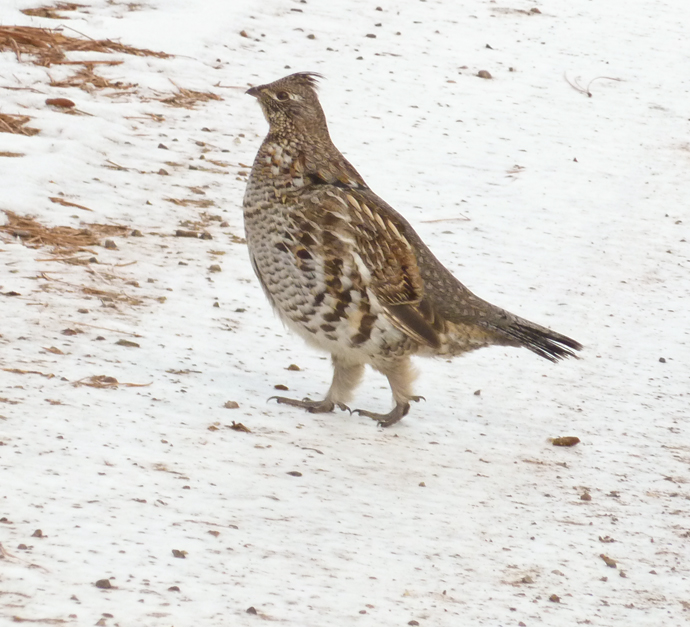
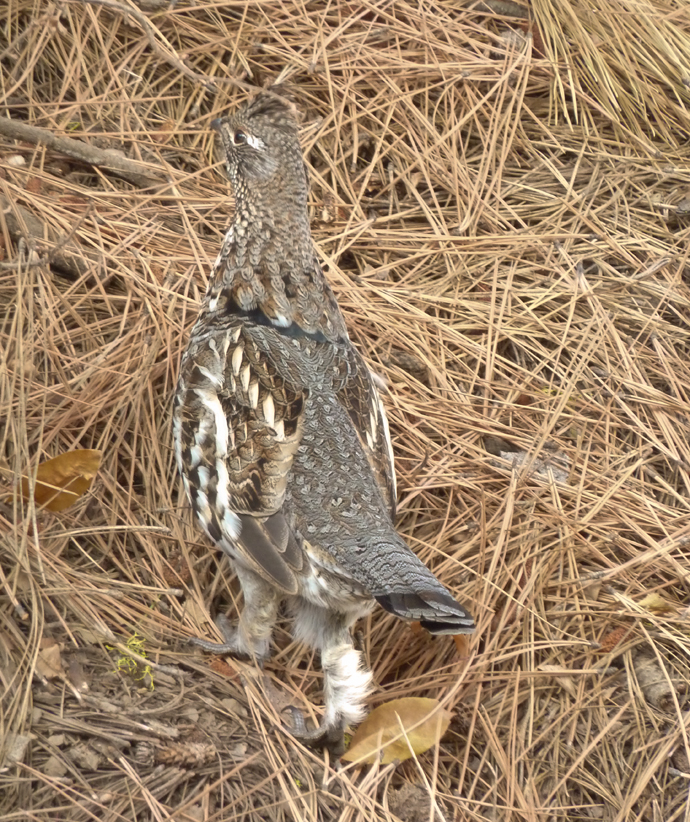
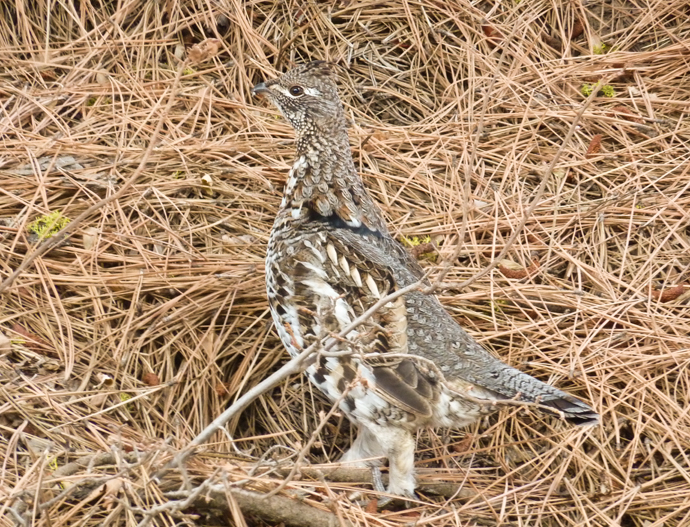
Ruffed Grouse on Lester Road yesterday. I love their slooowwww, measured steps. It’s almost as if the bird is thinking ‘if I take it easy and don’t make any sudden moves, no one will notice me on this snow-covered road’.


To get to the other side, silly.


Less than desirable photo quality is due to shooting through the windshield.

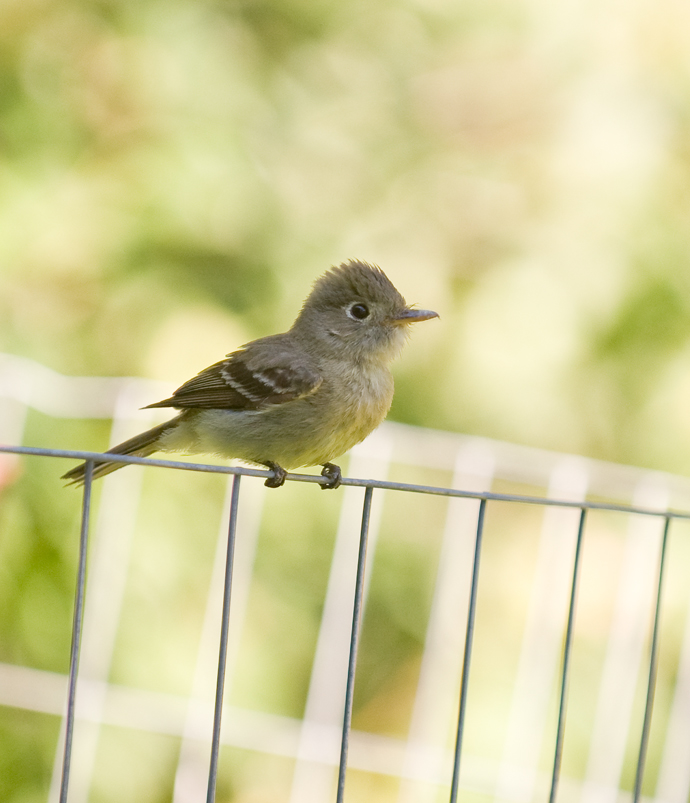
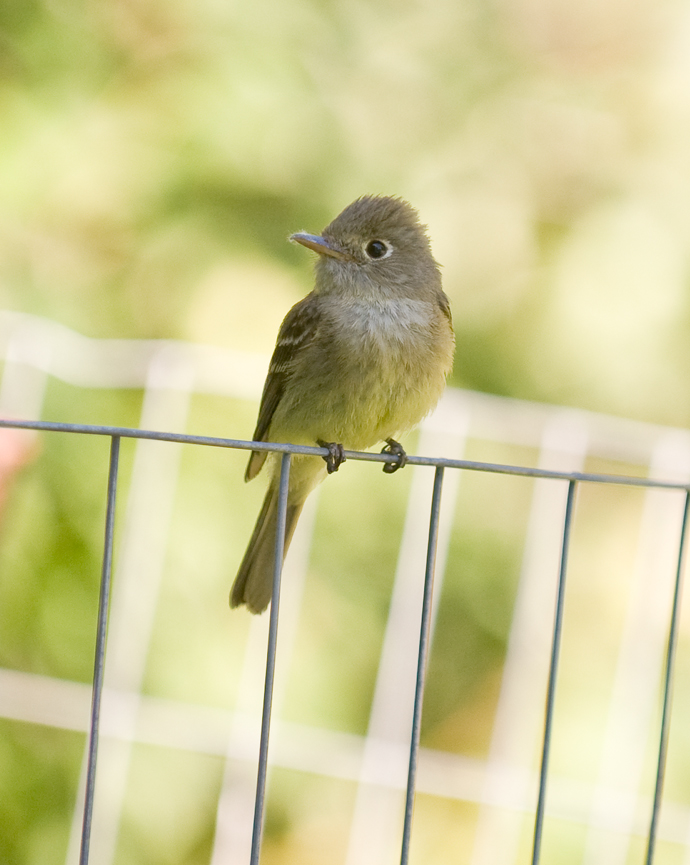
Empidonax species. I have never mastered the ID skills for this group of birds. I’m not alone. There are several Empidonax flycatchers that appear in this area including Hammonds, Dusky, Gray, Willow, and Pacific-slope (Western). There’s a Cordileran too but I’m not sure how the Pacific-slope, Western and Cordileran all fit together. They are either one species or two. Not to confuse the matter further. (insert smile here) Obviously, I’ve not been taking this matter of Empidonax identification seriously.

Anyway, these two birds have a nest at a house on the river by the cottonwood forest. This is the same place that had the Cedar Waxwing nest. If you have a thought on their ID, do let me know. For those that pay attention to these things, the bird on the wire bobbed its tail up and down. Maybe Hammonds?

From someone who knows these birds better than me: Lots of yellow on the belly during the breeding season, strong eye-ring with a bit of tear drop look, large and wide bill with orange lower mandible, and the nest is on a building (probably lined with moss or lichens) means ‘western’ type, probably in our area Pacific-slope although there is a possibility of Cordillean Flycatcher here as well.