Skip navigation

Category Archives: Florida

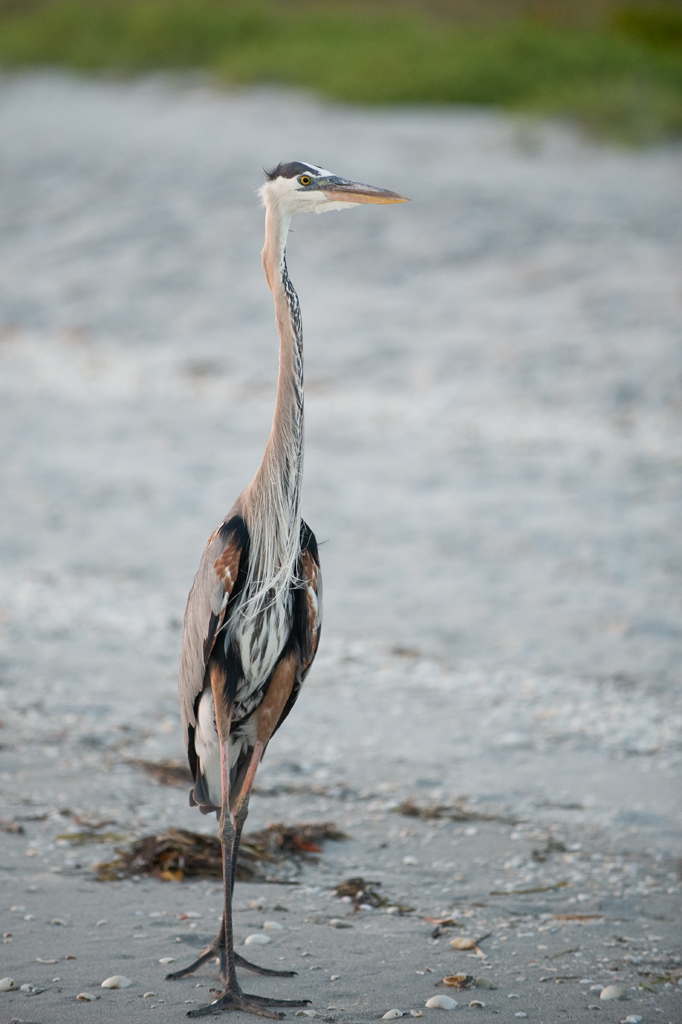
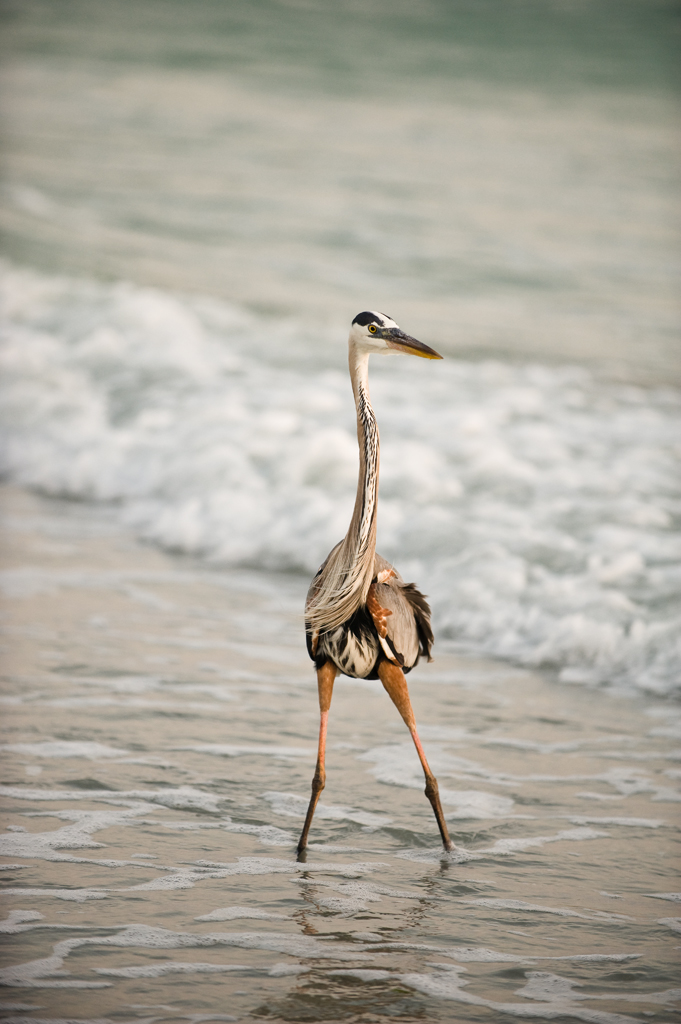
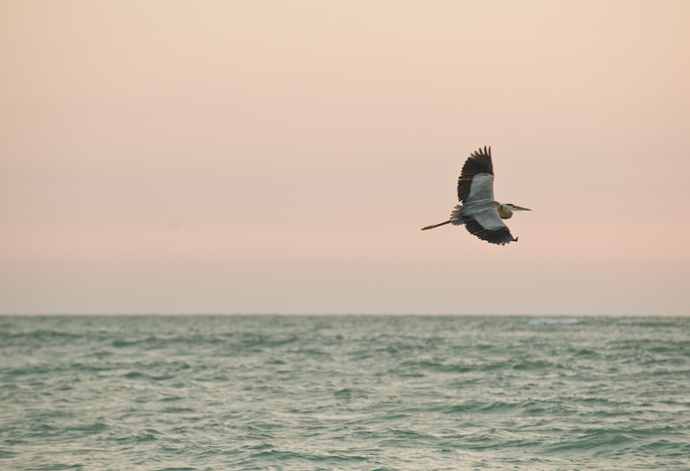
Ken referred to this bird as his ‘familiar’. Most evenings when he was surf fishing in Florida, a Great Blue Heron would join Ken, waiting for a piece of bait or a small fish or some other tasty morsel. The bird was quite tame and would walk up to within five or six feet of Ken. It had obviously done this before with other anglers. It could tell when Ken caught a fish and it seemed disapproving when Ken was not having good luck.

The plumage on the heron was fascinating and easily studied at close range. I never before noticed the red feathers on the ‘elbows’ (do birds have elbows?) or the black streaking on the front of the neck and I’ve look at lots of Great Blue Herons over the years. The red feathers must be part of the wing coverts or possibly the alula.
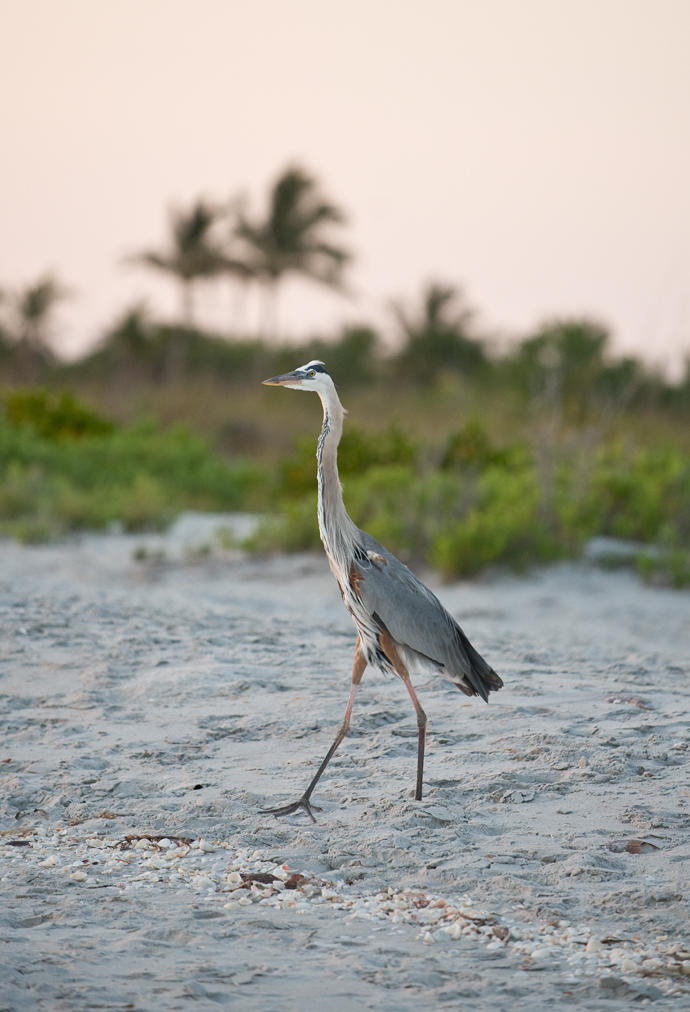


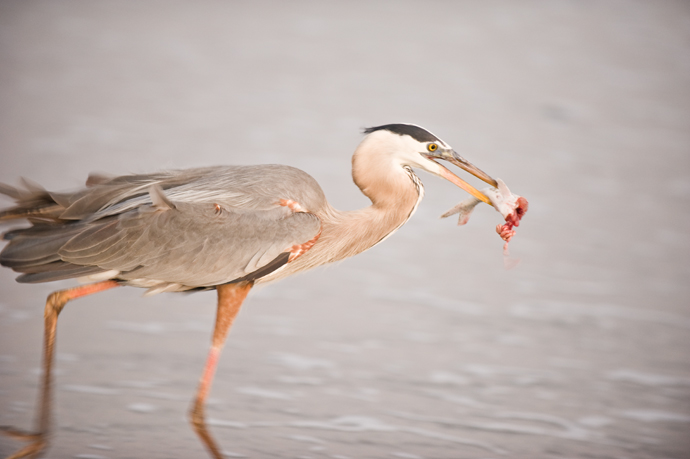
The bird would poke around to find his own food when fishing was slow


It took the catch to the water to rinse it before swallowing it whole


In Florida, every night after dinner, we would walk to the beach. Surprisingly most other beach goers were gone by then. Just before the moment when the sun went down, a few people would wander back and all facing the sun, would raise a glass in a toast to another day well lived. It was a wonderful ritual – maybe one that we should practice at home as well as on vacation.
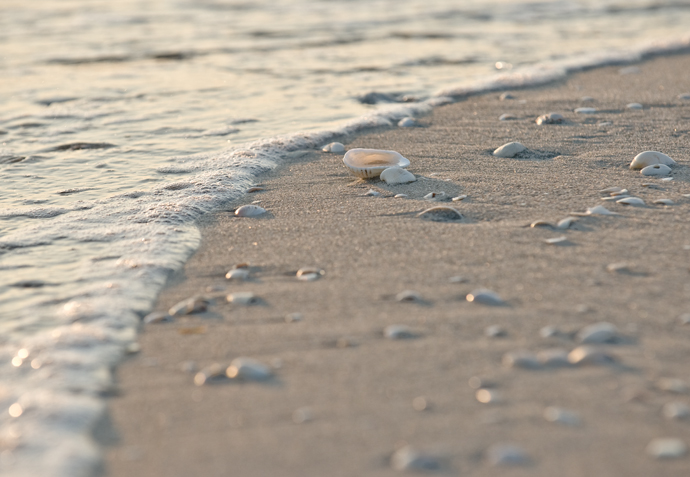
Ken would fish and I would walk on the beach – hoping to find interesting sea shells and watching the birds. At Sanibel, no cars are allowed to drive on the beach and almost no one takes dogs to the beach and then they are on leashses for the most part. These two factors must contribute to the tameness of the birds. Shorebirds were remarkably approachable. It’s the only place I’ve been where I could get good photos of these migratory wonders.

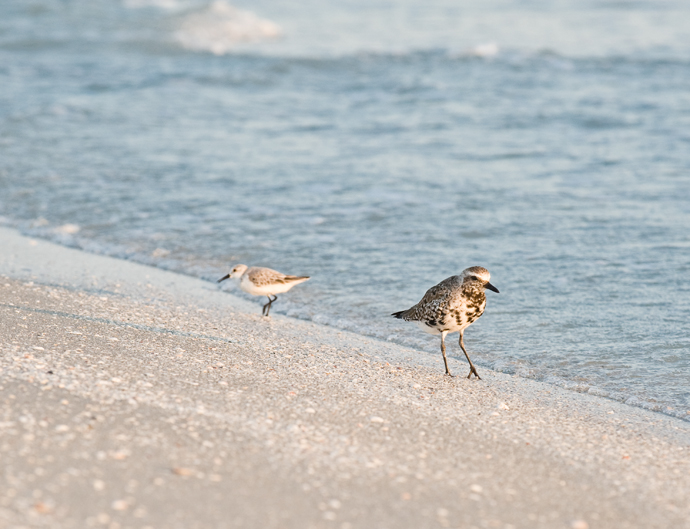
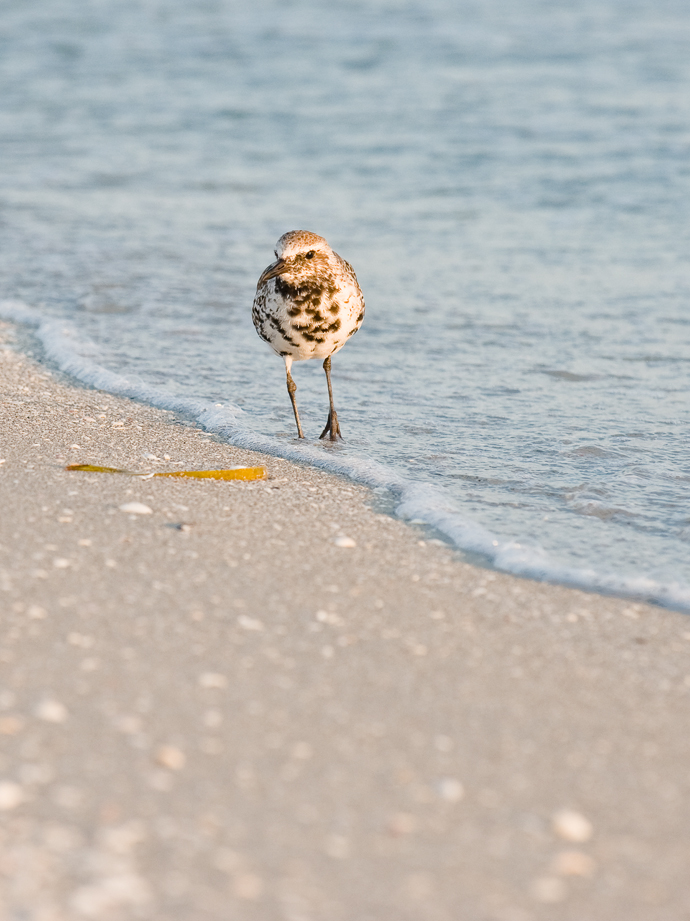
I have always struggled with shorebird ID. Some of these birds were in a transistional plumage – going from winter to breeding plumage – this made ID even harder for me. Field guide pictures show one or ther other generally, not the transistion. I was surprised to see that many of the species on the SE coast were the same as in the Pacific NW.


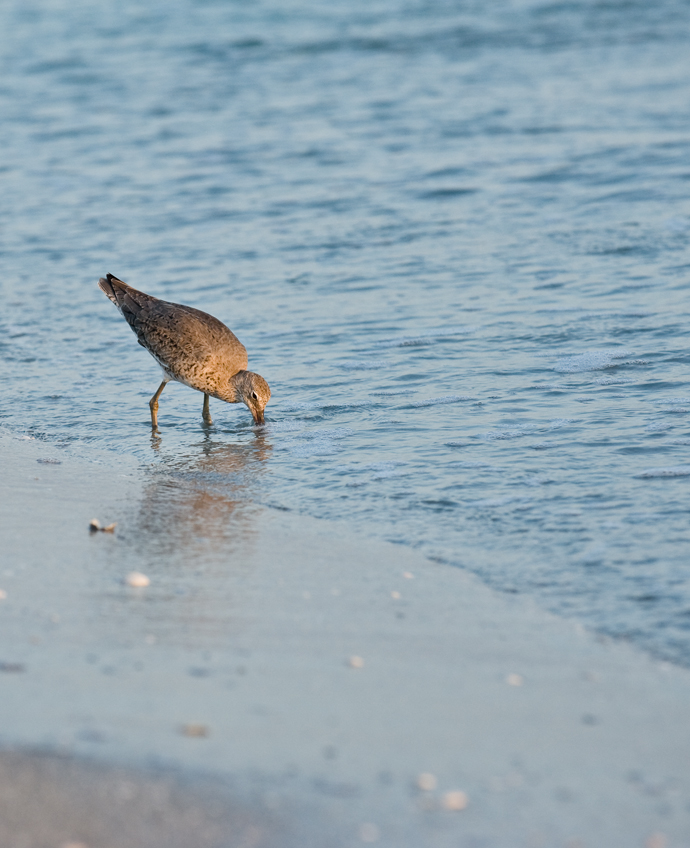
Willets relfecting the warm light of the sun


A plover – Black-bellied or American Golden?


Brown Pelicans flew by the beach all the time.


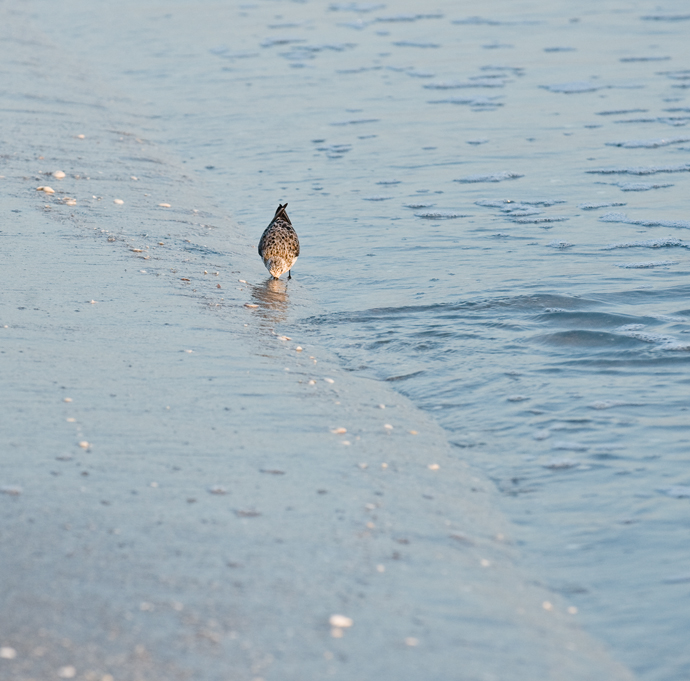
And so did the shorebirds.


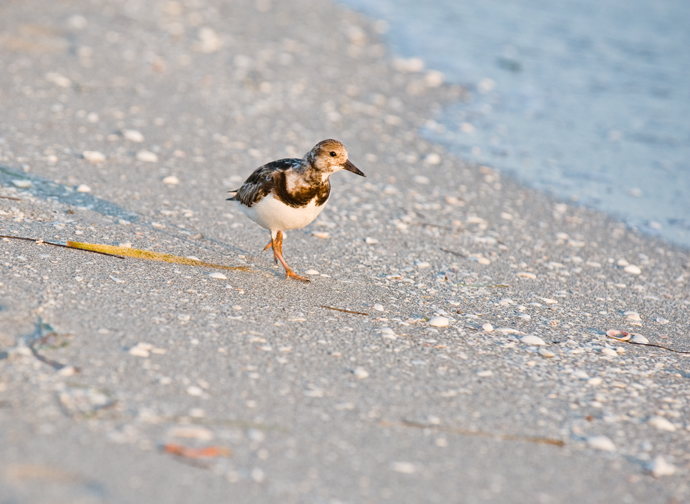
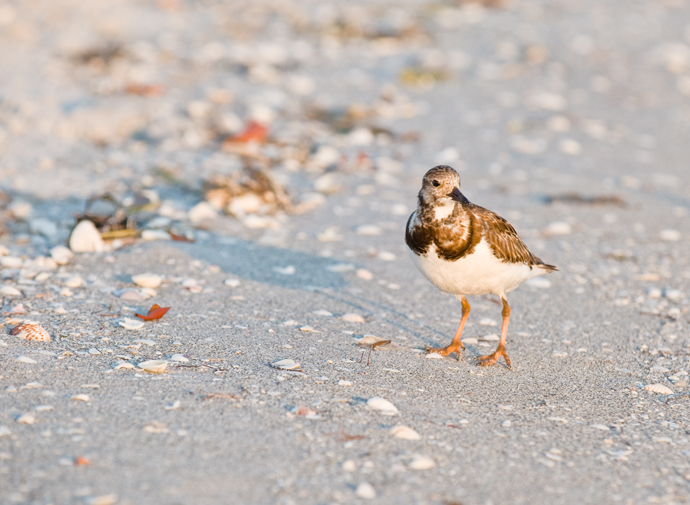
Ruddy Turnstone


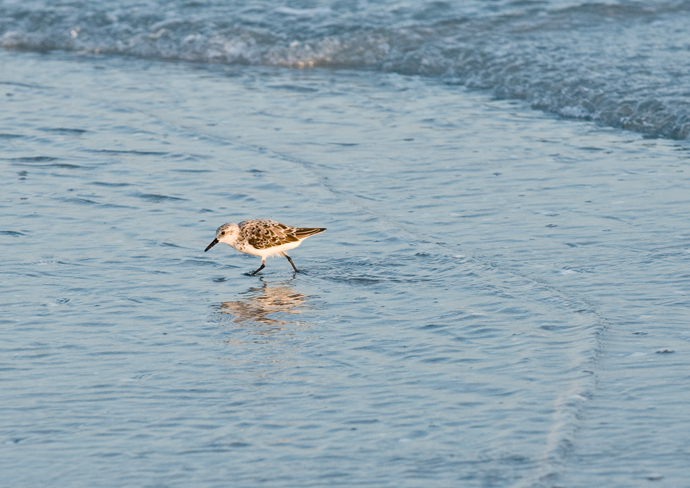
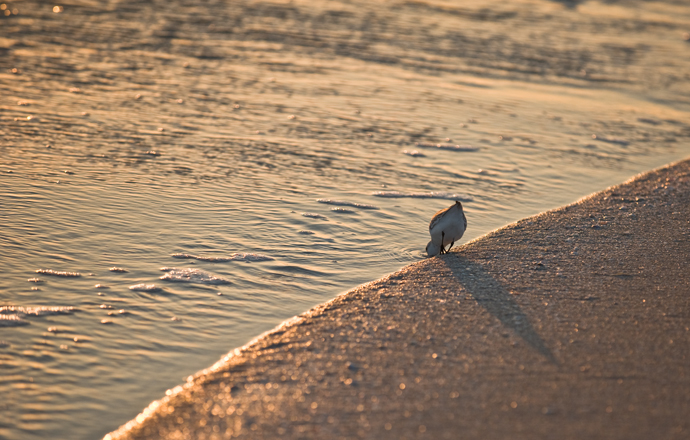
Sanderlings


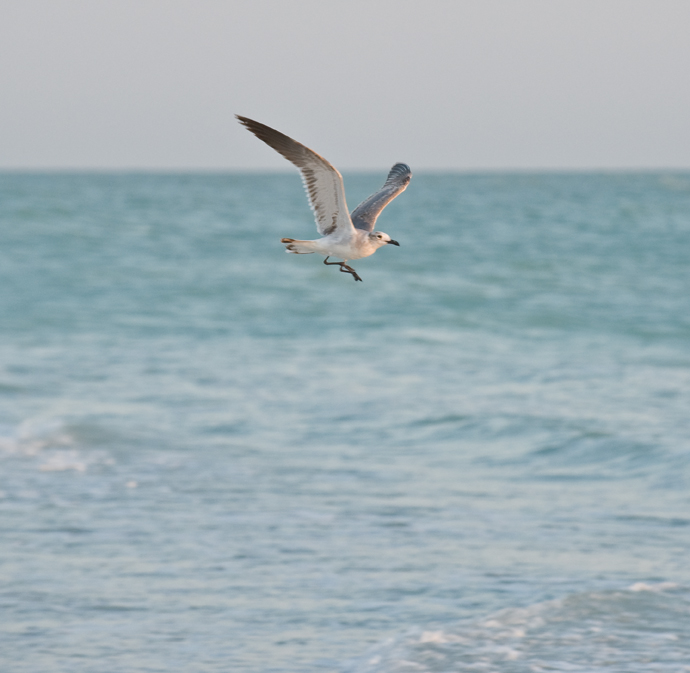
A gull. I don’t even try to identify immature gulls.


There’s a dowitcher in the middle of this group. Long-billed or Short-billed?


We spent a day visiting Corkscrew Swamp Sanctuary and the Six Mile Cypress Preserve. Both places were full of wildlife and exotic (to us) plants and trees. They also feature boardwalks for safe and dry walking conditions. Also lots of good interpretive material to teach us about this exotic place. Much of Florida is developed for human habitation so these preserves represent small islands of what Florida used to be.

 A Red-shouldered Hawk, related to, but smaller than Red-tailed Hawk

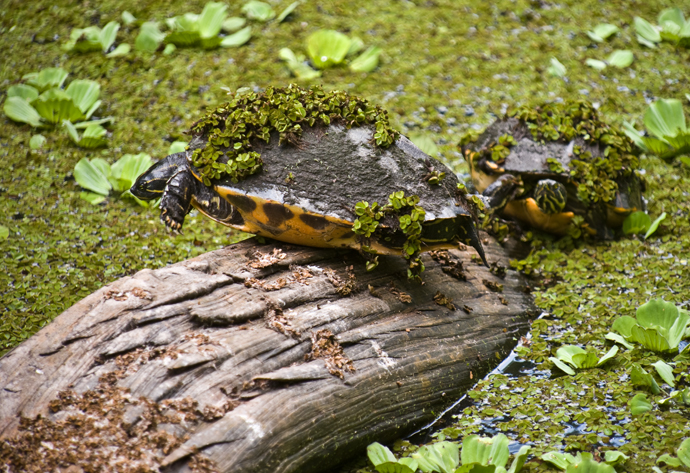
We saw lots of kinds of turtles. I think these two are cooters

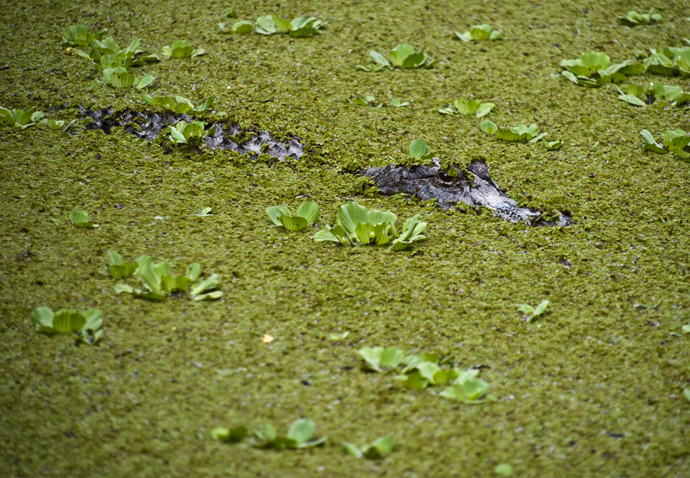
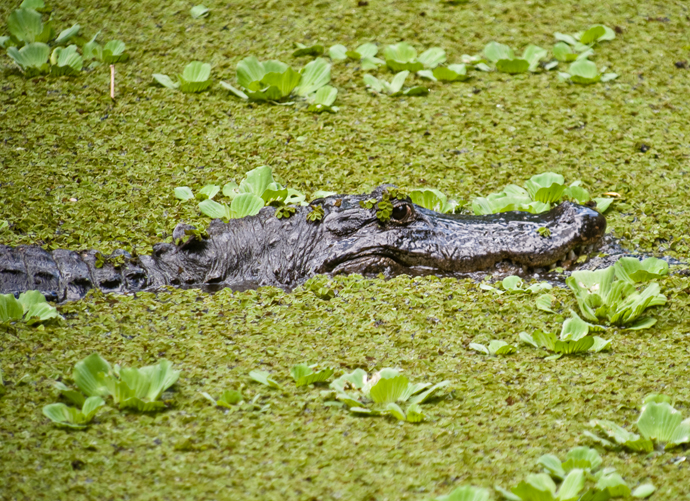
Watch out for this guy

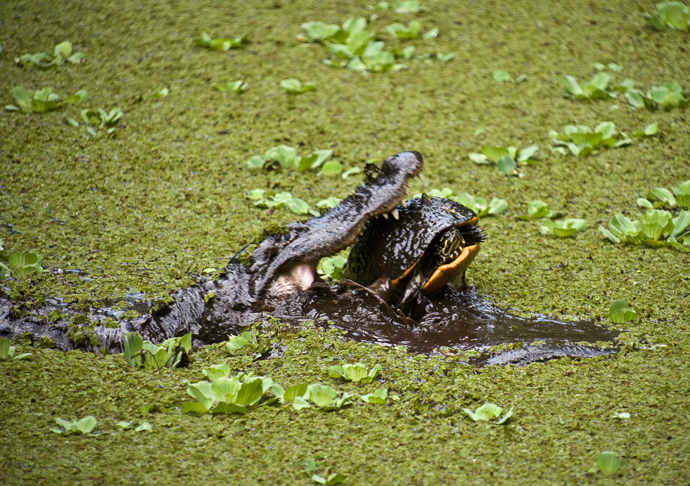
Lunch?

Somehow the turtle escaped!

I think he was giving the wildlife watchers the evil eye because most of us were rooting for the turtle.

I need to find out the name of this snake. We saw several black racers but this one has a pattern on its face so it must be some other species.

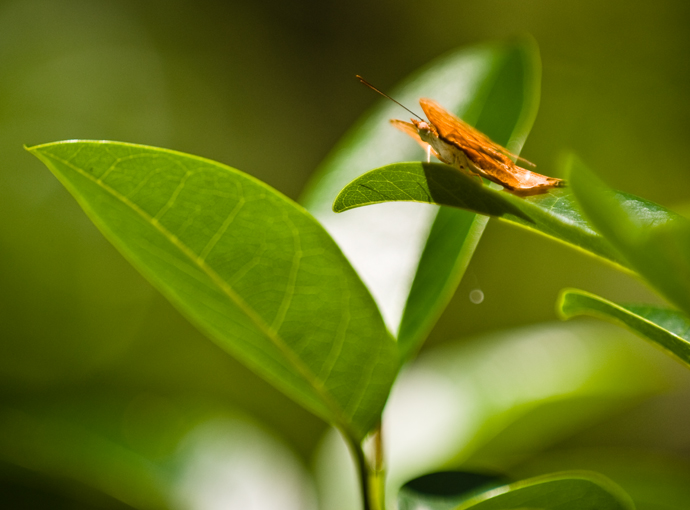
Butterflies are so hard to photograph

I loved seeing the air plants and bromeliads in their native habitats!

Wood Stork

Green Heron

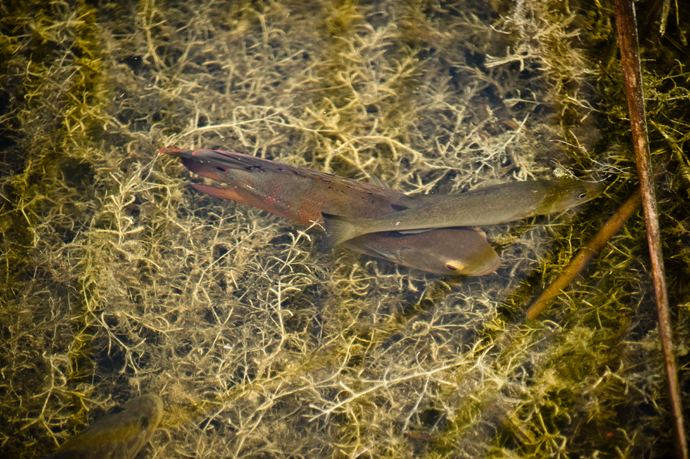
There were lots of kinds of fish. Some are introduced species, dumped out of people’s aquariums.

Another kind of turtle whose name escapes me. Ken will remember.

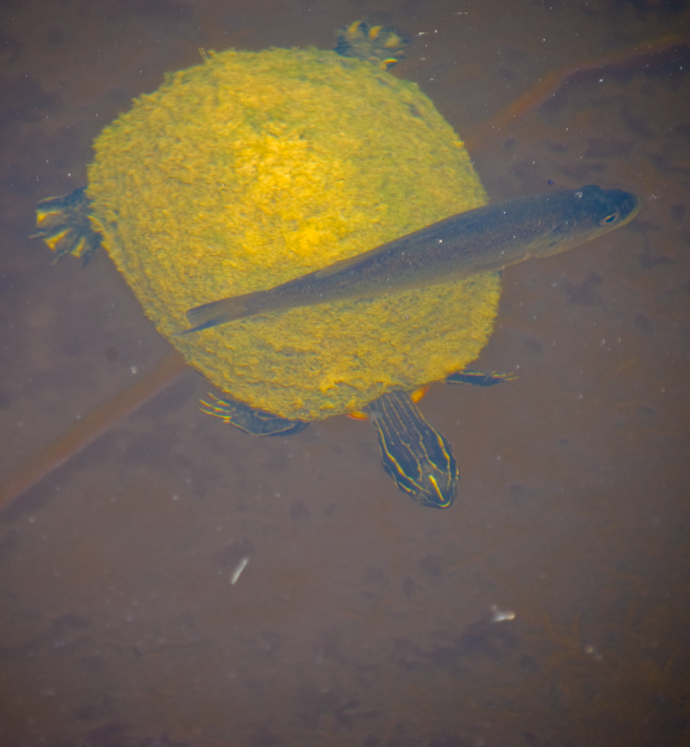
I think this one is a painted turtle like the ones that live here.

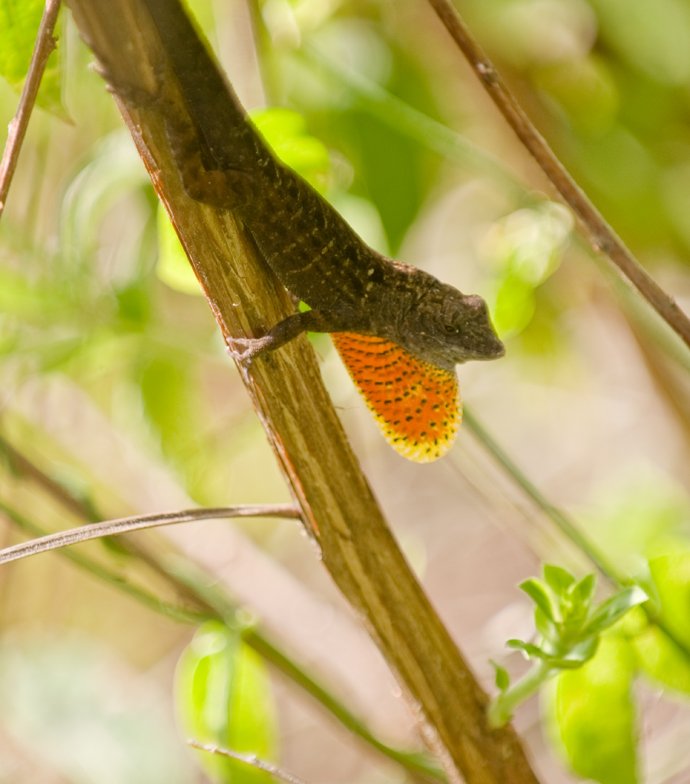
Lizards were always rustling in the brush. Also hard to photograph.


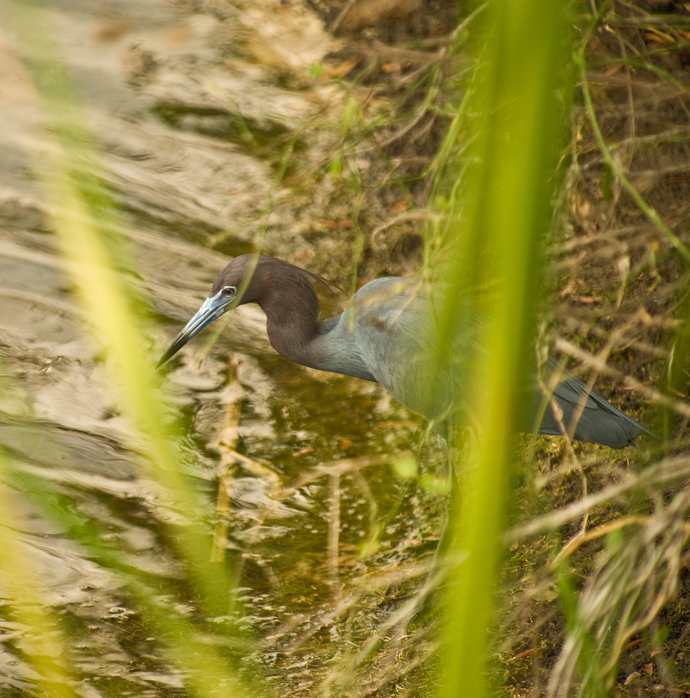
Little Blue Heron

Common Moorhen, similar to an American Coot

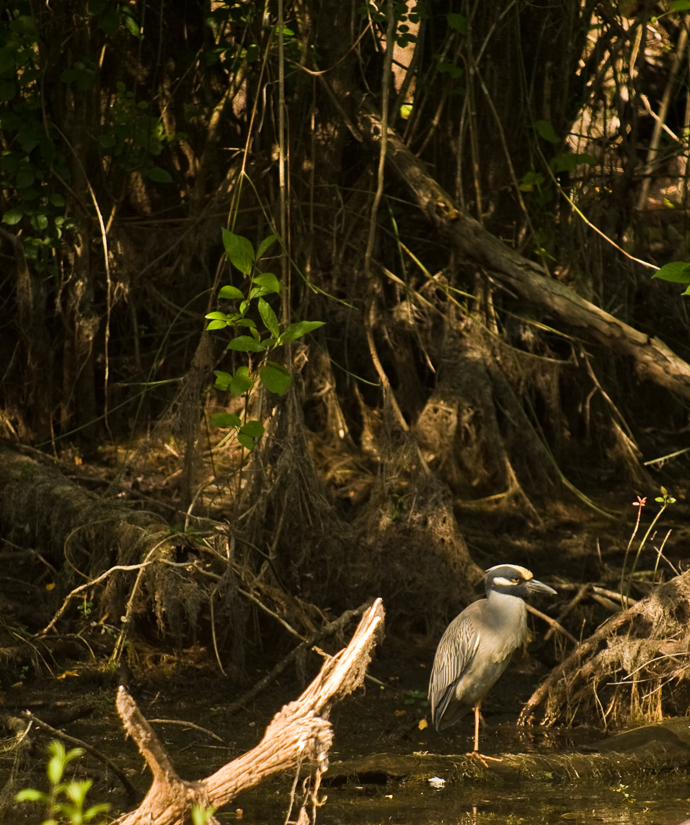
Yellow-crowned Nightheron

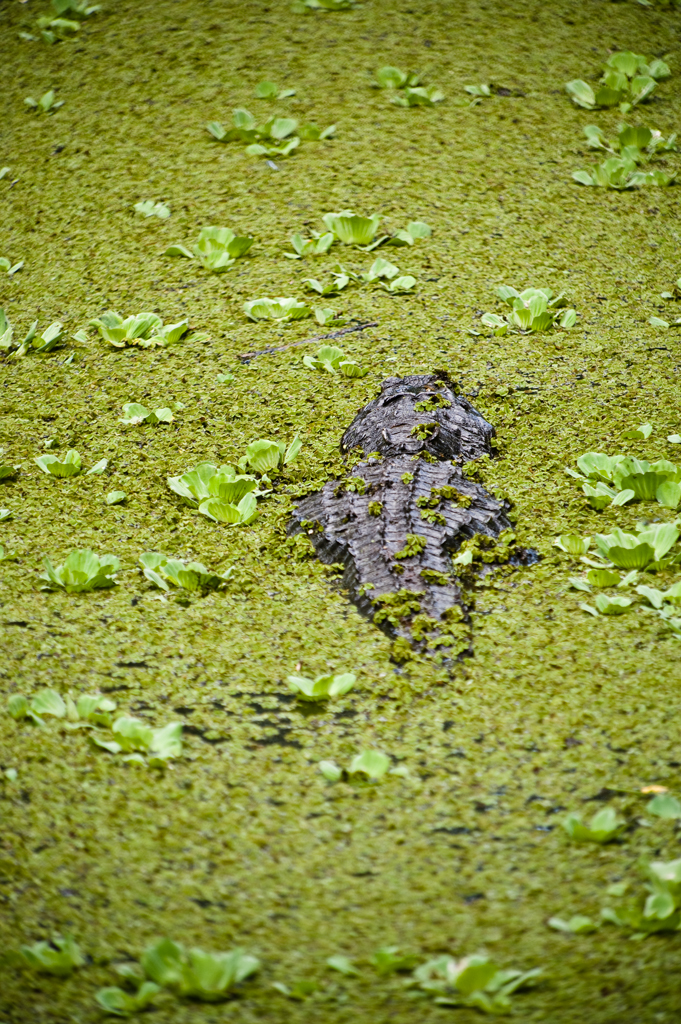
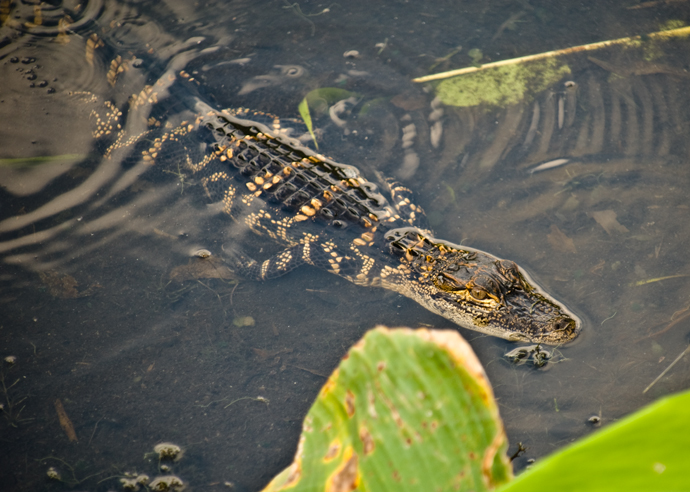
Small alligator, less than three feet long.

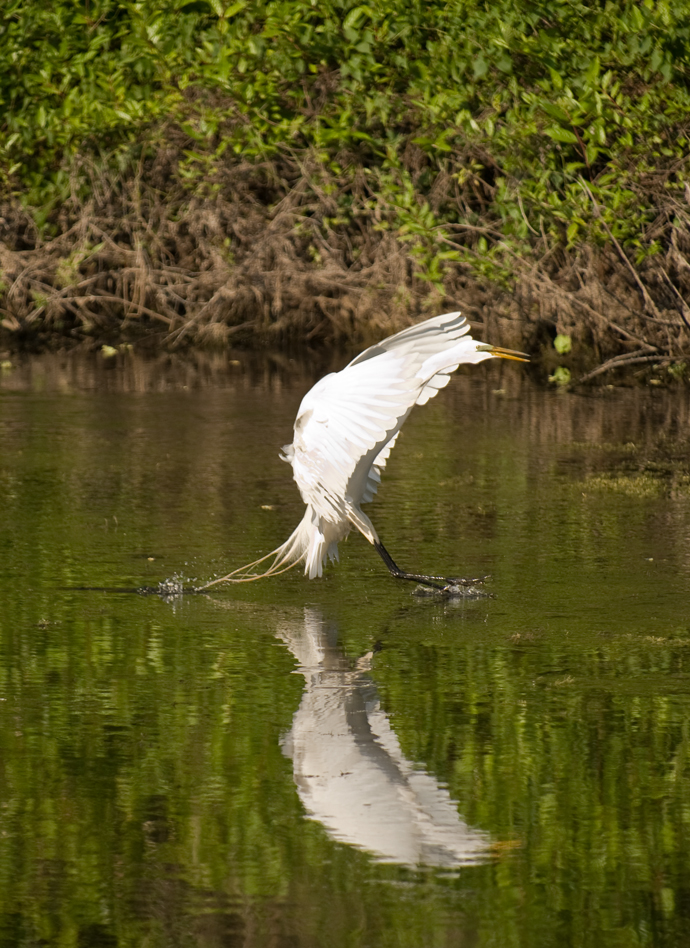
The egret in front was chased all over this pond by the other egret and a heron. We couldn’t figure out why its presence was not appreciated.

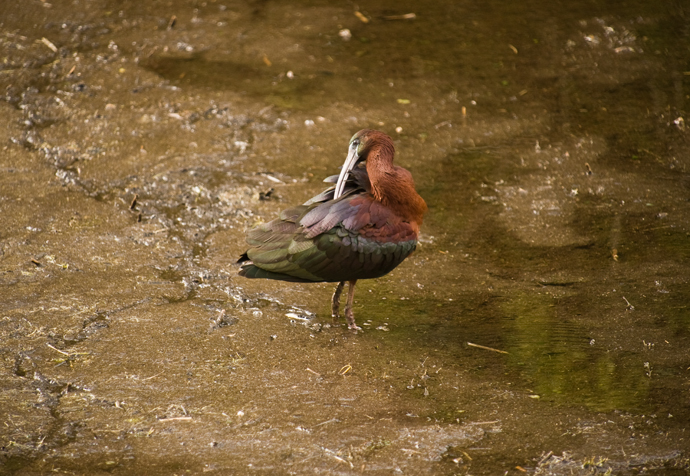
Glossy Ibis, very similar to White-faced Ibis

Coming in for a landing

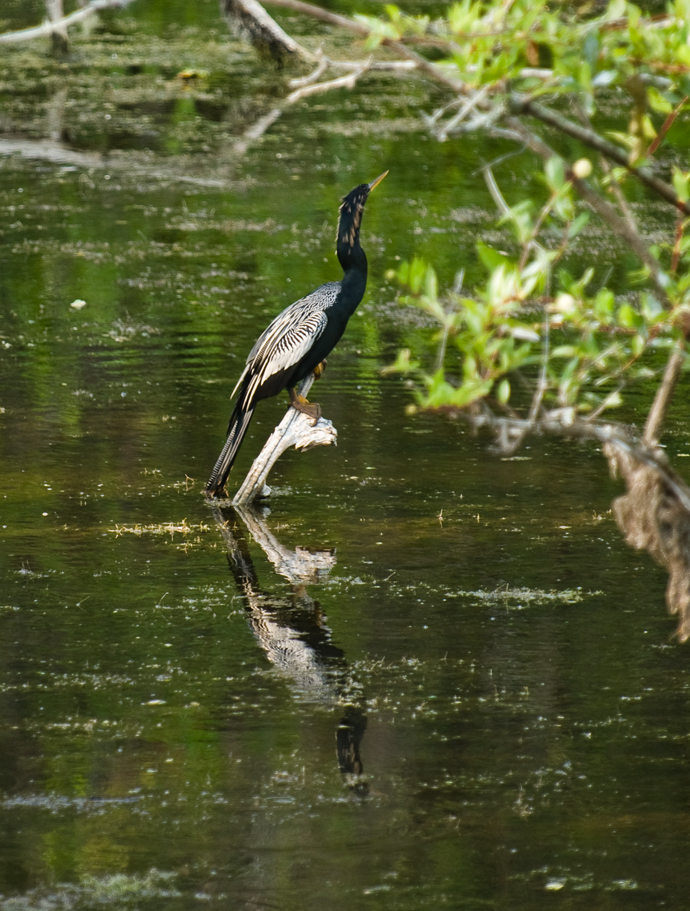
Anhinga

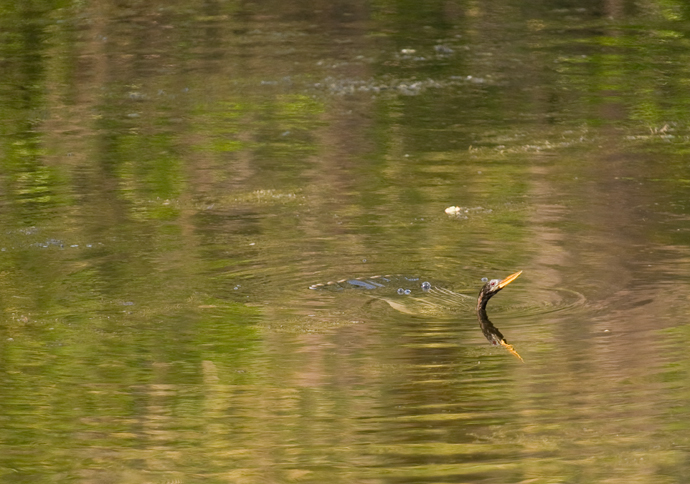
The Anhinga uses its tail as a rudder underwater

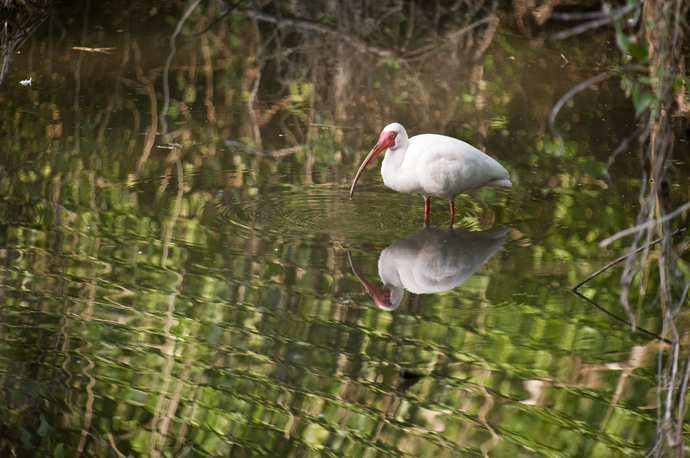
White Ibis

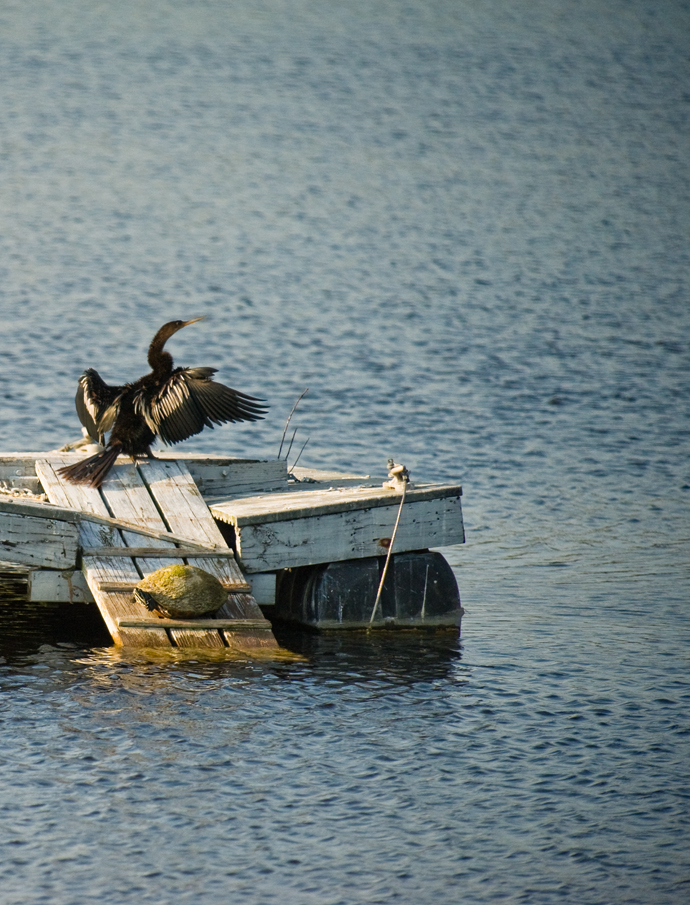
Anhinga and turtle in the late afternoon sun