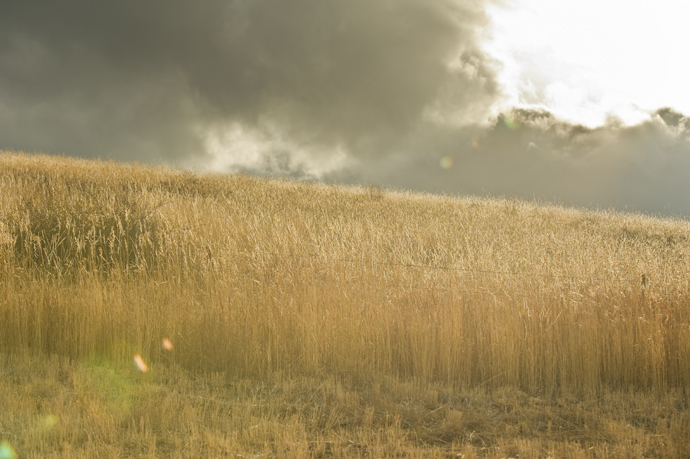
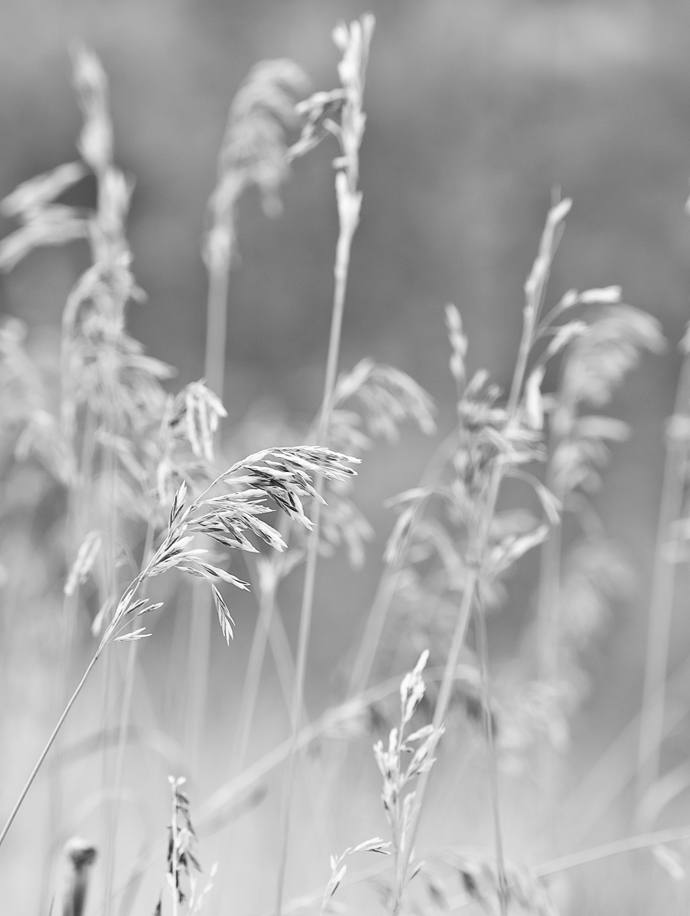
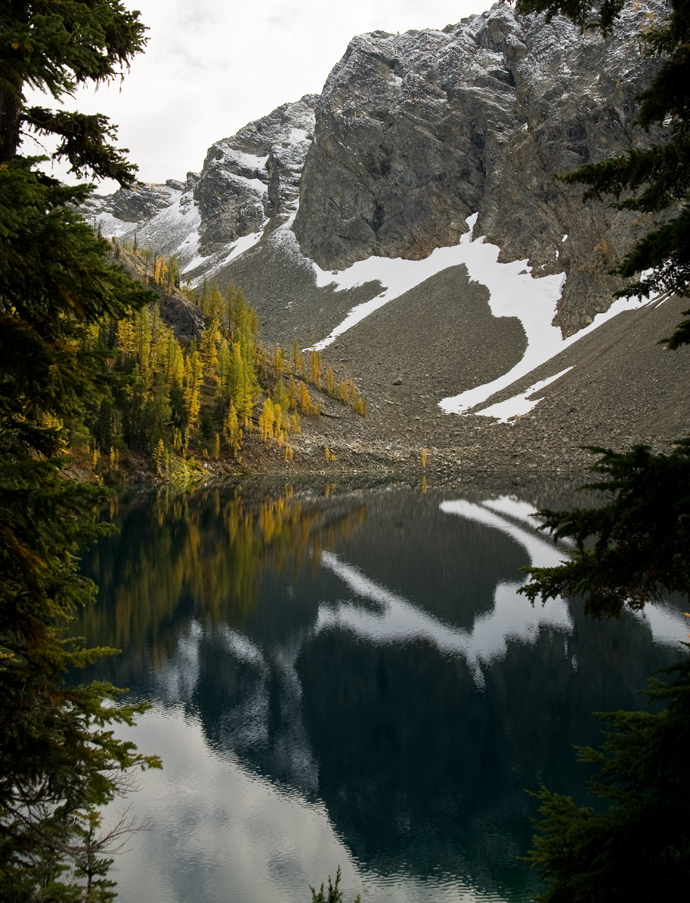
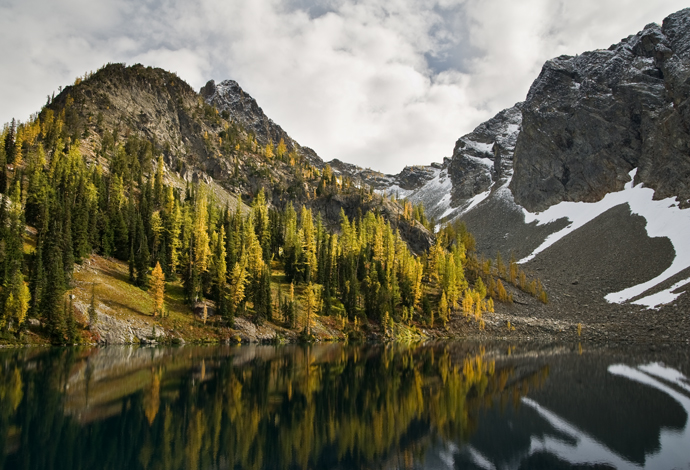
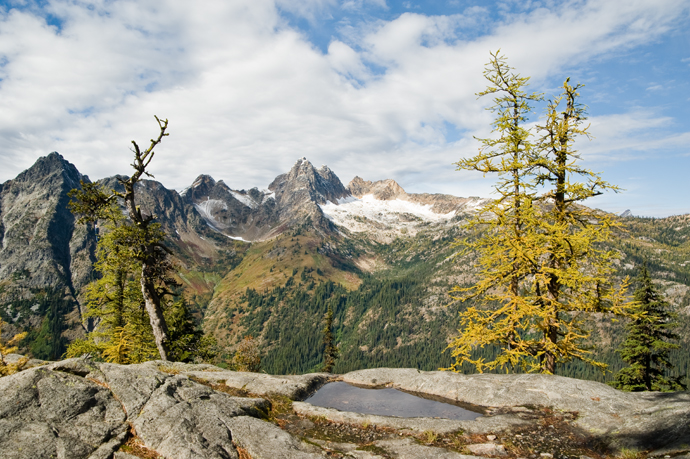
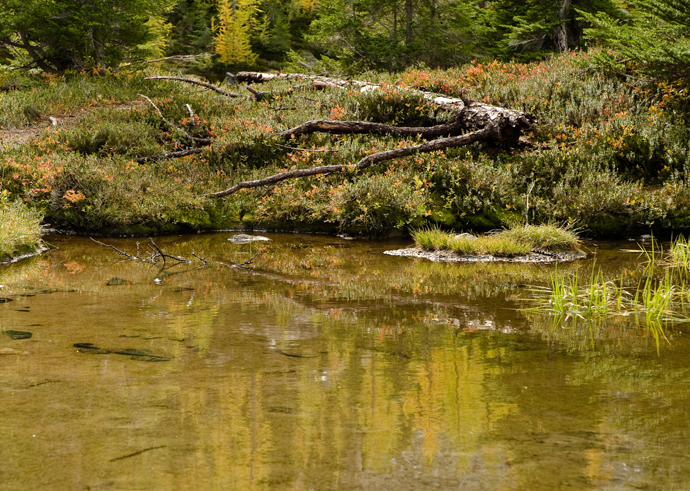
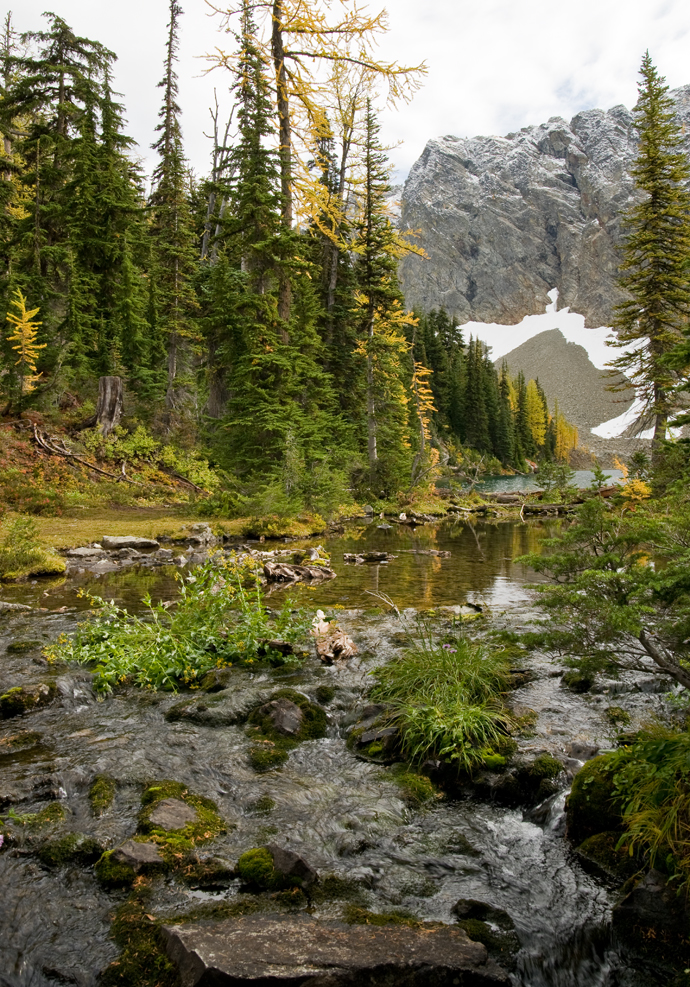
Last week Juliet and I got away to the Harts Pass area for a ‘hike’ which turned out to be more of a plant walk than a vigorous outdoor exercise. Weather was perfect and bugs didn’t bug us too much. Flowers were great! Such a huge variety. She is much better than I am at identifying all the individuals or finding them in a field guide. On a good day, I can come up with family ID but seldom can I tell you the proper name of an individual plant. I carried a camera with only one lens – a macro – and no tripod. It was a little breezy so the tripod would not have helped. I was glad to leave the extra weight behind. The elevation is over 6000′ and there were still snow patches around. We also looked at and heard birds, bugs, butterflies and some mammals – a marmot, a big chipmunk, pikas AND we saw a Jumping Mouse on the way up. It had a little round body with an incredibly long tail and it jumped across the road with leaps and bounds! It was a lifer for me. What fun.
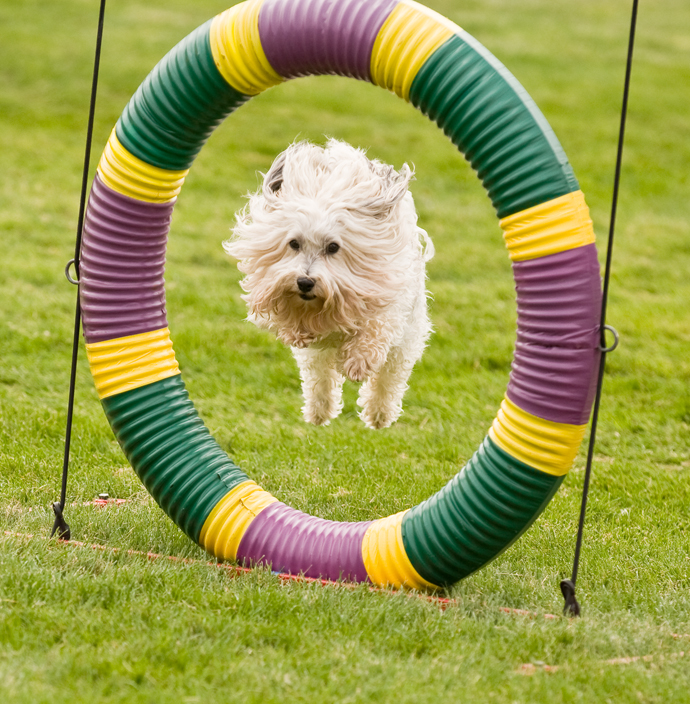
Well what would you do all afternoon if you just had the afternoon to do what you want? Jump off the picnic table over and over again?
Empidonax species. I have never mastered the ID skills for this group of birds. I’m not alone. There are several Empidonax flycatchers that appear in this area including Hammonds, Dusky, Gray, Willow, and Pacific-slope (Western). There’s a Cordileran too but I’m not sure how the Pacific-slope, Western and Cordileran all fit together. They are either one species or two. Not to confuse the matter further. (insert smile here) Obviously, I’ve not been taking this matter of Empidonax identification seriously.
Anyway, these two birds have a nest at a house on the river by the cottonwood forest. This is the same place that had the Cedar Waxwing nest. If you have a thought on their ID, do let me know. For those that pay attention to these things, the bird on the wire bobbed its tail up and down. Maybe Hammonds?
From someone who knows these birds better than me: Lots of yellow on the belly during the breeding season, strong eye-ring with a bit of tear drop look, large and wide bill with orange lower mandible, and the nest is on a building (probably lined with moss or lichens) means ‘western’ type, probably in our area Pacific-slope although there is a possibility of Cordillean Flycatcher here as well.
Thursdsay was our first time ever to attend a performance of the annual, week-long festival held high on a hill above our house. The Methow Valley Chamber Music Festival attracts musicians of incredibly high caliber from places near and far. Our friends brought East 20 pizza and some refreshments and we arrived early to picnic on the lawn and visit and enjoy the evening light.
Weather is at long last, simply perfect. Signal Hill Ranch, the festival venue, overlooks the valley with the North Cascades in the distance and it is a lovely setting to celebrate music and musicians and the folks that appreciate them. The old enormous barn has been updated for acoustics and audience comfort. I did not take my camera gear however the owner of the ranch suggested I use his to get a few pictures of the evening. Unfamiliar equipment, location and lighting made it a challenge and a learning experience. I always enjoy photographing music so it was interesting and I’ll give it a try again next year.
Oh, and the music – it was fabulous.
A lady who lives up river a ways from us gave me a call the other day to say there is a nest of Cedar Waxwings at their house and would I like to photograph it. Well, yeah. Just had to find the time this busy week. This morning I got down there around 8:30 and was delighted to see four babies squeezed into the nest and also got to see a parent come to them three different times. The adult never stayed long. These young birds are almost fully feathered and will soon be on their own, trying to figure out where the food comes from. The nest is in an old apple tree so maybe they will return in the fall when the fruit is ripe.
Many thanks to Nancy for sharing!