Skip navigation

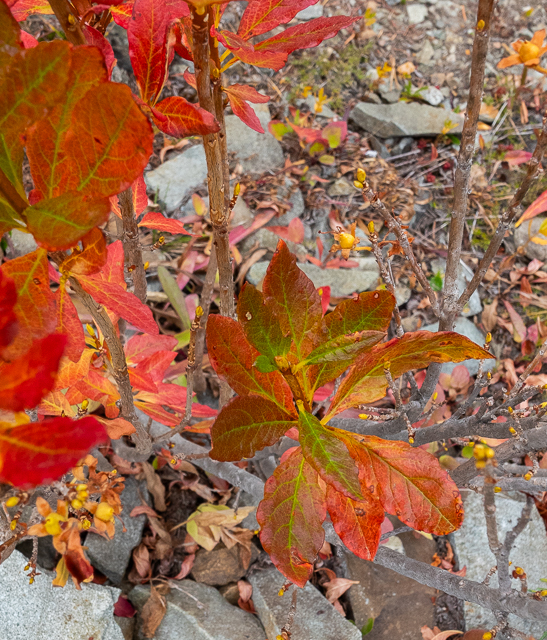
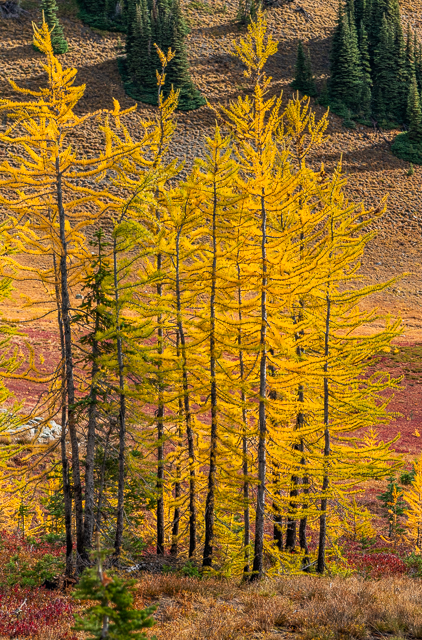
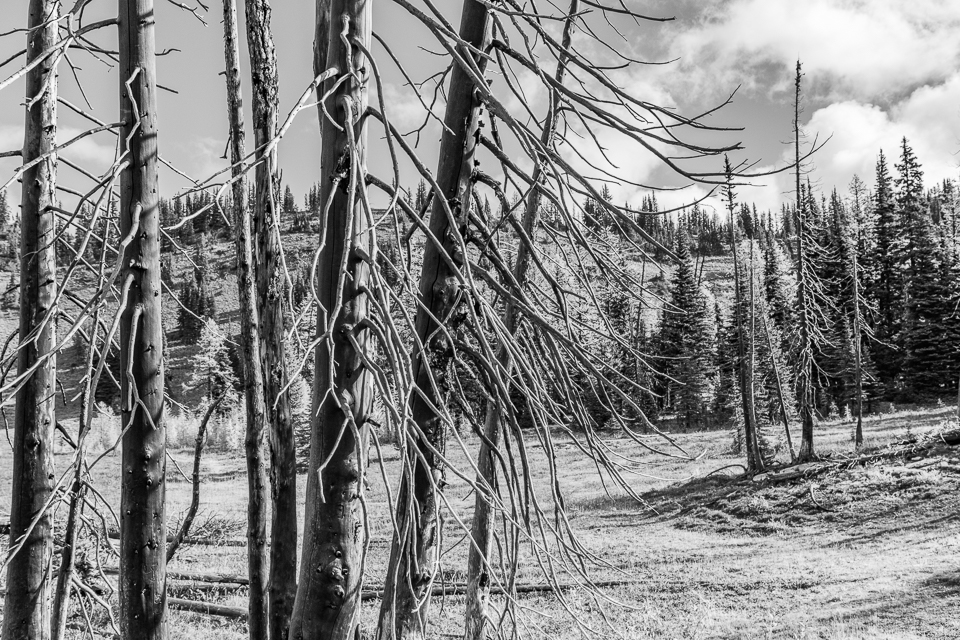
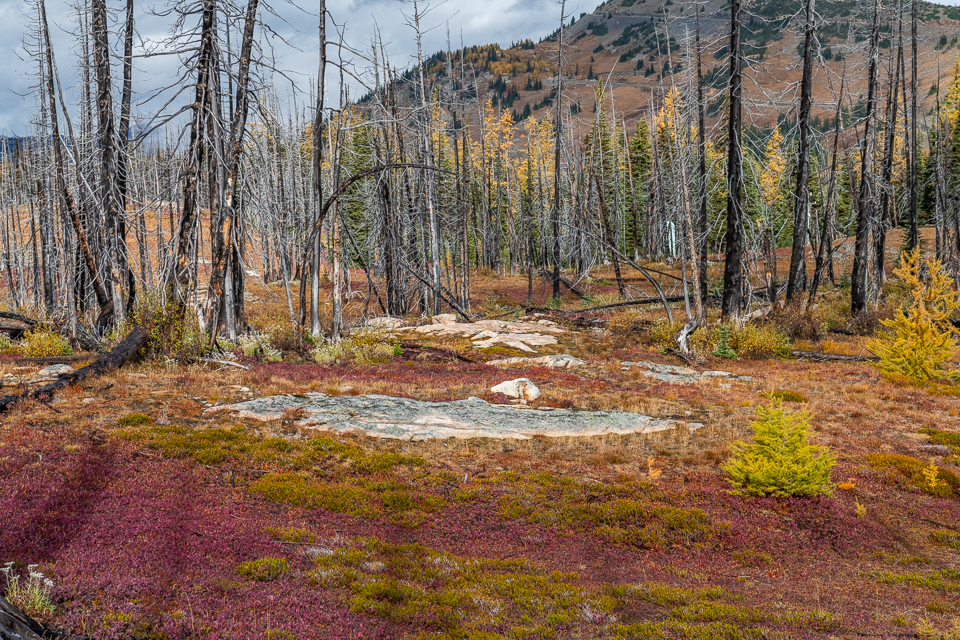
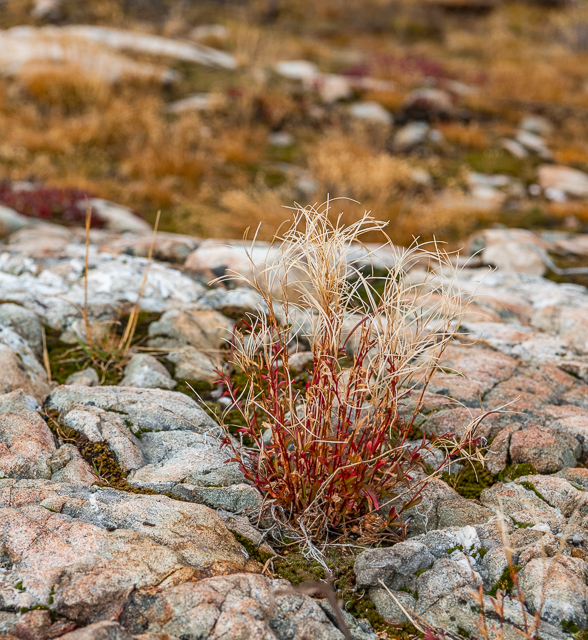
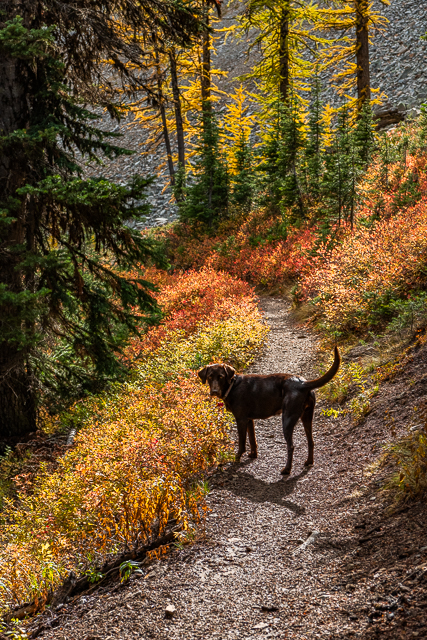
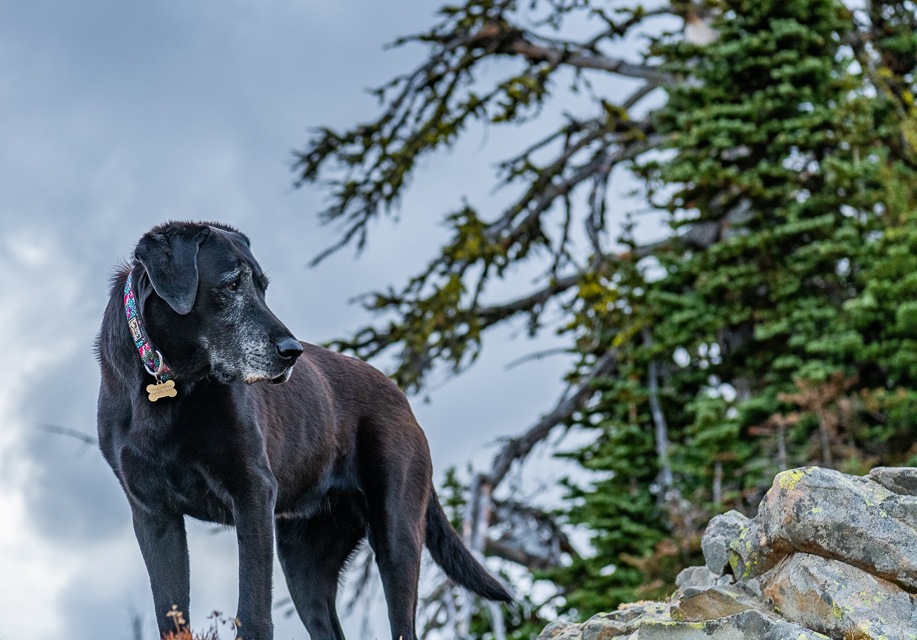
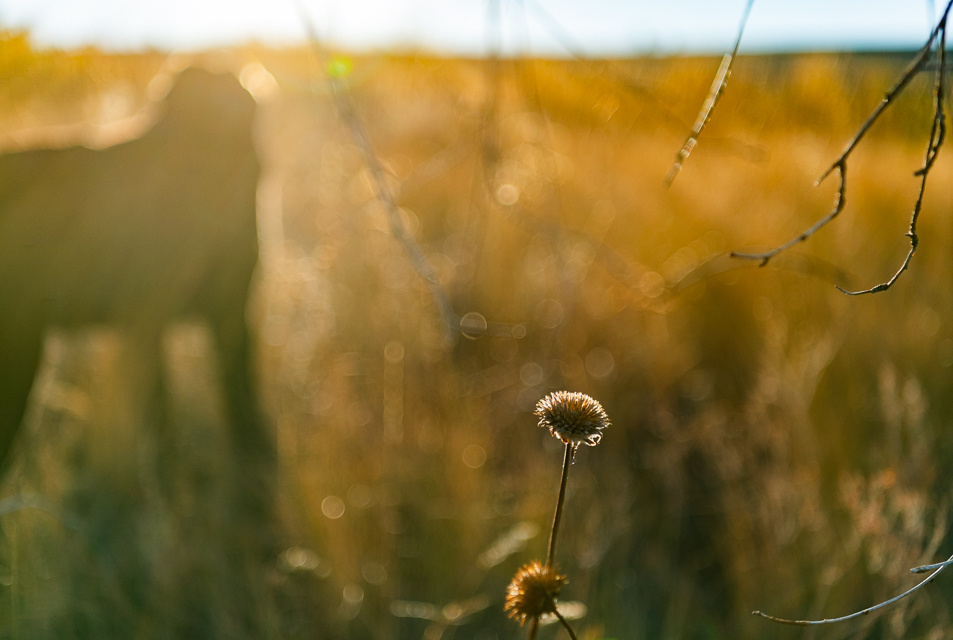
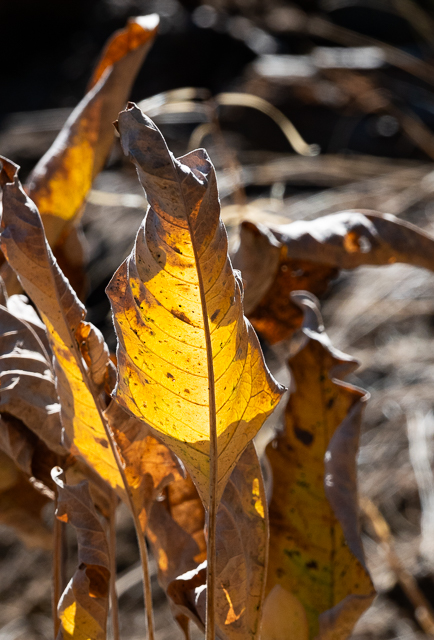
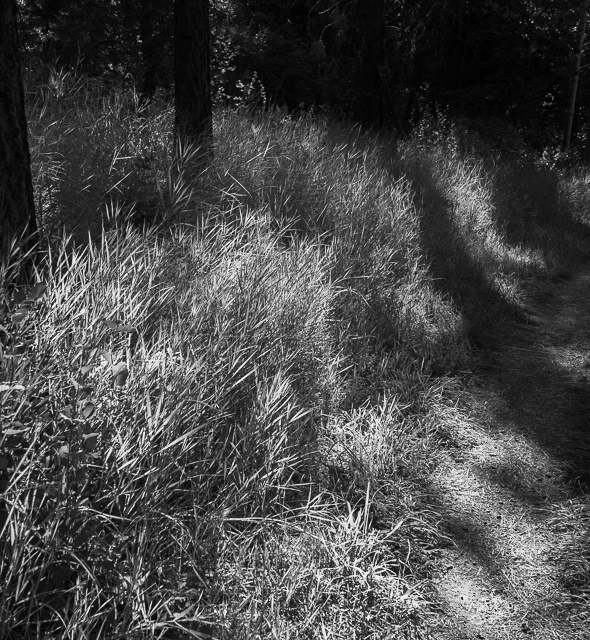
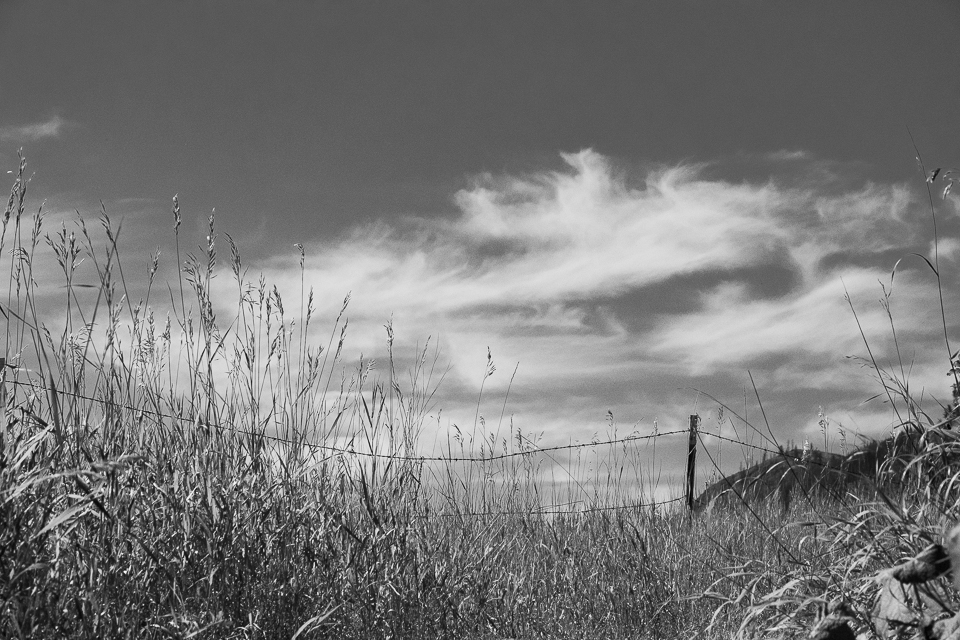
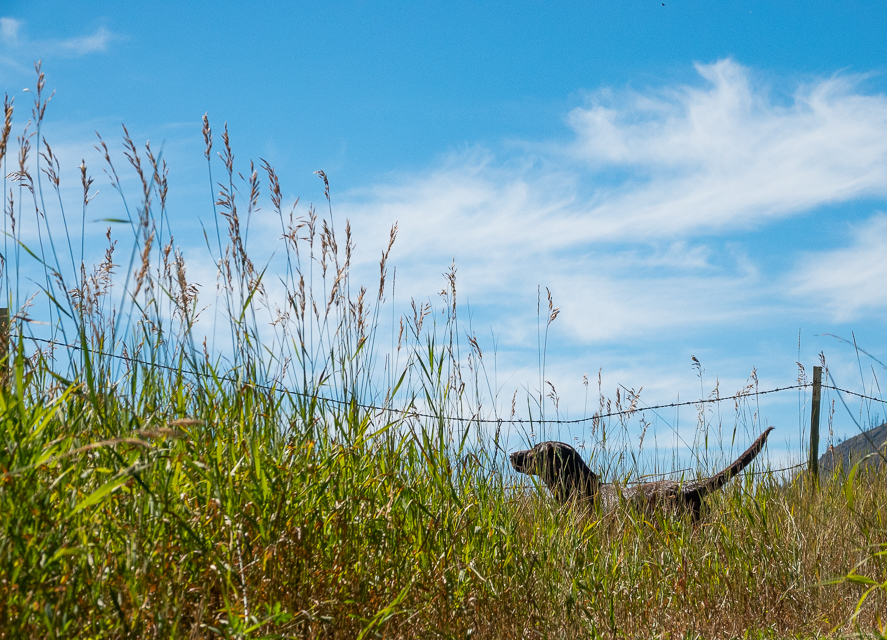
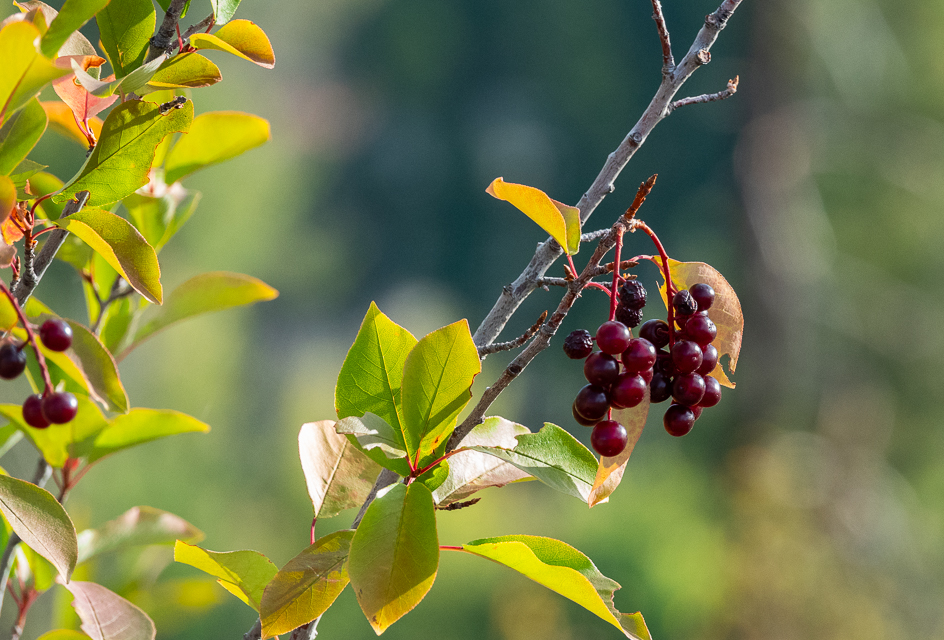
The days are getting shorter, faster, it seems. Soon it will be dark after dinner and there won’t be any evening dogs walks. But for now, the weather is perfect and the light is lovely so we enjoy it while we can. Some chokecherries, nearly black, and snowberries still cling to the bushes. The serviceberries and currants are long gone, eaten by birds, coyotes, bears and Willow got some too. This is brown season. We have white season, green season, brown season and fire season. Fortunately, this year, fire season hasn’t been threatening to us, so far. With little or no precipitation in the forecast, we are not out of danger yet.
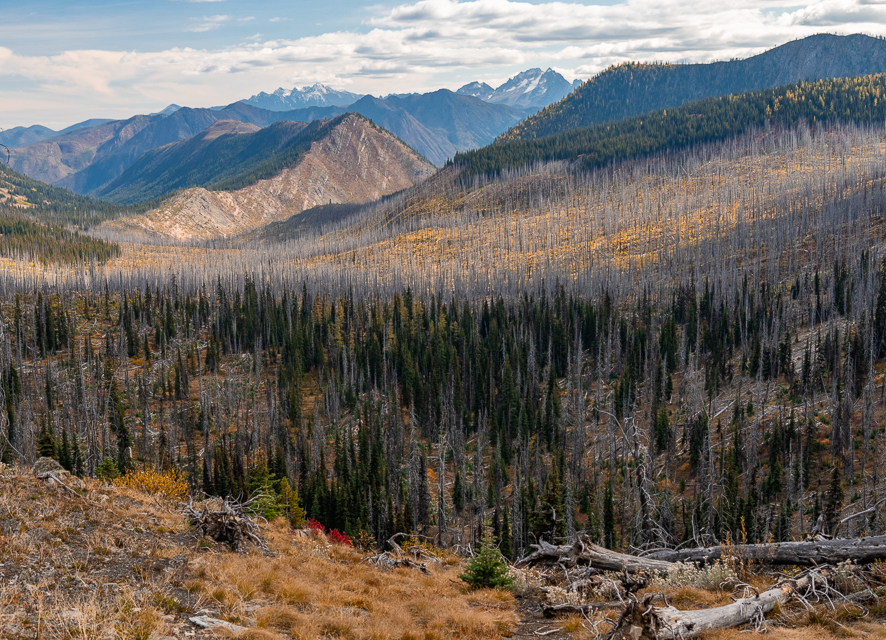
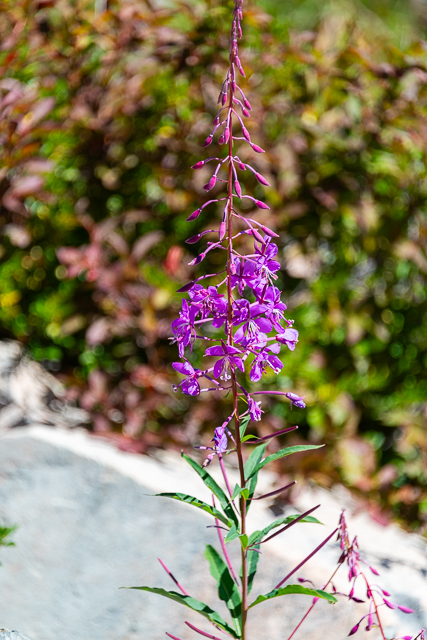
Some images from late July and August too. If you can ID the young flycatcher, let me know.

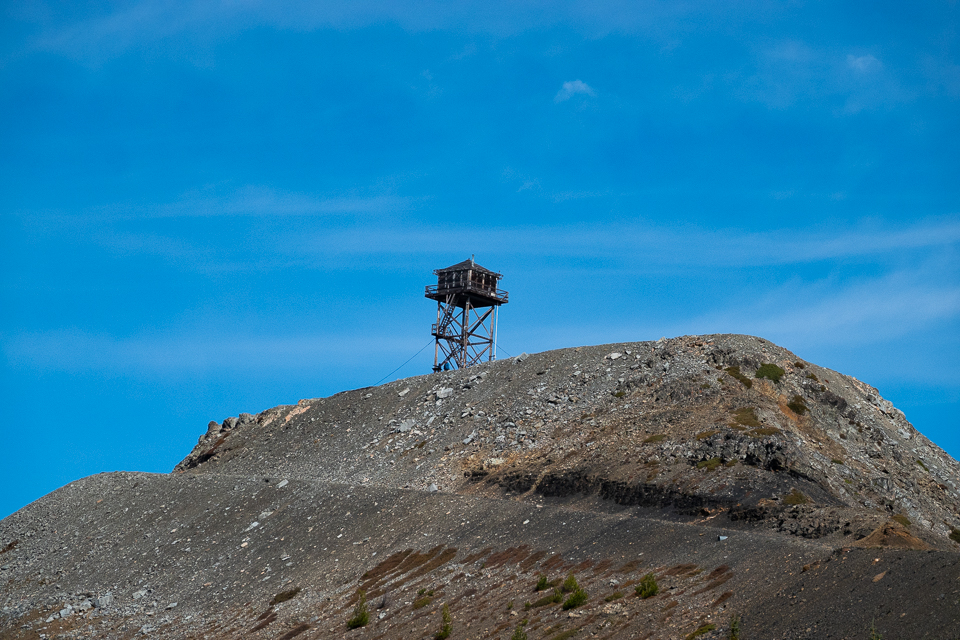
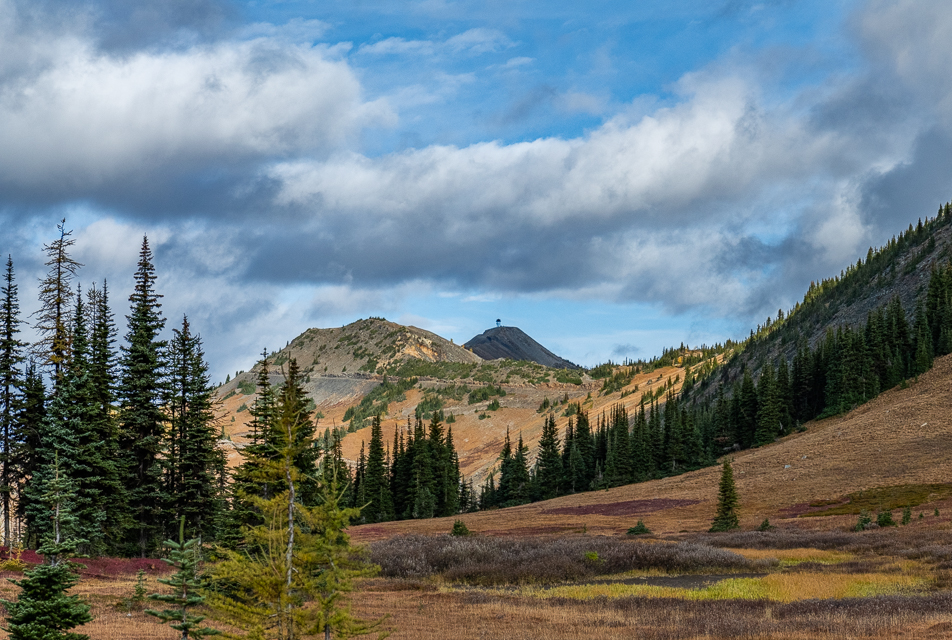
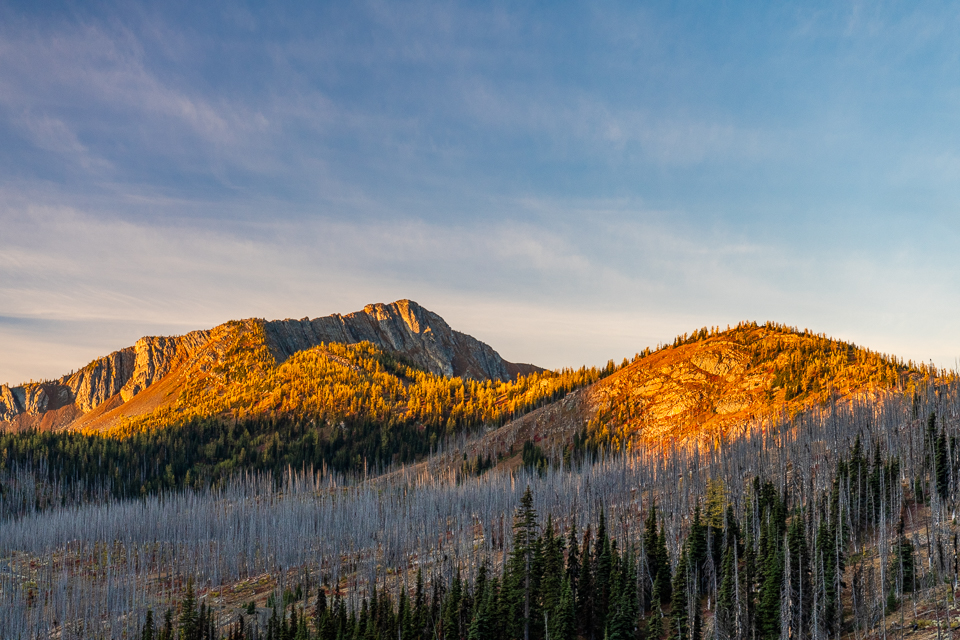
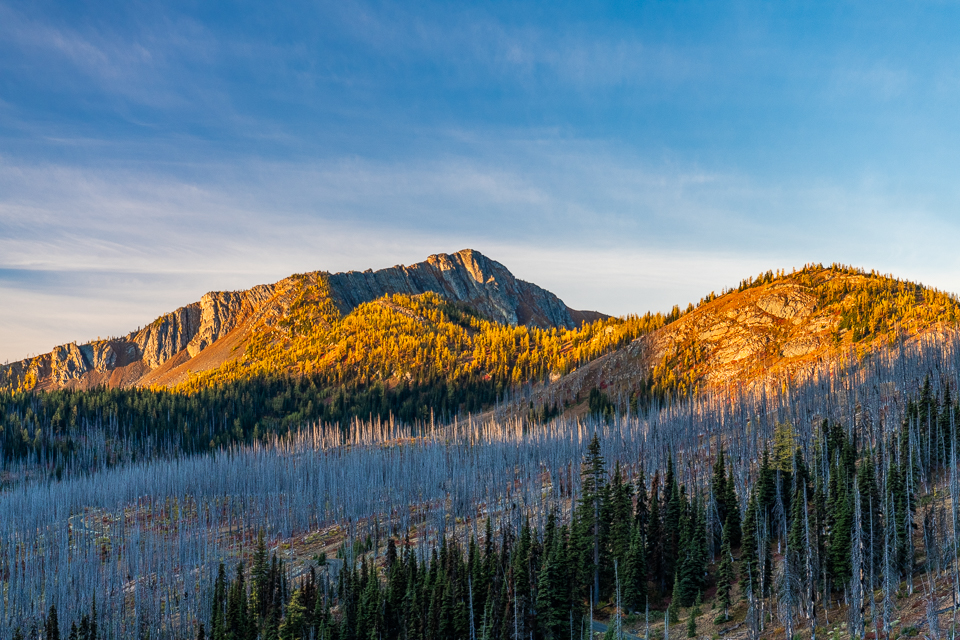
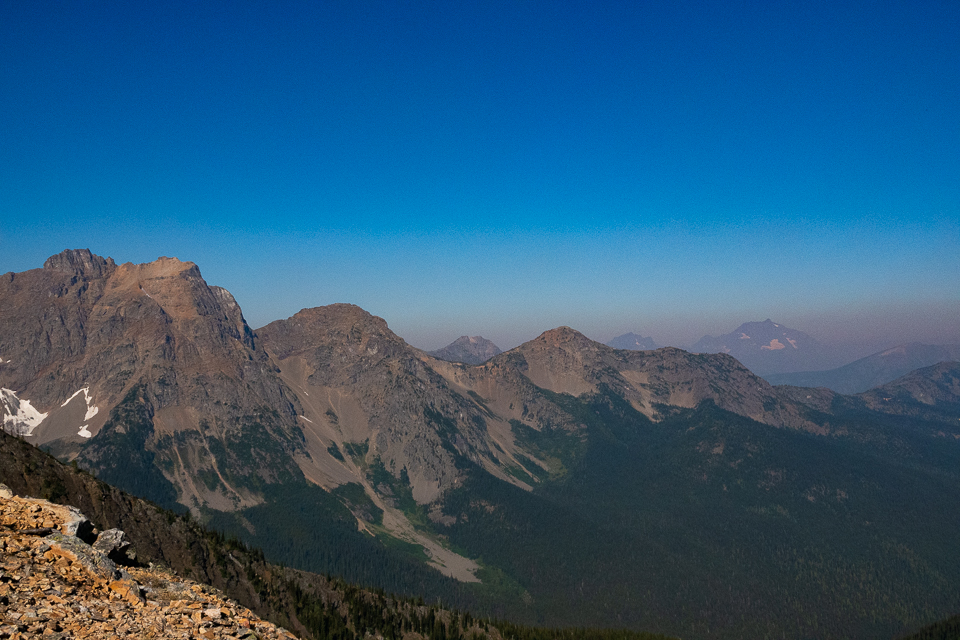
One of the evenings at Harts Pass, the girls and I enjoyed a walk to the lookout.

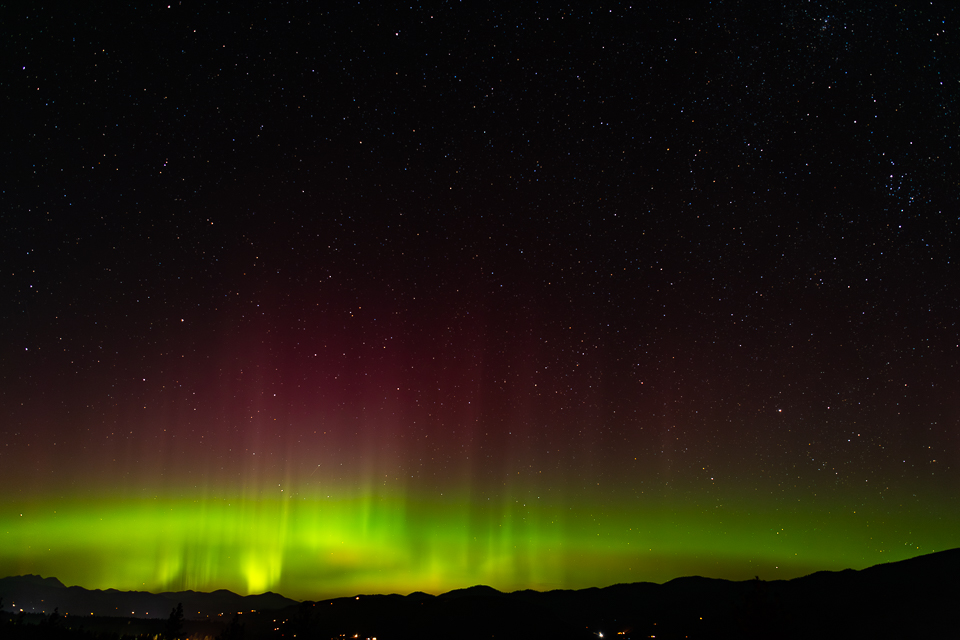
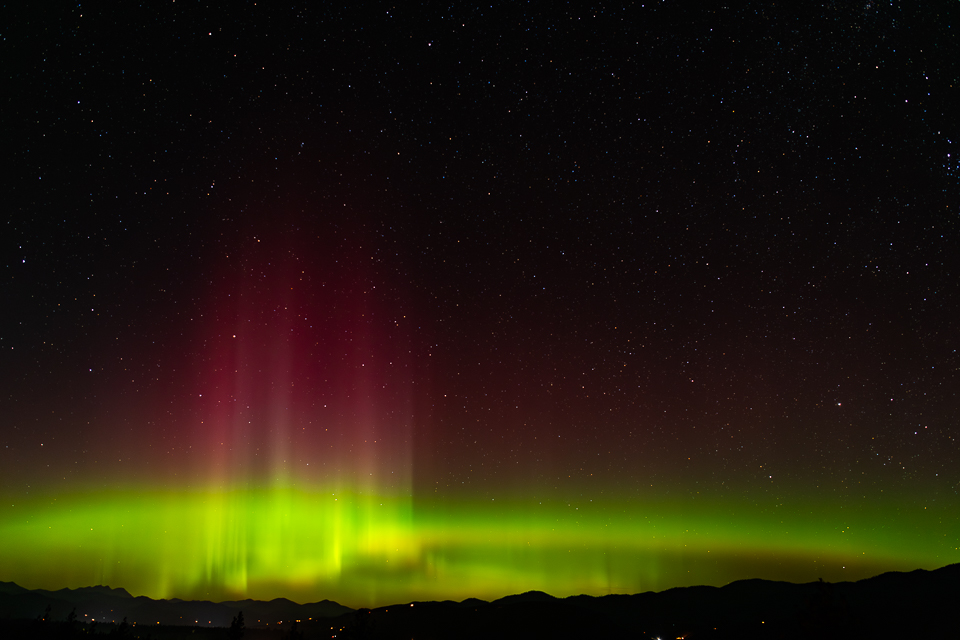
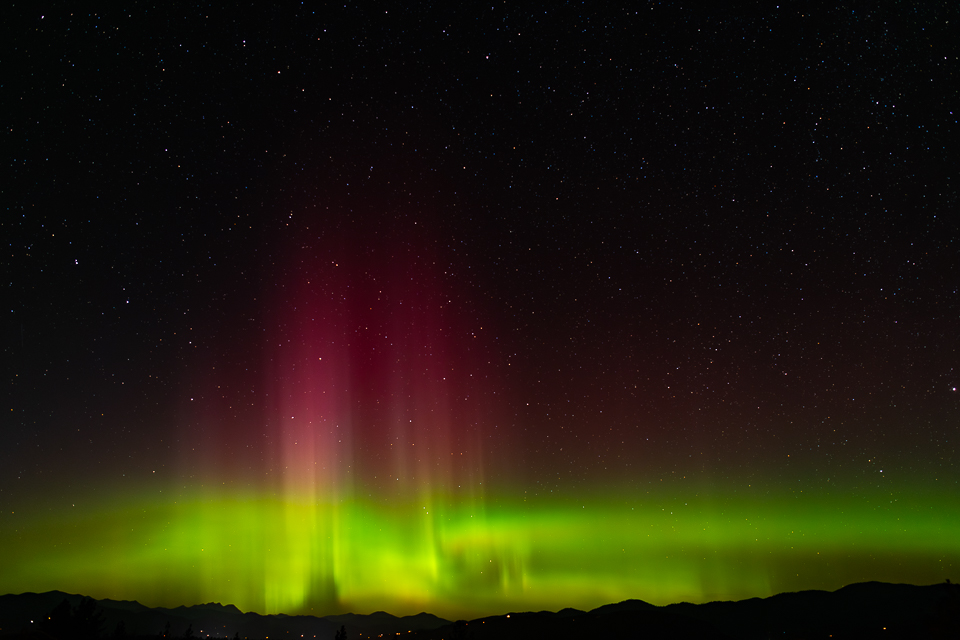
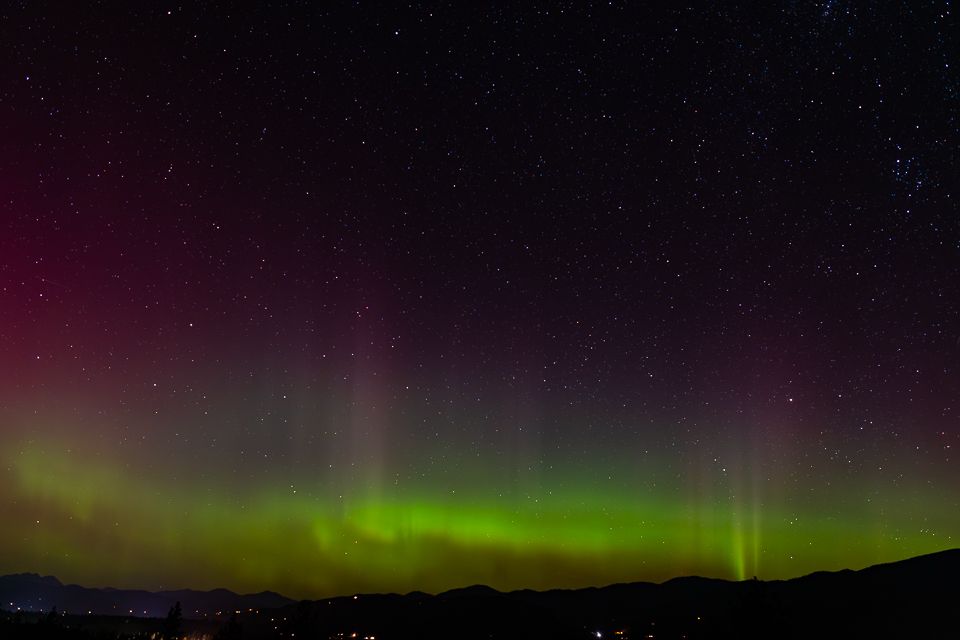
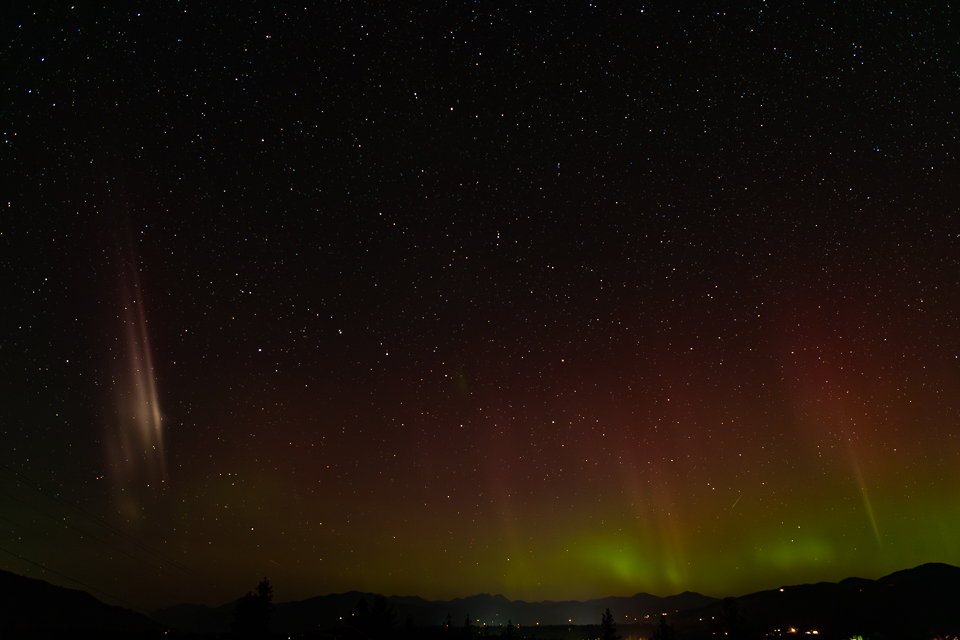
Have you ever been out in the dark and seen the Milky Way and shooting stars? Have you stayed out there for hours, watching the night sky revolve around you, or I should say, watching as you revolved around the night sky? If you can find yourself truly out in the dark, without extraneous light (not an easy thing to find), you will be amazed at what you can see, once your eyes adjust to the night sky.

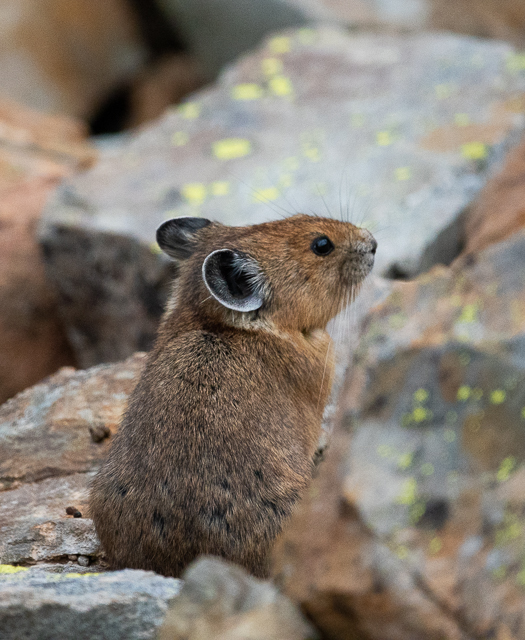
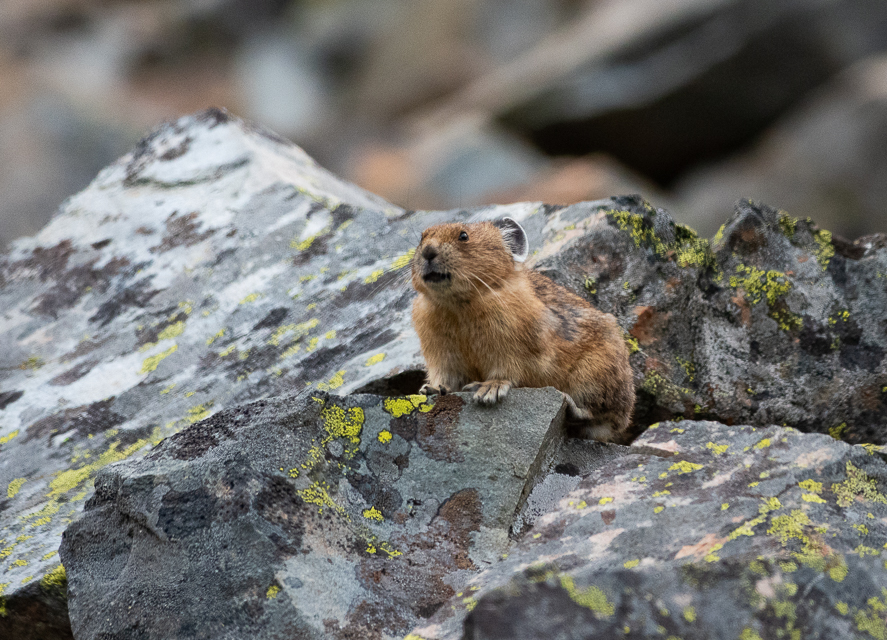
Pikas are the smallest member of the rabbit family. They are lagomorphs. And they are the cutest little animals you might hope to see on hike in the mountains. They live on rocky talus slopes year round, gathering grasses and forbs in the summer to dry for winter food. While it looks like they are roaring when they call, the sound they make is more like ‘meep’! According to the National Wildlife Federation, pikas have disappeared from more than one third of their natural habitat in Oregon and Nevada, due to climate change. They might die when the temperature goes over 78 degrees and believe me, this last week, it was hotter than that high in the mountains. I hate to think that they might blink out of the North Cascades within my lifetime.