I needed to drive somewhere to see the total lunar eclipse last week but I just rolled out of bed and watched it from here. The last photo is as it approached the horizon prior to totality.
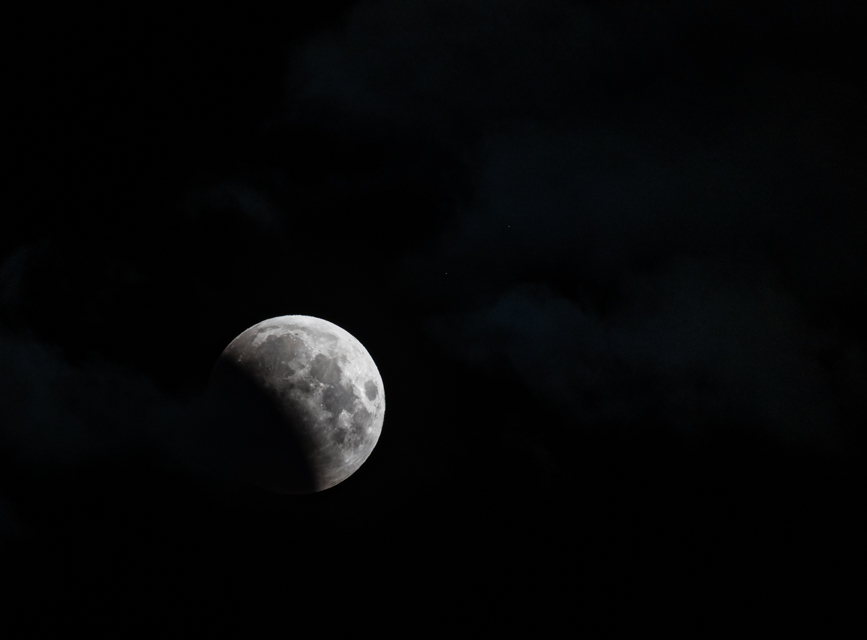



I needed to drive somewhere to see the total lunar eclipse last week but I just rolled out of bed and watched it from here. The last photo is as it approached the horizon prior to totality.
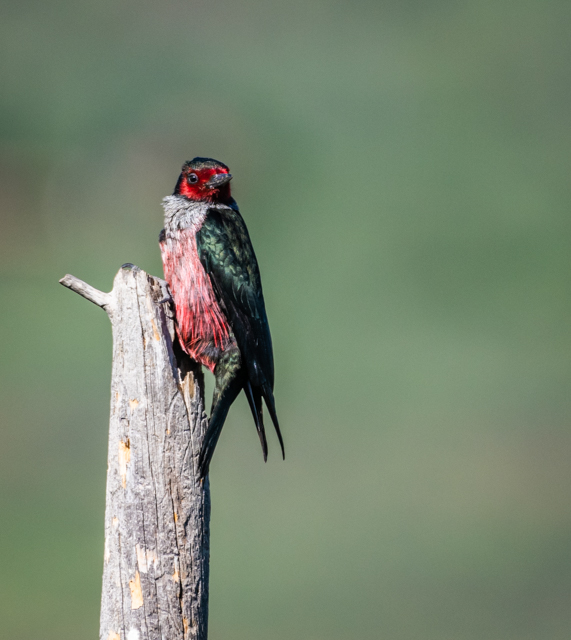
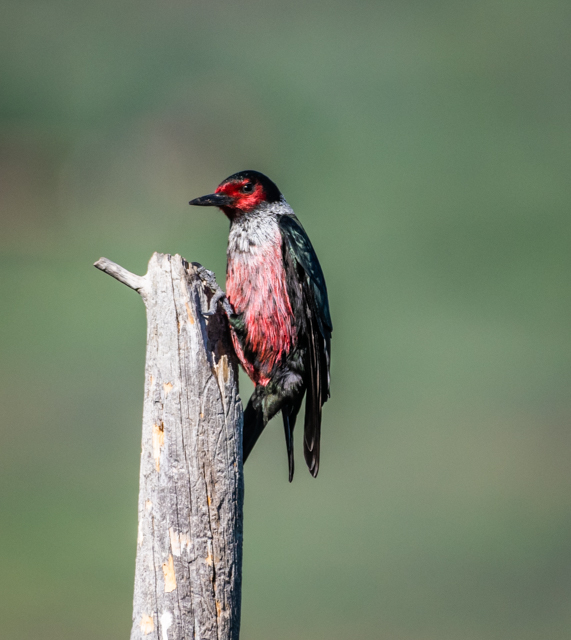
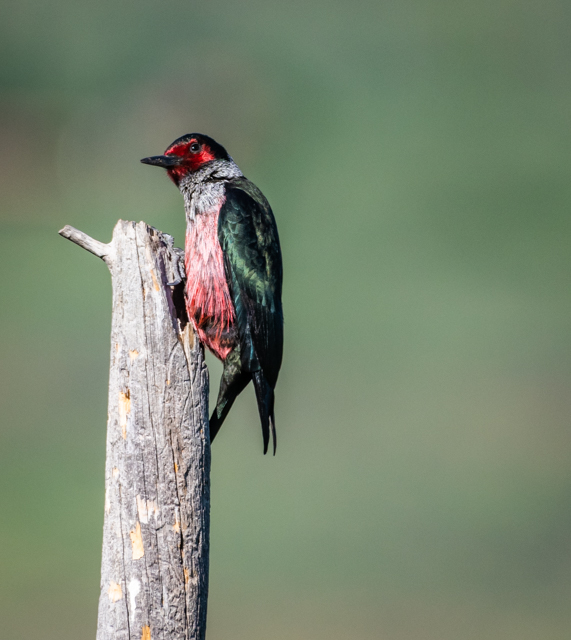
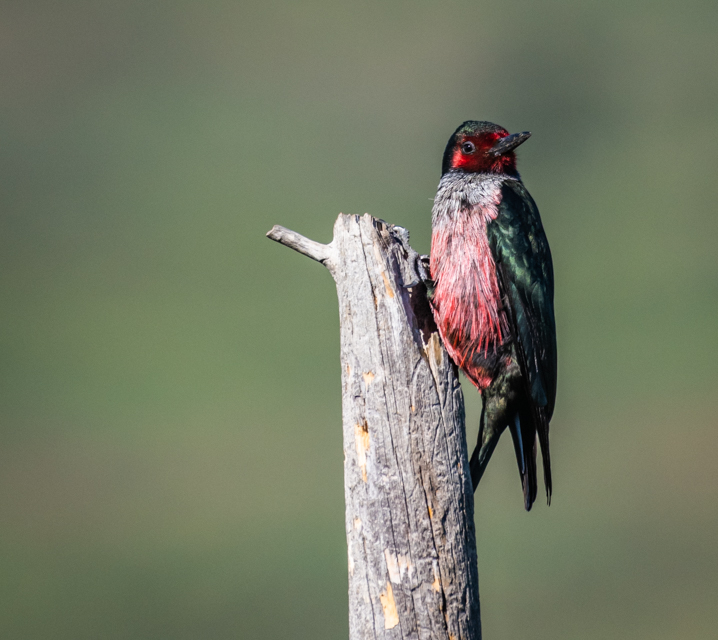
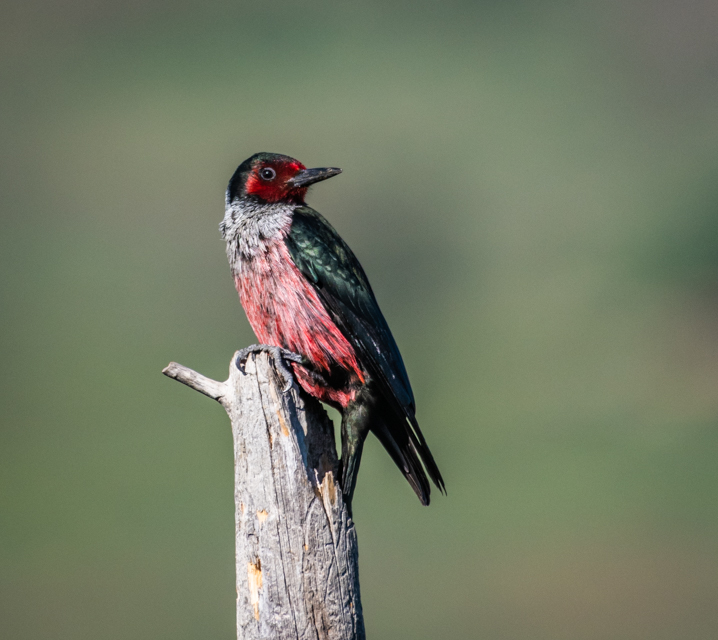
We are happy to see these colorful birds back to nest in our dead trees. This is the second year we have observed them nesting here. This particular bird was perched on a snag in front of our house, surveying its surroundings and being harassed by a Tree Swallow. The swallows normally use that perch and they were not happy to have this woodpecker in their space.
All About Birds has this to say about the Lewis’s Woodpecker: The Lewis’s Woodpecker might have woodpecker in its name, but it forages like a flycatcher and flies like a crow. It has a color palette all its own, with a pink belly, gray collar, and dark green back unlike any other member of its family. From bare branches and posts, it grabs insects in midair, flying with slow and deep wingbeats. It calls open pine forests, woodlands, and burned forests home, but it often wanders around nomadically outside of the breeding season in search of nuts. Lewis’s Woodpeckers nest mainly in holes and crevices created by other woodpeckers or created naturally in dead and decaying trees (snags). They nest in cottonwood, ponderosa pine, paper birch, white pine, and other trees that are starting to decay. On occasion they nest in live trees. Lewis’s Woodpeckers are uncommon and their populations declined by 72% between 1970 and 2014, according to Partners in Flight.
They are beautiful birds, iridescent in the sunshine with colors that seem out of place in a burned forest. Once the woodpecker gave up its perch, the Tree Swallow moved right back.


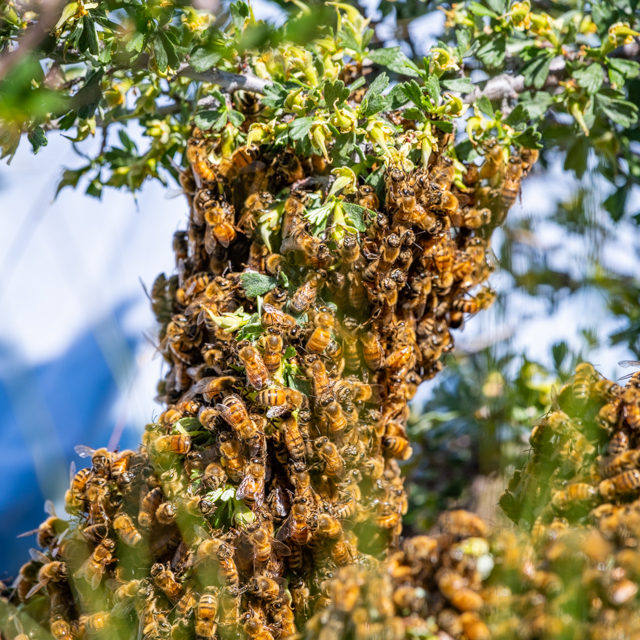
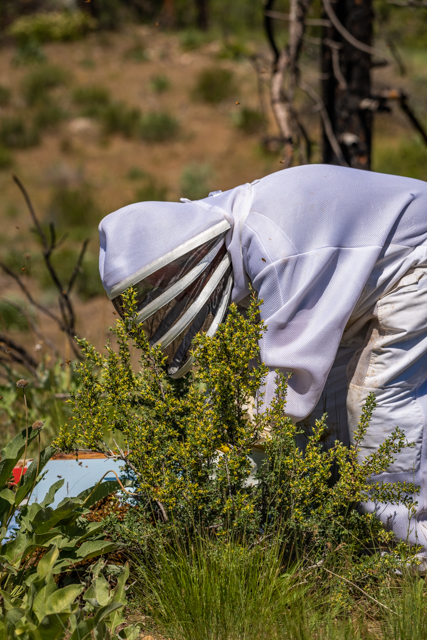
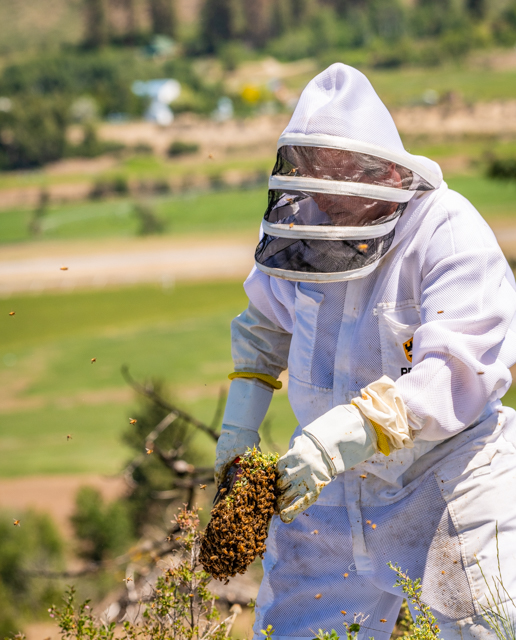
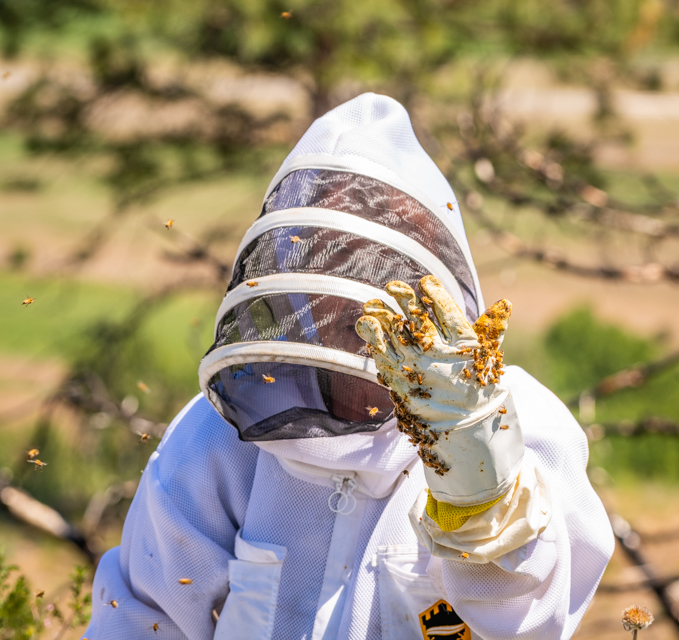
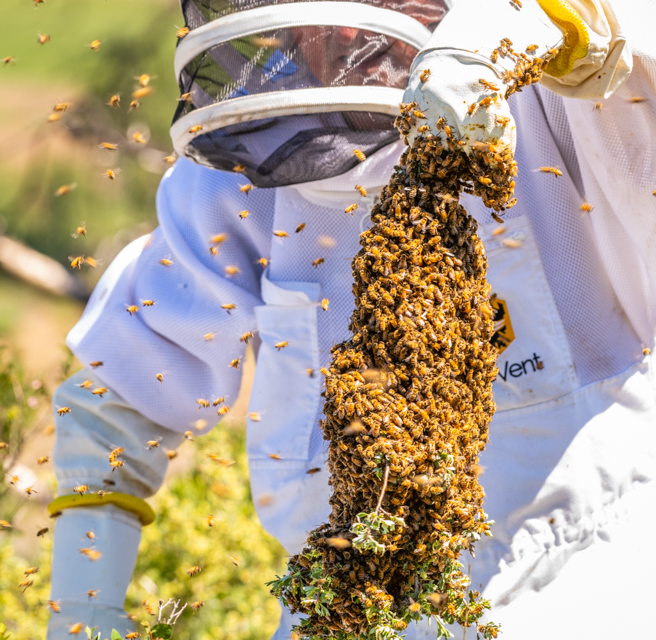
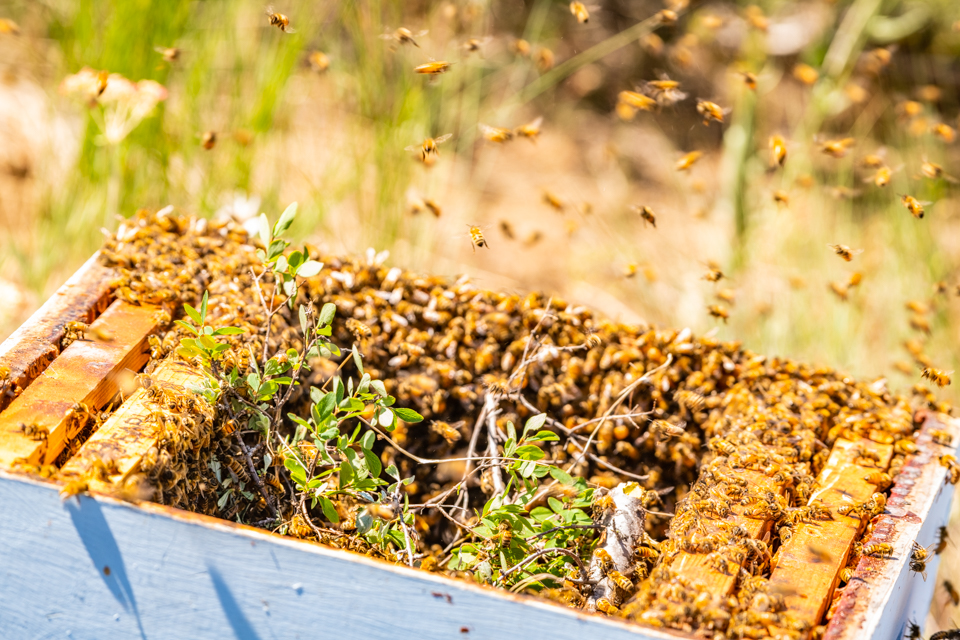
Ken was worried about the possibility of the honeybees swarming and sure enough, on Saturday, the strongest hive split apart. They made a new queen and thousands of bees followed her out of the hive. I noticed excessive activity down there and told Ken about it. He walked over to see what was up and had the chance to watched the swarm take off and land on a nearby bitterbrush. There were so many bees that they weighed the branches down to the ground. Ken suited up and got a spare hive box with a few frames and cut the branches and dropped the girls into the box. They stayed so they must be happy with the new, less crowded box. Now there are six hives.





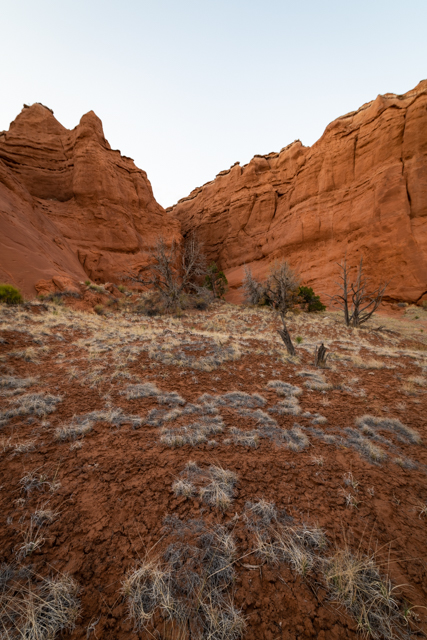
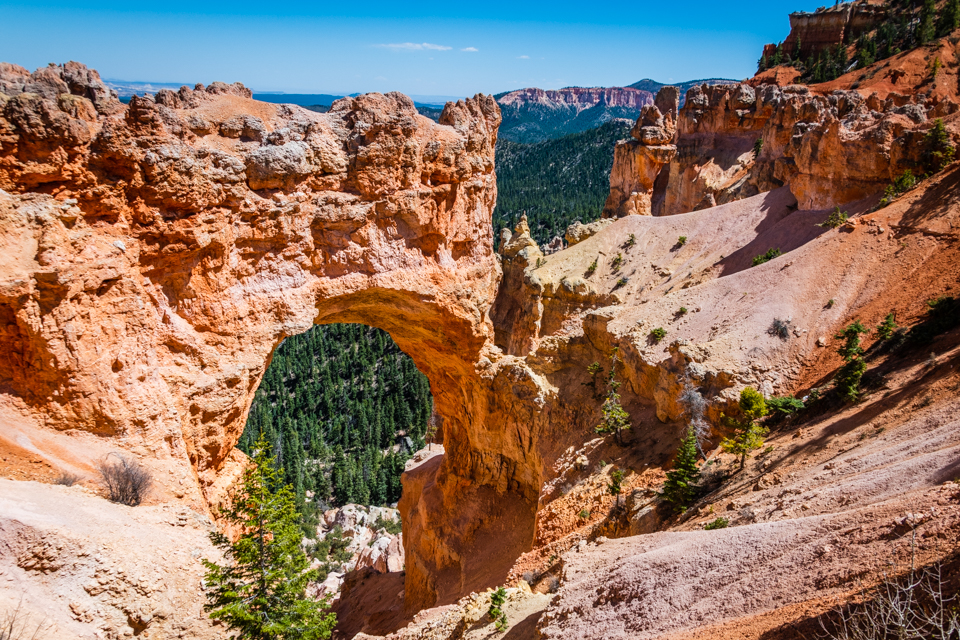
After the Nightscaper event in Kanab, we had a couple of days left in Utah. It was too hot for Luna to really enjoy it and our campsite offered no relief in the way of shade or water. The landscapes are amazing with another unbelievable formation around every corner.
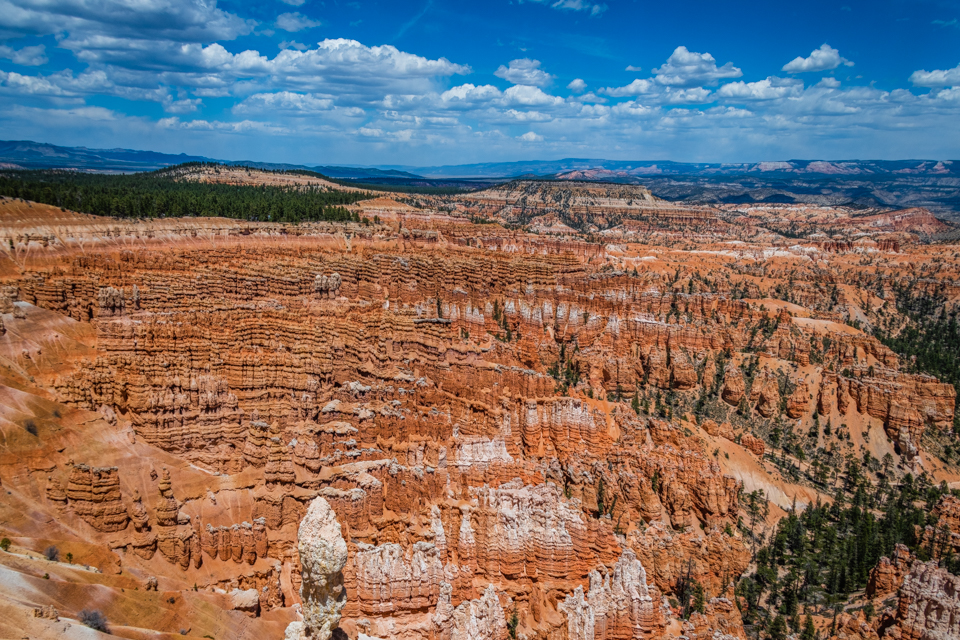
One afternoon, to escape the heat, we drove up to Bryce where it was much cooler. However there were so many people, some parking lots were at full capacity. Instead of seeing park rangers, I saw parking managers. Still I did enjoy the scenery.
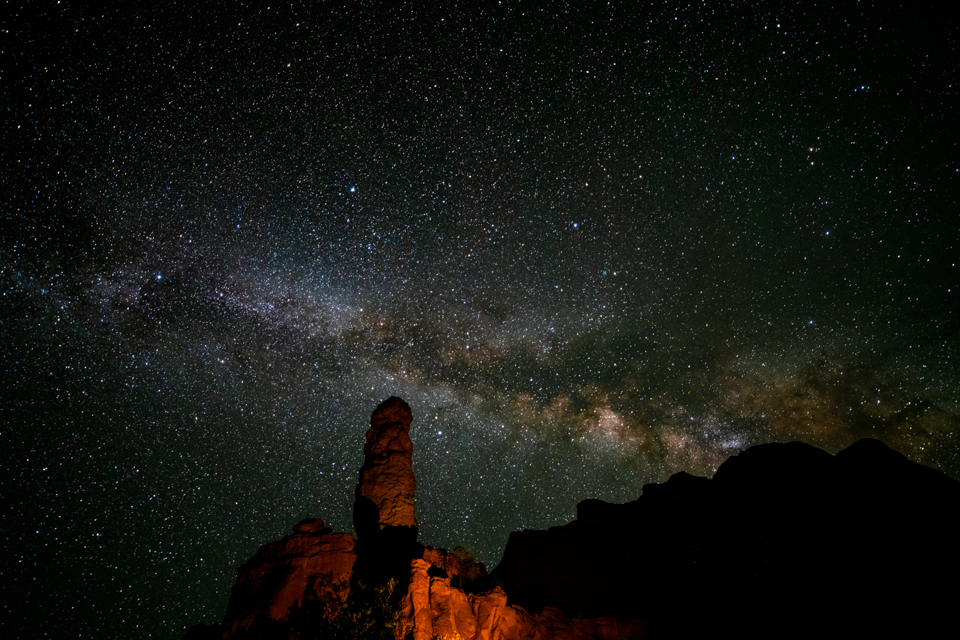
And I got out one night for milky way photography with a little low level lighting. Ken helped me with the lights. It really doesn’t take very much. I still need so much practice.










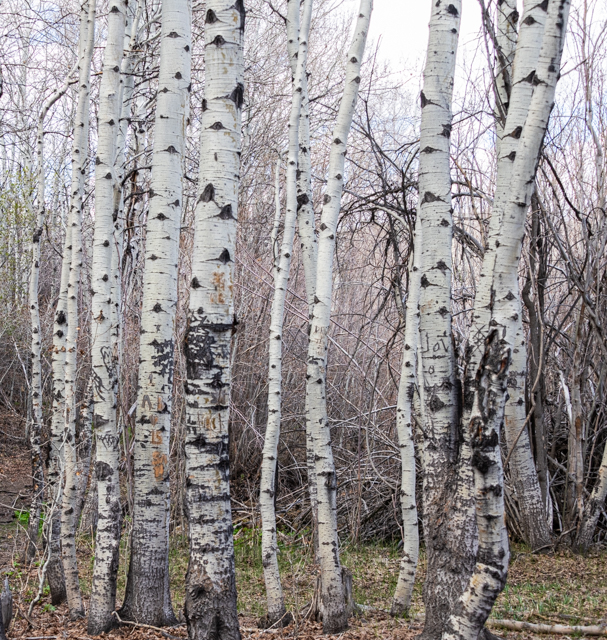
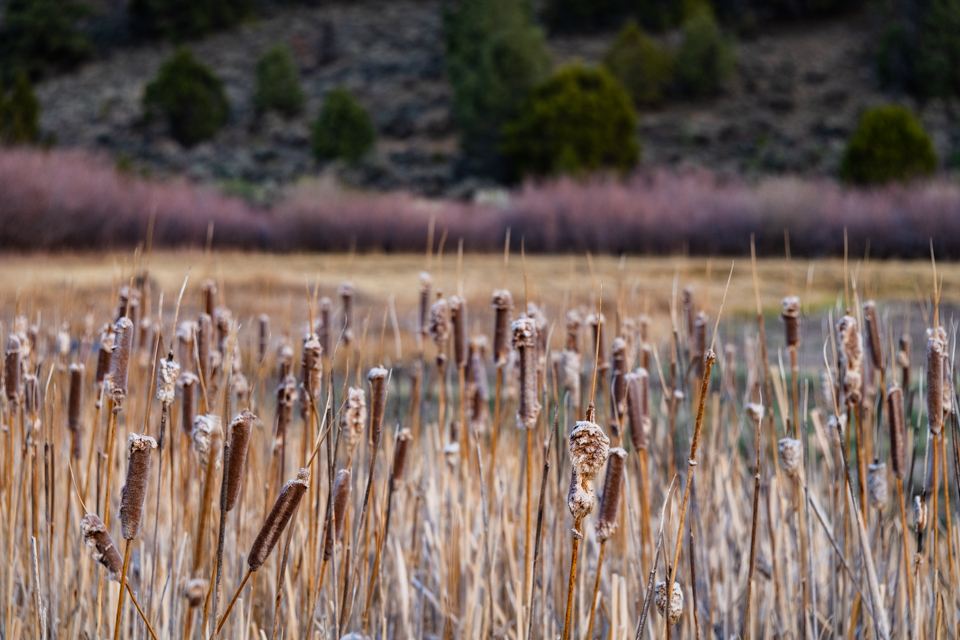
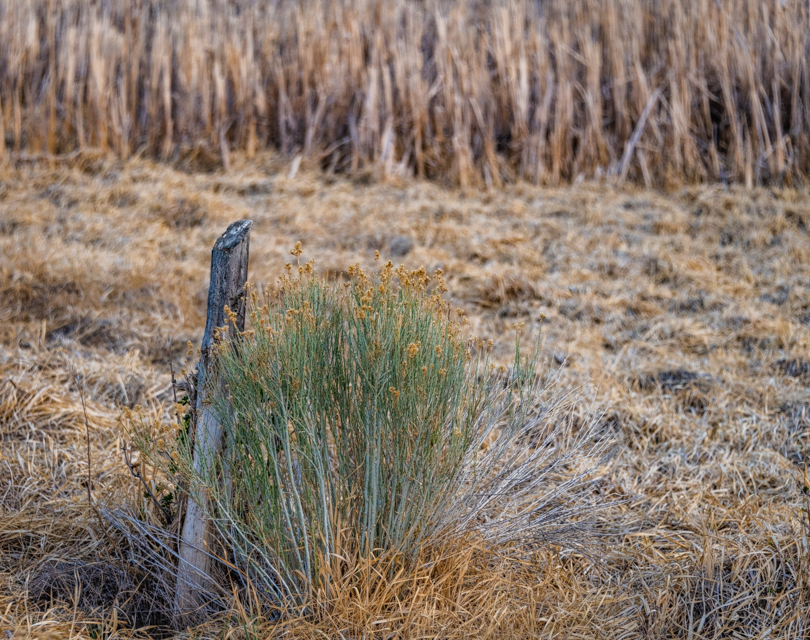
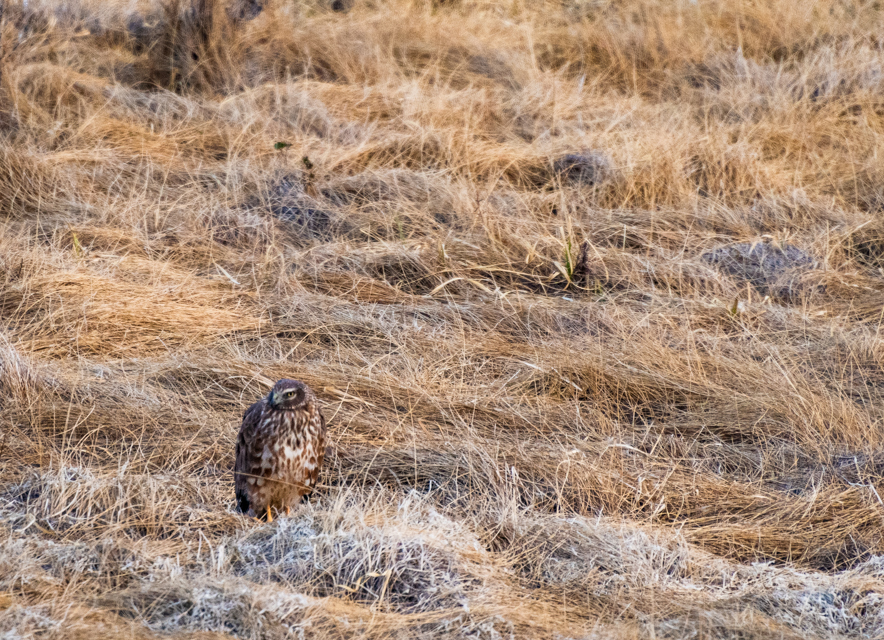
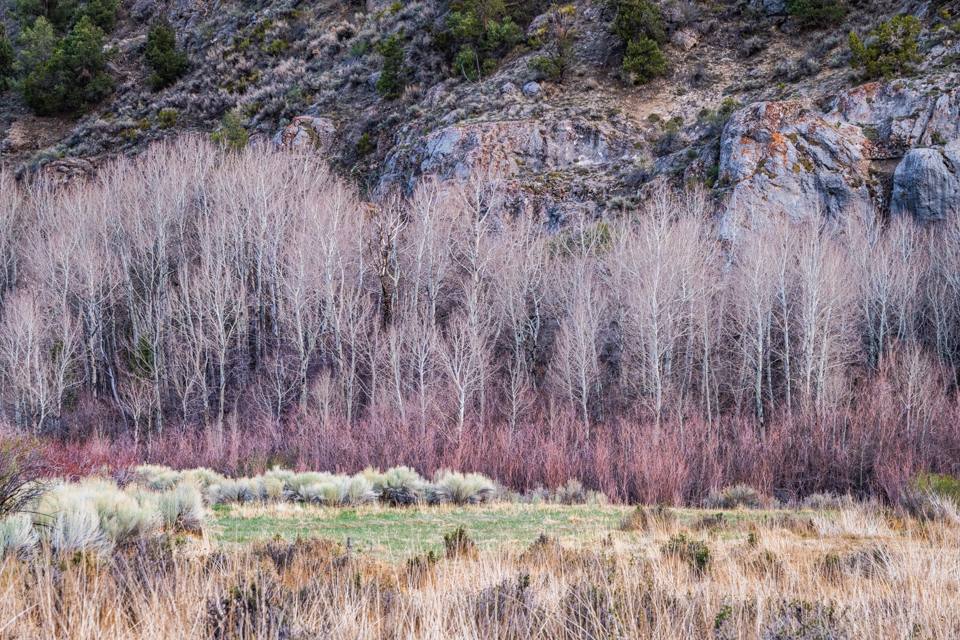
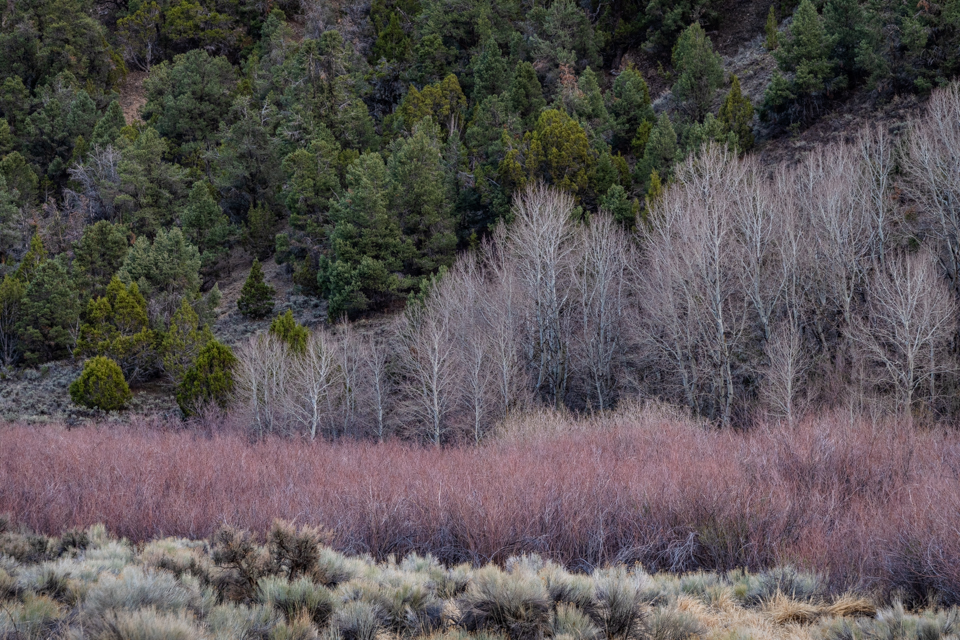
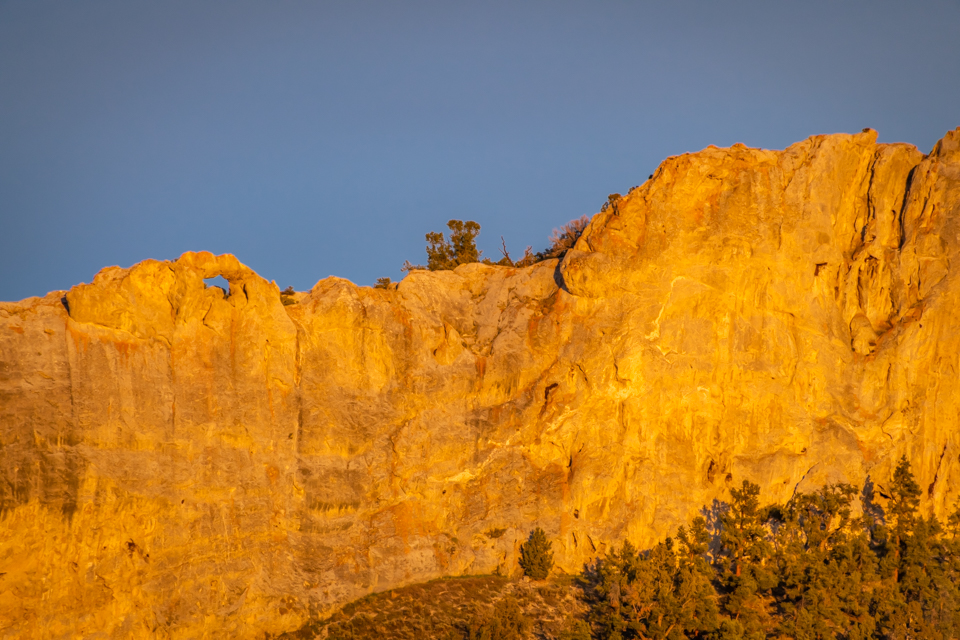
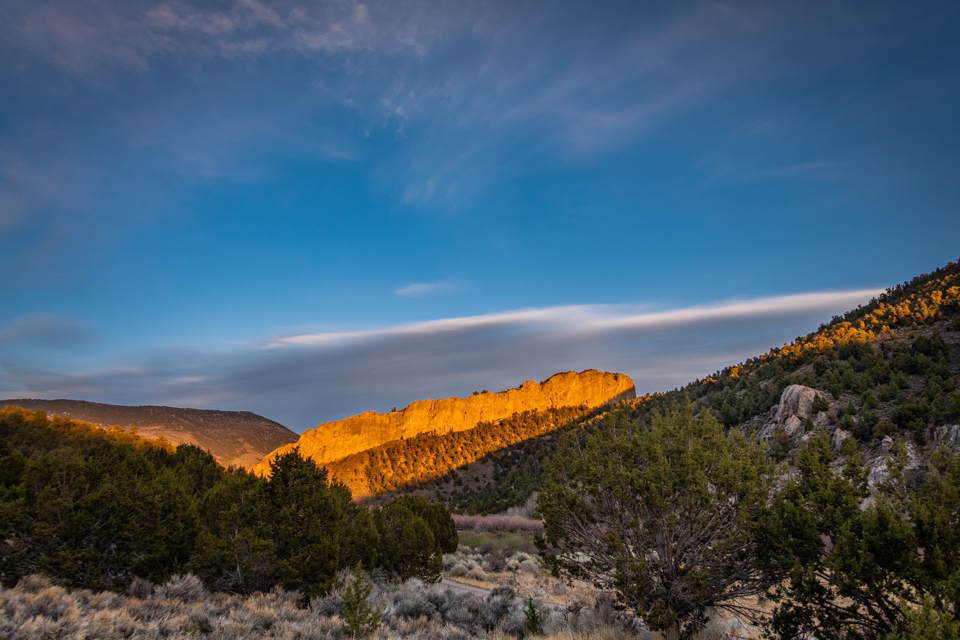
The evening light was beautiful where we camped and the girls and I enjoyed walks after dinner. I admit to being obsessed with the pastel pinks and greens of willow and sage and rabbitbrush and the stark aspens, not yet leafed out. And that geologic feature – the rock fin that came straight up out of the ground with its small arch on top. The female Northern Harrier must have had an unseen prey item and didn’t want to move even though we walked by her coming and going. Those two photos are heavily cropped. We were not overly close to her.












 My Everyday Photos