This young Cooper’s Hawk showed up at breakfast time recently. It terrorized the finches for a while but in the end, I was the only one that got breakfast.
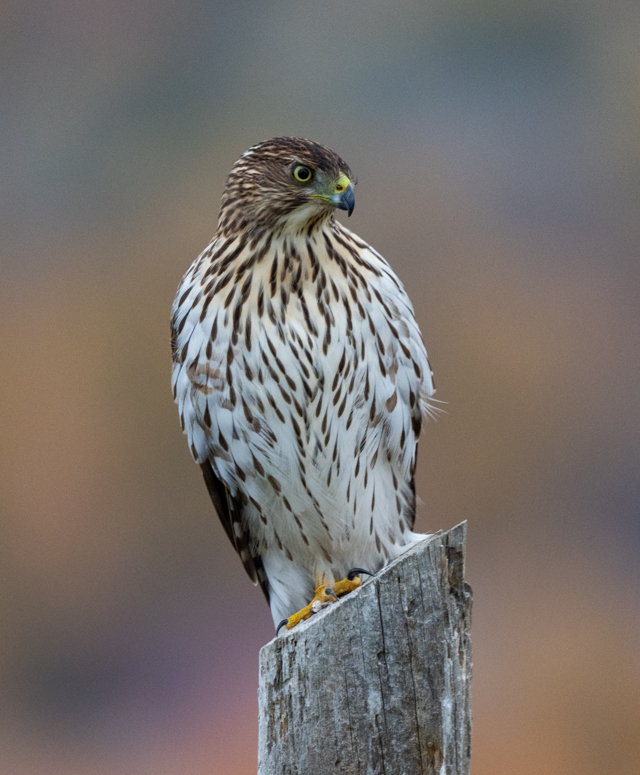


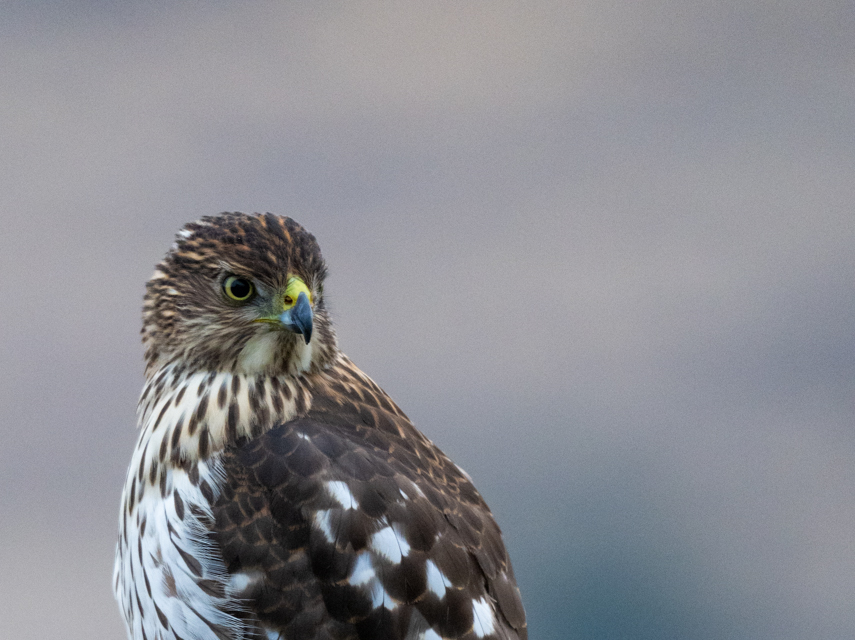
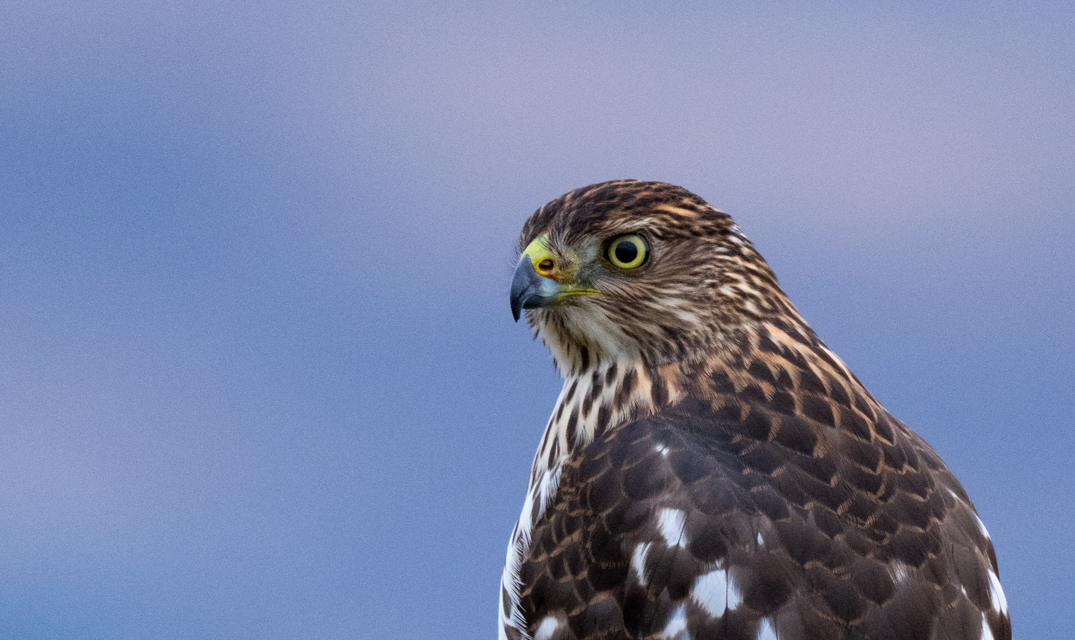
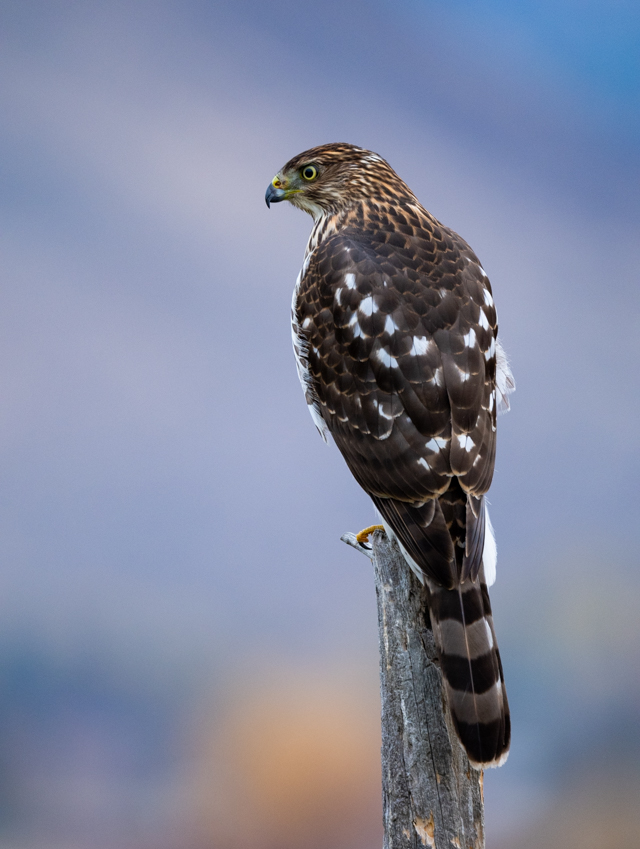


This young Cooper’s Hawk showed up at breakfast time recently. It terrorized the finches for a while but in the end, I was the only one that got breakfast.
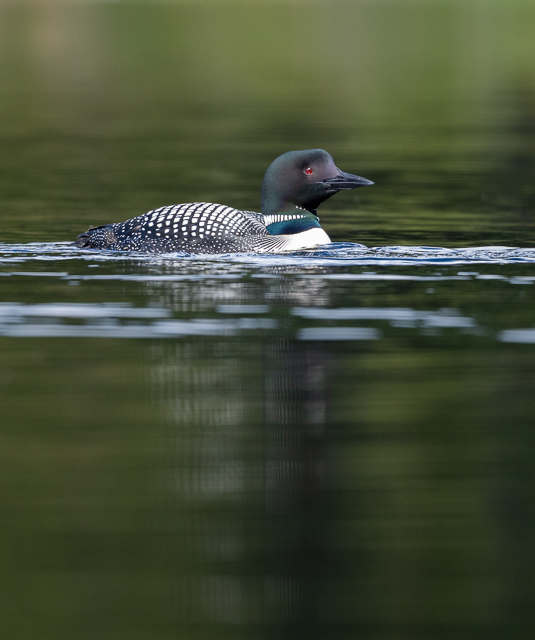
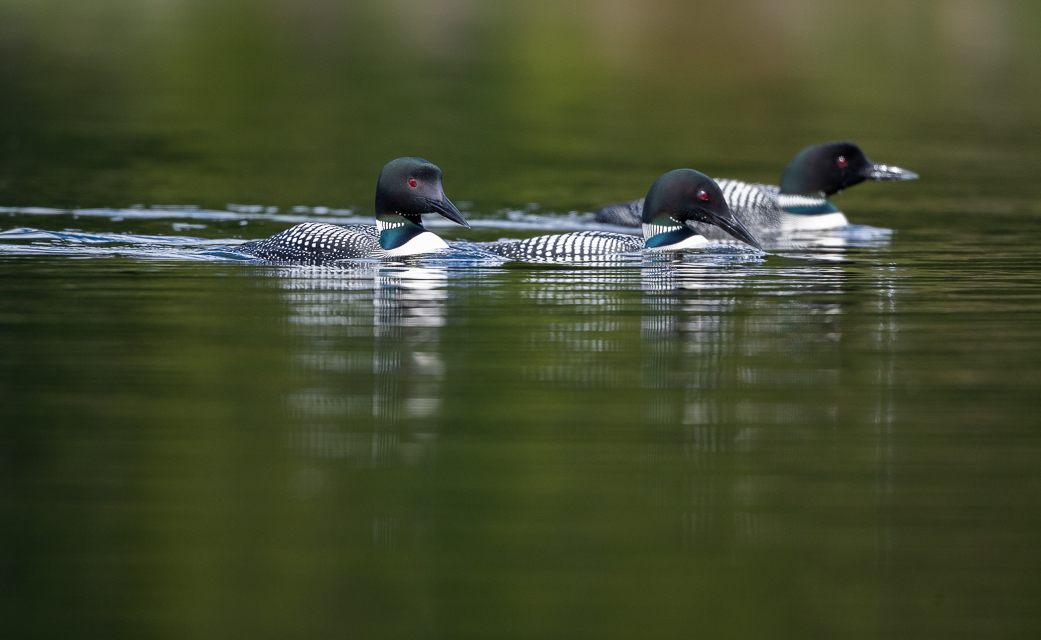
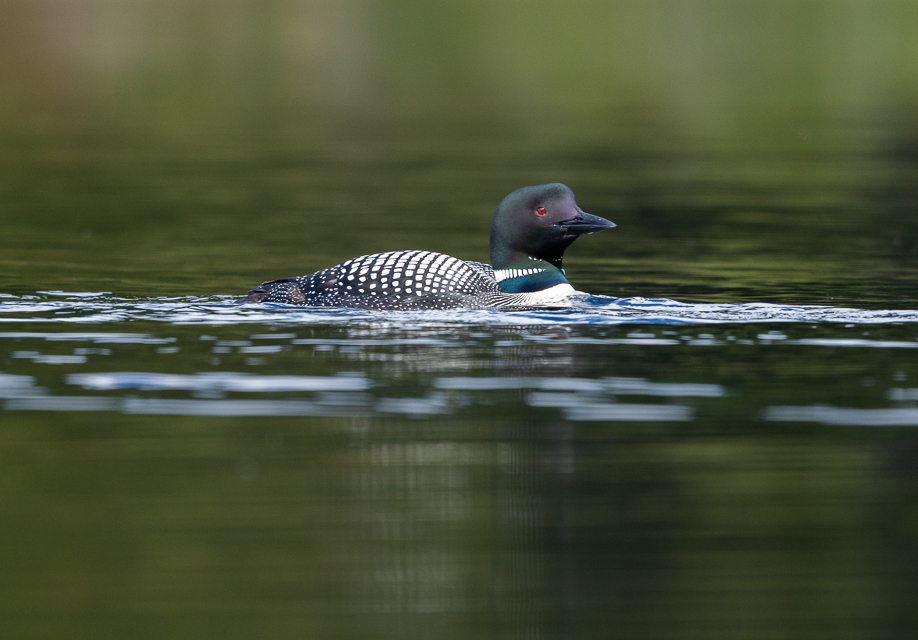
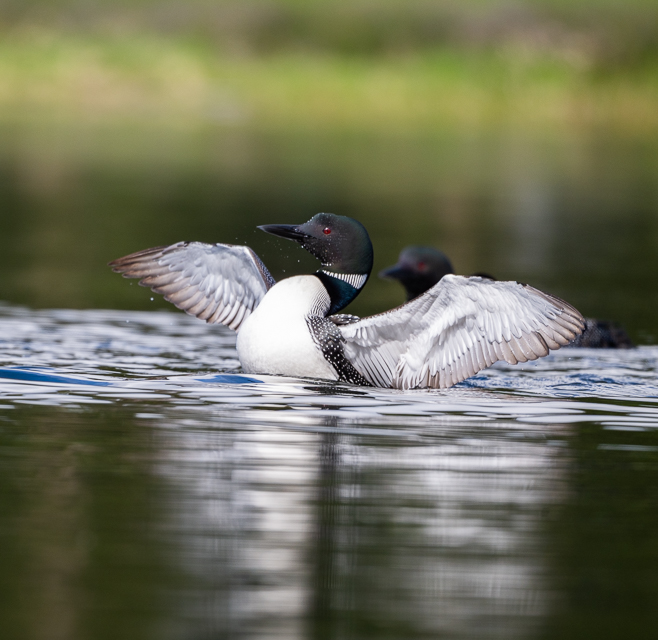
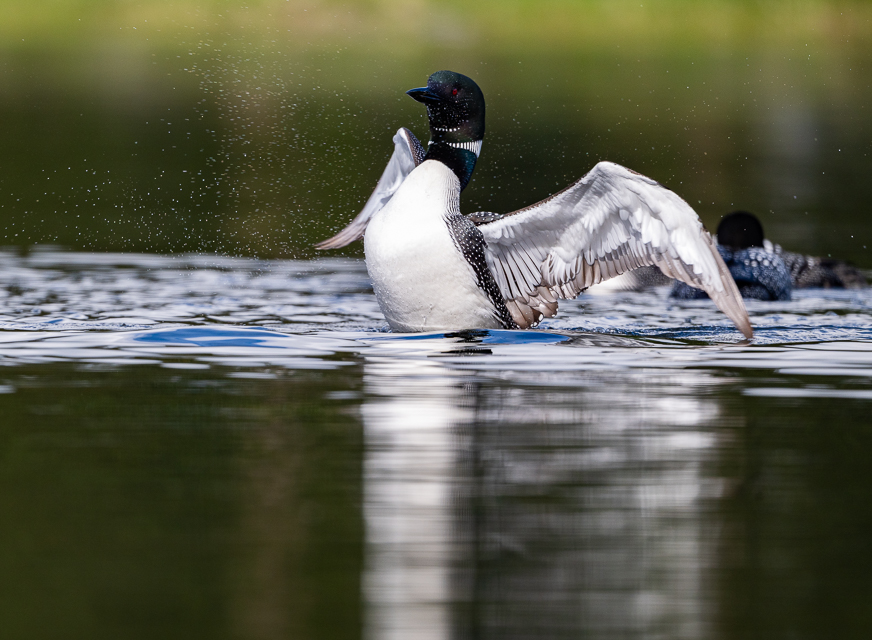
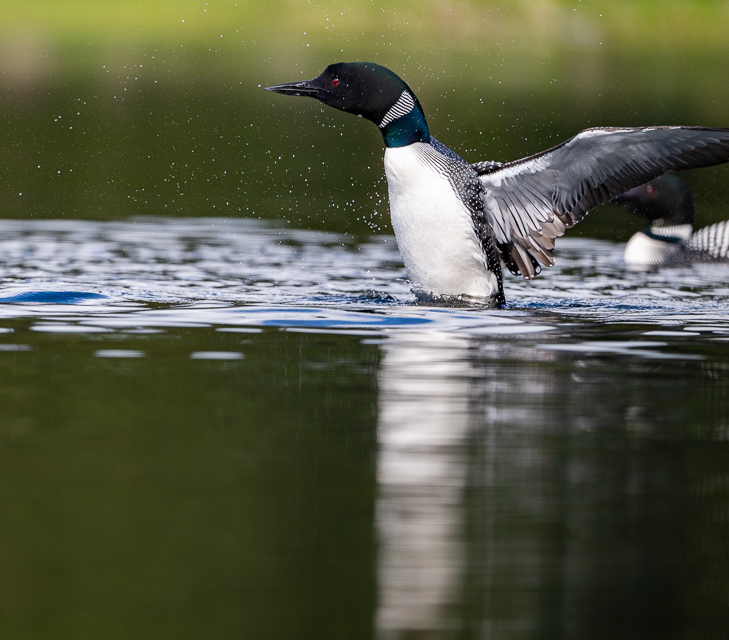
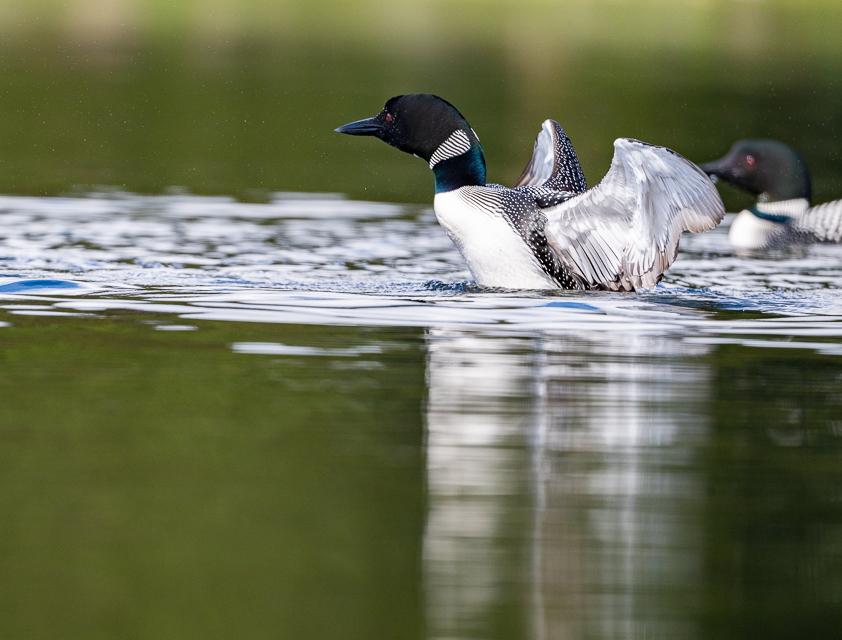
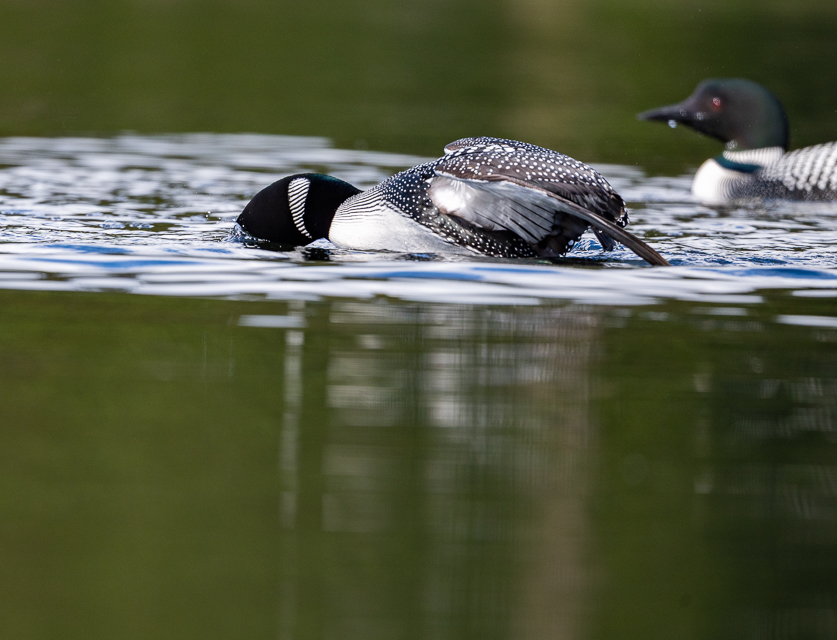
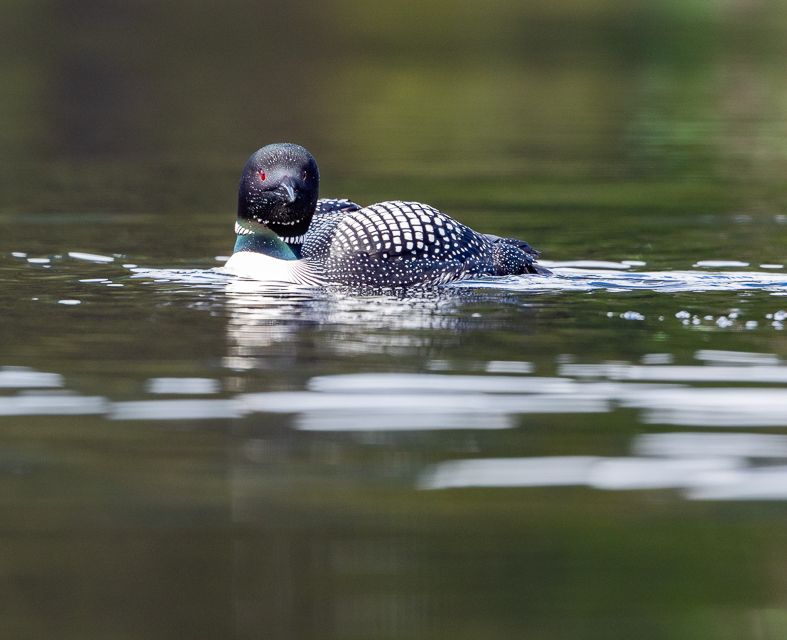
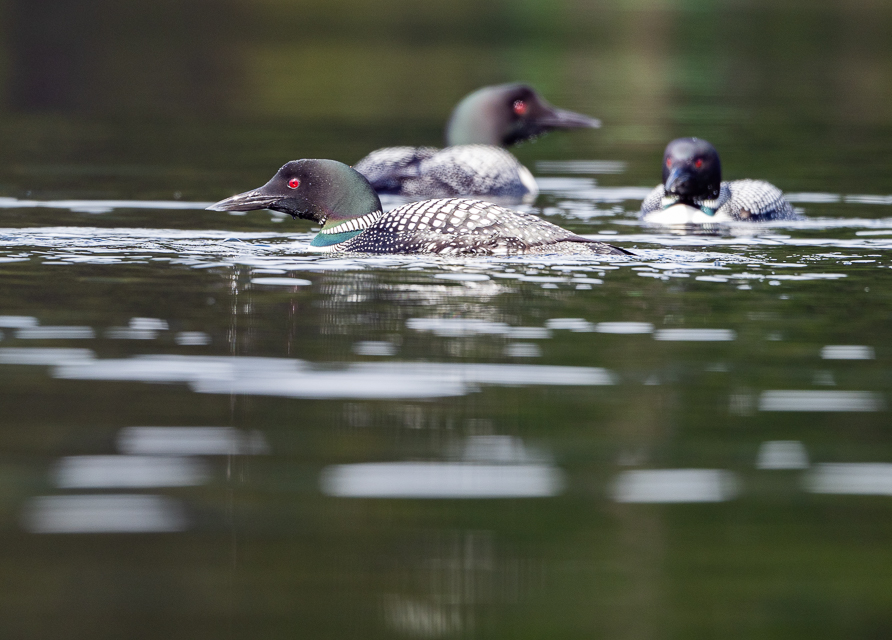
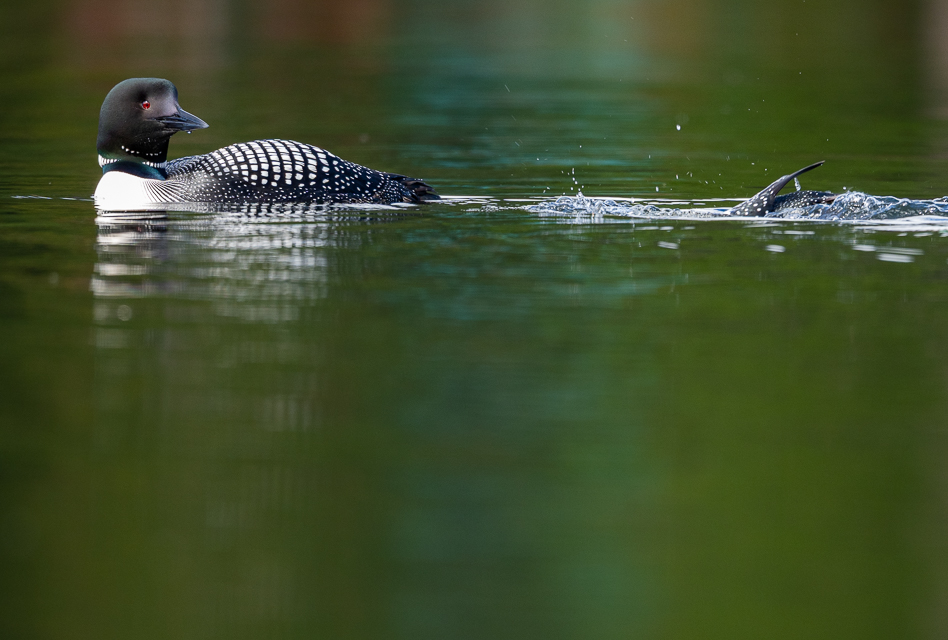
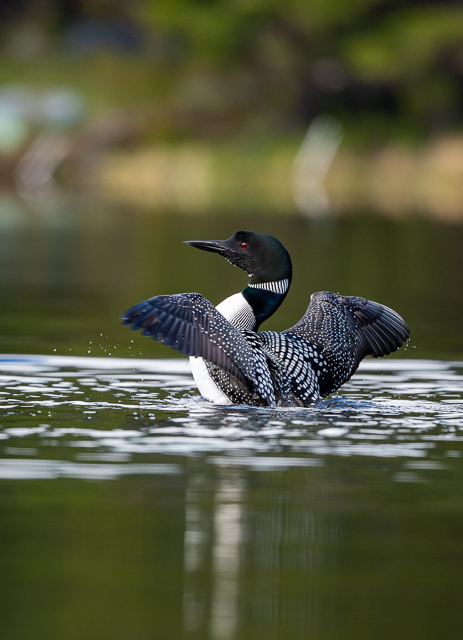
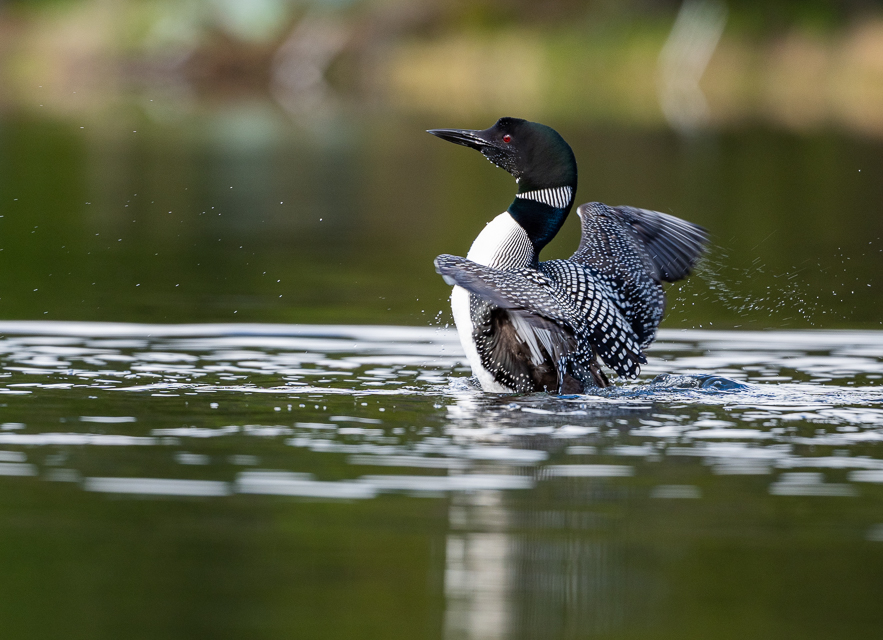
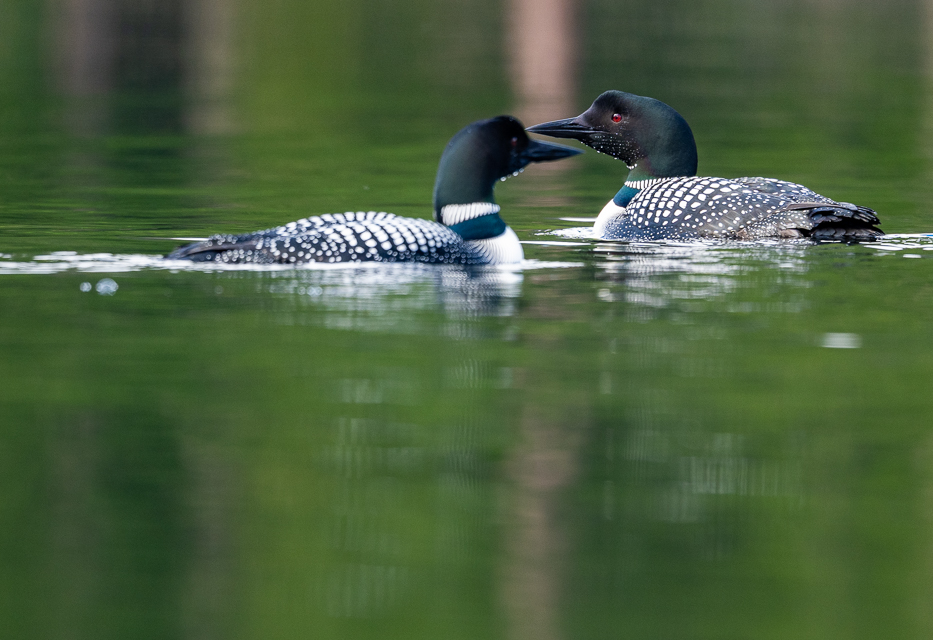
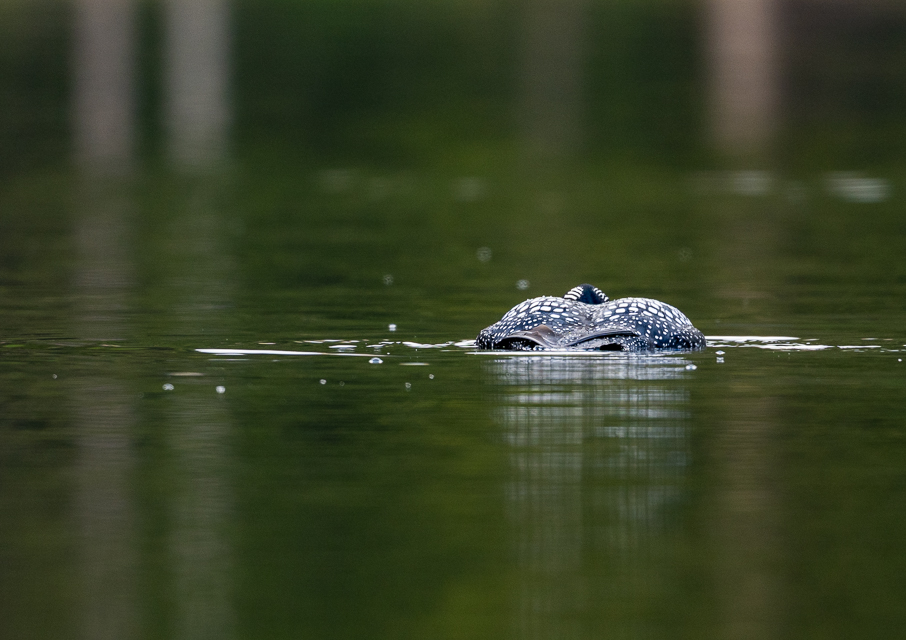
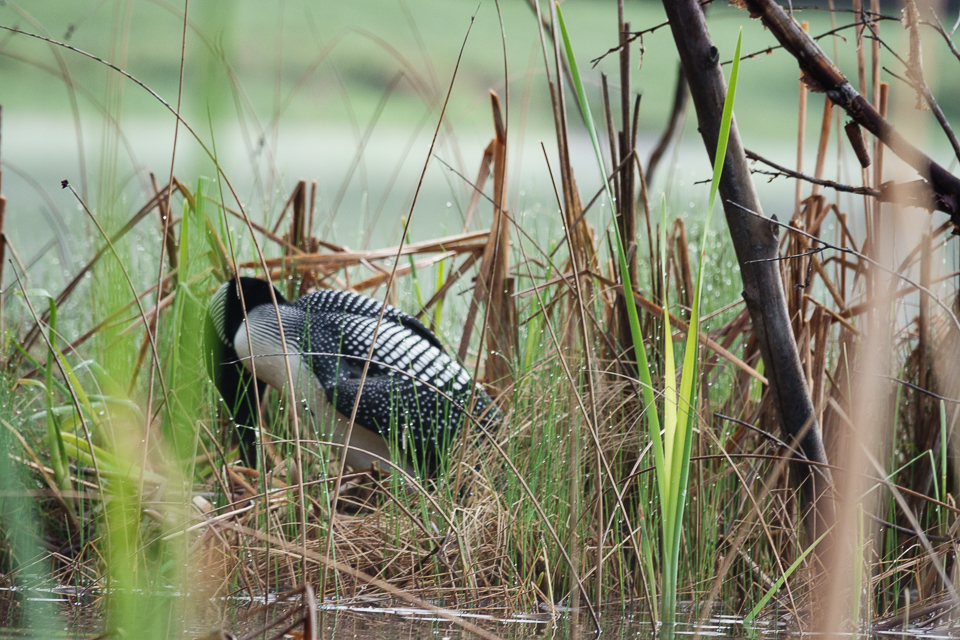
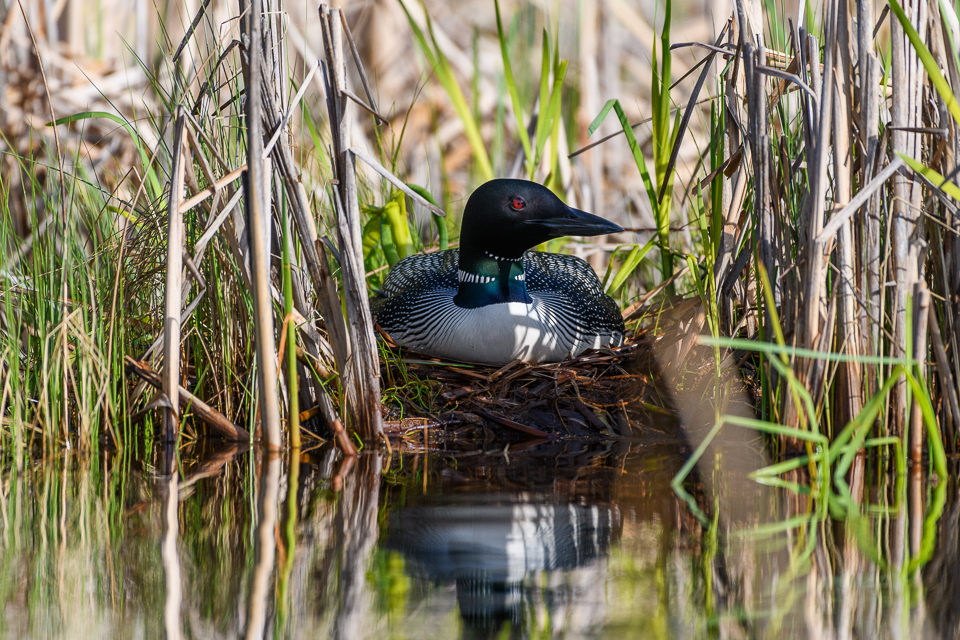
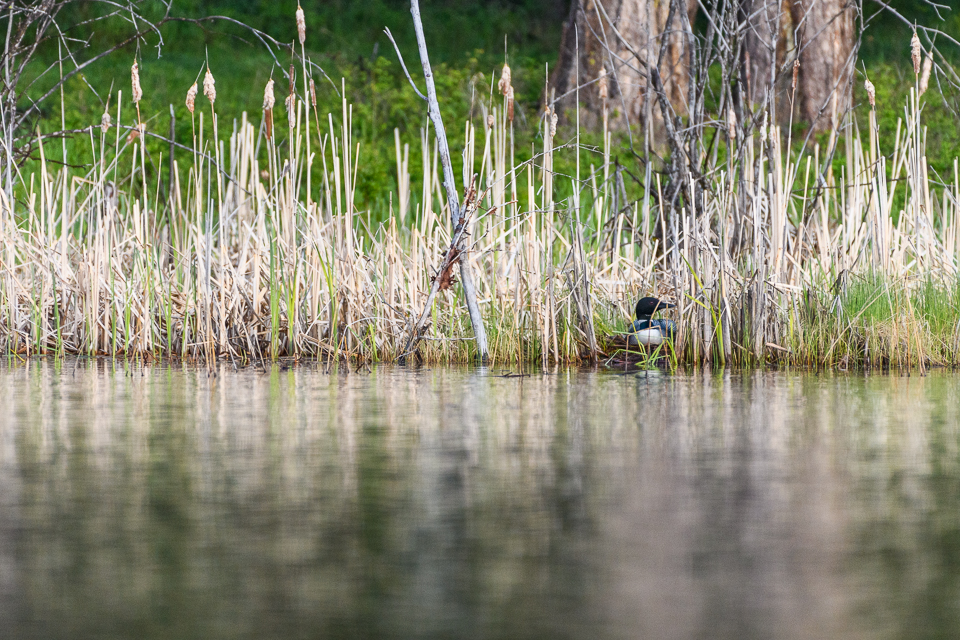
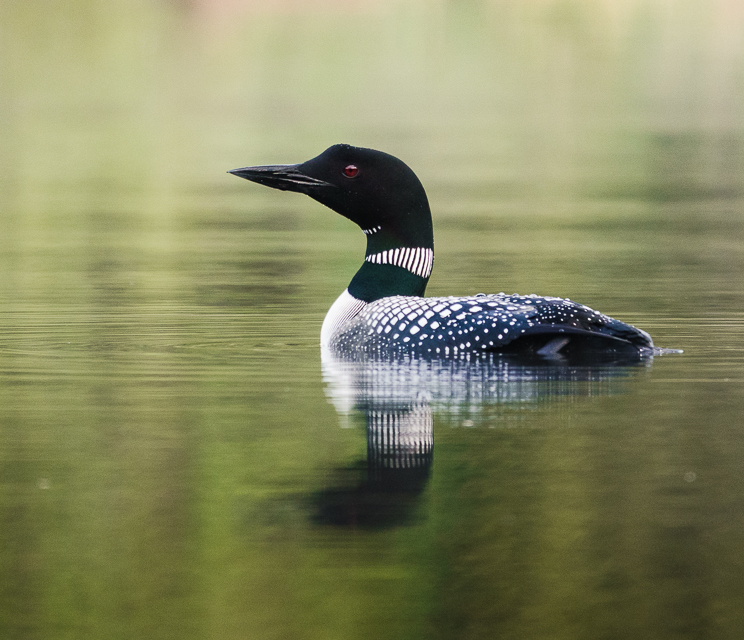
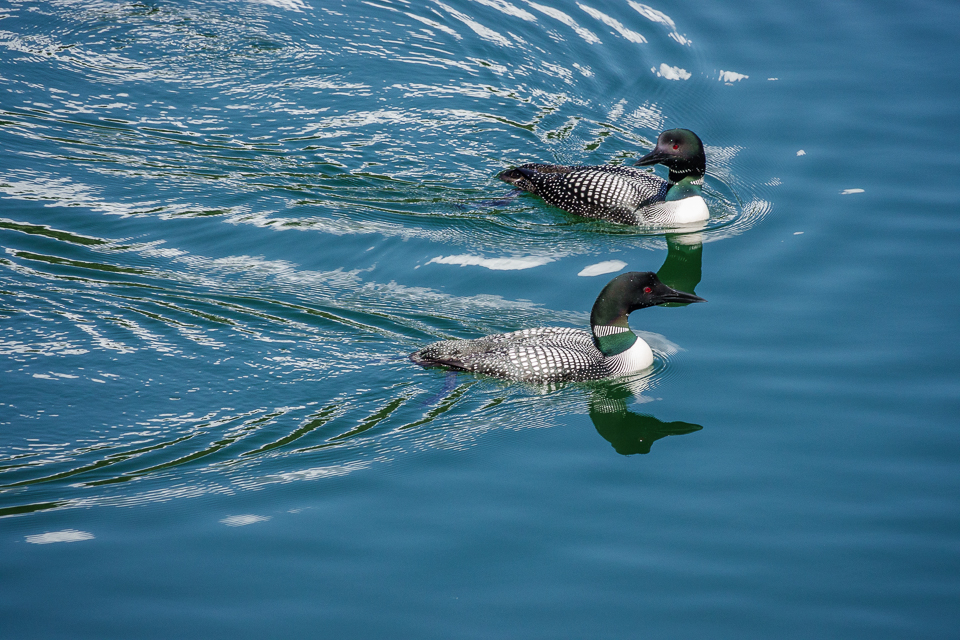
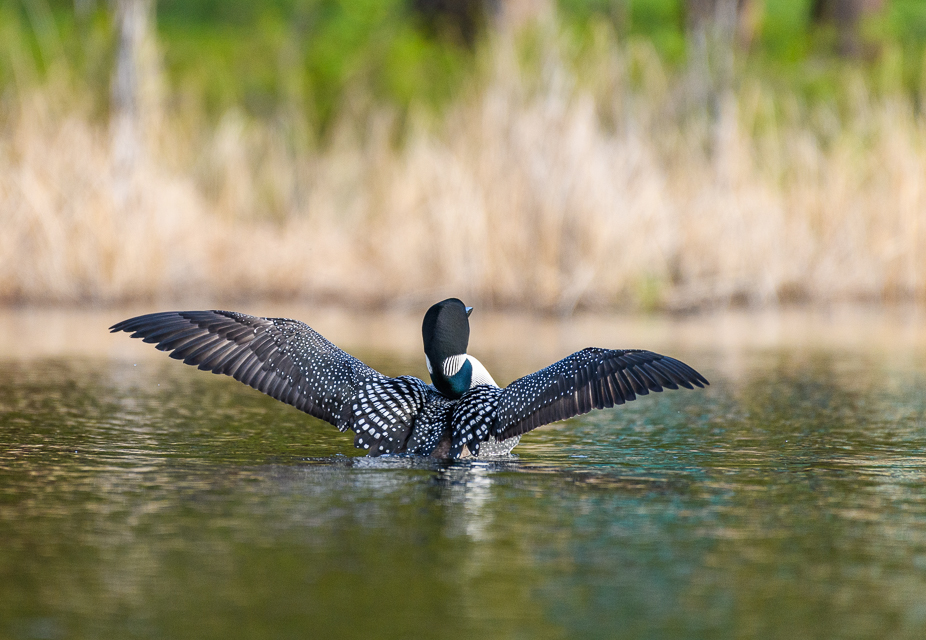
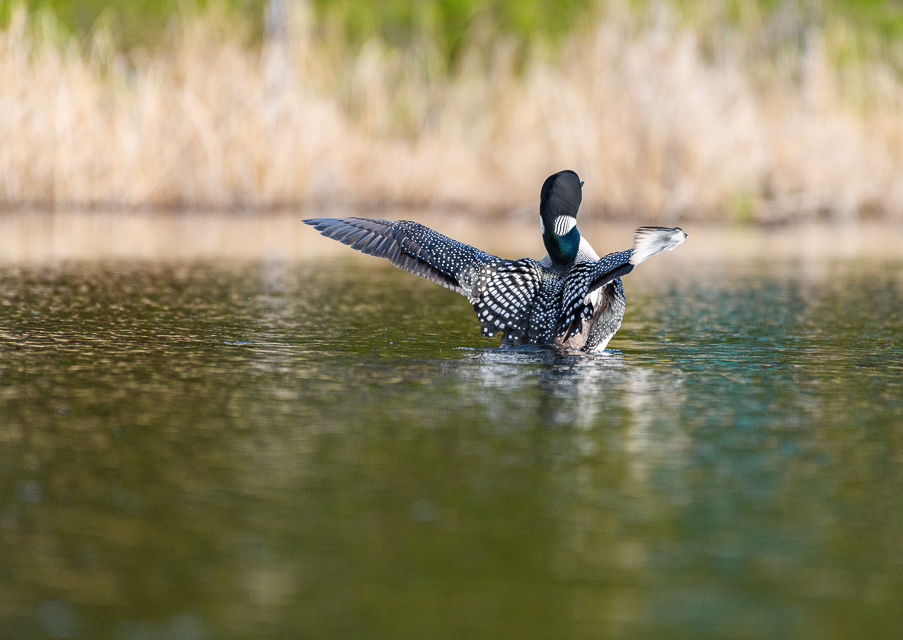
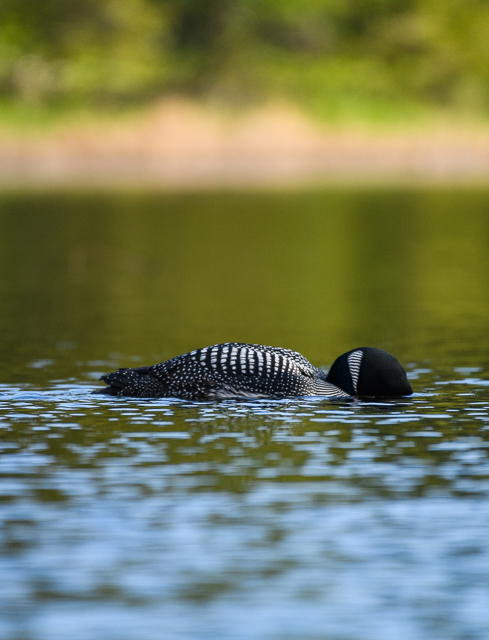
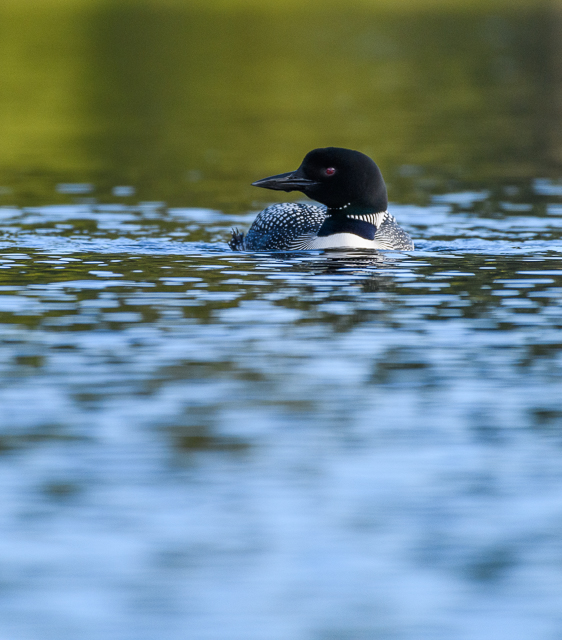
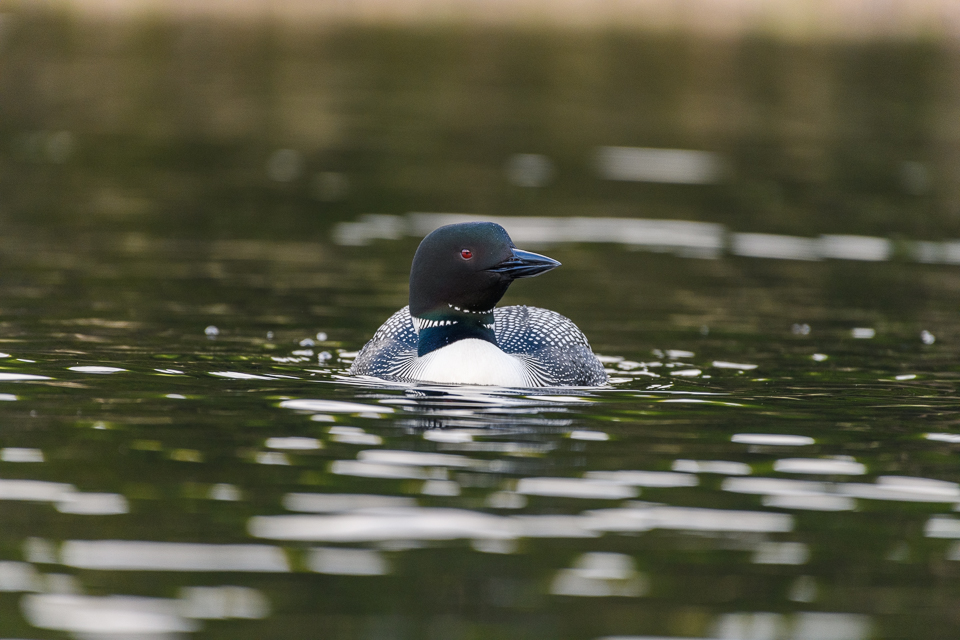
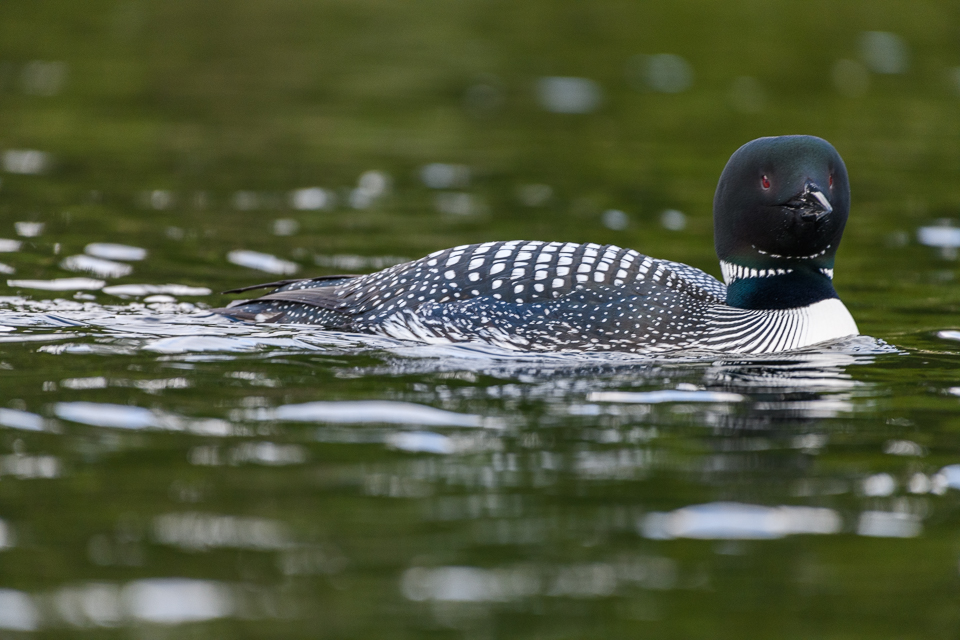
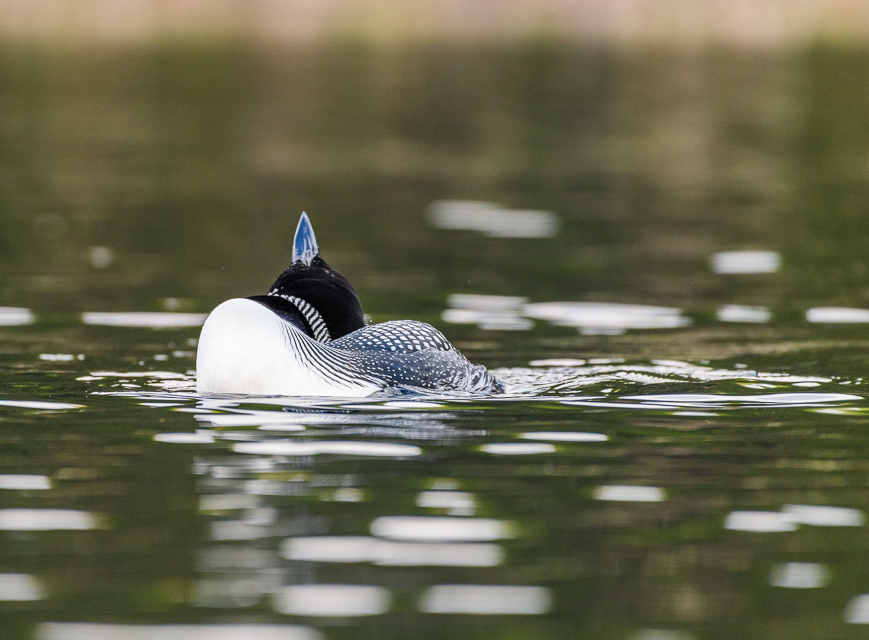
I observed these loons from my kayak on a lake in the Okanogan Highlands last month. Usually, there is a nesting pair but at that time, none were using the historic nest. This particular day, we observed six or seven loons, actively feeding on small trout. Most days I observed only two or three loons on the water at any time. At least two other lakes in the area had nesting loons.
Washington Department of Fish and Wildlife (WDFW) says “This species is identified as a Priority Species under WDFW’s Priority Habitat and Species Program. Priority species require protective measures for their survival due to their population status, sensitivity to habitat alteration, and/or recreational, commercial, or tribal importance. The PHS program is the agency’s main means of sharing fish and wildlife information with local governments, landowners, and others who use it to protect priority habitats for land use planning.”
Last year, an entire family of four loons was brutally killed by someone with a gun. Another loon died of lead poisoning, possibly from fishing tackle.
I love to camp there and watch and listen to the loons.










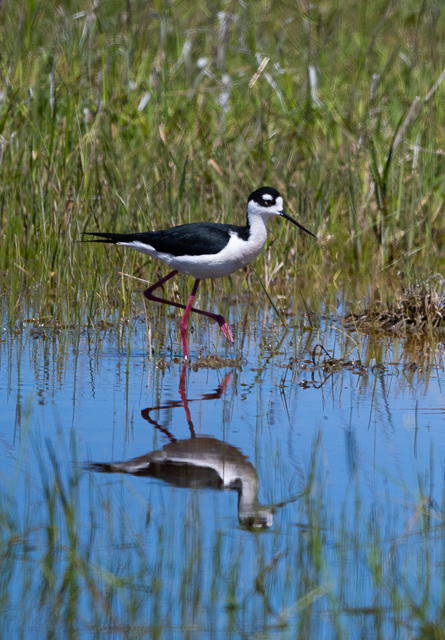
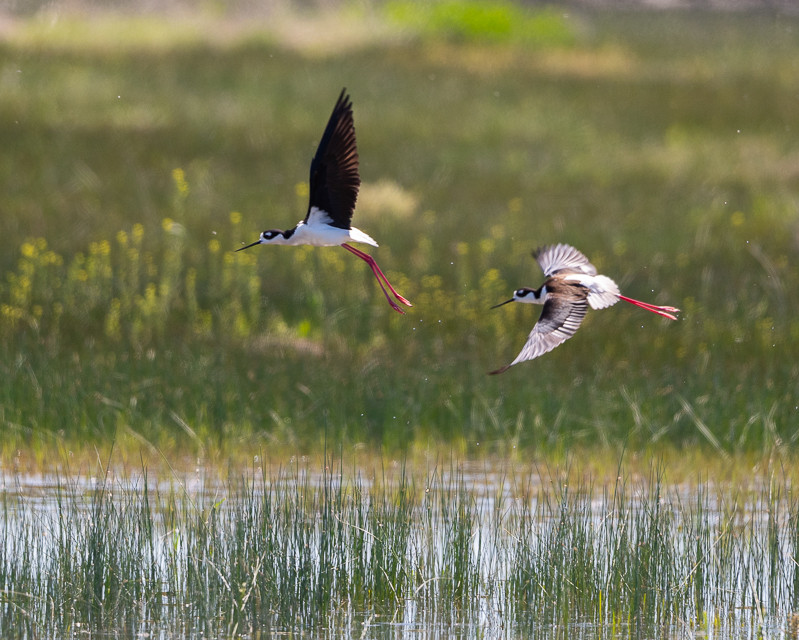
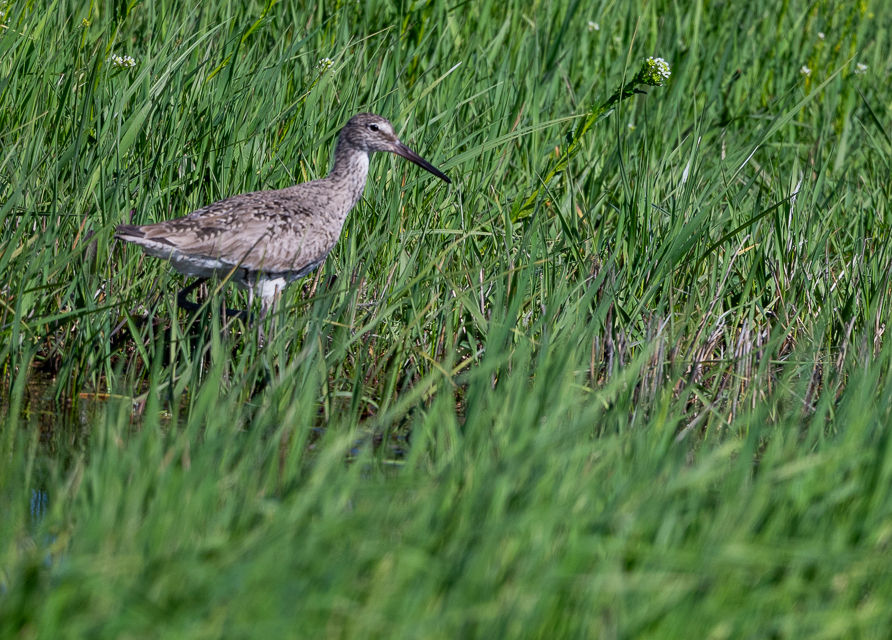
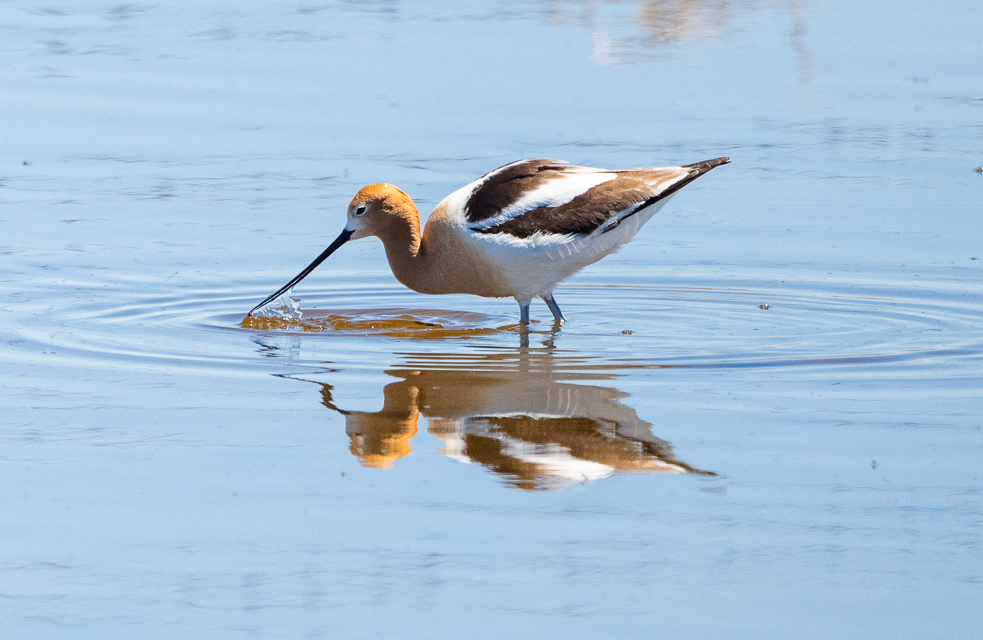
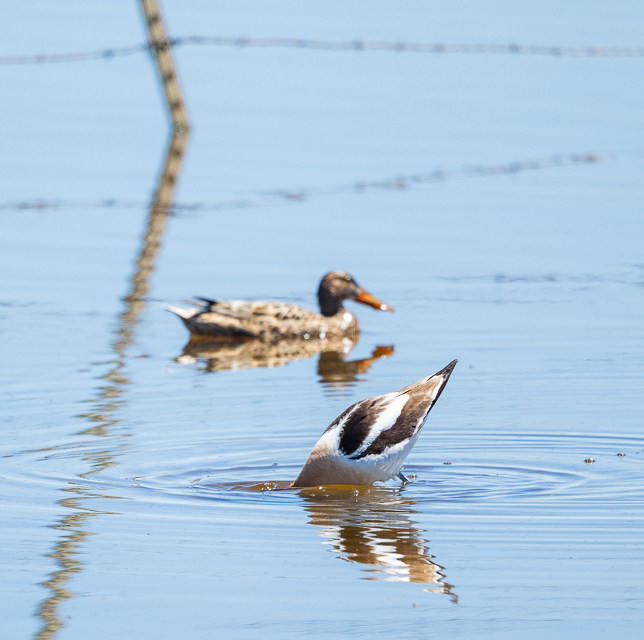
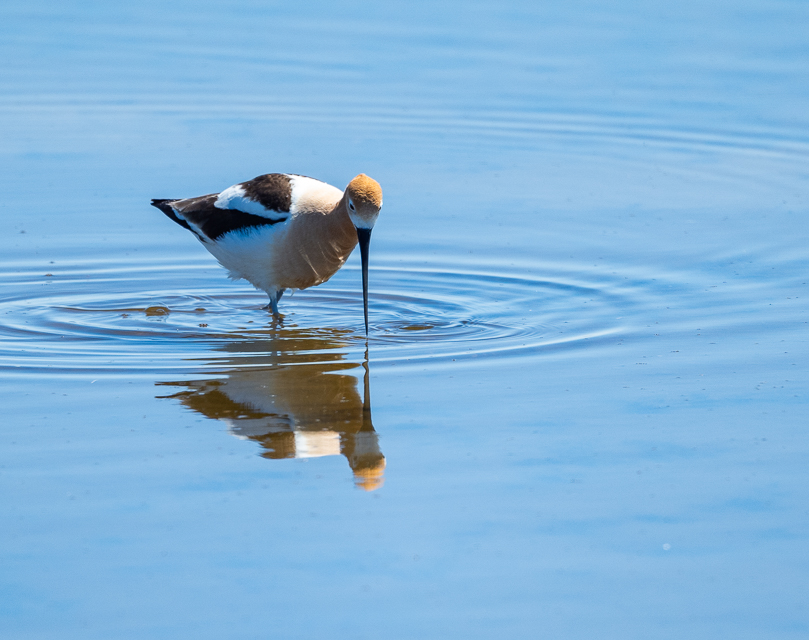
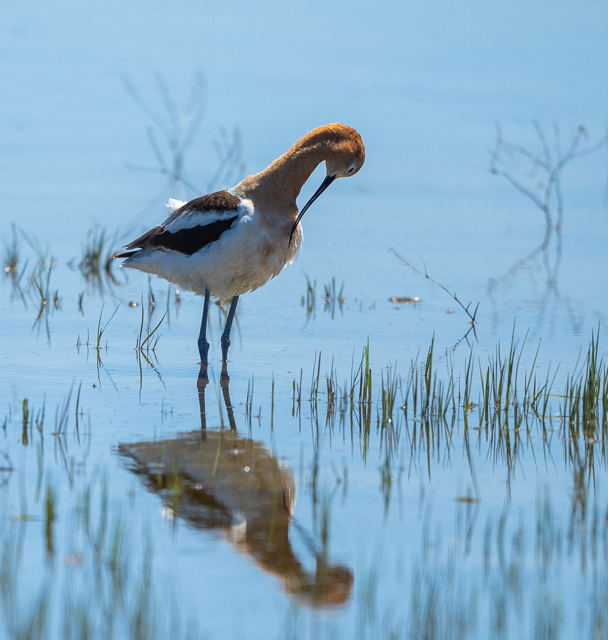
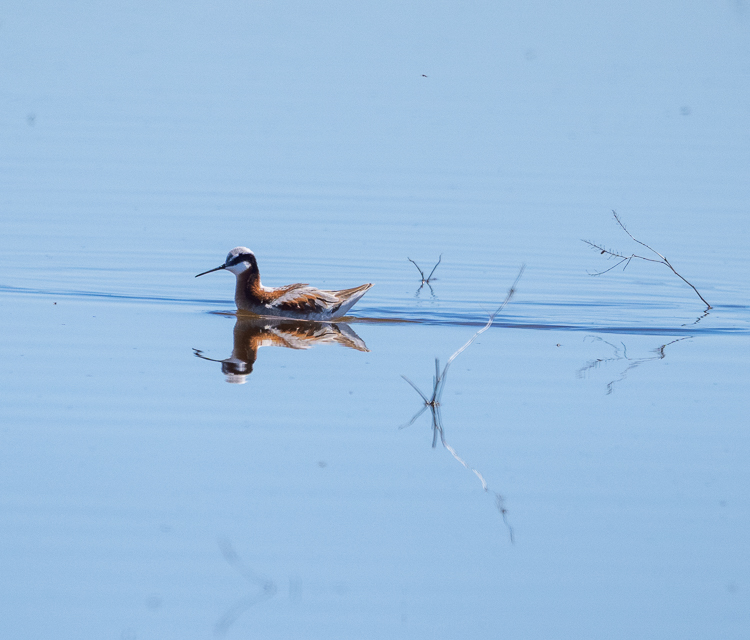
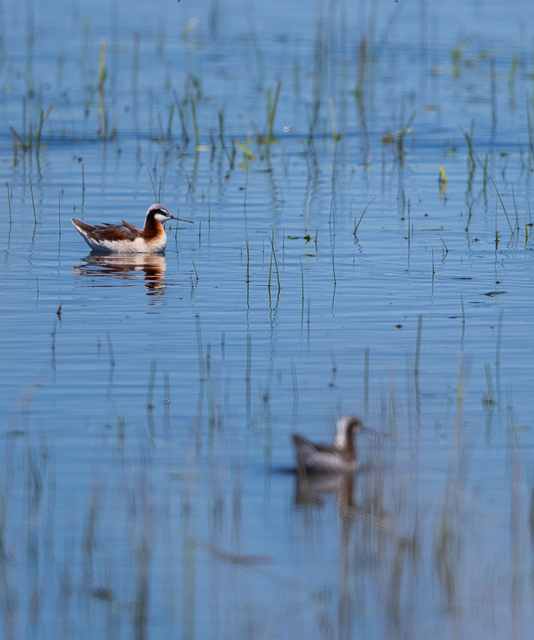
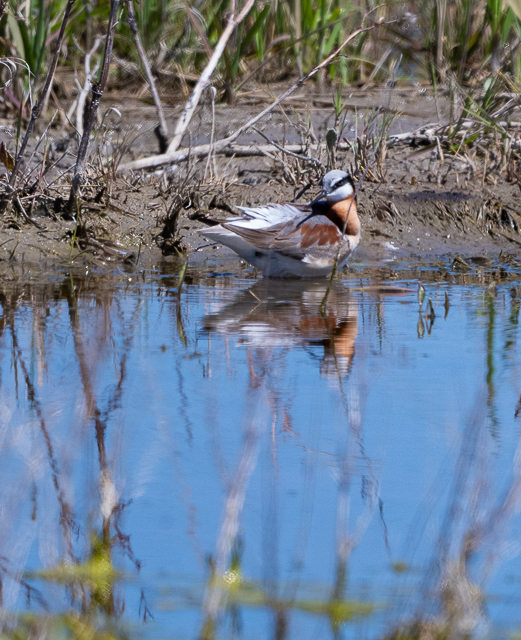
Shorebirds are always fun to watch. Their gangly legs and long beaks are just so interesting. The Wilson’s Phalarope is a bit different, mostly foraging while afloat in shallow water. Another difference is that the female is the more colorful of the pair and the male incubates the eggs and gets the youngsters off to a good start in life. I think the avocets enjoy looking at their reflection.
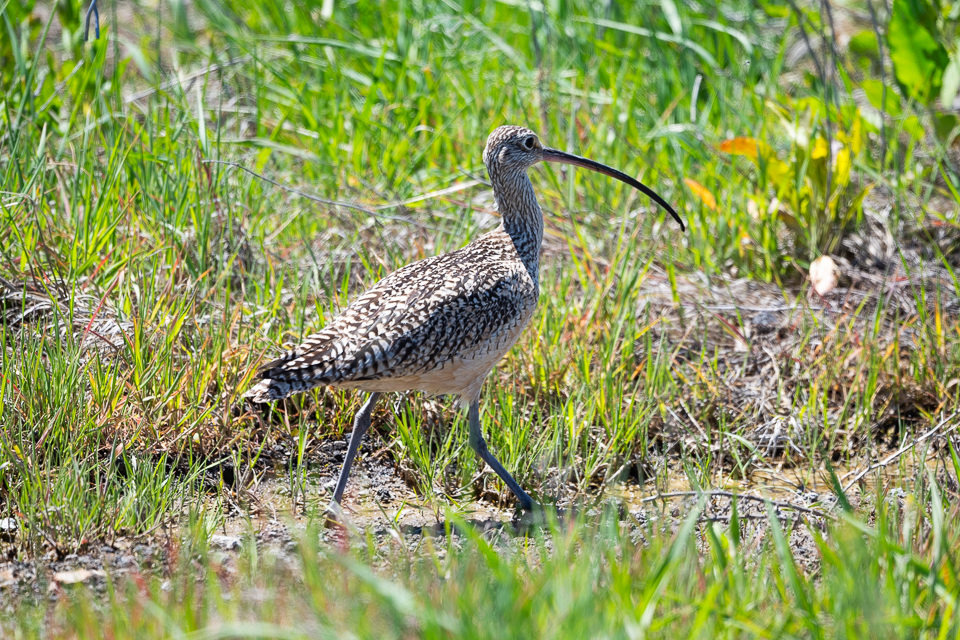
Long-billed Curlew, Black-necked Stilt, Willet, American Avocet, Wilson’s Phalarope.





Their name says loons are common, but in this part of the world, they are not. Some do breed in the Okanogan Highlands and it’s always a highlight for me to see and hear them when I am camping. We saw two nests and hope the eggs are hatching now and hope the youngsters can survive the summer and migrate away before fall gets here. Bald Eagles are a primary predator for loons eggs and chicks. It’s hard to not like eagles but their numbers seem to be growing while loons seem to be struggling. All these images were made with a long lens at an appropriate distance from the birds. They are very tolerant of non-motorized boats and often pop up close to my kayak.













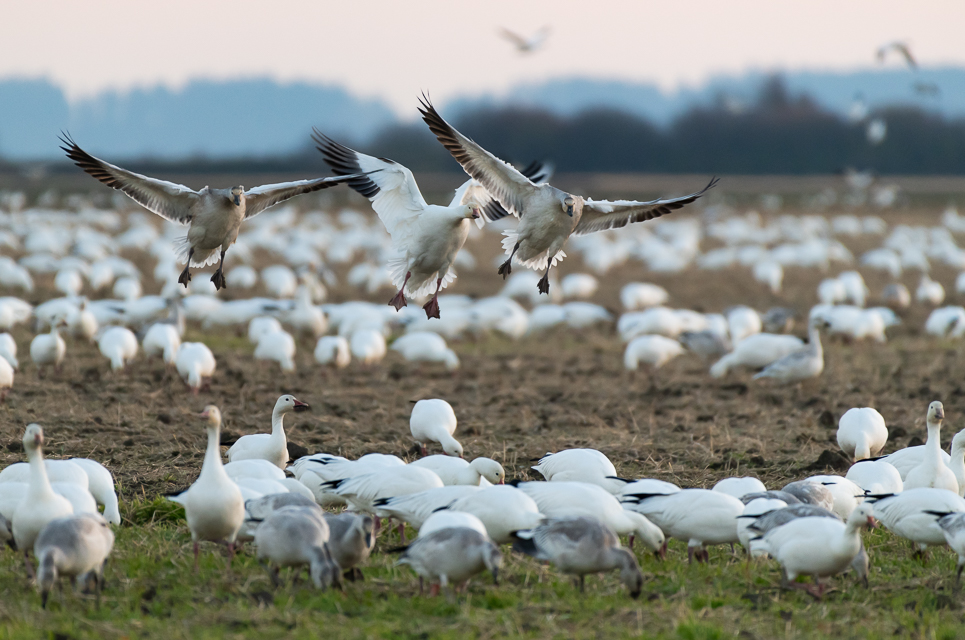
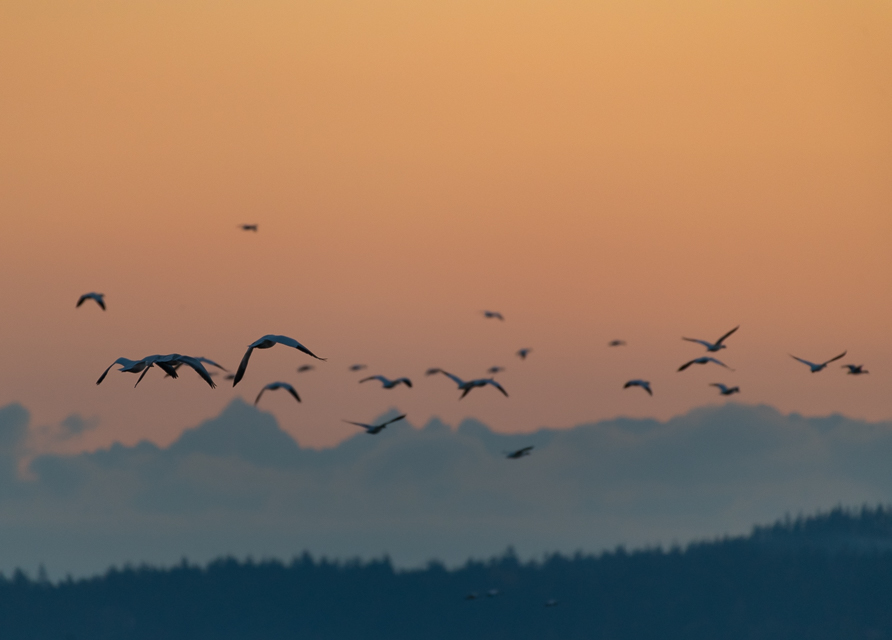
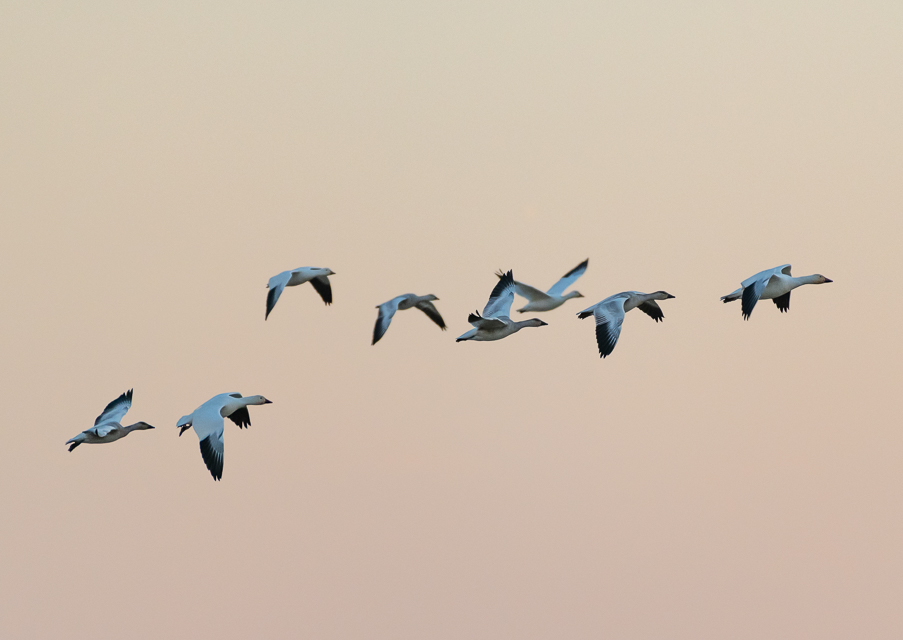
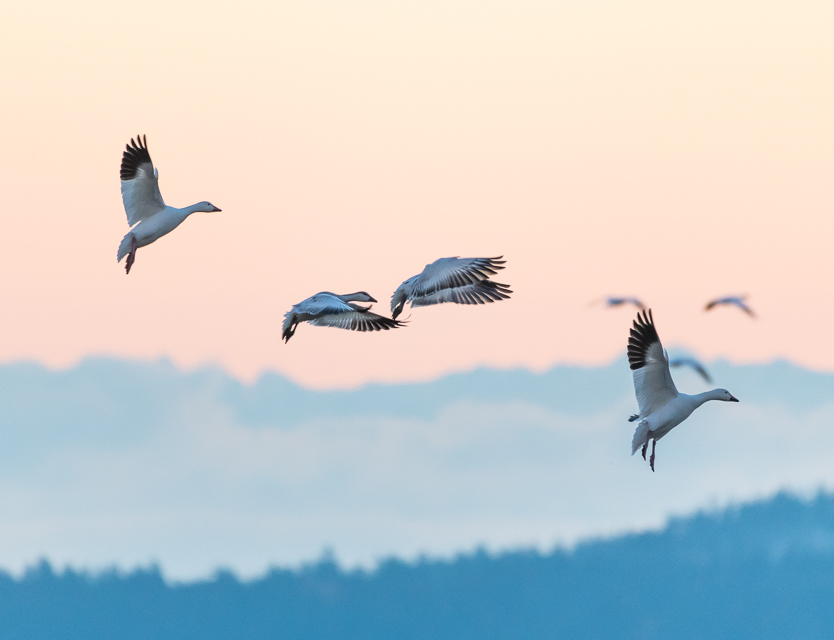
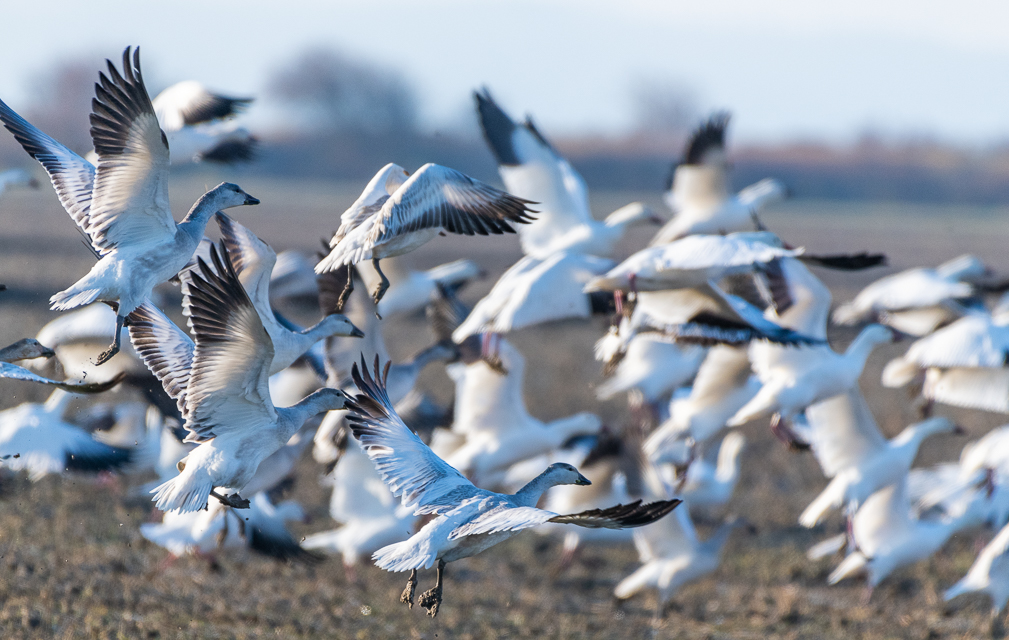
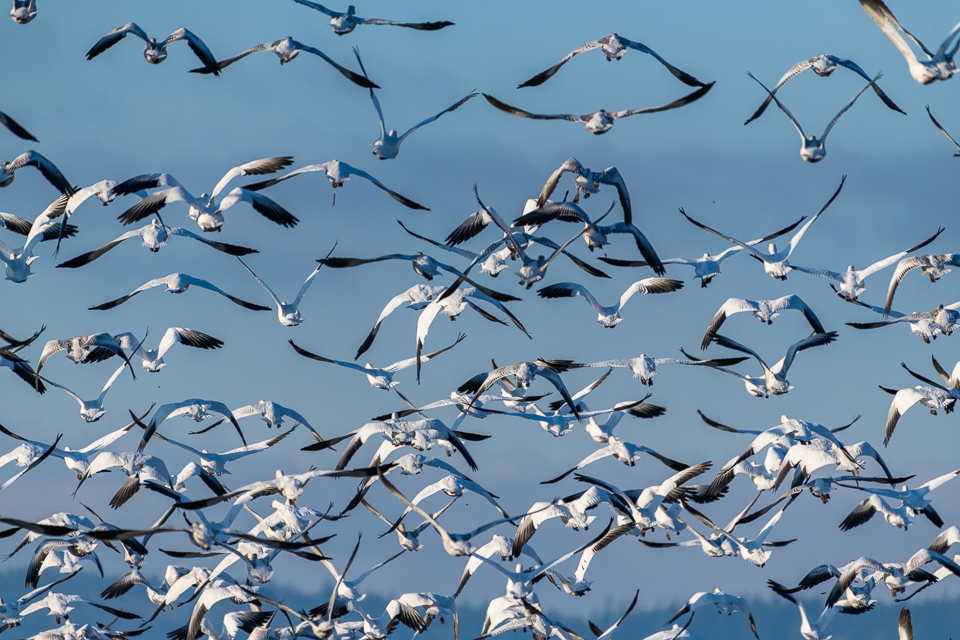
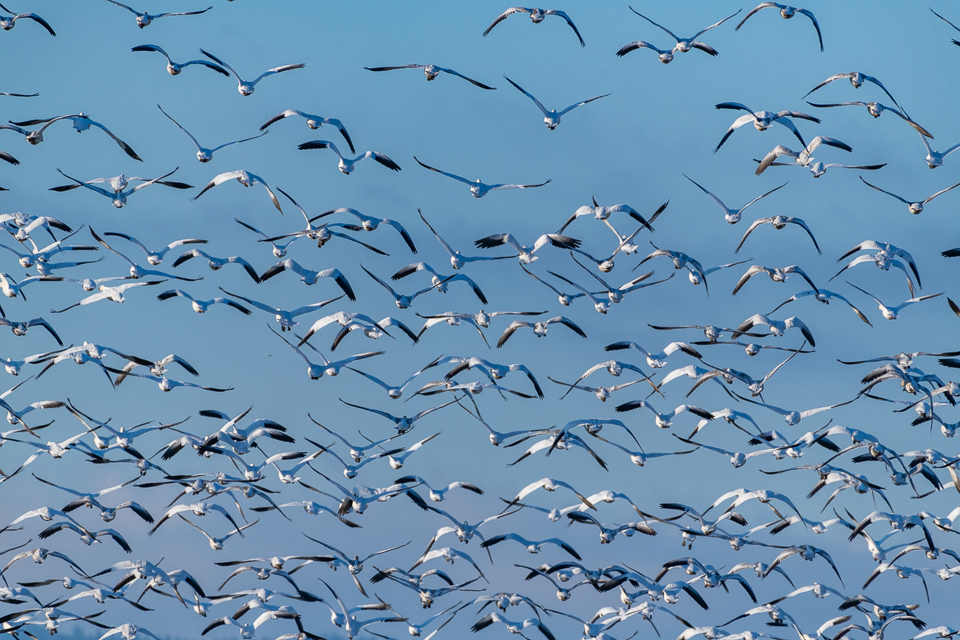
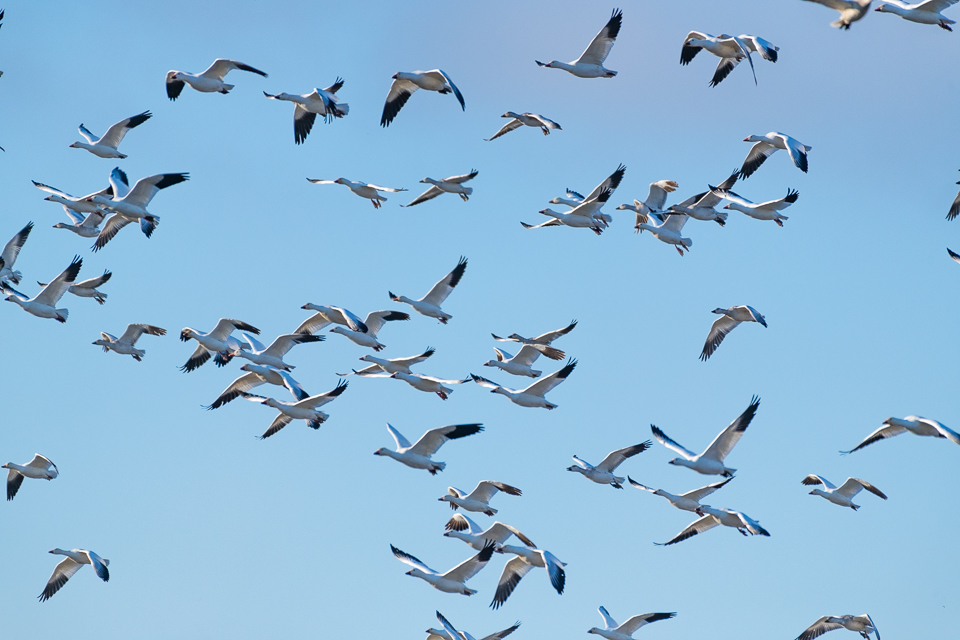
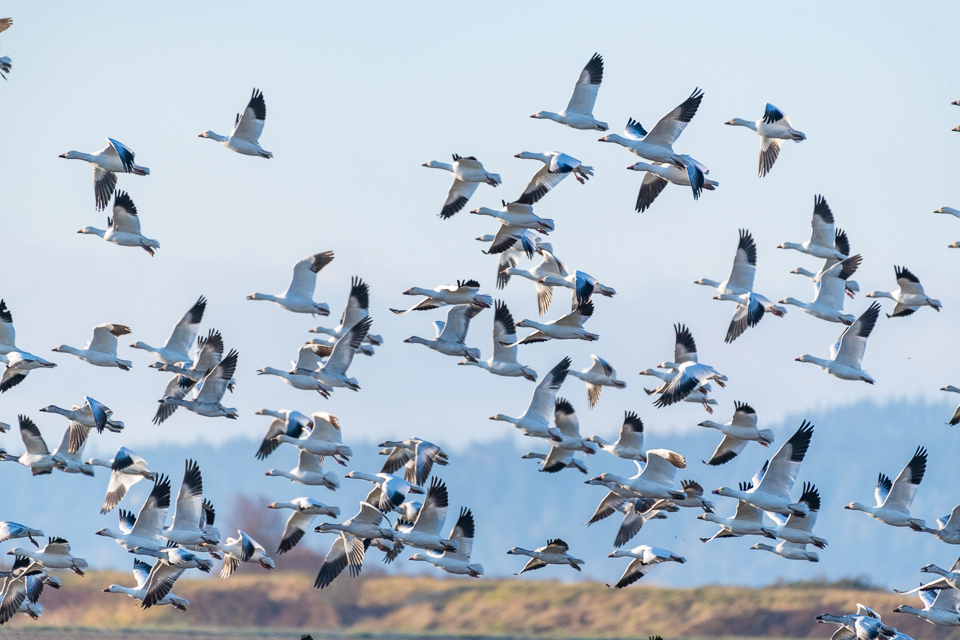
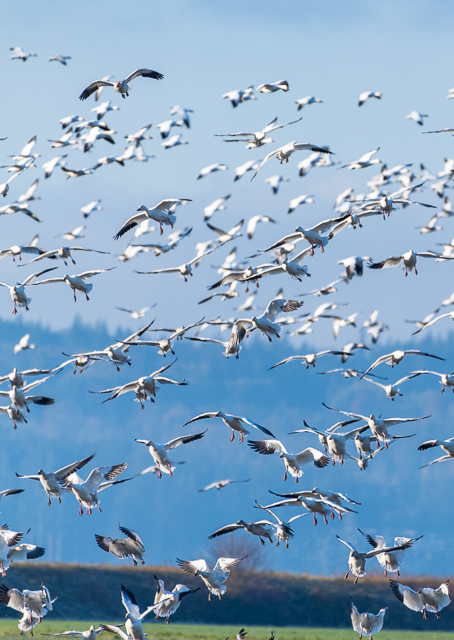
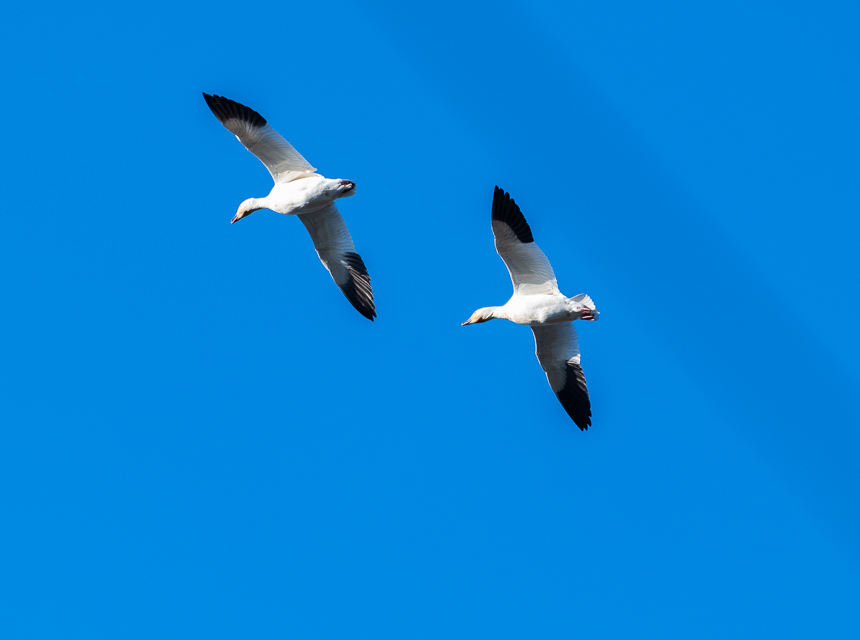
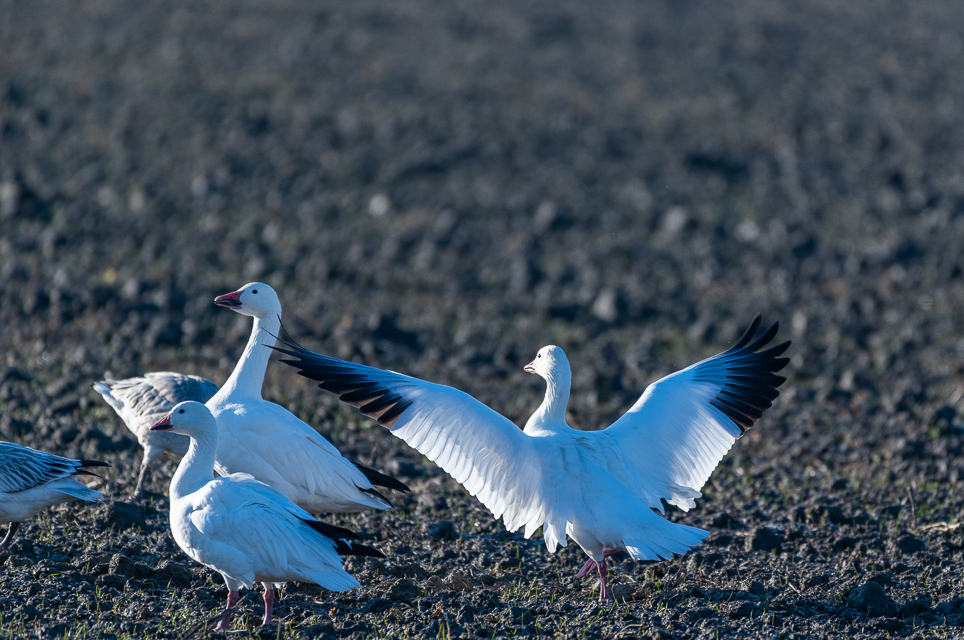
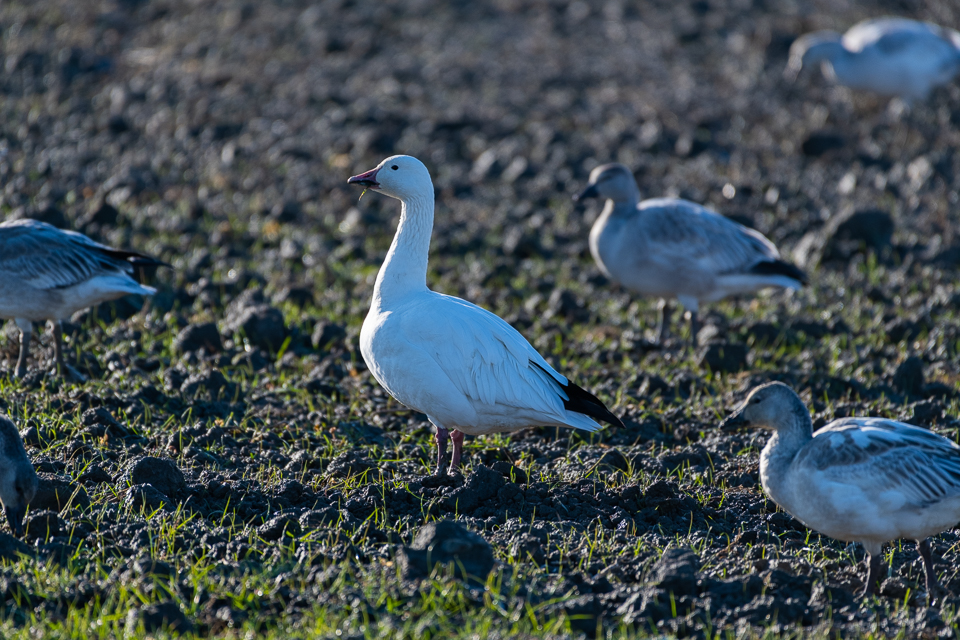
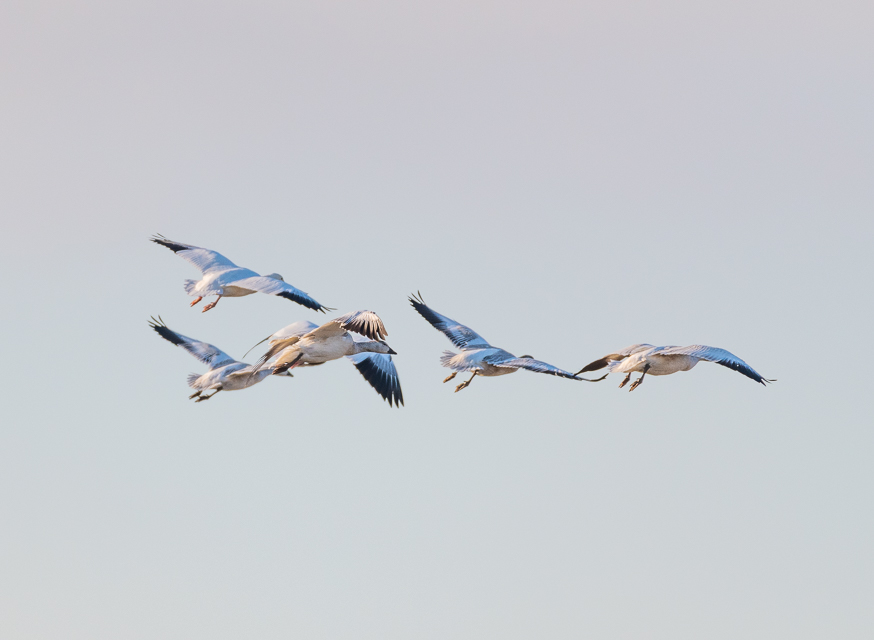
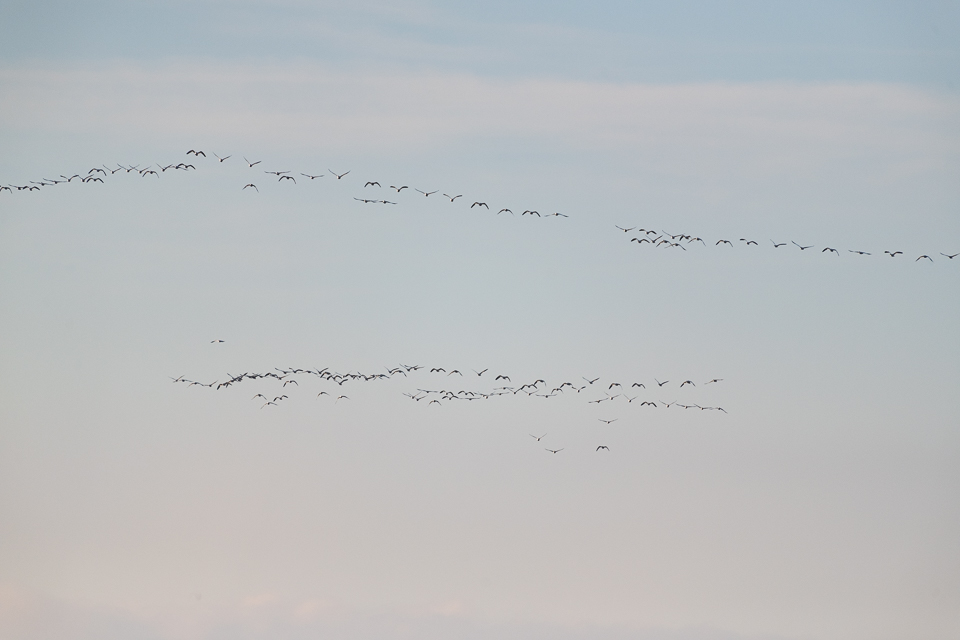
Sky and I went to an agility event in Skagit County recently and we found ourselves with some extra daylight Sunday afternoon and Monday morning so we went bird watching. I have always wanted to see the huge flocks of Snow Geese that winter in the area and I was not disappointed! The images I made are lovely but they don’t fully convey the spectacle of 1000’s of white birds constantly shifting around the landscape. They feed in the rich agriculture fields (formerly the Skagit River estuary, now diked and drained) during the winter. Flocks lift off and fly around, seemingly at random, forming bigger and smaller flocks during the day. I highly recommend a trip to see these birds on their wintering ground. I was lucky to have nice weather. That’s not always the case. In addition to the geese, you can see a variety of raptors (I saw a Short-eared Owl and a Northern Harrier hunting at dusk), Trumpeter Swans and a wide array of water birds.







 My Everyday Photos