Skip navigation

Tag Archives: Okanogan Highlands

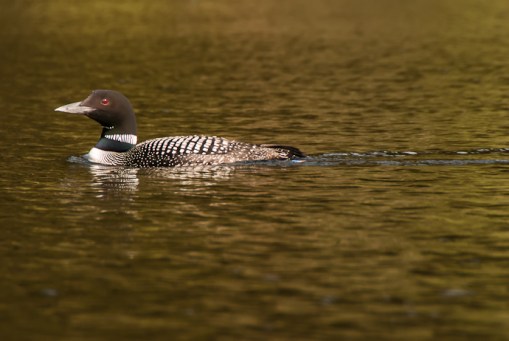
Common Loons are not so common in Washington, especially nesting Common Loons. Apparently they used to be common all over the west but not so much anymore. Threats to loons include loss of habitat, predators and discarded fishing tackle. Fishing line, hooks and lead weights are all potentially damaging or fatal to loons and other water birds such as Trumpeter Swans.

At Lost Lake, there is a pair of Common Loons that have nested in the same place for many years. They arrive in the spring from their wintering grounds and take up residence. Thirty days later, the eggs – there may be one or two – hatch and the tiny balls of black fluff are immediately paddling around the lake with their parents. They may also ride on the backs of the parent birds. Both parents care for the birds – feeding and protecting them from predators and gradually teaching them to forage for fish on their own. It takes much of the summer for the birds to fledge and be ready to migrate.

Due to shortage of good nesting areas, pairs in Washington are helped with the supplementation of extra four-inch fish added to nesting lakes by the Department of Fish and Wildlife. Also, sticks are placed around and leaning over the nest to protect it from avian predators such as Bald Eagles. Most loons are banded for further study. When the young are nearly grown, researchers will attempt to net them so they may also be banded. The male of this pair has always eluded capture and consequently has never been banded.

This male arrived at Lost Lake this spring with fishing line hanging out of his mouth. It is presumed that there is a hook embedded in his tongue or cheek – probably acquired when the bird ate a fish that had escaped an angler with the tackle in its mouth. You can clearly see the fishing line in the images I made on Wednesday with a loop of it hanging out one side of his mouth. On Friday, it appeared that he had both ends of the line in his mouth and it’s less easy to observe.

Wednesday I inadvertently, paddled right up to the nest. I did not know it was at the edge of the reeds. I was able to see the two dark eggs and quickly moved away in hopes of lessening any disturbance to the birds. Later in the day, we walked on the road on the east side of the lake where we had a clear view of the female on the nest. Friday when I was out on my boat I saw that the eggs had hatched and the two loonlings were out and about with their mother! It was very exciting for me.

All of these images were made with a 600 mm equivalent lens and I did my best to minimize disturbance to the loons.

Lost Lake is in the Okanogan Highlands, northeast of Tonasket and north of Bonaparte Lake. It is in the forest at nearly 4000′ elevation; a little colder than Chopaka Lake. There is a lovely wetland, home to many birds, on the south end. On the north end, there is a Forest Service campground, first established by the CCC in the 1940’s. It still has an old fashioned feeling about it that I like. There are also a few cabins around the lake and two private camps. The Okanogan Highlands Alliance bought much of the marsh and some of the uplands on the south side to protect these important habitats.

I have been visiting this place for at least fifteen years and I never tire of it. It’s hard to put my finger on one thing and say ‘this is why I like it’. Maybe it’s the historic nature of the place, the slower pace, the lack of development. Or maybe it’s the loons. Common Loons nest on Lost Lake and few other lakes in Washington – mostly in Ferry County to the east. I will have another post just about the loons at Lost Lake.

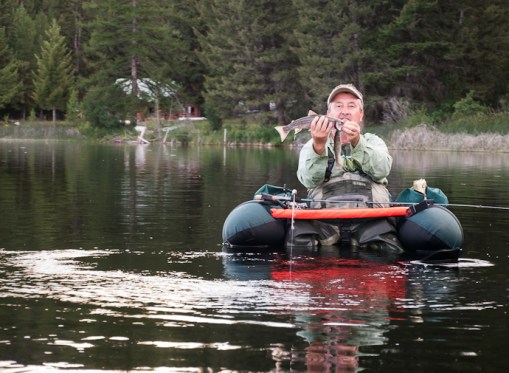
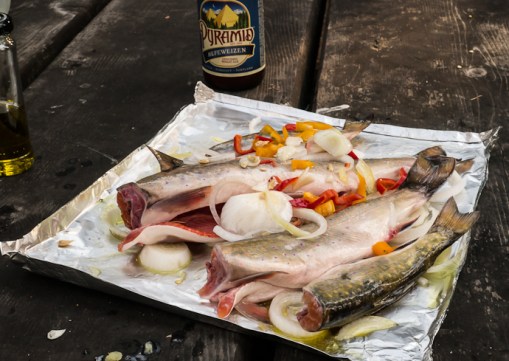
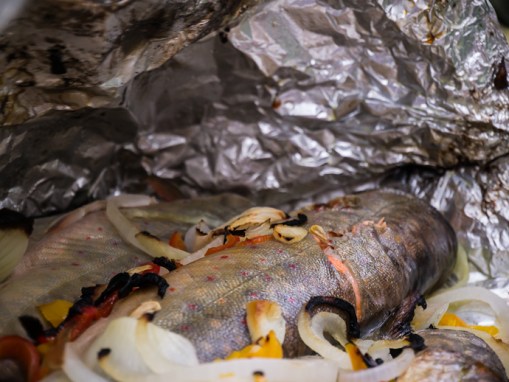
Ken caught lots of brook trout while we were there and we did not go hungry. We even had fish to share with others and we had one dinner party at our campsite and another with our neighbors! I enjoyed early morning paddles on the lake watching the loons and other birds and frogs and turtles too.

Ken and I packed the dogs and the trailer and headed up to Lost Lake this week. It was a great escape from the heat and computers and cell phones and a chance to listen to the loons and play in the water and sit around the campfire. Ken fished. I paddled my boat. The dogs swam. We slept in. It was nice.


Nice brook trout


Common Loons nest on Lost Lake (watch for more loon photos in an upcoming post)


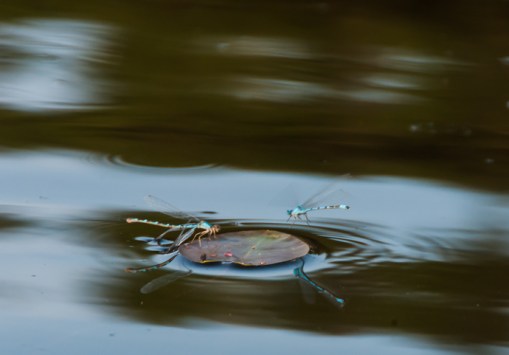
Lots of dragonflies


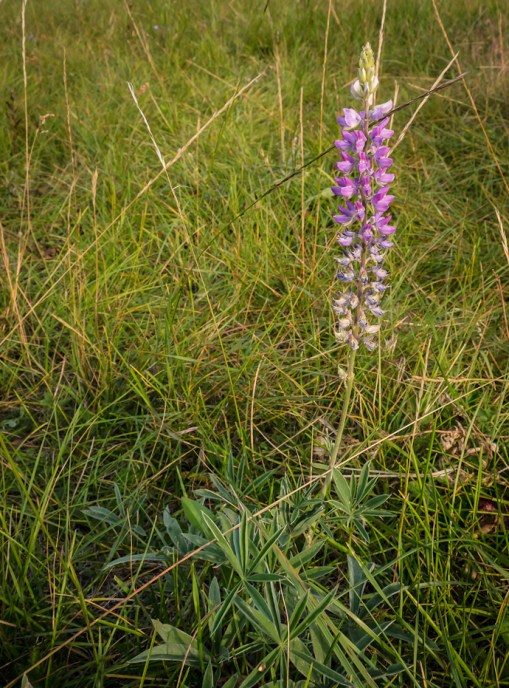
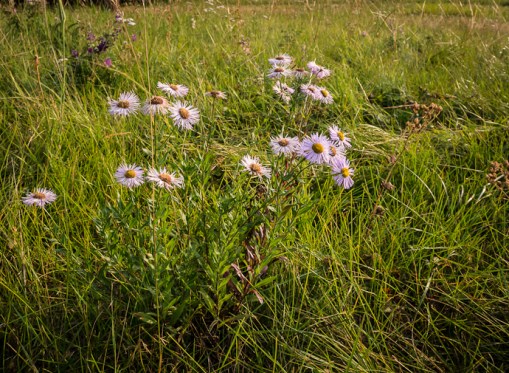
Still a few wildflowers blooming


an aster


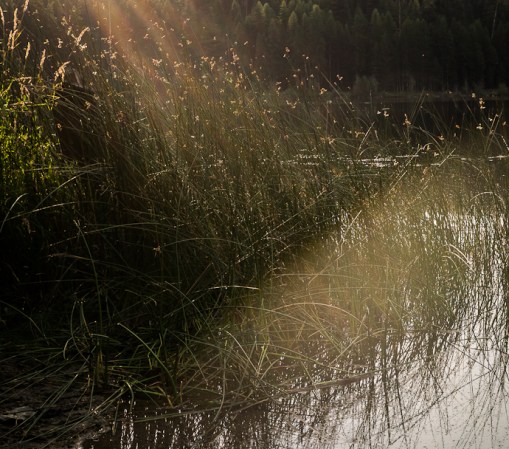
Morning light


camp coffee


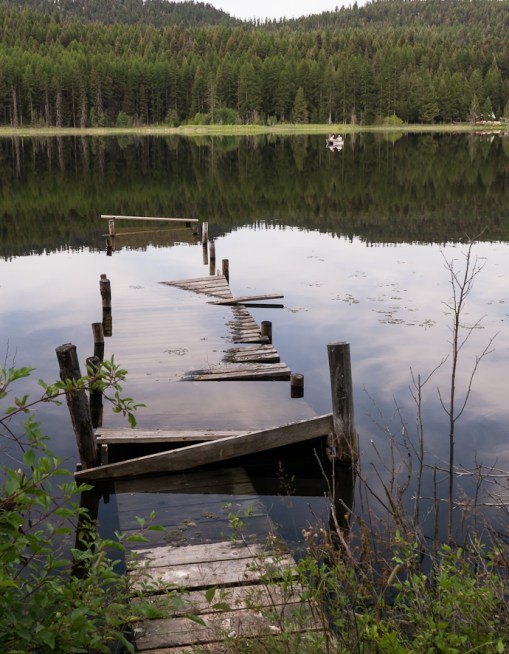
This old dock has seen better days


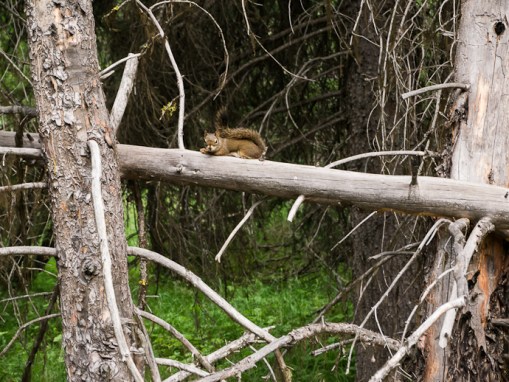
Many, many squirrels to drive Luna crazy


We always eat well while camping


Brook trout cooked en papillote


Typical scene in the Okanogan Highlands near Molsen


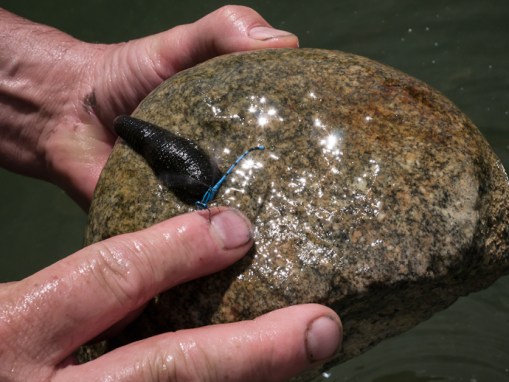
Ken found this leech in Sidley Lake. I’ve never seen one before. He thinks they are native.


The leech with a friendly dragonfly


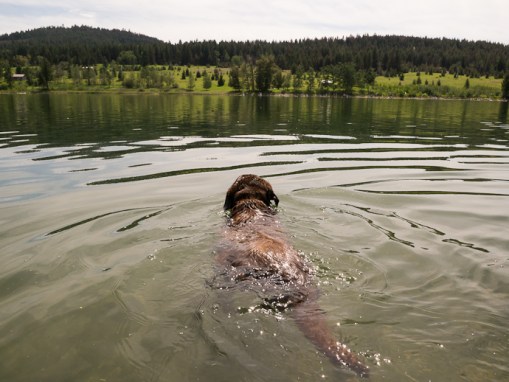
Sam in Sidley Lake. This old dog does better in the water than on land.


Luna’s ‘wet’ look


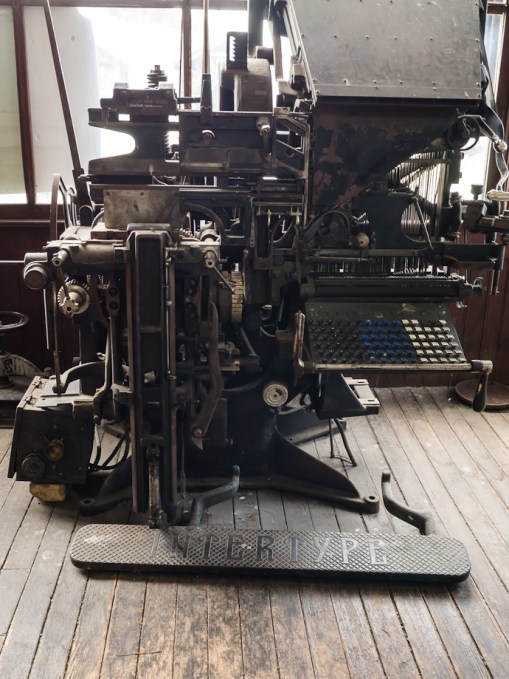
We visited the old ghost town at Molsen. This is an old printing press.


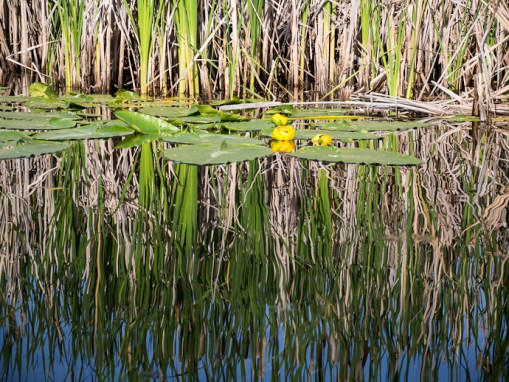
Water lillies and cattails at Lost Lake


Lost Lake is one of my favorite places.

Last week we identified 114 bird species. It seems like a lot but we missed an awful lot of so-called ‘common’ birds – all the owls, all the grouse, Downy and Hairy Woodpeckers and the list goes on. And we saw no real rarities. It was pretty fun birding with lots of birds singing and we worked on learning and re-learning the bird songs and calls. It’s a challenge from year to year to keep them in my head. Some stick with me; for instance Rock Wren and Willow Flycatcher. Others – well let’s just say, it’s going to take many years for me to learn the few warblers we have in our region and remember them.
I managed to get a few photographs of birds. I didn’t really try too much bird photography. It is time consuming and we were really focusing on seeing and hearing a good variety of birds.


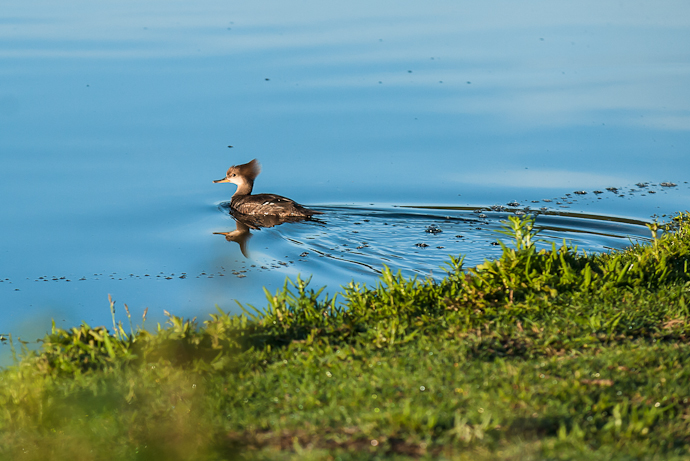
Hooded Merganser female at Lost Lake


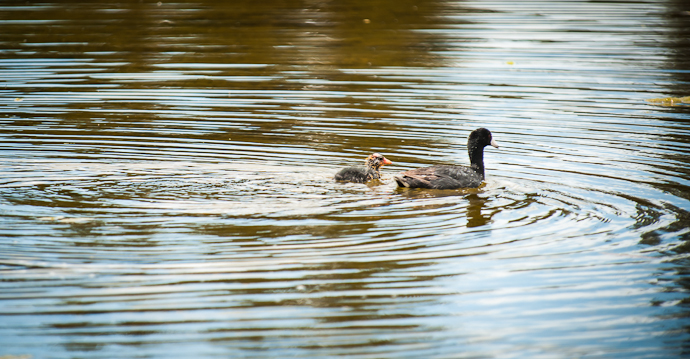
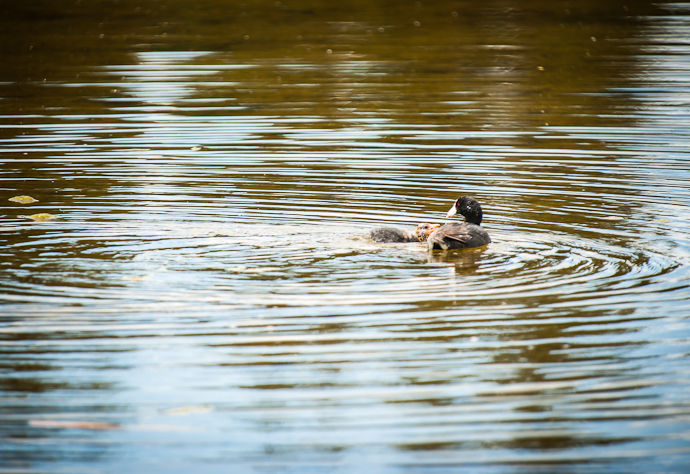
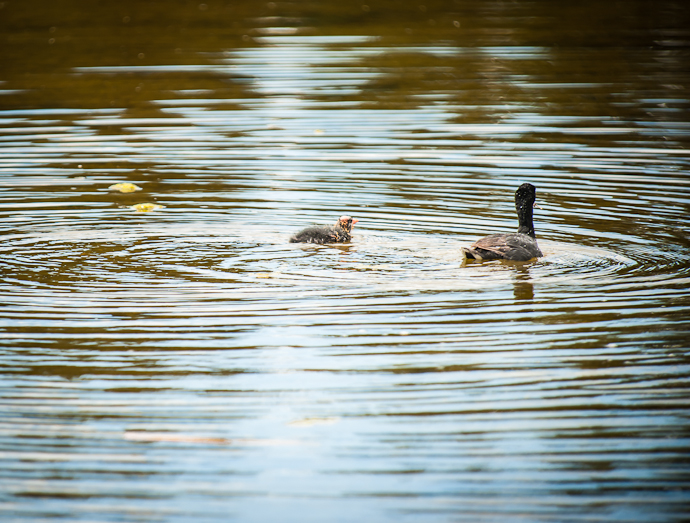
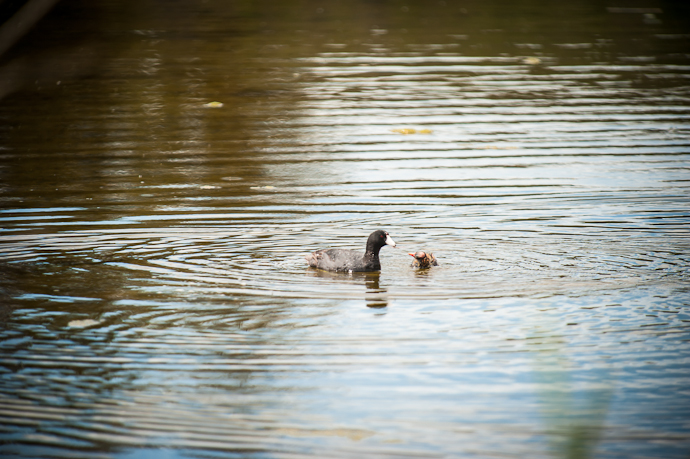
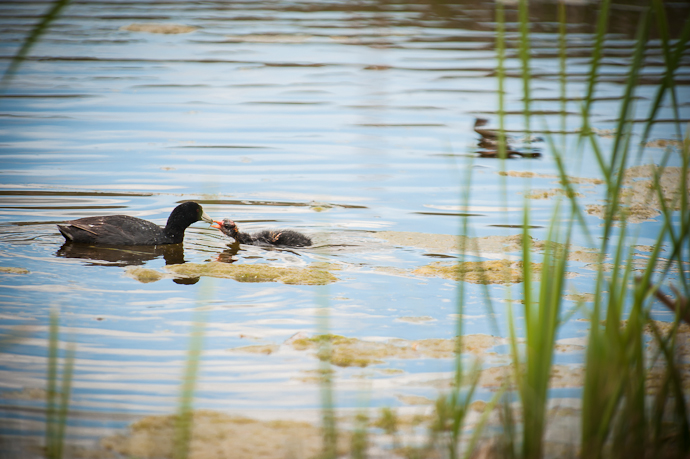
 American Coot adult and chick


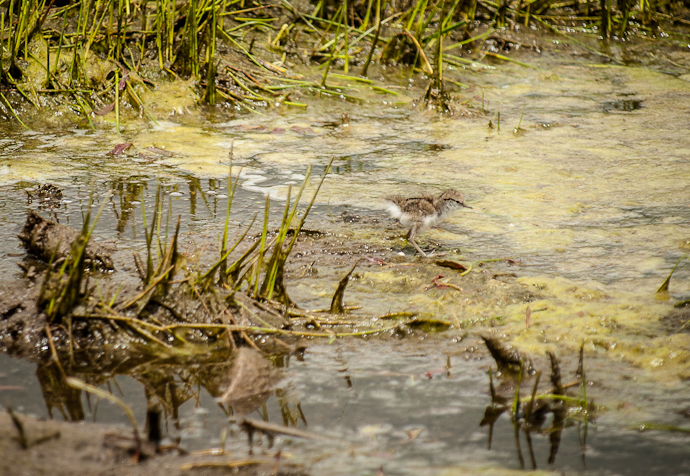
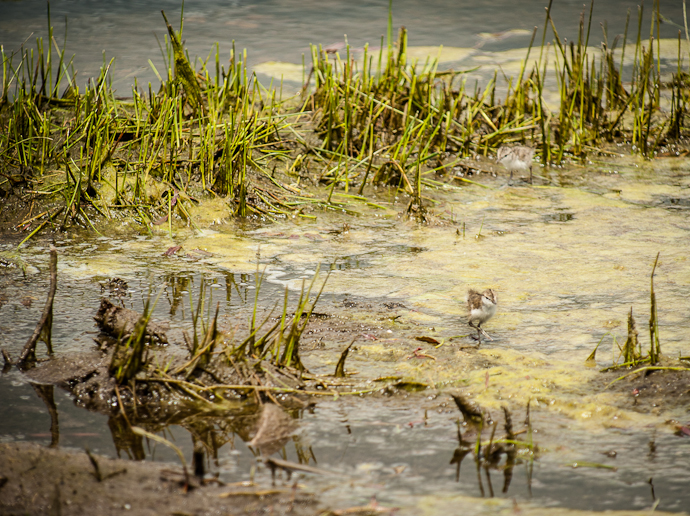
Spotted Sandpiper chick along Maryanne Creek Road


Spotted Sandpiper adult


Life’s been busy recently and I’ve had little time for personal work. Couple that with an aching back and I’ve just not had anything recent to post.

Last week I got away with a friend for a few days of (car) camping in the Okanogan Highlands and the Sinlahekin valley. We planned  some serious birding adventures and were not disappointed. By the end of four days we had seen 114 species and along the way, we saw a few other things as well.


The Okanogan Highlands clouds are always spectacular


And then there’s litter


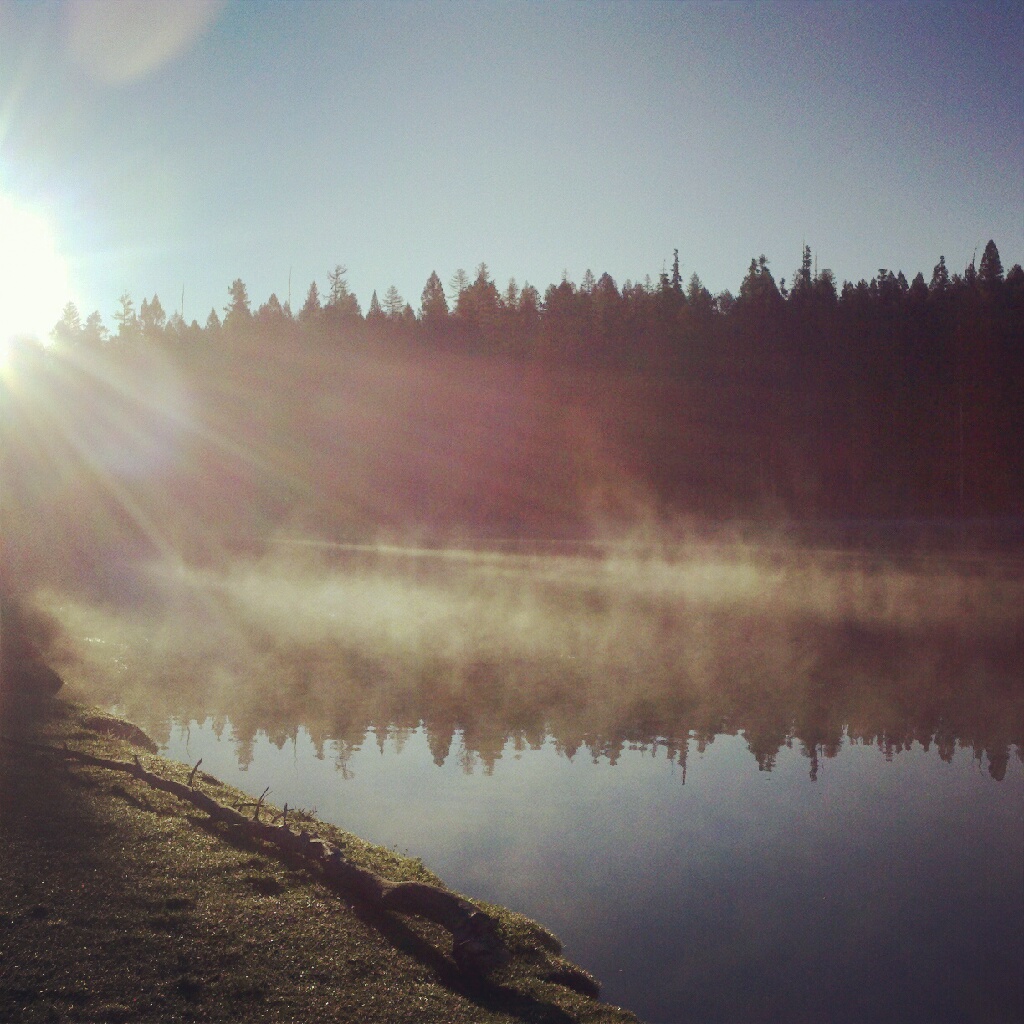
Lost Lake, where we stayed for two nights. One of my all time favorite camping spots.


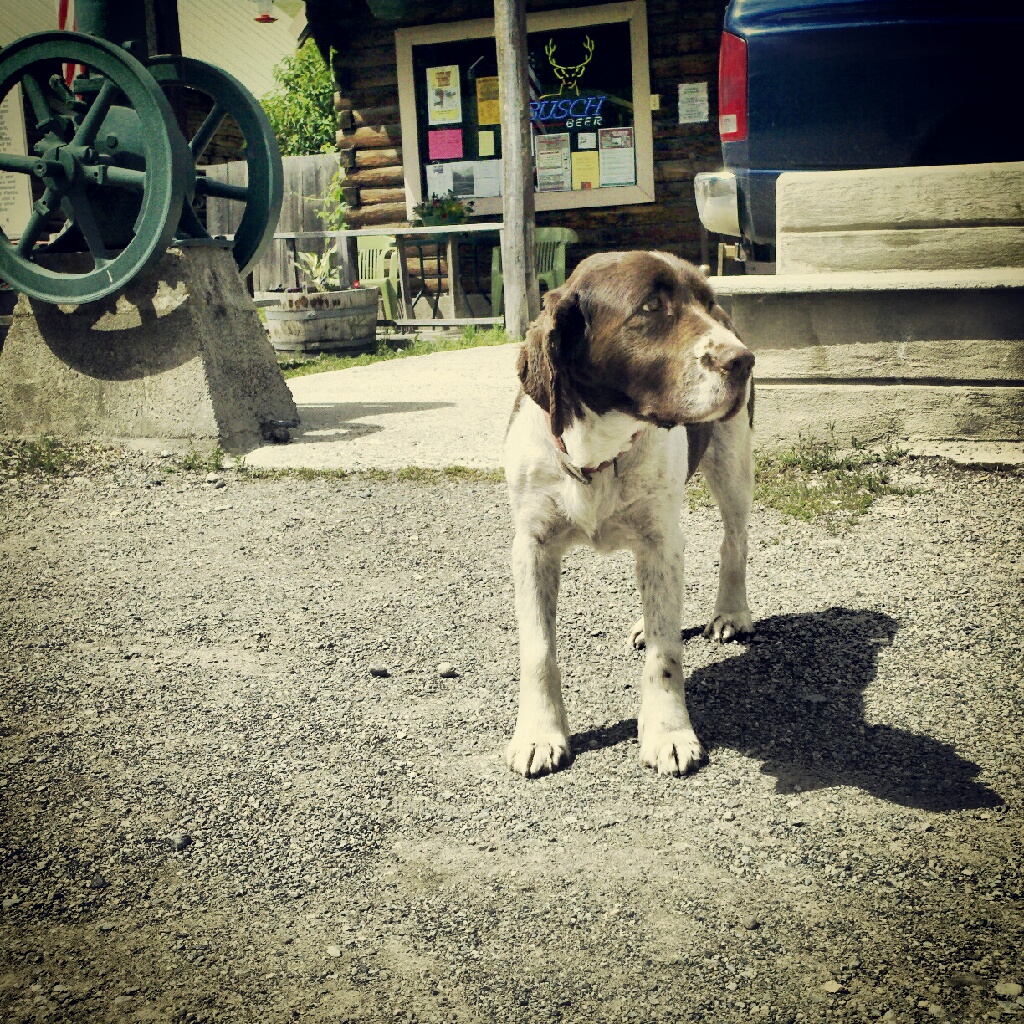
Dog at the Chesaw Store


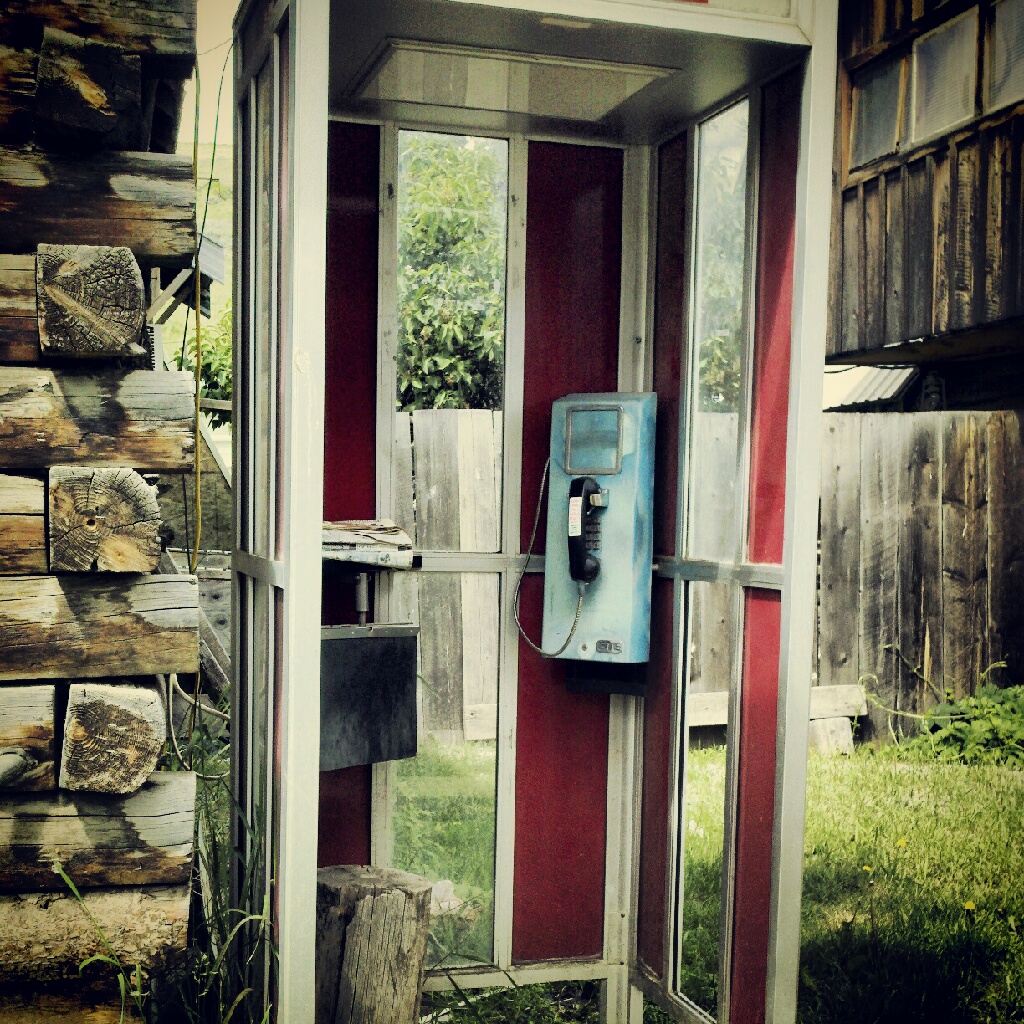
Phone booth at the Chesaw Store.

This area is so close to Canada that if you have your cell phone on, it will connect to Canadian cell towers and your bill will show extra and possibly unexpected charges.


Molson is an old ghost town between Oroville and Chesaw


Camp coffee


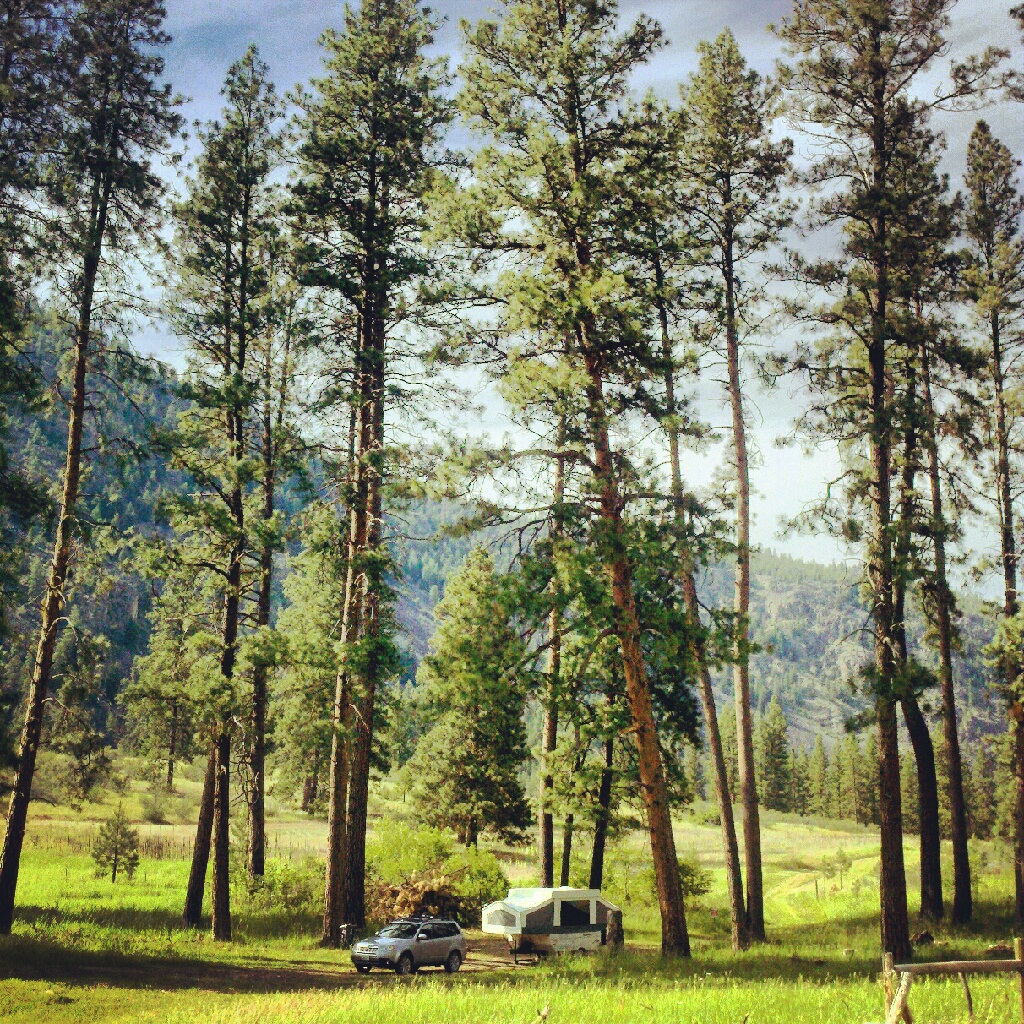
Camp site in the Sinlahekin valley

I have a few photos of birds to share and will get them posted soon.