Skip navigation

Category Archives: Uncategorized

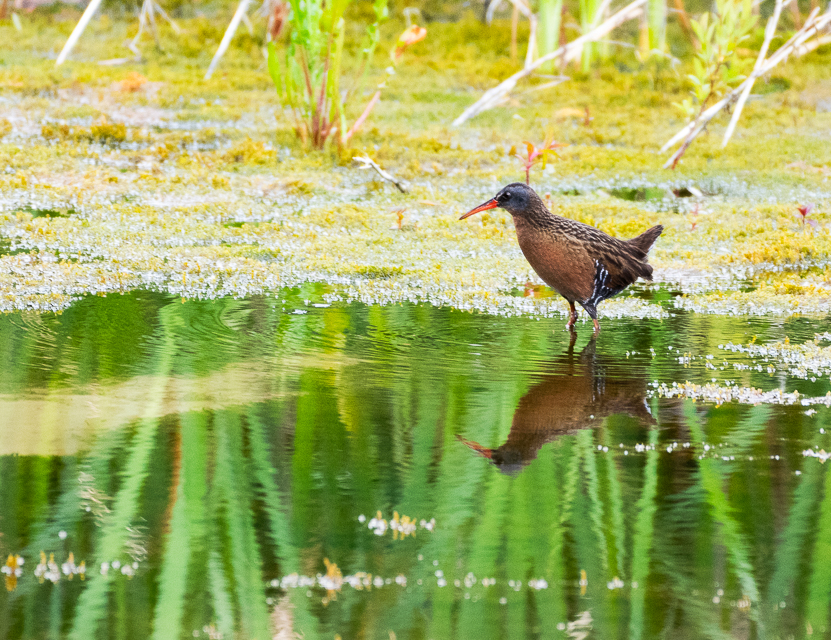
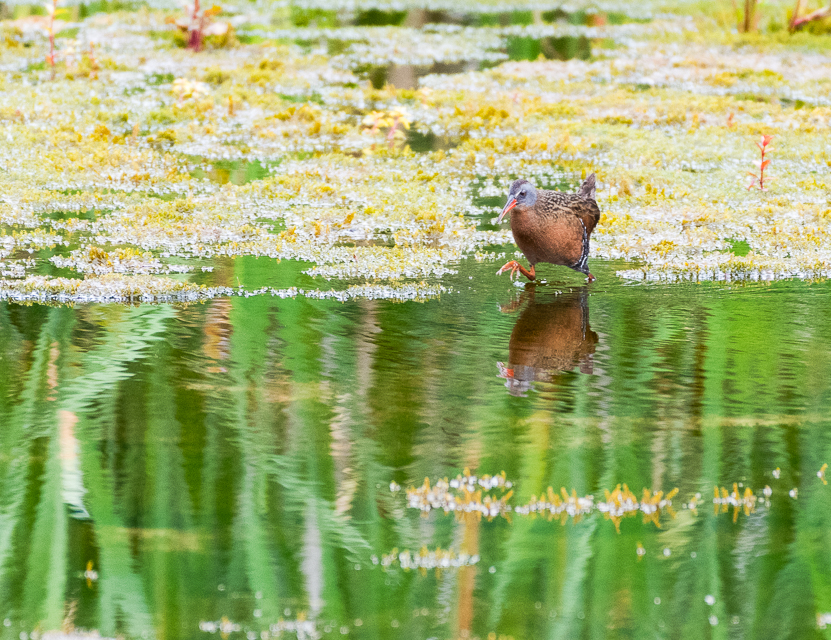
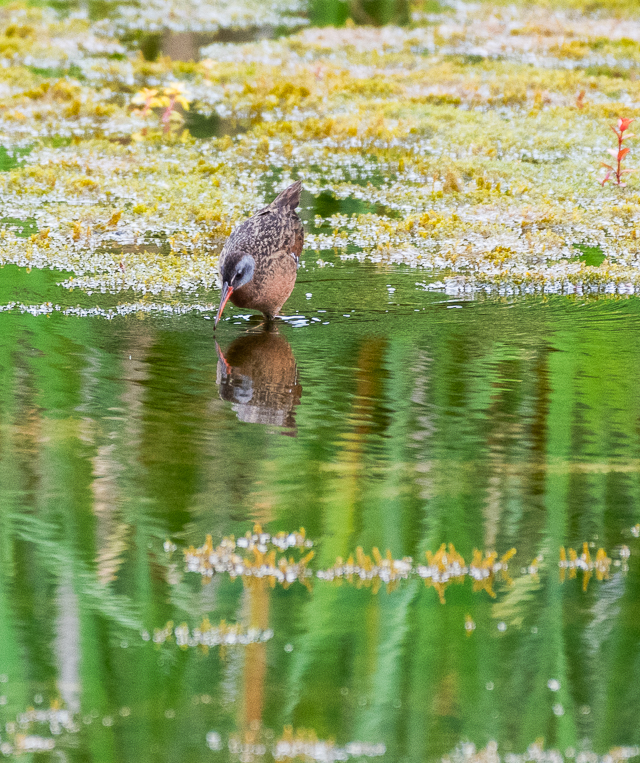
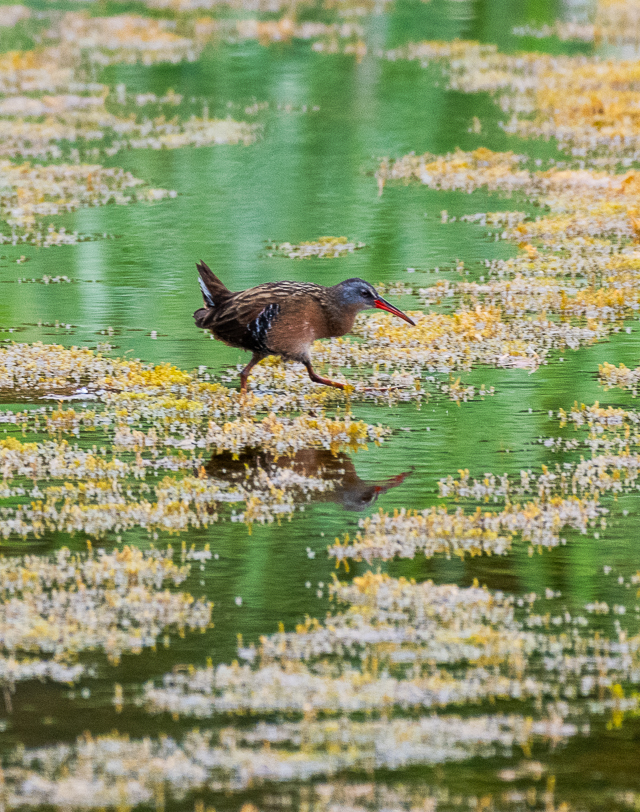
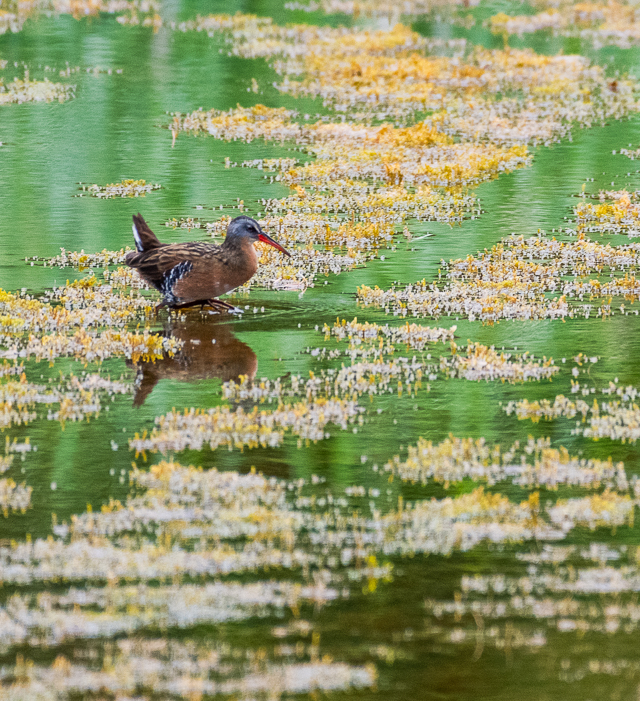
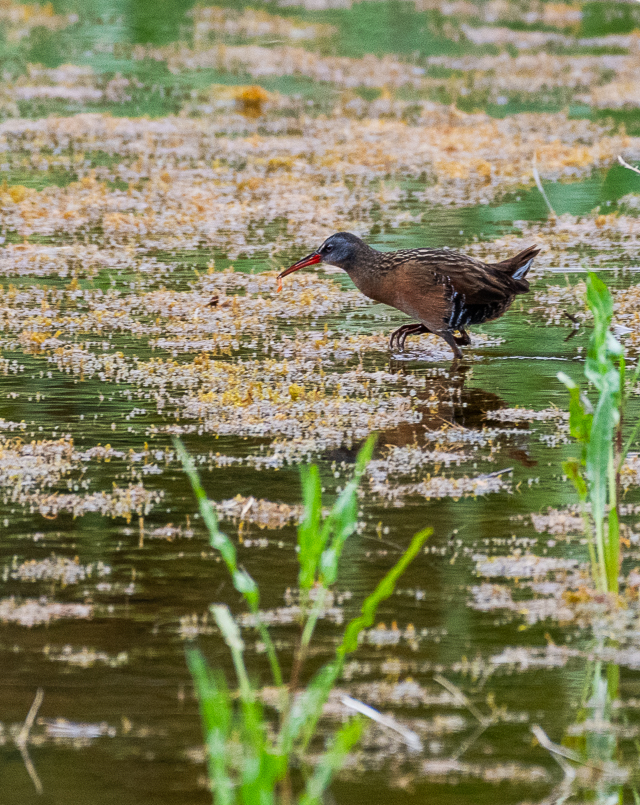
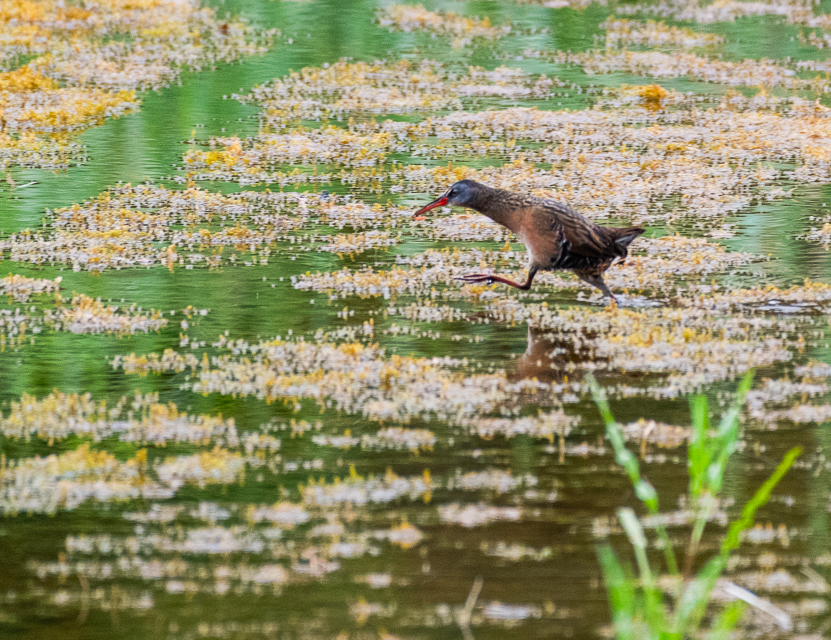
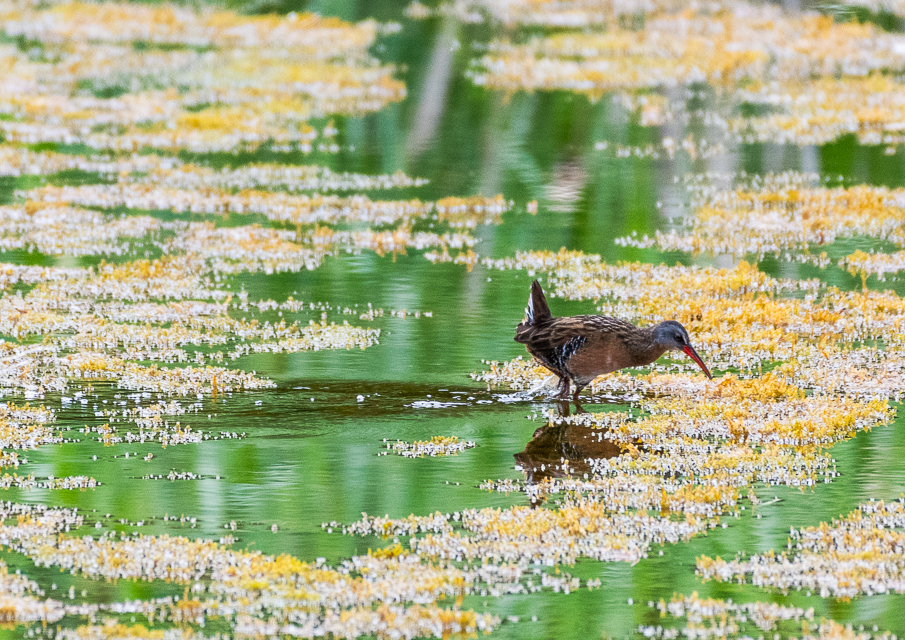
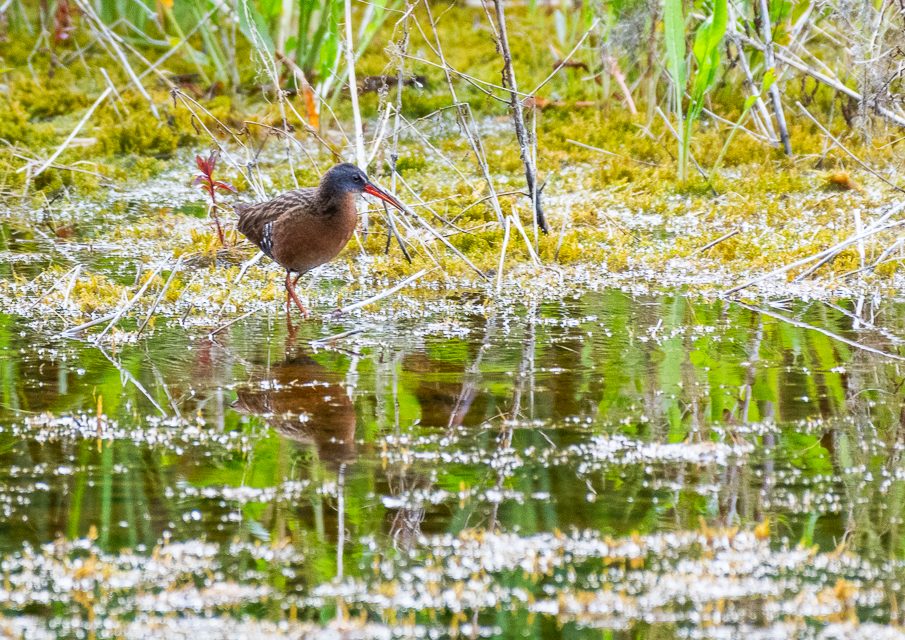
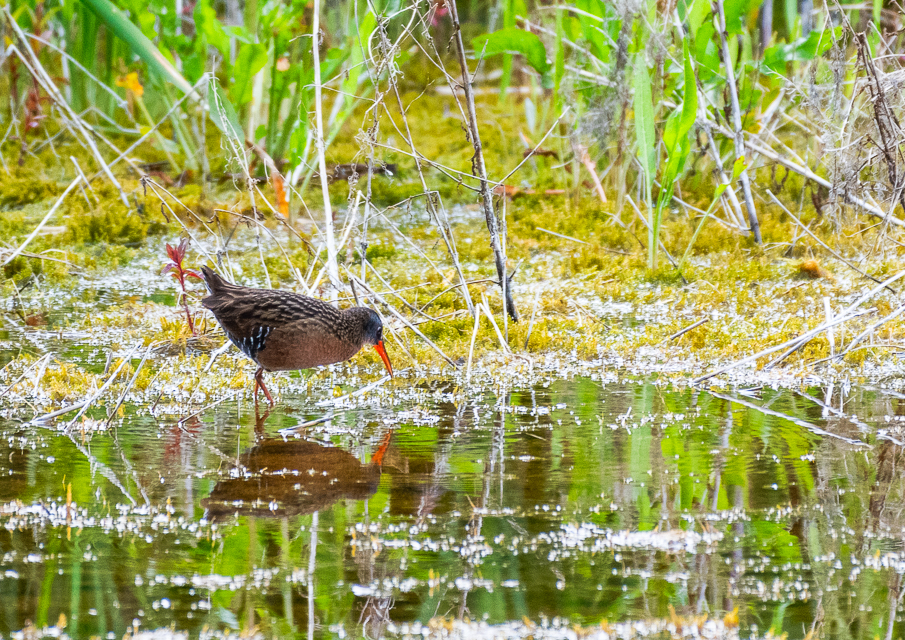
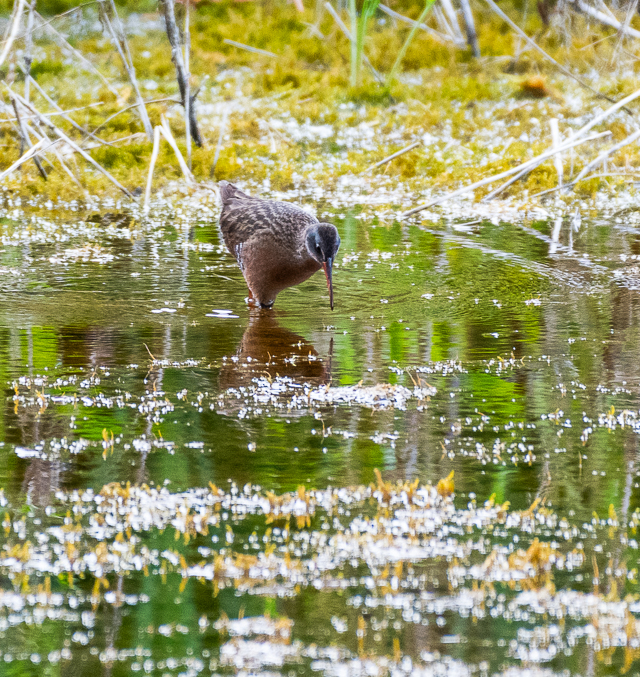
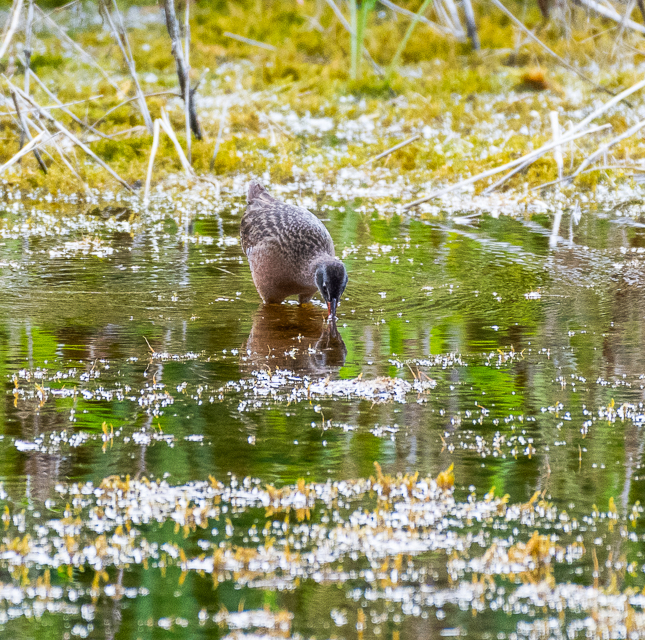
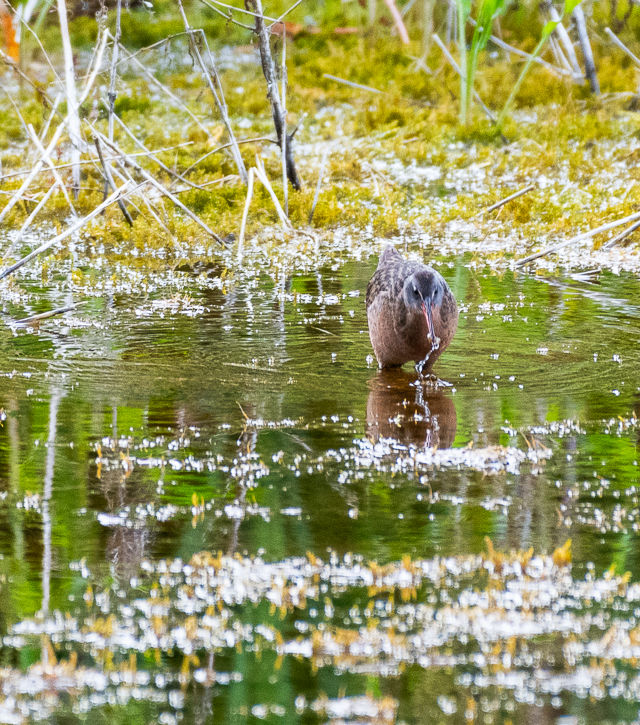
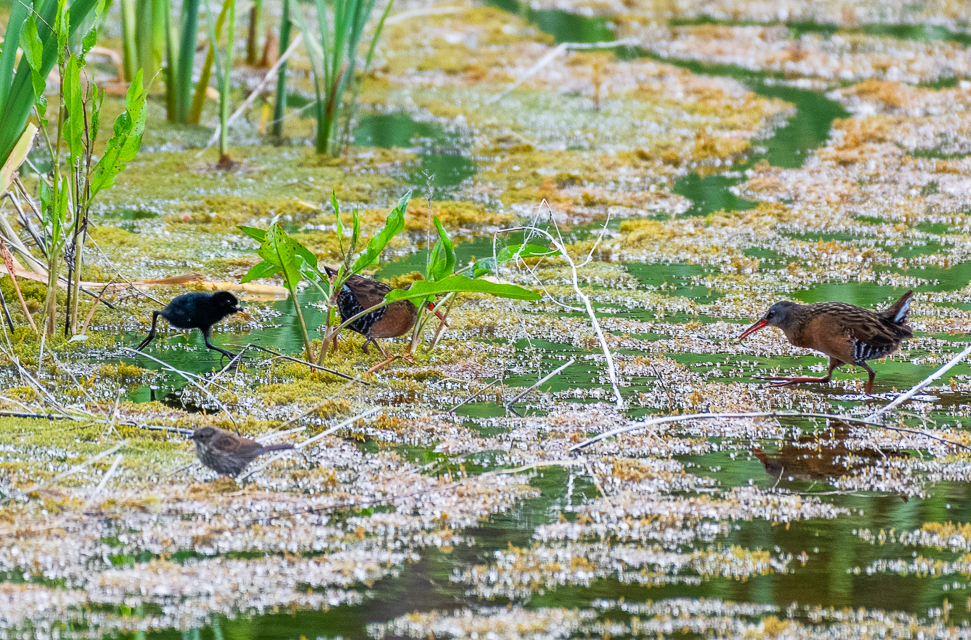
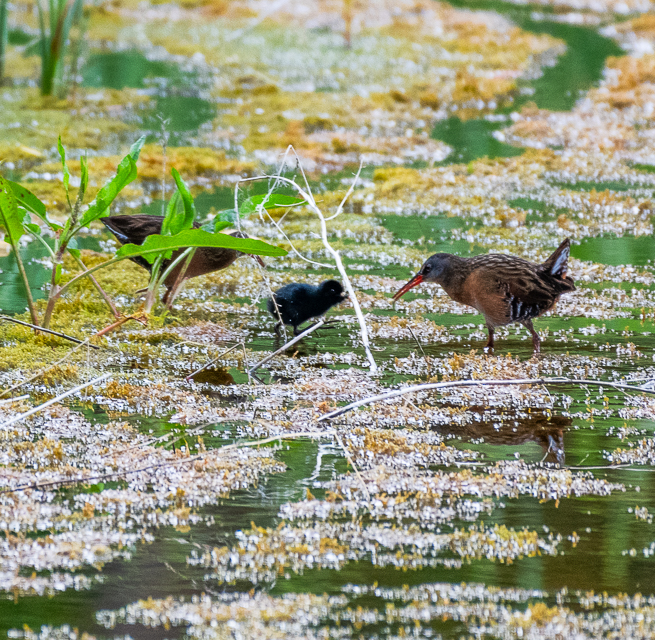
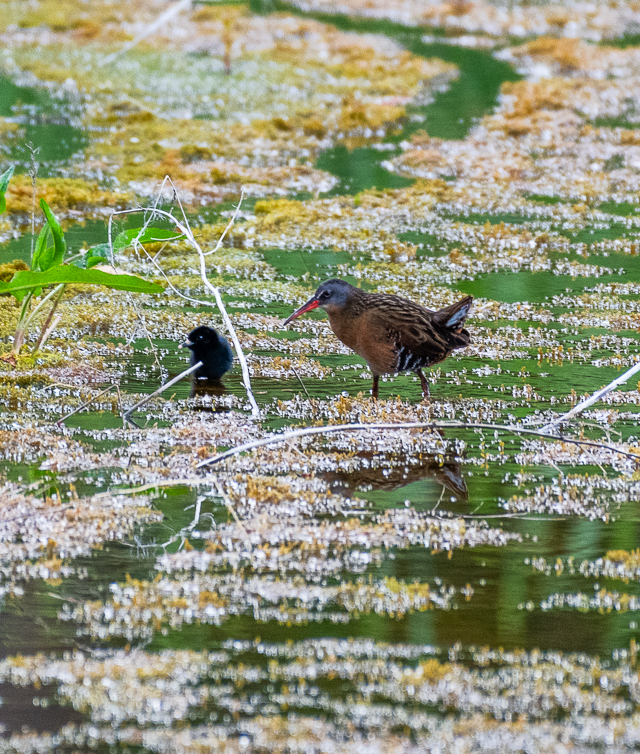
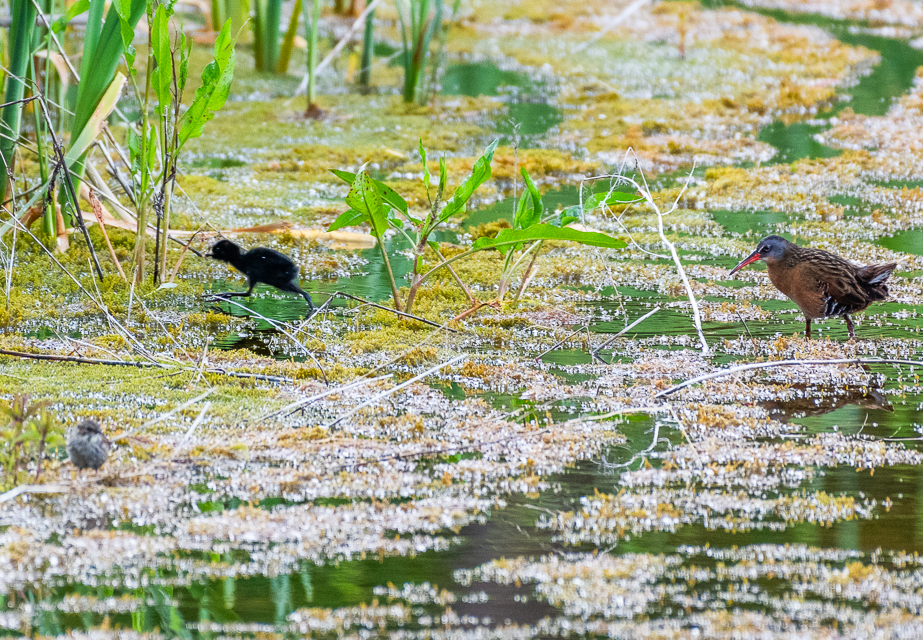
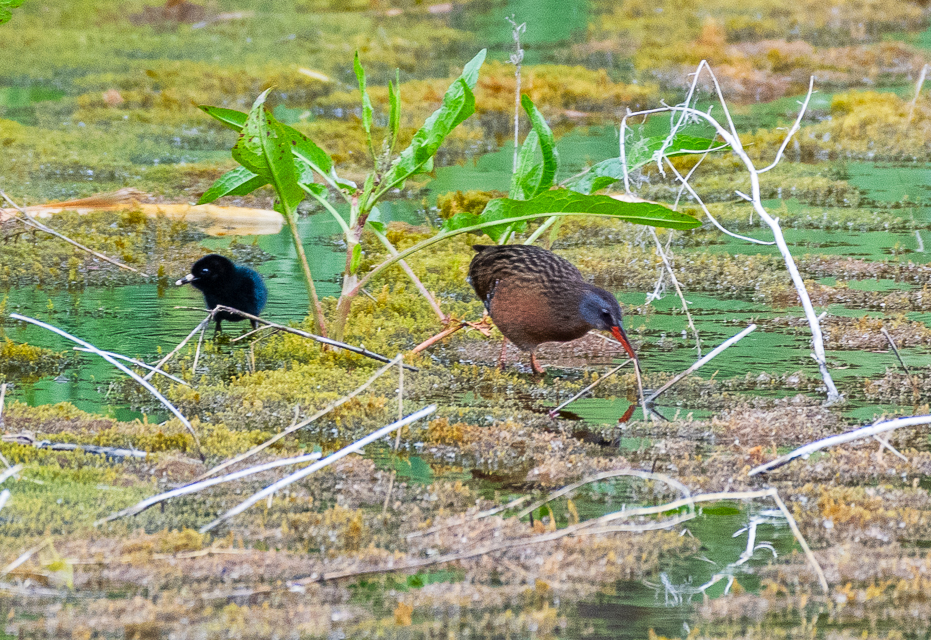
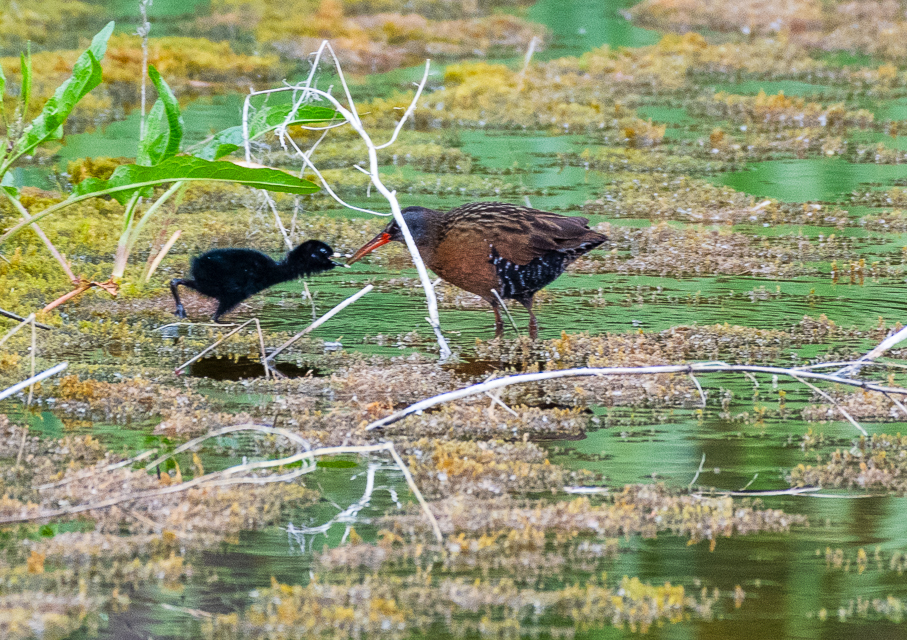
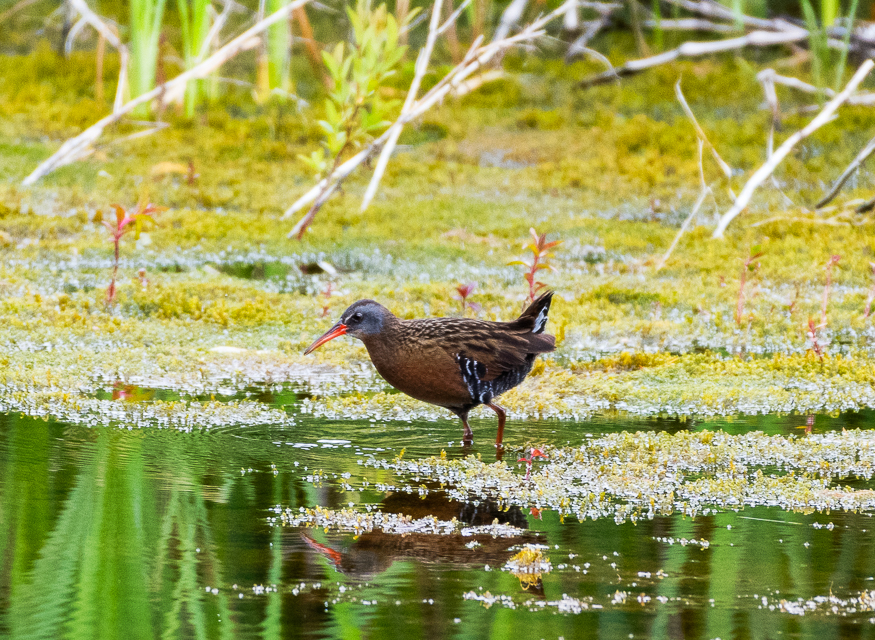
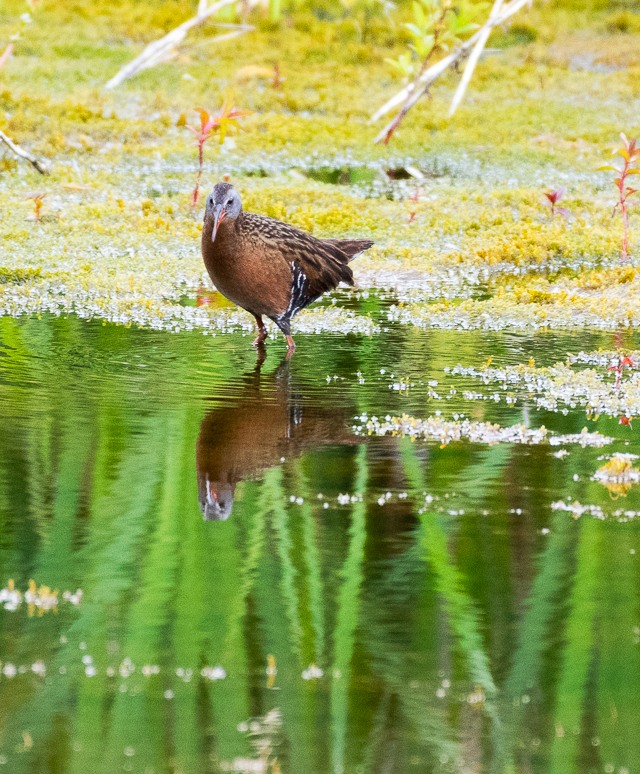
Have you ever seen a Virginia Rail? They are secretive birds, living in marshes with thick vegetation. They nest near the water’s surface, often in cattails. I have often heard them but seldom seen them. Last week I was lucky enough to hear them at a shallow lake from the road adjacent to it. I waited and soon I saw two fuzzy black youngsters and two adults. The adults were busy, darting back and forth, gathering food for the little ones. Most of the time, they shooed the babies back into the cattails. It looked like a full time job!
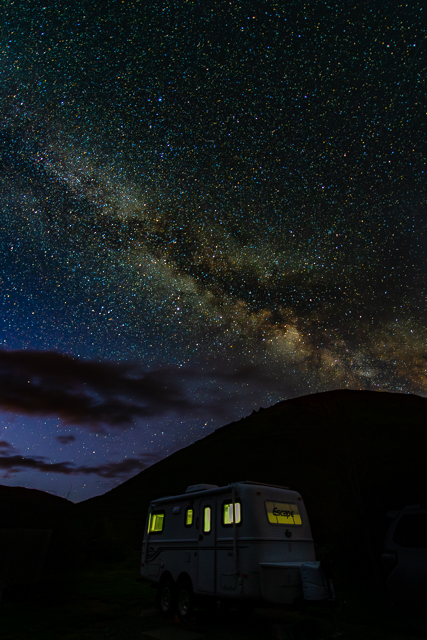
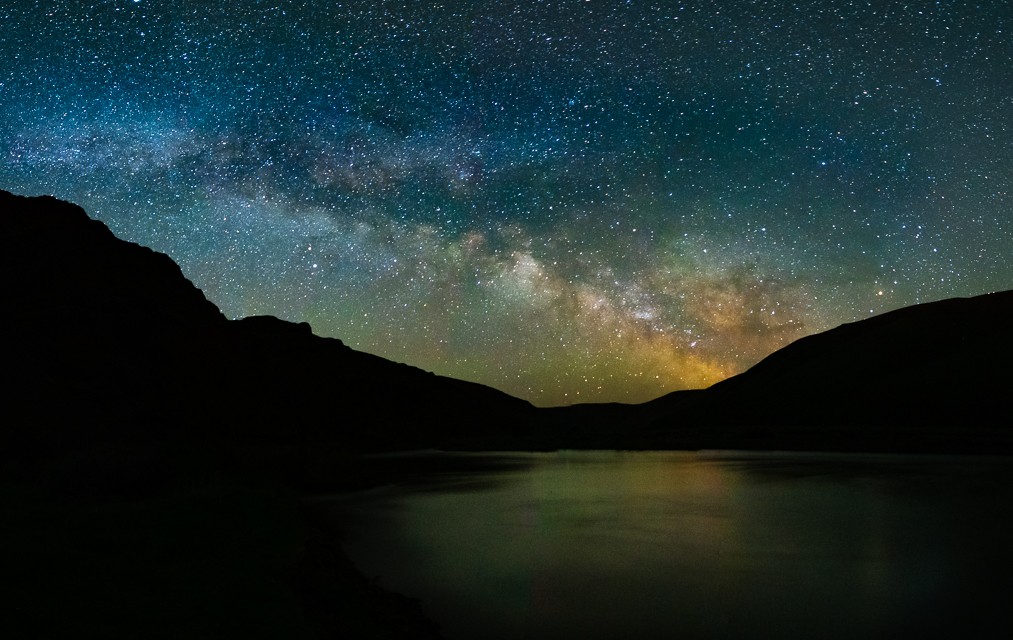
There are few places in the world where we can truly see the night sky anymore. I returned to this place in eastern Oregon knowing that I could really see and photograph the milky way, assuming the weather cooperated. And it did for two nights when it was calm and clear.

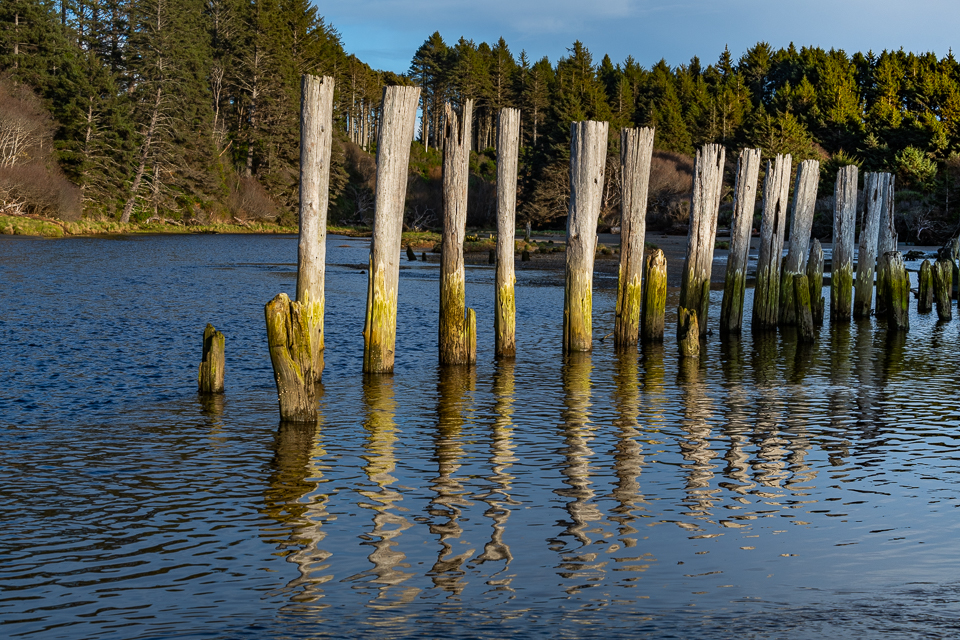
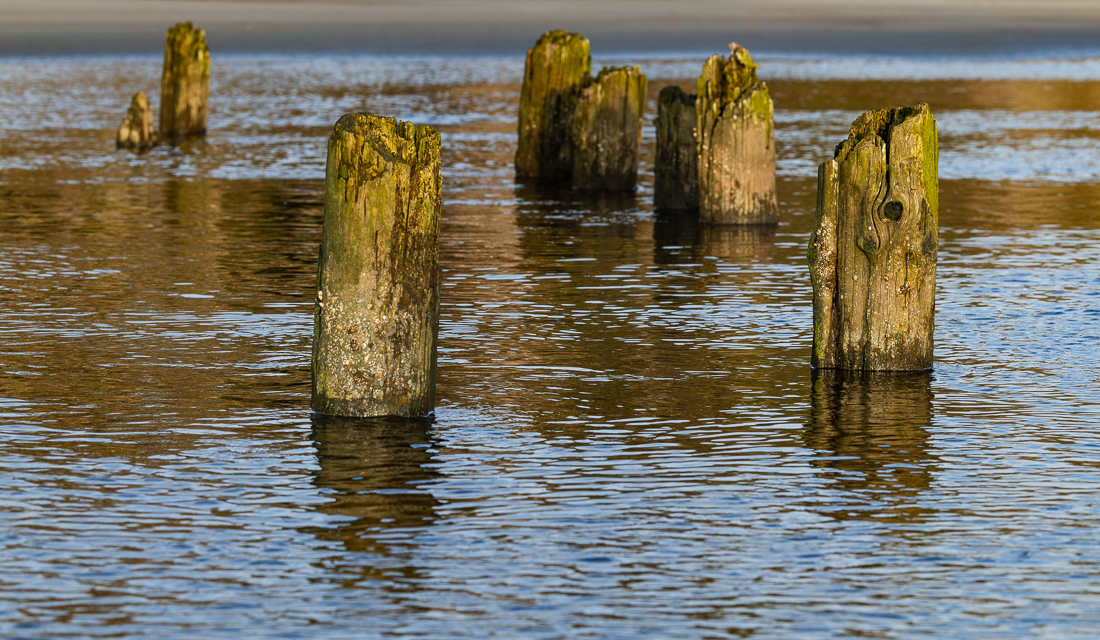
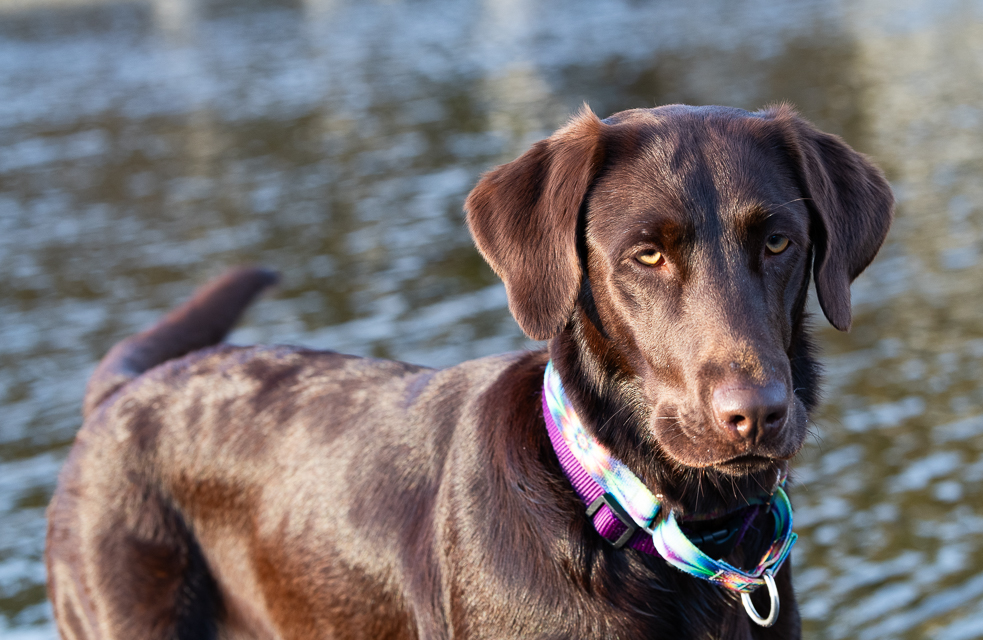
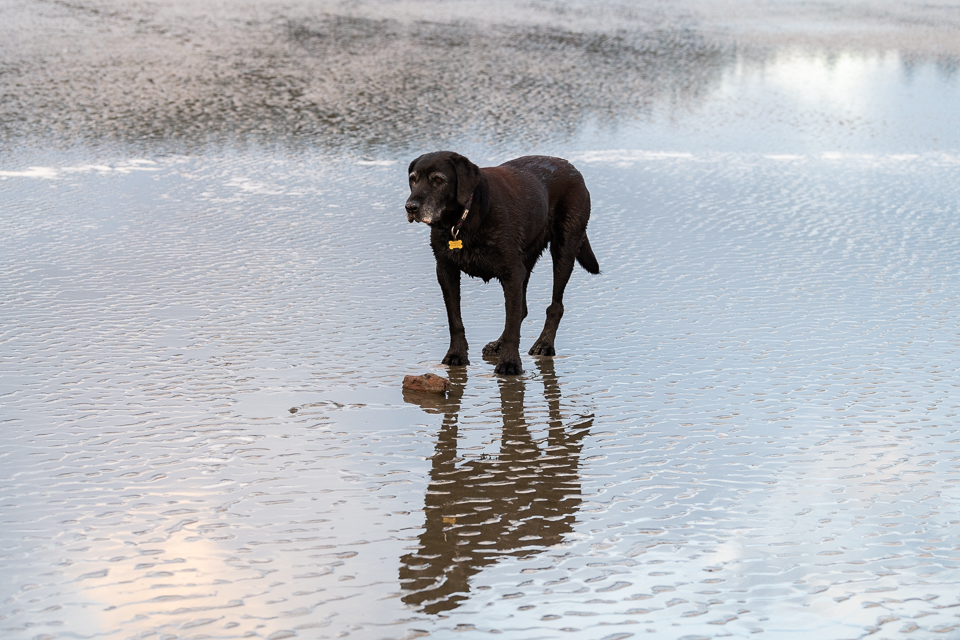
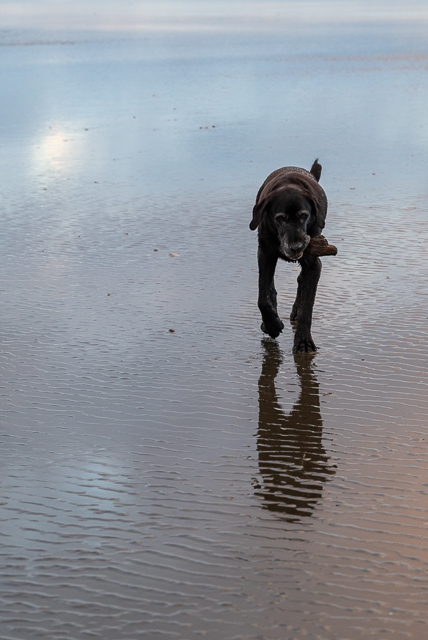
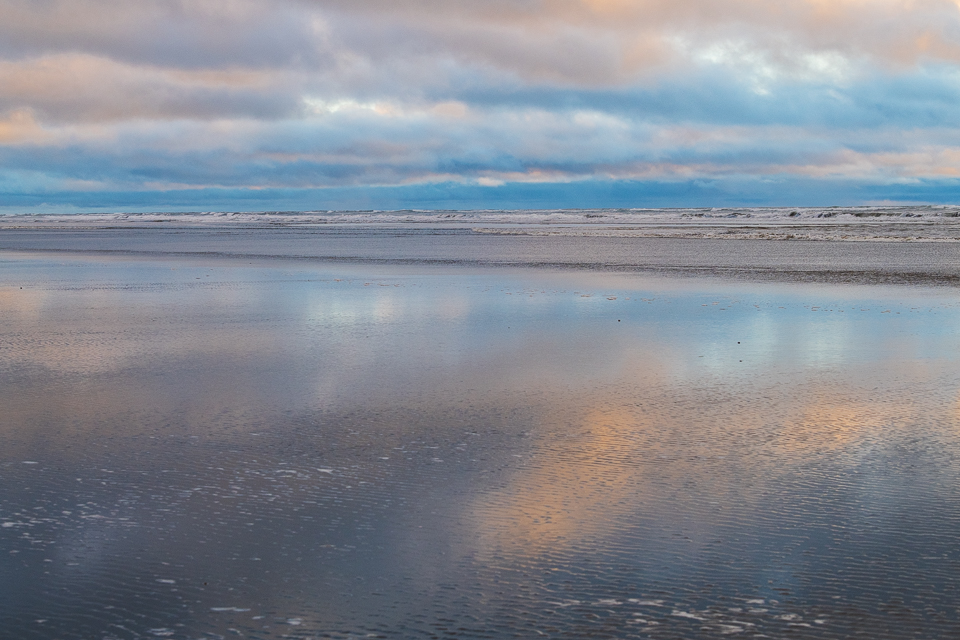
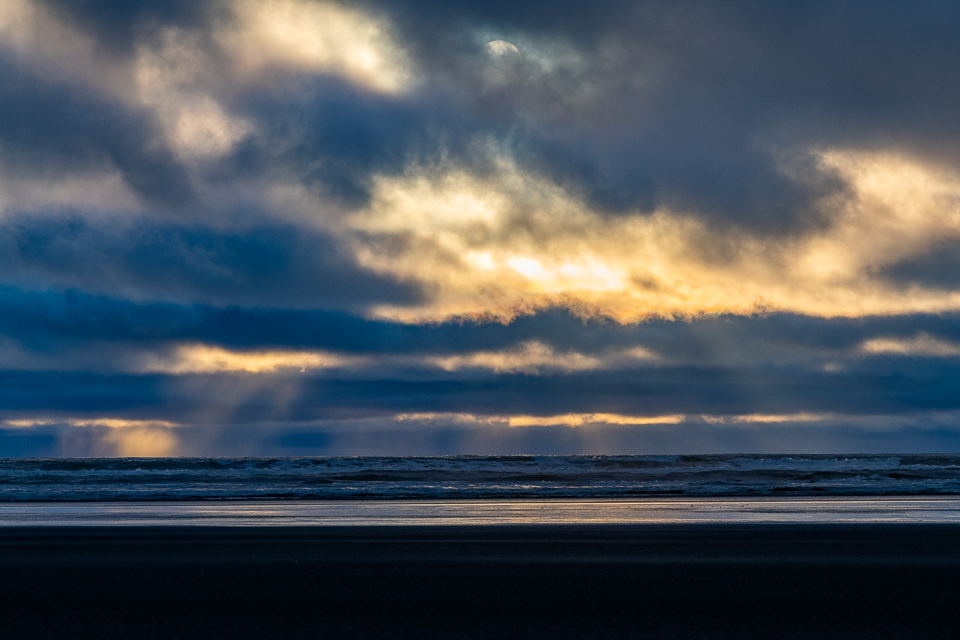
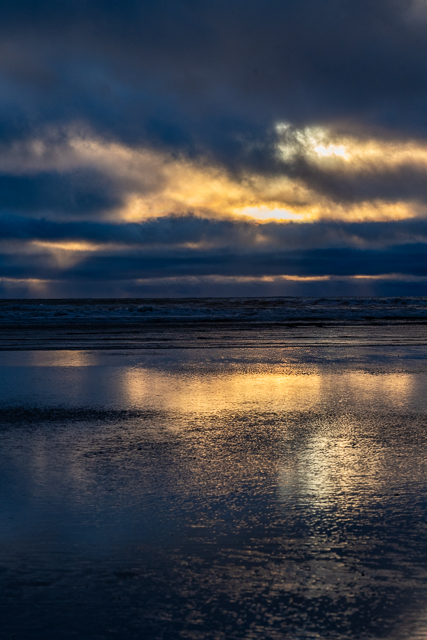
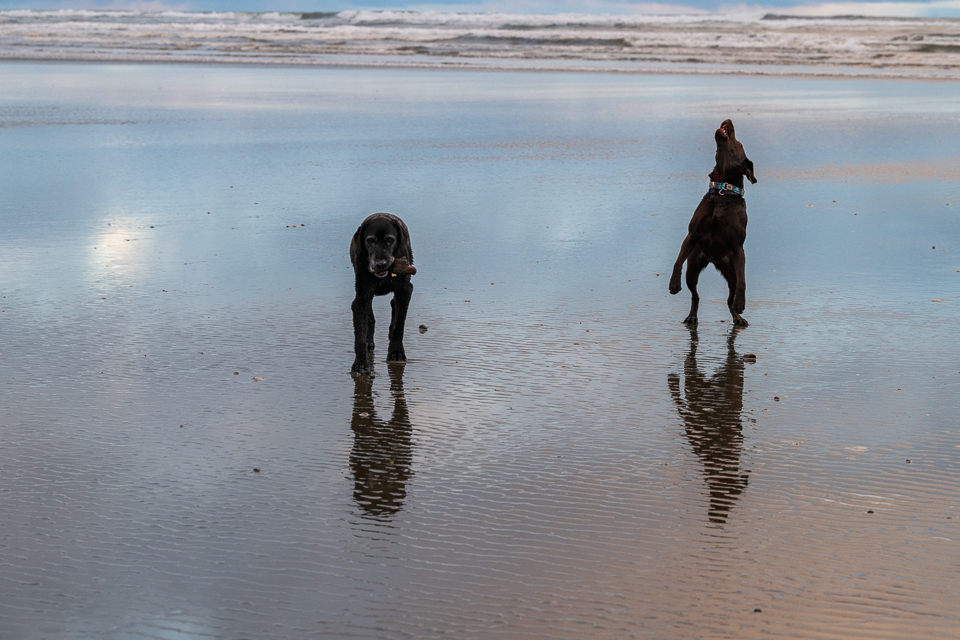
The whole family got out to the Washington Coast last week for some razor clam digging and beach walking. The weather was mostly unfavorable with lots of wind and rain. We did see some fabulous rainbows! I took my camera out one evening with the dogs and this is what I have to show for it.
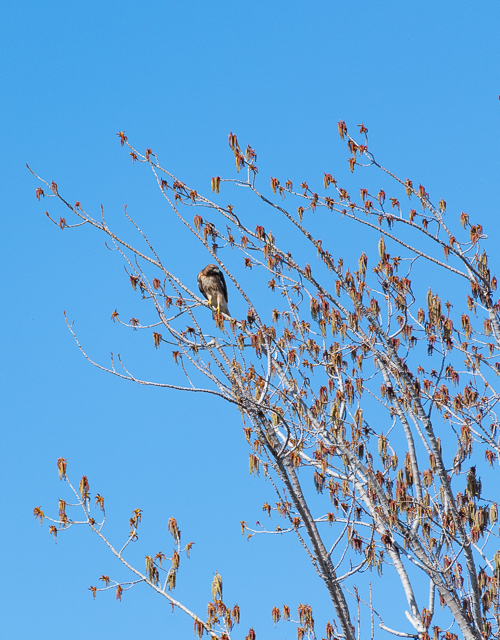
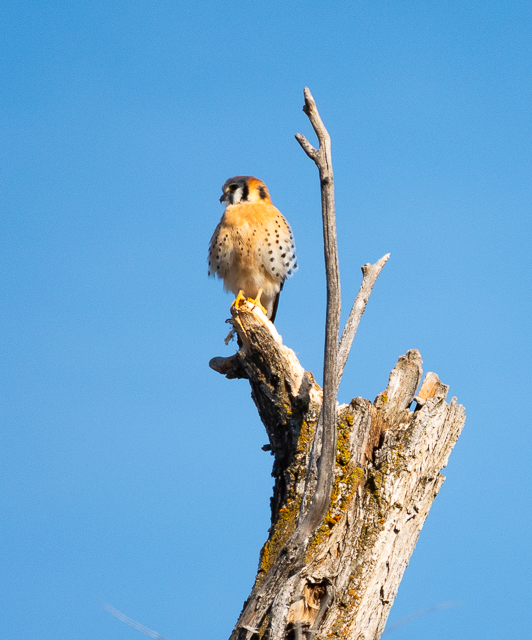
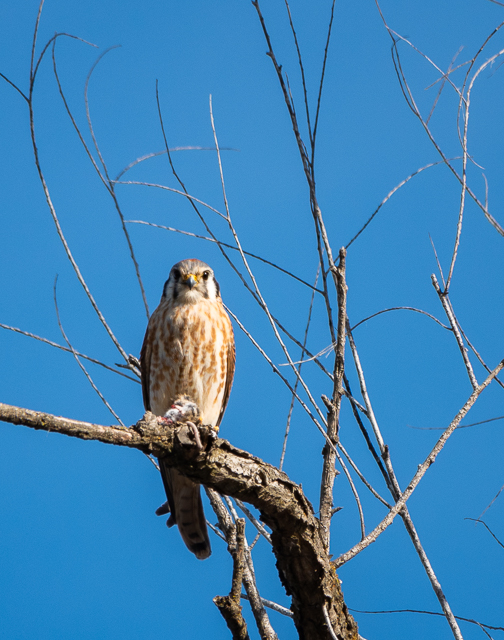
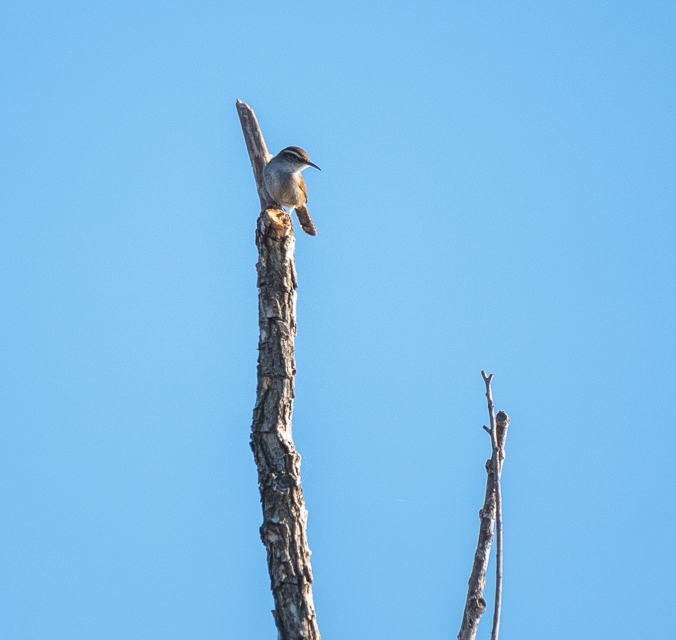
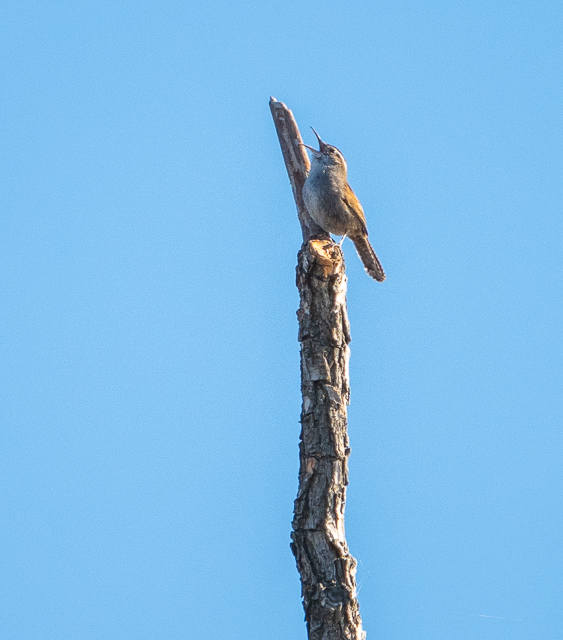
On the trip to see cranes and Snow Geese, I saw about sixty bird species. There should have been more but I was pretty focused on the big charismatic birds. I did get a few photos of the others – Red-tailed Hawks, American Kestrels and Bewick’s Wrens. The hawks and kestrels were setting up their territories and we saw the hawks’ nest. The kestrels probably had a tree cavity staked out. You can see in one picture, that the female kestrel had found some good food nearby.

I remember the first time I saw a Bewick’s Wren in SE Washington probably more than twenty years ago. At the time they were considered unusual for this area. Now they seem widespread in eastern WA. I don’t know about the rest of the state. It used to be that Marsh Wrens were common but I haven’t seen one in years. Maybe I’m just not getting to the right habitat at the right time.

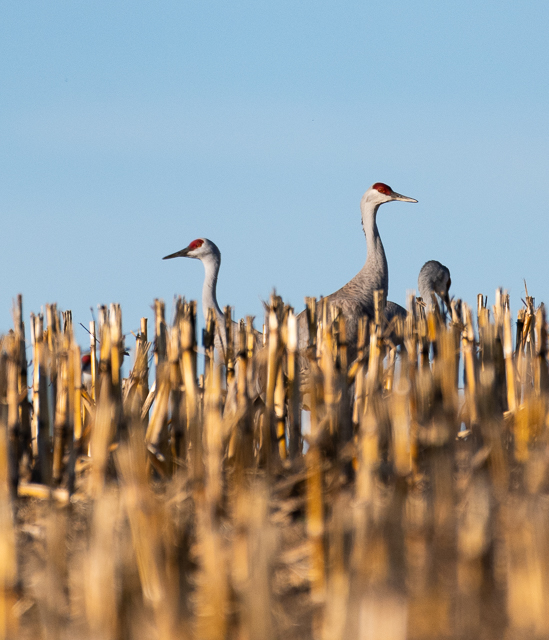
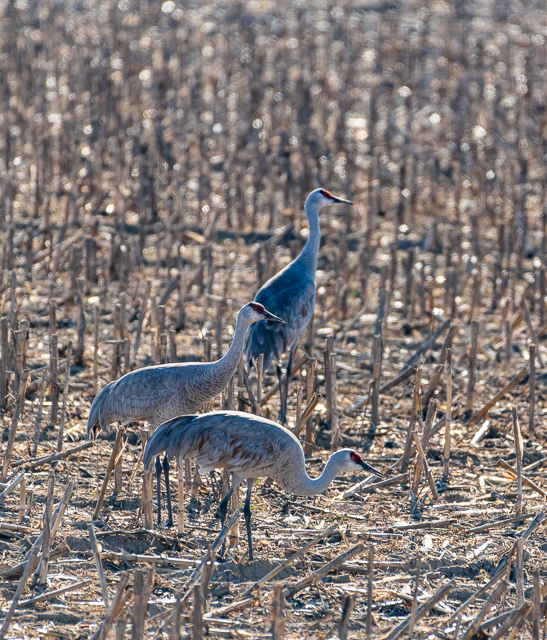
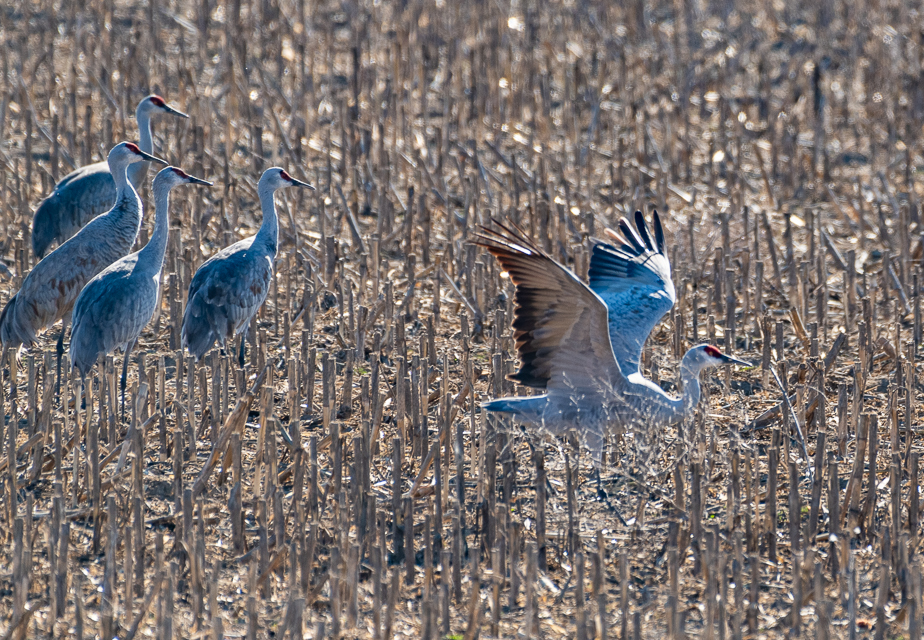
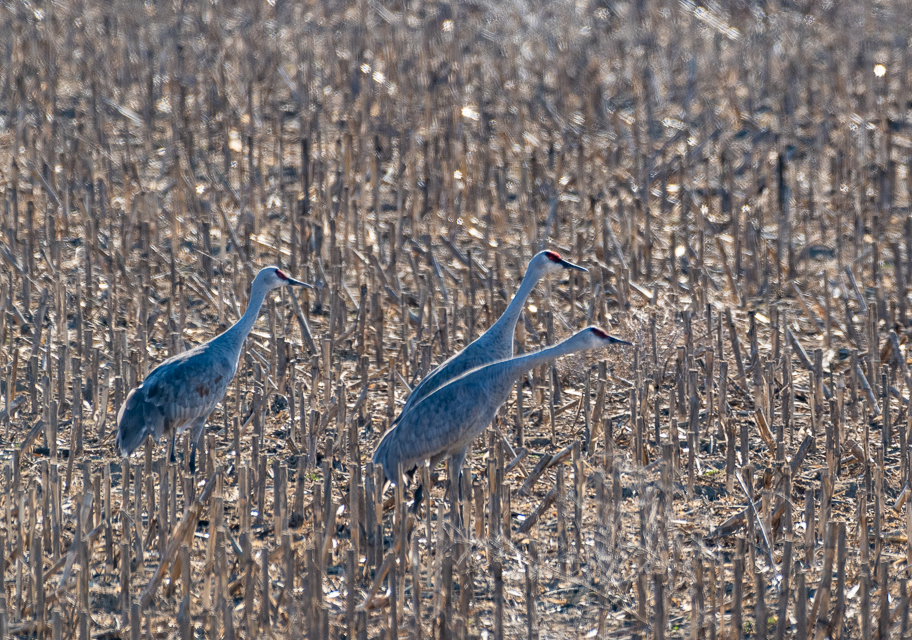
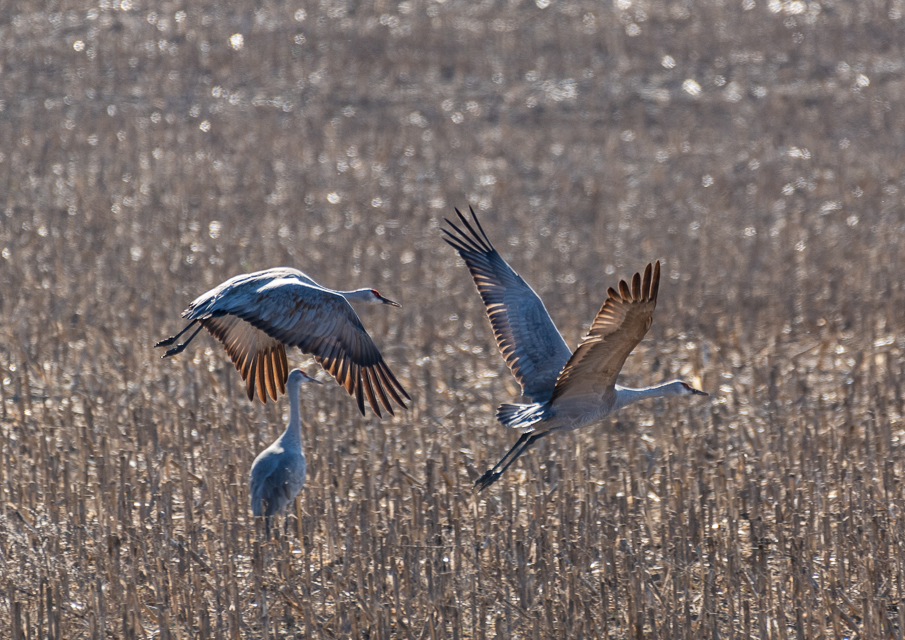
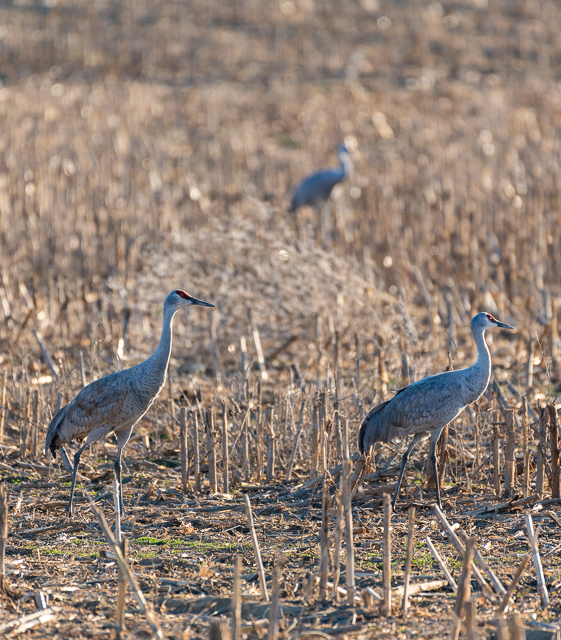
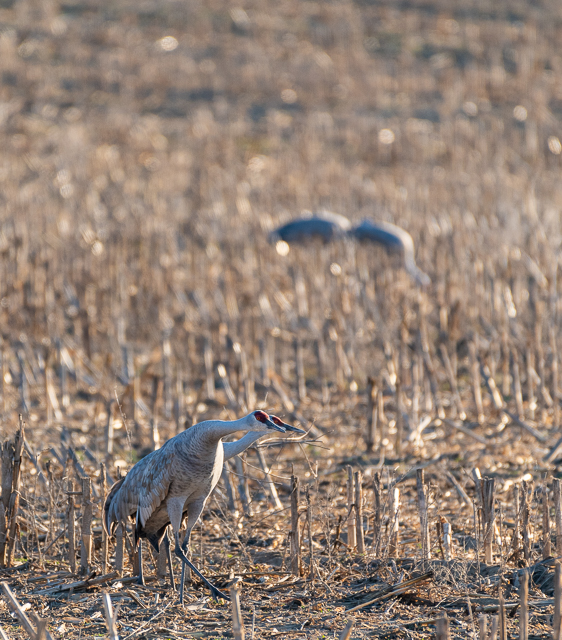
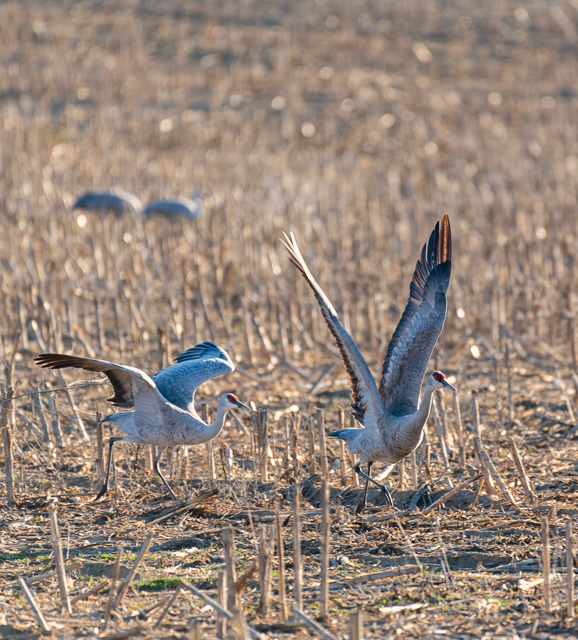
I have been fortunate to see Sandhill Cranes in many places. The Columbia Basin is the first place I saw them and learned about their migrations. As they travel north from their wintering grounds to Alaska where they breed, they stop over to rest and eat in the corn stubble fields on the big irrigated farms.