It’s fall. Sky is feeling a little better these days.
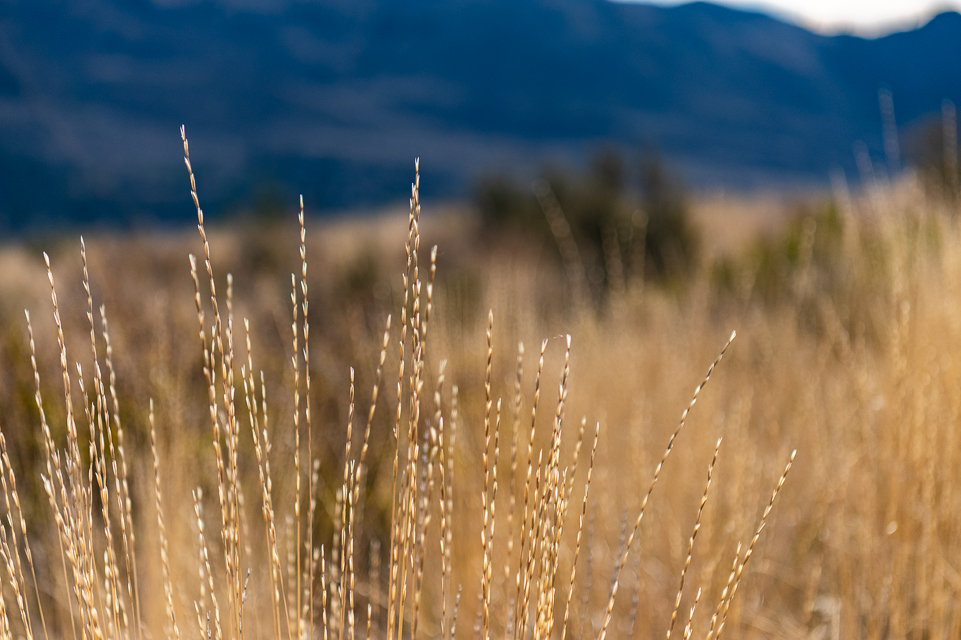


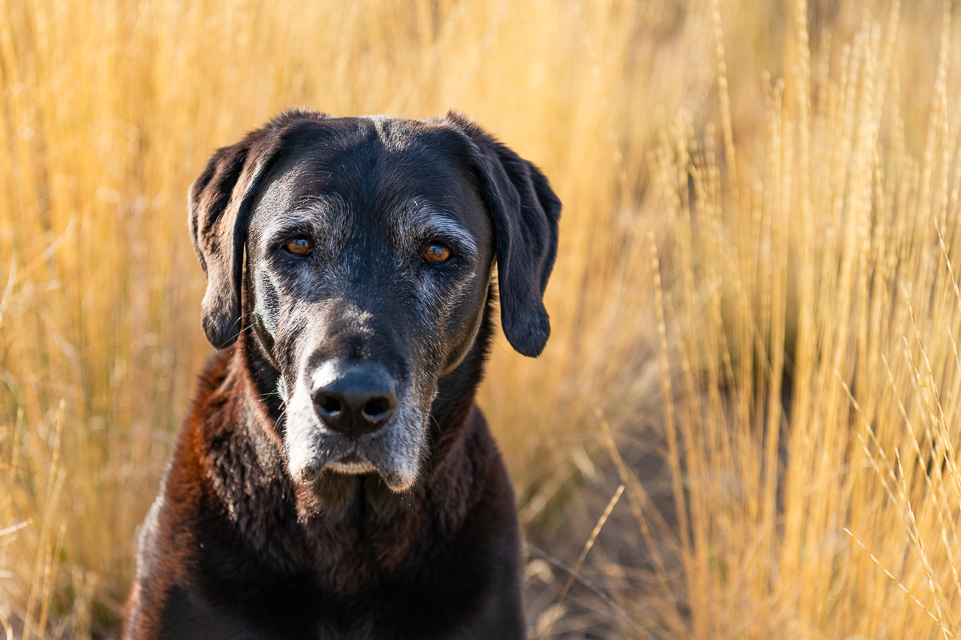
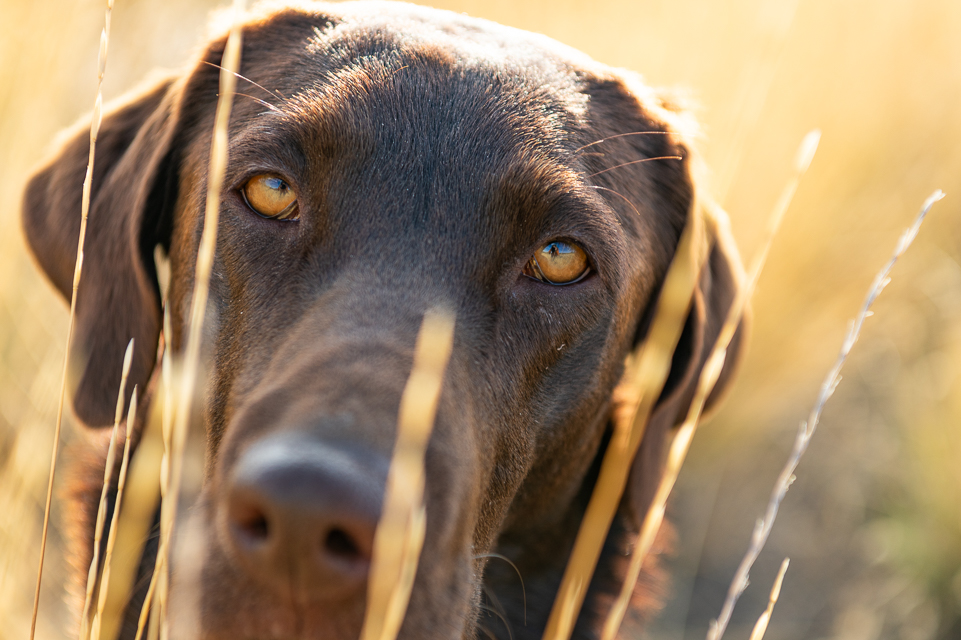
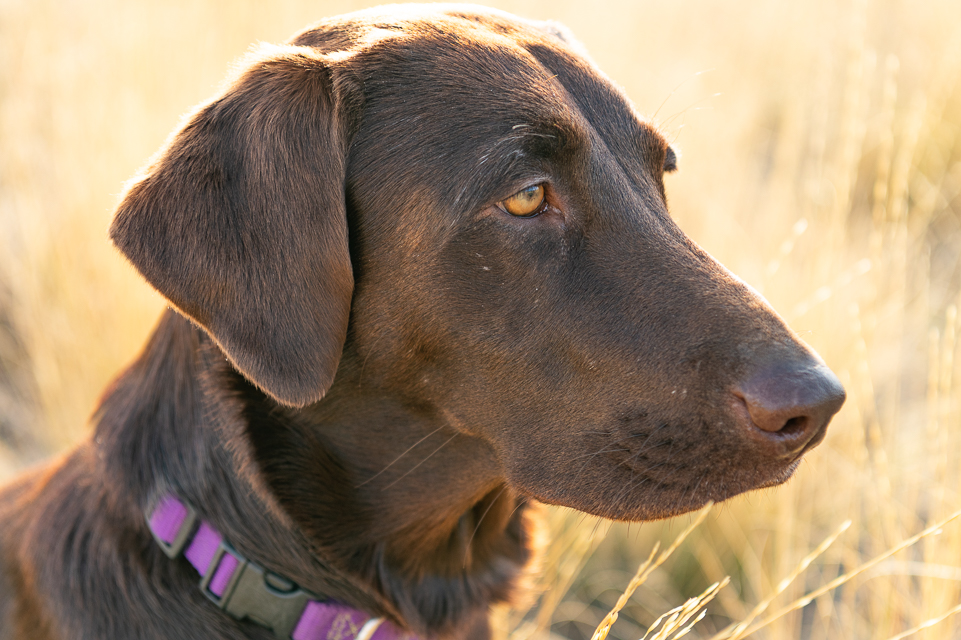




It’s fall. Sky is feeling a little better these days.
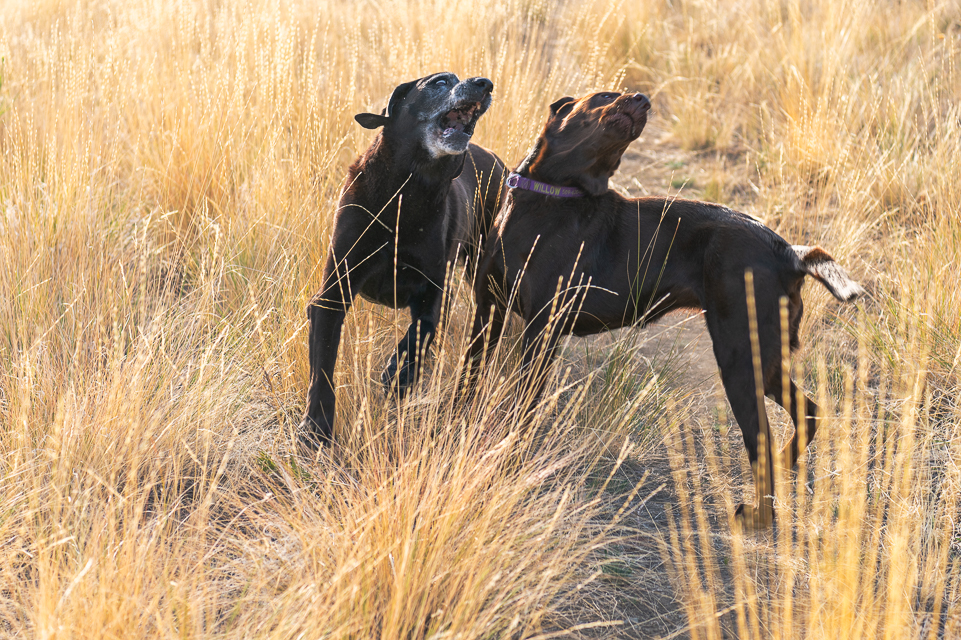
If you’ve ever walked with an off leash dog, you know that they will go at least twice and probably three times, as far as you. They need to run up there and sniff something and then check in before heading in the other direction to sniff something else. And on and on it goes. Willow is pretty good at checking in and not getting too far away. However, if she finds something to eat, she becomes unresponsive. I don’t know how to solve that training issue.
We were invited to join two friends on an eleven mile hike, up and over a mountain pass with 2000′ of elevation gain. It’s a great hike to do with two cars so you can start at one trailhead and end at the other one. It was a cool and cloudy morning with a forecast that included sunshine and no rain. Hmmm, those forecasts.
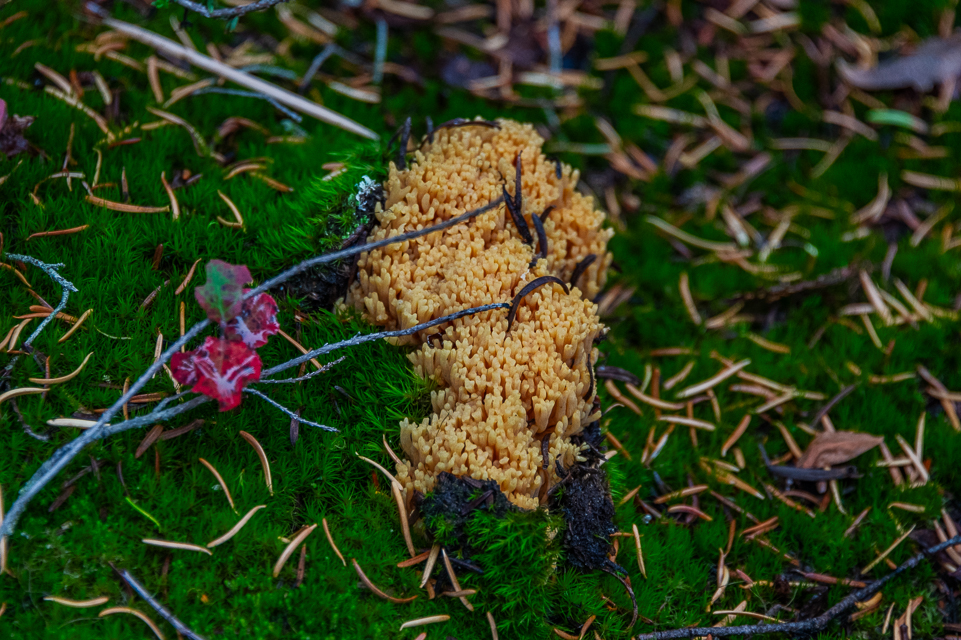
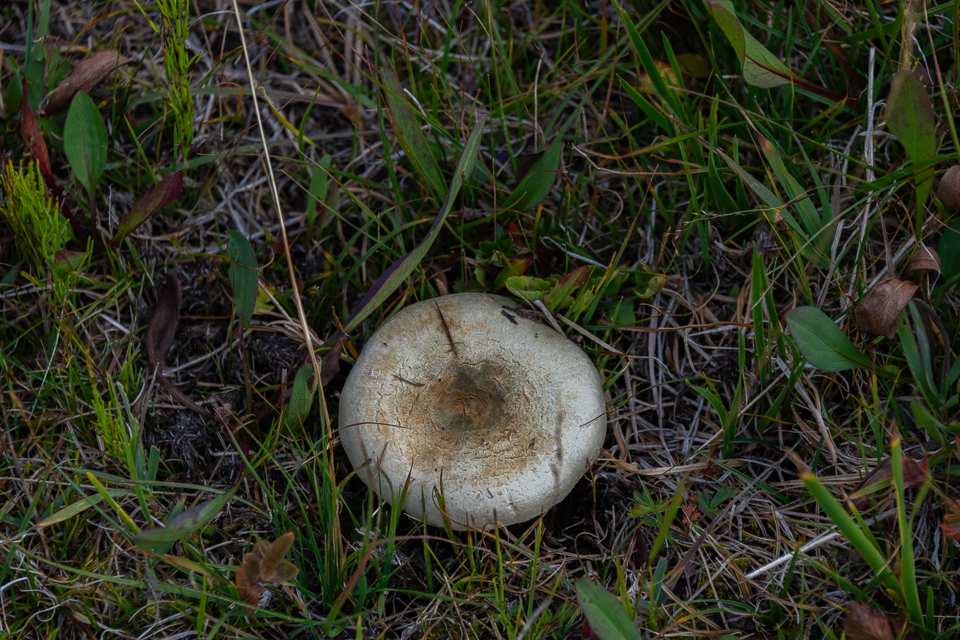
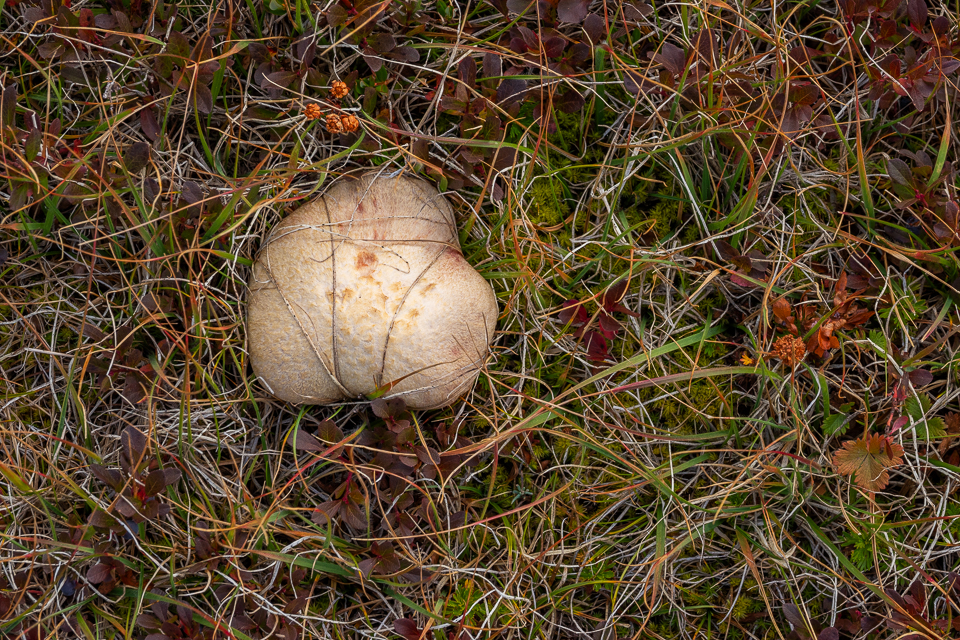
There’s been a fair amount of rain recently and we saw many mushrooms of various kinds. Nothing that we wanted to pick and eat. The fall colors were just getting started with a few subalpine larch showing lighter green or yellow. The huckleberry and mountain ash were in full fall color.
When we were about eight miles into the hike, Willow actually sat down on the trail when we stopped. That may be a first – her showing any sign of being tired. But shortly after that, we approached a lake we have visited before and suddenly she was full of energy and anxious to get in the water. After that she knew where we were going and how to find the car. She probably walked/trotted/ran thirty miles or more. We had few sun breaks and even a little bit of rain. So much for weather forecasts.
It was a good day.
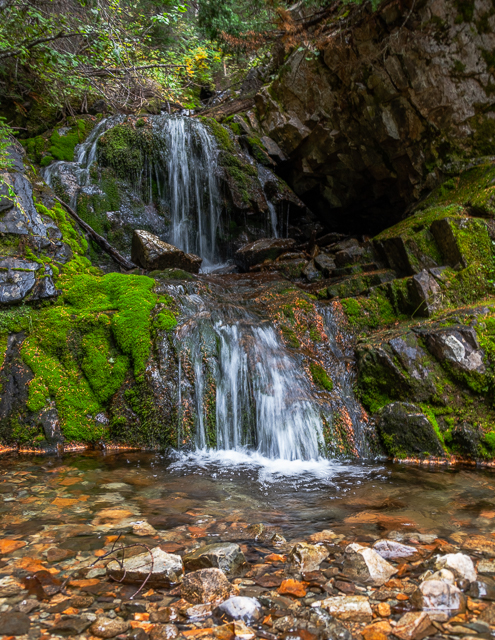


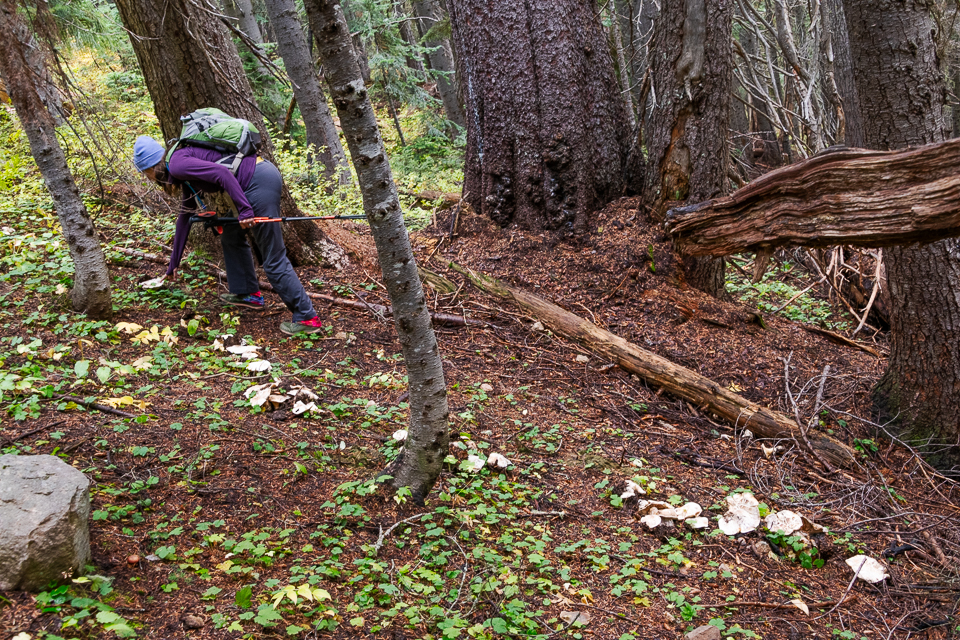

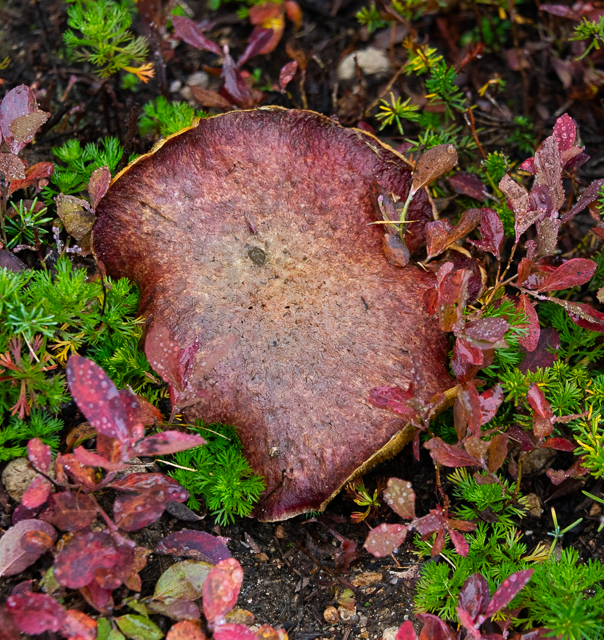

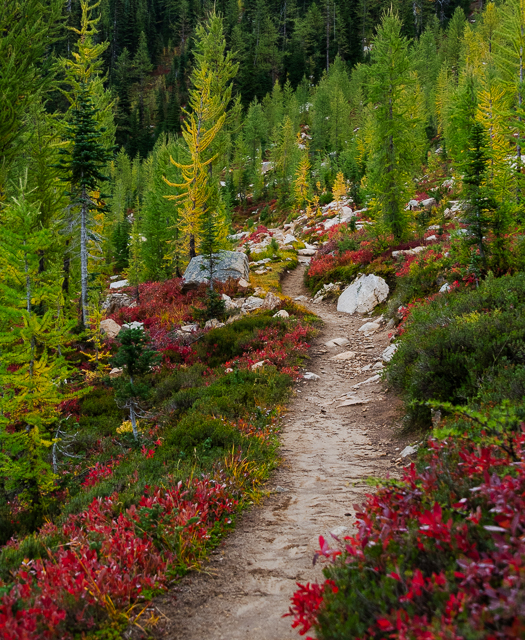


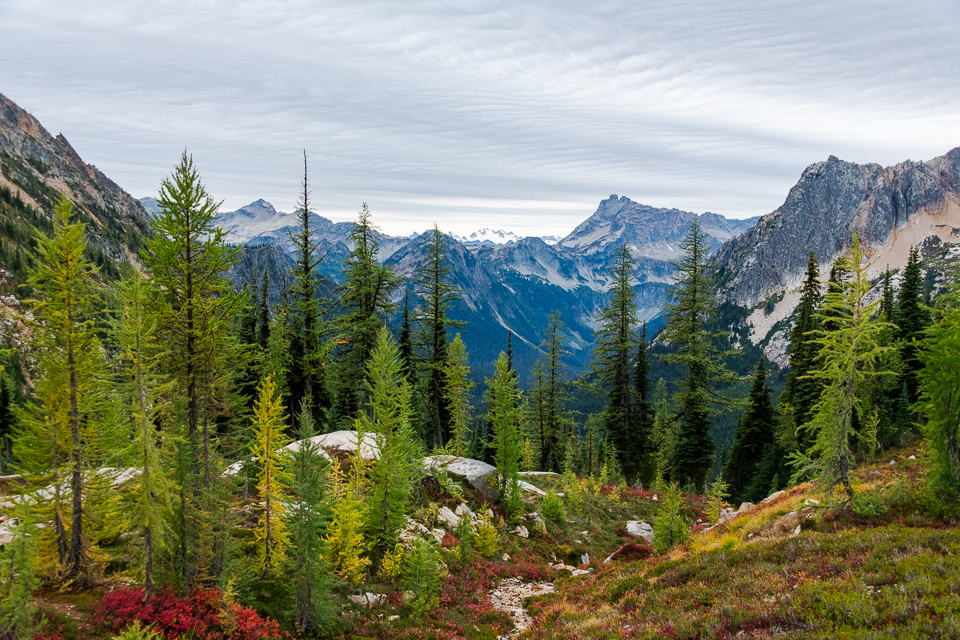

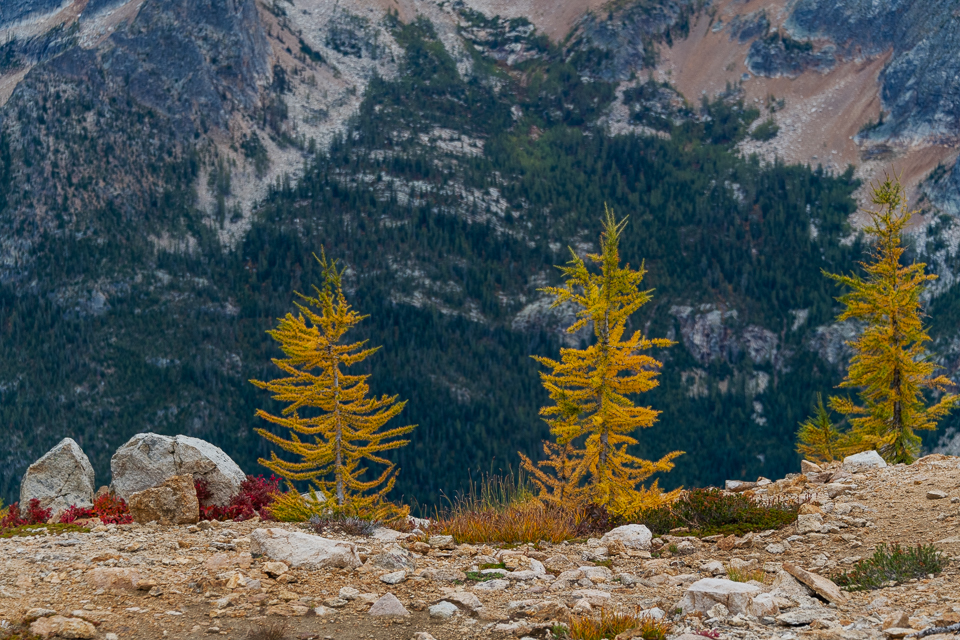

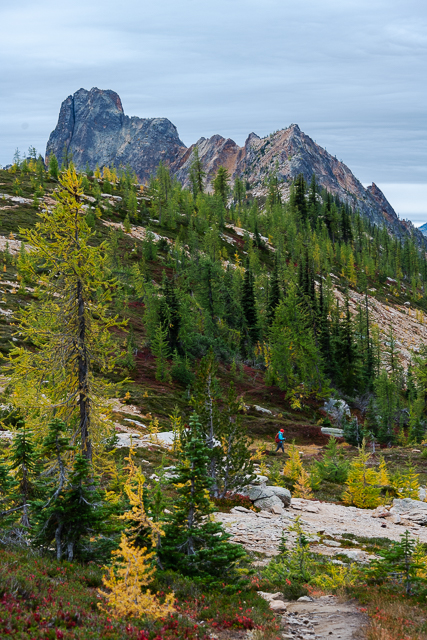

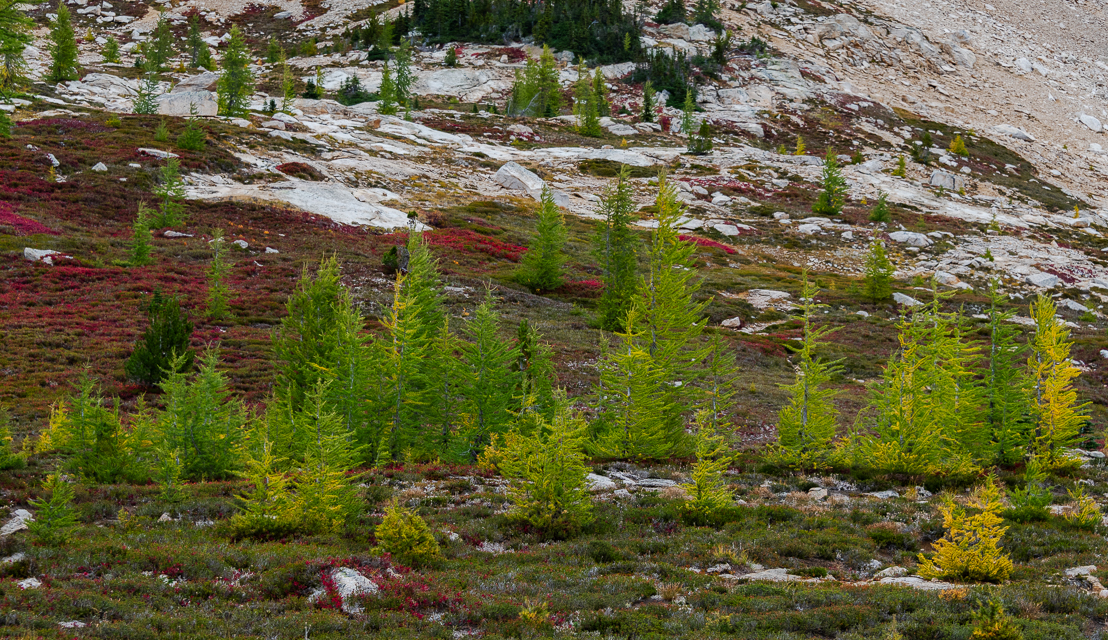


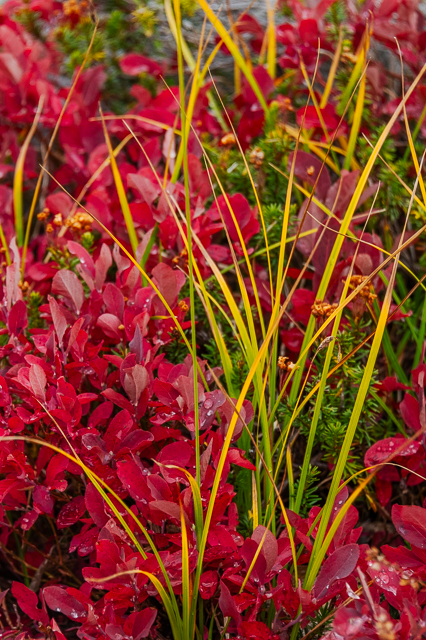

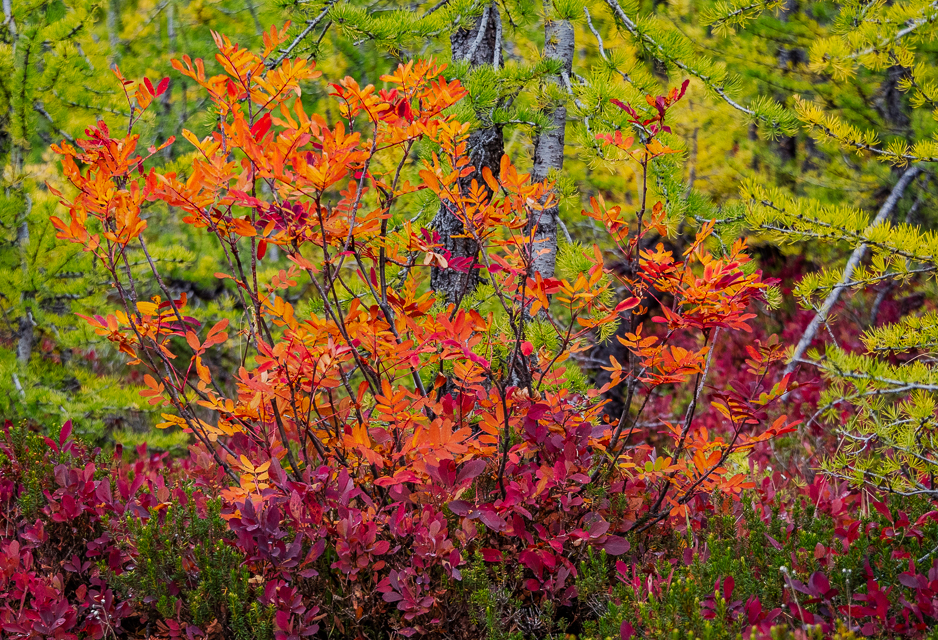



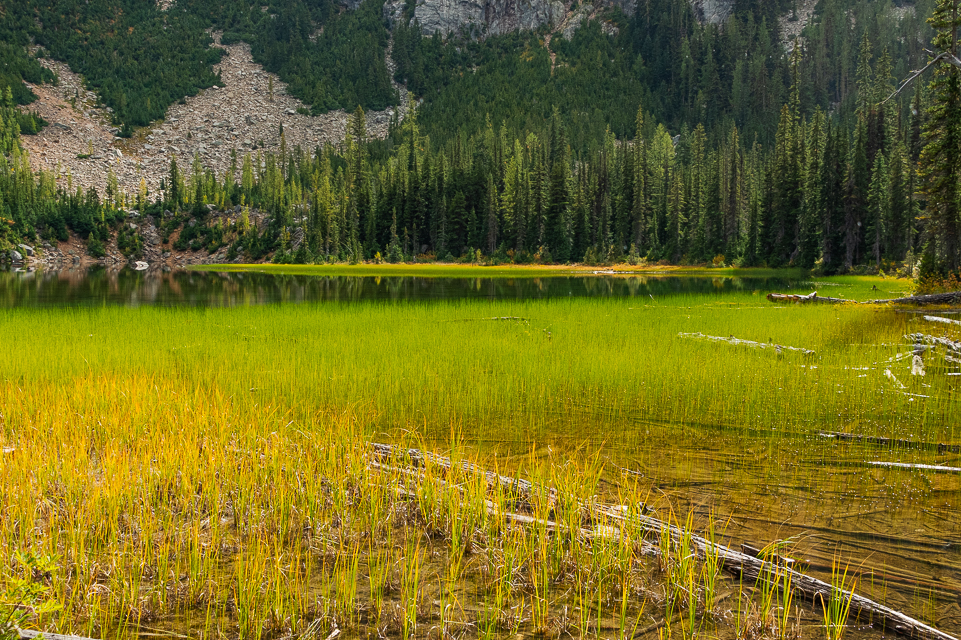
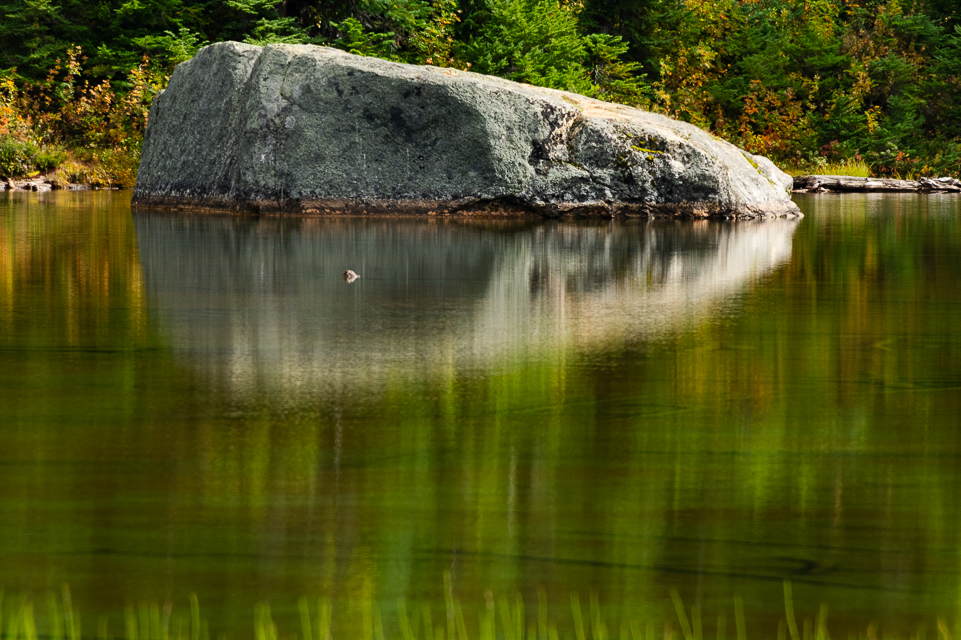
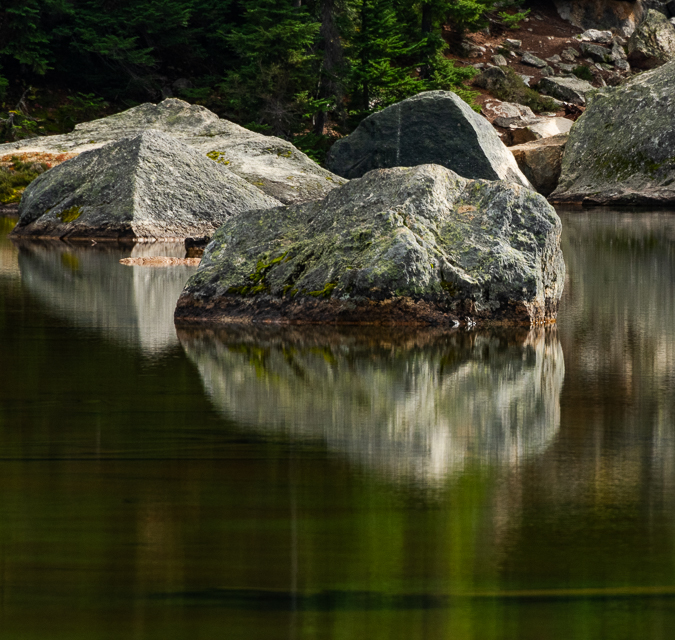
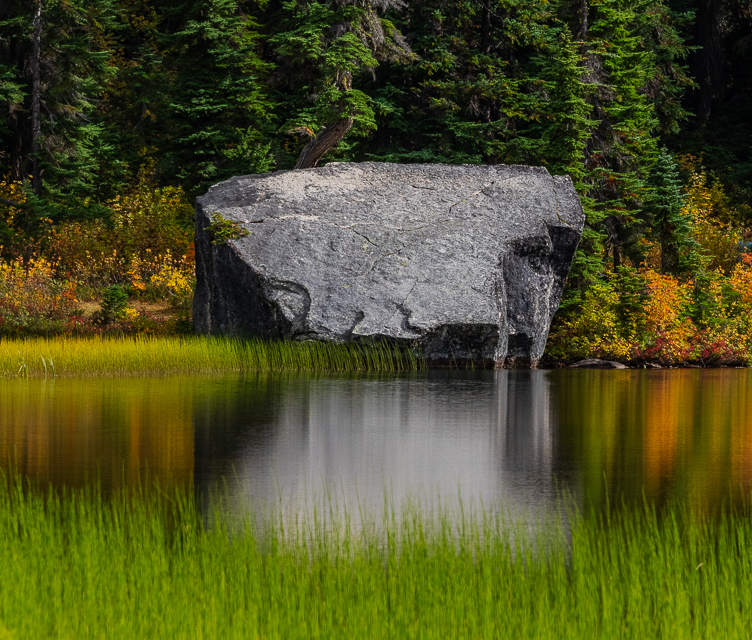
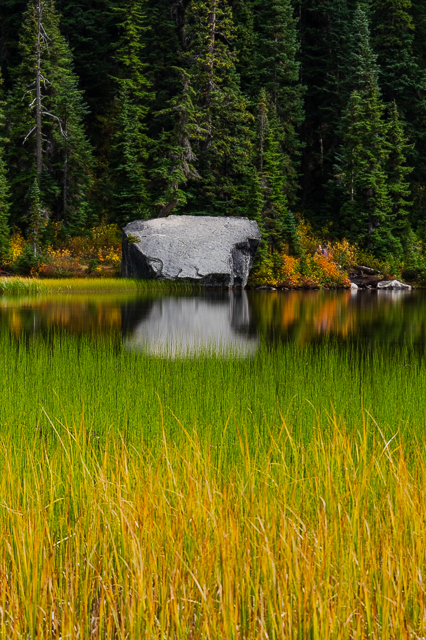


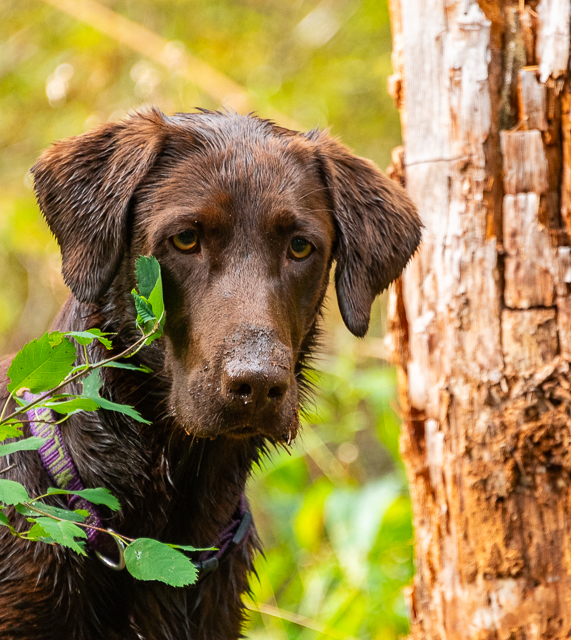
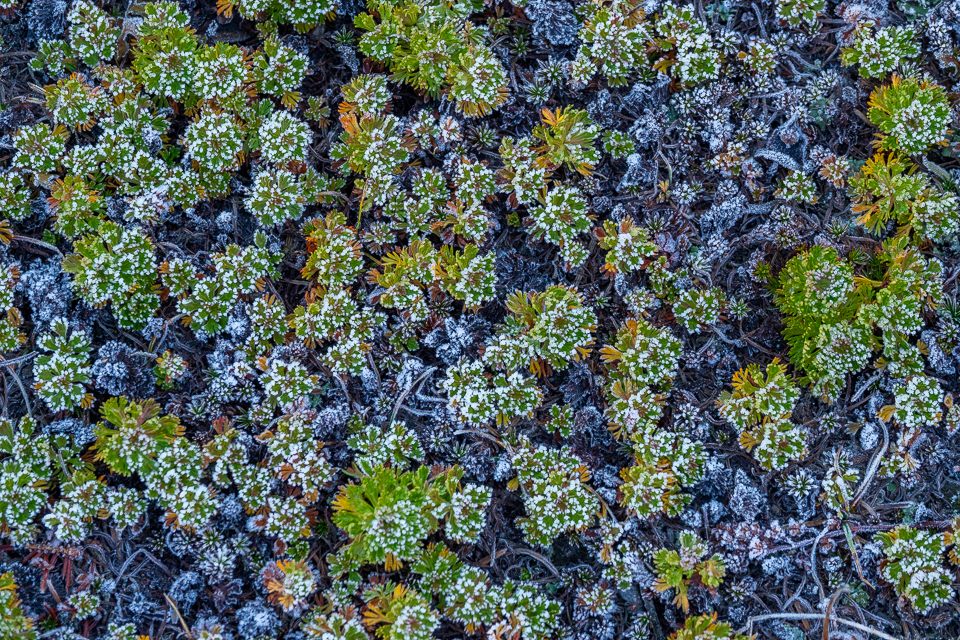
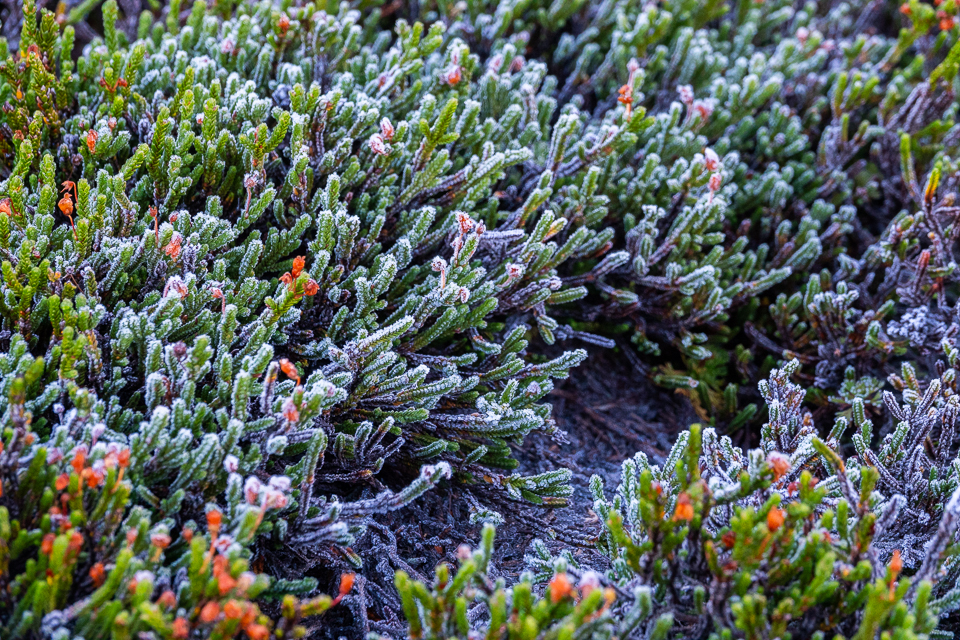
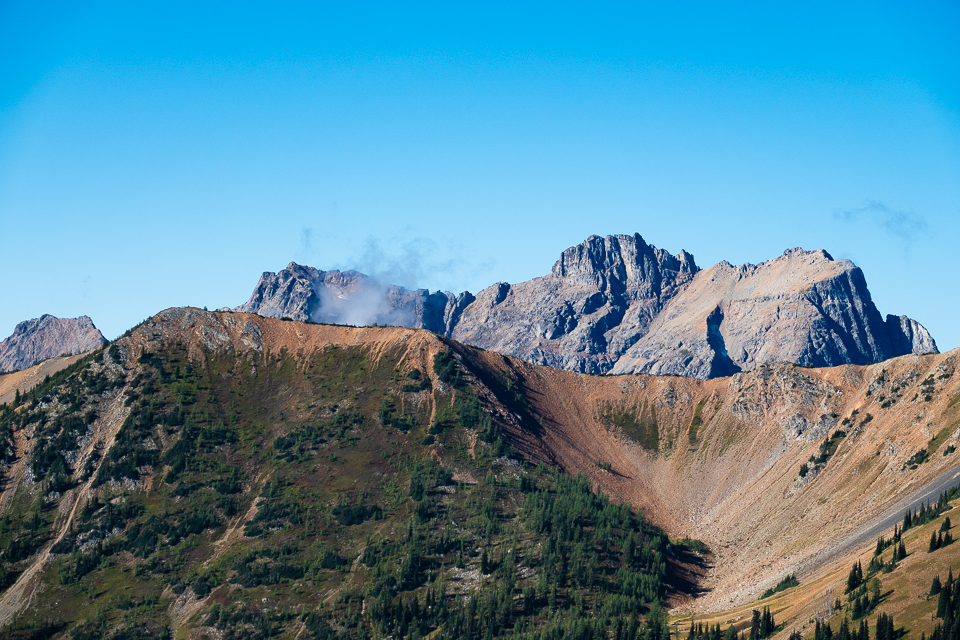
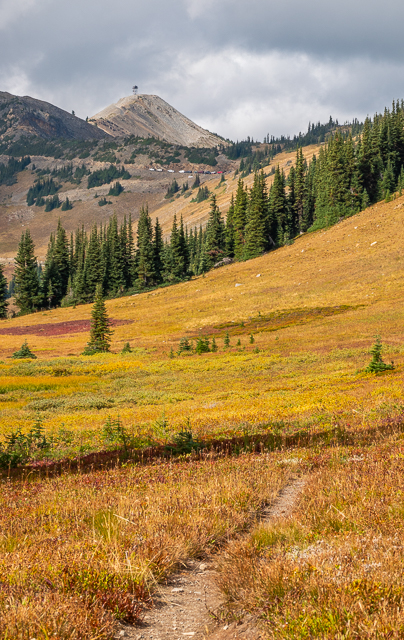
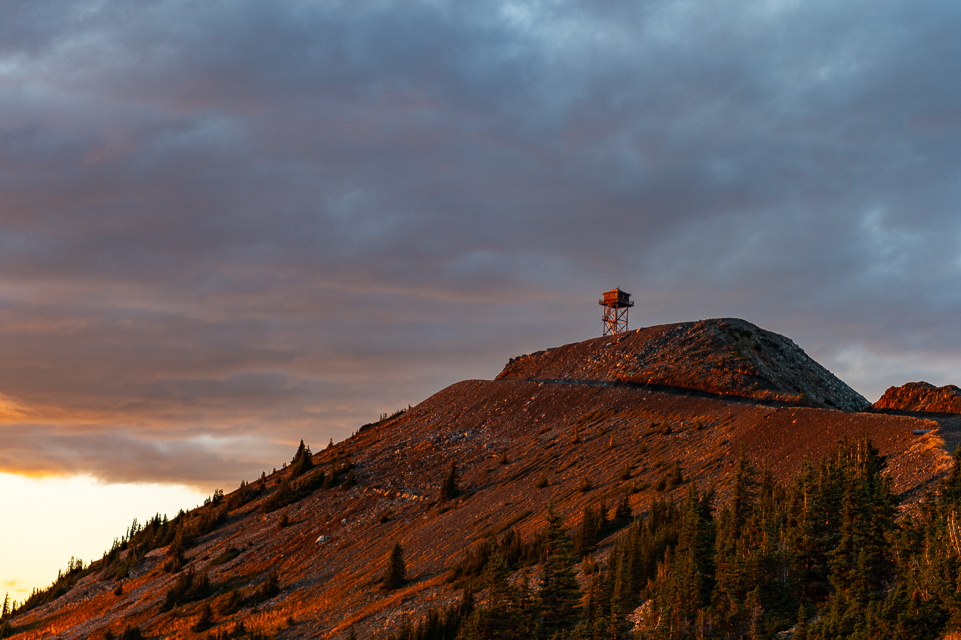
Willow and I spent five days at Harts Pass recently. We had some weather, rain for part of three days, some frosty mornings, fog and lots of sunshine and blue skies. Almost had it all. Lots of people to talk to but we also had some time to get out for walks. Not enough for either of us but sometimes that’s how it goes. Sky stayed home with Ken and had a relaxing time.
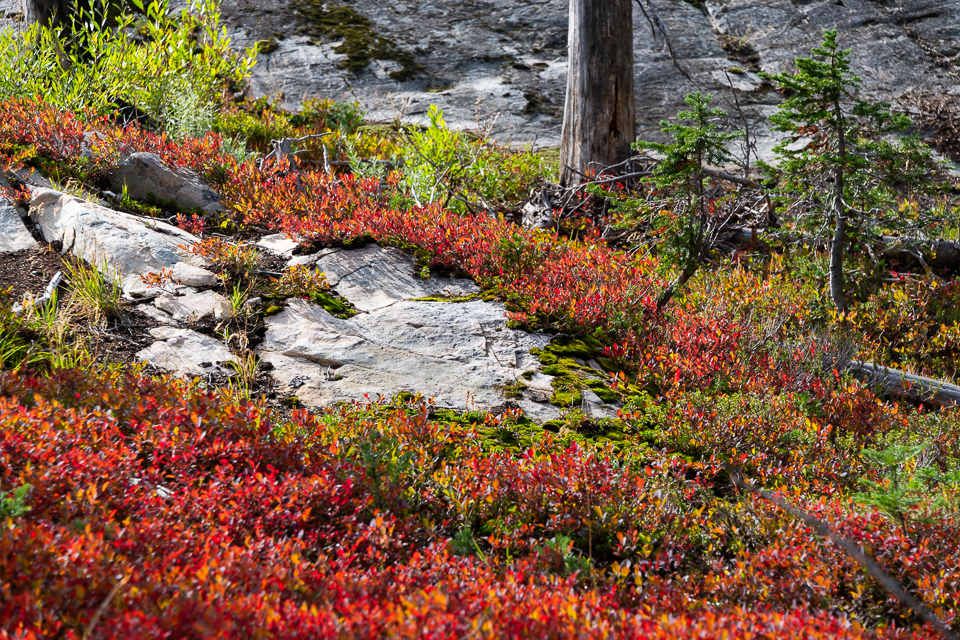
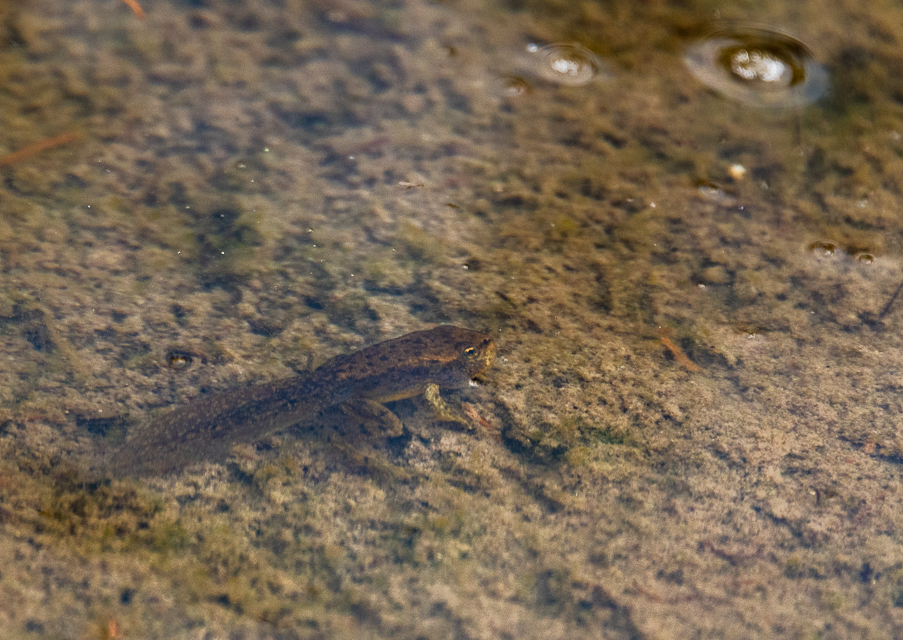
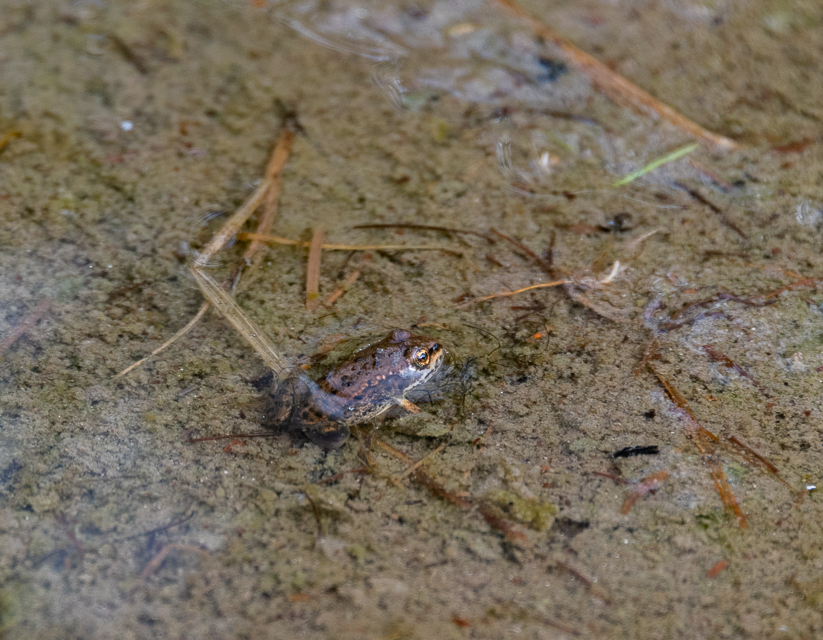
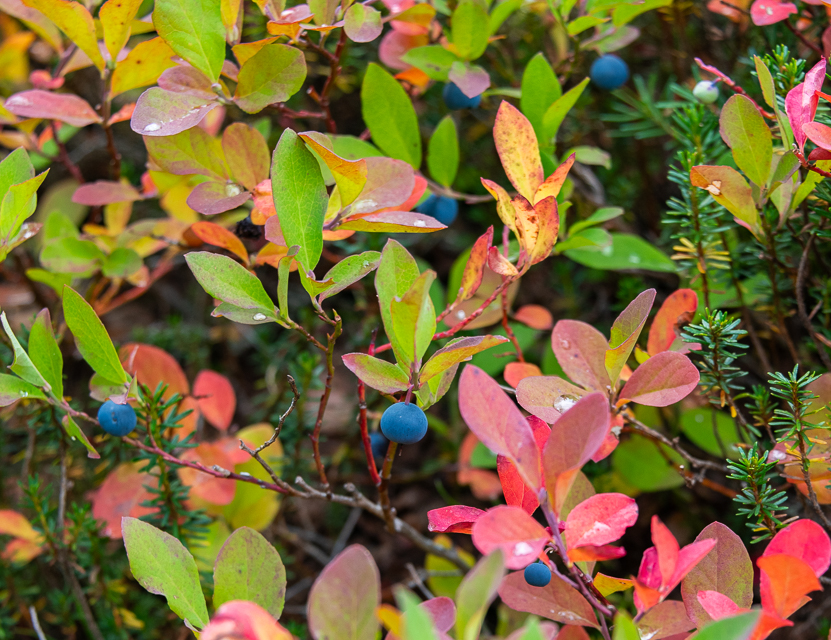
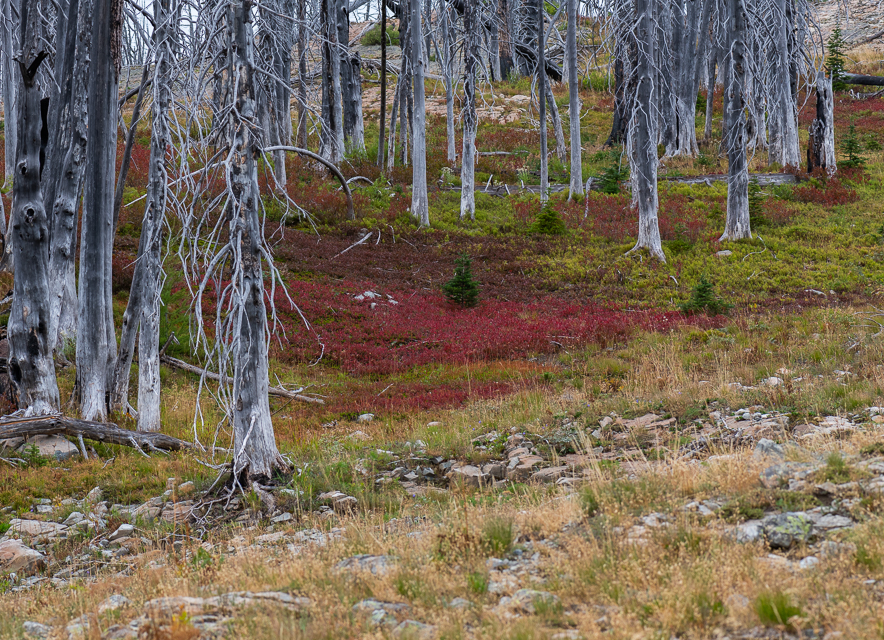
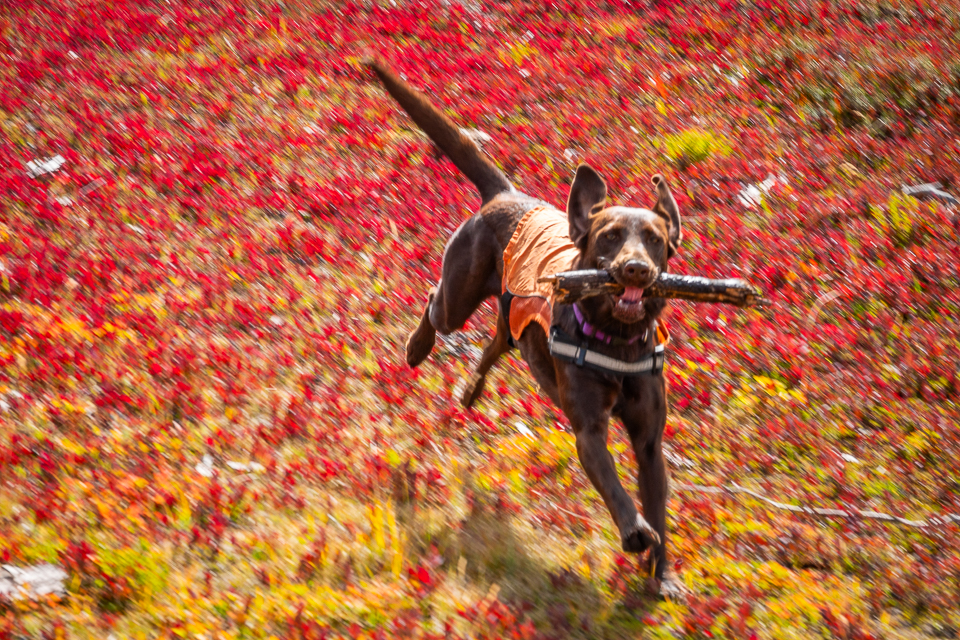
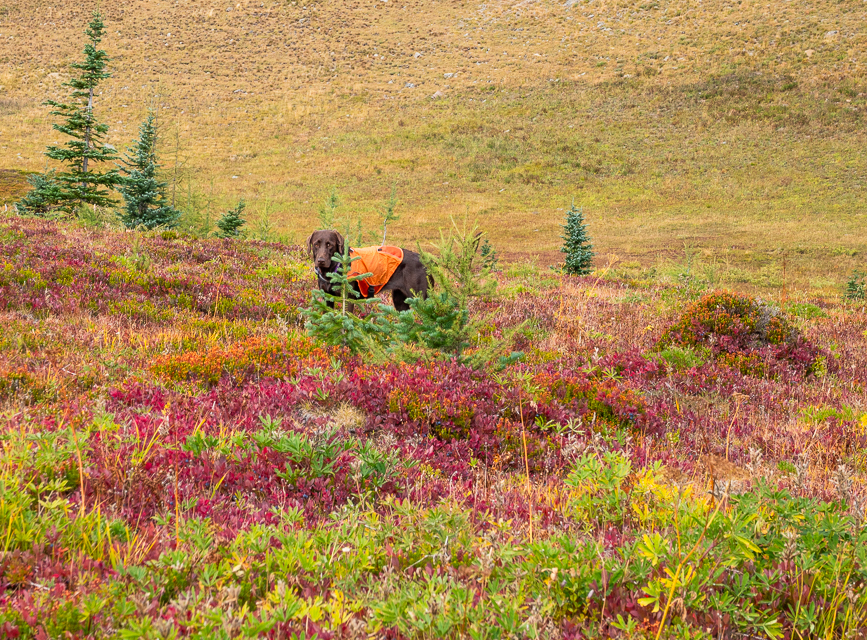
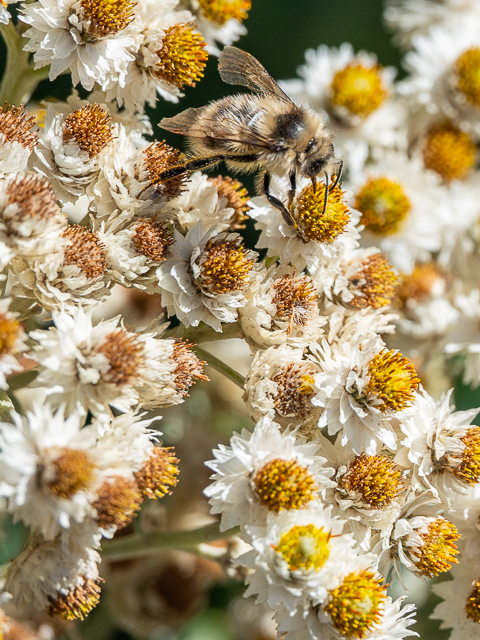
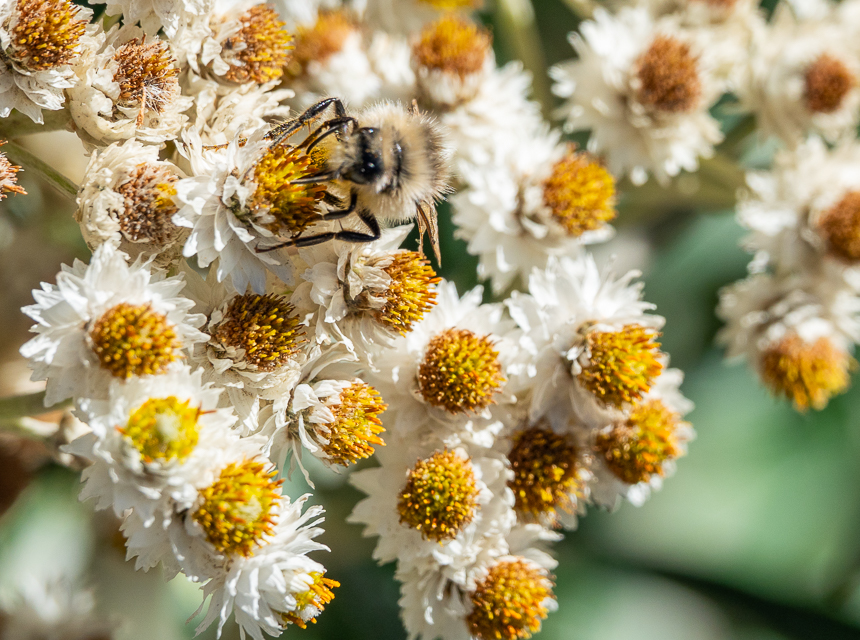
Fall colors were just beginning with the huckleberry bushes changed to brilliant red. The berries were still yummy and numerous. I ended most of my walks with stained fingers. Willow helped herself to a few too. The Campanula (bluebells) were still blooming, here and there, and pearly everlasating was living up to its name. The cotton grass clung to its seedheads. The one remaining (not a vernal as I thought earlier in the year) pond still had some tadpoles and tiny frogs too. Some tadpoles had grown legs. I don’t know what kind of frog or toad these might be. Seems like kind of late in the year to be turning into frogs.















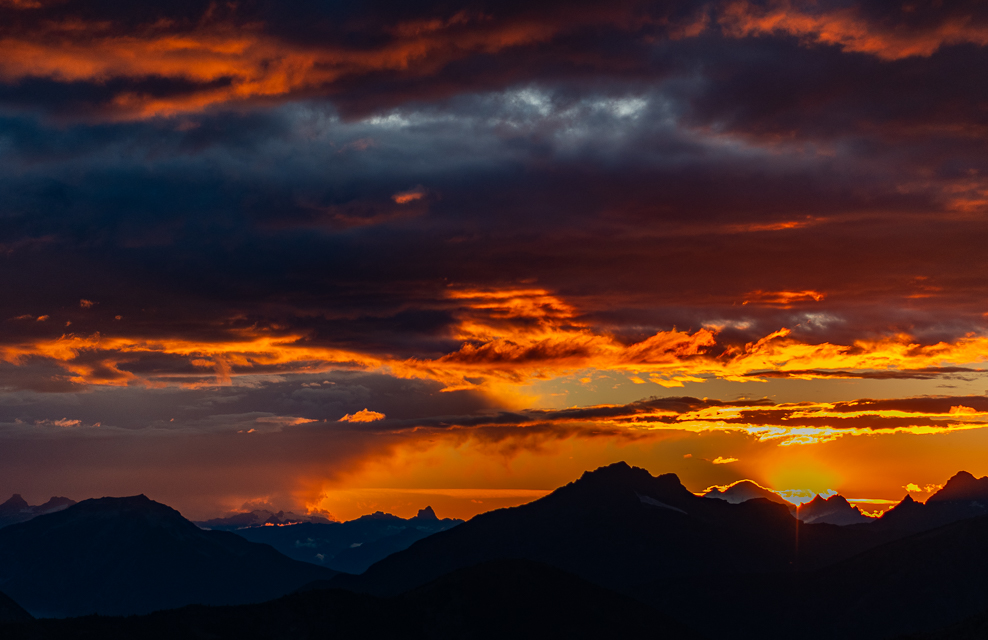

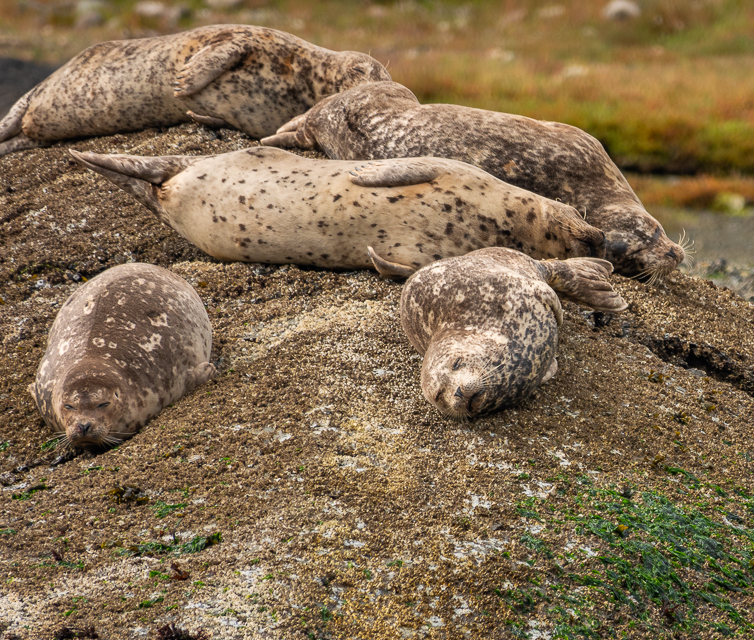
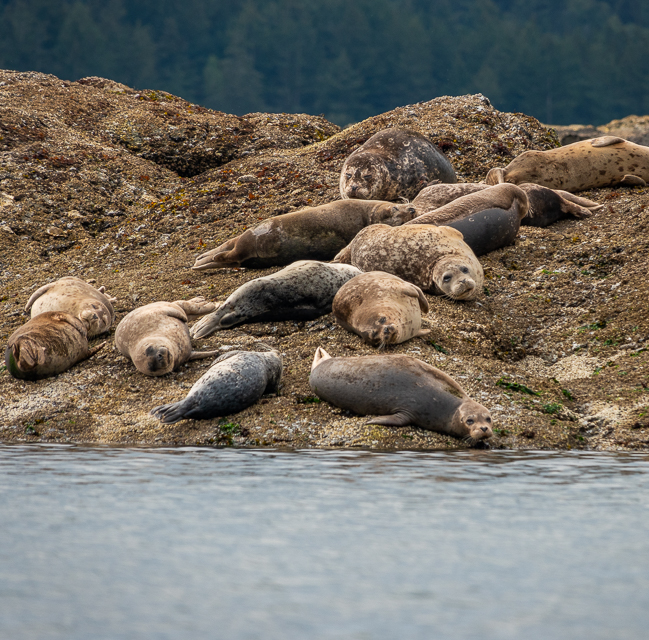
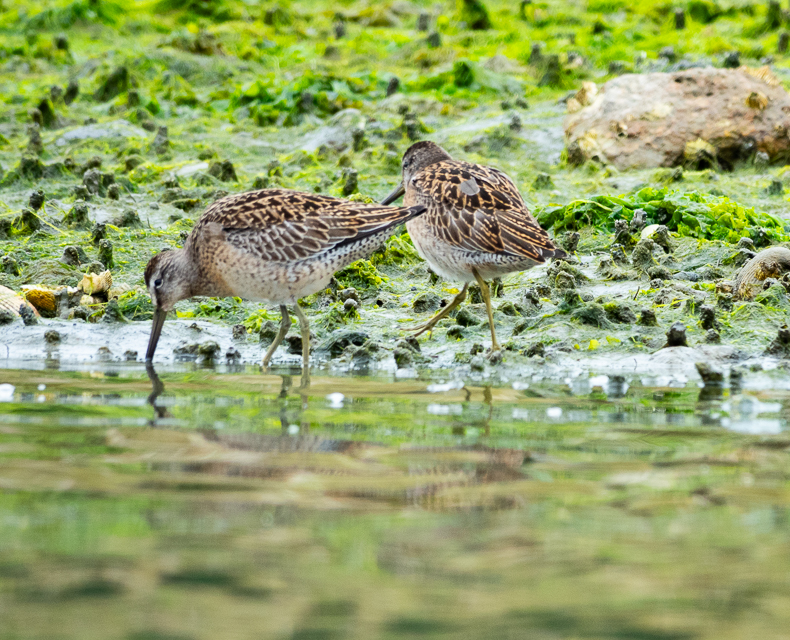
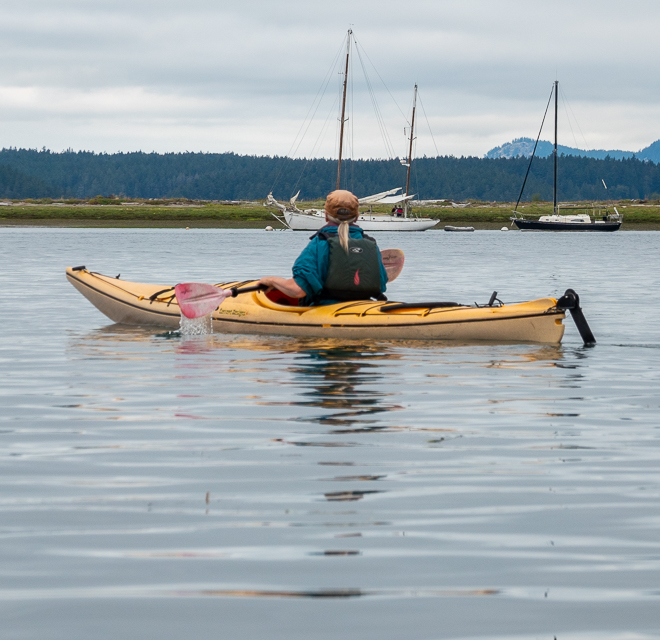
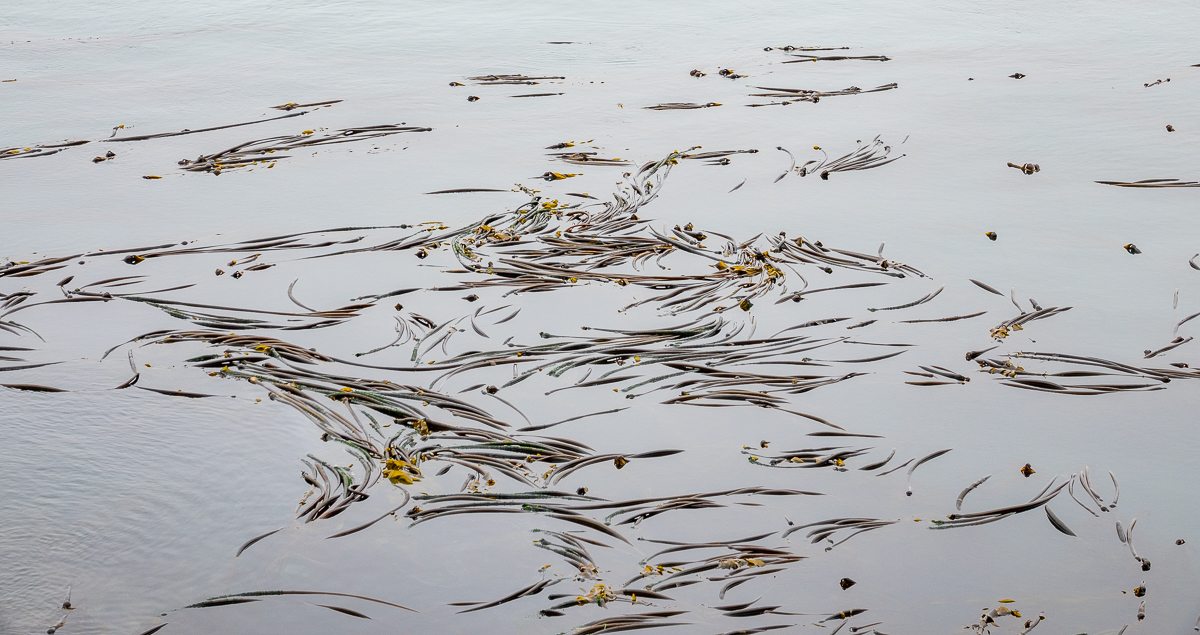
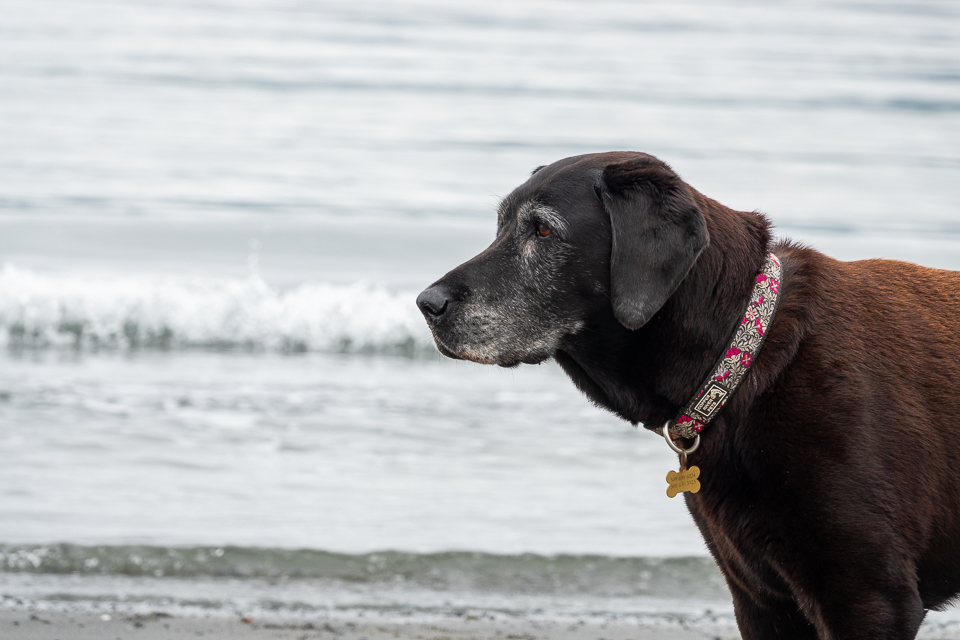
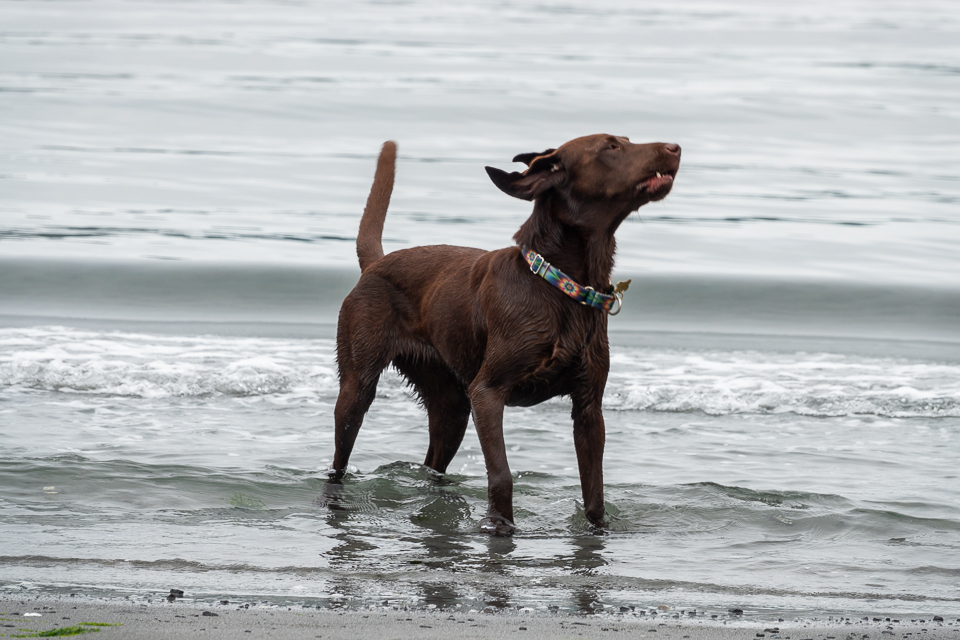
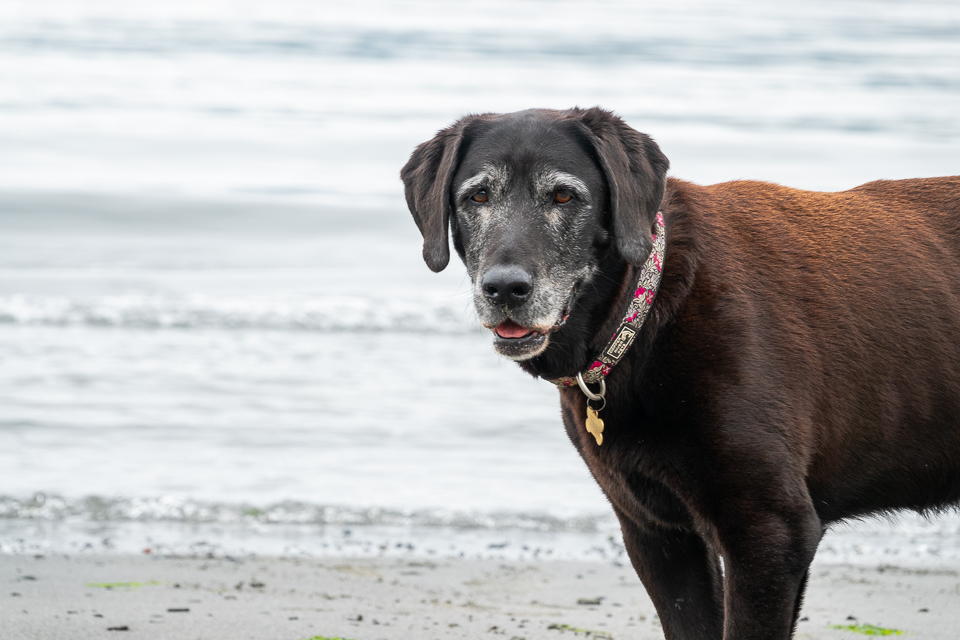
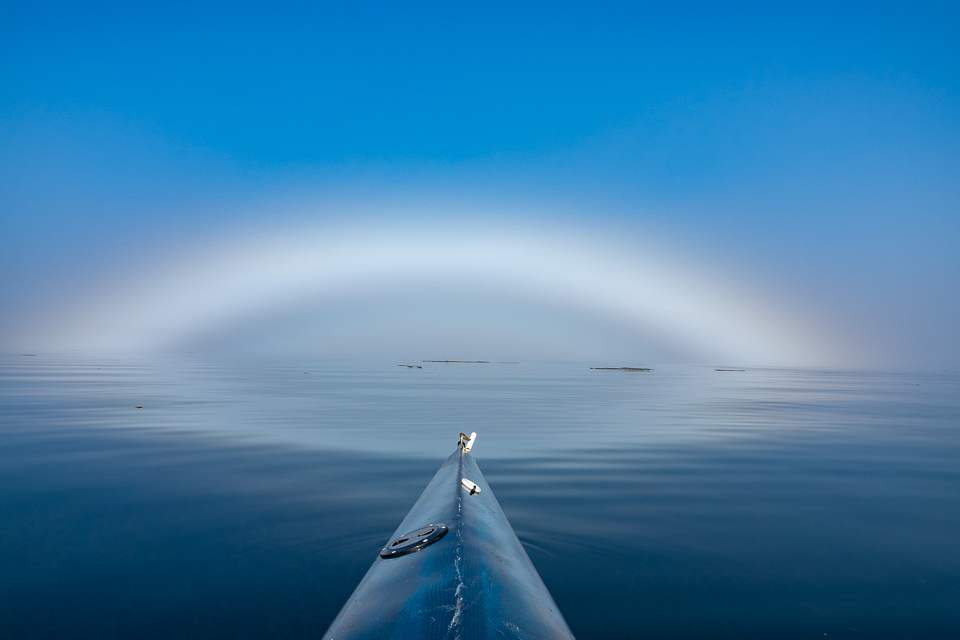
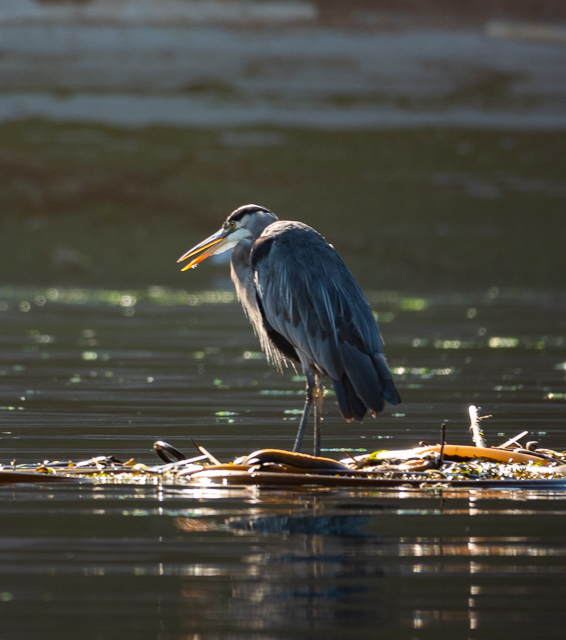
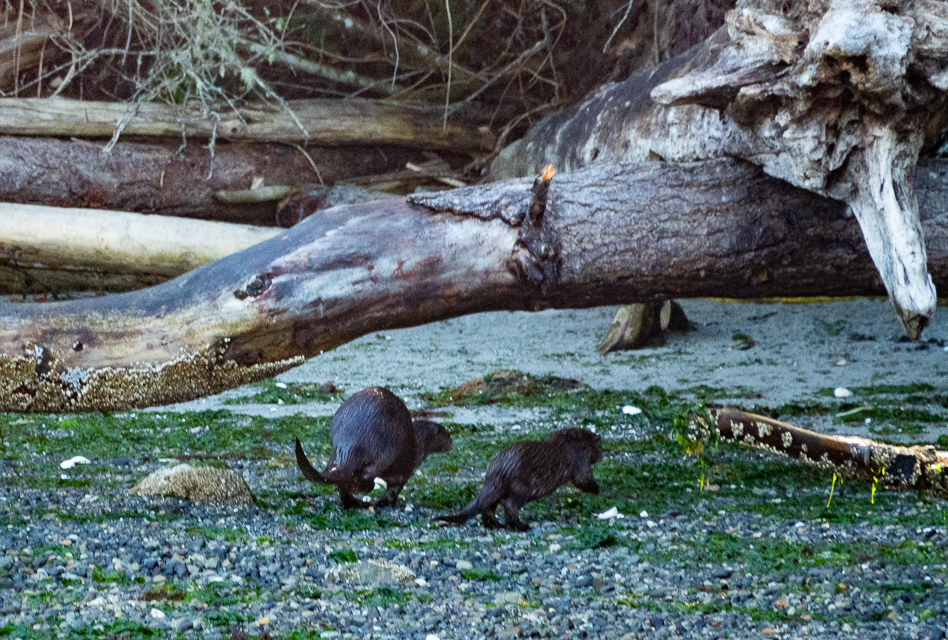
We enjoyed our annual trip to the Salish Sea, spending time with family and friends, on the water and on the beach. We caught and ate lots of crab. We saw animals we don’t see at home including incredible jellyfish, otters, seals and herons. Willow dug big holes in the sand and swam in the sea. Sky enjoyed the fresh air and saltwater. It was a relaxing trip.










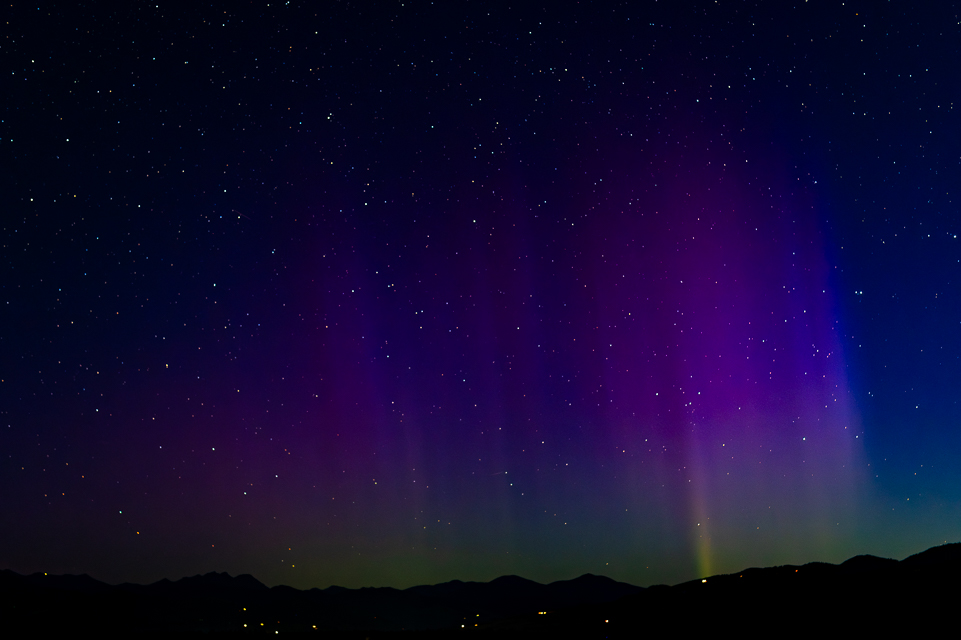
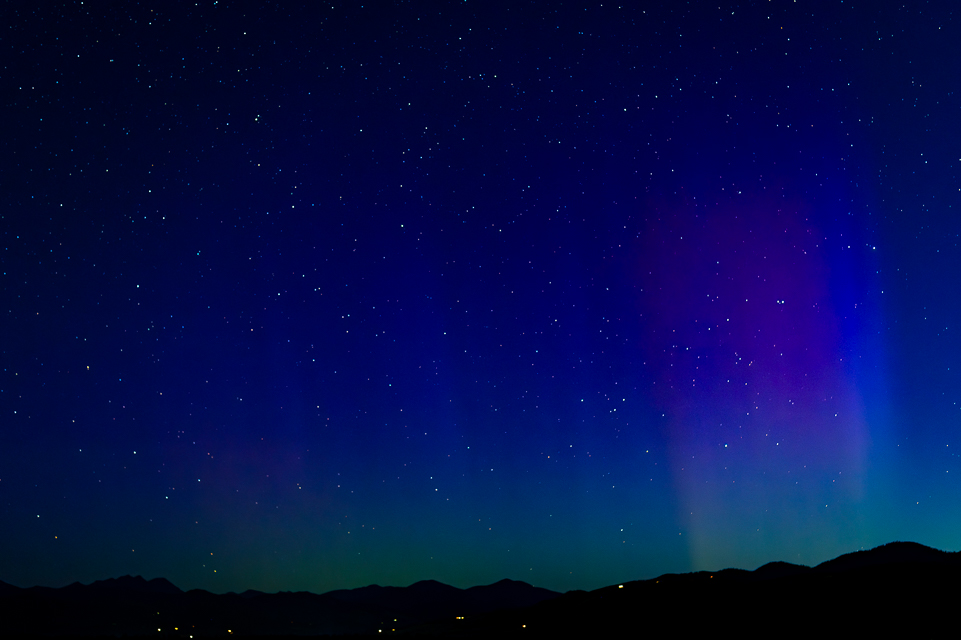
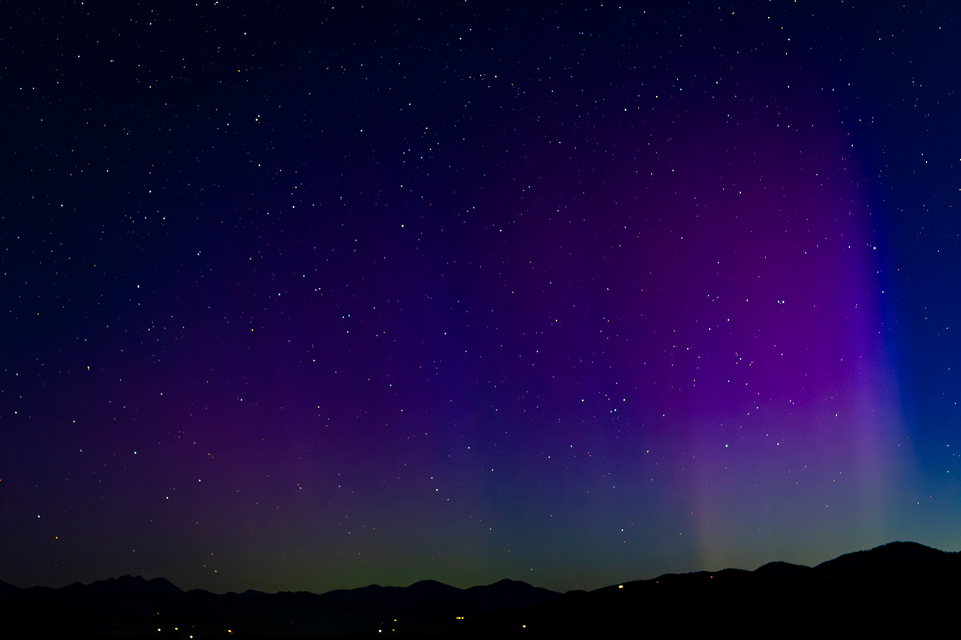
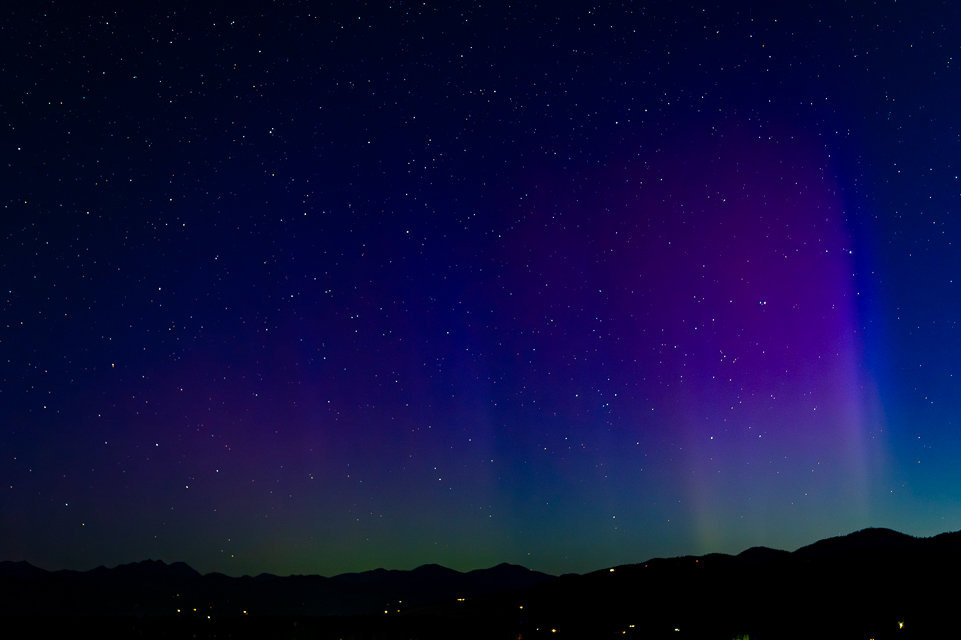
One of the benefits of having an old dog is getting to go outside when it’s still dark and seeing the stars, moonlight and even, sometimes, the aurora borealis. Sky had to go out around 4 this morning so there I was watching the constellation Orion and knowing that means summer is coming to an end. Orion is always prominent in the winter sky. I walked around the house to wait for Sky (you did know her full name is Night Sky Star Shine, right?) and then I could see the pillars of northern lights over the Milky Way. I’d had my camera ready for a light show a couple nights ago and slept through it so today I was ready for this early morning spectacle. It wasn’t as dramatic as some recent northern lights we have seen here but still it’s awfully pretty.




 My Everyday Photos