Skip navigation

Luna and I walk on our hillside everyday. Sometimes we get away and walk other places. Spring is a season of change. Everyday, everywhere you look, you can see something new. Here are some images from recent walks.


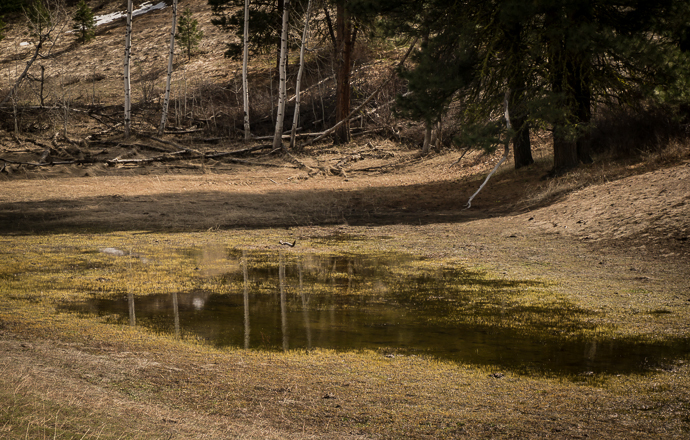
This vernal pond above our house has not had water this year. By my reckoning, that makes this a dry year. Maybe today’s rain and snow will change that.

P1060552


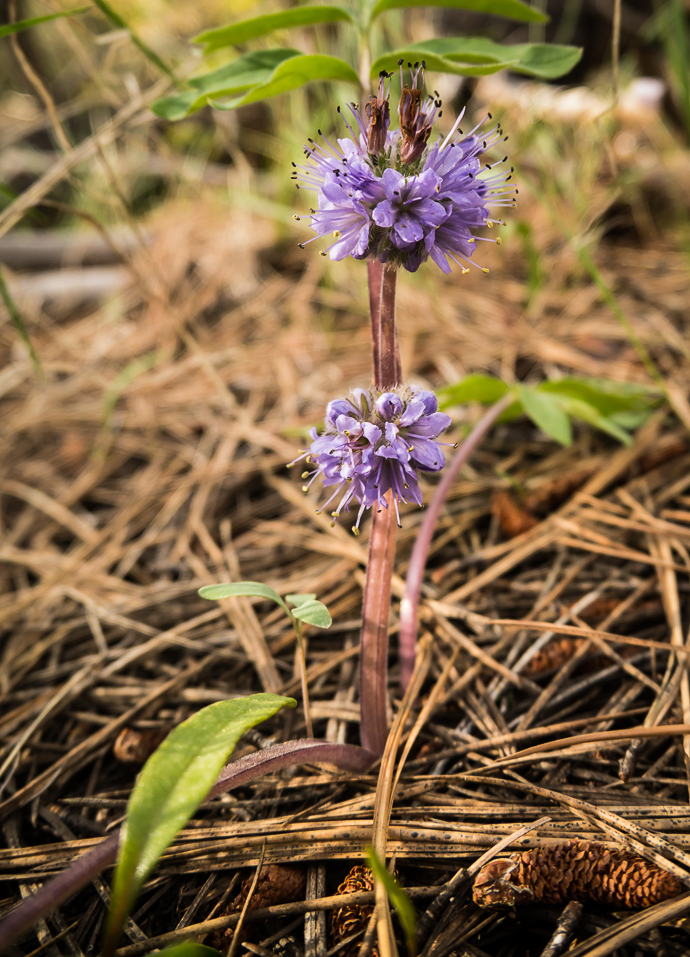
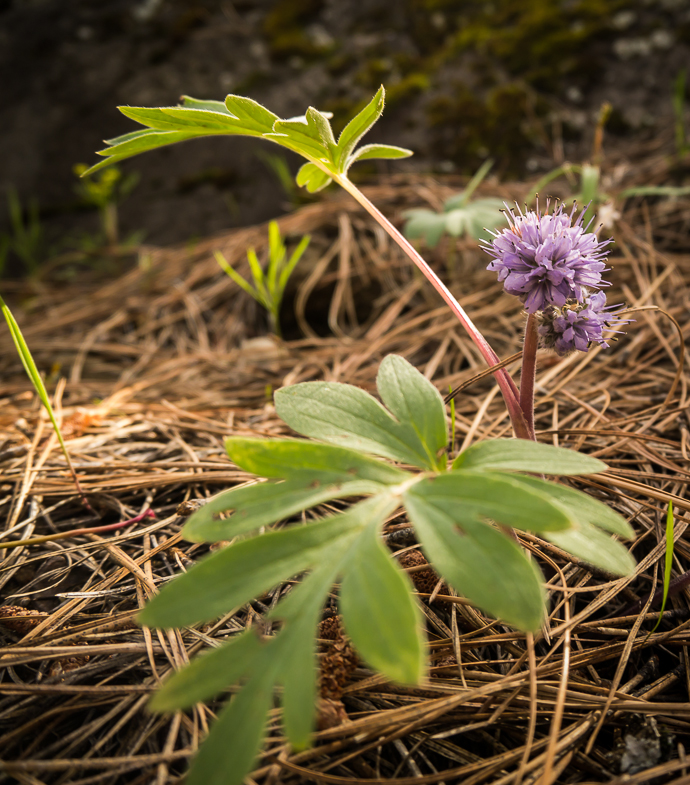
Waterleaf is in full bloom now.

P1060560


It’s a ground-hugging, diminutive plant.
P1060562


Up valley, I found the spring beauty to be far more pink than around here.

P1060570


This snag is a great wildlife tree. It has lots of cavities for cavity-nesting birds and mammals.

P1060575


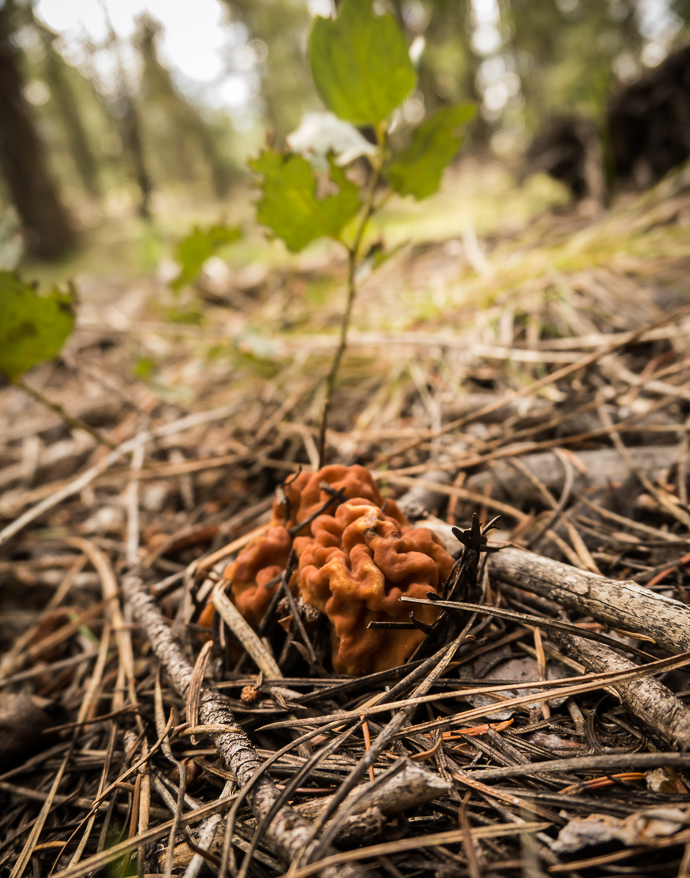
An interesting fungus

P1060578


And another one

P1060584


Luna found this last patch of snow and rolled around in it.

P1060595


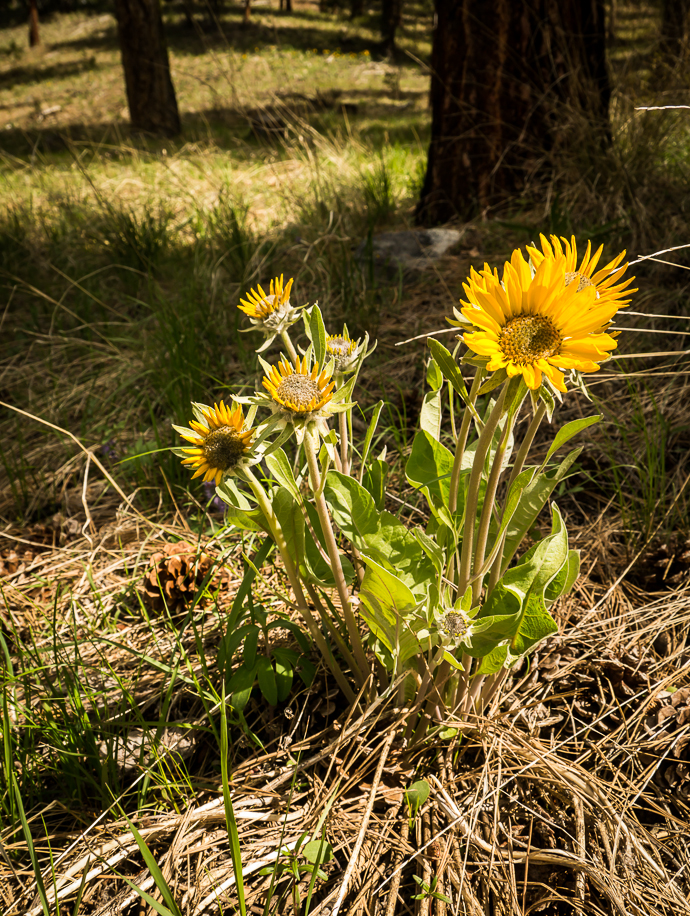
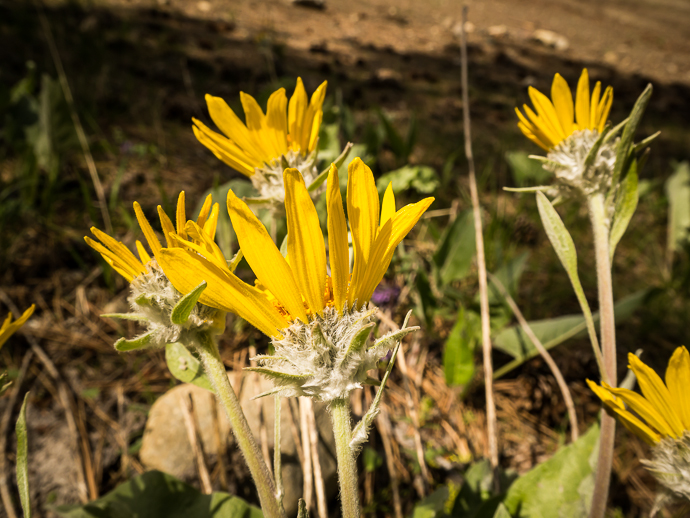
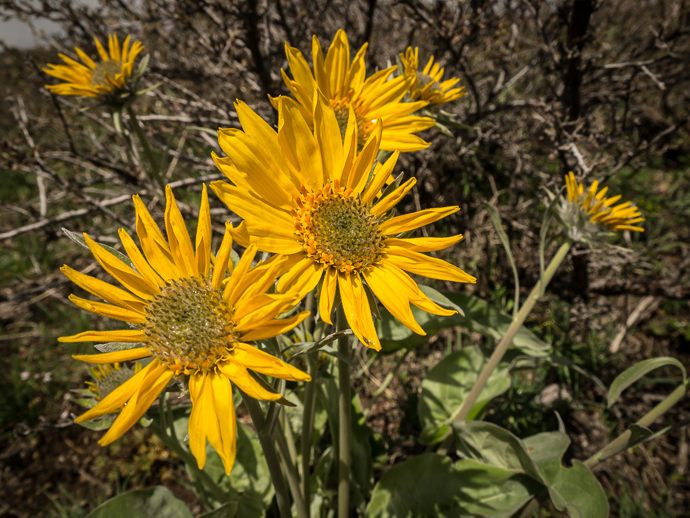
Balsamroot

P1060598


P1060604


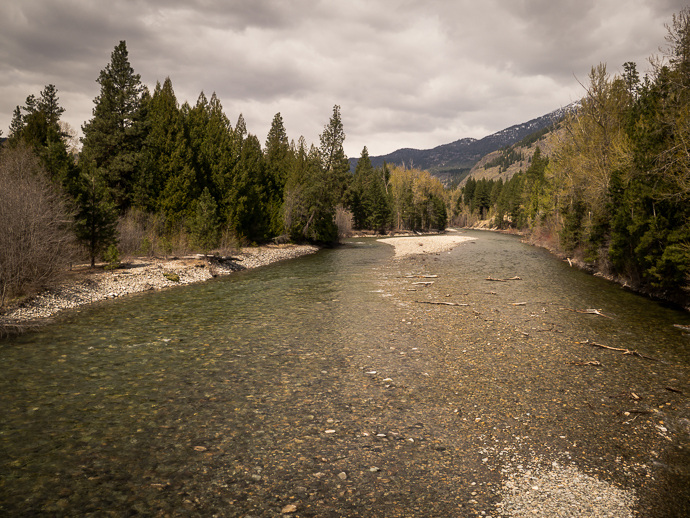
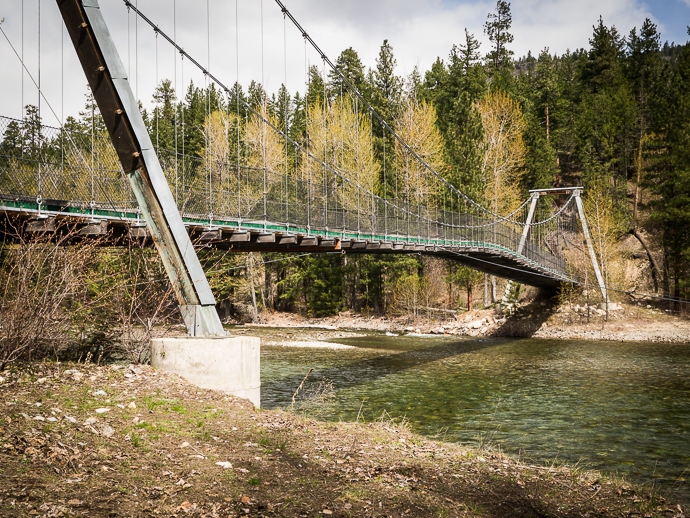
At the Suspension Bridge along the Methow Community Trail. Compare it to how it looked the last time I went skiing on March 9.
P1060613


Looking up river

P1060609


And down river

P1060610


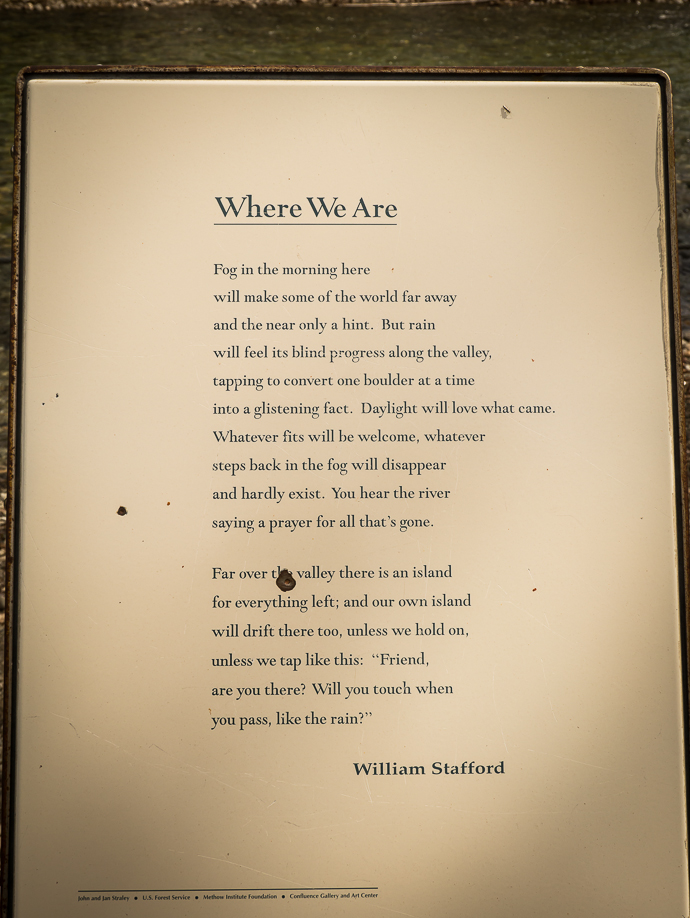
There is a series of William Stafford poems in the Methow. This one is at the Suspension Bridge.
P1060612


Back at home, the serviceberry is finally blooming. When I drove through Wenatchee on April 1, it was already in full bloom.

041913_0003


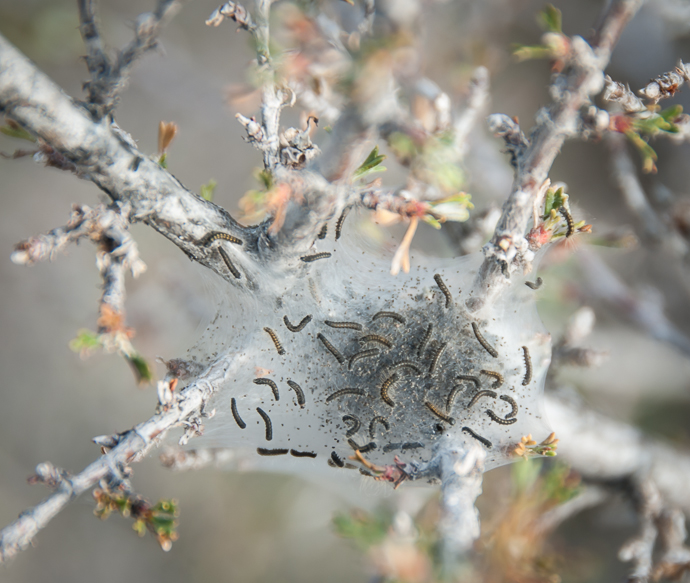
Here is a batch of tiny tent caterpillars in the bitterbrush.
041913_0007


041913_0011


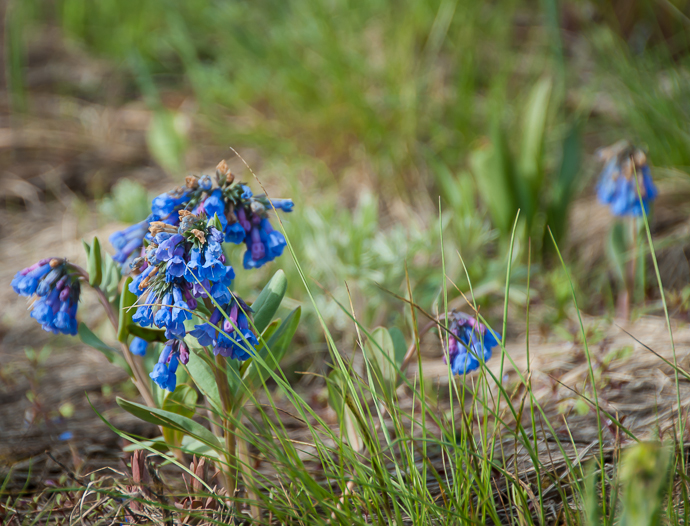
Bluebells have been blooming for almost a month.
041913_0034


041913_0048


A currant bush hugging an old lichen-covered fence post.

041913_0042


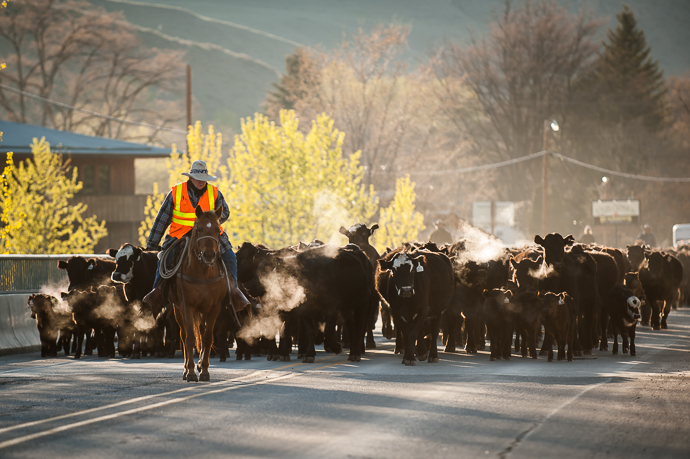
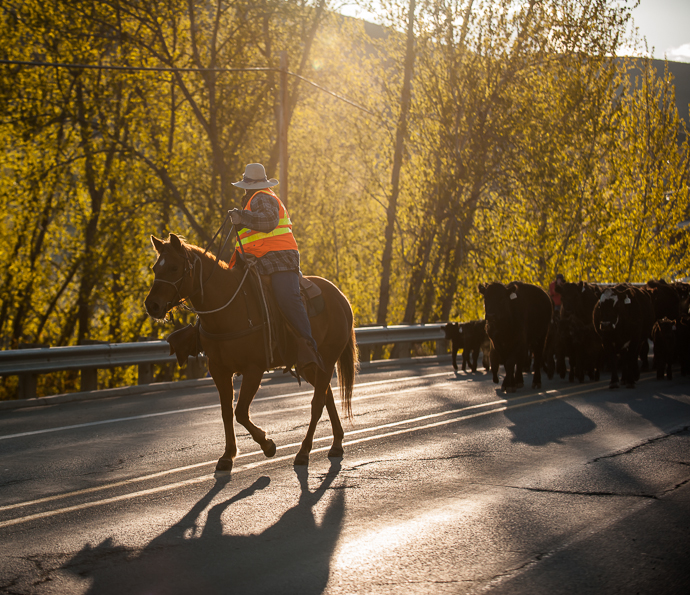
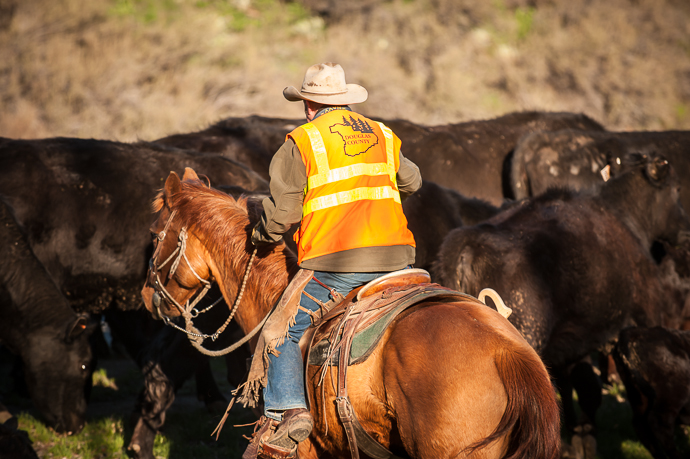
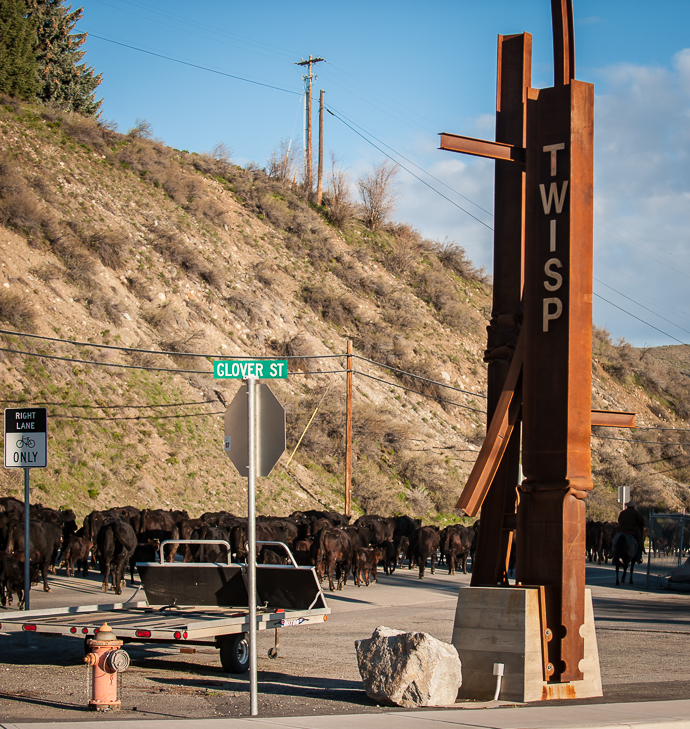
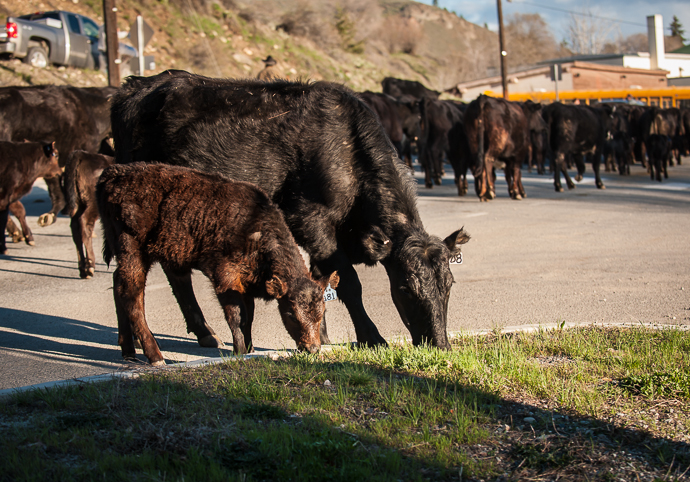
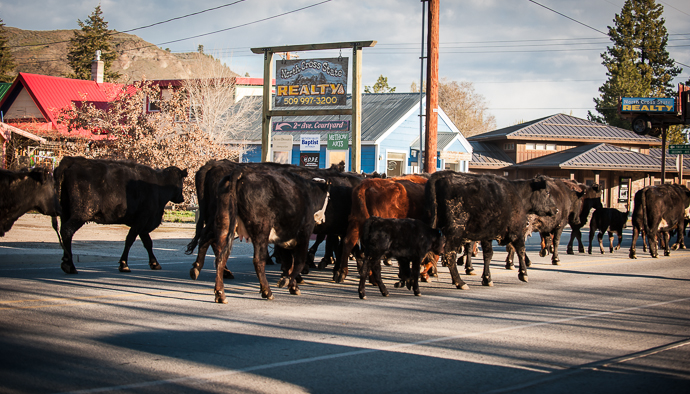
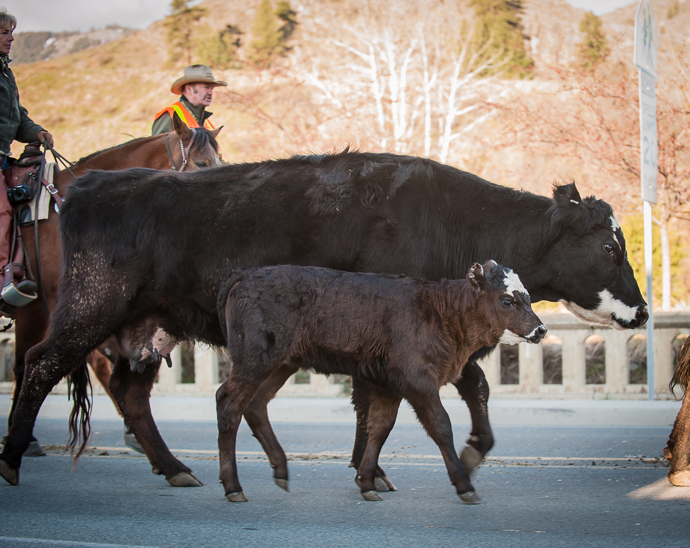
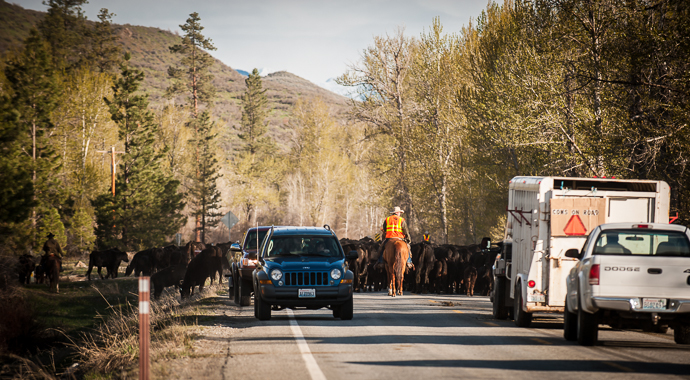
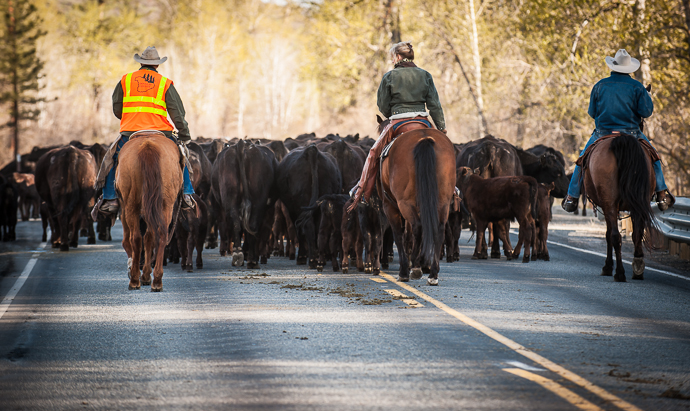
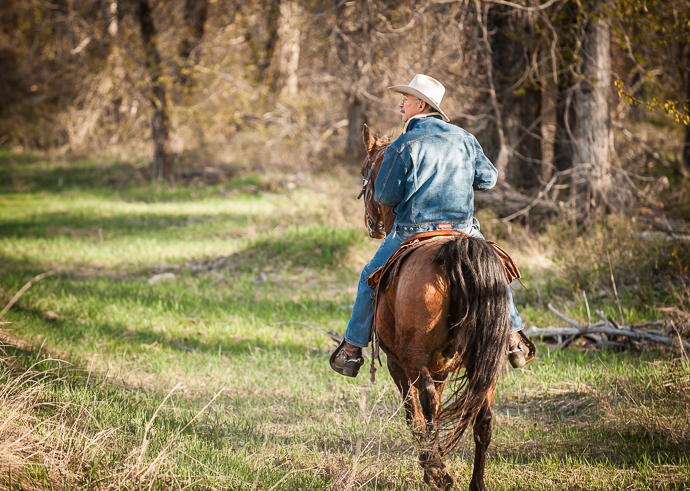
Every year cows need to be moved from the valley bottom where they winter and have their calves to the public lands on the state wildlife area where they spend the summer. Some ranchers find the easiest way to do this is to have an old-fashioned cattle drive right down the county road, through town and up the state highway on a Sunday morning. Yesterday was cool and clear – good for moving cows and making pictures. Lots of people knew about this ahead of time and were parked in good vantage points to see the cows pass through Twisp. Evidently this is a slow time of year for entertainment around here.


The excitement builds as the cows approach town

041413_0003


They start across the first bridge

041413_0008


It was a chilly morning

041413_0013


This is a typical Twisp traffic jam……

041413_0017


Keep ’em movin’

041413_0020


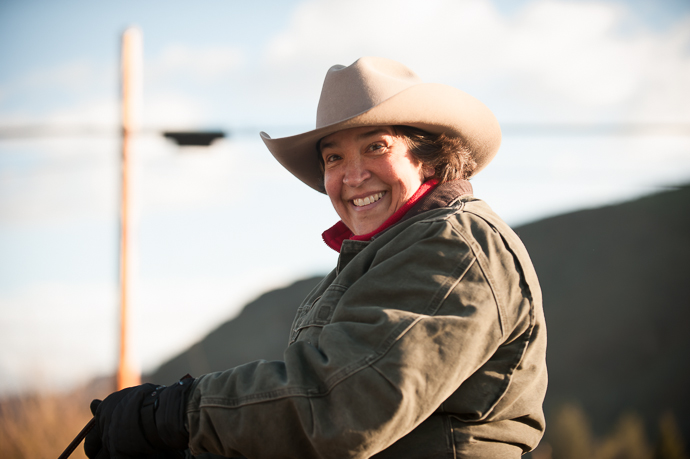
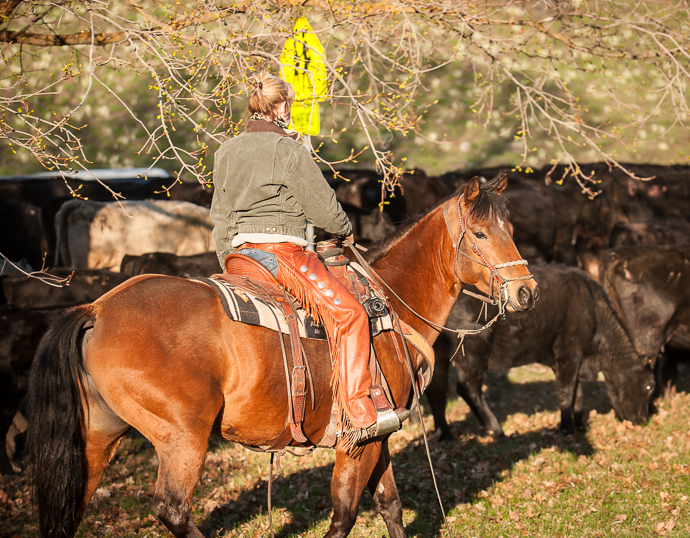
One happy cowgirl

041413_0035


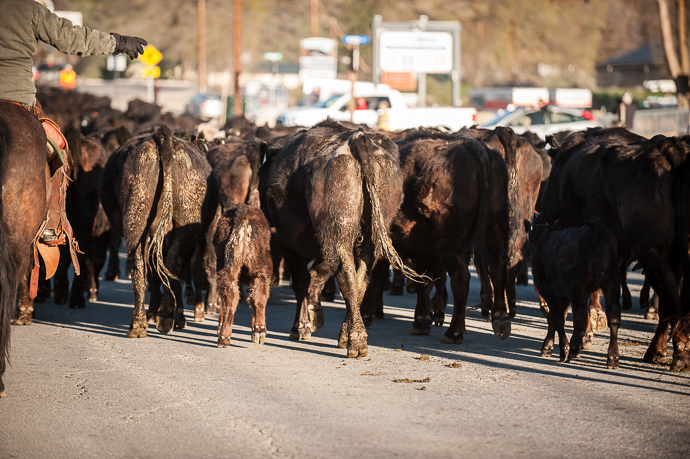
This is what you see from behind

041413_0038


An image in search of a caption

041413_0044


The little white one stands out in a crowd

041413_0047


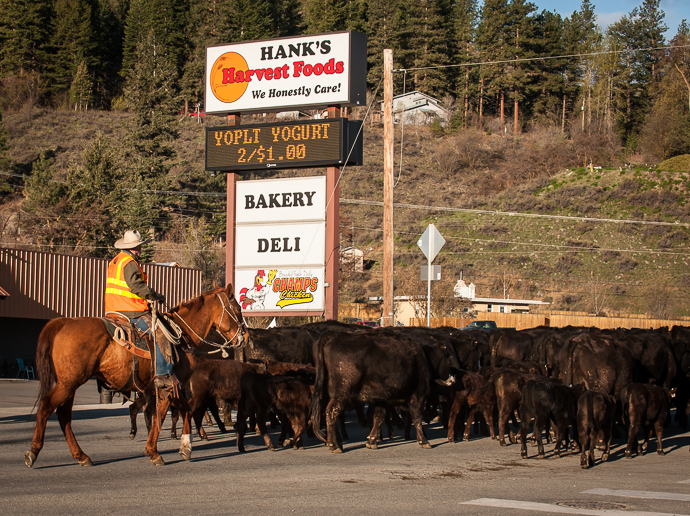
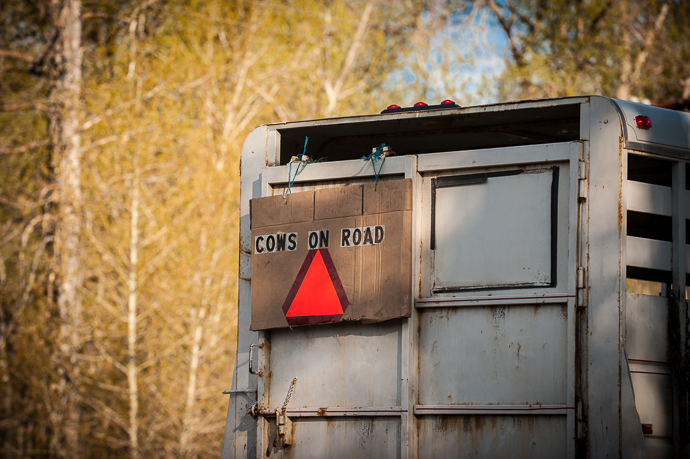
I think Twisp needs some more work on its sign ordinance

041413_0054


I wonder if TwispWorks was looking to get their lawn fertilized

041413_0061


Good thing cows can’t read

041413_0065


Move along

041413_0067


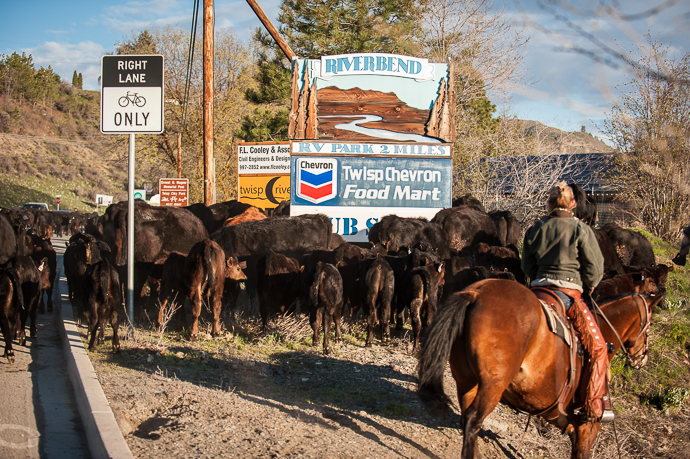
Welcome to Twisp

041413_0070


Hey – no one said you could get something to eat in Twisp

041413_0074


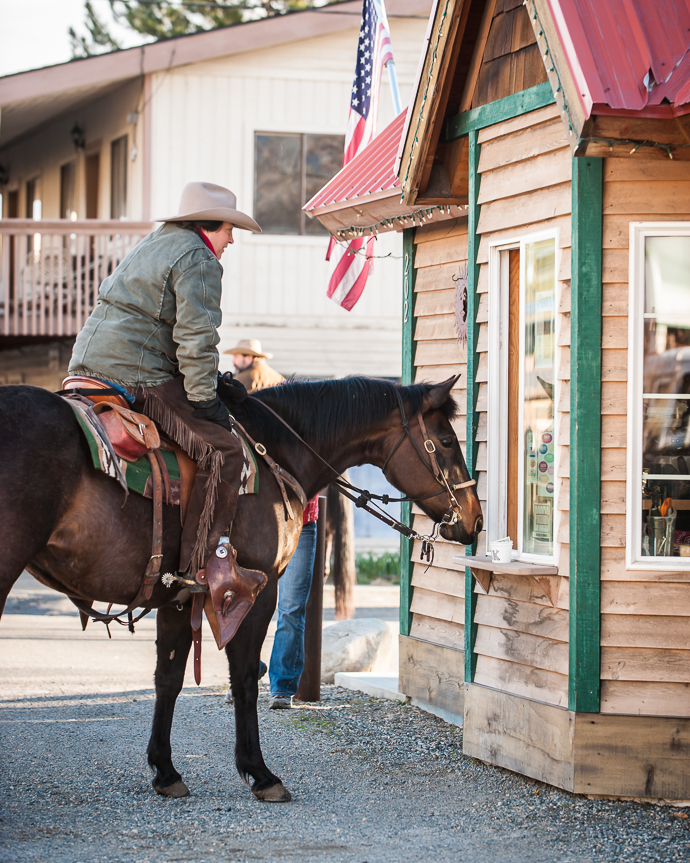
My horse would like a mocha please

041413_0083


Thanks!

041413_0088


As they head out of town

041413_0094


Mom – where are we going?

041413_0096


Holding up traffic on highway 20

041413_0099


Passing through someone’s driveway

041413_0100


Who is going to clean up that mess?

041413_0109


All clear over here for the moment

041413_0112


Yup

041413_0121


Spring happened while we were gone. The hills are green and tiny wildflowers are in full bloom. Some of the bigger flowers have started blooming too. Luna and I try get out at least once everyday for a walk although some days, like today, it’s not as pleasant and certainly with the high winds it’s not a good day for photographs. Here are a few from the last week or so.

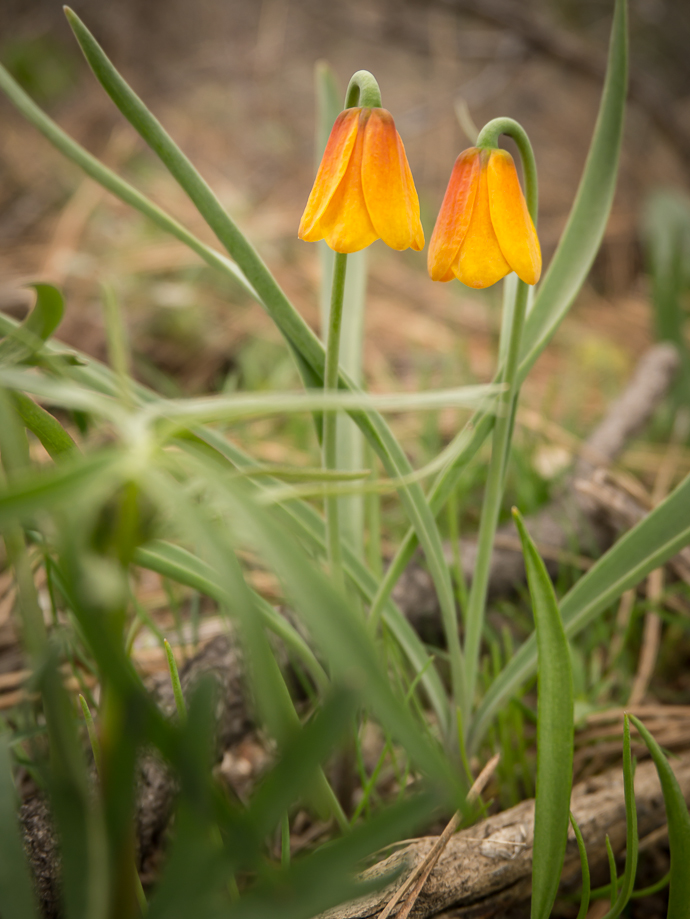
Yellow bells

P1060389

P1060391

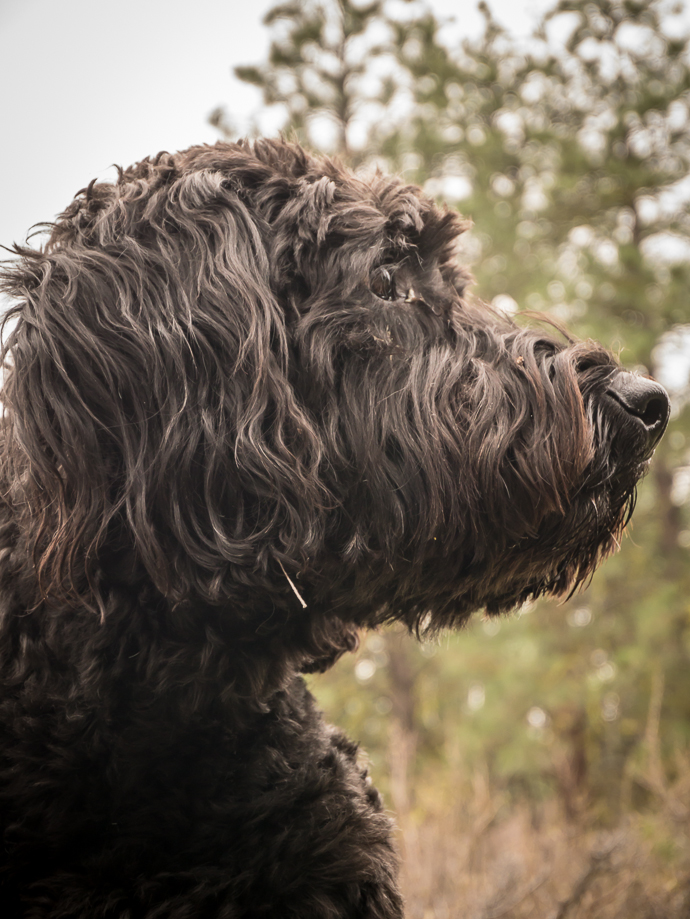
Contemplative Luna

P1060396

Delicate prairie stars

P1060401

Bluebells

P1060404

P1060408

Jawbone, buried in the dry grass

P1060414

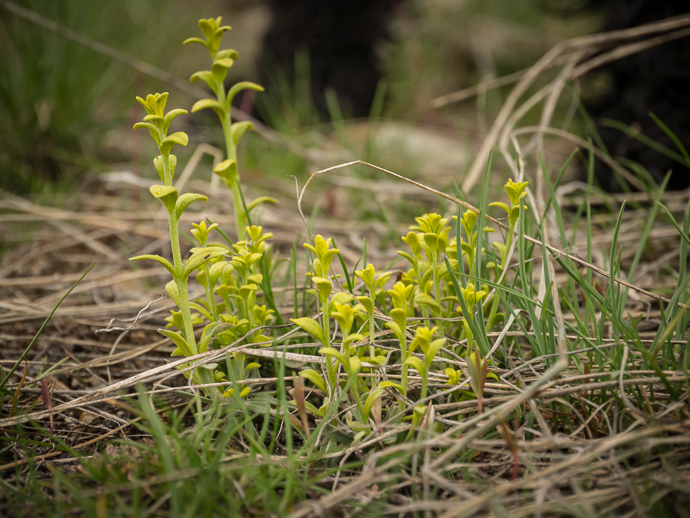
This is a new flower for me. I don’t think I’ve ever seen it before.

Dave Sabold says Arabis holboellii – but NOT the flowers! The flowers come later on a stalk, and they’re white in color, not yellow. A fungus produces the yellow color, and the fungus even puts out  a sweet smell. Maybe the fungus attracts insects to distribute the spores?”

P1060417

Any guesses on what it is?

P1060421

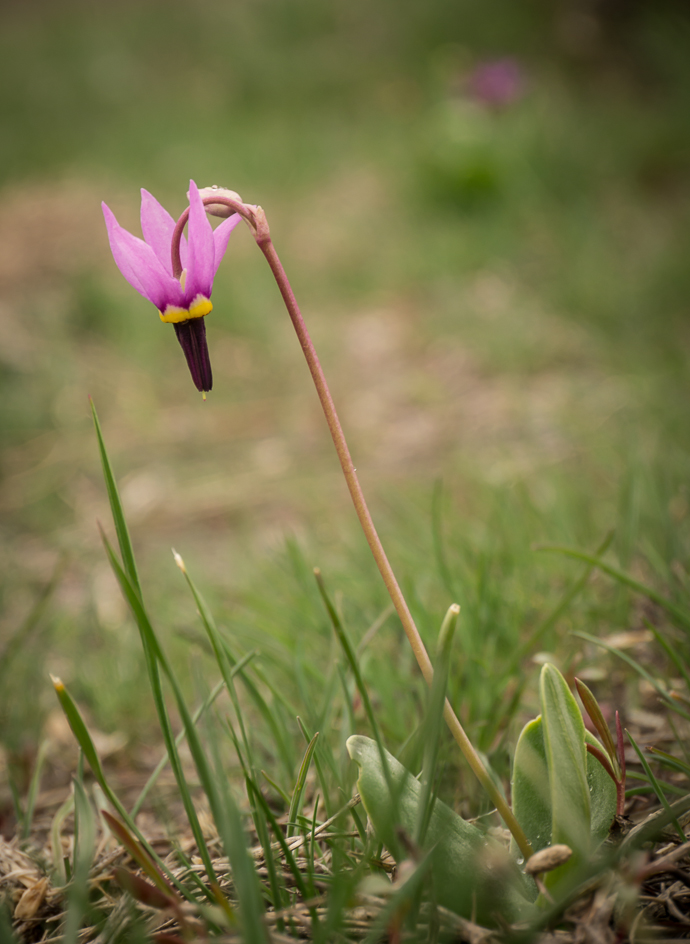
Shooting stars are always a delight

P1060426

P1060428

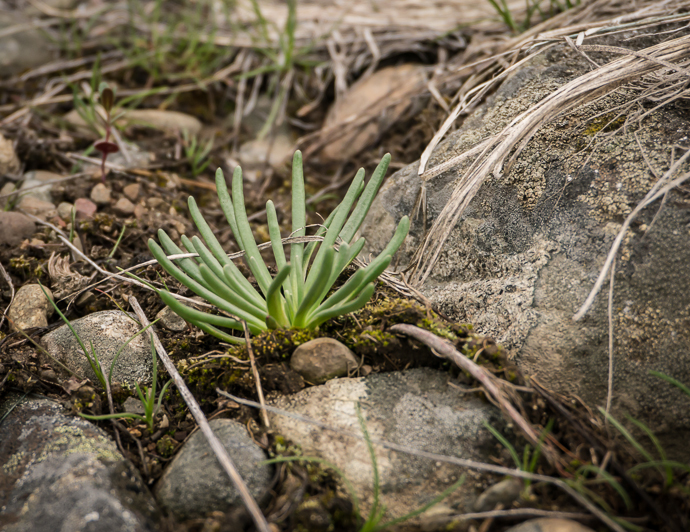
Still quite a long time til the bitterroot blooms

P1060439

Early balsamroot

P1060446

A vernal pond. I wonder how long it will last?

P1060447

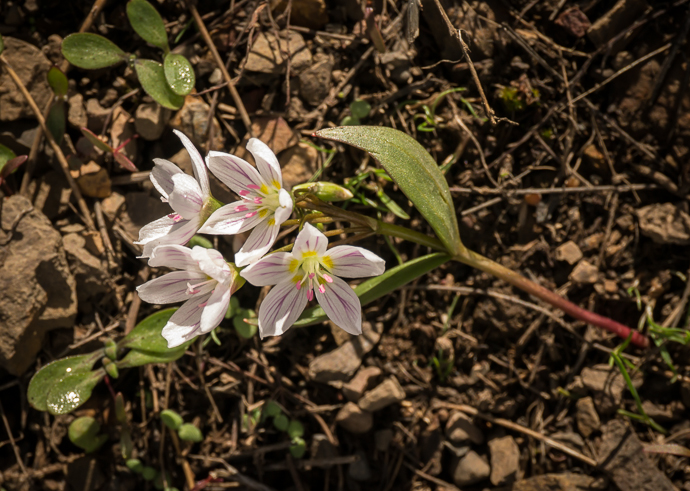
There is a bumper crop of spring beauty this year

P1060449

More bluebells

P1060453

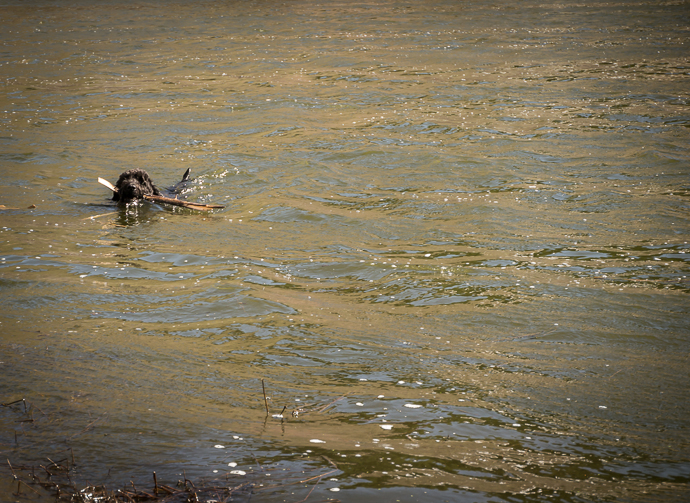
A good day for a swim at Aspen Lake

P1060467

And then, a good shake

P1060471

What is that saying – all good things must come to an end? Well, our vacation had to end too. If you’ve been following these posts then you can probably tell that it was a memorable one for us. On the last day we walked on the beach one last time and then checked out of the Sandpiper and headed back to civilization. But not before walking on another beach! We went to the south end of Ocean Shores – to a long spit that extends southward into Grays Harbor. It was an unseasonably warm day for the end of March. Snowy Owls spend the winter on this beach and last year reports indicated that they stayed til nearly mid-April so I thought we might have a chance to see them. I was not SO optimistic that I carried my big camera and long lens though. That was a good indicator that we would see something interesting. And indeed we did – three Snowy Owls and a Short-eared Owl! What fun.

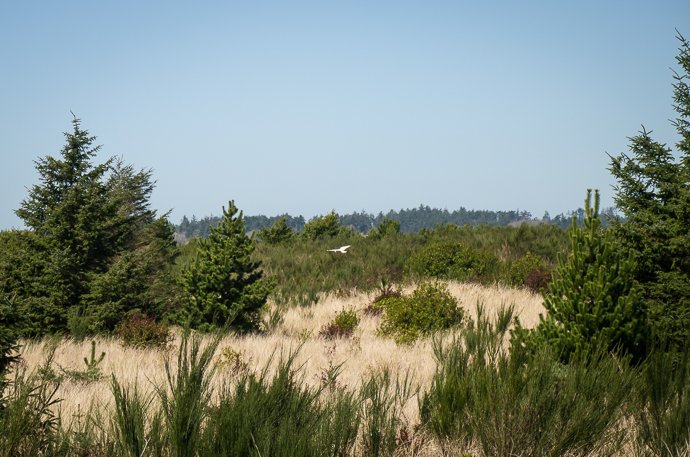
Can you see the Snowy Owl flying through the beach pines?

P1060358


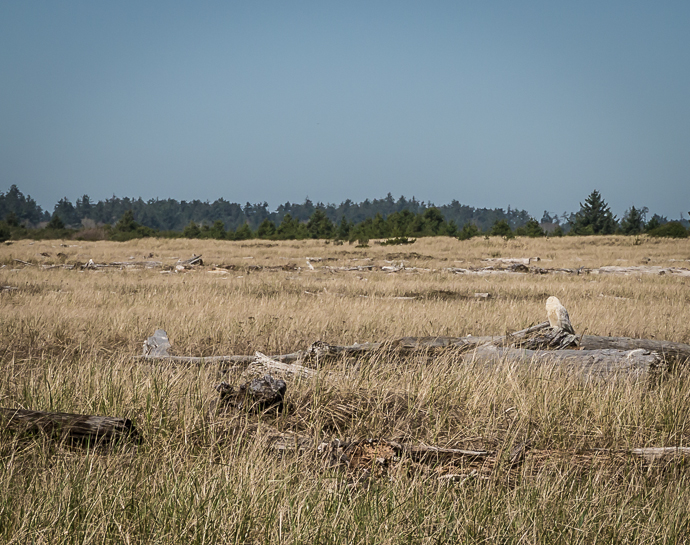
There are two owls in this image – the close one on the right and another on the far left that shows as a white spot

P1060367


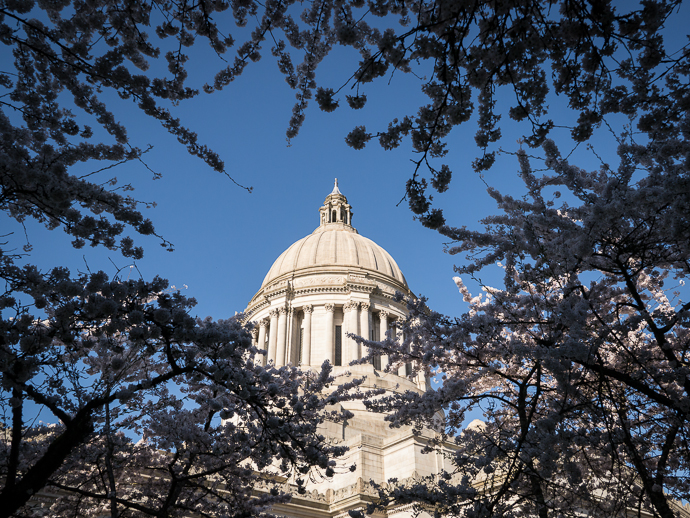
Our state capitol surrounded by cherry blossoms

P1060374


And magnolias

P1060383


Close-up of the cherry blossoms

P1060387


It’s time to go now dear

P1060384


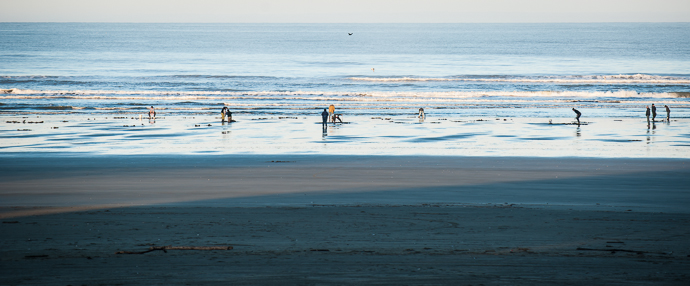
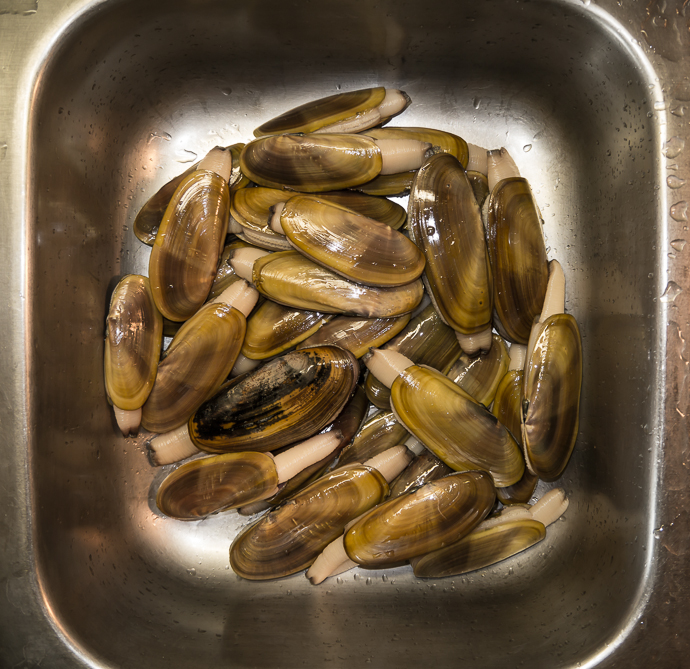
A lucky thing happened last month. There was a razor clam season during our vacation! Razor clams on the Washington Coast are carefully managed by the Washington Department of Fish and Wildlife. If you want to know how they manage the seasons – read this. As far as I know razor clams are limited to the Pacific Northwest up through Alaska. They are considered a delicacy – a delicious clam for frying, baking at high heat and chowder. Unlike a traditional clam, they are rectangular – long and kind of flat looking. They are also strong diggers so when you are digging for razor clams you are also chasing them as they dig down into the watery sand. It’s quite fun! The seasons are limited to the lowest tides of the month and often times those tides are at night. The only other time we got to dig for them was in December a few years ago, after dark and the temperature hovered near freezing. It was quite the adventure but we were able to get our limits (fifteen per person per day) and our taste for them was whetted.
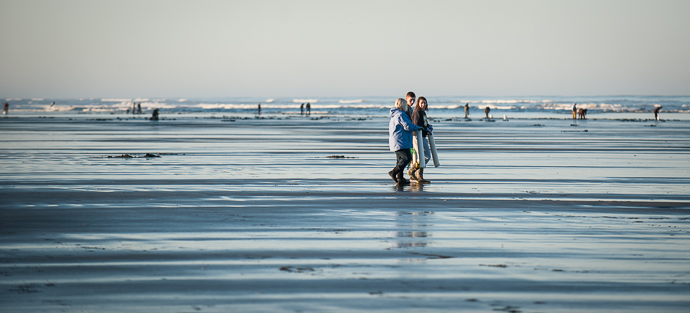
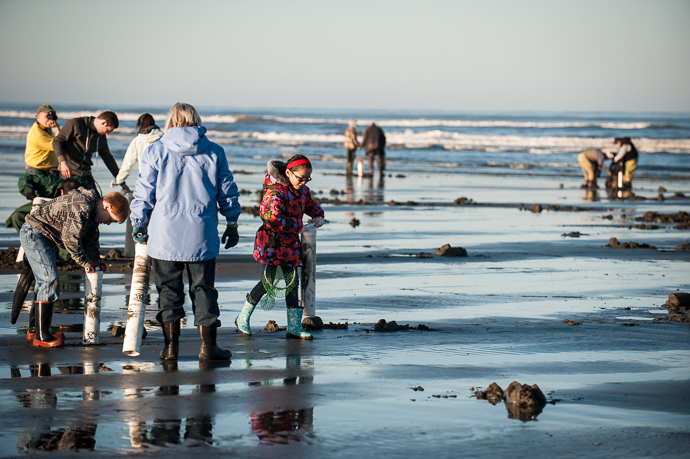
Razor clam digging seems to be tradition passed down from generation to generation. We noted many families with grandparents, parents and kids all digging and having fun. Dogs too!


The view from our room as the dig got started before the tide was all the way out

033013_0350


Heading to their spot on the beach

033013_0356


It can be a dirty job and proper clothing is important. Some people like this fellow, use shovels.

033013_0361


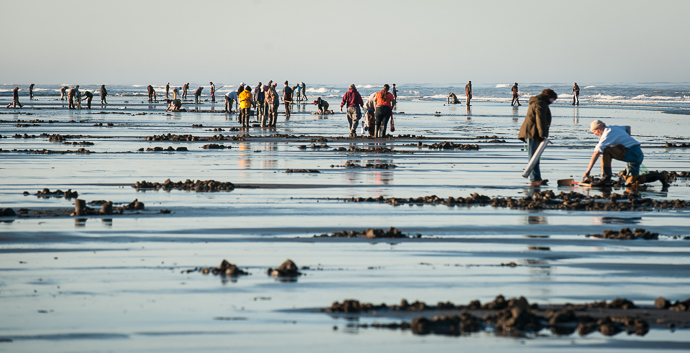
Even with hundreds of people on the beach, it doesn’t seem crowded and there were lots of clams for everyone

033013_0365


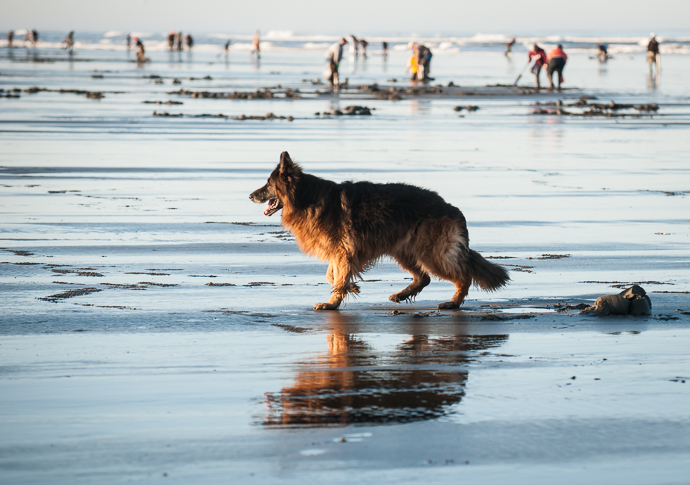
Dogs like it

033013_0366


This dog looks like he wants to help

033013_0368


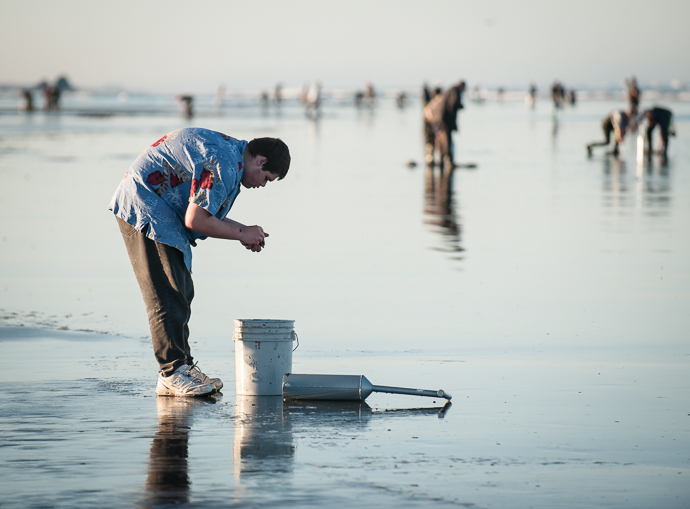
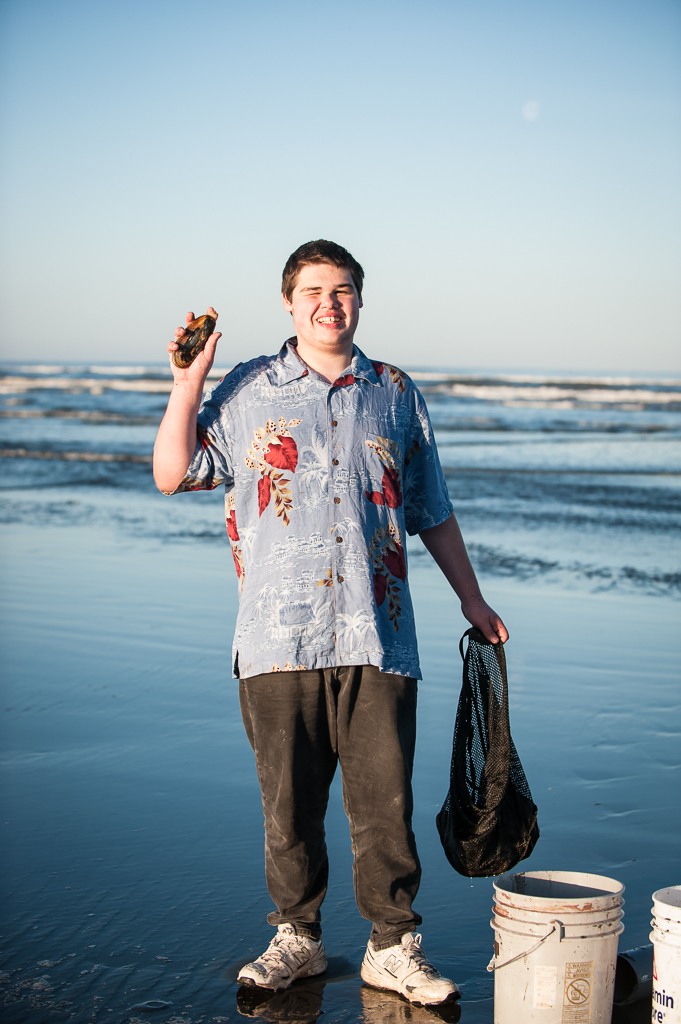
This young man was clamming for the first time

033013_0371


He was happy to show me his biggest clam

033013_0376


Some people work alone

033013_0379


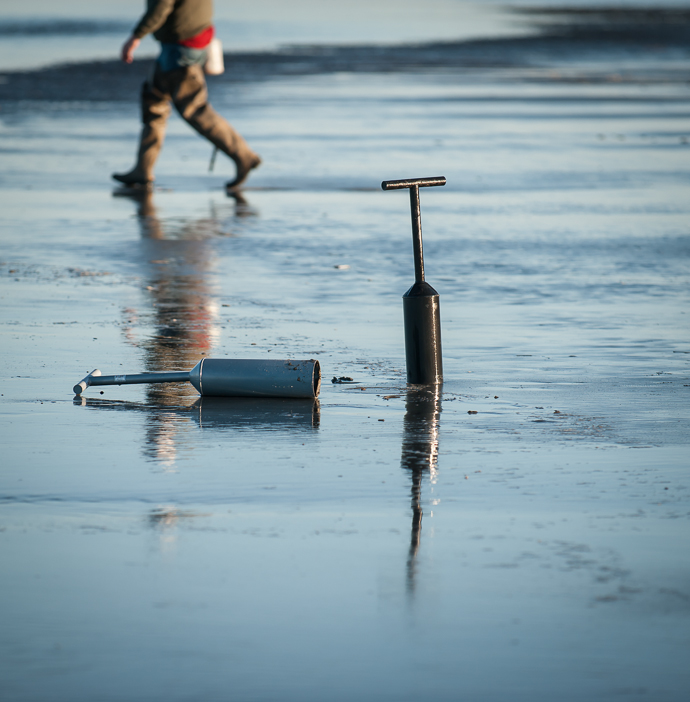
A couple of clam guns. To use this device, you look for a clam show – a small dimple in the wet sand – and then carefully angling towards the ocean you center the cylinder around the ‘show’ and then push it into the sand. There is a tiny hole that you cover with your finger as you pull the gun, now loaded with wet heavy sand, out and with any luck, the clam will be in that sand. Or not. You may have to repeat. Or you may have to reach down in the hole and grab the clam as it tries to dig away from you.

033013_0382


Classic digging style

033013_0386


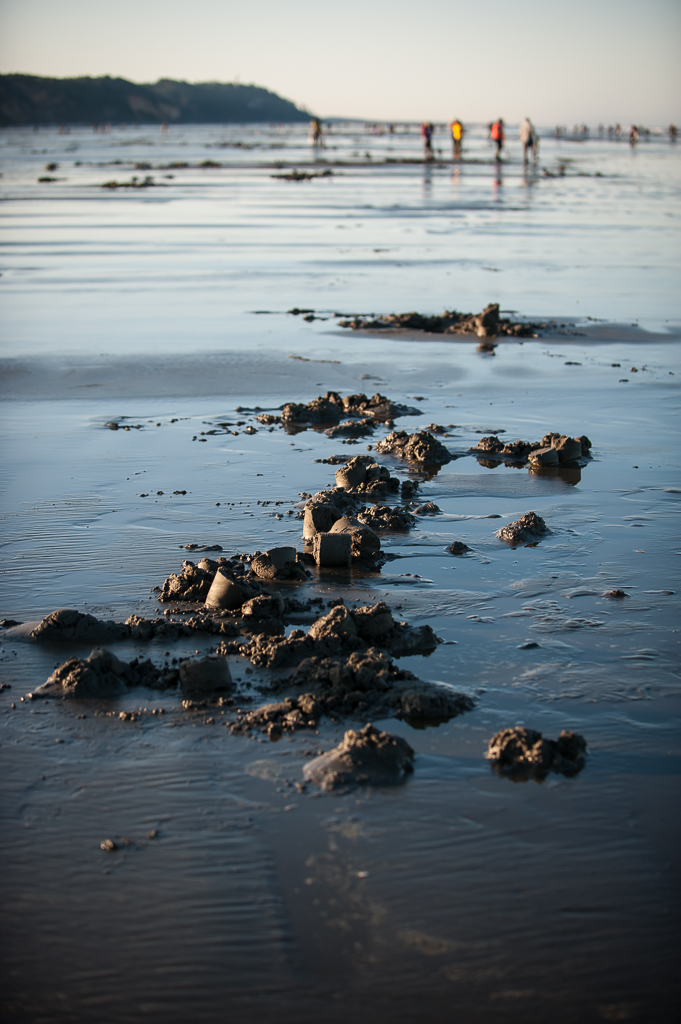
The tide will come in and all traces of the digging will disappear.

033013_0387


They are using the team approach

033013_0392


This dog was wet and dirty

033013_0407


Family fun

033013_0408


Another group heads out

033013_0411


Now that we have our limit, what do we do?

P1060165


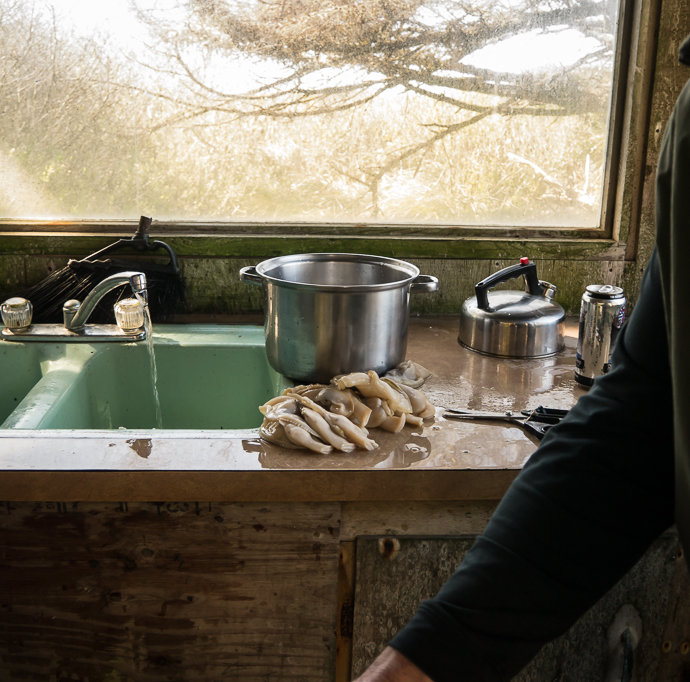
Cleaning clams is the hard part

P1060185


The clam and fish cleaning shack

P1060186