I’ve never been very good at identifying shorebirds. It used to be that I birded with some experienced birders and I could muddle my way through the peeps and such but not anymore. And this time of year, the birds are in winter plumage so very few clear ID marks stand out for me. Someday I’d like to go to Alaska in the late spring and see the breeding shorebirds decked out in all their fine feathered plumage. But for now I will have to settle for wintering birds on the Washington coast once in a while.
Tag Archives: Washington coast
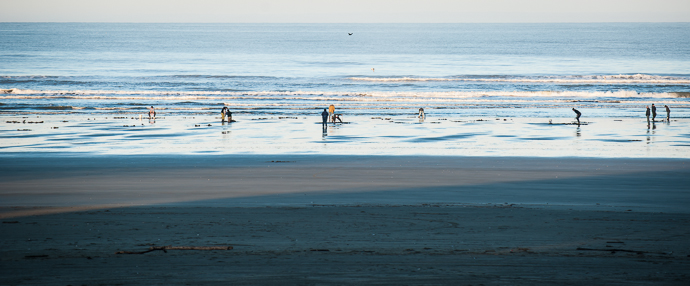
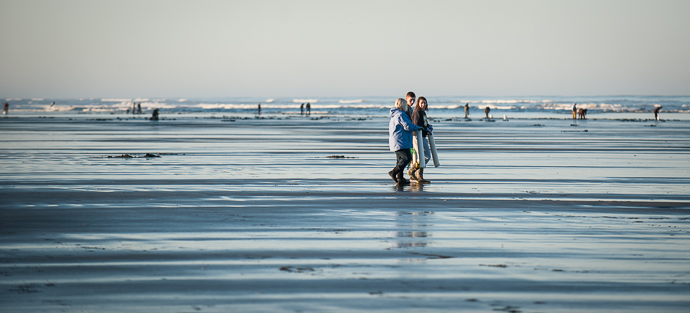
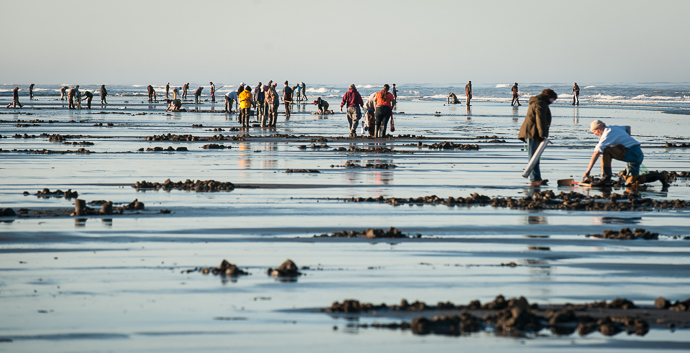
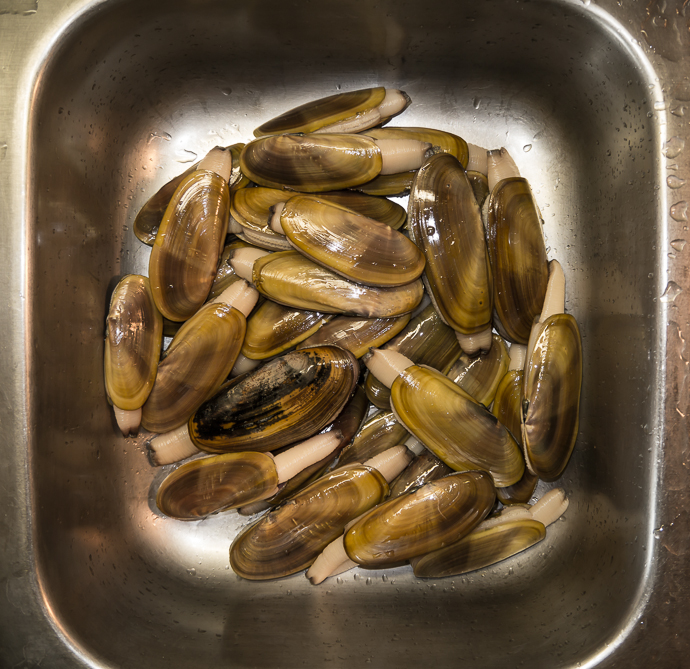
A lucky thing happened last month. There was a razor clam season during our vacation! Razor clams on the Washington Coast are carefully managed by the Washington Department of Fish and Wildlife. If you want to know how they manage the seasons – read this. As far as I know razor clams are limited to the Pacific Northwest up through Alaska. They are considered a delicacy – a delicious clam for frying, baking at high heat and chowder. Unlike a traditional clam, they are rectangular – long and kind of flat looking. They are also strong diggers so when you are digging for razor clams you are also chasing them as they dig down into the watery sand. It’s quite fun! The seasons are limited to the lowest tides of the month and often times those tides are at night. The only other time we got to dig for them was in December a few years ago, after dark and the temperature hovered near freezing. It was quite the adventure but we were able to get our limits (fifteen per person per day) and our taste for them was whetted.
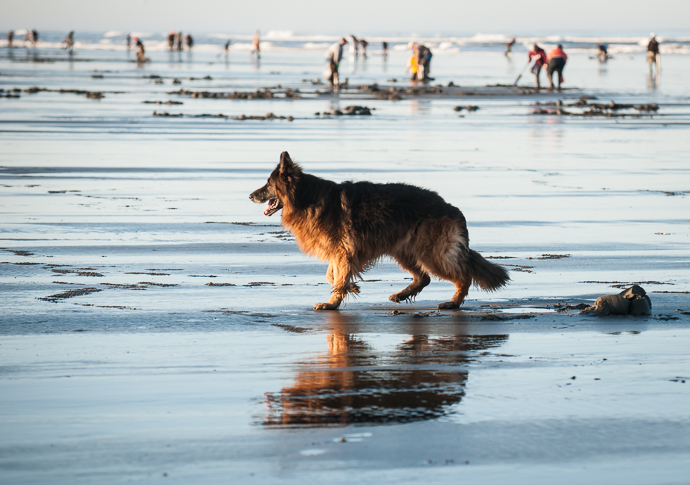
Razor clam digging seems to be tradition passed down from generation to generation. We noted many families with grandparents, parents and kids all digging and having fun. Dogs too!
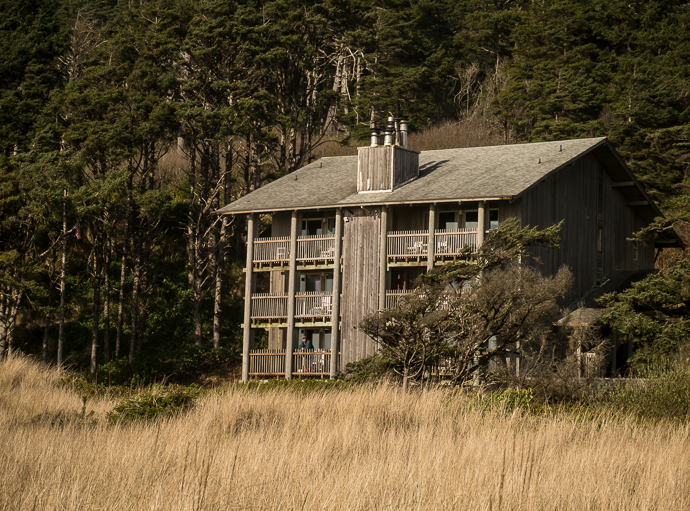
The view from our room as the dig got started before the tide was all the way out
Heading to their spot on the beach
It can be a dirty job and proper clothing is important. Some people like this fellow, use shovels.
Even with hundreds of people on the beach, it doesn’t seem crowded and there were lots of clams for everyone
Dogs like it
This dog looks like he wants to help
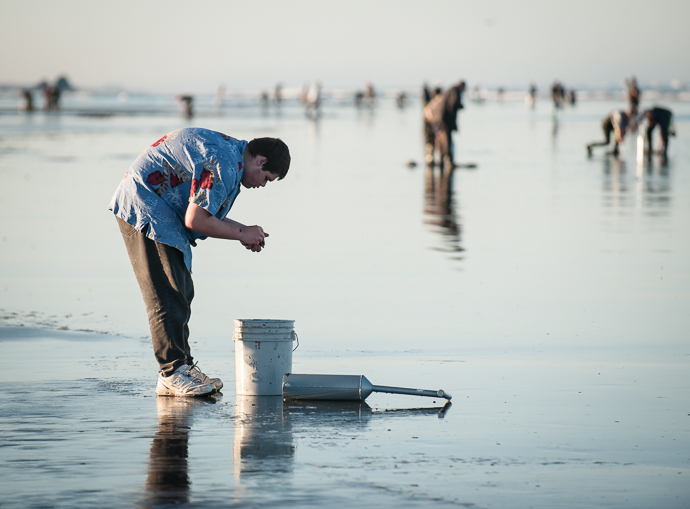
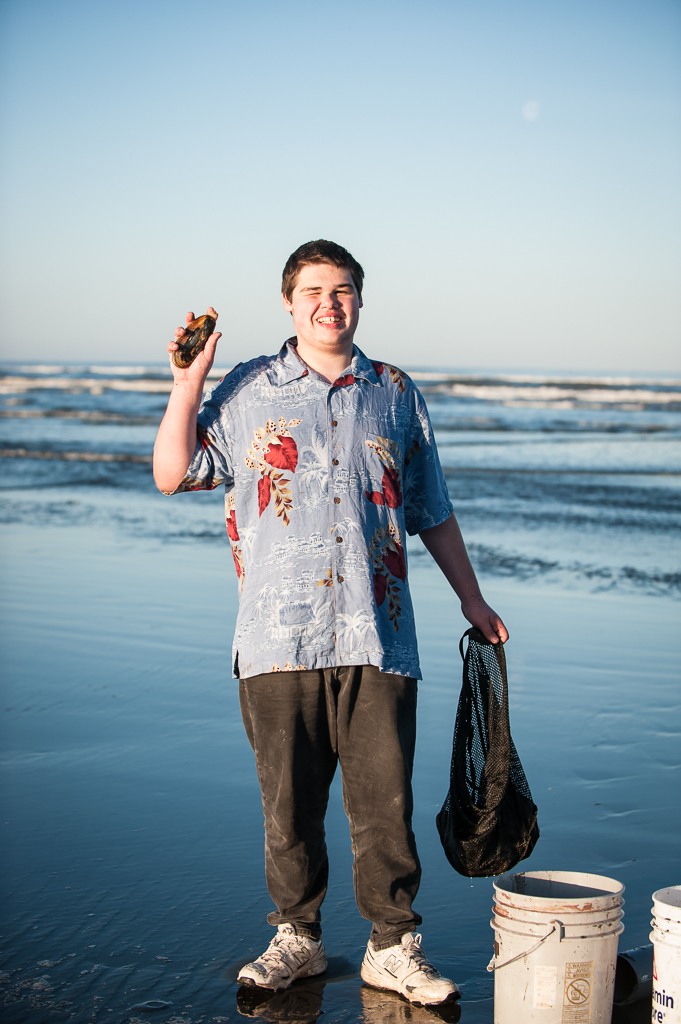
This young man was clamming for the first time
He was happy to show me his biggest clam
Some people work alone
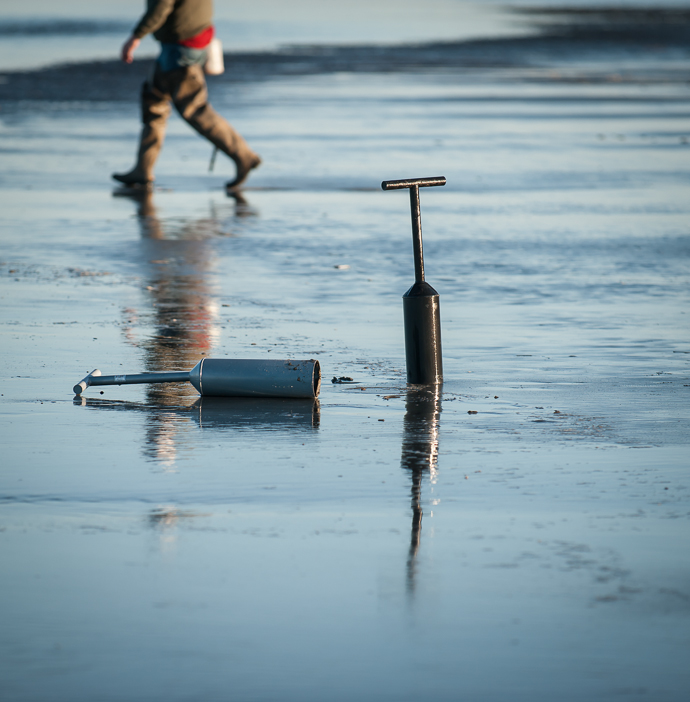
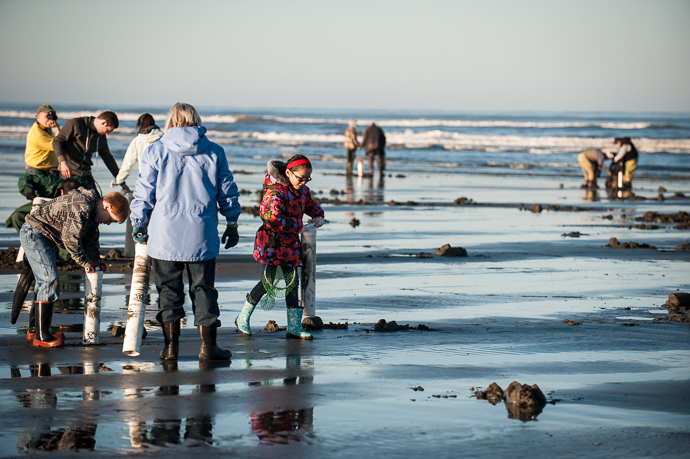
A couple of clam guns. To use this device, you look for a clam show – a small dimple in the wet sand – and then carefully angling towards the ocean you center the cylinder around the ‘show’ and then push it into the sand. There is a tiny hole that you cover with your finger as you pull the gun, now loaded with wet heavy sand, out and with any luck, the clam will be in that sand. Or not. You may have to repeat. Or you may have to reach down in the hole and grab the clam as it tries to dig away from you.
Classic digging style
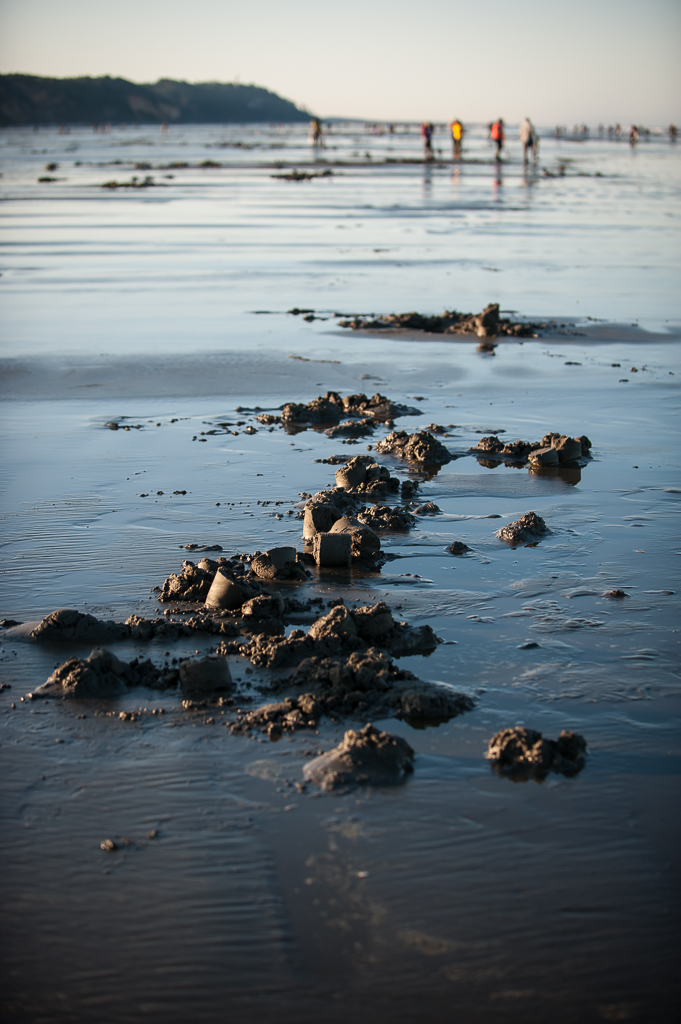
The tide will come in and all traces of the digging will disappear.
They are using the team approach
This dog was wet and dirty
Family fun
Another group heads out
Now that we have our limit, what do we do?
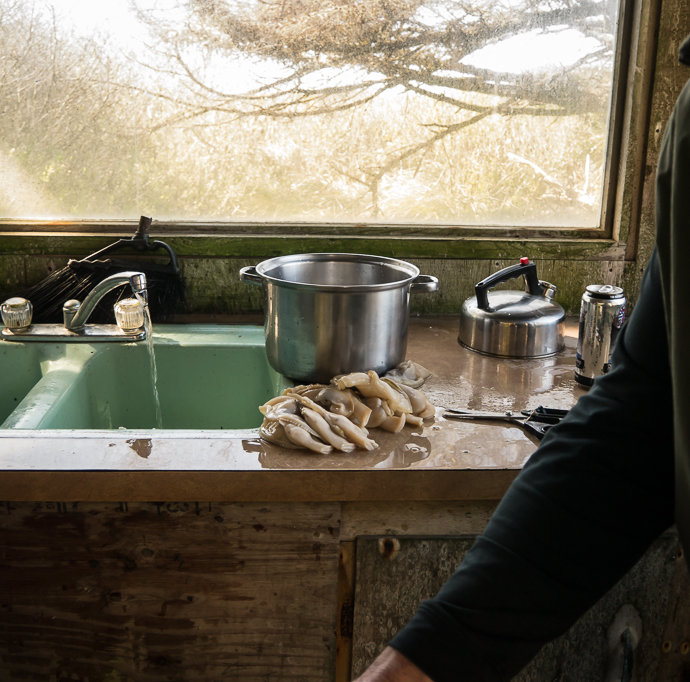
Cleaning clams is the hard part
The clam and fish cleaning shack
How much fun can you have at the beach? Since we rarely get to go, we managed to have LOTS of fun and even more fun when our friends and their dog joined us from Olympia!
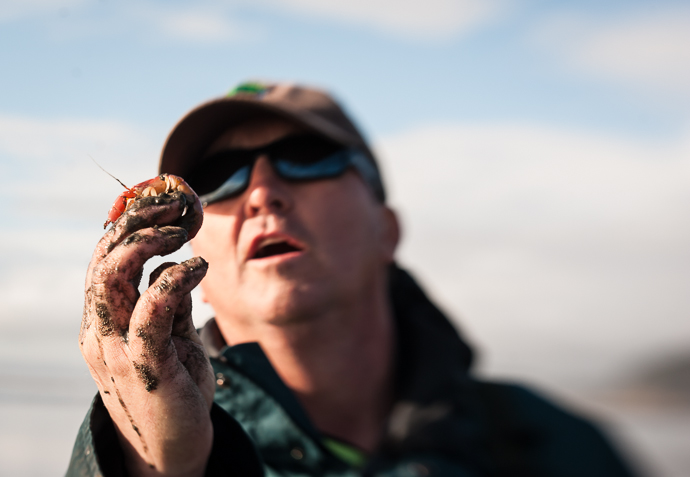
Here’s Ken outfitted to catch sand shrimp
There’s one!
Up close with a sand shrimp
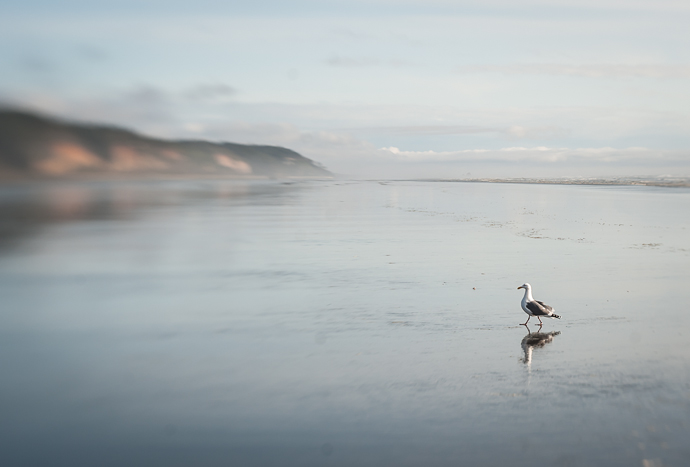
Gulls are always close by, hoping something good to eat will be left behind
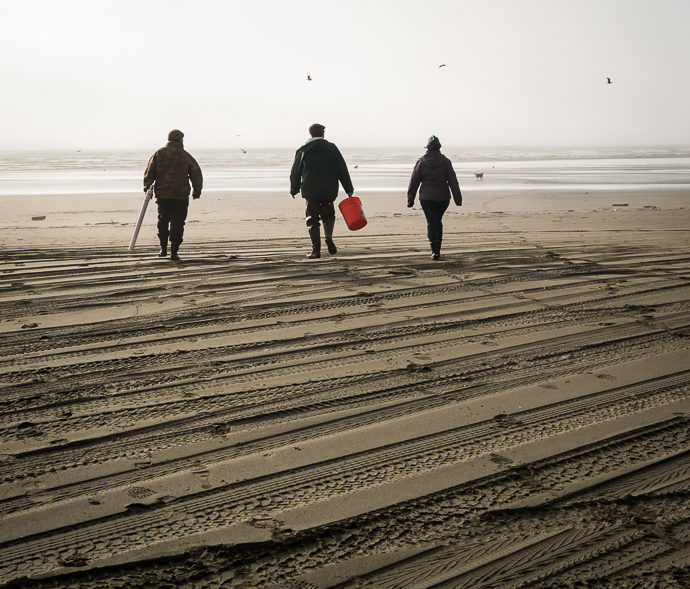
Betty and Gregg join Ken in his quest for sand shrimp. The tire tracks are from people digging razor clams earlier in the day.
Dixie wants to be part of it
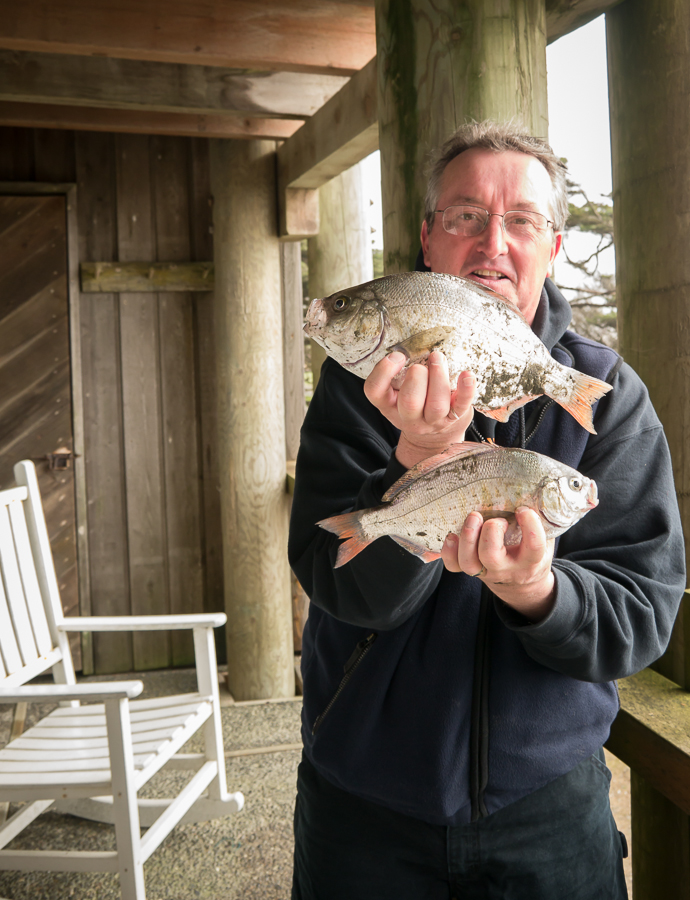
Sand shrimp are used for bait to fish for surf perch. Dixie is making sure Ken is doing it right
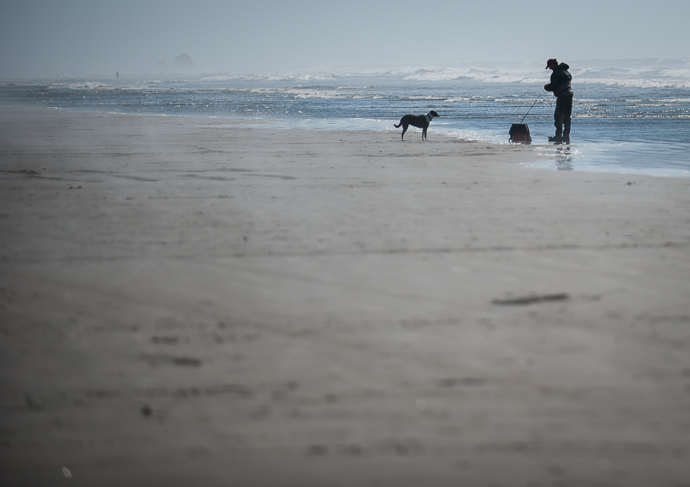
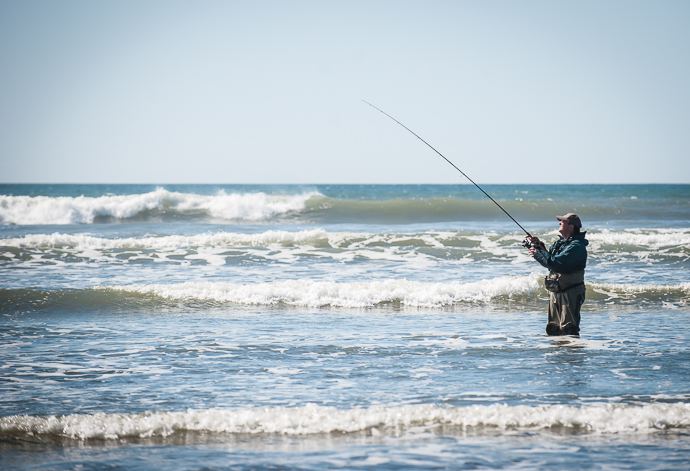
Fishing
An intrepid angler!
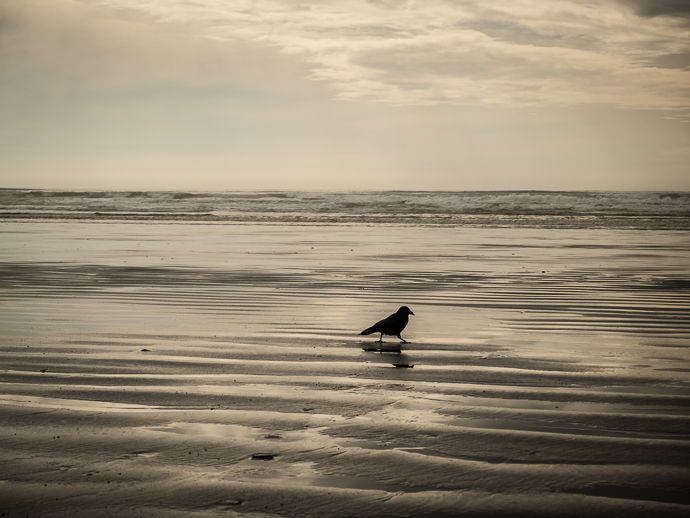
Crows also wait on the beach
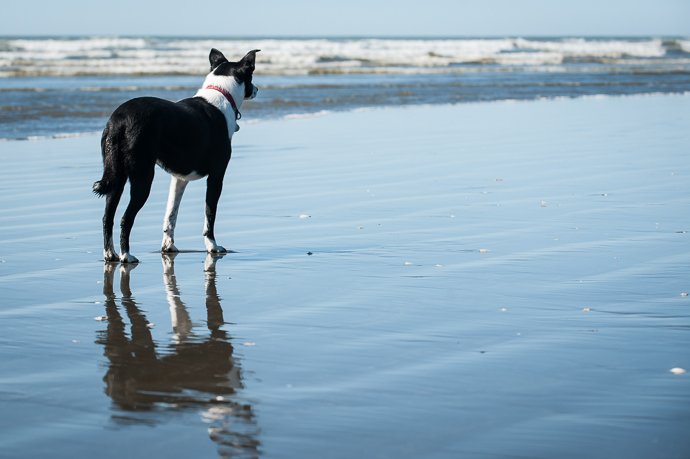
Dixie is looking for one of her peeps
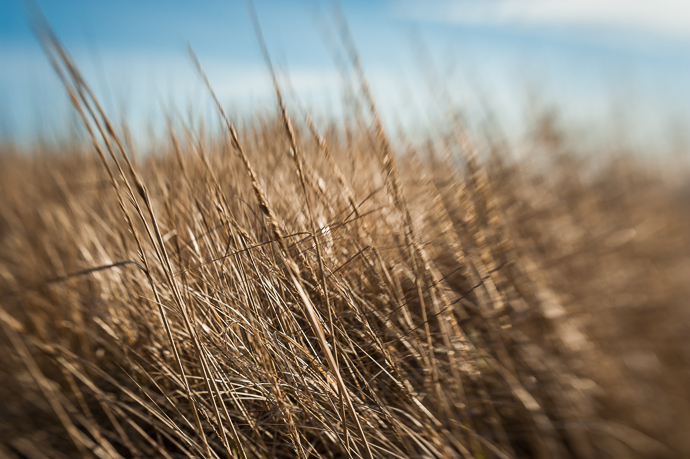
Dune grass
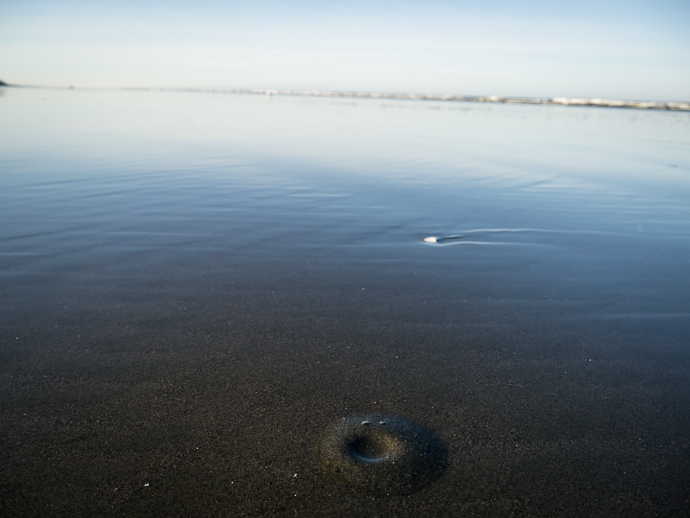
These volcano-like depressions are from sand shrimp
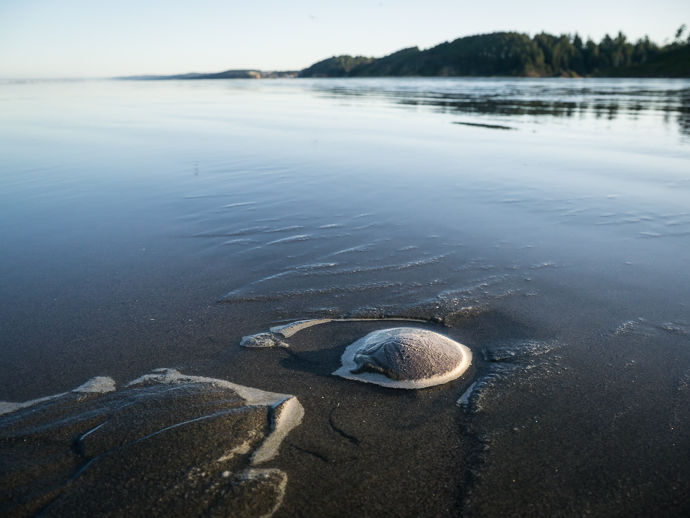
Sand dollar
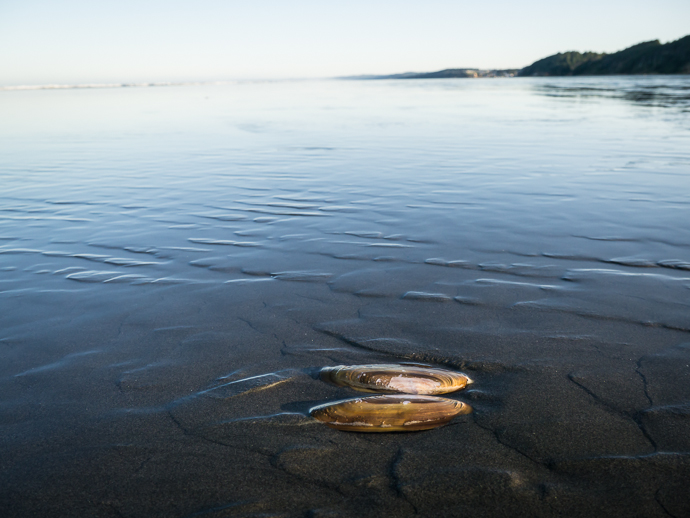
Razor clam shell
One of many creeks
Another great day at the beach
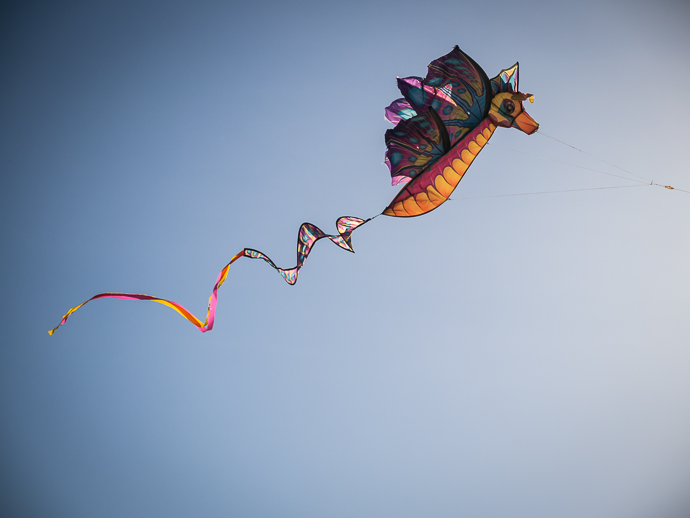
Lots of kites
This one was attached to a log and flew by itself all afternoon
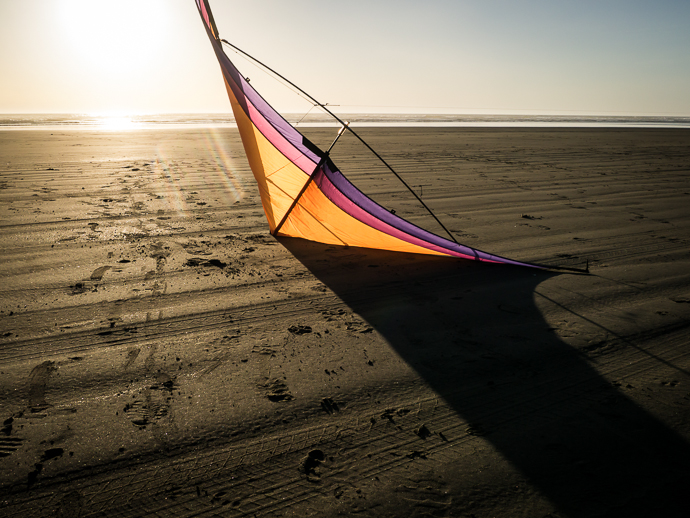
We had fun with this kite
At sunset, it’s time to put it away
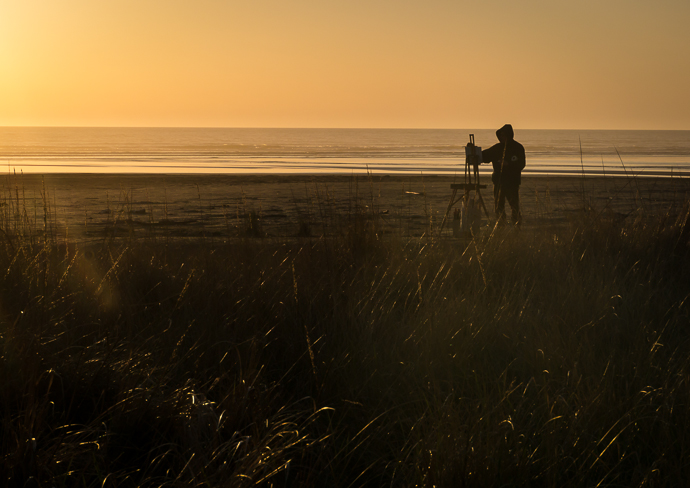
Gregg painted
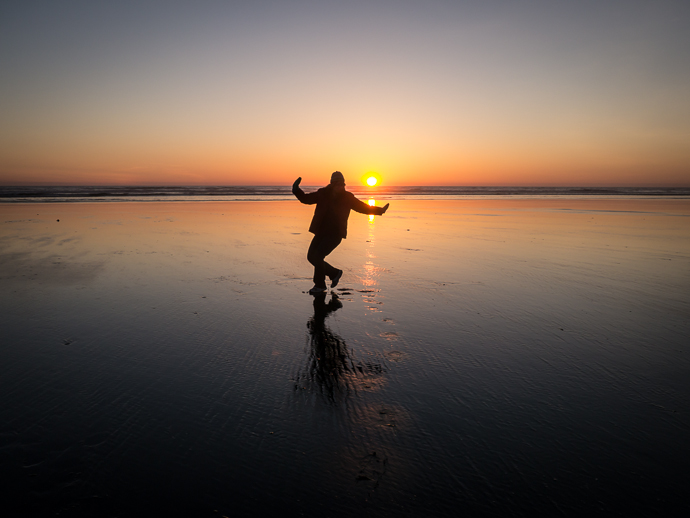
Betty danced
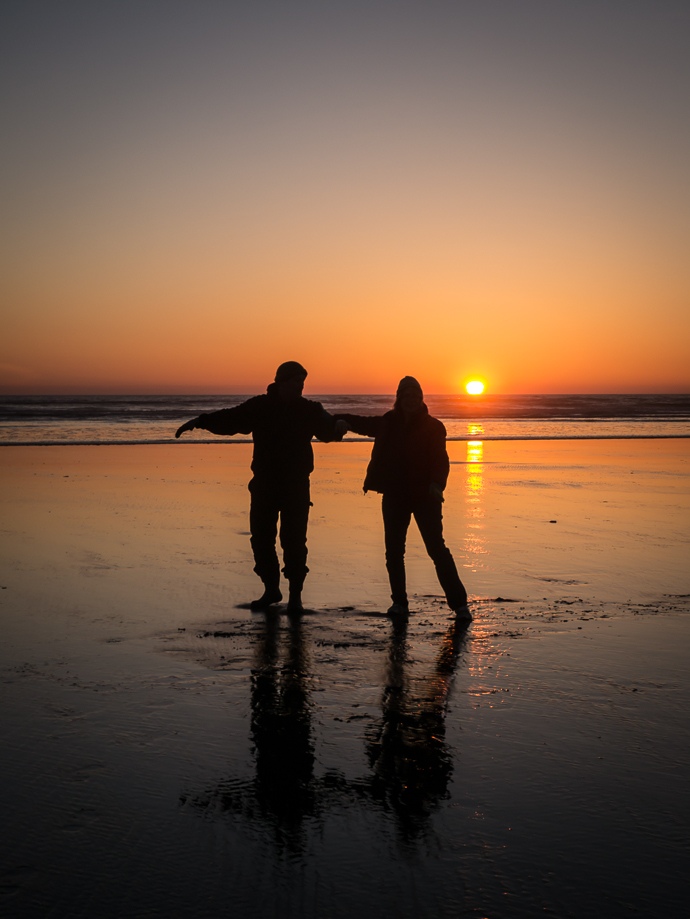
Good times with good friends
The end of another beautiful day!
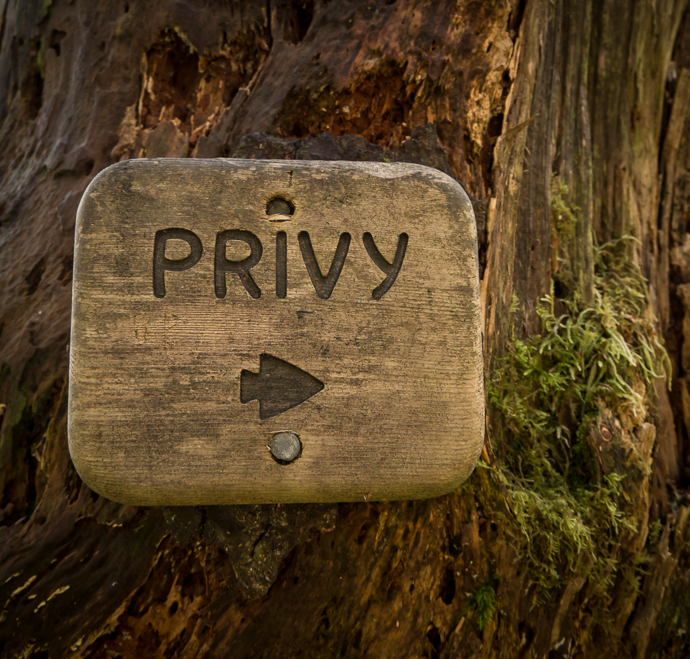
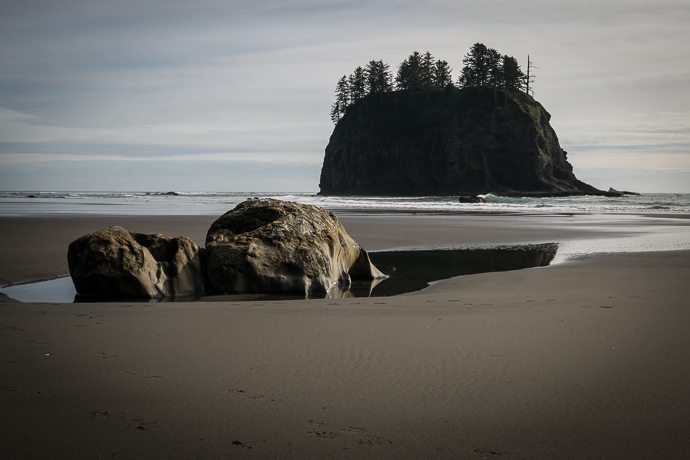
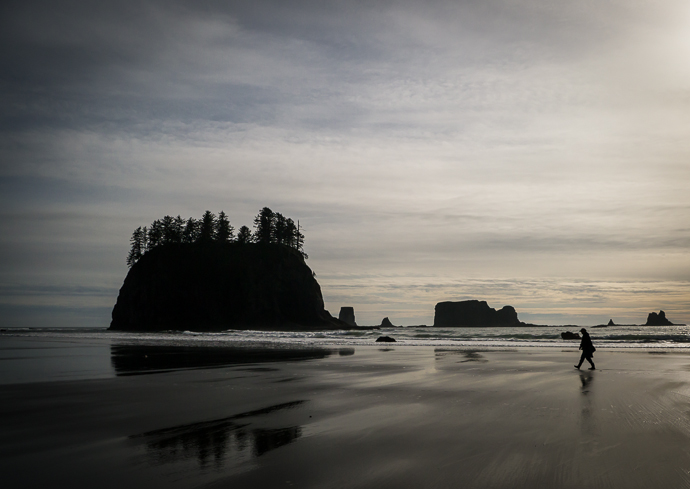
There are a series of numbered beaches in the Olympic National Park. I have always wondered why they did not have proper names. The beach at LaPush is First Beach. The next one to the south is Second Beach. And then there is Third Beach. Imagine that. Getting to Second and Third Beaches requires a hike through the coastal rain forest; about 3/4 of a mile to Second Beach. The great thing about that is that fewer people visit these beaches and it’s possible to have a level of solitude not available at the beaches with parking lots right next to them. And fewer distractions like litter and ATV’s.
Trail through the forest
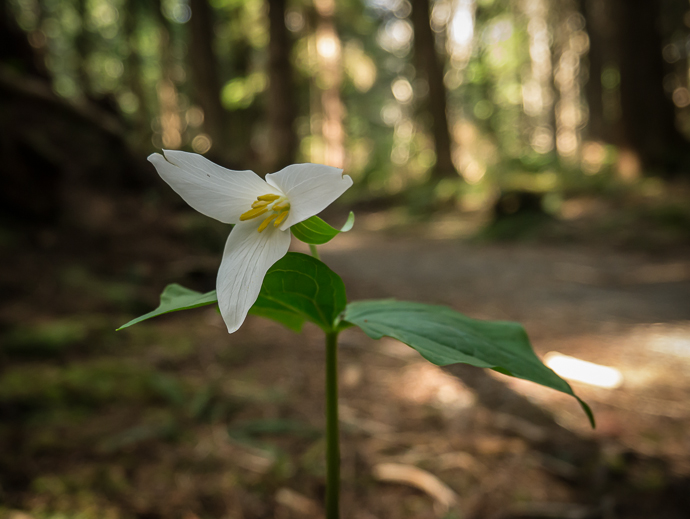
Trillium
On the beach
Erosion from centuries of waves
Sea weed growing on the rocks
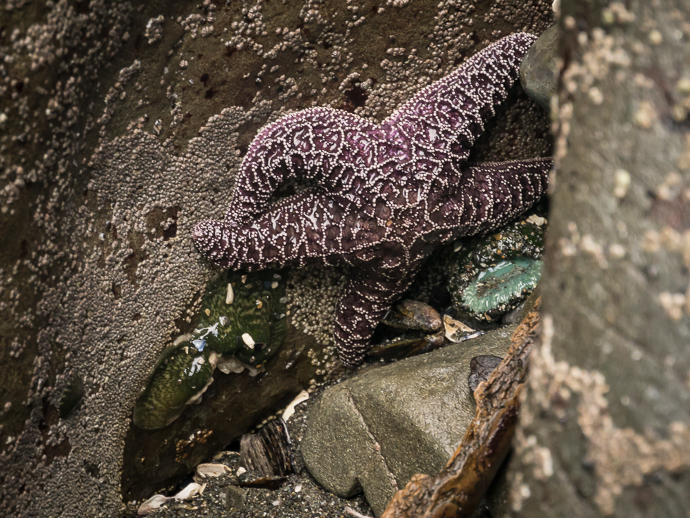
Sea star and anemone
Sometimes the sea stars are in clusters
Sea anemones
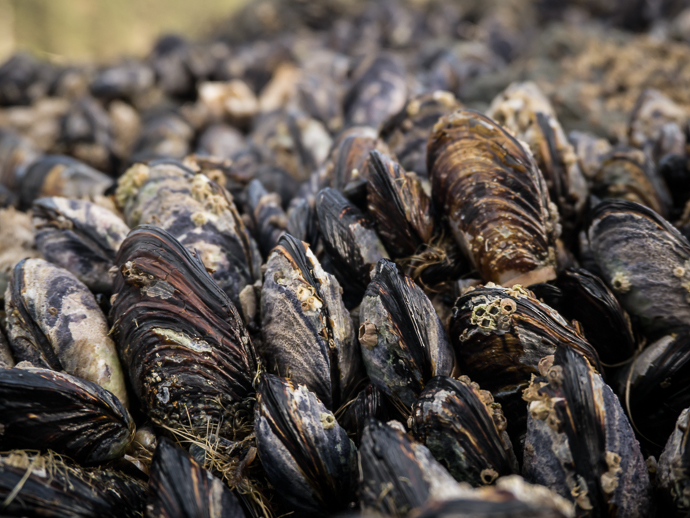
Mussels attached to rocks
Ruby sands
It’s hard to leave such a beautiful place
Ken and I enjoy road trips. We tend to travel with lots of stuff and this trip we took the truck so we could get all that stuff packed. What kind of stuff? Photo gear. Fishing gear. Clamming gear. Birding gear. Guitar. Books. Various clothes for various activities in a variety of weather conditions. Food – lots of food along with beer and wine. It was a good tour of a big part of the state starting here in the Methow where winter was loosening its grip, across the Cascades where 40″ of snow had fallen in the previous week, to the urban world north of Seattle where we were surprised to see new snow on the ground, and then across Puget Sound where it was sunny and dare I say it, warm. We reached Port Angeles that first night.
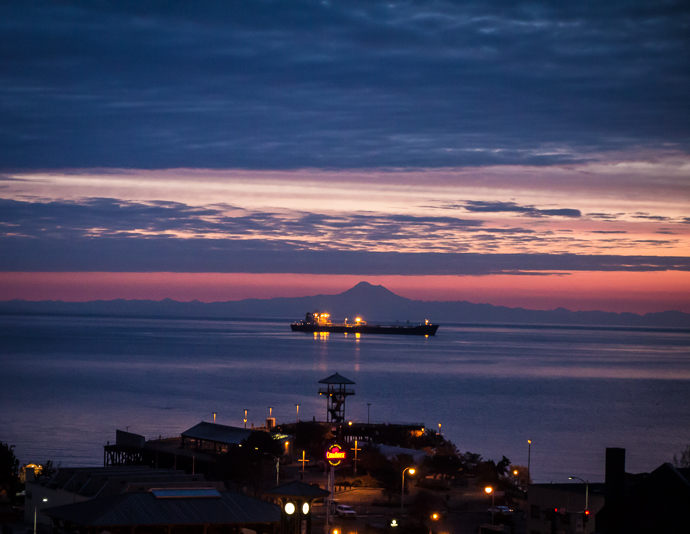
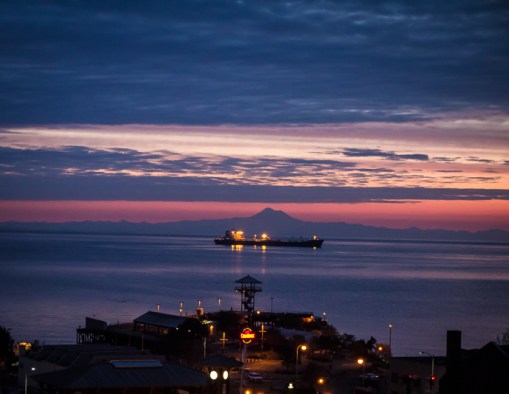
Sunset from our hotel in Port Angeles
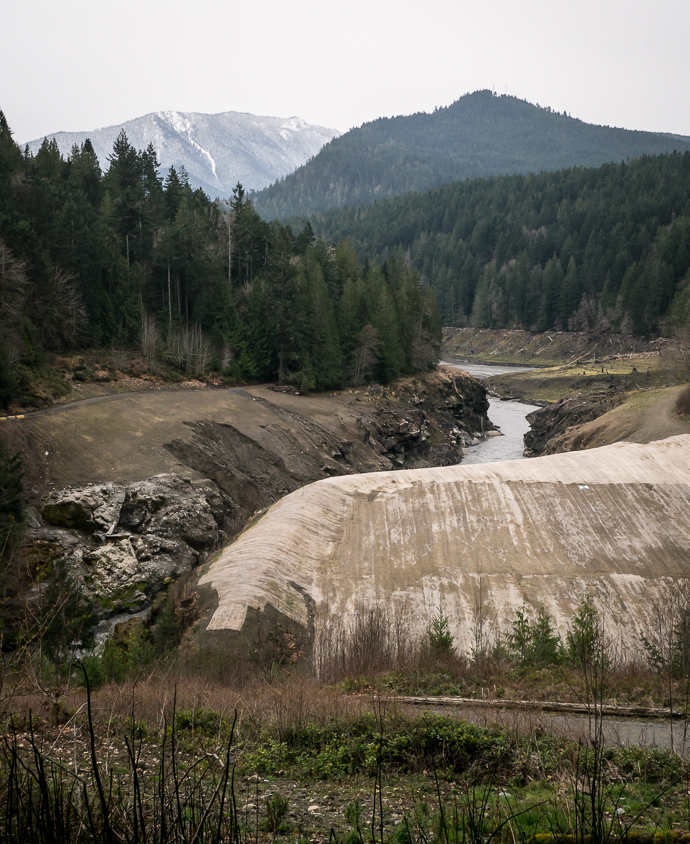
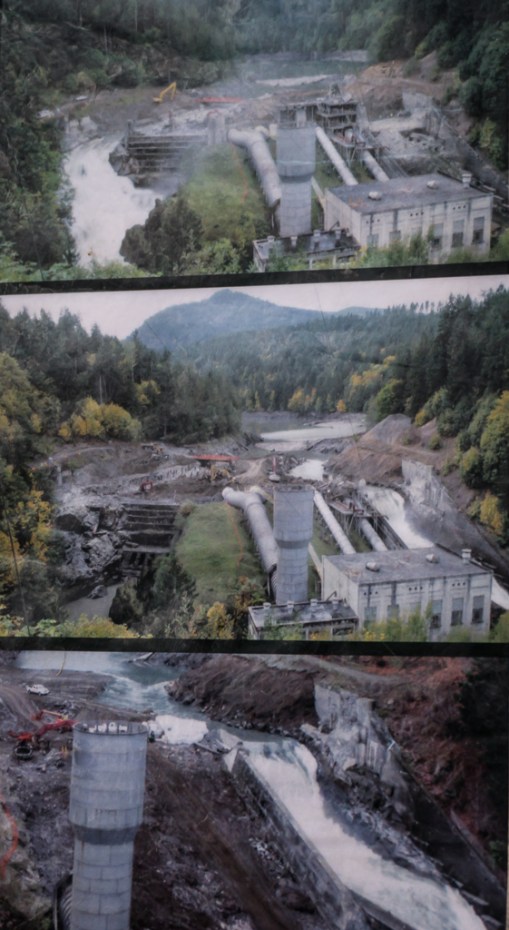
From PA we drove up the Elwha River to the overlook of one of the now-removed Elwha Dams.
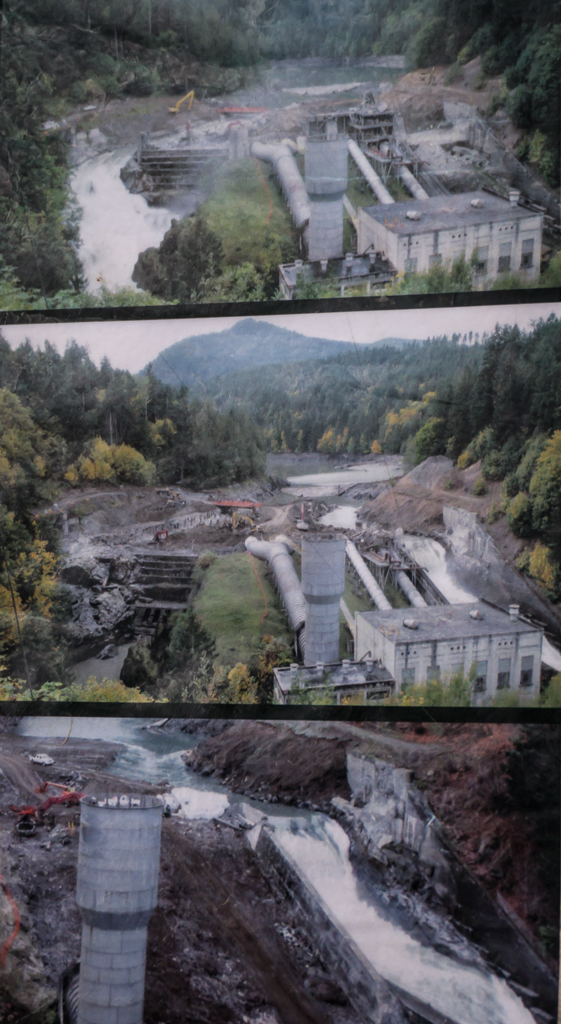
This sign graphic shows how it looked before, during and after the dam removal. Salmon have already returned to this river above the former dam site.
Part of Lake Crescent is in the Olympic National Park. It is cold and deep.
Old Storm King Ranger Station at Lake Crescent
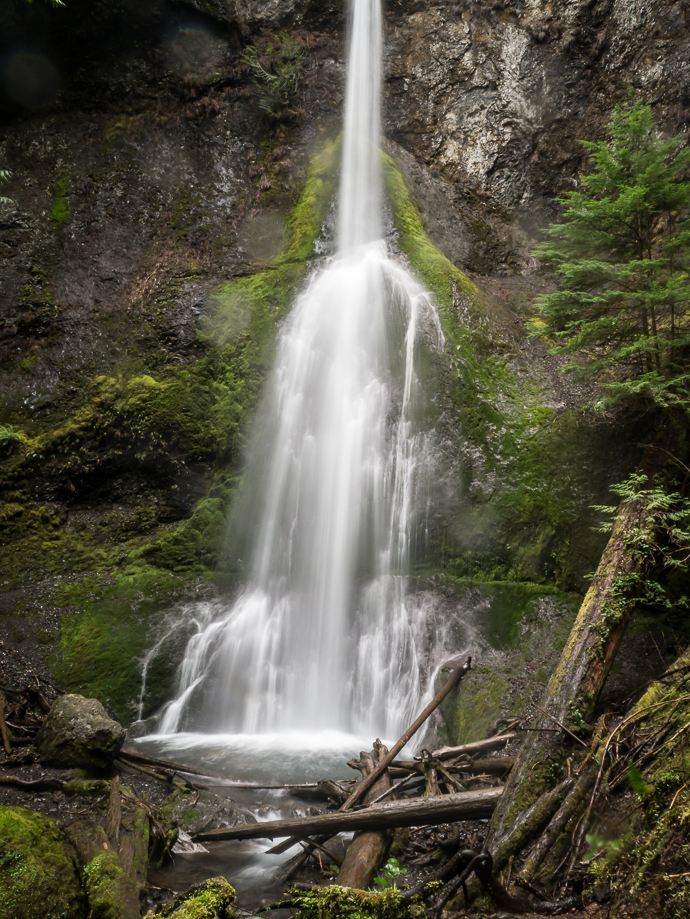
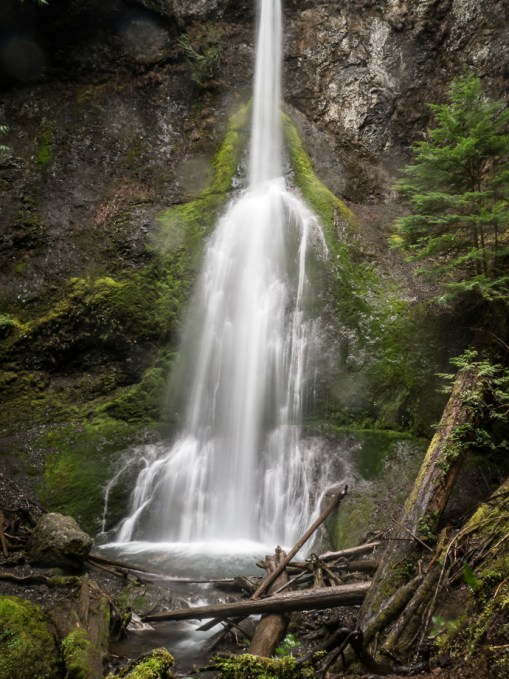
Marymere Falls – a short popular hike from Lake Crescent
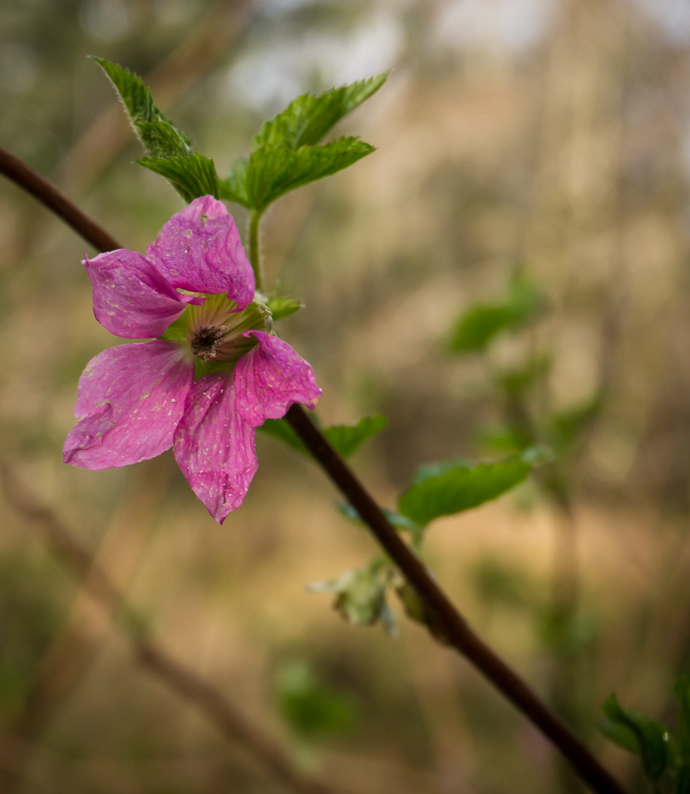
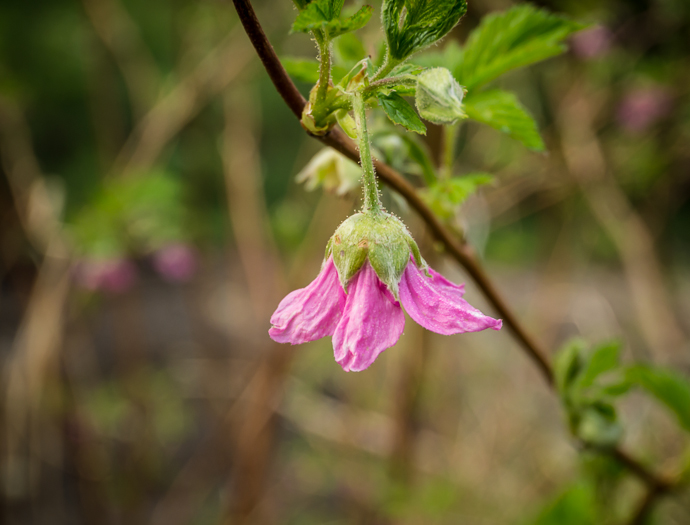
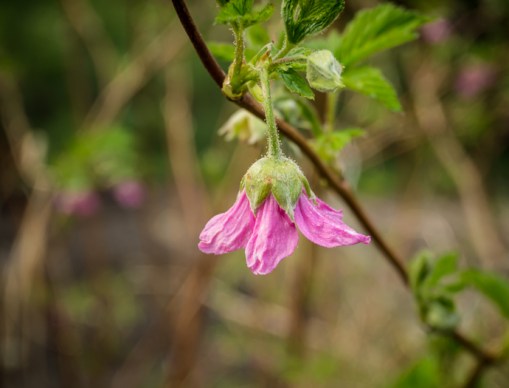
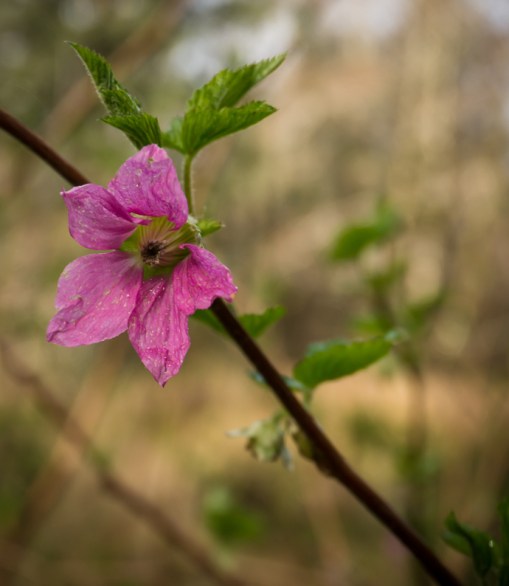
We saw these pretty blossoms in several places. I think they are a berry – maybe salmonberry?
The Dickey River – slow moving and flat and more reminiscent of Florida than Washington
We saw a river otter
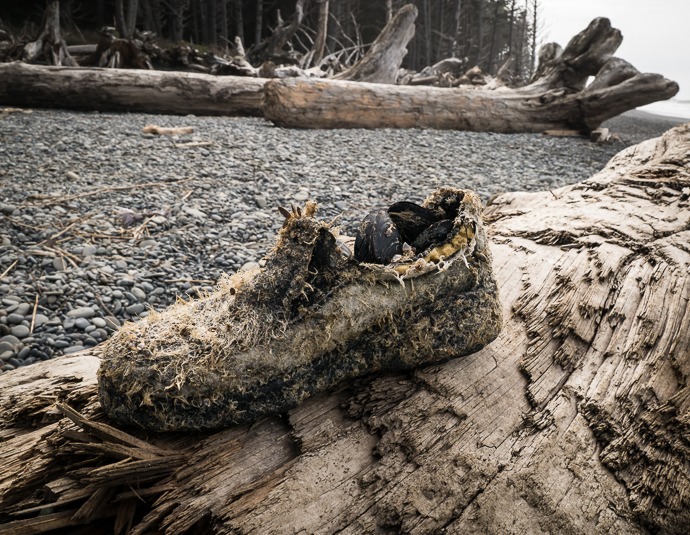
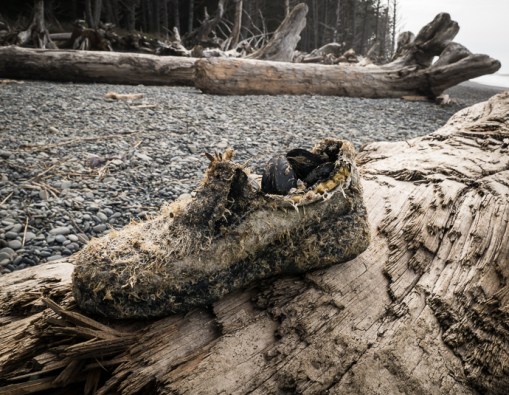
This algae covered shoe had mussels growing inside of it. I wonder how long it was in the water and where it came from. Japan? It was on Rialto Beach.
A madronna log – driftwood on Rialto Beach
I could not get a better look at this moss covered nest as it was above my head. It was along the Hoh River.
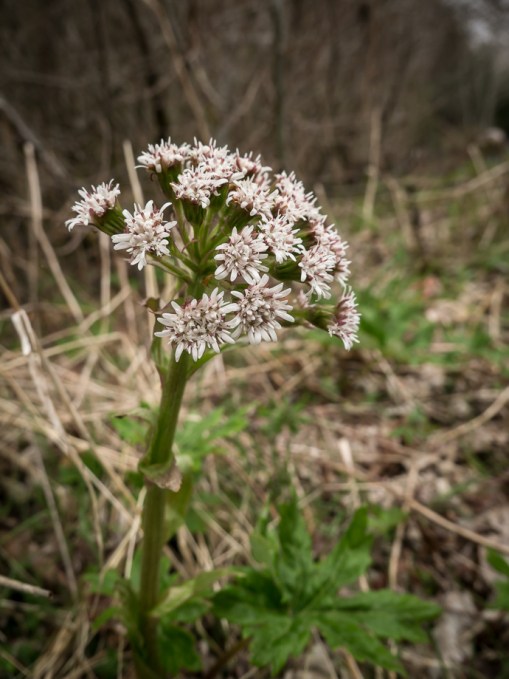
This flower grew in many places with disturbed ground. I have no idea what it is.
Water pours out of a cliff side
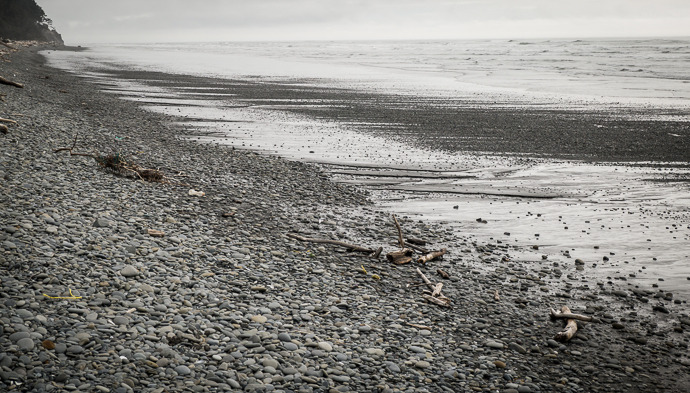
Ruby Beach is more rocky than most of the beaches where we walked.
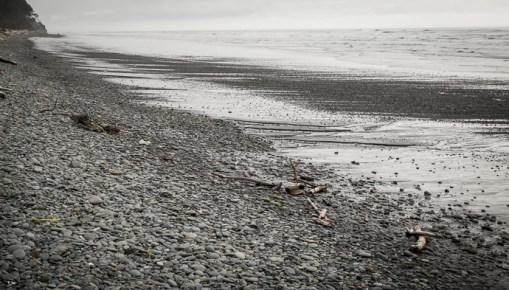
Looking down at Ruby Beach
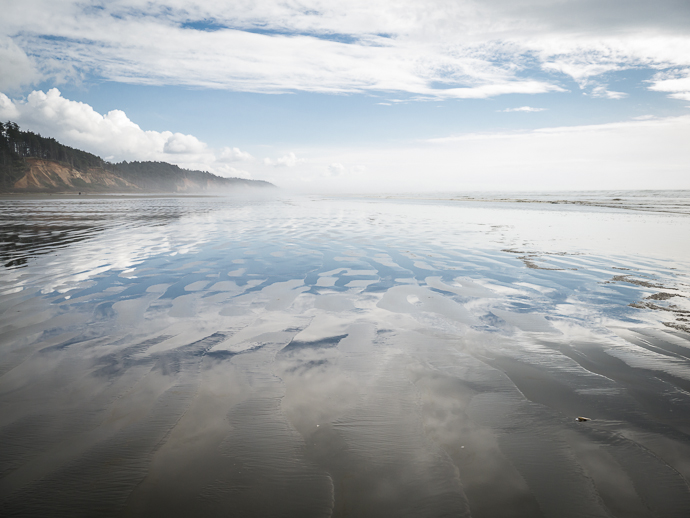
Reflections along the way
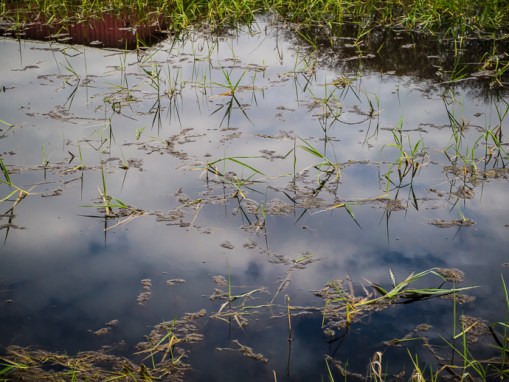
Lots of interesting weather – mostly good
The Sandpiper
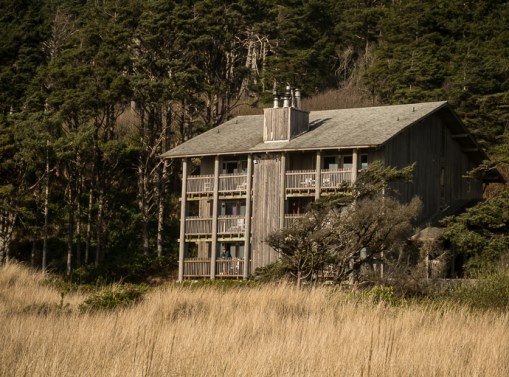
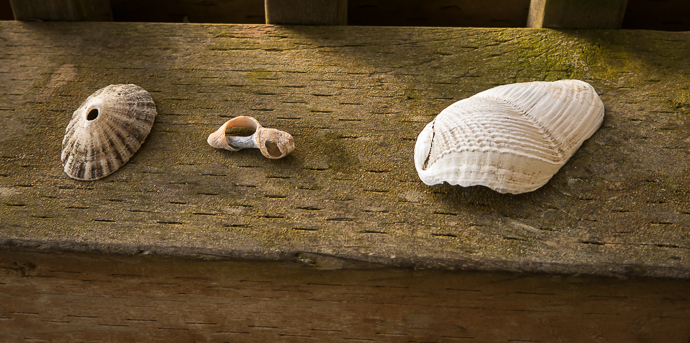
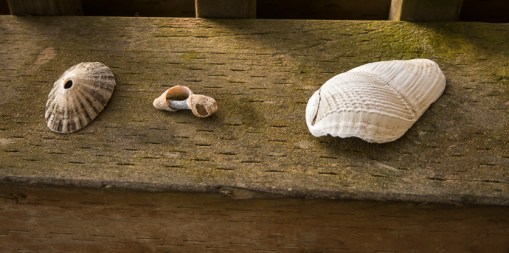
Some treasures from the beach
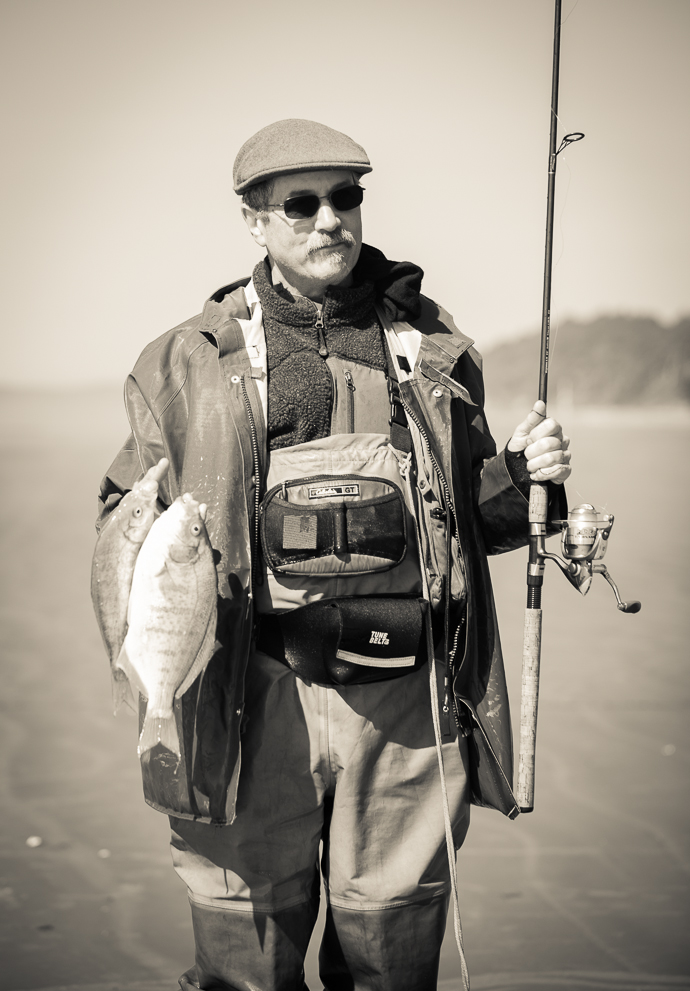
Two of the surf perch that Ken caught
Lots more, yet to come!