We stayed six days at Malheur NWR. Originally we had intended to stay maybe three days and then move on to the Redwoods and southern Oregon however the long days in the truck were really wearing and we were enjoying Malheur very much despite weather that ranged from rain to snow to hail with lots of high winds thrown in just for fun. Most of the weather came in sudden bursts with sun breaks in between. We generally timed our outings to avoid the drenching rains and managed to get in good birding, some nice walks and a brief bike ride. Sadly the weather conditions did not make for good photography conditions. I made the best of it when I could.
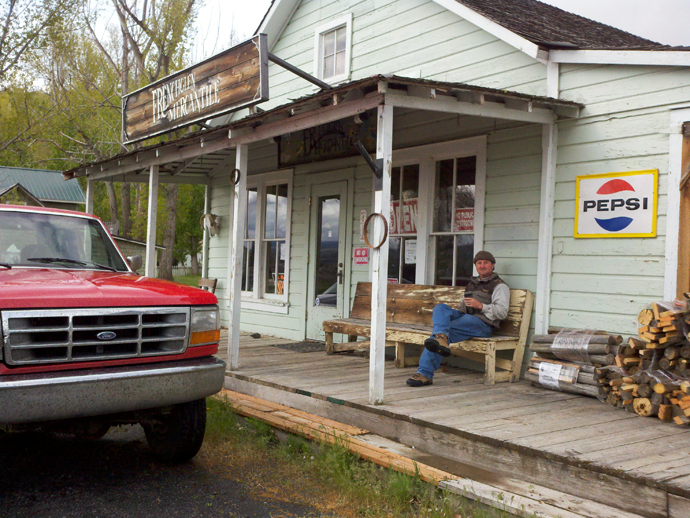
Frenchglen is a must stop in that part of Oregon. It has a school, a BLM office, a store that is rarely open and then with a surly shopkeeper, and a historic hotel. And it is usually swarming with birders!

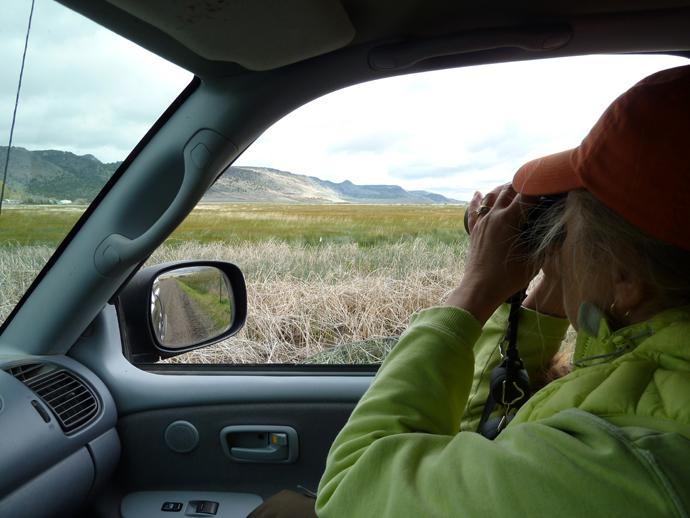
Much of our birding was done from the truck in order to avoid wind and rain. Note the various layers of clothing. We wore many combinations in order to stay warm. I was happy to have my rubber boots with me.

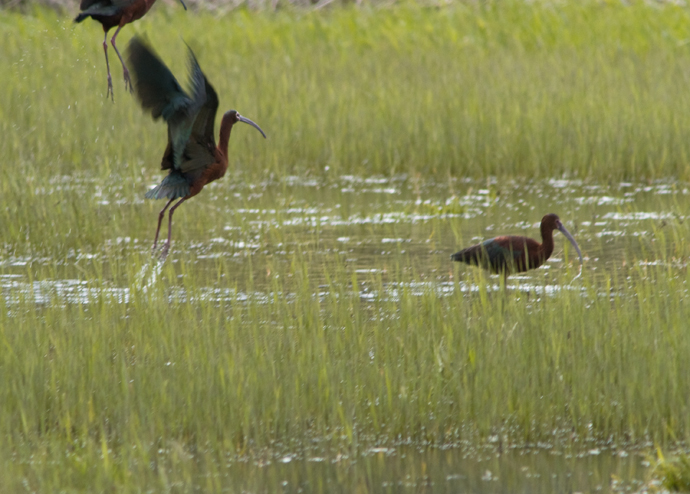
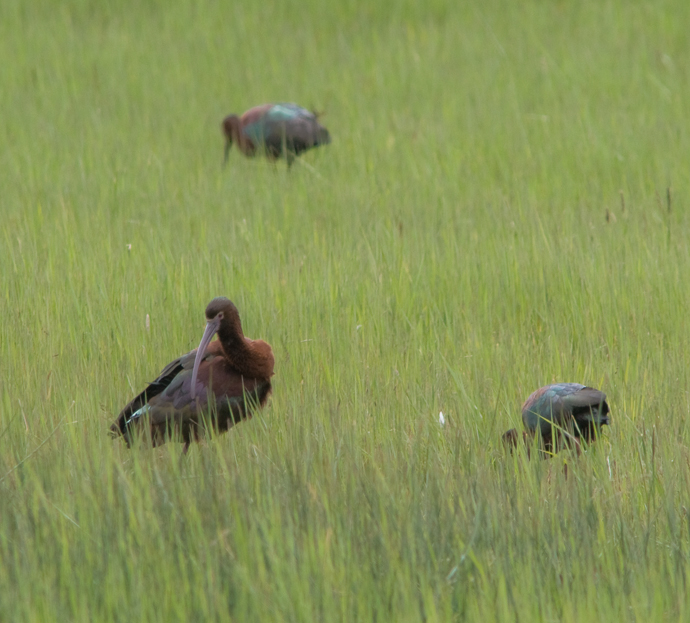
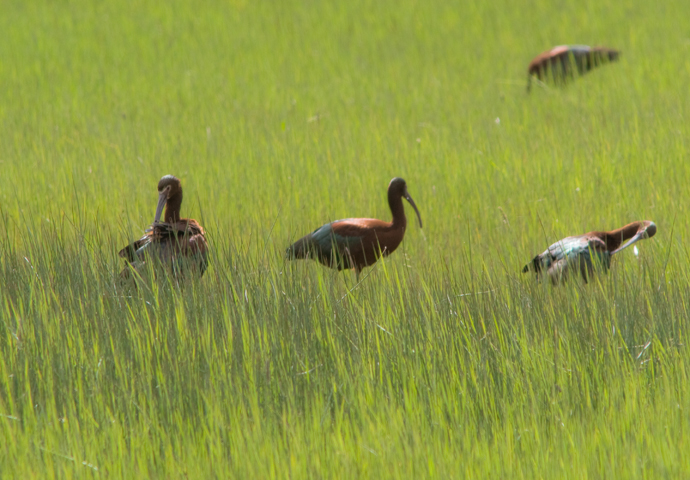
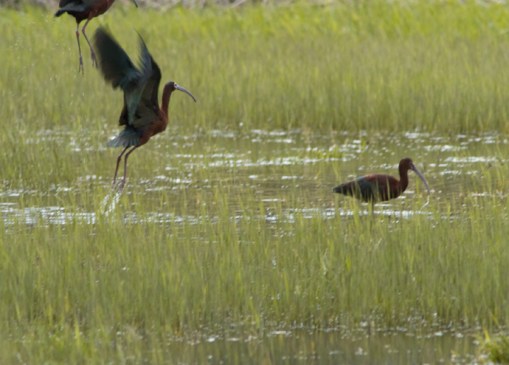
White-faced Ibises. There were many thousands of them, it seemed.


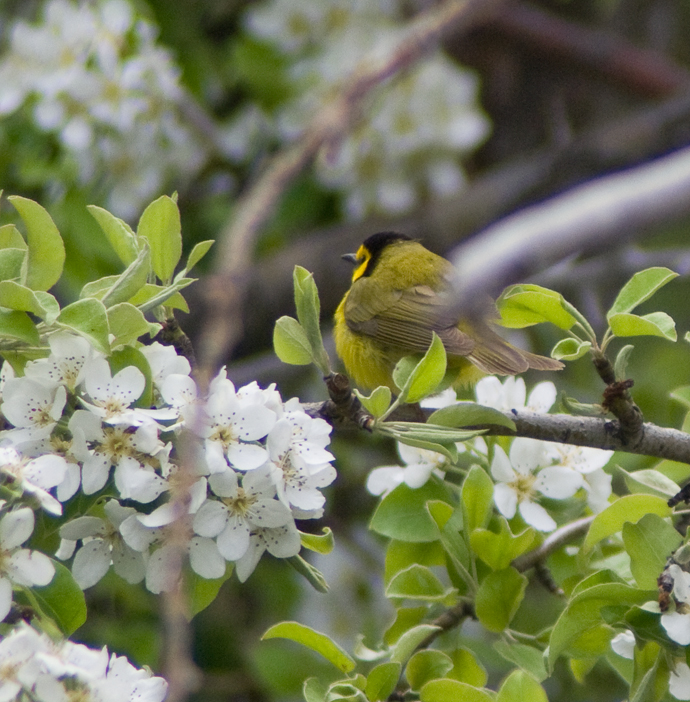
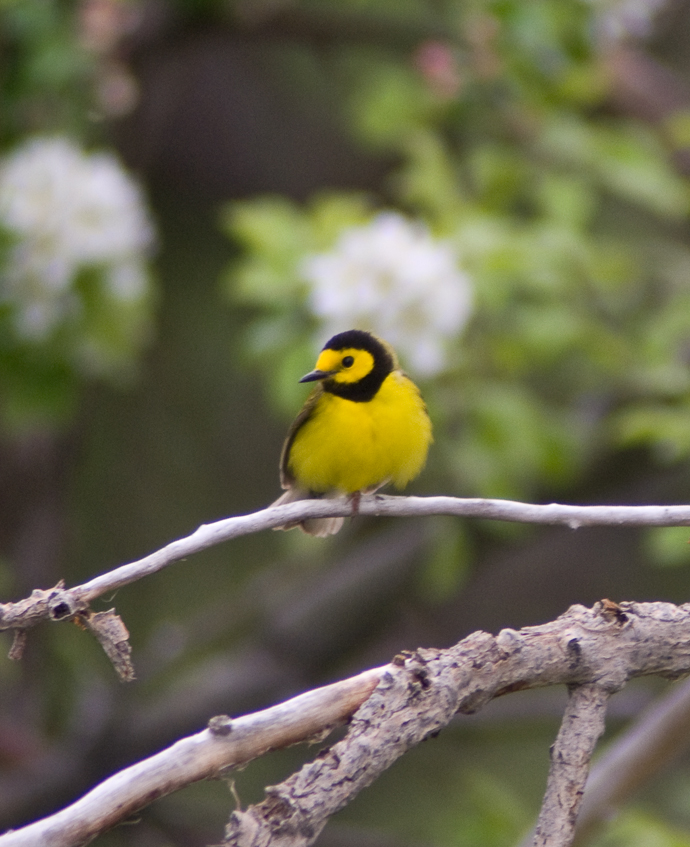
The Hooded Warbler. If you look at your range maps, you will notice that this bird should not be in SE Oregon. Going through Frenchglen one morning we saw lots of birders searching with their binos; we even ran into birding friends from the Walla Walla area. Turns out everyone was searching for the Hooded Warbler that had been seen the day before. Alas, we did not find it despite tromping around in the wet grass and brush for an hour or more. The next day, at the P Ranch, as I rode by on Ken’s bike, a man said, ‘Hey, are you interested in a Hooded Warbler?” Screech, went the brakes! Oh yeah. What a find.
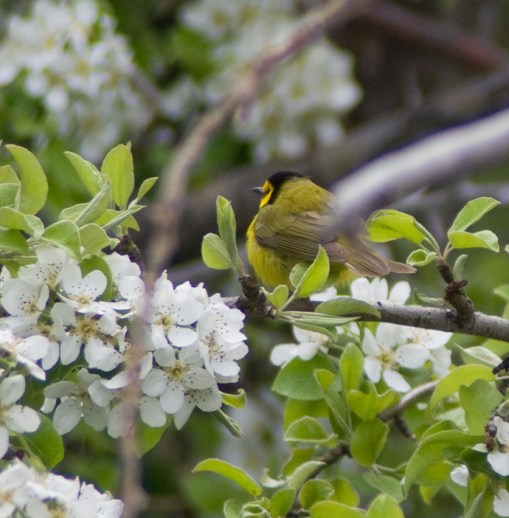
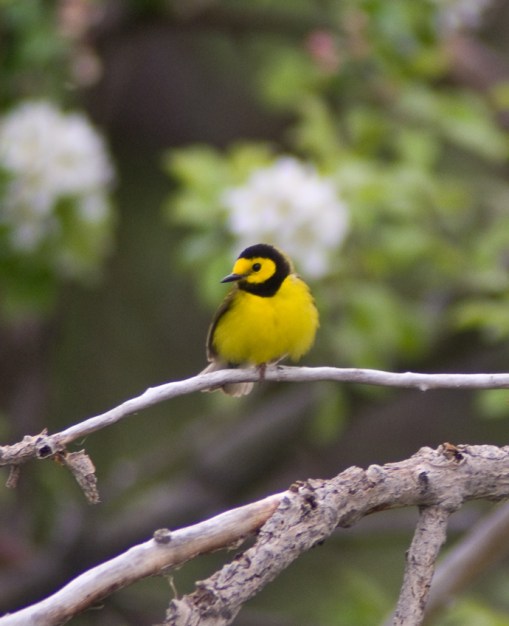
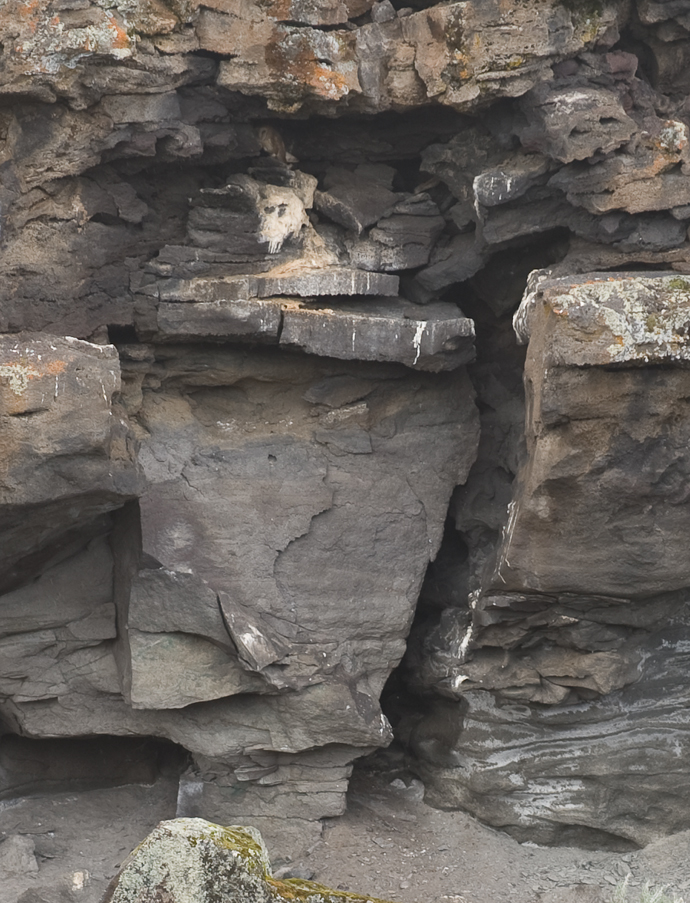
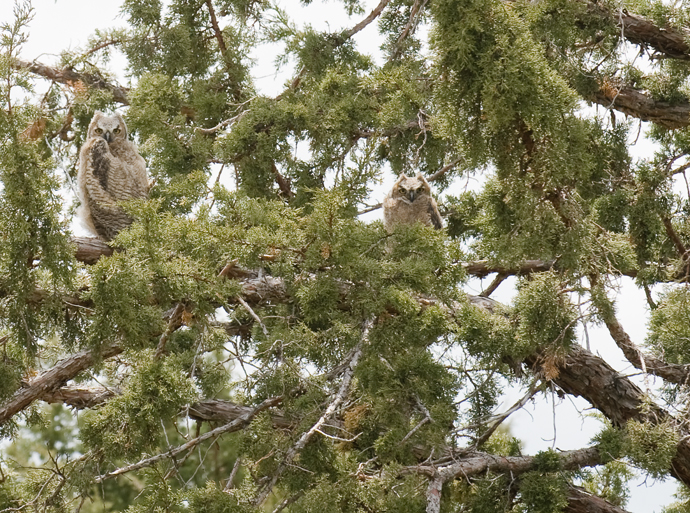
My, what big ears you have.

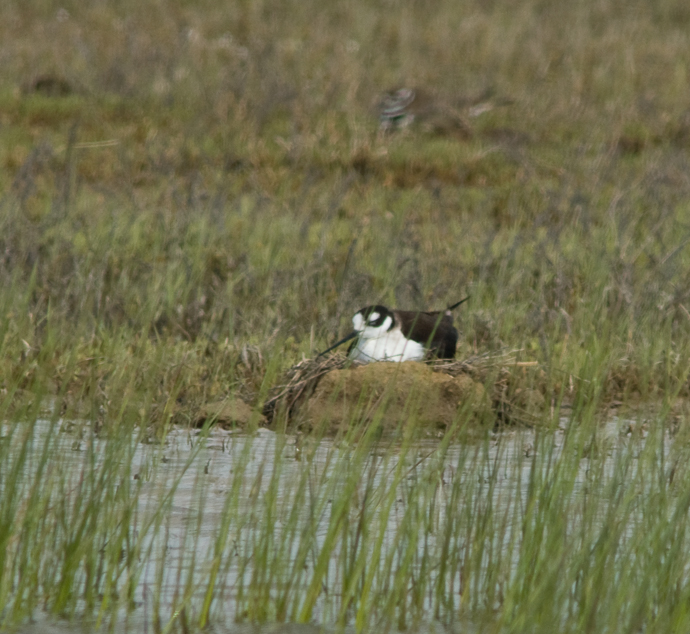
Lots of nesting shorebirds including this Black-necked Stilt.

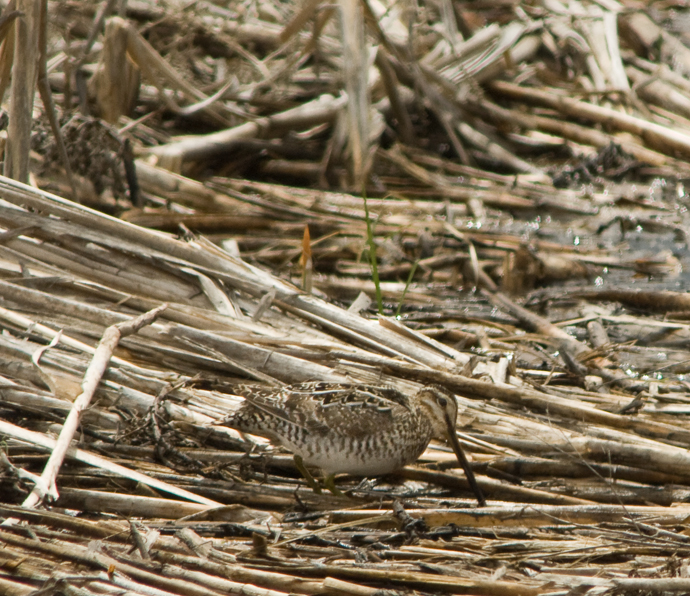
The air was often full of the sound of winnowing Snipes.

I know, it’s hard to see however there is a Sandhill Crane on a nest down there.

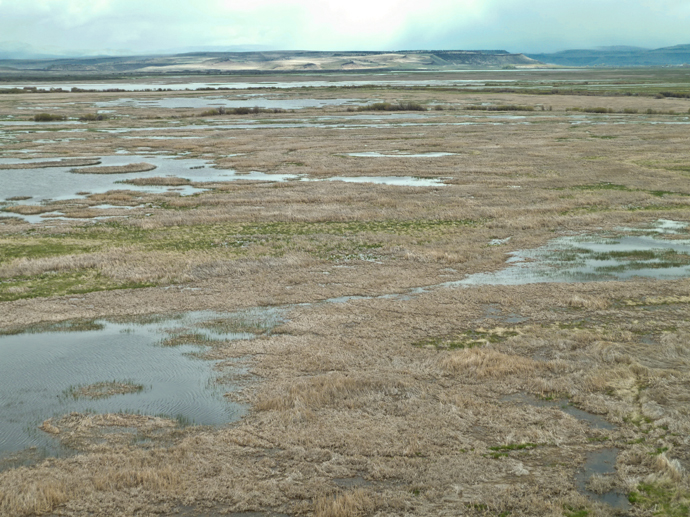
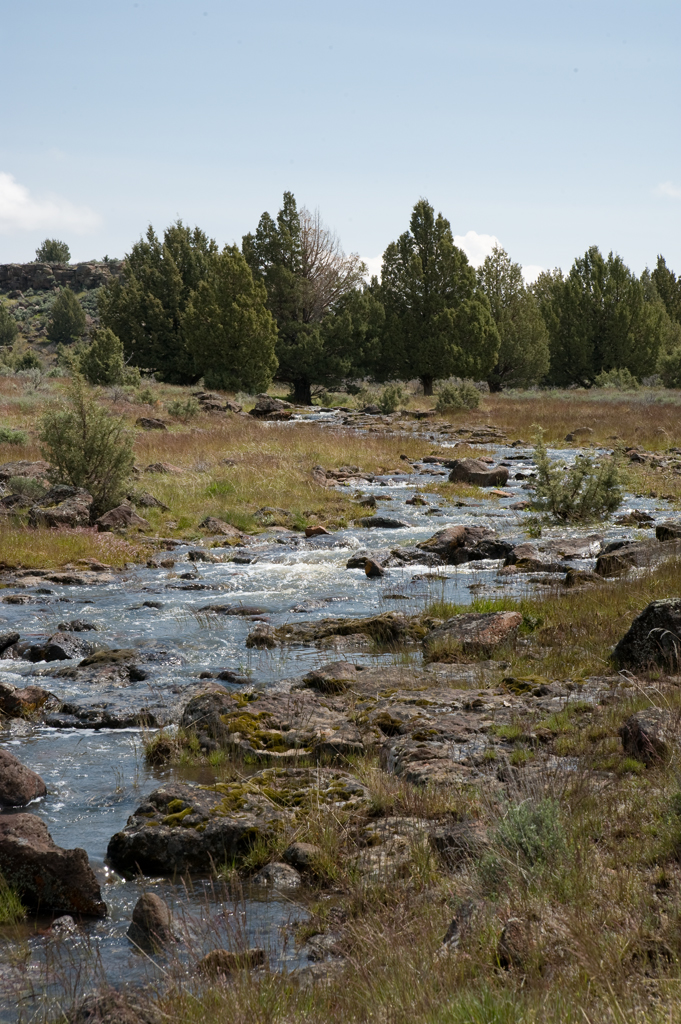
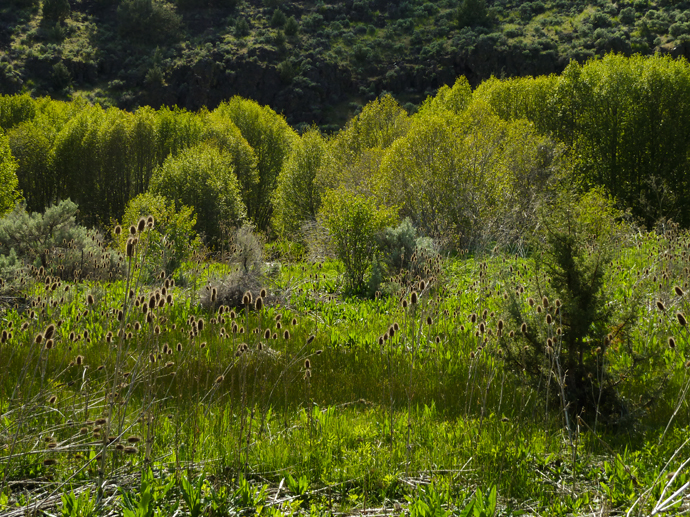
Magnificent landscapes everywhere we turned. And water. So much water.

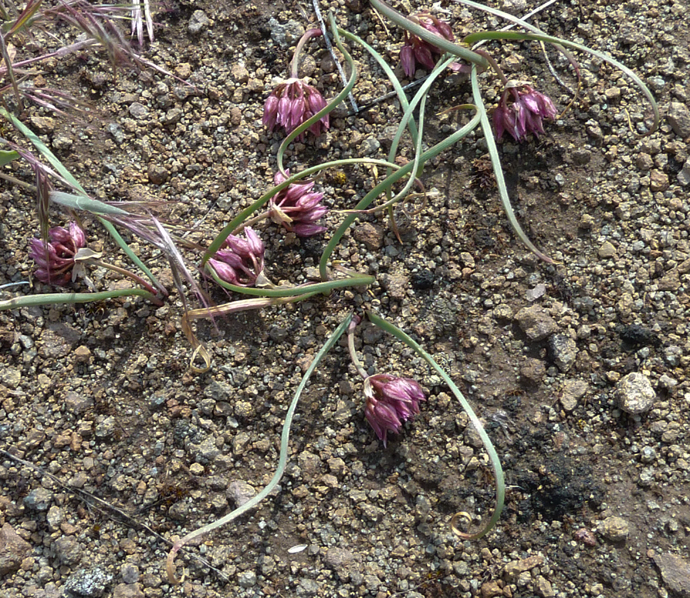
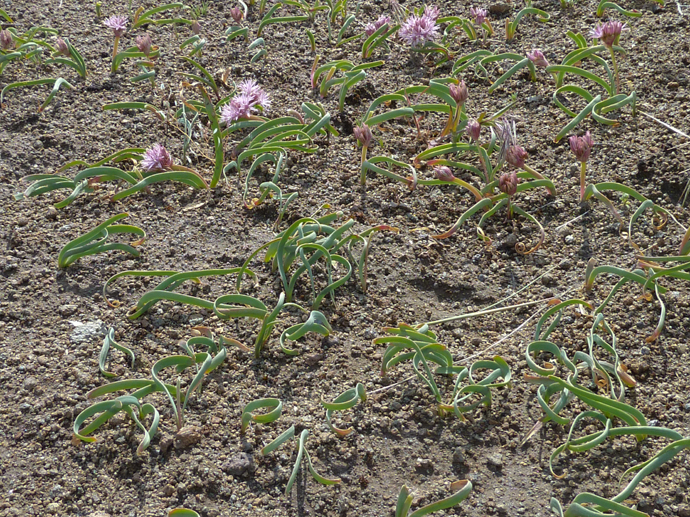
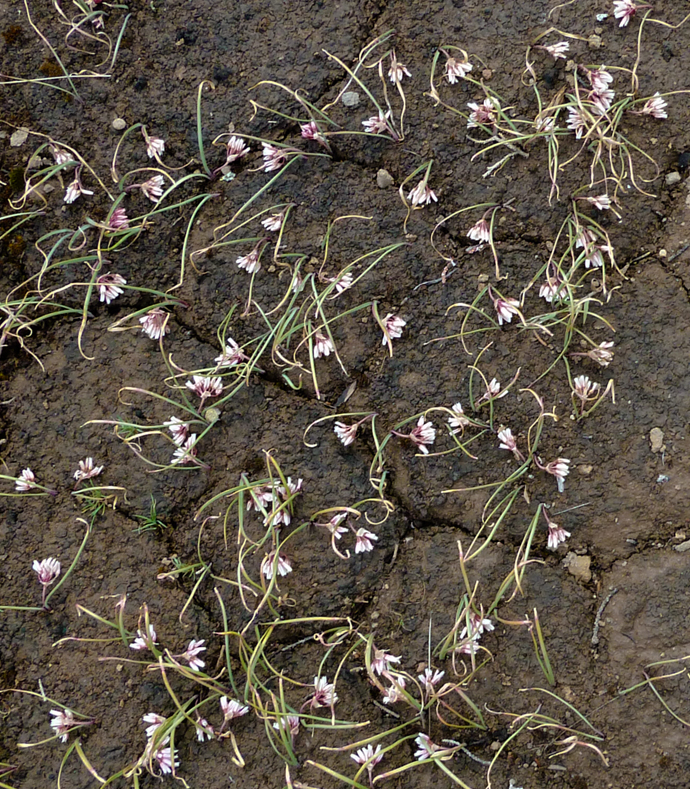
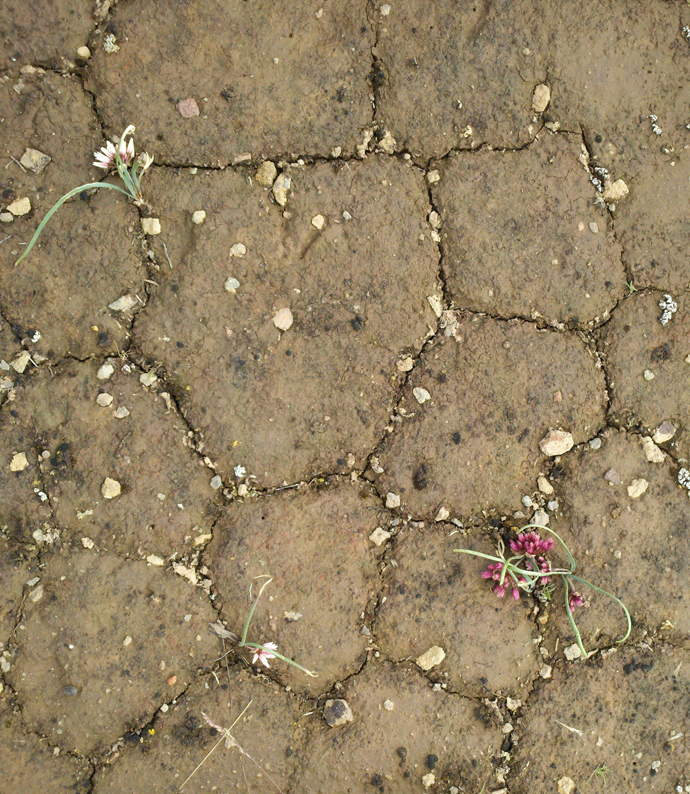
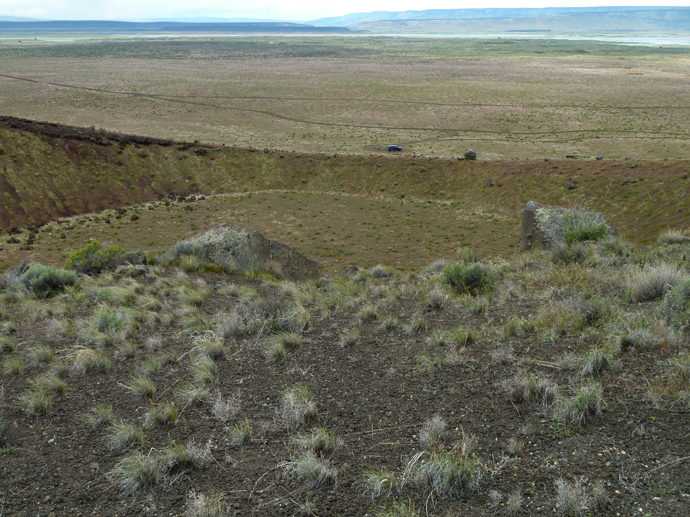
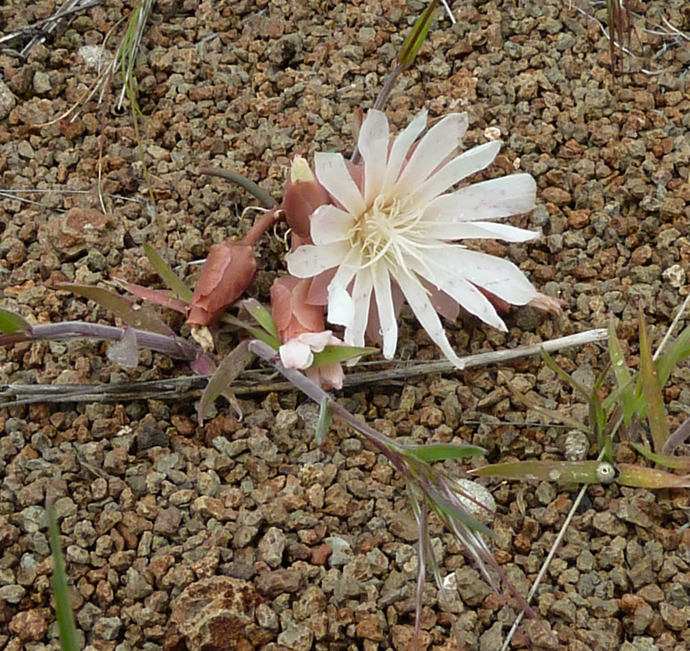
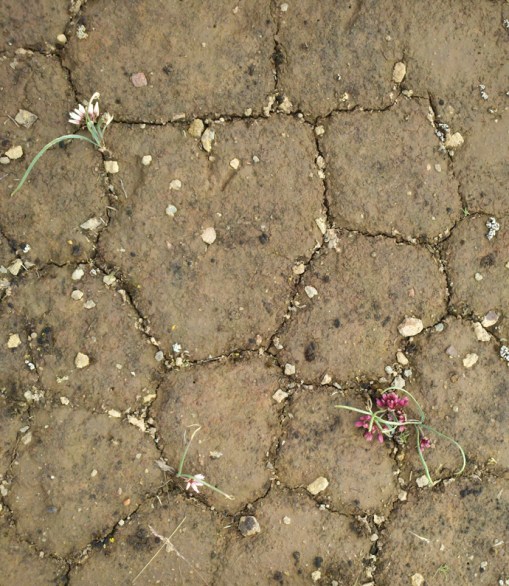
This intersting allium had me stumped. I still don’t know its species. It was on top of a basalt mesa.
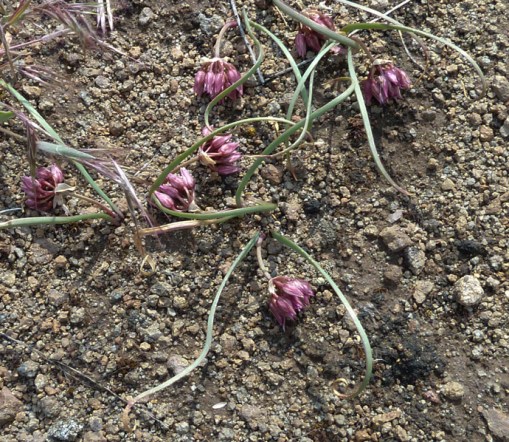
One in full bloom.


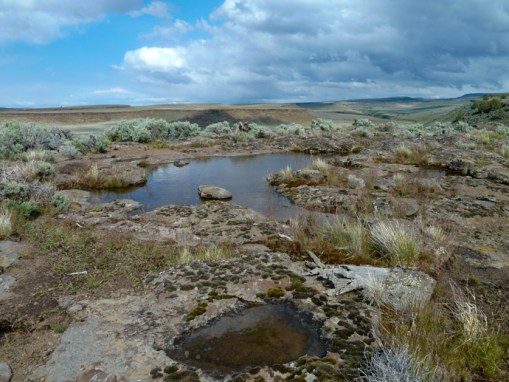
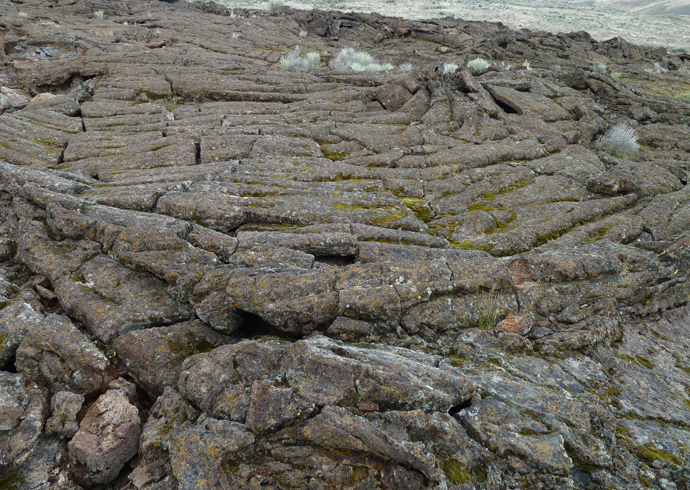
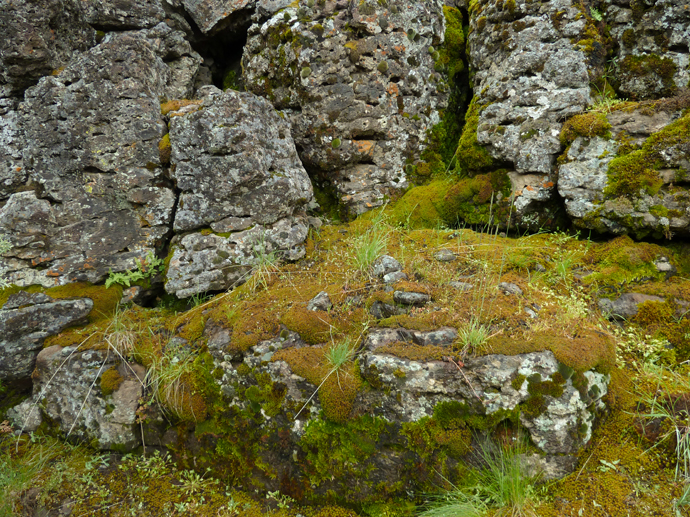
Here you can see the outlines of the tops of the basalt columns that make up the mesa.
The rains produced lots of watering holes.