Skip navigation

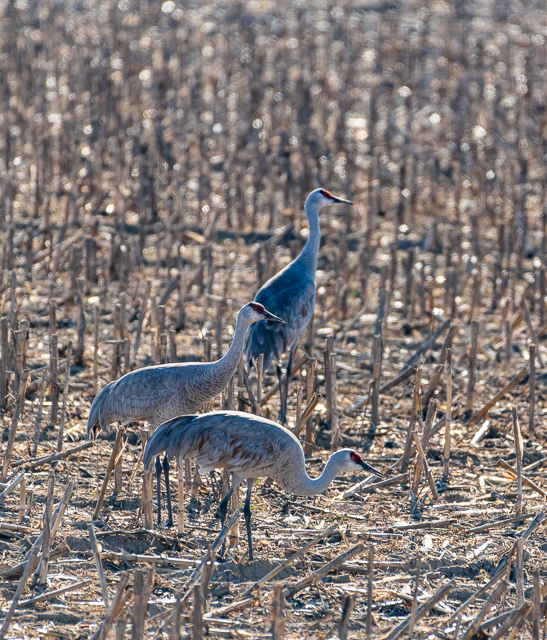
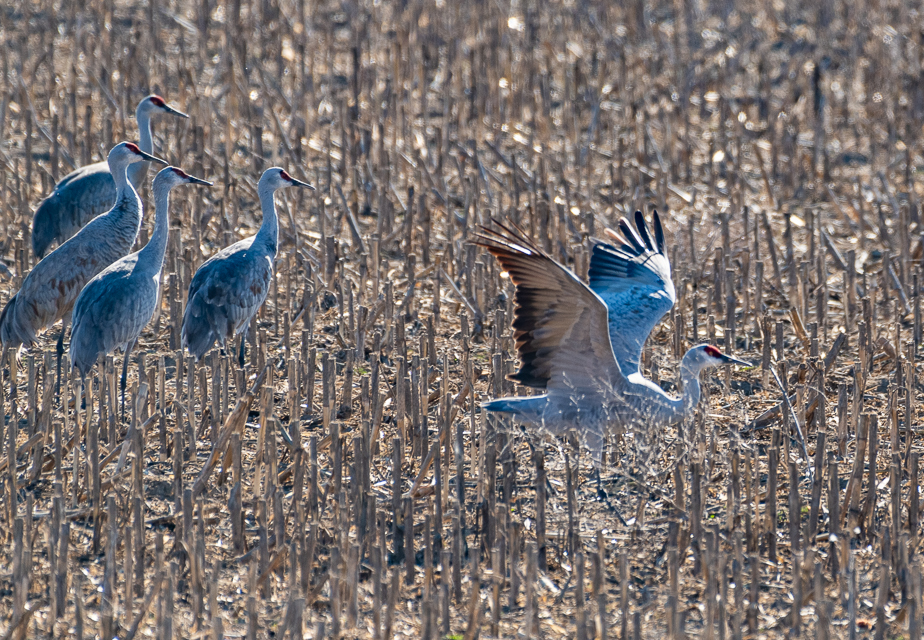
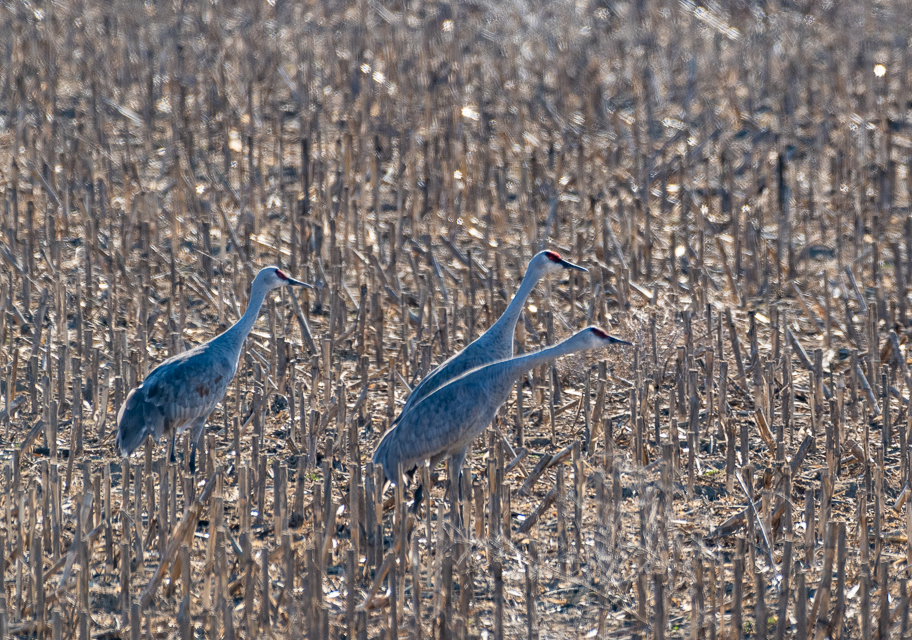
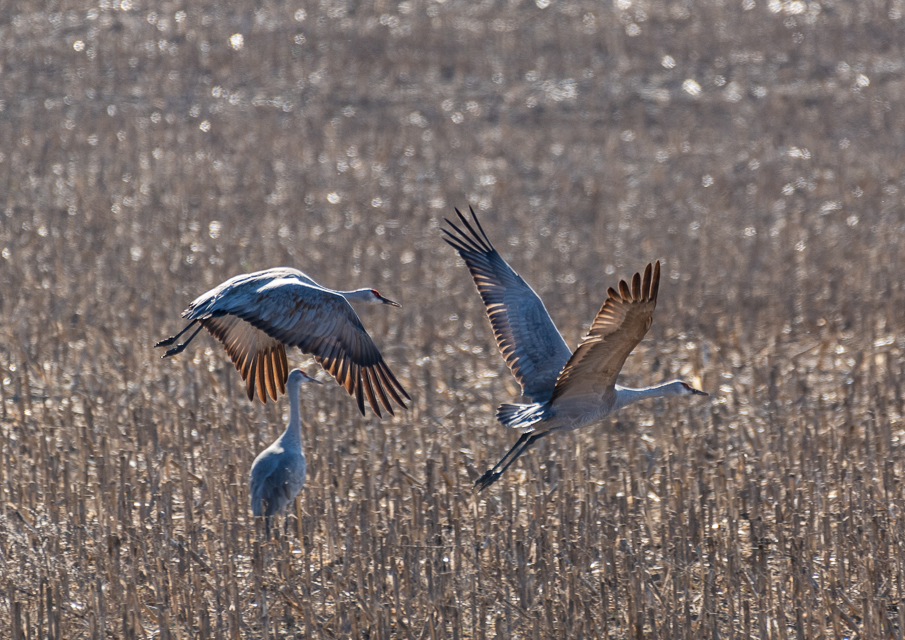
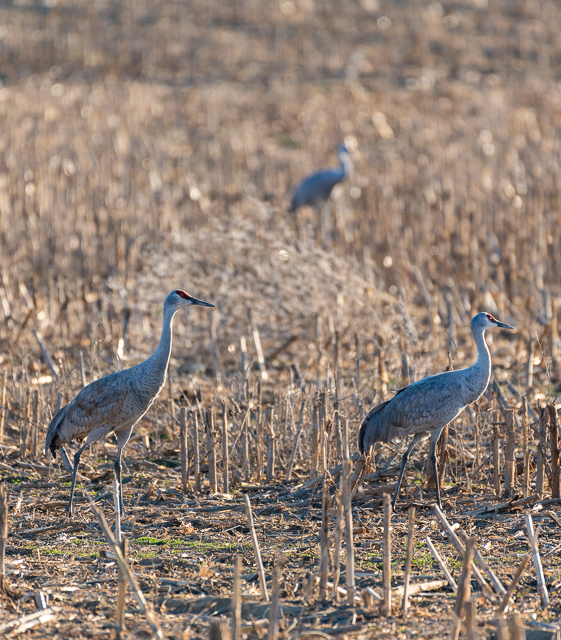
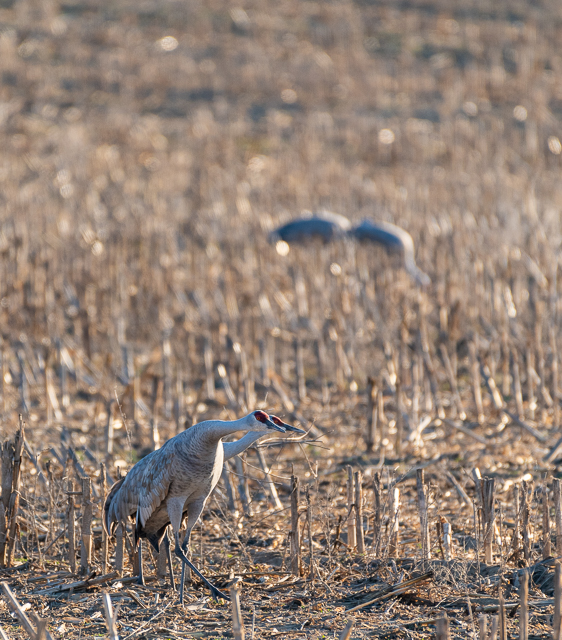
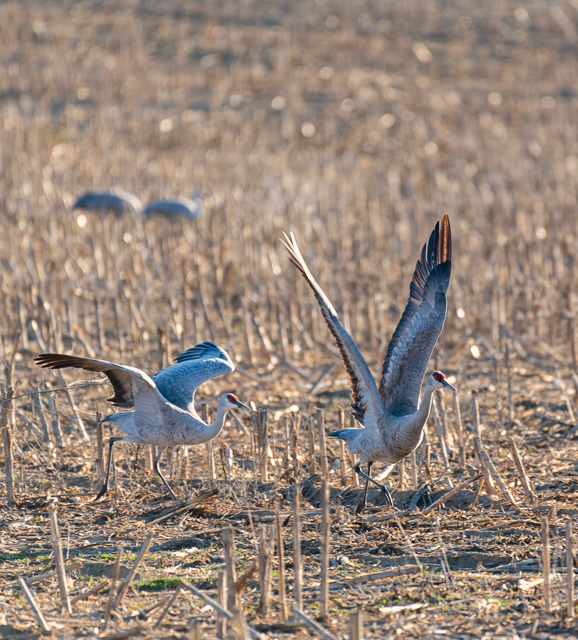
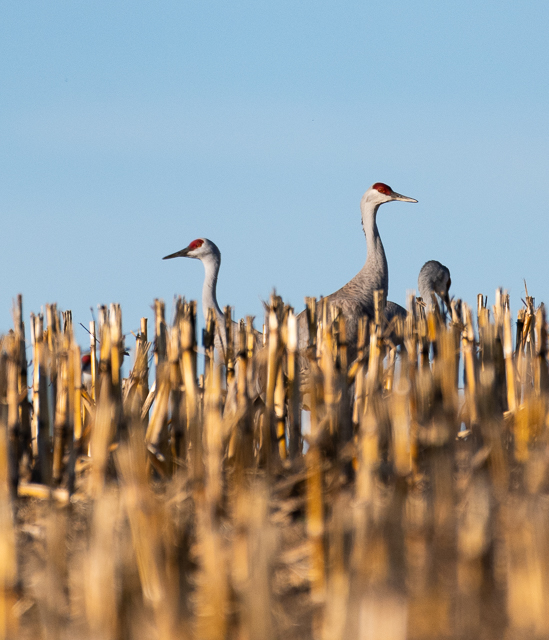
I have been fortunate to see Sandhill Cranes in many places. The Columbia Basin is the first place I saw them and learned about their migrations. As they travel north from their wintering grounds to Alaska where they breed, they stop over to rest and eat in the corn stubble fields on the big irrigated farms.

I went a ways south a couple weeks ago in search of Sandhill Cranes and Snow Geese. It was time for the cranes to arrive in central Washington and I knew the geese had wintered there so I figured it would be a good time to see these charismatic birds. The dogs and I stayed at Potholes State Park in our new little travel trailer. (I forgot to make a photo of it. Next time.) This area is known for the Columbia Basin Irrigation Project and the geologic story of the Ice Age Floods.

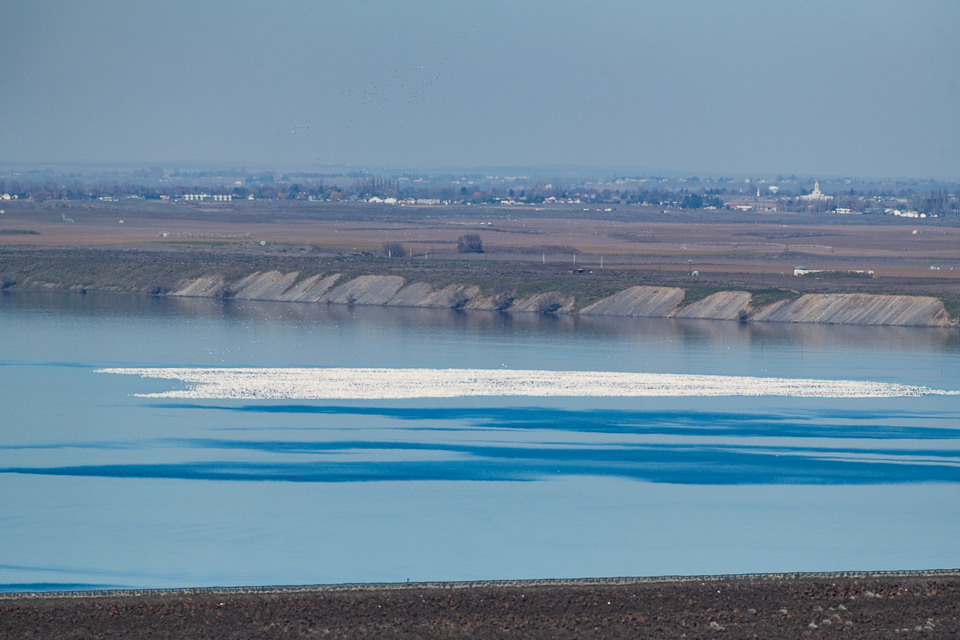
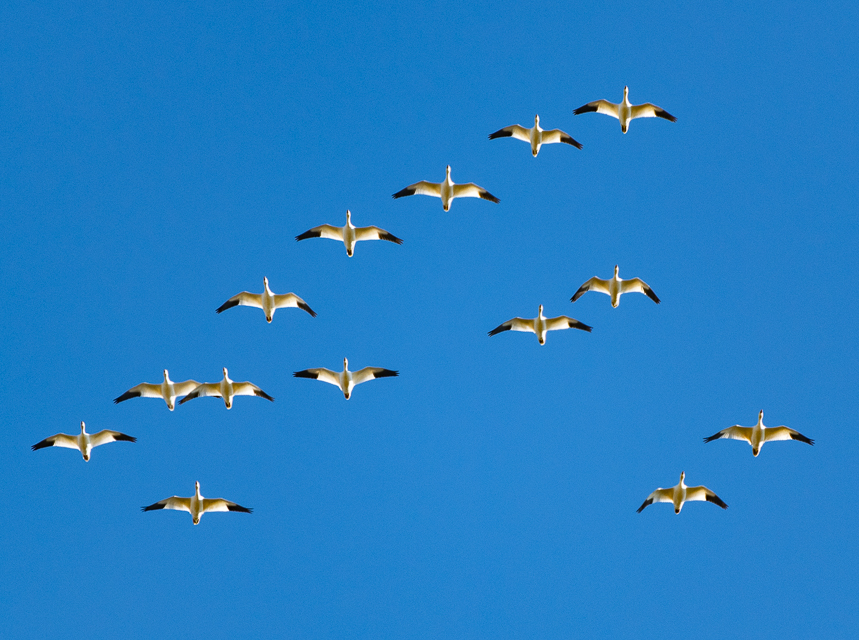
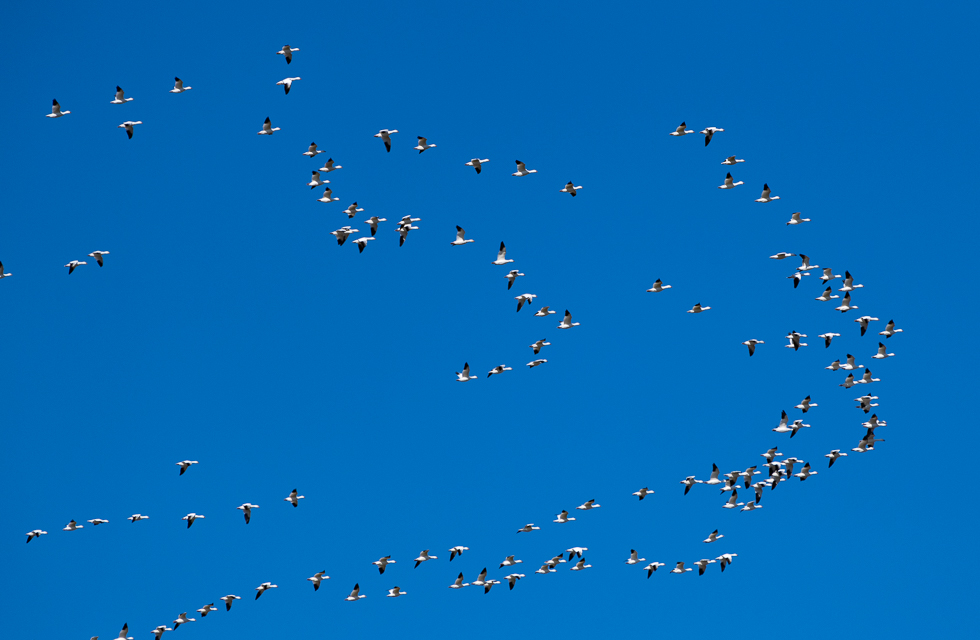
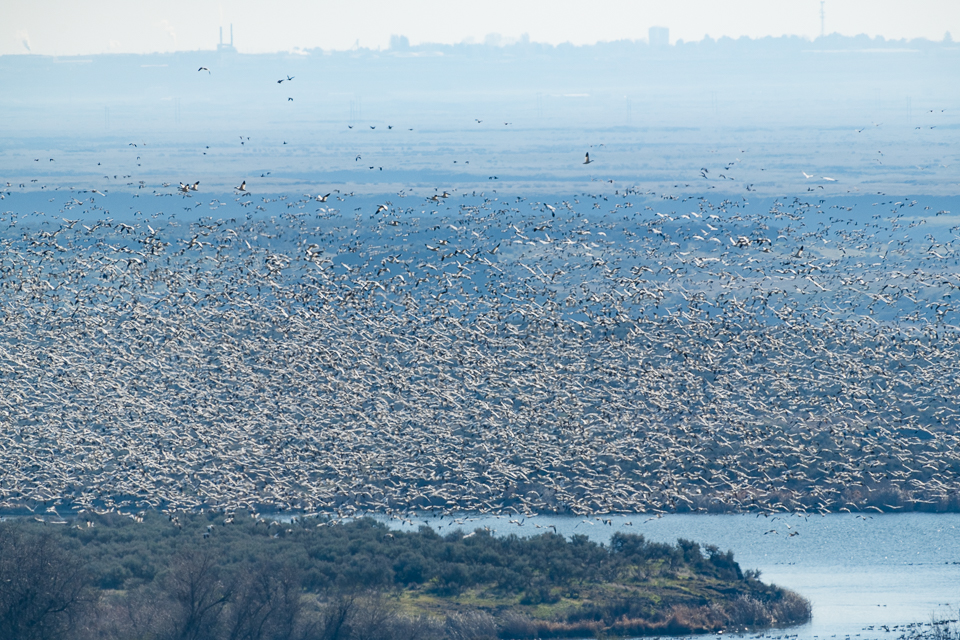
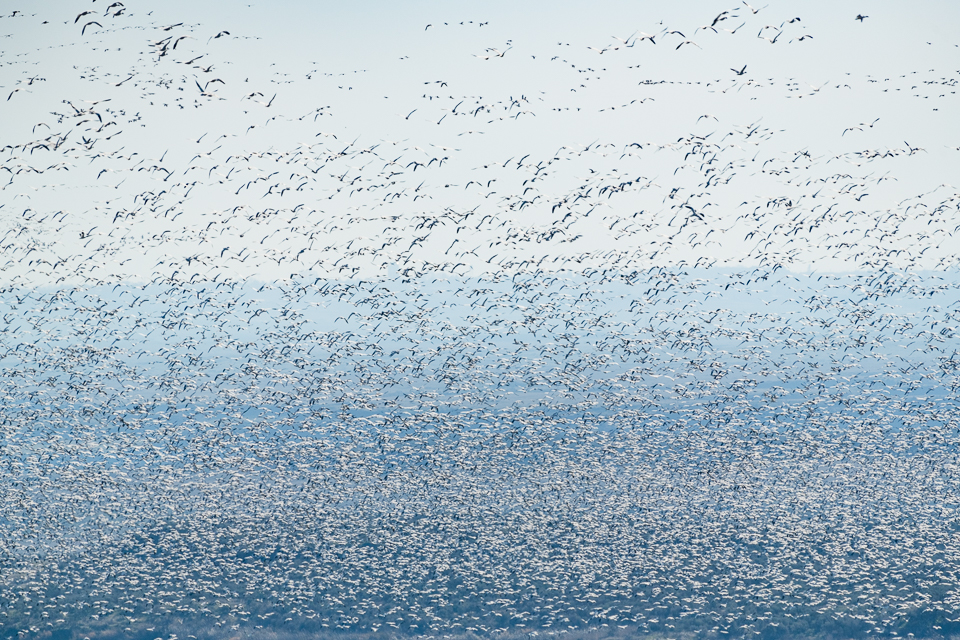
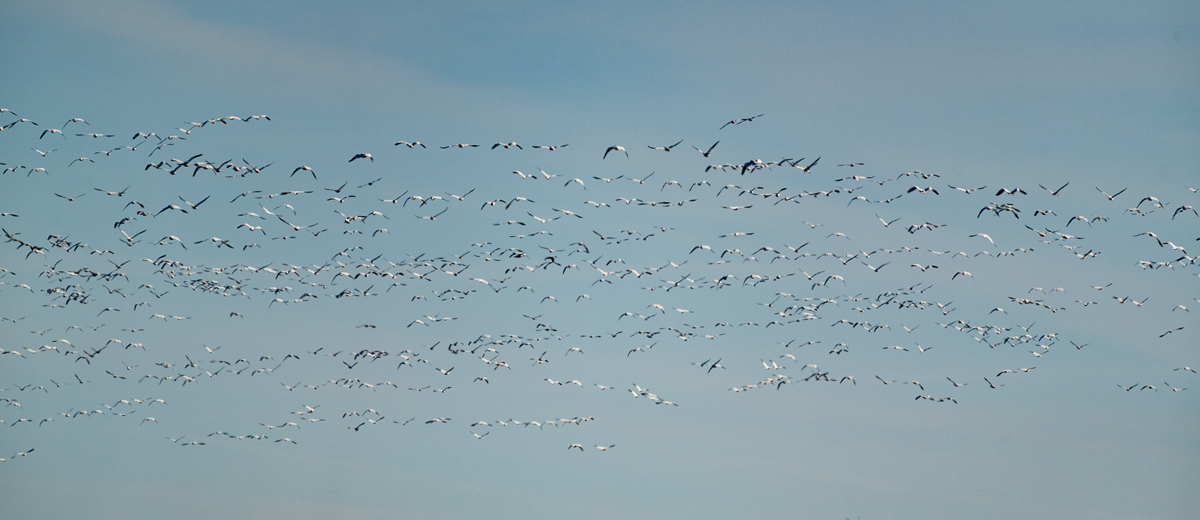
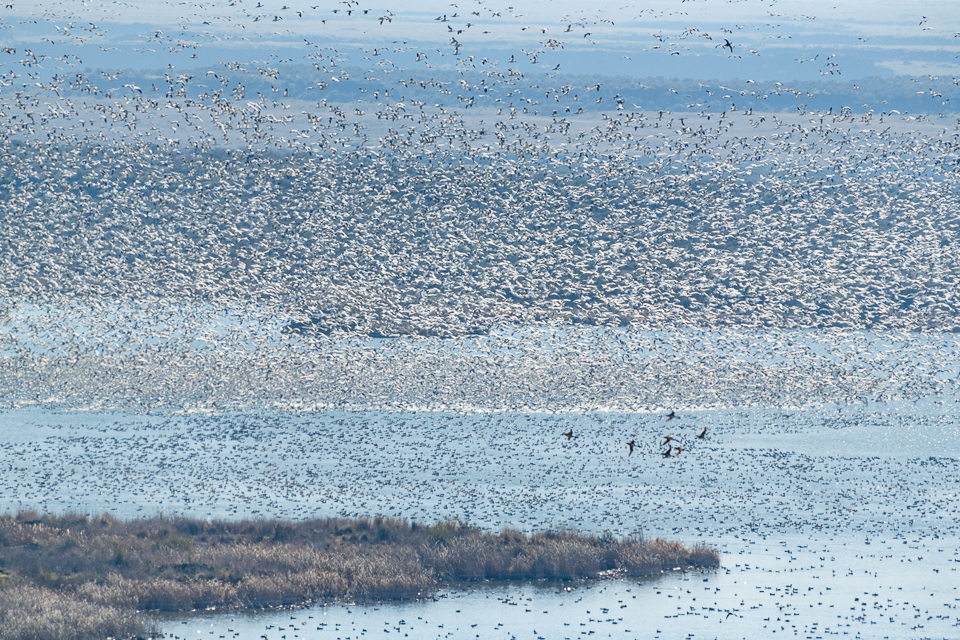
I first saw some Snow Geese when I crossed O’Sullivan dam, the structure that holds the Potholes Reservoir in place. They formed a dense white mat in the distance. I was able to photograph them from a hill above the dam. Later, I saw skeins of them flying overhead going north and south but mostly north. The next day, we made our way to Royal Lake and I was overwhelmed by the sheer numbers of Snow Geese and more were arriving from the south! I had heard there were about 50,000 of them but seeing this spectacle, I’d say there were far more. It seemed impossible to count them. In addition to the Snow Geese, there many 1000’s of Northern Pintails and other waterfowl on the water.
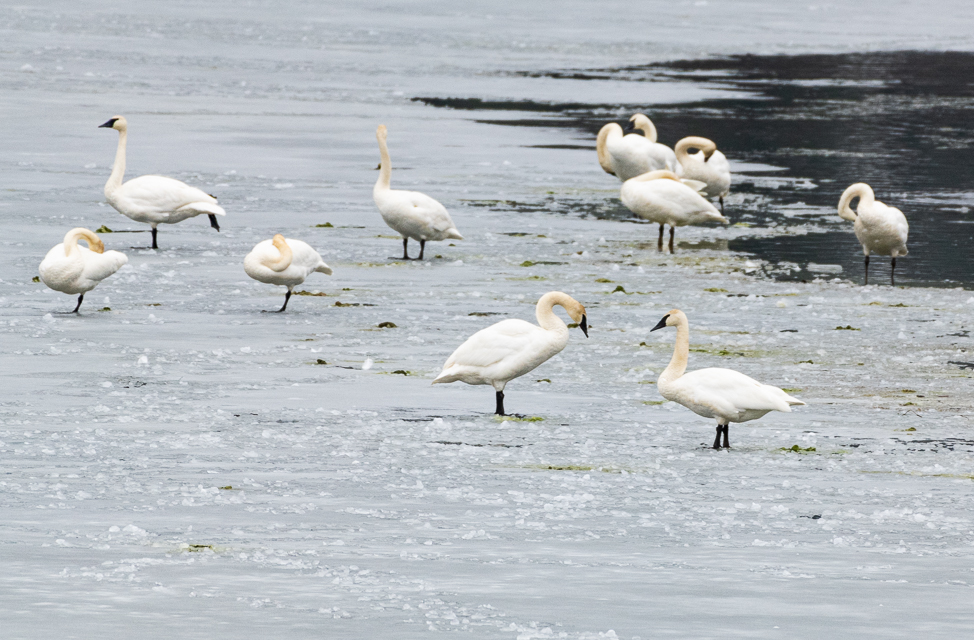
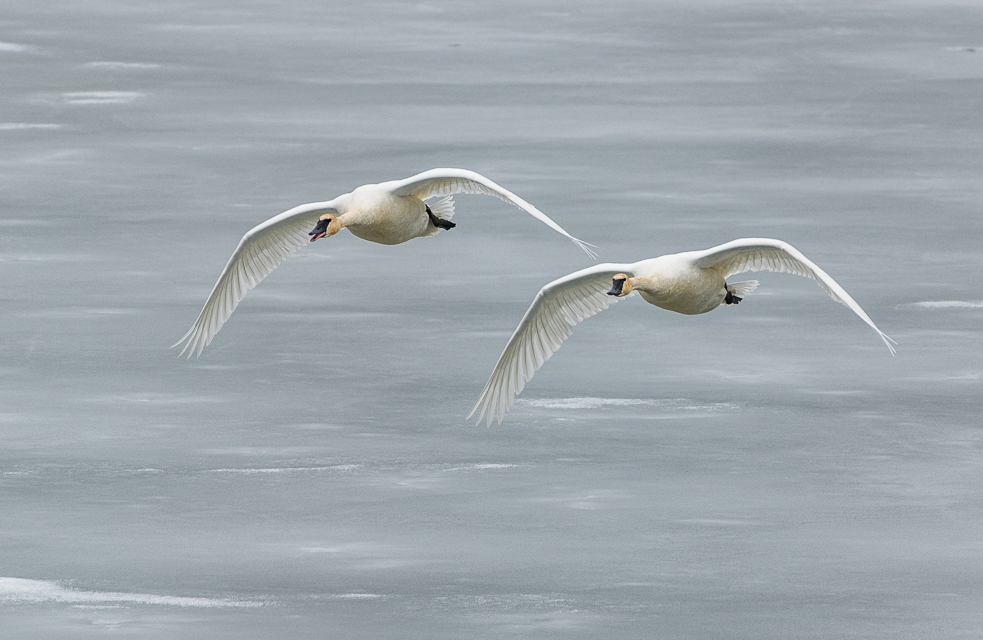
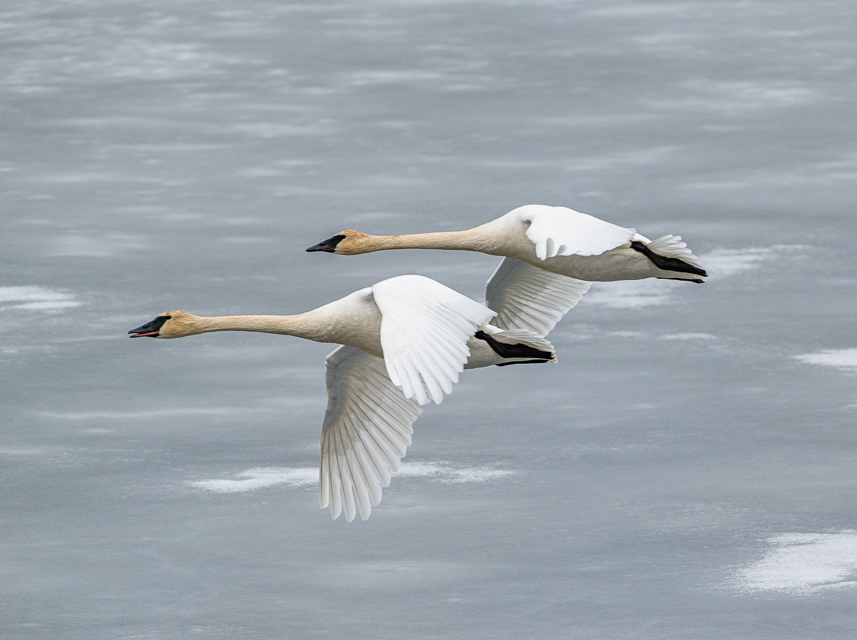
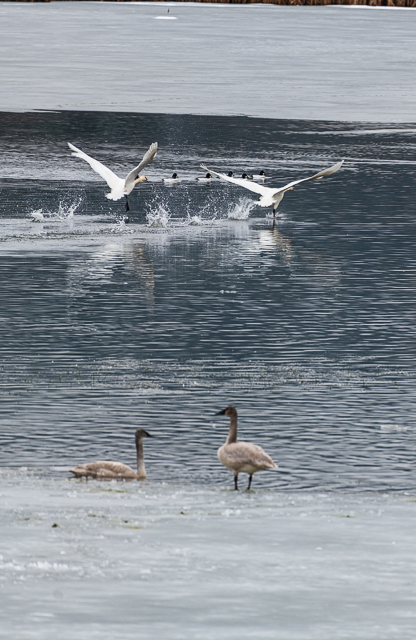
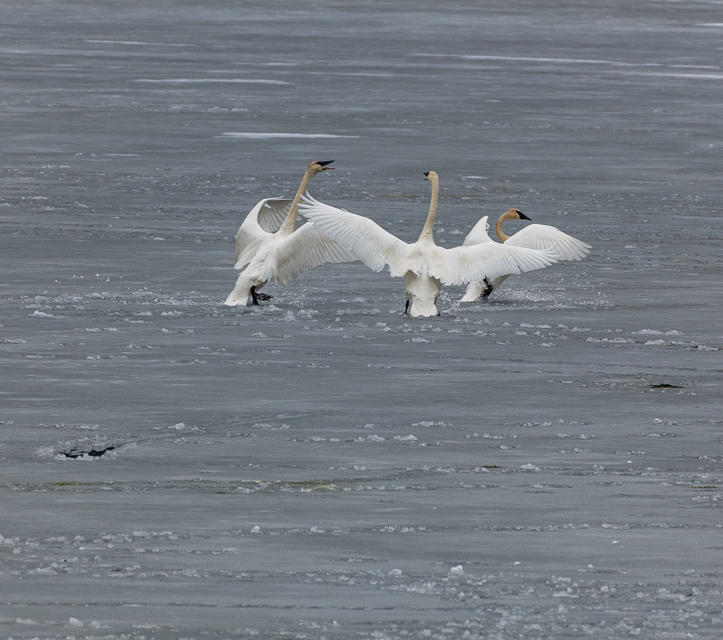
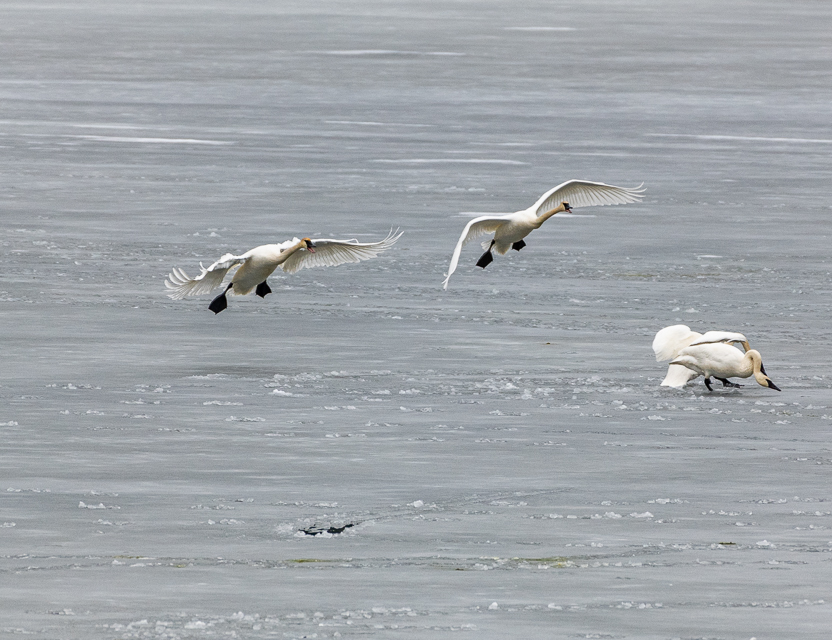
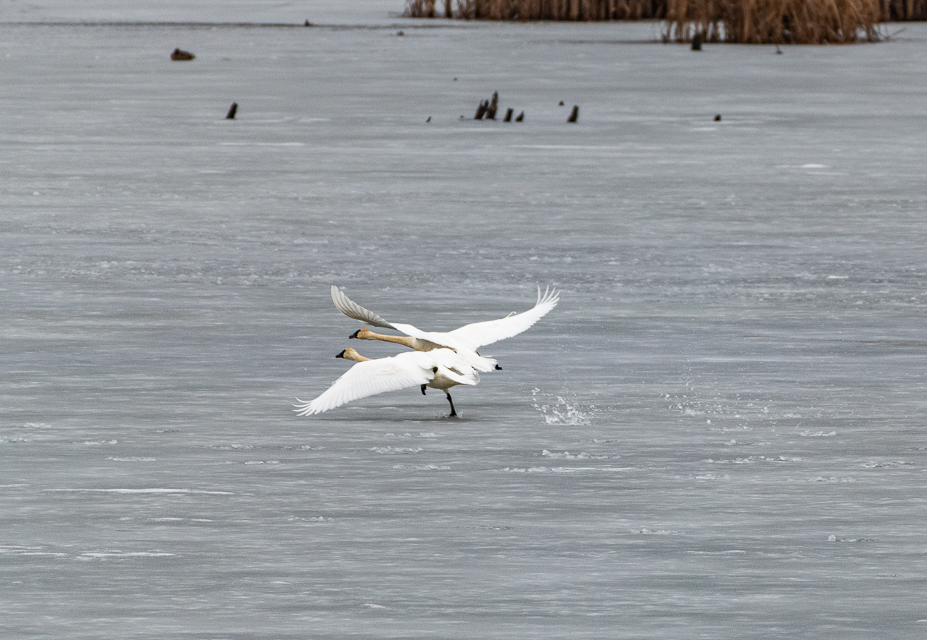
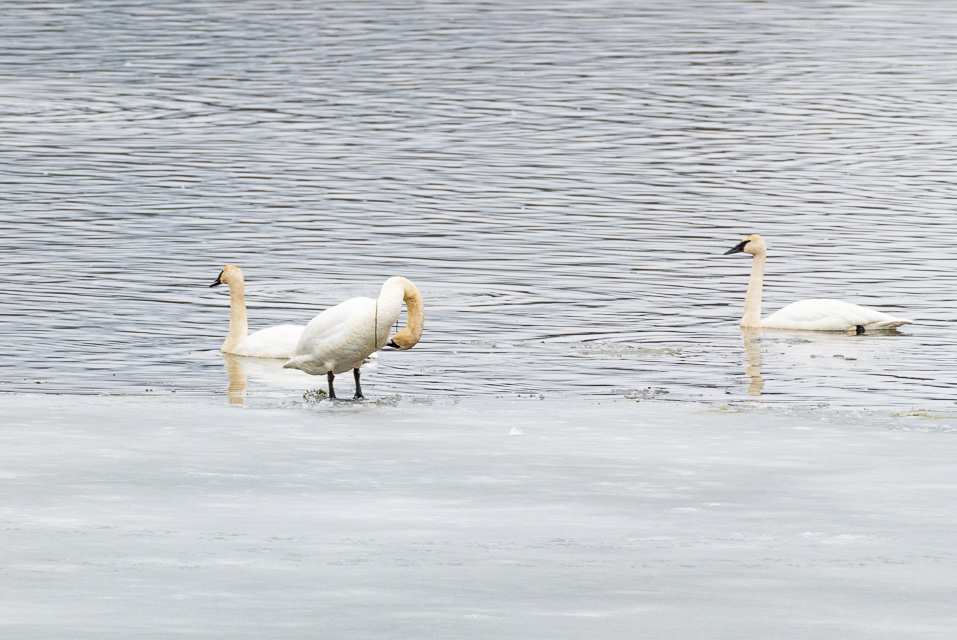
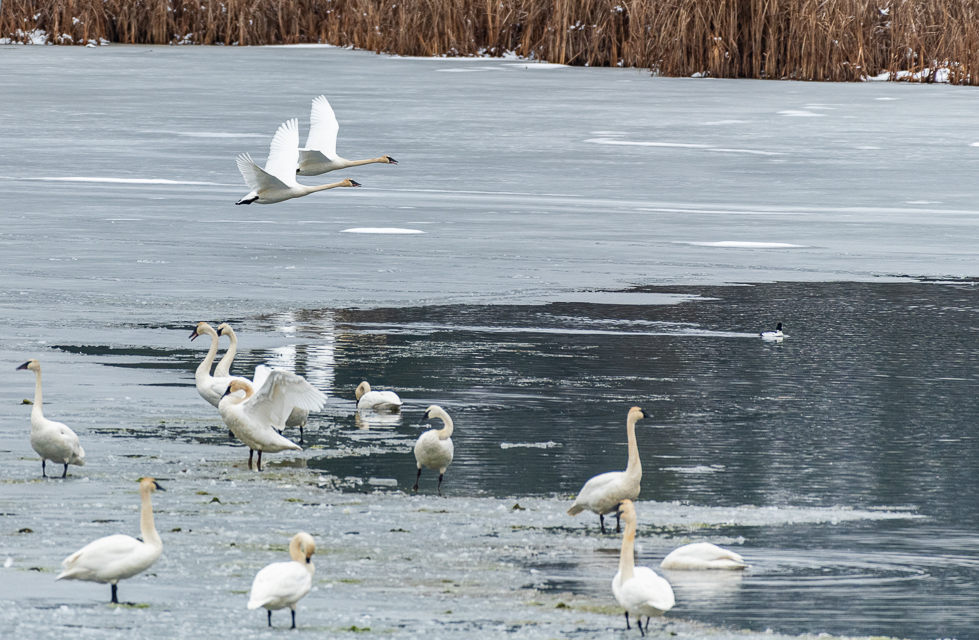
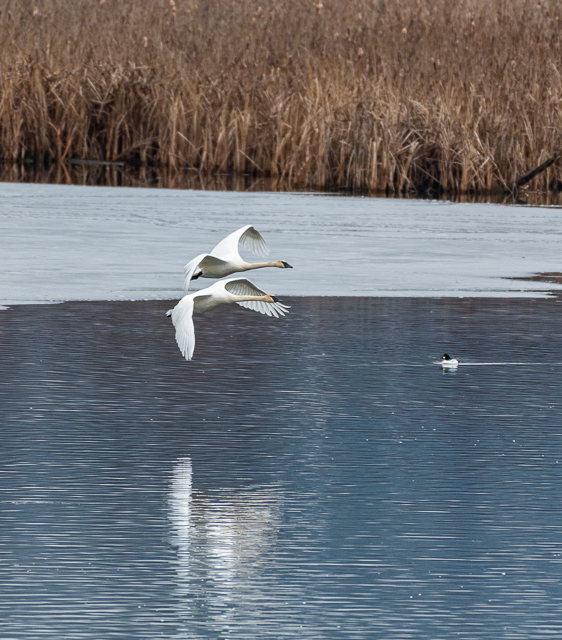
A couple weeks ago, a friend and I took our dogs for a long birding drive to another part of the county. As is our luck, the weather was not in our favor despite a better forecast. As we drove, we observed swans on the river and a few other birds but mostly it was going pretty slow til one of our last stops. There, we found at least 65 Trumpeter Swans! These massive birds can weigh 25 pounds or more and have a six-foot wingspan! They have a distinctive, trumpeting call. Many of the pairs of birds were engaged in head bobbing and waving their wings at each other. Is this part of pair bonding? They mate for life. Sometimes they’d get up and fly to another part of the slush-covered shallow lake. Why? It was fascinating to watch and listen to them. The range map on All About Birds does not show them wintering here and yet they are seen most years and there have been quite a few reports of Trumpeter Swans in the county this winter.
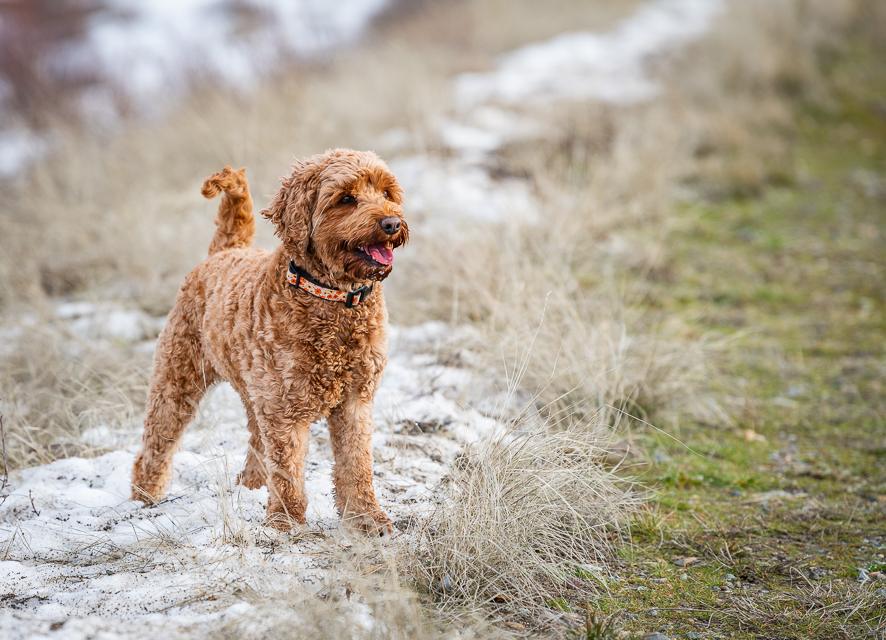
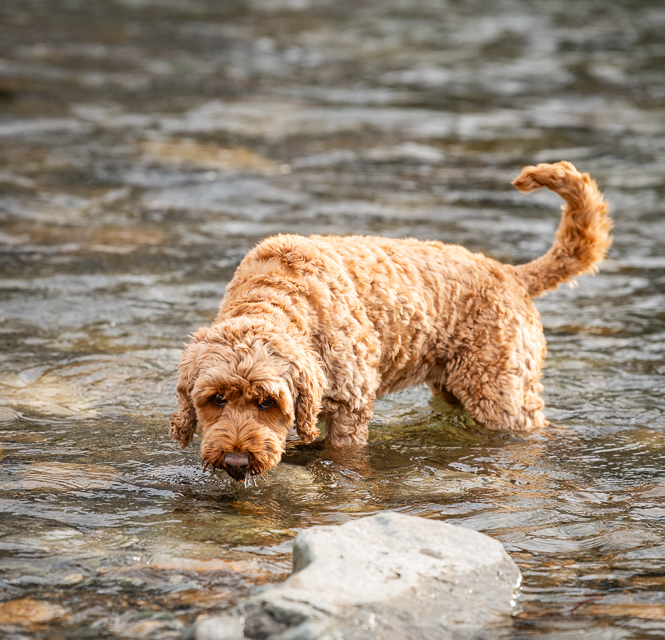
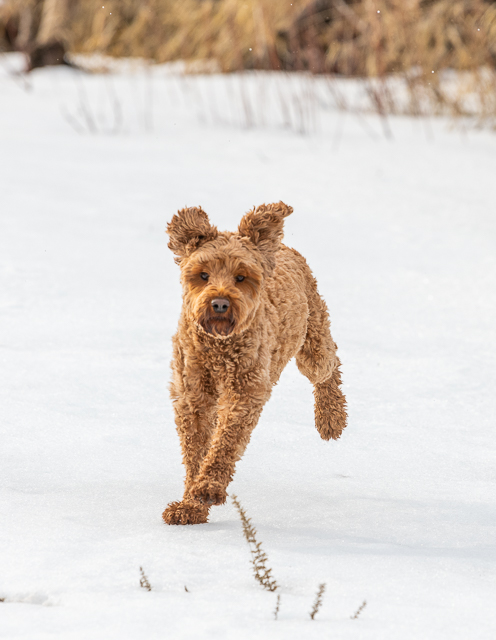
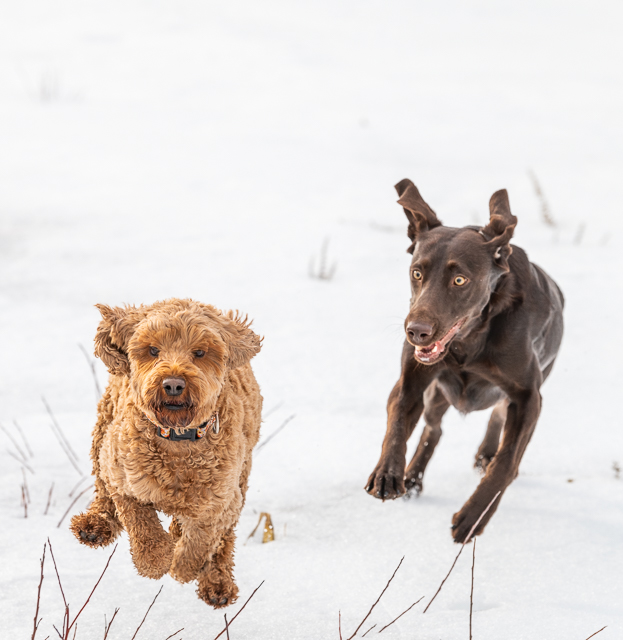
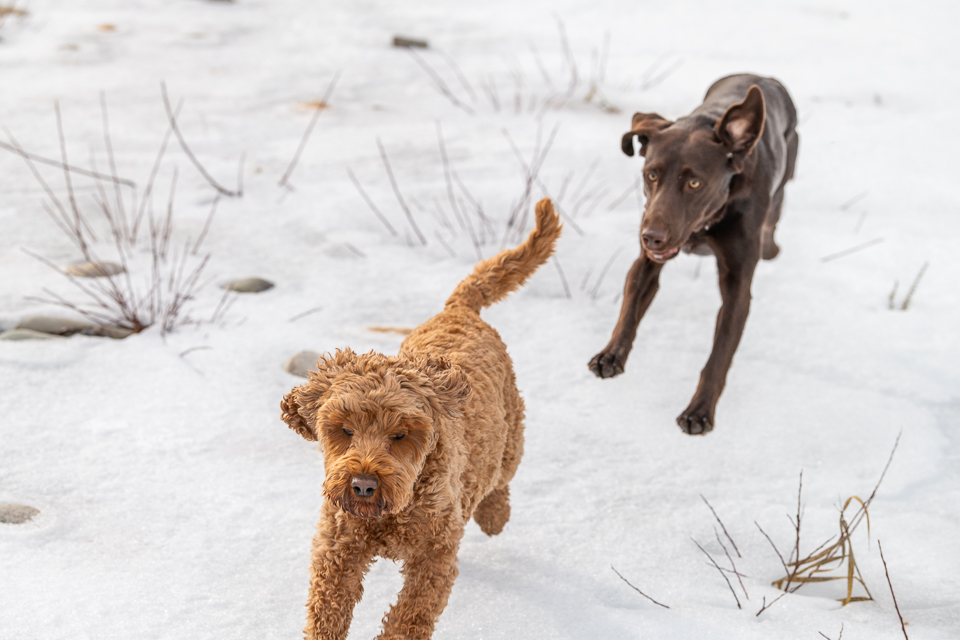
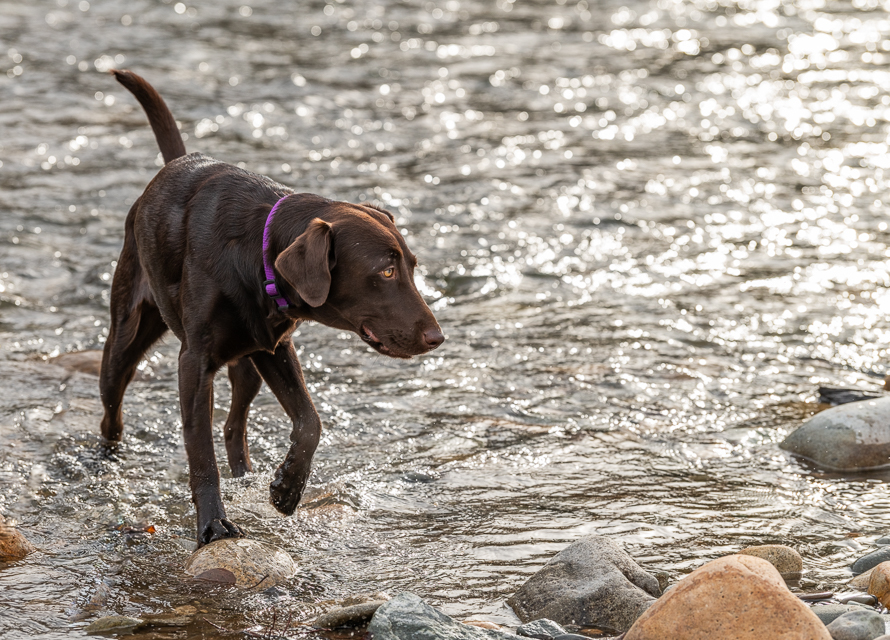
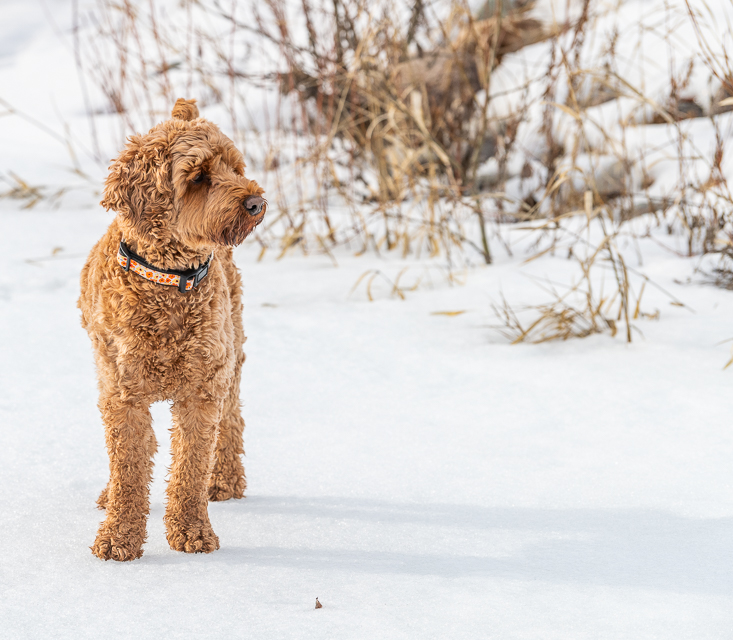
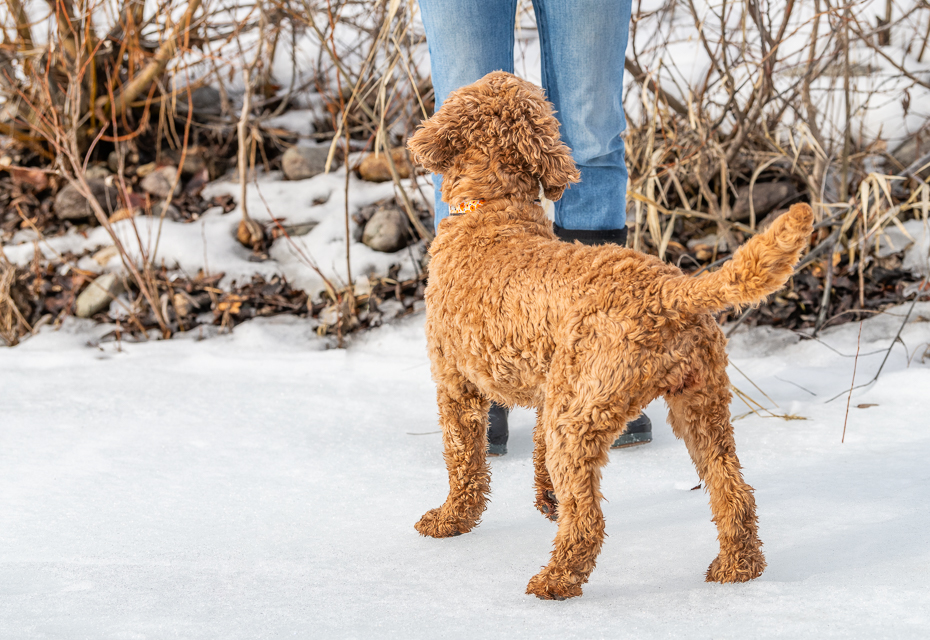
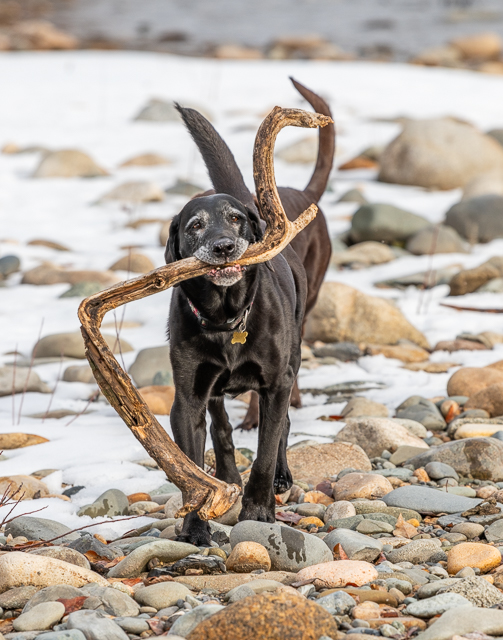
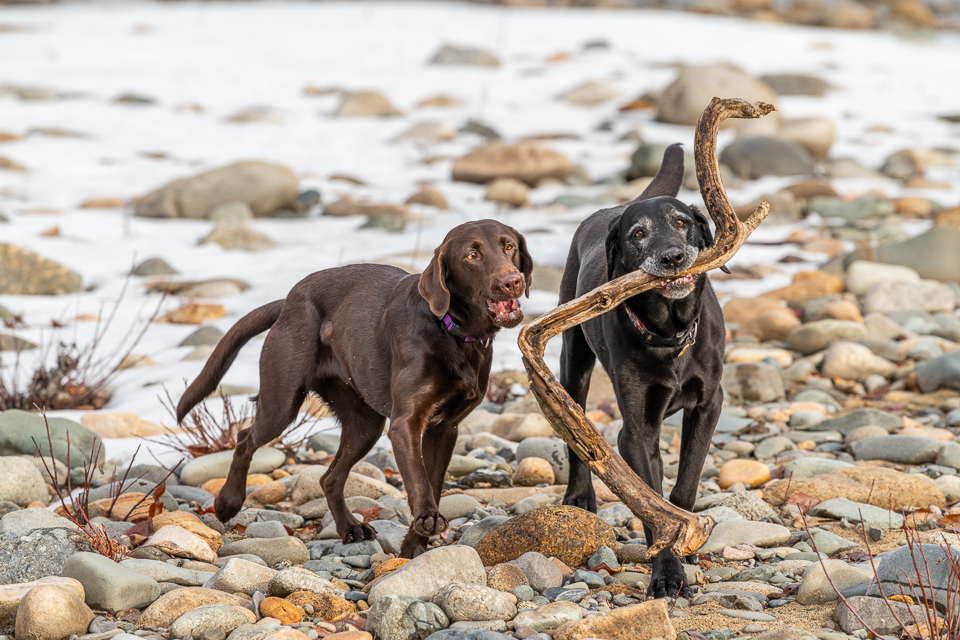
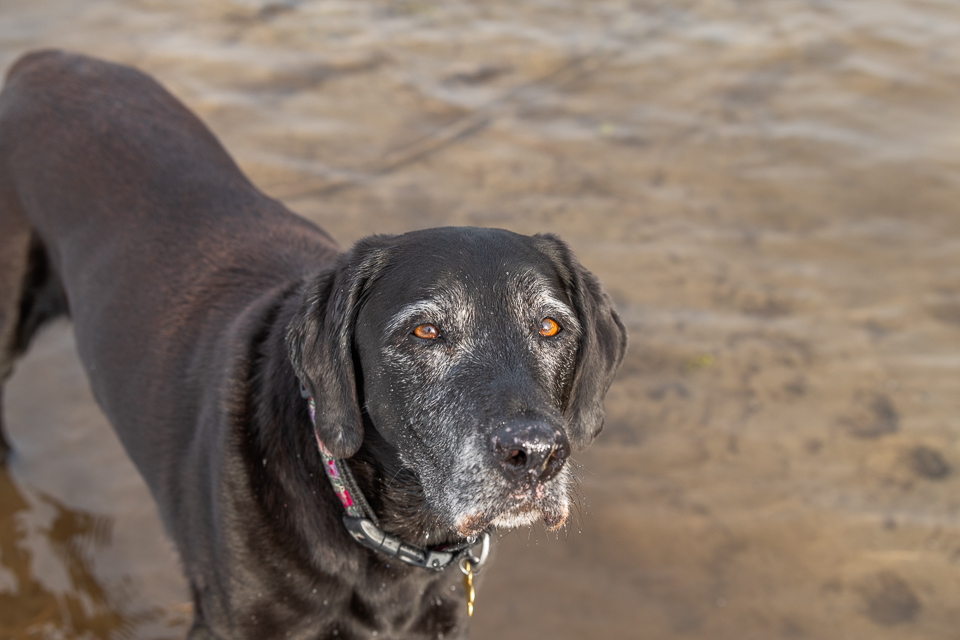
A few of the Good Girls’ Club members got together over the weekend to talk about the weather (the most common subject these days), sticks, swimming and upcoming travel plans. It was a small group so no votes were taken and Wyatt Ann was not present to do the minutes. Sky found a stick. Willow tried to take it from her. Rozie ran faster than Willow. Willow jumped in the river and discovered that the water was colder than she expected.
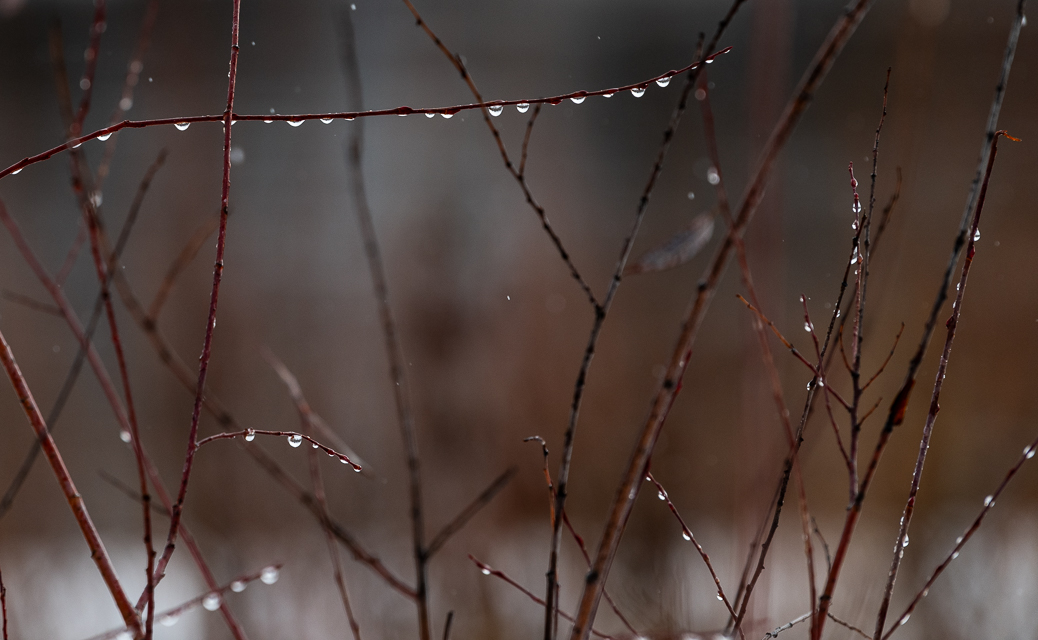
It is normal to get a January thaw around here but with a thin snow base, it’s looking more and more like mud season, the prelude to Spring. Here are a few images from a walk last weekend.