Skip navigation

Tag Archives: wildflowers

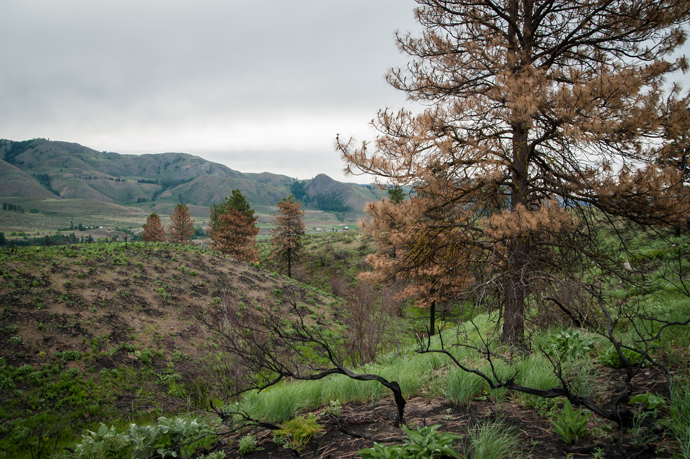
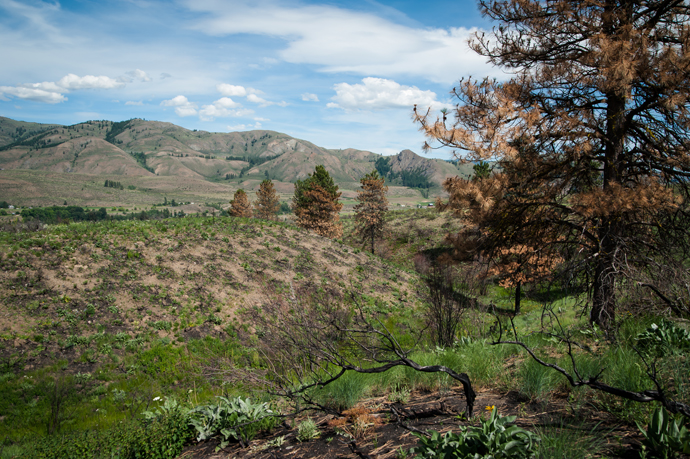
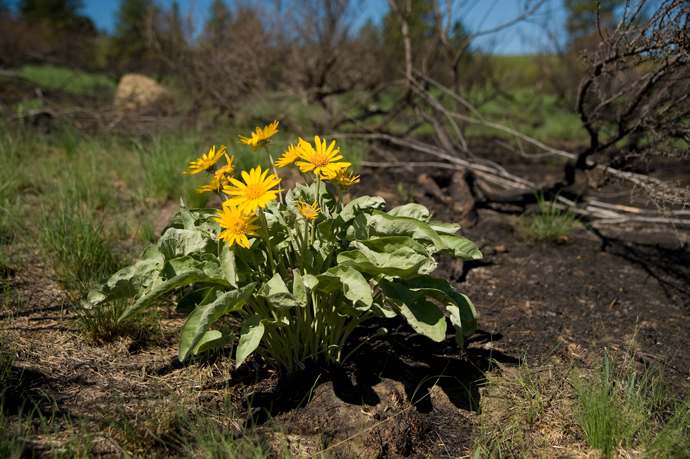
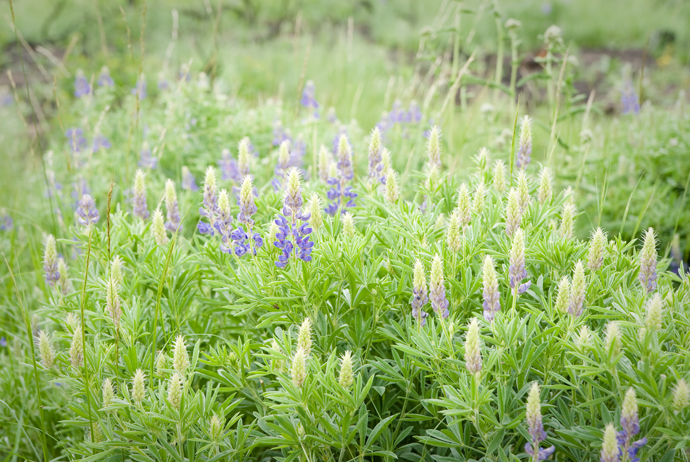
Back in April, there was a fire on our hillside – you can see the images from that day here. Our neighbor’s place suffered a lot of damage and he asked me to document the recovery over the course of the growing seasons with my camera. He set up a photo point for me to visit on a regular basis and after 2 1/2 months, it’s easy to see that recovery is well on its way. So far, there has not been a big influx of weeds in most places. In fact, the native wildflowers are doing well – even more abundant than in the areas that were not burned! The bitterbrush, a favorite food for the local mule deer, does not seem to be sprouting back. This will be a major change in the habitat. Grasses and forbs are doing well.


April 20, three days following the fire. The yellow rebar marks the photo point.
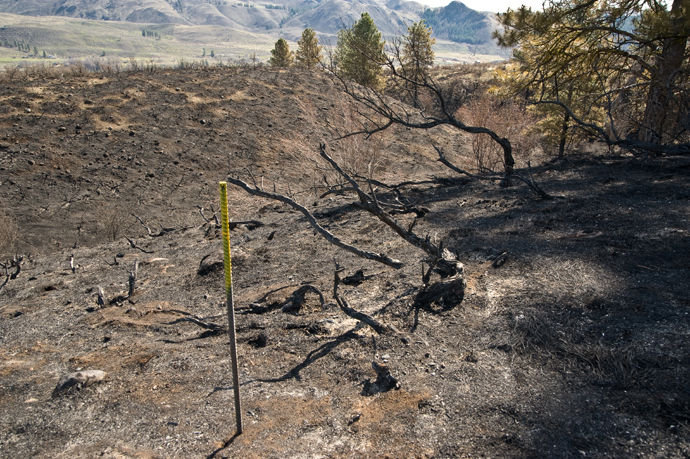
 

May 1. The burned pine tree on the right and bent over to the left burned bitterbrush show up in all the images in this series.
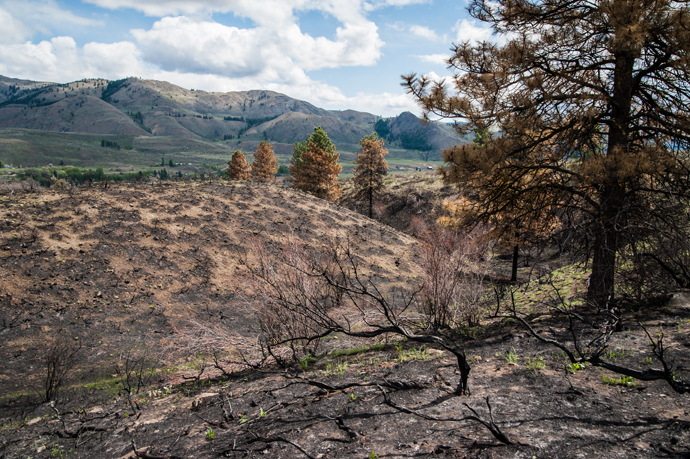
 

May 13


May 22
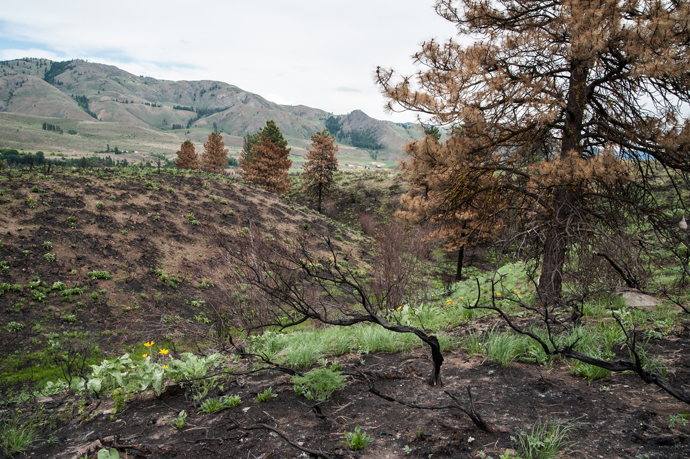
 

May 30


June 14
 

June 28
 

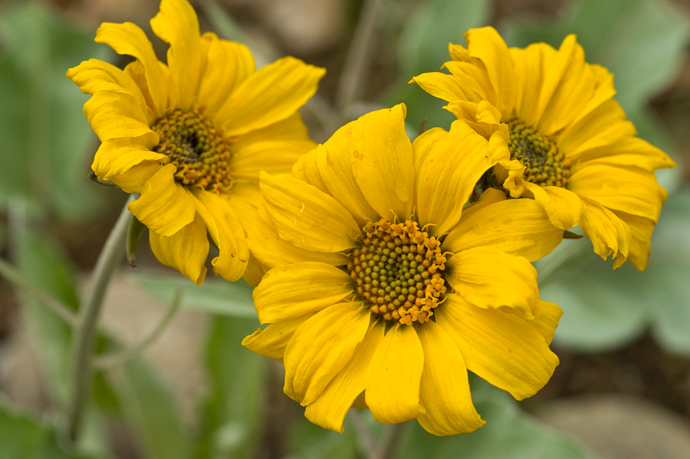
Balsamroot bloomed very well in the burned area.
 

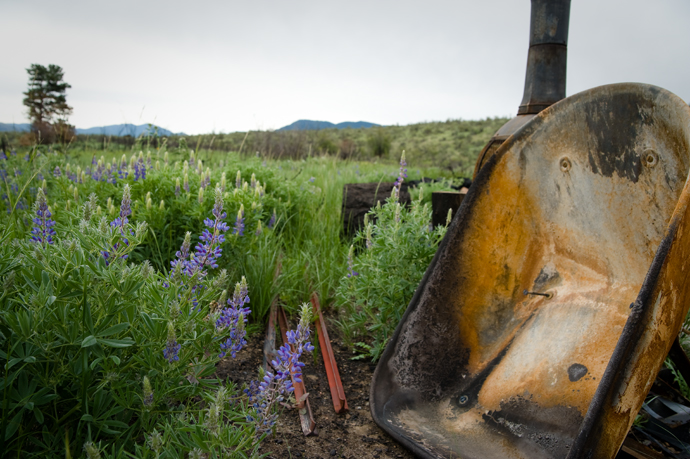
Lupine is blooming more abundantly and for a longer season in the burned area compared to the non-burned area.
 

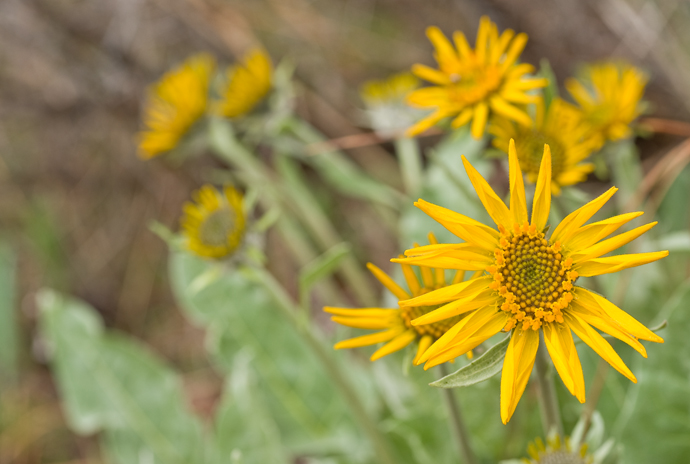
Douglas sunflowers are also more abundant.


Lush growth
 

The day of the fire.


In 2006, the Tripod wildfire raged through Okanogan County. Between late July and snowfall, it burned more than 175,000 acres of forest lands. Unlike the fires currently burning in Colorado and Montana, it did not burn any homes. Six years later, regeneration is producing a new kind of forest with wildlife friendly snags, wildflowers and new growth of willows and aspens. I spent part of Monday afternoon walking through a tiny bit of the old burn listening to birds and small mammals and admiring the flowers.


Burnt snags reflected in a small pond


Roger Lake – some trees survived in the boggy edges of this lake and it continues to be a great place for birds and other wildlife


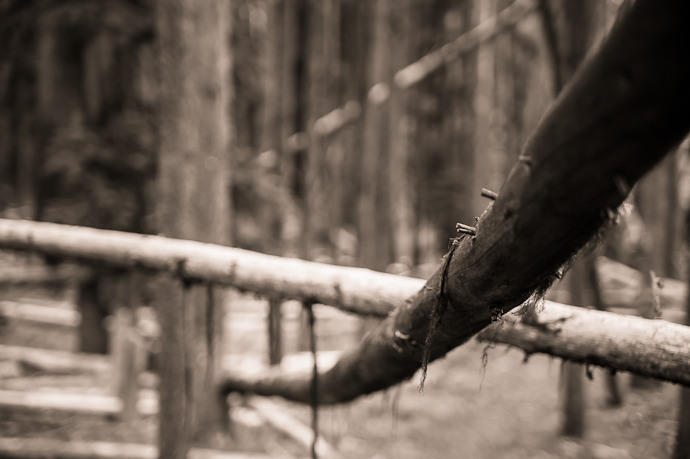
Snags criss cross on the trail


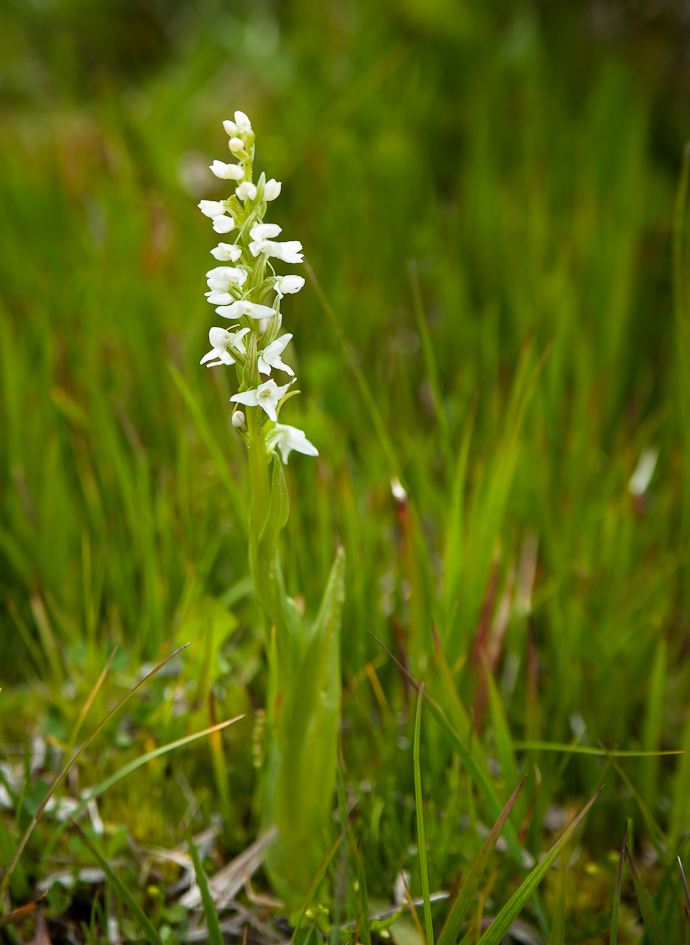
Bog orchid grows in a wet spot


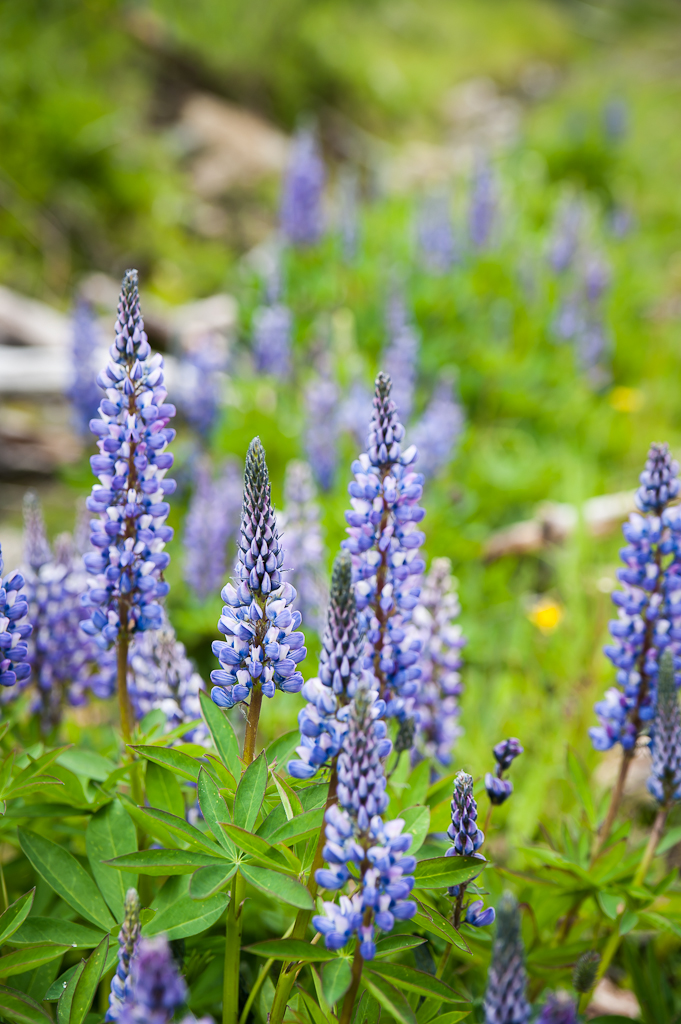
lupine


Spent flowers remind me of the fire


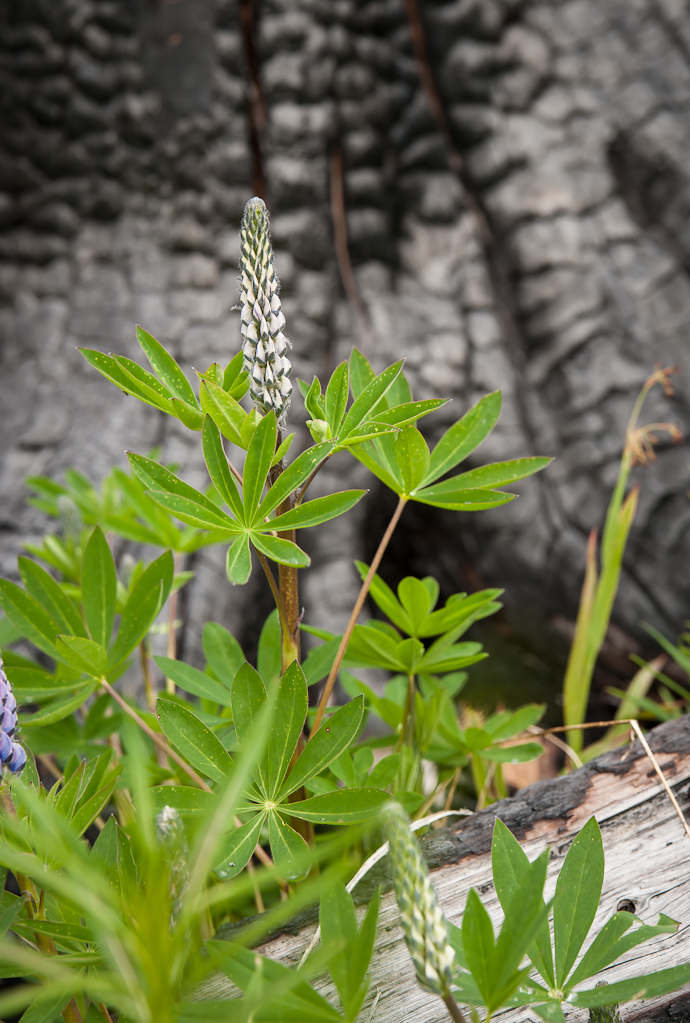
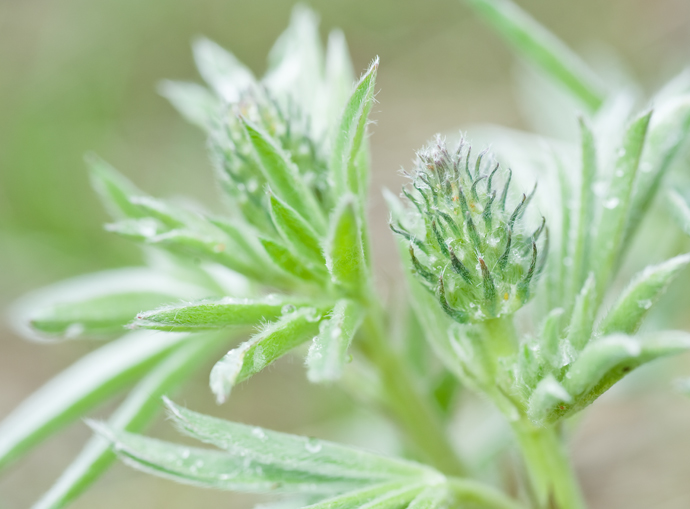
Lupine bud


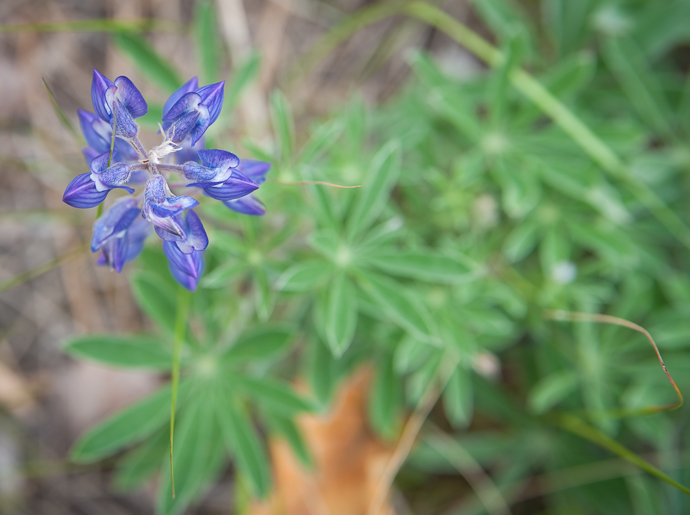
Lupine from above


Scarlet gilia


Wild rose


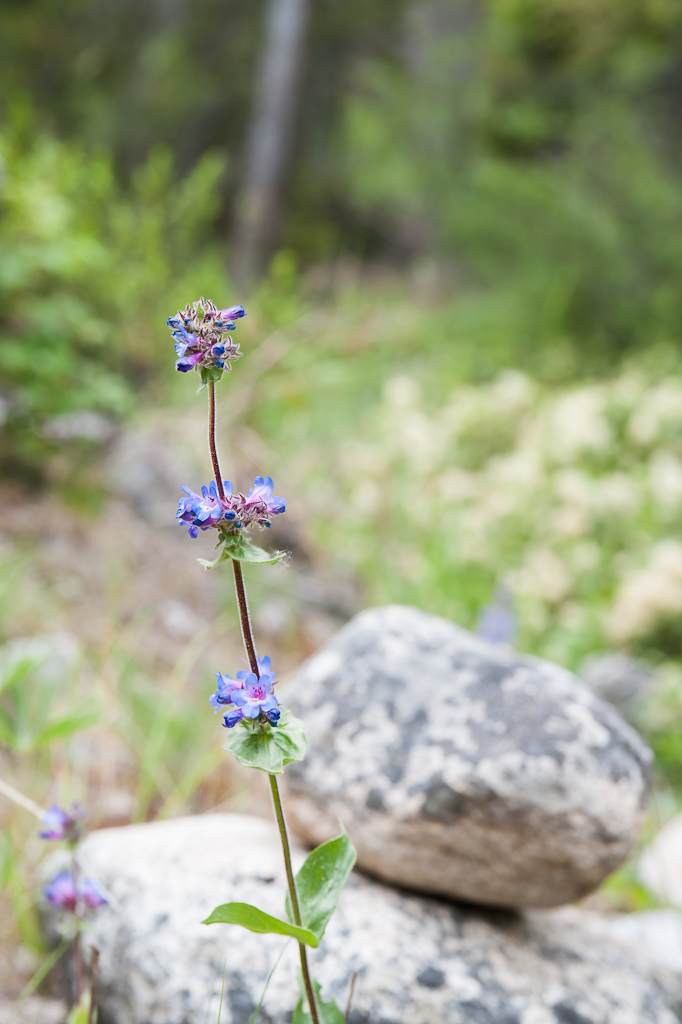
Penstemon


Here is an article about the fire. And here is an article about a study on the effects of the fire.


I confess. I like Instagram. Ok. It’s alright to like Instagram. And sometimes it is just easier to carry the phone rather than a camera or both.

Lots of small wildflowers blooming on our hill now. The Balsamroot and Lupine are past their peak at this elevation. Now, there are more blues to be seen, some pinks and yellows too.

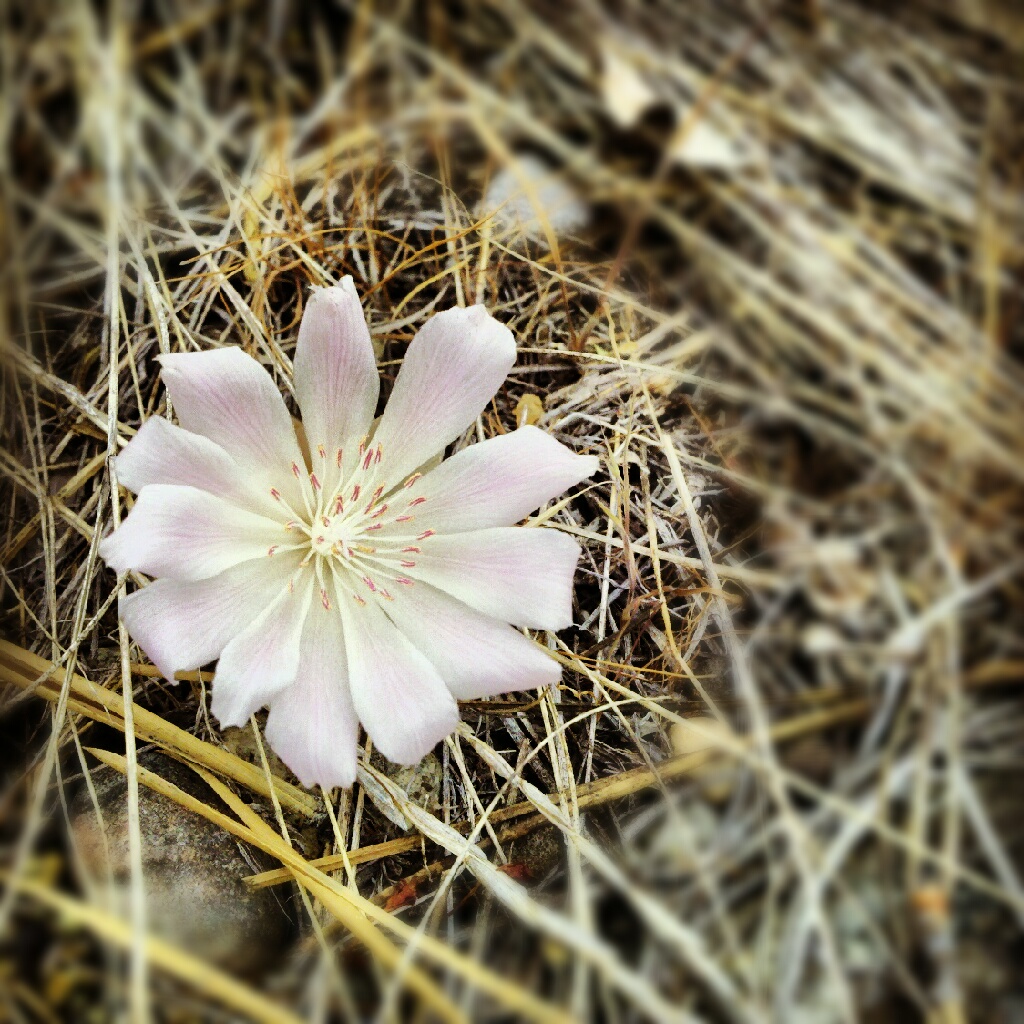
Bitterroot, Lewisia rediviva. On our hillside, it is much whiter, less pink than in other places, such as Patterson Mountain

Cat’s ear lily, Calachortus lyalli

A yellow violet (an oxymoron of a name), Viola sp. I don’t know which one.

I’ve always referred to this as a Brodiaea but looking at my field guide, I think its name has been changed to Triteleia grandiflora

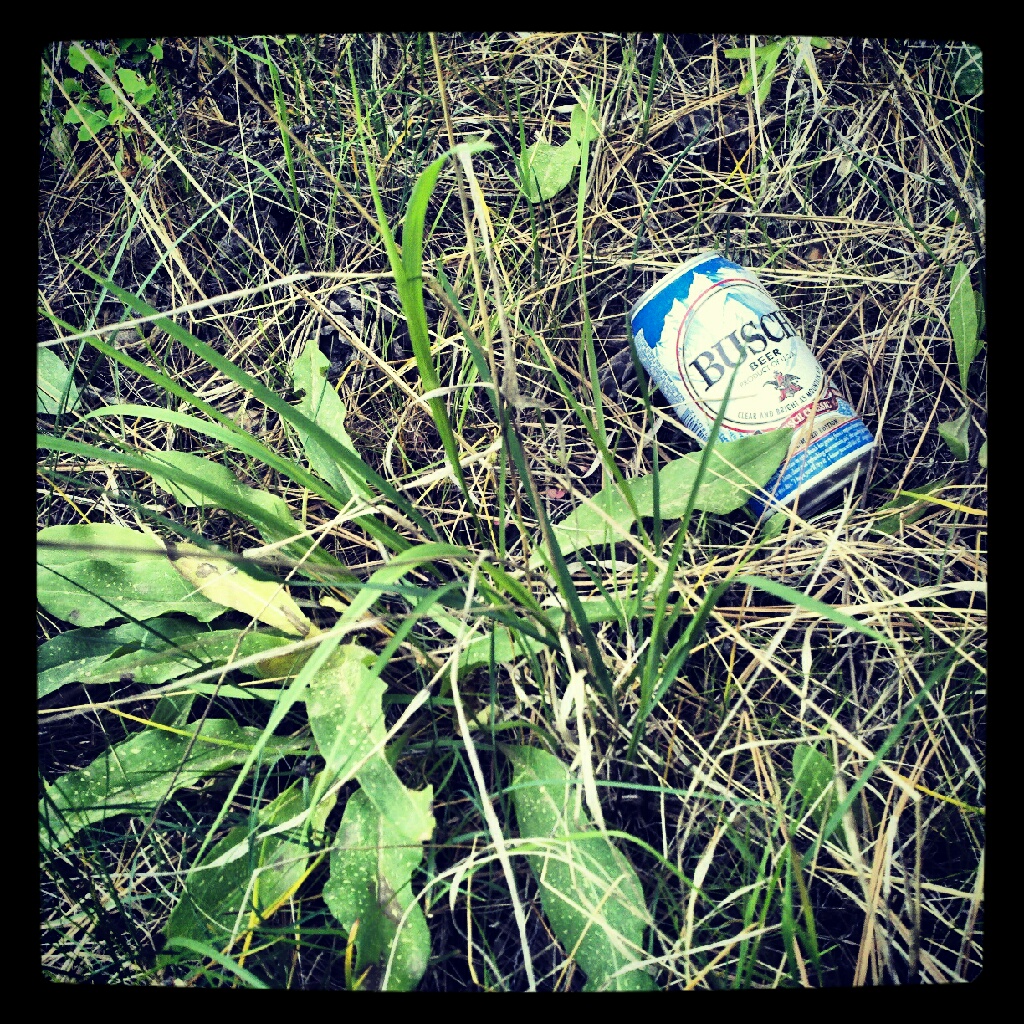
Evidence that our part time neighbors celebrated the holiday weekend riding up and down our road on quads while drinking and tossing their litter around.

More bitterroot

And tired dogs.

Luna and I had a great visit in Montana. We did well at our first agility trial and even though we did not get any qualifications, we showed improvement throughout the weekend and had a couple of ‘clean’ runs. We will try it again sometime. Luna loved playing with her new buddy, the puppy – Gus! All things come to an end so we said our goodbye’s and headed down the 400 miles of road to home.


 Gus and his people


 Luna, we need to get going.


Serviceberry and pines


Balsamroot, serviceberry and pines


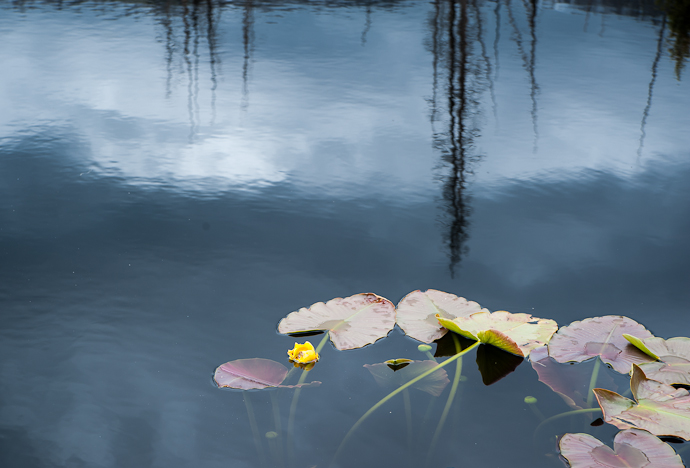
Lilypads on a pond in Idaho


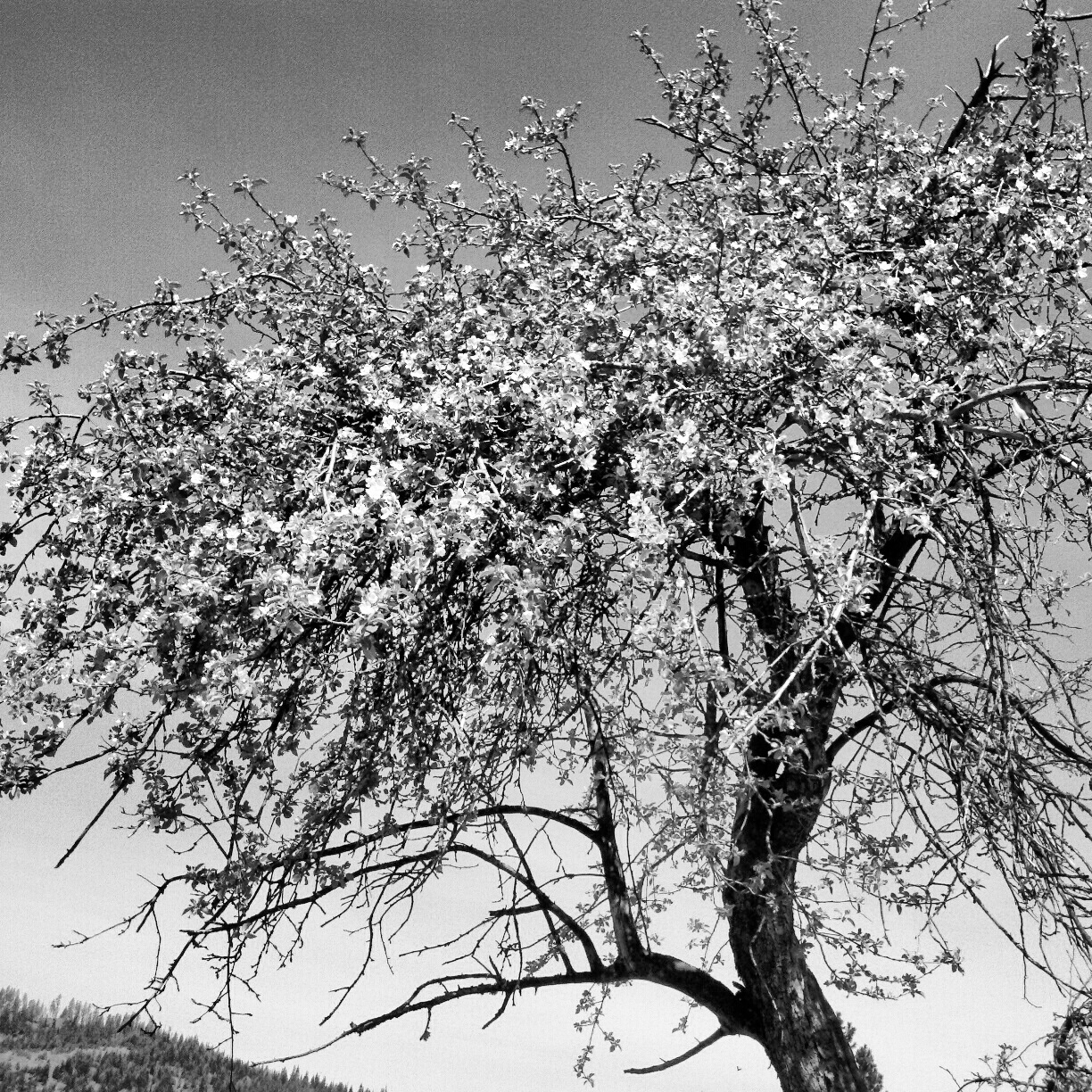
An ancient apple tree in bloom shows that someone once tried to make a life in this wild wet place in Idaho


I managed to get in one wildflower walk last week after the big rain. Everything was sweet smelling and lush with new growth. Lots of birds and insects to amuse the ears and eyes and pollinate the flowers too. This is the time of year when change happens constantly as the hillsides become more green with new grass, the flowers add color and the light changes all day long. Spring is a time of renewal for all of the senses.


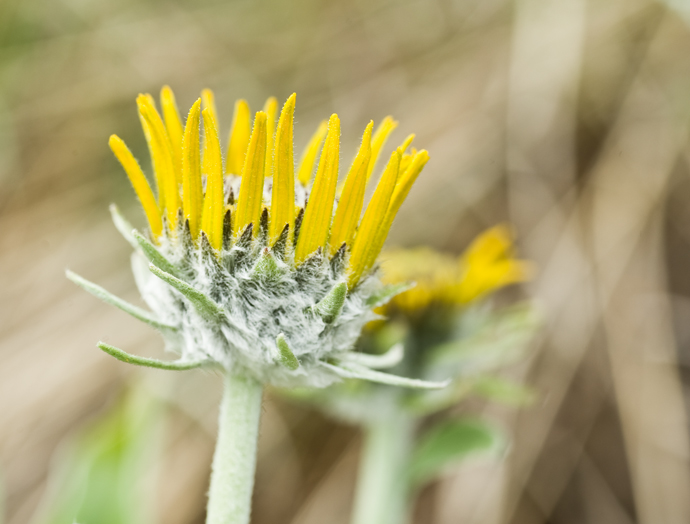
Balsamroot


Waterleaf


Lupine – waiting for sunshine and warmth before it shows us its lavendar petals


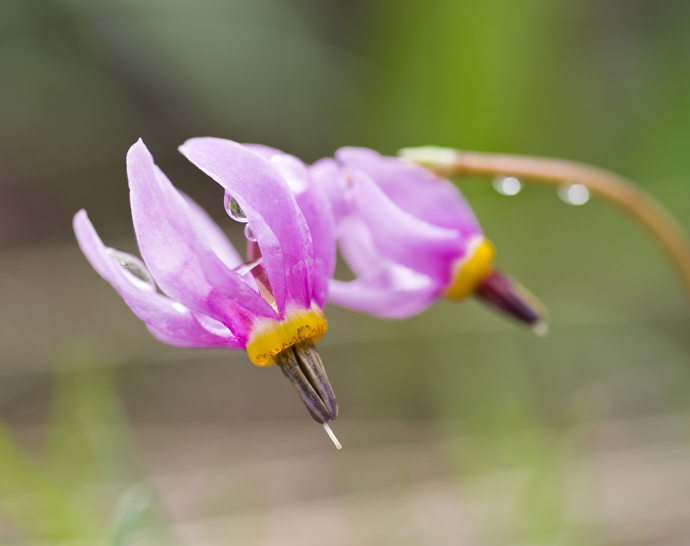
Shooting Star


More Balsamroot


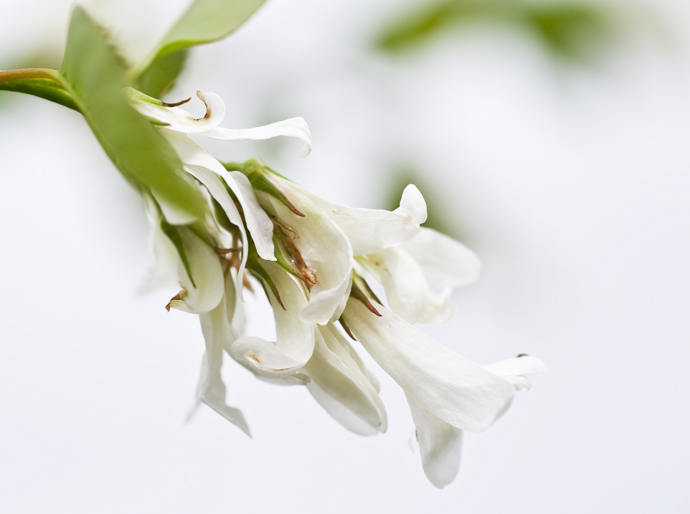
Serviceberry bushes have covered the hillsides with their white flowers like frosting on a cake!


A honey bee on a waterleaf. Another portrait of this bee may be seen at my other blog.


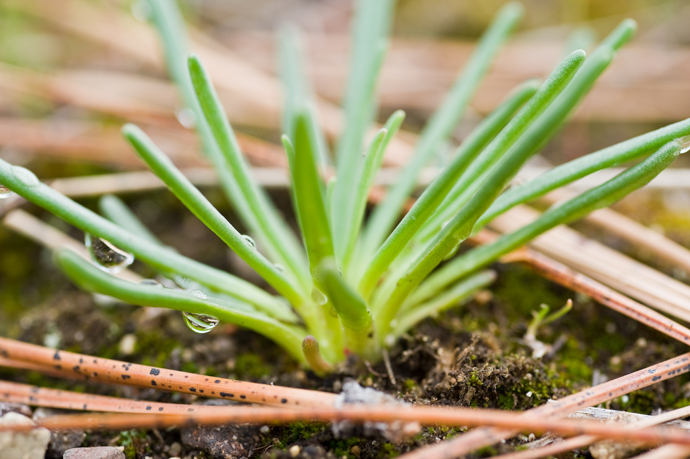
Leaves of a Bitterroot grow and disappear before the delicate flowers appear.


Never too much Balsamroot