Skip navigation

Common Loons are a favorite bird of mine and around here they are not so ‘common’. One of the charms of Lost Lake is the fact that the loons not only spend the summer there but there is a nesting pair. This year they hatched two, or maybe three, depending on who you ask, chicks. One was killed by a Bald Eagle who has also made meals out of the Canada Goose goslings. The remaining loon chick is maybe half grown now and too big for an eagle to catch. The parents and the young bird spend their days moving around the surface of the lake, fishing, preening and resting. Occasionally they make the unique loon sounds that echo off nearby mountain sides. It’s truly a haunting and beautiful sound. I have read that loons make four distinct calls and they all are used to communicate among themselves and declare territory. My favorite is the long drawn-out wail, similar to a wolf howl.


The young bird. It lacks the distinctive plumage of the adults.


Parent searching for fish


The young bird is learning from the parents.


Everyone needs a good stretch once in a while.


Ken and I packed the dogs and the trailer and headed up to Lost Lake this week. It was a great escape from the heat and computers and cell phones and a chance to listen to the loons and play in the water and sit around the campfire. Ken fished. I paddled my boat. The dogs swam. We slept in. It was nice.


Nice brook trout


Common Loons nest on Lost Lake (watch for more loon photos in an upcoming post)


Lots of dragonflies


Still a few wildflowers blooming


an aster


Morning light


camp coffee


This old dock has seen better days


Many, many squirrels to drive Luna crazy


We always eat well while camping


Brook trout cooked en papillote


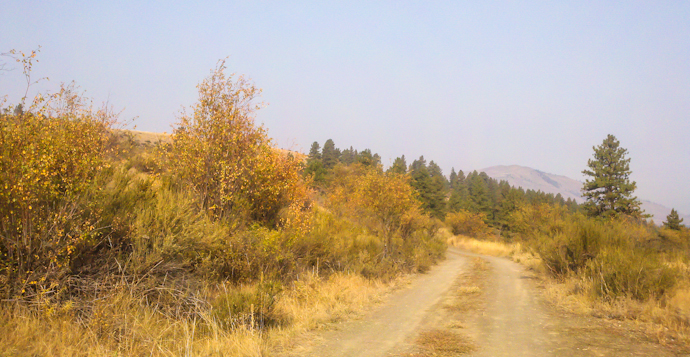
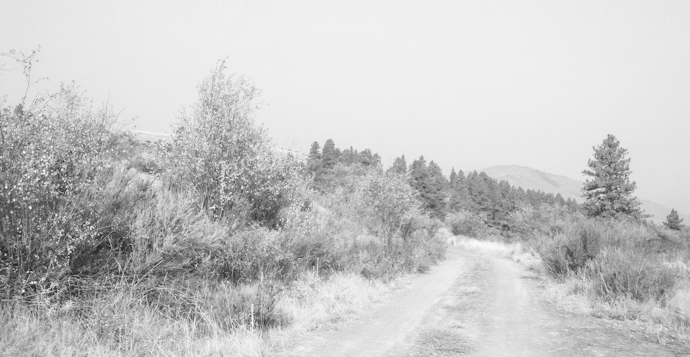
Typical scene in the Okanogan Highlands near Molsen


Ken found this leech in Sidley Lake. I’ve never seen one before. He thinks they are native.


The leech with a friendly dragonfly


Sam in Sidley Lake. This old dog does better in the water than on land.


Luna’s ‘wet’ look


We visited the old ghost town at Molsen. This is an old printing press.


Water lillies and cattails at Lost Lake


Lost Lake is one of my favorite places.

Last year I went to Blue Lake twice in the fall so this year I wanted to make sure and get there during its short summer season. The snow has only recently receded and still covered the trail in one place – maybe an avalanche chute. There were still a couple of small icebergs floating too. And given that the weather up there on Thursday was cool and cloudy, it was very early in the short summer for Blue Lake. Winter is the major force in the North Cascades, lasting from October through July; well that’s when there is snow on the ground.


Looking towards the lake outlet


And back at the talus slope still mostly covered with ice and snow


Small iceberg. My hiking partner said it would be fun to swim out to it and climb up on it. She didn’t do it.


Luna swam


Chilly on the trail. Down in the valley it was near 90.


These elephant’s head lousewort, Pedicularis groenlandica, were blooming in a bog at the trailhead, along with white bog orchids, Platanthera dilatata


Biggest news last week was the big lightning storm that shut off the power one evening and then when everyone was wondering what to do, the light was Wonderful! And the Rainbows were Remarkable! Other than that, just a few summer scenes from the past week.

Some of our friends are in the local marimba band. They performed at the Twisp Farmers Market.

This group is very together.

Nancy raps out the lead

Linda is very focussed.

Chokecherries are getting ripe!

Just had to slip in a black and white image, despite the vibrant colors of summer.

At agility practice, Frida and Trip are very focussed on whatever it is that Marti is holding.

And Marti, how could you resist Frida?

Jane seems indifferent

Pie cherries! They are in the dehydrator right now!

And a parting shot of the rainbows following the storm.

The Pacific Crest Trail (PCT) stretches from Mexico to Canada along the crest of the mountains – from the Sierra Nevada in California to the Cascades of Washington. It intersects roads in many places so day hikers can get a taste of what the through hikers do everyday for months on end. One of my favorite pieces of the PCT follows a ridgeline to Grasshopper Pass. I like this trail for a variety of reasons – one, it’s never steep; two, the views are outstanding; three, the wildflowers are grand; and four – later on the larch trees change to a lovely shade of orange before dropping their needles. Oh, there are also lots of marmots and ground squirells and pikas! Pikas, if you are not familiar with them, live in talus slopes and are the smallest member of the lagomorph family; they are tiny rabbits. They do not hibernate like many of the mammals of the high alpine country. Instead, during the summer and fall months, they gather grasses and vegetation and create little hay piles to keep them nourished through the LONG winter! And it is long. The snow has only just recently melted from this region.

Only 35 miles to Canada. Doesn’t sound so bad.

The trail starts out crossing this rocky talus slope where the pikas live.

Anemone

I do not know this pretty blue flower

I think this is Lewisia columbiana

Its tiny delicate flowers up close

A vibrant red Castilleja (paintbrush)

Really, do I always have to include an image of lupine?

Ground hugging phlox

I think this is a penstemon

I knew this one last year!

Columbine

Maybe a lousewort?

The trail is carpeted with last year’s needles from the alpine larch trees that are now covered in fine green foliage.

Nothing better than finding a snow field on a July hike!

See the smoke in the lower left hand corner? Probably a result of the previous night’s lightning storm.

Bugs do it.

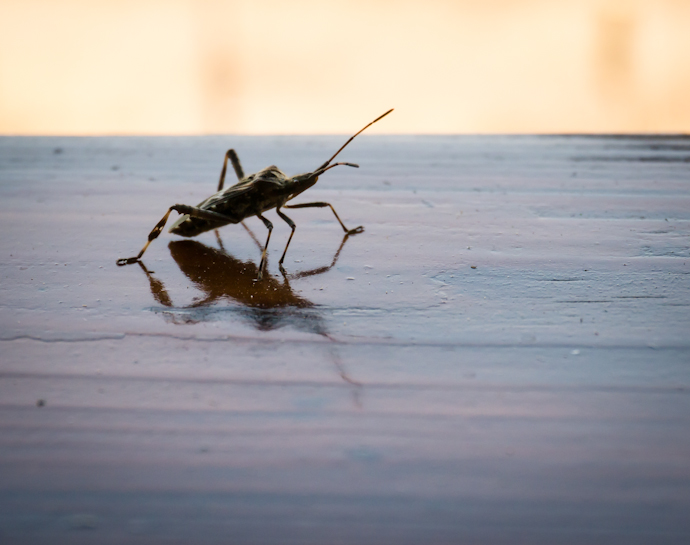
Anyone know what kind of bug does it? The flower is an anemone seedhead.

Looking back on the trail across the talus slope

Ahhhhh.

Thistles are not well liked by most but they are attractive

Cow parsnip?

I think these are non-native daisies but they sure are pretty little things.