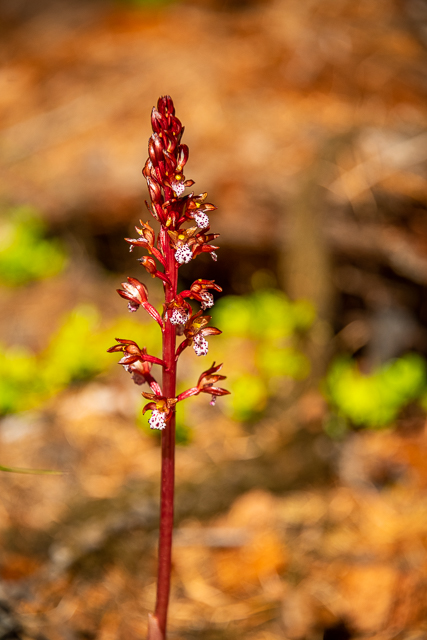
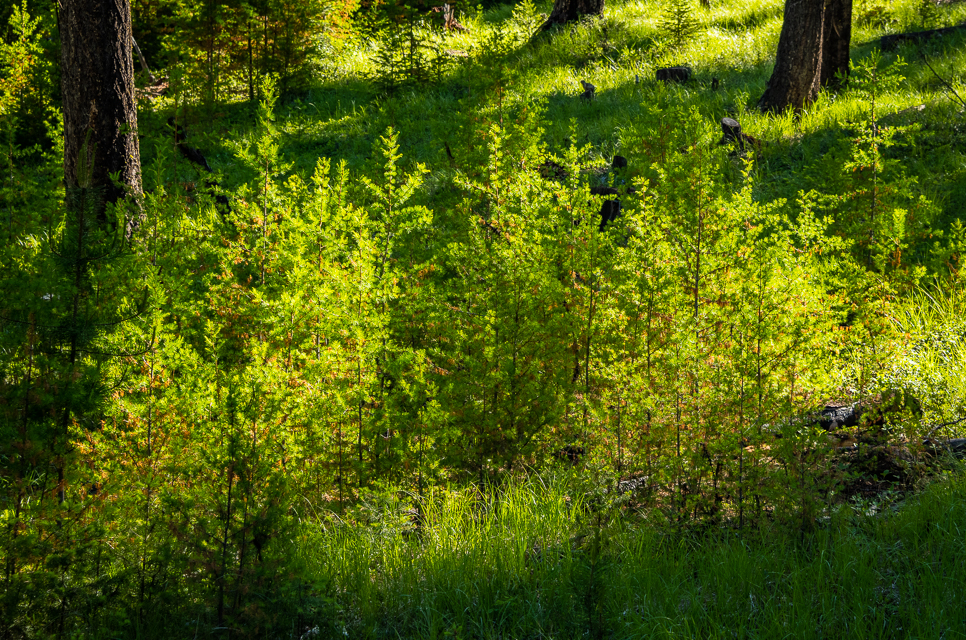
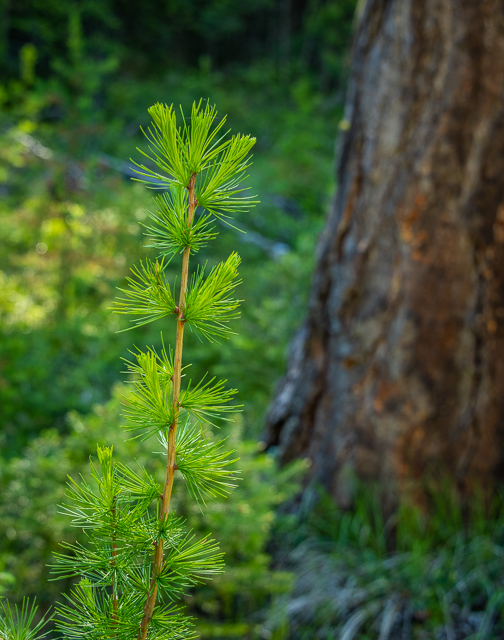
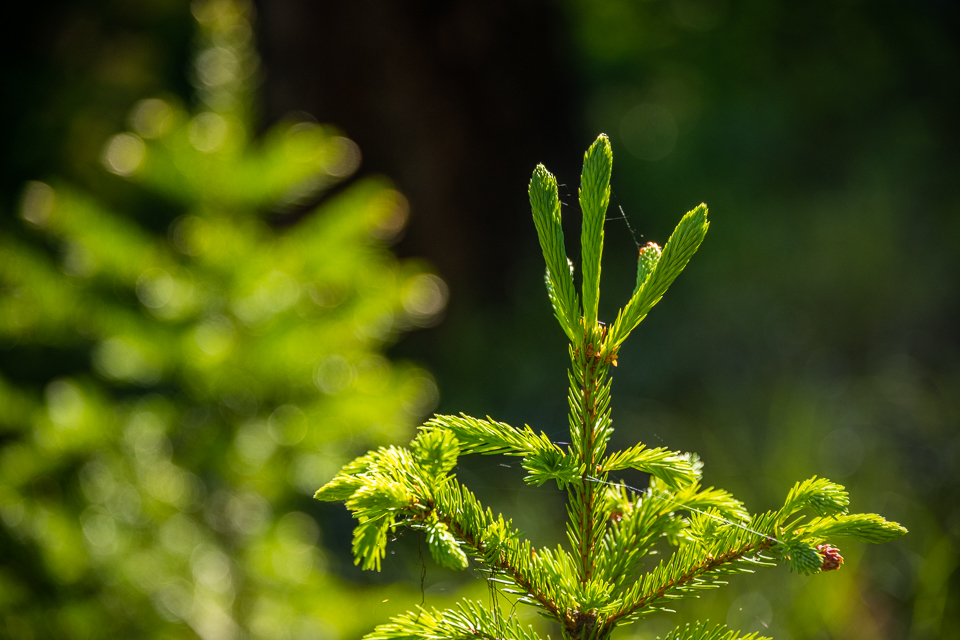
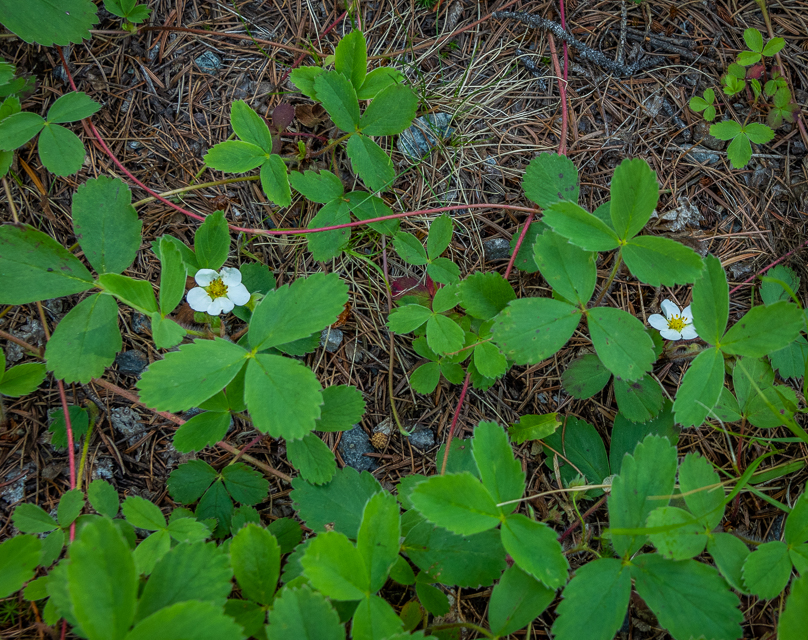
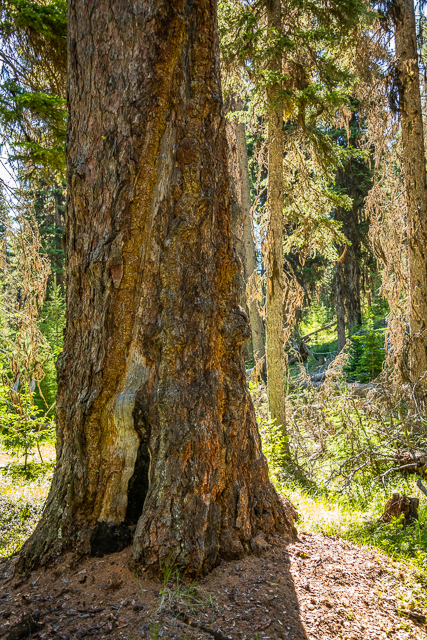
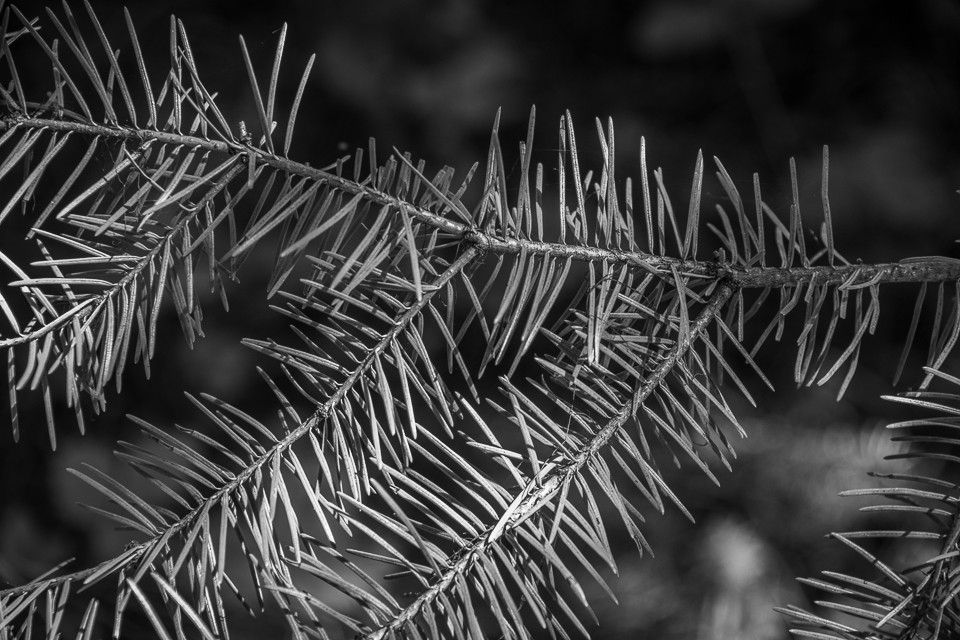
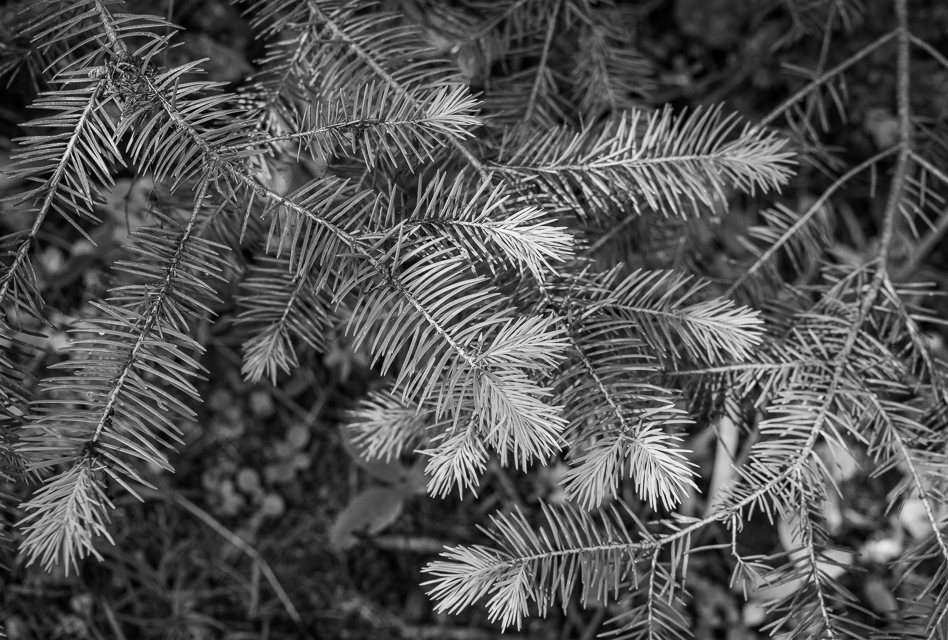
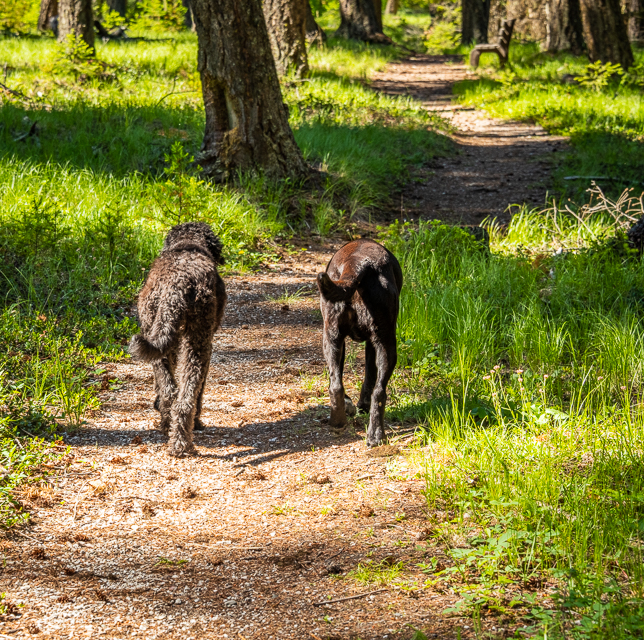
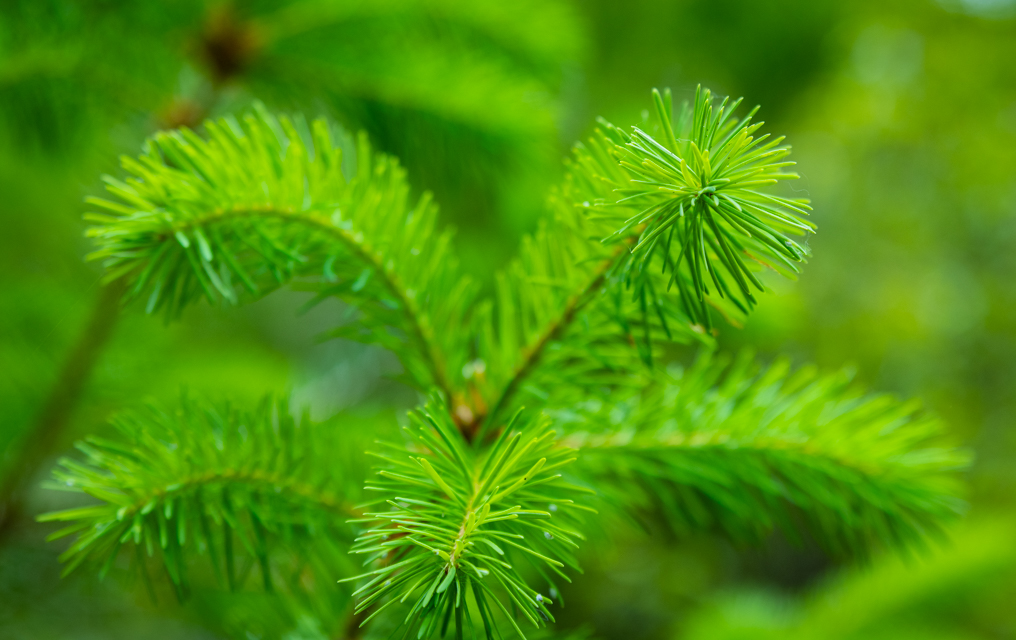
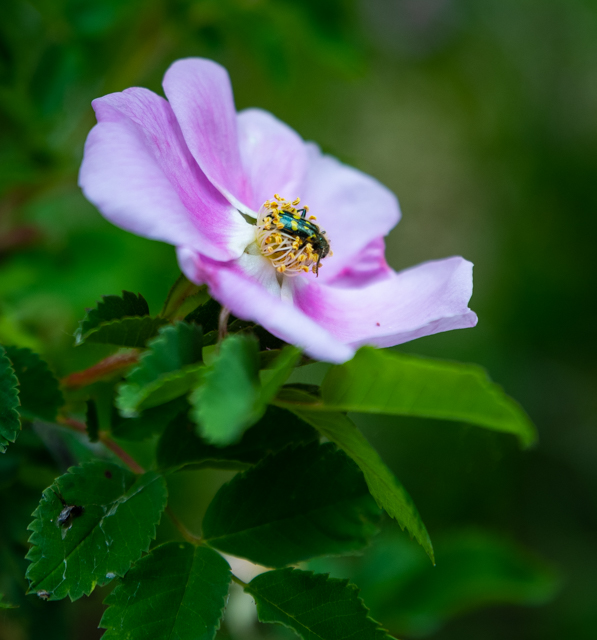
The girls and I headed to the eastern part of the county for a week-long camping trip. We enjoyed tall larch trees and a quiet lake. Ken joined us for the last two nights and we also enjoyed visits with several good friends. There were a few flowers blooming, including a small patch of coralroot orchids. It’s still very green with lush new growth on all of the conifers. It looked like there had been a big windstorm this spring. Many trees were uprooted or broken.
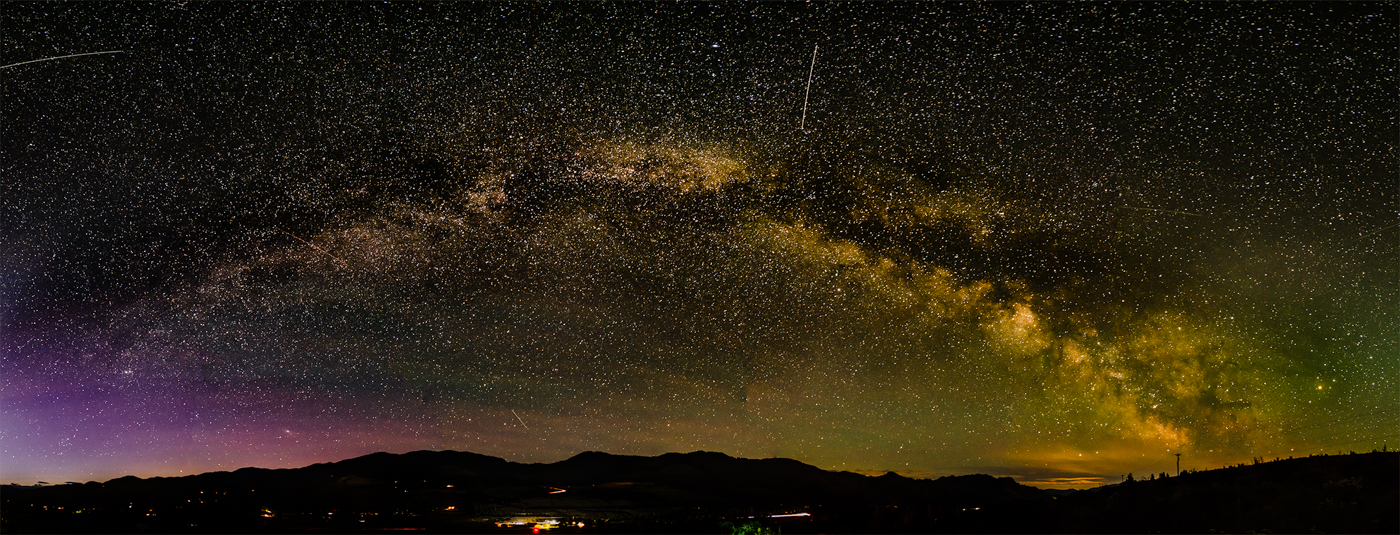
I have been working on my night photography skills for a couple of years now and finally, have made my first successful panorama of the full Milky Way arch! I’ve watched videos, gone to classes, read articles and ebooks, trying to learn as much as possible. Many things I learned meant I needed another piece of equipment but I think now, I have it all put together. This is not perfect, that’s for sure but it makes me happy.
And I did it from my own home. I did not have to drive somewhere a long ways away to find the needed dark skies that makes seeing the stars possible. Of course, the foreground is not all that attractive. There are all the lights on the hills from the ever increasing populations of our valley, the local airport, some cars on the dirt roads after midnight, lights from the nearby church and a power pole. It is where I live and I am happy to be here.
This image is made from eight images stitched together and represents about 180° to capture the entire arc of the Milky Way.
I have more to learn but I feel like this is a big step forward!
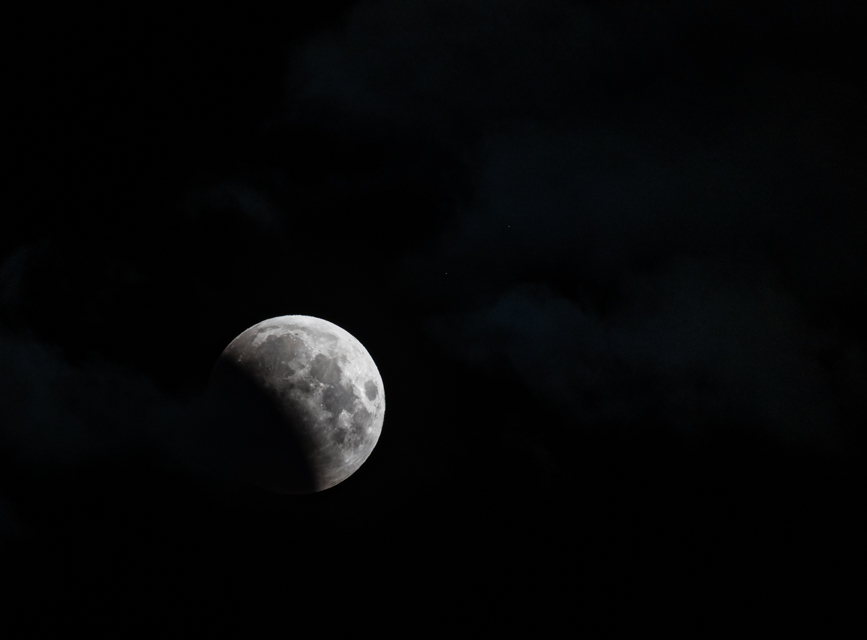
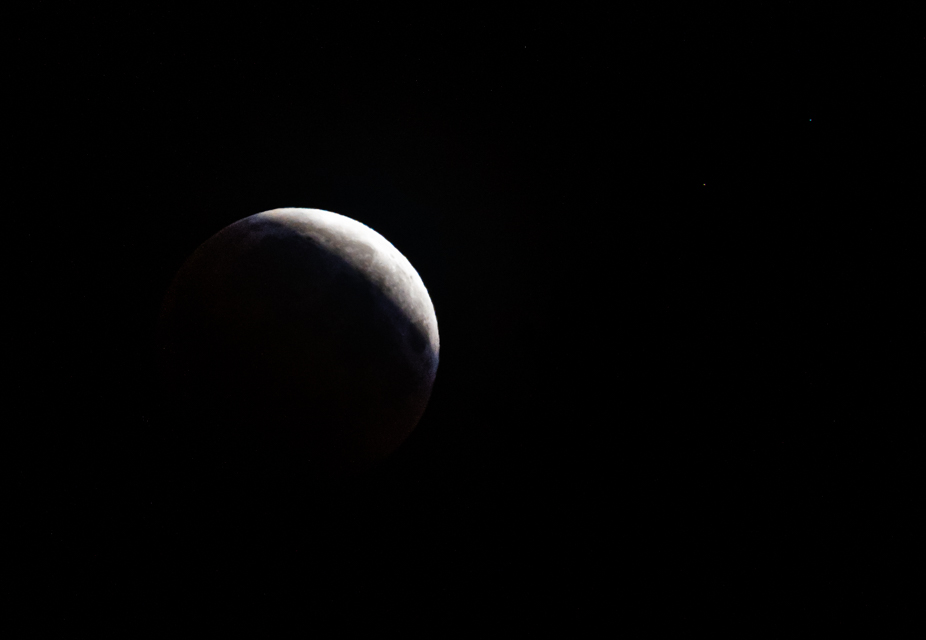
I needed to drive somewhere to see the total lunar eclipse last week but I just rolled out of bed and watched it from here. The last photo is as it approached the horizon prior to totality.


















 My Everyday Photos