Skip navigation

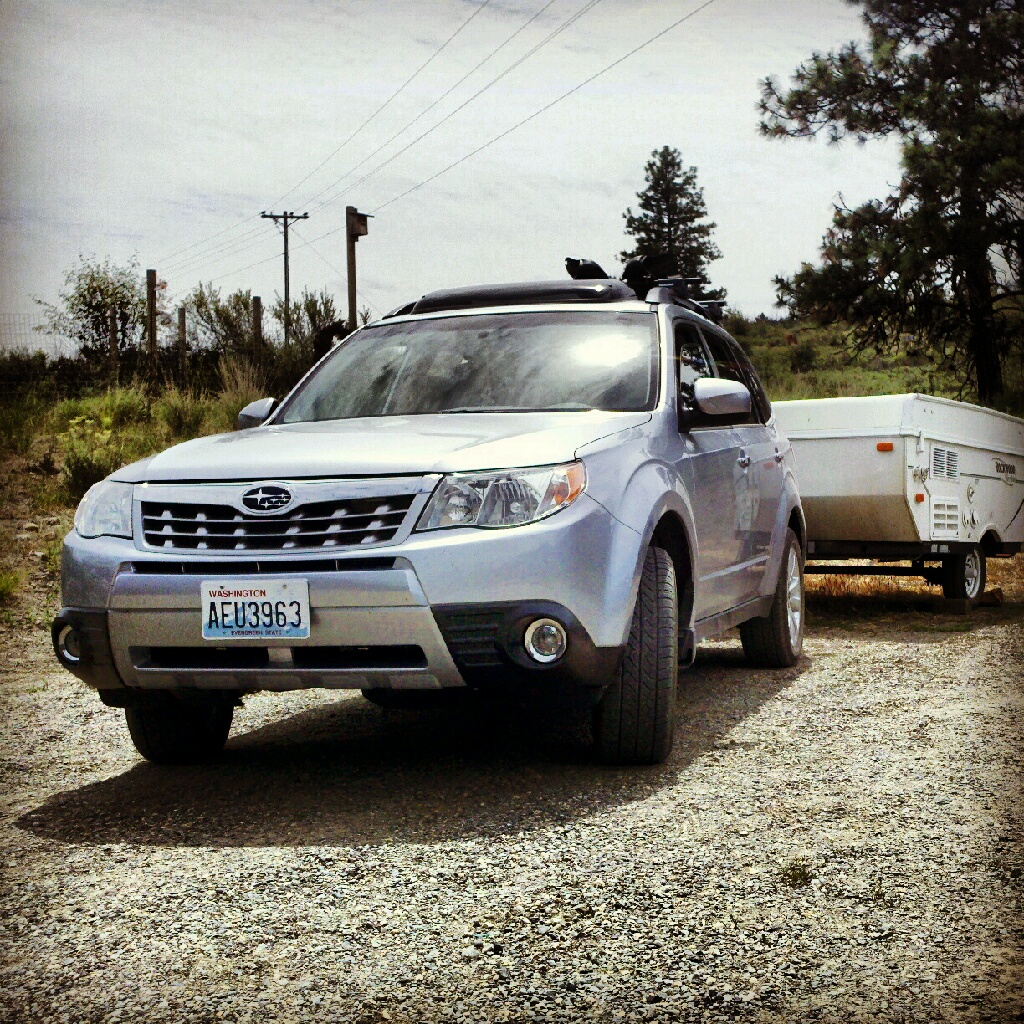
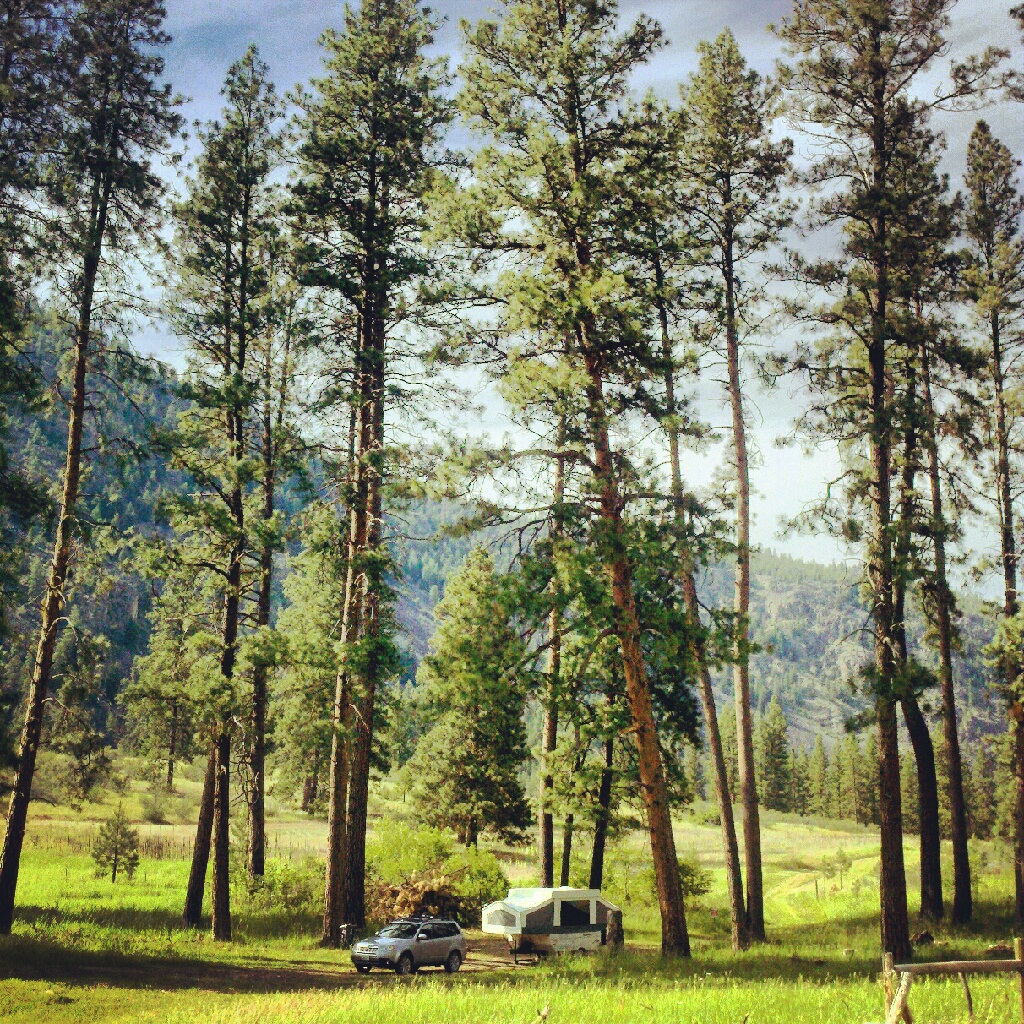
Luna and I are on the road to visit friends in Montana. Today was a gorgeous day to be on the road with enormous fluffy clouds and blue skies for background. Many raptors everywhere we went. Bald Eagles, kestrels, ospreys and more.  I could have spent the whole day birding and making images!
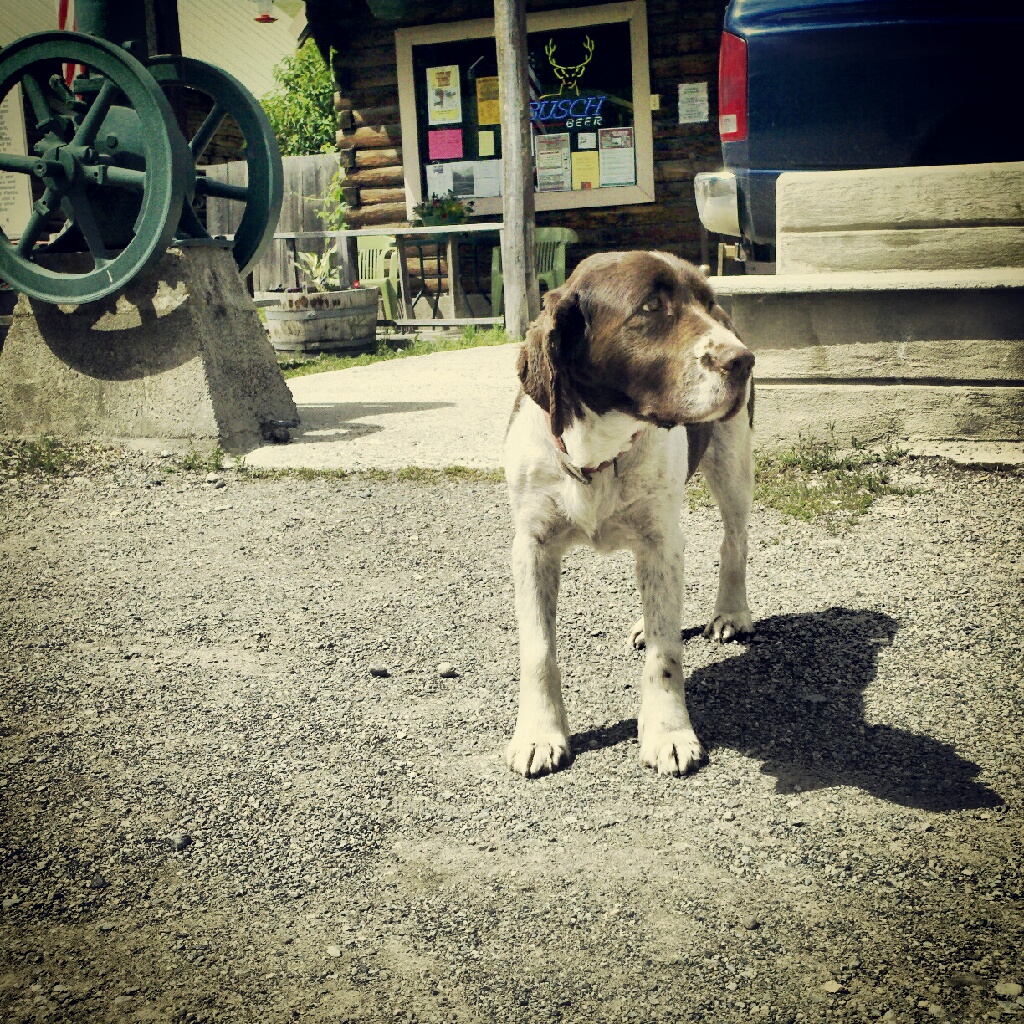
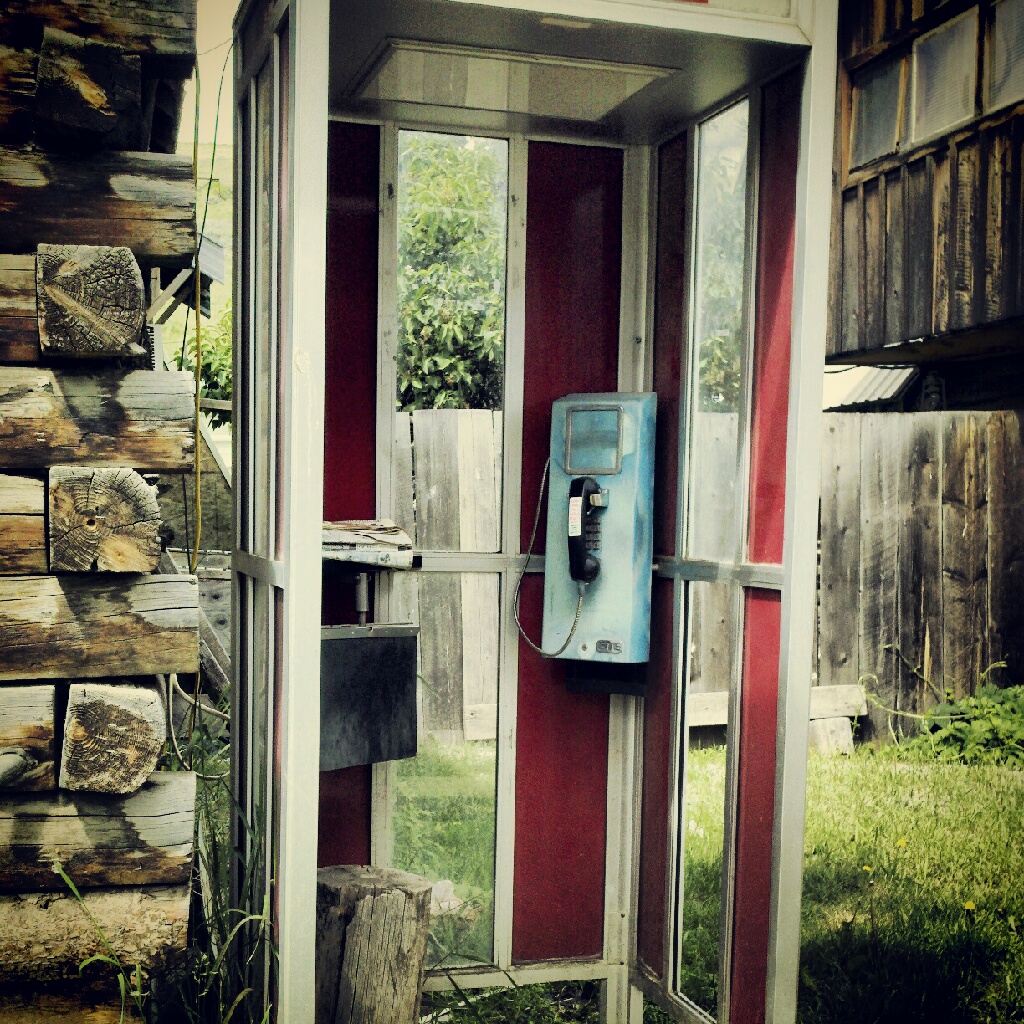
First stop – the Carlton Store

image

The Columbia River at Pateros

image

See that marmot teasing Luna?

image

Chief Joseph dam

image

Douglas County

image

Grand Coulee dam

image

Great clouds

image

Cool blind for bird watching at Reardan Ponds

image

Welcome to Idaho

image

Lots of water in Idaho. That is a road. It is next to the very cool rails to trails project – the trail of the Coeur d Alenes

image

Looks like a person could still ne skiing at Lookout Pass

image

The Clark Fork, a tributary of the Columbia

image

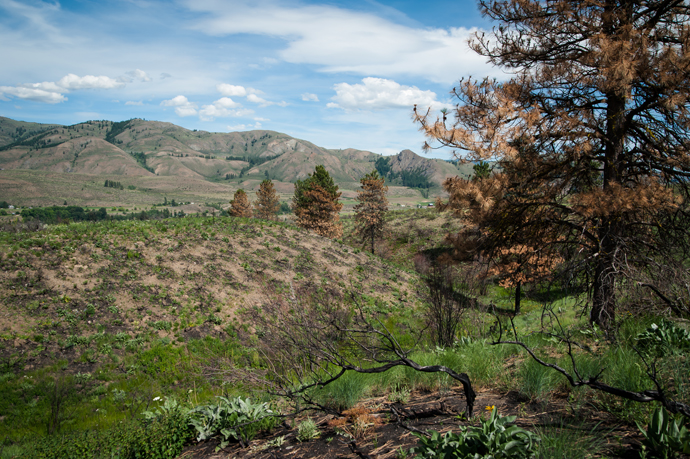
I managed to get in one wildflower walk last week after the big rain. Everything was sweet smelling and lush with new growth. Lots of birds and insects to amuse the ears and eyes and pollinate the flowers too. This is the time of year when change happens constantly as the hillsides become more green with new grass, the flowers add color and the light changes all day long. Spring is a time of renewal for all of the senses.


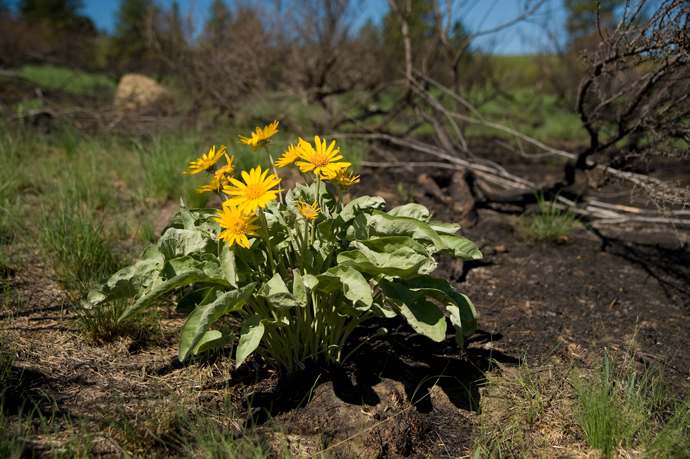
Balsamroot


Waterleaf


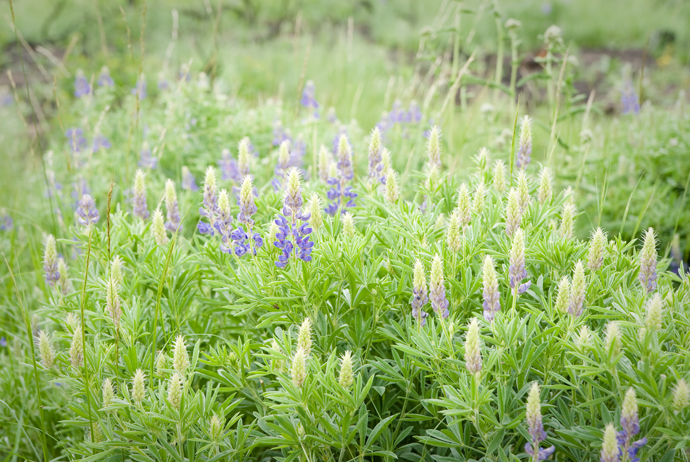
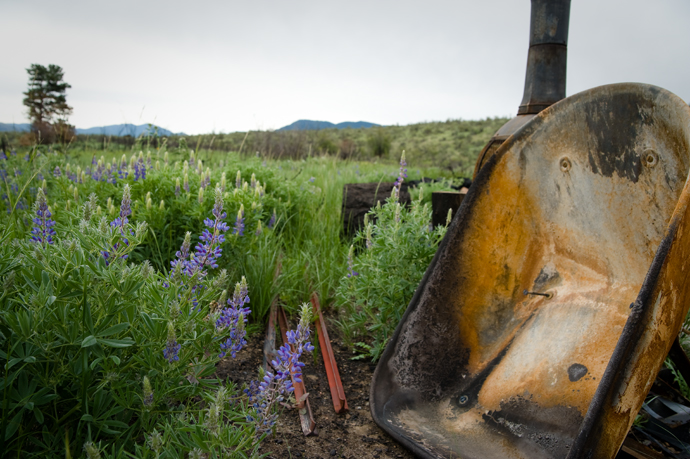
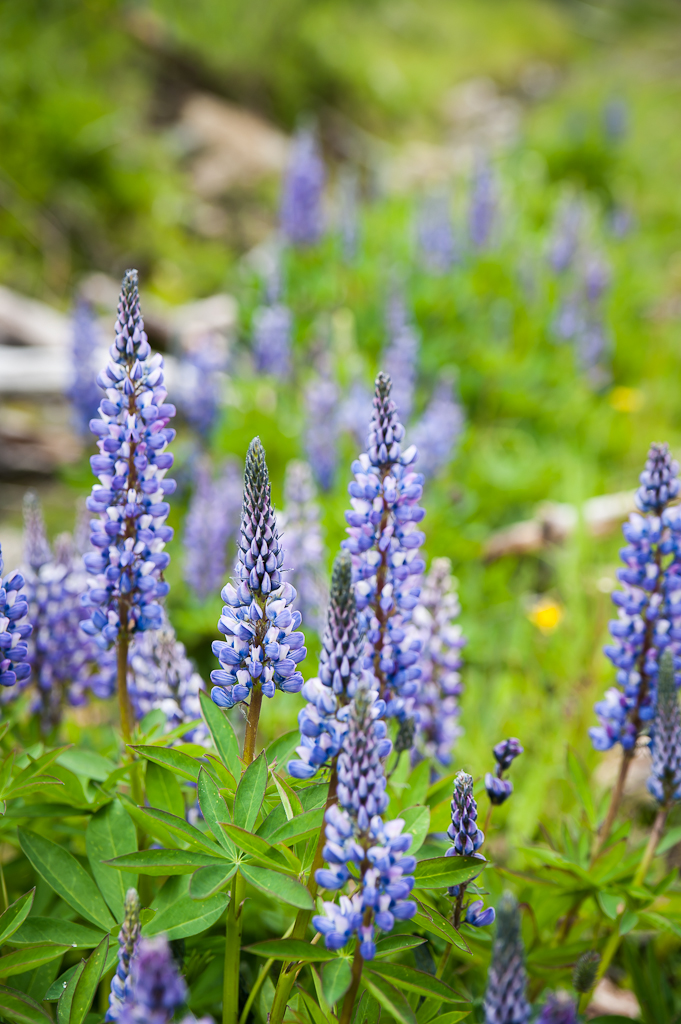
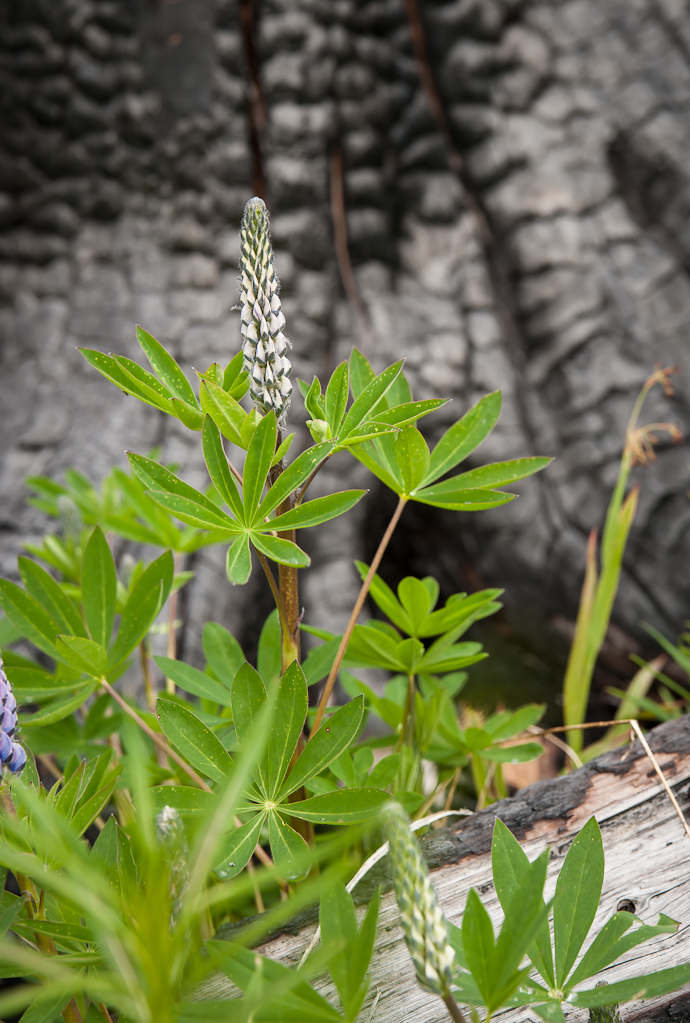
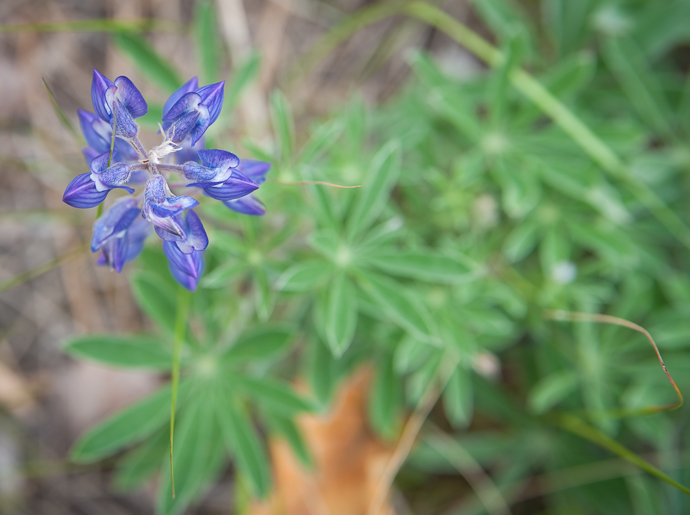
Lupine – waiting for sunshine and warmth before it shows us its lavendar petals


Shooting Star


More Balsamroot


Serviceberry bushes have covered the hillsides with their white flowers like frosting on a cake!


A honey bee on a waterleaf. Another portrait of this bee may be seen at my other blog.


Leaves of a Bitterroot grow and disappear before the delicate flowers appear.


Never too much Balsamroot

Ken referred to this bird as his ‘familiar’. Most evenings when he was surf fishing in Florida, a Great Blue Heron would join Ken, waiting for a piece of bait or a small fish or some other tasty morsel. The bird was quite tame and would walk up to within five or six feet of Ken. It had obviously done this before with other anglers. It could tell when Ken caught a fish and it seemed disapproving when Ken was not having good luck.

The plumage on the heron was fascinating and easily studied at close range. I never before noticed the red feathers on the ‘elbows’ (do birds have elbows?) or the black streaking on the front of the neck and I’ve look at lots of Great Blue Herons over the years. The red feathers must be part of the wing coverts or possibly the alula.


The bird would poke around to find his own food when fishing was slow


It took the catch to the water to rinse it before swallowing it whole


I know, I keep flipping between vacation posts and life here at home but, you know what? Life’s Everyday Photos just never quit. There’s always something interesting happening. Look around you.

Ken’s new bees arrived early, while we were in Florida so our friends Don and Mary who had volunteered to mentor Ken in his first year of beekeeping, took them in til we returned. Last Friday Ken and Don brought them up here and yesterday they opened up the hives to see how they were doing.


The crew – all dressed up with someplace to go, bees buzzing around them


Lifting the first frame from the first hive. Look – no gloves.


A good sign – the bees have been busy.


An extra dab of comb from the feeder area


He likes this.


Examining a drone. They have no stinger.


The second hive


Is that the queen?


We need a better look.


So far, so good.


He wanted a new facebook image


Buttoning things up


In Florida, every night after dinner, we would walk to the beach. Surprisingly most other beach goers were gone by then. Just before the moment when the sun went down, a few people would wander back and all facing the sun, would raise a glass in a toast to another day well lived. It was a wonderful ritual – maybe one that we should practice at home as well as on vacation.

Ken would fish and I would walk on the beach – hoping to find interesting sea shells and watching the birds. At Sanibel, no cars are allowed to drive on the beach and almost no one takes dogs to the beach and then they are on leashses for the most part. These two factors must contribute to the tameness of the birds. Shorebirds were remarkably approachable. It’s the only place I’ve been where I could get good photos of these migratory wonders.

I have always struggled with shorebird ID. Some of these birds were in a transistional plumage – going from winter to breeding plumage – this made ID even harder for me. Field guide pictures show one or ther other generally, not the transistion. I was surprised to see that many of the species on the SE coast were the same as in the Pacific NW.


Willets relfecting the warm light of the sun


A plover – Black-bellied or American Golden?


Brown Pelicans flew by the beach all the time.


And so did the shorebirds.


Ruddy Turnstone


Sanderlings


A gull. I don’t even try to identify immature gulls.


There’s a dowitcher in the middle of this group. Long-billed or Short-billed?