Skip navigation

Tag Archives: Methow photography

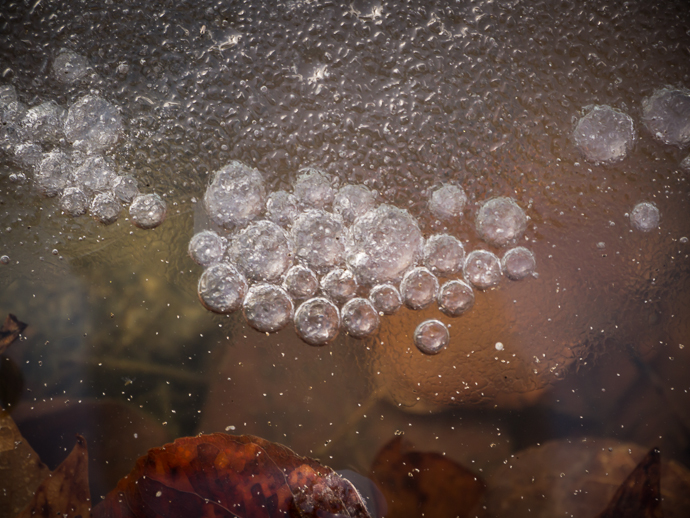
Winter is letting go very quickly. Signs of Spring are everywhere. I put away all my ski stuff and got out a hummingbird feeder. Even the light is different. Where it is no longer reflecting off of snow it has a warmer quality. The ice on Patterson Lake has retreated from the shore leaving behind leaves and other remnants of last year.


Bubbles frozen in ice at the edge

P1050691


P1050688


Melted snow reveals a crayfish shell

P1050670


Tree pollen swirls with meltwater and last year’s leaves

P1050683


P1050681


P1050678


P1050677-2


P1050673


This one remains firmly in the ice. But not for long.

P1050672


Two birding posts in a row? I don’t think this is a serious trend.

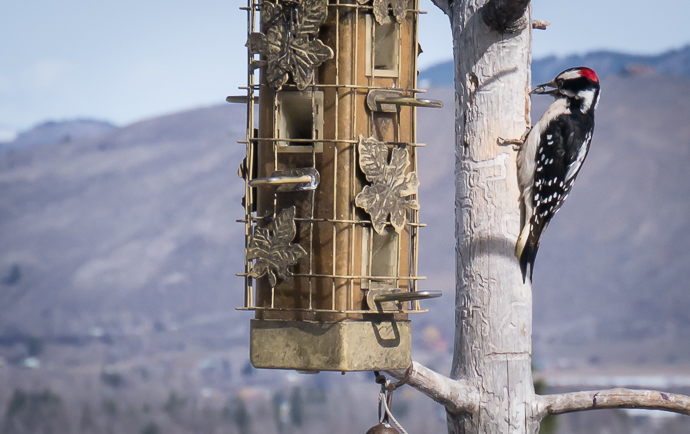
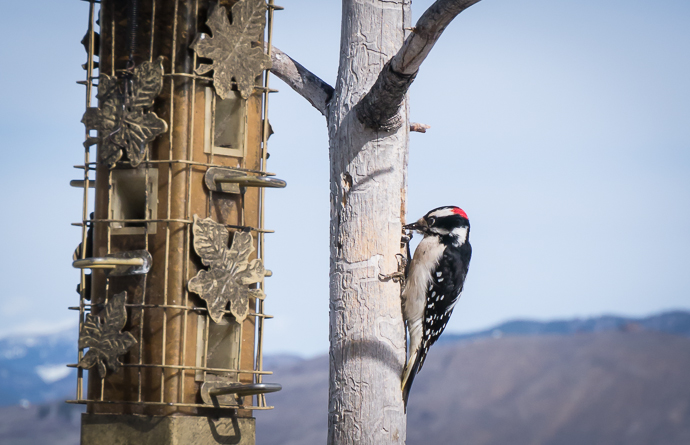
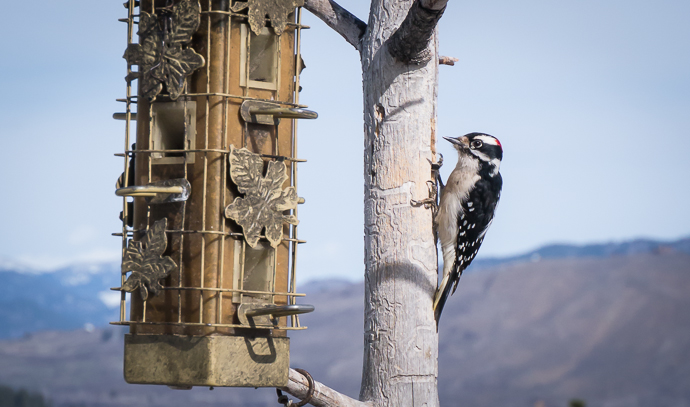
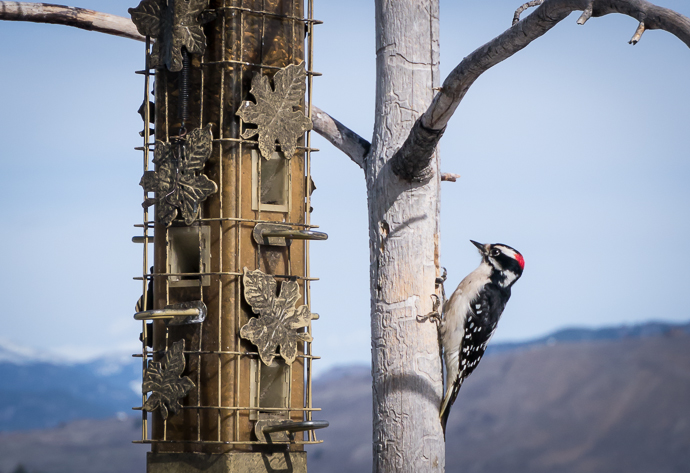
This sweet Downy Woodpecker was very cooperative and allowed me to get close enough to make images of him with my small camera. He would get one sunflower seed at a time out of the feeder and then carefully wedge it into a crack in the snag, saving it for a future meal. The Hairy Woodpeckers do the same thing.


P1050607


P1050608


P1050611


P1050612


P1050613


P1050614


Birding always brings something interesting. Sometimes when we go with expectations of seeing something in particular, our hopes are dashed when we miss it. But the search is always fun. Yesterday we went down to the Columbia River where it was warm and spring-like. Despite the warm temperature we did not see any swallows or bluebirds which have already made an appearance at my house. The water was calm and glassy giving us a beautiful background for the numerous waterfowl we observed. They are all in their spring plumage and the colors are brilliant in the strong sunshine – mallards, goldeneyes, canvasbacks and many more species were seen. We saw nests of Common Ravens and also Great-horned Owls. Bald Eagles, Northern Harriers and Red-tailed Hawks were paired up and some were cavorting in flight! We heard the songs of a Bewick’s Wren and a Ruby-crowned Kinglet. Western Meadowlarks sang in several locations.

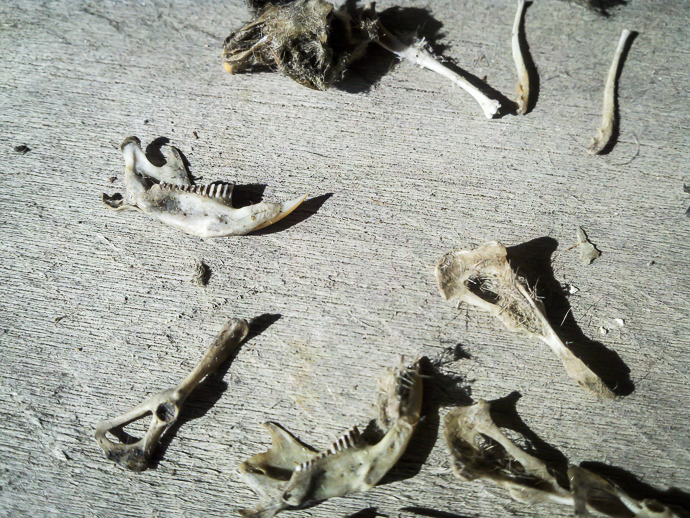
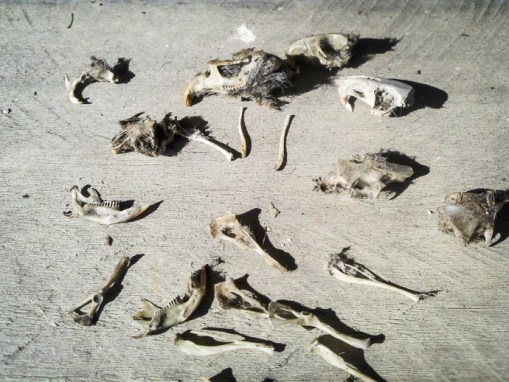
We did have a target bird yesterday – Northern Saw-whet Owls. People have observed as many as five of them in the state park and we even knew which campsites to search for them. Unfortunately the state park staff was engaged in clean up with noisy machines – leaf blowers and leaf vacuums. We picked the group site to begin our search, as far from the machines as we could get. Two big evergreens seemed like likely candidates to shelter these tiny owls. We found the white wash we were looking for and even found pellets but could not spot a small owl. We began to take apart the pellets (a pellet is the part of the meal that is undigestable and is regurgitated onto the ground, usually composed of bones and fur) to entertain ourselves, making a tidy display of teeny little bones on a board.

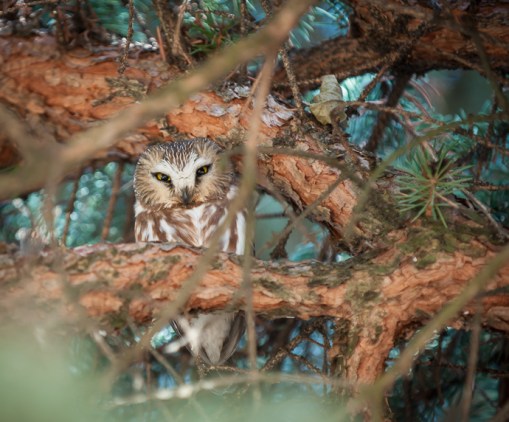
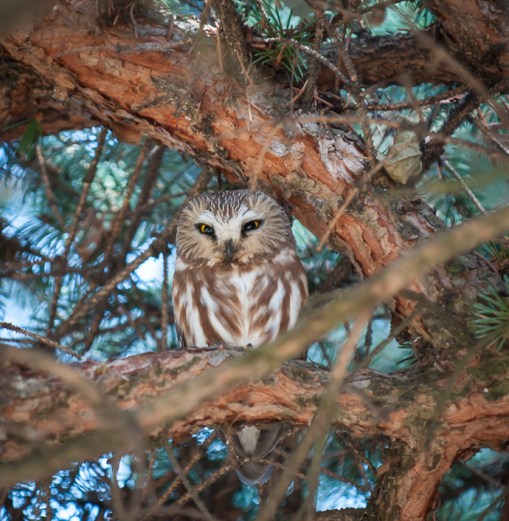
Having had enough of fur and bones, we moved on to the rest of the campground despite the machinery. After a while I tired of that but Juliet kept looking while I went to the riverbank to see what I could see. I caught up with her at the last area, nearest where we had left the car as she was searching intently high in a dense tree with her binoculars. She said, it has to be here; look at this big white wash! I stood there and looked straght up into the tree and what did I see? A bird butt! I moved around and sure enough, there it was, a tiny Northern Saw-whet Owl looking down at me.


Small mammal bones
2013-03-11_15-18-20_257-2


These bones are tiny. The jaw bone on the left is maybe half an inch long.

2013-03-11_15-18-31_914-2


Small but ferocious

031113_0124


The owl was more interested in people farther away than us immediately under it.

031113_0139


It wanted us to leave so it could go back to sleep.
031113_0146


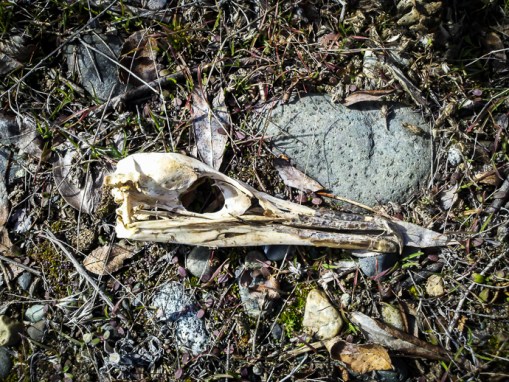
This is a Double-crested Cormorant skull, one of two that we saw on the riverbank.
2013-03-11_11-50-05_438-2


These are the remains of winter on our hillside.


P1050535


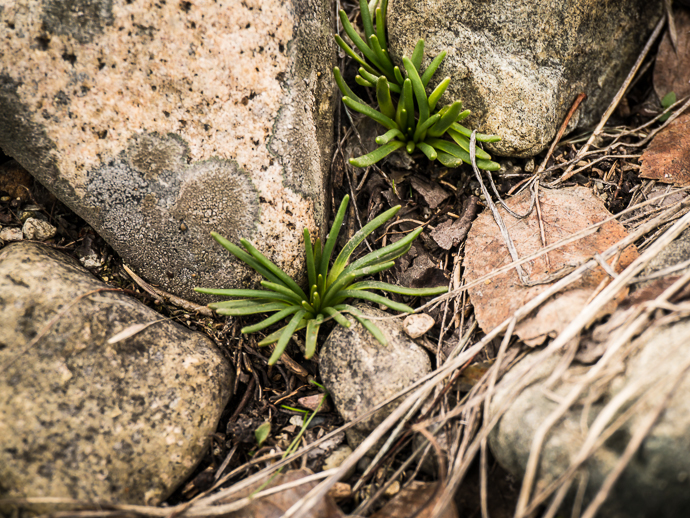
The anemone-like leaves of the bitterroot. It won’t bloom for months and by then the leaves will have disappeared.

P1050538


Lichen on a piece of thin bark

P1050541


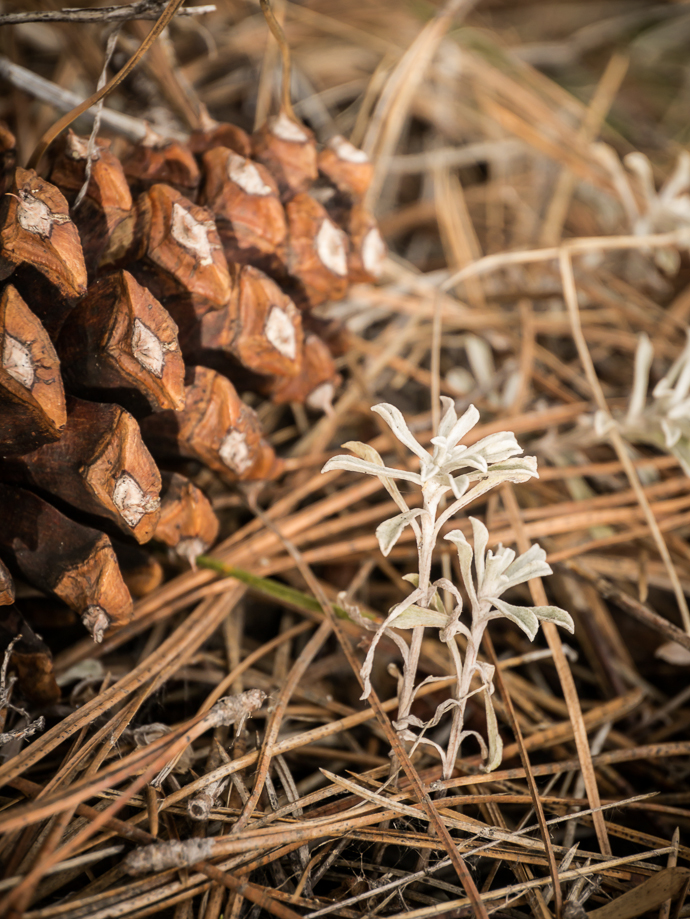
A tiny buckwheat next to an immense ponderosa pine cone

P1050547


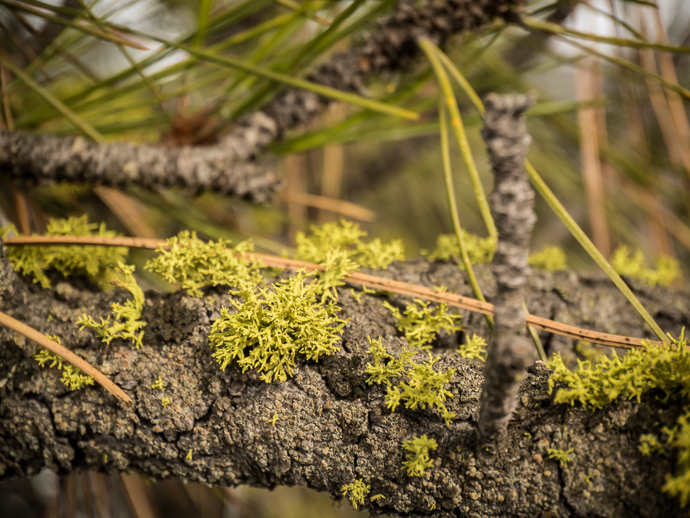
More lichen. They are bright and fresh this time of year.

P1050548


P1050550


P1050551


Maybe from a woodpecker

P1050552


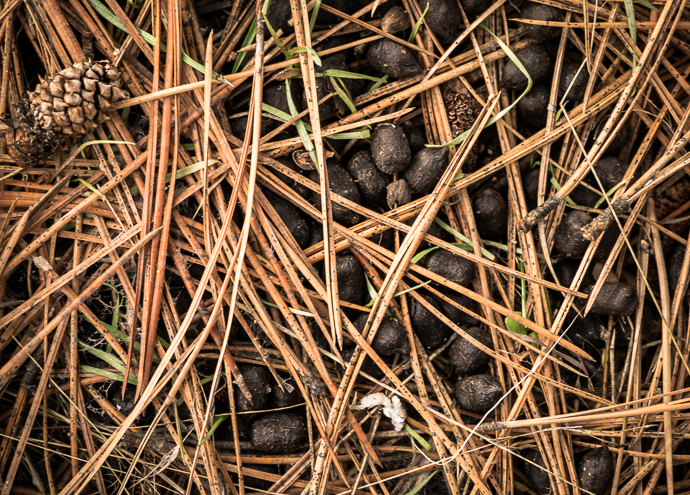
Lots of little piles of fertilizer

P1050554


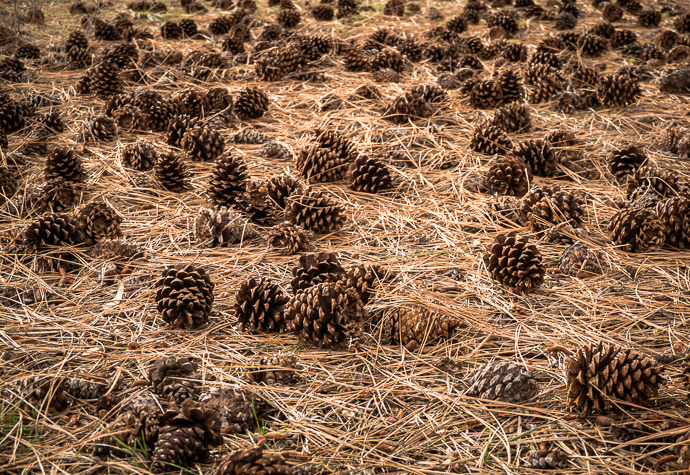
Does it seem like there was an especially good ponderosa pine cone crop? The White-winged and Red Crossbills have been busy opening them.

P1050555


Just one of the deer that didn’t make it through the winter

P1050558


Remains of an earlier time

P1050560


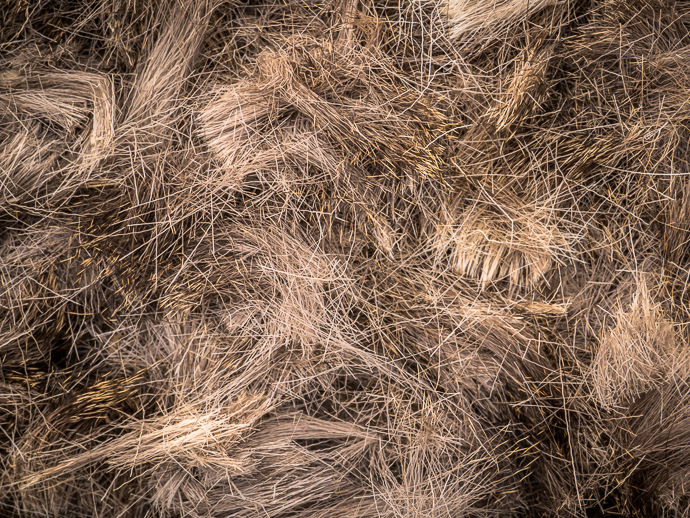
This was probably from one of last year’s fawns

P1050572


P1050573


Sprouts!

P1050576


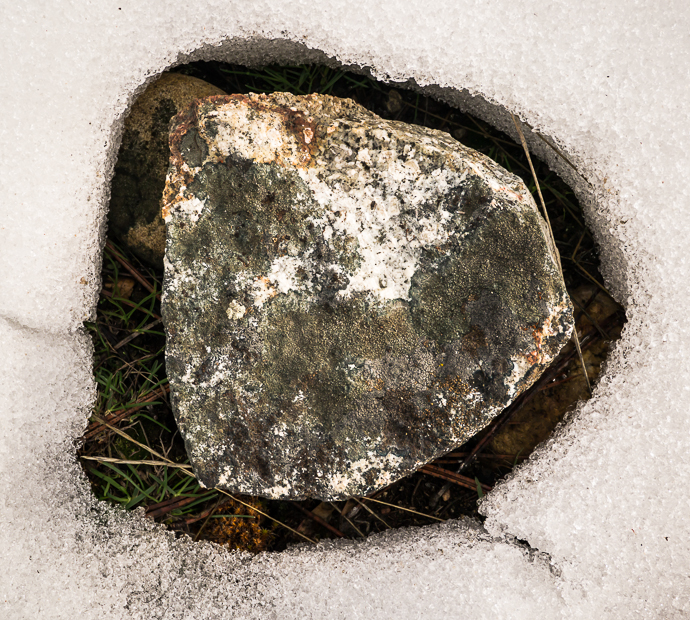
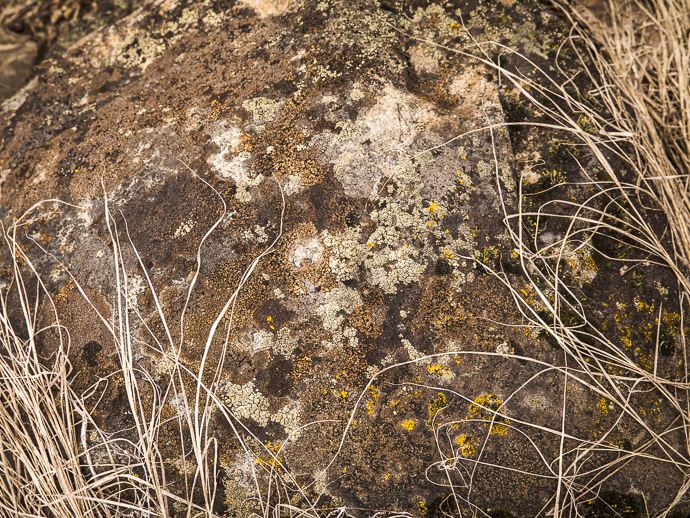
More subtle lichens on a rock

P1050580


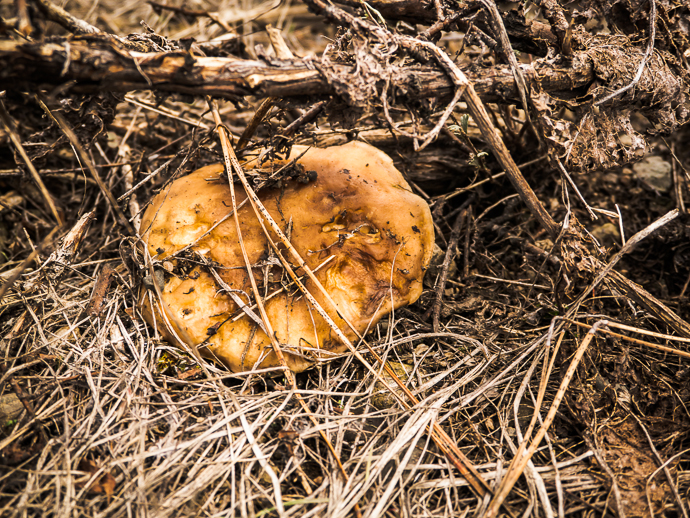
One of last fall’s mushrooms survived the winter.

P1050582


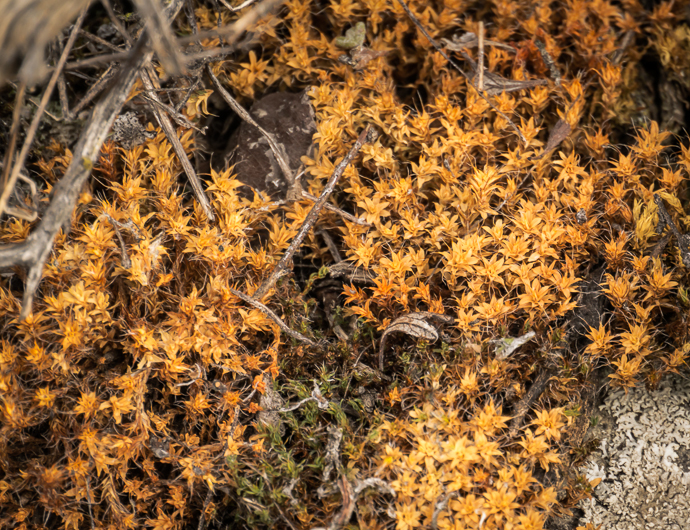
These tiny flowers seem to be growing out of moss

P1050589


Back at home, the bees were flying again.

P1050597


P1050599


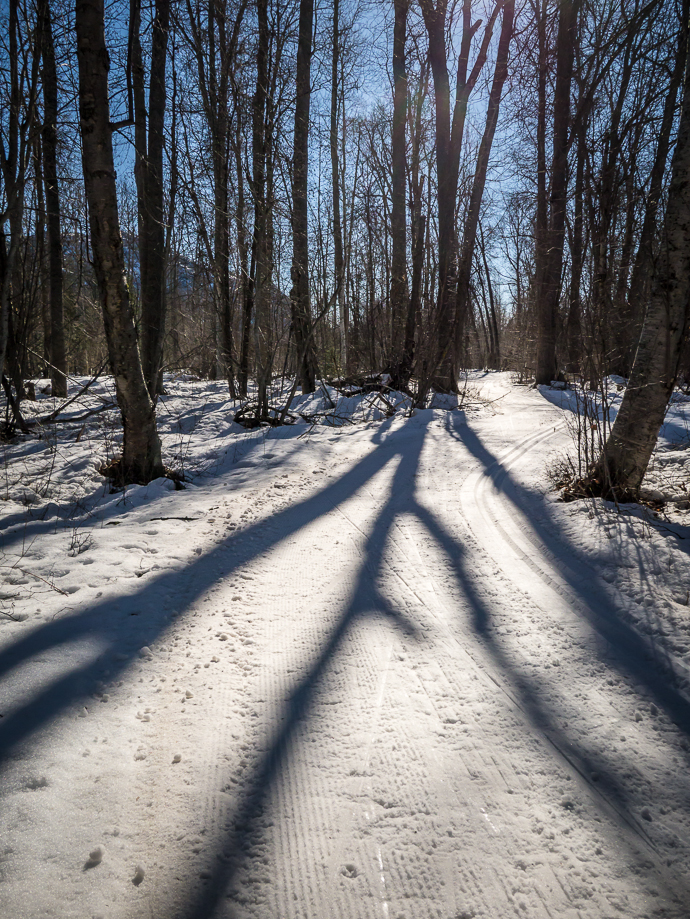
MVSTA is still grooming the ski trails and their website says they will keep going til at least next weekend. The snow is getting thin in places but the weather is great and the birds are singing and it’s a good time to be out. Yesterday I enjoyed a ski on the Community Trail between Winthrop and Mazama – some of it along the river. The American Dippers are singing their little hearts out! Also chickadees, nuthatches, woodpeckers and lots of others are busy claiming their territory. It’s hard to believe that in just a couple of months these woods will be full of the sounds of warblers, redstarts, veeries and vireos. That’s one way to mark changes of the seasons.


Approaching the Goat Creek crossing

P1050509


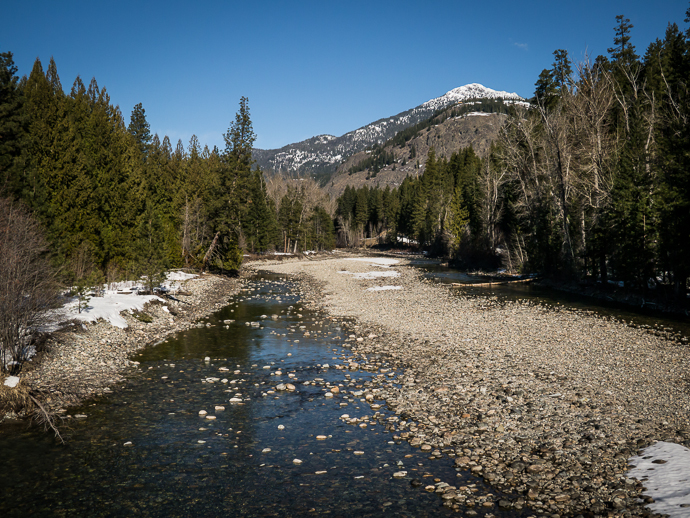
Goat Peak looms above the seasonaly low Methow River. In June it will be full, bank to bank.

P1050518


The clearest water you’ve ever seen. No place for fish to hide.
P1050519


The suspension bridge is always a favorite stopping place

P1050521


Old cottonwoods

P1050522


A side channel. I’ve seen a Northern Pygmy Owl here several times this winter. Not yesterday though.

P1050527


This cottonwood forest provides wonderful songbird habitat in the spring and summer.

P1050526